March is here, and some turkey seasons have already opened. With that, it is time to look into the best states for hunting turkeys this season. Though recent years have seen a decline in overall turkey populations across the U.S., states are adjusting their regulations to help level these fluctuating numbers to ensure that the wild turkey—and these hunting opportunities—will be around for generations to come.
If your home state made the list, then you’re in luck, grab a tag and get in the field. If you are living in a state where turkey hunting isn’t very accessible, maybe it’s time to fill up the gas tank and hit the road. These states made the list after considering current populations estimates, season length, bag limits and opportunity for the traveling hunter. Here are the seven best states to hunt turkeys this spring.
Coming in at number one is California. Though it might be known as one of the most extreme states for attacking our hunting heritage, California can be a great state to chase turkeys. The population there is a true conservation success story. Just ten years ago the population was down around 250,000. But now, with an estimated population nearing 400,000 birds, California is a gold mine. Season runs from March 25th until the end of April and each hunter is allotted a bag limit of three gobblers per season. With three of the four subspecies needed to complete the Grand Slam and decent public-land access, the Golden State could easily be considered the top sleeper state for turkeys.
Season Dates: General Season – Mar 25 – Apr 30; Archery Only – May 1 – 14
Tag Cost: $75.60/resident; $210.34/non-resident
California Department of Fish and Wildlife
Mississippi
If you don’t want to head all the way to the West Coast, try the great state of Mississippi. This allows you to kick off your season down South with the earliest opener of the year on this list. With a turkey population of just over a quarter million birds, the ‘Sip season starts on March 15th and runs through the beginning of May. With ample amounts of public land throughout the entire state, there’s no shortage of hunting opportunity. Although, the Mississippi Delta is a region worth homing in on when planning your trip. Mississippi has a generous bag limit of three gobblers with beards six inches or longer and hunters took more than 22,000 birds last season. It’s easy to see why Mississippi ranks so high and it’s a great option to chase a swamp bird this spring.
Season Dates: Mar 15 – May 1
Tag Cost: $27.29/resident; $212.50/ 7-day non-resident
Mississippi Department of Wildlife, Fisheries, & Parks
Photo courtesy of Haynes Shelton
Alabama
Alabama is one of the states that has seen a slight decline in overall turkey numbers in recent years, but still boasts a population of 365,000 birds. With the highest bag limit of any state on this list, you can take one gobbler per day, not to exceed four total for the spring and fall seasons. Zone 1 opens on March 25th but doesn’t allow decoy use until April 4th; Zone 2 opens April 1st with decoys legal to use on April 11th. Alabama has an abundance of public land for hunters to try their luck on, but just as with most southern states, hunting pressure could be high. But it’d be hard pressed to not have Bama in the top three.
Season Dates: Zone 1 & 3: Mar 25 – May 8; Zone 2: Apr 1 – May 8
Tag Cost: $30.25/resident; $216.20/ 10-day non-resident
Alabama Department of Conservation and Natural Resources
Photo courtesy of Dale Evans
Tennessee
Coming in at the fourth spot is Tennessee. With a liberal bag limit and lengthy season, I’d definitely volunteer to go there this season. Tennessee has a healthy population of more than 250,000 birds, a good amount of public land from the hills to the hollers and a season spanning six weeks. If you haven’t stood on a ridge in the dawning of a new day and heard the echoes of gobbles ringing out in multiple directions, you’re flat missing out. Make sure to put Tennessee on your list and try your wits against one of these eastern toms.
Season Dates: Apr 15 – May 28
Tag Cost: $66/resident; $214/ 7-day non-resident
Tennessee Wildlife Resources Agency
Texas
The old adage of everything is bigger in Texas rings true in regard to turkey hunting this state. With the largest population in the U.S.— over half a million birds—there’s no doubt Texas could be the best place to take a true Rio Grande. Though there are limited public-land opportunities, Texas has numerous management areas that allow access for hunters. This state has multiple season dates to consider depending on where you’ll be hunting as well as varying bag limits, so be sure to read the regulations thoroughly before planning your trip. But with the incredible population and low pressure, it’s easy to see why this state ranks number five as a turkey hunter’s paradise.
Season Dates: Eastern: Apr. 22 – May 14; Rio Grande North Zone: Apr. 1 – May 14; Rio Grande South Zone: Mar. 18 – Apr. 30
Tag Cost: $25/resident; $133/non-resident
Texas Parks and Wildlife Department
Photo courtesy of Shutterstock/Iv-olga
Maine
Maine might surprise you as the number six spot on our list due to its small size, but it has a relatively high number of turkeys. This little state in the northeastern part of our country can offer great turkey hunting. It’s also one of the only states that gives you the opportunity to hunt birds all the way into June. There is plenty of publicly accessible land, and it’s one of those states where a door knock, and a handshake, might just get you access to prime ground. With a bag limit of two bearded birds per season, and season dates that allow you to stretch every second out of spring, Maine must be on your list. Don’t overlook the northeast corner of the U.S. for turkey opportunities.
Season Dates: May 1 – June 3
Tag Cost: $46/resident; $115/non-resident
Maine Department of Inland Fisheries and Wildlife
South Dakota
One of the most coveted birds of the Grand Slam is the Merriam’s, and so many turkey hunters dream of notching a tag on one of these birds. That’s why South Dakota must be on this list. With over 2.3 million acres of public land and three quarters of that located around the Black Hills region, those of you looking to fill a tag on a Merriam’s just might be in luck. Though overall numbers have seen a slight downward trend, there is still a dense population along river corridors and a well-established population covering most of this state. Add in a season that runs almost two months, buckle up because it can get a bit western chasing these overly vocal birds.
Season Dates: Single-season Prairie units – Apr 8 – May 31; Black Hills – Apr 22 – May 31
Tag Cost: $25/resident; $100/non-resident
South Dakota Game, Fish and Parks
Photo courtesy of Dale Evans
Maybe you’re like me and love traveling to different states to test your skills against different birds, or maybe you’re chasing that elusive U.S. Super Slam of a bird in each of the 49 states that have an established season. Regardless of your motivation, these seven states are the best places to spend your time chasing gobbles this year. Get out there and enjoy it this spring, we only get so many.
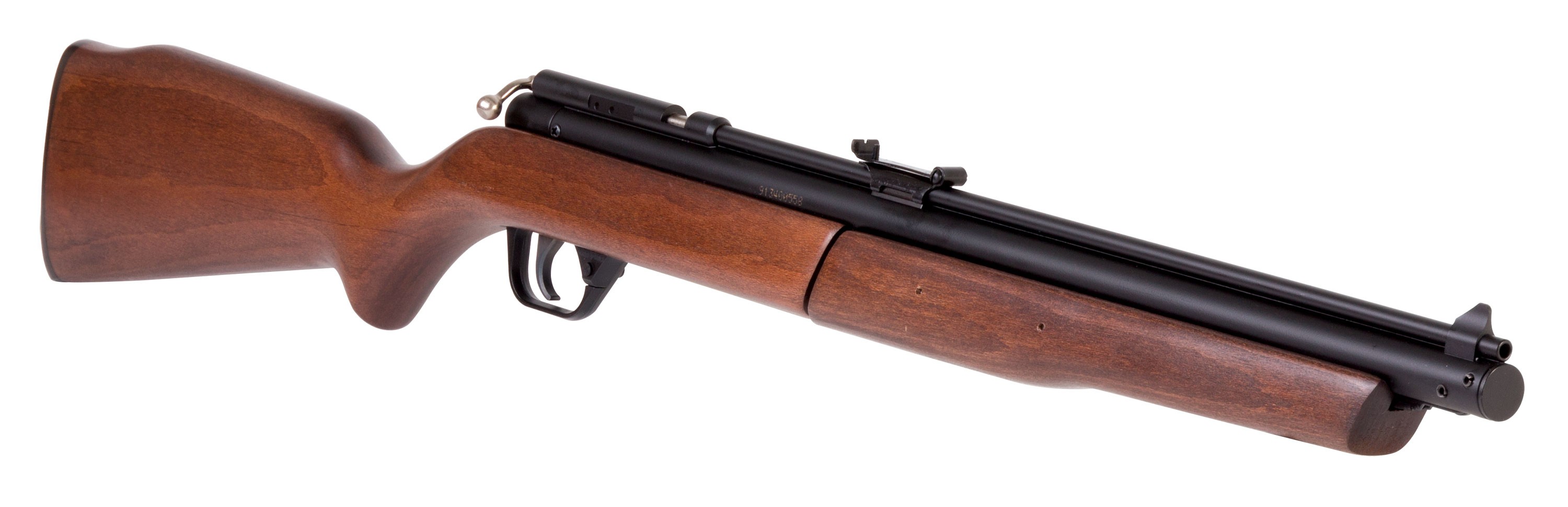
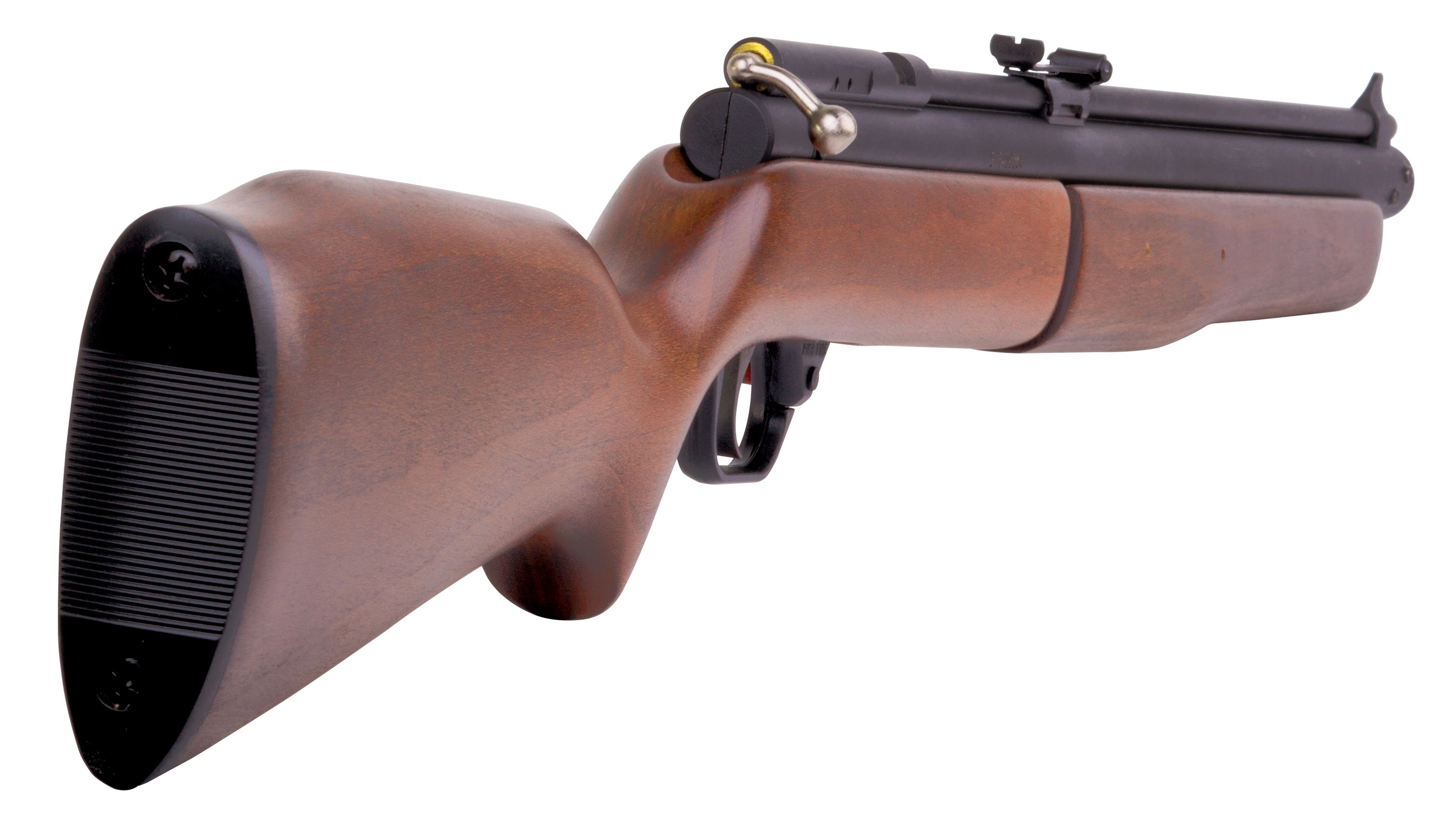
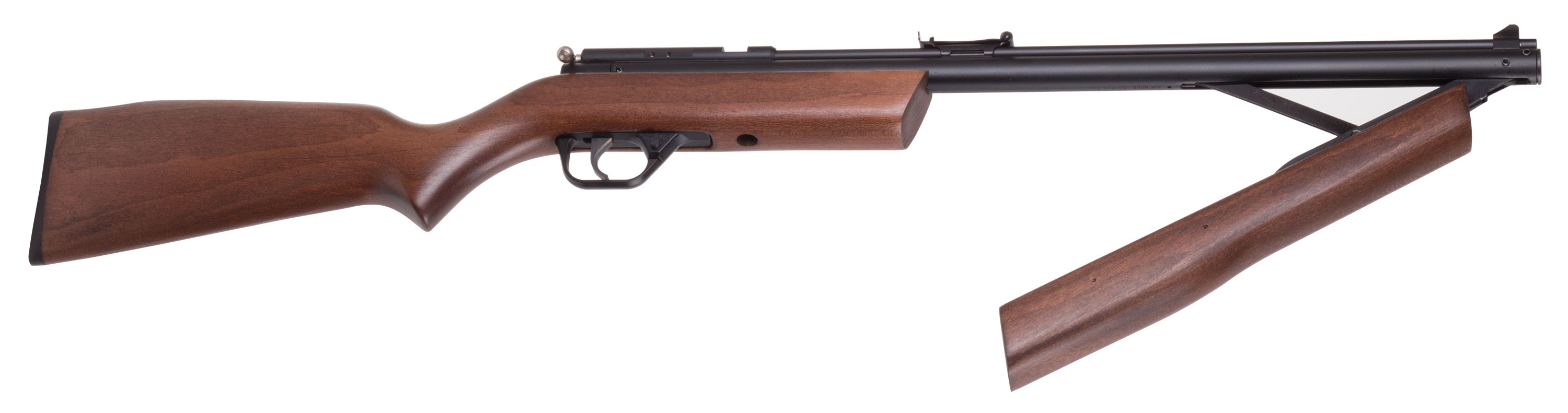
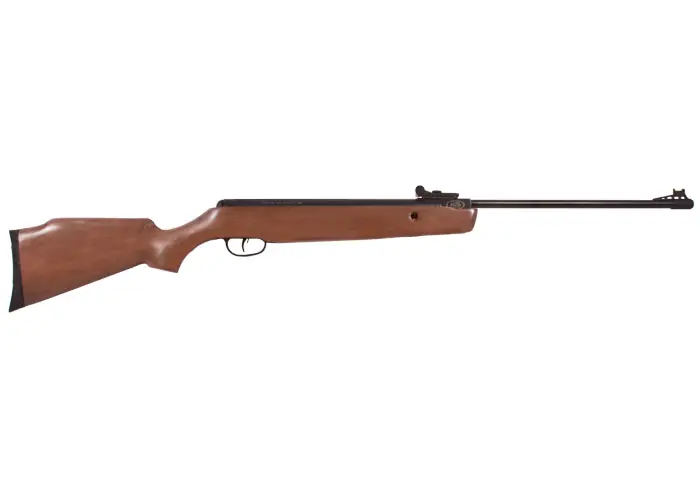
The Benjamin 392 has a loudness level from medium to high.
I don’t recommend you use this gun in the suburban/city area especially if you are close to other houses.
If you live in a sparse population area, this is not an issue at all.
Shooting Ability
The effective shooting range for Benjamin 392 is 40 yards.
You can use this gun for target shooting, plinking, pest control, and small-game hunting.
Accessories
This gun doesn’t require any accessories at all.
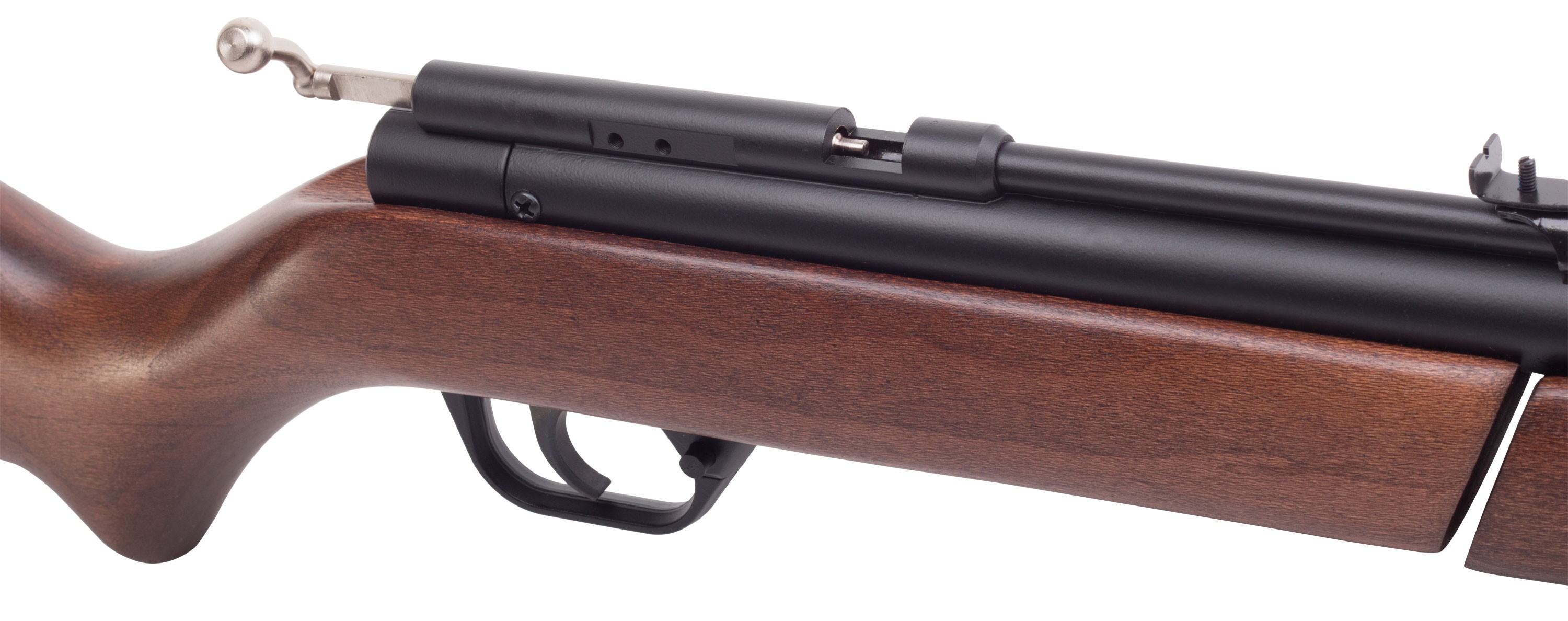
But as I said earlier, you can get a scope/peep sight with a special inter-mount to use on this one.
Maintenance
The Benjamin 392 requires very little maintenance:
You only need to use a light coat of Crosman PellgunOil in the barrel to prevent rust,
Put some oil drops on the pump lever pivot and rivets every hundred shots to keep the gun functioning properly.
This gun is actually designed to last for years without much upkeep caring.
Specifications
Caliber: .22
Powerplant: Multi-pump pneumatic
Barrel: rifled brass
Pellet Velocity: up to 685 FPS
Alloy pellet velocity : up to 800 FPS
Capacity: single-shot
Weight: 5.5 lbs
Overall Length: 36.75 inches
Mechanism: bolt-action
Front sight: fixed
Rearsight: fully-adjustable
Scope rail: none.
Trigger: 2 stages, non-adjustable
Stock: American Hardwood
Buttpad: plastic
Customer review
While researching this product, I always look for the trends in the customer review.
There are lots of positive reviews on this product.
People love its beautiful fit and finish, reliability, durability, accuracy, and recoilless.
There are only 2 major issues with the gun that show up in the negative reviews:
Firstly, when you pump the gun, the forearm smacks down into the barrel so hard and makes loud noise.
To fix this, you should add some tapes into the contact point between the foregrip and the barrel to quiet it down.
It is also good for not startling your animal target when you are in the field.
Secondly, the pumping action is really hard and is not suitable for a person with weak arms.
Therefore, I suggest that if you buy this gun as a gift, you should consider the receiver’s strength to see if he can do it without much effort.
Pros and Cons
Pros
Cons
Multi-pump gun
Reliable and durable hardwood stock
Amazing Monte Carlo design
Useful brass barrel
Easy to load pellet
Medium velocity
Decent sight
Great knockdown power
Highly accurate
Little upkeep maintenance
Reasonable price
Little recoil
Made in the USA
No scope rail
Pumping action is hard for shooters with weak arms
Fairly loud
Pumping action can be tedious experience at some points
Price
The price for the Benjamin 392 multi-pump air gun is about $150.
It’s a reasonable price if you consider that all parts of this gun are made of genuine hardwood and metal.
If you are not a fan of plastic guns then this is definitely a great choice for you.
There are a couple of different listings on online retailed websites with different prices
But the listing I found with the lowest price is even cheaper than the price on the manufacturer’s site or the prices on other e-commercial sites like PyramydAir, Walmart, AirgunDepot.
Deer hunting in Oklahoma is available from October 1st until the middle of January, and is regulated by the Oklahoma Department of Wildlife Conservation (ODWC). Different bag restrictions apply to hunting for antlerless deer in each of the state’s 10 antlerless deer zones. All you need to know about deer hunting seasons, permits, and laws in the Sooner State may be found in this page.
Hunting seasons, rules, and bag limits for deer are all established by the Oklahoma Department of Wildlife Conservation (ODWC). Different bag restrictions on antlerless deer are enforced in each of the state’s 10 antlerless deer zones. Both residents and non-residents need a hunting license, with choices including yearly and five-year permits. Depending on the method of hunting (archery, muzzleloader, or firearm), hunters must get the appropriate license. Certain permits are available for young hunters.
General Deer Season
MethodOklahoma Deer Seasons Start DateOklahoma Deer Seasons End DateBag Limits (Deer Archery)1-Oct-2315-Jan-24Six: Only two may be antlered. The hunter’s overall deer archery season quota of six deer is unaffected. (Youth Deer Gun)20-Oct-2322-Oct-23Two: One may be antlered. Antlerless mule deer cannot be harvested. The hunter’s combined season limit of six deer includes all juvenile deer gun season kills, but they do not count against the regular deer gun season limit of four. (Deer Muzzleloader)28-Oct-235-Nov-23Four: one may be antlered. Antlerless mule deer cannot be harvested. Zones limit antlerless animal harvests. Zone 1—No antlerless harvesting. Deer-free zones 2-8. 3-9 antlerless zones. One zone-10 antlerless. Antlerless Deer Zones. The hunter’s six-deer muzzleloader season restriction is unaffected. (Deer Gun)18-Nov-233-Dec-23Four: one may be antlered. Antlerless mule deer cannot be harvested. Zones limit antlerless animal harvests. One zone-1 antlerless deer. Deer-free zones 2-8. 3-9 antlerless zones. One zone-10 antlerless. Antlerless Deer Zones. The hunter’s six-deer season restriction is unaffected. (Holiday Antlerless Deer Gun)18-Dec-2331-Dec-23Two: Solely antlerless. Antlerless mule deer cannot be harvested. Hunters may shoot six deer every season, except holiday antlerless deer gun season deer.
Antlerless Deer Zones
Zone-1
Antlerless Days Zone 1Season Dates Archery SeasonOct 1, 2024 – Jan 15, 2024 Youth Deer Gun SeasonOct 20 – 22, 2024 Muzzleloader SeasonNo antlerless days Deer Gun SeasonNov 18 – Dec 3, 2024 Holiday Antlerless Deer Gun SeasonClosed
Deer hunters are only allowed to harvest a total of six deer throughout the season, with only two of those animals allowed to have antlers. The same holds true for other forms of hunting, such as young deer gun, muzzleloader, and gun seasons for deer. The last year total season restriction will be applied to any deer harvested between January 1 and January 15. Antlerless deer killed during the holiday antlerless deer gun season or during a controlled hunt do not count against the combined season quota.
Elk Hunting Seasons
Elk Consolidated Season Limit
SpeciesDateBag Limit ElkJan. 1 – Jan. 31, Two ElkArchery, youth elk gun, elk muzzleloader, elk gun, holiday antlerless elk gun seasonsTwo Controlled huntsNot Included Total Combined SeasonTwo
Open Zones Seasons
TypeHunting Dates Elk ArcheryOct 1, 2024 – Jan 15, 2024 Youth Elk GunOct 13, 2024 – Oct 15, 2024 Elk MuzzleloaderOct 28, 2024 – Nov 5, 2024 Elk GunNov 18, 2024 – Dec 3, 2024 Holiday Antlerless Elk GunDec 18, 2024 – Dec 31, 2024
Elk Open Zones Bag Limit
Zone NameBag Limit Panhandle ZoneTwo elk (1 antlerless) Special Northwest ZoneOne elk, regardless of sex Northwest ZoneOne elk, regardless of sex Northeast ZoneOne elk, regardless of sex Southeast ZoneOne elk, regardless of sex Southwest ZoneOne elk, regardless of sex
Special Southwest Zone
Elk Special Southwest Zone SeasonHunting DatesArcheryOct 7-11, 2024 Dec 2-6, 2024 MuzzleloaderSeason closed GunOct 5-8, 2024 Dec 7-10, 2024 Youth Elk GunOct 13-15, 2024 Additional Antlerless Gun Season (antlerless only)Nov 18 – Dec 3, 2024 Jan 1-31, 2024
Note:
Limit of two (2) elk per hunter per zone; one (1) must be antlerless.
There is no harvest quota in this zone.
Regulations
You must first get permission from the owner to hunt on private land.
It is prohibited to have a deer that was taken by another individual without the proper tags.
Hunting from a motorized land, air, or sea vehicle is prohibited, as is firing over a public road, highway, or railroad.
Prime shooting time is between half an hour before sunrise and half an hour after dark.
While it is prohibited to employ dogs for deer hunting, you may use a leashed dog to locate a fallen buck if you first notify a game warden.
It is forbidden to bury a dead animal in a water source such as a well, spring, pond, or stream, or to leave the corpse of a dead animal within a quarter mile of an occupied structure or public road.
Hunters must wear at least 400 square inches of hunter daylight bright orange, including a hat and clothing, to meet with requirements.
The total season deer bag limit is six; however, only two may be antlerless (defined as having at least 3 inches of antler protruding above the hairline).
Remember the following rules to prevent weapon accidents: Always assume a weapon is loaded, point the muzzle away from yourself and others, keep your finger off the trigger until you are ready to fire, and be aware of what is beyond your objective.
Keep broadheads covered, choose your target deer, and ensure there are no other deer or people in the area.
Hunters should understand how to correctly climb and secure tree stands, and they should always use a full-body safety harness and a safety line to avoid accidents from falls.
Rather of lugging anything up the ladder, climb above it and stroll down into it. The hauling is done by hand.
Dogs are not permitted to be used to hunt bears, deer, elk, antelope, or turkeys.
The hunter has 24 hours after leaving the hunting area to report his or her capture to the Department, whether it be a deer, elk, antelope, bear, or turkey. Following the submission of a report, a body tag or online confirmation number will be supplied. This tag or confirmation number must accompany the corpse at all phases of processing and storage at a commercial facility.
No person shall take, attempt to take, catch, capture, kill, or attempt to kill any deer, feral animal, or other wildlife, except fish and frogs or as provided by law, by means of a vehicle-mounted spotlight or other powerful light, by what is commonly referred to as “headlighting” (or “spotlighting”), or any light enhancement device used at night (night scope).
Except for deer gun seasons, an owner or agricultural lessee or their authorized agent may use any legal means of take, day or night, to safeguard agricultural crops, animals, processed feed, seed, or other commodities utilized in the production of an agricultural commodity.
Reporting & Deer Tagging
A deer harvested in Oklahoma must have a field tag attached as soon as possible. The hunter’s name, customer ID number, date of harvest, and time must all be included on the tag. Once the deer have been tagged, they may be field dressed and relocated. Within 24 hours after capturing a deer, the hunter must register the animal via the Go Outdoors Oklahoma smartphone app, the online E-check system, or an authorized department personnel. Checking the deer results in the hunter receiving a carcass tag or an online confirmation number, both of which must stay with the deer until the corpse is processed or stored.
Chronic Wasting Disease (CWD)
Deer are among the animals most at risk for contracting Chronic Wasting Illness (CWD), a deadly wasting disease of the nervous system. Holes in the brains of infected deer have been discovered in many locations in the United States and Canada. However, in 2022, a case of CWD was discovered only 2.5 miles south of the Oklahoma-Texas line. The Oklahoma Department of Wildlife Conservation set up a Selective Surveillance area in the state’s southern region as a reaction. In this zone, only specific sections of killed deer and elk are permitted to leave the area, and the whole animals must be processed before leaving. Hunters are asked to volunteer their killed deer for testing, and the CDC advises against ingesting meat from animals that seem unwell or test positive for CWD. draft a few bullet points
Hours for Deer Hunting and Shooting.
An hour and a half before the scheduled dawn to an hour and a half after the scheduled dusk. Visit the website of the Oklahoma Department of Wildlife here.
Define antlered deer.
Any deer, male or female, with antlers that extend at least three inches above the hairline on either side.
Watch as AirGun Man, Glenn Elliott, the host of “Pellet Gun Turkey Hunting Television” gets the new Benjamin Trail Nitro Piston 2 air rifle in .22 caliber from Jason Douglas of Crosman, sights it in, and then takes it on 2 successful Spring 2014 Northern California Turkey Hunts including the harvest of a record size Gobbler with a giant 12″ beard at an up-close 3 steps from the blind:
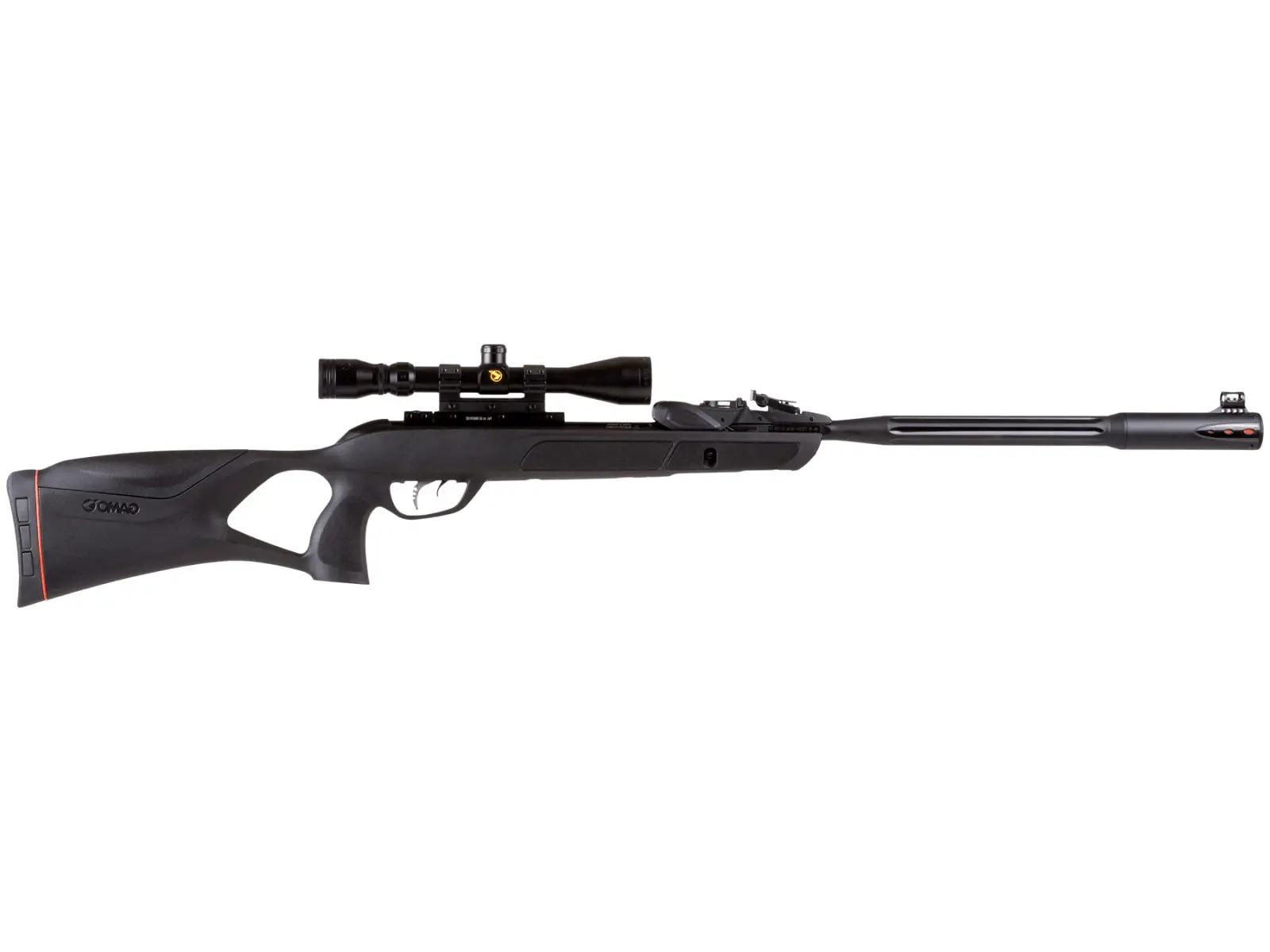
Positive reviews show that people love this gun for its high-end power, awesome technology, great design, smooth trigger, and little recoil.
On the other hand, negative reviews mostly complain about defective features during the manufacturing process.
Most buyers think that this gun deserves a better scope for hunting although the scope that comes in the package is just fine for target shooting and plinking.
Pros
Advanced technology
Superb power and accuracy
Quiet and recoilless
Crisp , predictable trigger
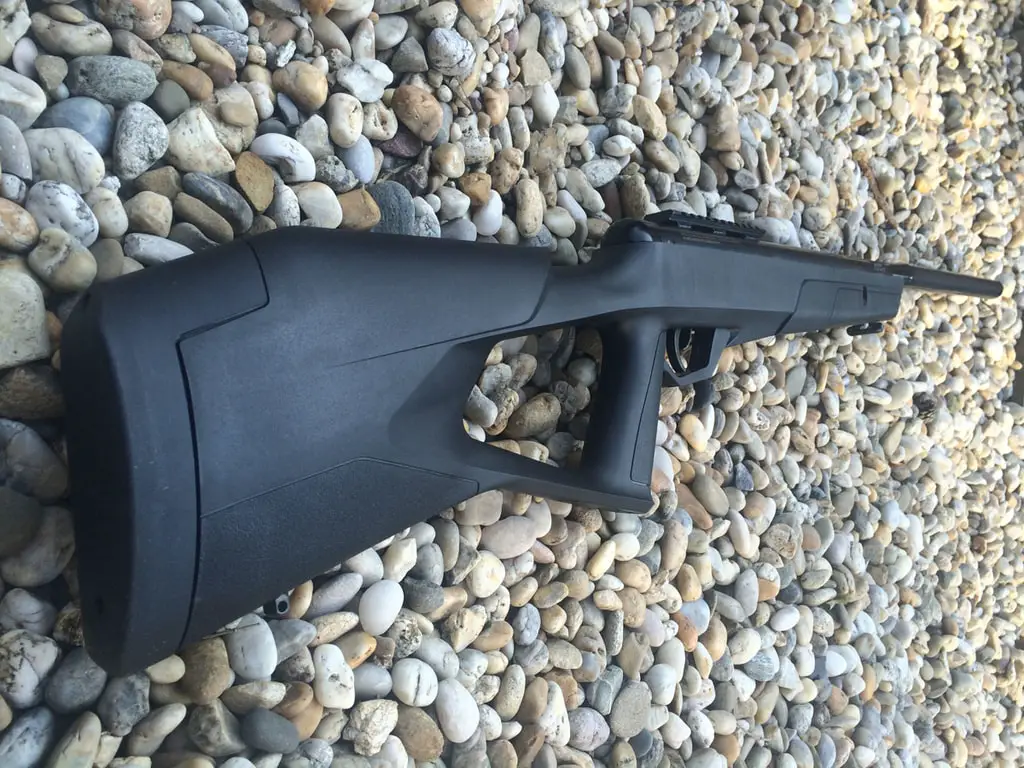
Fantastic stock with ergonomic thumbhole
Easy to cock and simple to use
Longer shooting range
Made in the USA
Cons
A little bit heavy for young shooters with weak arms
Deserve better scope for hunting
Price
The price for this air rifle is about 200 dollars.
It’s a bargain if you consider all of its advanced technology, fantastic craftsmanship, jaw-dropping power, hair-splitting accuracy, and minimum recoil.
There’s a ton of options out there nowadays when it comes to selecting a riflescope. You have MOA, MIL, various magnifications, different objectives, tube sizes and a ton more. But one of the hardest decisions seems to be around what focal plane to select.
In the past, I’ve always used second focal plane riflescopes for hunting. They have worked great for me on my rifles and I’ve taken a ton of animals with them, but a few years ago I wanted to try something new so I switched to a first focal plane system. Mainly this switch happened because I wanted to help people out with their decisions so I could better explain what option might work best for them and my opinion on them. They both work great, but I wanted to have real-world experience behind each design.
For starters, we need to define a first focal plane riflescope. This is probably the scope version that most people in hunting are a little unfamiliar with. On a first focal plane riflescope, the reticle grows as the image gets bigger when increasing magnification and it does so at the same rate. And as you decrease magnification, the reticle also shrinks as the image gets smaller. This is all because the reticle is located in front of the magnifying lens assembly in the scope.
A first focal plane riflescope also means you can always use those hash marks on the reticle for any elevation holdover or windage no matter what magnification you are on. This can be great if you don’t have time to dial in your turret in a hunting situation and you need to use the hashmarks.
As I stated earlier, the first focal plane riflescope was new to me a few years ago. And since the switch, I don’t know if I’ll ever go back.
The only downside I see is when you’re at super low magnification the reticle is almost too small to see, especially if you’re in thick timber or hunting in low light. I really notice this on my Razor HD Gen II 4.5-27×56 riflescope that is in a first focal plane setup when I go down to 4.5 power. To deal with this, if you’re hunting in a state that allows an illuminated reticle to hunt with, the illumination could allow you to make use of low power in the thick timber on a first focal plane setup. But for the most part, I don’t see this as a hindrance at all since 95% of the time I’m not hunting in thick timber at lower power. But it’s just something you should think about if you’re going to purchase a new riflescope.
Possibly one other downside is if you’re trying to shoot at a very small target in practice at a longer distance because your reticle may block the target due to it getting larger at max power. I’ve seen this happen when I’ve been practicing out in the desert while aiming at something really small and and trying to be very precise.
One of the biggest benefits of a first focal plane riflescope is if you need to quickly make a shot and need to use the elevation or windage lines in the scope, this is when a first focal plane riflescope will shine. For the most part, since I’m a hunter first and not a competition precision rifle shooter, these situations are a little rare for a hunter to need to quickly use elevation holdover marks, but it’s nice to have that feature if you’re ever in this situation on the buck of a lifetime.
Cost is another consideration. Usually, a first focal plane riflescope is a little more expensive than a second focal plane riflescope.
What is a second focal plane (SFP) riflescope?
Second focal plane riflescope is what everyone is most likely used to in hunting. The biggest thing you’ll notice on a second focal plane riflescope is the reticle stays the same size, and the target grows as you increase the magnification. This is due to the reticle being located behind the magnifying lens.
A second focal plane riflescope seems to be nicer to aim through because you have a finer aiming point due to the reticle staying small as you hit full magnification which is great when practicing long-range shots as your reticle isn’t covering up the spot you are trying to aim at.
The one main downside of a second focal plane riflescope is when dealing with adjusting the magnification to anything other than max power and using the reticle for any holdover or windage when taking a shot. If your second focal plane riflescope is set for max power, that means that the holdover lines in the reticle are only dialed in at that one magnification and will not be at the correct yardages if you drop to a lower magnification. So if you drop to a lower magnification and use the holdover lines, it won’t be to scale and you’ll miss the target. So to fix this, if you want to use any of the hashmarks, you must remember that it is only truly calibrated at max magnification.
Keep in mind… that no matter what, in a second focal plane riflescope you can always dial your turrets and use the center of the reticle no matter the magnification you are on. This change in impact discussed above is when using any of the hashmarks outside of the center of the reticle when you are on anything but max power.
This is why whenever I’m hunting, I’ll always shoot at an animal at the highest magnification. Second focal plane riflescopes have worked wonders for a ton of hunters throughout the years. Again, remember that dialing up on the turret on a second focal plane riflescope works perfectly if you just aim at the center dot of the reticle no matter what magnification you are on.
In summary, if you use a second focal plane scope and you want to use the holdover hashmarks, know it will be only valid for one magnification.
If I’m going to need to use the windage or elevation marks in my riflescope, 99.99% of the time I’m going to be at full magnification which means everything will be accurate in a second focal plane setup.
The way I’d explain my reasoning for a second focal plane scope for a lot of years is this; pretty much any shot over 300 yards I’m going to be at full magnification. So at that point, it really doesn’t matter what riflescope plane I’m using since I will be at full magnification and would be able to use the hashmarks on a second focal plane if needed, and I would also have the same benefits of a first focal.
Below is a quick series of graphics to help showcase some of the differences side by side at low magnification and high magnification.
5x magnification
25x magnification
Once again, on the first focal plane riflescope on the 25x power example, you’ll notice that the reticle grows as the image gets bigger due to adding magnification and it does so at the same rate. And on the second focal plane image, the reticle stays the same size as you increase the magnification.
In closing
One last thing I should mention, if you have a riflescope with turrets in either first or second focal plane, it does not matter what magnification you are if you aim using the center of the reticle. You will still make an impact with the correct distance dialed in the turret. You could be at low magnification on a second focal plane riflescope and dial in for a shot with the turret and make an impact. Then you could dial in for a longer shot using the turret and crank the magnification all the way up and still impact the target aiming at the center.
So what do I prefer after using both?
At this point after using both for a long time now in hunting and practice, I’m still leaning toward first focal plane riflescopes. My dad, who also is very into rifles and long range shooting for practice and hunting, doesn’t like second focal plane scopes at all anymore either. Then if you’d ask my brother who I shoot with a ton… he prefers second focal plane on his hunting setup.
So at the end of the day, both focal planes will absolutely work wonders for hunting, it just comes down to what your eyes might prefer and your use case.
If you have the ability, find a friend who has a different scope than you do and really look at a first focal plane and second focal plane side by side. This is going to be the easiest way to determine what style you prefer.
Don’t forget, if you ever have any questions about anything optics, you can reach out to our Optics Manager Cody Nelson. He is a wealth of knowledge and a person you should take advantage of when deciding what optics to purchase. Cody can be reached at [email protected] or call him at (702) 847-8747 | Ext. 2.
Check out all the riflescope options we carry here
As an outdoor expert and air gun enthusiast, I never thought I’d be writing about befriending squirrels. However, there’s something undeniably charming about these bushy-tailed critters that can make even the most seasoned hunters want to connect with them. While we typically focus on air rifle shooting and hunting tactics at Air Gun Maniac, today we’re taking a gentler approach to interacting with wildlife. Let’s explore how you can befriend squirrels on your campus, combining our outdoor expertise with a softer touch.
Before we dive into befriending techniques, it’s crucial to understand squirrel behavior. As prey animals, squirrels are naturally cautious. Their survival instincts make them wary of sudden movements and unfamiliar objects or people. This wariness is not unlike the alertness we teach in firearm safety courses – always be aware of your surroundings.
Dr. Jane Acorn, a wildlife biologist at Nutkin University, explains: “Squirrels are intelligent and curious creatures. They have excellent memory, especially when it comes to food sources. This trait can be leveraged when attempting to befriend them.”
The Right Approach: Patience and Consistency
Choosing the Right Location
Just as we emphasize proper positioning in air gun shooting, location is key when befriending squirrels. Find a quiet spot on campus where squirrels frequently visit. Areas with trees or near green spaces are ideal.
Establishing a Routine
Consistency is crucial in both marksmanship and squirrel befriending. Visit your chosen spot at the same time each day. This routine helps squirrels become accustomed to your presence.
The Power of Food: Your Secret Weapon
In air gun sports, we often talk about choosing the right ammunition. When it comes to squirrels, food is your ammunition of choice.
Safe and Healthy Squirrel Snacks
Offer foods that are safe and nutritious for squirrels:
Unsalted nuts (almonds, walnuts, pecans)
Raw vegetables (carrots, sweet potatoes)
Limited amounts of fruit (apples, berries)
Avoid human snacks, chocolate, or salted nuts, as these can be harmful to squirrels.
The Feeding Technique
Start by placing food on the ground and slowly backing away. Over time, as the squirrels become more comfortable, you can try offering food from your hand. Remember the patience required when lining up a perfect shot? Apply that same patience here.
Building Trust: The Long Game
Just as mastering air gun shooting takes time, befriending squirrels is a gradual process. Wildlife expert Tom Oakley from the National Squirrel Association advises: “It can take weeks or even months for a squirrel to fully trust you. The key is consistency and respect for their space.”
Do’s and Don’ts
Do:
Move slowly and speak softly
Maintain a respectful distance
Be patient and consistent
Don’t:
Try to touch or grab squirrels
Make sudden movements or loud noises
Feed them human junk food
Safety First: For You and the Squirrels
As responsible air gun enthusiasts, we always prioritize safety. The same applies when interacting with wildlife:
Wash your hands before and after feeding squirrels
Never attempt to domesticate wild squirrels
Be aware of local wildlife regulations
The Rewards of Squirrel Friendship
While different from the thrill of air gun sports, befriending squirrels can be equally rewarding. You’ll gain a unique perspective on wildlife behavior and potentially form a special bond with these charismatic creatures.
John Bushy, a former competitive shooter turned wildlife photographer, shares: “After years of viewing animals through a scope, sitting quietly and watching squirrels approach me voluntarily was a transformative experience. It’s given me a whole new appreciation for wildlife.”
Conclusion: A Different Kind of Marksmanship
Befriending squirrels on your campus requires a different set of skills than air gun shooting, but many principles remain the same – patience, consistency, and respect for your target. As you embark on this unique adventure, remember that the goal is to observe and interact without disturbing the natural behavior of these fascinating creatures.
We’d love to hear about your experiences in befriending campus squirrels. Share your stories in the comments below, and don’t forget to check out our other articles on responsible outdoor activities at Air Gun Maniac. Who knows, you might find that squirrel watching becomes the perfect complement to your air gun hobby!
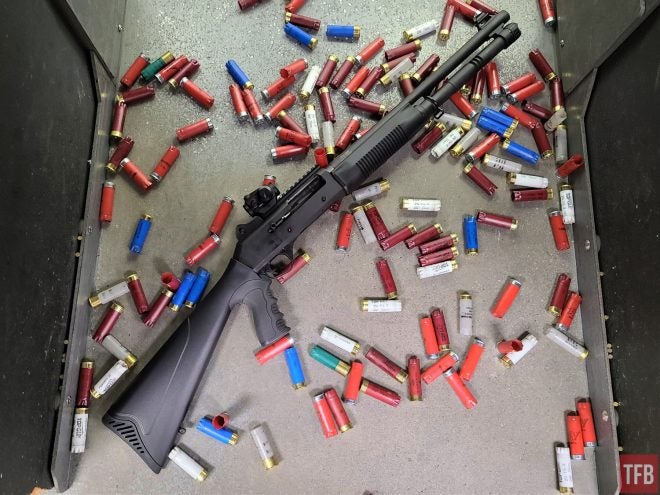
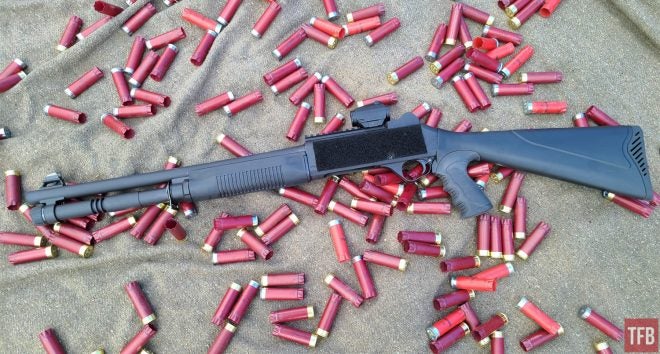
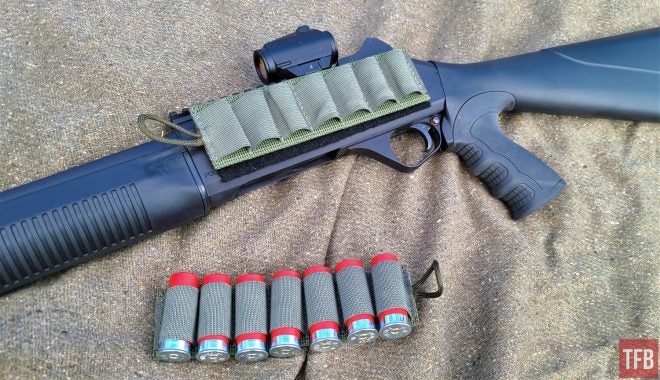
This review started when I said mean things about Turkish shotguns online. My comments were generally targeting the gas-operated bullpup magazine-fed guns, but I have had a generally negative view of most Turkish shotguns. That opinion is based on a parade of Turk shotguns that have come through the shop where I work. As a category, they have more issues than shotguns of other origins. But they also have price points that tend to be much lower. I was soon contacted by a VP at Four Peaks Imports who threw down the gauntlet. He offered to send out a shotgun from their lineup because he thought shooting one would change my mind. I respect his approach of choosing a public hater as a potential reviewer, and letting the product speak for itself. I selected the Aksa S4, and in short order, it showed up at my FFL.
Semi-Auto Shotguns @ TFB:
Mossberg 940 Pro Turkey Shotgun in Mossy Oak Greenleaf
Weatherby Expands Element Lineup with New Element Turkey Shotgun
New Enhanced Girsan MC312 Tactical Shotgun from EAA
Mossberg Unveils The New 940 Pro Tactical Semi-Auto Shotgun
The Benelli M4 is a legend. There can be no debate on that point. It has been used by militaries, police forces, competition shooters, and people who just like nice shotguns. It has graced the silver screen and been used in Triple-A video games.
Whenever a gun reaches icon status, there will be clones. Some clones are more of an homage to a design, others are quite literal “clones” of the original. The Aksa S4 is the latter. Parts are generally interchangeable, including common upgrades like magazine tubes or stocks. It is not a Benelli but is impressively similar to the original.
My negative view of Turkish shotguns generally stemmed from the obscene gas-operated bullpup magazine-fed guns that clutter the shelves of too many retailers, but the actual range of Turk scatterguns is very broad. There are pump guns with prices so low they look like misprints, and there are CZ-branded guns competing in the higher tiers. As a whole, this category of shotgun tends to cost less than comparable models made in the USA or places like Italy and Japan.
The S4 In Action
Gun reviews are intrinsically limited by (usually) having a sample size of one, and by not having unlimited time or ammunition. Multi-year, 10,000-round reviews across 20 sample guns would be an incredible source of data, but it is simply not feasible unless you are running some type of government procurement program. I was footing the bill for ammo and I most certainly do not have a Department of Defense budget. With those caveats in mind, it was time to start shooting.
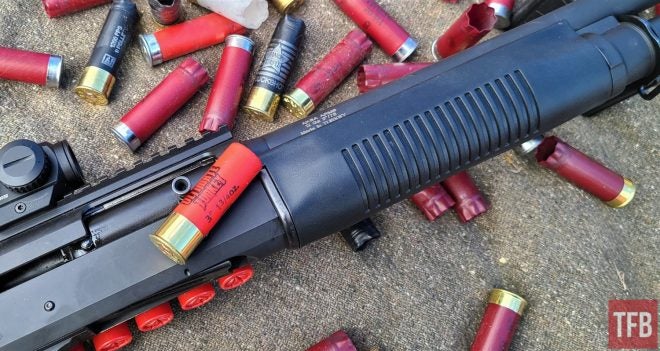
I did not lubricate anything, clean the gun during the review, or put thread locker on any screws before the initial break-in. Some reviews of similar models insist that these steps are necessary before shooting a Turkinelli. Instead, I stuffed shells in the magazine tube and started shooting. Gas-operated shotguns usually need some rounds through them before they operate reliably. That was true for the Aksa S4. In the first 50 rounds or so, there were a few failures to feed and failures to extract. After the first few boxes of shells, it smoothed out and operated normally.
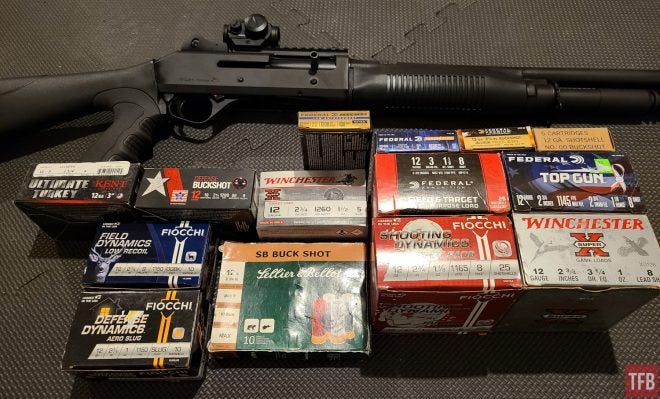
I wanted to put a wide range of shells through the Aksa S4 because semi-auto shotguns can be picky with ammunition. I fired 550 rounds of birdshot, primarily 1 1/8oz and 1oz Winchester and Federal as found in your local Walmart. Outside of the initial break-in and one hang-up in the burndown (discussed below), it ran this ammo 100%. Some semi-automatic scatterguns struggle with this cheap ammo, but the Aksa S4 ran it like a champ.
I also fired 110 mixed rounds of buckshot, slug, and turkey shells. The loads fired included Federal Law Enforcement buckshot and slugs, Fiocchi buckshot and slugs, cheapo no-name buckshot from a baggie in my basement, Winchester military 00 buck, and the least-expensive turkey shells from my local Sportsman’s Warehouse. Everything cycled fine, with the exception of Fiocchi low recoil buckshot. It did not like that load at all. Thankfully, that was the outlier.
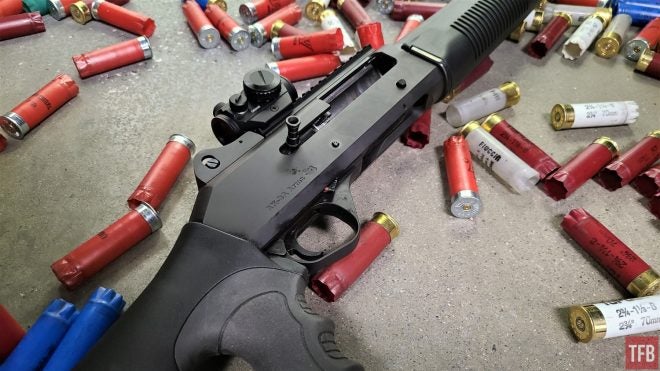
The manipulations are exactly the same on the Aksa S4 and the Benelli M4. I have shot Benelli shotguns in the past and there were no differences in the manual of arms. Both the M4 and S4 benefit from larger aftermarket bolt release buttons and extended bolt handles. Extended magazine tubes can also be added, though that can trigger 922(r) compliance issues. I chose to stick with basic upgrades for this review, which would not change any functional parts of the Aksa S4. I added a piece of industrial Velcro to the left side of the receiver for use with Esstac Shotgun Cards, and a Vortex Crossfire red dot on the factory optics rail. Some reviews of similar guns reported that the optics rail came loose after firing. This gun did not have that issue.
The BurnDown
James has a history of blasting shells through shotguns as fast as he can to see what survives. Some guns handled it well, some did not. I wanted to do something similar, but with 200 rounds due to scarce ammunition and high prices. I did the burndown toward the end of the review, with about 325 rounds through the gun already. If something was going to fail, it would be more likely to fail with preexisting wear and tear before the real pain commenced.
The burndown was pretty simple. Load up 5+1, fire as fast as I could, load up 5+1 more, and do it again. There also were some top-off single loads mixed in too when I dropped a shell or missed the count on a reload. This was a truly unreasonable sustained rate of fire. The Aksa S4 got so hot that it scorched the leather glove on my lead hand through the handguards. My wife asked if I had eaten barbeque for lunch that day because the burning smell was so pronounced.
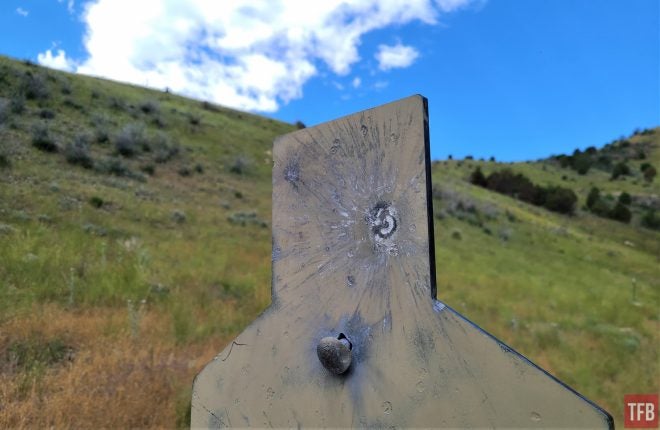
How did the Aksa S4 fare? Excellent. It has one hiccup, a failure to feed at round 178 of 200. I pressed the bolt release button and the round fired and cycled normally. Once the gun cooled off a little, I fired the remainder of the buckshot, slugs, and turkey shells. All fired normally with no drama, including some 3″ magnum Ultra Turkey 1 3/4 ounce loads that damaged me, but not the gun. I was able to land a head shot on a 2/3 IPSC steel target at about 60 yards with a 3″ Federal slug as well.
General Thoughts
A few sources had suggested that these guns were prone to parts breakage around the 500-round mark. I did not find that to be the case, but this is only one sample gun. What I can say from my totally non-scientific-definitely-not-an-engineer perspective is things look pretty good inside, and nothing looks like it is on the way to breaking.
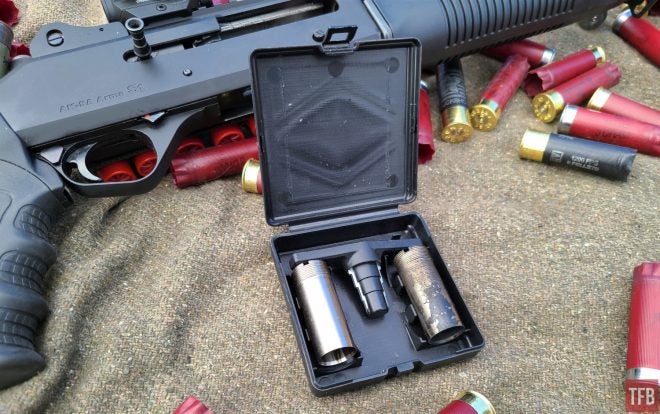
The Aksa S4 includes 3 chokes (1 in the gun, two in a case), as well as a choke tube wrench. The wrench is pretty flimsy but it was able to remove the choke for the last few shells of the review. I did not see any marking on the chokes, so I used the age-old method of putting my finger in the front end to see how constrictive they were. I installed the most-constrictive one, and the patterns did shrink. Detailed patterning of shotguns is time intensive and beyond the scope of this review. What I can say is the chokes are there and if you feel like changing it up and looking at patterns, that option is available to you out of the box.
Conclusion
“Is it just as good?” is the wrong question. A clone that costs 70% less than the original Italian masterpiece will never be just as good. This is true with Italian guns, motorcycles, and food.
The real question should be “is it good when judged on its own merits?” and my answer is yes. It is a lot of gun for the money. Unlike many budget-oriented guns in its class, there is an aftermarket thanks to the M4 parts interchangeability. And it just might make you pick up a Benelli to round out the set some day.
Painting your goose decoys can be done with a few supplies and a little learning.
Let me make this SUPER easy for you to do by following my step-by-step directions on how to paint goose decoys.
Many people have used these instructions to make decoys that looked like they should have been thrown away to look brand new and ready to hunt over once again.
Step 2: Apply painter’s tape/masking tape covering the white tail feather area.
Step 3-11: Instantly download/view my complete FREE step-by-step instructions by clicking the button below.
Setting Up Your Painting Area
When it comes to prepping your workstation for your decoys, you should choose a space in the home that is free of traffic. Paint fumes can also be hazardous, so ensure the room or area has enough ventilation.
This will ensure that you are not disturbed throughout the process. You can set up your station on a big enough table and place some newspaper or material down so that you don’t stain your table.
Ensure that the tape is big enough to place your decoys, paint cans, brushes, and any other tools you are using for painting and that you have all of your tools on hand before beginning the process.
Also, ensure that the area is free of any dust and debris that could be get stuck to the paint and affect the finish on the painted decoys.
Using Masking Tape To Protect Areas
Masking tape is going to come in extremely handy in this process. The masking tape will be used to cover the right side feather area, the whitetail feather area as well as the white ring around the decoy neck.
Start by applying a 1/4 inch masking tape covering these three areas after you have cleaned and dried the decoys, but before you begin painting.
What Type Of Colors Should You Pick?
When it comes to painting a goose decoy, you should note that a goose can be any color from completely gray to completely white.
Male geese are also born with bright orange beaks, and the females have a brown beaks. As both of the sexes mature, the males will grow white feathers and keep the orange beak, and the females will grow gray feathers, and the beak will also change to orange.
So when it comes to choosing the colors for your decoys, bear this information in mind.
What Type Of Pattern Should You Go For?
When it comes to painting your goose decoys, you want them to look as realistic as possible. So this is the time that you need to make reference to the photo that you are referencing to paint decoys.
You want to add details to make them look realistic as well, and if the chest feathers are a different color than the body, then you need to use that specific color of paint across the chest at this time.
Ultimately, try to stick to the details of real geese and ensure that they look natural and realistic as much as you can. Although you may want to add some of your own creativity, if it means taking away from the realism of your decoy, then don’t do it.
Is There A Color Difference In Geese Based On Gender?
In most breeds, both the male and female geese look alike. So it’s quite difficult to tell them apart. In most cases, though, the goose is darker than the gander.
This is even evident when they are still quite small, and as they grow, most geese will resemble the Toulouse color while the gander will resemble the Emden.
How To Apply The Paint
When it comes down to deciding whether to spray paint your decoy or paint it with a brush, it all boils down to personal preference.
While some people may find it easier to spray-paint their decoys, others believe that they get more accuracy out of a paintbrush.
The good news is that there is no rule that says that you need to use either one or the other, and you can choose to use both.
When it comes to coloring larger areas of the goose, a spray can do the trick. However, when it comes to adding detail and painting areas such as the tail, feathers, or beak, using a specific-size paintbrush will give you more detail and accuracy.
Spray
Spray cans can be used for larger areas.
Brush
A paintbrush will help you achieve more detail.
How Long Should The Paint Dry?
If you are applying a primer, you should allow it to dry for approximately 20 minutes before adding paint. When painting, allow the paint 10 to 20 minutes of drying time is required before you apply another coat.
If you are using spray paint, then it’s going to dry quicker, and you’ll need approximately 10 minutes in order for it to dry completely.
When it comes to painting the beak, it is recommended that you use acrylic paint and allow it to dry for 10 minutes before applying any additional coats.
How Long Before You Can Deploy The Decoy To The Field?
Depending on whether you are using spray paint or paintbrushes to finish off your decoys, it can take anywhere between 1 to 3 hours before you use it.
So once you’ve completed painting the decoy, set it on a flat surface so it can dry consistently.
You should check on it 2 to 3 hours later, and if the paint is completely dry, then you are ready to set your decoy out in the woods and use it as you please.
Will Geese Be Able To Tell The Difference Based On Smell?
When it comes to painting your goose decoys, you should do it well in advance. This will give the paint enough time to dry thoroughly and also get the smell of paint fumes off the decoys.
However, as long as the decoys look realistic, that is no reason why geese will not commit.
Should You Apply Coatings To Make Your Paint Last Longer?
Yes, there is no rule that says that you cannot use extra coats of paint on your decoys to ensure that the paint lasts longer. However, it is recommended that you only purchase a satin finish, latex paint.
This is because satin-finish does not contain any type of gloss and is the right sheen for painting decoys.
Ultimately, if you invest in any type of paint or say a high gloss paint, it’s going to make your decoys look shiny, and unless you’ve seen a shiny goose, this is sure to make other geese flare instead of committing.
So if you want to avoid this from happening, ensure that the paint you use on your decoys looks as natural to the real thing as possible.
If you are not so well versed in American history, Ishi was the very last member of the Yahi tribe.
The rest of the tribesmen had perished in the California genocide between 1849 and 1870.
For the next 44 years, Ishi survived in the wilderness with a few relatives of his, until he was “discovered” .
Two other well-known hunters, Art Young and Saxton Pope took him in as a refugee.
That is when Ishi passed on his unrivaled hunting skills to the native American Tribe known as Yahi.
Ishi had really mastered the art of stealth hunting.
Additionally, he would call quite a number of game animals with his own mouth!
And that’s how he survived for decades in the wilderness.
Then came the beloved Teddy Roosevelt – the 26th US president from 1901 to 1909.
How he loved wildlife!
So much so that he traveled with 250 men to the jungles of Africa for a hunting trip.
By the close of the trip, they had hunted down 1,100 game animals – of which 500 were large species – think of buffaloes, rhinos, elephants, and the like.
While Ishi mainly used the bow and arrow, Teddy Roosevelt gloried in his .500/450 caliber Holland & Holland double rifle, as well as the .405 Winchester firearm.
Now, firearms and crossbows aside, can an air rifle sneak you into the hunter’s hall of fame?
That is actually the thought that ignited my interest in air rifles.
Germany has been known to produce some of the best goods around the world, and the German-based Beeman is no exception.
Statista’s Made-In-Country Index reveals that:
“Made in Germany” is the most highly regarded quality label for goods and services around the world, outshining other major exporting nations’ trust marks such as “Made in USA” or “Made in UK”.
Perhaps the first feature of Beeman R9 you’ll fall in love with is the Rekord trigger.
Certainly, it is of the two-stage adjustable design – with the first stage comfortably light and the second stage adequately crisp.
You only need a 2.1-pounds pull on the trigger to fire the airgun.
Additionally, you’ll marvel at the exceptional attention to detail employed in manufacturing.
Talk of a splendidly stained hardwood ambidextrous stock onto which other fittings and moving parts are attached with the highest achievable level of precision.
The Beeman R9 is equally good in performance, on top of the looks.
The .177 caliber gives you an average of 14 FPE, while the .22 model yields about 17 FPE.
That should be enough for all your plinking, targeting shooting, pest eradication, and small game hunting needs.
Accuracy
Calibers
Pellets
Distances
Groups
.22
Crosman Premiere Hollow Point 14.3 gr
20 yards
dime size
.22
Air Arms Diabolo Field 16 Gr
25 yards
dime size
.177
H&N Baracuda Match 10.65 gr
10 yards
0.16"
.177
H&N Baracuda Match 10.65 gr
20 yards
0.17"
.177
H&N Baracuda Match 10.65 gr
30 yards
0.49"
.22
Predator GTO 11.75 Gr
25 yards
0.5"
.22
Predator GTO 11.75 Gr
50 yards
1"
.22
H&N Barracuda Hunter Extreme
20 yards
1/4"
.22
RWS Meisterkugeln 14 gr
50 yards
dime size
.177
Beeman Kodiak Match 10.65 gr
60 yards
quarter size
.22
H&N Field Target Trophy 14.66 gr
25 yards
0.5"
.177
H&N Baracuda Match 10.65 gr
25 yards
0.4"
.22
Beeman FTS Double Gold 14.66 Gr
25 yards
one hole
.22
JSB Exact pellet
25 yards
dime size
.22
RWS Hobby pellet
30 meters
dime size
.22
JSB Diabolo Exact Jumbo Express 14.3 gr
50 yards
quarter size
.177
H&N Field Target Trophy 8.64 Gr
25 yards
dime size
.177
H&N Baracuda Match 10.65 Gr
25 yards
dime size
.177
RWS Supermag 9.3 gr
25 yards
1/2"
.177
Crosman Premier Heavy 10.5 gr
20 yards
dime size
.177
Predator Polymag 8.0 gr
25 yards
1/4"
.177
Beeman FTS 8.64 gr
50 yards
7/16"
.22
RWS Meisterkugeln 14gr
20 yards
0.22"
.22
JSB Hades 15.89 gr
25 yards
0.44"
.22
H&N Terminator 16.36gr
25 yards
0.35"
.22
H&N Terminator 16.36gr
50 yards
0.65"
Chrony tests
Calibers
Pellets
FPS
FPE
.22
H&N Field Target Trophy 14.66 gr
750
18.32
.20
JSB Exact 13.9 gr
708
15.48
.20
H&N Field Target 11.42 gr
772
15.12
.22
Predator GTO 11.75 Gr
757
14.95
.20
H&N Field Target 11.42 gr
780
15.43
.22
RWS Meisterkugeln 14 gr
741
17.07
.22
H&N Field Target Trophy 14.66 gr
730
17.35
.20
Beeman H&N Match 10.03 Gr
820
14.98
.22
Beeman FTS Double Gold 14.66 Gr
680
15.06
.177
JSB Match Diabolo Exact 8.44 Gr
860
13.86
.22
Crosman Premier Hollow Point 14.3 Gr
725
16.69
.22
H&N Field Target Trophy 14.66 gr
700
15.95
.177
JSB Match Diabolo Exact 8.4 Gr
803
12.03
.177
Crosman Premier 7.9 Gr
830
12.09
.22
RWS Meisterkugeln 14gr
713
16
.22
JSB Hades 15.89 gr
656
15.19
.22
H&N Terminator 16.36gr
658
15.73
.22
H&N Baracuda 18.21 gr
651
17.14
.22
Predator GTO 11.75 gr
814
17.29
.22
JSB Exact Jumbo 13.43 gr
674
13.55
.177
Beeman Kodiak 10.6 gr
770
13.97
.177
RWS Hobby 7.0 gr
931
13.45
Recommended uses
Target shooting/plinking
Pest control/ small game hunting: squirrels, raccoons, chipmunks, possums, starlings, pigeons.
The Weihrauch HW90 Breakbarrel Air Rifle combines quality construction with superior accuracy.
With over 50 years of manufacturing experience, Weihrauch sets the standard for air rifles. The natural proportions and beautiful deep bluing give the rifle a classic aesthetic that is sure to stand the test of time.
While many modern airguns provide accuracy, those familiar with Weihrauch’s products know no other brand delivers the same level of precision and reliability as this model.
Whether shooting with or without a scope, you can be sure that you will hit the 10-ring time and time again.
The Weihrauch HW90 break barrel air rifle is a powerful, reliable hunting rifle that you can depend on for decades of use.
Perfect for small to medium-sized pests and games, the gas spring ensures easy cocking while you wait for the ideal shot.
Unlike traditional metal mainsprings that may weaken with time, the HW90 consistently performs at its best no matter how often it’s used.
With hunting with air rifles becoming increasingly popular, this product is perfect for states that are specifying particular games which can be hunted with them.
If you’re not a hunter but still have an interest in quality air guns then the Weihrach HW90 break barrel rifle won’t ever let you down.
Extremely sturdy and long-lasting, this gun will give you optimal performance on a day out at target practice or plinking. With extraordinary craftsmanship embodying German engineering standards, this gun will be sure to bring many years of fun and service.
Accuracy
Calibers
Pellets
Distances
Groups
.177
Beeman Kodiak 10.65 Tapered dome
25 yards
dime size
.25
Diana magnums 20gr
20 yards
3/4"
.22
H&N Field Target Trophy 14.66 Gr
40 yards
0.15"
Chrony tests
Calibers
Pellets
FPS
FPE
.25
JSB Match Diabolo Exact King 25.39 Gr
562
17.81
.25
JSB Diabolo Exact King Heavy 33.95 Gr
426
13.68
.25
Eun Jin 35.8 Gr
460
16.82
.22
Webley Mosquito 14.35gr
726
16.8
.25
Beeman Kodiak Extra Heavy 31.02 gr
590
23.98
.22
Crosman Premier Hollowpoint 14.3 gr
787
19.67
.22
H&N Hollow Point 12.65 gr
879
21.71
Recommended uses
Target shooting/plinking
Pest control/ small game hunting: squirrels, rabbits, rats, pigeons.
Pros and Cons
Pros
Cons
Made in Germany
Beautiful laser engraved stock and deeply blued steel
Built like a tank
Great adjustable trigger
Great accuracy, velocity, and power
Excellent durability
Admirable safety mechanism
Benefits of gas pistons - including no spring fatigue
More effort is required when cocking the rifle
The heavyweight necessitates a sling if you intend to use it for hunting
As you can kill the listed animals with less FPE than the stated values if you are more accurate.
Game
Minimum acceptable caliber
Minimum energy (FPE)
Small birds
.177
5
Medium birds
.177
7
Large birds
.22
11
Squirrel sized game
.22
9
Rabbit sized game
.22
9
Racoon sized game
.22
25
Possum sized game
.22
25
Fox sized game
.22
35
Coyote sized game
.30
50
Javelina sized game
.357
90
Small deer
.357
100
Medium deer
.40
150
Larger deer
.45
200
Hog
.45
200
The above narration is meant to show what you are capable of doing with the Diana 350 Magnum – which shoots pellets at a maximum muzzle velocity of 1250 fps, delivering a killing power of about 23 FPE on average.
That is sure enough for many small-sized and medium-sized games.
The Diana 350 Magnum is a high-powered spring piston air rifle that is perfect for plinking and small game hunting. With its streamlined Monte Carlo beechwood stock and adjustable 2-stage T06 trigger, the Diana 350 Magnum is a force to be reckoned with on the backyard range.
Available in .177 and .22 caliber, this springer can send rounds flying at speeds up to 1,250 fps, making it more than capable of taking down small games at long range.
Each Diana 350 Magnum comes with adjustable rear sights for quick and easy target acquisition, and an 11mm Dovetail scope mount for adding a scope for even more precision.
Add in the Diana T06 2-stage adjustable trigger, which allows you to customize the pull weight, sear engagement, and length of the first stage, and you have a recipe for success on your hands.
So whether you’re looking to take down some tin cans on the range or put meat on the table, the Diana 350 Magnum is sure to get the job done.
Features
Deep blued
Rear is adjustable
Raised cheekpiece
Monte Carlo buttstock with ventilated buttpad
Beech stock
11mm scope rail
Ideal for hunting
T06 Trigger
Accuracy
Calibers
Pellets
Distances
Groups
.22
JSB Jumbo Heavy 18.13 gr
30 yards
0.5"
.22
JSB Diabolo Jumbo 15.89 Gr
30 yards
3/4"
.22
Crosman Premium Ultra Domed 14.3gr
60 yards
1"
.22
Beeman Crow Magnum 18.21 gr
30 yards
nickel size
.177
Beeman Kodiak 10.65 gr
25 yards
dime size
.22
JSB Diabolo Exact Jumbo 18.13 gr
100 ft
nickel size
.22
H&N Crow Magnum 18.21 Gr
20 yards
1/2"
.22
Beeman FTS Copper 14.72 gr
25 yards
1/2"
.177
Crosman Premier 7.9 gr
25 yards
dime size
.22
Beeman Kodiak
50 yards
one hole
.22
JSB Predator
30 yards
one hole
.22
Predator pellet
50 yards
one hole
.22
Crossman premier hollow point
30 yards
0.5"
.22
JSB Diabolo Exact Jumbo 18.13 gr
25 yards
0.58"
Chrony tests
Calibers
Pellets
FPS
FPE
.22
JSB Diabolo 18.13 gr
775
24.19
.22
JSB 15.89 gr
769
20.87
.22
JSB Jumbo Heavy 18.13 gr
738
21.93
.22
RWS Superdome 14.5 gr
875
24.66
.22
Crosman Premier Pellets 14.3 Gr
850
22.95
.177
H&N Baracuda Hunter 10.49 gr
980
22.38
.177
Air Arms Field Heavy Pellet 10.34 gr
986
22.33
.177
Beeman Kodiak 10.65 gr
930
20.46
.22
JSB Diabolo Exact Jumbo 18.13 gr
788
25
.22
RWS Meisterdugeln 14.0 Gr
815
20.65
.22
H&N Baracuda Hunter Extreme Pellets 19.09 Gr
752
23.98
.177
Crosman Domed Field 10.5gr
930
20.17
.177
RWS pellet 8.2 gr
1055
20.27
.22
RWS Superdome 14.5 Gr
949.8
29.05
.22
Crosman premier 14.3 gr
855.44
23.24
.22
JSB Exact 15.8 gr
757.9
20.16
.22
RWS Superdome 14.5 Gr
847
23.1
.177
Crosman Premier Light 7.9 gr
850
12.68
.177
Crosman Premier 10.5 grain
810
15.3
.22
RWS Hollow Point 14.2 Gr
825
21.47
.22
JSB Diabolo Exact Jumbo 18.13 gr
778.4
24.4
Recommended uses:
Target shooting/plinking
Pest control/small game hunting: woodchucks, possums, gophers, rabbits, eastern grays, crows, squirrels, raccoons, jackrabbits, feral cats, groundhogs, and small foxes.
Pros and Cons
Pros
Cons
Powerful and well-finished
Great for shooting rabbits, crows, Eastern grays, and woodchucks
Quality of the beechwood stock and the deep blueing of the metal
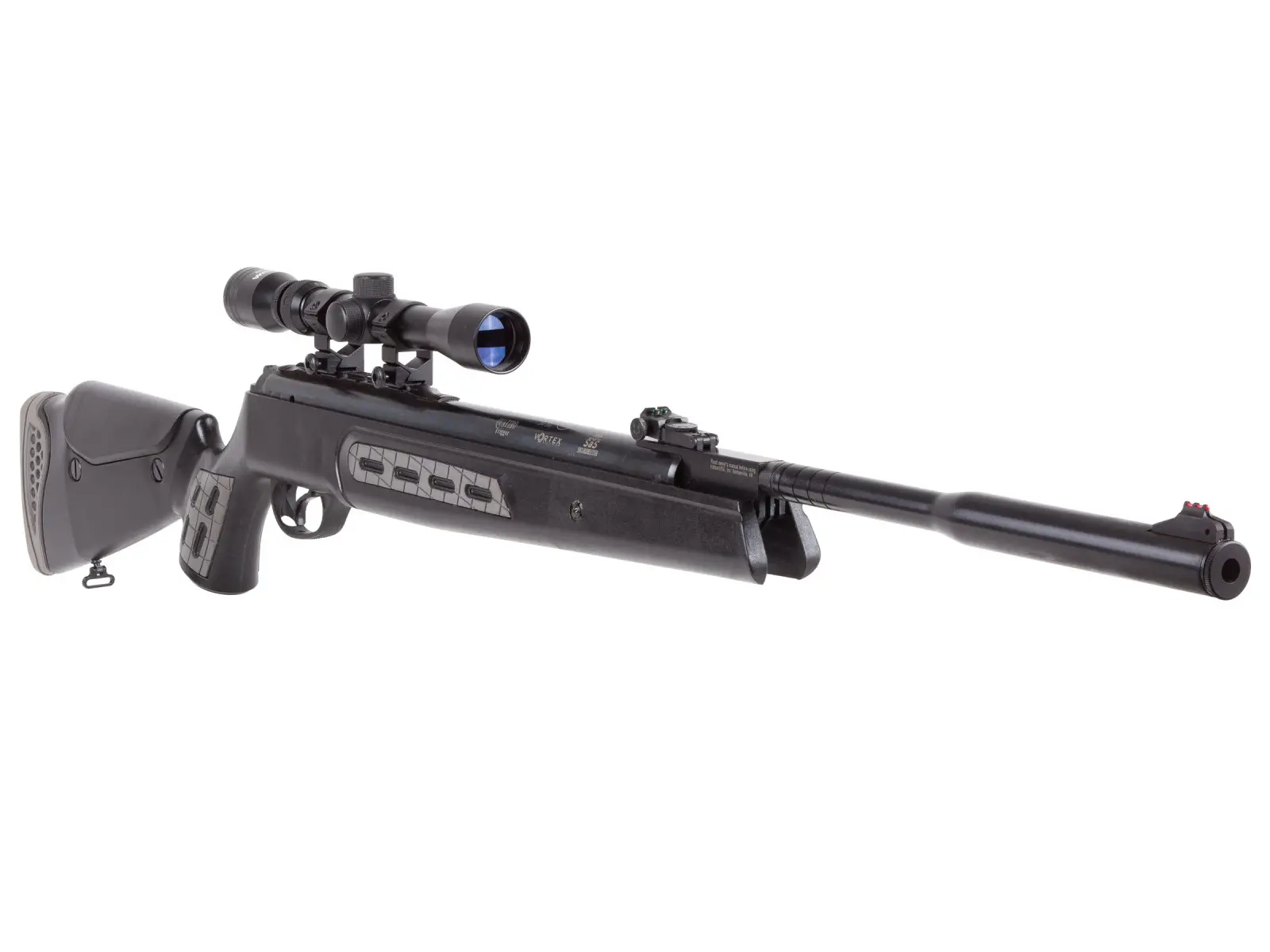
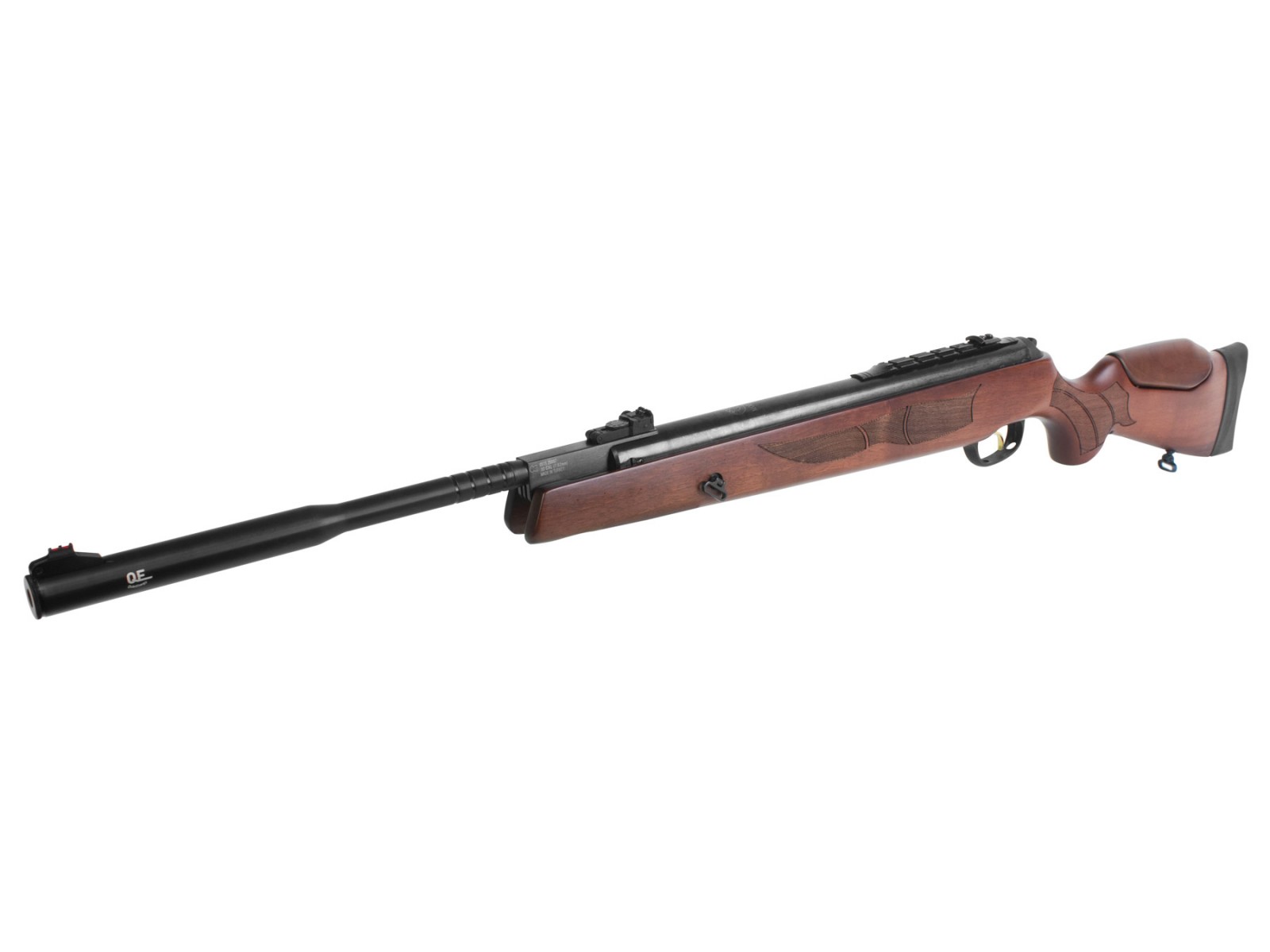
The most powerful break barrel air rifle: Hatsan 135 QE Vortex
The Hatsan Model 135 Vortex QE Breakbarrel Air Rifle is the perfect choice for serious outdoor enthusiasts, hunters, and air gun shooters.
Built with Hatsan’s Vortex gas piston, this air rifle provides smoother cocking and shooting with no spring torque or spring fatigue.
Its QuietEnergy shroud and integrated sound moderator make it approximately 50% quieter than without it. The precision rifled, German steel barrel allows for superior accuracy.
The Quattro 2-stage adjustable match trigger is adjustable for trigger-pull weight, first stage, second stage, and length of travel; plus it features a gold-plated metal trigger blade for an extra touch of style and luxury.
Cold weather? No problem: the Hatsan 135 was designed to function perfectly in cold climates.
The Hatsan 135 Vortex QE Breakbarrel Air Rifle is the perfect addition to any outdoors enthusiast’s arsenal, delivering maximum performance and power.
With a max muzzle velocity of 1550 feet per second and a max energy of 34 FPE, this high-powered air rifle offers powerful shooting capabilities.
Hatsan’s patented Shock Absorber System (SAS) and rubber recoil pad work together to reduce felt recoil for comfortable shooting and ease of use.
This air rifle also boasts an 11mm dovetail & Weaver optics rail with an included scope stop, so you can pair it with your preferred scope for precise accuracy.
Even without one, you won’t experience difficulty hitting your target — each Model 135 QE comes standard with micro-adjustable green fiber optic rear sights and a fixed red fiber optic front sight.
To ensure your safety while in use, this air rifle includes manual safety, automatic cocking safety, and an anti-bear trap mechanism.
From its stylish ambidextrous Turkish walnut stock featuring an adjustable Monte Carlo comb and stylish checkering on both the grip and forend, to its powerful design that shoots pellets up to 1000 feet per second in .177 cal, this gun will give you everything you need to take on small game.
But that’s not all – it also has built-in sling mounts so that wherever you go shooting, carrying your rifle will be easier than ever before.
If you’re an outdoors enthusiast or hunter with a taste for the finer details in rifle design, the Hatsan Model 135 QE is the perfect fit for you; reliability and precision combined with elegance and comfort.
Features:
Single shot, break barrel
Vortex gas piston
QuietEnergy shrouded barrel with an integrated sound moderator
Rifled German steel barrel
Quattro 2-stage adjustable trigger, with metal trigger blade
Automatic cocking safety
Resettable manual safety
Anti-bear trap safety
11mm dovetail and Weaver optics rail with metal scope stop
Ambidextrous stock with adjustable Monte Carlo cheekpiece
Turkish walnut stock with checkering on grip and forend
SAS (shock absorber system) and rubber butt pad for recoil absorption
Micro-adjustable rear sight, for both windage and elevation, with green fiber optics
Fixed front sight with red fiber optic
Built-in sling mounts
6 lbs.
Max Velocity* – Lead-Free Pellets – .177 cal – 1550 FPS, .22 cal – 1250 FPS, .25 cal – 900 FPS
Max Velocity* – Lead Pellets – .177 cal – 1300 FPS, .22 cal – 1000 FPS, .25 cal – 850 FPS
Max Muzzle Energy** – .177 cal – 28 FPE, .22 cal – 33 FPE, .25 cal – 34 FPE
Accuracy
Calibers
Pellets
Distances
Groups
.25
JSB Diabolo Exact King Heavy 33.95 Gr
25 yards
dime size
.25
JSB Diabolo Exact King Heavy 33.95 Gr
35 yards
nickel size
.30
JSB Diabolo Exact 44.75 Gr
25 yards
quarter size
.25
H&N Grizzly 31 gr
40 yards
1"
.30
JSB Diabolo Exact 50.15 Gr
30 yards
one hole
.30
Predator Polymag 44.75 gr
50 yards
.75"
Chrony tests
Calibers
Pellets
FPS
FPE
.25
JSB Diabolo Exact King Heavy 33.95 Gr
746
42
.30
JSB Diabolo Exact 50.15 Gr
553
34.06
.30
Predator Polymag 44.75 gr
533
28.24
.30
JSB Exact 44.75gr
534
28.34
.25
H&N Field Target Trophy 20.06 gr
780
27.11
.25
H&N Hornet 22.07 gr
750
27.57
.30
JSB Diabolo Exact 44.75 Gr
570
32.29
.25
H&N Grizzly 31gr
692
33
.22
JSB Match Diabolo Exact Jumbo Heavy 18.13gr
810
26.42
.25
JSB Diabolo Exact King 25.39 gr
820
37.92
.30
JSB Diabolo Exact 50.15 Gr
595
39.43
.22
H&N Slug HP Heavy 36 Gr
716
40.99
.30
Predator Polymag 44.75 gr
550
30.07
.30
JSB Diabolo Exact 50.15 Gr
553
34.06
.22
Crosman Premier 14.3 gr
924
27.12
.25
H&N Field Target Trophy 20.06 Gr
785
27.46
.22
Predator Polymag 15.89 gr
938
31.05
Recommended uses
Pest control/small game hunting: squirrels, rabbits, raccoons, coyotes, groundhogs.
Pros and Cons
Pros
Cons
Incredible wood and craftsmanship
Beautiful stock and barrel
Adjustable 2-stage trigger
Very steady and balanced due to the weight
Universal weaver/11mm dovetail rail
Nice fiber-optic sights with adjustable rear
Adjustable cheek rest and recoil butt pad
Effective shock absorbent system at reducing the recoil
Heavy
Cocking mechanism takes power
Hard to find ammo if you choose a .30 caliber version
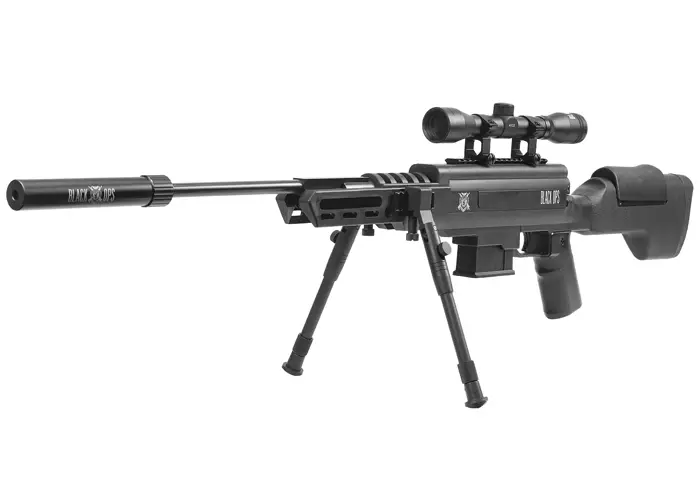
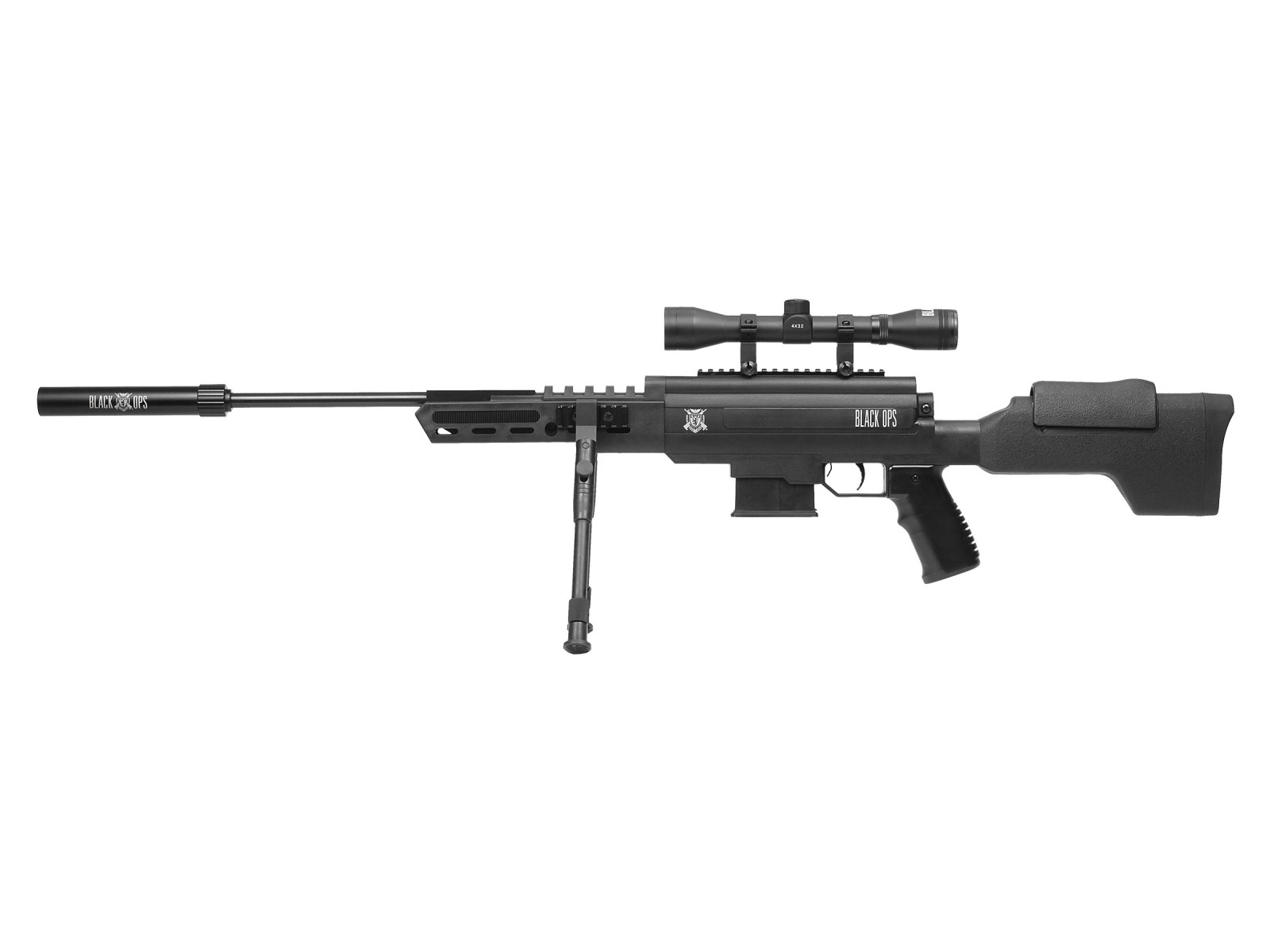
Best break barrel air rifle under $150: Black Ops Tactical Sniper Combo
Meet the Black Ops Tactical Sniper Spring piston Breakbarrel Air Rifle. With its outstanding accuracy and range, it is the perfect tool for outdoors enthusiasts and avid air rifle shooters.
This high-powered pellet gun is capable of firing .177 caliber (4.5mm) pellets at speeds up to 1,250 FPS with incredible consistency and power.
You don’t need to worry about spooking the game when using this Sniper Rifle as it was designed to be extremely quiet, in fact, it comes with an attached suppressor for sound control.
With a simple cock break loading mechanism and durable construction materials, you can trust that you are getting quality and performance from this air rifle every time you use it.
The Black Ops Tactical Sniper Spring piston Breakbarrel Air Rifle is the ultimate tool for all outdoor enthusiasts and hunters who strive for accuracy and precision.
This high-caliber air rifle boasts a smooth trigger pull, blued steel construction for incredible toughness and durability, as well as a comfortable grip for hours of comfortable shooting.
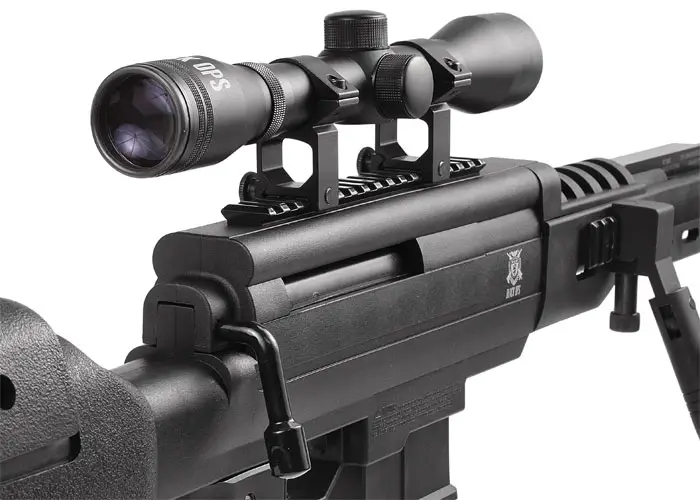
The sniper piece also comes with a 6-inch Picatinny rail for mounting any compatible optics or accessories, plus an adjustable bi-pod to ensure you hit your target every time.
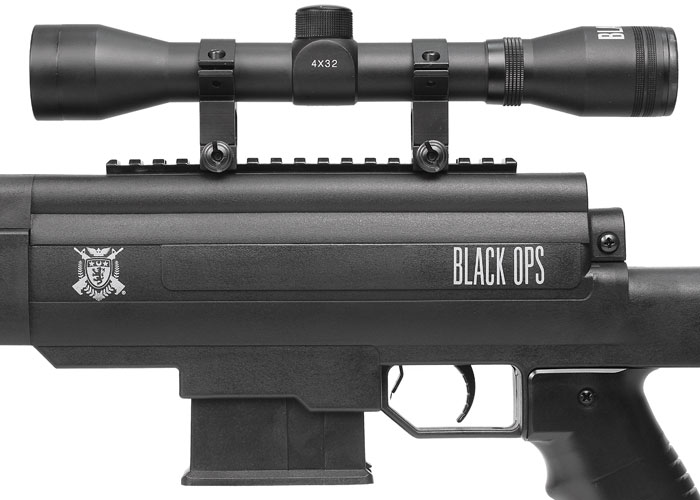
And if that wasn’t enough, this air rifle also comes with a 4×32 rifle scope with cover and an adjustable cheek rest so that you can get into proper shooting form even faster.
Features:
Powerplant: Gas-piston/Spring -piston
Break barrel
Single-shot
Muzzlebrake for extra cocking leverage
Weaver/Picatinny optics rail
Adjustable comb
Synthetic stock
Automatic safety
44 lbs. cocking effort
44 inches long
Bipod legs extend from 8″ to 10″
Bipod legs fold up out of the way
Includes 4×32 scope (unmounted), mount, and adjustable bipod attached to the forearm
Includes detachable open sights (.22 cal version only!)
Accuracy
Calibers
Pellets
Distances
Groups
.177
Crosman Premier Hollow Point 7.9 gr
20 yards
0.5"
.22
Crosman Premier Hollow Point Pellets 14.3 Gr
10 yards
nickle size
.22
Crosman Premier Hollow Point Pellets 14.3 Gr
20 yards
dime size
.22
H&N Crow Magnum 18.21 Gr
35 yards
quarter size
Chrony tests
Calibers
Pellets
FPS
FPE
.177
Crosman Premier Hollow Point 7.9 gr
947
15.74
.22
RWS Hyper Velocity 11 gr
833
16.95
.177
Crosman Destroyer 7.90 gr
1081
20.5
.177
H&N Baracuda Match 10.65 gr
925
20.24
.177
RWS HyperMAX 5.2 Gr
1232
17.53
.177
RWS Hobby 7gr
1057
17.37
.177
RWS Superdome 8.3 gr
937
16.19
.177
JSB Match Diabolo Exact 8.44 Gr
986
18.22
.177
H&N Field Target Trophy 8.64 Gr
938
16.88
.177
H&N Crow Magnum 8.80 Gr
918
16.47
.177
Gamo Rocket 9.6 Gr
902
17.35
.177
Crosman Premier Heavy 10.5 Gr
855
17.05
.177
Beeman Silver Arrow 11.57 gr
808
16.78
Recommended uses
Target shooting/plinking
Pest control/small game hunting: rats, raccoons, quails, doves, rabbits.
Pros and Cons
Pros
Cons
Impressive tactical design
The safety switch location in front of the trigger makes it easy to use “blind”
The durability of the bi-pod, and the spring-assisted leg extension design is up to par.
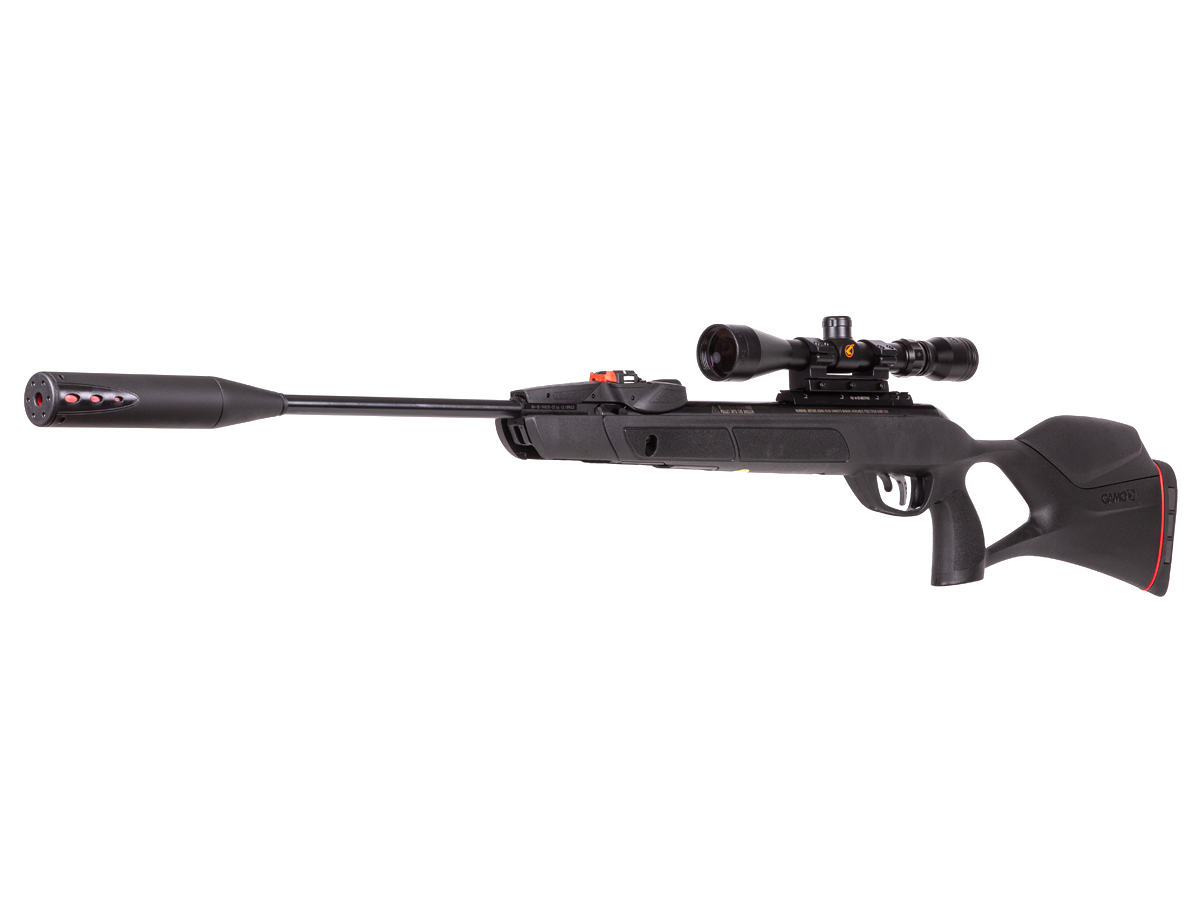
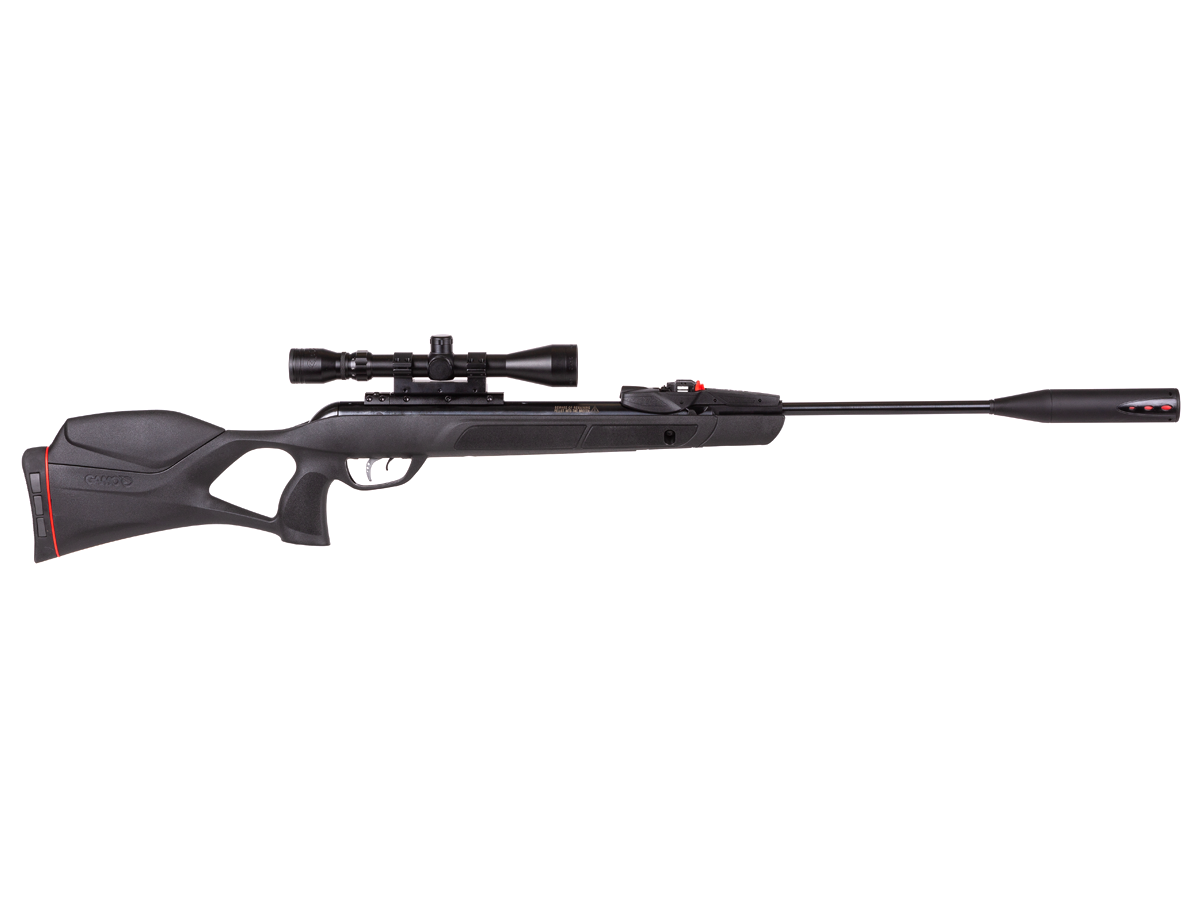
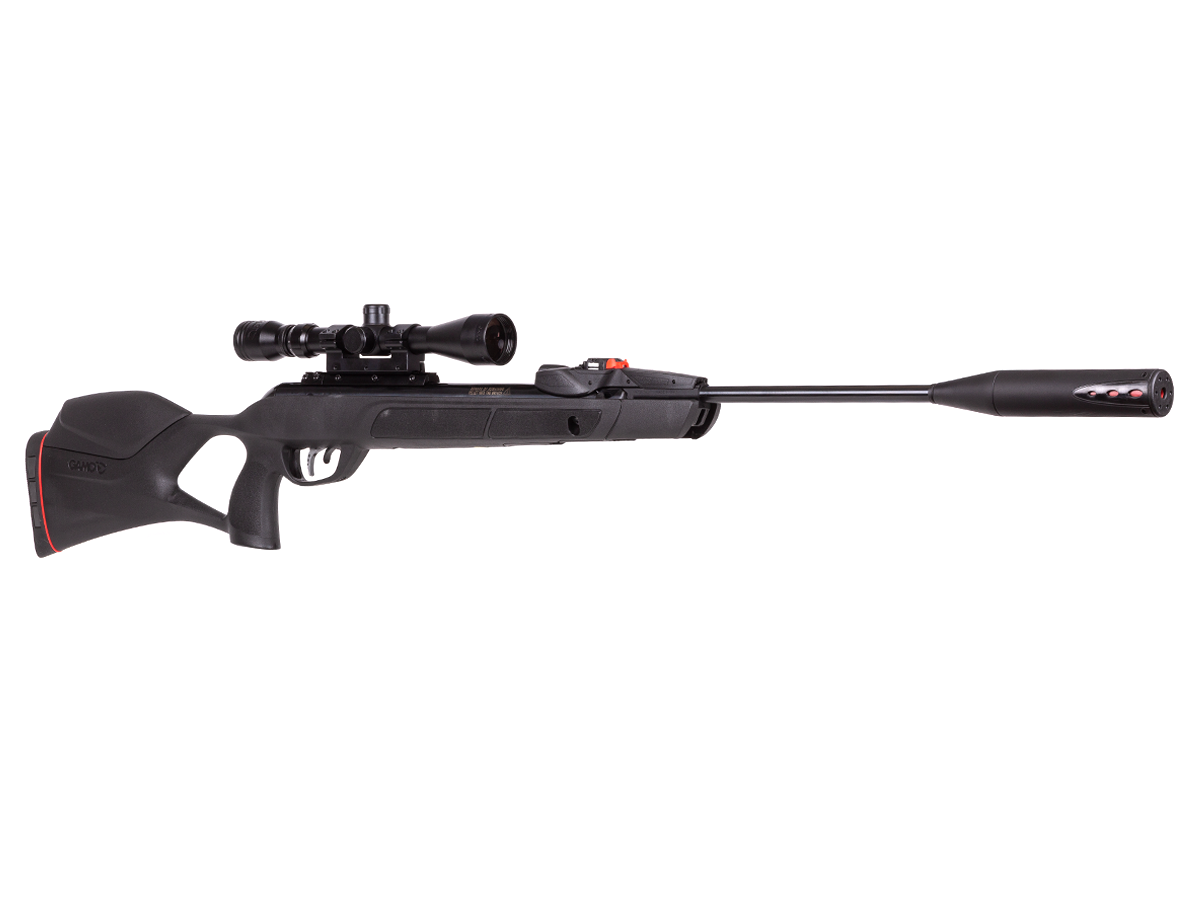
Best break barrel air rifle for the money: Gamo Swarm Magnum 10X Gen3i
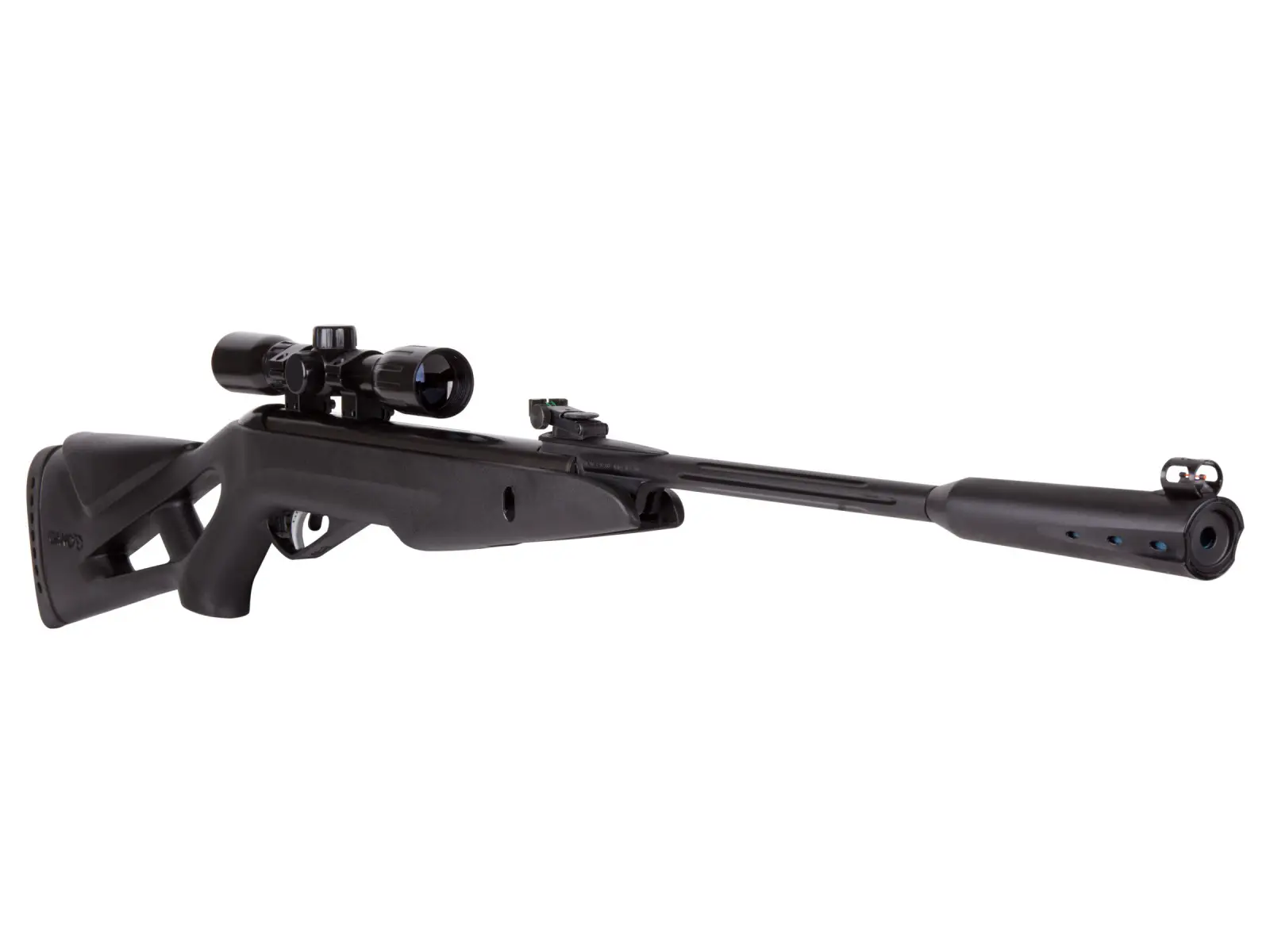
The Gamo Swarm Magnum 10x Gen3i Gas-piston Break-barrel Air Rifle is the perfect embodiment of cutting-edge air rifle technology for outdoors enthusiasts and air rifle shooters alike.
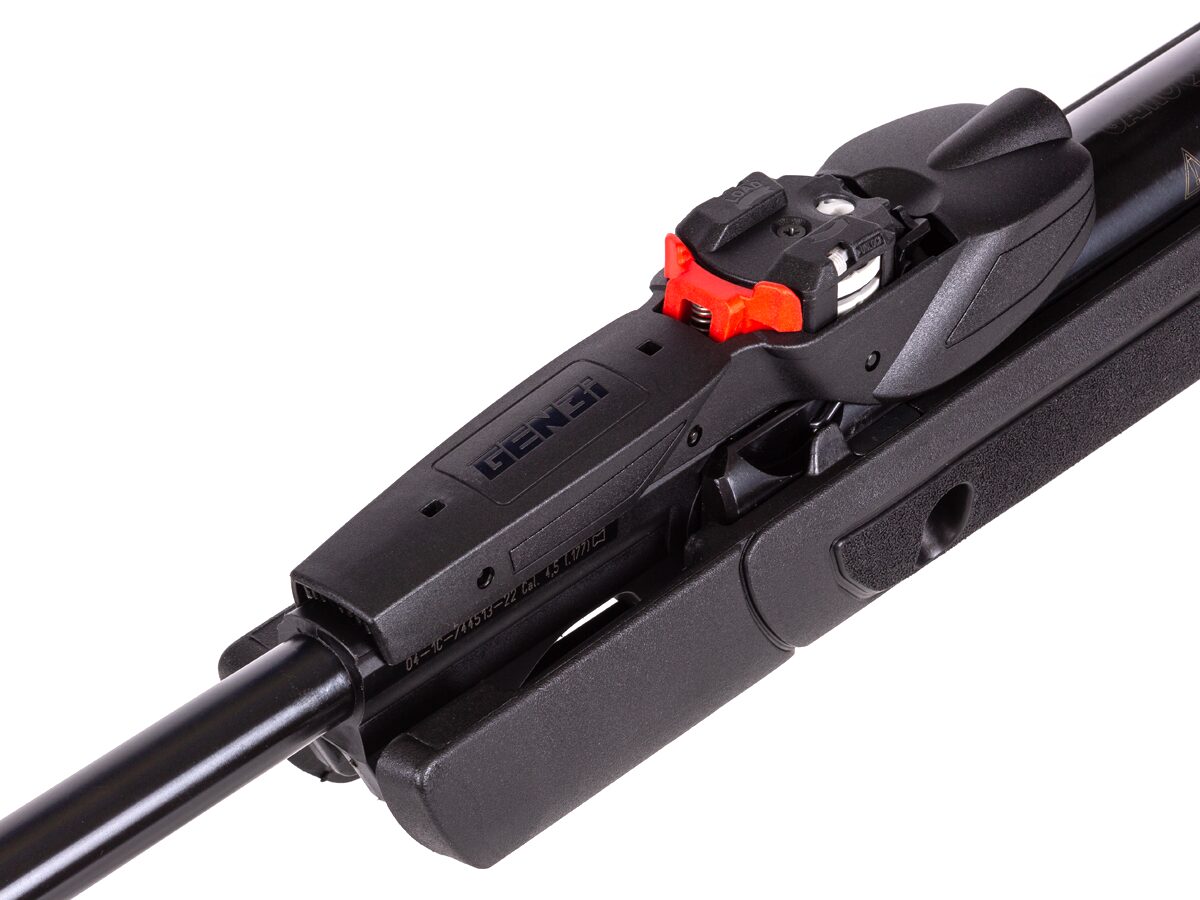
An innovative 10X GEN3i Inertia Fed Magazine allows for the rapid reloading of 10 shots in a lighter, more compact, and low-profile package.
An upgraded mechanism makes the magazine rotate to rapidly insert pellets into the breech using the inertia of the recoil when shooting.
The improved accuracy, smoother operation, and terminal penetration make this air rifle a must-have for any competitive marksman.
Ultimately, experience maximum performance in an outdoor setting with IGT Mach 1 high-power gas piston technology.
With more precision, less vibration, and true knockdown power, this 33-millimeter cylinder sends pellets up to 1650 FPS with alloy ammo – allowing you to strike targets with maximum force and accuracy.
Combining these top-tier features, Gamo Swarm Magnum 10x Gen3i Gas-piston Break-barrel Air Rifle provides both recreational shooters and serious marksmen alike with an exceptional tool of modernity that simply cannot be rivaled by conventional firearms.
The Gamo Swarm Magnum 10x Gen3i is the ideal choice for any outdoors enthusiast, hunter, or air rifle shooter.
With its Whisper Fusion technology and CAT Trigger, you get the perfect combination of silence and precision.
The Whisper Fusion technology utilizes a double-integrated sound moderator to make it the quietest air rifle in Gamo’s line of products. As you fire off shots, the pellet travels through two different chambers, compressing and preventing any noise expansion.
With its independent adjustable 1st and 2nd stages, the CAT Trigger allows you to tailor your trigger to how you want it – giving you complete control over your shot.
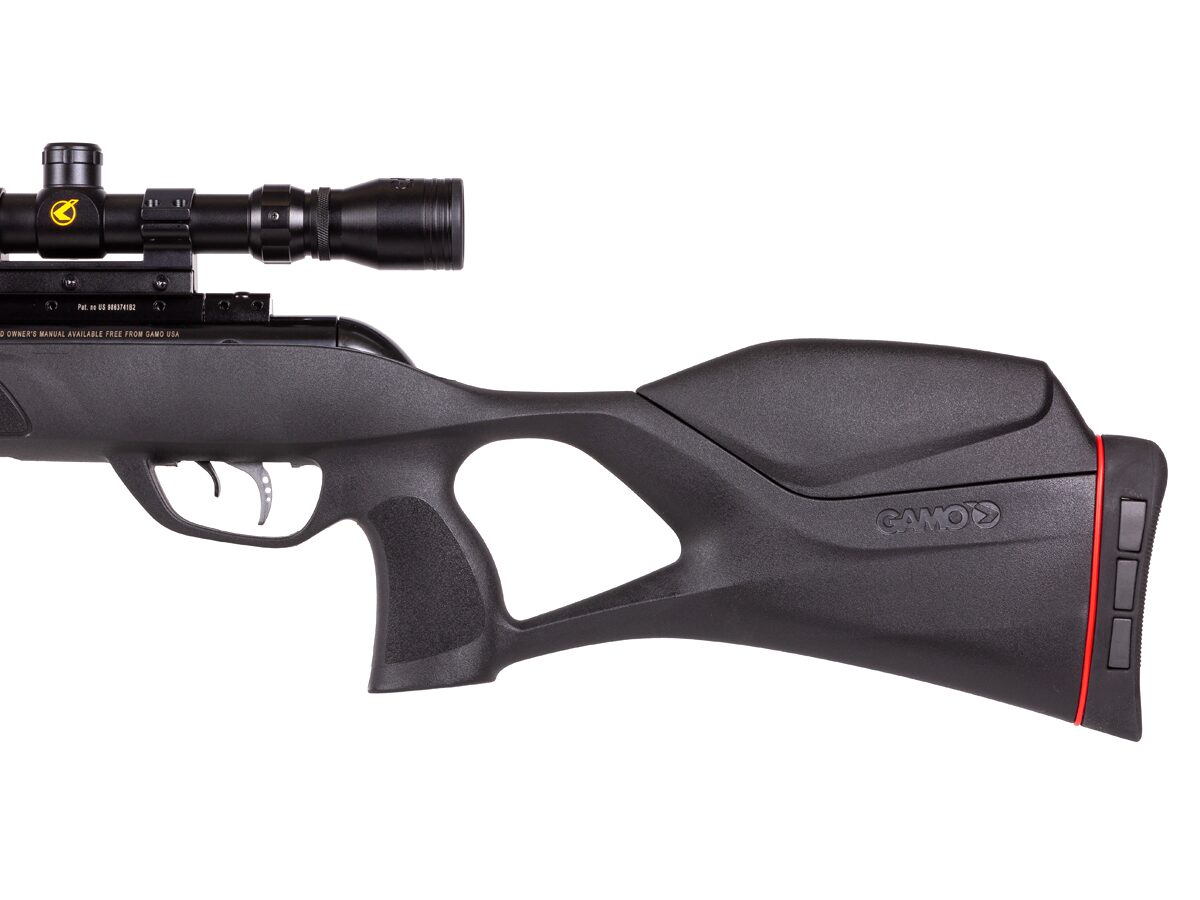
Thanks to its Recoil Reducing Rail and All-Weather Thumbhole Synthetic Stock, you get recoil reduction that’s almost 100%, plus lightweight construction that provides steady and reliable performance in any weather.
The Gamo Swarm Magnum 10X Gen3i features a two-piece aluminum construction rail separated by dual polymer struts to absorb shock waves produced by the recoil.
The size and shape of the stock have been carefully crafted to fit most shooters, providing a perfect alignment with your scope for optimal accuracy.
Not only does it look impressive, but this lightweight, the tough design allows for all-weather shooting when outdoors – so you can enjoy shooting no matter the weather!
Features:
10X GEN 2 Quick-Shot inertia-fed magazine
Max velocity: 1300 fps with alloy, 975 fps with lead
What’s more? The Rekord trigger shortens the learning curving curve by a lot.
With 820 fps in .177 caliber and 650 fps in .22 caliber, you can enjoy endless plinking and target practice.
Designed and manufactured in Germany using the latest sporting arms technology by a company with decades of experience and an eye for detail, this air rifle is perfect for all types of leisure and sporting use.
It is easy to handle yet packs a powerful punch thanks to its solid construction and reliable piston spring. Its excellent accuracy ensures that you’ll be able to hit your target every time when you pull the trigger.
This well-crafted weapon features an automatic safety, match-type trigger “Rekord” for enhanced accuracy and power, tunnel front sight with interchangeable inserts for clear target acquisition, and micrometer sight adjustable for windage and elevation with four different notches for personalized shooting.
The beechwood ambidextrous stock is both accomplished in its style and comfortable to hold, featuring a long and handy forearm and cheekpiece on both sides as well as checkering on the pistol grip and forearm for secure handling even in adverse conditions.
Features
Single-shot
24 lbs. cocking effort
Checkered beech stock with raised cheekpiece
2-stage adjustable Rekord trigger
Globe front sight accepts inserts (included)
Adjustable rear sight
Steel barrel & receiver
Rubber buttpad
Incl. front sight inserts
Accuracy
Calibers
Pellets
Distances
Groups
.22
H&N Baracuda Hunter Extreme 18.5 gr
20 yards
1/2"
.177
H&N Field Target Trophy 8.64 Gr
10 meters
dime size
.177
H&N Excite Spike Pointed 8.64 Gr
25 yards
0.5"
.177
Predator Polymag 8 Gr
15 meters
dime size
.22
Crosman Hollow Point 14.3 gr
25 yards
0.5"
.177
JBS Exact
25 yards
5/16"
.177
Crosman Premier 7.9gr
10 yards
one hole
.177
H&N Field Target Trophy 8.64 Gr
35 yards
dime size
.177
JSB Match Diabolo Exact 8.44 Gr
10 yards
0.16"
.177
H&N Field Target Trophy 8.64 Gr
30 yards
1/4"
.177
RWS Superdomes 8.3gr
25 yards
0.5"
Chrony tests
Calibers
Pellets
FPS
FPE
.177
RWS Hobby 7 Gr
864
11.61
.177
H&N Excite Spike Pointed 8.64 Gr
765
11.23
.177
Predator Polymag 8 Gr
775
10.67
.177
Crosman Premier 7.9gr
765
10.27
.22
Crosman Premiers 14.3 gr
610
11.80
.177
H&N Field Target Trophy 8.64 Gr
754
10.91
.22
RWS Superdome 14.5 gr
630
12.78
.22
H&N Field Target Trophy 14.66 Gr
616
12.36
.177
JSB Exact 8.4 gr
775
11.21
.177
RWS Super Point 6.9 Gr
815
10.18
.22
RWS Hobby 11.9 gr
650
11.17
.177
Crosman Premier 7.9 gr
770
10.4
.177
JSB Exact heavies 10.5 gr
660
10.16
.177
Crosman Premier 7.9 Gr
769
10.38
Recommended uses:
Target shooting/backyard plinking
Pest control: crows, iguanas, rats.
Pros and Cons
Pros
Cons
Lightweight and compact
Beautiful stock and excellent HW barrel
Not very hold sensitive
Accurate with open sights
The rear sight has three different notches (different widths) and a V-notch
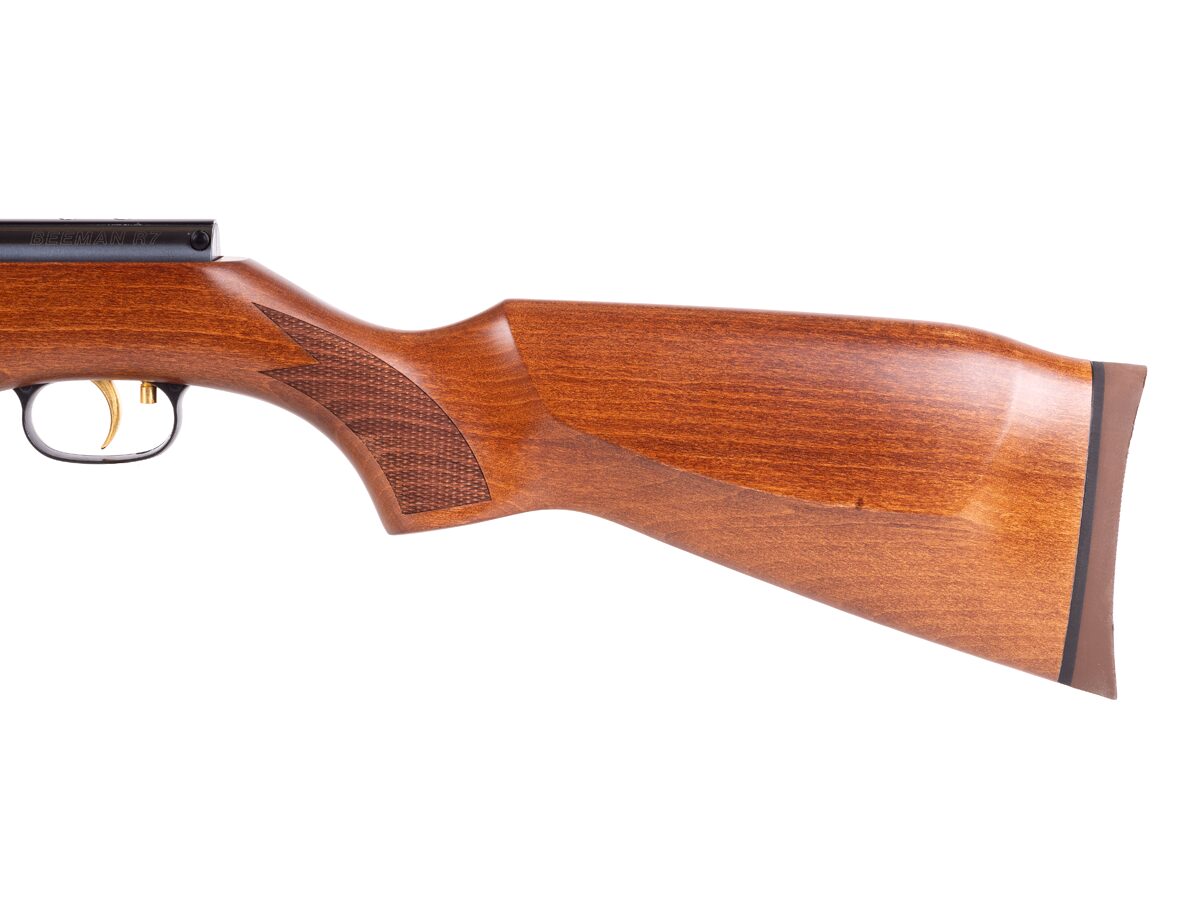
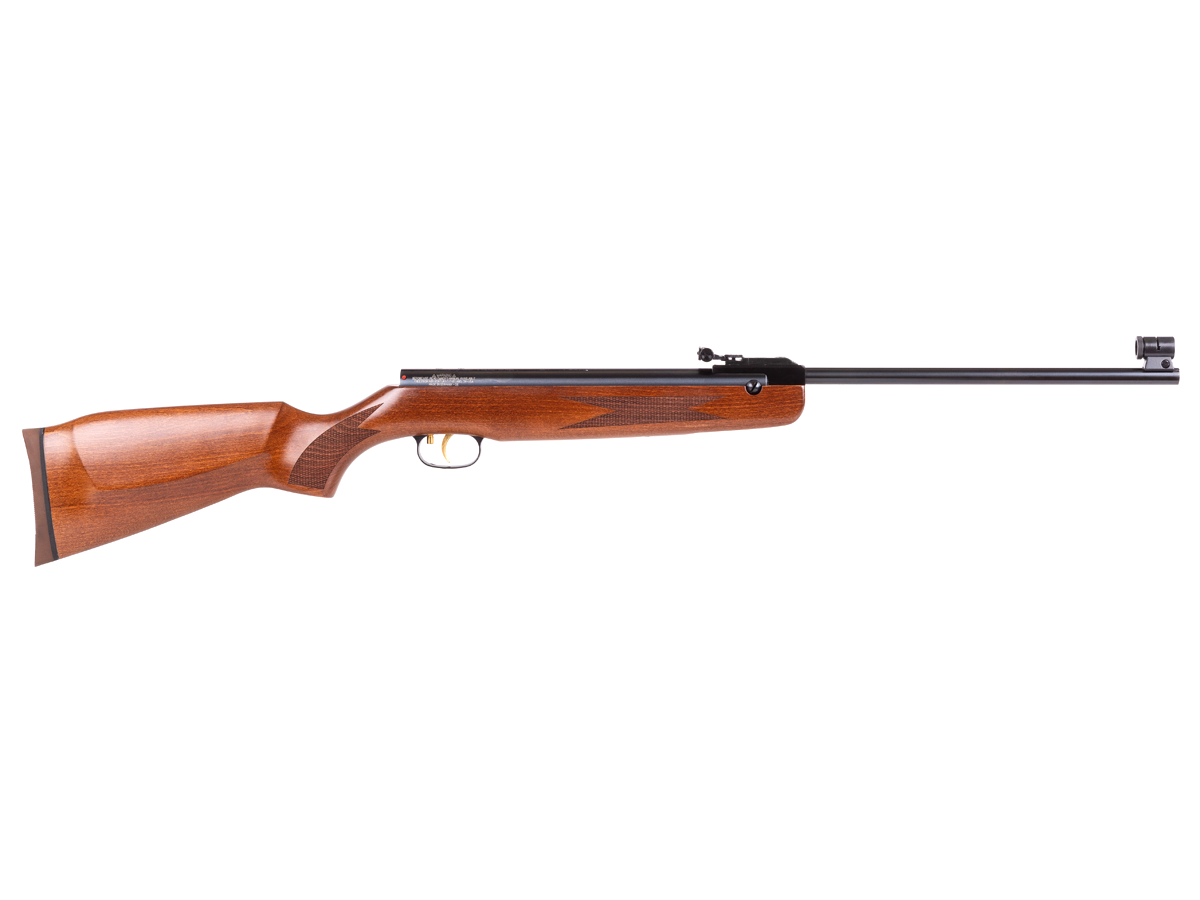
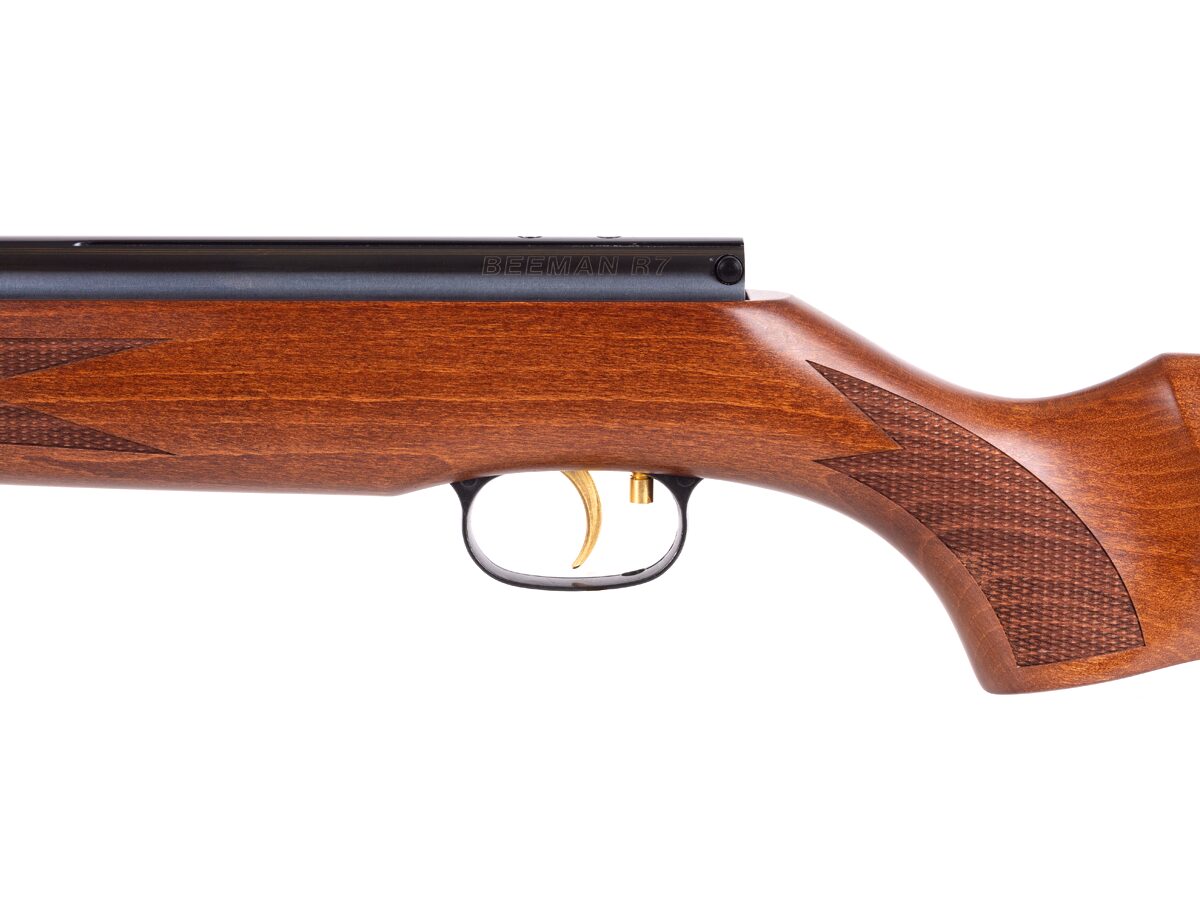
The Beeman R7 Air Rifle will be useful if your aim is backyard plinking.
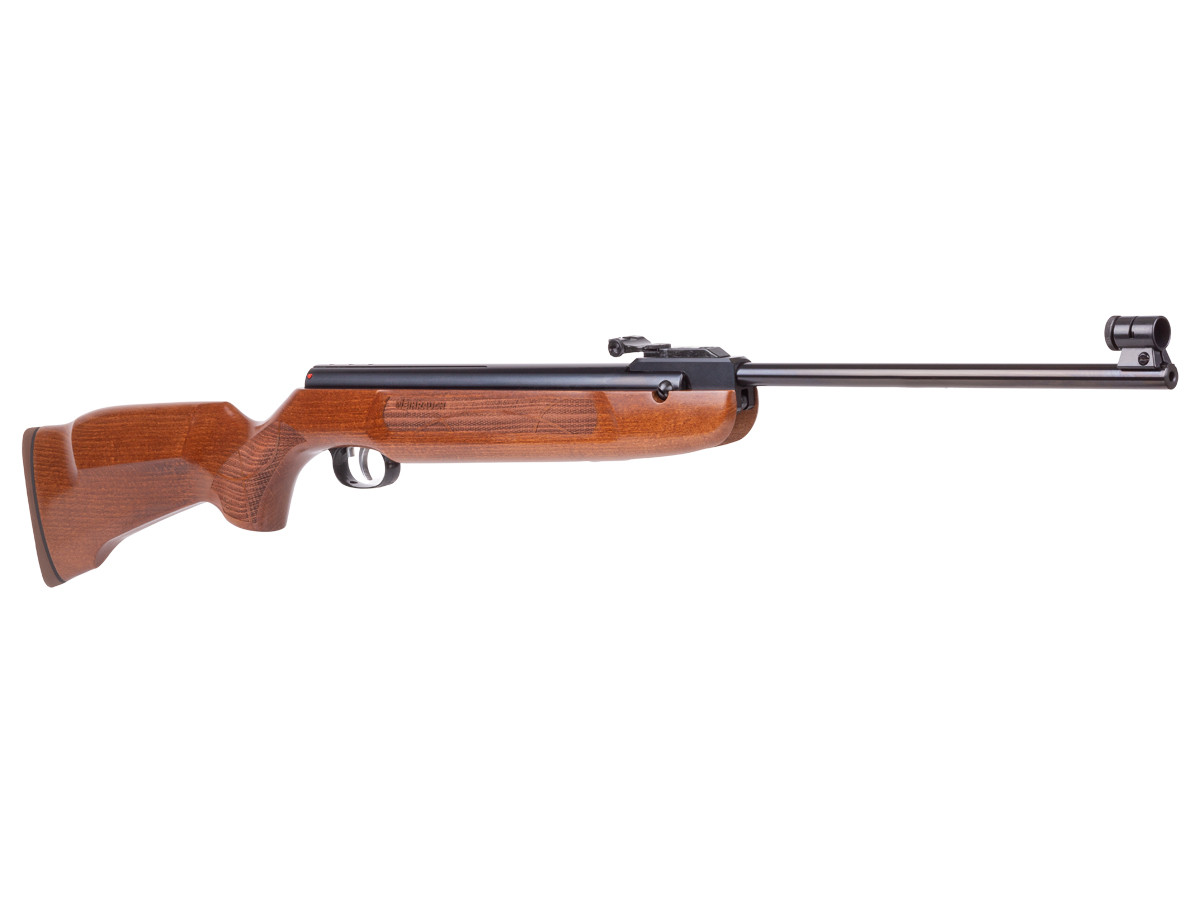
You’ll produce less than 70dB – with .177 pellets shooting at 700 fps and 7 FPE.
This customized version of Weihrauch’s HW30 offers superior comfort and fit with a North American-style stock as well as availability in a .20 caliber option in addition to the traditional .177 version marketed by Weihrauch.
Crafted for ultimate function and form, the Beeman R7 features metal surfaces of superior quality exhibiting a high level of machining and polishing.
Fitted with the renowned Rekord trigger, this two-stage adjustable unit offers no creep and a smooth let-off – allowing you to get on target faster and remain there longer than ever before.
Beeman offers their renowned R7 in a unique .20 caliber, giving shooters access to exclusive models.
However, when it comes down to cost and pellet options the classic .177 caliber is unbeatable; we recommend light pellets between 7-8 grains for optimal performance from your R7 – such as Beeman Silver Bear or HW/RWS Match Pellets.
Features:
Spring-Piston
Break barrel
2-stage adjustable Rekord trigger
Rubberized buttpad
18 lbs of cocking effort
11mm Dovetail rail
Adjustable rear sight and globe front sight
Automatic safety
Accuracy
Calibers
Pellets
Distances
Groups
.177
FX Air Rifle 8.4 Gr
25 yards
one hole
.177
JSB Match Diabolo Exact 8.44 Gr
25 yards
1/4"
.177
Crosman Premier Hollow Point 7.9 gr
50 feet
dime size
.177
Crosman Premier Hollow Point 7.9 gr
20 yards
quarter size
.177
JSB Exact RS 7.33 gr
22 yards
one hole
.177
RWS Hobby 7 gr
10 yards
one hole
.177
JSB Match Diabolo Exact 8.4 Gr
20 yards
dime size
.177
H&N Field Target Trophy Cal, 8.64 Gr
25 yards
0.5"
.177
JSB Match Exact Express Diabolo 7.87 Gr
27 meters
3/8"
.177
RWS Hobby 7 gr
27 meters
0.5"
.177
Beeman Hollow Point Coated 7.2 gr
15 yards
.323"
.177
RWS Superdome 8.3 Gr
15 yards
.323"
.177
Crosman Premier Hollow Point 7.9 gr
15 yards
.573"
.177
Air Arms Diabolo Field 8.44 Gr
15 yards
.198"
.177
Air Arms Falcon 7.33 Gr
15 yards
.448"
.177
Beeman Hollow Point Coated 7.2 gr
20 yards
.698"
.177
RWS Superdomes 8.3 gr
20 yards
.698"
.177
Crosman Premier Hollow Point 7.9 gr
20 yards
.823"
.177
Air Arms Diabolo Field 8.44 Gr
20 yards
.448"
.177
Air Arms Falcon 7.33 Gr
20 yards
.511"
.177
Beeman Hollow Point Coated 7.2 gr
25 yards
.761"
.177
RWS Superdome 8.3 Gr
25 yards
.948"
.177
Crosman Premier Hollow Point 7.9 gr
25 yards
.823"
.177
Air Arms Diabolo Field 8.44 Gr
25 yards
.636"
.177
Air Arms Falcon 7.33 Gr
25 yards
.573"
.177
Beeman Silver Bear 7.1 gr
40 yards
5/8"
Chrony tests
Calibers
Pellets
FPS
FPE
.177
Crosman Premier Hollow Point 7.9 gr
745
9.74
.177
JSB Exact RS 7.33 gr
679
7.51
.177
H&N Field Target Trophy 8.64 Gr
555
5.91
.177
RWS Hobby 7 gr
649
6.55
.177
RWS R10 Light 7 gr
660
6.77
.177
Beeman Silver Bear 7.1 gr
637
6.4
.177
RWS Super-H-Point 6.9 gr
637
6.22
.177
Napier ProHunter 7.69gr
611
6.38
.177
JSB Match Exact Express Diabolo 7.87 Gr
623
6.78
.177
Crosman Premier Light 7.9 Gr
592
6.15
.177
Predator Polymag 8.0 gr
618
6.79
.177
H&N Match Heavy 8.18 Gr
611
6.78
.177
RWS Superdome 8.3 gr
563
5.84
.177
RWS Superpoint 8.2 gr
556
5.63
.177
RWS-R-10 Match Heavy 8.2 Gr
575
6.02
.177
RWS Meisterkugeln 8.2 Gr
586
6.25
.177
H&N Field Target Trophy 8.64 Gr
624
7.47
.177
Beeman Silver Sting 8.64 Gr
615
7.26
.177
Beeman FTS Double Gold 8.64 Gr
607
7.07
.177
H&N Crow Magnum 8.80 Gr
568
6.31
.177
RWS SUPERMAG 9.3 gr
478
4.72
.177
JSB Diabolo Exact Heavy 10.34 Gr
527
6.38
.177
Crosman Premier Heavy 10.5 Gr
470
5.15
.177
Beeman Kodiak Match 10.65 gr
514
6.25
.177
Beeman Kodiak Double Gold 10.65 Gr
502
5.96
.177
Beeman Silver Arrow 11.57 gr
446
5.11
.20
Beeman Silver Bear 9.88 Gr
546
6.54
.20
Beeman Silver Sting 12.81 Gr
505
7.26
.20
H&N Spitzkugel 10.96 Gr
551
7.39
.20
Beeman Field Target Specials 11.42 Gr
496
6.24
.20
H&N Field Target Trophy 11.42 Gr
527
7.04
.20
Beeman FTS Double Gold 11.42 Gr
463
5.44
.20
H&N Baracuda Match 13.58 gr
527
8.38
.20
H&N Crow Magnum 12.81gr
451
5.79
.20
Beeman Kodiak Extra Heavy 13.27 gr
417
5.13
.20
JSB Exact 13.73 gr
417
5.3
.20
Predator Polymag 13.89 gr
411
5.21
Recommended uses:
Target shooting/backyard plinking
Pest control: crows, snakes, rats.
Pros and Cons
Pros
Cons
Made in Germany
Compact and lightweight
High-quality fit and finish
Quiet and accurate
Easy to shoot
Not hold sensitive
Great Rekord trigger
Easy to cock
Great for pest control up to 25 yards
Great gift for introducing your kids to get into shooting sports
One major way to categorize them is through the type of power plant they use.
Some of the most popular power plants for air rifles include CO2, Pre Charged Pneumatics (PCPs), coiled metal springs, Gas pistons (including Nitro Piston), and multi-pump.
For air rifles with coiled metal springs and gas pistons, cocking involves breaking the barrel down, loading the pellet, and then breaking the barrel up.
That act of swinging the barrel on a hinge back and forth is what led them to be called break barrel air rifles.
2. Are break barrel air rifles good?
Break barrel air rifles are some of the most popular air rifles in the shooting world.
They are advantageous over PCPs and CO2 air rifles in more ways than one:
They are fully self-contained – no need for additional cartridges and pumping devices
They are generally budget friendly and easy to operate
They have more recoil, which enhances your shooting skills
They are easy to tweak for improved performance
Break barrels are the easiest air rifles to load since you fully expose the breech when you break down the barrel
By the fact that springers don’t need a separate cocking mechanism, they tend to be lighter than sidelever or underlever airguns
Springers are easier to repair than the other airgun types – their shooting mechanism is less complicated
The ability to break the barrel makes it easy to clean the break barrel airguns
In your effort to make more accurate shots, the break barrel air rifle will help you learn how to hold and use an air rifle properly, more than the PCPs and Co2 airguns can
3. Are break barrel air rifles accurate?
The accuracy of airguns is subjective.
That’s why the accuracy ratings are always accompanied by the range at which the tests were performed.
An airgun may be fairly accurate at 10 yards but quite inaccurate at 100 yards.
That is because other forces like wind drafts and gravity come to play as the pellet moves farther away from the shooter.
So, generally speaking, there are break barrel air rifles with accuracy as high as 1” groupings at 50 yards.
Others surpass this accuracy level, while others come short of it.
To break the barrel is essentially swinging the barrel on its hinge.
This is done for three main reasons:
To load the pellet – usually, you need to swing the barrel on its hinge from the aligned position so as to access the port for loading the pellets
To cock the gun – By swinging back the barrel to its aligned position, you actually compress the metal spring powerplant in readiness for the next shot.
To uncock the gun – You are advised not to leave the gun cocked for long periods of time when not in use.
The metal spring may lose its strength. So break down the barrel before hanging up your gun
5. How to clean a break barrel air rifle?
It is not that necessary to clean the air rifle barrel.
Experience shows that the bore of the barrel is self-cleaning.
Oil from the metal spring can find its way into the barrel bore, and thus attract all forms of dirt.
Lead particles from fast-flying pellets can also be deposited within the bore of the barrel.
However, every pellet shot carries with it some portion of the accumulated dirt.
In the long run, the bore remains fairly clean.
But if you really have to clean it, run a number of clean patches through the bore.
Remember not to use any solvents – lest you damage the bore.
Also, dry the bore when you are done cleaning.
If you intend to store the airgun for long, apply a light film of good gun oil.
Load the specially made felt cleaning pellet and fire the airgun as normal.
You may wish to soak the pellet in your favorite gun cleaning solution.
About 6 pellets are enough to scrub most of the accumulated lead and dirt.
ii) Pull-through method
This entails cleaning the bore of the barrel by inserting a cleaning shaft on the muzzle end of the rifle and then pulling it out.
The patch is usually attached to a long loop to help you pull it out with ease.
Choose the right cleaning patch to match your air rifle caliber.
iii) Using the BoreSnake
This works more or less like the pull-through shaft – only that the entire body of the snake does the cleaning job – as opposed to a shaft on one end of the loop.
As such, you expect the cleaning job to proceed faster due to the large surface area of contact
iv) Using a cleaning rod
Be careful with this method lest you damage the bore.
The rod comes with jags and brushes attached to one of its ends.
This is the end you insert into the rear end of the bore.
Drive the rod until the jag comes out through the muzzle end.
v) Using bore paste
Bore paste contains grinding particles that remove dirt as well as tiny imperfections within the barrel of the bore.
You can use the bore paste with the cleaning rod or pull-through method.
To prevent the rusting of metallic parts of your air rifle, use popular gun oils such as the Ballistol Lube.
The same can as well be used to maintain wooden air rifle stocks – especially if your airgun is frequently exposed to high levels of humidity.
6. Is it necessary to break in your barrel?
The short answer is no!
Breaking in refers to the process of seasoning your brand new break barrel air rifle after purchase.
You see, the bore of the barrel may have tiny burrs and imperfections that are thought to slightly compromise the performance of new airguns.
By shooting good quality pellets on a regular basis, the seasoning happens almost naturally without you even realizing what you are doing.
I guess that works for me, and multitudes of others.
But if you feel philanthropic enough and have the time, inquire with the manufacturer about an appropriate break-in procedure specific to your air rifle model and brand.
Share your findings in the comment section below. We would be glad to know how it went.
7. Best scope for break barrel air rifle?
With break barrel air rifles, you don’t want to simply choose the cheapest scope on the market or any other decent option used with other airgun types like the PCPs.
Two crucial factors make break barrel air rifles different when it comes to the choice of the scope:
The vibrations resulting from the recoil effect with every fired shot – this can damage the scope
The fact that you have to break the barrel down and up with virtually every pellet you fire – this tends to throw the scope out of sight, thus affecting accuracy
With that in mind, the following two are the most popular scopes for break barrel air rifles:
Trinity hunting optics sight scope
Simmons rifle scope
Don’t be tempted to use any firearm scope – justifying yourself that firearms also have huge recoil.
Also, firearm scopes are designed for long-range shooting – and in the real sense, you’ll never use your air rifle to shoot a target more than 100 yards away.
8. Best scope mount for break barrel air rifle?
Most people go for the two-piece scope rings because they are cheaper.
While they do their work most times, the stability may be compromised for the very powerful break barrel air rifles or those with much recoil.
In this case, opt for the single-piece scope mount.
9. Best oil for a break barrel air rifle?
We just mentioned the Ballistol Lube in Question No. 7 above.
It is very popular among air rifle enthusiasts because:
It is fully compatible with all metals
Its alkaline nature helps dissolve corrosive ammo residue
It beautifies air rifle stocks
It prevents air rifle stocks from drying
It never gums up or hardens, no matter how long you store it
It is smokeless
It protects against corrosion
It seals the pores in wooden stocks – thus preventing the absorption of moisture which causes thickening and warping of the stock.
Watch how the legendary Tom Gaylord lubricates his spring-piston airgun:
10. Best bipod for a break barrel air rifle?
For CO2 and PCP air rifles, using a bi-pod is not that complicated.
However, springers complicate the use of bi-pods because of the huge recoil they usually generate.
The recoil pushes the airgun to and fro – thus randomly changing the balance point of the air rifle.
The random nature of the to and fro movements makes it quite hard to find the perfect balance point for optimum accuracy.
I advise you to practice the “artillery hold” until you are comfortable shooting the gun without the use of a bipod.
This fits virtually all air rifles without the need for swivels.
One end slips over the barrel, the other end over the buttpad.
13. Will mounting attachments on a break-barrel barrel affect accuracy?
It depends on where exactly you mount the attachments.
If you are using the Picatinny rails or Weaver mounts, there should be no problem at all.
But for any attachment that mounts directly on the barrel, take care.
One guy attached a Bisley swivel nearly halfway up the barrel.
Every moment he carried the gun, the barrel twisted slightly.
In such a case, the accuracy of the air rifle is definitely affected.
14. How long can you leave a break barrel air gun cocked?
Numbers don’t lie. Although I haven’t tried it personally, the well known Tom Gaylord cocked these springs for one whole month – or if you like, 735 hours
R1 spring
Beeman laser spring
Venom spring
Maccari custom spring
The Beeman laser spring was the most affected, though it lost only 6.75 % of its power.
That means if the initial muzzle energy was 20 FPE, the new muzzle energy would be 18.65 FPE.
In my assessment, that is not as much loss as usually portrayed by many break barrel air gunners.
So feel free to leave your gun cocked for an hour or two as you wait for that perfect shot.
15. Does leaving an air rifle cocked weaken the spring?
It depends on the quality of the spring and the duration you leave it cocked.
R1 spring – Lost 6.11% of its strength – slightly bent
Beeman laser spring – Lost 6.75 % of its strength – perfectly straight
Venom spring – Lost 3.07% of its strength – was slightly bent – started vibrating
Maccari custom spring – Lost 5.35% of its strength – perfectly straight
I suggest you do a similar experiment with some Chinese springs and share the findings.
16. How long can you leave a nitro piston pellet gun cocked?
Oh, forever! Without the slightest thought of Spring fatigue either.
That is one big advantage of the nitro piston over the coiled metal springs.
17. Can you dry fire a break barrel air rifle?
Yes, you can.
Sometimes it happens accidentally – then you have no control.
But sometimes you can do it out of curiosity – as The Dollar Sportsman did back in 2019.
The guy performed accuracy tests with his GAMO Raptor Whisper and obtained fairly tight groupings.
After dry-firing the air rifle 50 times, he did the second accuracy test.
You’d be surprised that the accuracy was as great as it was at first.
As a matter of fact, the Gamo airguns manufacturer states on their website that their rifles are designed to dry fire 10,000 times with no issue at all.
But for safety’s sake, don’t assume your airgun is a Gamo. Get the facts first.
18. Can you shoot BBs in a break barrel pellet gun?
Yes, that’s possible – but the issue is, what happens after you shoot the BB?
If the BB is the same caliber as the pellets, the shot will proceed as normal, though the BB may jet out with a “squirreling” motion.
If the BB caliber is smaller than the bore, there is some likelihood of it damaging the internal mechanisms of the air rifle.
It may even fail to come out through the muzzle, leaving you with the additional headache of dislodging it.
Walleye is the state fish of Minnesota. It is arguably the most sought-after species during the summer and winter months. Walleye offer excellent table fare, an exciting fight, and they are one of the few game fish that remain active throughout the cold winter months. Because of the popularity of the walleye and the challenge they provide for anglers, many methods have been developed for catching them. At Tuned Up Custom Rods, we have designed a whole arsenal of rods to be used for every known walleye technique. In this blog, we will break down which rods are best for each technique to help you make the best choice in your rod purchase.
All the different lures and presentations can be broken down into two main ways to fish for walleye: Jigging and Dead Sticking. Jigging means you are actively moving your bait and lure with your hand by lifting the rod tip up and down. This lets your lure imitate the movement of live bait. Dead Sticking means you have your rod stationary and you are using live bait (usually minnows). The bait itself makes the action underwater and you wait for a fish to bite.
Let’s look at jigging first. Jigging is active. You are constantly involved in the process and you often are trying to tempt fish with your offering. Sometimes, fish will respond best to large, aggressively jigged lures. Other times, the fish will prefer moderated jigging of a spoon. Still other times, the fish will want you to barely move a small spoon or jig. Having multiple presentations rigged up and ready to go, will allow you to home in on the fish’s mood quickly and effectively.
Different lures have different weights. At Tuned Up Custom Rods, our rods are built to be matched to specific weight ranges of lures. If you fish too heavy of a rod on a light lure, you will not feel or see the bite as well. If you fish too heavy of a lure on too light of rod, you will not have the control of the bait when jigging. It comes down to balance.
We offer three main walleye rods for most lure weights. These rods will be effective for most walleye presentations. The rods are the Precision, the Power Precision, and the Commander.
The Precision is a Light to Medium Light power, fast actions jigging rod. It is designed to handle lures from 1/10 ounce to 1/4 ounce. This is the range most walleye spoons fall into. The Precision is our most versatile walleye rod and will handle most walleye situations. The Precision works great with popular walleye spoons like the VMC Tingler Spoon, Lindy Rattln’ Flyer, and Swedish Pimple. It can also be used for small minnow profile baits like the Rapala Ultra-Light Rippn Rap 04.
The Power Precision is a Medium Power, fast action jigging rod. This rod is heavier than the Precision and can support baits from 1/8 ounce to 3/8 ounce. The Power Precision really shines with minnow profile baits like the Rapala Rippin Raps and Lindy Darters. It also works well for heavier spoons.
The Commander is a Medium to Medium-Heavy power, fast action jigging rod. This rod is our premiere walleye rod. It is very versatile, being able to handle medium spoons up to the largest minnow profile baits and swimbaits. It handles lures in the ranges of 1/8 ounce to 5/16 ounce. The Commander is excellent for targeting the largest walleye and pike in a lake. It has a remarkably sensitive tip and a backbone that can comfortably fight nearly all trophy fish.
29″ Walleye Caught on Commander
If you are looking for a rod that can be used for walleye and for smaller species, such as perch and crappie, we offer two, very different rods for you; the Fusion and the QuickTip. Both rods are intended to be jigging rods and accommodate the smaller end of the baits people use for walleye, including the smallest Rippn Rap 03 and the smallest spoons.
The Fusion is a Light Power, Moderate-Fast action rod. Its slower action allows the rod to load up more during the hookset. The Fusion is a great blend between panfish and walleye, especially if you are targeting eater sized walleye.
The QuickTip is a Light Power, Extra-Fast action rod. The tip transitions lightning quick to the backbone. This allows you to set the hook as soon as you feel a bite. Because the tip is so quick, the QuickTip is somewhat limited in the size of lures it fishes well. You will want to stay at or under the 1/8 ounce size. It is also very important to keep the QuickTip parallel to the ice when you set the hook and fight the fish. High sticking might lead to a broken tip.
Finally, if you are looking for a dead stick rod to place in a rod holder with a slip bobber or a bait feeder reel, the Tuned Up Custom Rods DeadStick is your perfect choice. This is a Medium Power, Slow Action rod. The slow action and the light fiberglass tip allow you to visually watch when a fish begins biting your minnow. You can see the bite happen before the fish knows that they are attached to the rod. This technique is expertly demonstrated in the attached video from In-Depth Outdoors. The DeadStick also works very well in an iFishPro tip-up system.
If you made it all the way to the end, you know now just how much thought and care went into the designing of the Tuned Up Custom Rods Walleye line-up. Which rod is right for you depends on how you like to fish. For many people, the Precision is the perfect starting point. But many people prefer to have multiple rods, to cover all their walleye bases.
"Debate over whether a 22 air rifle can effectively take down a deer has sparked curiosity among hunting enthusiasts. With its lower muzzle velocity...