

Home Blog Page 57

Food Plot Chemistry: The Science Behind Growing Your Best Food Plot

0

1.2K

With so deer hunters many reaching for a bottle of herbicide to “improve” their food plots, are you truly helping your deer herd?

Food plotting has evolved greatly since the days of an “ol’ greenfield.” From Genetically Modified Organisms (GMOs) to precision farm equipment, today’s food plots are comparable to most commercial farming operations. Though heavily used in food plots, herbicides are likely the least understood by those applying them. So are you actually benefitting your food plots and deer by using these chemicals?
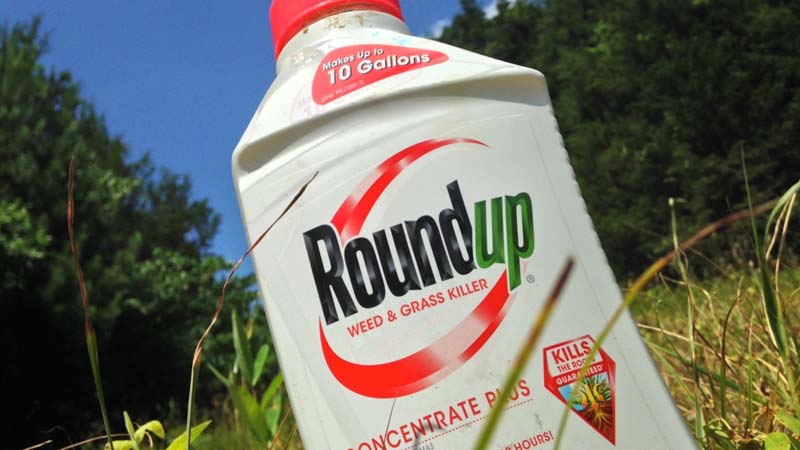
Glyphosate (AKA Roundup®)

Likely the most utilized herbicide for food plots, glyphosate or more commonly called by its trade name Roundup®, is one that is used in both food plot preparation, as well as weed and grass control in actively growing plots. Though it is one of the most commonly used herbicides, it is likely one that is least understood.

For instance, many worry about how glyphosate can affect seeds just planted or how long to wait before planting after spraying glyphosate. The answer is simple, you don’t have to wait at all. Glyphosate is a foliar-active herbicide meaning that it typically travels through the leaves of the plant to the roots to kill. So when there are no parts of the plant exposed (as is the case with seeds) then there is no possibility of killing the plant. The only benefit of waiting is to allow competition in the immediate vicinity to die back so the new plant has access to more available nutrients. In this case, it will take approximately 7-10 to start seeing significant results.

USAGE

Most glyphosate products will range in application rate. Typically this is determined by the type of plants you are trying to remove and at what growth stage. For instance, removing something like common ragweed, an annual broadleaf weed, may need 16oz/acre. But a hardy, perennial grass-like fescue could require up to 64oz/acre.

Typical herbicide application requires it to be mixed with water to create a “solution.” The amount of solution applied per acre depends on the application method. For example, if you are using a tractor and 3-point sprayer with 25-foot boom arms, then based on the tractor speed, sprayer pressure, and the number of nozzles, you will determine the amount of solution per acre. This is called “calibrating” the sprayer. Why is this important? Well let’s say your sprayer puts out 15 gallons of solution per acre, and you are wanting to apply 64oz of glyphosate per acre to kill fescue. Then you will need to add 14.5 gallons of water (15 gallons of “solution” less 64oz of glyphosate) for every 64oz of glyphosate to adequately treat an acre.

Calibrating a sprayer ensures that you are killing the plants you want, and at the same time not negatively affecting the crops you want to grow. Too much glyphosate can dramatically reduce yields in crops (like “yellow flash” in soybeans, corn, alfalfa, or wheat) or worse, kill the plants you were trying to release from the competition. Not enough glyphosate applied wastes your time and money, by not effectively removing the weeds and grasses resulting in continued competition and a drop in yield. So as you can see there is a lot more to spraying than just “running and gunning.”

BENEFITS

There is a limited amount of nutrients (Nitrogen, Phosphorus, Potassium, Calcium, etc.) and resources (like water moisture) in the soil available to plants. By removing the competition, we are essentially allowing the plants we want access to more of the requirements needed for optimum growth. More available nutrients in the plant mean more nutrients transferred to your deer during normal grazing behavior.

Glyphosate shows benefits in both food plot preparation and maintenance. Most areas are crowded with undesirable plant species before being planted. You have options, mow it down, till it under, or even both. But typically this only removes the visible vegetation and does not kill the plant. Often, several weeks after planting weeds and grasses will erupt in the plot, sucking valuable nutrients from the crop you are growing. Spraying glyphosate prior to planting, will kill all existing plants and dramatically reduce the number of weeds and grasses that come up after planting.

With the advent of GMO species like “Roundup® Ready” or glyphosate-resistant soybeans, corn, alfalfa, and wheat, glyphosate can be sprayed on actively growing plots to remove any competition and not significantly affect the planted crop. It is worth noting that anytime a crop is sprayed with glyphosate, even at the correct rate, the herbicide will tie up nutrients in the soil, essentially “handcuffing” the plant from taking up critical resources. Though it is a negative, the benefits of releasing it from competing vegetation are typically greater. There are also new products for food plotters and farmers on the market to counter glyphosate’s “handcuff” effect.

HARMFUL EFFECTS ON WILDLIFE

Even though we know that using glyphosate appropriately can effectively reduce competition, and result in increased nutrients to the crops we are promoting, we are still applying a chemical. In school, we are often taught that chemicals are “bad.” In fact, when we hear chemicals often the old skull and crossbones seem to be the first image to appear in our heads. So with that being said, can using glyphosate on food plots hurt the deer we are intending to help?

In 2010, nearly 70% of all corn and 93% of all soybeans were herbicide-resistant. With that many acres being planted, and whitetails occupying a lot of it, any negative effects would likely have made national news. Studies reported by the U.S. Environmental Protection Agency (EPA) revealed glyphosate “…is practically non-toxic to upland game species.” Other studies have focused on the effects on upland game birds like bobwhite quail, and waterfowl, like mallard ducks. With a large amount of glyphosate needed to be directly ingested, it is a “slight” toxic risk at most to even these small animals. So the odds of any type of negative anatomical effect on an animal the size of a white-tailed deer is highly unlikely. This is also demonstrated in Table 1, which shows active ingredients in herbicides, as well as commonly known items and their “LD50” values. An LD50 value represents the dose of a specific chemical needed to kill half of the tested population (usually mice or rats). At over 5,000 mg/kg for oral ingestion, glyphosate is nearly 25 times less toxic than the bleach in your laundry room! Yes, chemicals can be dangerous; and should always be treated carefully, with proper safety gear, and according to the label recommendations. But many things already in your home are much worse!

Sethoxydim and Clethodim (AKA Poast®, Select®, Arrest®)

In the majority of food plots, the most competing vegetation is grasses. From Fescue to Bermuda to Foxtail, grasses can choke out what seemed to be a healthy food plot in no time. Because of the thick, extensive root system of grasses, they are easily able to outcompete many food plot species for valuable nutrients, micronutrients, and water. Fortunately, we do have options to free our food plots from grasses’ “death grip” and thrive to provide for whitetails. Sethoxydim and clethodim are herbicides that control annual and perennial grasses in broad-leafed food plots like clover, chicory, alfalfa, brassica, and even soybeans. But they aren’t for all food plots, and deer hunters can run into some issues when treating “mixes.”

USAGE

The most commonly used sethoxydim goes under the trade name Poast®, and the most common clethodim is a trade named Select®. Both can control annual and perennial grasses. Typically, it is a personal preference of which to use, though some may say one herbicide is better on a specific grass than another. For example, some fescues are more effectively controlled with clethodim than sethoxydim. Regardless of which you choose, it is important to pair them with crop oil or surfactant. This will help the herbicide penetrate the leaf tissue more effectively and allow the herbicide to move through the plant. Typically, results begin to show around 10-14 days of application. Application rates vary based on the grasses targeted and the stage of growth but range from 8-32 ounces. The chemicals can be applied with a hand pump, backpack, ATV/UTV, or tractor-mounted sprayers.

As previously mentioned, these herbicides can provide plenty of “relief” for clover, brassica, and many other types of broadleaf food plot species. However, though we may not think of them as “grasses,” sethoxydim and clethodim will kill wheat, oats, rye grain, and even corn. Where this particularly causes a problem for food plotters is when planting “mixes.” A “mix” is planted to provide forages that peak in attractiveness and/or nutrition throughout the year. For instance, you might plant a mix of oats and brassicas, where the oats will be attractive early in the hunting season and the brassicas attractive during the late season. If the grass becomes an issue in this plot, spraying sethoxydim or clethodim will not only remove the grasses but your oats as well! Be very careful when deciding whether or not to spray a food plot that contains a mix of species.

BENEFITS

Food plots released from grass competition will be able to uptake more nutrients, micronutrients, and water, often resulting in better growth and more nutrients which will be passed on to grazing deer. Sethoxydim and clethodim really “earn their keep” when it comes to maintaining perennial food plots. These year-round, nutritionally-packed food plots are susceptible to grasses during the new growth cycle every spring and summer, especially as they age. Spraying the grass-selective herbicides during the late spring or early summer can release the perennial plots from competing grasses and allow them to obtain the critical nutrients needed to provide your deer herd with a source of highly-digestible protein during late pregnancy, early fawn development, and antler growth.

HARMFUL EFFECTS ON WILDLIFE

Unlike glyphosate, there has not been as much testing of the grass-selective herbicides sethoxydim and clethodim on wildlife. As much as it seems non-related, the best testing we can point to is that of the domesticated sheep, which like white-tailed deer are ruminants (having a four-chambered stomach). Research published by the EPA noted that clethodim residue was “adequately delineated” in testing on sheep. In other words, the clethodim residue was displaced into the proper regions of the body through filtering or excreted with no signs of negative effects. In fact, when testing was conducted on dogs, 91% of the ingested clethodim residue was found in the urine and feces. What does this mean? Basically, less than 10% of the chemical actually ended up in the body, and such a low dose resulted in no adverse effects on the animal. Keep in mind that these tests were done by giving animals a “straight dose” of the chemical through a gel pill, rather than wildlife naturally browsing through a treated field which is likely resulting in much less herbicide being ingested.

2, 4-D and 2, 4-DB (AKA P.B.I.®, Hi-Yield®, Butyrac®)

Though typically not as competitive as grasses, broadleaf weeds can be a problem in food plots, especially when disturb-favored weeds erupt not long after tilling the soil. The herbicides, 2, 4-D and 2, 4-DB, control broadleaf plants in food plots. But unlike sethoxydim and clethodim, these two chemicals are dramatically different in the manner they can be used.

USAGE

The two herbicides both can effectively control broadleaf weeds, however, the effect on the food plot species planted is drastically different. If you apply 2, 4-D on a clover or alfalfa plot, not only will you eliminate broadleaf weeds but also your entire food plot! This herbicide is more suited for removing broadleaf weeds out of grass-like plots including oats, wheat, and corn. So what do you do for clover and alfalfa plots?

That’s why the “B” in 2, 4-DB is so critical. Representing butyric acid, 2, 4-DB allows the control of broadleaf in clover and other legumes. This is extremely valuable in mixes as mentioned earlier. If a food plot contains oats, wheat, and clover, a plotter could spray with 2, 4-DB to control unwanted broadleaf weeds without negatively affecting the food plot species.

The two herbicides can be applied via any of the spray equipment previously mentioned. Rates vary, but often 16-32 ounces of herbicide per acre is required.

BENEFIT

Like grasses, broadleaf weeds can suck valuable resources from our food plots. By removing the competition, we are able to “free up” more components for our food plots to thrive, which are likely to end up in the deer we are trying to grow healthier and larger.

Broadleaf weeds are also capable of shading out food plots, which can stunt growth, or worse, kill food plot species. An alternative to spraying 2, 4-D or 2, 4-DB is the use of mechanical removal, typically through mowing. Because the broadleaf weeds are normally annuals, cutting them can allow the food plot species to “jump ahead” and never look back. It’s worth noting that the plant can still recover from mowing and come back during the same growing season, whereas, the chemical treatment will likely kill it off.

HARMFUL EFFECTS ON WILDLIFE

Research on the different forms of 2, 4-D has only shown effects on fish and some aquatic amphibians. Its effect on mammals appears to be nearly non-existent. However, because of its elevated LD50 value (see Table 1), it should be handled with utmost care. The only real issue documented has been severe eye irritation when in direct contact with the herbicides.

Herbicide use on food plots is likely only to increase. It’s important to understand what the chemical you are applying is, what it does, and if it can affect both animals and humans. The herbicides discussed are the most commonly used on food plots for deer. When used correctly, they can be a huge asset to any deer hunter looking to generate a plot better than their neighbor’s.
Meet Brad Leone’s Wife and Kids. His Age, Birthday, Height, Net Worth.

0

Brad Leone, Full name, Brad Samuel Leone is a New Jersey-born Celebrity Chef and social media personality. The Institute of Culinary Education Graduate is a regular contributor to a Bon Appetite.

It is a video platform that offers up-and-coming chefs the chance to display their skills. Just recently, Brad was featured on the channel making pickled onions at home. It was the show’s 69th episode.

For his exploits in cooking, he has been nominated for a Shorty Award for Best in Food. Let’s look at some interesting facts about his wife Peggy and their kids.

Who is Brad Leone?

Brad Leone is a reality television host and YouTuber. His claim to fame came as a result of the cooking videos he made for the Bon Appetite Print Publication.

Once its popularity began to sore, the magazine decided to extend its influence to YouTube. Subsequently, the channel was launched back on the 30th of April 2008. 15 years on, and it has 6.33 million subscribers.

Brad joined the publication as soon as he graduated from college. He started as an intern, gradually rising to the position of sous chef.

At the time, he was required to do a lot of the grunt work; this ranged from making supplying runs, to cleaning the kitchen and washing all the dishes.

Chef Brad once jokingly referred to himself as a glorified dishwasher. Regardless, he did everything he was asked with gusto and was eventually named kitchen manager.

He finally got his big break in 2016, with the debut of a show titled ‘It’s alive.’ The show follows Brad as he tries out various new recipes and experiments with fermented foods.

Its first episode aired back on October 21st. Since then, it has a total of two seasons and four episodes. The Bon Appetite Kitchen Manager appeared on other TV shows like Gourmet Makes and Sean in the Wild.

Brad Leone’s Wife, Peggy Marie Merck.

Brad is married to a woman named Peggy Marie Merck. She is an event planner who hails from Sturgis, South Dakota. Peggy was born on the 19th of May 1983.

Brad and Peggy have a loving relationship. It is evident when you take a look at the latter’s Instagram handle. It is evident that her family is her main priority.

And looking at the Bon Appetite Kitchen Manager’s social media handles, we see that he feels the same. Just last year, Peggy accompanied her husband to the Palais des Festival, which was held in Cannes.

Chef Brad Leone and wife Peggy and their kids have also gone on multiple family vacations together. These include trips to places like Rockport, Massachusetts.

Their Kids.

Brad and his wife Peggy have two children together. Their son Griff was born on the 4th of May 2016. He just celebrated his birthday three months ago! Judging by the look of Peggy’s recent post, Griff had a good idea.

His younger brother Kyle was born on the 3rd of May, 2018. The boys’ birthdays are only a day apart. Kyle just turned two.

https://www.instagram.com/p/B_v6gEGgUZM/

Age and Birthday.

Brad Leone was born on May 16th, 1985, in New Jersey. As of 2024, he is 38 years old. Patience and loyalty are two of the best things about people who are born under the Taurus star sign.

His commitment and dedication to his work make much more sense now! After all, he spent months working as what he described as a ‘glorified dishwasher.’ Brad did not mind humbling himself to gain experience and learn.

Height.

The ‘it’s alive’ host is a tall drink of water! He stands in at an impressive 1.78 meters tall; this is the equivalent of 5 ft 10 inches tall.

Brad Leone’s wiki-bio.

Full name Brad Samuel Leone Age 38 years old Date of Birth 16th May 1985 Place of Birth New Jersey, USA Profession Celebrity host, Bon Appetite Kitchen Manager, Television host, YouTuber Net worth $1 million Partner Peggy Marie Merck Kids 2 Nationality American Ethnicity Caucasian Zodiac Sign Taurus Parents Michele C. Leone (father)

What Size Hook for Flathead Catfish? Expert Tips on Hook Selection

0

If you’re anything like me, you know that landing a monster flathead catfish is an exhilarating experience. But here’s the thing: to increase your chances of success, you need to choose the right hook size.

The ideal hook size for flathead catfish depends on several factors. For average-sized flatheads, medium-sized hooks, ranging from 1/0 to 3/0, are commonly used. However, if you’re targeting smaller or trophy-sized flatheads, adjusting the hook size to smaller or larger is recommended. It’s important to consider the fish size, bait selection, and fishing technique when choosing the right hook size. Experimentation and experience will help you determine the best hook size for your specific fishing situation.

That’s why in this ultimate guide, I’ll walk you through everything you need to know about selecting the perfect hook size for flathead catfish. Let’s get started!

Understanding the Flathead Catfish

Flathead catfish, scientifically known as Pylodictis Olivaris, are native to North America and are widely distributed across rivers, lakes, and reservoirs. They are highly adaptable and can thrive in various aquatic environments. One of the distinguishing features of flathead catfish is their flattened head, which gives them their name. They have a broad, muscular body covered in mottled brown or yellow-brown skin, helping them camouflage in their surroundings.

These fish can grow to impressive sizes, with adult flathead catfish commonly reaching lengths of 2 to 3 feet and weighing between 20 and 50 pounds. However, they can grow even larger, with trophy specimens tipping the scales at over 100 pounds. Landing a trophy flathead catfish is every angler’s dream!

Flathead catfish are primarily nocturnal, which means they are more active during the night. They are opportunistic predators and feed on a diverse diet consisting of fish, crustaceans, insects, frogs, and even small mammals. Their preferred hunting strategy is to lie in wait and ambush their prey, relying on their powerful jaws and sharp teeth to secure their meal.

When it comes to habitat preferences, flathead catfish are often found in areas with submerged structures, such as fallen trees, brush piles, and rock formations. These structures provide cover and attract smaller fish and prey, making them ideal hunting grounds for flathead catfish. They are also known to seek out deeper holes and channels, especially during the daytime when they tend to be more inactive.

Understanding the behavior and habitat preferences of flathead catfish is crucial for successful fishing. By targeting areas with cover and using the right techniques and bait, you’ll increase your chances of enticing these elusive predators and reeling in the catch of a lifetime.

Now that you have a solid understanding of flathead catfish, let’s continue our exploration by diving into the significance of hook size and how it affects your fishing success.

The Significance of Hook Size

Now that you have a good grasp of flathead catfish and their behavior, let’s delve into the significance of hook size when it comes to targeting these remarkable fish.

Choosing the appropriate hook size is critical for several reasons:

  1. Hooking Efficiency: Flathead catfish have relatively small mouths compared to their body size. Using a hook that is too large can make it difficult for the fish to take the bait fully or result in a poor hookset. On the other hand, a hook that is too small may not provide enough surface area to effectively penetrate the fish’s tough mouth. By selecting the right hook size, you maximize your chances of effectively hooking the fish and keeping it securely on the line.
  2. Natural Presentation: Flathead catfish can be quite cautious and discerning when it comes to biting. They are skilled predators that rely on their instincts to detect and assess potential prey. Using a hook that matches the size of the bait you’re using creates a more natural presentation. A properly presented bait, with the hook concealed within, increases the likelihood that the catfish will strike without hesitation.
  3. Adaptability to Fish Size: Hook size plays a crucial role in adapting to the size of the flathead catfish you’re targeting. Different bodies of water may have varying populations of fish, ranging from smaller juveniles to larger, more mature specimens. By choosing the right hook size, you can optimize your chances of catching fish within the size range prevalent in your fishing location.

It’s important to note that hook size is not the only factor that influences fishing success. Bait selection, fishing technique, and even environmental conditions all play a part. However, selecting the appropriate hook size sets the foundation for a successful fishing experience.

In the next section, I’ll explore the key factors to consider when choosing the right hook size for flathead catfish, including the targeted fish size, bait selection, and fishing technique. So, stay tuned to ensure you’re armed with the knowledge you need to make the right hook size decisions on your next fishing adventure.

Factors to Consider When Choosing Hook Size

When it comes to choosing the right hook size for flathead catfish, several factors come into play. Let’s take a closer look at these considerations to help you make informed decisions on the water.

  • Targeted Fish Size: The size of the flathead catfish you’re aiming to catch is an essential factor in determining the appropriate hook size. If you’re fishing in an area known for smaller-sized flatheads, using a smaller hook size, such as sizes 2 to 4, can be effective. This ensures that the hook fits comfortably in the fish’s mouth and increases your chances of a successful hookset. Conversely, if you’re targeting larger trophy-sized flatheads, you’ll want to opt for larger hooks, such as sizes 4/0 and above, to handle their powerful bites and provide better hooking opportunities.
  • Bait Selection: The size and type of bait you’re using also influence the choice of hook size. Matching the hook size to the bait size is crucial for presenting a natural and enticing offering to the flathead catfish. If you’re using smaller bait, such as worms or small minnows, a smaller hook, around sizes 2 to 4, is appropriate. On the other hand, if you’re using larger bait, such as large shad or live bluegills, a larger hook size, such as 3/0 to 4/0, will accommodate the bait’s size and help secure a solid hookset.
  • Fishing Technique: The fishing technique you employ plays a role in hook size selection as well. Different techniques, such as bottom fishing, drifting, or using floats, require different hook sizes to optimize success.
  • Bottom Fishing: When bottom fishing, where your bait is stationary on the river or lakebed, using larger hooks, such as sizes 3/0 to 5/0, can be beneficial. These larger hooks allow the catfish to take the bait without feeling excessive resistance, increasing the chances of a successful hookset.
  • Drifting or Drift Fishing: If you’re employing a drifting technique, where you allow your bait to move with the current, slightly smaller hooks, such as sizes 2/0 to 3/0, can be more suitable. These hooks provide better sensitivity and allow for quicker response when you feel a bite or nibble while the bait is in motion.

Remember, these recommendations are not set in stone and can vary based on your fishing location, prevailing conditions, and personal experience. It’s always a good idea to experiment and adjust your hook size based on the specific situation you find yourself in.

Stick around to discover the hook sizes that are most likely to lead you to fishing success!

Hook Size Recommendations for Flathead Catfish:

Now that you understand the factors that influence hook size selection, let’s dive into some practical hook size recommendations for targeting flathead catfish. Remember, these recommendations are based on general guidelines, and you may need to adjust them based on your specific fishing conditions and personal preferences.

Small Hooks (Size 2 to 4)

Using smaller hooks, such as sizes 2 to 4, can be effective in certain situations:

  • Juvenile Flathead Catfish: If you’re fishing in an area where smaller flatheads are prevalent, opting for smaller hooks is a wise choice. These hooks fit comfortably in the smaller mouths of juvenile flathead catfish, increasing your chances of a successful hookset.
  • Light Tackle Fishing: If you prefer a lighter tackle setup or enjoy the challenge of finesse fishing, smaller hooks are suitable. They provide a delicate presentation and can be effective in enticing cautious or finicky flathead catfish.

Medium Hooks (Size 1/0 to 3/0)

Medium-sized hooks, ranging from sizes 1/0 to 3/0, are versatile and suitable for various fishing scenarios:

  • Average-sized Flathead Catfish: When targeting adult flathead catfish of average size, these hooks offer a good balance between hooking efficiency and versatility. They can handle a variety of bait sizes and are appropriate for most fishing techniques.
  • Multi-Species Fishing: If you’re fishing in an area where flathead catfish coexist with other species like channel catfish or smaller gamefish, medium-sized hooks are a reliable choice. They can accommodate different bait sizes and increase your chances of targeting multiple species.

Large Hooks (Size 4/0 and Above)

Larger hooks, starting from size 4/0 and going higher, are suitable for specific scenarios:

  • Trophy Flathead Catfish: When you’re targeting monster-sized flathead catfish or fishing in waters known for producing giant specimens, using larger hooks is recommended. These hooks provide the strength and durability required to handle the powerful strikes and aggressive fights of trophy fish.
  • Using Large Live Bait: If you’re presenting large live bait, such as sizable shad or bluegills, using larger hooks ensures a proper fit and improves your chances of securing a solid hookset.

Remember, these recommendations are not definitive rules but serve as a starting point. Factors such as local fishing regulations, water conditions, and personal preferences may require adjustments. It’s always a good idea to experiment with different hook sizes to find what works best for you in your specific fishing environment.

Next, ‘ll explore other factors to consider alongside hook sizes, such as hook type, line selection, and additional tips for successful flathead catfish fishing.

Other Factors to Consider:

When selecting the right hook size for flathead catfish, there are a few other factors to keep in mind to optimize your chances of success. Let’s explore these additional considerations:

Hook Type

Beyond hook size, the type of hook you choose can also impact your fishing experience. Here are a couple of options to consider:

  • Circle Hooks: Circle hooks are popular among anglers targeting flathead catfish due to their high hooking and holding capabilities. These hooks are designed to rotate and lodge in the corner of the fish’s mouth, reducing the risk of deep hooking and increasing the chances of a successful catch-and-release.
  • J Hooks: Traditional J hooks are effective as well, especially when using live bait or natural presentations. Their design allows for easy hooksets, and they work well for anglers who prefer a more direct approach to hooking flathead catfish.

Ultimately, the choice between circle hooks and J hooks depends on your personal preference, fishing technique, and local regulations. Experimentation and experience will help you determine the best hook type for your flathead catfish adventures.

Line and Leader Selection

While hook size is crucial, it’s equally important to pair your chosen hook with the appropriate line and leader. Here are a few considerations:

  1. Line Strength: Opt for a sturdy fishing line with sufficient strength to handle the weight and fighting power of flathead catfish. Braided lines, in the 20 to 40-pound test range, are commonly used due to their high tensile strength and sensitivity. Monofilament lines in a similar strength range are also suitable options.
  2. Leader Material: Consider using a leader between your mainline and hook to protect against abrasion from the fish’s rough mouth and potential snags. Fluorocarbon leaders in the 20 to 40-pound test range are often preferred, as they offer durability, low visibility, and excellent abrasion resistance.

Ensure that your line, leader, and hook size are properly matched to maintain a balanced setup and maximize your chances of landing those big flathead catfish.

Additional Tips for Successful Flathead Catfish Fishing

Here are a few extra tips to enhance your chances of success:

  1. Proper Hook Setting: When you feel a bite or see your line moving, it’s crucial to set the hook properly. Instead of a forceful strike, use a firm and steady hookset to ensure the hook penetrates the fish’s tough mouth.
  2. Fish Handling: Take care when handling flathead catfish to protect both yourself and the fish. Use appropriate fish-handling tools, such as lip grips or landing nets, and avoid squeezing the fish excessively to minimize stress and potential injury.
  3. Experiment and Adapt: Fishing for flathead catfish can vary greatly depending on factors like location, time of day, and weather conditions. Be open to trying different techniques, bait choices, and hook sizes to find what works best for your specific fishing scenario.

Tips for Successful Flathead Catfish Fishing

As I wrap up this guide on choosing the right hook size for flathead catfish, let’s cover 7 additional tips and tricks to boost your chances of a successful fishing experience. These insights will help you refine your approach and make the most of your time on the water.

  1. Location is Key: Flathead catfish are often found near submerged structures, such as fallen trees, rock formations, and brush piles. These areas provide cover and attract prey, making them prime hunting grounds for flatheads. Target these locations to increase your chances of finding active fish.
  2. Time of Day Matters: Flathead catfish are primarily nocturnal, so fishing during the early morning or late evening hours tends to be more productive. However, they can also be active during low-light conditions and even during the day in certain situations. Pay attention to the fish’s behavior and adjust your fishing times accordingly.
  3. Live Bait vs. Cut Bait: Flathead catfish are opportunistic predators and respond well to live bait. Consider using live bait, such as shad, bluegills, or large nightcrawlers, to entice these fish. Alternatively, cut bait, such as chunks of fresh fish or prepared stinkbaits, can also be effective. Experiment with different bait options to see what the fish are most responsive to on a given day.
  4. Patience is a Virtue: Flathead catfish can be elusive and require patience. Be prepared to wait for the fish to find your bait and take it. Give them time to fully engulf the bait before setting the hook. Avoid rushing the process and be ready for sudden, powerful strikes.
  5. Vary Your Techniques: Flathead catfish respond to different fishing techniques. Experiment with various methods such as bottom fishing, drifting, or casting and retrieving to see what works best in your fishing spot. Adapt your approach based on the conditions and fish behavior.
  6. Stay Safe: When targeting flathead catfish, be aware of your surroundings and exercise caution. These fish have sharp spines on their pectoral and dorsal fins, which can cause injury. Handle them carefully, wear protective gloves if necessary, and be mindful of hooks and lines.
  7. Learn from Experience: Fishing for flathead catfish is a continuous learning process. Keep a fishing journal to record your catches, techniques, and observations. Over time, you’ll develop a deeper understanding of their behavior and refine your strategies accordingly.

Remember, fishing is about more than just catching fish—it’s about enjoying the experience and immersing yourself in nature. Take the time to appreciate the beauty of your surroundings and the thrill of the chase.

Conclusion

In conclusion, selecting the right hook size for flathead catfish is crucial for optimizing your chances of success on the water. By considering factors such as the targeted fish size, bait selection, and fishing technique, you can make informed decisions.

Remember to adapt and experiment based on your specific fishing conditions and preferences. As you embark on your flathead catfish adventures, cherish the joy of being in nature and the thrill of the chase. Respect the environment, follow fishing regulations, and practice responsible fishing. Now, go out there, cast your line, and create unforgettable memories while reeling in those prized flathead catfish.

Tight lines and happy fishing!

Next Read: What Size Hook For Cobia Fishing? Dominate Cobia Fishing

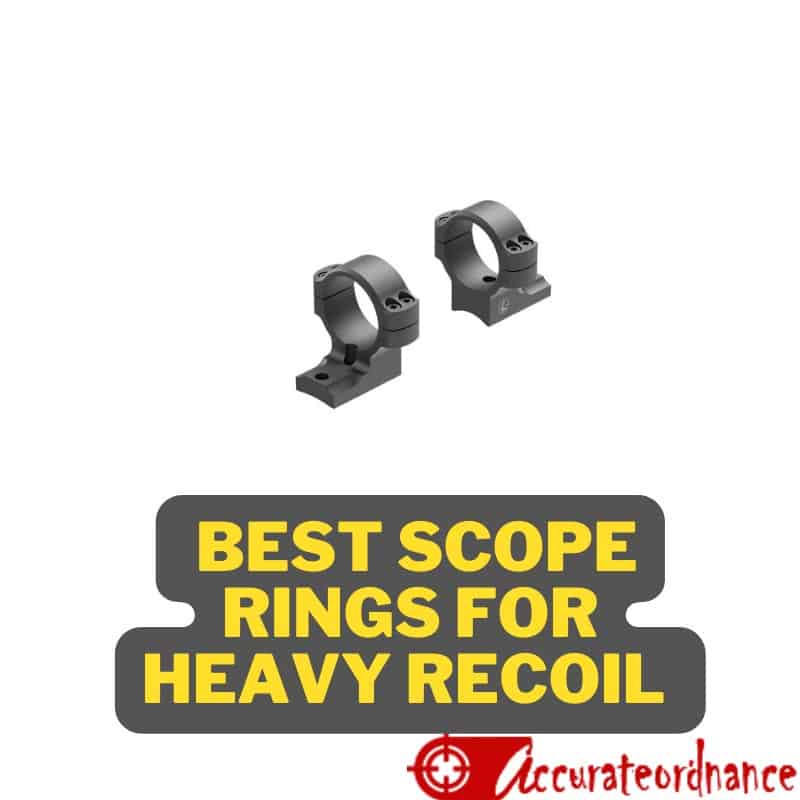
{TOP 7} Best Scope Rings For Heavy Recoil Reviews (2024 Updated)

0

Modern-day hunters, tactical shooters, and competition shooters rely so much on their scopes and other gun accessories to enhance their shooting accuracy. However, to improve your overall shooting accuracy, you have to practice as much as you can with your scope and rifle.

Best Scope Rings For Heavy Recoil Reviews

Aside from that, you also need to control the amount of recoil released by your firearm. Although you do not need to directly use your strength to manage the recoil impact, you would need a top-class mounting system.

Without a durable and reliable mounting system, your scope will not be of use to you because it is not possible to hold your scope on top of your rifle with your hands while trying to shoot at a target. Having said that, the only solution to managing the recoil effectively and ensuring that it does not affect your scope and rifle relationship is to use a tough scope ring.

There are so many scope rings out there that you can use to mount your scope to your rifle platform. In this article, we have compiled a list of the best scope rings for heavy recoil rifles. Carefully follow the reviews below to find out the best mount for your particular rifle caliber. Sit tight as we proceed…

What Exactly Are Scope Rings?

We need to understand what riflescope rings are before we proceed to some of the best rings available. If you’re a beginner, knowing what this gun’s accessory is and how it should be used can help you be a better shooter.

If you already know what a scope ring does, you can go to the next part; otherwise, let us take a brief explanation.

The phrase scope ring is self-explanatory; even if you have never held one in your hands, you must have seen snipers in the movies shooting with a particular device called a riflescope. This riflescope is held firmly to the rifle by a scope ring, so you will never see a sniper holding the scope with their hands.

A riflescope helps to improve shooting accuracy, while a scope ring holds the scope firmly on the rifle. Scope rings are simple devices that allow you to attach the scope to your rifle and use it without difficulty. There are a lot of considerations to make before purchasing a scope ring.

Some of these include the height, type of rail, and a number of other variables. Fortunately, you will find a section in this article that provides all of the pertinent information about the subject.

So, before you proceed to the review part, check out the guide below because it will provide you with a clear idea of what to consider before purchasing any type of scope ring.

Types of Scope Rings

There are several types of scope rings available on the market for mounting a riflescope. Finding the right ring among the varieties might be difficult. To make your search easy, we have highlighted some of the ring types.

  • One-Piece Scope Mount

These types of mounting systems have just one piece, as the name implies. As a result, putting them on your rifle would be very easy.

  • Weaver Scope Mount

These are typically bolted mounts. That is, you must attach the riflescope to the mount using all of the available spots. They ensure a significantly more solid and consistent scope installation.

  • Dual Scope Mount

These types of scope mounting rings are more versatile than others. They allow users to have room to make adjustments to the distance between the scope rings. This makes it easier to mount the scope exactly the way you want it.

  • Picatinny Scope Mount

These are similar to one-piece mounts. Bolts must be used to attach both the mount and scope. As a result, you have more installation options.

  • Dovetail scope mount

The dovetail mounting system, which is commonly found on an air rifle and rimfire rifles, consists of two grooves that are parallel to the barrel. The dovetail rail, sometimes known as a “tip off” mount, allows a shooter to readily remove or replace attached optics. So you can mount dovetail rings easily on this base whether you want to use it on an air rifle or any other rifle.

Although we have so many other types of scope mounts, these are some of the most common or popular scope mounts.

  • Integral mount
  • Offset mount
  • STD scope mount
  • MOA mount
  • Quick detach mount

Market’s Top Scope Ring Brands

Let us check out some of the best brands that manufacture high-quality scope rings.

Vortex Optics

Vortex Optics was founded in 1989 as a division of the well-known corporation Sheltered Wings Inc. The firm has produced some of the best and most renowned gun attachments and optical equipment for a variety of shooting applications. This firm also makes good scope rings for rifles that have heavy recoil.

Leupold

When it comes to riflescopes, only a few firms can match the quality of the Vortex brand, and Leupold is one of those. This optical brand is among the best on the market. Its primary goal is to provide its customers with goods that are of exceptional durability, dependability, and adaptability.

Burris Optics

It makes no difference if you are looking for a rifle scope or a scope ring; Burris Optics has it all. Burris is one of the top scope ring brands in the market. they have been in business since 1972, and they are still producing quality optical accessories, including scope rings.

There are other scope ring brands like Seekins Precision and Warne. These brands are not popular when it comes to riflescopes, but when you talk of scope rings, they’re among the best.

Buying Guide for Heavy Recoil Scope Rings

Knowing everything about weapons and their accessories is crucial for a huntsman or marksman. One of the essential elements for mounting your scope is the ring, and we would help you understand all there is so that you can make an informed decision when you want to buy a ring to mount your scope on a heavy recoil rifle.

Ring Type

Traditionally, we have two major types of scope mounts. All other forms of scope mounting rings are made up of either of these two. So, first and foremost, you must decide which one you want. We’re talking about the single-piece mounts and dual-piece mounts.

As previously stated, a single-piece mounting ring has the easiest installation among the two types. Single-piece rings are often built with a light material, which allows for greater precision. Dual-piece rings, on the other hand, allow the gun owner to determine the space they want to have between the two rings.

There is no hard rule that makes one better than the other, its just a matter of preference for the shooter.

Materials Used

The type of material used to construct a scope ring or mount determines a lot on the mount. As a result, you must use caution while selecting this type of device.

Number one: The material chosen determines the weight. It is probable that it will impede your aiming accuracy if it is very heavy. As a result, you should choose a scope ring constructed with a light material.

Number two: It must not be fragile, even though it is lightweight. As a result, you must select a mount that is very strong and durable and can withstand the abuse of a heavy recoil rifle.

With these two factors in mind, we suggest that you choose anything composed of steel or aluminum. Both materials are incredibly long-lasting and lightweight, although aluminum is lighter than steel. They provide you with the highest performance you would need from your ring. With these materials, you are sure your scope rings will not break, regardless of the abuse by heavy recoil rifles.

Attachment Without Hassle

Another consideration is the ease of installation of the rings. Fitting a complicated ring may be physically and emotionally demanding. As a result, we recommend that you choose a mounting ring that is simple and easy to install.

Cost

Most shooters do not have so much to spend on shooting accessories, whether it’s a scope or a scope ring. In fact, you should not expect a shooter that is using a $200 riflescope to buy a scope ring of the same amount or more. So it is important that you double-check everything about the rings, including the cost.

Having a budget in mind before you go to the local gun shop or online marketplace would save you time that you would have spent admiring expensive and out-of-budget accessories.

Scope Rings Made of Steel Vs Aluminum

Scope rings are typically made of two sorts of materials. The first is made of steel, while the other is made of aluminum. However, there has always been a controversy over which of the two is superior. Let’s see what happens!

Weight

Aluminum is the obvious winner in terms of being lightweight. Although steel rings are not too heavy, but when compared to rings made with aluminum materials, they’re quite heavy! Because Aluminum is lighter, the total weight of the rifle and scope mount is reduced, which means you can carry your rifle and scope mount for a long walk without getting tired.

Being lighter also provides improved movement and control over the rifle. As a result, you may be more precise when aiming at or taking a shot with your rifle.

Longevity and durability

Steel is far more durable. However, aluminum comes out on top in terms of longevity. This is because steel corrodes more easily than aluminum. Aluminum, on the other hand, cannot withstand the amount of impact that steel can take.

Overall, aluminum is a better choice, even though it’s not as strong as steel. When all of the benefits are considered, it is a far superior solution over steel rings. Still, the decision is totally yours.

Best Scope Rings for Heavy Recoil Detail Reviews

Even if you’re using the most expensive and high-quality scope in the market, it will be totally useless unless you attach it to your rifle. We’ve got a solution! Here are some of the best scope rings on the market, suitable for practically any high-recoil rifle scope.

1. Vortex Precision Matched Rings

Are you looking for a rifle scope mount for your high recoil rifle? There is no need to worry any longer because we have the best ring here for you! Vortex Optics produces a wide range of high-quality shooting accessories, which includes this Vortex ring. So, if you’re looking for the best scope mount for strong recoil, look no further!

This Vortex ring offers excellent placement, allowing you to put the rings exactly where you want them to be. As a result, there is no undesired imbalance in your vision, and this allows you to have a first-class view through your optic.

This Vortex ring is well contructed. Each of the rings is made of aluminum. Aluminum is both lightweight and strong. Your shots will not be affected as a result of these features (a heavy-weighted scope ring can put additional weight on your rifle, and this could alter your accuracy).

Furthermore, the product’s remarkable sturdiness allows it to endure any abuses without difficulty.

But wait, there’s more. Vibratory toppling, serializing, and hand-bead blasting add to its toughness. It also has a type III anodized finish. As a result, we can tell you that this scope ring will have your back in practically any terrain or weather condition.

These Vortex Optics rings also have a stylish and appealing overall appearance. For you to successfully mount this ring and use it for the purpose you bought it, you have to ensure that the rings match the scope base on the rifle platform.

This rifle scope mount fits perfectly on a Picatinny rail. Trying to use it with another scope base might be challenging.

2. Seekins Precision 30mm Scope Ring

This Seekins ring is one of the market’s newest and fastest-growing optical accessory brands. The firm prioritizes ease and durability, which is why it created this gem!

Let’s go into the specifics. First and foremost, the item is superbly constructed. It is built to last and features a type III hard-coat anodized finish. This provides increasing immunity from environmental damages such as scratches, rusts, and dents.

It also gives the device the capacity to withstand very high recoil. As a result, it is a viable solution if you require consistent perseverance and endurance. You can use it with a heavy recoil rifle because it is built for that purpose.

Furthermore, the unit’s weight is quite little. It weighs about 0.19 kilos and has a plethora of features.

Because it is so light, it has no detrimental impact on your accuracy and allows you to be highly flexible. Such characteristics are essential on battlefields or during competitive shooting.

The installation of the scope ring is a breeze. Once installed on top of your rifle, you may mount almost any sort of riflescope on it. Because of its lightweight design, your gun’s mobility, precision, and control are unaffected. Pricing is also reasonable.

One of the issues with this ring is that it cannot be mounted on a weaver base; it only works on a Picatinny rail. This is because the crossbar on the base of the scope rings are too wide for a Weaver base slot. So if your rifle has a weaver rail, you will not be able to mount this Picatinny ring on it.

This Seekins ring has a 30mm ring diameter; as a result, you can only mount a scope that has the same scope tube diameter as the ring diameter.

When it comes to ring height, this Seekins scope mount has a .82-inch height. This ring height is not just low, but it is one of the lowest heights you can find. You have to ensure that the scope can sit properly on the ring without the scope bell touching the rifle barrel.

3. Warne Scope Ring

Purchasing the nicest rifle scope may be a total waste of money if you don’t have the right mounting system. However, we have a fantastic thing for you right now. With this ring, you will never have to deal with such a problem. The product has a notable method that permits you to repair practically any scope you choose.

This Warne scope mount comes with an all-fit function that allows you to fix practically any type of scope you desire without any problems. It also boasts a robust recoil control, allowing you to continually take precise and steady shots.

Installing this scope ring is also a piece of cake. The recoil control keys in both the front ring and rear ring are made of stainless steel.

This Warne scope mount is made of steel, so you can expect them to be as tough as a nail. The rings have a matte black finish that is meant to protect them from the elements. You just need to fasten the four TORX type T-15 socket cap screws (with a 25 inches/pound torque ) to get the finest experience.

4. Leupold Rifleman Rings

When it comes to mounting a high-quality riflescope, which are hard to come by, placement is everything. Not to worry, we have the ideal option for you! First and foremost, the Leupold brand will present you with a list of optical shooting accessories from which you may select the appropriate one.

Aside from being able to select the perfect size that you want, you will also benefit from the superior lifespan and ruggedity of their aceessories. Leupold scope rings are built of high-quality materials like aluminum. As a result, you are sure to enjoy excellent durabilityof the rings .

Because the rings are constructed of aluminum, this makes them quite light. As a result, the device adds no extra weight to the rifle and so does not impair your shooting ability. A heavy rifle will be inconvenient to shoot with.

Additionally, the product’s mounting mechanism is outstanding! It includes three distinct mounting bits that allow you to put the device atop your rifle with remarkable simplicity and speed.

Also, the mounting elements are constructed in a way that they can endure impacts from heavy recoil rifles. They are designed to retain and hold the rings firmly once they have been installed. Finally, you may enjoy all of this at a low cost. You now see why these rings are regarded as one of the best scope rings.

5. Burris Weaver Style Rings

Burris optics is a famous name in the field of optics. And, among all of its scope rings, this Weaver-type zee ring is the best for long range shots. Would you want to learn more? Continue reading!

Long-range rifles usually have a heavier recoil because of the distance the bullet needs to hit. Therefore you need a scope ring that is very strong and durable to mount your scope to a long-range rifle.

If you value precision, this scope ring is one of the best options you can consider. It features a bottom and top-matched fit, ensuring superior strength and a great fit. What this means is that when you add your scope to the rings, there would be no need for lapping because the rings were neatly deisgned to hold your scopes.

Also, the rings will not add a dent or scratch to your scope if you mount them correctly. The Burris rings are really lightweight. As a result, you can easily fit the gadget on your rifle.

Aside from that, the lightweight construction results in another feature (it weighs around 0.3 pounds), which is the stability of your rifle; as a result, you will be able to shoot precise shots without your rifle waving to the left or right because of the weight.

Furthermore, the rings are of the high kind, making them perfect for target shooting at long distances.

The ring’s general appearance is pretty fascinating. Unlike traditional matte-black hue of most scope rings, this ring is nickel. As a result, it offers your rifle a unique and exciting appearance.

This Burris Picatinny ring can sit perfectly on a weaver mount or Picatinny mount.

They are strong and long-lasting, making the fit for heavy recoil rifles. This wonderful product is available at a reasonable price.

6. Monstrum Tactical Cantilever Mount Dual Scope Ring

Do you want the greatest 1-inch scope ring for your heavy recoil rilfe? We’ve got just the ring for you! Because this scope ring is a one piece mount, there is no need for a lengthy installation procedure. This Monstrum ring includes a plethora of additional features.

Though the ring is slightly heavier than other mounting sytem, you can be sure that it won’t impair your gun’s mobility or precision. Also, because it is somewhat heavier, it assists with absorbing the recoil of strong rifles to a greater extent.

Its extraordinarily strong construction is another feature that makes it on the list of best heavy reoil rings to acquire. It is made of 6061 aircraft-grade aluminum. It can withstand any punishment or abuse from your rifle or the environment.

One of the disadvantages of a cantilever mount is that you cannot attach just any scope you want on them. They have a predefined spacing (2.38 inches) between the front ring and the rear ring; as a result, riflescopes that do not match that kind of ring spacing on their scope tube will not be able to sit on the rings.

The entire mount can easily be installed or uninstalled whenever you want to change the mounts. It is a Picatinny ring and will not sit properly on a Weaver rail. The mount is designed to fit a 1-inch scope tube and may be attached to any regular Picatinny rail-fitted rifle.

The entire length of the mounting system is 5.75 inches. It has a 3 inches long base, with mounting bolts placed 2 inches apart.

7. Talley Scope Ring Mount

Are you angry and frustrated because you can’t seem to find the perfect scope mounting device for your bolt action rifle or heavy recoil rilfes? If that’s the case, this rings could be of interest to you. Talley’s 40mm scope ring is a promising mountng device. Do you wish to know what distinguishes it from others? Well, this ring is incredibly strong. It is capable of surviving any heavy-duty caliber. As a result, you can shoot without fear of damaging your mounts!

Its solid design further demonstrates its abilty to hold zero at all time. As a result, overall accuracy is guaranteed. Installing this ring onto your firearm is a simple process; once completed, you will be able to use it with any scope.

The best part is that you’d get all of these benefits at the most reasonable prices.

Frequently Asked Questions

Is it possible to have a scope mount that is too low or too high?

Yes, it is possible to have a scope ring that is too high or low. If the ring is too low, you won’t be able to attach the scope, because the scope be will rub on the barrel. If it is high, there’s a good probability that you will always have to raise your face from the cheekpiece, reducing accuracy.

Is it an issue if the screw on a scope mount is overtightened?

Yes, it can damage the setup. Overtightening the mounting screw may result in damage to your scope tube.

Are the rings on a 30mm scope and 1-inch scope the same size?

No, they are not. The size of the scope tube determines the size of the mounting ring you will need. Although some rings may be used to install both a 30mm and a 1 inch optic, but it is very uncommon and you will have to lap the scope. This is not an ideal mounting procedure, and it is not recommended.

The UNBREAKABLE Fishing Knot – PR Bobbin Knot [Free PDF Guide]

0

PR Bobbin Knot

We couldn’t believe it when Captain Dylan Hubbard first told us that the PR Bobbin Knot has 100 percent knot strength… but so far it’s proven to be true.

The PR Bobbin Knot is the only fishing knot guaranteed to hold up 100 percent of the time (assuming you tie it correctly like Joe from Dogfish Tackle shows you below).

What does 100% knot strength mean?

It means that your fishing line — braid, fluorocarbon or monofilament — will break before the PR Bobbin Knot will (100% of the time).

Capt. Dylan says this is the ultimate knot for braid to leader connections and is unrivaled in its strength.

Its an offshore angler’s dream and will hold up against the biggest fish out there.

That being said, this is not the simplest knot to tie. It takes practice and a bobbin tool to properly tie it.

It’s also best to tie the PR Bobbin Knot the night before your fishing trip.

We created this article to be the ultimate tutorial for the PR Bobbin Knot.

To do this, we created a FREE PDF DOWNLOAD with the full guide on how to tie the PR Bobbin Knot.

We also teamed up with Capt. Dylan and Joe from Dogfish Tackle to create a video tutorial on exactly how to tie the PR Bobbin Knot.

What You’ll Need To Tie The PR Bobbin Knot

Bobbin for the PR Bobbin Knot

You need to make sure you have the following items to tie this knot.

What you’ll need:

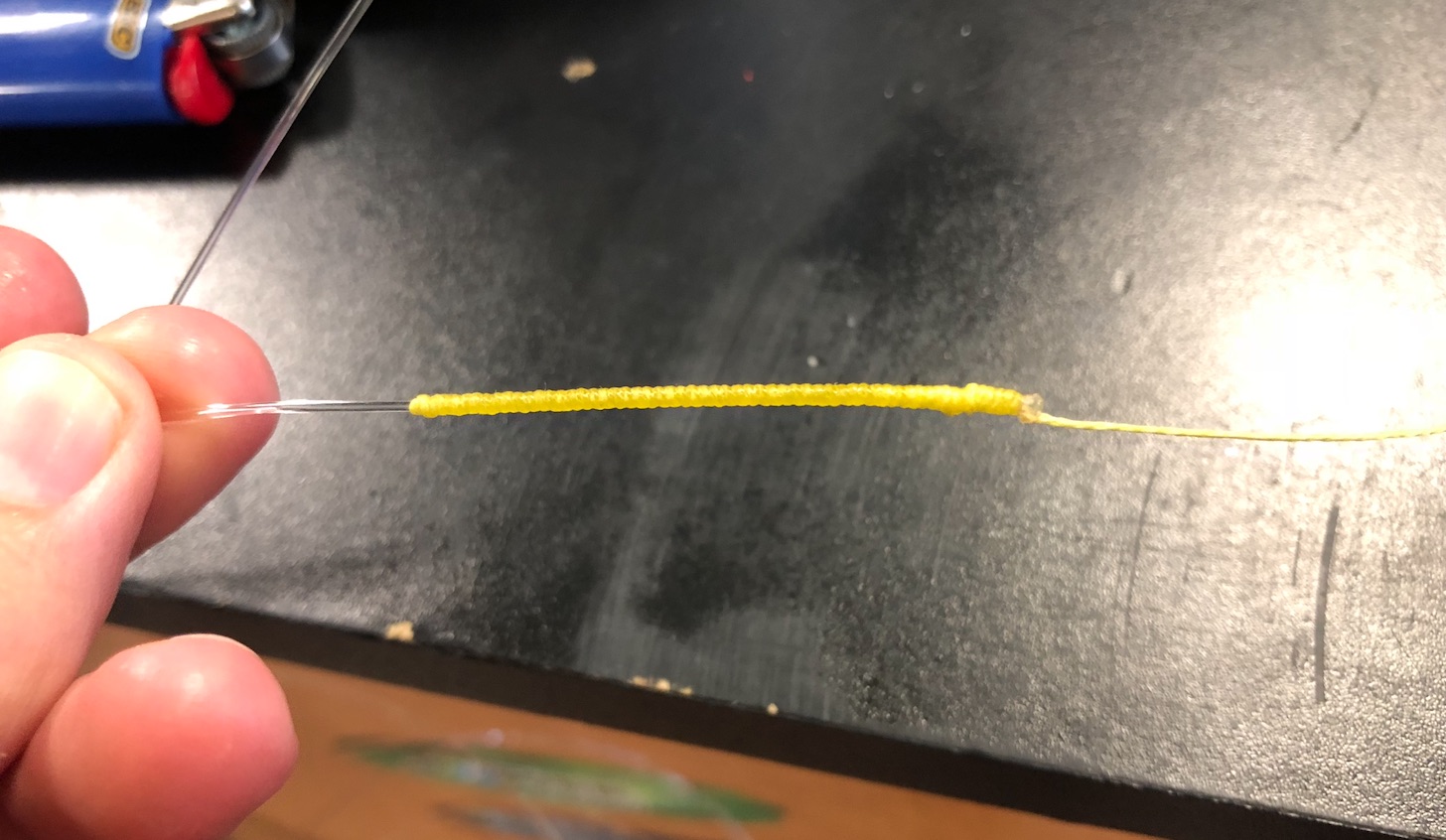
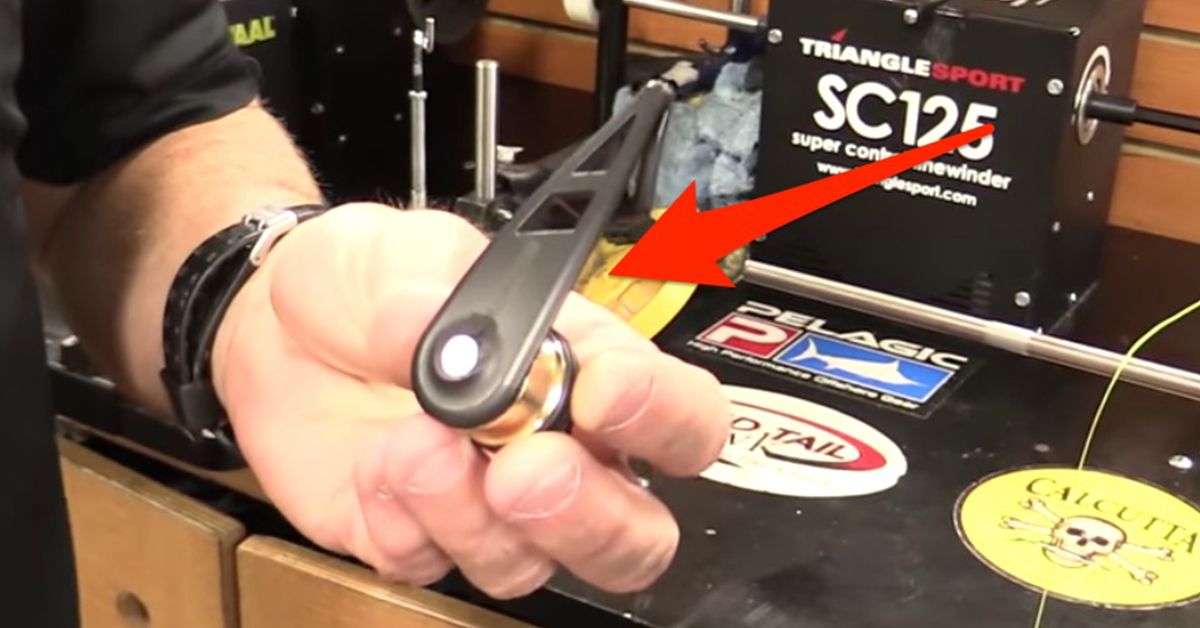
  1. Bobbin – This is a small tool (pictured above) that loads the tag end of your mainline up onto the tool in order to make the wraps you need to tie the PR Bobbin Knot. The bobbin helps you keep line tension during the tying process.
  2. Mainline – You need a large amount of mainline tag end to spool onto your bobbin for the knot.
  3. Leader Line – You need a large spool of leader line to attach to the mainline for this knot.

The bobbin is necessary for this knot and can be found at most tackle shops – especially those that cater to offshore anglers.

Bobbin prices range from about $25-80.

Note: If you don’t like to use knots that require tools, then be sure to learn the FG knot if you want to maximize the strength of your braid to mono/fluoro connections.

How To Tie The PR Bobbin Knot [Video Tutorial]

In this video, Capt. Dylan and Joe from Dogfish Tackle show you how to tie the PR Bobbin Knot and what you’ll need to do it.

Just wait until you see how tight this knot gets!

CLICK HERE to see a great tutorial showing how to tie the FG knot that was referenced in the video as the strongest knot that can be tied while out on the water without any needed tools.

Conclusion

pr bobbin knot

If you’re looking for the absolute strongest line-to-line knot in the game, the PR Bobbin Knot is your best choice.

Although it is intricate and takes some practice to tie, it won’t let you down and will give you the best chance possible at landing a trophy fish of any size.

For the best results, tie this knot the night before your trip. This knot can be very difficult to tie once you’re on the boat, especially offshore while bartering with big swells.

If tied properly, this knot will not fail you.

If you’re looking for other fishing knots – such as the best terminal connection knots, loop knots and more – click here to see our fishing knots strength ranking page.

If you have any questions about the PR Bobbin Knot or how to tie it, let us know in the comments below… we’re here to help you!

Tight Lines!

Related Posts:

1. How To Tie The FG Knot [Picture & Video Tutorial]

2. How To Tie The San Diego Jam Knot [Video Tutorial And Step-By-Step Instructions]

3. How to Tie the Blood Knot [Video & Picture Tutorials]

P.S. – Be sure to share this post with any of your fishing friends and tell them that this knot is the strongest fishing knot there is!

Wild Boars & Feral Pigs

0

Depending upon your viewpoint, the wild hog ranks as high as a “beast of venery” … which equaled pursuit of the esteemed red stag by Medieval royalty … to loathed, destructive, costly vermin to be shot on sight and killed by any means possible.

The wild boar remains revered as a top game animal in its original range in Europe and western Asia. It was even imported as a game animal to Australia and to the British Isles. In places like Germany, Hungary, and Poland, hunts for wild boar are conducted by highly respected outfitters with tradition and pageantry to this day. Yet, in much of their North American range, what we know as wild hogs are destructive, prolific nuisance animals. Texas is the epicenter of wild hog overpopulation with increasing tremors widening out across much of the United States and California. The agricultural damage from feral hogs in Texas alone is estimated at more than $50 million each year, with another $7 million spent annually by private landowners in the Lone Star State attempting to control hogs and fix the damage they cause. Across the United States it’s estimated that feral hogs cause more than $1 billion in negative economic impact. Feral hog populations are rapidly increasing and causing problems as far north as Pennsylvania and New York.

This diversity of views of the boar or hog creates an even larger variety of hunting opportunities that are rapidly moving hog hunting up many hunters’ … and outfitters’ … hit parade. The fact that the meat from wild hogs is bountiful and delicious when properly cared for is a bonus that further escalates the popularity of hog hunting wherever they are found.

As more hunters take an interest in pursuing wild boar, more quality outfitters are ramping up their operations to meet the hunting need. OutfittersRating.com is the place to search out highly-rated wild boar and feral hog hunting outfitters and guides.

Wild Boar / Feral Hog Facts

The big question is, “What is the difference between a wild boar and a feral hog?”

The right answer is, “Very little.”

The real Eurasian Pig, often called a “Russian Boar,” is the original hog. It was from these wild lines that pigs were domesticated some 10,000 years ago. The first hogs in North America were brought to Florida in 1539 with the Spaniards. There were no hogs of any kind in North America prior to that introduction. (The javelina or collared peccary of the U.S. desert southwest and Mexico is not a true swine. It is a species unto itself.) Naturally, it wasn’t long until some of these domestic pigs escaped and established themselves as the original wild boar populations in the Americas.

Over the following centuries, especially the 19th and 20th, some true Eurasian Wild Boar were brought into the U.S. at various times by hunting preserves and private landowners to offer for hunting and to revive the “look” of Eurasian boar in their huntable feral hog herds. However, in North America today, all free ranging wild hogs are either generations of domestic pigs reverted to the wild or at most feral hogs hybridized with escaped Eurasian boar.

After only a generation or two in the wild, domestic hogs regain many traits of their ancestors including longer hair and protruding tusks. This is why it is possible to see wild boar in North America in nearly any color and spot pattern common to domestic hogs as well as animals that look very “Russian.” The true Eurasian Wild Boar has longer straight hair and is uniformly colored in dark brown trending toward black.

In feral hogs in North America, average weights vary between 75 and 250 pounds at maturity. Hunters and trappers occasionally take 300 pounders or slightly bigger pigs in optimal habitat conditions. Feral hogs of 500 pounds or more sometimes make the front page of local newspapers, but they are exceedingly rare.

Eurasian boar in their home ranges average between 100-200 pounds at maturity, though seem to vary nearly as widely in size as their North American cousins. Generally speaking, they are larger-bodied the farther they are from the equator in either direction. This is a common trait among animals that live over a great north/south range. Consider the white-tailed deer. In the northern hemisphere southern subspecies are smaller-bodied and northern subspecies are larger. Among zoologists it’s called Bergmann’s Rule.

Hog populations can grow so rapidly that there’s an urban legend type belief among some that “they are born pregnant.” That’s not the case, but they are among the most prolific animals on the face of the earth. Sows average 1.5 litters per year … and since that’s an average it means some have even more! Average litter size is six piglets. Sows generally have their first litter at just over a year of age, but they can be sexually mature at six to eight months of age or even less. Because of their proclivity for proliferation, some studies in Texas have shown that the huge population there (estimated at nearly 3 million feral hogs) could double in just more than five years!

Eurasian Wild Boar populations are also growing in much of their original and reestablished range. In Germany, for example, there are reports that average litters are getting bigger and that the animals are far more common in suburban and even urban environments. Large and growing populations are also found in Australia, New Zealand, and South America.

Wild boar and feral hogs are opportunistic omnivores which is a fancy way of saying they’ll eat about anything they can find when they can find it, including carrion. It’s estimated that, in general, about 80 percent of their diet is plant material and 20 percent is animal matter. The animal matter can be anything they can catch, corner or find dead.

Feral hogs and wild boar have a superbly developed sense of smell which can detect preferred food sources even several feet below the ground. Their sense of smell is also their Number One defense against predators including human hunters. They can also hear and interpret sound well, so quiet stalking is essential. Their least developed sense is sight, so it’s possible to get away with some movement in stalking hogs … sometimes.

Wild Boar and Feral Hog Hunting

Particularly in Europe, the wild boar remains highly regarded as a game animal. A large boar is considered a top trophy among traditional hunters. Hunts in countries like Germany, France, Hungary, and more are conducted with great pomp, circumstance, and reverence to the game. Most of the hunting is done in large, communal driven hunts in which beaters are employed in the effort to push the boar past the waiting guns. Hunters are encouraged to shoot as many boar as possible as the harvest is shared or sold in the community. In this type of hunting, shots are commonly taken at animals on the move.

The other traditional European type of boar hunting is to wait in elevated stands for the animals to travel established trails to feeding areas. Much of this hunting is done on properties managed to maximize production of game, especially boar. Frequently these are multi-species hunts in which the hunter may also have the opportunity to take anything from boar, stags, and roe deer to European hare. It was this type of hunting that spawned the drilling style of combination rifles/shotguns.

Hunting hogs in North America these days is a comparative free-for-all! Hogs are hunted by baiting, chasing with hounds, stand-sitting, spot-and-stalk, incidental to other game, spot-lighting, and, now, even by gunning from helicopters. Most states have liberalized or even eliminated seasons and bag limits on feral hogs. A great benefit of this is freedom to hunt hogs when other game seasons are closed and to pursue them with hunting tools of your choice including rifles, handguns, muzzleloaders, shotgun slugs, bows, crossbows, etc. … even air guns, which are gaining popularity as a challenging, close-range, one-shot, hog hunting tool.

Pursued as much as they are by humans these days, feral hogs have adapted by becoming extremely wary and nocturnal. Combined with their incredible sense of smell, this wariness makes the lowly feral hog a highly challenging and rewarding game animal.

Additionally, hogs are tough, tenacious animals. Both original wild boar and boars from feral lines of a couple generations or older have a thick, cartilaginous shield beneath their hide covering approximately the front third of their bodies. This is an evolutionary defense developed to shield the boar’s vitals from the vicious tusks of other boars during their frequent fights for mates. Yet it works pretty well against bullets and arrows, too. Most rifle bullets will easily penetrate the shield on one side and reach the vitals, but frequently will not exit through the offside shield. This can be a problem if the boar does not drop on the spot, because there will be little to no blood trail to aid in recovery. It’s essential that bow hunters wait for a proper quartering away shot to slip the arrow behind the back edge of the shield and forward into the vitals. A classic broadside shot will usually see the arrow stopped short of the vitals by the thick shield.

Though wild boar and feral hogs are conditioned to avoid humans, they will fight when cornered and their tusks are razor sharp. They can inflict serious injuries to dogs that have them bayed and/or human hunters who get too close. However, for some hunters that danger is part of the rush of hunting feral hogs. One increasingly common hunting method is for a dog or dogs to bay the hog. When the human hunters arrive one gets into position behind the hog waiting for the opportunity to grab the boar’s hind legs while the dogs keep the tusks trained on themselves. By getting the hogs’ hind legs off the ground – wheel barrow style – the hunter can safely control the animal. Then a hunting partner either finishes off the hog with a large knife or, sometimes, castrates the animal for release. This, obviously, prevents the boar from reproducing and allows it to grow larger than an intact boar and with much finer quality meat for harvest later.

Another hunting method recently legalized in Texas is called heli-hogging. It is locating and shooting hogs from an open-door helicopter. Combined with the exponentially growing interest in AR platform types of rifles, heli-hogging’s introduction has seen an explosion of interest with well-equipped outfitters enjoying waiting lists for hunts that are months, even years long.

FX Impact M4 Review

0

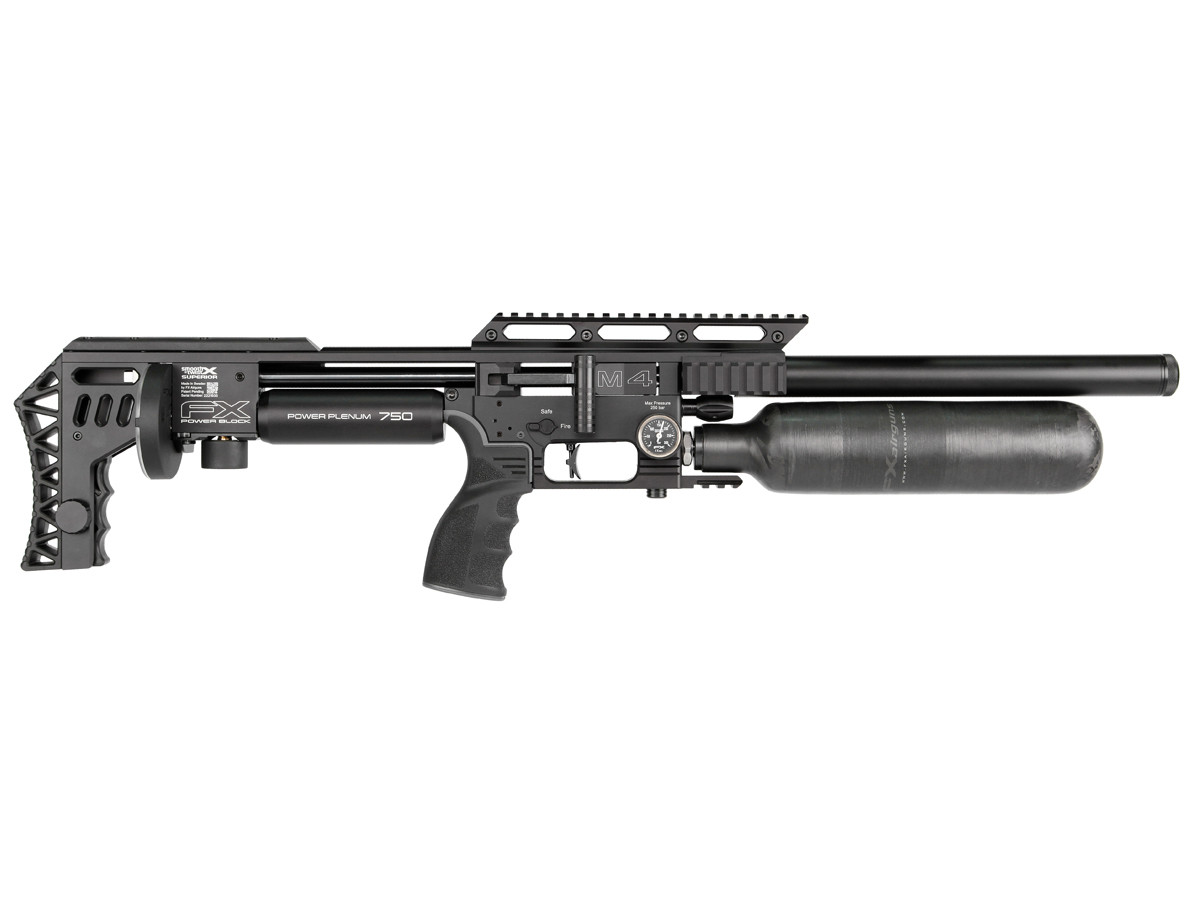
In the ever-evolving world of precision air rifles, few manufacturers have pushed the boundaries of innovation quite like Swedish company FX Airguns. Their latest masterpiece, the FX Impact M4, stands as a testament to their commitment to excellence and technical innovation. This review delves deep into what makes the Impact M4 not just another PCP air rifle, but potentially a game-changing platform that sets new standards for what modern air rifles can achieve.

Design and Build Quality

Overall Construction

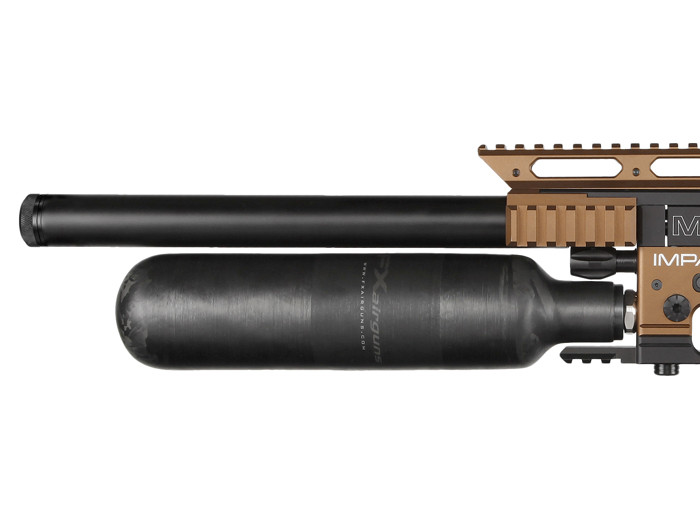
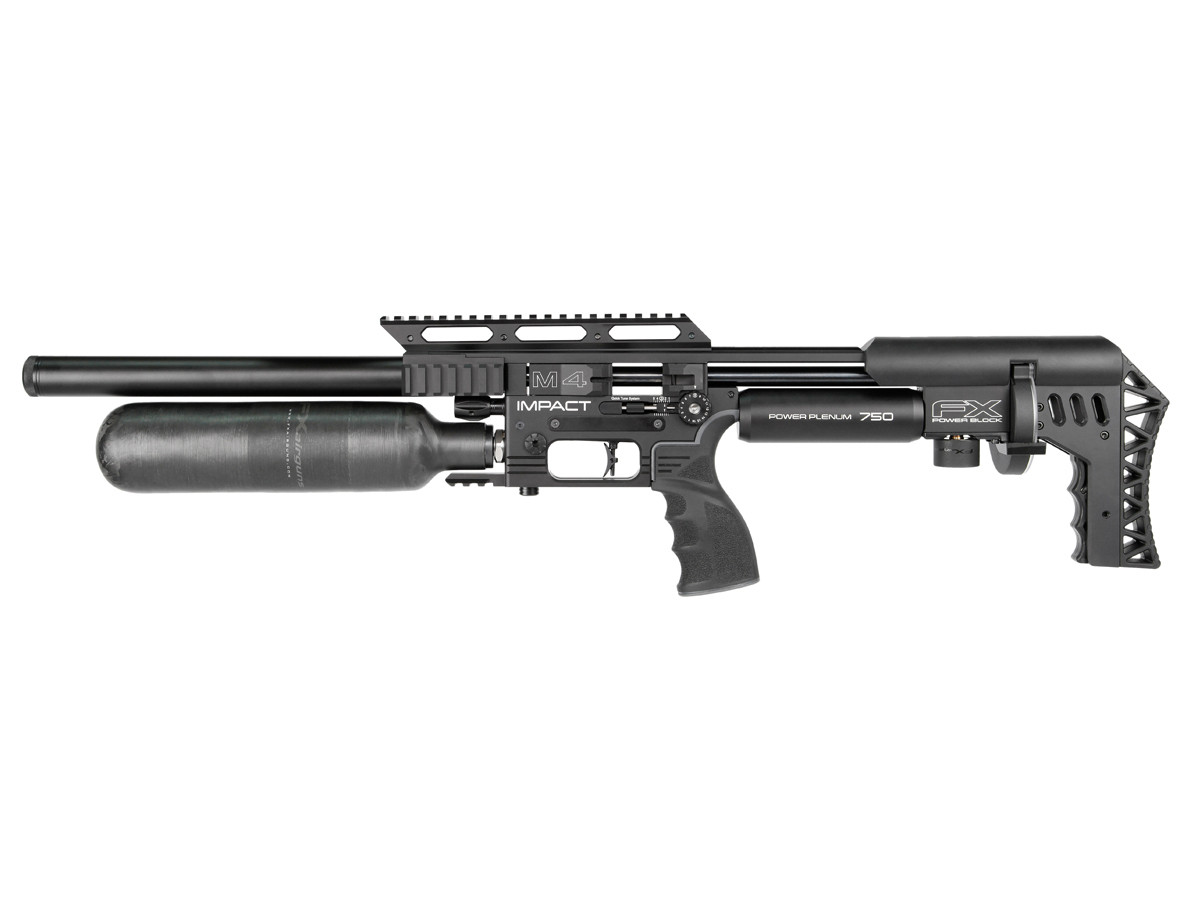
The FX Impact M4 immediately impresses with its bullpup design, which manages to pack extraordinary capability into a compact package. The standard model, featuring a 600mm (23.62″) barrel, maintains an overall length of just 34 inches while weighing in at a modest 6.85 lbs. The sniper variant, with its longer 700mm (27.55″) barrel, extends to 39 inches and weighs 7.15 lbs – still remarkably manageable for its capabilities.

Material and Build Improvements

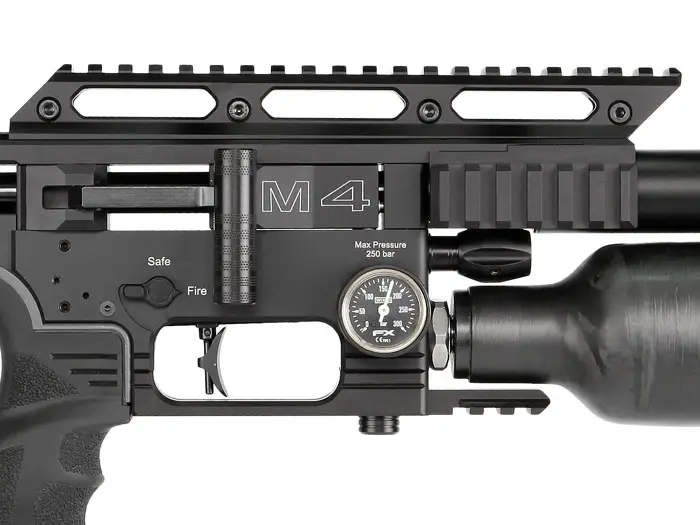
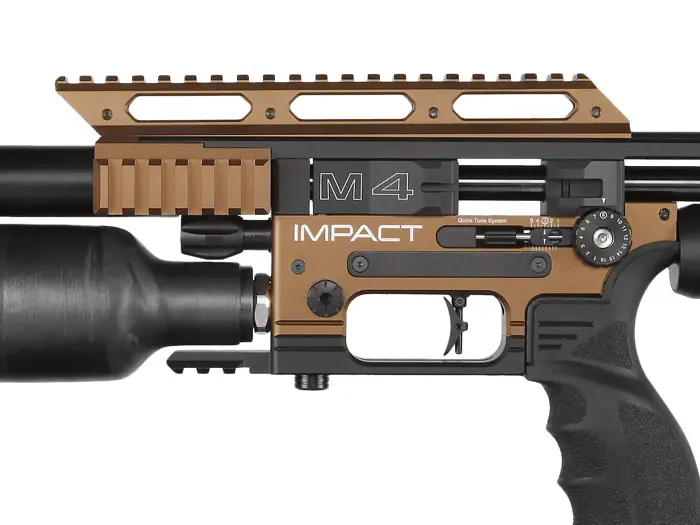
One of the most notable improvements in the M4 over its predecessor is the new rigid top plate and scope rail system. The significantly thicker top plate enhances both shooting experience and performance, providing a more stable platform for precision shooting. The innovative rail system features an 11mm dovetail machined into the top, upon which rides a removable Picatinny rail with 30 MOA compensation. This design allows shooters to customize their optics setup for optimal eye relief and shooting position. Currently, FX Impact M4 is one of the best PCP air rifles on the market.

Ergonomics and Handling

The M4’s ergonomics have been carefully considered. The new UG1 AR-style grip and safety switch will feel immediately familiar to modern sporting rifle shooters, while the vertically adjustable rubber buttpad allows for precise fit adjustments. The forward-mounted, reversible cocking lever is particularly noteworthy, offering smooth, effortless magazine cycling that enables rapid follow-up shots without breaking position.

Technical Innovation and Performance

The Revolutionary Regulator System

At the heart of the Impact M4’s performance lies the Adjustable Match Precision MKII (AMP) regulator. This sophisticated system provides unprecedented control over the rifle’s air delivery, allowing for fine-tuning to match specific ammunition and power requirements. The inclusion of dual Wika pressure gauges – one for the air cylinder and one for regulator pressure – gives shooters real-time feedback on their system’s performance.

Power Management and Customization

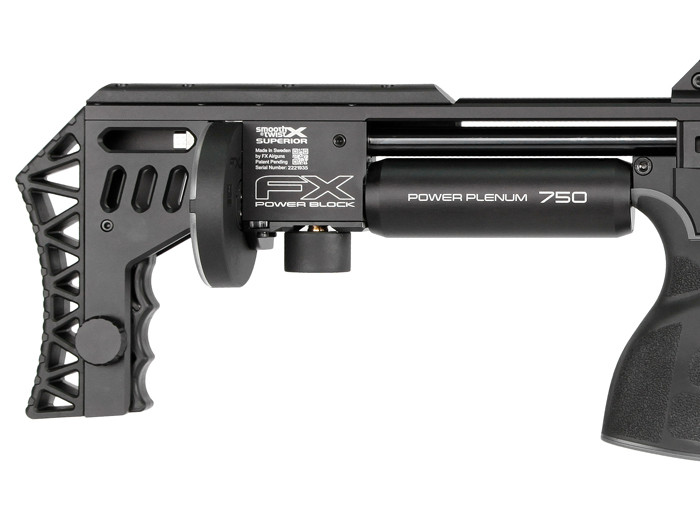
The M4’s power management system is where it truly shines. The improved Power Plenum 750 system increases post-regulator volume, allowing for a wider power adjustment range without sacrificing shot count. This is complemented by:

  • External micro and macro hammer spring tension adjustment
  • External valve control adjustment
  • Quick Tune System for nearly tool-free adjustments
  • Power Block for optimized power transfer, especially beneficial for heavy slug shooters

The Innovative Barrel System

The Smooth Twist X Superior (STX) barrel system represents a significant advancement in air rifle technology. This system allows for:

  • Interchangeable calibers and barrel liners
  • Custom rifling twist rates for specific ammunition types
  • Dual transfer ports in .22 and .25 calibers, optimized for both pellets and slugs
  • Superior accuracy potential across multiple projectile types

Performance

Power

Chrony tests:

CalibersPelletsFPSFPE
.35JSB Match Diabolo Exact 81.02 Gr845128.49
.30JSB Match Diabolo Hades 44.75 gr87075.23
.177JSB Exact Heavy 10.34g90018.6
.25JSB Diabolo Exact King Heavy 33.95 gr875 57.73
.35JSB Match Diabolo Exact 81.02 Gr915150.66
.35JSB Match Diabolo Exact 81.02 Gr877138.4
.22JSB Diabolo Exact Jumbo Heavy 18.13 gr94035.58
.177NSA 12.5 gr97726.5
.22JSB Diabolo Exact Jumbo 15.89 gr94031.18
.22JSB Jumbo Express 14.35gr100332.06
.22JSB Jumbo Heavies 18.13gr86329.99
.25JSB Exact King 25.4 gr89344.99
.25JSB King Heavies MKII 33.95gr84954.35
.30JSB Exact 44.75 gr82968.31
.25Air Arms Diabolo Field 25.4gr93849.64
.25JSB Exact King Diabolo 25.39gr90746.39
.25Air Arms Diabolo Field 25.4gr89745.39
.25JSB Diabolo King Heavy MKII 33.95gr81650.21
.25JSB Exact King 25.39 Gr110068.23
.30JSB Exact 44.75 gr67545.29
.177NSA Slugs 12.5 gr97726.5
.25JSB King Heavy Mark II 33.9574842.19
.22JSB Exact Jumbo Diablo 15.89 gr94031.18
.30Zan Projectile 45.5 gr81366.8

The Impact M4 delivers impressive power across all calibers:

  • .177 caliber: 35 FPE (foot-pounds of energy)
  • .22 caliber: 87 FPE
  • .25 caliber: 100 FPE
  • .30 caliber: 125 FPE

These figures represent maximum energy achieved with the FX Slug Power Kit installed, making the M4 suitable for everything from target shooting to medium-game hunting.

(For more on the best air rifles for hunting, see this post)

Accuracy

Accuracy tests:

CalibersPelletsDistancesGroups
.177JSB Match Diabolo Exact 8.4 Gr50 yards3/4"
.30Slugs 67 Gr50 yards3/4"
.30Slugs 67 Gr100 yards1 1/2"
.30JSB Match Diabolo Hades 44.75 gr50 yards.557"
.25JSB King Heavy Mark II 33.95 gr100 yards1"
.30Nielson Slug 47 gr. 50 yardsone hole
.22JSB Diabolo Exact Jumbo Heavy 18.13 gr50 yardsone hole
.30JSB Diabolo Exact 50.15 Gr60 yardsone hole
.25JSB Match Diabolo Hades 26.54gr35 yardsone hole
.35JSB Match Diabolo Exact 81.02 Gr100 yards1"
.22JSB Diabolo Exact Jumbo Heavy 18.13 gr95 yards3/4"
.177NSA Slugs 12.5 gr50 yardsnickel size
.22JSB Match Diabolo Exact Jumbo Heavy 18.13gr50 yardsdime size
.25JSB Exact King 25.39gr50 yards3/4"
.22JSB Exact Jumbo 15.89gr50 yards1/2"
.25JSB Exact King Diabolo 25.39gr50 yards0.37"
.25Air Arms Diabolo Field 25.4gr50 yards0.47"
.25JSB Diabolo King Heavy MKII 33.95gr50 yards0.71"
.25JSB Exact King Diabolo 25.39gr100 yards1.34"
.30JSB Exact 44.75 gr50 yards0.557"
.177NSA Slugs 12.5 gr50 yardsNickel-size
.25JSB King Heavy Mark II 33.95 gr100 yards1.5"
.30JTS Dead Center 45.06 gr45 yards5/8"
.30FX Hybrid Slugs 44.5 gr45 yards5/8"
.30H&N Slug HP II 50 gr45 yards3/4"
.30Zan Projectile 45.5 gr45 yards3/8"

Shot Count and Efficiency

The rifle’s efficiency is remarkable, particularly considering its power output:

Standard Model (480cc cylinder):

  • .177 caliber: 375 shots per fill
  • .22 caliber: 270 shots per fill
  • .25 caliber: 130 shots per fill
  • .30 caliber: 85 shots per fill

Sniper Model (580cc cylinder):

  • .22 caliber: 330 shots per fill
  • .25 caliber: 160 shots per fill
  • .30 caliber: 105 shots per fill

Air Management

The system operates with a maximum fill pressure of 250 BAR (3,625 PSI) and a regulator working pressure of 170 BAR. The inclusion of a male Quick Disconnect fitting makes filling straightforward and secure. It’s worth noting that while the manual mentions 300 BAR capability, this is only achievable with aftermarket carbon fiber bottles – the factory bottles should not exceed 250 BAR.

Practical Applications

Target Shooting and Competition

The Impact M4’s precision engineering makes it an excellent choice for competitive shooting. The adjustable match-grade trigger, stable platform, and highly customizable power delivery system make it particularly suited for:

  • Benchrest competition at 100 yards
  • Field target shooting
  • Precision target practice
  • Long-range shooting

Hunting Applications

The rifle’s power output and accuracy make it suitable for various hunting scenarios:

  • Small game hunting
  • Medium game hunting (with appropriate caliber and power settings)
  • Pest control
  • Field shooting

The quick-follow-up shot capability and high magazine capacity (ranging from 23 to 34 rounds depending on caliber) provide additional versatility in hunting situations.

Customization and Versatility

Caliber Options

The Impact M4 offers exceptional versatility through its caliber options:

  • Standard model: Available in .177, .22, .25, and .30 caliber
  • Sniper model: Available in .22, .25, and .30 caliber

The ability to change calibers through the barrel liner system adds significant value for shooters who want multiple capabilities in one platform.

Adjustment Capabilities

The level of adjustability is unprecedented:

  • External hammer spring tension (macro and micro)
  • Valve control
  • Regulator pressure
  • Power adjustment
  • Trigger settings
  • Stock fit and configuration

This level of customization allows shooters to optimize the rifle for specific applications and ammunition types.

Magazine System and Loading

The Side Shot magazine system offers generous capacity:

  • .177 caliber: 34 rounds
  • .22 caliber: 28 rounds
  • .25 caliber: 25 rounds
  • .30 caliber: 23 rounds

The magazine system is well-designed and reliable, with older Side Shot magazines remaining compatible with the M4 platform.

Maintenance and Support

Warranty and Service

The Impact M4 comes with a 3-year transferable warranty, demonstrating FX’s confidence in their product. The Quick Tune System makes routine maintenance and adjustments straightforward, with minimal tool requirements.

Upgradability

The platform’s modular nature allows for significant upgrading potential:

  • Interchangeable barrel liners
  • Different caliber conversions
  • Power upgrade options
  • Additional accessories through the multiple Picatinny rails

Features:

FX Impact M4 PCP Air Rifle

  • FX Smooth Twist X Superior (STX) barrel system
  • Interchangeable calibers and barrel liners (sold separately)
  • Power Block
  • Externally adjustable AMP MKII (Adjustable Match Precision) regulators
  • Externally adjustable hammer spring tension with macro and micro adjustments
  • Externally adjustable valve control
  • Quick Tune System for virtually tool-free adjustments
  • 250 BAR (3,625 PSI) max. fill pressure
  • Max regulator working pressure of 170 BAR
  • Equipped with improved 75cc Power Plenum 750 – allowing for an even wider range of power adjustment
  • .22 and .25 cal M4’s feature Dual transfer ports – one optimized for pellets, one for slugs
  • Male Quick Disconnect fitting
  • Shroud is threaded 1/2×20 for moderator
  • Forward mounted reversible sidelever cocking
  • Picatinny/Weaver optics mounting rail with 30 MOA compensation rides on 11mm dovetail allowing further customization to meet every shooters need
  • Picatinny accessory rails below cylinder and on each side of the forearm
  • New Quick Set Trigger – Adjustable match trigger
  • Wika dual pressure gauges: one for air cylinder pressure, one for regulator pressure.  
  • Height adjustable rubber buttpad
  • FX UG1 AR15 style grip
  • AR15 style manual safety
  • Redesigned Side Shot magazine capacity*: 34 rds. in .177, 28 rds. in .22, 25 rds. in .25, 23 rds. in .30
  • Maximum muzzle energy **:
    • 35 FPE in .177 
    • 87 FPE in .22 
    • 100 FPE in .25 
    • 125 FPE in .30 
  • Includes one side-shot magazine, FX moderator, and 3 year transferable warranty

*  – Older Side Shot magazines are compatible with the M4. 
** – Max Energy achieved with FX Slug Power Kit installed.


600mm (23.62”) Barrel, Standard Models:

  • Available in .177, .22, .25 and .30 cal.
  • Removable 480cc carbon fiber air cylinder
  • Overall length of 34”
  • Weight: 6.85 lbs.
  • Shots per fill: 375 in .177, 270 in .22, 130 in .25 and 85 in .30

700mm (27.55”) Barrel, Sniper Models:

  • Available in .22, .25 and .30 cal.
  • Removable 580cc carbon fiber air cylinder
  • Overall length of 39”
  • Weight: 7.15 lbs.
  • Shots per fill: 330 in .22, 160 in .25 and 105 in .30

Pros and Cons

ProsCons
  • Incredible accuracy up to 100 yards
  • Well-built and lightweight
  • Quiet and backyard-friendly
  • Large rotary mag
  • Great Interchangeable Barrel System
  • Lots of available aftermarket parts and upgrades 
  • A longer Picatinny rail would be nice

Conclusion

The FX Impact M4 represents the pinnacle of current PCP air rifle technology. Its combination of innovative features, unprecedented adjustability, and exceptional performance sets it apart in the market. While it may require a significant investment and time to master, the platform offers tremendous versatility and capability that can serve everything from casual target shooting to serious competition and hunting.

The rifle’s modular nature and upgradeability help future-proof the investment, while its robust construction and comprehensive warranty provide peace of mind. For the serious air rifle enthusiast who demands the ultimate in precision and adjustability, the Impact M4 delivers in spades.

Whether you’re a competitive shooter looking for a winning edge, a hunter requiring versatility and reliability, or simply an enthusiast who appreciates engineering excellence, the FX Impact M4 offers a compelling package that pushes the boundaries of what’s possible in a PCP air rifle.

The combination of Swedish engineering excellence and practical shooting requirements has resulted in a platform that not only meets current demands but sets new standards for what users can expect from a modern PCP air rifle. While it may be more than some shooters need, for those who can utilize its capabilities, the Impact M4 represents the current state of the art in air rifle design and performance.

9mm vs 10mm – Cartridge Comparison

0

When it comes to self-defense, there are several valid arguments for the 9mm vs 10mm handgun. Both are very popular and have their advantages and disadvantages. However, the 9mm is widely regarded as the ‘ideal’ handgun for self-defense and is one of the most highly used handguns in military and police forces. This goes for both home defense and conceal and carry. The popularity of the 9mm means that largely we have to defend the 10mm to justify it as a viable option.

Understand that the decision of which handgun to buy is a very personal decision. Every person has a different preference on weight, size, power, and recoil. Some people plan to conceal and carry, while others plan to use the weapon for home defense. Some stay in the city and worry about crime, while others spend time in the wilderness and are more concerned with predators. Before making a purchase, weigh your priorities and options to find the perfect fit for your needs.

Because of this, it’s difficult to label one as a better cartridge than the other. We will take a look at these two cartridges and discuss how they are similar and how they differ in some key ballistic and performance categories. We think that by the end of the article you will see that both have merit in the world of handguns.

History

The 10mm handgun was developed through a group effort by Col. Jeff Cooper, Norma, the FBI, and Smith & Wesson. The firearm was designed for use by FBI agents but was quickly set aside for other weapons. Some people claim that the recoil was too much for the wimpy FBI agents. However, the truth is that the weight and power simply slowed down their firing. Additional weight and recoil make target acquisition take a bit longer. When an agent is defending themselves and trying to put two or three rounds on a target quickly, the 10mm was not ideal.

The FBI did find that with different ammo, the 10mm handgun performed better in speed tests. The FBI lite load drastically reduced recoil and helped with performance. However, with a lighter load, it eliminated the need for such a heavy gun. This brought the FBI back to the 9mm, .45 caliber, and sparked the design of the .40 Smith and Wesson. It makes a strong argument for the 9mm vs 10mm.

The 9mm was first developed and used by the German military in the at the turn of the 20th century. From then, the cartridge saw use in both World Wars and was eventually accepted as a highly effective caliber by other European countries and North America. The 9mm soon replaced the commonly used .38 cartridges in the law enforcement community due to its stopping power and low recoil and is probably the most highly used round behind the .40 S&W. The 9mm provided extreme ease of handling, more stopping power than previously used rounds, and could carry more rounds in the magazine.

direct comparison 9mm vs 10mm round

Let’s just take a look at the specifications of these two cartridges and see how they compare and contrast.

9mm10mm Parent Case7.65x21mm.30 Remington Bullet Diameter0.355”0.400” Neck Diameter0.380”0.423” Base Diameter0.391”0.425” Case Length0.754”.992” Overall Length1.169”1.25” Case Capacity13.3gr24.1gr Max Pressure (SAAMI)35,000psi37,500psi

From the cartridge measurements and specifications, it should jump out immediately that the 10mm Auto is a larger round than the 9mm.

10MM cartridges can hold much heavier bullets than the 9mm with some hunting and self-defense rounds coming in at 180-200gr. These bullets are much heavier than the more common weights used with 9mm rounds which commonly fall between the 115 and 140gr weight.

The 10mm Auto can be packed with a higher charge, which is needed to push such heavier caliber bullets at speeds needed for hunting and self-defense purposes. We will see shortly how these differences affect the terminal ballistics of these handgun rounds.

To compare, we select several specific rounds for each cartridge to compare in several categories. While these selections are only a small window compared to the amount of selections available, they will give us a good idea of how the two cartridges stack up next to each other, and for the most part, these trends can be extrapolated to most options available. Those rounds are listed below.

We also want to point out that you can play around with cartridge loads, including how hot the load is and the bullet type. A lot of shooters will reload their own ammunition to tailor their ammo to their needs. In this article, we are only looking at factory loads of these two handgun cartridges.

Stopping Power

One of the biggest discussion points when evaluating the 10mm vs 9mm or any other comparison of two handgun rounds is power. In self-defense, power equates to penetration or over-penetration. There are two schools of thought on power. Some gun owners want as much power as they can handle. They want to put down any target with one shot, regardless of what happens behind the target. This makes more sense for gun owners that use their handgun in the wilderness. You certainly do not want a lack of power if a bear or a wild hog is charging you.

On the other hand, is it responsible to have that much power? You might take down your target with one shot, but possibly injure or kill somebody standing behind that target or even in another room. It is quite possible for a strong round to travel through a body and then keep going through a wall. In ballistics gel tests a 9mm would typically travel about 13 inches after impact, while the 10mm was sometimes over 17 inches. This means that a 10mm could potentially travel through two people at center mass and still keep going. That is a huge amount of power. Of course, a lot of factors go into penetration and penetration is not the sole determinant of how effective a round is at disabling or deterring an aggressor.

However, in the question of bullet penetration from a 9mm versus a 10mm the key lies in the ammunition. More velocity does not always mean deeper penetration. When you switch to jacketed hollow point defense rounds, the penetration is about the same. The reason is that increased velocity causes a hollow point to spread faster after impact and to spread further. This creates more resistance and slows the bullet more than a round traveling at slower speeds. If you hit your target, the hollow point is just as safe as a 9mm round. While we will look at some numbers shortly, keep in mind that bullet type plays just as big a role in power and penetration. Two bullets with the same energy traveling downwind will penetrate differently if one is a controlled expansion bullet while the other is a hollow point.

More importantly, you should always think about the collateral damage before you fire any handgun. If you are not confident that you can hit your target without hurting other people, you do not take that shot. It is that simple. If gun owners are responsible about the way they use their firearms to defend themselves, then power is rarely an issue.

Before we move on, let’s take a look at some numbers for several popular 9mm and 10mm cartridges. We will look at the energy that is carried by the bullets, which transfers to the target and causes damage. And though we have talked briefly about penetration and the pros and cons to a deep penetrating defense-round, we will compare some sectional density data between the two.

Energy

The kinetic energy that is carried by a bullet is transferred to the surrounding tissue of the target. This kinetic energy damages and destroys tissue, organs, and nerves as it passes through. While only one variable in a bullets power, it is an important one and is easily comparable between rounds. Let’s take a look at the kinetic energy of the rounds we have selected for comparison and see if there are any trends we can pick up on.

9mm vs 10mm stopping power comparison

It is very clear from this graph that the 10mm Auto rounds carry a much higher amount of kinetic energy from the muzzle out to 50 yards. Right at the muzzle, the 10mm Auto rounds are carrying anywhere from 300-400 more ft.lbs of energy than the 9mm rounds. A lot of shooters might consider this overkill, and for the range or maybe even intruders, it may well be overkill. For taking large game or punching through cover, it’s the amount of energy that is needed to be confident in stopping a charge.

Though the 10mm Auto has a significantly more amount of energy, the 9mm is not to be scoffed at. For self-defense purposes, having a force of 250+ ft.lbs from 25 yards and in is more than enough to cause enough damage to stop an intruder in their tracks. This decrease in kinetic energy, as we will see, also aids in other characteristics that make the 9mm one of the more popular personal defense rounds throughout the world.

Penetration

The best visual method of measuring penetration is through the use of ballistic gels, which we alluded to earlier. While there is nothing wrong with this method, it sometimes gets blown out of proportion, especially when you are trying to compare it to an armored or heavily clothed target, or an animal with a thick hide and skin.

In this section, we will look at the sectional densities of the various rounds. The sectional density is a measurement that comes from the bullets diameter and weight. The higher the sectional density, the greater the penetration potential. Using this, it doesn’t matter what the target is; we can still make accurate comparisons between rounds. We should note, and we discussed this earlier, that the bullet design and jacket are also major factors in how a bullet penetrates. Hollow points with higher sectional densities still might not penetrate as much as a FMJ with a low sectional density.

Still, we have a good selection of bullet types for our 9mm and 10mm selections so the sectional densities should give us some interesting comparisons.

sectional density and penetration of the 10mm vs the 9mm

Overall, the 10mm Auto rounds have slightly higher sectional densities than the 9mm rounds. With that being said, we can see that it varies from round to round. The 147gr 9mm round has just as high a sectional density as the 10mm rounds. Others that have lower sectional densities still might penetrate more than other with higher sectional densities due to their bullet design. For example, full metal jackets have a higher penetration than hollow points because they will not expand as rapidly.

For the 10mm rounds, you do need extra penetration for some applications such as hunting. Because of this, a lot of 10mm rounds have bullet designs that feature more controlled expansion. This allows the bullets to reach vital organs of larger animals but still provide enough expansion to cause maximum damage to surrounding tissue. While penetration is an important component to a bullets and cartridges stopping power, it is only a small portion of the overall equation and has other factors that contribute such as velocity, which we will move on to in the next section.

Velocity

Talking about velocity is important when discussing two handgun cartridges that are going to be used for self-defense purposes. Velocity plays a key role in terminal ballistics of the firearm, such as the categories we just finished discussing, and it also plays a role in how the bullet behaves when shot. Though the latter isn’t discussed as often because of the ranges shots are most often taken with these rounds.

Still, we felt that velocity is an important component to properly picking the right cartridge for your needs and will take a look at the muzzle velocities out to 50 yards for the rounds we have used in previous sections.

Velocity compared 9mm versus 10mm auto

We can tell right off the bat that the 10mm Auto rounds have a higher muzzle velocity than the 9mm rounds. Most show around 100-200 ft/s increase in velocity, though the heavier 147gr 9mm round shows similar velocity patterns.

This trend continues for the rounds as they move downrange to the 50-yard mark. This trend makes sense as we already know that the 10mm Auto cartridges can pack a substantially larger amount of powder charge than the 9mm and is needed to fire the heavier pullets at a speed where the round would be effective in self-defense and hunting situations. Of course, the speed that these large bullets can travel is most likely going to mean an increase in the amount of recoil.

The increase velocities of the 10mm Auto rounds also affect the bullet’s penetration. The faster rounds can overcome resistance once it hits the target. Of course, expansion is going to slow down the round as it moves through tissue, but as a general trend, when looking at two of the same bullets, the once with a higher velocity is going to penetrate deeper.

Recoil

Recoil is probably the biggest argument in the 9mm vs 10mm debate, but it should not be. Yes, it is true that almost anybody can handle the recoil from a 9mm. Yes, the average 10mm round has noticeably more recoil than the average 9mm round. However, you will see a wide range of results based on the 10mm rounds you choose. If you go with a large, high speed round you will notice the recoil. However, there are plenty of rounds that have a similar kick to a 9mm. Experience handling firearms also plays an important role in handling recoil. Are there instances where the 10mm proved too much for certain agencies such as the short time in service for the FBI, sure, but that does not mean that is a round that no one of could become accustomed to handling with confidence.

Let’s take a look at some recoil data from several popular rounds for both cartridges.

9mm vs 10mm recoil compared

What we are looking at here is the recoil energy produced from firing each specific round. While this is not the actual felt recoil, we can be safe assuming that increased force generated is going to equate to more felt kick.

It’s also important to remember that other factors come into how much recoil is felt when firing both of these rounds. Probably the biggest factor is the weight of the handgun. Shooting the same round from a 2lb and a 1lb handgun is going to feel differently. Most handguns chambered to fire a 10mm handgun is going to be heavier than a handgun chambered to fire a 9mm. This is especially true for handguns designed for concealed carry.

Still, for comparison, we have generated the below data by using a constant firearm weight for all of the rounds.

This is a category where there is no debate. The 10mm Auto rounds produce a significantly more amount of recoil than the 9mm. While the numbers do a good job showing this distinction, we recommend shooting both of these on the range one after another if you have the opportunity. The numbers alone don’t do the difference justice.

For all but the heaviest 9mm round, the 10mm Auto rounds generate 2 to 3X the amount of recoil energy. For handguns, when you get into the 10+ ft.lb of energy for recoil, you are talking about some pretty dramatic recoil and the ability to influence your shot. It also has a big role in putting quick consecutive shots on target.

While the difference in recoil is pretty drastic, it all comes down to the purpose for which you will be using your 10mm. If you are going to be in the bush and need it for protection against predators, then a heavier round and heavier recoil makes sense. Chances are you will only get one shot off anyways. If you are a city dweller and plan on using it against two legged predators, a light round is fine. There is no real benefit to using a more powerful 10mm round for normal self-defense.

Accuracy

In our experience, accuracy with a handgun is all about the handler. At the ranges you are going to be taking shots, there is no wind at play or bullet drop to compensate for. What does effect accuracy the most is inexperience handling nerves, adrenaline, and anticipating recoil.

For the latter, it’s all about practice on the range. We don’t put a lot of stock in other peoples ideas of accuracy. Most of them are phenomenal marksmen. We don’t doubt that, but trying to measure accuracy is difficult in our eyes because of all the factors that can go into it and vary from day to day.

The shooter and the firearm all impact accuracy and to tell which round is more accurate, you need to be on the range with your own handguns and rounds and measure groupings for several days.

With that being said, all of the rounds we have listed in the article and used for comparison have a good reputation for tight groupings at ranges within 25 yards. And since we are talking about the 9mm vs 10mm, recoil is going to play a significant role in any difference in accuracy between these two rounds.

With the 10mm Auto rounds having a significantly more amount of recoil compared to the 9mm rounds there is going to be a learning curve when it comes to placing consecutive shots on target. It’s not impossible, but a lot of potential buyers are going to be looking for a handgun where they can rattle off several shots without having to bring the gun back down several inches to re-center.

Price

In the cost debate between the 9mm vs the 10mm, the 9mm has a slight edge. While the guns themselves are similar in cost, the rounds off the shelf are much more affordable for the 9mm. However, there are two significant points to consider that negate this cost difference. One is that the cost to reload your own 10mm is almost identical to the cost to reload your own 9mm ammo. More and more gun owners are moving to reloading their own ammo to save on cost. I recently wrote an article that showed reloading the average 9mm round saves 73% versus the cost of buying off the shelf.

Moreover, when disaster strikes and ammo is hard to find the 10mm will still be left on the shelf. The 9mm ammo will be the first to go because a much higher percentage of gun owners use 9mm ammo. For me, this is even more important than the cost of the round. Many people hesitated to use their .22 rounds until the option of buying online came around. You simply could not find it in stores. All in all, we would call it a wash for many gun owners.

Let’s take a quick look at how much some specific rounds of this ammunition would cost you at local retailers and online vendors.

AmmunitionPrice (20 Rounds) 9mm Hornady Critical Defense FTX 115gr$17.29 9mm Federal American Eagle FMJ 115gr$14.29 9mm Winchester PDX1 Defender Bonded Jacketed HP 147gr$18.79 9mm Remington Ultimate Defense BJHP 124gr$22.99 10mm Federal Vital-Shok Trophy Bonded JSP 180gr$32.49 10mm Winchester Super-X Silvertip Hollow Point 175gr$21.99 10mm Hornady Custom XTP Jacketed HP 180gr$16.49 10mm Hornady Custom XTP Jacketed HP 155gr$16.49

Unless you’re looking to stock up on some of the high grade hunting ammunition options for the 10mm, there is not a huge difference in price between the better 9mm and 10mm rounds.

You can buy cheaper 9mm ammunition in bulk if you’re just looking to burn some powder at the range and for this, there are not as many options for the 10mm at the same price.

Availability

This is probably the most distinctive difference between these two cartridges. Without a doubt, the 9mm is much more readily available than the 10mm. While the 10mm has had a small resurgence in the handgun world over the last couple of years, you can find an abundance of 9mm ammunition at just about any retail store that carries ammunition. With the 10mm round, you are restricted to large retailers that carry a wide range of ammunition, and even then, you might not be able to find the exact round you are looking for. The internet has made it a bit easier to get your hands on 10mm rounds, but you will also find a lot of boxes out of stock or on back order.

As we stated earlier, there are also a lot more people looking to buy 9mm ammo. For normal day to day use, there is enough to go around, but if the time came to start stocking up heavily, the 10mm, in the end, might be left sitting on the shelf. That’s of course completely hypothetical.

Applications

The purpose of your firearm may greatly determine your argument between the 10mm vs the 9mm. The 9mm has several models with several sizes and several purposes. Just looking at the Glock you have a 17 for home defense, a 19 for primary conceal and carry, and a Glock 26 for a backup or pocket pistol. All of these models have good stopping power but different sizes for anybody’s specific needs. It’s honestly one of the best all around rounds for personal protection. The stopping power and the low recoil make it a round that anyone can become comfortable handling.

The 10mm is a bit more limited. If you needed to, you could use a 10mm for conceal and carry. It would be difficult. The gun is fairly large which makes it hard to conceal and less comfortable. Its primary purpose would be for home defense or wilderness defense and hunting purposes. While this limits the marketability of the 10mm over the entire potential customer base, it makes it the perfect weapon for a portion of the market. The 10mm is a niche around if there ever was one.

Best Rounds

We have looked at several specific rounds for both the 10mm and 9mm cartridge. We want to just briefly pick some of our favorite rounds from this selection for specific purposes. This is by no means a definitive answer for the different categories as we realize that there are a multitude of other options out there and of course, personal preference is a huge factor. Still, for those shopping around, these are our list for the best hunting, self-defense, and range rounds for both the 9mm and 10mm auto cartridges.

Hunting/Wilderness Protection

We don’t recommend the 9mm as a hunting cartridge. If you are looking for a handgun cartridge that is going to be effective hunting or for defense from large predators, you really need to look at larger calibers, such as the 10mm. As far as hunting rounds go, we love the 10mm Federal Vital-Shok Trophy Bonded JSP 180gr rounds. They have the penetration and energy to get through heavy hide, skin, and bones and cause massive damage to vital organs.

Self Defense

One of our favorite 9mm self-defense rounds is the Winchester PDX1 Defender Bonded Jacketed Hollow Point. The 147gr bullet gives it a little bit more punching power and the jacketed hollow point can punch through thicker clothing and still cause a considerable amount of tissue damage. It has a bit more recoil than other 9mm rounds, but it’s nothing you cannot acclimate yourself to after a few hours on the range. Heavier handguns will minimize recoil and makes it perfect for a home defense round.

Range

For this section, we only have a pick for the 9mm, and that is the Federal American Eagle FMJ 115gr rounds. For 50 rounds under $15, it’s hard to find a better deal on reliable ammunition that is not going to jam constantly and foul up your chamber and barrel. They also make a more than effective self-defense round as well.

Conclusion

The comparison between the 9mm vs the 10mm is a tough one for us. The 10mm has die-hard fans that are incredibly loyal. These owners love the power. They like knowing that their target will be disabled with one well-place shot. However, the majority of the market prefers the 9mm. It is more versatile, easier to handle, and safer in the minds of some users. There were undoubtedly several FBI agents that would prefer the power of the 10mm. In the end, the majority ruled and smaller firearms were chosen.

Again, this is a very personal decision. We like both weapons and own both for different reasons. When heading on a hog hunt in March, the 10mm will be along. For everyday purposes, the 9mm is used. Your best bet is to try out both at the range and see how they feel. For most people, if you can handle the recoil the 10mm is pretty incredible. Take your time and find the option that best fits your needs. Despite the differences in the 9mm vs 10mm, both are quality options. We are sure you will be happy with whichever option you choose.

Best Deer Attractants [#1 Is A Must-Have]

0

Before the season begins, and once the scouting is over, sometimes you realize that you might need a little extra help when it comes to attracting those deer. Why waste your time with a simple corn pile? Why not go out and get the best deer attractant to guarantee success?

While searching for the top options, it’s important to remember that there are several kinds out there – Spread, Spray, Plot, Mineral, etc. Each type provides its own pros and cons, as well as the best picks within each category.

This blog focuses on the four major types of deer attractants and calls out the attractant we think is best for its intended purpose. Enjoy the comparison chart below and some top questions we decided to answer before choosing a deer attractant.

Full Disclosure: Some of the links below may be affiliate links. If you follow an affiliate link and end up making a purchase, we may receive a small commission at no extra cost to you.

Best Overall Deer Attractant

Wildgame Innovations Acorn Rage

While it might not be the newest item on the list, it sure has been time-tested – and the results speak for themselves. The Wildgame Innovations Acorn Rage deer attractant is our top pick for 2024 because it’s the most popular and highly reviewed option on the market.

The Acorn Rage pretty much guarantees deer will come to your stand, and it’s something I can personally attest to. I’ve not only used this attractant for the past several hunting seasons, but I’ve noticed that deer are more likely to return to areas where this used.

It’s widely known that acorns are at the top of the list when it comes to prized deer food, and what’s more convenient than having it an easy to disperse pack?

Pro Tip: Deer attractant minerals release slowly over time, and can create an active mineral site for up to a year, improving your deer feeder location over time.

Other Top Technological Features include the following:

This blend is made out of 100% real acorns and roasted soybeans to create a nutritional snack with jam-packed scent. It’s also combined with Wildgame’s Airborne Technology which disperse 600% more scent particles than standard feed – WOW! You can mark this down as a solid long-range buck attractant too.

As far as actual specifications, the mix is 17% fat and 28% protein, with 11% fiber. It’s also high in rack nutrition and can be used year around (similar to other deer protein feeds). Because of this, man hunters say this is the best deer attractant for summer.

Best Deer Attractant - Wildgame Innovations Acorn Rage

Best Deer Attractant Spray

Nationwide Scents Scrape Lure Deer Attractant Urine

Nationwide Scents has been producing authentic, field tested scents for nearly 20 years, and they continue to be a reliable tool for many deer hunters. Their Scrape Lure Deer Attractant Urine is our top deer attractant spray for 2024 because of the authentic urine collected from Nationwide.

The Pure Active deer attractant spray is a great option for year around use, but does exceptionally well in early to late rut. The performance is all in the recipe, which is above industry standard. Check this out:

Fun Fact: Nationwide Scents is the largest deer urine collection company in the world.

Other top technological features include the following:

Nationwide Scents facility holds over 600 live whitetail deer and collects all urine in their state-of-the-art stainless-steel facility. Additionally, it’s all collected fresh that season for best results.

As far as quality, the company is a certified member of the RHSA and all of their scents are CWD certified free. If you don’t like it, Nationwide Scents guarantees all of their products and will make the purchase right!

Of course, from personal experience, I’m not that big of a fan of liquid lures just because they are so messy. I always

Nationwide Scents Active Scent

Best Deer Attractant To Plant

Antler King No Sweat, No-Till Plot Mix

All whitetail deer hunters would love to create their own multi-acre food plot, ensuring they have a solid setup for the season. However, not everyone has the land or the equipment to get it done. The Antler King No Sweat, No-Till is the best deer attract to plant because it requires minimal tools and effort to reach its full potential.

The No Sweat, No-Till deer attractant mix is great for those with limited space, or if you’ve found a nice pocket but can’t get equipment to it. If you’re asking, “Is it really no till?” then the answer is – YES! Antler King has created a shade tolerant mix that will grow almost anywhere with minimal preparation.

This attractant is a mix of perennial and annual seeds that can be planted in either Spring of Fall. Additionally, it also contains varieties of oats, rye, clover, canola and more.

One final note, Antler King has provided a handy food plot mix chart for all their products!

Antler King Plot Mix

Best Mineral Deer Attractant

Big & J Headrush

Big & J is best known for taking salt based supplements (which deer love) and using added technology to advance their performance. This is best established in the strongest mineral deer attractant we could find – the Big & J Headrush.

The Headrush deer attractant is a perfect combination of pure supplement and attractant for whitetail deer hunters across the nation. The added Calcium is key to antler growth, while the product’s Bioavaible Trace Minerals contribute to overall herd health.

The attractant’s greatest feature is their BB2 Aroma, which creates a strong scent that will pull in deer from long ranges. This concoction, which contributes to a deer’s energy level, is a property blend that drives deer wild!

Honestly, the science in this product is just too much to summarize. For a full story about all its benefits, check out the link below to be amazed even more.

BJ Headrush

FAQs When Buying Deer Attractant

1. What Is The Best Deer Attractant To Mix With Corn?

Overall, the best deer attractant to mix with corn is going to be the GYT 90 liquid mix.

This particular nutritional supplement combination is great during the summer months as deer are more accustomed to consuming corn with agricultural fields being so prevalent.

This mix also provides great benefits during the winter months. The high fat crude soybean oil serves as a strong attractant, helps them gain weight, and provides many essential minerals for antler growth.

2. What’s The Best Deer Attractant For Late Season?

Attracting deer during late season can be difficult as traveling patterns are quickly becoming more disrupted. Priorities obviously change for both younger and older bucks, while does split and go beyond their normal feeding trails.

And to locate the feeding trails, try to pay attention to deer poop and what it means. If you find an a large amount of deer pellets in one location, that look to be evenly spread out, this is a great indicator of a feeding location. Deer typically defecate frequently while grazing.

You might be able to attract deer with a stronger acorn or apple scent mix, or by using active scape scents like those provided by Nationwide Scents. However, it’s going to be somewhat difficult with a standard spread mix or simple corn pile.

Keep in mind that as it gets colder air odor molecules move more slowly through the air, making it tougher to pick up scent. As a result, using long range mineral scent attractants can combat this if combined with beneficial wind conditions.

3. Can You Make Homemade Deer Attractant?

Yes, you can make homemade deer attract very easily. For the best homemade DIY deer attractant recipes check out the links below:

Animals Mom

Gone Outdoors

Feather Net Outdoors

4. Does Molasses Attract Deer?

Yes, molasses can be used to attract deer due to its strong and sweet aroma. Most standard attractant blocks use molasses as a bonding agent to hold everything together while enhancing the scent.

.22 LR Long Rifle vs .22 Short Ammo Comparison – Ballistics Info & Chart Caliber Ballistics Comparison 07 Dec, 2018 Posted By: Foundry Outdoors The following ammunition cartridge ballistics information and chart can be used to approximately compare .22 LR Long Rifle vs .22 Short ammo rounds. Please note, the following information reflects the estimated average ballistics for each caliber and does not pertain to a particular manufacturer, bullet weight, or jacketing type. As such, the following is for comparative information purposes only and should not be used to make precise predictions of the trajectory, performance, or true ballistics of any particular .22 LR Long Rifle or .22 Short rounds for hunting, target shooting, plinking, or any other usage. The decision for which round is better for a given application should be made with complete information, and this article simply serves as a comparative guide, not the final say. For more detailed ballistics information please refer to the exact round in question or contact the manufacturer for the pertinent information. True .22 LR Long Rifle and .22 Short ballistics information can vary widely from the displayed information, and it is important to understand that the particular characteristics of a given round can make a substantive difference in its true performance. Caliber Type Velocity (fps) Energy (ft-lb) .22 LR Long Rifle Rimfire 1060 100 .22 Short Rimfire 900 50 [Click Here to Shop .22 LR Long Rifle Ammo] [Click Here to Shop .22 Short Ammo] Velocity As illustrated in the chart, .22 LR Long Rifle rounds – on average – achieve a velocity of about 1060 feet per second (fps) while .22 Short rounds travel at a velocity of 900 fps. To put this into perspective, a Boeing 737 commercial airliner travels at a cruising speed of 600 mph, or 880 fps. That is to say, .22 LR Long Rifle bullets travel 1.2 times the speed of a 737 airplane at cruising speed, while .22 Short bullets travel 1 times that same speed. Various calibers Energy Furthermore, the muzzle energy of a .22 LR Long Rifle round averages out to 100 ft-lb, while a .22 Short round averages out to about 50 ft-lb. One way to think about this is as such: a foot-pound is a unit of energy equal to the amount of energy required to raise a weight of one pound a distance of one foot. So a .22 LR Long Rifle round exits the barrel with kinetic energy equal to the energy required for linear vertical displacement of 100 pounds through a one foot distance, while a .22 Short round exiting the barrel has energy equal to the amount required to displace 50 pounds over the same one foot distance. As a rule of thumb, when it comes to hunting, muzzle energy is what many hunters look at when deciding on what caliber of firearm / ammunition to select. Generally speaking, the higher the muzzle energy, the higher the stopping power. Again, the above is for comparative information purposes only, and you should consult the exact ballistics for the particular .22 LR Long Rifle or .22 Short cartridge you’re looking at purchasing. [Buy .22 LR Long Rifle Ammo] [Buy .22 Short Ammo] Please click the above links to take a look at all of the .22 LR Long Rifle and .22 Short ammo we have in stock and ready to ship, and let us know any parting thoughts in the comment section below. Foundry Outdoors is your trusted home for buying archery, camping, fishing, hunting, shooting sports, and outdoor gear online. We offer cheap ammo and bulk ammo deals on the most popular ammo calibers. We have a variety of deals on Rifle Ammo, Handgun Ammo, Shotgun Ammo & Rimfire Ammo, as well as ammo for target practice, plinking, hunting, or shooting competitions. Our website lists special deals on 9mm Ammo, 10mm Ammo, 45-70 Ammo, 6.5 Creedmoor ammo, 300 Blackout Ammo, 10mm Ammo, 5.56 Ammo, Underwood Ammo, Buffalo Bore Ammo and more special deals on bulk ammo. We offer a 100% Authenticity Guarantee on all products sold on our website. Please email us if you have questions about any of our product listings. Leave a comment Comments have to be approved before showing up Your Name * Your Email * Your Comment * Post Comment

0

The following ammunition cartridge ballistics information and chart can be used to approximately compare .22 LR Long Rifle vs .22 Short ammo rounds. Please note, the following information reflects the estimated average ballistics for each caliber and does not pertain to a particular manufacturer, bullet weight, or jacketing type. As such, the following is for comparative information purposes only and should not be used to make precise predictions of the trajectory, performance, or true ballistics of any particular .22 LR Long Rifle or .22 Short rounds for hunting, target shooting, plinking, or any other usage. The decision for which round is better for a given application should be made with complete information, and this article simply serves as a comparative guide, not the final say. For more detailed ballistics information please refer to the exact round in question or contact the manufacturer for the pertinent information. True .22 LR Long Rifle and .22 Short ballistics information can vary widely from the displayed information, and it is important to understand that the particular characteristics of a given round can make a substantive difference in its true performance.

Caliber Type Velocity (fps) Energy (ft-lb) .22 LR Long Rifle Rimfire 1060 100 .22 Short Rimfire 900 50

Velocity

As illustrated in the chart, .22 LR Long Rifle rounds – on average – achieve a velocity of about 1060 feet per second (fps) while .22 Short rounds travel at a velocity of 900 fps. To put this into perspective, a Boeing 737 commercial airliner travels at a cruising speed of 600 mph, or 880 fps. That is to say, .22 LR Long Rifle bullets travel 1.2 times the speed of a 737 airplane at cruising speed, while .22 Short bullets travel 1 times that same speed.

Various calibers

Energy

Furthermore, the muzzle energy of a .22 LR Long Rifle round averages out to 100 ft-lb, while a .22 Short round averages out to about 50 ft-lb. One way to think about this is as such: a foot-pound is a unit of energy equal to the amount of energy required to raise a weight of one pound a distance of one foot. So a .22 LR Long Rifle round exits the barrel with kinetic energy equal to the energy required for linear vertical displacement of 100 pounds through a one foot distance, while a .22 Short round exiting the barrel has energy equal to the amount required to displace 50 pounds over the same one foot distance. As a rule of thumb, when it comes to hunting, muzzle energy is what many hunters look at when deciding on what caliber of firearm / ammunition to select. Generally speaking, the higher the muzzle energy, the higher the stopping power. Again, the above is for comparative information purposes only, and you should consult the exact ballistics for the particular .22 LR Long Rifle or .22 Short cartridge you’re looking at purchasing.

Please click the above links to take a look at all of the .22 LR Long Rifle and .22 Short ammo we have in stock and ready to ship, and let us know any parting thoughts in the comment section below.

Foundry Outdoors is your trusted home for buying archery, camping, fishing, hunting, shooting sports, and outdoor gear online.

We offer cheap ammo and bulk ammo deals on the most popular ammo calibers. We have a variety of deals on Rifle Ammo, Handgun Ammo, Shotgun Ammo & Rimfire Ammo, as well as ammo for target practice, plinking, hunting, or shooting competitions. Our website lists special deals on 9mm Ammo, 10mm Ammo, 45-70 Ammo, 6.5 Creedmoor ammo, 300 Blackout Ammo, 10mm Ammo, 5.56 Ammo, Underwood Ammo, Buffalo Bore Ammo and more special deals on bulk ammo.

We offer a 100% Authenticity Guarantee on all products sold on our website. Please email us if you have questions about any of our product listings.

Best Air Rifle Deals

Popular Posts

Air gun 101: Everything you need to know about air rifle accuracy

0
Wyatt Earp has said: Fast is fine, but accuracy is everything And I just thought how many airgunners are obsessed with muzzle velocity and muzzle energy,...

PCP vs Spring Piston: Which one is better?

0
When reading about guns in the search for the first one that would be perfect for you, an age-old debate comes into question. Should...

Air Rifle vs BB Gun: Understanding the Key Differences and Choosing the Best Option

0
"Air Rifle vs BB Gun: Unveiling the Key Differences and Choosing the Perfect Weapon for Your Shooting Needs. Delve into this comprehensive guide to...