


Home Blog Page 40

How To Quickly Estimate And Score A Buck’s Antlers Before the Shot (Episode 403 Transcript) • Hunting Advice and Tips For Serious Deer And Turkey Hunters

0

This is the video transcript. To watch the video for this episode click here.

GRANT: This time of year we receive a lot of images on social media and other ways from folks asking us to help them estimate a buck’s antler score. Tell you the truth, I’m not that good at it. I try to really focus on how old they are, and usually, the antlers are something I’d like to have at home. After that, I’m probably taking a shot if I agree he’s a certain age. But I have a friend, Richard Hale, that knows a lot about estimating and actually what buck’s score because Richard is the chair of Boone and Crockett’s Record Committee. And he’s a great hunter and been scoring racks forever. Richard thanks for joining us today.

RICHARD: Thank you Grant. It’s nice to be here.

GRANT: Rich – yeah. And Richard and I have hunted together and talked a lot about in the field – I’m talking boots in the ground experience. So, I want Richard to share some of the tips he’s developed through a career of hunting and serving with Boone and Crockett on helping us estimate a buck’s score before we pull the trigger.

ANNOUNCER: GrowingDeer is brought to you by Bass Pro Shops. Also by Reconyx, Trophy Rock, Eagle Seed, Nikon, Winchester, LaCrosse Footwear, BloodSport Arrows, Flatwood Natives, Morrell Targets, Non-Typical Wildlife Solutions, Hook’s Custom Calls, Montana Decoys, Summit Treestands, Drake Non-Typical Clothing, Howes Lubricator, Genesis No-Till Drill, Yamaha, Fourth Arrow, ScentCrusher, Antler-X-Treme, iSCOPE, BoneView, Mossy Oak Properties of Heartland, Code Blue, D/Code, G5 Broadheads, Prime Bows, and Redneck Hunting Blinds.

GRANT: Collecting the dark antlers do make every deer look larger. They just show up…

GRANT: Before sharing Richard’s techniques for estimating buck score in the field, I asked him to explain the Boone and Crockett’s scoring system.

RICHARD: Eh. For a Boone and Crockett’s score, the, the first measurement that’s taken is the length of the beam, which is measured from the outside edge of the main beam in line with the eye, around the back and out to the point. That’s one of the components of the score.

RICHARD: Another measurement that everybody is aware of is the inside spread, although, it’s often confused and just, it’s not the greatest spread – it’s the inside spread of the main beam.

GRANT: Yup.

RICHARD: So, when we do that, that’s about…

GRANT: Let’s do this. So…

RICHARD: Your inside spread…

GRANT: So, we’re talking in here to in here.

RICHARD: Correct. And your inside spread is on average around, to, 10% of your score.

GRANT: 40% of a buck’s overall score on average is tine length. That’s where all the money is.

RICHARD: If you’ve got three points going up, you’re looking at a 10 point. If you’ve got four points going up, you’re looking at a 12 point.

GRANT: A great tip Richard shared about 10 pointers – three points on a side – is if there’s a difference between that G2 and G3 and a big step down to G4, it’s gonna hurt the overall score. But if a 10 pointer carries that G4 tine way out there and it sticks up high, that buck is probably gonna score fairly well.

RICHARD: Uh, the mass – which everybody likes, including me – the mass of these beams typically is about 20% of the score on, on a buck.

GRANT: Again, there’s four measurements – one measurement, two measurement, three measurements – halfway in between here – four measurement.

RICHARD: Now, another thing. You’ll see some tremendous trophy animals that have thick points, uh, and, and, I, I love those thick points. It has to be a sign of good nutrition – that’s a healthy animal just forming that. Unfortunately, the Boone and Crockett system does not in any way quantify that.

GRANT: So, Richard, this is the hunt I was on a couple years ago in Kentucky, and we’re gonna play it, and you can see what I saw live. I mean it came in. You know it was right over my shoulder.

RICHARD: This, this deer presents really well. It’s a nice looking buck. Uh, I, I noticed that it, first off it, it has a…

GRANT: Let’s roll the footage here. Let’s roll it so you’re going real time just like, like, (Inaudible).

RICHARD: Okay. Okay. So here’s the deer.

GRANT: Yeah.

RICHARD: You’re seeing a compact set of antlers. They’re not real wide – not, not really. It strikes you as a smaller deer. And then you start noticing that it’s got some point length and a pretty nice looking deer.

GRANT: Yeah, you taught us tine length is a big factor.

RICHARD: And this deer certainly has it. Um, so, my first number I’m going to throw out there – I’m going to say 138, just under 140 inches.

GRANT: Okay.

RICHARD: And then, you know I start thinking I’m a little off on this guy because he’s got tall 2s. He’s got good brows – not exceptional. He’s got really nice beams. You know, I may be five, seven points short on it – maybe 145-inch deer. Um, both the 2 and the 3 have curvature, and anytime you go around the curve you’re gaining length. So…

GRANT: Yeah, so like this right here.

RICHARD: Everything about those points is gonna measure better than your eye is telling you because your eye doesn’t pick up all that unless you’re really focused on it. So, when you see a deer with straight points, they’ll disappoint you in length. When you see a deer with a curved point or even a double – some of ‘em will curve in and then back out – those deer have long points. And with the curved beam, this deer is probably gonna be a 145-inch deer.

GRANT: You’ll notice that I actually passed this deer – certainly not ‘cause – I would’ve been proud to have those antlers on my wall. That’s a great set of antlers for me. But his body didn’t appear to be four years old. He’s sleek; his back is not sagging; his belly is not sagging. We’re not talking about aging right now, but I estimated this deer to be three years old.

GRANT: When a deer turns away – like it looks bigger there – it just gained 10 inches on me there.

RICHARD: Right. Well, part of it is you’re seeing that curvature.

GRANT: Right. It, it’s really not bigger folks but deer going away from you almost always look bigger and that gets some deer shot that shouldn’t be shot.

GRANT: Alright. So Richard here’s a different setup. This is actually at my place here at The Proving Grounds. Uh, one of my guests was hunting. And, of course, you get a situation like this. Maybe it’s wet – it looks kind of wet and damp – you don’t know there’s a deer coming, and it steps out all at once. I mean we’re talking now…

RICHARD: Right.

GRANT: …a few seconds to work. So, what’s going through your mind right off the bat? Let’s just go ahead and start this slide, Daniel; and Richard, you tell us what’s going through your mind. I see something you’ve taught us right off the bat – I’ll go before you start this. I see a big stair step here. I see – I can’t see the brow very good. Richard’s taught us to look at the brow.

RICHARD: Right.

GRANT: You tell me if I’m getting this right.

RICHARD: That’s correct.

GRANT: I can’t see the brow. Pretty decent G2; decent G3. I’m gonna say the G2 probably scores more – it’s a little bit longer…

RICHARD: Correct.

GRANT: … just because of the curvature of the beam.

RICHARD: It’s an inch and a half longer.

GRANT: Yeah, because the beam is going down – even though it look the same height here. But my G4 is one of those tiny points – inch or two.

RICHARD: Grant, that’s correct, and, I, those things jump out at me. Don’t see the brows. Usually, that’s a bad sign at this angle. We should see something if they were adequate length to score well. So, we’ve got a lot of negative factors on this deer just right off.

GRANT: Yep. And I just want to stress again. We’re not saying shoot, don’t shoot. This is all about helping you estimate the score of a buck in a hunting situation.

RICHARD: Exactly. It’s, it’s, no, it’s no issue at all whether you shoot this deer or not. I’m just trying to help you evaluate the deer to make your own decision.

GRANT: Okay, so let’s run this real time and go through it.

RICHARD: Okay.

GRANT: It’s just stepped out. Here we go.

RICHARD: So, Grant it, it seems like each thing against this deer works against it. You’ve got tiny brows – almost nonexistent – 4 on one side – no 4 on the other side. You’ve got light mass. This is not a deer that’s gonna score well.

GRANT: So, your quick estimate on this thing. He’s, he’s getting out of shot range real quick.

RICHARD: I’m, I’m thinking possibly 100 inches without doing any math. Just maybe 100, 100-inch deer.

GRANT: Yeah, yeah, 100, 110-inch deer.

RICHARD: Right. I’d say no more than 100. Easy.

GRANT: Well, it’s on my place, so I’m gonna give him 10. I’m just teasing you.

RICHARD: Well, I told Grant that. I said when a deer is on your property, you always have to deduct 10 inches because of your inherent enthusiasm.

GRANT: Richard, this was a hunt I was actually on here on my property. So, again, I’m biased. This drops off really steep, so I did not hear this deer coming. He’s actually out of bow range right now and he just stepped out in the field. So, you’re getting some of the first glances, just like I really did when this occurred.

RICHARD: Well, that, that’s, that’s a neat situation Grant. I see two things here off the bat – really three – that just strike you right off. One, is you got two points going up. You’re looking at, you’re looking at an eight point.

GRANT: Yup.

RICHARD: So, the second thing I notice is that these beams come high off the head. I mean that, that’s remarkable. You know, most of ‘em will turn out to the sides Grant. But these are, these beams are coming high off the head. So, that’s telling you this, this deer is gonna fool you a little bit. Then you look up the beam just a little bit and you’re seeing – for a deer of this size – very good brow tines. They’ve got to be four inches. They might be four and a half. So, the deer is gonna score a little better than you think – um, probably 115-inch deer.

GRANT: Okay. Let’s roll it and see what we do now that we’re rolling.

RICHARD: Okay.

GRANT: This is what I’m seeing. I see that, and I go “Ooh, look at that tine length there.”

RICHARD: Right. You’ve got a great 2. That, that bumps a little bit. You know this deer may be getting close to 120. Um, mass is ordinary for a rack of this size. Um, but.

GRANT: So, what are you giving it on mass?

RICHARD: Fourteen.

GRANT: Fourteen. Fourteen on the side. So, we would double that, it’d be 28 inches.

RICHARD: 28. A lot of symmetry; not a lot of spread; probably 12 inches inside.

GRANT: Yup.

RICHARD: Um, boy, look at that 2 now. That, that, that jumps out at you.

GRANT: Yup.

RICHARD: Um, the deer has no odd unusual points; no breakage – uh, just, just, just a beautiful deer.

GRANT: Yup.

RICHARD: Now, here, here’s a great picture, Grant, because this shows how, how tall beams will fool you. The beams come so high off the head that you look up the top of the 2, and it’s so far over the nose, that you’re thinking this is a giant deer.

GRANT: Right.

RICHARD: But as, as you go through your system, you realize that this is a young deer. It’s got a beautiful set of antlers. They’re not gonna score over 120 inches.

GRANT: Yup. So, I think that’s a critical point. This buck is what we call a high-rack buck. My generic term is a high-rack buck.

RICHARD: Right.

GRANT: And there’s only, again, eight scoreable points on here. It just doesn’t add up to much. This is nowhere close, folks. When I look at this right off the bat, I’m nowhere thinking 140, 150, 160. That’s not even in that world.

RICHARD: No, no.

GRANT: Yeah. But a great deer and got a lot of, a lot of room to grow.

RICHARD: I want to emphasize you want to look at this brow as soon as you get the chance. Because it’s the first point that goes away when there’s brush; there’s bad light; there’s a bad angle on the deer.

GRANT: Twisting around, can’t see it.

RICHARD: Right. It, it, when you get a chance to look at that brow, you want to look at it and then once you’ve done that, move on.

GRANT: Richard here’s a different situation. And, you know, I live in the Ozark Mountains. I have some food plots but there’s no ag fields around. A lot of guys hunt in places like I do. And we see deer in timber like this. I mean here’s the buck – a lot of people probably didn’t pick it up from home. You know, looking at the monitor here. But we can’t see a whole lot; we don’t get that perfect view. So, I want to play this real time, and you just start sharing with me what’s going on.

RICHARD: Okay Grant. Thank you.

GRANT: Okay, so here we go.

RICHARD: Uh, the first thing I would notice is you’re probably gonna hear this deer coming in these dry leaves. Is, so, I’m, I’m evaluating the deer before I can see it. Is it dragging its feet? An old buck will make more noise walking through the leaves when it’s on alert. It is, when its feet hit the ground, does it sound like a big deer? Um, and then you start seeing it. If you can’t see the antlers, start looking at the body. Gather, gather whatever information is presented itself to you because it may be all you’re gonna get.

RICHARD: So, you’ve got a missing brow. You really don’t have a G3 on the right beam – the deer, on the deer’s right beam…

GRANT: Yeah.

RICHARD: …what we’re seeing on the left side. You’ve got a non-typical point coming out of the base of, of the G2. Um. Nothing really extraordinary about this deer. It’s uh. If you had to put a number to this deer, you’re probably looking at 90, 90-inch deer.

GRANT: Yup. And I, I wanted to share this one because a lot of guys in the heat of the battle; coming through timber – branches, sticks, everything in the way, see this long tine, say, “Ooh, that’s a good deer.”

RICHARD: But, but you know a hunt like that Grant can be just as fun as a hunt for a giant deer, too. You know, you get an arrow through there and get it in the right spot, and that deer goes 30 yards and piles up, and you’ve had a great time.

GRANT: Well, Richard you’ve been in my shop. I’ve got a whole bunch of those out there, right? And I can re-tell and relive all those moments, my family enjoyed the venison. So again, not knocking a deer, but we get all these questions about, “What’s this buck’s score?” And I write folks back and I’ll say, you know, 110, whatever. And they go, “Oh no, it’s a 150-inch deer.” Well, I don’t want to hurt your feelings folks, but there’s some math to this, and Richard is here to tell us his formula of how that goes together.

GRANT: Richard this was a great hunt. This was actually my daughter, Raleigh. I’ve taught my kids – we’re all worried about age and, and then we’ll figure out the score later. But let’s look. A lot of hunters want to know the score. So, as we run this real time – because things happen quick here – I want you again to share with us what’s going through your mind.

RICHARD: First thing I would say here is you’re looking – it’s just great deer. You know, mature buck; big antlers. That’s just the first thing that pops in your mind.

GRANT: Okay.

RICHARD: And then you’re seeing it’s got three points up. Now, it’s going away. So, as you noted, when a deer is going away, it’s gonna look a little bigger. Right now you’re saying 150-inch deer. Uh, but then you put a little math to it. And you realize it’s a little short out on the 4s. Brows look good. Um, I’m, my feeling right now is that that buck’s gonna get away anyway because he’s, he’s moving right along and nobody’s shooting him.

RICHARD: Um. The buck has dark antlers. Dark antlers always show up better. Uh, they will, they will make you over judge ’em a little bit. So, you, you have to say that deer is a little less than 150. Um, you know, got good 2s – not exceptional; good 3s – not exceptional. Nice spread. Spread is probably 17 inch inside, average mass. This is just a great deer.

GRANT: Um-hm.

RICHARD: Um, if, to put a number to it at this point right now I’m gonna say it’s 140 plus.

GRANT: Okay.

RICHARD: Uh, it’s every bit of it. You know, that deer…

GRANT: So, let’s let this play out here. Raleigh finally gets him stopped – boom. Done. Hugging; celebrating and all that. I actually did put a tape on this deer – and I’m not saying I’m 100% accurate because I’m not a certified scorer. But I come up with like 142. You called this a low 140, so your field estimate was spot on.

RICHARD: Well, thank you, and what a beautiful deer.

RICHARD: Interesting thing about brow tines is they can be measured from the front or the back. So, you measure ‘em over the longest way. So you – sometimes you’ll see a deer that scores best coming up the front of one beam, and it will always, of course, score longest over the curve. With this one, it kind of has a double curve. And I don’t know, I’m gonna think the front. But what you know is this is a nice brow. It’s a very good brow for a good scoring deer. It’s, it’s approximately 5 inches, which is the norm on 140 to 160-inch deer.

GRANT: Richard, this is a little cheating for you because I was hunting with you on your farm. But this was a stranger deer to me. I didn’t see this deer ahead of time. I don’t think you showed me trail camera pictures or anything. So, I’m in a tree. Uh, but I want you to walk through when we start playing this. What’s going through your mind?

RICHARD: Okay.

GRANT: Alright, so this deer steps out. I’m a stranger now at a guest’s property. I don’t know this deer. So, what am I looking at Richard?

RICHARD: Well, when he was turned sideways, you noticed tall points right off.

GRANT: Yup.

RICHARD: Beams come high off the head. It’s, it’s a five point on one side but four-typical on the other, so that’s gonna hurt the score.

GRANT: Right.

RICHARD: As he turns toward you, you notice that the brows are good – not exceptionally long. One of ‘em appears to be split on the right. Um, and the tall points strike you again and the spread of about – it’s gonna be just under 16 inches.

GRANT: Okay.

RICHARD: So, those are the things I noticed. And then now – as the deer is turning his head there, look at that G2 on the left. That, that G2 is probably over 12 inches long but not 13 – matched pretty closely on the other side — just a real nice looking deer. Um, the 4 is a little weak. It’s gonna keep it from scoring real well, and it’s non-existent on the other side. A little odd point going off the left G2. Um, a great deer. I’m gonna say that, again, that deer is gonna come in there low 140s. And I don’t remember. I’m sure we probably scored it at the time. But low 140s kind of deer. The beams aren’t exceptional. Also, it’s a mature buck.

GRANT: Yeah.

RICHARD: Being a mature buck, you know, certainly something in that size range, a person would want to consider harvesting.

GRANT: Yeah. Uh, I don’t remember exactly – several years ago since Richard allowed me to have this hunt. But I believe it was like 149 kind of high one 140s- gross score, gross score.

RICHARD: That could have been. I may have been a little low on it. Um.

GRANT: It had a kicker, also, coming off that you didn’t address. So we gained two or three inches off that one side there.

RICHARD: Right.

GRANT: When you start going through the math – and Richard is giving us some great points. Okay. Average beams – 20; start adding if they’re exceptional.

RICHARD: Right.

GRANT: Taking off if they’re less; spread 15 – unless it’s really exceptional or really narrow. Mass, we’re gonna call an average good buck…

RICHARD: 17, 18 inches.

GRANT: 17 inches on a side. So we double that. We’re 36, 37 inches, somewhere in there. Okay? You starting doing the math, and all of a sudden they starts coming down a little bit.

RICHARD: That’s right. It’s a, it’s a numeric thing.

GRANT: Richard, years ago there was a buck on our property that was a clean 12 pointer. And, and I had watched him all summer through trail camera pictures, video. And I just knew this was a good deer.

RICHARD: Hmm. Hmm.

GRANT: And sure enough in October, I saw this deer moving through the woods, and I grunted, and of course he’s shed out velvet now, and he comes up, and I make a great shot, and he piles up, and I get down there. My heart just sunk because I had memories of velvet score basically in my head, and when I got the real antlers in my hand…

GRANT: Based on his experience, Richard shared that when the velvet is removed off antlers, the score can decrease by 10 to 20%. Summertime bucks – when that velvet is really full and looking big – gosh, we can easily overestimate the score by 20%.

GRANT: Richard, this has been great because you’ve taught me a lot and I’ve been doing this a long time. I’m sure you’ve helped everyone at home. But, but summarize with just, again, your overall quick field judging tips, so they can use this in their situation. ‘Cause they’re not seeing it on a video. They can’t play it back five times like we can. They’re making a five-second decision.

RICHARD: Right.

GRANT: So, we’re looking at a deer. Kind of let’s – what’s the first thing you’re thinking?

RICHARD: I’m looking at a big, mature deer with what I consider a large set of antlers. You don’t, you don’t see anything wrong with it. Uh, so, you, you throw out a number. You’re gonna say 160-inch deer. Then, the next thing I would look at – I would try to get a little numerical about it to see if this actually is a really good scoring deer.

GRANT: Hmm. Hmm.

RICHARD: The, the first thing I notice is the spread. The spread is just ordinary for a big deer. You know 18, 18-1/2 inches inside – nothing exceptional about the beams – not exceptionally short or long – just a great looking deer.

RICHARD: So, next I’m gonna look at mass – 20% of the score. And I’m gonna call that average mass for a 160-inch deer.

GRANT: Yup.

RICHARD: So, we’re gonna call it 18 inches per side.

GRANT: Seconds are ticking away. What’s the next thing you’re looking at here?

RICHARD: Grant, Grant, the next thing I’m looking at is, is the beams. And, again, the beams are just exactly what you want to see on a 160-inch deer. They come high off the head; they, they go out; they turn back in a little bit at the tips. They don’t strike you as extraordinarily long, but they’re, they’re solid, so you’re, your just gonna say 25 inches. Um, and that’s…

GRANT: And that’s per side, per beam.

RICHARD: Correct, yeah. The brow on the deer’s left antler is short. There’s just no question about it. It’s two to three inches. It really needs to be close to six inches to get a big score out of that deer.

RICHARD: Then we get to the 4s, and you’re thinking those 4s are good. They’re gonna offset the brows a little bit because they’re close to seven inches.

GRANT: Yeah. And you like anything over six inches on the 4s.

RICHARD: Five to six inches is gonna put you in that 160 inch range. So, um, all in all, I’d, I’d just stick with that number. You know, it’s a 160-inch deer – give or take two inches – and, and really a beautiful, big deer, so.

GRANT: Yeah, yeah. And so, this is just a great example. You know, if you’re hunting 150-, 160-inch deer – this is actually ended up being 160 and a little change. This is what you want to see. You want to see that spread Richard talked about; that mass. And really importantly, that tine length.

GRANT: Richard, you’ve spent a lifetime hunting deer, just like I have, and you’ve really specialized in the antler score. Your contributions to Boone and Crockett Club and whatnot. So, you actually donated a chapter to this book. You contributed a chapter just really highlighting in greater detail than what we shared today – all your field estimating tips.

RICHARD: Yes I did. Thank you.

GRANT: Yeah.

RICHARD: And there’s also some other methods outlined in there in one or two other chapters, um, which, which have merits of their own, so.

GRANT: Yeah.

RICHARD: Just because this is how I do it, doesn’t mean it’s, it’s the only way or even the best way.

GRANT: Yeah. So I would do what I do. If you’re into this stuff, go to Boone and Crockett’s website, get a copy of this book, and really study it before you get into the field this fall.

GRANT: Richard, it’s hard to do, but you’ve changed my opinion on a few things today. So thanks for being patient with me and giving me time. And I really look forward to hunting with you again this fall.

RICHARD: Great. Thank you Grant; enjoyed it.

GRANT: Hey, if you’d like to visit in person about food plots, habitat management, estimating a buck’s age or score, I’ll be at the Springfield Bass Pro store August 19th from 10:00 to 5:00. I’ll probably spend most of my time in the hunting department, and I look forward to visiting with you there.

GRANT: Daniel and I are blessed to have an elk hunt scheduled about a month and a half from now. And I’m super excited and preparing for that hunt. But it’s just as important that I slow down every day and enjoy Creation and take time and listen to what the Creator is saying to me. I hope you do the same. Thanks for watching GrowingDeer.
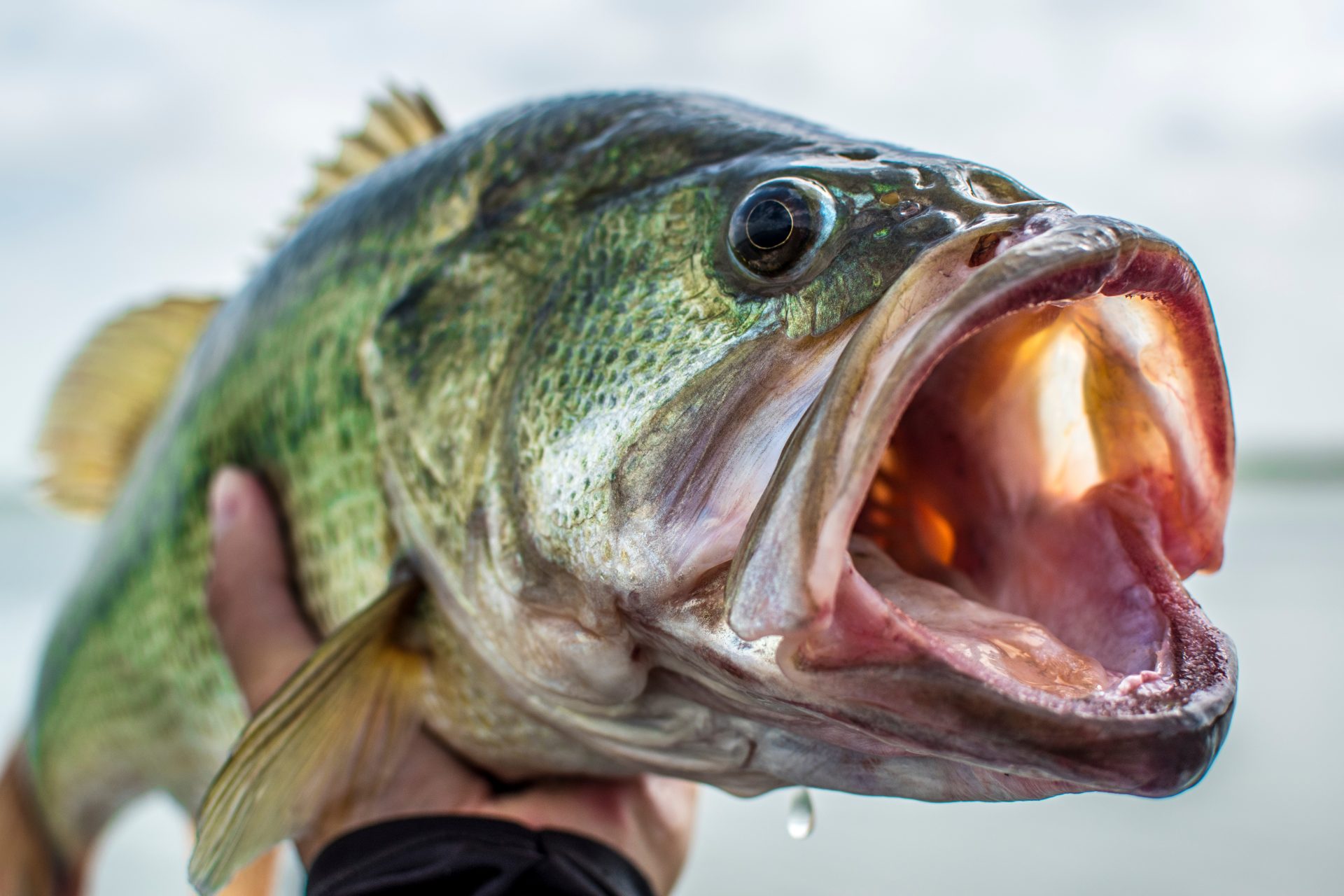
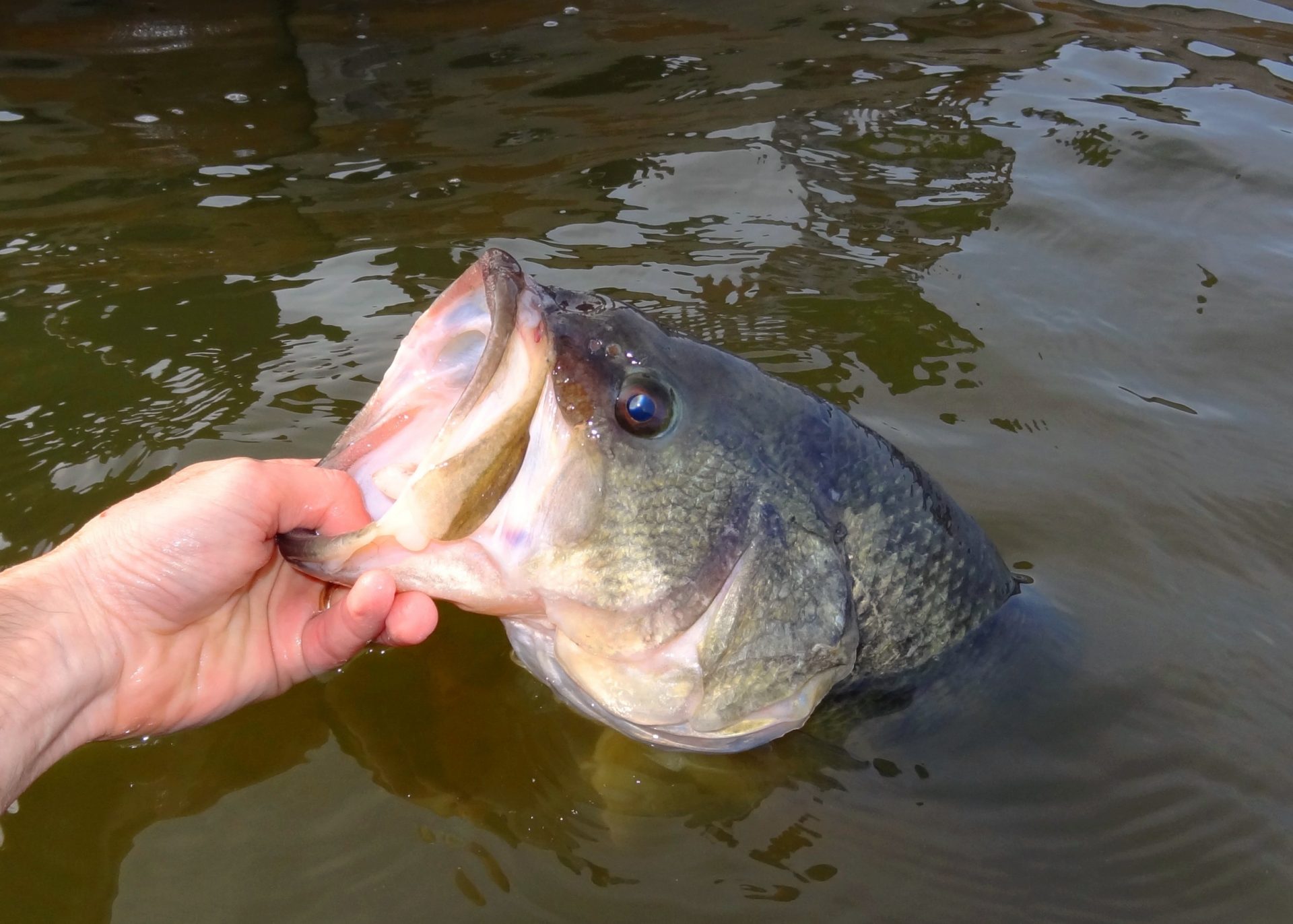
What’s the World Record for Largemouth Bass? The Top 15 Bass Ever Caught

0

When it comes to bass fishing, it’s all about the sport of it. As you almost certainly know, bass anglers are out for a brain-bending hunt for big bass and what they want to eat, an unforgettable fight, and a stellar photo at the end of it.

However, before any bass angler starts to resuscitate their catch and watch it swim back off to fight another day, there’s one important detail that has to be gauged for any of it to mean anything: The size.

Any good fisherman will take plenty of pleasure in simply enjoying a nice fight and lipping a fish, but there’s something about the thrill of reeling in a massive bass after it has jumped all over the surface and put your equipment through the wringer.

Today, we’re going to talk about the top 15 largemouth bass ever caught; including where, when, and how they were caught. Using this information, and of course, building your own skills and intuition as an angler might just help you land the next record-shattering largemouth when you hit the water.

Buckle up, and let the history lesson begin.

world record for largemouth bass

1 – Current World Record – Lake Biwa, Japan

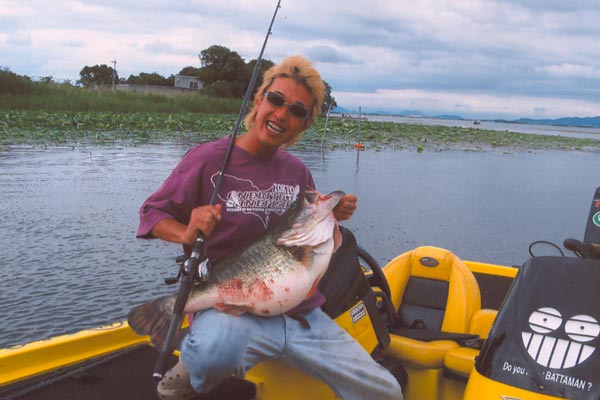
First up is the current world record. This impressive 22.311-lb bass was at Lake Biwa in Japan. This is the largest recorded largemouth bass ever caught, and what makes the catch even more impressive is the low number of largemouth in Japan. This is because they were introduced specifically for sport fishing. After a short time, they were labeled an invasive species, and they’re only found in a few select lakes that have now had their native ecosystems ravaged by the predators.

The angler that pulled this bad boy in is Manabu Kurita. He pulled the lunker in with a Deps Slide Swimmer 175 in 2009 at the age of 32. He has since tied his own record in 2022.

2 – Second Place – Lake Montgomery, Georgia

This one goes way back to 1932 when an angler by the name of George Perry caught a 22.25-lb largemouth at Lake Montgomery in Georgia. What makes this record so special isn’t that it’s a world record. Those are beaten by mere ounces across the fishing community all the time. No, this is special because it was the world record for largemouth bass from 1932 all the way until 2009 when Manabu Kurita nabbed the current world record at Lake Biwa. A little over two decades more, and he would have had a century-long world record. More importantly, this was from before sport fishing was big. It was a way to secure food, and anglers weren’t using the most advanced techniques and equipment back then.

Perry caught the monster on a Creek Chub Fintail Shiner; the only lure he and his friend had at the time of the catch.

3 – Third Place – Castaic Lake, California

This is the third-place record as of this writing, and it was made at Castaic Lake in California on March 12, 1991 by Robert Crupi. This whopper weighed 22.063 pounds, and it was just slightly shy of beating the 1932 record George Perry is famous for. Unlike the other records, Crupi didn’t use lures for this impressive catch. It was just good old-fashioned live bait on a basic float rig.

Being in the top three without using a fancy lure is a huge accomplishment, and you’ll be happy to know that Robert Crupi is still angling in the L.A. area now that he has retired as an LAPD officer.

4 – Castaic Lake, California – Michael Arujo

Another impressive catch was made at Castaic Lake in 1991; just seven days before Robert Crupi broke the 22-lb mark, Michael Arujo had caught a lunker weighing 21.75 pounds. That wasn’t quite close enough to George Perry’s long-standing record, but it was a massive breakthrough for the lake, and it is the fourth largest bass ever caught and officially recorded.

Arujo made the catch of his life with two different bummers attached to it. He was just shy of the world record, and a week after getting lauded for the second largest bass in the world, Robert Crupi came in and knocked him down to third place in the same watering hole. It’s a great catch, but you know that one had to sting a bit.

5 – Lake Dixon, California – Jed Dickerson

This 21.688-lb lunker was, like over half of this list, also caught in the Los Angeles area of California. A trend you’ll be noticing pretty quickly with the world record list.

While the bass is just shy of the 22-lb mark, it stood out for its unique spotted pattern and acquired the nickname “Dottie”. Dottie was caught in 2003.

6 – Lake Casitas, California – Raymond Easley

Raymond Easley’s 21.2-lb largemouth turned heads in 1980 as the first bass to breach the 20-lb range since George Perry’s legendary catch. While Easley’s catch isn’t the thing of legend, it is still a record holder. It’s the largest largemouth bass caught on an 8-lb line as of the time of this writing. It’s also worth noting that he wasn’t bass fishing at the time. He was teaching less experienced friends how to catch crawfish, and he happened to get lucky.

7 – Castaic Lake, California – Robert Crupi

Yes, the third-place world record holder is actually known for multiple catches. Just a year before he came close to dethroning George Perry’s age-old record, Robert Crupi caught a 21.1-lb largemouth bass at Castaic Lake, California; not far from where he’d later catch the 22 pounder he’s known for. Again, he’s one of the few world-record anglers to use live bait for their catches, and he’s one of the few with two records to his name.

8 – Miramar Reservoir, California – Dave Zimmerlee

Dave Zimmerlee caught a 20.938-lb largemouth at the Miramar Reservoir in California in 1973. This was not quite as close as Crupi’s catch in 91, but it was the first catch to get somewhat close in 40 years. Not only that, but it was the California state record and held its position for a fair amount of time.

9 – Castaic Lake, California – Leo Torres

Yet another Castaic Lake record, this catch by Leo Torres happened shortly before Crupi’s first 21-lb catch. Unfortunately, it wouldn’t last long as it was still in the 20-lb range at 20.86 pounds. Still, it was the catch of a lifetime shared by few anglers, and it’s yet another testament to the high catch potential of Castaic Lake.

10 – Lake Dixon, California – Mike Long

This 2001 catch was made at Lake Dixon, California by Mike Long. The catch was 20.75 pounds; just mere ounces behind the area’s top records, and it’s one of the top records at Dixon’s watering hole.

11 – Lake Hodges, California – Gene Dupras

This is Lake Hodges first appearance on this list, and it happens to be its largemouth bass record. Gene Dupras boated a 20.25-lb largemouth in 1985 on artificial lures and put the watering hole’s name on the map. While this is on the lower end of the 20’s, it’s still an important catch in the bass fishing world.

12 – Miramar Reservoir, California – Johnny Garduno

This 20.25-lb catch by Johnny Garduno in 1990 is tied with the number 11 spot placed by Gene Dupras, but it doesn’t hold the reservoir record as that was accomplished in 1973 with a 20.983-lb largemouth. Still it is the catch of a lifetime for the angler, and it’s just ounces off of the watering hole’s record; proving big bass aren’t just a fluke at Miramar.

13 – Big Fish Lake, Florida – Fritz Friebel

Florida is known for some good bass fishing, along with some unique species of bass besides largemouth. So, while this is the one and only largemouth record from Florida on our top 15 list, it’s worth noting that the state pops up frequently with longer, more lenient lists.

This one was caught by Fritz Friebel in 1923, and at 20.123 pounds, it held the world record until George Perry set his nearly 80-year-long record.

Again, keep in mind that sport fishing wasn’t really a thing back then, and neither George Perry or Fritz Friebel would be considered professionals nowadays. They were just good old boys enjoying a bit of fishing. That’s an important detail for later.

14 – Lake Mission Viejo, California – George Coniglio

This 2006 record isn’t the biggest in the world, country, state of California, or even Los Angeles county, but it is the Lake Mission Viejo record at 19.7 pounds. George Coniglio still holds the lake record, and there’s no denying that, even compared to the 20+ pound fish on this list, no angler would brush off a 19-pound hog.

15 – Castaic Lake, California – Mark Balloid

What’s a better way to finish our list off than to return to yet another 1990 beast from Castaic Lake? On March 30, 1990, just shortly after Robert Crupi’s first record fish, Mark Balloid caught a 19.5-lb lunker that, while still a bit smaller than Crupi’s catches at the lake, was a massive accomplishment.

largemouth bass world record

How to Use This Information

Now, besides learning about some amazing largemouth, what good is this list for you, the average fisherman? Well, as it turns out, there’s quite a bit you can learn from it.

Here are the points we believe stand out the most.

It’s Not Restricted to Gatekeeping Pros

Did you notice that two of the earliest world-record catches, and several of the more modern catches, weren’t made by professionals on $40,000 bass boats with $700+ rods? Nope. They were caught by regular fishermen who, sometimes, weren’t even trying to catch record-breaking bass.

The point to understand the most from this is that the record holders involved knew how to react to the hard fights those 19 to 22-lb fish were putting them through, and even with the 1920s and 30’s equipment, they were able to work those basses back to their boats. George Perry, the man with the longest-lasting world record, and who is still in second place globally, caught his lunker in a homemade boat with the only lure he had on him. He stated that he wasn’t worried about losing the fish, but he didn’t want to lose his Creek Chub.

You don’t need a second mortgage and a very angry wife to pick up the big fish. You just have to know what you’re doing when they bite.

Water Counts

What makes the current record so impressive isn’t just that it broke George Perry’s almost century-old record. It’s that it happened in Japan where largemouth isn’t even native.

If you noticed, up until that point, the entire top 15 list is comprised almost entirely of Californian lakes and reservoirs, and a couple of names pop up several times to dominate the list. Notably, Castaic Lake shows up a lot.

If you want to catch big bass, you can do that anywhere there is bass. Kurita proved that by shattering George Perry’s long-standing record. However, your chances are quite a bit higher if you find the waters known for producing such abnormal bass specimens.

Unfortunately, that same concept can lead to higher pressure from other fishermen. Everyone wants the world record with sport fishing, and you won’t be the only one running to a well-known watering hole.

Pressure Increases, and Catches Go Down

If you notice, the predominant body of water on this list has basically all of its notable entrees set in the early 90’s. Not a single Castaic Lake record of real notability has cropped up since.

That doesn’t mean big fish aren’t found there, but it given its history of producing jaw-dropping trophy bass and the drop off, it’s safe to assume that “something” has put a damper on what the lake is producing.

That damper is typically waves of fishermen, both responsible and irresponsible, attempting to get in on the trophy-sized action.

This increases pressure and makes fish more finicky, and if the water is being overfished or the fish aren’t being released properly, numbers can drop; effectively ruining what the hole was known for.

Keep that in mind, and don’t always hunt your next trophy at a certain hole just because it’s famous.

Know – Adapt – Catch® more with BassForecast.

Learn More How BassForecast Works

The Best Camo for Spring Turkey Hunting

0

You may think they’re just birdbrains, but wild turkeys actually see three to four times better than human beings. What’s more, they can see color as well. Their eyes not only detect a human’s slightest movement, but they see it in a vivid, three-dimensional perspective just like we do.

So, while camouflage is always crucial in hunting, for spring turkey hunting, it’s extra important to don the right type.

One camo deemed perfect for a certain environment or hunting style could be totally useless in another. The best camo pattern is going to depend on your surroundings.

Determining the Best Turkey Hunting Camo

Good turkey camouflage needs to be right for the environmental and weather condition. First, you need to know whether there’s budding green colors among the spring changes where you’re headed. As green emerges, is your camo choice reflecting that?

Then, consider what kind of layers you’ll need—base layers, warm jackets, or spring light longsleeves?

Other considerations for turkey season include a turkey vest, camo facemask decoys, and a good call. But for continued success in the field, the best turkey camouflage pattern for your needs will ensure you’re seeing success each and every turkey hunting season.

And when you’re wearing the right camo, it can all come together for an unforgettable hunting season. There are so many good camo companies to choose from, but here we’re focusing on two of the leading brands, Mossy Oak and Realtree, which have stood the test of time—not to mention a wild turkey’s eyesight.

Mossy Oak Bottomland

Mossy Oak Bottomland camo pattern Perhaps Mossy Oak’s best representation comes from the turkey hunting community in the southeastern U.S., where Bottomland is still worn and revered consistently, year after year. This is where it all started for the Mossy Oak brand, with its natural bark elements and color tones that blend in seamlessly.
However, Bottomland has quickly become a staple across the camouflage market, worn as frequently with casual wear as it is in the woods. Outdoorsmen of all kinds seem to really appreciate the aesthetic this pattern has to offer, and hunters find it to be a strong cross-purpose option for when they need one pattern to get the job done in a variety of environments.

Mossy Oak Greenleaf

Greenleaf is a classic pattern that is ready made for spring turkey hunting with just the right amount of green and brown to cover you up. Honestly, Mossy Oak’s Break-Up, Break-Up Country, and Infinity patterns conceal incredibly well, but are just a bit lacking in the green department for spring gobbler hunting.

This pattern, however, does a fine job of incorporating each of those concepts and giving it just enough spring pop for when those gobblers begin strutting.

Realtree Hardwoods Green HD Camo

This super-realistic camouflage pattern is effective and versatile wherever green is visible, and that certainly means the spring turkey season in the woods. Hunters seem to be hit or miss on the high-definition camo concepts, but there’s a reason this particular pattern has made such an impact on the industry.

Additionally, if there would ever be a time you’d want your camo pattern to be as realistic as possible, it would be when you’re chasing after those keen-eyed gobblers.

Realtree Xtra Green Camo

For the serious bowhunter who doesn’t put away the archery gear just because it’s turkey hunting time, this excellent pattern will keep you out of the turkey’s eyesight long enough to raise up, pull back, and lose an arrow.

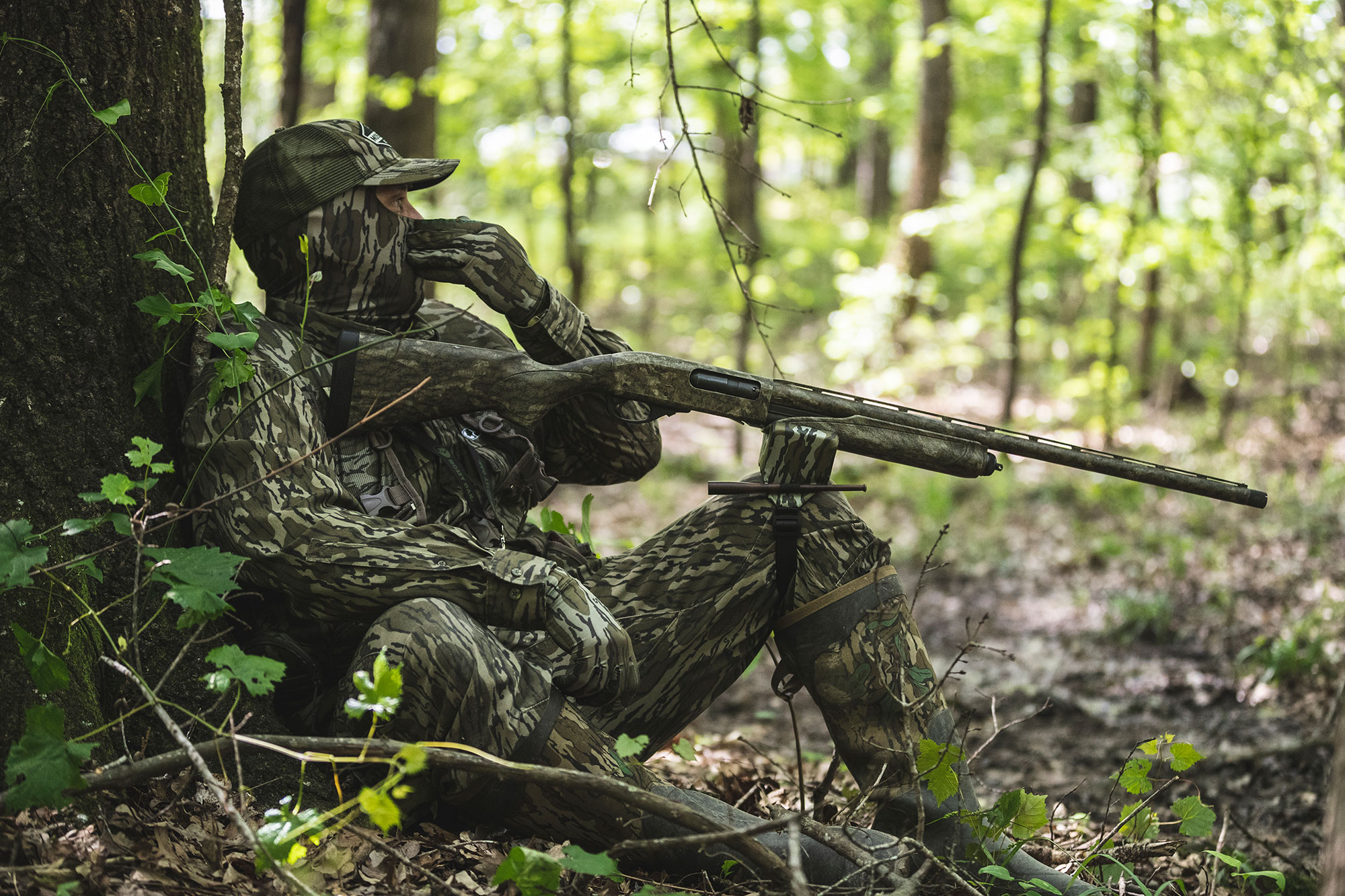
As you can see from the photo above, this particular pattern does great when a hunter is up against a tree, which is great news for all of those bowhunters who enjoy hunting from the ground.

Realtree Original Camo

For many hunters, this is where it all began in the spring. We knew our spot, scouted our bird, and were wearing this vaunted pattern when we took a bird.

Other good patterns include Realtree APG, Advantage Timber, and Advantage Classic since they have a lot of the green and brown mixes that bowhunters know and love.

READ MORE: 5 BEST TURKEY HUNTING STATES OVER THE NEXT 5 YEARS

How to Make the Ultimate Deer Attractant

0

I’ve always been a fan of the Big & J deer attractant and mineral blocks. What if I could make my own deer attractant that works just as well for less money? Of course, I use corn feeders where it’s allowed (check your local hunting regulations regarding baiting), but I also build water troughs and mock scrapes to create an environment that encourages deer activity in my hunting areas.

I also like to provide additional nutritional supplementation to the deer in my hunting areas and that’s where the Big & J deer supplements became part of my plan.

Big & J can become pretty expensive, especially if you have a lot of different hunting areas. This year, I found a recipe for the ultimate deer attractant and supplement that I could make at home for a fraction of the cost of Big & J.

Ultimate Deer Attractant

Ingredients List

  • 2 bags of sugar
  • 2 bags of brown sugar (dark will last longer than light)
  • 2 boxes of baking soda
  • 4 packages of cherry jello
  • 2 big containers of grape Kool-Aid
  • 1 big container of oats
  • 2 cans of salt

The Short on YouTube had to be under a minute, so it’s a quick run through of my ultimate deer attractant. Let me offer a few more details about the mix and how I use it.

Mixing and Using the Ingredients

Most of the ingredients are just sweet and attract the deer with the sweetness of the item. The baking soda is the primary ingredient in most store-bought pre-mixed deer attractants and provides valuable minerals to the deer. Same with the salt.

I mix the ingredients in a 5 gallon bucket with a lid. This ingredient list almost filled the whole bucket. Pour all the ingredients in the bucket, secure the lid, and shake, rattle, and roll the bucket to mix the ingredients.

Most of these sugar-heavy ingredients will dissolve in a very short time if you don’t mix it some corn. So, I used a second 5 gallon bucket to mix equal parts of the deer attractant and deer corn. I found this causes the deer attractant to last a few days. You could also add molasses as a binder for a longer lasting deer attractant (it’s what most store bought “blocks” use as a binder).

Does It Work?

I found the deer really enjoyed the attractant and wasted no time finding it and eating it. After 8 years of hunting in West Virginia, I finally bagged my first buck! I like to think the attractant helped, although I also made two critical changes to my hunting area that also contributed to my success (stand location and how I approached the stand).

First West Virginia Buck

I didn’t use the attractant in Texas or Pennsylvania. We hunted public land in Pennsylvania where “baiting” is not allowed, so it was not an option. For Texas, we have established feeders that habituate the deer to the feeder locations, so I didn’t really feel the need for additional attractants or supplementation. However, the acorns dropped right before we arrived for hunting season. It’s possible that some additional nutrients (and sugar) could have drawn deer away from the preferred acorn food sources, resulting in more deer activity than we saw, this year.

You should always be sure that baiting is legal in your hunting area before using something like this attractant.

Seneca Sumatra 2500 500cc Review – Hunters’ Dreams Become Reality

0

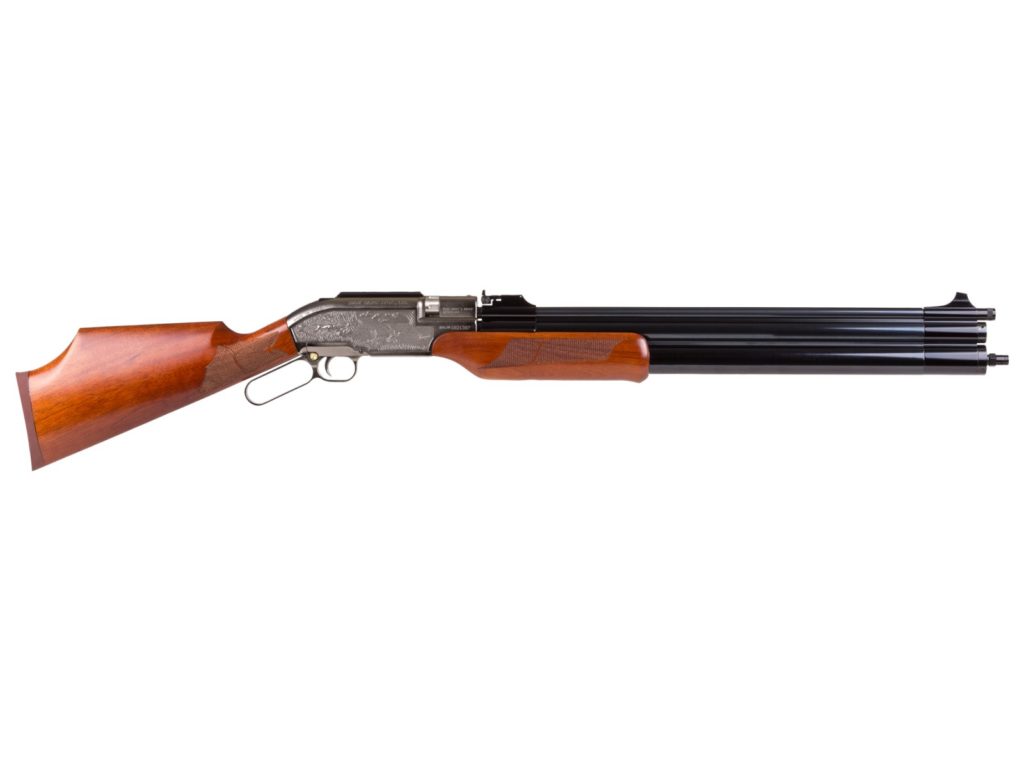
The Seneca Sumatra 2500 with .22 Caliber is a long-standing market option.

It is the most powerful air rifle, as well as the sports competitor’s air rifle in the world of PCP.

This air rifle comes with a lever-action, can shoot exceptionally well whether slinging pellets or even with cast lead slugs.

It is proven to deliver the best results in time with high power and accuracy .

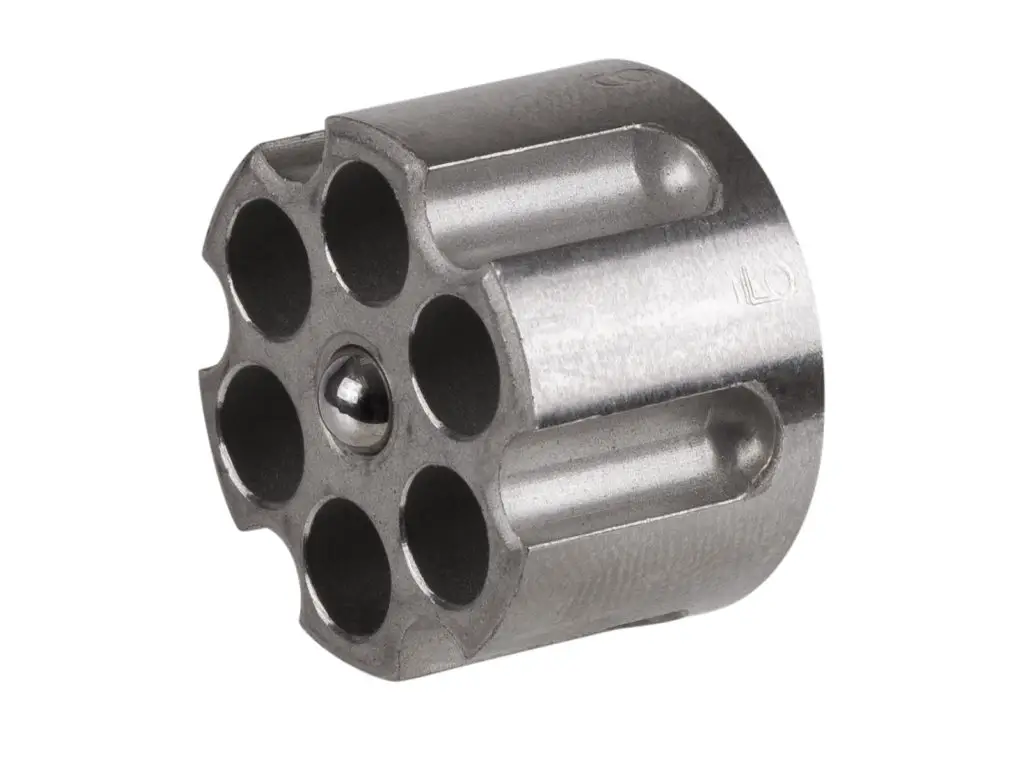
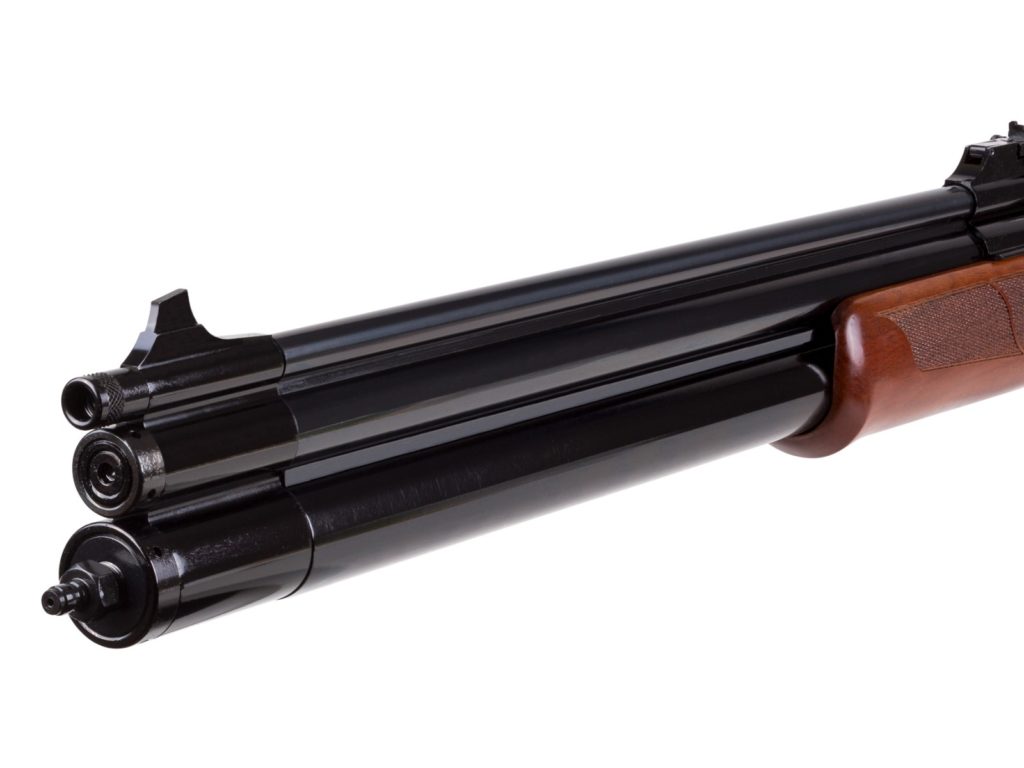
The Seneca Sumatra 2500 has a rotary magazine with six-shots, giving the look of an old revolver from the west.

Its barrel threads are 10mm x 1.0.

What makes it a fantastic hunting tool is that it is extended enough to lever the pellet easily.

Likewise, it comes with a fixed blade front sight & an entirely adjustable rear.

Also, the air rifle has an option to mount any scope you wish to choose an 11mm dovetail rail.

The lever-action of the air rifle allows you to handle it very quickly while shooting to make sure you have easy follow-up shots.

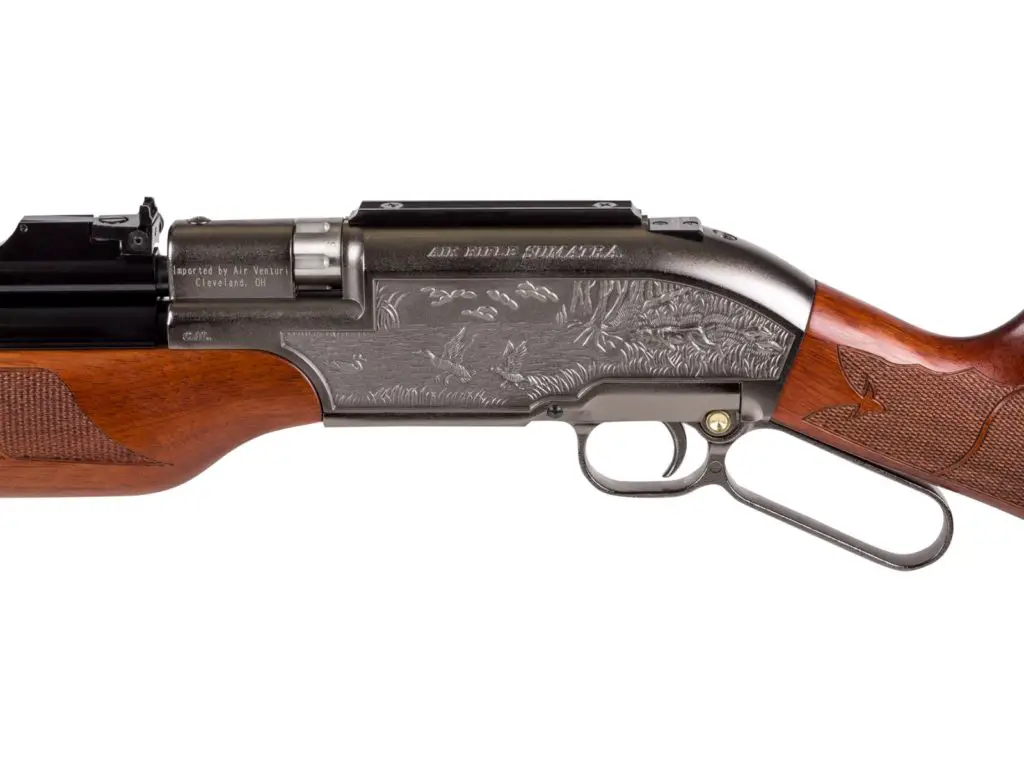
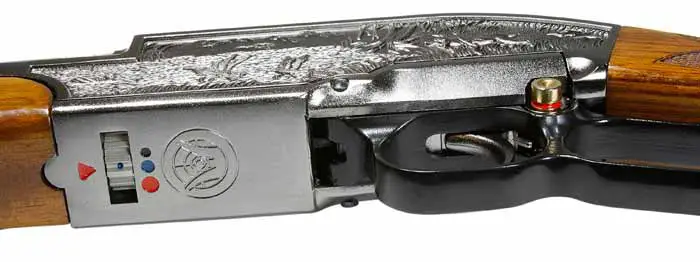
The Seneca Sumatra 2500 has an engraved receiver, classic lines reminiscent of hunting shotguns, barrel

And air tube with a deep blued finish, and attractive hardwood hardware.

If you are looking for a high power air rifle for varmint hunting, target shooting, and pest control, the Seneca Sumatra 2500 is unbeatable with its unique, traditional, and yet distinctive appearance.

(For more on the best air rifle for rabbits, see this post)

With excellent accuracy, the Sumatra 2500 allows you to shoot heavy pellets for enormous knockdown power.

None of the reviews of this particular rifle have given a negative or unsatisfactory comment.

Seneca-Sumatra-2500-500cc-review

Even if you are going to take part in sport shooting

And wish to have something sturdy and correct, the Seneca Sumatra 2500 will deliver you the best result.

This is best for experienced shooters who want a more powerful weapon.

Without any doubt, the Sumatra 2500 is a loud and heavy air rifle.

Therefore, this air rifle is not a family-friendly everyday plinker .

This is specially manufactured and designed for hunters in a real sense.

The Seneca Sumatra 2500 has an easy to cock, lever-action repeater with the consistency of 6 shots.

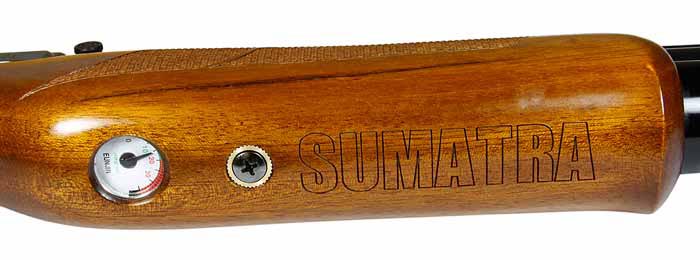
It has two built-in chambers (500cc as a whole) that hold a high-pressure air of 3000 psi from a scuba tank, compressor, or hand pump.

Additionally, the air rifle also has an adjustable cheekpiece.

With the two-stage adjustable trigger, the air rifle has an option to choose double or single action.

The Sumatra 2500 air rifle has a fixed front sight.

For windage and elevation, the ramp-style rear sight is adjustable .

When it comes to shooting, power and accuracy are the tools that matter the most!

The adjustable power wheel has 13 settings, making this one of the most versatile air rifles on the market.

The 500cc reservoir delivers a lot of potent and accurate shots so you do not need to refill them so often.

The Seneca Sumatra 2500 is your gun when you are ready to have some serious hunting!

Here, I will discuss the powerful Seneca Sumatra 2500 in detail, so that you can have a complete idea of its merits.

Seneca Sumatra 2500 500cc Reservoir Air Rifle Review

Speed And Accuracy

For any shooter or hunter, it matters a lot to have a reliable weapon when he/she is in the field.

Below, the table shows the speed and accuracy of the Sumatra 2500.

Pellet Muzzle Velocity- AverageMuzzle Energy – AverageAccuracy 
Gamo raptor platinum 9.7 grain1356.7 fps39.71 ft/lbs.Good 
H&N field target trophy green 14.66 grain1345.29 fps40.31 ft/lbs.Excellent 
RWS hobby 11.9 grain1286.53 fps43.74 ft/lbs.Excellent
Crosman premier hp 14.3 grain1232.71 fps48.26 ft/lbs.Excellent
JSB jumbo exact 14.35 grain1225.59 fps47.87 ft/lbs.Excellent
H&N field target trophy 14.66 grain1231.82 fps49.40 ft/lbs.Best tested – excellent
H&N Baracuda match 21.14 grain1110. fps57.89 ft/lbs.Excellent 

The table, as mentioned above, shows the muzzle velocity within the range of 1100 fps to 1350 fps with all standard HAM test pellets.

If we look at the Gamo Raptor platinum, we can check that the accuracy level fell a bit due to having lighter alloy pellets.

But, it was still not that bad, but even better than anticipated beforehand,

As the Seneca Sumatra 2500 air rifle is famed for its ability to deal with heavy pellets.

In a real sense, the real strength of the Seneca Sumatra 2500 air rifle is its ability to produce high muzzle energy with heavier pellets.

The HAM test had the peaked value with the H&N Barracuda match 21.14-grain pellets for the muzzle energy

The weight of the heavy pellets increases and becomes the reason behind the muzzle energy increase.

The HAM test results show that the .25 Calibers version would be much more powerful.

As the HAM tester Doug Rogers mentioned in one of his notes: If he were searching for the best hunting air rifle, then the Seneca Sumatra 2500 would be on his list!

Note that the muzzle velocity recorded during the test was with the Seneca Sumatra 2500’s power adjustment wheel positioned at its lowest setting.

While changing the muzzle velocity to a higher value would increase the muzzle velocity by 6 to 7 percent.

AdjustableTrigger and Cocking Effort

Seneca-Sumatra-2500-500cc-trigger

The Seneca Sumatra 2500 is being known for its best performance among the shooters.

The trigger pull weight averaged 3 Pounds 7 ounces.

Such pressure is excellent for hunting without any disturbing.

The primary purpose of the Sumatra 2500 is to make air rifles comfortable for the hunters.

The trigger has two-stage actions, but during the test, only one single could be detected by the HAM team.

Moreover, the trigger of the air rifle is adjustable for weight pulling, and there is a manual instruction guide to give instructions for how this is to be done.

During the analysis of the trigger, the setting was left as done by the manufacturers.

If you fire many shots, the cocking lever might be a little uncomfortable on the back of your hand.

Compared to the side-lever, the cocking effort is looking hard.

Of course, if you shoot consistently, then it would become smoother or more manageable.

During the HAM test, the cocking effort for the Seneca Sumatra 2500 measured at around 21 lbs.

Along with this, the manual safety is conveniently located just behind the trigger.

It is a push that worked well for the HAM testers.

Overall, the performance of the trigger and cocking effort is satisfactory;

You can have a powerful air rifle with surety in your hands for next hunting or shooting experience.

Rick Eutsler from AirgunWeb has tested this gun intensively in the video below:

Impressive Sight And Scope

The Seneca Sumatra 2500 has a set of simple iron sights.

There is no need for any screwdriver need to alter the elevation for fiber optic or the rear sight.

Many shooters may choose to fit the scope instead of any of the views; rather, they take it as a backup.

The air rifle has the “premium bundle,” which includes a Tech force-branded 4 – 12 X 40 A0 Scope and leaper high profile rings.

The Seneca Sumatra 2500 carbine air rifle with a tech force scope is well balanced in size and efficiency for better results.

It includes AO (adjustable objective) for sharp focus down to the 7.5 yards range,

And the 12 X magnification is as high as most of the hunters can exploit proficiently in the field.

Here, we can close that the optical quality of the air rifle seems good.

The air rifle has a mil-dot reticle in the scope considered to be an essential and indispensable tool for practical airgun use.

The mil-dot reticle has selectable red and green illuminations when required by the shooter if he/she has a low-light shot.

(For more on how many types of air gun sights are out there and which one is suitable for you, see this post.)

The air rifle has a front focusing ring which is somewhat best for warmer or moderate temperatures.

But it is not that suitable for the snowy time like January in upstate New York.

Consistency

The Seneca Sumatra 2500, while the test revealed that it has excellent accuracy, has a wide range of pellets.

It was only Gamo platinum PBA pellets that showed the result which was not that good but better than the expectations at least.

Overall, the accuracy of the air rifle is classified as excellent over a wide range of pellets.

sumtra-2500-500cc

Measurement of the muzzle velocity consistency/standard deviation for the Sumatra 2500 tested by the HAM team.

The air rifle was consistently inconsistent!

The range for the standard deviation was between 14 to 21 fps, with an average of 17.38 fps.

The reason behind it is its unregulated design.

As soon as you fire, the next shot will be slower because the pressure is reduced for the air rifle.

Due to this reason, the upcoming shot will also be reduced.

The high power output of the air rifle means that this shot-to-shot drop is more distinguished than you would finish

With the lower-powered unregulated PCP air rifles, for instance, the Benjamin Marauder.

Shooting Ability

It is to make clear that the Seneca Sumatra 2500 air rifle is heavy.

Seneca Sumatra weighs 10 pounds and 3 ounces when fitted with the scope.

It is the sign that the shooter must use the sling in the field.

The balance of the air rifle is pretty good on the shoulders, therefore; it gives a good cheek weld.

The Sumatra 2500 is heavy as it is weighted.

RATEAGUN has given it a score of 4.5, which means that it is easy to shoot with the air rifle.

With the six-shot rotary clip, the Sumatra 2500 is accessible in loading and gives a consistent follow-up shooting ability while hunting in the field.

Pellets of the air rifle were also tended to fall out of the clip if it carried around in a pocket for shooting.

So, it is not such an excellent decision to pre-pod clip and transports them into the field.

Seneca-Sumatra-1024x768

If you compare two rifles, Benjamin Marauder vs Seneca Sumatra PCP air rifle, you would see that Seneca Sumatra 2500 air rifle has a more abundant reservoir

This means filling it with a hand pump would take a lot of time.

The Seneca Sumatra 2500 air rifle has most of 6 to 20 consistent shots while Benjamin marauder gives you 80 shots per fill.

You can note another feature that the price of the Benjamin is around $600 and the Seneca Sumatra 2500 is for sale at $700.

During the test, the HAM team noticed that a few H&N field target trophy green pellets would not fit into this gun at all.

The Seneca Sumatra air rifle is not manufactured to use with the super light pellets.

It is good to find that the manufacturer of the Sumatra 2500 air rifle has put the features which have increased the protection level for the shooter, indeed.

If we see Benjamin marauder vs Seneca Sumatra, this is the better advantage the Sumatra 2500 air rifle has over Benjamin Marauder.

It allows the gun for “double-loaded” if the shooter loses track of the loading air rifle and firing sequence.

This safety measure makes it better than other air rifles.

Check Price on PyramydAir

Appearance And Finishing

The Sumatra 2500 air rifle is made with wood and metal.

It gives traditional construction.

In your hands, when you hold the Sumatra 2500, it is a beautiful-looking gun more than its pictures.

(For more on the in-depth comparison between synthetic and wood stock, see this post.)

The Seneca Sumatra 2500 air rifle looks like an “over and under” shotgun rather than an air gun.

Because it has a double air tube under the barrel, this is an unusual-looking air gun, but with an excellent appearance.

Finishing of the air rifle, Sumatra 2500 is commendable, with reliable and deep bluing for some parts and glossy and shiny black paint.

The receiver, cocking lever, and trigger are all castings, with the receiver having a deeply inserted hunting seen on either side.

Seneca-Sumatra-2500-500cc-air-rifle-1024x768

We call the Seneca Sumatra 2500 carbine not indexing, as it is the long rifle with a shorter barrel.

The Seneca Sumatra is not auto-indexing but the Benjamin marauder does have the auto-indexing with ten shots repeater.

Wood finishing is generally perfect, with finely checkering.

Slight roughness was detected on the sides of the buttstock.

As a whole, the appearance and finishing of the Sumatra 2500 air rifle are tremendous and satisfying while shooting.

A not-so-quiet air rifle

The Seneca Sumatra 2500, if described for the sound, would say that it is, without any doubt, a LOUD air rifle.

If you are looking for an air rifle with silent volume so that you would not disturb the people around you, then Sumatra 2500 would not deliver this feature.

There is no silencer system in the air rifle.

As it is not a family air rifle and you will not be used in the home backyard.

The Sumatra 2500 uses a lot of air while shooting in each shot.

You may have to wear ear defenders on the range from where you will be hunting.

Without any doubt, the Seneca Sumatra 2500 is not fitted with a suppressor of any type.

sumatra-2500-22-caliber-pcp-air-rifle

Value for money

The Seneca Sumatra 2500 is sold at a reasonable price, about $700 in the market.

The scope and rings account for over $110 of that number.

At such street price, you have a potent and efficient hunting air rifle.

There is of course an additional cost for the air supply, like any other PCP air rifle.

If you take the Seneca Sumatra 2500 air rifle, it gives about the “bang of the buck” of any multi-shot PCP air rifle for high power, accuracy, and reasonable price.

There is a manual operating guide for you to get information while buying the Sumatra 2500 air rifle.

The US distributor, Air Venturi, has the full range of all the parts available for the Seneca Sumatra 2500

And provides support for the 12-month warranty on the air rifle.

Manufacturer’s Claim Analysis

The manufacturers claimed that the muzzle velocity of the Seneca Sumatra2500 air rifle in .22 Calibers is 1100 fps.

But while shooting was done during the HAM test, the value exceeded the 1350 fps for 21.14 grain.

The muzzle velocity of the air rifle is extremely conservative, as the test results showed.

As the manufacturers claimed the accuracy of the Seneca Sumatra 2500 air rifle is very likely to achieve by a good shot on an average, calm day.

The HAM team tested the air rifle with a wide range of pellets in 10 shot groups.

Even the makers have not claimed on that level the air rifle Sumatra 2500 works.

The air rifle is an accurate air rifle with great effort and energy.

One more thing, the makers have claimed for the two-stage trigger.

But, when the HAM test was conducted, it was astonishing to see that the team only found the single-stage trigger

And gave the remarks for the trigger being ok and not that impressive.

Pros & Cons

ProsCons
  • Highly powerful
  • Easy to shoot
  • High accuracy tested with pellet by HAM team
  • Cannot double feed pellets
  • Great appearance
  • Six consistent shots
  • Best for real shooters/hunters/small game
  • Best pellet tested is H&N field target trophy
  • The air rifle Sumatra 2500 has been rated as 4.5 at RATEAGUN
  • .380/9mm to deliver the best quality shots
  • It is LOUD! And there is no such authentic way to fix any of the silencers
  • Heavy on shoulders
  • Uses lots of air
  • Not that cheap
  • Not family-friendly
  • Single-stage trigger found but not the two-stage trigger

Specifications

  • .22” Calibers (5.5 mm)
  • 1100 fps maximum velocity
  • Loudness is 5-high
  • Barrel length is 24.”
  • Overall length is 43.”
  • The shot capacity is 6
  • Barrel is rifles
  • Blade and ramp front sight
  • Adjustable for windage and elevation rear sight
  • 11 mm dovetail scope-able
  • Two-stage adjustable trigger
  • Rubber butt plate
  • Suggested for hunting
  • Lever action
  • Manual safety provided
  • The power plant is pre-charged pneumatic
  • Repeater function
  • Maximum shots per fill are 33
  • Body type rifle
  • Weight 8 lbs.
  • Stock is manufactured with hardwood
  • Ambi grip
  • Brown in color
  • Fixed front sight
  • Ambidextrous Monte Carlo tock
  • Male quick disconnect foster fitting with a cover
  • 500cc air reservoir
  • Up to 20 maximum shots on high power and up to 33 maximum shots on medium power

Customers Reviews

The reviews of the customers for the Seneca Sumatra 2500 air rifle are mostly positive,

And users are encouraging people to buy the air rifle for the reason that it is precise enormous hitting power with excellent finishing and appearance.

In the same way, the six-shot cylinder magazine is also appreciated.

The look or appearance of the air rifle is of high quality.

It has a lot of power in higher settings as well.

Customers claim that the air rifle is most accurate when adjusted between 800 and 950 fps depending on the weight you are shooting at.

Many customers own the .25 Calibers on a set of medium power and at a distance of 50 yards.

Customers are satisfied with the power of the gun as the comments show that the results are far better than their expectations.

Shooters after the use also like the looks of the air rifle as the Seneca Sumatra 2500 air rifle is made with hardwood

Which gives a traditional look to the air rifle.

After that, when it is used, it looks great in your hands.

There are many things that customers have recommended to change.

The trigger is not two stages, and the adjustment is not that satisfactory.

Among customers, the trigger is not being loved.

The magazine does not have the capability of preloading and carrying in your pocket.

Another suggestion from the customers is for the loudness of the air rifle.

The Sumatra 2500 is so loud that it disturbs the fun during the shooting.

The main focus of the customers is on the noise level as they have experienced.

I would not say that you can avoid the noise; instead, you have to bear if you are an accurate shooter

And wish to have an air rifle full of power and accuracy.

In summation, the Seneca Sumatra air rifle is the rifle for the real shooters.

It is the most powerful air rifle, but it is not the rifle for family use.

We can say that it is not a family-friendly air rifle.

You cannot give it to any untrained beginner; instead, the Seneca Sumatra 2500 is for the trained or professional hunter.

From an appearance point of view, the quality of the wood is also commendable! This is one of the best PCP air guns on the market today!

How to repair holes in fishing wader neoprene stockingfeet

0

If you have damage to your neoprene stockingfeet use these tips to find and repair the hole. Neoprene stockingfeet on fishing waders can get punctured by things such as stepping on sharp rocks or gravel or from using worn out boots causing puncures or abrasion. Old worn out boots will damage neoprene stockingfeet when the liner is worn down and sharp edges are exposed. This can lead to damage on the top, toe, or bottom of the stockingfoot. Repairs are fairly easy and will hold up well if done correctly.

What you’ll need:

  • A water source for testing and somewhere dry to hang the waders.
  • Regular Aquaseal (not UV) or Aquaseal NEO.
  • Masking tape or Tenacious Tape.
  • Cardstock or a business card and latex gloves.

Step by step instructions for repairing fishing wader neoprene stockingfeet

Find the hole. The first step is to look for differences in the area that seems to be letting water through. If you can see an indentation, or abrasion in the neoprene is a good indication that something is wrong in that spot. A surefire way to test the feet is to turn the waders inside out and fill the feet with water. Usually hanging the waders while doing this is the easiest way to control the flow of water when filling the inside. If there is a hole you’ll see water dripping out of it.

Water dripping out of a puncture hole. This is the inside of the stockingfoot (waders inside out) filled with water.
The outside of the toe. The hole can be visually seen as an indentation. These are the same waders as pictured alongside with water dripping through the hole. A sharp edge inside a worn out boot punctured this hole.

Next step; Fix the hole. Once the waders are dry this can be accomplished simply by rubbing a small amount of Aquaseal or Aquaseal NEO into the hole, making sure to rub it into the hole so that it fills the inside of the hole. We recommend backing the inside with some masking tape or Gearaid Tenacious Tape, and then filling the hole from the outside. Once it’s full and Aquaseal fills the hole apply a thin layer out to about 1/4-1/2″ on all sides of the hole. We like to apply a small piece of Tenacious Tape over the Aquaseal at this point, which will be removed later, to make a clean and smooth exterior to the patch.

Materials you will need: Aquaseal or Aquaseal NEO, tape such as clear Tenacious Tape, cardstock (packaging works well) and scissors.
Cut cardstock to a rounded point and apply small amount of Aquaseal.
Rub it in and use the point to get it inside the hole or tear.
Cover the area to 1/4″-1/2″ on all sides of the puncture.
We’re using clear Tenacious tape here to help the Aquaseal cure flat.
Apply the tape and rub out any air bubbles to the sides. This tape will be removed once dry in 24 hours.
Peeling tape 24 hours later.
Finished repair. The tape makes it finish flat.
Finished repair.

Final step; Go fishing!

Popular DRYFT wading products

22 cal air rifle 1300 fps

0

“Unleash Your Shooting Potential with the 22 Cal Air Rifle 1300 FPS – Experience Unparalleled Accuracy and Power in a Compact Package!”

22 cal air rifle 1300 fps

22 cal air rifle 1300 fps

A 22 cal air rifle with a velocity of 1300 feet per second (fps) offers an excellent combination of power and precision. With its high muzzle velocity, this air rifle is capable of delivering impressive accuracy and impact on target. Whether you are hunting small game or participating in shooting competitions, the 22 cal air rifle with 1300 fps provides the necessary force to ensure a successful shot.

The.22 caliber pellets used in this air rifle are larger in size compared to other calibers, offering increased stability during flight and improved impact on the target. The high velocity of 1300 fps ensures a flat trajectory, allowing for better long-range shots and reduced bullet drop. This makes the 22 cal air rifle ideal for varmint control, pest elimination, and small game hunting.

In addition to its power, the 22 cal air rifle with a velocity of 1300 fps also offers versatility. It can be used for various shooting purposes such as target practice, plinking, and even vermin control around farms or gardens. The ability to achieve such high speeds with a.22 caliber pellet makes this air rifle a favorite among enthusiasts who value both accuracy and power.

In conclusion, the 22 cal air rifle with a velocity of 1300 fps offers power and accuracy for various shooting applications. Its high muzzle velocity ensures a strong impact, making it suitable for hunting or target practice. With its lightweight and compact design, this air rifle provides ease of use and maneuverability. Whether you are an experienced shooter or a beginner, this air rifle is a reliable choice for achieving precision and control.

10 Biggest Largemouth Bass World Records Ever

0
10 Biggest Largemouth Bass World Records Ever

10 Biggest Largemouth Bass World Records Ever

In recreational angling, the largemouth bass is king. No other species has an international following as massive and as dedicated as that of the largemouth bass.

Their global distribution, accessibility to anglers of all socio-economic levels, and renowned game fish characteristics have morphed the largemouth bass from simply a fish to a globally recognized icon of recreational angling.

Due to the historic and widespread popularity of the species, it should come as no surprise that obtaining a world record largemouth bass is nearly impossible. Nearly.

The following catches represent the biggest, most impressive and envied world records ever granted for largemouth bass.

George Perry | Montgomery Lake, GA

Here stands George Perry and the All-Tackle record largemouth bass. A colossal catch at a time when bass fishing was simply nothing more than a pass time. He set the bar for anglers across the globe to chase their dreams.

The All-Tackle record for largemouth bass is the most sought after game fish record in the world. It is the “holy grail” of fishing records. George Perry has held this prestigious title for nearly 83 years, since he pulled his massive 22-pound, 4-ounce fish from Montgomery Lake, Georgia on June 2, 1932.

Perry, a 20-year-old farmer at the time, decided to go fishing with longtime friend Jack Page. The two were taking turns with a single rod and reel, casting a Creek Chub Fintail Shiner from the wooden Jon boat Perry had built.

An interview from 1973 recorded Perry saying, “I thought I had hooked a log, but then the log started moving.”

After skillfully playing the fish out of a half-submerged treetop, Perry finally boated the fish which was bigger than anything he or Page had ever seen.

The two immediately beached the boat and headed for town. Later that day, the fish officially weighed in at 22 pounds, 4 ounces and soon after became the new benchmark for record chasing anglers around the world.

Seventy-seven years would pass before a fish comparable to Perry’s monster would be caught, but it has still yet to be surpassed.

Manabu Kurita | Lake Biwa, Japan

Manabu Kurita posing with his massive 22 lb 4 oz largemouth taken from Lake Biwa, Japan. Bass fishing is not positively approved of around these parts and Manabu showed the world that records can still be broken, you just have to be willing to go against all odds.

However, Perry’s sole ownership of this most prestigious record came to an end on July 2, 2009 when Japanese angler Manabu Kurita pulled his own 22-pound, 4-ounce largemouth from Lake Biwa in central Japan, after it ate a live bluegill that he had on for bait.

Although it occurred halfway around the world from where Perry’s fish was landed, news of the historic catch spread like wildfire through the angling world. And as word spread, so did the doubts.

After all, landing a fish that millions of anglers had pursued for nearly a century is not something to be taken lightly. As such, every detail of the catch and its submission was done under a microscope.

The IGFA and Japanese Game Fishing Association (JGFA) even went as far as to administer a polygraph test on Kurita to ensure the catch and submission was done by IGFA rules.

After months of rigorously reviewing the application, the IGFA granted Manabu Kurita his share of the “holy grail” a tie for the coveted All-Tackle largemouth bass world record with George Perry.

Raymond Easley | Lake Casitas, CA

Raymond Easley with a massive 21 lb largemouth on 8 lb test line. What an incredible achievement!

When Raymond Easley caught his historic 21-pound, 3-ounce largemouth on March 4 1980, it was the largest bass anyone had recorded since George Perry’s All-Tackle monster in 1932.

On that morning, Easley was fishing Lake Casitas, California with a few buddies who were inexperienced anglers. While demonstrating how to properly fish a live crawfish in the relatively deep water, Easley’s bait got crushed and he came tight on the fish of a lifetime.

After a quick fight, Easley had the fish weighed in on a certified scale not far from the lake. Shortly after, the catch became the men’s 8-pound line class world record a record that still stands today.

At the time of the catch, Easley’s fish was the second heaviest largemouth ever recorded, trailing only Perry’s All-Tackle record.

The catch sent shockwaves through the angling community and renewed the hopes of anglers everywhere about having a chance at catching the next world record largemouth, especially anglers in southern California.

Robert Crupi | Castaic Lake, CA

Robert Crupi- a legend in the trophy bass fishing community. He paved the way for young, aspiring trophy bass hunters around the world and did so in a big way.

While George Perry’s name is revered and envied among bass anglers, and rightfully so, there is one angler whose name deserves equal respect and recognition Robert Crupi

Most bass anglers dream of a chance at catching just one world record in their lifetime, Crupi has four to his name. Not to mention that three of those records were caught in just a year’s time! Not a bad year at all.

Crupi’s first world record largemouth would be the fish of a lifetime for any other angler a 21-pound lunker that he pulled from the renowned Castaic Lake in Southern California on March 9, 1990.

Crupi, now a retired LA policeman, has been a regular on Lake Castaic since 1977.

In fact, Crupi fished the same spot in the lake for five days prior to landing this fish, which he coerced with a live crawdad he was fishing in 36- to 40-feet of water.

Although he had caught several large fish in his life, Crupi had never seen one this big. The fish was successfully landed, weighed-in, and shortly after became the men’s 12-pound line class record.

At the time, this was the third heaviest largemouth ever recorded by the IGFA. And Crupi was just getting started.

Robert Crupi displaying his gigantic lunker taken on a herring jig out. The massive fish was pulled out of 40 ft of water.

Christmas came three days late for Robert Crupi in 1990. On the morning of December 28, 1990, Crupi was fishing his usual spots on Castaic Lake, working a crippled herring jig in about 40 feet of water after marking some fish on his electric paper graph (an old school sounder).

After catching several crappie and smallmouth bass, Crupi dropped the jig down again, but this time he hooked something big. The fish effortlessly stripped the 4-pound monofilament off his reel, and stayed deep for approximately 15 minutes.

Finally, the fish surfaced about 50 yards from the boat and Crupi realized what he had been fighting. Fishing alone, Crupi managed to net and land the fish by himself, which became his second world record, this time in the men’s 4-pound line class category.

Robert Crupi and his lunker 22 lb lunker largemouth pictured here getting ready for an official weigh- in.

A couple months later and almost exactly a year after landing his first world record largemouth Crupi was back on Castaic Lake the morning of March 12, 1991.

This time he pulled an incredible 22-pound lunker from the lake using a live crawdad and utilizing the same technique he had employed for the record fish he caught the year before.

Crupi only needed three minutes to land the fish, which he netted himself as he was again fishing alone. Immediately knowing he had something special, Crupi put the fish in his livewell and raced back to the docks, later to be weighed in at a nearby deli & liquor store on a certified scale.

Noticing that the fish was a spawning female and full of eggs, Crupi returned the fish to the livewell after it was officially weighed in, and eventually released the fish at the same spot he pulled it from the water earlier that morning.

This catch earned Crupi the men’s 16-pound line class record, and once again, the third heaviest bass ever recorded by the IGFA to this day.

Dan Kadota | Castaic Lake, CA

feature-for-bass

Robert Crupi isn’t the only angler that has capitalized on the incredible largemouth fishery of California’s famed Castaic Lake.

In fact, Dan Kadota pulled his 19-pound monster from Castaic a year before Crupi began his stretch of incredible record catches. On the chilly morning of January 8, 1989, Kadota struck out early with hopes of catching big largemouth. And he was not disappointed.

While fishing a live crawfish along the bottom, Kadota hooked into his record catch, which he netted and boated approximately five minutes later.

The fish eventually became the men’s 20-pound line class record, where it still remains today.

Larry Kuroaski | Castaic Lagoon, CA

Larry Kuroaski with his record lunker taken on a fly-rod setup on 8 lb tippet. This fish has the famous black mark on her stomach.

Angler Larry Kurosaki caught a 16-pound, 12-ounce lunker while fishing Castaic Lagoon on the morning of February 26, 2009.

While a largemouth of this size is certainly noteworthy, the impressive fact about Kurosaki’s record is that it was caught on fly tackle.

In fact, Kurosaki’s 16-pound, 12-ounce fish is the largest fly caught largemouth ever recorded by the IGFA. Kurosaki coerced the fish to bite a custom tied minnow fly, and skillfully played the fish for five minutes before he landed what would become the men’s 8-pound tippet class record.

Kurosaki was prepared with a portable certified scale, and quickly weighed and documented the fish on shore, before he released it alive.

Mackenzie Hickox | Daytona Beach, FL

California isn

Although the majority of the current world record largemouth bass have come from southern California, Florida is still one of the best places in the US to target trophy largemouth bass.

Places like Lake Okeechobee and Lake Toho are known by bass anglers everywhere, but the largemouth potential in Florida is not limited to these famous haunts.

Any freshwater body of water in Florida has the potential of producing quality bass, due to the climate and the strain of largemouth found in the state.

In fact, Mackenzie Hickox caught her 15-pound, 12-ounce female Junior angler record from the shoreline of a man-made pond, not far from her house in Daytona Beach. Hickox, just 11-years-old at the time, was fishing a Strobe Spinner on May 8, 2006 with her parents, sister and a friend when she hooked into the massive bass.

Once landed, the fish was measured and weighed on a portable scale, which read an incredible 16 pounds. The fish was then released alive to grow even bigger.

Cody Pierce | Lake Murray, CA

Cody Pierce and his

Fourteen-year-old Cody Pierce’s Junior Angler world record largemouth, a 17-pound trophy, is a perfect example of the importance of the “last cast”.

On the morning of March 22, 2000, Cody skate-boarded down to the nearby Murray Reservoir outside of San Diego, to sneak in some fishing before heading off to school.

After catching several smaller bass and about to call it a day, Cody made his “last cast” from the shore line and immediately got a bite, but couldn’t stay connected. Realizing that his rubber worm had been cut in half, he quickly put a fresh lure on and re-cast to the same location.

This time, Cody hooked up and stayed connected to his 17-pound fish which he weighed in at the nearby ranger station, with the help of some older anglers fishing nearby.

Even more impressive is that Cody made the decision to release the fish alive so it could make even more bass for people to catch in the future.

Never give up!

All of these catches, but especially the last two, are exactly why bass fishing is so popular. These young anglers were fishing from shore, close to their homes, with tackle that probably cost no more than $20. The largemouth bass is the “people’s” fish. Sure there are those anglers that spend way too much money on boats that go way too fast, and gear that is way too expensive. But that is not required.

You don’t need big boats to travel hundreds of miles. You don’t need expensive tackle and elaborate rigs.

All you need is a rod and reel, and you too could find your name listed alongside Perry, Crupi, Kurita, and the other anglers lucky enough to catch a world record largemouth bass.

Throwback Thursday: 3 Rifles of the Buffalo Hunters

0

During the early 1800s, when American frontiersmen were first crossing the Mississippi and heading west, they encountered areas of both short-grass and tall-grass prairies so vast they appeared as seas. When the wind blew, which was most of the time, those breezes caused the grass to undulate in waves. Living upon those seemingly endless grasslands were immense herds of bison, also known as buffalo. The largest land mammal in North America, an estimated 30 million to 60 million bulls, cows, yearlings and calves once grazed the Great Plains.

Those first frontiersmen engaged in subsistence hunting, shooting an occasional buffalo for food. But it wasn’t long before some of the hunters realized that, given such an abundant natural resource, there was a dollar to be made from the animals. Actually, many dollars. So, by the late 1800s, literally thousands of professional buffalo hunters were prowling the prairies in search of the wandering herds for their meat, hides and tongues—buffalo tongue was a delicacy served in restaurants back East.

Professional buffalo hunters had several requirements of their rifles. The guns had to be rugged, reliable, accurate at long range, and of large enough caliber (.44, .45 or .50) to bring down a heavy-boned animal that might weigh as much as a ton. The following three single-shot, breechloading, black-powder rifles checked all of those boxes, and were the most popular with buffalo hunters.

Sharps Model 1874 action

Sharps Model 1874

Nicknamed “Old Reliable,” this particular Sharps rifle was a favorite of buffalo hunters due to its long-range accuracy. Sharps rifles were commonly used during the Civil War (1861-1865), with sporting versions manufactured for 40 years, from the late 1840s to the late 1880s. After the war, the Sharps factory produced Models 1869 and 1874 in large quantities for commercial buffalo hunters and competition shooters. These heavy, large-bore rifles, weighing nearly 10 pounds, were manufactured knowing that they would be firing some of the most powerful black-powder cartridges ever made.

In more modern times, Sharps rifles have become icons of the Old West, appearing in many books and several movies; three of the most familiar films being Quigley Down Under (1990) and True Grit (1969, 2010). Reproduction Sharps are still offered today by several firearms manufacturers.

Springfield Model 1873 trapdoor

Springfield Model 1873 Trapdoor

The first standard-issue, breechloading rifle adopted by the U.S. Army, this gun had two versions. One featured a full-length barrel and stock; the other, a shorter carbine barrel and stock, for use by cavalry soldiers.

The cartridge that the full-length rifle fired was labeled .45-70-405, meaning that it was .45 caliber, propelled by 70 grains of black powder, pushing a 405-grain bullet. The cavalry version of the cartridge was a little lighter to help ease recoil for a mounted soldier. The “trapdoor” designation comes from the fact that a hinged breechblock had to be rotated up and forward before loading or unloading the gun.

This rifle saw extensive use during the Indian Wars on the Great Plains, so there were plenty of the guns around with which to shoot buffalo. An interesting bit of history is that this is one of the main rifles that General George Armstrong Custer’s 7th Cavalry carried into the fight at the Battle of the Little Bighorn.

Remington No. 1 rifle

Remington Number 1 Rolling Block

The NRA Museum’s (www.nramuseum.org) description of this rifle reads:

“Although chambered for military cartridges, many Remingtons were also used by civilian buyers. The No. 1 Rolling Block was produced circa 1868-1888. After the Civil War, a rush of settlers moved west of the Mississippi. Meat and hides were sought. Buffalo provided both of these, and a gun that could kill buffalo with one shot was needed. In 1868, Remington Arms Company of Ilion, New York, filled this need with the Sporting Rifle Number 1.

“This rifle featured one of the strongest receivers ever made. Called a rolling block, it rotates at its breech a large, round block behind a cartridge. A large, round hammer, in turn, supports the block. Firing a .45-70 cartridge, the rifle can bring down most anything at long range. The Remington No. 1 was among the most prolifically produced firearms of its time.”

On the Prairie

In the hands of an experienced marksman, any of those three rifles were deadly. Buffalo hunters would first locate a herd from horseback, then, by approaching on foot downwind of the animals, attempt to stalk undetected within a couple hundred yards—even closer if the terrain allowed. The first animal killed would be the herd leader, usually an older cow buffalo. The idea was to not spook and stampede the herd; but rather to take your time shooting, cleanly killing one animal after another, one shot one kill. Using that practiced technique, a skilled shooter might kill 100 buffalo or more in a single day.

Some buffalo hunters became so proficient that they were well known on the plains: Cross-Eyed Joe, Apache Bill, Buffalo Curley, Limpy Jim Smith, Buckshot Roberts, Squirrel Eye Emery, Prairie Dog Dave, California Joe … the list goes on.

Likely the most famous hunter was William Frederick “Buffalo Bill” Cody. Shortly after the Civil War, he signed a contract to supply Kansas Pacific Railroad workers with buffalo meat. Cody was so adept as a hunter that during one 18-month period spanning 1867 and 1868, he is purported to have killed 4,282 of the large, wooly animals.

But another hunter, Buffalo Bill Comstock, challenged Cody’s right to exclusive use of the nickname Buffalo Bill. To decide the matter, the pair agreed to an eight-hour hunt. Cody won by shooting 68 buffalo compared to Comstock’s 48. It is believed Comstock used a .44-caliber Henry lever-action rifle, while Cody used a .50-caliber Springfield Model 1866.

Cody would one day go on to form his extremely successful traveling extravaganza, Buffalo Bill’s Wild West. For 30 years, he toured America, England and Europe with a troupe of genuine cowboys, authentic Indians, horses, cattle, and yes, a small herd of buffalo.

The Perfect Arrow-Broadhead-Vane Build For Turkeys — Plus A Little More

0

Bowhunting longbeards with a bow and arrow is challenging enough; make it easier by choosing the right arrow, broadhead, and vane combo.

by Jace Bauserman

Wild turkeys may be tailored to be shot in the dome with a load of #5s, but they are fun to chase with archery tackle. Not to mention, in many states, stick-and-string toters get the first crack at these springtime butterballs. Tags, even for non-residents, are affordable, and generally, there are no preference or bonus points needed to hunt turkeys.

The main reason I love chasing these birds with a bow is the challenge. Calling a wild turkey into bow range is no easy job, and once that bird reads the script and falls for the blind-and-decoy, bow-mounted decoy, or outside-the-blind ambush, your accuracy has to be exceptional.

I don’t have the data, but I’d argue that bowhunters lose more turkeys each spring than most all other game animals combined.

Why?

The margin of error is minimal, and bowhunters take too long shots on a tiny target with hard-to-decipher vitals. Precision is paramount when hunting wild turkeys, and you want an uber-accurate arrow with some weight to it tipped with a large, expandable broadhead.

For the past several years, my go-to for archery turkey hunting has been Easton’s 4mm Full Metal Jacket, AAE Hybrid 23 vanes, and SEVR’s Titanium 2.0 broadheads.

Let’s discuss my arrow choice first. No, you don’t need a micro-diameter arrow to bowhunt turkeys with; I filled my quiver with Easton’s 5MM FMJs for years. However, I like the 4MM for big game, and I don’t believe there is a more accurate arrow on the planet. The 4MM cuts the wind like butter and tracks seamlessly behind a large-cut expandable, reducing friction as it passes through the target. Weighing 482-grains, my Hoyt VTM 31, set at a draw length of 29 inches and a draw weight of 65 pounds (for turkeys), pushes these arrows at 274 fps. When you crunch the numbers, that’s 80.34 foot-pounds of kinetic energy, which is enough to blow through a moose, let alone a turkey. Plus, when you shoot a heavy, micro-diameter arrow, you get exceptional accuracy, penetration, and tranquil arrow flight.

Now for my broadhead, SEVR’s Titanium 2.0. Make no mistake; there are some great broadheads on the market, and if you don’t run a SEVR, OK, please just don’t thread a fixed blade into your arrow’s insert when turkeys are on the menu. Turkeys are thin-skinned and have hollow bones, and with a kill zone that’s a little smaller than the size of a softball, a large-cutting expandable can clean up an errant shot. You want your broadhead to cause as much damage as possible.

Yes, those dense dark feathers can clog up a broadhead and seem like armor, but remember, you don’t need a ton of penetration to kill a turkey. I often prefer it if I don’t get a complete pass-through so the broadhead can stay in the bird and cause increased trauma. You want to cut a large hole, and because SEVR blades pivot as they pass through the animal, it’s more difficult for all those feathers to gum up on the blades. With vented fixed-blade broadheads, you’ll get loads of feathers pulled into the vents halting penetration, and you don’t get a large wound channel. If my life depended on killing a turkey with a bow and arrow and having that turkey expire within seconds, I’m shooting an Easton FMJ 4MM or 5MM tipped with a two-inch cut SEVR.

I geek out about making my arrows. There’s a sense of satisfaction that comes from it, and it gives one the knowledge they are making the most accurate arrow for their set-up. Shooting expandable broadheads, we don’t need to go down the straight, offset, or helical fletch rabbit hole. Bowhunting turkeys should be a close-range game, reducing the importance of the fletch number or orientation. What matters, though, is the fletching style. I want a low-profile fletch to steer my arrows with excellence and not grab a pile of feathers should the arrow pass through the bird. Tall vanes that are super stiff tend to collect massive globs of blood-soaked arrows. I also want a fletch system that welds the fletch to the arrow-like cement. If the fletch-to-arrow bond is weak, the nose of the fletch will lift, and gobs of feathers will slip in under it.

My fletch go-to, not only for turkeys but for all animals I bowhunt, is AAE’s Hybrid 23 vanes. Each vane measures 2.30 inches in length, has a height of .38 inches and weighs 5.7 grains. AAE’s Plastifletch “Lick & Stick” material with a factory-applied activator ensures great bonding when used in concert with AAE’s Maxweld Primer Pen and Max Bond Arrow Glue. The vane’s base is well-built, and I love the stabilization ridges that run horizontally along the vane. These ridges increase ease of fletch, boost durability, and aid in accuracy.

I’m always on the fence when it comes to lighted nocks. There are some good ones on the market and some poor makes. When shooting 4MM arrows, I usually avoid them as the ones I’ve shot snap easily where the nock and arrow meet. The X-size nock from Nocturnal, which would fit an Easton 5MM arrow, does work well, and I like how well the lighted nock shows up against a bird’s dark feathers. I’m more confident of my arrow’s impact when shooting a lighted nock.

Now for a little bonus section. One of the questions I get most is: “Where do I shoot a turkey with an arrow?” Great question. However, it depends on the bird’s position. Here’s my where-to-shoot a springtime noisemaker guide:

  • Broadside – Whether the bird is in strut or not, divide his body into thirds. You want to be in the middle third and, if anything, toward the top of that third. Hit a tom low, and you’ll watch him go. My broadside aiming point is about two inches back from where the wing butt disappears into the body. Hit the bird here, and you get all the goodies.
  • Quartering Toward – A quartering-toward shot is complex, and I typically wait for a full-frontal. However, if this is your shot, I try to put my arrow into the wing butt or slightly in front of it, about two inches to the quartering side of the bird’s beard. This will break the wing at the joint and give your arrow a good angle to catch other vital organs. Again, stay in the top third.
  • Quartering Away – As with big-game animals, this shot is money. Remember to stay in the middle third, come up the back leg, and let your pin find the distinct line behind the wing and below the tail fan. This happens when the bird is in strut. Slide your arrow in this spot, and it’s game over.
  • Full Frontal – This is my favorite shot on a turkey. Yes, it’s more marginal, but I know that if I do my job and execute it, it’s 100 percent lethal. Let your pin settle above the bird’s beard and start pushing and pulling.
  • Facing Away – Take the Texas heart shot. You want to put your arrow right at the base of the fan feathers. If the bird isn’t in strut, hit him right in the middle of the back, halfway up the body.

TIP: One of the best tips I can give to solve the “where” to shoot a turkey with an arrow conundrum is to get a 3-D target like Delta McKenzie’s Strutter Turkey. The target is inexpensive, and you can turn the full strut tom to any angle to improve your practice sessions.

Bowhunting turkeys is super enjoyable and highly addictive. Heed the advice in this article, and you’ll bag more birds with archery gear this spring.

Best Air Rifle Deals

Popular Posts

Air Rifle Scope vs. Rifle Scope – Which One Fits Your Shooting Needs?

0
"Air Rifle Scope vs Rifle Scope: Unveiling the Ultimate Precision Optics. Discover the essential differences and benefits of these two optical devices, empowering shooters...

Best Distance for Sighting In an Air Rifle

0
Shooting with an air rifle always seems like a thrilling experience, but if you are a newbie then you have lots to learn. One...

Can a 22 air rifle kill a deer?

0
"Debate over whether a 22 air rifle can effectively take down a deer has sparked curiosity among hunting enthusiasts. With its lower muzzle velocity...