


Home Blog Page 18

5 Things To Do When Being Checked by a Game Warden

0

There is a specialized law enforcement department that has the sole responsibility of protecting our natural resources. Collectively referred to as game wardens or conservation police officers, these men and women are the ones who interact with hunters and fishermen to make sure those taking our natural resources are following the rules, including hunting seasons, bag limits, means and methods, to name a few.
5 Things To Do When Being Checked by a Game Warden

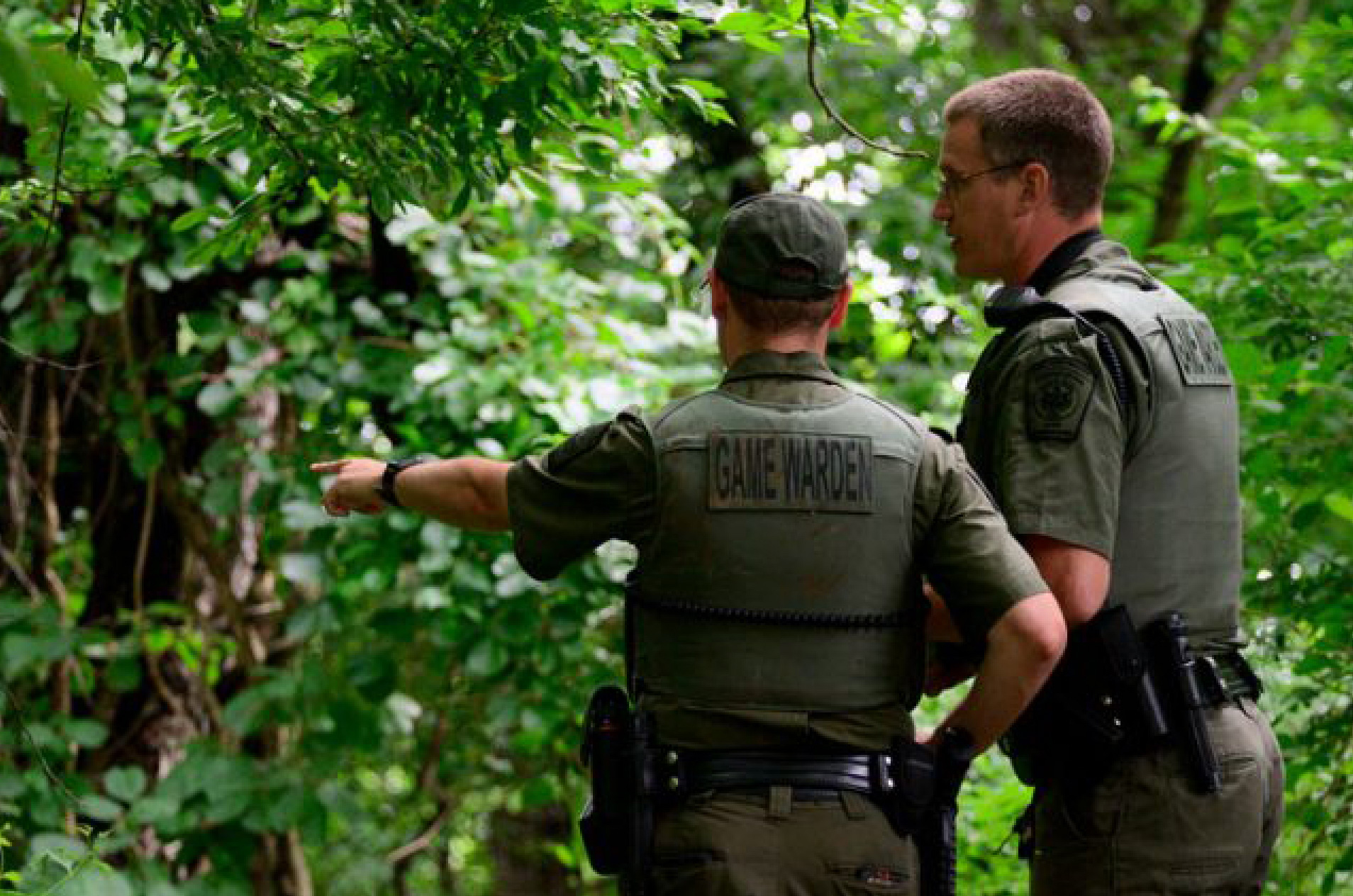
Game wardens are probably the least known of all law enforcement officers. Most are state peace officers, which means they must know all state legislative laws as well as all the game and fish laws. Many times they work by themselves, often out of radio communication or cell phone service. Game wardens routinely encounter multiple armed violators to whom they must issue citations or take into custody on their own. Game wardens usually work more than 40 hours a week, and often are gone from their homes and families for weeks. Needless to say, game wardens are dedicated law enforcement officers.

Unfortunately, we now live in a society where disrespecting law enforcement is becoming the norm for many individuals in our communities. Many even actively seek to harm law enforcement officers. If you are in the field often enough, you will eventually encounter a game warden. How you react to that encounter can set the tone on how the interaction will go.

It is important to remember that game wardens have a job to do, and they take that job very seriously. The game wardens with whom I have spoken have told me that there are things that sportsmen and women can do to make sure that any encounter is pleasant and uneventful. Game wardens are almost all in agreement in what you can do to keep yourself as well as the officer safe, and to avoid any misunderstandings. When you encounter a game warden you should display your firearm in a safe manner, have all your documents ready for inspection, have a good attitude, comply with requests, and do not look to be offended.
5 Things To Do When Being Checked by a Game Warden

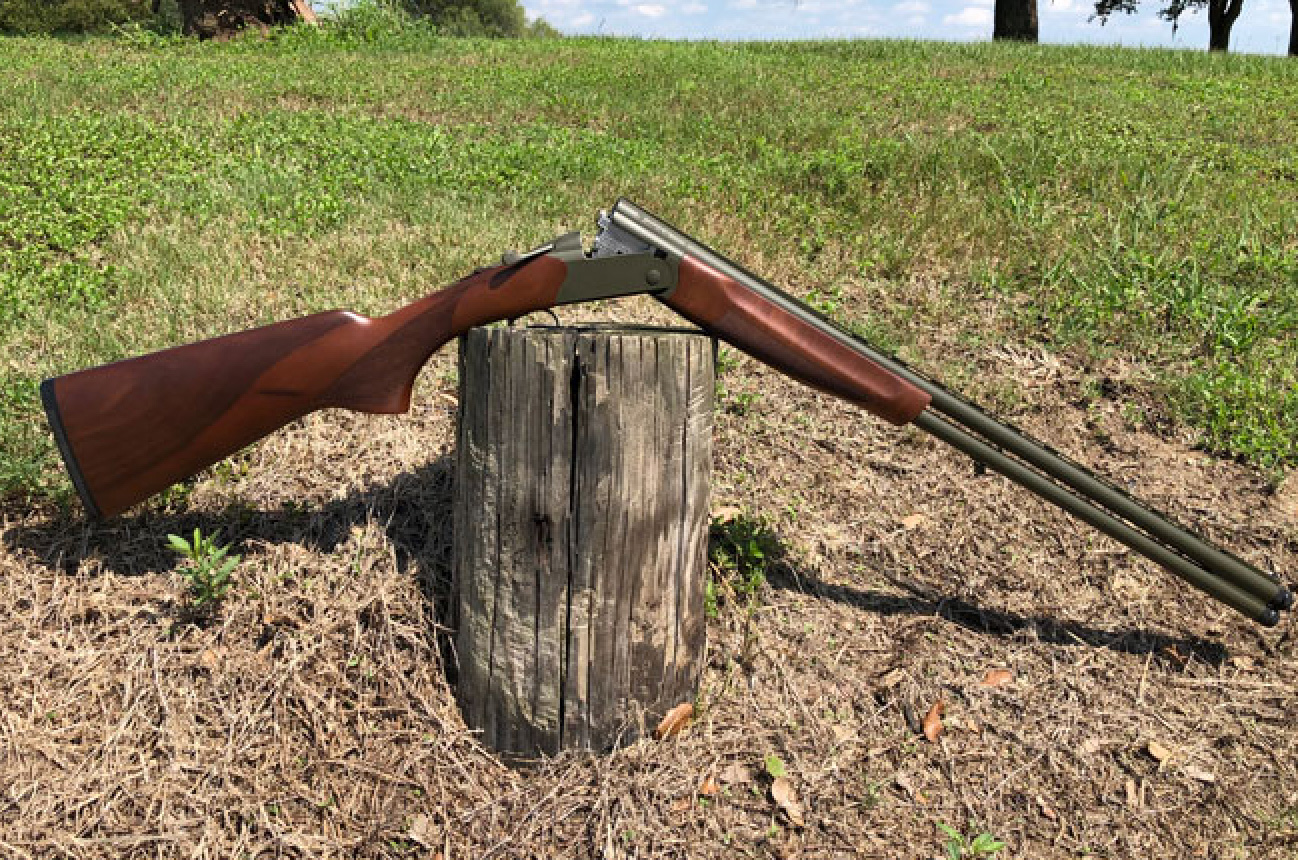
1. Make Sure Your Firearm is Displayed Safely The first thing that you should do when you see a game warden approaching is to display a safe firearm. A game warden knows that everyone they encounter is armed with either a firearm, knife or both. This ensures the safety of not only the game warden but also the person who is being checked. Remember, the game warden usually has no idea whom they are approaching, nor do they know their intent.

If you see a game warden approaching from a distance, keep your muzzle pointed in a safe direction and unload your firearm, leaving the action open to display a safe firearm. It is always a good idea to lay your firearm on the ground and place it in a rack or some other place that you can walk away from it. If the game warden appears suddenly, do not make any sudden moves with your firearm, including unloading it. With your firearm pointing in a safe direction, acknowledge the game warden and wait for him or her to ask you to unload. You can also ask the game warden if you can unload your firearm. The game warden may ask you to set the firearm down and have you move a safe distance away from it. Remember, the game warden is allowed to give you lawful requests for everyone’s safety.

It is important to remember that everyone is a little jumpy these days, and that includes game wardens who just want to make it back home to their families. Several game wardens relayed stories to me regarding individuals who refused to unload or place their firearm down. Luckily the game wardens handled the situation professionally without anyone getting hurt.

2. Have Your Documents Ready If you are hunting, you know that you need a hunting license. Your license is subject to inspection by a game warden. Most states also require a valid identification card to be on your person while engaged in hunting. Therefore, it should not be a surprise to anyone that a game warden is going to ask to see these documents. In addition to a hunting license and a valid identification card, there are other documents the game warden might ask to inspect, depending on the game you are hunting. These might include stamps, permits and tags, as well as anything else you are required to be in possession of while hunting a specific animal in a specific area.

It should go without saying that these documents should be readily accessible. This means that everything should be able to be presented to the game warden immediately. All required documents should be carried in a way that you do not have to disrobe to get to them. It you are waterfowl hunting and wearing waders, your documents should be stored in a waterproof bag in the top compartment. Licenses and other documents should not be left in the truck or back at camp. Game wardens are very busy, and they want to move on to the next hunter—just as much as you might want them to.

5 Things To Do When Being Checked by a Game Warden

3. Have a Good Attitude Most officers will tell you that an individual’s attitude is a major factor when it comes to setting the tone of the encounter. That tone is usually established within the first 60 seconds. If an individual has a bad attitude from the start, this will probably inadvertently cause an escalation of tension. An individual that has a bad attitude is more likely to fail to display a safe firearm or comply with lawful orders. Unfortunately, if this occurs, the game warden will have to address this increase in tension through the “force control continuum.” This allows any peace officer to use one force higher than the force used against him or her. Fortunately, most peace officer are trained in, and can effectively use, de-escalation techniques.

There is no reason to have a bad attitude, after all, you are hunting! You are outdoors, enjoying nature and away from the office! If you have a good attitude when you meet a game warden, you are sure to have a good attitude when the game warden leaves. If you have a bad attitude when you meet a game warden, you are sure to have a bad attitude when the game warden leaves.

4. Comply With Requests It is always important that you comply with any lawful request by a law enforcement officer, and this includes game wardens. A game warden will ask the hunter to do specific things during an encounter to keep all parties safe and to efficiently perform an inspection of game and the equipment used to take natural resources. Any failure to comply with a request from a game warden is the surest way to increase the tension of the encounter. This can lead to citations or even an arrest. The quickest way to complete an inspection and get back to hunting is to comply with any request from a game warden.

5. Don’t Get Offended Do not take anything personally. Remember, game wardens are just doing their job. We now live in a society of individuals who are looking to be offended. Just like in any profession, game wardens go through a process to achieve an end. In the case of a game warden, he or she is to conduct an inspection to make sure that all game and fish laws are being followed. There is no ulterior motive in their inspections other than doing their job.

Several wardens relayed stories that provided examples of those individuals looking to be offended. One game warden told me how he asked a waterfowl hunter on dry land, who was wearing waders, for his hunting licenses and identification. Because the hunter did not have his documents where they were readily accessible, he had to lower his waders to get to his pants pockets to retrieve them. The hunter then loudly protested, claiming the game warden had him “disrobe” in front of his family to humiliate him!

Happy people tend to be happy hunters. Unhappy people tend to be unhappy hunters. The vast majority of game wardens that I have met have generally been happy people, who truly have a passion for what they are doing and enjoy encounters with the public. Attitude is contagious. If you have a good one, you’ll quickly infect others with it!
Best Distance for Sighting In an Air Rifle

0

Shooting with an air rifle always seems like a thrilling experience, but if you are a newbie then you have lots to learn.

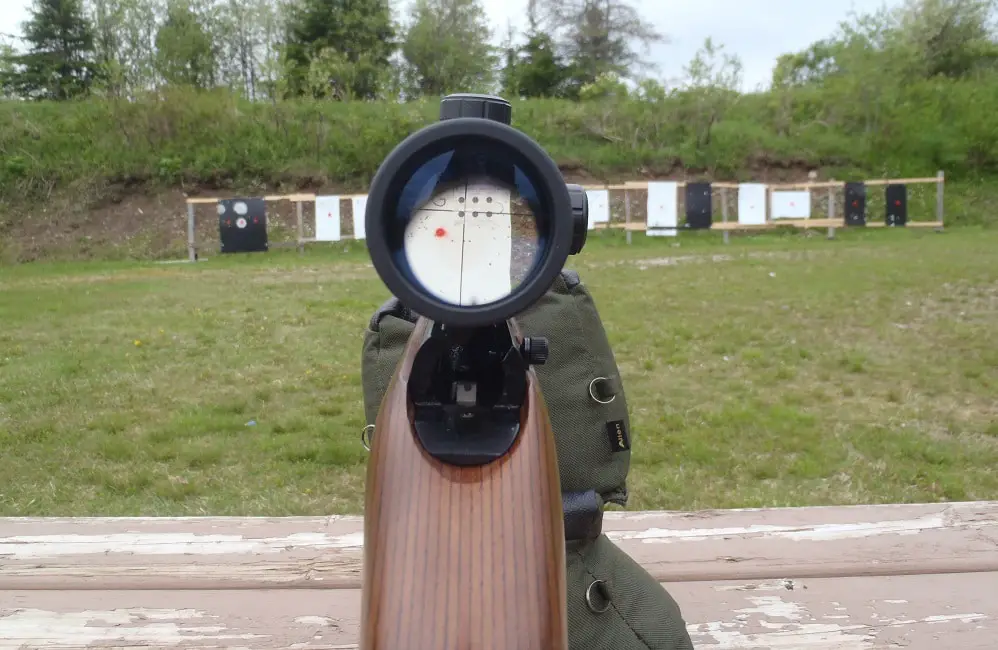
One of the most vital steps is to learn how to zero in or sight in an air rifle. 

It’s surprising to learn that moderately experienced people also have little idea about this step

And generally miss the mark because of a lack of information. 

So, this guide will help you learn how you can zero your air rifle and show you what is the best distance for sighting in an air rifle.

Let’s get started. 

Why Do You Need To Zero Your Air Rifle Scope?

Zeroing your air rifle scope is the first step to securing your target.

You might have noticed that whenever you shoot, you always miss the target.

That’s because you are not zeroing the air rifle scope. 

Without doing this, you will never hit the target or be anywhere near it.

Zeroing helps you to hit the right spot.

This technique of zeroing is also known as sighting in.

It means that you align the sight with your air rifle and then hit the target.

If you have held an air rifle once or twice, you might have seen through the scope two concentric circles with a plus sign between them.

This is the sign of sighting in.

The middle point of the plus will help you zero in on the target and hit it properly. 

But an even more important aspect before you zero in is to secure the air rifle.

If you don’t secure it on a bench rest then, chances are while shooting, the rifle will become unstable and not hit the target. 

Additionally, it can even ricochet, so be careful.

This can happen irrespective of sighting in. 

Now, let’s see how to zero in an air rifle scope and check out some related questions.

How To Sight in a Pellet Gun Scope?

A pellet is a projectile that is shot from an air gun to hit a target, just like a bullet but less, you know… damaging. 

An air gun that fires pellets is known as a pellet gun.

Although it’s pretty easy to sight in a pellet gun scope yet people struggle the most in this step. 

So, I have a step-by-step guide for you to follow to make the perfect shot by sighting in the pellet gun scope. 

  1. Install the Scope 

The first and foremost thing you should do is install the scope.

Without the scope, you will only be shooting at a distance without any focus.

You will have to make sure that the rings and scope mount are in perfect alignment with your air rifle. 

Clean the surface and apply a thin layer of oil to it.

Position the scope forward to keep your eye safe from recoil.

Check the necessary adjustments before you place your air rifle for setting up. 

  1. Adjust Eye Distance 

You should have enough difference between the scope and your eye so that the rile does not recoil and hurt your eye.

Slight recoiling is always possible so, wear your protective equipment if you are just starting out. 

But the difference should not be much that you are not able to see the image distinctly or clearly.

Tune the scope and position yourself to not strain the eyes. 

  1. Set-Up 

The next and most important step is to set up your pellet gun scope at a balanced position.

With less movement, the chances of accuracy are high.

You all need to make sure that since you are just starting out, the distance should only be 10-15 feet. 

This is an optimal distance to hit the target.

Start with short distances and as you develop your game, increase the distance to challenge yourself.

Additionally, maximize the sight in to see the target clearly.

This will also help you to analyze and adjust to hit the right spot. 

  1. Take the First Shot

It’s always good to try and perfect your shot.

When you take the first shot, you will automatically know the issue at hand.

Whether the problem lies in sighting in or your hand movement or if the rifle is not in a balanced position. 

The first shot is the learning step in understanding how to sight in and aim. 

  1. Adjust the Cross-Hair

After the first shot, make the necessary adjustment.

Adjust the windage, elevation, and cross-hair without moving the gun.

The cross-hair refers to the two concentric circles through which we sight the target. 

Observe where you have hit as you’ll know through that if you have to move a little left or right. 

  1. Take the Second Shot 

After all the adjustments, take the second shot.

Now, you’ll be getting somewhere.

You’ll get the hang of the gun and the impact of the shot on you.

Try this a couple of times to understand the gun also. 

Sometimes, the gun feels comfortable in your hands but other times it doesn’t.

So with repeated shots, you will start understanding your gun a bit better too. 

  1. Increase the Distance 

Since, now you are capable of making a good shot, increase the distance.

Move the target back to 20 feet or 30 feet and again repeat the entire process. 

The long distances are not easy to nail and you may take some time to adjust to the new setting.

But with enough practice, you will definitely succeed. 

Recommended Distances to Zero Your Air Rifle Scope

The optimal distance to zero your air rifle scope is 20-30 yards.

But you should start off with 10 yards and then build your way up.

There is no fun in starting with the 30 yards if you have no experience as you will only waste the pellets. 

Starting from the ground and working your way up is the best thing in the shooting.

Additionally, the distance also depends upon the feet per second.

If the air riddle shoots around 800 f.p.s, then the optimal distance will be 20 yards.

But if it is around 900 FPS, then you can go ahead with 30 yards as well. 

In addition to this, the environment also plays a significant role.

If you are shooting within a closed range, then 20-25 yards is sufficient distance to zero your air rifle scope.

But if you are hunting then, the range increases to 40-50 yards. 

It’s best to see which distance suits you the best.

If you are comfortable with 10 yards, then you can continue within that range.

But if you want to challenge yourself or try something new, then any distance above 50 yards is a good option to try. 

The Best Distance to Zero .22 Air Rifle

The .22 air rifle is one of the most commonly used rifles in the world today.

You can use it for hunting or shooting sports and is the perfect air rifle for training.

These are not expensive and you can get them for about $150 to $300. 

Additionally, these don’t require heavy maintenance as there is no powder involved in the explosion, only compressed air.

This easy-to-handle rifle is great for beginners who are new to the hunting game. 

You can score a rabbit, squirrel, and small birds like quail.

Moreover, you can also go for some large birds such as geese, pheasants, ducks, partridges, etc.

(For more on how to choose the right air gun caliber for your game, see this post.)

Naturally, a .22 air rifle will go best with short to medium distances. 

You can also work with long distances such as 100 yards, but it will not be beneficial as chances are that the shot won’t be stable.

Nevertheless, if you are experienced, then you can totally work well with long ranges.

It won’t instantly kill the animal but will harm it enough to slow down its speed. 

So the best distance to zero .22 air rifle will be around 30 to 40 yards.

I usually hunt within the medium range, so 30 to 40 yards seems the best distance for a .22 air rifle.

But if you are planning to go for indoor shooting or long-range shooting then, you can zero in at 20 yards and 50 yards respectively. 

Although these are the recommended distances to sight in your air rifle you should definitely go for what is comfortable for you.

The views vary according to the forums where some are comfortable with 30, 35, 40, and even 45 yards. 

Since you are just a beginner, try different ranges.

Moreover, practice indoors first to get an idea of how the rifle feels and how you would like to handle it. 

Additionally, there is no recoil in the .22 air rifle which makes it one of the best air rifles to work with. 

(For more on the best .22 air rifle on the market, see this post)

Final Thoughts

For decades, people have been hunting and shooting shots as an activity.

This has only increased its love among the rifle community.

Working with an air rifle is an exhilarating experience but you need to have proper knowledge about zeroing in before you handle the rifle. 

Learn from an expert regarding air rifles, how you should take a shot, how to zero in, and how much time it will take to perfect the shot.

These lessons will help you in becoming an expert yourself!

Quotes from The Old Man & the Boy

0

Excerpts from the Old Man & the Boy

Robert Ruark’s The Old Man & the Boy is perhaps the all time classic hunting book ever written. The book tells the story of a grandfather and a grandson’s adventures in the outdoors. The grandfather instills the finest of ethics in the youngster at every opportunity. Though the book was written over 50 years ago, the Old Man’s wisdom will never grow old. Here’s a few quotes of the Old Man. If you haven’t read this book you are cheating yourself for not doing so.

The Old Man knows pretty near close to everything, and mostly he ain’t painful with it. What I mean is he went to Africa once when he was a kid, and he shot a tiger or two out in India, or so he says, and he was in a whole lot of wars here and yonder. But he can still tell you why the quail sleep at night in a tight circle or why the turkeys always fly uphill.

The Old Man ain’t much to look at on the hoof. He’s got big ears that flap out and a scubby mustache with light yellow tobacco stains on it. He smokes a crook stem pipe and he shoots an old pump gun that looks about as battered as he does. The thing I like most about the Old Man is he is willing to talk about what he knows, and he never talks down to a kid.

…”Hunting,” the Old Man said, “is the noblest sport yet devised by the hand of man. There were mighty hunters in the Bible, and all the caves where the cave men lived are full of carvings of assorted game the head of the house drug home. If you hunt to eat, or hunt for sport for something fine, something that will make you proud, and make you remember every single detail of the day you found him and shot him, that is good too. But if there’s one thing I despise is a killer, some blood crazed idiot that just goes around bam-bamming at everything he sees. A man that takes pleasure in death just for death’s sake is rotten somewhere inside, an you’ll find him doing things later on in life that’ll prove it.”

…”A gentleman starts down at his boots and works up to his hat. A gentleman is, first of all, polite. A gentleman never talks down to nobody, or even to anybody that says ‘anybody’ instead of ‘nobody.’ A gentleman ain’t greedy. A gentleman don’t holler at anybody else’s dogs. A gentleman pays his score as he goes. He don’t take what he can’t put back, and if he borrows, he borrows from banks. He never troubles his friends with his troubles.”

…”A sportsman, is a gentleman first. But a sportsman, basically, is a man who kills what he needs, whether it’s fish or bird or animal, or what he wants for a special reason, but he never kills anything just to kill it. And he tries to preserve the very same thing that he kills a little of from time to time. The books call this conservation. It’s the same reason why we don’t shoot that tame covey of quail down to less’n ten birds.”

…This little bobwhite, the Old Man told me, was a gentleman, and you had to approach him as gentleman to gentleman. You had to cherish him and look after him and make him very important in his own right, because there weren’t many of him around and he was worthy of respectful shooting. The way you handled quail sort of kicked back on you. …The little fellow doesn’t weigh but about six ounces but every ounce of him is pure class. He’s smart as a whip, and every time you go up against him you’re proving something about yourself.

…The quail is a member of the family, the Old Man said again. He expects to get fed, like any other member of the family. So you plant him some field peas or some lespedeza or something, and you have to leave it there for him to eat. You plant it close to a place where he can fly in. A bobwhite is pretty well set in his habits. He will walk off from where he roosted, but he likes to fly home. It is a damned shame, the Old Man said, that the human race wouldn’t take a tip from this.

“…any time a boy is ready to learn about guns is the time he’s ready, no matter how young he is, and you can’t start too young to be careful. What you got in your hands is a dangerous weapon. It can kill you, or kill me, or kill a dog. You always got to remember that when a gun is loaded it makes a potential killer out of the man that’s handling it. Don’t you ever forget it!”

…”The older you get, the carefuller you’ll be. When you’re as old as I am, you’ll be so scared of a firearm that every young man you know will call you a damned old maid. But damned old maids don’t shoot the heads off their friends in duck blinds or fire blind into a bush where a deer walked in and then go pick up their best buddy with a hole in his chest.”

…”I ain’t got to tell you that I am going to die”, the Old Man said. “You would know it. You’ve had the best of me, and you’re on your own from now on. You’ll go to college next year, and you’ll be a man, with all a man’s problems, and there won’t be no old man around to steer you. I raised you as best I could an now you’re the old man, because I’m tired and I think I’ll leave.” My eyes blurted to tears, and I said all the things young people say in the presence of death. “Leave it. Leave it,” the Old Man said. “Like I always told you, if there was a way to beat it, I would have heard about it. It’ll even happen to you, unlikely as it seems.” “But how, when, why?” I said, for lack of anything better. “I promise you,” he said, “on my word of honor, I won’t die on the opening day of bird season.” He kept his promise.

Excerpts from Robert Ruark’s classic, The Old Man and the Boy

Back to the Home Page The person who does not read good books has no advantage over the person who can’t read good books. – Will Rogers

Where to Shoot a Rabbit with a 22

0

Hunting rabbits is not easy, and you need a few tips and tricks, the most important being where to shoot a rabbit with a.22. A headshot is undeniably the most humane kill shot.

Rabbit hunting is a popular outdoor sport that most hunters grow to love over time. When hunting rabbits with a firearm, a .22lr is among the best to use as it does not damage the rabbit’s flesh.

Even though some people see rabbit hunting as less glamorous than big game hunting like deer, it comes with its fair share of thrill and adventure. Rabbit hunting is both mentally and physically tasking, and it is this challenge that intrigues hunters.

Understanding the Rabbit Anatomy

Rabbit hunting, like other game hunting, needs practice. You must know where to aim at a rabbit to ensure you do not miss your target, especially if it’s a moving target. An ethical shot for rabbit hunters is the headshot, leading to instant and pain-free death. When aiming at a running rabbit, aim ahead so that the bullet catches the rabbits nose.

If the rabbit is motionless, aim your .22 caliber rifle below the rabbit’s ear just behind its eye. The reason is that the rabbit’s brain is small, and a bullet at this point is a guaranteed hit leading to instant pain-free death.

Proper Rabbit Shot Placement

Rabbit hunting is all about giving it a humane death. If you have ever shot a rabbit, then you understand how its death is often dramatic. With kicks flailing through the air, it can be devastating to watch. It is why you should only shoot under these conditions.

When your accuracy is guaranteed, and the risk of a non-lethal shot can be avoided. Take a one-shot kill that leaves no room for recovery of consciousness.

Only take a shot when you can visibly see and recognize a rabbit under your aim. Also, ensure that the rabbit is within range, and the ammunition you are using is fatal.

Never shoot at a rabbit when you cannot guarantee a humane kill. The rule is simple; when you are in doubt, do not take the shot.

The best way to take down a rabbit is by aiming at the head. When you miss the head, you can land at the spinal cord, which destroys the nerve center. Other targets include the lungs, heart, and major blood vessels.

Types of Fatal Rabbit Shots

Frontal Position

Here you aim dead center at the head just between the rabbit’s eyes. It is an instant kill if you hit your target.

Temporal Position (side view)

If you have the rabbit at a side view, the best shot placement is between the base of the ear and the opposite eye.

Chest Shot

Most chest shots are sided views hence offers a broader target than the rabbits head. Aim your firearm horizontally to hit the shoulder. Chest shots are best applied when the animal is stationary, as this gives you an accurate shot placement.

Hunting rabbits when they are out of range with a .22lr is not advisable. It would be best if you estimated the distance before taking any shot to ensure maximum penetration.

Sometimes you can hit the rabbit, but death cannot be instantly verified. To minimize the rabbit’s suffering, you should consider a second shot or rush in with a blow to the head. Target the base of the skull to give a single but fatal sharp blow.

Effective Rabbit Hunting Tips

Snapshot

If you hunt rabbits hidden in heavy cover, you will barely have time to aim and take a good shot. You must ensure that you have one swift motion starting by locating, aiming, then shouldering your rifle before squeezing the trigger.

Because there is no time to pick your spot, speed, and accuracy determine your success.

Walking Up Rabbits

It is among the basic and traditional ways of hunting rabbits that are still effective today. The walk-up-rabbit technique compels a rabbit to abandon its sitting and hiding position, preferring the dash, assuming it has been spotted.

The rabbit cannot stand when you wait it out, and the lack of motion from a hunter makes the rabbit nervous even when it is camouflaged and hidden from the hunter’s purview. The technique is simple.

Once you enter a rabbits hiding spot, walk through slowly. It helps if you count ten paces, then stop for 20-40 seconds and repeat the process. As you approach the rabbit, the sounds may fail to flush it out, but the silence may trigger a dash.

Best .22 Ammo for Rabbit Hunting

There are two reasons for rabbit hunting, either for the fur and meat or for pest control. The reasons determine the kind of ammo you will use. For example, if you want to spare the meat and fur, flat or round nose ammo should suffice. The bullets will cause less damage to the flesh, leaving it edible as there will be no contamination or fragmentation of the bullets.

The pelts will also have a tiny hole meaning that the fur is preserved. The best .22lr ammo is the 40-grain standard CCI mini-mag that is readily available in most gun retail shops. If you prefer a much quieter load, the quiet CCI 40-grain ammo is the preferred choice for sound suppression.

But if you hunt rabbits for pest control, there is no need to preserve the meat or fur. A hollowpoint bullet is a deadly shot that gives the rabbit a humane death. Hollowpoint bullets expand on impact and rarely leave an exit wound. It causes more damage to the flesh, leaving no chances of recovery.

Conclusion

The concept of rabbit hunting borders on making it simple. Rabbit hunting is not as complicated as hunting big game animals. It is also quite affordable to start rabbit hunting if you are a novice hunter. There is no need for unique hunting gear and equipment. You will not be required to build tree stands or have blind spots. Once you find a rabbit habitat with a decent rabbit population, the fun begins.

The Practical Guide to Watering Your Pigs

0

As every pig farmer knows, pigs need a constant supply of fresh water, but how to give them water and how to make sure the water will never run out are important to maintain good pig performance. And here is the practical guide for reference.

automatic_pig_watering bucket_tyre_pig_watering

Simple Watering System and Drinker for Pigs

One of the simplest and best ways to water your pigs is a bucket with a brick or a large stone in the bottom to help prevent it from being overturned and split, and the bucket should be placed in a left-off tire.

This kind of waterer makes a great replacement when the automatic watering systems stop working or freeze in the winter. And a flat-wide bucket is recommended for making a better waterer. If you use a high-sided bucket, your pigs may not be able to get the water, especially for the small piglets or weaners. There is always a risk of piglets falling and drowning, so be careful when using this watering system with small piglets and weaners. If you do choose to use this system, you can fill the bucket with some stones or clean the grave to make the water level only a few inches deep at the most, which will help prevent the piglets from sinking if they fall in and they can get out easier.

Automatic Pig Watering System

The watering system for pigs is slightly different from other livestock watering systems and is mainly because of the size and shape of the animal. Pigs are strong with powerful jaw muscles and sharp teeth, which means any waterers you use have to be firm and solid enough.

The automatic water system makes it possible that you do not have to fill up pigs’ waterers every day. If your watering system is working correctly your pigs will have a constant supply of fresh water, and will never run out, which is essential for the hot days. You can switch off the automatic water system on cold days to prevent damage when it freezes and instead use the bucket-tire method.

Metal Water Feeder is Better

The metal water feeders are more durable, and hard-wearing, and also they can hold more water. Most of the internal parts and components are replaceable, so you can repair them yourself if they break down or stop working.

What Type of Piping to Use with the Water Feeder and Water Trough

This depends on what watering system you use and the diameter and thickness of the pipe needed to cope with the mains water pressure. The mains water pipe should be fitted with a stop tap which allows you to shut off the water when necessary and the water pipe needs to be as close to the mains side as possible. The water pipes need to be insulated, covered, or buried beneath the ground to prevent them from freezing and bursting during the winter. When using water pipes in a pig pen, it should be metal or copper to help prevent the pigs from lifting or bending the pipe. If the plastic pipe, make sure it is covered or out of reach of your pigs, and do not run plastic pipes across the floor of the pig pen.

Black Ops Tactical Sniper Gas Piston Review

0

“All you need for happiness is a good gun, a good horse and a good wife” – Daniel Boone

While a good horse takes days to get,

A good wife takes years to find,

A good gun, on the contrary, only takes minutes to find

When you know exactly what you are looking for.

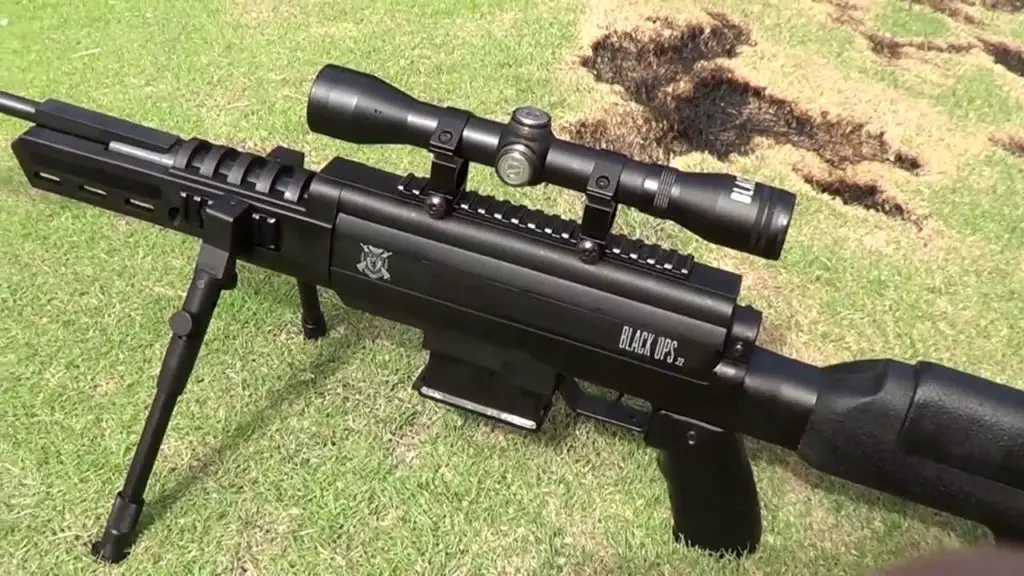
And if you love an air gun with a realistic tactical design,

the Black Ops tactical sniper has lots of promise to become your favorite gun for a lifetime.

Don’t take my word as gospel, see its pros and cons for yourself in this deep review.

Black Ops Tactical Sniper – Gun Type

This gun gets power from a gas-piston power plant.

For more on the 5 types of air rifles you need to know before buying, see this post.

This baby has a caliber (the internal diameter of the bore) of .177 (4.5 millimeters).

(For more on how to choose the right air gun caliber for your game, see this post.)

It is a single-shot break barrel gun which means that you can only shoot 1 shot at a time. 

Single-shot rifles make you a disciplined shooter: you have to think carefully about aiming and shooting because you only have 1 chance to shoot the target before reloading.

Moreover, a single-shot air gun gives you control over the type of pellet you want to shoot

And you can find out which pellet works best with the gun in the shortest amount of time.

The barrel is a rifled steel barrel. (For more on things you should know about air rifle barrels before buying, see this post.)

Furthermore, this gun has a muzzle brake at the tip of the barrel to reduce recoil.

A muzzle brake is made to take some of the gun’s kickback when shooting.

As the projectile leaves the muzzle of the gun, the gas propels the pellet in one direction

And also moves the barrel in the opposite direction.

So if you don’t want to get intense recoil, you have to change the direction of the released gas. 

The muzzle brake takes the form of a 2-inch tube screwed onto the muzzle and diverts gas around the barrel.

This is accomplished by the series of small parallel holes drilled in the tube.

The advantages? Muzzle brake cuts the recoil up to 50 percent which is a no-brainer for most shooters.

click for the lowest price

Stock

The Black Ops Tactical Sniper has a black synthetic stock.

Unlike wood stock, synthetic is lightweight and easy to carry around.

(For more on the in-depth comparison between synthetic and wood stock, see this post.)

The stock is ambidextrous: you can shoot the gun with ease regardless of whether you’re a left-handed shooter or right-handed shooter.

In addition, it has an adjustable comb that allows you to adjust the line of sight between your eyes and the barrel according to your own need.

This type of comb also gives you the ability to adjust the sight in the future when you grow or change the shooting styles.

An adjustable comb is best for picky shooters looking for a high degree of comfort and extreme efficiency while shooting.

This air rifle has a bipod that can be folded up out of the way when you don’t need it.

Also, the bipod is attached to the forearm so there’s nothing to clamp on the barrel

And you don’t have to struggle with annoying adapters to make it function properly.

Additionally, the bipod legs can extend up and down, from 8” to 10”, so you can design it in your own preference.

Ammo

Black Ops Tactical uses .177 pellets as its only source of ammunition.

.177 is a lightweight, popular, and undoubtedly cost-effective pellet when it comes to target shooting and plinking.

(For more on the differences between .177 & .22 and which jobs they do best, see this post.)

Cocking and Loading

Cocking the gun:

Grasp the airgun by the pistol grip or middle of the forearm, hold the gun close to your thigh or hip, 

With the unloaded airgun pointed upwards, firmly tap the muzzle end as as as possible,

Then pull the barrel down fully and you are just completed cocking action

Loading the gun:

With the breech opened after you cock the gun, put a pellet into the chamber (with the pellet’s nose lying forward) until the skirt is even with the face of the breech. 

After that close the gun by moving the barrel up to its original position and you are ready to shoot.

Black Ops Tactical Sniper Gas Piston Sight

This Tactical Sniper rifle doesn’t have an iron sight.

Instead of open sight, Black Ops puts a 4×32 scope on it for pinpoint accuracy.

If you observe snipers shooting on the range you would see those true snipers never use open sight since they demand surgical precision for all their shots.

And you won’t be shooting the same as the military snipers do, so a 4×32 scope meets all your need for hunting and plinking.

In fact, hunters generally like to choose low-magnification scope because it gives them a wider field of view and fast target acquisition

(For more on how many types of air gun sights are out there and which one is suitable for you, see this post.)

Besides the main optic rail for mounting the scope on top of the stock, the Black Ops Tactical Sniper has two more accessory rails in Picatinny style on both sides of the gun

So you can mount a laser and flashlight or other creative combination on this gun.

Velocity, Accuracy, and Power

Accuracy

CalibersPelletsDistancesGroups
.177Crosman Premier Hollow Point 7.9 gr20 yards0.5"
.22Crosman Premier Hollow Point Pellets 14.3 Gr10 yardsnickle size
.22Crosman Premier Hollow Point Pellets 14.3 Gr20 yardsdime size
.22H&N Crow Magnum 18.21 Gr35 yardsquarter size

Chrony tests

CalibersPelletsFPSFPE
.177Crosman Premier Hollow Point 7.9 gr94715.74
.22RWS Hyper Velocity 11 gr83316.95
.177Crosman Destroyer 7.90 gr1081 20.5
.177H&N Baracuda Match 10.65 gr92520.24
.177RWS HyperMAX 5.2 Gr123217.53
.177RWS Hobby 7gr105717.37
.177RWS Superdome 8.3 gr93716.19
.177JSB Match Diabolo Exact 8.44 Gr98618.22
.177H&N Field Target Trophy 8.64 Gr93816.88
.177H&N Crow Magnum 8.80 Gr91816.47
.177Gamo Rocket 9.6 Gr90217.35
.177Crosman Premier Heavy 10.5 Gr85517.05
.177Beeman Silver Arrow 11.57 gr80816.78

Recommended uses

  • Target shooting/plinking
  • Pest control/small game hunting: rats, raccoons, quails, doves, rabbits.

Noise

This gun produces supersonic velocity if you use a lightweight pellet so you can hear a loud crack sound due to the pellet breaking the sound barrier.

If you live in a sparsely populated area, this is not a problem but if you live in the urban area

And have over-sensitive neighbors, you should go with heavier pellets to make the velocity go subsonic

Shooting range and intended use

The effective shooting range for this gun is up to 100 yards.

Besides, it will come in handy for dispatching small rodents and other garden pests.

If you are not into pest control, this rifle makes a great paper popper and tin can destroyer.

Accessories

You don’t need to buy anything to use with this gun.

Maintenance

This Black Ops Gas Piston sniper rifle requires very little maintenance:

Just lubricate it properly every few hundred of shots and you are good to go.

Black Ops Tactical Sniper Specifications

  • Caliber: .177”
  • Velocity: 1250 FPS
  • Loudness: 3- Medium
  • Barrel Length: 18”
  • Overall Length: 44.0”
  • Shot Capacity: 1
  • Cocking Effort: 44lbs
  • Barrel: Rifled
  • Front Sight: None
  • Rear Sight: None
  • Scopeable: Weaver/Picatinny
  • Trigger: Single-stage
  • Buttplate: Adjustable
  • Suggested for: Target shooting/Plinking/Small game hunting/Pest control
  • Action: Break Barrel
  • Safety Automatic
  • Powerplant: Gas-piston
  • Function: Single-shot
  • Body Type: Rifle
  • Weight: 9.6 lbs

Pros and Cons

ProsCons
  • Impressive tactical design
  • The safety switch location in front of the trigger makes it easy to use “blind”
  • The durability of the bi-pod, and the spring-assisted leg extension design is up to par.
  • Adjustable cheek rest
  • Accurate and fun to shoot
  • You need to attach the scope and bipod yourself.

Black Ops Tactical Sniper Price

The price for a Black Ops Tactical Sniper rifle is only about 200 dollars.

It is a great price if you consider its innovative technology, high power, and dead-on accuracy.

Customer Reviews

The Black Ops Tactical Sniper receives lots of mixed reviews from customers. 

Positive reviews show that people love its magnum power, supersonic velocity, cool design, ergonomic bipod, and advanced technology.

Negative reviews provide a few issues with this gun:

The first problem is that shooters find it heavy to operate so this is not a gun for small-build guys,

The second issue is that some people complain about it being so loud.

As I said earlier, this is a supersonic air gun so if you don’t want to hear the loud crack noise,

You should use heavy pellets to slow it down to a subsonic level like 1000 FPS which is still plenty for rats, rabbits, and doves.

(For more on the best air rifle for rabbits, see this post)

Conclusion

Black Ops Tactical Sniper Gas Piston is hard-hitting and extremely accurate with a shooting range of up to 100 yards. It’s a fantastic, affordable air gun on the market today!

Best PCP air rifles for the money 2025 – Top 5 stunning guns to have (Reviews and Buying Guide)

0

If you’re looking for a decent PCP air rifle you should expect to pay about $1500.

For this kind of money, you can find a weapon good enough to take down something as large as a deer.

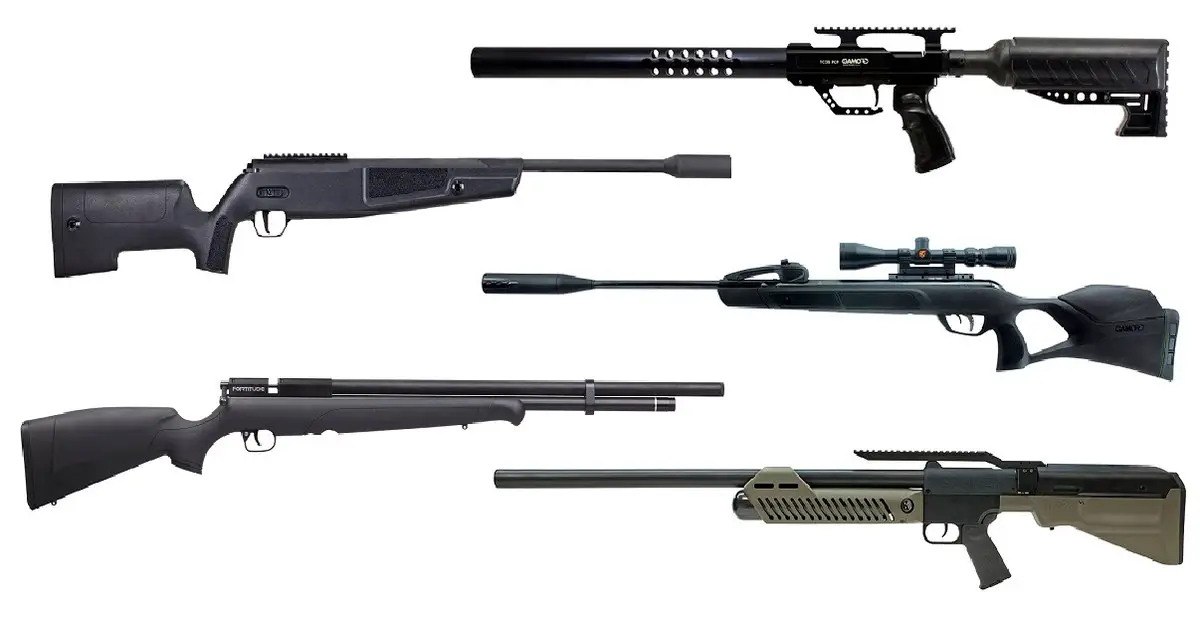
When it comes to air rifles, PCP is the most powerful of five types: Spring piston, Gas piston, PCP, CO2, and Variable pump.

(For more on the 5 types of air rifles you need to know before buying, see this post.)

While it’s quite hard to master a real gun’s recoil and get used to the noise, an air gun is much easier to shoot and much quieter.

The PCP air rifle is the easiest and quietest of the lot.

It’s suitable for all kinds of hunters, from newbies to masters.

best air rifles for the money

What do you need to know about PCP rifles?

The key things are that the PCP air rifle has just a little recoil and the projectiles come out of the barrel immediately when pulling the trigger.

While the springer recoils as much as a real gun and it takes time for the pellet to come out.

When you shoot a spring-powered air rifle, therefore, you need to hold it consistently or the pellet will fly off in the wrong direction.

But when you fire the PCP air rifle, you just need to pull the trigger and that’s all. 

PCP is also the most powerful air rifle type as in comparison to other types of power sources, compressed air is held at a much higher pressure than the CO2 and the Springer.

Pressurized air is also not affected by temperature changes like CO2 is.

These rifles are powerful, consistent, and accurate.

However, a PCP air rifle tends to be more expensive than a CO2 air rifle and a spring-powered air rifle.

Also, the cost of charging a PCP air rifle is higher than the CO2 air rifle.

There are a lot of choices when it comes to choosing the best PCP air rifle for under $500:

  • A wide range of pellet: .177, .22, .25, .30, and .357 caliber,
  • Hardwood/synthetic stock with classic or modern design, high-quality and accurate barrel.

(For more on how to choose the right air gun caliber for your game, see this post.)

N.B. Besides the cost of purchasing an air rifle, there is also the cost of pellets and the cost of recharging compressed air, dry nitrogen, or CO2 gas.

If you purchase a Springer, you won’t need to worry about the recharging cost.

You can also find some nice PCP air rifles under $300 — Low price doesn’t always come with low quality.

Here are our top 5 best PCP air rifles under 500 dollars:

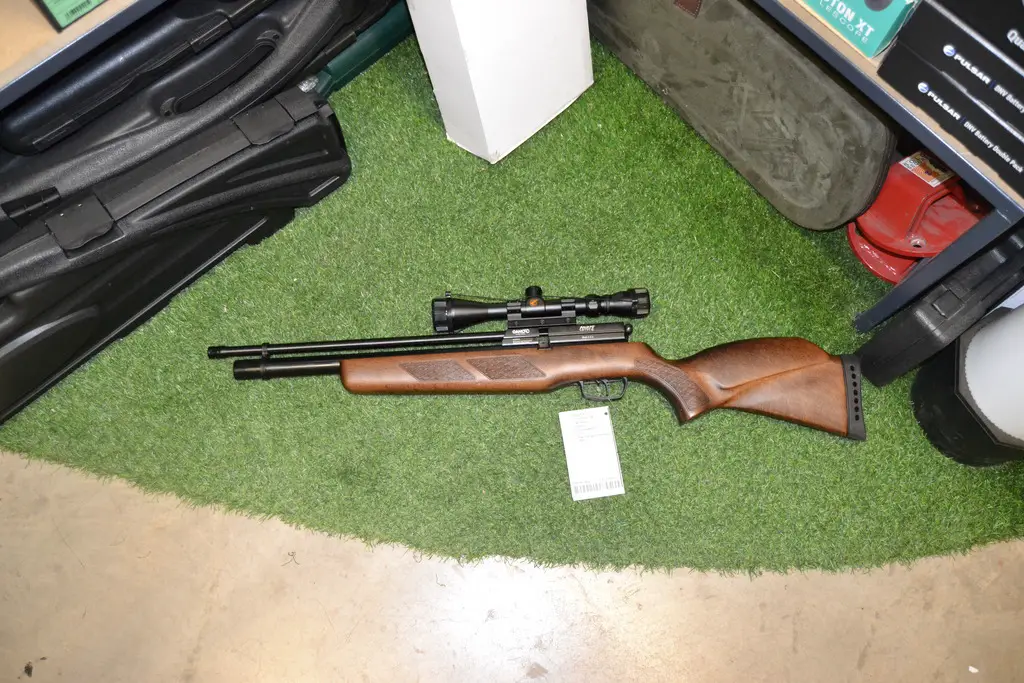
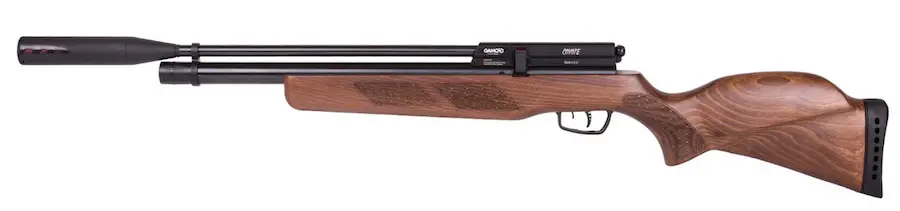
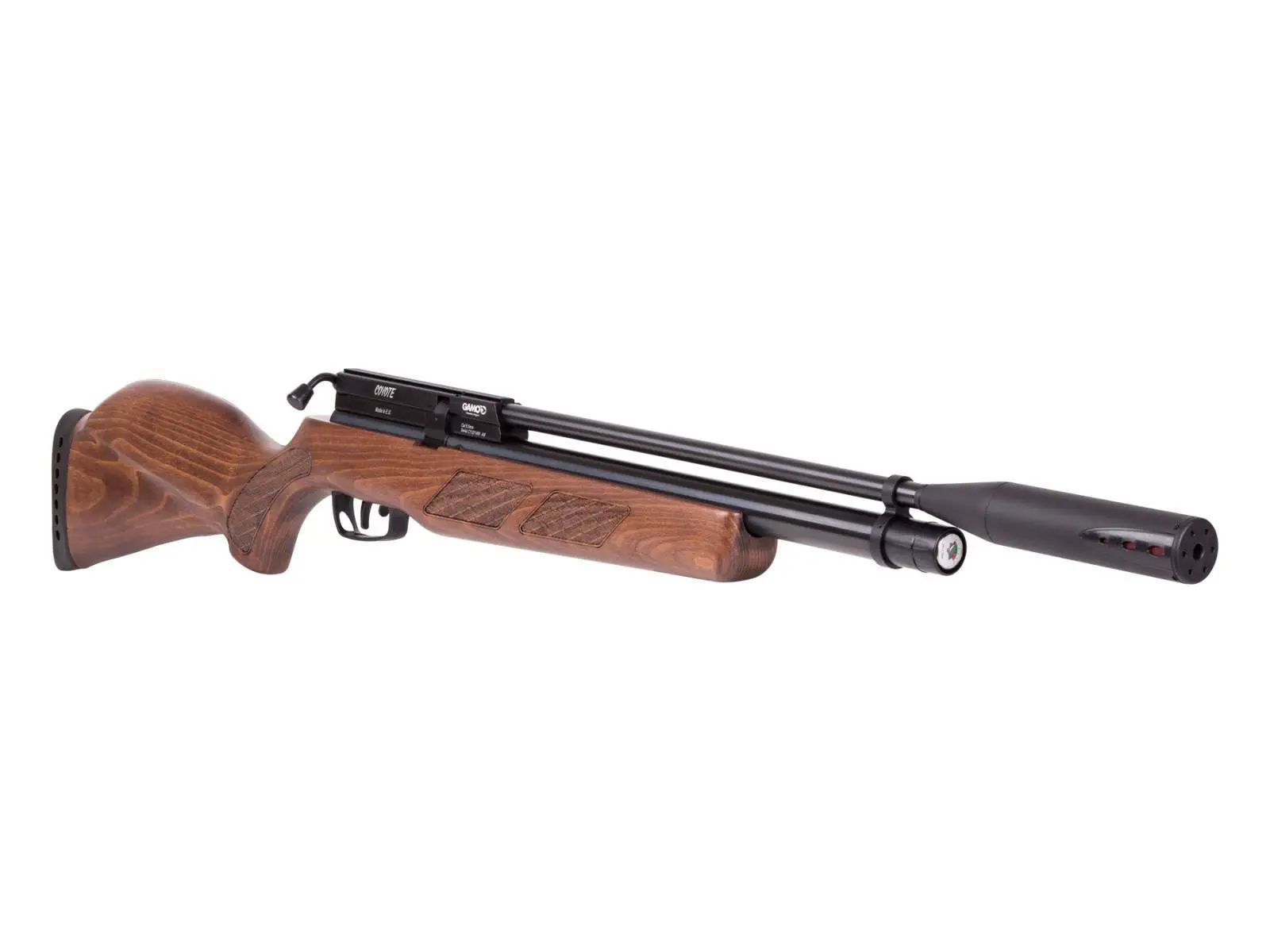
Gamo Coyote SE PCP Air Rifle

Gamo is a Spanish brand with over 60 years of market experience.

They specialize in rifles, bullets, and BB guns.

Airguns and pellets need to be precise in every detail, so they develop and manufacture them in the local facilities in Spain for the best quality control.

Gamo Coyote has innovative products at an affordable price, which is the reason why they are available in over 90 countries.

Gamo Coyote SE PCP Air Rifle is the best PCP air rifle 2018 at $500.

It has an ambidextrous design.

The beech stock material makes it look classic and like a real gun.

(For more on the in-depth comparison between synthetic and wood stock, see this post.)

Gamo Coyote SE PCP Air Rifle

The gun has a compact size and is lightweight at only 7 pounds without the scope.

The barrel length is 24.5″, and the total length is 42.9″.

There is a rubber pad on the butt plate to absorb the recoil, and two raised cheekpieces on both sides.

read review here

The Gamo Coyote SE PCP Air Rifle uses compressed air as its power source.

The gun is also available in multiple calibers: .177,.22, & .25, so you can choose the best type of caliber for your shooting needs.

The cylinder is capable of being filled up to 232 bar (3,365 psi) – you can expect 30 good shots (optimal velocity) when it’s full.

If you only fill about 2900 psi, you’ll have about 20 good shots with higher deviation.

The Gamo Coyote SE PCP Air Rifle is equipped with a multi-shot mechanism that allows you to have 10 shots per load with the max velocity is 1000 fps.

The performance of the gun is really good: easy to shoot, really accurate up to 50 yards.

The only drawback is the noise when shooting.

However, I guess it’s not an issue when you’re hunting.

The gun costs $500. This is the best PCP air rifle for under 500 dollars.

Gamo Coyote SE PCP Air Rifle

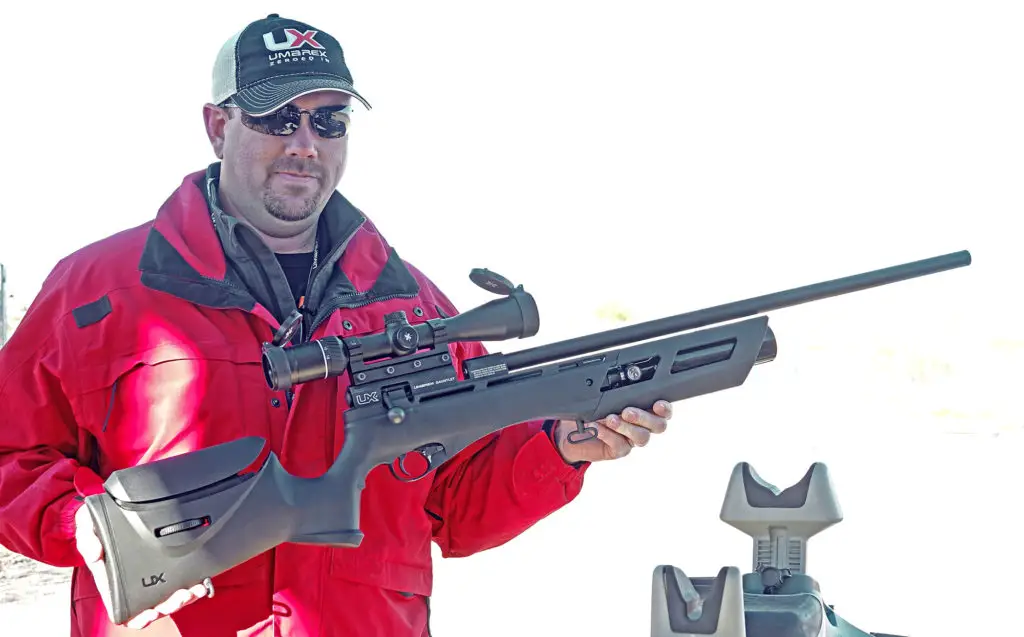
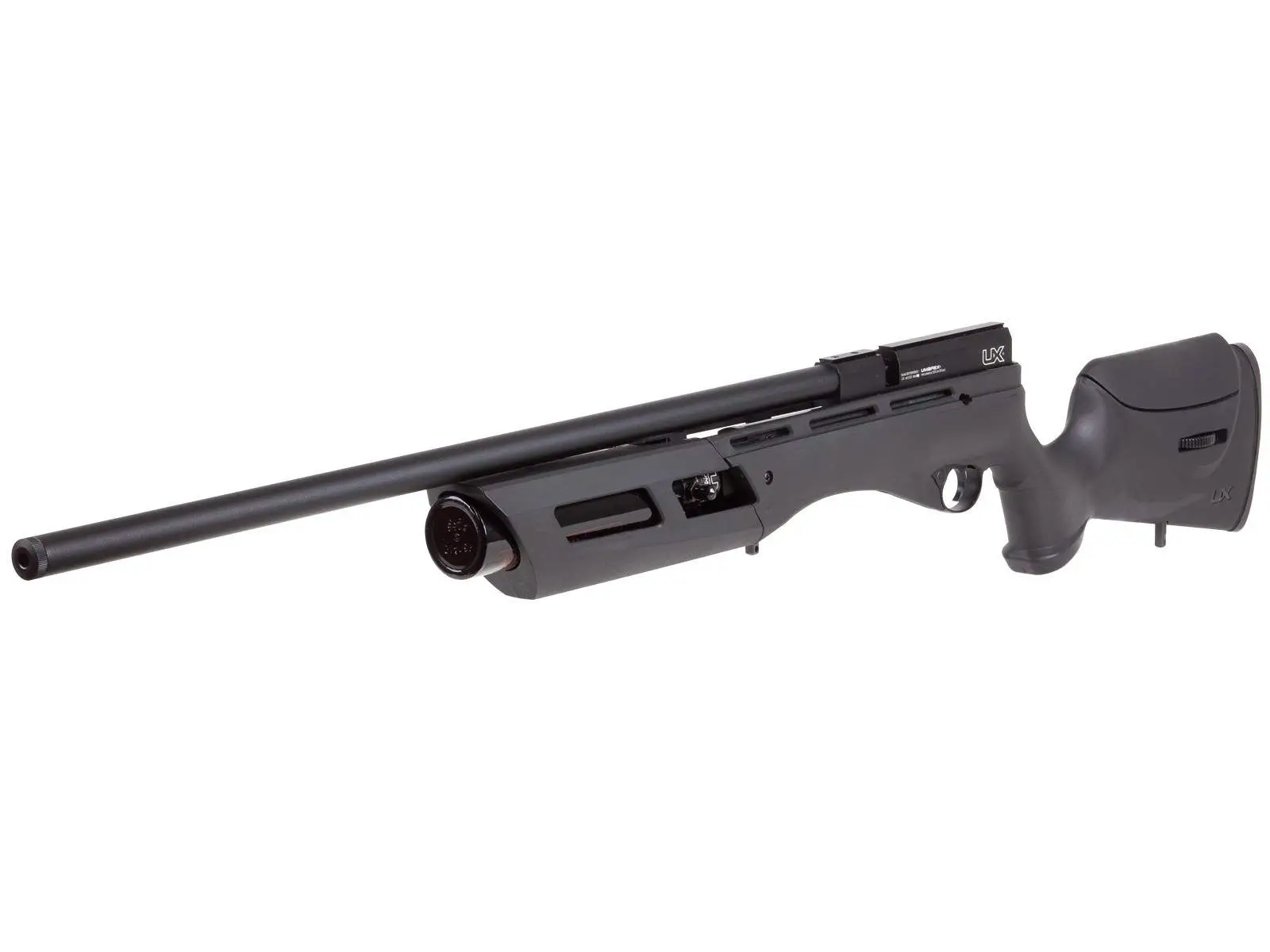
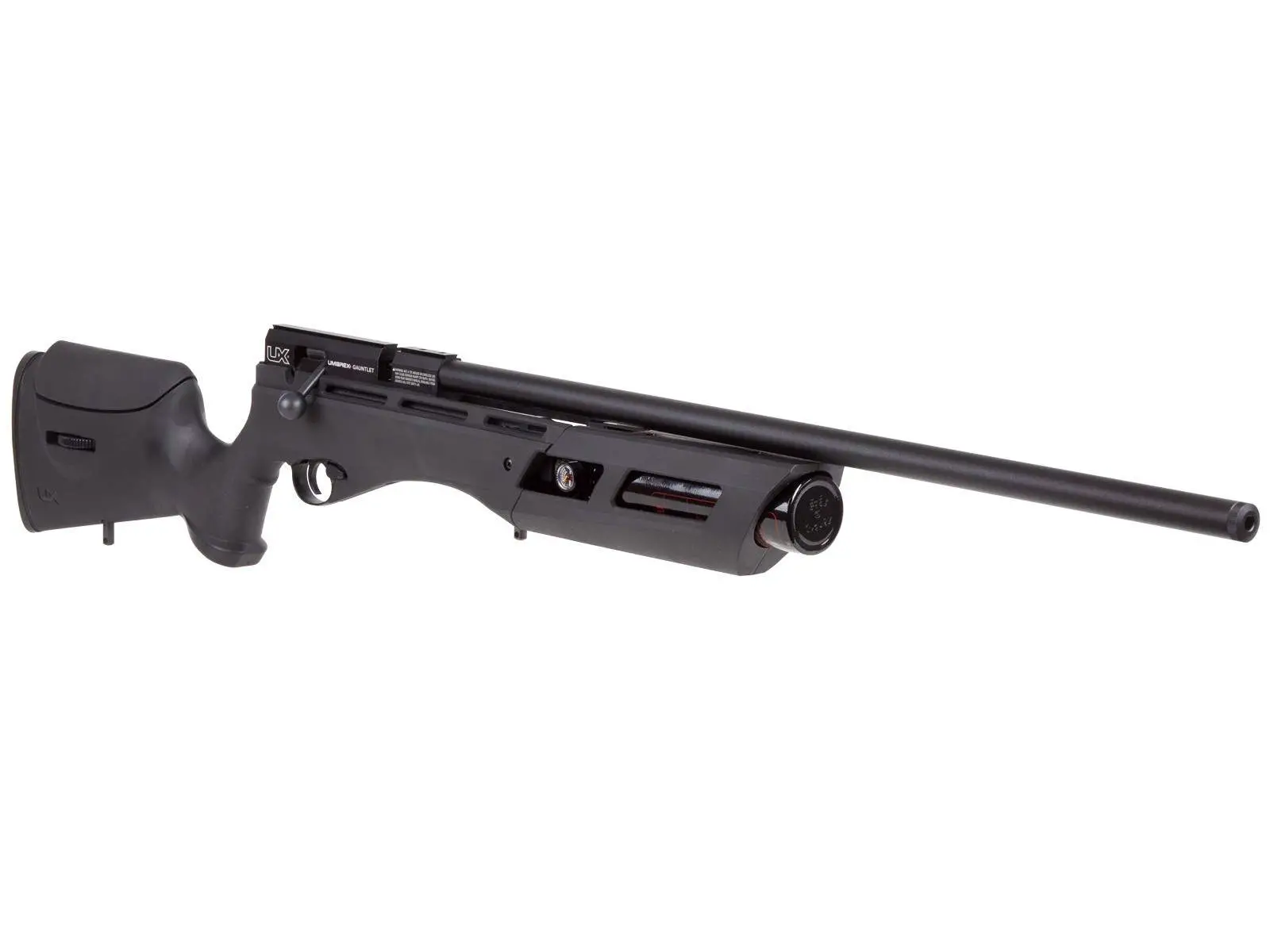
Umarex Gauntlet PCP Air Rifle

Umarex Sportwaffen GmbH & Co. KG is an airgun manufacturer founded in Germany, in 1972.

It has a branch in the US, which is located in Fort Smith, Arkansas.

They produce air pistols, air rifles, tear-gas, signal pistols, etc. from break-barrel to fully-auto.

They also supply high-powered air rifles made by Browning, Hammerli, Ruger, and other big brands.

They are one of the leading manufacturers in their field with more than 50 years of experience.

The thing that makes Umarex special is their philosophy – “Franz Kafka”, which means the courage to move ahead.

Nowadays, there are millions of active gunners around the world shooting guns manufactured or supplied by the company.

This is the best PCP air rifle for hunting in the $300 range.

best air rifles for the money
Umarex Gauntlet PCP Air Rifle

This is also the best-regulated PCP air rifle at $300 thanks to its built-in 1,150 psi regulator, which delivers minimal FPS variation between every shot.

This helps the shots be really accurate.

The Umarex Gauntlet PCP Air Rifle is also consistent and powerful.

The rifle can discharge .25 caliber pellets at 1000 fps, .22 caliber pellets at 1000 fps, and .177 caliber pellets at 1200 fps.

It is suitable for small-to-medium games, fun plinking, and competition.

The Umarex Gauntlet PCP Air Rifle is bolt-action and can shoot 10 rounds per load, while there’s also a single shot tray for a single shot option.

When full, the 3,000 psi, 13 cu. in. the removable tank can give you 60 to 70 consistent shots.

The gun doesn’t create much noise.

The rifle looks cool in all-black synthetic stock.

The cheekpiece is adjustable in height.

The scope rail is 11mm Dovetail.

The weight is 8.5 lbs.

The overall length is 46″. The barrel length is 23.5″.

Umarex Gauntlet PCP Air Rifle, Synthetic Stock

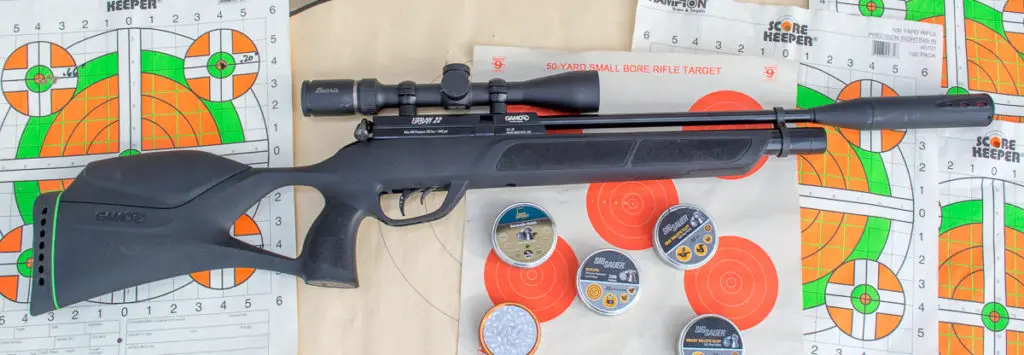
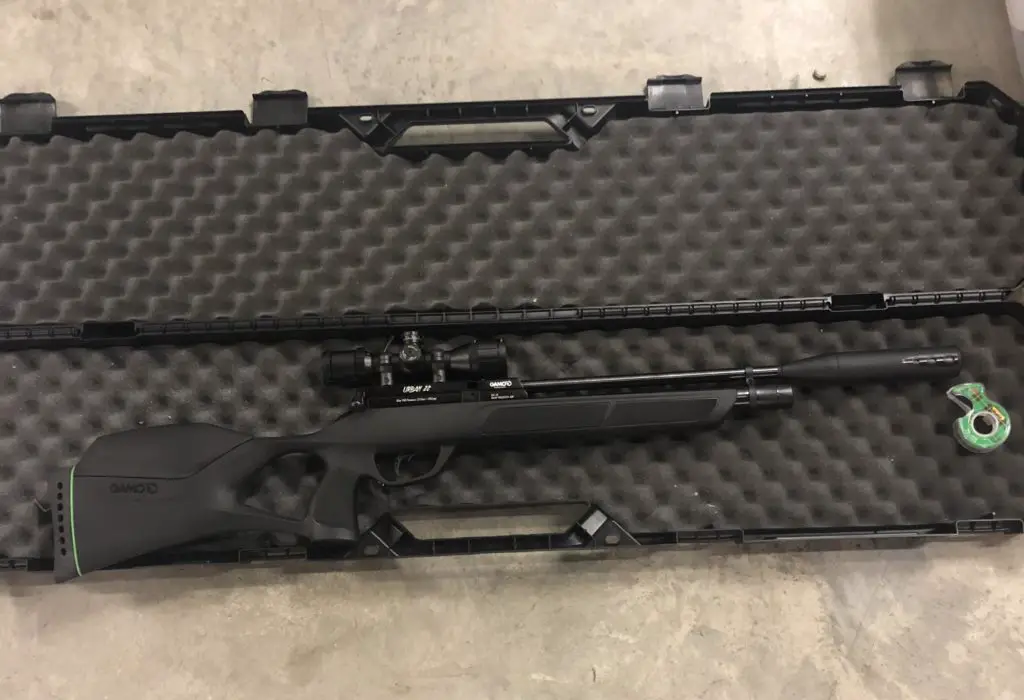
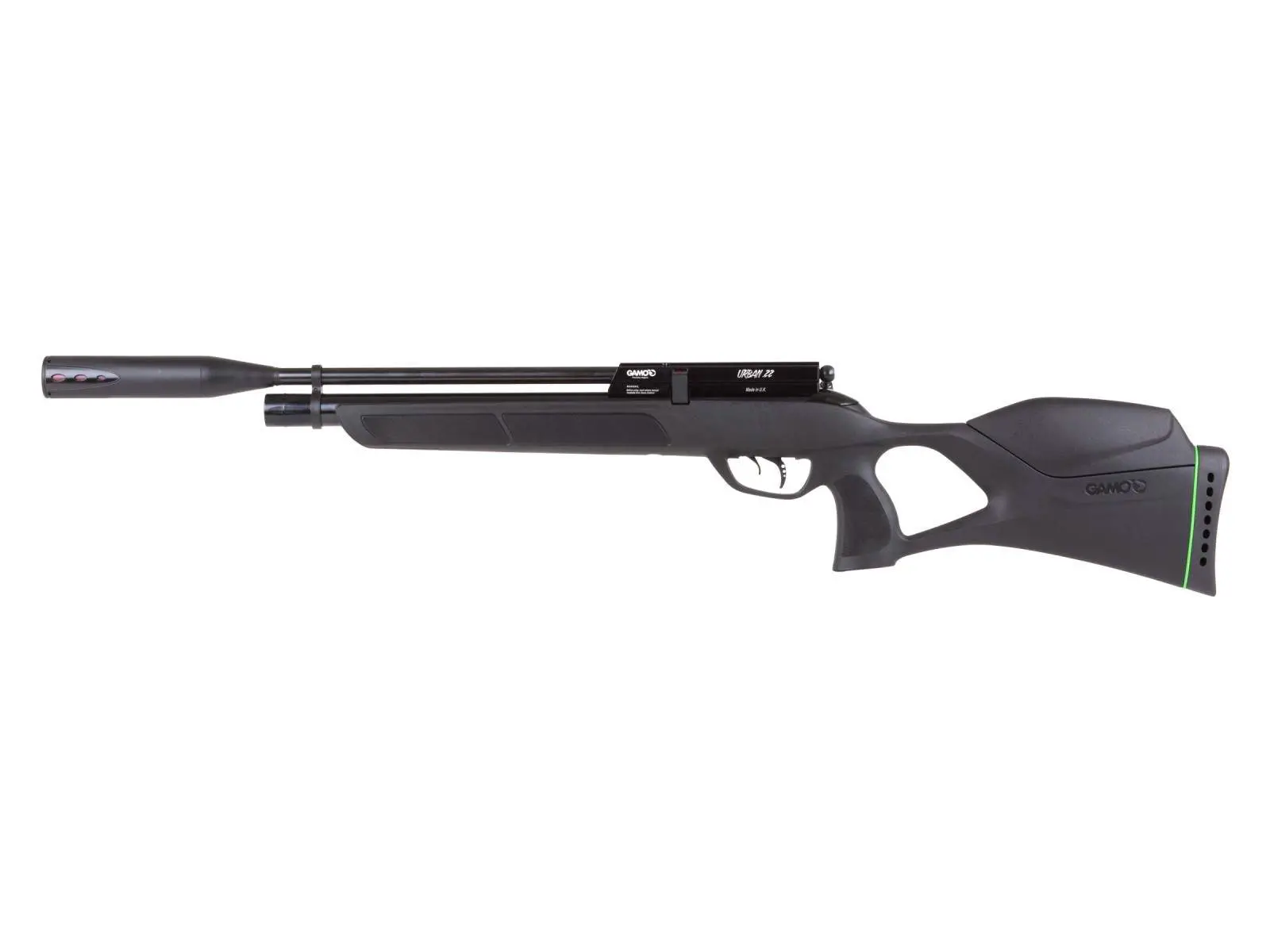
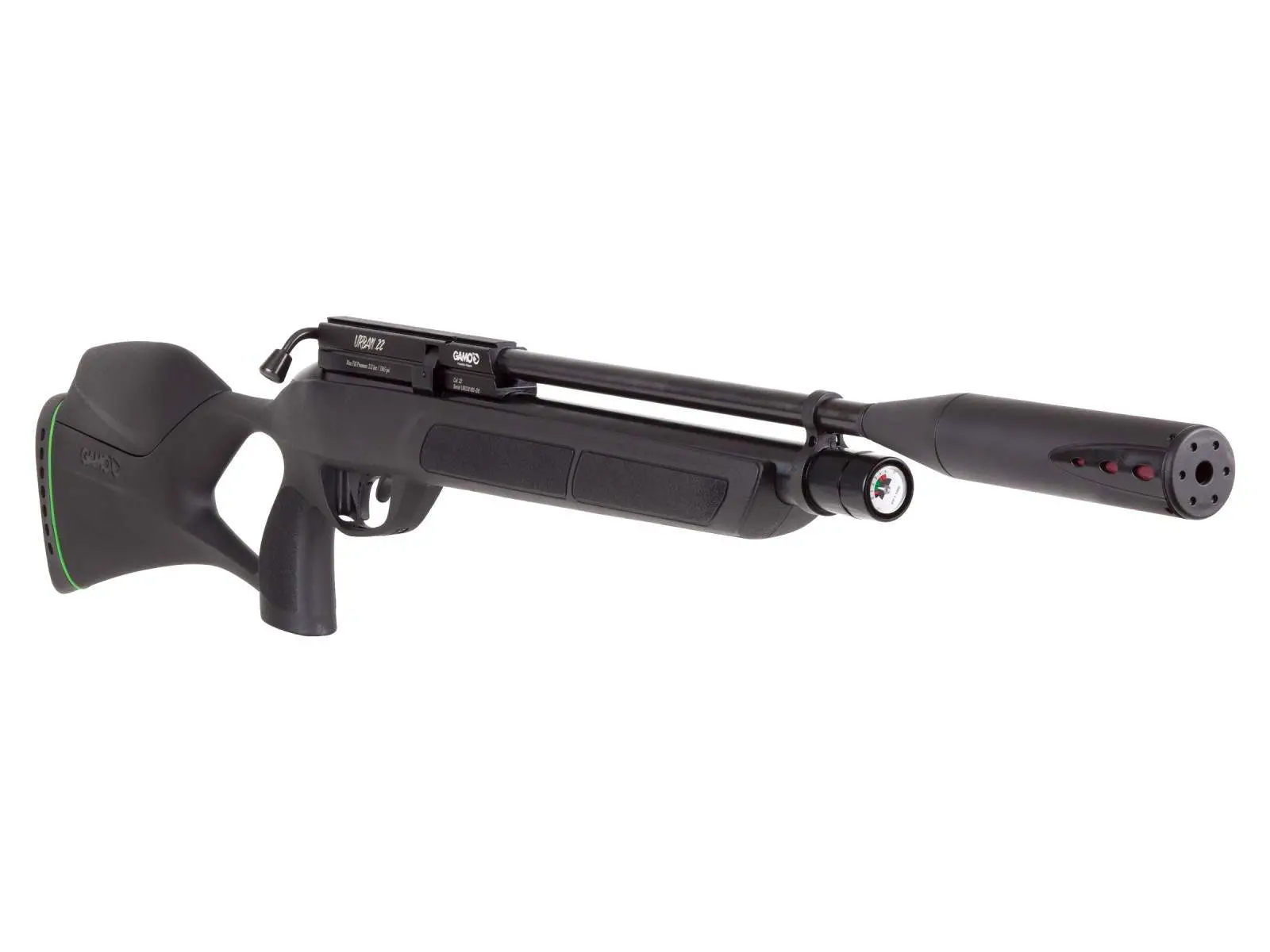
Gamo Urban PCP air rifle

Another PCP air rifle from Gamo.

This may be not the best PCP air rifle, but it’s definitely a good one for $300.

The Gamo 600054 Urban PCP .22 has a nice finish in black with a full synthetic stock that gives you a really nice grip feel.

The cheekpiece raises on two sides, for ambidextrous shooters.

The trigger is two-stage adjustable.

The gun has an 11-millimeter dovetail rail but no open sight.

There is a rubber butt pad on the back, however, it’s not like you’ll get a lot of recoil with this rifle.

Its overall length is 42 inches and it weighs 6.7 pounds. It’s a comfortable gun that fits into your shoulder nicely.

read review here

The Gamo 600054 Urban PCP .22 can shoot 10 rounds per load.

The 10-round repeater magazine has a little white dot on the back so that you can know when you’re out of rounds.

The cylinder size is 105 cc and can be filled up to 232 bars (3,300 psi).

best air rifles for the money

When full, the gun can fire off 30 good shots.

It’s quite accurate at 25 yards, but not so great at 45.

There is a silencer on the top of the gun so it is relatively quiet while functioning.

It’s fairly consistent and easy to use.

For a $300 PCP air rifle, this beast will get the job done (rabbit included):

Gamo Urban PCP air rifle

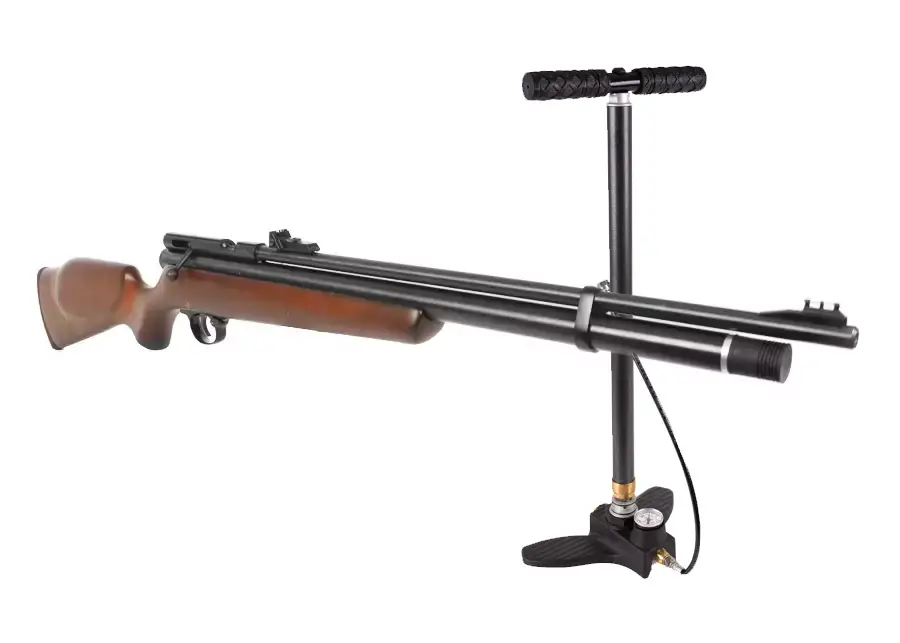
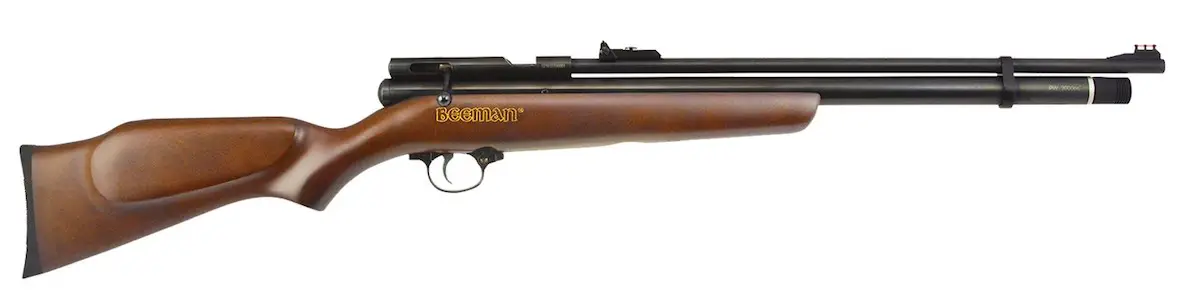
Beeman QB Chief PCP air rifle

The Beeman QB Chief PCP air rifle has a really affordable price for a PCP air rifle, retailing at around $180.

For me, this is the best budget PCP air rifle.

read review here

Beeman is a brand name of Weihrauch & Weihrauch GmbH & Co. KG, a German manufacturer of sporting air rifles, air pistols, cartridge rifles, and pistols.

The company has more than 100 years of experience.

In fact, they were the first mass-produced German .22 rimfire rifle. Nowadays, they produce innovative PCP.

Their rifles are made of proven special materials.

Every component is carefully monitored by experienced specialists to be accurate in dimension and hardness.

The Beeman QB Chief PCP air rifle has an ambidextrous design with a hardwood stock.

The gun has a compact size and easy weight: less than 7 pounds and 39 inches long.

The barrel length is 21.5 inches.

This is a bolt-action PCP air rifle with a single-shot capacity.

There is just a little recoil when shooting, and the rubber pad in the butt plate helps to absorb a lot of this.

The sound is a little loud but nothing too bad.

best air rifles for the money
Beeman QB Chief PCP air rifle

It’s got a 136cc cylinder that can hold up to 2,000 psi of compressed air.

You can shoot 50 shots per fill in .177, and 35 shots in .22 caliber. The shots are accurate enough at 50 yards.

The velocity is up to 1000 fps in .177 caliber.

Overall, at $180, this is the best value-for-money PCP air rifle that you can find.

Beeman QB Chief PCP Air Rifle

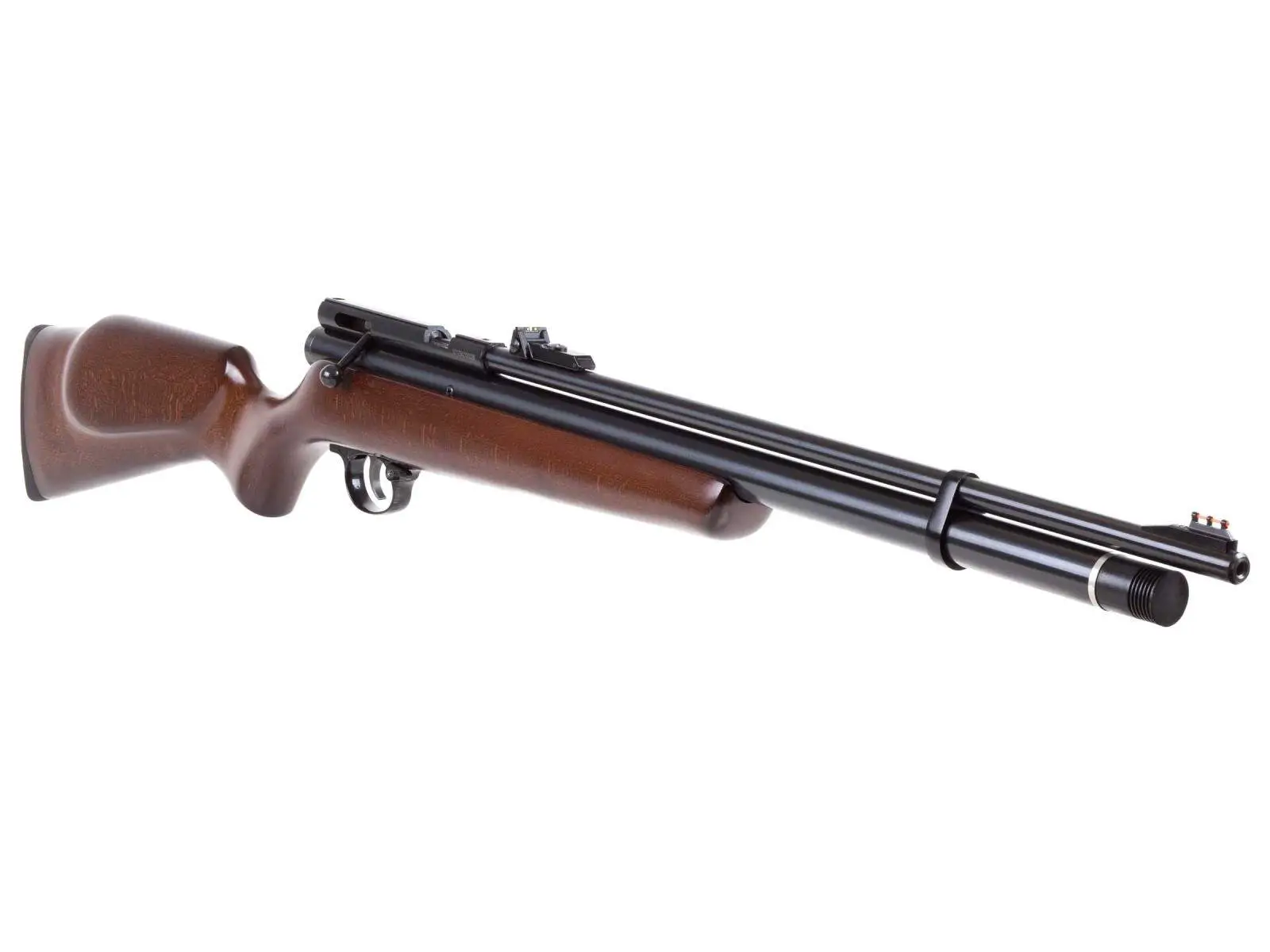
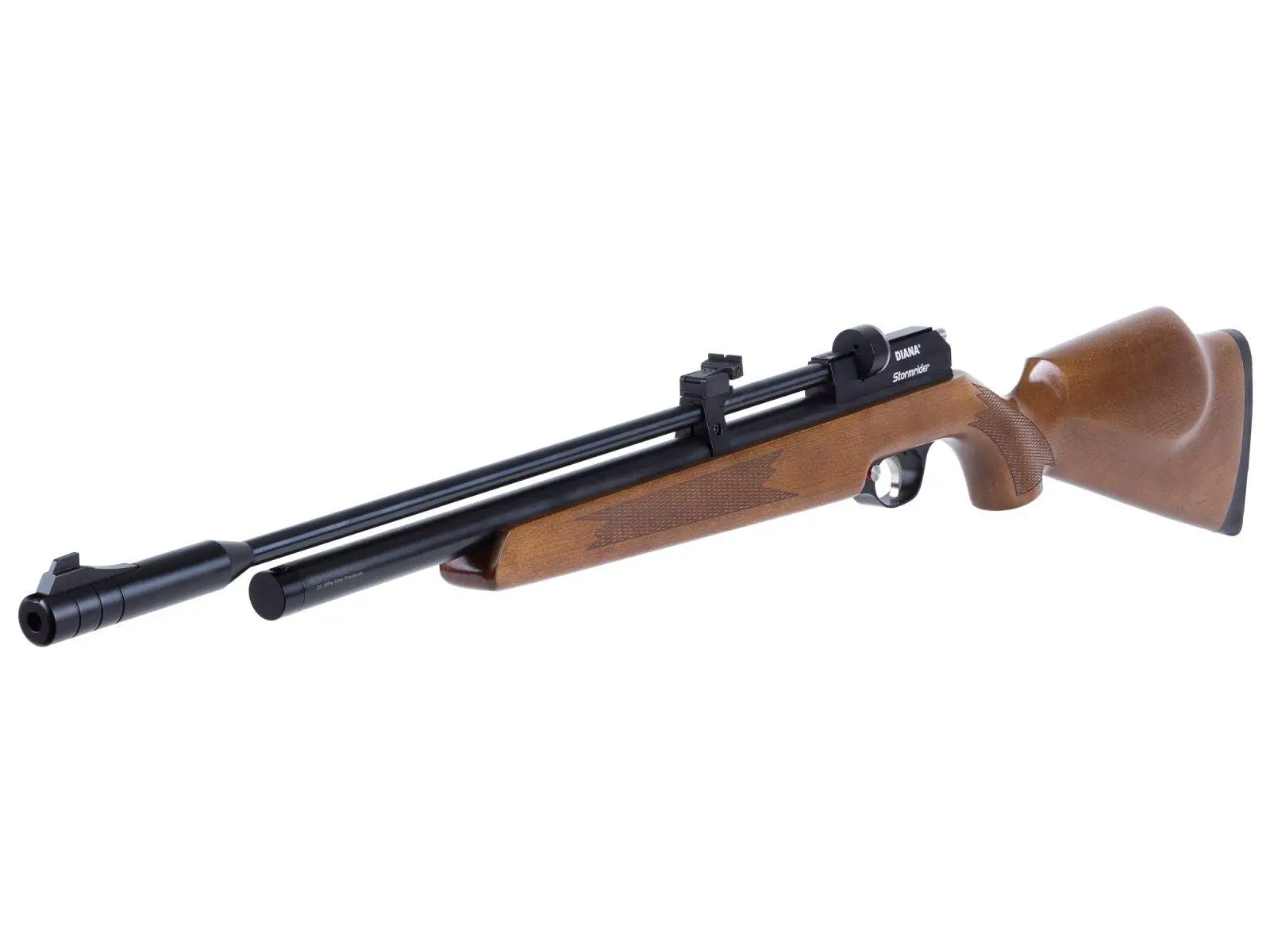
Diana Stormrider

The Diana Stormrider PCP, from Diana Mayer & Grammelspacher, is another great value-for-money air rifle. 

Diana Mayer & Grammelspacher is a German air gun manufacturer, headquartered in Rastatt, Germany.

The company was founded in 1890, and named after Diana, the goddess of the hunt.

They produce air rifles, air pistols, and other accessories like scopes, pellets, and silencers.

Among them, their air rifles are their most famous products.

Their philosophy is to develop the extraordinary down to the smallest detail.

The Diana Stormrider PCP air rifle has a straightforward, sturdy stock.

Despite being a budget PCP air rifle, the stock is made of beautiful beech.

read review here

best air rifles for the money

The gun is right-handed (still usable for left-handed shooters) and classically styled.

The rifle is compact with a weight of 5.0 pounds, and an overall length of 40.5 inches.

The barrel length is 19.0 inches.

Diana Stormrider Multi-shot PCP Air Rifle

The Diana Stormrider PCP air rifle has a 9-shot magazine in .177 and a 7-shot magazine in .22.

In terms of its scope, it features an 11mm dovetail tray.

Diana Stormrider is bolt-action and not so powerful (20 ft/lbs).

Its velocity is up to 900 fps in .22 caliber and up to 1050 fps in .177 caliber (lead pellet).

There’s some sound while shooting.

And most importantly, this rifle is really easy to handle, making it the best entry-level PCP air rifle.

There’s a 100 cc cylinder that can be filled up to 200 bar (2900 psi).

When filled, it can fire up to 40 shots.

The gun’s price is about $150, which is a mind-blowingly affordable price for such a fantastic rifle.

Diana Stormrider Multi-shot PCP Air Rifle

Indigenous Peoples Literature

0

The Tlingit (/ˈklɪŋkɪt/ or /ˈtlɪŋɡɪt/; also spelled Tlinkit; Russian: Тлинкиты) are indigenous peoples of the Pacific Northwest Coast of North America. Their language is the Tlingit language (natively Lingít, pronounced [ɬɪ̀nkɪ́tʰ]), in which the name means ‘People of the Tides’. The Russian name Koloshi (Колоши, from a Sugpiaq-Alutiiq term kulut’ruaq for the labret worn by women) or the related German name Koulischen may be encountered referring to the people in older historical literature, such as Grigory Shelikhov‘s 1796 map of Russian America.

How Raven Brought Light and Why Seagulls Cry

Before humans, the animals lived on the Earth. Each were given a cedar box from the Great Spirit, and when they opened the boxes mountains, rivers, trees and everything nice came out. (It’s the reserve Pandora’s Box!) Thus, the geography of the Earth was made. However, there was a problem. Why was it so dark?! The animals were walking into each other. Birds were flying into mountains. All in all, it was a bad time. So, where was the box full of light? Oh shit. Seagull had it. Not good. Seagull is like it’s MINE! No one is allow to touch it. Then he holds the box protectingly under his wings. But what is a trickster if they don’t have a plan? So, Raven flew up the Seagull and was like, can’t you open the box? Seagull is like mine. Raven flattered Seagull. He begged Seagull. He lied to Seagull. He tried every trick up in his arsenal. And what does Seagull do?

LAST FORT OF THE TLINGIT

In Alaska, in the early 19th century, the Tlingit – an indigenous people of Northwest America – built a final physical barrier to block the advance of the invaders. This place, in fact, was the scene of the last bloody battles between the indigenous peoples of Canada and the Russian soldiers, before Russia colonized the land in 1804. The Russians first invaded Alaska in 1799 and the Tlingit clans successfully repulsed their colonization attempts. However, the indigenous people he had to give in to Russian attacks in the attack on October 1, 1804, forever abandoning the last fort – nicknamed Shiskinou (meaning “village fortress”). Historical descriptions of the location of the fort were based on the features of the nearby landscape, offering only a general suggestion where the fort was located. However, the exact location has always remained uncertain. All this until new research found the fort’s unusual perimeter shape in Sitka National Historical Park, at the mouth of Kasda Heen (Indian River).

TLINGIT RAVEN RATTLE

Shark, Raven, Bird, Human. What does it mean to find these life forms intermingled within a singular piece, in the shape of a rattle? In Tlingit society, the interactions among these beings and the mythologies associated with them represent cultural interpretations of individual and clan relationships. Specific aspects of these relations and beliefs led to the amalgamation of stylized versions of marine animals, birds, and other enigmatic figures in this hand-held rattle carved from wood. This “Dance Rattle”—aptly described as the “Shark on Raven” rattle—was an object purchased by art collector and ethnologist Louis Shotridge (Tlingit) during the 1927 Wanamaker Expedition to acquire Northwest Coast Native objects. During the late 1800s to early 1900s, the Canadian and American governments began pressuring Native people to set aside their cultural objects and adopt aspects of Western culture. Shotridge observed that many Tlingit objects were leaving their communities of origin, and landing in museums. The Free Museum of Science and Art (forerunner to the Penn Museum) had only a small collection of Northwest Coast Native objects, but Shotridge was determined to improve the representation of Tlingit culture at Penn. He persuaded Museum Director George Byron Gordon to fund travel expenses to Southeastern Alaska to collect objects for the Museum. According to Associate Curator Lucy Fowler Williams, these were the first University Museum expeditions led by a Native person, and Shotridge “found the Museum to be a safe haven for Native materials.”

Tlingit ‘Raven’ story

ONE DAY, MY SON asked me, “How do we know if history is true?” He was 9 years old at the time, and his question shocked me. I explained to him that there are those who remember what happened, there is the evidence of what happened, and there are those who write it down. I told him that if enough of the stories match, then we all agree — that is what happened. I reminded him that this is how it “easily” works when the written word is the documentation for history, and that when it comes to Native history, we have to get the story right every time we tell it. High-level discussion with a 9-year-old. But his question has immediate relevance to this exhibition. There are countless Raven stories in the Tlingit community, and there are many versions of how Raven came to bring the light to the world. The stories are not necessarily contradictory, but they do emphasize different points and have different details, depending on whom the caretaker of that story was and how he or she was taught to tell the story. During the four years that glass artist Preston Singletary and I have been working on an exhibition with Tacoma’s Museum of Glass, he and I have continuously wrestled with questions at the intersection of oral history, the defining nature of art and the universal elements contained within this particular Raven story.

Culture of the Tlingit

The culture of the Tlingit, an Indigenous people from Alaska, British Columbia, and the Yukon, is multifaceted, a characteristic of Northwest Coast peoples with access to easily exploited rich resources. In Tlingit culture a heavy emphasis is placed upon family and kinship, and on a rich tradition of oratory. Wealth and economic power are important indicators of status, but so is generosity and proper behavior, all signs of “good breeding” and ties to aristocracy. Art and spirituality are incorporated in nearly all areas of Tlingit culture, with even everyday objects such as spoons and storage boxes decorated and imbued with spiritual power and historical associations.

Kushtaka

According to the folklore of the Tlingit people in what is now the northwestern USA, sailors who disappear at sea are said to be tricked and killed by the Kushtaka. These malicious creatures can switch between the form of a man and the shape of an otter. They can imitate the sound of a crying baby to lure innocent people and then tear them apart. However, the species is not inherently evil and there are many tales of Kushtaka saving people from a frozen death. Some stories tell of Kushtaka finding travelers who are freezing to death, and who are beyond help. Knowing that they cannot warm the human in time to save him, they turn him or her into a fellow Kushtaka, which allows the person in question to survive the horrible cold. This is a mixed boon: while the newly transformed Kushtaka is saved from death, they can no longer live among the humans.

Tlingit Myths

“No one knows just how the story of Raven really begins,” says Dekinā’k of the Box House people in Sitka, Alaska, “so each starts from the point where he does know it.” Could there be a more perfect way of introducing a creation myth than this? The importance of Raven to the stories of the Tlingit — who settled in southeastern Alaska around 10,000 years ago — would be hard to overestimate. Raven is a culture hero and trickster (like Prometheus), a shape-shifter (like Proteus), but he is also the creator of the earth. Back when there was no light in the world because a rich old man on the Nass River kept it all to himself, Raven “thought over all kinds of plans for getting this light into the world and finally he hit on a good one.” The rich old man who kept all the light to himself had a daughter, whom Raven impregnated by transforming himself into a small piece of dirt in a drop of water, which she swallowed.

The Tlingits didn’t wear long headdresses. Instead, both men and women sometimes wore basketry hats made of finely woven spruce root. The designs and patterns of these hats often displayed a person’s status and family connections. The Tlingits painted their faces with different colors and designs for different occasions, and often wore Indian tribal tattoos. Tlingit women often wore their hair in two long braids, while men usually left theirs long and loose. Like other Northwestern Indians, Tlingit men often wore mustaches and beards.

TLINGIT INDIAN FOLKLORE

Tlingit Myths and Texts: Online book about the mythology of the Tlingit tribe.

Tlingit Creation Story:

Raven: Tlingit myths about the life and deeds of Raven.

How Mosquitos Came To Be: Tlingit folktale about the origin of mosquitoes.

Tlingit Transformation Tales: Tlingit legends of Salmon Boy and the Bear Mother.

Katlian and the Iron People: Early 19th-century legend of a brave Tlingit chief’s encounters with the Russians.

Inviting The Bears: Tlingit legend about a man who threw a feast for the bear people.

The Star Shooter

The Arrow Chain: Tlingit stories about a boy who rescued his friend from the moon.

Raven and the Tides: Tlingit myth about the origin of the tides.

The Woman Who Married A Frog: Tlingit legend about a woman turned into a frog for her vanity.

Natsilane: Tlingit legend about the origin of the killer whale.

Beaver and Porcupine: Tlingit legend about a friendly rivalry between two animals.

Native Alaskan Stories: Eight Ahtna, Tlingit, and Eskimo legends presented by a Native Alaskan educational organization.

RAVEN TALES

Raven Tales are unique to Tlingit culture. Although the tales are associated with the Raven moiety, most are shared by any Tlingit regardless of clan affiliation and make up of the stories told to children. Raven Cycle stories are often shared anecdotally, the telling of one inspiring the telling of another. Many are humorous; some are serious, imparting Tlingit morality and ethics, and others belong to specific clans and may only be shared with permission. Some of the most popular are Pacific Northwest tribal creation myths. The Raven Cycle stories have 1 Raven characters, although most storytellers do not clearly distinguish them. One character is the creator, Raven, who is sometimes identical to the Owner of Daylight. The other is the childish Raven: selfish, sly, conniving, and hungry. Comparing several stories reveals logical inconsistencies between the two, which is usually explained by their setting in a mythical place and time in which the rules of the modern world did not apply.

Tlingit Myths

Images

Movies

The Spiritual Meaning of Deer: Uncovering the Mystical Significance

0

“Unveiling the Spiritual Depth: Exploring the Profound Meaning Behind Headlines” This thought-provoking headline delves into the intriguing world of spiritual significance lying beneath seemingly ordinary news headlines. Join us on a captivating journey as we unravel the hidden spiritual messages and explore their impact on our lives. Discover how even the most mundane headlines can hold profound truths and awaken our inner spirituality.

Exploring the Spiritual Meaning Behind the Appearance of a Deer

Exploring the Spiritual Meaning Behind the Appearance of a Deer

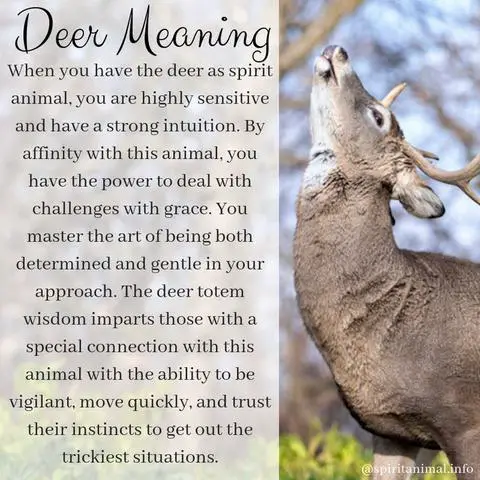
The appearance of a deer in Native American folklore is often seen as a sign that one must follow their intuition. It is believed that if a deer appears out of nowhere, it is a message from the spiritual realm urging individuals to trust their instincts and make decisions based on their inner guidance. Furthermore, if the deer is considered one’s spirit animal, it signifies that the person possesses strong intuition and is highly sensitive. They navigate through life gracefully yet purposefully, able to adapt and change directions swiftly when necessary. The deer’s ability to regenerate symbolizes its deep connection with life’s mysteries and its power to handle challenges with gentleness and grace.

Spiritual Significance of Seeing a Buck Deer

In the anecdote shared by the author, they mention an extraordinary encounter with a buck deer after praying for divine intervention regarding their financial situation. The rarity of seeing bucks in their area during hunting season made this occurrence even more significant for them. The appearance of the buck confirmed to them that their prayer had been answered by a higher power. This experience highlights the spiritual significance attributed to encountering specific animals or signs in nature as messages from the divine.

The Symbolism of Integration and Kindness

In dreams, deer often represent kindness and gentleness. Some dreams are believed to be precognitive, offering insights into future circumstances. If one dreams about encountering a deer, it may suggest that they will face challenging situations where choosing a path of kindness and gentleness will be beneficial compared to more harsh approaches. The act of looking at you may indicate that the deer is sharing its energy with you, creating a sense of unity between nature and oneself.

Overall, exploring the spiritual meaning behind the appearance of a deer reveals its symbolism as an intuitive guide, representing gracefulness, adaptability, regeneration, and handling challenges with gentleness. Whether encountered in real life or within dreams, the presence of a deer can serve as a reminder to trust one’s instincts and embrace kindness and compassion in navigating life’s journey.

Unveiling the Spiritual Significance of Encountering a Deer

Unveiling the Spiritual Significance of Encountering a Deer

Encountering a deer in Native American folklore is believed to hold significant spiritual meaning. It is seen as a sign that one must follow their intuition and trust their instincts. If the deer is considered your spirit animal, it suggests that you are a highly sensitive individual with strong intuition. You navigate through life gracefully yet purposefully, and have the ability to adapt and change directions swiftly when necessary. The deer’s symbolism also extends to its regenerative qualities, as it is deeply attuned to the mysteries of life. Furthermore, the deer embodies the power to face challenges with gentleness and grace.

The Significance of Requesting a Deer as a Divine Confirmation

In the personal account shared above, an individual sought divine guidance regarding their financial situation and specifically asked for a buck deer to appear on their property as confirmation from God. This request held great significance because, in over four decades of living there, neither they nor their family had ever spotted a buck deer before. The next morning, their prayer was seemingly answered when they witnessed a buck deer standing just 30 yards away from them. This encounter provided undeniable confirmation for them that their prayer had been heard and answered by a higher power.

The sighting of this rare buck deer not only served as a physical provision for the individual and their family but also carried deep spiritual meaning. It reinforced their belief in divine intervention and reaffirmed their connection with something greater than themselves.

The Symbolism of Kindness and Gentleness Associated with Deer

In various cultures and spiritual beliefs, encountering or dreaming about a deer is often associated with kindness, gentleness, and other positive attributes. Some dreams are even believed to be precognitive, offering glimpses into future circumstances where choosing kindness and gentleness may be essential in navigating challenges.

When a deer looks at you, it is believed to be sharing its energy with you. This exchange can create a sense of oneness with nature and a feeling of being weightless yet grounded simultaneously. The spiritual significance of encountering a deer encourages individuals to embrace these qualities in their own lives, fostering compassion, empathy, and a harmonious connection with the world around them.

In conclusion, encountering a deer holds deep spiritual significance. It serves as a reminder to trust one’s intuition, adapt gracefully to life’s changes, and approach challenges with gentleness and grace. Whether encountered in physical form or through dreams and symbols, the presence of a deer invites individuals to integrate kindness and compassion into their lives while fostering a deeper connection with nature and the spiritual realm.

The Deep Spiritual Symbolism of Seeing a Deer

The Deep Spiritual Symbolism of Seeing a Deer

Seeing a deer holds deep spiritual symbolism and is often considered a sign from the universe or a higher power. In Native American folklore, the deer is seen as a spirit animal that represents highly sensitive individuals with strong intuition. When encountering a deer, it is believed that one should follow their intuition and trust their instincts.

Graceful Movement and Quick Adaptability

Deer are known for their graceful movement and ability to change directions quickly if necessary. This symbolism reflects the importance of moving through life with purpose and adaptability. Just as the deer can swiftly change its course, we too must be open to new opportunities and ready to adjust our path when needed.

Regeneration and Connection to Life’s Mysteries

Another significant aspect of the deer’s symbolism is its ability to regenerate. The deer is highly attuned to life’s mysteries, representing a deep connection with nature and spiritual energies. This connection allows them to handle challenges with gentleness and grace, emphasizing the importance of approaching difficulties in life with compassion and understanding.

List:

– Strong intuition: The presence of a deer signifies that you possess strong intuitive abilities.
– Graceful movement: Like the deer, you have the capacity to navigate through life gracefully.
– Quick adaptability: You can change directions swiftly when faced with unexpected circumstances.
– Regeneration: The deer symbolizes your ability to heal and bounce back from challenges.
– Handling challenges with grace: Just as the deer handles difficulties gently, you have the power to face obstacles in your life with poise and kindness.

Overall, encountering a deer holds deep spiritual significance. It serves as a reminder to trust your intuition, embrace adaptability, connect with life’s mysteries, and approach challenges with gentleness and grace.

Understanding the Spirituality Associated with Deer Sightings

The Significance of Deer as a Spirit Animal

In Native American folklore, the deer is often seen as a powerful symbol representing intuition and sensitivity. If you see a deer appear out of nowhere, it is believed to be a sign that you must follow your intuition. People who have the deer as their spirit animal are considered highly sensitive individuals with strong intuitive abilities. They navigate through life gracefully yet purposefully, and can adapt and change directions quickly when necessary. The deer’s ability to regenerate is also symbolic of being attuned to life’s mysteries and having the power to handle challenges with gentleness and grace.

A Personal Experience with Deer Sighting

The author shares a personal experience where they were facing financial difficulties and prayed to God for help. They specifically asked for a buck deer to appear on their property as a sign from God. The next morning, they witnessed a buck deer standing near their chain link fence, confirming their belief that it was a spiritual intervention. This encounter not only provided them with meat for several months but also reinforced their faith in divine guidance.

Deer Symbolism in Dreams

In dreams, seeing a deer can carry various meanings, including kindness, gentleness, and precognition. Some dreams may serve as glimpses into future circumstances where choosing a gentle and kind approach will be beneficial. The act of the deer looking at the dreamer is believed to transfer its energy, creating a sense of oneness with nature and grounding oneself spiritually.

Overall, encountering deer or having them appear in dreams holds spiritual significance tied to intuition, sensitivity, gracefulness, adaptability, and handling challenges with gentleness. It serves as a reminder to trust one’s instincts and embrace kindness in navigating life’s journey.

The Intuitive and Mystical Meaning of Spotting a Deer

The Intuitive and Mystical Meaning of Spotting a Deer

Spotting a deer in unexpected circumstances can hold deep intuitive and mystical meanings. In Native American folklore, the appearance of a deer is often seen as a sign to follow one’s intuition. If the deer is considered your Spirit Animal, it signifies that you possess strong intuition and are highly sensitive. You navigate through life gracefully but with purpose, able to change directions swiftly when necessary. The deer’s ability to regenerate symbolizes its deep connection with life’s mysteries, while its gentle and graceful nature represents its power to handle challenges with ease.

When faced with financial difficulties, one individual turned to prayer for guidance and asked God for a sign regarding their situation. They specifically requested the presence of a buck deer on their property, as they had never seen one in the 40 years they had lived there. The next morning, their request was seemingly answered when they spotted a buck deer just outside their back door. This encounter held significant spiritual meaning for them, as it confirmed their belief that God would provide for their needs.

The immense size of the deer further emphasized the divine intervention at play. Despite being over 300 pounds themselves, it took both the individual and their spouse over 10 minutes to drag the deer even a short distance. This single act of hunting provided them with enough meat to sustain them for three months. The experience served as a reminder of the abundance that can come from relying on intuition and trusting in higher powers.

Overall, spotting a deer holds symbolic significance beyond its physical presence. It serves as a reminder to trust your instincts, embrace gracefulness in navigating life’s challenges, and remain attuned to the mysteries that surround us. By following these principles, one can find guidance and abundance even in unexpected circumstances.

Key Points:

– Spotting a deer is often seen as an intuitive sign.
– Deer are considered Spirit Animals in Native American folklore, representing sensitivity and strong intuition.
– Deer possess the ability to regenerate and handle challenges with grace.
– A personal experience showcased the power of prayer and divine intervention, as a requested buck deer appeared on their property.
– The encounter provided an abundance of meat, highlighting the importance of trust and intuition in navigating life’s challenges.

Unlocking the Spiritual Message Behind the Presence of a Deer

Unlocking the Spiritual Message Behind the Presence of a Deer

The presence of a deer in one’s life can hold significant spiritual meaning. In Native American folklore, the deer is often seen as a symbol of intuition and sensitivity. If the deer is your spirit animal, it suggests that you possess strong intuition and are highly attuned to life’s mysteries. You navigate through life gracefully yet purposefully, and have the ability to adapt and change directions quickly if needed. The deer also represents regeneration, as it is deeply connected to the cycles of life.

The Significance of the Deer’s Appearance

When a deer appears out of nowhere, it can be seen as a sign from the universe or higher power to follow your intuition. It may indicate that you are on the right path and should trust your instincts in making decisions. The sudden appearance of a deer can serve as a reminder to stay connected with your inner wisdom and listen to your inner voice.

The Gentle Strength of the Deer

One of the remarkable qualities associated with deer symbolism is its ability to handle challenges with gentleness and grace. Despite being a powerful creature, it moves through life with elegance and poise. This aspect serves as an inspiration for individuals who resonate with the deer spirit animal, encouraging them to approach difficulties in their own lives with kindness and compassion.

The Symbolism of Regeneration

The deer’s connection to regeneration signifies its deep understanding of life’s mysteries. It reminds us that even in times of hardship or loss, there is always room for growth and renewal. The deer teaches us to embrace change and embrace the opportunities it brings for personal transformation.

In conclusion, encountering a deer holds spiritual significance related to intuition, sensitivity, gracefulness, adaptability, gentleness, and regeneration. It serves as a reminder to trust our instincts, approach challenges with compassion, and embrace the cycles of life. By understanding the symbolic messages behind the presence of a deer, we can gain deeper insights into our own spiritual journey.

In conclusion, whether something has spiritual meaning or not is subjective and varies from person to person. While some may find deeper significance in certain experiences or objects, others may not. Ultimately, the interpretation of spiritual meaning depends on an individual’s beliefs, values, and personal experiences.

Gear Review: The Jase Robertson Pro Series Duck Call – Hunter's Gear Guide

0

If you’ve been looking at the Jase Robertson Pro Series duck call by Duck Commander you might have a couple of questions.

You could be looking for the absolute best Jase Robertson Pro Series duck call review out there, with every little detail, or maybe you just want to find the lowest prices (which I’ve done for you below).

Holding the Jase Robertson Pro Series Duck Call while testing it out in the marsh.

Well, no worries my friend. I promise you’re not going to find a better, more detailed review out there. After testing alongside several other duck calls and ranking according to five factors, here’s a few things I noticed about the Jase Robertson Pro Series duck call.

Call Quality (35%) – 10

Out of any of the calls we tested, the Jase Robertson Pro Series duck call sounded the best. We tested out this call using three different mallard hen sounds, and it handled each call like a champ. The quacks sounded great, and they were plenty raspy and sounded authentic. The greeting and feeder calls were great as well, with this call outdoing any other call we tested.

Volume (20%) – 8

This Duck Commander call was plenty loud. It had more volume than the Primos Mean Mallard but not quite as much as the Sheducktress. However, we found this call to be sufficient when reaching out long distances to call in ducks.

At lower volumes, the call is really raspy. However, when you add some more volume to the call it becomes a little cleaner, but that nice, raspy tone is still there.

Variety (20%) – 9

We gave the duck calls we tested scores according their ability to perform quacks, greeting calls, and feeder calls, and the ease in which you could transition from call to call. We found the Jase Roberston Pro Series duck call to do really well in this area. Feeder calls weren’t difficult to make, and transitioning from feeder sounds to greeting calls was relatively simple.

Durability (15%) – 8

This duck call performed well in our durability section. We purchased and tested the acrylic version of the Jase Robertson Pro Series duck call and were very much pleased with it’s tough nature. Pulling the call apart to let it dry was difficult, and having it split in two while in the field doesn’t seem very likely. Every fits tightly inside the call, and we can’t foresee anything breaking in future years.

Learnability (10%) – 8

Learning how to use this call from Duck Commander was much simpler than most other duck calls we tested. It’s plenty raspy, and by using your hands, figuring out quacks was simple. Greeting calls took a little more time, and feeder calls were actually pretty simple with this call. It takes a lot less air and effort to really get a good call going.

The instructions that come with the Jase Robertson Pro Series Duck Call.

The call’s packaging came with some relatively simple instructions on how to quack and then string that together into a greeting call using the word “ten”.

Overall Score For The Jase Robertson Pro Series Duck Call – 89

Out of 100 this Duck Commander call came in with 91 points, a strong score. We were actually really impressed with this call, and weren’t expecting this type of quality coming from Duck Commander who’s pumping out thousands of calls a year.

We would definitely recommend the Jase Robertson Pro Series duck call if you’re looking to get into duck hunting or need a new mallard hen call. If you have something else to add, please let us know in the comments. And don’t forget to check out the lowest prices or some more small details below!

Low Prices (For Acrylic Jase Robertson Pro Series Duck Call)

  • Amazon – $45.94
  • Cabela’s – $59.99
  • Walmart – $45.75

More Details About The Jase Robertson Pro Series Duck Call

Little things matter. That’s why we’ve also included a section in this review that details every little thing you might want to know about this call.

The Engraving On The Mouthpiece Looks Great

Duck Commander was sure to include a laser-etched engraving on the mouthpiece, and it actually looks really nice. It’s just the Duck Commander logo with the name of the call, but it sure does add to its looks.

The engraving around the end piece of the Jase Robertson Pro Series Duck Call.

Cleaning The Jase Robertson Pro Series Duck Call Is Simple

Cleaning this call is simple. You first pull the end of the call from the mouthpiece, which is a little tough and requires some tugging. However, once you remove the horn, you can then disassemble the reed and reed block and leave them to dry.

The seperate pieces of this duck call.

When reassembling the call, ensure the reeds tabs are facing up and that the reed is centered over the end piece. Then, put the reed block back in place and insert the assembly back into the mouthpiece.

The Jase Robertson Pro Series Duck Call Does Not Include A Lanyard

It doesn’t come with a simple lanyard, but it does have a deep groove that you can use to attach one.

The groove that the lanyard can fit into around this duck call.
Best Air Rifle Deals

Popular Posts

Dry Firing Air Rifles: What You Need to Know

0
"Master the art of precision shooting with dry firing air rifles. Enhance your aiming skills, trigger control, and muscle memory without using ammunition. Discover...

Can you dry fire a gamo air rifle?

0
Unveiling the truth behind dry firing a Gamo air rifle, this intriguing headline delves into the possibility of safely practicing without ammunition. Join us...

Best Air Rifle Brands – Who Makes the Best Pellet Gun?

0
In Jeff Bezos’ own words: "A brand for a company is like a reputation for a person. You earn reputation by trying to do hard...