

Home Blog Page 111

10 Best Broadheads for Traditional Archery [2024]

0

Choosing the best fixed blade broadhead for traditional archery can be challenging considering the sheer number of options available these days. You want one that is razor-sharp, tunes well with your arrow of choice, and holds up to the demands of practice sessions and hunting situations.

To save you a lot of time and stress, we did the research for you. We scoured the internet, got personal recommendations from various hunting Facebook groups, and tested some ourselves to bring you what we feel are the 10 best broadheads for traditional archery on the market today.

Which of these will work best for you depends on numerous factors, and what you prefer in a broadhead. Of course, cost almost always impacts the decision-making process, so we were sure to touch on that aspect as well.

Overall Best Broadhead

Zwickey Delta Broadhead

Product image of the Zwickey Delta broadhead.

When I polled other bowhunters in one of my traditional archery Facebook groups, one brand that kept popping up was Zwickey. Zwickey has been producing quality fixed blade broadheads for traditional archery since 1938!

The Delta is a big, two-blade, cut-on-contact model constructed of high-carbon steel. The broadhead is 2 9/16 inches long with a 1 3/8-inch cutting diameter and weighs in at 170 grains. While Zwickey offers a glue-on model (featured below), this particular broadhead includes an adapter that allows it to screw into a standard arrow insert.

To prove its toughness, Zwickey claims a Montana hunter took eight bears with the same Delta 2 broadhead.

Best Single Bevel Broadhead

Iron Will Single Bevel SB-150

Iron Will broadheads are known for their high quality and strength which comes at a premium cost. These are the most expensive broadheads on our list, and one of only two single bevel broadheads that made the cut (pun intended) as well.

The single bevel broadhead is designed to maintain the arrow’s rotational spin through impact, resulting in a bone splitting effect and more tissue damage throughout the animal.

Iron Will broadheads feature super beefy .062-inch thick A2 tool-steel blades that are cryogenically treated and triple tempered to 60 HRC hardness. That will allow the Iron Will’s blades to withstand the demands of big game hunting for years, and allow frequent resharpening as needed to maintain a razor-sharp edge.

Best Heavy Broadhead

Steel Force Traditional Series Single Bevel Broadhead

Product image of the Steel Force single bevel broadhead.

This is the second of two single-bevel broadheads on our list. The long, lean design of the Steel Force provides maximum penetration and superb flight. Of course the single-bevel design will provide maximum damage and break bone if necessary.

The Steel Force is built like a tank out of 0.08-inch thick, knife-grade stainless steel. The broadhead is three inches long and one inch wide with an 11/32-inch ferrule, and is available in right or left bevel in 225 or 300 grains.

Best Glue-On Broadhead for Traditional Archery

Zwickey Eskimo Glue-On Broadhead

This is our second set of Zwickey broadheads on the list, but instead of being a screw-in model for a traditional insert, the Eskimo is made to glue onto a wood arrow or special insert. As we mentioned earlier, Zwickey has been making quality broadheads for decades and is a favorite among traditional bowhunters, and the Eskimo is probably the most popular broadhead they manufacture.

The Eskimo is a two-blade option with a 1 1/8-inch cutting diameter, and a weight of 125 grains. It feature an 11/32-inch taper hole. The cut-on-contact broadhead is made from special high-carbon steel so you can get the edges hair-shaving sharp. The triple-thick tip with special heat-treating resists curling and blows through bone for maximum damage. If you need a glue-on broadhead, you can’t go wrong with the Zwickey Eskimo!

Best 3 Blade Broadhead for Traditional Archery

EBBQ Woodsman Glue-On Broadhead

If you’re looking for a great three-blade option in a glue-on broadhead, then the EBBQ Woodsman may be the perfect option. The Woodsman is machined from a solid piece of tool-grade steel and features a pyramid tip for increased strength.

The broadhead has a one-inch cutting diameter and is coated in advanced pure Teflon for maximum durability. The Woodsman is made in the USA and backed by a lifetime guarantee. Unlike the other options listed here, EBBQ offers the Woodsman in a six pack.

Four Other Great Options

Simmons Land Shark

Another name that kept popping up among diehard traditional bowhunters was Simmons broadheads. The Montana-based company offers a variety of broadheads for traditional archery ranging in weight from 100 to 225 grains to cover every bowhunting scenario from whitetails to cape buffalo.

You won’t go wrong with any of Simmons’ numerous broadhead options, but for this article, we went with the 160-grain Land Shark. The Land Shark features tough .050-inch thick high-carbon steel blades with a respectable 1 5/8-inch cutting diameter. The concave blade design gives them unsurpassed penetration on both big and small game.

Every Simmons broadhead is made by hand here in the U.S. and inspected for perfect alignment before they leave the factory.

Magnus Stinger 4 Blade Arrow Broadhead

My broadhead of choice for my compound and recurve bows over the last two deer seasons has been the 150-grain Magnus Stinger 4-blade head. Like most of the broadheads on our list, the Stinger is a large, cut-on-contact broadhead that can be purchased with or without small bleeder blades.

Made from knife-grade stainless steel, the Stinger is razor-sharp right out of the package. The patented diamond tip provides bone-splitting performance on the largest of game animals, and the aircraft aluminum ferrule is spin tested to within .002 of an inch, providing perfect flight right out of the package.

One of my favorite aspects about Magnus broadheads is their lifetime replacement guarantee. If at any time you break, bend or have any concern with a Magnus broadhead, they will replace it.

Wasp Archery SharpShooter Broadhead

Wasp was one of the first companies to come out with replaceable blade broadheads, and they’ve been providing great broadheads ever since. They’ve recently started offering a traditional broadhead, the SharpShooter, that looks similar in design to the Magnus Stinger.

The 100% steel, cut-on-contact SharpShooter broadhead weighs in at 150 grains and features a razor-sharp .040-inch thick main blade with a 1-inch cutting diameter, and .027-inch thick bleeder blades.

While I love my Magnus Stingers, the Wasp SharpShooters are cheaper and seem to be more readily available through Amazon. At the time I’m writing these, they also feature a 4.6 out of 5 rating on Amazon with over 170 reviews. That’s really good for a broadhead.

Dead Ringer The Butcher Broadhead

Dead Ringer The Butcher broadheads also have a very similar look to the Magnus Stinger with a large main cut-on-contact head and smaller bleeder blades. The Dead Ringer heads feature a 0.925-inch cutting diameter and is only offered in 100-grain weight.

One thing that stands out to me on The Butcher broadhead is its long, tapered tip (as opposed to Magnus’s diamond tip). That lower blade angle makes The Butcher a great choice for anyone shooting a lower-poundage setup to help provide maximum penetration. On the flip side, the long, tapered tip will likely bend if it comes in contact with any hard bone, rocks or trees.

Dead Ringer’s website is lacking in information, so I can’t report on what the broadheads are made from or the thickness of the blades. I will mention that Dead Ringer’s reviews on Amazon are pretty favorable with a 4.4 out of 5 rating at the time I write this with over 220 reviews.

SIK F4 Fixed-Blade Broadhead

You probably haven’t heard of SIK broadheads. I hadn’t before I started researching for this article, but these appear to be great broadheads for traditional archery. These 100-grain, cut-on-contact, fixed-blade broadheads feature four blades for creating a maximum wound channel.

The laser-welded stainless steel broadhead features a .04-inch cut-on-contact main blade with .03-inch bleeder blades to deliver a 1.35″ cutting diameter. The 27° razor-honed edge angle on the full blade enables the F4 to cut forward or backward. All this wrapped into a compact design with field-point accuracy.

Summary

Choosing the best broadhead for traditional archery can be a pain, but you can’t go wrong with any of the ten broadheads featured in this article. Take into consideration what arrows you’ll be using, the overall weight you’re targeting with your arrow setup, and whether you’ll need a screw-in or glue-on broadhead. From there, you can try a few of the options listed here to help you find the perfect broadhead for your longbow or recurve bow this season.

If you have a favorite broadhead for your traditional archery setup not covered here, we’d love to hear about it! Feel free to drop us a note in the comments section below letting us know what you shoot.


The Primal Fear: Unraveling the Mystery Behind the Beast God from Princess Mononoke

0

Unveiling the Enigma: Exploring the Fear of the Beast God from Princess Mononoke. Journey into the depths of Studio Ghibli’s iconic film as we dissect the compelling reasons behind our apprehension towards the enigmatic and awe-inspiring Beast God, shedding light on its profound symbolism and impact on viewers.

Exploring the Fear of the Beast God in Princess Mononoke

Exploring the Fear of the Beast God in Princess Mononoke

In the film Princess Mononoke, the Beast God represents a primal and elemental force that is often associated with nature and its unpredictability. This powerful and intimidating character can evoke fear and unease in viewers. The imposing presence of the Beast God, as well as the uncertainty it brings, taps into primal fears and archetypal symbols that resonate on a deep psychological level.

The design and behavior of the Beast God may contribute to the fear it evokes. In its true form, it appears as a giant boar covered in bloody, writhing worms that poison everything it touches. This grotesque imagery can be terrifying to some viewers, as it represents a destructive force that consumes and spreads death.

Additionally, the Beast God’s role as a protector of the forest and its inhabitants adds to its intimidating nature. It holds immense power over the surrounding area and animals, which can make viewers feel small and insignificant in comparison. The character’s relative silence throughout the film, along with its unnerving smile, further adds to its eerie presence.

However, it is important to note that none of these characters are truly harmful. Nago, the Boar God, was cursed with human poisons and driven by greed and evil. The Forest Spirit and Night Walker are protectors of the forest who only harm humans who threaten or hurt their domain.

To understand the underlying reasons for your fear of these characters, it may be helpful to analyze the themes and symbolism in Princess Mononoke. By delving deeper into the film’s exploration of nature, humanity’s impact on it, and our primal fears of uncontrollable forces, you can gain insight into why these characters elicit such strong emotions.

Overall, Princess Mononoke skillfully portrays our innate fear of nature’s power through its depiction of intimidating characters like the Beast God. By tapping into universal concerns about our place in the natural world and the unpredictability of its forces, the film evokes a primal fear that resonates with viewers.

Understanding the Psychological Fear of the Beast God in Princess Mononoke

Understanding the Psychological Fear of the Beast God in Princess Mononoke

The Beast God in Princess Mononoke represents a primal and elemental force that is often associated with nature and its unpredictability. This can evoke fear in some viewers because it taps into deep-seated human fears of the unknown and uncontrollable aspects of the natural world. The character’s imposing presence and the uncertainty it brings can create a sense of unease and fear.

Additionally, the design and behavior of the Beast God may tap into primal fears and archetypal symbols that resonate on a deep psychological level. The giant boar-like appearance of Nago, for example, with its mass of bloody, writhing worms, can be terrifying to some viewers. The transformation of the Forest Spirit into the Night Walker, with its unnerving smile and immense power, can also contribute to feelings of fear.

It is important to note that while these characters may appear frightening, they are not truly harmful. Nago was cursed with human poisons and the Forest Spirit and Night Walker are protectors of the forest who only harm those who hurt it. Understanding the underlying reasons for your fear can involve analyzing the themes and symbolism in the film to gain insight into your emotional response.

In conclusion, the psychological fear evoked by the Beast God in Princess Mononoke stems from its representation of nature’s power and unpredictability. The character’s design, behavior, and association with primal fears tap into deep-seated human anxieties about the unknown and uncontrollable aspects of life. By exploring these themes further, one can gain a deeper understanding of their own emotional response to these powerful fictional characters.

Unveiling the Deep-seated Fears Evoked by the Beast God in Princess Mononoke

Unveiling the Deep-seated Fears Evoked by the Beast God in Princess Mononoke

Princess Mononoke is a film that delves into the complex relationship between humans and nature, and one of the most striking representations of this is the Beast God. This character represents a primal and elemental force, often associated with nature’s unpredictability. Its imposing presence and the uncertainty it brings can evoke fear in some viewers.

The design and behavior of the Beast God tap into primal fears and archetypal symbols that resonate on a deep psychological level. When encountering such a powerful and intimidating character, it is common for individuals to feel fear or unease. In the case of Princess Mononoke, this fear may be intensified due to the character’s association with nature and its untamed forces.

The Beast God’s appearance as a giant boar covered in writhing worms that poison everything it touches adds to its terrifying presence. The imagery of death, sliminess, and evil running at top speed can be genuinely frightening for viewers. The combination of these visual elements creates a sense of danger and unease.

Furthermore, the Forest Spirit’s transformation into the Night Walker adds another layer of fear. This ethereal deity possesses immense power over the forest and surrounding area, capable of giving and taking life. The Night Walker’s unnerving smile, relative silence throughout the film, and its resemblance to a dragon with spikes on its back contribute to its intimidating presence.

It is important to note that none of these characters are truly harmful. Nago, the cursed boar god, was driven by human poisons such as greed and evil. The Forest Spirit and Night Walker serve as protectors of the forest, only targeting those who harm it. Understanding these underlying reasons can help alleviate some fears associated with these characters.

In conclusion, Princess Mononoke explores deep-seated fears through its portrayal of powerful and intimidating characters like the Beast God. The primal and elemental forces represented by these characters, combined with their design and behavior, tap into archetypal symbols that resonate on a deep psychological level. By analyzing the themes and symbolism in the film, viewers can gain a better understanding of their own fears and appreciate the intricate storytelling of Hayao Miyazaki.

The Primal and Elemental Fear of the Beast God in Princess Mononoke

The Beast God in Princess Mononoke represents a primal and elemental force, often associated with nature and its unpredictability. Its imposing presence and the uncertainty it brings can evoke fear in some viewers. The character’s design and behavior may tap into primal fears and archetypal symbols that resonate on a deep psychological level.

One reason for the fear of the Beast God is its association with nature and its unpredictability. Nature is often seen as powerful and uncontrollable, and encountering a character that embodies this power can be unsettling. The Beast God’s immense size and strength, as well as its ability to transform into the Night Walker, contribute to its intimidating presence.

The design of the Beast God also plays a role in evoking fear. Its appearance as a giant boar covered in writhing worms creates a visually grotesque image that can be disturbing to some viewers. The use of primal fears, such as sliminess and death imagery, adds to the overall sense of unease.

Additionally, the symbolism behind the character may contribute to the fear it evokes. The Beast God represents primal forces and natural balance, which can be overwhelming for humans who are used to having control over their surroundings. The idea of a creature that holds such power over the forest and all living creatures within it taps into deep-seated fears of losing control or being at the mercy of something greater than oneself.

Overall, the fear of the Beast God in Princess Mononoke stems from its representation of primal forces, its imposing presence, and its association with nature’s unpredictability. The character’s design and symbolism add to this fear by tapping into deep psychological fears and archetypal symbols.

Analyzing the Symbolism and Themes Behind the Fear of the Beast God in Princess Mononoke

Analyzing the Symbolism and Themes Behind the Fear of the Beast God in Princess Mononoke

The fear evoked by the Beast God in Princess Mononoke can be attributed to its symbolism and the themes it represents. The character of the Beast God serves as a representation of a primal and elemental force, often associated with nature and its unpredictability. This symbolism taps into deep-seated fears that humans have towards powerful and intimidating forces.

The imposing presence of the Beast God, along with the uncertainty it brings, can evoke fear in viewers. Its immense size and ferocity create a sense of unease, as it embodies a force that is beyond human control. This fear is further intensified by the character’s design and behavior, which tap into primal fears and archetypal symbols that resonate on a deep psychological level.

Additionally, the Beast God’s role as a protector of nature adds another layer to its symbolism. It represents the balance between humans and nature, highlighting humanity’s destructive impact on the environment. The fear experienced by viewers may stem from an awareness of their own complicity in this destruction, as well as a recognition of their vulnerability in the face of nature’s power.

Furthermore, the fear associated with the Beast God can also be seen as a reflection of our innate fear of the unknown. The unpredictable nature of this character mirrors our own anxieties about what lies beyond our understanding or control. It serves as a reminder that there are forces in existence that are far greater than ourselves, which can provoke feelings of awe and terror.

In conclusion, the fear experienced when encountering the Beast God in Princess Mononoke is rooted in its symbolism and representation of primal forces, as well as its role in highlighting humanity’s destructive impact on nature. The character’s imposing presence and unpredictable behavior tap into deep-seated fears within viewers, evoking both awe and terror. By analyzing these themes and symbols, we can gain a deeper understanding of the underlying reasons for our fear.

The Terrifying Power of the Beast God: Unraveling the Fear in Princess Mononoke

The Terrifying Power of the Beast God: Unraveling the Fear in Princess Mononoke
The Beast God in “Princess Mononoke” represents a primal and elemental force, often associated with nature and its unpredictability. Its imposing presence and the uncertainty it brings can evoke fear in some viewers. The character’s design and behavior may tap into primal fears and archetypal symbols that resonate on a deep psychological level.

One reason for the fear of the Beast God is its association with nature and its unpredictability. Nature has always been a source of awe and fear for humans, as it is both beautiful and dangerous. The Beast God embodies this duality, with its immense power and ability to bring both life and death. Its unpredictable actions, such as transforming into the Night Walker at night, add to the sense of fear and unease.

Additionally, the design of the Beast God may contribute to its terrifying nature. Its face, particularly when transformed into the Night Walker, can be unnerving with its eerie smile and relative silence throughout the film. The spikes on its back also give it a menacing appearance, reminiscent of a dragon or other mythical creature. These visual elements tap into deep-seated fears and archetypal symbols that resonate within our subconscious.

It’s important to note that while the Beast God may evoke fear in viewers, it is not inherently harmful or evil. In fact, it is portrayed as a protector of the forest and only harms those who threaten it. Understanding these underlying themes and symbolism in “Princess Mononoke” can help us explore our own fears and anxieties about nature’s power and our place within it.

Overall, the fear experienced when encountering powerful or intimidating characters like the Beast God in “Princess Mononoke” is common due to their representation of primal forces, their unpredictable nature, and their visual design that taps into deep-seated fears. By analyzing these aspects of the film, we can gain a deeper understanding of why these characters elicit such strong emotional responses.

In conclusion, the fear of the Beast God in Princess Mononoke stems from its mysterious and powerful nature. As a symbol of both destruction and regeneration, it represents the unpredictable forces of nature that humans often struggle to control. The film’s exploration of this fear highlights humanity’s complex relationship with the natural world and serves as a reminder to respect and coexist harmoniously with all living beings.

Best Scope Mounts & Rings for 2024

0

A solid rifle, good ammo, and a well-made scope are the keys to getting accurate and precise rounds on target, right?

Well, we forget one thing; the glue that holds the rifle to the scope — the scope mount. Without a good mount, you won’t have a good zero.

Without a good zero, you won’t hit your target when needed.

So let’s talk scope mounts, and hopefully, the only question you’ll have at the end is FDE or Black.

THE QUICK LIST

Why You Should Trust Us

I am a Marine veteran with plenty of time spent behind big guns. I also am an NRA-certified instructor and concealed carry trainer out of Florida. I spent hours at my home range testing, analyzing, and reviewing guns and gear — to include optics and scope mounts.

Primary-Arms-LPVO-300-Blackout
Testing some things out.

There are hundreds of different options that range from crap to holy crap, and by holy crap, I mean some cost as much as some guns I own.

It’d be easy to toss only expensive mounts on this list, but I wanted to make a list the majority of shooters could get. This doesn’t mean cheap, but I’m mostly aiming for affordable.

Best Scope Mounts

1. Vortex Viper Riflescope Rings

Vortex makes some excellent optics across all budgets, and their rings are no different.

These quality rings are affordable and come in low, medium, and high designs. They are designed for both Picatinny and Weaver bases as well.

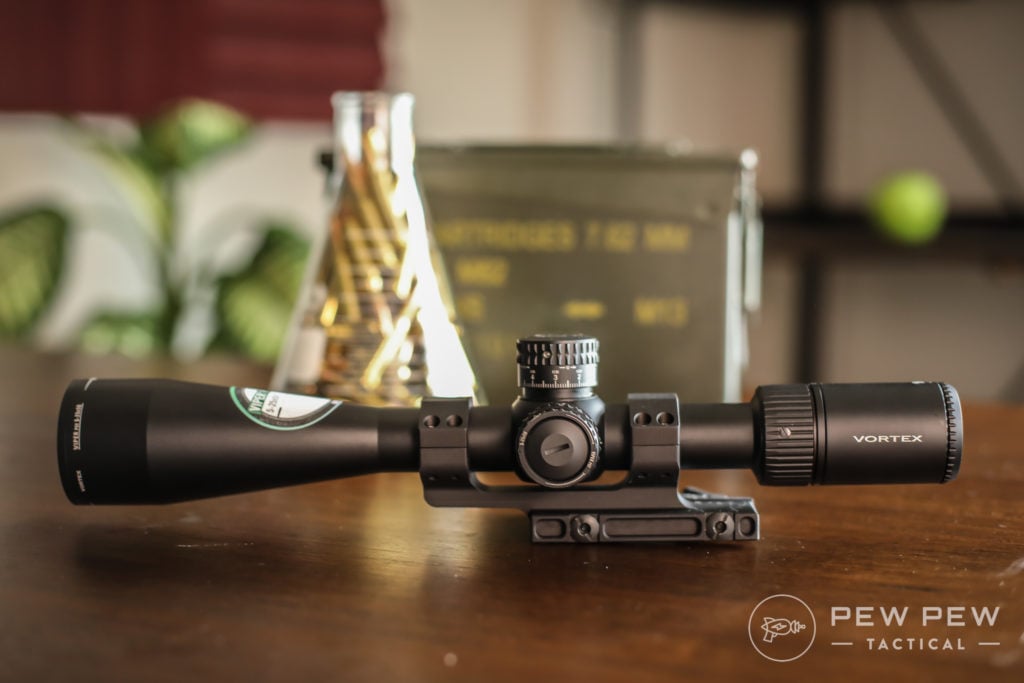
Vortex Viper PST II 5-25x

Their Viper Rings are machined from 6061-T6 aluminum and use Torx-style socket cap screws to mount your riflescope easily. They are available in both 1-inch and 30mm configurations as well.

These are very secure scope rings, and I like the opening design. Having the Torx screws at the top makes it easier to access them.

This also prevents you from overtightening on one side versus the other as you install your scope.

2. Spuhr QDP

If you are going to spend big money on a good rifle and good glass, then you need to be willing to spend the money necessary to get a good scope mount.

Scalarworks LEAP LDM
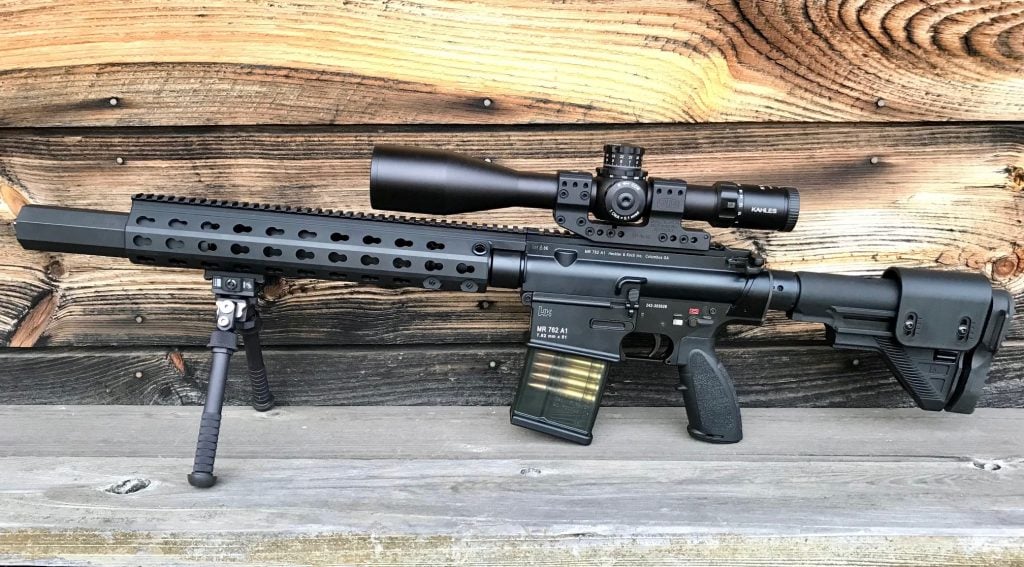
It isn’t uncommon to see Spuhr mounts on high-end rifles, such as on the HK MR 762 pictured above. (Photo: HKPRO)

A long-range rifle is often high-powered; to maximize the range, you’ll need a powerful optic, which often means a heavy optic. High recoil and a heavy optic require you to have a robust scope mount.

You don’t get any more robust than the Spuhr mounts. Specifically, the Spuhr QDP series, which I think is one of the best mounts on the planet.

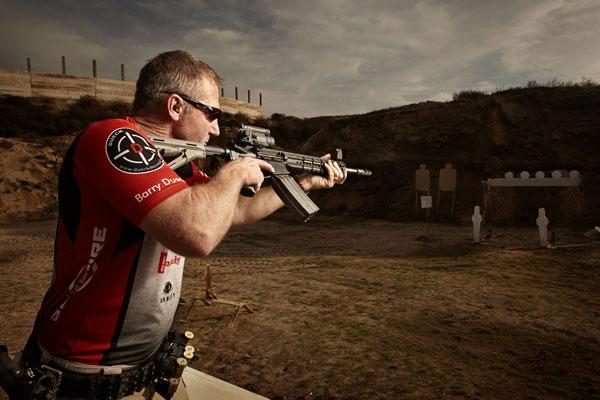
Barry Dueck of Dueck Defense
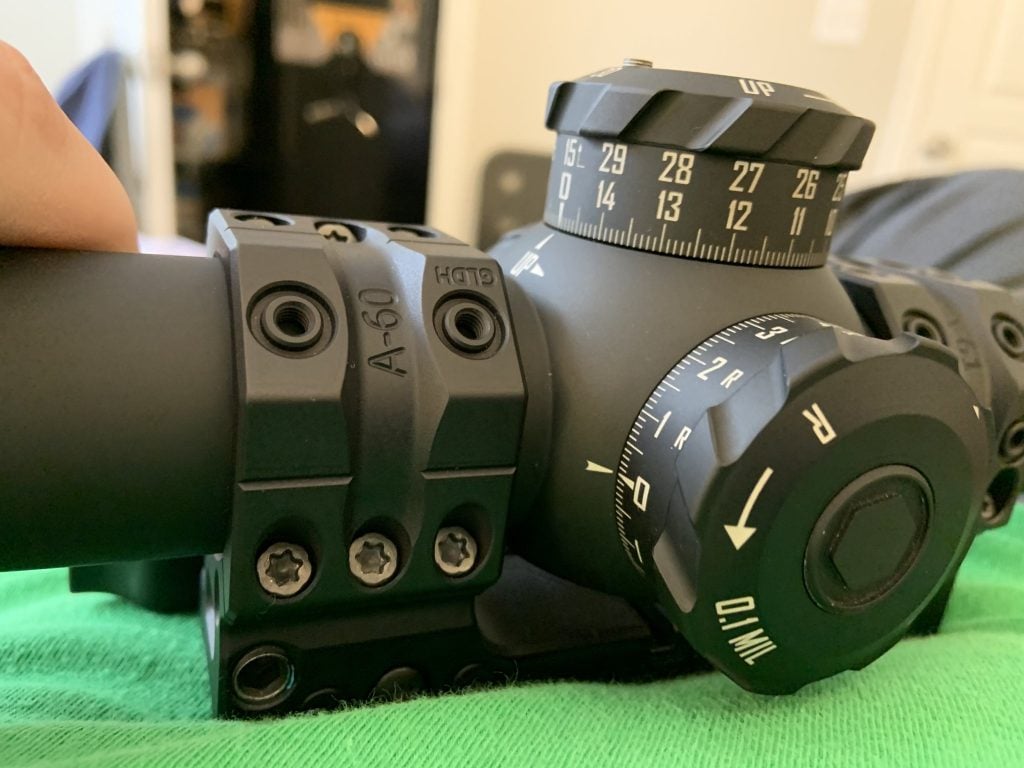
With all those screws, this mount isn’t going anywhere. (Photo: Sniper’s Hide)

The QDP line features a quick detach lever system. I love a good QD system, and the Spuhr setup locks the thing down and keeps it locked in place without issue. You don’t have any kind of movement when you shoot at extreme ranges.

These mounts come in both straight and cantilever styles with a rock-solid locking system. Load it up, lock it down, and have confidence that you won’t miss what you need to hit when your optic is mounted in a Spuhr mount.

3. Aero Ultralight Mount

Aero Precision makes a lot of great stuff for the AR platform, and you can count on them to deliver something with a tremendous amount of value for the cost.

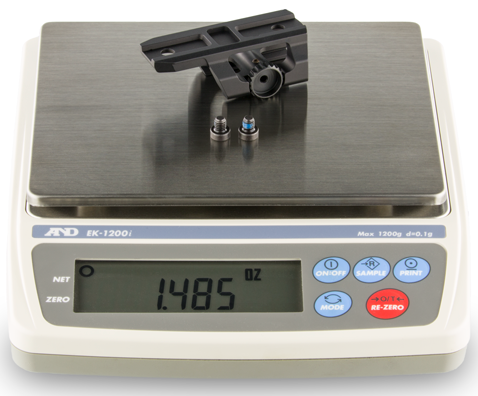
The Ultralight Mount is one of those products that provide great value. Living up to its name and weighing roughly 3.25 ounces, the Aero mount is strong enough for just about any use case and rifle combo but still light enough not to ruin your build.

What’s your take on the Aero Lightweights? Rate them below!

4. Leupold Dual Dovetail

Leupold is a famed optics and optics accessories manufacturer. The Leupold Dual Dovetail Rings are perfect for getting a low and secure mount on your dovetail-equipped rifle.

This is a simple, rugged setup that is easy to install and well-suited for hunting rifles. I appreciate the simplicity of a dovetail mount system. It’s not for everyone, and it’s a bit out of style these days, but it still works.

Leupold is undoubtedly doing their best to support dovetail set-ups and is one of the few significant players still producing dovetail bases and rings.

5. Burris AR-P.E.P.R.

Brevity doesn’t seem to be in Burris’ wheelhouse when it comes to naming optics mounts.

The AR-P.E.P.R. is a cantilever mount for modern rifles available in both standard and QD configurations.

The P.E.P.R is a solid mount if a little bit on the heavier side at 8.7 ounces. It is available in 1-inch, 30mm, and 34mm configurations.

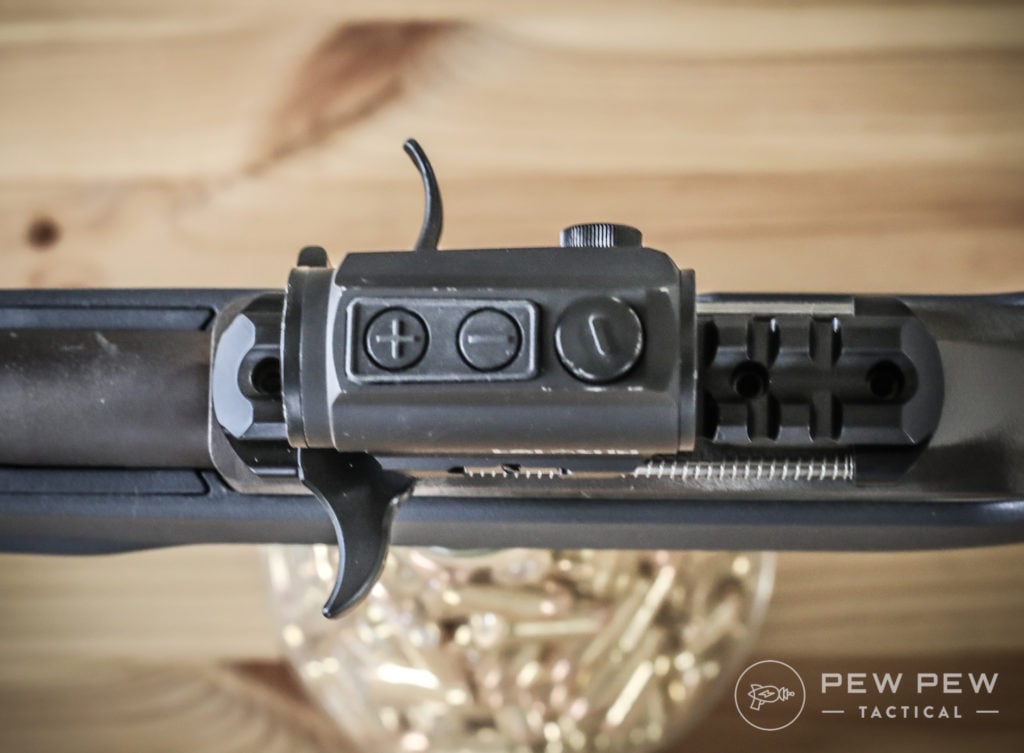
It sports two sections of Picatinny rails on the top of each ring, making it easy to attach a miniature red dot as a backup sight. The cantilever also gives you two inches of forward scope position, making it perfect for MSRs.

The Burris AR-P.E.P.R. is an excellent design and an affordable one. It’s also backed by one of the best warranties in the business.

6. Warne QD rings

For quality QD rings, look no further than Warne. Like the Vortex rings, the screws are at the top, making it easier to take apart and install an optic.

The QD aspect is a simple large throw lever. It’s easy to reach and grip, even with an optic sitting right over it. The Warne rings come in 1-inch and 30mm models for both Picatinny rails and dovetail bases.

The rings also come in low, medium, and high heights. The lever is also indexable, which means you can position it where you need and want it for easy removal.

Warne has long been known for their precision machining and solid build quality. For the money, they are hard to beat.

7. Scalarworks LEAP Mounts

When it comes to red dot mounts, it’s tough to beat Scalarworks. They produce some top-tier stuff, and as a shotgun nerd, I love the Sync mount system, and for rifles, it’s going to be tough to be the LEAP mounts.

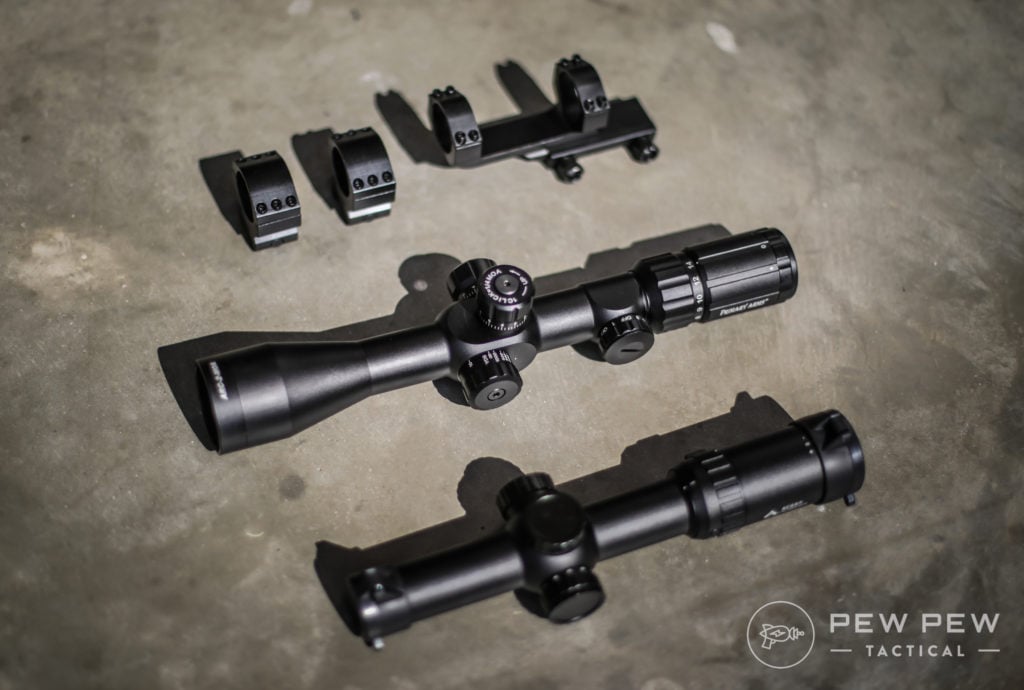
Primary Arms 1-6x and 4-14x with Mounts
Scalarworks LEAP LDM

These are made for specific footprints and are made in various heights. You can use optics like the Trijicon MRO, the RMR, the Aimpoint T and H series, the CompM5, the Pro, and many more with these mounts. If it’s a pro-grade optic, there is likely a LEAP mount made for it.

Height-wise, you get lower 1/3rd, absolute, and the heads-up 1.93-inch mounts available. These mounts are ultra-light and slide in under 2 ounces or so.

Scalarworks trimmed the sides to eliminate any kind of levels or bolts hanging off the mounts. Those things find a way to grab your clothing and gear and, on some platforms, provide a nice means to smash your knuckles.

The Click Drive quick detach mechanism allows for easy and smooth attachment and detachment a nice positive attachment. It’s recoil-proof, self-adjusting, and just ultimately fantastic if you want a modern red dot mount.

It’s well suited for your modern semi-auto carbine, and it’s a professional grade mount with a professional grade purpose.

8. Dueck Defense RBU

Replacing your rear sight with an optic mounting plate can be tricky. It works fine for competition and plinking but can be suspect for home defense, concealed carry, and similar applications. The one rear sight replacement that defies this expectation is the Dueck Defense RBU.

Aero RECCE Optic
Barry Dueck of Dueck Defense

This is as tough as they get and provides you with a very solid mounting system that’s dependable, easy to install, and comes with a set of backup irons. It’s a plate that mounts to the rear sight channel and front and rear iron sight for co-witnessing with your red dot.

The RBU comes in several different configurations to accommodate various optic footprints. This includes Trijicon, Docter, and many more. If it’s a mainstream dot, there is probably a Dueck for it.

The design is rugged, and CNC machined from US Mill-certified bar stock. It’s nitride coated and made to last.

This isn’t a hobbyist take on mounting a red dot to your pistol. The RBUs are even compatible with the majority of RDS-compatible holsters as well.

Types of Mounts

Like everything in the firearms world, you have options. Lots and lots of options. This isn’t just options for different companies, but different options for mount designs.

The two primary choices are one-piece mounts and scope rings. Choosing between the two will depend on a few different factors.

10/22 Top View with Scopebase & Double Charging Handles
Decisions, decisions.

In some cases, it will just be a personal preference. In others, it will be based on how your rifle is set up or what you want your gun to achieve.

Let’s talk about each design…

One Piece

One-piece mounts are all the rage these days. They are simple, easy to mount and dismount, and perfect for the modern tactical rifle.

Most will require a rail base like those on flat-top AR 15s.

One-piece mounts are very rigid and robust and often built at heights that work well with modern rifles.

Best Scope Mounts & Rings for 2024
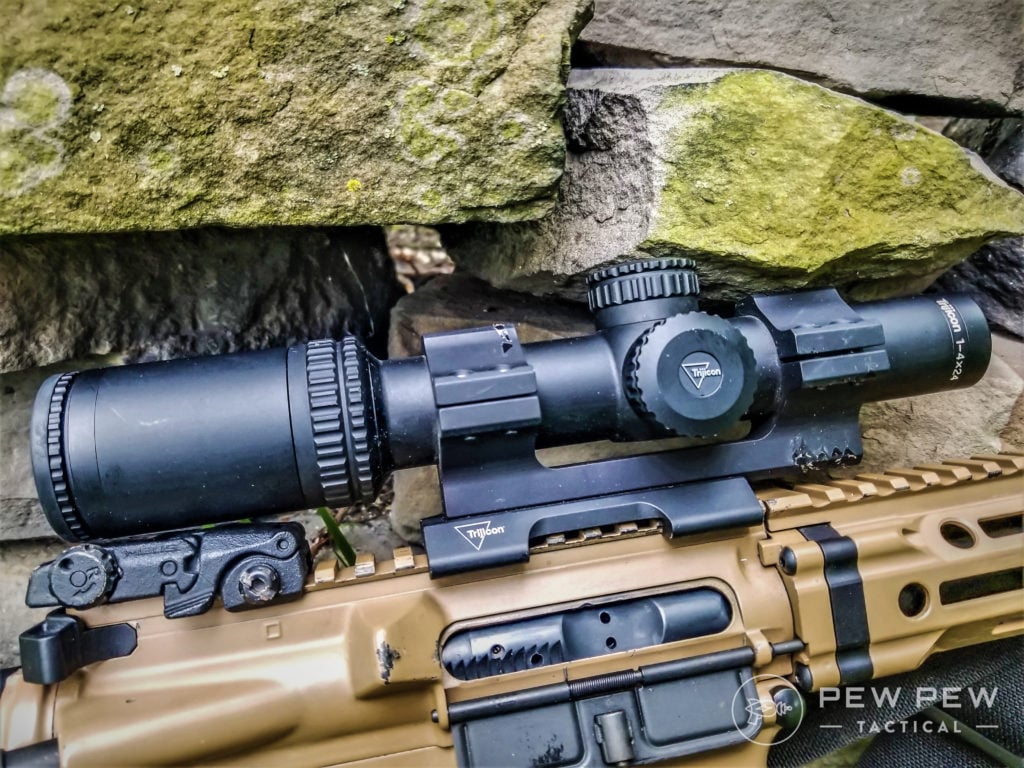
The Trijicon 1-4x Accupower in a 30mm BOBRO QD mount

One-piece mounts do tend to be heavier than rings, and if you are trying to trim ounces, these aren’t the choice for you. These mounts are best suited for semi-auto rifles, in my opinion.

Scope Rings

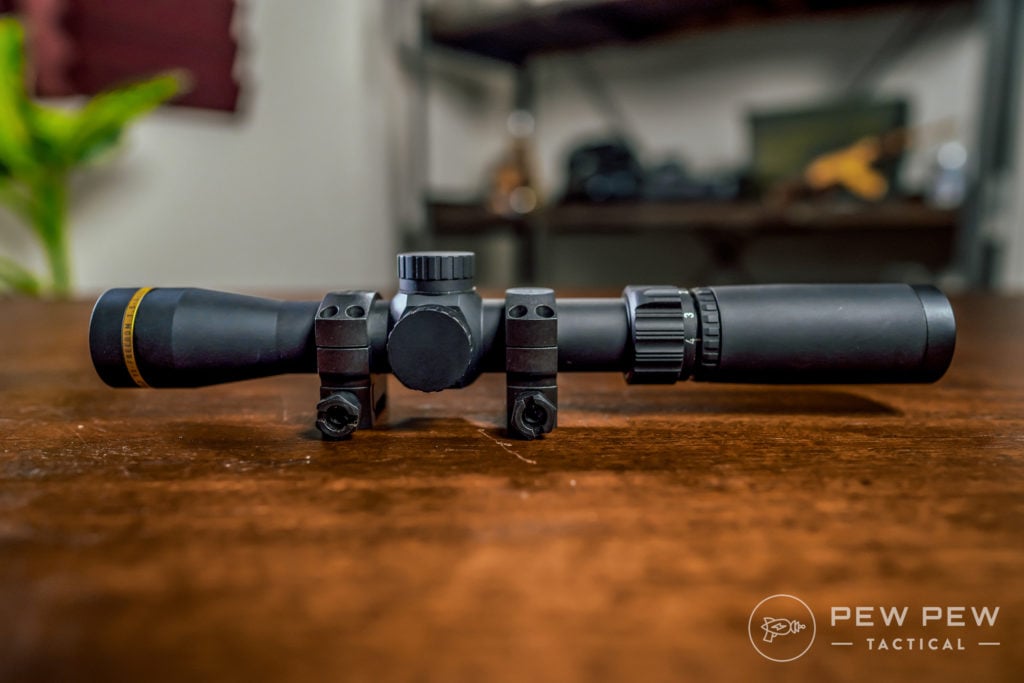
Scope rings are just that — two rings that attach to the gun, and then the scope is mounted in them. The design is simple and has worked for generations.

Best Scope Mounts & Rings for 2024
Individual scope rings have been the traditional mounting solution for over a century.

Scope rings are lighter in weight and generally a bit cheaper than most one-piece mounts when comparable quality is taken into account.

They are usually more natural to use with bolt-action rifles, as one-piece mounts can get in the way of the bolt while it is being actuated.

Compared to one-piece mounts, rings are a bit more complicated to attach and aren’t as rigid, but with a little practice, they aren’t hard to figure out.

Base Types

Not only are there different mounts, but there are different bases to which they attach. You have to match the base to the mounting system, so it’s crucial you understand the difference between the two.

Best Scope Mounts & Rings for 2024
Optics rarely attach directly to the gun itself. Bases are typically mounted to the gun and serve as the attachment point for scope mounts.

Here are a few of the most universal mounting systems.

Weaver and Picatinny

Rails, we all know them, and we all love them; they changed how we could attach accessories to guns. When it comes to optics, there are two you need to know about, Weaver and Picatinny.

There are slight dimensional differences between Picatinny and Weaver rails and bases. In most cases, rings or mounts made for Picatinny mounts will work with Weaver bases and vice versa.

However, this isn’t always the case, and it’s hard to say that specific mounts will work with particular bases if they do not match. Picatinny rails are the military standard, and Weaver is a commercial standard that predates it.

Mounts have bolts or cross-slots that fill the empty sections of these rails to keep the optic from sliding rearward with recoil and make it impossible for the scope to slip in transit or travel of any kind.

Picatinny rails are broader and deeper than Weaver rails, and this is where you may run into issues. If the mount features cross slots and bolts designed to strict Picatinny standards, it won’t fit into a Weaver base. However, Weaver mounts will fit Picatinny rails as far as I know.

Another issue is that weaver mounts may have irregularly placed slots, making mounting a one-piece difficult due to the uneven spacing. Picatinny rails always have evenly placed rails.

I suggest matching Weaver with Weaver and Picatinny with Picatinny when in doubt.

Dovetail

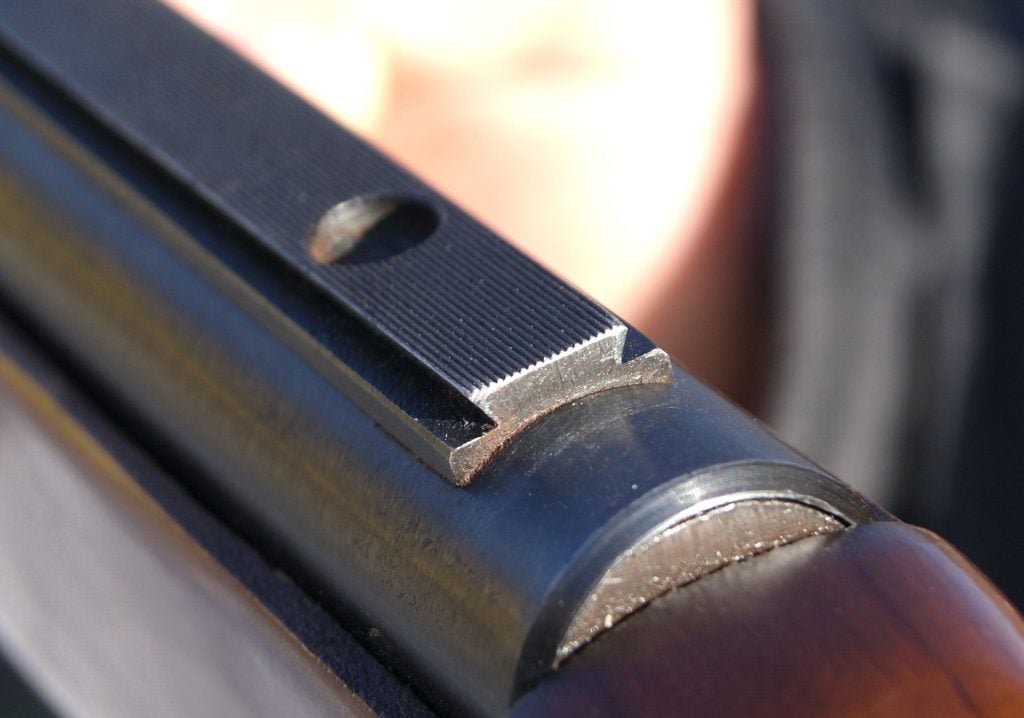
Dovetail mounts can come in different sizes and styles, but they generally refer to an inverted trapezoid (dovetail) shaped track that runs parallel to the bore. They are simple and work well.

Best Scope Mounts & Rings for 2024
Dovetail mounts are typically found on rimfire rifles, bolt-action guns, and older guns. (Photo: Wikipedia)

Another type of dovetail rail you may see is the one that utilizes a lightweight, two-piece system with a rotating locking base. You’ll see these mostly on bolt action rifles.

Some Dovetail bases will only have a forward slot, and the rear ring and base can be adjusted almost like a rear sight. This design adds extra left and right adjustment to an optic.

Dovetails are a remarkably lightweight and very sturdy system. They get the scope nice and tight to the bore of your rifle.

Integral

Integral designs are when the base and ring or mount are one solid piece. This super simple option is preferred if you want to keep things simple.

Of course, your rifle will have to be built to accept an integral mount. Many bolt actions are, but zero AR-15s are. So know that going into it.

It’s a very low-maintenance solution to the scope mounting problem.

Offset Mounts

These mounts push the scope forward. These are designed mostly for AR pattern rifles. as the gun was originally intended for carry handle iron sights.

If you mount with a traditional system, you’ll likely end up with the optic too far rearward, making it challenging to use.

An offset mount allows you to install the optic with the rings pushed forward, positioning the scope further from your eye to provide proper eye relief. This makes it much more comfortable to use powerful variable optics on an AR platform.

What About QD?

QD, or Quick Detach, systems are gaining popularity. A QD system is quick to mount and dismount and usually uses a locking throw lever design.

These systems are easy to install, and there is no worry about tightening them too little or too much.

With a QD mount, it is easy to remove an optic from a gun and retain a relative zero. It needs to be installed on the same rail position it was zeroed on to maintain the zero.

This allows you to efficiently run multiple optics on one gun. It’s easy to swap between a red dot and a variable optic with a QD mounting system or even swap between daylight and nighttime optics.

Mount Height

Typically, you want to mount your scope as low as possible without touching the barrel — this aids in keeping your adjustments accurate and getting the most out of them.

With that in mind, the size of your scope’s objective lens and barrel profile (thickness) will determine the ring height needed.

The general rule of thumb to follow with mount sight and objective lenses is:

A 40mm or smaller objective lens uses low mounts.

A 42-45mm objective lens uses a medium mount.

50mm and up will use a high scope mount.

Best Scope Mounts & Rings for 2024
Having a scope mounted as low as possible ensures a good cheek weld, which in turn promotes a repeatable sight picture and increased accuracy. (Photo: Warne)

These measurements are taken with a standard contour barrel — nothing fancy here.

Final Thoughts

The world of scope mounts is enormous, and the impact of your choices is way more significant than most people expect.

Outside of some necessities, a lot of your choices should be personal preference. This means I want to turn it over to you folks.

Do you prefer a specific style of mounting? What works for you? Let us know in the comments below! Haven’t picked out a scope yet? Check out our hands-on review of the 10 Best Rifle Scopes: All Types and Budgets!

Length of Pull: What It Is and How to Measure It

0

Achieving proper ergonomics and comfort when shooting a rifle is crucial for accuracy and overall shooting experience. One important measurement to consider is the rifle length of pull. Determining the correct length of pull ensures that the rifle fits your body size and shooting style. In this comprehensive guide, we will walk you through the step by step process of measuring the rifle length of pull accurately. Whether you are an advanced shooter or a beginner, understanding this measurement will help you achieve optimal shooting posture and control. So, let’s dive in and learn how to measure the rifle length of pull effectively.

Understanding Rifle Length of Pull

Understanding the concept of the rifle length of pull is important for every shooter. The length of pull refers to the distance from the trigger to the butt plate or end of the stock, and it plays a crucial role in achieving proper shooting mechanics and ergonomics.

One of the primary reasons why the length of pull is important is its impact on maintaining a consistent sight picture. When the length of pull is too long or too short, it can affect the alignment of your eye with the rifle’s sights or scope. A proper length of pull allows you to position your eye comfortably and consistently behind the sights. Ensuring proper sight alignment and improved accuracy.

Additionally, the length of pull influences your ability to control recoil effectively. When the length of pull is too long, it can cause the rifle to kick back forcefully into your shoulder, leading to discomfort and potential loss of control. On the other hand, if the length of pull is too short, you may experience excessive muzzle rise, making it difficult to recover quickly for follow up shots. By determining the correct length of pull, you can achieve better recoil management, enabling faster target reacquisition and improved shooting performance.

Achieving a Comfortable Shooting Position with Length of Pull

Moreover, achieving a comfortable shooting position is vital for maintaining stability and accuracy. A proper length of pull allows you to position your body in a natural and balanced posture, reducing muscle tension and fatigue during extended shooting sessions. When the rifle fits you correctly, it enhances your ability to hold the firearm steady and execute smooth trigger pulls. This, in turn, improves your shooting consistency and overall accuracy.

Understanding the significance of the rifle length of pull highlights its impact on your shooting experience. A well fitted rifle ensures better alignment of your eye with the sights or scope, improved recoil control, and enhanced shooting comfort. To achieve the optimal length of pull for your rifle, it is important to consider factors such as your body size, shooting style, and personal preferences. By measuring and adjusting the length of pull, you can customize your rifle to fit your individual needs, leading to improved shooting mechanics and increased shooting satisfaction.

Tools and Materials Needed to Measure Length of Pull

Before starting on the process of measuring the rifle length of pull, it’s important to gather the required tools and materials. Having these items at hand will ensure accurate measurements and enable you to make any necessary adjustments for optimal fit and comfort. Here are the tools you will need:

  • Measuring Tape:

A measuring tape with both metric and imperial units is ideal for precise measurements. Choose a tape that is long enough to span the distance from the trigger to the butt plate or end of the stock.

  • Non-Stretchable String or Cable:

This is an alternative to a measuring tape and can be used to measure the length of pull. Ensure that the string or cable is strong and doesn’t stretch when tension is applied.

  • Marker or Tape:

You will need a marker or tape to mark the reference point on the rifle. This will serve as a consistent starting point for accurate measurements.

By having these tools ready, you will be fully prepared to measure the length of pull on your rifle accurately. As well as proceed with any necessary adjustments to achieve the ideal fit and comfort for your shooting needs.

Measuring the Rifle Length of Pull

Now that you have gathered the necessary tools and materials, it’s time to dive into the step by step process of measuring the rifle length of pull. Each stage will be explained in detail to ensure accurate and reliable measurements. Let’s begin:

  • Preparing the Rifle:

Before starting the measurement process, it is crucial to ensure that the rifle is unloaded and in a safe condition. Remove any ammunition from the chamber and magazine, and confirm that the firearm is completely empty. Treat every firearm with the utmost respect for safety.

  • Establishing a Reference Point:

Identify a reference point on the rifle that will serve as a consistent starting point for your measurements. The center of the trigger is a commonly used reference point. Using a marker or tape, mark this reference point clearly for future reference.

  • Positioning the Rifle:

To maintain consistency throughout the measurement process, it is important to adopt the correct shooting posture and positioning. Assume a comfortable shooting stance with proper grip and shoulder placement. Ensure that the rifle is shouldered firmly and consistently for accurate measurements.

  • Measuring the Length of Pull:

Using either the measuring tape or non stretchable string, proceed to measure the distance from the reference point (center of the trigger) to the butt plate or the end of the stock. Make sure to keep the measuring tape or string taut for precise measurements. Take note of the measurement in inches or centimeters, depending on the units used by your measuring tool.

  • Analyzing the Measurement:

Once you have obtained the measurement, it is important to interpret its implications for your shooting comfort and ergonomics. A length of pull that is too short may result in a cramped shooting position and limited control. While a length of pull that is too long may lead to a stretched out posture and decreased stability. Analyze the measurement in the context of your body size, shooting style, and personal preferences. This is to determine if any adjustments are necessary.

By following these steps, you will be able to accurately measure the rifle length of pull. Remember that achieving the proper length of pull is crucial for optimal shooting comfort, control, and accuracy.

Making Adjustments to the Length of Pull

After measuring the rifle length of pull, you may find that adjustments are necessary to achieve the ideal fit for your body size and shooting style. In this section, we will explore various techniques that can be employed to modify the length of pull. It is important to note that these adjustments should be done with caution. And when in doubt, it is recommended to seek professional help or consult with experienced shooters or gunsmiths to ensure proper adjustments without compromising safety or functionality. Here are some common techniques:

  • Adding or Removing Spacers:

Many rifles have adjustable stocks that allow the addition or removal of spacers between the stock and the butt plate. Adding spacers increases the length of pull, while taking them off reduces it. By adjusting the number of spacers, you can fine tune the length of pull to suit your preferences.

  • Adjusting the Buttplate:

Adjustable butt plates on certain rifles allow you to move them horizontally or vertically. These features enable you to change the length of pull. These adjustments can be made using screws or other mechanisms provided by the manufacturer. It is important to refer to the rifle’s user manual. Or consult with a professional to understand how to make these adjustments properly.

  • Considering Aftermarket Stocks:

If the existing stock does not allow for sufficient adjustment or if you prefer a different stock design, consider investing in an aftermarket stock. Aftermarket stocks offer a wider range of customization options, including adjustable length of pull, ergonomic features, and different materials. Research and choose a manufacturer that offers stocks compatible with your rifle model.

When making adjustments to the length of pull, it is essential to prioritize safety and functionality. Make sure to follow the manufacturer’s guidelines when making modifications. Always ensure that the rifle remains in a safe and working condition. Additionally, seek the advice of professionals or experienced shooters who can provide valuable insights based on their expertise.

Remember, the goal of adjusting the length of pull is to achieve a comfortable and natural shooting position. This allows for proper sight alignment, recoil control, and overall shooting performance. Experiment with different adjustments and configurations while considering your individual preferences and shooting needs.

Additional Considerations for Length of Pull

When it comes to the rifle length of pull, there are several more considerations that should be taken into account. These factors can greatly influence the ideal length of pull for an individual shooter. Let’s explore these considerations in more detail:

  • Shooting Applications:

Different shooting applications, such as hunting, target shooting, or competitive shooting, may require varying lengths of pull. For example, hunters who frequently shoot from different positions or in dense brush may prefer a shorter length of pull for better maneuverability. Target shooters, on the other hand, may prioritize a longer length of pull to achieve a more stable shooting platform. Consider the specific shooting application and how it may impact your length of pull preference.

  • Personal Preferences:

Each shooter has unique preferences when it comes to rifle fit and comfort. Some individuals may feel more comfortable with a slightly shorter length of pull, while others may prefer a longer length. It’s important to take personal preferences into account when determining the ideal length of pull for yourself. Experiment with different lengths and observe how they affect your shooting experience and overall comfort.

  • Physical Limitations:

Individuals with physical limitations, such as limited mobility, arm length, or shoulder issues, may require specific adjustments to the length of pull. It’s essential to consider any physical limitations you may have and how they might impact your shooting mechanics and comfort. Making appropriate modifications to the length of pull can help accommodate these limitations and ensure a more enjoyable shooting experience.

  • Ergonomics and Body Size:

The ergonomics of the rifle and the shooter’s body size are crucial factors in determining the ideal length of pull. A shooter with a larger frame may require a longer length of pull to achieve proper alignment and stability, while a shooter with a smaller frame may need a shorter length. Consider your body size, including your arm length and shoulder width, when determining the ideal length of pull for your rifle.

By taking these considerations into account, you can better understand the broader context and individual nuances associated with measuring and adjusting the rifle length of pull. Remember, the goal is to find a length of pull that maximizes comfort, stability, and shooting performance for your specific needs.

Wrap Up

Throughout this guide, we have explored the concept of rifle length of pull and its importance in shooting mechanics. We have discussed the step by step process of measuring the length of pull, including preparing the rifle, establishing a reference point, positioning the rifle, and accurately measuring the distance. We have also delved into the potential need for adjustments based on the measurement results, covering techniques such as adding or removing spacers, adjusting the butt plate, or considering aftermarket stocks. Additionally, we have highlighted the significance of considering shooting applications, personal preferences, and physical limitations when determining the ideal length of pull.

By achieving the correct length of pull, you can experience enhanced shooting comfort, improved control over the firearm, and increased shooting accuracy. A proper length of pull allows you to maintain a consistent sight picture, effectively manage recoil, and achieve a comfortable shooting position. It is a fundamental aspect of rifle fit that should not be overlooked.

However, it’s important to remember that each shooter is unique, and personal preferences may vary. What works for one individual may not necessarily work for another. It is essential to experiment, seek professional guidance when needed, and ultimately find the length of pull that feels most comfortable and natural for you.

In conclusion, understanding and measuring the rifle length of pull is an essential step in optimizing your shooting experience. By following the steps outlined in this guide and considering the various factors discussed, you can achieve a well fitted rifle that promotes better shooting mechanics, comfort, and overall accuracy.

Happy shooting!

Leave a comment

Comments will be approved before showing up.

Comment *

Tooth of The Arrow Broadheads Review | Are they right for your next hunt? [Vented & Solids]

0

Tooth of the Arrow broadheads have been around for while, but I was intrigued and finally got my hands one so I could test it.

Now, Tooth of the Arrow is certainly a cool name for a broadhead, but the company also has a great perk. They are so confident that you’ll like their broadheads, that they advertise that you can get a free sample.

Now that’s guaranteed satisfaction!

You can jump straight to the testing of the Tooth Of The Arrow heads by clicking the links below:

  • Tooth Of The Arrow Vented
  • Tooth Of The Arrow Solids

Tooth Of The Arrow Broadheads | An Overview

The Tooth of the Arrow broadhead is a 4-blade head that is similar to a Slick Trick head.

Each of the blades are exactly the same cutting diameter, so it’s a true 4-blade head. It’s a little bit bigger than a Slick Trick Magnum. But, rather than being 1 and 1/8-inch cutting diameter like the Slick Trick Magnum, this is 1 and 3/16 cutting diameter. So, it makes a little bit wider hole.

For the testing, I shot 450-grain Bishop mammoth arrows, using my Bowtech SR6 which is a 27 inches and 72 pounds.

What makes this head unique is that this is machined out of a single chunk of high-carbon steel. So, there are no blades to be replaced. It’s just one solid chunk.

So, as a negative, you can’t just replace the blades and put in new sharp ones. As a positive way, it’s a pretty stout, strong design. And, with it being such high-carbon steel, it’s not too difficult to sharpen. So, it’s intriguing to see this.

I’ve spun these heads and they spin very true. They also fly well for me. I’ve not tested them at super long ranges but they do – well, I think through a well-tuned bow, they should fly well at longer ranges.

I’d heard really good things about the smaller, standard head.

But, I’ll start off by testing the XL, which intrigued me the most because I just like to make a big hole if I can! I was excited to see how it performed.

So let’s see how the Tooth of the Arrow XL did. (Further down I’ll do a head-to-head battle between the XL and the original, so check that out as well!

Vented Penetration Testing

I shot it into my broadhead box where I’ve got four layers of MDF and they’re half inch each, and two of those layers have a rubber foam layer in front to simulate hide and a little bit of soft tissue there in the beginning and the end.

Angled Shot Penetration

Next, I shot it at a 1/2-inch MDF board at a 45-degrree angle to see how it would do through that.

Durability Testing

I shot the Tooth Of The Arrow head into a 22-gauge steel plate to see how it would fare.

Cinder Block Test

The cinder block is the final test that I do with the fixed-blade heads.

I don’t do this test or the steel plate test typically with the mechanical heads, but when you’re using a fixed head, you’re typically doing so because you really want to have some structural integrity and blade strength that’s above and beyond what a mechanical can do.

So, I just like to test the limits. Not many heads hold together after hitting the cinder block. A lot of them take chunks out, but then just kind of bend or fall apart. Very few heads hold together. There have only been a few that have made it. Let’s see how the Tooth of the Arrow did.

I would say this head is amongst the top few in terms of structural integrity that I’ve tested. It’s right up there with theQAD Exodus and the Muzzy Trocar and the Trophy Taker A-TAC.

I think the only ones that may have done better are the Bishop Archery and also the Iron Will.

Man, for the price, the Tooth Of The Arrow XL is one impressive head. I have to say, I’m pleasantly surprised. I give it an A+ in all categories.

Comparing the Tooth of the Arrow Original to the XL [Broadhead Battle!]

I wanted to compare the Tooth of the Arrow Original vs the XL version.

Now, I’ve done this in some other instances, like with the Magnus, where I tested the Stinger compared Black Hornet. And in this case, I tested the two models of Tooth of the Arrow broadheads.

#ad

The Tooth of the Arrow broadheads are 100% made in the USA.

I tested these heads for long distance flight (I was able to pop a balloon at 80 yards) and I’m going to test them for edge sharpness and retention, for penetration, and for durability.

Let’s see which one prevails!

These heads have a unique feature about them, in that they keep a lot of the weight within the diameter of the arrow shaft.

Out of the box sharpness comparison

I tested the Tooth of the Arrow broadheads for out-of-the-box sharpness. The purpose is to see if they can still cut paper after a stroke of a carbon arrow shaft. Because both the Original and the XL have the same blades, I only tested one of the heads.

#ad

Penetration comparison

I tested the Tooth of the Arrow Original and the XL for penetration. My medium was ballistic gel that was fronted with a rubber mad and 1/2″ MDF board.

Durability comparison

I shot both heads into a 22-gauge steel plate 5 times to test the durability. Check out the holes these heads made in the steel plate!

The holes themselves are really what sets the Tooth of the Arrow apart. OK. Here you can see the holes from the XL. OK. They are just bit squares. They are not just like four crosses or two crosses, four little slits. They are true squares!

In the steel plate test, there are very heads that are able to punch a chunk out like that. The Exodus does it in a triangular shape. And, as you can see here, the Tooth of the Arrow does it extremely well in a 4-blade shape. So that’s going to be a really difficult hole to close up in an animal.

You can only see on one of the XL blades a little bit of cosmetic marking. I don’t even know if you can pick that up in the picture below. It’s very hard to see.

These heads have extremely impressive durability. Some of the very best that I’ve tested.

Now, I have heard some reports of people shooting them and hitting them into a big heavy bone and one of the blades bending or shearing off. That can happen with any broadhead.

There are all kinds of crazy things that can happen in the field as you hit heavy bone at different angles. But through the steel plate as you can see in the picture below, they faired extremely well.

Cinder Block Test

Let’s look at these heads and see how they did after being shot into the cinder block.

Final Thoughts On The Tooth Of The Arrow Vented Broadheads

So, what do you think of this broadhead battle, the Original versus the XL?

Each of them has their distinct strengths. In terms of overall flight, the Original flies incredibly well. It’s one of the very best flying and forgiving broadheads I’ve ever tested.

In terms of penetration, the Original penetrated much more deeply. But, in terms of hole size, man, the XL really ruled in that department, though both of them really made a nice square hole in the mediums that I shot them through.

And the winner is…

In terms of which one is the winner, really, it’s a toss-up. I have to call it a tie. I hate to do that. But, this really is a draw. It just depends on your personal setup and what you’re hunting.

If you’re going after a really big animal where penetration is the most important thing then man, the Original is the way to go. If you have a lighter setup and you’re concerned about your penetration, then the Original is the way to go.

If you are going after a really long range shot like a pronghorn or something like that that you’re going beyond 60 yards, then the Original is the way to go.

But, if you are going for a shot under 60 yards and you really want to make a nice big hole and you have the kinetic energy to drive it through, (and honestly, it really doesn’t take that much kinetic energy to drive it through), then man, the XL is the way to go. For whitetail and hog shots under 50, 60 yards, I would definitely choose this one.

What I think is the best combination is to have a few of both in your quiver. If a shot is going to be longer, then you pull out the original. If the shot is going to be shorter, use the XL. And that way, you’re ready for any situation, and honestly, any animal as well.

There are several things to consider when choosing a broadhead. These heads have it all. They are fantastic broadheads.

Great job, Tooth of the Arrow!

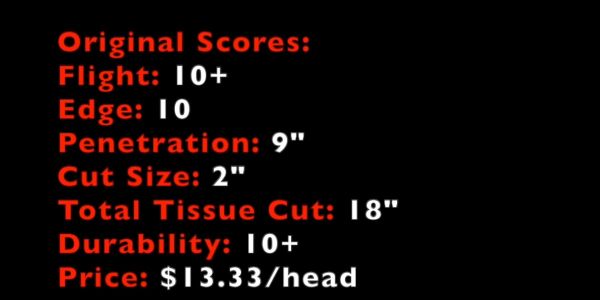
score card for tooth of the arrow original broadhead
Score card for Tooth Of The Arrow Original broadhead.
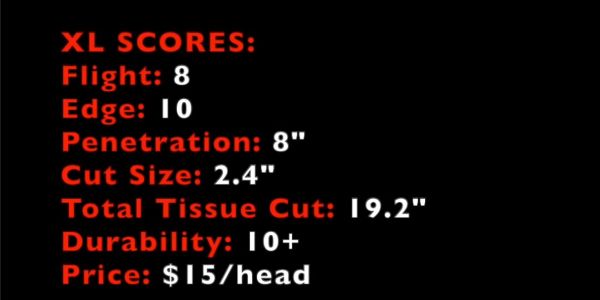
score card for tooth of the arrow XL broadhead
Score card for Tooth Of The Arrow XL original broadhead.

Tooth Of The Arrow Solid Broadheads Review

Originally, Tooth of the Arrow only made the 100-grain and 125-grain in a vented version.

But they also have a solid, non-vented version in 100-grain and 125-grain.

Interesting Ferrule Design On the Solid Version

So let’s zoom on in here and let’s check out this new Tooth of the Arrows Solids.

What’s interesting in this solid model is that most of the specifications are exactly the same as the vented model.

The overall length is the same, 0.77 inch, making them to my knowledge the shortest single piece for blade steel broadhead that there is, which is just going to aid in flight.

The blades are also the same thickness as the vented model. They are 0.040 inch thick. The blade angle is the same at 45-degree blade angle to maximize the penetration.

And so, the same short profile, the same cut size of 1 inch, and 2 inches of total cut.

#ad

Why A Solid?

So, why come out with a non-vented blade, a solid blade?

Well, many people prefer solid blades over vented blades because they do have some advantages.

One of the advantages is less noise in flight than with vented brodadheads. You have air passing through that hole and it can make whistling or a wheezing sound as it rotates and flies at really high speeds.

So, the solid heads will definitely be quieter.

In addition, a solid can be more durable because there’s not that venting that creates a thin area in the blade that could be more prone to bending or breaking than a solid one. So, that’s the primary reason for doing it.

But, I wondered how it would affect flight and penetration?

In some ways, you might think, “Well, it’s going to fly better, because with these grooves, it’s going to be more aerodynamic in flight.” But, the opposite side of that is, “well, there’s more exposed surface blade than there was in the original, because so much of that blade was covered by the ferrule.”

So, I was curious to see what the flight would be like.

And, same with the penetration. On the one hand, I can say, “well, with this groove, it might penetrate better.”

But, on the other side of that, I go, “well, I’ve noticed that there’s a really thick ferrule. It often opens up a hole for the shaft to just glide through really easily, and those broadheads penetrate more effectively than the ones with a smaller ferrule.”

So, I was really curious to see how all of these things compare.

I tested the 100-grain solid, the 125-grain solid, and for a comparative sake, I compared it to the 125-grain vented.

Initial Sharpess Test Of The Solid

#ad

Penetration Test 1 Of The Solid:

Edge Retention Test: (sharpness after Penetration Test 1) Of Solid

Penetration Test 2 Of Solid: (layered cardboard)

Durability Test Of Solid: (22 gauge steel plate, max 2 shots)

.

Durability Test of Solid: (Concrete Block)

Final Thoughts On Tooth Of The Arrow Solid Broadhead

The solid is going to be a little bit quieter in flight than the vented version and I think the blades are going to be a little bit more durable, because they have that extra support.

However, I think maybe the vented models are going to penetrate just a little bit better and you saw that in the testing. And, I think they might be a little bit more forgiving in really long range flight.

But again, that may be all within the margin of error.

There may not be differences at all in those areas because I think all of them, both the vented, the non-vented are really durable. They fly really well and they penetrate really well.

The 10 Best Raccoon Baits You Can Use

0

Raccoons are common cohabitors with humans all across North America. These large and furry critters are definitely charming, at least when they are at rest, thanks to their dusky gray fur, iconic black mask, and ringed, puffy tail.

raccoon

And those little paws that are so much like hands in their dexterity!

Precious, but these mobile mammalian miscreants have something of an unsavory reputation thanks to their propensity for breaking into trash, sheds, and even homes in search of food, even stealing it right out the bowls of our pets. The nerve of these procyons!

Unlike most other mammalian pests raccoons represent something of a challenge when it comes time to get rid of them, or relocate them.

This is due to their high intelligence, dexterity, and persistence which put most other animals to shame.

You can find hours and hours of video content on YouTube and elsewhere chronicling people’s trials and tribulations attempting to catch or otherwise dispatch these clever adversaries.

But as it turns out raccoons do have one weakness, an Achilles’ heel you might say. They love food, really love it.

Since they are so preoccupied with obtaining choice and delicious fare it is easy to manipulate raccoons into a trap or a spot where they are easy to dispatch by luring them with the right bait. In this article, we will share with you 10 foods that make ideal raccoon bait.

Know Your Enemy

Before you can set off placing bait for any animal you want to catch, it is beneficial to know a little bit about its behaviors, preferences, and food acquisition strategies.

Raccoons are absolutely voracious and vigorous pilferers of any sort of food stuff that they have access to, from the leftovers and kitchen scraps and trash cans to a bowl of dog or kitty litter left out for the family pet. Nothing seems to be safe or beyond interest for these furry thieves!

That is because raccoons are omnivorous, and indeed might be one of the most omnivorous animals on Earth.

This means that they eat a varied and mixed diet, consisting of animal, insect, and plant matter. Worms and insects are favorites as are aquatic items like crayfish.

That being said, raccoons are noted through study as developing strong individual preferences for food, and in social settings, raccoons occupying a given area will strongly gravitate towards foods typical in that area.

Urbanized raccoons will develop a fondness for human food and often pet food. Raccoons living in more remote places will eat a mixed diet of insects, worms, nuts, berries, and other natural fares.

Though they do not take larger live prey often if ever, they will happily scavenge from carcasses or found sources of animal protein.

Curiously, raccoons always show a strong preference for very moist food and even indulge in what is known as “washing” behavior when they have a water source nearby: they dip and rub their food in water before consuming it.

If you notice a strong bias towards wet, moist, and juicy food on our list below, you’ll now know why!

Raccoons are also highly motivated by scent, and that means the more fragrance that is generated the more appetizing and irresistible it will be for the raccoon in question.

This means that foods that are oily, stinky, or otherwise known for potent fragrance will be your best bet much of the time. Class dismissed, let’s get to the list.

The Best Raccoon Baits You Can Use

1. Marshmallows

Believe it or not, quite a few pest control professionals and several raccoon-catching experts will advocate the use of marshmallows for catching raccoons in suburban and urban areas.

First, these raccoons usually take up with sugary, sweet human foods pretty quickly and some folks even postulate the bright white coloring of the marshmallow catches moonlight at night when raccoons are most active, arousing their curiosity since they might mistake it for bird or reptile eggs, one of their most commonly poached food items in the wild.

If you want to try marshmallows for nabbing a raccoon lurking around your property, you should try both the small, button-sized ones and the larger, extra fluffy ones.

The raccoons might show a preference for one or the other, or they might not, but you should not underestimate how many a raccoon could eat in a short time.

You might need a backup bag to keep enticing them, and remember that raccoons are social, so they are likely to be traveling with friends!

2. Sardines

It is harder to think of a food it is more intensely, ah, flavored and more pungent than sardines.

These cans of tiny fish are definitely a love it or hate it delicacy among humans, and a surefire way to start a fight on pizza night is to include them on a pie intended for sharing.

Nonetheless, raccoons that are acclimatized to aquatic foodstuffs will find them utterly irresistible.

As mentioned above, raccoons have a preference for moist and highly odorific food and sardines check both of those boxes with big, bold red markers.

Sardines will dry out reasonably quickly when removed from their can, so consider dumping them out into a bowl or small dish that will help keep them moist.

Additionally, the larger the surface area that you can provide for their oil will only increase the loft or throw of the scent, increasing the chances that the raccoon will detect it sooner.

3. Peanut Butter

There hardly seems to be a mammal you cannot catch with peanut butter. Mice and rats love it, dogs love it, and as it turns out raccoons lose their minds for the stuff.

This is because the raccoons have always displayed a strong preference for acorns, walnuts, and other nuts throughout history and they are a staple foodstuff for wild raccoons that have not been exposed to human activity or human trash.

You can easily exploit this baked-in preference for delicious nuts by using peanut butter as bait.

Yes, I know that peanuts aren’t real nuts, but they are not analogs as far as food is concerned and are packed with protein and fat which means raccoons will love them.

Peanut butter always has an advantage as bait because it is cheap, and plentiful and the smell won’t drive you out of your mind. It is also easy to set up in or around a trap in any way that might be desired.

4. Roasted Poultry

Roasted poultry is fine raccoon bait, and smells just as appetizing to them as it does to us.

Contrary to legend, it is a vanishing rarity that a raccoon could ever catch and eat a live bird if it was even to attempt at all, though they are in veteran consumers of both bird and reptile eggs as mentioned above.

That being said, you will not find a raccoon in the land that will turn down a delicious dinner of roasted turkey or chicken.

You can use scraps of meat from your own meal, old leftovers that you were going to throw out anyway or even cold cuts from the deli counter that you heat up and slather with a little broth or gravy.

All you need to remember is that raccoons show a strong preference for wet or moist food, so don’t let it dry out and you’ll ensure that the scent stays on the wind and the raccoons will be drawn in like moths to a flame.

5. Roasted Pork

Similar to the roasted poultry entry above, there is just something about a roasted ham slice that raccoons cannot resist. And who can blame them!

Pork is fatty, salty, and delicious according to most human methods of preparation, and the same characteristics that make pork desirable to us mean it will be desirable to the masked bandits.

You have all sorts of ways to prepare pork and any one of them will do fine for raccoon catching so long as you follow the guidelines.

Scraps of pork pulled from a whole hog that has been barbecued are ideal, as are thick-cut ham steaks, something the raccoon can really sink its teeth into.

But you could use thicker dinner cut pork slices, pork chops, or even thin-sliced deli ham. Just remember to keep it moist one way or the other and it won’t be long before your guests show up.

6. Tuna

By now you probably saw the heading for this entry and nodded to yourself: “Yep, that’s good raccoon bait!”.

And you’d be right because tuna is fish, which raccoons typically love, stinky and wet and just the way they like it.

This makes tuna a triple threat for raccoons that works about as well as a mind-control spell. They cannot help themselves!

Tuna has a major advantage for catching raccoons in that typically wild raccoons as well as urbanized ones both enjoy it, so if you are ever in doubt you can head down to the grocery store or even your local corner store and grab a couple of cans.

Just make sure you get tuna that is packaged in oil, not water, if at all possible. Remember, the stinkier the better!

7. Soft Candy

Soft candies of various kinds are another good bait option for raccoons in an urban or suburban environment.

Remember that raccoons are opportunists, and there have been plenty of sweet treats pillaged by these tricky little rascals either sitting in storage, in transit or thrown out in the trash.

That means that raccoons occupying these environments have a serious sweet tooth, a sweet tooth you can exploit.

You should choose candies that are soft and easy to eat not only to make them more palatable but also to ensure that more of their scent gets on the wind.

Assuming the candy will hold up to some extra moisture, it might be a good idea to wet them gently in order to increase their fragrance, and don’t worry about it if they get caught in the rain. Raccoons never mind soggy food!

8. Fruit

Raccoons are perennial fruit eaters, of all kinds, and they especially love soft, juicy sweet fruits like watermelon, cantaloupe and pineapple.

That being said they will eat pretty much any kind of fruit, from plums and grapes to berries and apples. So long as the fruit is cut open or the raccoons can smell it they will be drawn to it.

Brightly colored fruit seems to work best but you can use anything you have on hand. Fresh fruit will work as will canned fruit, so you don’t need to be picky because raccoons sure aren’t.

That being said, make sure you keep a close eye on your bait and refresh the fruit when it starts to rot or dissolve away. Fruit more than most bait seems to do best when it is fresher.

9. Soy Sauce

Soy sauce is not a food per se but it is a condiment and therefore it is technically a food for the purposes of this list.

Regardless, it is extremely pungent and can be poured on other items to greatly increase the loft of its scent, making it a sort of “amplifier” for other baits.

This can be used with otherwise only modestly-appealing baits like bread or added to high-quality baits like roasted pork or poultry to make a dish that will be calling in raccoons from across the county.

If you are struggling to catch a raccoon with what baits you have on hand, consider adding a little shot of warmed soy sauce to it and pouring some extra on the plate or around the dish where you have placed the bait.

This will always give raccoons extra incentive to investigate the intoxicating aroma.

10. Cat/Dog Food

You should have figured this one out long before you ever thought about actually having to get around to catching the raccoon.

Most people find themselves in this situation because of chronically stolen pet food and increasing numbers of hungry, grasping little hands looking for a handout at night.

Raccoons love pet food, particularly cat and dog kibble as well as the ever-precious wet food.

You don’t need to swim uphill if you are trying to bait a raccoon that has been stealing your pet’s food.

Simply relocate some of the food into the animal trap or killzone and wait for the little mongrel to show up and collect his due.

As always, wet food generally works better but if you have dry food that’s okay, simply put out a little dish of water to go with it because apparently there is nothing raccoons love more than dipping dry pet food in a nearby bowl of water.

Conclusion

Raccoons are the half-glutton, half-gourmand of the animal world, and there is a wide variety of baits that will work wonderfully when it comes time to lure them into a diy trap or an ambush.

Read over the suggested baits we have furnished you with on this list and assess them against the environment your raccoons are in. I have no doubt that you’ll have a handful that will work wonderfully.

raccoon baits pinterest

3 Avian X Decoy Setups for Spring Success!

0

I have been hunting turkeys for 20 years now and I still have a lot to learn, but one thing I do know for sure is that turkey decoys have become a vital part of my turkey hunting success! No, you do not have to use a decoy to harvest a wild turkey, but I love to draw turkeys in close, see how they interact with the decoy and enjoy the show. The Avian X series of turkey decoys will do just that for you. I have been using Avians for the past several seasons and my harvest rate has taken a significant increase from where it was. There are many different types of decoy setups a hunter can use. Here are our 3 BEST Avian X decoy setups to help you be successful this spring!

1. Full Strut Tom/Laydown Hen Combo

This setup seems to be the most controversial of the three. Some hunters live & die by this setup and others are not fans of the full strut decoy, but if used properly and in the right situations, this is one of my favorite ways to hunt! The LCD or HDR Strutter decoy are both eye-catching and when used in open field settings can be seen from long distances. This scenario is perfect when you have observed aggressive gobbler behavior the in flock of turkeys you are hunting. Paired with the LCD Laydown Hen from Avian, this is a deadly combination. This breeding position is sure to trigger boss toms to come into the decoys for an action-packed hunt at close range.

3 Avian X Decoy Setups for Spring Success!

2. Submissive Jake

If you are hesitant to put out a strutter decoy, then try a submissive jake setup. the LCD Quarter Strut Jake makes this setup attractive to both dominant and sub-dominant gobblers. This decoy option is 15 percent smaller than a real jake. When I pair it with any of the Avian X Hen decoys, it has proven time & time again to drive gobblers wild! This option is less risky if you are worried about spooking subordinate gobblers and running them off your property. I have found this option is most successful during the early part of season when turkeys are still establishing dominance & their pecking order!

3 Avian X Decoy Setups for Spring Success!

3. Lone Hen

If I had to choose one setup to use for the rest of my hunting days, this would be it! I cannot tell you how many times I have pulled toms into range with this option. I am a conservative turkey hunter and if you want to use a decoy but are worried that a male decoy could do more harm than good, you can never go wrong with a lone feeding hen. Avian has both the LCD & HDR series versions of a feeding hen. A gobbling tom will come from hundreds of yards away to try and catch this lone hen’s attention. This feeding posture makes the hen look calm and content, which is always inviting to other turkeys. On many of my hunts, I have started with a lone feeding hen and ended up with a field full of turkeys in my lap. You can never go wrong with this one and it gets my best overall decoy setup!

Avian X has a great line of the most realistic turkey decoys on the market. Check them out today at avian-x.com!

5 Best Crossbow Targets to Improve Your Archery Skills

0

As a busy archery instructor with dozens of students, I’m always on the lookout for the best crossbow targets.

Over the years, I’ve bought dozens of targets and seen exactly how they perform on the range and in the field.

After testing everything from cheap targets that get chewed up after a few hundred bolts to premium targets that can withstand thousands of impacts, I know which targets are worth the money and which are best avoided.

To share everything I’ve learned, I decided to put together this list of what I think are the five best crossbow targets you can buy right now:

  1. Morrell Double Duty 450 FPS Target – Best overall ($83.99)
  2. Rinehart 18-1 Broadhead Target – Best for broadheads ($171.85)
  3. Morrell Yellow Jacket Field Point Target – Best portable ($71.99)
  4. Delta McKenzie Speedbag 20” Target – Best value ($44.97)
  5. GlenDel Buck 3D Archery Target – Best 3D target for hunters. ($175.99)

Curious about why I rate these targets so highly?

Keep reading to the end to find out!

1: Morrell Double Duty 450 FPS Target (Best Overall)

In first place is the Morrell Double Duty 450 FPS Target.

The Double Duty is my go-to target whenever I’m coaching students or practicing my hunting skills and, in my opinion, is the overall best crossbow target on the market today.

Here’s a quick look at some of the key features that make the Double Duty my No 1 pick.

Extreme durability

According to Morrell, the Double Duty’s ‘floating center’, which is filled with burlap and stuffing, can withstand bolts traveling at up to 450 fps (feet per second) and is durable enough to withstand thousands of bolts.

For peace of mind, the Double Duty comes with a replacement cover, increasing its lifespan even longer.

Two-finger bolt removal

Morrell is famous for claiming that bolts shot into its targets can be removed with just two fingers. Even though the Double Duty is rated for the fastest bolts, it is claimed to offer the same two-finger bolt removal as other Morrell targets.

Multi-use cube design

The Double Duty is a free-standing cube that can be flipped onto different sides depending on whether you want to practice shooting traditional bullseyes, a dartboard, the billiards game nine-ball, or even deer vitals to brush up on your hunting skills.

Based on what I’ve read online, crossbow enthusiasts seem to absolutely love the Double Duty.

It is currently rated 4.7 out of 5 stars on Amazon based on 2,687 global ratings.

Take Choche, for instance, who says the Double Duty offers easy bolt removal and can withstand thousands of bolt impacts without any issues.

My Experience With The Double Duty

I’ve owned a Double Duty for a couple of years now, and it’s by far my favorite crossbow target and is a great addition to any of the crossbows on this list of the best crossbows.

  • The Double Duty is incredibly tough and would definitely be my top recommendation for anyone with a super fast crossbow. One of my buddies shot my Double Duty with his TenPoint Nitro 505 Xero Crossbow, and it had no problem stopping the 505 fps bolt before the vanes.
  • True to Morrell’s claims, you really can remove bolts from the Double Duty with just two fingers. In fact, this target has the easiest bolt removal of any crossbow target I’ve ever tested or owned.
  • Having multiple sides to shoot at is a real plus, as I can go from shooting at traditional bullseyes to shooting at deer vitals simply by flipping the target. While shooting at the deer vitals side isn’t as immersive as shooting at a real 3D archery target, the Double Duty is far more durable and much better value.
  • My only complaint is that while the exterior is waterproof, the sun can fade the material, so it can’t really be left outside all the time. Luckily it has sturdy carrying handles and stowing it away isn’t too much of a hassle.

Priced at just $84.99 on Amazon, the Double Duty is my pick for the best overall crossbow target and is a must-have if you plan on shooting high-speed crossbows.

Click here to read more about the Morrell Double Duty 450 FPS Target and get the best price on Amazon.

2: Rinehart 18-1 Broadhead Target (Best For Broadheads)

In second place on my list of the best crossbow targets is the Rinehart 18-1 Broadhead Target.

The 18-1 is an extremely tough and durable target designed to withstand broadheads. With a 12-month warranty, it’s my pick for the best crossbow target for broadheads.

Key features

  • Extreme durability: According to Rinehart, the 18-1 is made from self-healing foam that can handle bolts traveling at more than 500 fps.
  • Lightweight and portable: With an easy-carry handle, the Rinehart is designed with portability in mind and can easily be transported between the club, the woods, or even your backyard.
  • High visibility: The 18-1’s target zones are highly visible, making shot identification very easy, even in low-light conditions.

There aren’t many broadhead-compatible crossbow targets to choose from, and the 18-1 seems extremely popular with customers.

Currently rated 4.6 out of 5 stars on Amazon based on 645 reviews, 80% of customers who purchased the 18-1 have rated it 5 stars.

Take Ben W, for instance, who claims to have shot over 3,000 bolts into his 18-1, making it the longest-lasting target he’s ever owned.

After putting in a warranty claim, he was really impressed that Rinehart sent him a replacement target.

My Experience With The 18-1

As an avid hunter, the 18-1 is my favorite target for testing new broadheads and getting my crossbow zeroed in before heading into the woods.

Here’s my honest review of how my 18-1 has performed:

  • The 18-1 is extremely durable and has excellent self-healing, especially with mechanical broadheads. Twin-blade mechanicals cause the least damage, while fixed broadheads can tear the target up more.
  • The target markings are highly visible at all times of the day. This makes it far quicker and easier to zero a crossbow, which comes in handy whenever I’m testing new broadheads.
  • Although the 18-1 has a high price tag, Rinehart does honor the 12-month warranty and will send a replacement if the target lasts less than a year.

Priced at $129.99 on Amazon, the Rinehart is my pick for the best crossbow target for broadheads.

Click here to read more about the Rinehart 18-1 Broadhead Target and get the best price on Amazon.

3: Morrell Yellow Jacket Field Point Target (Best Portable)

In third place on my list of the best crossbow targets is the Morrell Yellow Jacket Field Point Target.

Yellow Jacket targets are almost as tough and durable as my first place pick, the Double Duty, but they are much more portable.

Here are some of the features that make these crossbow-approved bag targets some of the best crossbow targets you can buy right now.

  • Long lifecycle: According to Morrell, the double-sided Yellow Jacket targets are highly weather resistant and stand up well to the elements. The material inside doesn’t degrade, and the targets are claimed to have a very long lifecycle. They also come with a replacement cover to extend the lifespan of the target when the original cover becomes too damaged.
  • High durability: Capable of stopping bolts traveling at up to 425 fps, the Yellow Jacket is ideal for all but the most powerful crossbows and is extremely tough. Morrell claims that the Yellow Jacket can withstand thousands of bolt impacts without tearing up.
  • Ease of use: Weighing just 32 pounds, the Yellow Jacket is highly portable and has grommets so it can be hung from target stands or trees. Morrell says that bolts can be removed with just two fingers, giving it great ease of use.

I’ve been happily using Yellow Jacket crossbow targets for years, but I wanted to see what others were saying about them online.

With a current rating of 4.7 out of 5 stars on Amazon, it’s safe to say that most customers seem to love Yellow Jacket targets.

Take Joshua, for example, who says his Yellow Jacket stops 125 gr. field points dead in its tracks and is extremely happy with its performance.

My Experience With The Yellow Jacket

I’ve purchased six Yellow Jackets over the years, and here are my thoughts:

  • Yellow Jackets are one of the most weather-resistant target bags I’ve ever bought. My oldest target is more than five years old and still going strong. The replacement cover really helps get years of extra life from these targets.
  • One of the best things about Yellow Jackets is how portable they are. You can hang them up, stand them against a tree, or position them at just about any angle. If I’m coaching a student at their home, I’ll throw a couple of Yellow Jackets in my truck’s bed, and off I go.
  • The only downside about Yellow Jacket targets is that pulling bolts out can be a little tougher than other targets like the Double Duty.

Priced at just $78.75, Yellow Jacket field point targets are my top pick for the most portable crossbow targets. They are durable, easy to use, and give years of reliable use.

Click here to read more about the Morrell Yellow Jacket Field Point Target and get the best price on Amazon.

4: Delta McKenzie Speedbag 20” Target (Best Value)

In fourth place on my list of the best crossbow targets is the Delta McKenzie Speedbag 20” Target.

While I’m a huge fan of Morrell’s products, I realize that not everyone wants to spend $80 on a crossbow target. That’s why the Speedbag 20 is my fourth-place pick.

In my opinion, the Speedbag 20 is a great budget-priced crossbow target that holds up well to thousands of bolt impacts.

Here are a few of its features that make it my No 4 pick for the best crossbow target.

Key features

  • Max FPS rated: Delta McKenzie says the Speedbag 20 is rated to handle the fastest-shooting crossbows.
  • Multiple targets: The dual-sided Speedbag 20 has multiple aiming points, making it suitable for novice and experienced shooters alike.
  • Weather resistant: The Speedbag 20 is highly weather resistant and offers great outdoor durability.

I own a couple of Speedbag 20s and know firsthand how great they are. From what I’ve read online, customers seem to love them too.

Currently rated 4.5 out of 5 stars on Amazon based on 34 global ratings, the Speedbag 20 seems to be extremely popular with other crossbow owners.

Bretty says the Speedbag 20 is a solid crossbow target that has stopped every bolt he’s tried. He recommends the target for anyone looking for a budget-friendly target with great stopping power.

My Experience with the Speedbag 20

After shooting thousands of bolts at my Speedbag 20s over the years, here’s my honest assessment of how they perform:

  • Delta McKenzie’s claim about the Speedbag 20s being ‘Max FPS’ rated is definitely justified. It has absolutely no trouble stopping 400+ fps bolts from any crossbow and comfortably stops 450 fps bolts from my Ravin R29X Predator.
  • I love how portable the Speedbag 20s are and often use them when I’m coaching a client at their home.
  • My only complaint about the Speedbags is they aren’t as weather resistant as the Yellow Jackets, so I don’t recommend leaving them outside.

Overall, the Speedbag 20 is an excellent budget-priced crossbow target that holds up well and should provide years of happy use.

Click here to learn more about the Delta McKenzie Speedbag 20” Target and get the best price on Amazon.

5: GlenDel Buck 3D Archery Target (Best 3D Target For Hunters)

In fifth place on my list of the best crossbow targets is the GlenDel Buck 3D Archery Target with Replaceable Insert Core.

I love 3D archery and have tested a number of 3D targets over the years. In my opinion, GlenDel makes the best one, and it’s my top pick for the best 3D archery target for crossbow hunters.

Here’s why I rate the GlenDel so highly.

Key Features

  • Realistic hunting practice:GlenDel’s 3D deer target is approximately the same size as a 200lb buck, making it extremely realistic for target practice. Standing 34” at shoulder height, it’s great for honing your skills as you prepare to drop a monster buck.
  • Long target life: Made in the U.S.A. using PolyFusion Technology, GlenDel claims that its target can withstand thousands of bolt impacts. The replaceable four-sided insert core can easily be replaced when they reach the end of its lifespan.
  • High maneuverability: The head and antlers are fully removable, making the target much easier to transport and position in the field.

I’ve had a GlenDel 3D deer target as part of my range for more than two years and am extremely happy. Looking online, it seems most other owners are similarly impressed.

The target is rated 4.4 out of 5 on Amazon based on 1,609 global ratings, and 71% of reviewers gave it the top score.

Marcus says his 3D target is impressively sturdy and has held up well after 100 arrows. He says the arrows are easy to pull out and recommends this target to anyone looking for a realistic hunting target.

The 7 Best Hunting Clothing Brands

0

Whether you are hunting a cool fall morning or hunting a severe and brutal winter, you don’t have to worry about that as a hunter. Instead, make every effort you can to choose the best hunting clothing for your hunting conditions.

There is no limit to the number of players in the marketplace when it comes to hunting clothing. However, for any serious hunters out there. When it comes to quality, there are only a few hunting clothing brands that are worth their weight in gold.

We’ve covered the Top 7 Hunting Clothing Brands (In Our Opinion – Which is all that counts, right?)

Full Disclosure: Some of the links below may be affiliate links. If you follow an affiliate link and end up making a purchase, we may receive a small commission at no extra cost to you.

1. KUIU

When it comes to hunting gear, no brand has garnered as much popularity and recognition in recent years as KUIU. Renowned for its extensive range of cutting-edge equipment, including high-performance clothing, durable packs, and a diverse selection of accessories, KUIU stands out from the competition.

KUIU’s unwavering commitment to unparalleled quality and innovation sets it apart. With advanced materials and state-of-the-art manufacturing techniques, their gear exceeds industry standards. Their exceptional clothing ensures optimal performance, from temperature-regulating base layers to waterproof outer shells. Additionally, KUIU offers reliable packs and a comprehensive range of accessories to enhance your hunting experience. With KUIU, you not only get superior gear but also exceptional customer service from a team of knowledgeable experts.

What Sets KUIU Apart From Its Competitors?

KUIU’s top technology lies in its innovative use of Toray fabric. This high-performance material, developed in collaboration with the renowned Japanese textile manufacturer Toray, sets KUIU gear apart. The Toray fabric offers exceptional durability, lightweight comfort, impressive breathability, moisture-wicking capabilities, and wind resistance.

It also provides excellent water repellency, ensuring hunters stay dry and comfortable in wet environments. By incorporating Toray fabric, KUIU enhances the overall performance, mobility, and endurance of their gear, allowing hunters to focus on the thrill of the hunt with confidence.

Shop for all your KUIU clothing needs today!

2. Sitka

Sitka has to be one of the most well-known and most talked about hunting clothing brands around the world. They’ve been in the hunting clothing business for many years and have clothed some of the best well-known hunters in the world.

Whether you’re an experienced hunter with years of hunting to your credit or just starting to really get into the hunting spirit, one thing that every hunter knows is the importance of having all the necessary hunting gear, and the right hunting clothing for the hunting conditions you may face.

We all know that the right pair of hunting pants, and the right hunting jacket will get us through any weather condition we might encounter. There’s also no doubt that a solid comfortable pair of hunting boots are necessary for a successful hunt, so knowing the top hunting clothing brands are a key to having an enjoyable and successful hunting trip.

What Sets Sitka Apart From Its Competitors?

SITKA Gear understands the value of technology and how to use it to benefit the hunters their brand serves.

Sitka Hunting Clothing is made to withstand the toughest hunting conditions. That’s why they choose to employ such technologies as, GORE-TEX®, GORE-TEX INFINIUM with WINDSTOPPER®, Polygiene and PrimaLoft®. These high-tech materials allow them to provide hunters with only the best hunting apparel on the market today.

Shop for all your Sitka Gear clothing needs today!

3. Drake Waterfowl

Drake is another hunting clothing brand that has created a wide variety of hunting gear that is very popular with duck hunters. However, Drake Waterfowl hunting clothing is fast becoming a favorite with big game hunters. Drake Waterfowl offers everything a hunter could need ranging from hunting clothing, to hunting bags, and even hunting accessories.

What Sets Drake Apart From Its Competitors?

One very unique thing about Drake Waterfowl hunting clothing is that they produce a variety of different hunting clothes series, each hunting clothes series has been created to address the special hunting conditions and circumstances the hunter might find themselves in while hunting.

For example, Drake hunting clothing has a full line-up of hunting jackets, vests, hunting pants, duck waders, and hoodies. All of their hunting clothing uses a lot of different fabrics with different camouflage patterns that will provide a hunter with full concealment, weather protection, and temperature regulation. All of which is very important for a comfortable and successful hunt.

Shop for all your Drake Waterfowl clothing needs today!

4. Kryptek Hunting Clothing

Kryptek is a hunting clothing brand based in the USA and specializes in producing very tactical clothing for hunters. It was also one of the first brands to earn the title of top hunting gear brand in the world.

Kryptek employs military-grade features in their hunting clothing and is the perfect way to really distinguish yourself from other hunters by sporting a top hunting clothing brand.

Kryptek features military-style camouflage patterns, and other features that can provide maximum stealth and concealment for hunters. The features of Kryptek hunting clothes help hunters not only blend into their surroundings, but it’s nearly one step away from allowing them to totally disappear.

What Sets Kryptek Apart From Its Competitors?

Hands down its Kryptek’s micro and macro layering camo design technology, which creates a camo pattern that provides a unique 3-D appearance to the hunting clothing. Creating a unique camo pattern can be done in many ways, but Kryptek has come up with the best and most effective way to do so.

Kryptek was founded by a great group of fellas with a long history of military experience. The group at Kryptek took what they learned from actively engaging in some of the most hostile combat environments. Then tailored what they learned and the knowledge from those experiences into a proven tactical camo pattern, tested it with top military professionals and hunters. Then built that into every aspect of their hunting clothing to perform in all potential hunting environments. Making for one of the best hunting clothing brands around the globe.

Shop for all your Krptek clothing needs today!

5. Banded

If you are a waterfowl hunter there is no doubt that you have heard of the hunting clothing brand, Banded. Banded is one of the most well-known and top-notch hunting clothing brands within the waterfowl hunting space.

Banded hunting clothing not only combines comfort. But also, high performance, too. Banded offers a delicate blend of high-performance fabric and technology features in their hunting clothing. This makes owning and buying their hunting clothing a great idea.

What Sets Banded Apart From Its Competitors?

Banded has already earned its reputation, as the world leader in quality duck hunting apparel. But now the hunting brand is shaking things up in the deer hunting space, as well. With the creation of its ultra-lightweight hunting clothing line. Banded ultra-lightweight hunting clothing offers spring turkey hunters, and early season deer hunters with a quality clothing experience. The clothing line was created for those warmer early-season hunts that many other hunting brands fall short to address.

The Banded ultra-lightweight series was designed with spring and warm weather hunting seasons in mind. The durable poly blend fabric of the hunting clothing is breathable and has a 4-way stretch for easy movement. Banded hunting clothing also features dual layers that were added to protect hunters from early morning dew.

Shop for all your Banded clothing needs today!

6. Mossy Oak Camo

Since 1986, Mossy Oak has been a forerunner and trendsetting in the hunting community and one of the best hunting camo brand among hunters near and far. Over the years Mossy Oak has created literally dozens of unique, industry-leading camo hunting patterns that closely resemble the natural environment and seamlessly blend hunters into their surroundings better than any camouflage in history.

What Sets Mossy Oak Apart From Its Competitors?

Powered by advanced photorealistic 3D imagery, cutting-edge concealment technologies and the most effective designs for every species and season, they’re proven in the field by three decades of successful hunts — and by millions of loyal hunters.

Mossy Oak has become the number one camouflage pattern in America by being consistently innovative and introducing new patterns that are always a surprise and a hit. Furthermore, it’s highly touted as the best hunting clothing for the money.

From camo prints, tactical camos, outdoor camo styles for hunting clothing, to even casual clothing styles for work and field. Mossy Oak makes camouflage a statement with camouflage clothing for all seasons, all occasions, and all lifestyles.

Shop for all your Mossy Oak clothing needs today!

7. Badlands

If you’re a hunter that is always looking for a cutting-edge hunting clothing brand that likes to push the envelope – Badlands is the right choice! Badlands hunting clothing offers a great balance of technology, performance, and quality that other hunting clothing brands try to live up to. Ensuring that customers are 100% satisfied is the number one priority of Badlands.

What Sets Badlands Apart From Its Competitors?

Badlands hunting clothing offers a decent selection of men’s hunting clothing ranging from hunting jackets, hunting pants & bibs along with lifestyle apparel such as hoodies, tee shirts, hats, and more.

Badlands has some special selections of camo patterns in their hunting clothing lineup. Such camo patterns include their Approach and Approach FX. Hunting clothing can be found in these camo patterns under their Whitetail, Big Game, Turkey, and Upland Collections.

Badlands hunting clothing uses something they call, “Adaptive Coloration” in their hunting camo patterns. Their Approach and Approach FX camouflage patterns are made up of neutral colors, so they can adapt to a variety of different terrains and weather conditions.

Badlands Approach and Approach FX camo patterns use pattern design and coloration technology which allows their camo patterns to seamlessly blend into the natural surroundings – which makes Badlands camo deadly!

Shop for all your Badlands clothing needs today!

In Conclusion

Hunting is not just about the thrill of a hunt, but also how you dress for it. The right hunting clothes can make all the difference in your hunting success and enjoyment.

If you follow the advice given, we guarantee that every hunting trip you go on will find you dressed for hunting success. So, now move forward, select your new hunting clothing and go hunting!

Read more about Best Hunting Boot Brands if you have a free second!

How to Catch a Squirrel?

0

As someone who’s spent countless hours in the great outdoors, I’ve learned that understanding wildlife behavior is key to any successful interaction with nature. Today, we’re diving deep into the art and science of catching squirrels – whether you’re dealing with a backyard nuisance or trying to protect your campsite from these clever critters.

The Basics: Understanding Your Quarry

Before we get into the nitty-gritty of squirrel catching, let’s understand what we’re dealing with. Squirrels are some of the most adaptable and intelligent creatures in our forests and urban environments. They’re:

  • Highly agile
  • Excellent problem solvers
  • Active primarily during daylight hours
  • Territorial
  • Naturally curious
  • Opportunistic feeders

This combination of traits makes them both challenging and rewarding to catch, requiring a mix of patience, strategy, and understanding.

(For more on the best air rifle for squirrels, see this post)

Essential Equipment

Let’s start with what you’ll need in your squirrel-catching toolkit:

Primary Equipment:

  1. Live Cage Traps (16″ × 5″ × 5″ minimum)
  2. Heavy-duty work gloves
  3. HEPA filter mask (for attic work)
  4. Protective eyewear
  5. Sturdy footwear

Optional but Useful:

  • Trail cameras for monitoring
  • Bait stations
  • One-way exclusion doors
  • Repeating live traps
  • Transport containers

Location, Location, Location: Where to Set Your Traps

Success in squirrel catching often comes down to proper trap placement. Here’s what I’ve learned through years of experience:

Best Outdoor Locations:

  1. Near established squirrel paths
  2. Along fence lines
  3. Near bird feeders (if attempting to relocate problem squirrels)
  4. Base of frequently visited trees
  5. Near known food sources

Rooftop and Structure Placement:

  • Near entry/exit points
  • Along commonly used routes
  • Near evident damage areas
  • On stable, flat surfaces

The Art of Baiting

Your choice of bait can make or break your success. Here’s my tried-and-true baiting strategy:

Top Bait Choices:

  1. Peanut Butter
    • High success rate
    • Strong aroma
    • Stays fresh longer
    • Difficult to steal without triggering trap
  2. Whole Peanuts
    • Natural food source
    • Creates interest trail
    • Visible from a distance
    • Attractive to squirrels
  3. Fresh Oranges
    • Excellent for dehydrated squirrels
    • Natural sugar attraction
    • Water content appeal
    • Seasonal effectiveness

Baiting Technique:

  1. Create a trail leading to the trap
  2. Place small amounts before the trigger plate
  3. Put main bait portion behind the trigger
  4. Refresh bait daily for best results

Timing Your Trapping

Understanding squirrel behavior patterns is crucial for successful trapping:

Peak Activity Times:

  • Early morning (first 2-3 hours after sunrise)
  • Late afternoon (2-3 hours before sunset)
  • Clear, mild weather days
  • After rain when food is scarce

Seasonal Considerations:

  • Spring: Breeding season, increased activity
  • Summer: Regular feeding patterns
  • Fall: Food gathering, highest activity
  • Winter: Focused on stored food locations

The Catching Process

Let’s break down the actual catching process step by step:

Pre-Trapping:

  1. Monitor squirrel activity
  2. Identify primary routes
  3. Set up and test traps without setting them
  4. Pre-bait area for 2-3 days

Active Trapping:

  1. Set traps during peak activity times
  2. Check traps at least daily
  3. Maintain fresh bait
  4. Monitor for non-target animals

Post-Capture:

  1. Approach trapped squirrel calmly
  2. Cover trap with light cloth if needed
  3. Transport carefully
  4. Release in appropriate habitat

Safe Release Practices

Contrary to old wisdom about distant relocation, modern practice suggests:

Release Guidelines:

  • Stay within the local area
  • Choose similar habitat
  • Ensure food and water sources
  • Release during daylight hours
  • Avoid extreme weather conditions

Troubleshooting Common Problems

Even experienced outdoors people encounter challenges. Here are solutions to common issues:

Trap-Shy Squirrels:

  • Change bait types
  • Move trap location
  • Pre-bait longer
  • Use multiple traps
  • Try different trap sizes

Weather Issues:

  • Protect traps from elements
  • Adjust for seasonal changes
  • Monitor more frequently in extreme weather
  • Consider timing with weather patterns

Prevention Techniques

The best solution is often prevention. Here are my top prevention strategies:

Natural Deterrents:

  1. Motion-activated sprinklers
  2. Peppermint oil applications
  3. Physical barriers
  4. Habitat modification

Long-term Solutions:

  • Regular property maintenance
  • Food source management
  • Tree trimming
  • Entry point sealing

Safety First: Important Precautions

Safety should always be your primary concern:

Personal Safety:

  • Wear appropriate protective gear
  • Use proper lifting techniques
  • Maintain safe distances
  • Work with a partner when possible

Animal Safety:

  • Check traps regularly
  • Provide shelter from elements
  • Avoid extreme temperatures
  • Ensure humane handling

When to Call a Professional

Know your limits. Consider professional help when:

  • Dealing with multiple squirrels
  • Facing complex structural issues
  • Encountering mother/baby situations
  • Experiencing repeated failures
  • Working in dangerous locations

Legal and Ethical Considerations

Before starting any squirrel catching project:

  • Check local wildlife regulations
  • Obtain necessary permits
  • Understand relocation restrictions
  • Follow humane treatment guidelines

Advanced Techniques for Experienced Handlers

For those with experience, consider these advanced methods:

One-Way Exclusion Systems:

  • Custom door installations
  • Multiple-point systems
  • Monitoring cameras
  • Integrated prevention

Repeating Live Traps:

  • Strategic placement
  • Multiple-catch capabilities
  • Maintenance requirements
  • Monitoring protocols

The Impact on Local Ecosystems

Remember that squirrels play a role in their ecosystem:

  • Seed dispersal
  • Predator-prey relationships
  • Forest regeneration
  • Biodiversity maintenance

Conclusion: The Responsible Approach

Successful squirrel catching requires a blend of knowledge, patience, and respect for wildlife. Whether you’re protecting your property or managing a wilderness area, remember that these creatures play a vital role in our ecosystem. The goal should always be to solve human-wildlife conflicts while ensuring the animals’ wellbeing.

Best Air Rifle Deals

Popular Posts

Air Gun 101: How many types of Air Gun Sights are there and which...

0
The former American president, Joe Biden, was recently quoted saying: If you need more than ten rounds to hunt, you better stop that business and...

Pump Air Rifles vs Break Barrel

0
Exploring the Pros and Cons: Pump Air Rifle vs Break Barrel - Unveiling the key differences and advantages between two popular air rifle mechanisms....

Master Small Game Hunting with an Air Rifle: Tips and Techniques

0
"Experience the thrill of small game hunting with an air rifle! Embark on a captivating journey as you test your accuracy and precision in...