Home Blog Page 110

Sonar for Slabs- Tech Done Right, by Ed Mashburn

0

Good sonar units can make the difference between fish in the boat and just a boat ride. (Photo: John Phillips)

Sonar for Slabs- Tech Done Right, by Ed Mashburn

Setting up and using sonar fish finders properly is important elements of good crappie fishing.

Of all the tools used by crappie anglers, probably no other modern development has made more fish come over the side of the boat than sonar fish finders. These amazing little black boxes can help anglers find crappie that would otherwise be completely passed over. These electronic marvels show the angler what lies below the surface with remarkable detail and clarity.

But just because a crappie angler buys a sonar unit and plugs it in, that doesn’t guarantee best results. Like most fishing tools, sonar fish finders can be used well or poorly, and most crappie anglers can improve their fishing performance with their fish finders.

Help from an Expert

Tony Adams fishes for crappie a lot both as a guide and for his own enjoyment in the lakes of eastern Alabama. A vital part of his crappie fishing success comes from his use of technology- the sonar fish finder.

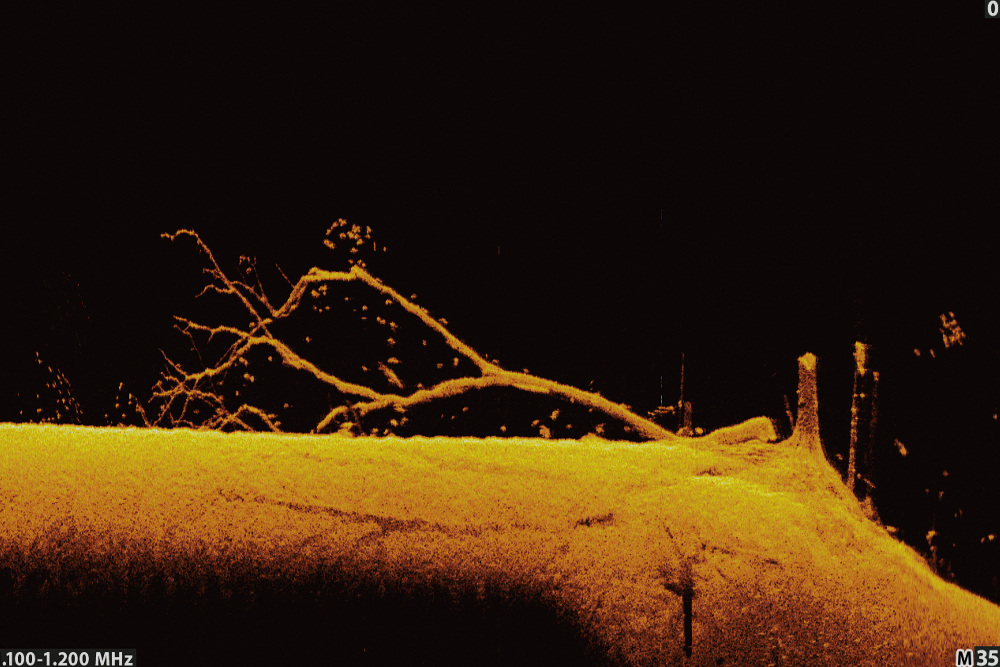
Modern sonar units with a down imaging view reveal extreme structure and fish details. (Photo: John Phillips)

Adams says, “My best advice to anyone wanting to use electronics to catch more crappie is to invest in a quality product with good imaging. I highly recommend Humminbird products, especially the Helix 12.”

Of course, the latest craze among hardcore crappie anglers is the Garmin Panoptix LiveScope outlined in another article in this issue [HOTLINK TO FRAZEE LIVESCOPE ARTICLE]. Lowrance also offers many comparable units to the Helix as well as their version of the Garmin LiveScope called Livesight.

Adams says, “I’m using the Helix12 and I find it’s great for locating crappie. It has a large 12-inch screen that’s easy to see. It is hard to see crappie on the small screens.”

The Helix 12 is almost as expensive as the Garmin LiveScope, depending upon the whistles and bells you include. However smaller Helix units, such as the Helix 7, are available for just a few hundred dollars.

“The Helix has great side-imaging which helps to find the structure and the crappie. After finding the structure, I use the down-imaging to get a better look at the fish. The Helix 12 has all the features you will need to find crappie, and I often use the mapping and boat navigation features of the unit. The only feature I pass on is the 360 imaging, but others may find that feature handy.”

Modification to Factory Settings

Standard sonar views (left) don’t always show good definition or detail to tell the difference between bottom structure and fish. However, units with good down imaging (right) reveal more detail allowing an angler to tell the difference between structure and fish. (Photo: Ed Mashburn)

Anglers often find that the settings of any fish finder unit out of the box may not be the optimum for finding crappie. Some units can be more difficult to adjust, and anglers need to investigate the ease of making setting changes before purchase.

“The setup and adjustment of the Humminbird unit is easy, said Adams. “The changes I’ve made to the factory settings is to adjust the sensitivity and contrasts. I set this unit’s sensitivity at 10 and Contrast at 19. I put my down sensitivity at 12 and DI contrast at 10.”

By making changes to suit particular anglers and waters, crappie anglers can maximize the performance of any sonar fish finder.

How He Uses the Unit

Crappie anglers searching for the best concentrations of crappie need to know what they’re looking for. It’s a busy world down under the surface of the water, and there are lots of things which can confuse both a fish finder and an angler. It takes some time and experience to fully understand or interpret exactly what the screen is showing, and most crappie anglers new to the sonar game experience some confusion at the start.

My best advice to anyone wanting to use electronics to catch more crappie is to invest in a quality product with good imaging.

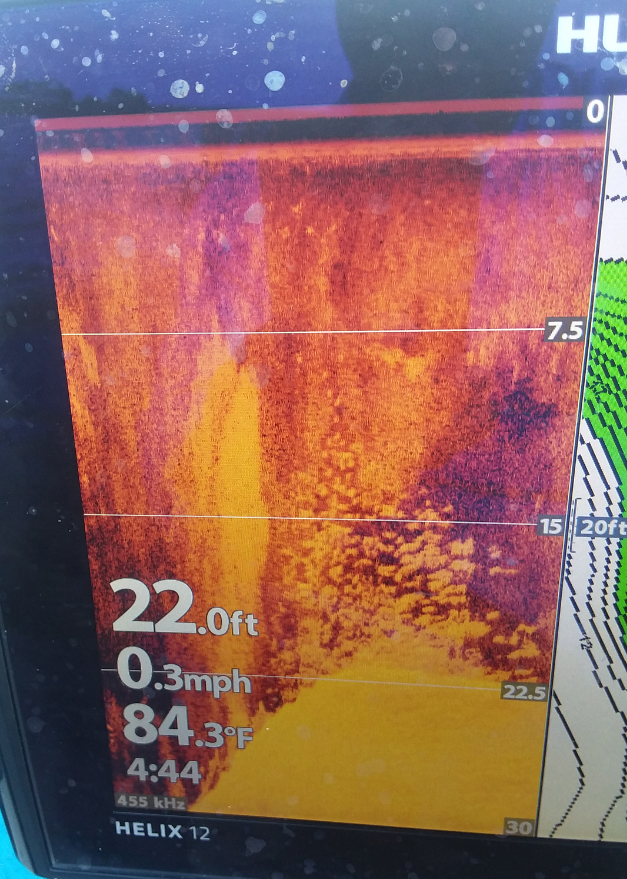
Adams says, “When searching for good crappie concentrations, I look for clusters of dots or specks on the screen gathered in and around the structure. After finding the structure with side imaging, I go to down imaging for a better look at the depth of the fish.”

Crappie themselves will often show a stronger, definite return image, and most of the time, there will be several individual returns. Crappie, after all, are schooling fish.

Bait fish are shown a “cloud” above the “22 ft.” readout. Crappie are the individual dots to the right. (Photo: Ed Mashburn)

And quite often smart anglers won’t look only for the crappie. Finding baitfish is crucial in finding crappie. Crappie will follow school of shad and other smaller baitfish, and when bait is found, the crappie will be close. But finding bait is not as easy- the individual shad for example are small and give a poor individual sonar return. But put those little shad in a big school, and there is something for the sonar to read. Adams says, “Bait fish will look like clouds and will not be as defined as the crappie.”

But when an angler finds a “cloud” return on the screen with stronger, larger “dots” around, this is a spot which demands fishing attention. When crappie are closing associated with the “cloud” of bait, they are usually feeding actively, and a bait or lure dropped to them will usually get results.

Finding structure is key with fish finder use for crappie. The structure is what holds the bait and the bait is what attract the big crappie. Adams adds, “On the structure, I look for trees, stumps, humps and ledges. That’s one reason I really like using this Humminbird unit. You will see definition of the structure with the crappie in and around it.”

For crappie anglers who would like to contact Tony Adams for a Lake Eufaula crappie trip, you will find him on Facebook or by calling 334-695-3003.

(Ed Mashburn is a retired school teacher, outdoor writer and photographer. He lives in southern Alabama, but he fishes for anything – carp and trout in Arizona, smallmouth bass and crappie in Wisconsin to snook and snapper in the Florida Keys.)

Where to Find Big Bass

0

Tom Redington travels the United States from the borders of Canada to Mexico fishing for largemouth, smallmouth and spotted bass in everything from shallow muddy rivers to crystal-clear reservoirs hundreds of feet deep.

Whether he’s running 70 mph downstream in his 21-foot Ranger boat or walking the shoreline with his 8-year-old Cub Scout son, he’s found there are key areas where bass can be located quickly.

Here are some of the top areas to search. Not all will have active fish all the time. Try a variety of these places, and you’ll hook up sooner and more consistently than by just randomly wandering about.

CURRENT BREAKS

Bass lurk around objects that block the water current. When prey struggles past while fighting the flow, bass dart out to grab an easy meal. Fallen trees, big rocks, bridge pilings, weed clumps, even garbage like an old chair — if it blocks current, bass dwell around it.

LAYDOWNS

As waves wash away the shore over the years, trees topple into lakes and rivers. Bass typically prefer horizonal cover, especially with overhead protection, and laydowns offer both. Best of all, they are easy to find and you can fish them from a boat or the shore. A small tree might hold a fish or two, while a 60-foot oak can extend out with limbs in every direction holding a whole school of fish.

RIPRAP

On lakes and rivers with soft bottoms like sand, silt or clay, crushed rock is often spread along shorelines to prevent bank erosion. This crushed rock is called “riprap,” and you commonly find it along roads and bridges that cross the water, plus around dams, marinas and homes. All the cracks and gaps in the rocks make ideal hiding and feeding places for crawdads and smaller fish — what bass call an “all-you-can-eat buffet.”

DOCKS

Again, bass love horizontal shelters that provide overhead protection. Sounds like a boat dock! Just look over the side of most any dock and you’ll see little fish swimming all around it. Hungry bass are stalking just out of sight in the shadows below.

AQUATIC VEGETATION

Lily pads, bulrushes, canes, hydrilla, weeds, grass, milfoil, cabbage … some grow up out of the water, some types grow on the surface and others stay underwater. Regardless, if it’s green and in the water, about every link the food chain will be around it. Find grass and you’ll find bass.

POINTS

A point is simply a place along the shoreline where the bank sticks out into the lake. There are two main lake points at the entrance of any creek or cove, and these are great places to try year-round. Especially in the spring and fall, shallower points along the shoreline or at the mouth of small bays or pockets can be dynamite. Some points drop very quickly into deep water, so the bass will be close to shore. Other points have a slower taper and can run hundreds of feet into the lake. Generally, bass will be shallower on points in the spring and fall, or early and late in the day. During summer and winter, especially in the middle of the day, bass hold on the deeper sections of points, anywhere from 10 to 30 feet deep (the clearer the water, the deeper the fish).

Bass Flies (21 Proven Fly Fishing Patterns That Catch Bass!)

0

I have been fly fishing for bass for 30 years, but the sheer fury with which they strike a fly still takes my breath away. I have tried every fly from Parachute Adams to eight-inch-long articulated streamers, and after 30 years I have compiled this list of my favorite flies for catching bass on a fly rod.

I loosely grouped these flies into four categories: Top Water, Subsurface, Sliders and Divers.

Below are 21 of My Favorite Flies for Catching Bass

Top Water — Poppers

Poppers are flies that sit on the surface of the water. They have earned their name because when you strip them on top of the water they make a popping sound. They can imitate everything from frogs to lizards to small mammals like mice or even birds. Bass are opportunistic and incredibly aggressive and oftentimes the strike on a popper is absolutely explosive.

1. Seaducer Double Barrel Popper

The deep double scoop moves a lot of water and produces a big pop, and that is exactly what predatory bass are looking for. A proven favorite for largemouth bass in Size 2 and smallmouth in Size 6. I would feel a little under-gunned if I didn’t have a couple of these in my fly box.

Zudbubbler Fly works like MAGIC

I was really happy with the flies I bought on Amazon. Here’s a link – Double Barrel Popper I don’t have a fly shop close by so the fast deliver worked perfect.

I’ve had great luck with yellow/chartreuse and black/white colors. They’ve proven to be super effective when the top water bite is on

These poppers tend to hang up in weeds, so accurate placement is needed with a clear retrieval path. An aggressive 6 to 10 inch strip produces an awesome pop.

Guide Pro Tip: Getting the right flies is important, but knowing how to fish them is even more important. Read 👉 How to Catch Bass with Poppers

2. Zudbubbler

The Zudbubbler is a revamped version of Tom Loving’s Gerbubble Bug, and it absolutely crushes largemouth and smallmouth bass. This fly has a squared head and tapered body, and this combination creates a satisfying pop with just the right amount of movement. As if the pop wasn’t enough, the Zudbubbler has a bunch of rubber legs that flutter in the water and trigger strikes from finicky bass.

The Zudbubbler comes in a wide variety of colors, but I am partial to green, black, or orange in Size 3/0.

Zudbubbler Fly works like MAGIC

The tapered body of the Zudbubbler lends itself to easier and precise casting, so I usually reach for this fly when bass are shaded up around structure.

3. Boogle Bug

The Boogle Bug has been in my box since I first waddled across the street to the neighbors pond. The proportions of this bug are perfect, and the durable nature of the material enables you to fish this fly until full dark.

Peeper Popper Fly for Bass

My favorite colors for the Boogle Bug are bright yellow, black or white. I like to fish a Size 6 for both smallmouth and largemouth bass.

Some fly shops will carry these, but I bought my last couple from AMAZON here’s a link to check the prices – BoogleBug Popper.

I’ve caught bass on this bug in all weather conditions at all times of the day. If the fishing is slow, cast the Boogle Bug up against some structure and let it sit. And sit. And sit. Let it sit for longer that you want, give it one 4 to 8 inch strip, and be ready…

4. Peeper Popper

I originally purchased the Peeper Popper to catch panfish, and I was pleasantly surprised at how many smallmouth I caught instead. Smallmouth bass love this bug.

Peeper Popper Fly for Bass

The profile of the Peeper Popper lends itself to quieter water, so tie it on first thing in the morning or right at dark. Again, lay out a good cast and let it sit before stripping it back to you with even 6 inch strips.

5. Chubby Chernobyl

Although it was designed for trout, smallmouth and largemouth bass will hammer a Chubby Chernobyl on the right day. Look around and try and match the color of your Chubby to the color of the big grasshoppers, cicadas, or beetles that visit the banks of your favorite fishery.

You might find this at the local fly shop but I did see they’re available at Amazon here’s a link – Chubby Chernobyl Ant.

I like to fish this bug in a Size 6 through Size 10. If you are fishing stillwater, cast it up against structure and let it set for a moment before giving it a twitch to make those legs wiggle. You are trying to imitate an insect that has fallen into the water so try slightly shorter strips.

6. Mini Mouse Fly

The Mini Mouse isn’t a popper, but it makes a racket and draws smallmouth bass from the depths. I like to fish the Mini Mouse in a Size 6 or Size 10.

Galloups Peanut Envy Fly Amazing action catches smallmouth bass

If you tie flies, these aren’t very difficult, but they make a huge mess. Consider buying these online, I found them on Amazon. Here’s a link – Mouse Fly Assortment

Cast the Mini Mouse up against the bank and skate it across the water by keeping your rod tip high and wiggling the tip of your rod as you strip in line. Although I’ve had bass eat mouse patterns all day long, fishing this fly in the early morning or right at dusk seems to work the best.

Subsurface — Streamers

Streamers are weighted flies that are meant to be fished beneath the surface of the water. They are designed to imitate everything from baitfish to leeches to crayfish. The action of a streamer is dependent upon the fly tying material, weight, and style of retrieve.

Guide Pro Tip: Clouser’s work for nearly every fish you’d cast a fly too. Learn how to use them in this article. 👉 A Complete Guide to Fly Fishing with the Clouser Minnow

7. Clouser Deep Minnow

The Clouser Deep Minnow is one of the best bass flies in existence. It imitates a wounded or dazed baitfish, and the weighted eyes lend the fly a jumping and diving motion that smallmouth and largemouth bass find irresistible. I like to fish the Clouser in Size 4 – Size 10 in a wide variety of color combinations including white/chartreuse, white/red, black/red, yellow/brown, and just plain white.

Clouser’s are a MUST have fly. Sometimes I’ll tie my know or just buy them from Amazon. Here’s a link to a nice mix of effective colors – Clouser Deep Minnow

Strip in the Clouser with steady strips and vary the speed and depth of your retrieve until you start getting strikes.

8. Woolly Bugger

The Woolly Bugger can be fished the world over for a wide variety of fish including smallmouth and largemouth bass. The profile coupled with the lifelike motion of the maribou feathers in the tail of the fly make it a must have for any water body you visit. My favorite colors are olive, black and white. I carry Woolly Buggers in Size 6 – Size 10.

Woolly Buggers are fast and fun to tie, but if you want a variety of colors you can end up buying a mountain of feathers. Great variety packs can be purchased at Amazon here’s a link – Woolly Bugger Fly Assortment

Fish the Woolly Bugger with steady strips. A sink tip line and varying speed and pattern of your strips can also be very effective. Below is a YouTube Video I made for making a Sinking Tip for your Fly Line.

9. Galloup’s Peanut Envy

This fly is essentially a Woolly Bugger on steroids and largemouth bass love a big meal. I like to fish the Peanut Envy in white or olive in Size 6.

Galloups Peanut Envy Fly Amazing action catches smallmouth bass

Fish the Peanut Envy on a sink tip line with a variable stripping pattern. When you cast it out, let it sink for awhile… The fluttering motion drives fish crazy, and oftentimes you will find a big bass on the end of your line when you give that line the first strip.

10. Nancy P Galloup’s

The Nancy P imitates a crawfish and if a great option for largemouth bass when the water temperatures are chilly. Try and match the size and color of the fly to the crayfish in your local waters, but I like to fish an orange version in a Size 6.

Nancy P Fly from K. Galloup

Since the Nancy P is supposed to be a crayfish, try and bounce this fly along the bottom of the river or lake with slow even strips.

11. Mohair Leech

The Mohair Leech is an effective leech pattern that works great for both smallmouth and largemouth bass in rivers and lakes. I like to fish the Mohair Leech in Size 8 or Size 10 in either black or green. If there is a lot of algae in the water, fish an olive Mohair Leech.

This is another fly that can be tough to find at a fly shop. I bought black and rust colored at Amazon. Here’s a link to Amazon if your interested – Mohair Leech

Fish the Mohair Leech on a slow sinking line. You want to strip this fly very slowly along the bottom.

12. Double Bunny

The Double Bunny is a baitfish pattern this is tremendously effective for largemouth bass. The fly is tied with two strips of bunny hair, and the way those fibers wiggle in the water is hard to beat. I like to fish the Double Bunny in Size 4 in an olive/white combination.

I found a really cool sub-surface collection of Streamers on Amazon here’s a link to check out the prices Bunny Streamer Collection.

The Double Bunny is the most effective around schooling bass or structure. Vary your stripping pattern and throw on a sink tip if you aren’t getting down far enough in the water column.

13. Bunny Leech

The Bunny Leech is another leech pattern that entices both largemouth and smallmouth bass. Tied with rabbit fur, this fly is particularly effective in stillwater fisheries in Size 6 or Size 8 in black or olive.

Fish this fly on a sink tip line. Bounce it along the bottom with very slow strips and when your line suddenly feels gummy give it a hard strip-set.

14. Muddler Minnow

The Muddler Minnow is one of the most versatile flies in the world, and it is no surprise it does well in largemouth and smallmouth fisheries. The Muddler Minnow is a great baitfish imitation and I like to fish it in olive, white or tan in Size 10.

Streamer Fly Pattern (Muddler)

Seriously consider getting your Muddler Minnows on Amazon. I’ve tried to tie these and have never seemed to get it right. The prices will be much lower than at the local fly shop. Here’s a link to Muddler Minnows at Amazon

15. Swimming Jimmy

Fish the Muddler Minnow wherever you see baitfish hanging out. Adjust the depth and speed of your strips until you start getting into fish.

The Swimming Jimmy is a really unique fly that has incredible action in the water. This fly is supposed to imitate a wounded baitfish, and I have caught plenty of big largemouth and smallmouth bass with this wonky fly.

Swimming Jimmy Streamer Fly for Bass

I like to fish this fly in a Size 4 or Size 8 on a sink tip line. Slower strips seem to lend this fly the best action, and I really love the originally olive/white combination.

Sliders

Sliders are flies that are meant to be fished on top of the water. They typically have a cone-shaped head and dive slightly under the water when you strip them. Sliders are more subtle than poppers.

16. Sneaky Pete

The Sneaky Pete is one of my favorite largemouth and smallmouth bass flies. The subtle wiggle motion coupled with the rubber legs makes this fly irresistible to bass. I like to fish this fly in Size 4 or Size 8 in either white, green, or black.

Finding Sneaky Pete’s at a flyshop that have been tied well can be a challenge. I found some on AMAZON that are supplied by Orvis. Here’s a link to check the prices – Orvis Weedless Sneaky Peter.

Cast the Sneaky Pete up against structure and let it sit for a moment before retrieving it with 6 to 8 inch strips. If the fish are picky, increase the length of time between strips.

17. Murdich Slider

The Murdich Slider is a baitfish pattern that has a lot of flash and wiggle that largemouth and smallmouth bass love. This slider is tied with buoyant deer-hair head that keeps it near the surface unless it is fished with a sink tip line. I like to fish this slider in a Size 2, and white has always been my favorite color.

Murdich Slider Fly for Bass

Fish this fly when there are big fish around but the popper bite just isn’t on. Slow down the retrieve if the fish are especially timid.

18. Murray’s Shenandoah Slider

Although this fly was originally designed for smallmouth bass, I have watched plenty of largemouth bass inhale this fly. I like to fish this fly in Size 6 in the traditional yellow/olive color.

I have found that this slider is especially effective in waterbodies that have good populations of sunfish. A slower strip retrieve usually gets the most strikes.

Divers

Divers are flies that can be fished along the surface at slower speeds or subsurface at faster strip speeds. They tend to dive beneath the water if they are fished with sharp strips, but their buoyant nature means that they will float back to the top. They are meant to imitate everything from frogs to baitfish.

19. Dahlberg Diving Bug

The Dahlberg Diving Bug is the granddaddy of all diver flies, and it is effective against largemouth and smallmouth bass. This fly is a great frog imitation and should be fished in the traditional olive/brown/white or green/yellow color in a Size 4 through Size 8. Try and match the color of the frogs that you see on the banks.

Here’s a link to Amaon where I found my Dahlberg Divers.

This fly is designed to imitate a frog, so it should be fished with quick, hard strips that send the fly diving beneath the water. Strip it once or twice, let it float back to the surface, and then let it sit for a couple of seconds before repeating.

20. Puglisi Diver

The Puglisi Diver was originally designed for pike, but it catches more than its fair share of big largemouth bass as well. I like to fish a Size 1/0, purple/black version of this fly at night.

Puglisi Sunfish Diver for BIG Bass

Fish this fly with short hard strips followed by a long pause. The takes are usually pretty violent…

21. Whitlock’s Waking Sunfish

This fly works great in any waterbody that has healthy populations of sunfish. The motion of this fly in the water imitates a wounded sunfish and largemouth bass can rarely turn down such a tasty morsel. I like to fish this fly in a Size 6 or Size 10.

Whitlock’s Waking Sunfish

I like to fish this fly just beneath the surface of the water so that ripples are formed on the surface. Stop stripping it occasionally and let it float to the surface and be ready for an explosion.

I have fished for everything from bonefish to trout, but fly fishing for largemouth and smallmouth bass is still one of my favorite things to do. Watching bass explode on a popper or inhale a slider makes my heart jump every time. As if that wasn’t enough, the burly strength and aerial shows that these fish put on are hard to beat. Best of all, bass are aggressive and opportunistic predators, which translates into lots of action if you are fishing with the right flies. So cast that popper, let it sit, give it one good strip and be ready…

Can You Hunt Elk With A 300 Blackout?

0

Fact checked by Steven Lines, lifelong Hunter, and Outdoorsman.

If you plan to hunt elk, you need to get the right weapon. In this area, the .300 Blackout is a reasonably well-known name. But will it be powerful enough to kill an elk?

The .300 Blackout is powerful enough to kill an elk, as long as you are working within the right parameters. First, it has a limited range. You’ll have to be within 100 yards. You’ll also need to be confident of hitting the vitals, as it will struggle to get through the thick elk bones.

Before you head out to hunt an elk, you need to know what your weapons are capable of doing. This ensures that you will be able to deliver a kill shot. Keep reading to learn everything you need to know about using a .300 Blackout during your hunt.

Buy Ammo from Guns.com

Buy 300 Blackout Ammo from Palmetto State Armory

Performance of the .300 Blackout

Let’s start by looking at the performance of this cartridge. This will help determine how effective it will be when hunting for elk. It will also help you determine if it will be a good fit for your hunting style.

Accuracy

One of the most important elements to consider when you are planning for your hunt is how accurate the cartridge will be. The amount of drop you experience will often vary a little, depending on the grain that you are using. Typically, the heavier the grain, the more you can expect it to drop.

The good news is that this the .300 Blackout is designed to be very accurate. However, you should be aware that the bullet will start to drop fairly dramatically after the first 100 yards. How far it will drop will depend on a few factors, like the type of gun you are using and the amount of wind you are facing.

Here is roughly what you can expect when using a 110-grain bullet:

  • Minimal drop within the first 100 yards
  • Down 2.1 inches after 150 yards
  • A drop of 6.6 inches after 200 yards
  • After 250 yards you have lost 13.5 inches

Recoil

The next thing that you need to consider is the amount of recoil that you will experience. The good news is that this is one of the lowest-recoil bullets you can use, especially in the hunting realm. It will be a little more than the .308 Winchester. It’s on par with the .223.

This is a good choice for beginner hunters, as it isn’t going to throw you off-balance too much. It’s also ideal for people who have shoulder problems or hunters who are a little older.

Cost

Due to the popularity of the .300 Blackout, the costs associated with the ammunition will be fairly low. This will vary a little, depending on the type of grain you are purchasing. Generally, though, you can expect it to be between $45 to $60. This is a fairly good price.

Availability

It’s important to think about the type of gun you will be using when hunting. You need to make sure that the cartridge will be compatible with this weapon. The good news is that there is a wide range of rifles that you can shoot a .300 Blackout from. The AR-15 is the most common weapon used with the .300 Blackout. Primarily, it is used for military purposes. Because of this, the popularity you shouldn’t have any trouble finding ammunition.

Type of Grain

When you are thinking about the equipment you are taking hunting, it’s important to make sure that you are getting the right grain. This will ensure that you have enough power to kill an elk. This is where the popularity of the .300 Blackout comes into play.

They are available in a range of grains. They typically start at around 110 grains, but they can go all the way up to 220 grains. It might be best to stick with a heavier grain. These will allow you to penetrate more deeply. It can also help when you are dealing with thick elk bones.

It should be noted that, because they are used with the military, there is a wide range of available bullets. For example, some rounds are built to be subsonic. Others might be designed to work with silencers.

When you are hunting for elk, it’s best to use hollow point ammunition. They will be able to expand when it hits a target. This will do more damage, opening up a large blood trail.

Penetration

With any species, you need to make sure that you are doing enough damage to deliver a kill shot. This is more important than ever when you are dealing with a larger animal, like an elk. In this area, there are lots of variables that can affect the penetration, including:

  • Where you hit the animal
  • The amount of wind resistance
  • Distance from the elk
  • Grain of the bullet, which affects its weight

However, we can estimate how much force the bullet will impact will have by analyzing the ballistics. Often, the 110-grain will leave the bullet with a muzzle at 2,375 feet per second. If you hit the elk within the first 100 yards, you will be able to deliver 1,071 pounds of force.

Legality

Finally, you should always check your hunting rules before you begin. If you have the wrong set-up, you could be facing a major fine. The good news is that the.300 Blackout is legal in all states. You just need to make sure that you are using supersonic rounds. Though in some jurisdictions, subsonic varieties will be allowed.

What’s the Range of the .300 Blackout?

The .300 Blackout is a close-range weapon. It’s best to use this within a 100-yard range. Outside of this distance, the power starts to drop, so you might not have enough force to kill the elk.

The .300 Blackout is a popular choice when hunting for Whitetail deer. You can kill these animals from 200 yards away. Plus, they allow hunters to use AR-15, a weapon that most people will be familiar with and fairly comfortable shooting.

When you are working with any weapon, it’s important to think about the range. This is especially important when you are working with a large animal, like an elk. Too little power and you could be setting yourself up for a long blood chase as you work to track down and kill the injured animal.

The .300 Blackout has a limited amount of power, especially when compared to some of the larger hunting cartridges on the market. To ensure that you can penetrate deeply enough to kill the elk, you will need to move reasonably close before taking your shot. It’s usually best to be within 100-yards, though closer is usually best. If you can, try to get even closer. 40 or 50 yards will deliver the best results.

It should be noted that there are a few things that will affect the range of the weapon. These elements include:

  • Weather conditions. On a blowy day, you will face more wind resistance on the bullet. This can slow it down, reducing the penetrating force.
  • Accuracy. This is one of the most important elements to consider. If you can reliably land a shot to the vitals, you might be able to move a little further back. But you don’t want to go too far back, as you don’t want to risk not having enough penetrating force to kill the animal.
  • Species. If you are shooting a deer or hog, you can be further away. 200 yards for these species is a good option. But an elk is one of the largest hunting animals. Because of this, you will need to be closer.
  • Temperature and humidity. These might also affect the flight path of the bullet. Though this only starts to come into play when you are shooting from long distances.

Should You Shoot an Elk With a .300 Blackout?

The .300 Blackout is only effective at close ranges. It will also require you to have a clean shot and the accuracy required to hit your target. If these conditions don’t suit your hunting style or abilities, it’s best to try a different cartridge.

Now that we know a little more about this type of cartridge and how it performs, we have established that it can be to hunt elk effectively. But this doesn’t answer one of the most important questions. Is it a good choice for these larger species?

This is a contextual question, which will require you to answer a few important questions. These are:

  • How far away are you? This is one of the most important things for you to consider. As we mentioned, this will only be effective within 100-yards, it isn’t a good choice for hunters that prefer to shoot from a longer distance. But if you are presented a good opportunity, like an unexpected shot at a buck as you are stepping out of the car, it will be a good choice. You can shoot with an AR-15 within a few seconds, often with accuracy.
  • Can you hit the mark accurately? The next thing you need to consider is how confident you feel using the cartridge. The good news is that the .300 Blackout tends to be fairly user-friendly. It doesn’t have a lot of recoil and will fly fairly straight. But you should still have a few practice shots before the hunt to make sure you can hit the target.
  • What type of bullet are you using? This will determine the amount of damage you will be able to do. If you are using a heavier grain and have a hollow point, you should be able to kill the elk. Even if you don’t the wound will be deep enough to create a strong blood trail.
  • Are there any other options available? Finally, think about what other weapons you have at your disposal. If you have the choice, it might be better to pick a more long-range cartridge, like the Nosler Accubond. This has plenty of power, so you shouldn’t have any issues taking down the elk, even if you are around 200 yards away.

Once you know the answers to these questions, you will be able to determine whether you want to take the shot. There are a few circumstances where you can comfortably use the .300 Blackout. The elk will need within 100 yards. You’ll also need to have a pretty good shot, so you can be sure of putting it into the vitals and delivering the kill shot. You should be able to put the elk away.

Outside of this circumstance, it’s probably not a good idea to use the .300 Blackout. It will be a great option for smaller animals like deer or hogs. But when it comes to the bigger prey, like elk, it might struggle to get the job done.

What Else Can You Shoot With a .300 Blackout?

While elk might not be the best fit for the .300 Blackout, that doesn’t mean that you won’t be able to use it when hunting. It just means that you might need to adjust your target species a little. Here are some of the animals you can focus on:

  • Deer. This is the most common hunting application for this ammunition. In particular, you should focus on the whitetail. As we mentioned, it will be legal in all the States, so it has become a popular choice with deer hunters.
  • Hogs. These are other ideal target species. Like when hunting deer, you will be able to use this cartridge from a distance. You should be able to kill a hog from 200 yards away.
  • Bears. When on a camping trip, it can be a good idea to take an AR-15 with you, especially if you are going into bear country. If one of these animals breaks into your camp, it will allow you to defend yourself. If you need to, a close-range shot to the head should be enough to kill the bear. Often, though, the noise of the gun will be enough to deter them.
  • Smaller varmint. The .300 Blackout will offer more than enough power to stop smaller animals, plus it’s low-cost and accessibility makes getting replacement bullets easy.

Alternatives to Using a .300 Blackout

No cartridge will suit all hunters; you might need to experiment a little to find the one that suits you the most. The good news is that there are plenty of other options available for you to explore. These include:

  • Hornady. This is one of the most popular deer hunting cartridges on the market. It’s known for its accuracy and deep penetration. It should offer enough power to take on larger game, like elk.
  • .223. The .300 and .223 offer a similar shooting experience. The .223 will also be suitable for use with AR-15s.
  • .308 Winchester. This is another cartridge that is often compared to the .300 Blackout. However, this option is often best for shooting over longer distances.

It’s often a good idea to experiment with the type of ammunition you are using during the off-season. Go to your local range and try out different types of cartridges. This will make it easier to find one that you like to work with.

Tips For Hunting With a .300 Blackout

As we mentioned, the .300 Blackout can be a good choice for elk hunting. But you will need to be careful about the situations you are using it in. Here are some of the tips you can use to make sure that you get a kill shot on your next hunting trip:

  • Get close. Because of the limited range, you will need to get used to stalking the bulls. This takes a lot of skill.
  • Be patient. This cartridge might struggle to bust through the thick bones of the elk. Because of this, you will need to wait until they are in the right position before you take the shot. This gives you the best chance of hitting the vitals.
  • Be prepared to take a second shot. If you aren’t quite hitting the spot on your first attempt, you might need to make a follow-up shot. This is where the rapid-fire nature of the AR-15 shines. If you can get a second shot in quick enough you might be able to save yourself from having to follow a long blood trail.
  • Always be ready. You never know when you might get an opportunity to take a shot at the elk, especially if you are stalking them. Because of this, you need to get confident in your hunting ability. If you are offered a clean shot, within the target range, take it. You never know when you are going to get the next one.

As long as you apply these tips, you stand a good chance of being able to land an elk with a .300 Blackout.

Final Thoughts

Buy Ammo from Guns.com

Buy 300 Blackout Ammo from Palmetto State Armory

In the right hands, any weapon is capable of taking down an elk. The key is finding the one that best suits your hunting abilities. The .300 Blackout won’t be suited to those who like to shoot from long distances. But, if you like to get close to the action, stalking until you are within 100 yards, this cartridge is right for you.

Steven Lines is a hunter and outdoorsman from Safford, Arizona, USA. Since he was a child, he has been hunting and fishing and has over 20 years of outdoor experience. Steven works as a hunting guide in Arizona during his spare time and runs a Youtube channel dedicated to sharing his outdoor adventures with others.

Sources

  • https://www.80percentarms.com/blog/300-blackout-deer-hunting/
  • https://www.huntinggearguy.com/tips/300-blackout-vs-223/
  • https://americanarmamentco.com/300-blackout/

Is it Legal to Shoot an Air Rifle in Your Backyard?

0

“Backyard Air Rifle Shooting: Know the Rules and Regulations. Discover whether shooting an air rifle in your backyard is legal and safe. Get essential guidelines to ensure responsible and enjoyable shooting experiences within the comfort of your own property.”

can i shoot air rifle in my backyard?

can i shoot air rifle in my backyard

Air rifles are a popular choice for recreational shooting and target practice. However, whether or not you can shoot an air rifle in your backyard depends on various factors such as your location, local laws, and safety considerations. Before engaging in any shooting activities in your backyard, it is crucial to research and understand the regulations specific to your area.

In many residential areas, shooting an air rifle in your backyard may be prohibited due to safety concerns. Backyards are typically confined spaces with close proximity to neighboring properties, which can pose risks if projectiles travel beyond the intended target. It is essential to ensure that you have a safe and suitable backstop or bullet trap to prevent any stray pellets from causing harm.

Additionally, familiarize yourself with local laws and regulations regarding firearms and shooting activities. Some areas may have restrictions on discharging any type of weapon within city limits or within a certain distance from dwellings. It is always advisable to contact your local law enforcement agency or relevant authorities to obtain accurate information about the legality of shooting an air rifle in your specific location.

In conclusion, shooting an air rifle in your backyard is subject to local laws and regulations. It is important to check with your local authorities to ensure compliance with any restrictions or permissions required. Safety precautions should always be taken, such as using a suitable backdrop and ensuring that the area is clear of people or pets.

Shotgun Review: Beretta’s A400 Xtreme Plus Is the Best Duck Hunting Gun on the Market

0

It’s impossible to pick up the Beretta A400 Xtreme Plus shotgun and not immediately feel the quality and see the precision of this gas-driven auto-loader. Then you bring the gun to your shoulder, fire it, and realize that it’s one of the softest 3½-inch, 12 gauge shotguns you have ever shot. You must pay a higher price for that experience of course (MSRP is $1,749), but Beretta has been making some of the best semi-autos the hunting world has seen since the A300 series shotguns were introduced in the early 1980s. When you buy a Beretta, you’re investing in gun that will likely last generations.

The Beretta A400 Xtreme Plus is the the pinnacle in Beretta’s long-running history of building a semi-auto shotgun that just about every waterfowler wants in their gun closet…probably right next to workhorses like their 3-inch shotgun the A390 and Xtrema2. Here’s a closer look at what makes the A400 Xtreme Plus our Editor’s Choice of the best duck hunting shotguns.

Beretta A400 Xtreme Plus Specifications and Features

These are the standard options that are included in the Beretta A400 Xtreme Plus shotgun:

  • Gauge: 12
  • Action: Semi-auto
  • Capacity: 3+1
  • Chamber 3½-inch
  • Barrel type: Optima Bore HP Steelium Plus
  • Barrel length: 26-, 28- (tested), 30-inch
  • Chokes: 5 Extended (F, M, IM, IC, C)
  • Front sight: Fiber-optic
  • Finish: synthetic, Realtree Timber, Max-5, Mossy Oak Bottomland, Kryptek Wraith, TrueTimber
  • Length: 49½ inches
  • LOP: 14.3 inches
  • Trigger pull: 5.1 pounds
  • Overall weight: 7.8 pounds
  • MSRP: $1,749

The Kick-Off Mega System Drives the Beretta A400

Beretta A400 Xtreme Plus KickOff
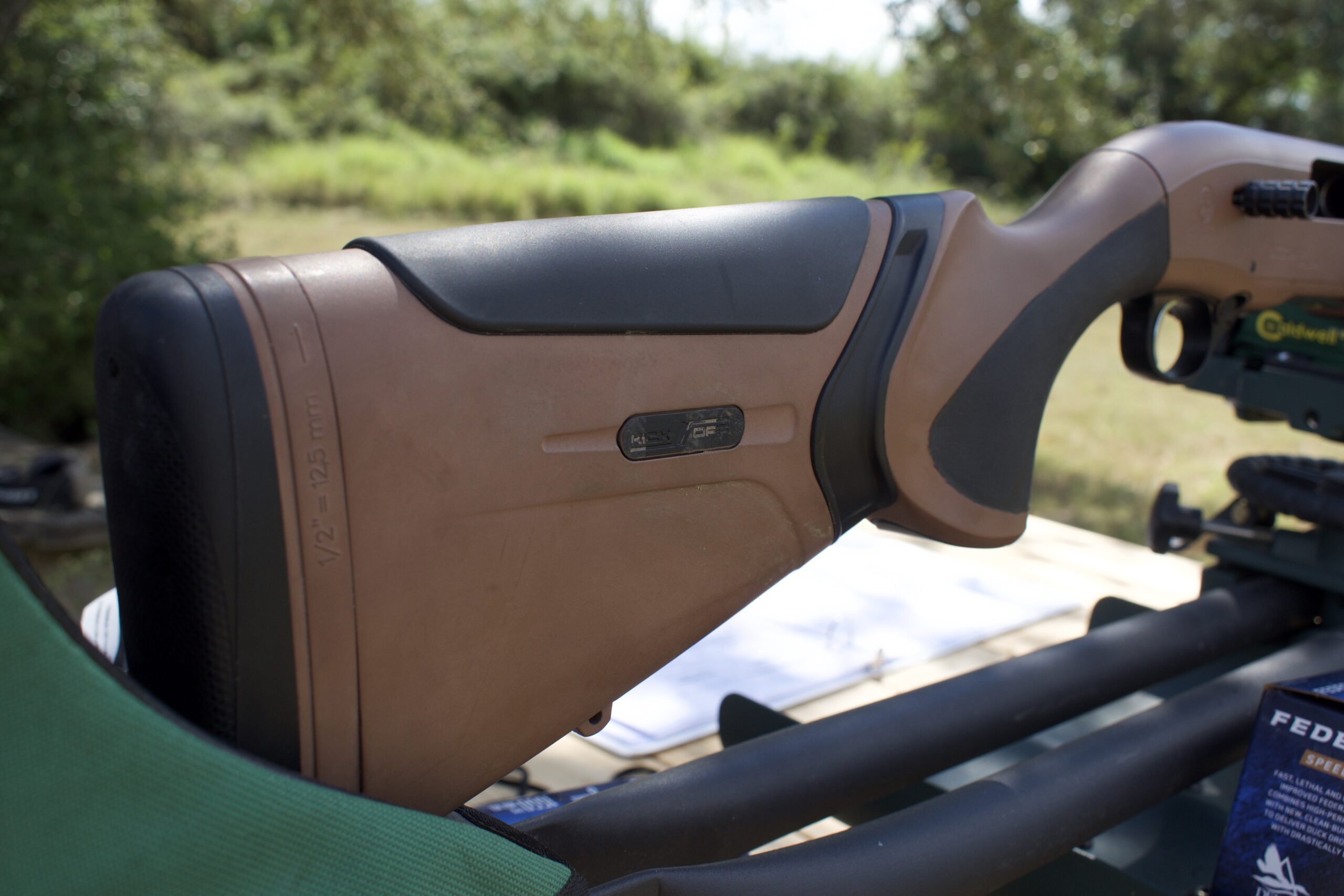
The KickOff Mega is a three-spring hydraulic system housed in the stock of the A400. Joe Genzel

The lack of recoil that shooters experience is what sets the Beretta A400 apart from competitors like Benelli, Browning, and Winchester. Beretta calls it the Kick-Off Mega, which is a three-spring hydraulic system inside the stock that softens the blow of recoil. Part of the Kick-Off3 system is a long spring-loaded steel rod contained in the pistol grip of the stock, which acts as a buffer as the bolt moves reward. There’s also a rubber recoil pad on the buttstock and another rubber pad where your cheek meets the stock. That rubber pad will lessen any recoil you may feel, but it also acts as a good cheek weld, to keep you “in the gun” when ducks are swinging through the decoys.

I’ve shot light target loads, 1 1/8-ounce duck and goose shells, and 2-ounce lead turkey ammo through the Beretta A400 Xtreme Plus shotgun, and it’s never thumped me. You can certainly tell the difference when you’re shooting those different charge weights, but it only feels like deeper pressure on your shoulder. It’s kind of like the difference in getting a light massage versus a deep tissue.

The A400 Was Built For a Specific Purpose

You won’t see many duck guides carrying the A400 Xtreme Plus. That’s not a strike against this gun. It’s just heavier than most modern auto-loaders, and guides are tasked with carrying more gear than their clients, so they will often trade a bit more recoil for a lighter gun. Plus, they don’t shoot as much as the clients. It’s definitely a blind hunter’s gun; built for folks that boat in or don’t have to make long walks down a levee to a public stake. You certainly can tote this gun into the marsh—I have and so do many others—but it is much more cumbersome than a Benelli or Browning auto. While it may not be a joy to carry, once you get to your hunting spot there are few guns that can compete with the accuracy and soft recoil of this Beretta.

It’s definitely not meant to be an upland shotgun. It will kill a flushing rooster just fine, and if you pheasant hunt occasionally, the A400 will serve your purpose. But if you’re a dyed-in-the-wool bird hunter, who loves hunting behind pointers every weekend, there are better guns in the Beretta stable, like the A400 Action 20-gauge, or Beretta’s high-end double guns.

Throw a sling and red-dot optic (the receiver is drilled and tapped for one) on the A400 and it makes a fine, albeit weighty turkey gun. And it’s a hell of a clays gun, cycling 2 3/4-inch, 1-ounce target loads with ease. You won’t see a diehard skeet shooter pick this model of A400 (there is a clays version), but again, if you’re an occasional target shooter, this gun can do the job. It’s length, weight, and balance point, which is perfectly centered, make it easier to swing on clays than light autos that are easy to get moving but tougher keep in front of the bird.

Beretta’s A400 Has Superior Ergonomics

When you first hold the A400 in hand, it feels like a heavy gun, even though it’s only 7.8 pounds. But by today’s duck gun standards, that’s heavy (the A400 Xtreme Plus was only outweighed by the Remington 1100 and an old Browning BPS, that were part of our Texas gun test). It’s also a long shotgun at 49½ inches with a fat fore-end that folks with smaller hands might have trouble getting a good grip on.

But, as mentioned previously, long, heavy guns are often easier to shoot than shotguns that are a full pound (or more) lighter, which many modern auto-loaders are. It was advantageous to shoot the A400 on flittering bluewing teal that couldn’t decide if they would splash down in the decoys or rocket through them at 40 mph. With a big gun, your firearm is more apt to be in motion because it’s harder to stop and that’s a good thing when you’re shooting at ducks with unpredictable flight patterns. Field & Stream Shooting Editor Phil Bourjaliy has told me many times, that the bigger and clunkier a gun looks and feels, the easier it is to shoot, and that’s certainly true of the Beretta A400 Xtreme Plus.

It doesn’t have the pointy feel of a Benelli when you first start shooting the A400, but most hunters do shoot it well. The four of us certainly did in Texas, and anyone we handed the gun off to at the clays range shot it as good as their own personal guns, or close to it. That’s a staple of Berettas—they fit just about anyone.

The A400 Xtreme Plus Has Plenty of Extras

Therre plenty of exterior amenities with the A400.
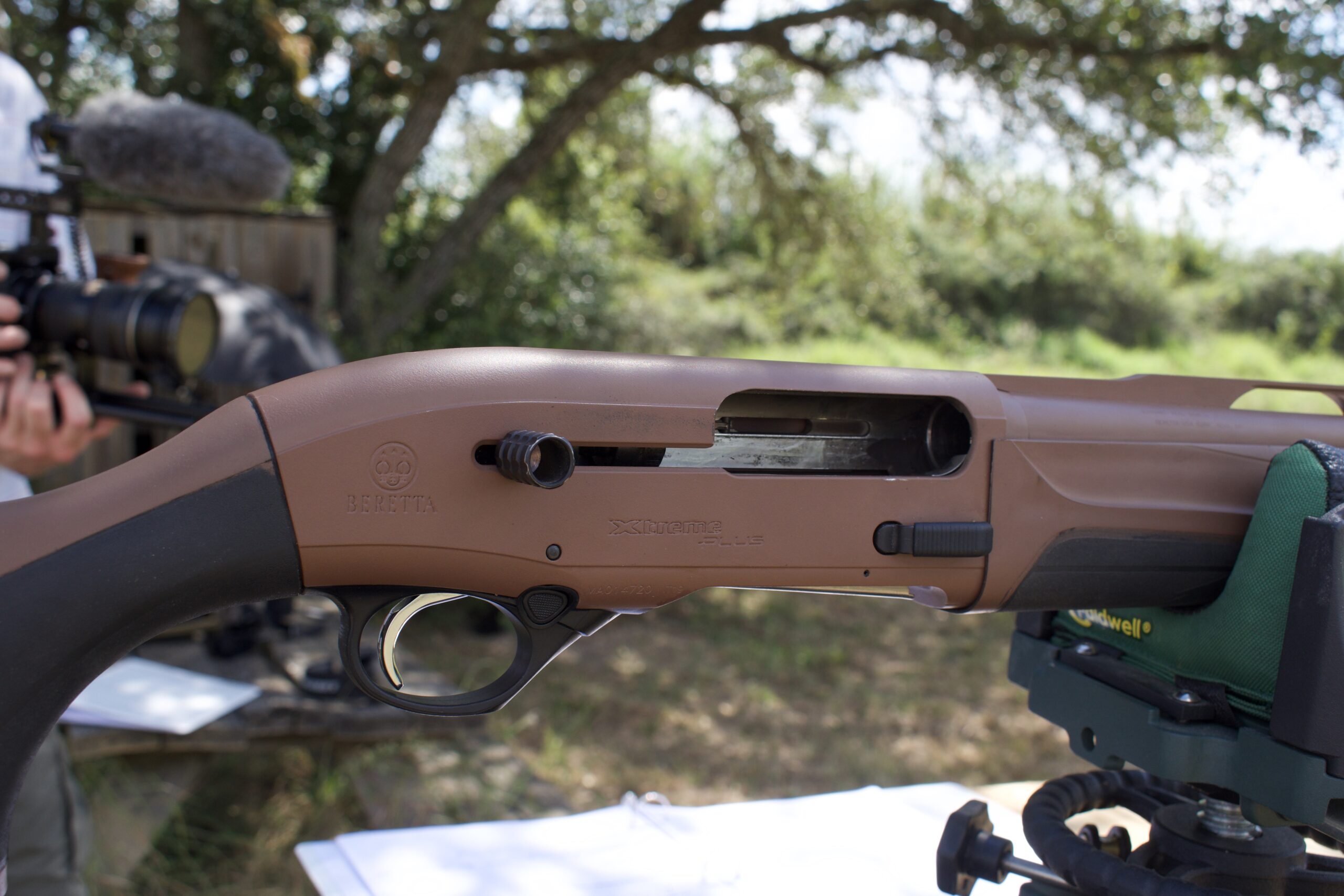
The A400 comes standard with an oversized bolt handle, bolt release button, load port, and trigger guard. Joe Genzel

Like most of today’s duck guns, the Beretta A400 features an enlarged loading port and trigger guard, which makes it easier to load shells and pull the trigger with gloved hands. I performed both operations with a thick set of gloves on and had no issues. There’s also an extended charging handle for better grip when you’re unloading the gun, and a large lever-like bolt release button.

Once you open the bolt by depressing the button under the carrier, do be careful of accidently touching off the bolt-release button. It’s so large and sensitive that when I was walking an unloaded A400 out of the marsh on my shoulder I hit the bolt-release and it closed the bolt, pinching my shirt into the action. I also caught my fingers in the receiver on an accidental closure—it does not feel good.

There is no cut-off lever on the left side of the A400 Xtrem Plus. The first generation of the gun had one. It allows the bolt to remain open and keep the remaining shells in the magazine without entering the carrier and being lifted into battery. This is a feature some hunters use if they’re duck hunting and a big, greasy 12-pound resident honker starts winging its way towards the decoys. Press the lever, eject your 3-inch, No. 4 duck shotshell and you could slide in a load of BBs. But you won’t have that convenience with the new model.

The fore-end cap is easy to take off, requiring just a half-turn to remove it. That’s handy if you need to perform a quick field strip of the gun. The cap is also neon green on the inside rim, so if you drop it in the bottom of the pit blind at 5 a.m., it should be a little easier to find under the glare of your headlamp.

A Look Inside the A400

If you’ve ever cleaned a Beretta A390, you know that there are multiple pieces to remove and clean once the fore-end comes off. Beretta has made it much easier to perform maintenance on its guns with the A400 line. Once the fore-end is removed, the barrel slides out of the receiver. The gas piston is located inside a metal cylinder under the barrel and simply slides out for cleaning. To remove the bolt assembly, you depress the rotating bolt head, take out the bolt handle, and the bolt, bolt carrier, piston stock, and recoil spring all come out in one piece. Removing the bolt handle can be tricky. You have to push the bolt head back into the receiver until it starts to rotate, then the handle should come free.

The trigger assembly is held in place by a single trigger pin, which makes removing and re-insertion fast.

Testing the Beretta A400 Xtreme Plus

The Beretta A400 cycled 3-inch loads without issue.
We had no cycling issues with the Beretta A400. Stephen Maturen

The A400 Xtreme Plus we shot had no issues cycling. A team of four editors—myself included—from Outdoor Life and Field & Stream tested the gun—along with 16 others—on sporting clays and bluewing teal for three days in Sept. 2021, at Pintail Hunting Club in Garwood, Texas. We put the gun through as much hell as we could find, dropping it in the water and muddy marsh, running hundreds of rounds through it, and letting it sit in the back of the truck with a bunch of other dirty guns, never cleaning it. The A400 didn’t hiccup once. It also was one of the fastest-cycling guns in our test, thanks to the Blink system, which Beretta touts as 36 percent faster than other shotguns. We couldn’t put an actual percentage to it, but it was a damn fast gun.

You may recall, the first version of the A400 did have some trouble ejecting 3- and 3½-inch shotshells. It wasn’t every gun, mind you, and I never experienced that issue with any A400 Xtreme I shot, but did witness others have a problem. I saw it struggle most with 3½-inch Remington Hypersonic and during snow goose shoots when the gun had to rapidly cycle an extension magazine full of 3-inch ammo. I asked different Beretta sales reps and engineers at the time what was going on with the gun, but the answers were always murky.

This gun doesn’t seem to have the same cycling issues. I’ve only seen the A400 Xtreme Plus fail to eject a spent shell on one hunt. It was an extremely cold day in February and my buddy was shooting a brand of shotshell that flared at the business end of the hull after ignition. And those “petals” would hang on in the action. I can’t say whether it was the gun’s fault or the shotshell’s; it’s just what I observed. And my friend has shot the same brand before and experienced clean ejection. So it could have been a bad batch of ammo.

The same friend that had the malfunction in February shot his A400 on snow geese a few weeks later after a good cleaning in warmer weather, with a different brand of ammo, and it ran through 10 rounds (he had an extension magazine on it) in multiple volleys, no problem. Another hunter also was shooting the A400 Xtreme Plus on that trip, and had no issues with his gun, which was also equipped with an extension mag.

How the A400 Patterned

Since we tested so many guns (17) in Texas, we picked one distance (35 yards) to pattern each gun from. The industry standard is 40 yards, but we wanted to showcase the patterns at a more realistic yardage for duck hunters. Plus, your average hunter should keep shooting distances inside 35 yards. Once you get out to 40 it takes more skill, and the likelihood of crippling birds goes up.

We patterned each gun with Federal Speed Shok 3-inch, No. 2s with a muzzle velocity of 1,550 fps and a charge weight of 1 1/8 ounces.


Beretta A400 pattern.
The A400’s best pattern put 109 pellets inside the 30-inch cirle. Stephen Maturen

The Beretta A400 shot 60 percent above and 40 percent below point-of-impact. It’s a gun that shoots where you point it. Its best pattern put 109 of 140 (78 percent) pellets inside the 30-inch circle. That wasn’t the best overall pattern of the shotgun test, but it was one of the most even. It filled the target with no holes that a duck could fly through. Some guns like to shoot right, left, high or low, but the A400 was dead on. You cover a mallard with this gun and it will kill it.

Final Thoughts on the Beretta A400 Xtreme Plus

If you’re a gas gun stalwart and have the financial means, there is no better auto-loading duck hunting gun than the Beretta A400. Anything Beretta got wrong with the first generation of this gun, it fixed with the new model. Yes, it’s a little clunky and heavy, but you can’t argue with its accuracy, reliability, and light recoil. Plus, this shotgun is going to be in your family far past your lifetime. When you take that into consideration, $1,800 isn’t such an exorbitant price tag for gun that could someday belong to your grandchildren.

How To Use An Airgun Hand Pump on a PCP rifle?

0

There are many ways to fill PCP air rifles: scuba tanks, hand pumps, and High-pressure air compressors. The most inexpensive way is to use a hand pump. In this blog post, we will provide you with three tips on how to use a hand pump for your PCP air rifle.

Hand pump tip 1 – Take it Easy

Do not pump longer than about five minutes. Then let the pump cool down for about 15 minutes between 5 minutes sessions. This will prolong the life of your hand pump. You don’t want to overwork it and then have to buy a new one!

Airgun Hand Pump Tip 2 – Watch Out For Moisture

Adding a moisture filter adapter to your air pump is a great idea. It can help remove moisture from the air that you’re compressing into your airgun. This is important because moisture can damage your airgun.

Airgun Hand Pump Tip 3 – Pumping To Higher Pressures

If you don’t mind a workout in five-minute intervals, that hand pump can be a great way to fill a PCP gun! Just remember to take breaks in between pumping so you don’t overwork yourself or the pump.

The beauty of regulated PCPs is that you don’t have to pump them all the way up. Just get them beyond the set pressure of the regulator and keep it topped off. (Like the Umarex Gauntlet)

Crosman Nitro Venom .22 Review

0

The Crosman Nitro Venom 0.22 caliber air rifle has been loved by many shooters for having some amazing features

That sets it apart from other spring air guns.

With its high-quality technology, quietness, high power, and high velocity,

This one is a hidden gem on the vast sea of air guns that can take your shooting to the next level.

Crosman Nitro Venom .22 – Guntype

crosman nitro venom .22 | crosman nitro venom .22 review

This airgun has nitro piston technology,

which works on the principles of gas ram technology.

Gas ram technology was first invented in 1976 by Ben Taylor and his colleagues who were frustrated with the performance of springers.

Today, Crosman has taken the gas ram technology one step first with its licensed nitro piston technology.

A nitro piston air gun offers lots of advantages in comparison with traditional spring air guns.

I wrote the whole post discussing what nitro piston technology is, its merits, and its demerits here.

However, here is a quick breakdown for you now.

If you’re unfamiliar with this type of technology, then don’t worry.

Nitro piston technology is a newer technology that uses a nitrogen-filled gas ram propulsion system instead of a coiled spring.

There is a nitrogen cylinder and piston inside the chamber which is already held under pressure.

You apply more pressure to it when cocking the gun, and when that pressure is released when you pull the trigger.

Once the trigger is pulled, the gas expands and the piston is propelled forward.

It comes back rapidly after the air transferred ports; since the chamber is sealed, the air can only go behind the pellet.

As a result, the pellet is discharged from the barrel due to the propellant force of compressed air.

A nitro piston air gun offers lots of advantages in comparison with traditional spring air guns.

We have the whole post discussing what nitro piston technology is, its merits, and its demerits here.

click for the lowest price

The internal diameter of the Crosman Nitro Venom is 0.22 caliber, which is known as the king of hunting caliber.

The 0.22 has more knockdown power than the 0.177 ;

Many times the 0.177 won’t hit bone or organ and ends up shooting through the bullet so the animal runs off.

In contrast, the 0.22 caliber is heavier than the 0.177 caliber and is more likely to stop the animal in its tracks. 

For more on how to choose the right air gun caliber for your game, see this post.

The Crosman Nitro Venom 0.22 is a break barrel air rifle.

In order to cock it, you have to slap the muzzle firmly while holding your air gun upward.

You can then insert the pellet (with the pellet’s nose lying forward and the pellet’s skirt facing you).

Once the pellet is inserted, swing the muzzle back to its original position . 

While this may sound complicated, this type of cocking easily becomes second nature.

Additionally, with the break barrel, you can shoot as much as you want.

You never have to worry about shooting capacity or when your air gun is running out of power like other CO2 or PCP air rifles.

Additionally, the Crosman Nitro Venom 0.22 is a single-shot action air gun.

It helps you to not waste bullets as well as provide a better hunting experience since you know that your shot must count. 

The barrel of the Crosman Nitro Venom 0.22 is a rifled steel barrel, which makes the bullets spin.

Furthermore, this barrel is fluted.

Fluting removes material from the cylindrical surface and creates grooves.

This type of barrel is more lightweight compared to non-fluted and it dissipates heat quicker as the air inside the barrel reaches the surface.

(For more on things you should know about air rifle barrels before buying, see this post.)

Stock

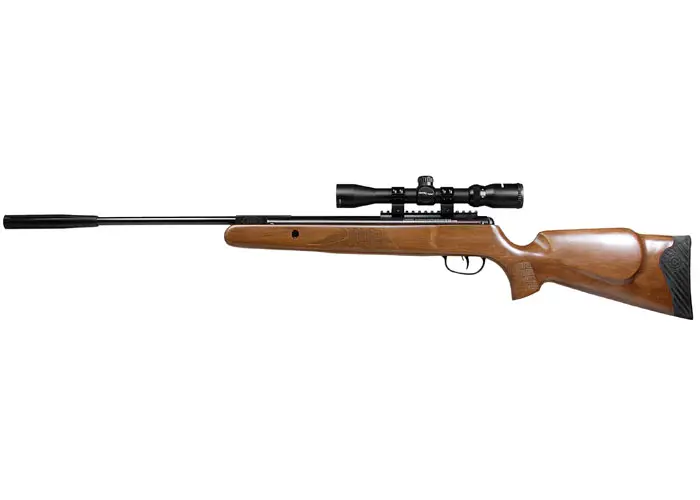
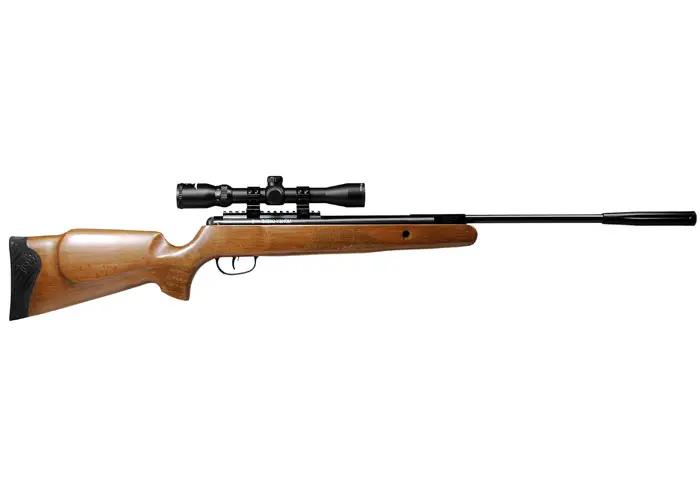
The Crosman Nitro Venom 0.22 air rifle has a handsome, brown hardwood stock.

A wood stock adds rigidity but mainly provides the shooter with a feeling of connectedness with the rifle.

Unfortunately, a hardwood stock can expand or contract due to atmospheric changes

So it is recommended that you perform glass bedding (filling gap in stock with epoxy-based material) to keep it in shape.

For more on the in-depth comparison between synthetic and wood stock, see this post.

Other advantages of the Crosman Nitro Venom 0.22 stock is that it is ambidextrous,

Which provides more versatility in the shot, either for practice or location, and can be shared between opposite-arm shooters.

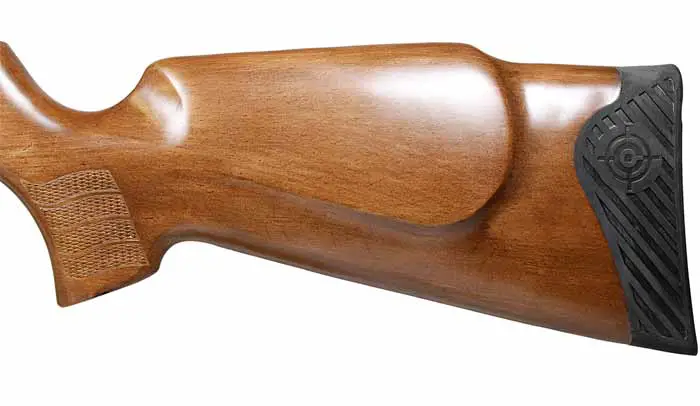
It also has nice checkering in the grip and forearm to prevent slippage from the shooter’s sweat, which enhances the shot and accuracy.

Furthermore, the stock comes with a sculpted rubber recoil pad for a more comfortable recoil position.

Even though the nitro piston produces much less recoil than a traditional spring-piston gun,

Having a rubber recoil pad is very helpful in reducing the amount of recoil and shoulder fatigue from extended shooting sessions.

Crosman Nitro Venom stock

The stock of the Crosman Nitro Venom 0.22 has a lot of interesting features that will help you achieve more accurate shots from the artillery hold position.

The artillery hold, if you’re unfamiliar with it, is an improvement in artillery style shooting that was refashioned by Tom Gaylord, an air gun legend, in 1990.

The artillery hold differed from traditional holds of that time which required a very stiff hold with very little room for recoil.

Tom’s adjustments were not new – in fact, holding the gun with less grip was actually an ancient shooting technique.

However, since his refashioning, it has become more widely accepted. 

The term artillery comes from the fact that even though the artillery machines recoil a lot (sometimes they can kick back up to a few feet ), the carriage remains stable.

Using the same principle, the key to the artillery hold is to let the gun float in your arms when you aim.

This style is much more efficient than a stiff hold since the pellet moves the gun around and, well, you can’t keep the barrel stiff no matter how hard you try. 

When looking at the Nitro Venom you’ll notice that this gun was designed for an improvement in the artillery hold shot.

The stock has a raised cheekpiece which limits the contact area between your cheek and your air rifle.

The forearm is designed in a beavertail style so there is a wider surface area to hold and balance the gun.

Ammo

Naturally, the Crosman Nitro Venom 0.22 air gun uses 0.22 pellets to fire.

These pellets are heavier than 0.177 pellets (with an average weight of 14-21 grains), the shot is more stable and won’t be greatly affected by wind.

It also has more knockdown power and retains more energy after it hits the target.

Therefore, it is a great choice for hunters and pest eliminators who want to get the job done in one clean shot.

For more on the differences between .177 & .22 and which jobs they do best, see this post.

The recommended pellets for the Crosman Nitro Venom 0.22 are the Crosman Hollowpoint, Crosman Pointed pellet, Crosman Destroyer, and RWS 0.22.

Velocity, Accuracy and Power

The Crosman Nitro Venom 0.22 has a very high power output very high velocity compared to other air rifles

And is a great choice for people who want to get rid of nuisance varmints in their property.

This gun produces a velocity of 950 feet per second (FPS) with alloy pellets and 800 FPS with lead pellets.

This rifle has a maximum power of 21 foot-pounds of muzzle energy (FPE; i.e., the kinetic energy of the pellet when it leaves the muzzle).

The average power is 15-18 FPE, which is more than enough to take out tree rats, rabbits, possums, and armadillos in one clean shot. 

PelletsVelocity (FPS)
Lead pellets800
Alloy pellets950
Minimum FPEAverage FPE
2115-18

It is very doable to get one-inch consistent shooting groups at less than 30 yards .

From 40 to 75 yards, you can hit a tin can with this gun.

Some customers have impressive accuracy results, such as:

  • two pellets at the same place at 20 meters out of the box,
  • a half inch grouping at 40 yards,
  • and a quarter-sized grouping at 50 yards.

Additionally, customers can confirm that at 40-50 yards, this air gun can take down squirrels. At 40 yards, it kills turkey. And at 30-40 yards, it takes down a woodchuck.

Distance in yards:203040506075
Tin can  ????
Repeat shot?     
¼    ?  
½   ?   
1 ?    
Squirrels  ??  
Turkeys  ?   
Woodchuck ??   
Crosman Nitro Venom review

The video below will give you general ideas about the power and accuracy of this air rifle based on the ballistic gel test and accuracy test:

Crosman Nitro Venom .22 Optic

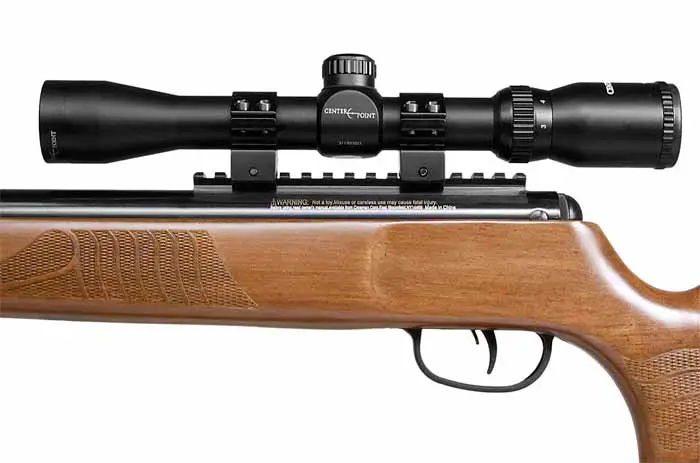
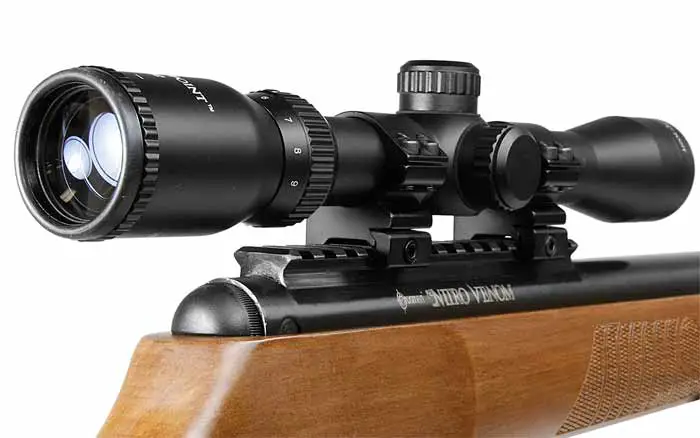
The accessory rail is a Picatinny style rail, which is almost identical to the weaver rail, except it has a series of ridges located at precise intervals along the rail.

The Picatinny rail is the most versatile, flexible, and universal of all optic bases.

Crosman Nitro Venom scope

This gun does not come with open sight, but instead has a 3 – 9 x 32 mm CenterPoint scope as the sighting device.

This is a very flexible scope and is suitable for all-range shooting.

Crosman Nitro Venom sight

While researching this air rifle, I found some customer reviews complaining about this scope.

They said it lacks a parallax adjustment.

A parallax adjustment would account for the parallax illusion,

Which is an optical illusion that occurs when a target’s image is not focused correctly at the reticle plane.

In a hunting situation, the  parallax effect inaccuracy is minor:

  • A 4x scope focused at 150 yards will only have 8/10 inch of error in the distance of 500 yards.

Therefore, parallax has no considerable effect inaccuracy as long as your eyes stay in the optical axis of the scope. 

(For more on how many types of air gun sights are out there and which one is suitable for you, see this post.)

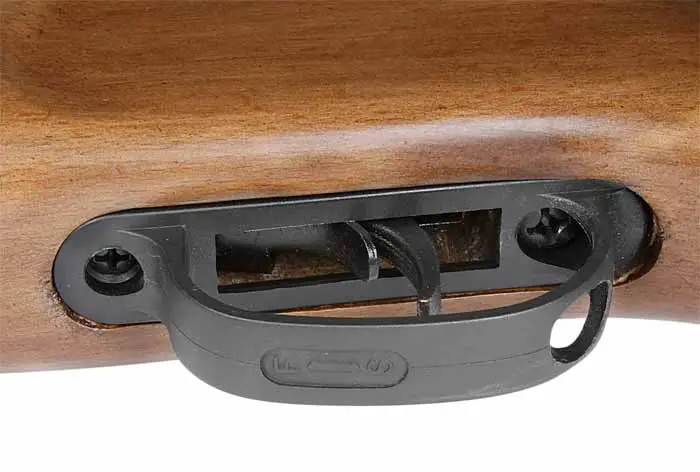
Trigger

Crosman Nitro Venom trigger

The trigger safety of this Crosman Nitro Venom 0.22 is manual.

When you want to shoot, you just have to pull the safety forward before you are ready to fire.

When you don’t want to shoot, pull the safety backward to lock the gun.

Noise

As I said earlier in this review, the Crosman Nitro Venom 0.22 is a very quiet gun.

You can shoot it in your backyard without bothering your neighbors or you can take it to the field to enjoy the stealth and silence it brings for hunters.

Shooting range and intended use

The effective shooting range for the Crosman Nitro Venom 0.22 air rifle is less than 100 yards.

It can be used for target shooting, plinking, small game hunting, and small and large pest control.

Accessories

This air gun only has a 3 – 9 x 32 scope as an accessory.

If you find it a little bit heavy, you can buy the sling mount for easier carrying.

Maintenance

The Crosman Nitro Venom 0.22 requires very little maintenance. It only needs Crosman’s  RMCOIL Chamber Oil every few hundred shots.

Crosman Nitro Venom .22 Specification

  • Caliber: 0.22
  • Velocity: 950 FPS with alloy, 800 FPS with lead
  • Weight: 7.375 pounds
  • Barrel Length: 18.63 inches
  • Overall Length: 44.25 inches
  • Capacity: single-shot
  • Action: break barrel
  • Barrel: rifled steel, fluted
  • Open sight: none
  • Optic Rail: Picatinny style
  • Optic: 3-9 x 32 Centerpoint scope
  • Recoil pad: sculpted rubber
  • Powerplant: Nitro piston

Warranty

As of this date, the Crosman Nitro Venom 0.22 has a one-year limited warranty from the date of purchase.

Crosman Nitro Venom .22 Customer Reviews

In general, people love this gun for its high-tech feature, high velocity, awesome power, and extreme accuracy.

Pros and Cons

ProsCons
  • Handsome look
  • High velocity
  • High power
  • New technology with lots of advantages
  • Great scope
  • Quiet noise
  • Impressive stock
  • No parallax adjustment on scope (not a big deal as explained in this review)
  • Made in China
  • Not easy to modify the gun

Price

The Crosman Nitro Venom is only $150, which is very affordable considering all the amazing benefits that you get with this gun. 

There are a couple of different listings online but the listing I found with the lowest price comes even cheaper than the price on the manufacturer’s site or other e-commerce sites like PyramydAir, Walmart, or AirgunDepot.

click for the lowest price

Conclusion

The Crosman Nitro Venom 0.22 is an amazing air rifle that comes at a very affordable price range.

I highly recommend this gun for those who want to own a high-tech, dependable air gun without breaking the bank.

Hole in the Horn Buck

0

It could be argued that Ohio’s so-called “Hole-In-The-Horn Buck” is the most famous whitetail in the world. In fact, this legendary deer, with his incredible rack and story to match, might well be the most famous big game animal ever to come from the North American continent!

My own involvement in this story began sometime around 1977 when I was in the business of outfitting guided hunts, primarily for trophy whitetails. As a group of hunters and I sat around a campfire one evening, one of the clients pulled out photos of two of the largest bucks I’d ever seen. Supposedly, a “friend” of his had killed both animals, but my client couldn’t offer any other details. Although those bucks remained firmly implanted in my mind, further details continued to be unavailable for the next few years.

Then, in the early 1980s, I was fortunate to meet Fred Goodwin of Sherman Mills, Maine, one of America’s foremost whitetail collectors. Fred had gathered more than 1,300 sets of antlers over a span of nearly 70 years, and along with these, he’d acquired thousands of antler photos. As dug through cigar and shoe boxes full of photos, one in particular caught my eye — a photo just like one of those I’d seen four years earlier around that camp­fire!

The inscription on the back of the photo, which was in Fred’s handwriting, read, “giant non-typical found dead along railroad tracks, greatest spread 36 inches, 60 points, Kent, Ohio.” I soon learned that Fred had acquired the photo several years earlier from one of his many pen pals. Fred had never seen the buck, but he claimed it was the largest non-typical whitetail he knew of.

Eventually, I learned that the photo had come from a private hunting club in Kent, Ohio, and that the buck still hung in the bar there. In the summer of 1982, I talked with a couple of club members to learn more of this deer. Because of time and distance from my Montana home, however, it was actually August 1983 before I could travel to Kent to see the giant for myself.

By then, he’d hung in the smoke-filled bar for right at 40 years, and both the mount and antlers were nearly black from stains and dust. But, I immediately knew the antlers were of gigantic proportions and that they were even larger than they’d appeared in the photo. My initial rough score was off the “Richter Scale,” at 349 2/8 Boone and Crockett points well above that of the recently discovered 333 7/8-point world record from Missouri!

At the time of my visit, widespread interest in collecting whitetail racks was just beginning. I’d already acquired a substantial collection of outstanding bucks (many of which are featured in this book) and had begun displaying them at sportsmen’s shows. The Kent Canadian Club was interested in making its giant buck more visible to the general public, and I eventually acquired the mounted head.

North American WHITETAIL maga­zine, which I had been involved with since I helped in its founding in 1982, also played an instrumental role in this saga. We shared a common goal of uncovering the origin and history of the buck and passing along that information to the hunting public. As I dug into the deer’s back­ground, learned that he’d been found dead more than 40 years earlier and had hung in virtual seclusion ever since.

The Kent Canadian Club was founded in the early 1920s by a group of local hunters and fishermen who shared a special sporting interest in Ontario, Canada, and fellowship at their local clubhouse/bar in Kent. In the early days of the club, land was purchased at a site along the French River, where it joins Elephant Lake in Ontario. Later, a main lodge and cabins, bath houses, etc., were added, and it became the focal point of recreation for the membership.

Because most of the membership lived near Kent, a clubhouse/bar was also established there. The club’s 300 social members can use the local facility, but only the 20 “backroom” members are allowed to use the Ontario site.

One of the early members, Charlie Flowers, was an engineer for Erie Railroad Company of Ohio and appar­ently was directly responsible for the club’s ownership of the rack. It’s unclear whether Charlie was one of the individu­als who found the deer or if he merely came into possession of the antlers from another person. Regardless, he ended up with the rack.

At the time I acquired the Hole-In-The-Horn, the circumstances surround­ing the buck’s death and recovery were largely speculative. According to descen­dants of those involved and other infor­mation available then, the buck had been found dead along the railroad right-of-way near Windham, Ohio, in 1940 or shortly there­after. The carcass was badly decom­posed, so only the head was salvaged. It was believed that one of the engineers spotted the dead buck from the train itself and at some point (then, or at a later date) recovered the antlers.

According to what I could learn at the time of my investigation, the buck had been found in or near the Ravenna Arsenal in Portage County. This arsenal is still used for storage of military munitions, and for security reasons, it’s surrounded by a high fence. What nobody could tell me was whether or not the fence had played some role in the deer’s death. Had the barrier caused him to become trapped, resulting in death by collision with the train? Or, had he perhaps become entangled in the fence itself and died from injuries, stress or starva­tion? And for that matter, on which side of the fence was he found? Apparently, nobody knew.

I was told that Charlie had sold the rack to the Kent Canadian Club for $25. The club then commissioned Ben Morgan, a taxidermist in nearby Akron, to acquire a new cape and mount the head. Once completed, it hung in the club’s bar and essential­ly remained anonymous until I “dis­covered” it. But, this was not just any deer hanging in a bar he would have been the undisput­ed world record for 40 years!

Once the head arrived at my home, there was time for closer scrutiny and opportunity for more careful measuring. There was no doubt that the head would become either No. 1 or No. 2 in the B&C record book. The staff at North American WHITETAIL and I knew this buck was a world record contender, so we searched for a name that would give him his own identity. Because there was no hunter’s name to attach to this deer, as there is with most other trophy heads, we had to find something else to call him.

At that time, perhaps the most myste­rious aspect of this rack was the fact that one of the large drop tines on the right main beam had a small hole through it. There was a great deal of speculation as to how and when the hole was cre­ated, so we dubbed this awesome ani­mal the “Hole-In­The-Horn Buck.” That moniker has since become universally accepted.

From the first time I unofficially scored the head, I knew it was a mea­surer’s night­mare, as it

had configurations of antler never before encountered on any whitetail rack. There was obviously more than one interpreta­tion of how it should be scored, but most of the net scores from my measurements and those of many experienced measur­ers fell somewhere in the 340s—usually between 342 and 349 points.

Based on these unofficial scores, we felt the probability was high that this buck’s final score would exceed the 333 7/8-point score of the world record “St. Louis Buck,” which had been found dead less than two years earlier. But, we also knew the margin was close enough that the official scoring for entry into the records should not be done by just any official measurer. We wanted it done by someone who was very experienced and well respected within B&C’s ranks. No measurer fit this descrip­tion better than Phil Wright, chairman of the Scoring Committee and one of the most senior mem­bers of the club.

On August 27, 1983, the head was taken to Phil for the official scoring. After long and careful exam­ination, he arrived at an entry score of 342 3/8, well above the world record. Phil also stated at the time that two or three other abnormal points he hadn’t included in the total possibly could be added in during a final scoring by B&C judges’ panel. If these points were includ­ed, the final score would be close to 349 points, very near my initial net score.

Based upon Phil’s official entry score, the December 1983 issue North American WHITETAIL announced the shocking news of this historic buck and published information on both his “discovery” and the recent scoring. The magazine called the buck a “new world record,” because according to Phil’s official entry score, he was indeed just that.

Just a year prior to the initial scoring of the Hole-In-The-Horn, the enormous buck found dead near St. Louis had been officially scored by B&C measurer Dean Murphy, who also worked for the Missouri Department of Conservation and was an official member of the Awards Program judges’ panel. Based upon Dean’s entry score of 325 3/8 points, the Missouri buck had been highly publicized by newspapers and sporting maga­zines (including North American WHITETAIL) as a “new world record.”

When the St. Louis Buck had first been announced to the world, he wasn’t yet an “official” world record, because he hadn’t been verified as such by a panel of B&C measurers. He was to be remeasured in the spring of 1983, at which time a final deci­sion on his score would be rendered. However, to my knowledge, there was no negative reaction to claiming this deer to be/the next No.1 non-typical.

The announcement of the Hole-In­The-Horn Buck in North American WHITETAIL followed that precedent. According to an official score sheet filled out by Phil Wright, the Ohio buck was just as much a “new world record” as the Missouri buck had been the previous year, when all anyone had to go on was Dean’s entry score.

Only a couple of months prior to my acquiring the Hole-In-The-Horn Buck, in the summer of 1983, B&C’s 18th Awards Program was held. There, the official score of the Missouri buck was raised from 325 3/8 points to 333 7/8. At the time, this hardly seemed an issue, because either way, the score was far in excess of Jeff Benson’s 286-point world record from Texas. But now, there was a new contender for that crown.

The next three-year scor­ing period culmi­nated with the 19th Awards Program on June 28, 1986. Top recent entries in all big game categories were to be on hand for panel scoring and display. It was pointed out by B&C officials that should the Hole-In-The-Horn not appear, he’d be listed in the next record book with an asterisk, indicating that the score shown was still subject to verification by a judges’ panel. What’s more, we were told that the deer could be dropped from the record book at some point in the future if not panel-measured. Eager to have the score confirmed, I placed the Hole-In-The-­Horn in the cus­tody of Phil Wright for trans­portation to the Awards Program.

When the buck was remea­sured by the panel, the original 5×5 typical frame was rejected and a 4×4 typical configuration chosen. The final score submitted by the panel was 328 2/8 points, and it wasn’t subject to appeal. To everybody’s sur­prise, the Hole-In-The-Horn had become the official No. 2 non-typical.

From the first announcement of the original entry score of this buck, there was in certain quarters criticism of claims that he was a new world record. This seemed strange to me at the time, and still does, because the first wave of pub­licity on the Hole-In-The-Horn was little different from that regarding the Missouri buck. When these deer were revealed to the public, neither was an “official” world record; however, each had been entered at a score that, if upheld, would make him one.

Whatever the motivations for down­playing the Ohio buck, the resulting confusion about which buck was actually “bigger” detracted from the fact that these two racks tower above all others as the largest of all time. Both the Hole-In-The­-Horn and the St. Louis Buck are of a size that could hardly even have been imagined before they surfaced. Since the B&C record book had been founded, the Benson Buck from Texas had been the undisputed No. 1 non-typical. Then, out of the clear blue, within a couple of years of each other, two bucks that exceeded even the most optimistic dreams of the white­tail fraternity had come onto the scene. A new benchmark had been established.

Regardless of his final score, the Hole-In-The-Horn Buck is undeniably one of the two most awesome non-typi­cals of all time. Even though he looks huge in photos, they still don’t reflect his true size. For example, photography can’t indicate that even after 40 years of dry­ing, the rack still weighs 11 1/2 pounds!

It’s also worth noting that while phe­nomenal mass is what makes the Hole­-In-The-Horn so impressive in the eyes of many experts, it actually contributes little to his final score. I think most whitetail aficionados who’ve seen both heads would concede that the Hole-In-The-­Horn has more antler volume than any other buck in history, including the St. Louis Buck. On the other hand, the St. Louis non-typical has a lot of long points, and he apparently grew several more that broke off before he was found. So, the debate over which of these bucks is big­ger undoubtedly will continue.

However, as of very recently, we’re no longer in the dark as to what caused the unique antler feature that gave the Hole-In­-The-Horn Buck his name. As noted, at the time I conducted my interviews and other research on the story of this buck (1983), about all that was known for

certain was that a railroad man named Charlie Flowers had sold the antlers to the Kent Canadian Club and that taxi­dermist Ben Morgan had mounted the deer. After that story appeared in the

December 1983 issue of North American WHITETAIL, we naturally hoped some­body out there might come forth with new information, but more than a decade passed without that happening.

Then, in 1995, WHITETAIL editor Gordon Whittington received a cryptic note with a Florida postmark. “For infor­mation on the Hole in Horn buck, con­tact me,” it read. “I was present.”

Well aware that all eyewitnesses to the recovery of this deer had supposedly been dead for many years, Gordon was understandably skeptical. But, he dialed the phone number on the card anyway, and in so doing, he took the first step toward solving the greatest mystery in whitetail history.

As it turned out, the person who’d sent the card—a 76-year-old gentleman named George Winters—had indeed seen the Hole-In-The-Horn Buck in the flesh. -What’s more, he’d apparently been the first human to touch that enormous right antler with the strange hole through it. And in so doing, he told Gordon that he’d seen with his own eyes what had caused the hole!

George recounted that back in the early 1940s, when he was in his early 20s, he worked on a maintenance crew inside the arsenal. One bitterly cold morning, he and another guy were riding along a road near the perimeter fence when they saw several railroad workers on the outside of the fence. The men had appar­ently come down from the railroad track, which was roughly 75 yards from the fence.

Eager to see what was going on, George and his companion parked and walked down to the fence. There, they found the railroad workers pulling on the body of a large animal, which was stuck under the barrier. Actually, the carcass was entirely outside of the fence but part of the rack was wedged beneath the wires.

“We didn’t know what it was,” George remembered. “One of the men said, ‘It’s an elk!’ Then, another one said, `No, it’s a moose!’ I’d seen deer before, but really wasn’t sure if this was one or not. The animal had been dead for a week or so, from the looks of it, and he was huge. He looked like he weighed 300 or 400 pounds. He’d obviously been hit by a train.”

One of the railroad men—George never caught his name —announced that he wanted the antlers, and the crew start­ed pulling the giant out from under the fence. But, the animal wouldn’t come free. George noticed that when they pulled on the legs, the fence swayed. The rack itself was stuck.

George got a shovel and began work­ing to free the right antler, which was solidly wedged under the wires. “It had been so cold that the ground was frozen down six or eight inches,” George recalled. “That antler was actually frozen into the ground. The fence was made of chain link, and it had stiff wires sticking down along the bottom of it. When I finally got the rack free, I noticed one of those pieces of wire was sticking down through the antler!

“I guess for years everyone has been wondering what made that hole,” George noted, “but it definitely was caused by that wire.”

This all makes sense to me. There are several scratches around the hole, and its diameter is roughly the same as that of the wire used on chain-link fences. Because this drop tine is rather “porous” out near its tip, I have no trouble believ­ing that a buck thrashing around in pain would be able to poke a stiff wire all the way through it.

So, there you have it—an unexpected eyewitness account of the recovery of what might well be the most legendary whitetail of all. Now, it seems, the book on this giant can be closed once and for all.

CLICK HERE TO SEE ANOTHER HUNTER’S CLAIMS AS TO WHY THERE IS A HOLE

How to Keep and Raise Pigeons for Dog Training

0

Considerations for pigeon loft design, types of pigeons, and reasons why keeping birds is beneficial when training a bird dog

Congratulations! You just brought home a new bird dog puppy and among the many preparations you made in anticipation of this new family member was building a pigeon loft, stocking it with birds, and training the birds to rehome to their loft. Wait, you didn’t get around to that yet and you are just now searching the internet for training pigeons? You’ve come to the right place: here is a crash course in pigeon-keeping. It’s not nearly as tough as you might think.

During your research into training a bird dog, you have undoubtedly heard this simple cliché ad nauseum, “It takes birds to make a bird dog.” Nothing could be more true. Ideally, we would all train on wild birds and our dogs would be perfect, but that isn’t the case for the vast majority of us. Thankfully we have pigeons-the most reliable training partner a dog owner could ask for-and with the help from a well-timed remote bird launcher, we can make our pigeons flush wild just like any late season ruffed grouse. If you keep homing pigeons, they become a renewable and recyclable training resource; you can even sell your extra young birds to recoup some of the initial start-up and feed expenses.

“Hold on,” I can hear you saying, “I just committed my life to keeping a crazy bird dog puppy, and now this guy wants me to become a pigeon farmer. Are you out of your mind?” Maybe, but hear me out.

SUBSCRIBE to the AUDIO VERSION for FREE Google | Apple | Spotify
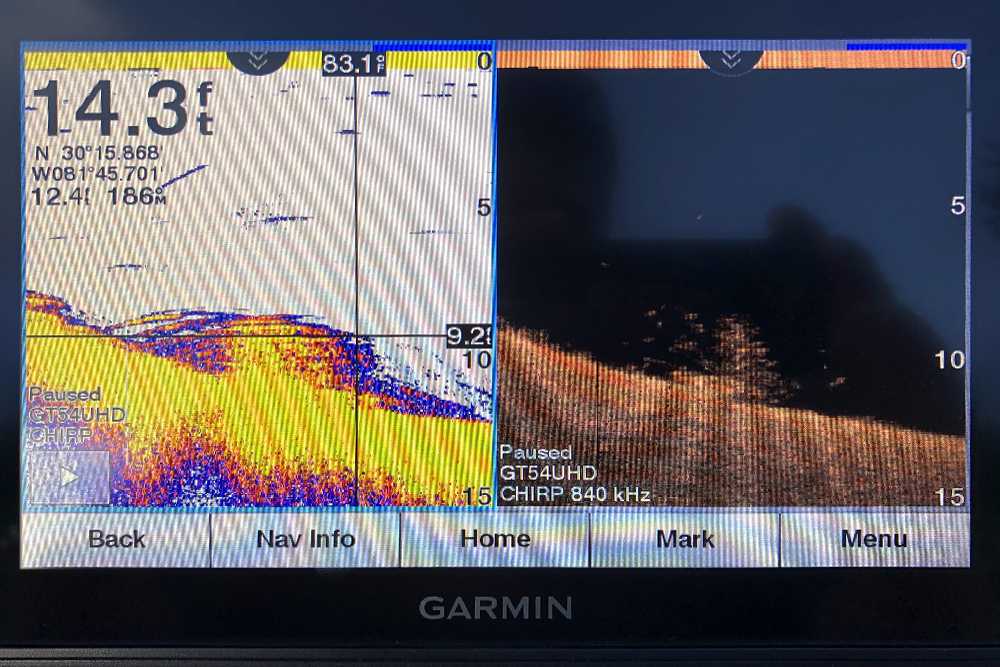
Reasons to keep pigeons for bird dog training

Many people feel that keeping a team of homing pigeons is a bit too much. They believe that the idea of getting their birds from poultry auctions, Craigslist, or trapping them is far less intimidating. All three are viable solutions to the problem of getting birds for training, but none of these solutions are on your terms. You are at the mercy of other people; poultry auctions are hit-or-miss when it comes to pigeon availability and another desperate bird dog owner may come along and outbid you. I was once that desperate bird dog owner who paid $25 for the only pigeon at the auction so that I wouldn’t go home empty-handed. Since the pigeon wasn’t homed to my loft, I watched my $25 “investment” fly off after a training session. Getting birds this way is not only unreliable, it can also be very expensive.

Catching feral birds is a nice D.I.Y. aspiration, but in reality, it is time consuming and perhaps a dangerous proposition if you choose to capture them by climbing ladders with a net in the dark. If you use traps, you will find yourself devoting a lot of time learning how to build traps and how to trap birds. You can burn a lot of time and gas checking your traps. I don’t have that kind of time to mess around and I would rather burn gasoline while traveling to my training destinations. You should also be wary of various bird diseases that can be transmitted to humans, as feral pigeons are little more than rats with wings and the areas they inhabit in barns and under bridges are beyond filthy from the droppings of generations of disease-ridden feral birds.

You can buy feral birds that someone else trapped, but then you get into the reliability factor. Your supplier could be out of birds when you need them, or perhaps they command top dollar in your area. Five dollars is the average per bird in my area, but I have seen them go for much, much more. Remember, too, that you aren’t reusing these birds again and again like you would with your own personal team of homing pigeons; you are literally throwing that $5+ bird away… and yet its diseases stay behind. You might consider building a holding cage to stock up on trapped birds and save them for your training sessions, but by then, my friend, you should definitely just build a loft and keep homers yourself.

What is a pigeon loft?

A pigeon loft is essentially a pigeon-friendly chicken coop. It is usually raised a few feet off the ground and offers shelter where the birds feel safe. Theoretically a loft could simply be built from a cardboard refrigerator box as long as it is weather- and predator-proofed. I’ve seen lofts in all shapes and sizes, from a five-gallon bucket mounted on the side of a garage housing a breeding pair of birds to an elaborate, multi-roomed mobile home converted into a pigeon racer’s dream breeding facility.

Pigeons aren’t hard to keep and they aren’t particular. But what if you don’t have a yard to keep your pigeon loft? Years ago I was an apartment dweller with a bird dog. I kept three homers in a rabbit cage on my balcony.

Get creative.

Over the years, I have made pigeon lofts out of greenhouses, modified shipping containers from moving companies, transformed old school bus stops from neighbors whose children have grown, and built one with scrap wood. A pigeon loft only needs a few things to make it a home for the birds. Pigeons will live in anything. The standardized loft design is mainly for your convenience in working with them.

Pigeon loft building considerations

Ventilation

The most important thing to keep the birds healthy is to achieve maximum ventilation with no draft. Pigeons create a lot of dander which is unhealthy for you and them. Poorly-ventilated lofts promote coccidiosis or pigeon lung disease, so there needs to be some air flow. However, the birds also need a way to get out of drafts which can kill them under the wrong circumstances. Some of the healthiest lofts I have ever seen are just three solid walls with the floor, roof, and one open face covered by hardware cloth. The birds had cubbies in which to shelter from any winds through the front of the building. A loft like this will also withstand some moderate overcrowding. Overcrowding happens. Maybe you are saving birds to sell to some chump who just got a bird dog puppy or maybe you are anticipating training with friends. The better the birds can breathe, the healthier they will be in crowded conditions.

Flooring

The floor must be dry. Whether you build a simple wire floor which allows droppings and spilled food to fall through or a wooden floor that you must scrape every day, it needs to be dry. Dirt floors work, but it is difficult to manage diseases when they come to visit your birds. My favorite floor is a raised plywood floor covered with firewood pellets. The absorbent nature of the firewood pellets keeps everything dry until I can get around to cleaning it.

Entrance and security

The birds need a way to get in and out. This is usually a pigeon-sized entrance with a landing board. It is essential that the opening is able to be securely closed so that the birds stay in and the predators stay out. Flapping pigeon wings are a dinner bell to avian predators and they will soon have your loft marked on their daily patrol.

You should also install a set of pigeon trap bobs over the entrance to allow the birds to enter but not leave. Pigeon trap bobs are readily available online in a variety of sizes. Once your birds have entered the loft through the bobs for the day, you will want a door you can close behind them to keep predators from entering or ambitious pigeons from exiting through the bobs.

Maintenance access

You must be able to access your birds for feeding, cleaning, and collection for training, etc. This is usually a standard door on the back or side of the loft but again, be creative with lifting hatches and sliding panels to save space and material!

Consider your strategy for preventing birds from escaping while you are netting some to take out for training. In a very large loft, perhaps the door can close behind you while you work in the loft. For smaller lofts, plan to be able to block the opening with your body while you are reaching in for access.

Perches and roosts

Pigeons need multiple perches. They will fight for their own territory within the loft, so it is important that each bird gets its own perch. This is the individually-claimed space that they are homing to when they fly great distances back to your loft.

A best practice is to build 1.5 perches per expected bird so that when temporary overcrowding inevitably occurs, the birds will each have their own spot to roost.

Food and water

Clean food and water are essential for healthy birds. A pigeon will perch on anything that it can perch on; when they perch, they poop. Buy pigeon-specific feeders and waterers which can readily be found online or build your own pigeon-proof system. This may take a few design iterations as their ability to poop in their own water will continually amaze you.

Pigeons need a special protein diet different from chickens, so specialized pigeon feed is a must for long-term health. Like most birds, pigeons need grit to aid in proper digestion.

Loft placement location

The loft should be placed away from other buildings and trees. An ideal loft location would be on a rooftop, making the loft itself the highest point around. Many birds are successfully kept on rooftops in cities. If there is something taller than the loft nearby, the birds will naturally want to perch on it instead of entering the loft. This puts your pigeons at risk of being picked off by predators. If it isn’t possible to place your loft away from buildings or trees don’t let that stop you, just be sure to never let the birds out on a full stomach or else returning home will be at the bottom of their priority list for the day.

The above considerations will get your loft started for relatively little time or financial investment. Once you’ve established a loft there are long-term bird-keeping nuances to learn, but that is for another article.

Read: Living with Pen-Raised Quail for Dog Training

Choosing pigeons for dog training

Not all pigeons are created equal and not all are suitable for dog training. You need homing or racing pigeons. These birds are athletes in their own right and have been selectively bred over hundreds of years for speed, endurance, and an incredibly strong desire to make it back to their home perch.

My pigeon mentor had one bird fly over 600 miles in a single day to win a race where it competed against thousands of other birds. Pigeon racing is a huge rabbit hole that I invite you to go down once you start keeping birds; it is a lot of fun with a rich tradition and history.

Because this homing instinct is so strong, avoid buying mature birds over four months old unless you are willing to have a breeding loft where you can keep these birds contained for the rest of their lives and only use their offspring to keep as training birds. It is possible, but time consuming, to “rehome” mature pigeons to your loft. Once the birds have had a few hatches of chicks, they have about a fifty/fifty chance at returning to your home loft if you let them out.

Where do you get racing pigeons? Find a local racing pigeon club; these are some of the friendliest and most helpful groups around and if you take an interest in their sport, they will open the door to a whole network of pigeon people in your area with birds and the right knowledge to help you keep them healthy. If there are no clubs within reasonable driving distance, then Craigslist, auctions, and feed stores are all good places to look for homing pigeon breeders.

Focus your pigeon search on one-month-old pigeons called “squeakers” (they are called this because they squeak instead of grunt or coo like older birds). Squeakers are visually identifiable by yellow strands of fuzz poking through their feathers and pink flesh around their beak. The fuzz goes away quickly and the flesh around the beak (called a wattle) will turn white as they mature. Generally, birds under three or four months of age will readily rehome to a new loft within a few weeks of being locked down. The lockdown helps the birds familiarize themselves with the loft surroundings.

Spring and summer are usually the best time to find squeakers as pigeon fanciers and racers will often have a surplus of birds. Locating squeakers during the winter and fall is a daunting task because the birds are usually separated at this time or not breeding.

Note: I do not recommend trying to rehome feral pigeons. As I mentioned above, there is limited chance that the bird will “rehome” after hatching babies, but the possibility of disease infecting the loft isn’t worth the risk.

A word on fancy and show pigeons: these birds are bred for their looks and not their flying abilities. I would avoid them at all costs. Even if you are just planning on shooting them, they will often only flutter a few yards away, allowing the dog an opportunity to catch them. I have even seen them land on the dog handler’s head before. It is best to stick with homing or racing birds, which are always strong flyers.

How many birds should I keep for training?

If you are training one dog, three to five pairs of homing pigeons will be more than adequate. This allows a buffer in case a bird is lost to a hawk or to disease. When the training season is over, you can add nest boxes to the loft and raise a new generation of training birds.

The number of birds you keep is highly dependent on the size of your loft. Many people suggest two to three cubic feet per bird. This is not an exact science, but I feel it is a good rule of thumb if you have adequate ventilation and an appropriate number of perches. Overcrowding leads to stress and stress leads to disease that can wipe out an entire flock. It’s always safest to go with fewer birds until you know what you are doing.

So there you have it: the basics to get your foot in the door and wrap your mind around keeping pigeons. It isn’t hard and once you have a team of birds trained (which I will get into in a later post) you can pay yourself $5 every time you release one to fly home. There is definitely a lot more to keeping a healthy team of training homers, but just getting a loft together is the hardest part. If you have been with me this far, you have found it really isn’t that hard at all.

The Five Mental States of Dogs in Training

Living with Pen-Raised Quail for Dog Training

Is Your Dog Soft or Confused in Training?

Best Air Rifle Deals

Popular Posts

Gas vs Spring Piston: Which One is Better?

0
Today, you can find 5 different types of air rifles available in the industry. They are: spring pistons, gas pistons, PCP air rifles, variable...

What can you kill with a 177 air rifle?

0
"Unleash Your Precision: Discover the Power of a .177 Air Rifle to Take Down Targets with Accuracy. Explore the Versatility and Potential of this...

Pump Air Rifles vs Break Barrel

0
Exploring the Pros and Cons: Pump Air Rifle vs Break Barrel - Unveiling the key differences and advantages between two popular air rifle mechanisms....