Home Blog Page 152

Can You Use a Thermal Scope During the Day?

0

Thermal scopes are excellent tools that have become game-changers for shooters, especially those who love to hunt.

But since thermals don’t rely on light to work, you might’ve wondered at one point: can you use a thermal scope during the day?

Well, we already know the answer when it comes to using night vision scopes. But with thermal scopes, the extra light isn’t a problem. In fact, not only can you use thermal scopes during the day, but there are many fantastic advantages to doing so!

The Advantages of Using Thermal Scopes During Daylight Hours

There are several good reasons why you might want to consider making your thermal scope your go-to scope.

Day and Night

One of the most significant advantages of using thermal scopes is that you can use the same scope under all conditions. Since thermal scopes pick up heat signatures, the amount of light has no impact on their targeting efficiency.

The only thing that matters is temperature, so unless you’re hunting on an active volcano or an environment where objects trap lots of heat, then a bit of sunshine should have little impact on the quality of the imaging of a high-quality thermal scope such as the ATN ThOR 4. (1)

Improved Target Identification

While night vision scopes have more defined target detail, many hunters prefer using thermal scopes because of their adept target acquisition abilities that reign over obtaining a more detailed “facial recognition” of their targets.

However, that’s been changing. As thermal technology has improved, it’s made target identification much more accurate. And with this accuracy, it’ll allow you to more assuredly protect fellow hunters and friendly creatures such as pets and livestock.

Price

Thermal scopes used to be priced out of the range most hunters are willing to spend on optics. However, in recent years, several more affordable budget options have hit the market with improving quality and performance, such as the ATN Thor LT Ultra Light.

When looking at a thermal scope’s price tag, one thing to remember is the incredible value it can bring to your hunts. Saving time, ammo, and possibly your life and others are factors worth considering before making your decision.

Possible Daytime Uses for Thermal Scopes

Bushes and Brush

One thing that can make hunting less fun is spending hours waiting for a glimpse of your quarry. However, with regular and night vision scopes, your game can often hide behind cover such as thick brush and bushes, and you’ll never see them.

This is where thermal scopes shine brightest. Since these scopes pick up heat signatures, any object trying to hide behind foliage will become instantly visible, allowing you to take shots you would never have been able to take using regular or night vision scopes.

Body parts such as a deer’s antlers, which are filled with blood when growing, will light up like a Christmas tree.

Blood Trails

You’ve probably seen those movies and shows where hunters who are expert trackers do wacky things like tasting dirt and examining broken leaves to find their wounded quarry. In the real world, it’s not that easy, even if your target has left a blood trail.

Animals like deer are very durable, and unless you score a headshot or shot to the heart, they can run for miles in many different directions, making it tough to keep on their trail. However, with thermal scopes, you can pick up fresh blood trails much faster and catch sight of your quarry before it escapes.

Cold-Blooded Creatures

One disadvantage thermal scopes have is that they do not pick up cold-blooded creatures nearly as well. However, with most thermal scopes, you should still be able to make out their outline, which, all things considered, is better than what you would get with unpowered optics or night vision.

Better Scouting

Scouting isn’t just crucial for locating the game and identifying possible threats. Thermal scopes are great tools anyone who enjoys the outdoors should have on them, especially in areas with dangerous wildlife such as bears and mountain lions (or anywhere in Australia).

It’s also well-known that certain predators, such as polar bears, have been known to stalk humans, surprising them in ambush attacks. One can only imagine how many hunters could have been saved from tragedy with this technology. (2)

When Do You Use Thermal Optics?

If you’re curious as to exactly all of the times thermal optics are a good option, check out our article on when do you use thermal optics. We cover exactly when, where and how to use thermal scopes property.

Frequently Asked Questions

Does sunlight damage thermal scopes?

No, sunlight does not damage thermal scopes. A thermal scope isn’t light-sensitive since it only reads thermal energy, which isn’t visible on the light spectrum. So you can freely use your thermal scope during the day the same as you would at night without concern.

References

  1. Outdoor Life, Four Reasons to Own a Thermal Vision Scope, retrieved from https://www.outdoorlife.com/reasons-to-own-thermal-vision-scope/
  2. Business Insider, A Retired Navy SEAL Explains How to Survive A Bear Attack, retrieved from https://www.businessinsider.com/clint-emerson-navy-seal-survive-bear-attack-2016-12

Types of Safari Vehicles, Overland Trucks & More: 14 Best Ways to Explore Africa

0

So you’re going on a safari to see the open plains and incredible wildlife of Africa? One of the most important details to check, before booking your trip, is what types of African safari vehicles, overlanding trucks, and other forms of transportation are used.

The range of safari vehicles is enormous. From walking safaris with enclosed transfer vehicles to pop-top 4X4 safari vehicles, and from 4-seater to 44-seater overland trucks. You can go bare-bones or air-conditioned high-luxury, local dugout mokoro, horseback, or air safaris for a bird’s eye view. The important thing is to choose the type of African safari vehicle or overlanding truck, and other means of exploring (or combination) that suits you, for the ultimate African safari experience.

We’ll start with the biggest African safari vehicles and end with the ‘on foot’ transportation mode.

Safari Vehicles, Overland Trucks & Ways to Explore Africa – Quick Links

  1. Overlanding Vehicles (Overland Trucks)
  2. Minibus or Microbus Safari Vehicles
  3. Land Rover & Cruiser Safari Vehicles
  4. Open Game Viewing Safari Vehicles
  5. Flying African Safaris
  6. Hot Air Balloon Trips
  7. Shark Cage Diving Boats
  8. Rubber Ducks
  9. Dhow Sailing Boats
  10. Game Viewing Boat Cruises
  11. Mokoro Dug-out Canoes
  12. Kayak & Canoe Safaris
  13. Horseback & Camel Safaris
  14. Walking Safaris (on foot & by vehicle)

1. Africa Overlanding Vehicles (Overland Trucks)

Africa Overland TruckAfrica Overland Truck

These expedition trucks are specially built to deal with the rough roads of Africa, where potholes, deep ruts, and river crossings are pretty ‘every day.’ They are normally used for longer and larger (12 to 44 people) overland Africa tours, so need to be able to carry a fair amount of equipment while still offering the budget traveler a relatively comfortable trip and good views of the passing scenery and wildlife.

African tour operators choose the best overland truck for each trip, according to the area being visited and the anticipated terrain that will be covered.

Overland Vehicle Seating Arrangements

Overland trucks may differ in their seating formation and size. Some have all forward-facing seats, while others may have some backward- or side-facing seats. The seats are generally raised, allowing for good views over the African landscapes, especially in grassy areas, where you want to be able to spot animals in the grass. Ask your tour operator about seating formation and how many are seated in a row – some overland trucks seat up to three per row, which makes seeing out a bit more difficult if you’re in the middle – before booking your overland tour.

Luxury Overland TruckLuxury Overland Truck

Windows, Pop-up Roofs, and Taking Photos on Overland Trucks

The overland trucks generally have large windows, some which open vertically, others horizontally – allowing for good views. Many of them also have a pop-up roof. This allows you to stand up and get 360-degree views and photos.

Luggage Space on Overlanding Trucks

All overland trucks are equipped with storage space (some lockable) for luggage and equipment – some under the seating section, others at the back of the truck, and some with a detachable trailer. Obviously, space is at a premium, so be sure to pack only the absolute essentials. Also, when packing, use soft luggage rather than hard (e.g. samsonite), as it is much easier to fit into lockers and overhead compartments.

Most overland trucks have a safe onboard for the storage of valuables.

Mobile Kitchen & Diner

Many meals while on safari are prepared and eaten out in the bush, far from civilization. The overland trucks are fully equipped for this. Most safari trucks have a ‘kitchen’ section (often fold-out, beneath the seating area) with a stove and hand dish-washing area. They also have a fridge/freezer/cooler boxes to keep supplies and drinks fresh in the African heat. Africa Overland Tours are thirsty work!

Safety First on Safari!

Safety is non-negotiable. Check with your tour operator that there is a fully-stocked First Aid kit onboard, safety belts on all seats, and some means of communication (radio, etc.), in case of emergencies while on safari. All legitimate tour operators have their client’s safety first in mind and ensure that their overland trucks are kept in a good condition and are reliable for long trips – larger fuel and water tanks, spare tires, knowledgeable and well-trained drivers, etc.

Overland Truck Gadgets

Modern Overlanding trucks come fully equipped with the modern gadgets that we’ve all got used to. With iPod/MP3 points, you can listen to your own soundtrack as you watch the African landscape slide by. They also have onboard charging facilities so ensure that your camera remains fully charged and you don’t lose that once-in-a-lifetime shot of a lion hunting his prey!

Luxury safari truck for small group overland toursLuxury safari truck for small group overland tours

Some smaller tours use smaller overland trucks – seven to nine-seaters – which provide window seats only, so nobody has to be in a middle seat.

Luxury Overlanding Trucks

These are state-of-the-art 4×4 overland vehicles used on small-group overland tours. A custom-built luxury overland truck comfortably accommodates up to 12 guests. They are specially designed to provide extra space and amenities. This is the overland vehicle of choice for a more luxurious Overlanding Africa experience with all the adventure in added style and comfort.

Features include an onboard toilet and a water filtration system for purified drinking water on the road. The luxury overland trucks have reclining leather seats that rotate 180 degrees and lock into your preferred position (for example, window or front-facing).

Luxury Safari Truck for Overlanding AfricaLuxury Safari Truck for Overlanding Africa

Each seat has overhead air-conditioning vents that can be independently operated for individual control of airflow and temperature. Every seat also features a USB port panel for charging your electronic devices and there is a reading light above each seat. Each seat has a safety deposit unit with individual key code access, for storing your passports, phones, and smaller valuables.

Recommended Africa Overland Tours

  • 20-Day East African Overland Tour – South or 20-Day Cape Town to Victoria Falls Overland Tour – Camping Safari

  • Best of Namibia Safari Adventure – Overland Camping Tour

  • Small Group Tours in Luxury Overland Trucks: South Africa Safari Adventure, Delta & Chobe Safari Adventure & Explore Namibia Safari Adventure

  • More Overland Africa Tours

2. Minibus or Microbus Safari Vehicles

For smaller safari groups and shorter tours that don’t go through hugely rugged areas, adapted microbuses (or minibusses) are used. As safari vehicles, Toyota Quantums and Mercedes Sprinters are most commonly used. The optimal number in most of these safari vehicles is six to ten people, forward-facing.

Sprinter Safari MinibusSprinter Safari Minibus

When booking a safari, find out from the tour operator which safari vehicle is used, and how many window seats there are, to ensure that everybody gets a window seat and has a good view of the spectacular scenery and amazing animals of Africa.

These safari microbuses are specially adapted for safari travel and are generally equipped with GPS tracking, sliding windows, cooler boxes, fire extinguishers, and First Aid kits. They generally have a softer suspension than other safari vehicles, giving a slightly more comfortable trip. Many of them – especially on Kenya Safaris – also feature pop-up tops, allowing travelers to stand and view/photograph the countryside and animals from the minibus.

Some minibusses are fitted with air-conditioning. This is a welcome relief from the sweltering African heat but may detract from the whole experience of Africa, as the windows will be closed, blocking out the sounds of the bush.

Recommended small group trips using minibus safari vehicles

  • 5 Days Budget Masai Mara & Lake Nakuru Camping Safari

  • South Africa’s Garden Route Adventure Tour

3. Land Cruising Safari Vehicles

Pop-top 4x4 safari vehiclePop-top 4×4 safari vehicle by William Warby

Land Cruisers and Land Rovers are used on many safari tours. They range from ‘bare-bones’ models i.e. no added ‘mod-cons’, to highly specialized vehicles that may include air-conditioning, MP3 players, and slightly tinted windows for protection from the sun. Some of the newer safari vehicle models also have pop-up roofs, for added viewing potential, especially in Tanzania.

Safari Vehicle Seating Arrangements

These safari vehicles, in general, can carry four to six (extended version) passengers, all forward-facing. Check the seating configuration with your tour operator before booking. While extended safari vehicles can carry more people, they tend to be slightly more difficult to handle on the road. Most of the Land Cruisers are 4X4s, allowing travel over the rough terrain that Africa is known for… Have a look at images of the road into the Ngorongoro Crater if you want an idea!

While self-hire safari vehicle options are available, tour operators all have experienced drivers who, more often than not have extensive knowledge not only of handling the rough terrain but of the areas through which we travel.

Safety First on Safaris!

Most Land Cruisers are equipped with all possible safety features – fire extinguishers, First Aid kits, seat belts and many have airbags. They have specially designed fuel tanks to allow the economical use of diesel during long journeys and snorkels for travel through rivers.

Luggage Space & How to Pack (light)

In general, luggage is taken either in a trailer or packed on the roof, to keep the safari vehicle as uncluttered as possible inside, for your comfort. Remember to pack lightly!

Recommended 4×4 Trips in Land Cruiser Safari Vehicles

  • Tanzania Lodge Safari to Serengeti, Ngorongoro & Tarangire

  • Masai Mara, Samburu, Nakuru 4×4 Kenya Lodge Safari

  • 4×4 Ethiopia Tour – Danakil Depression & Awash National Park

4. Open Game-Viewing Safari Vehicles

Open African safari vehicle on game driveOpen African safari vehicle on game drive

Within many of the game parks, smaller, open-sided, or completely open safari vehicles are used for game drives. While these are not suitable for long distances – wind, dust, sun, and Africa’s elements can be harsh! – they are great for game drives as they allow you to get up close and personal with the sights, sounds, and smells of the African bush.

These safari vehicles are most often adapted Land Cruisers which seat between six and nine passengers. Some are designed with tiered seating so that nobody’s view is blocked by the person in front of them’s head!

Open African safari vehicleOpen African safari vehicle

Protection from The Elements

Due to their being open to the elements, it is vital to protect yourself against the African sun. Hats, scarves, and windbreakers are all excellent shields from fiery hot UV rays. Many of these open safari vehicles do have canvas/plastic canopies that can be closed if the weather becomes uncooperative. Thunderstorms in Africa can be wild, and come on within minutes!

Safari Drivers & Trackers

Most often when going on game drives, there will be a driver and a tracker (often sits on the front of the car, allowing him to track spoor and dung.) The trackers are highly experienced, and allow one to see the best Africa has to offer in wildlife.

Recommended trips with open game-viewing

  • Chobe, Moremi & Delta Botswana Camping Safari

  • 6-Day Kruger Park & Private Game Reserves Safari (Lodge)

5. Bird’s-Eye View Flying Safaris
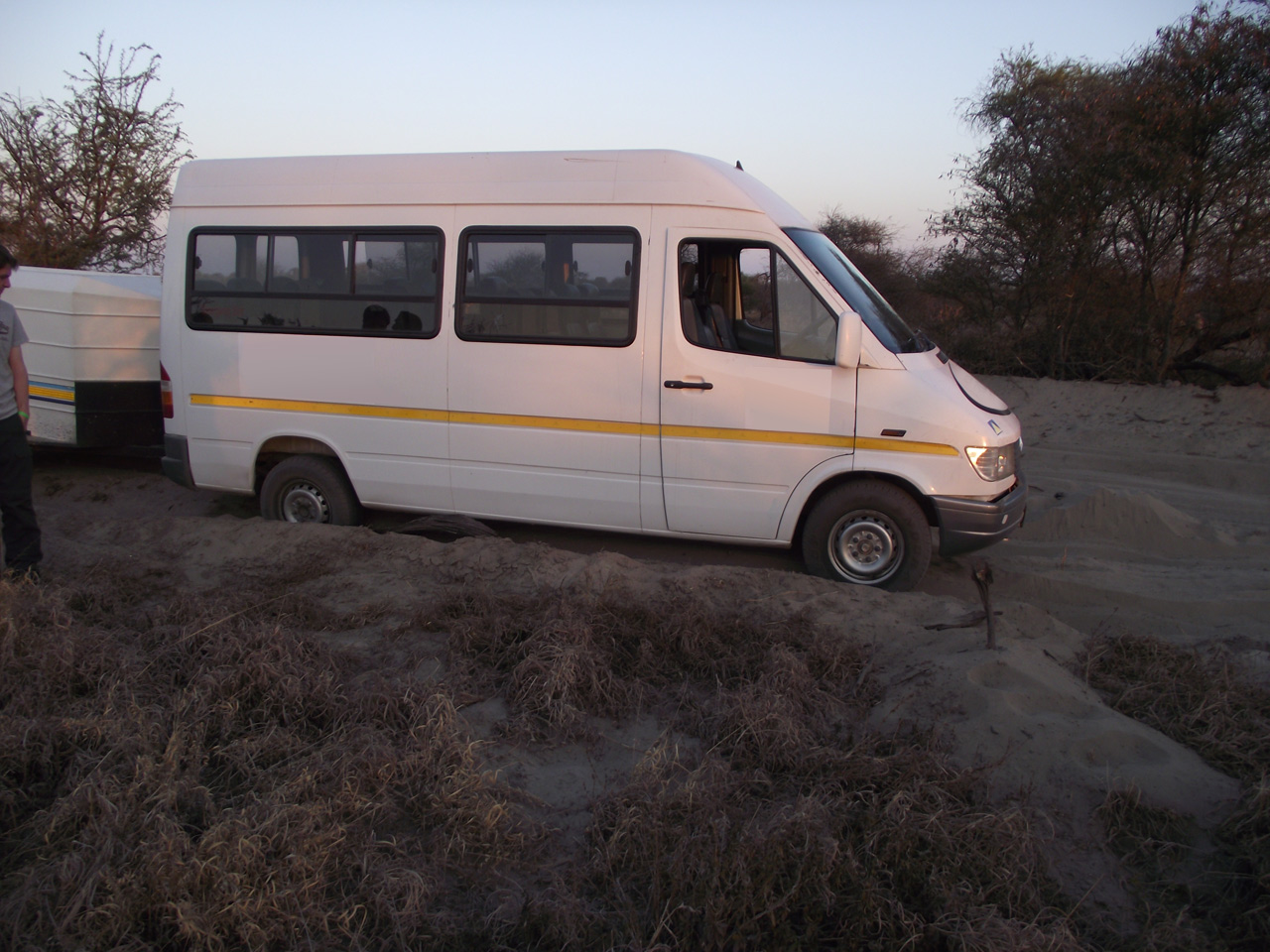
Plane view of the Okavango DeltaPlane view of the Okavango Delta by Justin Hall

‘Air safaris’ are offered at various places in Africa, like Victoria Falls and the Okavango Delta. A flight over the delta in a small plane gives you an idea of the vastness of the area. A helicopter flight over Victoria Falls will make you feel like an eagle soaring above this spectacular area!

Helicopters on Safari

The ‘vehicles’ used differ from operator to operator. The helicopters used at Victoria Falls are generally 4- or 6-seaters and many have bubble windows, allowing for good viewing. Do remember that, in the 6-seater, you may land up in the middle seat, making seeing out slightly more difficult.

Light Planes on Safari

In the Okavango Delta, many of the lodges are only reachable by air, especially during the wet season. Many small plane charters are available both as a means to get to the lodges and for a birds-eye view of the delta and spectacular photographic opportunities – a once-in-a-lifetime experience.

Small plane flights on safariSmall plane flights on safari

Recommended safaris with flying components

  • Victoria Falls Budget Tour Package (Zimbabwe)

  • Okavango Delta & Chobe Accommodated Safari (North)

6. Hot Air Balloon Rides

Hot air ballooning over Serengeti ParkHot air ballooning over Serengeti Park by Wajahat Mahmood

What could be better than watching the sun rise over the Serengeti while floating gently above its vast plains in a hot air balloon? Nothing, really. Hot air balloon rides are offered at various places in Africa (like Masai Mara and Serengeti) and provide an incredible, thrilling, bird’s-eye view of the vastness of Africa, dotted with wildlife.

Recommended trips with balloon safaris

  • 4-Day Masai Mara Luxury Camping Safari – optional hot-air balloon trip over Masai Mara, Kenya

  • 12-Day Kenya & Tanzania Budget Lodge Safari – optional hot-air balloon trip over Serengeti, Tanzania

7. Boat to the Great White Sharks

Shark diving safariShark diving safari by Kim Nowacki

The boat used for our Great White Shark Cage Diving trips in South Africa is a custom-built catamaran. Combining comfort, stability, speed, and safety, this boat ensures not only a good trip for you but also promises minimal interference in the shark’s natural habitat.

The custom-built shark cage diving boat is typically a 46-foot (14m) long catamaran with a spacious upper deck for surface views of the sharks and other marine animals and platforms for the bait and decoy handlers to ensure the best possible shark viewing. It is a lightweight aluminum vessel powered by four big four-stroke 300-hp outboard engines and is equipped with the most advanced electronic navigation equipment.

Great white shark cage diving boatGreat white shark cage diving boat

Staying dry and comfortable

Featuring a spacious indoor cabin, as well as separate wet and dry outdoor decks, the design ensures that when you’re wet, you’re wet, but once you’re out and want to be dry and comfortable, you can be. The boat usually features a central dining area, storage facilities for personal items, and both male and female toilets.

Gadgets

Electronically, the boat is fully equipped with a tracking device, radios, GPS, radar and navigation equipment, depth finder and echo sounder, and even a 12V charging facility for cameras, cell phones, and laptops.

Safety – yours and the shark’s

Safety is of utmost importance and there are life vests for all passengers, fire extinguishers, a life raft, and capsize bottles on the boat. In case of medical emergencies, there are two onboard First Aid kits, oxygen cylinders, and fluid replacement.

Not only is your safety cared for, but that of the sharks too. The cage has no sharp points or edges that could hurt the animals. The cage itself is specially constructed of reinforced steel and can take five people comfortably. It is lowered and winched back up using a winch from a sturdy gantry. Oxygen is supplied from the boat to divers via a ‘hookah’ system with hoses running into the cage.

This, too, is a once-in-a-lifetime experience. There’s not much more exhilarating than coming face-to-face with a Great White in its own habitat!

Recommended shark diving tours

  • 2-Day Great White Shark Dive Package

  • Great White Shark Cage Diving Day Tour

8. Rubber-Ducking the Gorges

Rafting the Zambezi on safariRafting the Zambezi on safari by Martijn Munneke

Jinja, in Uganda – where the longest river in Africa, The Nile, begins at its source, Lake Victoria – is one of the top whitewater rafting destinations in the world. Add in Victoria Falls, the Fish River Canyon, and the Orange (Gariep) River, where various boat options are offered, from boogie-boarding the rapids through canoeing to rubber ducking both flat water and white water, and it’s an adrenaline junkie’s dream. Your trip choice depends completely on your adrenaline requirements/limits!

Whichever you choose, be sure to check that the tour operator follows all safety regulations, ensuring that you have a safe, enjoyable trip through the gorge. Life jackets and helmets are non-negotiable, these waters can get wild, and a knowledgeable, trained guide will ensure you get the most out of your trip.

Recommended trips with rubber ducking

  • Victoria Falls Adventure Tour Package (Zambia)

  • Masai Mara & Gorilla Trekking Overland Tour or Uganda Safari & Gorilla Trekking Tour

9. East African Dhows (sailing boats)

East African Dhow sailing boatEast African Dhow sailing boat by Cesar Gonzalez Palomo

There is nothing quite so beautiful as seeing a traditional dhow gliding through the warm, azure waters of the Indian Ocean. Originally used for trading, these long, narrow boats with triangular sails, expertly sailed by locals, are used along the east coast of Africa.

So whether you’re heading off to the Bazaruto Archipelago or exploring the coastline of Zanzibar, do yourself a favor and catch a ride on one of these graceful sailing vessels.

Recommended trips with dhow safaris

  • 22-Day Zambia, Malawi, Mozambique & Kruger Safari

  • 5-Day Zanzibar Holiday Package – Adventure Tour

10. Game Viewing Boat Cruises

One of the best ways to watch wildlife and birds on safari in Africa is without a doubt by boat. It’s hard to compete with a laid-back sunset cruise. Exceptional wildlife and bird sightings along the rivers and estuaries in top game reserves of Africa. Stunning scenery. Chilled sundowners and snacks or dinner onboard. Easy-paced, yet exciting and novel.

The boats used on boat cruises vary but they are typically open-sided motorboats. The larger boats offer standing and sitting room and are sometimes double-deckers.

Chobe boat cruise in BotswanaChobe boat cruise in Botswana

Chobe National Park in Botswana is one of the best places for boat-based game viewing in Africa. Another favorite spot for scenic boat cruises is the Zambezi River near Victoria Falls. There are plenty of other great destinations for game-viewing boat cruises, from Uganda to South Africa.

Recommended Safaris with Game-Viewing Boat Cruises

  • Botswana: 5-Day Chobe & Okavango Delta Lodge Tour or Botswana Exclusive Camping Safari to Chobe & Okavango – include Chobe River boat cruises (as with most Chobe Safaris)
  • Uganda: Gorilla Trekking & Queen Elizabeth Park Safari – includes boat cruises on Kazinga Channel (Queen Elizabeth Park) & in Murchison Falls National Park

11. Winding Through the Waterways in Mekoro

Mokoro in Okavango Delta, BotswanaMokoro in Okavango Delta, Botswana

If your safari includes a trip into the Okavango Delta, you will more-than-likely experience the gentle pleasure of a trip in a mokoro canoe. Check with your tour operator that this is included as part of the package, or offered as an optional activity. You don’t want to miss out on this opportunity to get up close and personal with the prolific birds and wildlife – including elephants, hippos, and crocs – of the Okavango Delta.

Mokoro History

These traditional dug-out canoes are made of wood and guided by a ‘poler’, who stands at the helm. While originally made from indigenous trees, such as the Kingella or ‘Sausage Tree’, they are increasingly made of fiberglass these days. While not as ‘authentic’, this is preserving the indigenous trees of the area and provides just-as-good a means of transport through the spectacular waterways of the delta.

Experienced polers

Many people are afraid of hippos overturning a mokoro. While this is not an impossibility – this is Africa, after all, and you’re in their habitat – the polers are experienced in the area and are very aware that hippos are territorial creatures. They are sure to avoid dangerous situations.

A trip on a mokoro allows you to get as close to the sights and sounds of Africa as is physically possible. Don’t miss out on this once-in-a-lifetime experience.

Recommended safaris with Mokoro canoe trips

  • Botswana Parks & Okavango Delta Budget Lodge Safari

  • Budget Delta Mokoro Trail & Savuti Safari

12. Kayak & Canoe Safaris

If you’re a kayaking or canoeing enthusiast this is the ultimate game-viewing safari vehicle for you. Watch the wilderness glide by as you paddle quietly along the rivers and waterways of Africa. A canoeing or kayaking safari gives you more independence than a mokoro trip where a guide poles you along.

The canoes and kayaks used on safaris vary widely, ranging from inflatable canoes to rugged old-school kayaks.

Zambezi canoeing in ZambiaZambezi canoeing in Zambia

Some canoe safaris offer game viewing opportunities along the riverbanks and even in the waters whilst most are more about taking in the wild scenery and spotting birds.

Recommended safaris with canoe or kayak trips

  • 16-Day Zambia & Malawi Small Group Safari or 4-Day Victoria Falls Tour in Zambia – include Zambezi River Canoe Trips
  • 4-Day South Africa Garden Route Tour – includes Canoeing in Wilderness National Park

  • 15-Day Zambia & Malawi Small Group Budget Safari – includes kayaking on Lake Malawi

13. Explore the African Bush on Horseback or Camelback

An incredible way to experience the bush up close! Horseback safaris are allowed in certain game reserves so if you want to experience the bush on horseback you’ll need to pick your destinations accordingly. Two of the most popular African safari destinations that offer horseback safaris are Victoria Falls (Zambia or Zimbabwe) and Big 5 game reserves near Cape Town in South Africa.

Horseback safaris Cape TownHorseback safaris Cape Town

For a whole new experience, you can explore Africa by camel. An entirely unique and exotic mode of transport indeed. Camelback safaris are far rarer than horseback safaris. You can only embark on a camelback adventure in a few places, including parts of East Africa.

Recommended trips with optional horseback safaris & camelback safaris

  • Experience Southern Africa Exclusive Budget Safari & Zimbabwe & Botswana Safari (Lodge Tour) – optional horseback safaris at Victoria Falls
  • 3 Day Big 5 Cape Town Safari & 2 Day Big 5 Cape Town Safari – optional horseback safaris at Aquila Game Reserve

  • Lake Turkana & Northern Kenya Camping Safari – includes an overnight camelback safari in Tuum (Samburu District of Kenya)

14. Walking Safaris in Africa

Walking safaris in AfricaWalking safaris in Africa

This is (obviously) only an option once you are in the game reserve. Depending on the safety i.e. the presence of dangerous predators, many game reserves offer guided walking tours. This is the ideal way to get a true, African, wildlife experience. By walking through the bush all your senses experience Africa – sight, smell, sounds, touch – unadulterated by the sound of motors and really off the beaten track.

Guides and trackers

Most reserves have highly experienced guides who are a fountain of knowledge regarding the fauna and flora of the area and are excellent trackers. This allows you to not only experience the bush but also learn all sorts of fascinating facts while seeing the birds, insects, and animals that call Africa ‘home.’

Walking safari guide in KenyaWalking safari guide in Kenya

If you have the opportunity, do not miss out on a walking safari. You can’t get closer to nature than this.

Recommended walking safari trips

  • 4-Day Kruger Park Walking Safari or 5-Day Kruger Safari – Hiking Tour

  • South Africa Walking Safari to Kruger & Zululand

  • 7-Day South Luangwa Tented Camps Walking Safari

Talk to an Africa travel expert to find the ideal types of safari vehicles and other transport modes for your trip to Africa.
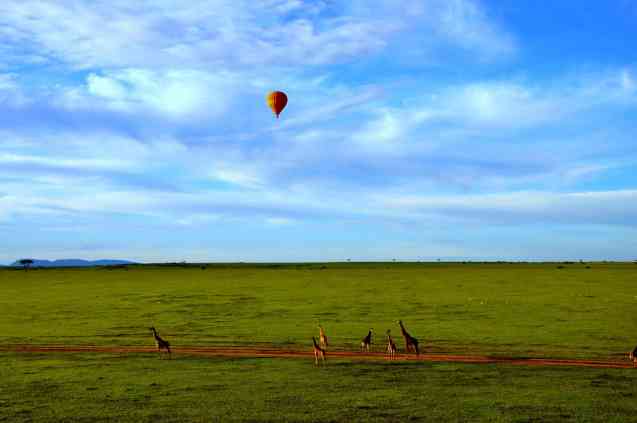
African safari vehicle in KrugerAfrican safari vehicle in Kruger

[Updated in 2022: originally posted in 2014]

Shooting Sports: Everything You Need To Know About It

0

Are you interested in trying out shooting sports? If yes, you have come to the right place.

Shooting is a sport that requires both physical and mental skills. Shooters strive for technical excellence with a steady hand and steely nerves. 

Shooters who compete in the Olympics put in years of practice and training before attaining high standards. 

People of all ages and abilities can enjoy shooting. Many clubs offer classes for beginners and competitive leagues for those who want to test their skills.

This blog post covers everything from Shooting Sports rules and procedures to different types of shooting sports guns and events. 

So, keep reading, whether you’re a beginner or just want to know all about shooting sports!

Types Of Shooting Sports Guns

There are many different types of guns used in shooting sports. The following are the most common types of firearms that shooters use in the Olympics.

Shooting Rifle

Rifles are long guns that are typically used for hunting or target shooting. It’s single-loaded in 5.6-millimeter caliber (the inner diameter of a gun barrel), which is used for all events. 

These guns are used in the sport of rifle shooting. Since rifles have a longer barrel than pistols and shotguns, they require two hands to hold and are often more accurate at longer ranges. 

Shots are fired from a standing position. Both men and women can participate in the 10m air rifle event. 

Pistol

A pistol is a short air gun that can be held in one hand. These airguns have shorter barrels than rifles and are less accurate at long distances.

The pistol used for the 10m Air Pistol competition is a single-loaded 4.5-millimeter pistol, while the Rapid Fire Pistol used in the 25m competition is 5.6 caliber with a five-shot magazine. 

In the Olympics, only men can participate in the 25m Rapid Fire Pistol event. 

Shotgun

Shotguns are long guns that have double barrels that are smooth-bore. They are used for hunting birds and small game. 

They are 12-gauge shotguns with a caliber of 18.5 millimeters. A gauge is a unit of measurement used to describe the barrel’s diameter. 

Shotgun activities include trap and skeet. Both men and women can compete in these shotgun shooting events. 

Shooting Sports Uniform

Shooters use particular jackets and cushioned trousers to improve their ability to focus on the target. That’s because the surface of the jackets is non-slippery, which ensures a good grip, primarily for rifle shooters. 

The extra padding in the jackets also helps to improve the shooter’s precision and provides a firm base for a perfect shooting position.

When it comes to shoes, sport-specific shoes are not a requirement. However, they can provide extra grip and ankle support. Some shooters also prefer to wear gloves to protect their hands from the gun’s recoil.

Blinders are another piece of equipment used by shooters. It helps the shooter remain focused on their target. It’s permissible for shooters to use blinders during shooting, which reduces peripheral vision and increases focus.

Shooting Sports Events At The Olympic Games

The shooting discipline has gained prominence in the Olympic Games since Athens in 1896. 

There are 15 events in the Olympic Programme of Shooting Sport, divided into three disciplines: Rifle, Pistol, and Shotgun. 

In the Olympic Games, there are events for both men and women. Olympics compete in six events for men, six for women, and three for mixed events. 

The following are three different shooting sports events that take place at the Olympic Games:

Rifle Event

In rifle shooting, shooters must fire at a target within a prescribed distance from a standing position. The targets are placed at a distance of 10metres. The event is divided into two subcategories: 50m Rifle 3 Positions event and 10m Air Rifle event. 

In the 50m Rifle 3 Positions event, shooters must fire at targets from three different positions: prone, standing, and kneeling. The 10m Air Rifle event is for both men and women.

Pistol Event

In pistol shooting, the target is placed at a distance of 25metres. The event is divided into three distinct subcategories: 25m Rapid Fire Pistol, 25m Pistol, and 10m Air Pistol. Shooters have to fire one-handed without any assistance in every category.

Shotgun Event

The shotgun event is one of the most popular events in the shooting sport. The event is divided into two distinct events: Trap and Skeet. In the trap event, shooters must fire targets that are released from a trap house. 

Shooters have to fire at a clay flying object diameter of 10cm in these events. The shooter has to throw the object at a speed of 100 kph.

Shooting Sports Rules

The shooting rules are governed by the International Shooting Sport Federation (ISSF). The ISSF is the international governing body for the sport of shooting.

Here are a few general rules and procedures that are followed in most shooting sports:

Procedures For Breaking Ties

If there is a tie during qualification rounds, the ISSF Rules will apply. The rules vary from event to event. A shoot-off will be used to determine the winner if there is still a tie. It will happen in the final stages of Rifle and Pistol events, not Shotgun events.

In Shotgun events, the person with the highest qualification score will win if there is a tie. If there is still a tie after that, there will be a shoot-off to determine who gets the gold and silver medals. 

Penalties And  Disqualifications

Shooters may protest the value of their shot by filing a score protest. If the shot is ruled as a miss, a two-point penalty will be assessed. The Classification Jury follows recognized procedures to resolve such protests.

If a shooter breaks the ISSF rules, he or she may receive a warning, a penalty, or be disqualified. The type of penalty will depend on the severity of the violation.

Warnings are given for minor infractions, such as not following the dress code. Generally, penalties are imposed for cross-fired rounds, while disqualifications are caused by failing the pistol weight test or the rifle clothing test.

Appeals And Protests

If an athlete or team believes there has been a mistake or injustice, they have the right to lodge an appeal or protest. ISSF rules specify protest or appeal timeframes for all shooting sports competitions. 

After all these issues have been resolved, the official results will be released. The Appeal Jury is the final authority on all appeals and protests.

Final Words

I hope you enjoyed reading this article. I have tried to explain all the basics of shooting sports in simple terms.

Shooting sports are a type of competitive sport where participants use firearms to hit targets.  

The sport requires a great deal of skill, concentration, and practice. To succeed, participants must control their accurately and precisely hit their targets. 

Shooters must also have strong hand-eye coordination and a steady hand to hit their targets consistently. 

Remember, practice makes perfect. So, if you are interested in taking up shooting as a sport, start practicing now!

Foolproof Ways to Light a Bonfire

0

Lighting a bonfire isn’t all that difficult as long as you have the right materials and tools. Start small by gathering dry tinder – very small twigs, leaves, newspaper, and other small materials that will easily catch fire. Then gather your kindling – larger sticks and thin pieces of wood to add on top of the burning tinder.

Finally, you’ll need your fuel wood. Larger branches, logs, and pieces of wood will burn slowly and keep your fire going. Get all the material on hand before you light anything or else you risk burning your tinder and kindling and having no fire to show for it. bonfire

However, for everyone else that doesn’t have a tree in their backyard or a wooded area to gather these materials, lighting a fire can be a bit more difficult. Regardless of how you start the fire, you’ll need some kindling to help catch the larger pieces of wood.

If all you have are larger pieces of wood, you can use an axe, hatchet, or even the Kindling Cracker, below, to help break small pieces off of the split logs. Throw these pieces on top of the ideas we’re going to walk through below.

We recommend the Kindling Cracker XL Firewood Splitter

6 Foolproof Ways to Light a Bonfire

Use Charcoal

Inexpensive, readily available, and slow-burning, charcoal is great for not only grilling but getting a fire going too. Pick it up at any gas station, grocery store, or campground with a bottle of lighter fluid and you’re ready to go! Lighter fluid helps get the charcoal going, but a charcoal chimney will save you money in the long run since it makes it easier to light the fire.

If you choose to use lighter fluid, make sure you let the lighter fluid soak into the charcoal for a minute or two before lighting. An added benefit of using a charcoal chimney is that if you choose to grill over your fire, you won’t get the lighter fluid taste cooked into your food.

We Recommend the Kingsford Quick Start Charcoal Chimney Starter

Cooking Oil and Paper Towel Waste

Next time you have leftover cooking oil, throw it into a large mason jar. Anytime you have paper towels that are still semi-dry, add those to the mason jar as well. These paper towels will soak up the used cooking oil and are great for lighting directly under kindling.

Bacon Grease, Toilet Paper Rolls, and Dryer Lint

If you grew up with a mason jar of bacon grease in the fridge, most of your meals were probably pretty tasty, even if they leaned towards the ‘unhealthy’ side of the spectrum. While you might not cook with bacon grease like your parents once did, that doesn’t mean you need to throw it out after a Saturday morning breakfast.

Keep your extra bacon grease in a mason jar and start saving your empty toilet paper/paper towel rolls along with any dryer lint. Lightly stuff the empty cardboard tubes with dryer lint and add in some bacon grease after it’s been heated up.

These are great fire starters you can put into a ziplock bag and take on the go. If you prefer working with something a little cleaner, the coffee ground option we mention in this list is the better option.

Sawdust and Paper Briquettes

This option requires quite a lot more effort than the previously mentioned ideas. If you do any sort of DIY projects where you’re cutting wood, you know it creates a lot of sawdust. Combine this sawdust with all the junk mail and amazon boxes that come to your house and you have a ton of burnable wood/paper products.

With some water and elbow grease, you can turn these wood by-products into burnable ‘logs’ or briquettes. A few videos are included below on how to do this, but the idea is simple.

  • Create a paper/sawdust slushy – Add shredded paper, shredded cardboard, and sawdust to a water mixture.
  • Push the slushy mixture into forms – whether bricks, bucket-shaped, etc.
  • Squeeze the water out, then allow the ‘logs’ to dry in the sun

You don’t need a fancy rig or setup like many of the people below have. You can get started doing this with just 2x 5-gallon buckets and a piece of wood.

Pre-made Starters

While going the DIY route is easy and fun, it is time-consuming. For those strapped for time, below are our suggestions for pre-made fire starters.

We recommend QuickSurvive All-Purpose Waterproof Fire Starters

Tips for Lighting your Bonfire

Use Only Dry Firewood

Even if the wood appears dry, it might not be. A good way to determine if it’s fully dry is to drop it on concrete. If you hear a firm ‘thud’, rather than a hollow echo, then there’s still some moisture in it and you may have trouble lighting it.

If this wood is still a little damp, it will burn. If you’re in a pinch to get a fire going, buy some kiln-dried firewood to get the fire going, then add your slightly damp wood on top. It will smoke a bit more than fully-seasoned wood, but it’ll usually burn.

Feed the Embers Oxygen

After you’ve added your kindling and it’s begun burning well, start feeding it oxygen. You can use a piece of cardboard to fan it, or if you have an air inflator or leaf blower, those will work much better. The oxygen helps to raise the temperature of the fire and help it burn more efficiently. This helps the wood you’re adding catch faster.

Don’t Suffocate the Fire with Paper

If you have a large stack of paper or other documents you’re trying to get rid of, feed them to the fire slowly – preferably in crumpled balls. It’s easy to drop a large pile of papers and wait for them to catch, but you’ll risk suffocating the fire.

Buy a Blow Torch

If you have enough bonfires, using a stick lighter or matches gets old after a while. A blow torch head is under $20 and the refill tanks are only $3 or so a piece and last quite a while. Your thumbs and fingers will thank you.

Other Scenarios

How to Light a Beach Bonfire

Lighting a beach bonfire isn’t all that different from a backyard fire. There are only a few different precautions you’ll want to take to make the fire safe and enjoyable for everyone.

For starters, you’ll want to have a small shovel with you. The Glock E-tool is perfect for this and if your car is ever stuck in the mud or snow, this tool is a lifesaver for that too.

We recommend the Glock’s Entrenching Tool with Saw (E-Tool)

Dig a shallow hole in the sand and build a small berm around the perimeter of the hole. If there are some larger rocks you can move next to the berm, even better.

PRO-TIP

Make sure you know where the high tide comes in and stay well away from that area. Water can pool up in the bottom of your fire pit and cut your night short.

Pat down the bottom of the hole so you have a firm surface to work with. If you have additional rocks, these can be added to the bottom of the hole for a hard dry surface for the wood to sit on. The irregularities in the shapes of the rocks will also allow more air to flow to the fire.

Now you can gather all of your tinder, kindling, and fuel materials to get the fire going. Typically, it’s better to use a tee-pee structure for a beach bonfire, since that will encourage more air to flow to the embers. After the party is over, be sure to extinguish the fire with plenty of water and then bury the embers and ashes.

CAUTION

Check local laws to ensure it is legal for you to have a bonfire on the beach. Some areas will require you to request a permit.

Safety Precautions

Avoid Using Accelerants – Do NOT Use Gasoline

Apart from being a poor bonfire starter, using gas is dangerous and can be explosive. The vapors coming off of gasoline are what catch fire before the liquid itself does. Gasoline tends to ‘flash’ and can flash large enough to catch you and anything around you on fire before you even know it.

Charcoal and lighter fluid are much safer alternatives as long as you follow the directions on their packaging.

Don’t Burn Pressure Treated Wood or Anything Else Chemically Treated

Pressure-treated wood is most easily recognized by its greenish tint. Avoid burning this wood at all costs. Pressure-treated wood has been injected with chemicals to prevent it from decaying when in contact with the ground or moisture.

It goes without saying that burning this wood releases these chemicals into the air, which are known to cause cancer. Always wash your hands after handling pressure-treated wood

25 Tips for Dove Hunters

0

Dove season is a prime time to enjoy the outdoors with family and friends. Image by Harold Stiver

Dove season sneaks up on you. One day, you’re mowing the lawn, fishing or, heaven forbid, playing golf. The next, you’re up to your ankles in smoking empties. According to an often-quoted statistic, you’ll shoot five to seven shells per dove bagged. At that rate, the hull pile gets deep in a hurry.

It doesn’t have to be that way. There’s not much you can do now about the clay targets you didn’t shoot this past summer. That will be next year’s project. But I can help in the short term. Here are 25 tips to make your dove season better.

1. Pick the Right Gun

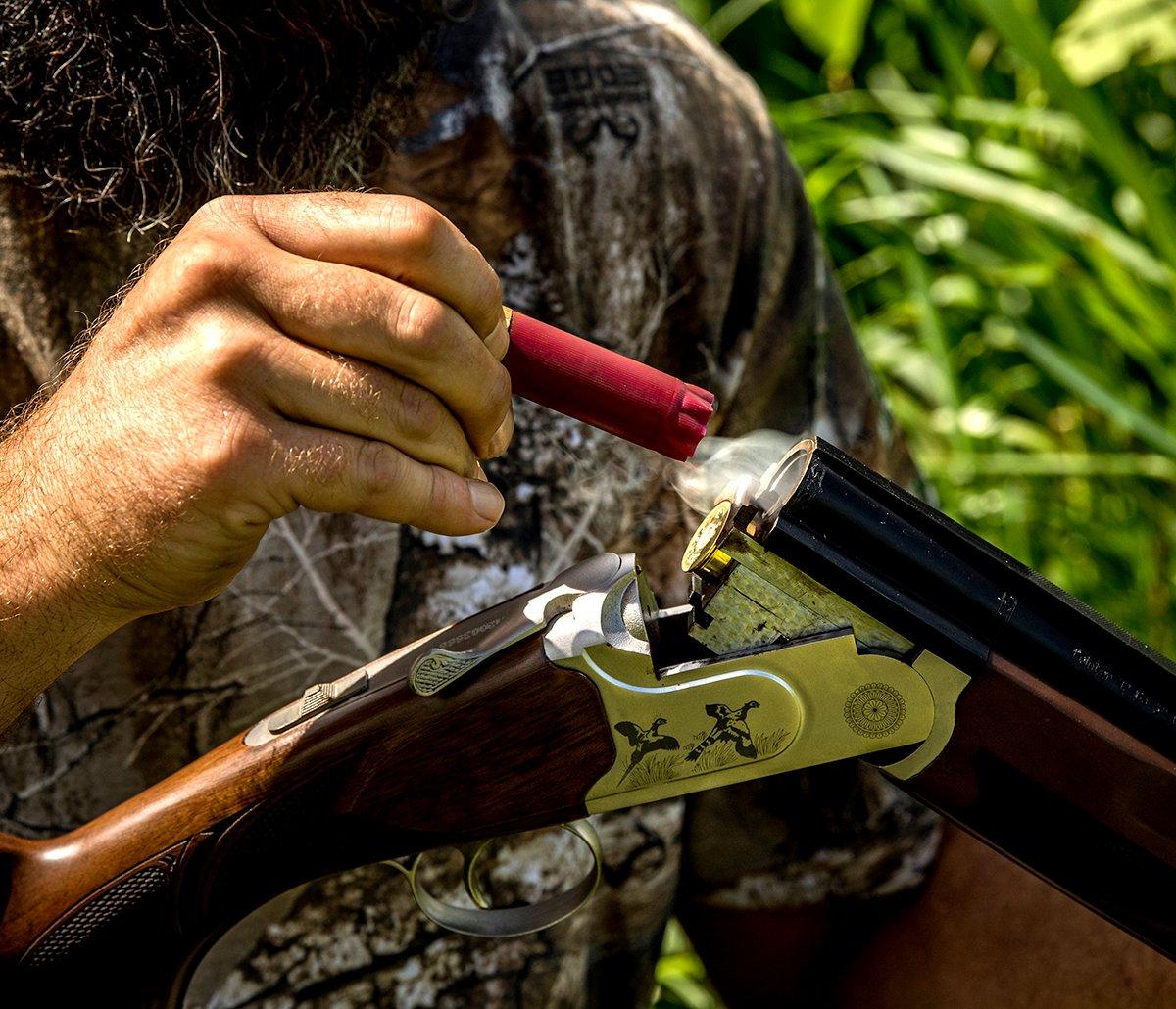
Dove hunting is supposed to be fun, and if you enjoy shooting family heirlooms or featherlight .410s at doves, who am I to tell you not to? But if your idea of fun is hitting more doves, choose a 12- or 20-gauge with some heft and at least a 28-inch barrel. A longer, heavier gun swings smoothly, points surely and soaks up recoil. The best dove shooting I did this past year was with a 12-gauge sporting clays gun.

2. Stock Up On Shells

Ammunition is available again, and there’s no reason to run out opening day, which I have actually done. Begging shells from people in the field is just embarrassing. Field or target loads of Nos. 7½ or 8 lead or 6 or 7 steel work. Steel loads kill fine, by the way. Lighter loads, with less shot and lower velocities, kick a lot less than heavy, high-speed stuff, and you will shoot a lot in no more padding than a T-shirt. Be sure your ammo will cycle your semi-auto, but other than that, lighter is better.

3. Improve Your Chances

A more open choke, such as improved cylinder, increases your chances of hitting doves. While conducting a test of lead and steel dove loads in Texas, during which more than 1,100 doves were bagged, ballistics expert Tom Roster recorded data on chokes. Shooters using improved cylinder hit 26% of their shots. Those with modified chokes recorded a 21% hit rate. Full-choke shooters succeeded on only 16% of their attempts.

4. Clean your Gun

The only thing worse than emptying your gun at a dove without touching a feather is not being able to empty your gun. If you put your shotgun away at the end of the previous season and forgot about it, it’s time to get reacquainted. Clean it, making sure to strip off the old oil. Then lightly oil it, and wipe away most of that oil.

5. Shoot

Even shooting a box of shells before opening day is much better than not shooting at all. Concentrate on two things: keeping your eyes on the target throughout the shot, and matching your gun speed to the target’s speed. With most hunters, that means slowing way down.

(Don’t Miss: How to Build an Awesome Dove Hunting Field)

One shot, one bird down. Image by Bill Konway

6. Bring an Extra Gun

The best emergency repair kit is an extra gun. Pack an extra of the same gauge into the field. Breaking out the spare gun is much more convenient than going back to the truck for it or trying to fix your gun, and it’s more dignified than asking other hunters if they have a gun you can borrow.

7. Scout Late

Unlike shooting practice, which should start after turkey season, dove scouting is actually best put off as long as possible. Doves react quickly as sunflowers are cut or harvest begins, and their patterns can change in a day. Birds won’t necessarily be where you saw them a week ago.

8. Watch the Wires

When you scout in the morning and late in the day, look for doves on power lines, where they gather before feeding. Here’s my rule of thumb when I’m scouting cut cornfields: If I see 10 doves sitting together, the field might be worth hunting. If there are 20, it’s definitely worth hunting. A lot more than 20 means I’m calling my friends.

9. Find Water

In addition to food, look for water, especially ponds with some bare dirt around the edges where doves might come to drink. If you find a waterhole, you can have some very good close chances during the last hour of shooting light as doves get a drink before roosting.

10. Check the Crop

Not all dove fields attract birds equally. Sunflowers might look good to us, but for some reason, doves prefer one field to another. If you show up at a dove field without scouting, you might not get much shooting.

(Don’t Miss: No Dove Field? No Problem)

Wait for a good shot. Don't take long shots with long odds. Image by Bill Konway

11. Watch the Harvest

A harvested or cut field can attract just as many doves as a managed sunflower field. Where I live, I’ve had my best hunts in cornfields that have been chopped for silage. In other places, it might be a harvested canola or sunflower field. Look for recently opened fields and doves sitting on wires on dead trees around them.

12. Look for Flight Lines

Every dove field has its hot corners where the shooting is better. Before the season starts, watch a field to see where birds are flying in and out. This past year, I found the best dove field at a nearby public area and watched it long enough to see that most doves were cutting across one of the far corners. I was there the next day and had a good shoot.

13. Look for Trees

The right bare tree on the field edge or sometimes in the field might attract doves that want to perch in the branches before flying down to feed. If you find such a tree, you’ll get easy shots at birds coming in for a landing.

14. Take Good Shots

During opening day in a good field, you’ll get lots of chances, and at first, you’ll want to take every one. Calm down. You’ll get shooting. Keep your shots within 30 yards. You’ll hit a higher percentage, use fewer shells and cripple fewer birds, and you won’t have to spend time looking for birds you knocked down and can’t find.

15. Look at the Eye

Where your eyes go, your hands take the gun. Looking at the whole bird increases the chance of a miss or hit too far back in the body. When doves are close, try to see the bird’s eye or beak, and you’ll hit it in head. If the bird is farther out, look at the head, and you’ll hit it in the front end.

(Don’t Miss: How to Plant a Killer Dove Field)

The crew participating in the post-hunt duties. Image by Austin Ross

16. Own the Overheads

The overhead shot is one of the most common you’ll experience in the dove field — and they’re frequently missed. Bring your gun up behind an incoming bird, moving just fast enough to pass through it. Shoot when the gun blocks out your view of the head. If the target is high, block out the head, keep the gun moving for an instant, and then shoot. Keep your head on the gun until after the shot. Yes, overheads really are that easy.

17. Crush the Crossers

We know crossing targets require lead, yet most are missed several feet behind — not as a result of too little lead but by shooters stopping their swing. The main reason shooters stop their swing is because they look at the gun to check their lead, and looking at the gun makes it stop. Focus on the bird, and swing through it, moving just a bit faster than the target. Keep your focus on the bird’s head, and let your hands take the gun in front of it. Trust your eyes and hands, and pull the trigger.

18. Mark the Falls

Watch every dove you shoot at. Some might sail and then fall dead. Any time you hit a dove, get a good mark, and walk straight to it if you’re hunting without a retriever. Dead doves can disappear in the sparsest of cover and can be almost impossible to find if you drop them in long grass and don’t go to right to them, keeping your eye on the spot all the way. Always bring a loaded gun, as dead doves sometimes flush and fly off.

19. Skip the Doubles

Unless I’m hunting over bare ground and birds are close, I rarely try doubles. Finding both birds can be surprisingly time-consuming and can cost you shots because you’re not sitting on your bucket looking up.

20. Stop at Two

Most third shots are wasted. Unless you know you hit a bird that’s still flying, stop at two shots, and you’ll still have a third ready for that dove that comes floating past after you empty your gun at a screaming crosser.

(Don’t Miss: 10 Tips for Better Dove Hunting)

A successful dove hunt and a fine meal to come. Image by Austin Ross

21. Hide in Plain Sight

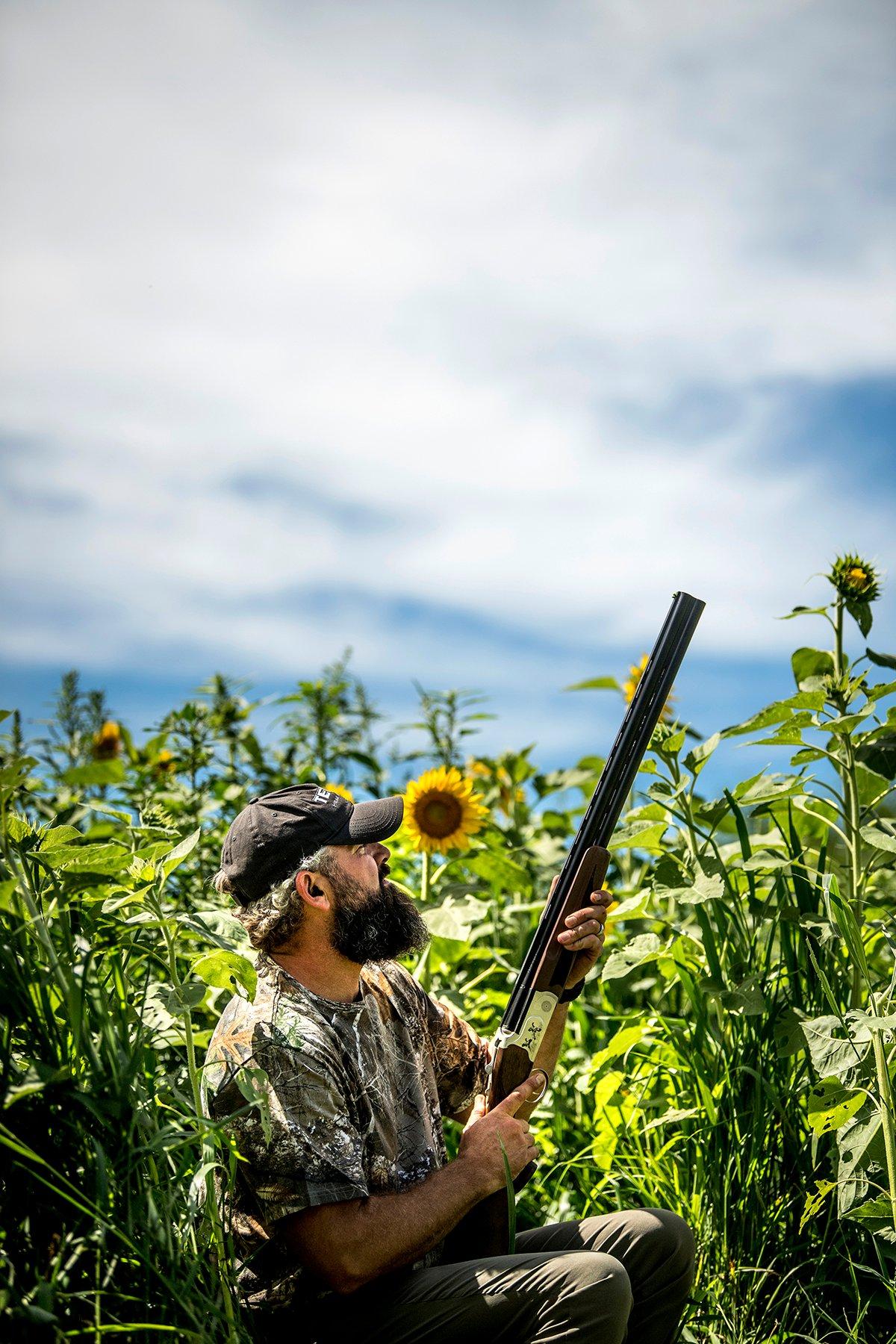
The best way to hide from doves is to sit still in the shade. When I hunt sunflowers or cornfields, I’ll find a seat with the sun at my back and standing corn or sunflowers behind me, and I can be invisible to doves. Earth-toned clothes or the right camo help, too. Doves can see color, and although they aren’t the wariest birds, they will flare if they see you move.

22. Don’t Go Low

In crowded dove fields, don’t take low shots that might endanger dogs or other hunters in the field picking up birds. See some sky below your gun barrels before you take a shot.

23. Protect Your Ears

You will shoot a lot during a dove hunt. After my first dove hunt, during which I shot five boxes of shells, my ears rang for three days. Since then, I have always worn foam plugs for hunting, and although I’m not getting less deaf, I hear better than a lot of my friends do.

24. Protect Your Eyes

Not everyone abides by tip No. 22, and shot-proof glasses can save your eyes from an unsafe shooter. And while you’re at it, choose a lens color that will help you bag more birds. On a bright day, a bronze tint lets you see and still brings out colors on the birds. Rose works, too, and you should always choose the lightest tint possible. Dark-gray sunglasses make everything dark and harder to see and are a bad choice.

25. Don’t Hang Your Gun Up After Opening Day

There is so much more to dove hunting than Sept. 1. Keep at it. You might have to scout harder or lean on your network of friends to see who has birds and what you have to do to wrangle an invitation. Remember, too, that doves are migratory birds, and more will come. Whatever you have to do, it’s well worth it for a chance to keep hunting doves long after opening day.

(Don’t Miss: Dove Hunting, the Perfect Family Sport)

How to Avoid 16 Common Grouse Hunting Mistakes

0

The ruffed grouse is without question one of the most challenging upland gamebirds to hunt. But one way you can improve your luck with this handsome brown and russet speedster is to avoid making mistakes.

I feel uniquely qualified to write a piece on this topic, since over the years I believe I have made every mistake possible in the grouse woods, some of them many times over. But gradually I began to learn from those mistakes. And as I did, I saw both my flushing and harvest rates go up and also my enjoyment of the sport. Sure, just walking through grouse country is fun. But bagging a few now and then certainly makes the experience a bit more rewarding!

It would be easy to list literally dozens of mistakes I’ve made or seen other grouse hunters make over the years. But we’ll focus on the ones that are most common and the ones that hurt your chances for success the most. Knowing what they are ahead of time should help you avoid them, or at least recognize when you make them and avoid them the next time.

1. Not Getting in Hunting Shape

Grouse hunting is extremely demanding physically. You’ll walk for hours, often in uneven, hilly or mountainous terrain. First get a physical, and then start an exercise program that is hunter specific before you get serious about grouse hunting. You might walk 5-10 miles in a day carrying a 6-7 pound firearm. Be ready for the challenge before you take it.

2. Using the Wrong Gun

Benelli Nova Pump-Action Shotgun

Many grouse hunters use guns that are way too heavy. They also carry guns with barrels too long.

A heavy gun becomes a burden to carry on the long hikes through hilly or mountainous country grouse inhabit. It also is harder to bring up quickly and swing on a fast-departing target when you only have a second or two to find the bird and fire. The long barrel is a hindrance working through the thick, vine-tangled, briar-infested cover where grouse like to hang out. It can even get caught on sapling branches when you try to mount and fire.

Leave those guns at home and save them for waterfowl or pheasant hunts. Instead, tote a 12-28 gauge shotgun in any action you please, but make sure it’s light. It should also have a fairly short barrel, for easy, quick swinging in thick cover. I like a double, but autoloaders and pumps are also fine. Avoid a single shot if possible, because you’ll often miss with your first shot and occasionally the grouse will still be in view for a second try.

3. Using the Wrong Choke

Using the wrong choke tube is a common mistake for many kinds of upland bird and small game hunting, but it’s especially critical for grouse. The thick cover these birds inhabit most of the time means shots will be short range. Sometimes they might be as close as 10-15 yards. Other times maybe out to 20-30 yards. Thirty-five yards would be a very long grouse shot.

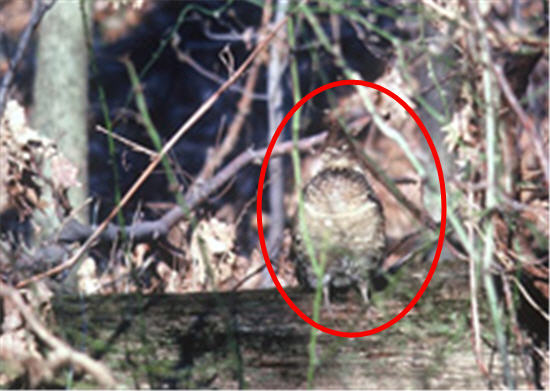
Grouse can be extremely well camouflaged. Can you spot this one? Check grouse image below to see if you did.

That makes it clear that an open choke tube is usually the best bet. At times improved cylinder will be okay. But very rarely will a modified be a good choice. My main grouse gun is a 16-gauge bored skeet and skeet. If a bird gets up 35 or 40 yards away, I just pass it up. But 90 percent of them get up closer, and the open barrel gives a broad pattern that helps my mediocre shooting skills.

4. Using the Wrong Pellet Size

Small shot, size 7 1/2 or 8 is usually best for grouse. The smaller the pellets, the more in a shell and the more likely one or two will connect. And though they look big, grouse are fragile birds and fairly easy to bring down. I go with size 8 for early hunting, 7 1/2 for late season. If you’re hunting unusually open terrain or it’s late in the season and some grouse are flushing far out, 6’s can also be a good choice. Anything bigger simply hurts your chances of connecting.

5. Walking Too Fast

Human nature makes us want to cover a lot of ground as we search for grouse. The more ground we cover, the more birds we’ll find. Right? No. Not really.

Red circle around Grouse where camoflauged in the wooded area
Did you spot the Grouse sitting on the log in this picture ?

Actually you’ll probably walk past a lot of birds if you use that approach. You’ll also wear yourself out faster physically and have to cut the length of the hunt short. Or you’ll be tired when a bird flushes and not be able to mount and fire as quickly as you otherwise could. You’ll also tend to rush past good bits of cover instead of walking them out thoroughly.

Grouse are extremely well camouflaged and really don’t like to fly. They would much rather sit tight and let you saunter past them, even as close as ten feet away, rather than fly. They know they’re exposing themselves to possible danger when they do and want to avoid it if possible. The slow walker seems more threatening to them and is more likely to make them flush.

6. Not Stopping Often Enough

This brings us to a related mistake. Not only should you walk slowly while hunting to be sure you cover the best habitat carefully, you should pause often. This is not just to keep your stamina up, but also a strategic tactic. Pausing seems to make a grouse feel a predator has spotted him and is about to attack. The silence unnerves him, compared to a hunter just casually walking past him. He tenses and flushes.

I’ve found that you’ll flush almost twice as many birds by stopping frequently in good cover as you will if you simply walk through it. It also lets you raise the gun to port arms and be ready if a bird rockets out.

7. Not Stopping at the Right Locations

Make sure you’re in a clear area when you stop so you can raise the gun and swing it without the barrel catching on a grape vine or sapling growth. Also stop near enough to the prime cover that when a bird flushes he won’t be out of range. And finally try to chose a spot where there won’t be an obstruction between you and the quarry when it flushes.

8. Hunting in the Wrong Type of Cover

Not finding the foods grouse use is another mistake.

There are generally two types of cover in a typical forest. One is open, park-like, with mature timber. It looks like a nice place to take a walk or have a picnic. Then there’s grouse cover!

It’s thick, congested, overgrown with grapevines, greenbrier and dense sapling growth. There are blowdowns, laurel, rhododendron, young aspen and alder trees. Sometimes the area is growing back from clear-cutting. It makes for tough walking and tough shooting. But that’s where the grouse are.

The mistake too often made is hunting where it’s easy walking, easy shooting and inviting. The grouse aren’t there. They’re in the thick stuff. Get in and bust them out.

9. Not Finding the Food

Not only do you need to find this thick grouse habitat, you can improve your chances further by pinpointing areas within these dense jungles that provide grouse the most food. It could be grapes, honeysuckle, ferns, greenbrier, oaks, or aspen. Dogwoods are also favored, as are hawthorn, alder, blackberry, raspberry, viburnum, plum, sumac, ash, birch, cranberry and olives. Old abandoned orchards can also attract the birds for the leftover fruit. Ridges are often best early. Later they may move down to hollows, stream bottoms and more protected cover with less snow accumulation.

It’s important to have a bird dog that will stay close, like this Irish Setter, so they won’t scare off the grouse.

10. Hunting Too Close to the Road

Birds will be warier and spookier here. They’ll also be present in lower numbers because of the hunting pressure they’ve been exposed to. Hike in a quarter or half mile, and then start hunting. You’ll find more birds and they’ll be less skittish.

11. Using Wide-Ranging Bird Dogs

A dog can be a great help in grouse hunting. But if you have a wide-roaming hunting dog that doesn’t stay close and obey commands well, it can actually bump more birds out of range than it points for you. By all means, bring a dog if he’s trained to hunt close and knows grouse. Otherwise, you might do better off just jump shooting the birds. I like a dog that sticks close, always within about 50-75 yards or closer.

BirdDown Dog Training Grouse Scent

Tip: BirdDown Dog Training Scent lets you add the scent and smell of real grouse to your dog’s training easily. Easy-to-apply and easy-to-use, this wax-based stick adds a strong scent of a grouse to a training dummy with a simple dab or wipe on the dummy.

12. Not Shooting Quickly Enough

This is common among novices in particular. A grouse thunders out of cover, often right at your feet, so loudly and raucously that it’s shocking. By the time you collect yourself and raise the gun, he’s out of sight. Or maybe he’s so close you let him get a ways out so the shot won’t damage the meat. In both cases, the clever grouse will likely put brush or a tree between you and him and vanish before you slap the trigger. Shoot quickly, as soon as you can get the gun up to your shoulder and firmly mounted and your cheek down on the stock.

13. Not Being Ready for a Second or Third Grouse to Flush

If you flush a grouse, there’s often a chance another bird may be in the covert where he was. Be ready for a second chance if you missed the first bird. If you bagged the first grouse and have marked carefully in your mind exactly where it fell, then you can try for a second one. If you haven’t, let the second grouse go and concentrate on locating the one you hit.

14. Not Watching Carefully Where a Flushed Bird Flies

If you miss a grouse, there’s a decent chance you can re-flush it. But to do that you need to watch carefully as it flies away and get a good bead on where it might have landed. Often it will fly through a semi-open area, land and then run into the next thick patch of cover. Pay attention and you may get a second, or even a third crack at that bird.

15. Hunting in Areas Exposed to Strong Winds

Grouse don’t like wind. It robs them of their ability to sense movement of brush and potential approaching predators. And in winter it robs them of body heat and chills them. Look for hollows, valleys, dips, and sides of hills protected from the strongest breezes to bag the most grouse. You’ll also find the hunting more comfortable there as well.

16. Hunting Alone

If the truth be known, I have to confess I do this a lot. But when possible, always try to bring a buddy or two along. It’s much easier to thoroughly hunt a patch of cover if two bodies are walking through it, trying to flush birds.

Often you’ll move a grouse that will fly by your partner and vice versa. That will give you extra shooting opportunities you wouldn’t otherwise have. Four eyes are also better than two for finding dead birds. And it’s simply fun to share the woods with a companion and share the joys and frustrations of chasing America’s most challenging upland game bird.

Use U-40 Cork Seal to Protect Cork Fishing Grips

0
Use U-40 Cork Seal to Protect Cork Fishing Grips

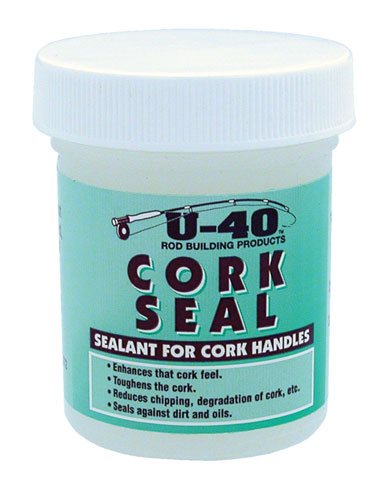
Protect Cork Fishing Grips When it comes custom rod building and fishing in general, cork will always be a popular grip because of its traditional look and classic feel on any fishing rod. With that said, the big knock against cork is its tendency to slough, erode, and chip over time, but just one coat of U-40 Cork Seal will prevent these factors and so much more.
Whether installing a traditional cork grip or the more inventive cork checkerboard handle, each initially look great, but the wear and tear of constant fishing will do significant damage to the cork itself. Protecting the cork’s surface is crucial to preserving its initial look and extending the cork’s lifespan. The ultimate protector of cork, U-40 Cork Seal works by sealing the cork’s surface to maintain the natural look and enhance the cork’s grip.

Sealing the Cork Grip

While out on the water, cork grips contact all sorts of damaging contaminants. From fish guts and mud to the very oil on our hands, cork is constantly exposed to harmful materials in the fishing environment. These materials penetrate the cork’s semi-porous structure causing unfortunate deterioration.

By sealing the cork’s surface, U-40 Cork Seal outworks the damaging materials to in turn preserve the cork look and feel fishermen love. The cork soaks up the U-40 Cork Seal to prevent the worst of oil, mud, water, fish guts, and even eggs from entering the cork. Not only does U-40 Cork Seal defend your cork handle assembly, it also looks great getting the job done.

Preserve’s Traditional Cork Appearance

Although U-40 Cork Seal can’t stand up to your dog’s teeth, it does work extremely well in reducing the potential for any chipping or sloughing from the cork’s surface. In addition to fishing, cork handles are often damaged during the packing and transporting phase of the fishing trip. The added protection of U-40 Cork Seal is a huge benefit in each of these phases.

Since cork’s surface is semi-porous, it accounts for its lightweight benefits however, it also causes the cork to be easily soiled. Once unwanted materials penetrate the cork’s surface, the cork’s gradual deterioration begins. The protective layer provided by U-40 Cork Seal stands between the cork and the exposed environment to keep the handle both clean and intact.

Strengthen the Cork Feel

Knowing that U-40 Cork Seal prevents all unwanted debris from penetrating the cork’s surface, it also helps by enhancing the feel of the cork. This means that it prolongs the initial grip that makes cork so popular among rod builders. By capturing and preserving the initial grip, U-40 Cork Seal ensures your cork handle maintains peak performance every time it’s on the water.

5 Simple Steps to Seal Your Cork Grips

The ultimate protector of cork, U-40 Cork Seal takes only one coat to seal the cork’s surface and protect the cork’s natural look and grip. Follow these steps to successfully coat your cork handle assembly:

1. Clean Cork Grip

Using some warm — lightly soapy — water and a sponge, gently rub the soapy sponge over the cork grip. For problem areas, use a little more pressure with the sponge. Once satisfied, rinse the cork with plain water to remove all the soapy residual.

2. Wait for Cork to Dry

With all the soap suds removed, leave the cork out to dry. Make sure the cork is completely dry before moving on to applying the U-40 Cork Seal.

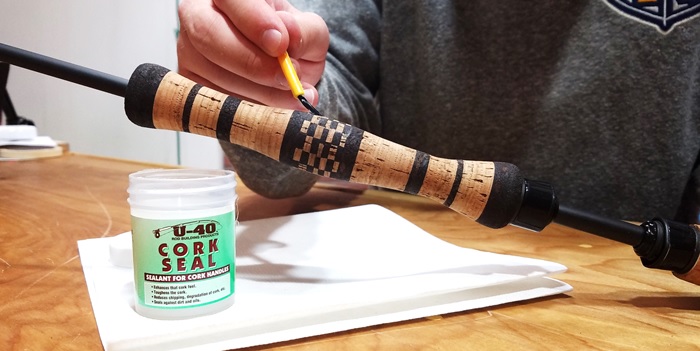
3. Apply U-40 Cork Seal

Next, apply U-40 Cork Seal to the dry cork’s surface with a bristle brush to ensure you cover the entire surface. Use the brush to wipe away any excess that will not soak in to prevent the U-40 Cork Seal from sagging, streaking or running.

It is important to only apply one coat considering the second coat will not penetrate the first.

4. Let U-40 Cork Seal Cure

After the cork is completely covered and all the excess is removed, clean the brush right away in running tap water. Then, let the sealed cork cure. It will be dry to the touch in 30 minutes and ready to use in only 24 hours.

5. Get Back on the Water

Once 24 hours pass, get back on the water with your sealed cork handle that can now outlast the elements of fishing to look and feel brand new every time. With the application of U-40 Cork Seal, your cork will look, feel, and fish as genuine as its first day on the water.

Check out U-40 Cork Seal available at Mud Hole to save your cork handle assemblies.

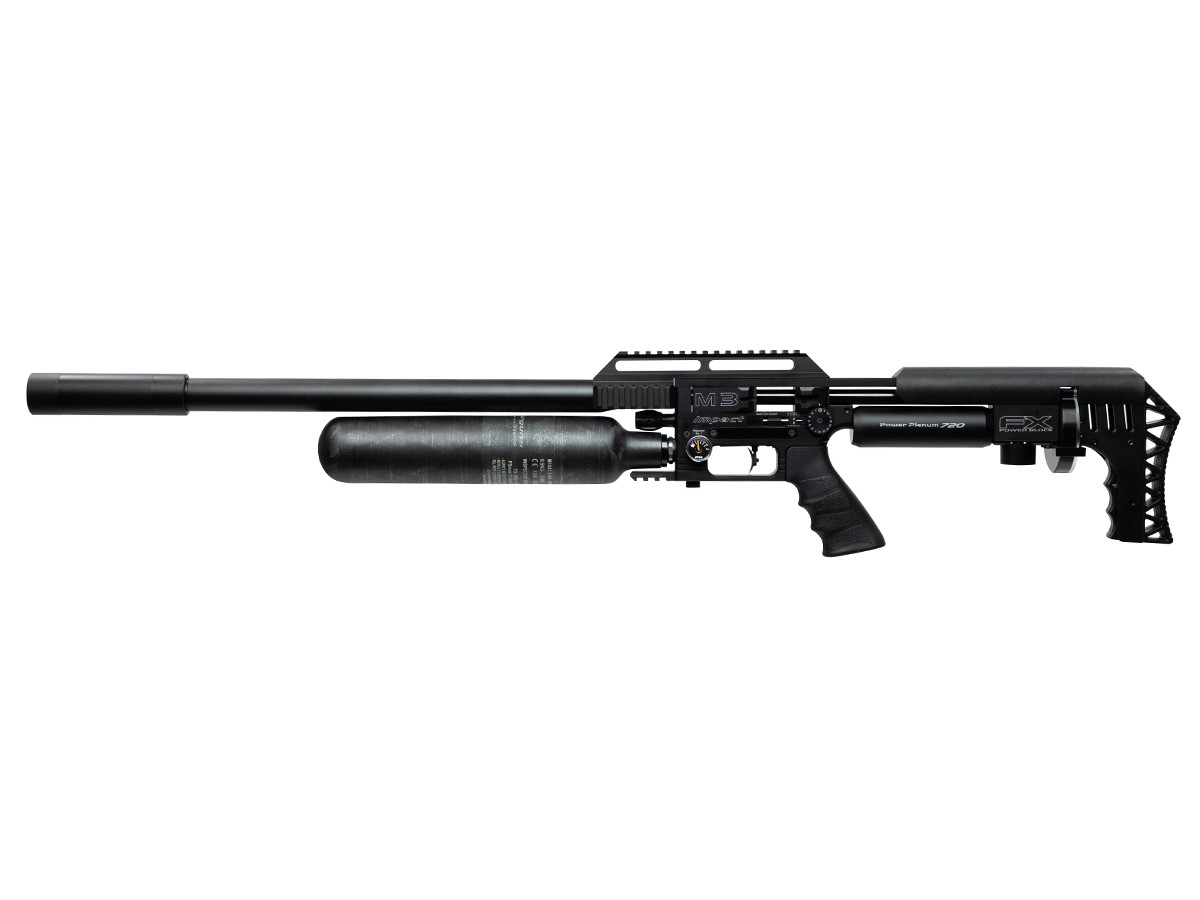
FX Impact M3 Review

0

Pre-Charged Pneumatic (PCP) air rifles are a hit among hunters because of their modern design and easy affordability. 

While cheap rifles are additional forces to your experience and love for the game, like any other enthusiasts, if you invest more in something, the results would be far better.

Hence, while the FX Impact M3 might be one of the high-budget PCP guns, it’s a machine that gives you everything of the highest quality. It is no doubt the most advanced PCP in the market with features you did not even know you needed. 

If you are interested in how magnificent the rifle sounds, continue reading this review!

FX Impact M3 Silencer

The Swedish manufacturer of guns, FX Airguns is a renowned producer of the best air rifles and FX Impact M3 is perhaps one of its best models. 

It has everything that a basic PCP should have, along with many features like dual Adjustable Match Precision (AMP), external micro and macro hammer spring tension adjustment, regulators, interchangeable calibers, and much more.

There are many barrel lengths available and a unique stackable moderator system puts the user in control of the sound as well. If this does not sound like a dream PCP gun, we do not know what does.

The table below represents FX Impact M3’s performance with the various caliber versions that it comes with:

CaliberMax Power Magazine Capacity
.17737538
.2233028
.2516028
.3010523
.354518

FX Impact M3 Rifle Details

The following is a detailed review of the features of the FX Impact M3 air rifle and how it fares in terms of velocity, accuracy, and in comparison with other great rifles. 

1. Gun Type

The FX Impact M3 Rifle is a Pre-Charged Pneumatic type of air gun that has side-lever type action and a two-stage adjustable trigger. It is a great gun for all kinds of shooting practices – hunting, target practice, and casual plinking. Its wide capacity of 38 shots a round allows it to shoot accurately and consistently. 

It also has a maximum capacity of 375 pellets per cartridge and has a repeating type firing, it is a delight to have for any gun enthusiast. 

2. Stock

The stock of the FX Impact M3 is an innovative idea for airgun enthusiasts. The buttstock is adjustable and even has a hidden monopod which helps your gun aim at 3 points of contact when shooting using a bipod. It has a solid grip and is capped with a vertically adjustable butt pad. 

3. Sight

There are no sights on the FX Impact M3, but there are a lot of mounting options for scopes, night vision aim devices, or red dots. The rail of the scope is Picatinny and has 20 MOA to give those who shoot from long rangers a vertical adjustment that is usually required. 

When attached with FX No Limit Rings, you can also widen the angle and find the perfect shot with your scope. 

4. Performance 

The FX Impact M3 has a maximum velocity of 1020 FPS at .77 caliber. With a wide range of 38 shots per magazine rotation, it is an impressive number that will allow you to shoot swiftly and silently. Reviews have said that it is insanely accurate even up to 70 plus yards. 

With the right bullet, the rifle can outdo what is expected of it, which is why we have compiled this table of pellet tests with some of the good brands out there. 

PelletVelocity (FPS)FPEAccuracy
H&N Field Target Trophy Green (10.03 Gr.)130638 Best
JSB Jumbo Exact (14.35 Grain)1091 37.94 Great
Crosman Premier HP (14.3 Grain)1093.82 38 Good
RWS Hobby (11.9 Grain)1199.06 38 Great
H&N Field Target Trophy Green (14.66 Grain)1080 37.98 Good
Gamo Raptor Platinum (9.7 Grain)1328.0938 Best

The Gamo Raptor Platinum, being a light pellet, works best for the FX Impact M3. Together they create a velocity that far exceeds expectations. Apart from these, the more feasible option would be to get H&N pellets. 

5. Trigger

The trigger of the FX Impact M3 is one of the most impressive features of the rifle. It is a two-stage adjustable trigger that has a pulling weight of exactly 2 lbs! That weight in itself is impressive, but you can adjust it to be even lighter, making pointing and shooting very easy. 

Even the side lever is placed right on the grip to make the process very easy. You can fire multiple shots over a short period of time. 

6. Cocking and Loading

Loading and cocking are extremely easy on the FX Impact M3 as the rifle is made to be user-friendly. You can also change the barrels and calibers easily as you have a wide variety of options in .177, .22, .25, and .30 caliber. The process is made simple, but if you want to change the probe, you will have to use a 1.55 mm Allen Key. 

The rifle also has a great Hogue grip which ensures stability and long rounds of shooting with the 38 magazine capacity. With its forward-mounted reversible cocking lever, it will allow you to fire shots with speed. 

7. Loudness

Being a PCP rifle, the FX Impact M3 is definitely more on the quiet side. Its noise level is ranked at a 2-Low-Medium which is considered good for airguns. The .25 cal model makes a sound of up to 65 dB and the .22 cal version makes a 70 dB sound.

It is quiet enough for a backyard shooting session and also good for hunting as the sound is not loud enough to startle prey. 

8. Shooting Ability

FX Airguns are known for the sharp accuracy of their guns. It is no doubt that this new model with all its features excels all rifles in performance. Weighing only 6.85 lbs, the rifle is easy to hold and can provide good accuracy with all sorts of pellets. 

All FX airguns have a rotary magazine that has a convenient mechanism that rotates counterclockwise. You put the first pellet in skirt first from below and then rotate the wheel around to fill the rest of the mag. This is very convenient for loading and shooting. 

The large rotary mags hold a capacity of 21 rounds in .177 cal, 18 rounds in .22 cal, 16 rounds in .25 cal, and 14 rounds in .30 cal. Its adjustability, changeability, and shooting comfort are what make it worth the heavy price. 

9. Maintenance

No detail has been ignored in the design of the FX Impact M3. The initial cost is probably the most difficult price to pay, but after you get the rifle, it is easy to maintain as any PCP is. 

With the different calibers available and the flexibility of the pellets it can use, the rifle is not hard to adjust and will give you great performance with even cheap inputs. 

10. Accessories

The FX Impact M3 has many accessories and does not need any additional items. However, adjusting items is very easy as you can add moderator sections, swap barrel calibers, and stock up magazine capacities as well. Even lights, lasers, and illuminators are easy to add to the rifle.

A recommended item is the Evolution Bipod to lengthen your gun range. The FX company also manufactures FX No Limit Rings which allow you to angle your mounts and find the perfect scope. 

Apart from this, the FX Impact M3 is a high-functioning gun that does not really need accessories to perform impressively. 

11. Specifications

The following is a quick table to help summarize all the specifications and details of the FX Impact M3. 

CategoryDetail
ManufacturerFX Airguns
Max Caliber.177
Velocity1020 FPS
Ammo TypePellets
ActionSidelever
Barrel StyleRifle
Fire ModeRepeated
Gun Weight6.85 kg
Overall Length38.25 inches
Barrel Length4.5  inches
Loudness2-Low Medium
Magazine Capacity38 rounds
MechanismPCP
RailWeaver/Picatinny
SafetyManual
Front SightsNone
Rear SightsNone
Shots Per Fill 375
Trigger AdjustabilityTwo-stage adjustable
Trigger Action0
UsePlinking, target practice, hunting
RecoilNone

12. Price

Priced at around $2200 (may vary according to sellers), the FX Impact M3 air rifle can seem as expensive as regular shotguns, but the features far excel those of normal rifles. 

Even in most reviews, the flaws reported have just been about how pricey it is, but even those are followed by a comment centering around ‘’perfection does not come cheap”. This is definitely not a gun that you would want to get as a beginner, but not if you are not sure about whether you like shooting or not. 

Moreover, the FX Impact M3 is worth the price due to its impressive power. It can give up to 40 FPE, which is enough for small, medium, and sometimes, even big game hunting. 

It does not make sense to get the FX Impact M3 if you just want to test out shooting and will not use it often. In that case, go for a good entry-level PCP that will cover basic necessities. 

Customer Review

There are times when the numbers and features of a rifle do not match up to its expensive price. This is not the case with the FX Impact M3. You will get what you invested in and be impressed by seeing it shoot accurately even up to 70 yards.

According to most reviews, the FX Impact M3 has been a hit among its buyers and the only negative reviews have been about how pricey it can be to buy in one go. To help summarise all the good and bad things about this rifle, here are the major reported pro and cons. 

ProsCons
  • Incredible accuracy up to 100 yards
  • Well-built and lightweight
  • Quiet and backyard-friendly
  • Large rotary mag
  • Great Interchangeable Barrel System
  • Lots of available aftermarket parts and upgrades 
  • A longer Picatinny rail would be nice

How Does The FX Impact M3 Compare To Other Air Rifles?

If you are on the lookout for the perfect rifle and are considering the FX Impact M3, you might be interested in knowing how it fares when compared with other rifles. Here are a few tables that sum up the little details about some of the latest guns that are in the same range as FX Impact M3. 

FX Impact M3 vs FX Maverick

CategoryFX Impact M3FX Maverick
ActionSideleverSidelever
Barrel StyleRifleRifle
Fire ModeRepeating shotsRepeating shots
Dimensions48 x 6.25 x 2.5700 mm (length)
Loudness2-Low Medium3-Medium
Magazine Capacity3821
Shots Per Fill375180
MechanismPCPPCP
Velocity1020 FPS (.177 cal)20 J (.177 cal)

FX Impact M3 vs FX Impact M2

CategoryFX Impact M3FX Impact M2
ActionSide-leverSide-lever
Barrel StyleRifleRifle
Fire ModeRepeating shotsRepeating shots
Dimensions48 x 6.25 x 2.5600 mm x 500 mm
Loudness2-Low Medium2-Medium
Magazine Capacity3838
Shots Per Fill375325
MechanismPCPPCP
Velocity1020 FPS (.177 cal)900 FPS (.177 cal)

FX Impact M3 vs FX Crown

CategoryFX Impact M3FX Crown
ActionSideleverSidelever
Barrel StyleRifleRifle
Fire ModeRepeating shotsRepeating shots
Dimensions48 x 6.25 x 2.512 x 45.1 x 4.2
Loudness2-Low Medium3-Medium
Magazine Capacity388
Shots Per Fill375250
MechanismPCPCO2
Velocity1020 FPS (.177 cal)650 FPS (.177 cal)

FX Impact M3 vs Daystate Red Wolf

CategoryFX Impact M3Daystate Red Wolf
ActionSideleverBolt Action
Barrel StyleRifleRifle
Fire ModeRepeating shotsRepeating shots
Dimensions48 x 6.25 x 2.545 x 23
Loudness2-Low Medium3-Medium
Magazine Capacity3813
Shots Per Fill37570
MechanismPCPPCP
Velocity1020 FPS (.177 cal)820 FPS (.177 cal)

As you can tell from the observations, the FX Impact M3 outdoes all rifles with its numbers. It’s a sharp and accurate shooter with a great magazine capacity that lets you shoot fast at 1020 FPS.

Since it is one of the latest models of the FX company, it is no doubt packed with the best appealing features. 

Conclusion

The FX Impact M3 might be an expensive deal, but all the investments in the gun would be a justifiable purchase. It is just too excellent a rifle and as many users of the weapon have said, they do not regret spending their buck on this gun as it’s one of the best air rifles for medium game hunting.

Recommended use:

  • Pest control: Squirrels, rats, pigeons, rabbits, iguanas, raccoons.
  • Small/medium/big game hunting: Squirrels, rabbits, goose, woodchuck, deer, hog.

Handheld Weapons

0

The current handheld weapon selection is not only lacking in variety, but has only the wrong kind of variety for this game. The upgrades to the Automatic Rifle are basic stat changes that barely add anything to the feel of progression in survival. Worse, the Elite AR is, almost without exception, the most effective handheld weapon in any scenario, removing any kind of interesting decision in the late game. Because of this, I’m suggesting these changes:

General changes:

  • Scrap the weapon upgrade system. If we want to have future weapons, they would likely need to conform to the framework of two beneficial sidegrades and one elite weapon. This becomes difficult to use properly as soon as weapons that aren’t normal guns come into play, and SE would benefit much more from the aforementioned weapons than it would from several variants of normal guns. Progression can easily come from other sources, and handheld weapons are at best an engineer’s last resort.
  • Add reloading. Seriously, the R key is unbound by default IIRC and we already have bottles with a fill value. It can’t be too hard to repurpose that code to deal with firing and reloading. Even though the hotbar creates some awkward management, it shouldn’t be difficult to simply pick the first inventory slot with a gun.

New Weapon: Mag-pistol

The basic weapon. It’s cheap, with low range, damage, capacity, and rate of fire, and uses power as well as ammo to fire. Both the gun and ammo would be made in a Survival Kit with only Iron and Nickel, and it would replace the Automatic Rifle (and ammo) that come in the drop pod. The only reason to use it is that it’s better than going hand-to-hand with a Sabiroid.

New Weapon: Rocket Launcher

This should be the go-to weapon if you need to deal damage to a large grid and don’t have a ship. It would be slow-firing, with an ammo capacity of one, large, and inaccurate, but it can do the job. If you can carry enough ammo around to actually score a hit. Of course, it uses standard rockets for ammo and the rockets deal normal rocket damage.

I’d have it take Cobalt to make, so that new players don’t immediately go for it as a weapon and to set up a neat bit of proper progression if Keen ever takes the Uranium and Platinum out of rockets to make them viable.

Weapon Rebalance: Automatic Rifle

The default AR isn’t bad. I’d decrease range and accuracy a little though, as it seems strange that you can deal effective damage at the same range as a Gatling Turret on a ship. Also, so that the Rocket Launcher has a more strongly defined role as an offensive weapon against large grids vs. the AR’s more defensive role that’s actually useful against small ships.

I’ve tried to go for minimalism in this, because of SE’s focus on ship building instead of suit-based PvP and limited dev time. The Mag-pistol is necessary to survive a planet with hostiles turned on unless you find Magnesium immediately. The AR is necessary to deal effective damage at a distance. The Rocket Launcher is necessary to damage buildings or structures without a ship. All three of them use already-existing mechanics, so they shouldn’t be difficult to implement, and they additionally create a rough sort of progression without having one optimal solution to suit combat at the top.

This is my first real suggestion, so I’d definitely like feedback. I can’t notice all the issues, and I’m always trying to improve my ideas.

10 Best Hunting Clothes Brands 

0

Everybody knows what not to wear when you’re hunting; fur boots, a gas mask, and anything bright. What’s more difficult is knowing exactly what to wear, as well as which brands you can trust for hunting gear.

Today, I’ll be looking at some of the best hunting clothes brands and highlighting a bit about what makes each of them distinct, whether it’s their history, their innovations, or their product catalog.

The 10 Best Hunting Clothes Brands

#1: Sitka

If you have even a passing interest in the world of hunting clothes then you already know about Sitka.

Their layered garments are big deals and highly coveted by hunters everywhere. The company is also famous for their inventive use of GORE-TEX in their clothes to improve their waterproofing and overall durability.

It’s funny that I describe Sitka as standing atop the hunting clothes mountain because that’s where their story literally began.

The company’s founders were atop a freezing cold peak, desperately trying to hunt game, but suffered from underwhelming equipment. It was then that they realized that they weren’t alone.

I’m not saying that Bigfoot snuck up on them, but that their loneliness was a metaphor for how customers felt when they hunted using less-than-stellar apparel. Thus, they set out to make clothing that could withstand any and all elements.

That’s why many of their items contain materials like the aforementioned GORE-TEX alongside others like PrimaLoft and Polygiene.

Sitka develops all their items to be tough and dependable regardless of whether they’re made for big game, whitetail, waterfowl, or turkey hunting.

Highlights

  • One of the most popular hunting clothes brands means their items are easy to find
  • Gracious warranty and return policy
  • Contributes grants to pro-environmental causes

#2: Kuiu

Jason Hairston founded Kuiu in 2011 as a way for customers to reliably purchase his designs.

Kuiu cut out the middle man and used a direct-to-consumer model that reduced costs, helped the brand develop deeper ties with their fanbase, and gain more intel to improve their products.

Their humble beginnings and close relationship with their customers helped Kuiu become one of the best hunting clothes brands of the past decade.

They became so beloved and regarded by people across the United States that they gained the approval of larger brands that wanted to support their vision.

The Main Post Partners, a California-based firm, invested $50m in Kuiu in 2017, allowing Hairston’s company to expand even more.

They used the investment to improve their testing policies in weather conditions like winter tundra, monsoons, and nighttime eclipses.

Kuiu is especially noted for their high-quality camouflage. Their designs use dense materials like Quixdown, 3DEFX+, and DOT AIR for flexible, reliable, and inconspicuous apparel.

Highlights

  • Began as a small company, then expanded by building customer rapport
  • Kuiu Inner Circle membership provides bonuses and exclusive perks
  • Benefits and discounts for military members and first responders

#3: Filson

Let’s turn the clocks back to 1897, the year the electric bicycle was invented and Amelia Earheart was born.

Dwarfing both of those facts was Filson’s establishment. The Seattle-based company started by making clothes for pioneers and explorers during the Yukon Gold Rush, and only grew from there.

Nowadays you may feel like you’ve struck gold and feel quite a rush when you look through Filson’s wardrobe. They’ve recently adopted a larger lifestyle focus but still manufacture plenty of outwear items, vests, pants, and garments for fishers and hunters.

Filson’s catalog is more casual than some of the other best hunting clothing brands. That’s not a bad thing since there are few companies that make pieces that can fit in at a bar and in the wilderness as Filson’s.

So they’re a brand to look into if you want a more fashionable type of hunting apparel.

Highlights

  • Versatile and modern looks
  • Free shipping on all US orders over $75
  • Free returns on all purchases

#4: Kryptek

If the first thing that popped into your head when you read this brand’s name was something about cryptocurrency then I’m sorry to disappoint you. Maybe I can make it up to you by explaining why Kryptek is one of the best hunting clothes brands.

Thankfully, their distinguishing features are instantly apparent. Kryptek’s clothes have a quality that most other brands couldn’t dream of matching.

The American brand uses military-grade technology to make military-worthy gear that doesn’t cost as much as a US fighter jet.

Kryptek was created by military veterans who realized that most hunting clothes lacked the durability of military wear. Their experience in their field gave them the insight necessary to apply combat-wear technology to hunting apparel.

It’s how they were able to introduce micro and macro-level camouflage designs and Kryptek Cool Touch fabrics (among other innovations) to consumer-level goods. They’re a great brand if you want hunting clothes that exude durability.

Highlights

  • The company was founded by military veterans
  • Unique camouflage technology gives a three-dimensional camo appearance
  • Many retail locations in Washington

#5: Orvis

Orvis is a company that predates many modern hunting technologies like GPS, red dot sight, and online shopping. They’re actually the oldest active made-to-order business in the United States, which is a sign of Orvis’ commitment to customer satisfaction.

They began all the way back in 1856 in Manchester, Vermont by making fishing equipment. Fishing has remained part of their product repertoire alongside hunting goods for men, women, and children, and a fully developed line of canine items.

Activism is deeply embedded into Orvis’ DNA. They’ve donated to wildlife conversation organizations since the late 1800s. Orvis sends 5% of their annual income to environmental projects like the Atlantic Salmon Federation, Nature Conservancy, and the Ruffled Grouse Society.

You’ll find traditional rough-and-tough hunting gear standing shoulder to shoulder with relaxed trousers, sweaters, and polos in Orvis’ catalog, meaning they have an item for nearly every occasion.

Highlights

  • Some of their proceeds are redistributed towards conservation efforts
  • Free shipping on all orders if you use the code FREESHIP
  • New subscribers of their email newsletter can receive a 15% discount

#6: First Lite

The next entry in my list of the best hunting clothes brands is this Idaho-based company. First Lite was entirely the product of their environment.

Founders Kenton Carruth and Scott Robinson both got their feet wet in the winter sports industry and wanted to find a way to combine winter technology with Idaho’s hunting potential.

They found that merino wool kept them warm at night, cool during the day, and didn’t leave them steaming with sweat the next day. The material’s versatility formed the backbone of First Lite’s mantra; to develop hunting clothes for any situation.

Interestingly, the desire to create versatile products allowed them to develop specific lines of clothes. First Lite has sets dedicated to some of these types of game:

  1. Southern turkey
  2. Northern turkey
  3. Spring bear
  4. Archery elk
  5. Western big game

First Line develops simple garments for every layer. They make everything from boxer briefs to jackets, and every piece should last you through most seasons.

Highlights

  • Use materials like merino wool
  • Free shipping on orders over $199
  • Can ship internationally

#7: Drake

You have no idea how many puns I want to make about this company, but I’m turning a new leaf here at Honest Brand Reviews. Therefore, Drake Waterfowl is safe, unlike the game you might be hunting if you wear one of their items.

As you can probably guess from their name, Drake Waterfowl planted their flag in the industry for their duck-hunting equipment.

However, focusing just on that would undermine the quality of their other collections. The brand also produces high-quality fishing, collegiate, non-typical, and casual apparel.

These apparel lines aren’t copied and pasted from one another either. Drake Waterfowl spends plenty of resources testing their products in the field. They tinker with each item’s construction to improve them for their intended purpose.

That’s why some of their lines, like the Drake Waterfowl Endurance Series, are made with flexibility but a bit more weight than other lines.

The style of game determines their functionality, and Drake Waterfowl take great care in tailoring their products to customer needs.

Highlights

  • One of the best hunting clothes brands for duck hunting
  • Items are intelligently designed for their specific purposes
  • You can earn free shipping on orders over $75 if you sign up for the brand’s email newsletter

#8: King’s Camo

Here’s a screwback of an origin story for one of the best hunting clothes brands. King’s Camo originally started in 1995 as a manufacturer of graphic tees for King’s Calendars.

They started developing camo shirts in 2000 and launched their tentpole King’s Desert Shadow Camo two years later.

The design marked a shift in this company’s goals, and they pivoted hard towards making more hunting gear.

However, their focus still remains on innovating their camouflage. King’s Camo digs deeper into how a pattern can affect one’s performance on the hunt. You won’t find a company that puts more thought into camouflage patterns than these guys.

Seeing as that’s the case, their materials may not be as tough as some of the other best hunting clothes brands, but that’s not necessarily a bad thing given that King’s Camo still uses quality materials and isn’t cutting any corners.

Their defined vision caters to people who want to achieve supreme stealth.

Highlights

  • They focus on optimizing camouflage patterns and textures
  • Agreeable prices
  • Free shipping on US orders that total more than $150

#9: Banded

Banded is a company that can make ducks quiver in their boots. They’re one of the best hunting clothes brands for waterfowl because many of their items are designed for warmer weather when fowl are more abundant. Banded’s products are uniformly lightweight and agile.

Their items are pretty stupendous when you consider the technology behind them. They utilize a GoSystem technical layering scheme where each of their products is divided into one of three categories:

  • Shield layer
  • Mid-layer
  • Core layer

Each one serves a specific purpose but provides a versatile cover when combined. You can layer them atop one another without overheating or weighing yourself down.

Banded’s line of casual clothing is robust. They have athleisure pieces (and everyone could use more athleisure clothing in my opinion), sweaters, pullovers, trousers, and hats.

Highlights

  • Lightweight and flexible waterfowl apparel
  • A diverse collection of casual pieces
  • VIP membership comes with exclusive perks

#10: Mossy Oak Camo

The final company I’ll highlight in my list of the best hunting clothes brands is one that came from the humblest of beginnings.

Mossy Oak Camo was founder Toxey Haas’ way of commemorating the leaves, earth, and branches scattered across his West Point, Mississippi stomping grounds. He worked alongside a company in 1986 to develop a fabric that would mimic those textures.

The design helped hunters blend into their surroundings more effectively, and Mossy Oak Camo slowly gained a strong foothold within the industry.

They’ve continued to reiterate and improve their designs too, launching new lines like the Mossy Oak Camo Obsession, the Mossy Oak Camo Elements Auga, and the Mossy Oak Camo Shadow Grass Blades.

As you can probably assume, this brand provides a huge array of camouflage patterns and textures.

Their assortment of subdivisions allows them to cover most types of game in most environments, making them a proverbial one-stop-shop for hunting apparel.

Highlights

  • A diverse collection of camouflage
  • Strong fanbase community that spurs each other to engage in environmental conservation
  • Official partner of organizations like the DU, NWTF, and NRA

How to Shop For The Best Hunting Clothes

By now, you’re aware of what the best hunting clothes brands are, but you still might not know how to choose the best hunting apparel for you.

Luckily, I’ve cooked up a quick checklist that you can run through to help guide your decision.

Brand

Branding matters for a few reasons. Some brands can only ship to specific locations, some are more prosocial in environmental concerns, and some dedicate more time to customer satisfaction.

All of these can affect which of the best hunting clothes brands is the best for you without even seeing their product gallery.

Materials and Sustainability

The materials matter in hunting because they can influence a piece’s functionality. Comfort only matters so much if your pieces restrict your movement or don’t protect you against poor weather conditions.

Durability

An item’s durability refers to how well it can withstand the elements and the physical activity required in hunting. You don’t always need the heaviest-duty apparel, but you definitely want something that can get the job done.

Camouflage Abilities

Nobody ever wants to stick out like a sore thumb, especially when it comes to hunting. Some of the best hunting clothes brands that I listed made their names with their camouflage abilities, which speaks to how important good camo is in hunting.

Size

Size partially plays into camouflage and functionality, as a piece that’s too small can restrict movement while one that’s too large can be cumbersome.

Additional Features

Do you need an item that has additional protection? How about a jacket with plenty of storage for accessories? These are all extra features that can determine whether a piece is right for you.

Price

The best way to look at a product’s price is that it’s the sum of all the previous factors I just listed. You know that a cheap hunting jacket is going to be lacking in at least one regard, so it’s worth your time and effort to buy one that earns its price tag.

FAQ

What to wear to stay warm while hunting?

The best way to stay warm while you hunt is by layering up. You should build your layers like this:

  • A base layer of merino wool
  • A mid-layer that insulates while wicking away moisture, ex. Fleece
  • A top layer that protects against the wind and rain

What is the best color to wear while hunting?

This depends on what game you’re hunting and where you’re hunting. Neutral and earthy colors are the smartest ones to wear as you’ll want to blend into your environment.

Can you hunt in jeans?

The problem with hunting in jeans is not the material – in fact, denim is a great fabric for hunting because it’s so durable – but the color. If you do hunt in jeans then opt for neutral tones rather than blue jeans.

What camo is best for deer hunting?

You’re going to want to choose a green camouflage when you go deer hunting. Prime deer season is when many plants are at their most vibrant, so you’ll want to fit into the flora.

Final Thoughts

The best hunting clothes brands all serve similar purposes – to help you become the best hunter possible – in their own unique ways. I hope that my list has helped you decide which company most closely aligns with what you’re looking for in a piece of hunting apparel.

Check out some of our recently published articles:

10 Best Jacket Brands

8 Best Carpet Brands

10 Best Watch Brands For Women

20 Best Plant Based Protein Shakes

Best Air Rifle Deals

Popular Posts

Air gun 101: How Nitro Piston technology can make your shooting sport more exciting?

0
In the air gun market today, there are many air rifles made with nitro-piston technology Even the best-selling lists on gun retailer's sites have a...

Synthetic vs Wood Stock: The Final Showdown Between Brunette And Blonde

0
I understand that you’re here to get some quick facts on synthetic vs wood stocks Probably to guide your purchase.  Quick alert - the debate...

Air gun 101: Everything you need to know about air rifle accuracy

0
Wyatt Earp has said: Fast is fine, but accuracy is everything And I just thought how many airgunners are obsessed with muzzle velocity and muzzle energy,...