Everyone has seen them, perhaps not knowing them by name. Gardeners despise them, but kids love them. Found under lawns, rocks, and dirt, fishermen have long turned to them for bait. They look like short thick worms, but exactly what is a grub?
Feast your eyes on the following run down about everything grub related. Find out what they are, where they come from, where they are found, and most importantly how they can be used to catch fish!
Appearance – Life Cycle – and Common Characteristics of Grubs
The definition of a grub in laymen’s terms is the larva stage (or worm stage) of a beetle. When a beetle hatches from its egg it is first a grub, or beetle larva. Beetles come in all shapes, sizes, and colors. They also come this way while in their larval form giving quite a variety to their appearance. Common grubs are white grubs which are know to be quite devastating to lawns. Other grubs might not be so conspicuous, but they can all work wonders triggering a fish to bite.
Most grubs look like short and hairless caterpillars, but they like to live under ground. Grubs often curl up when exposed making a kind of C shape. They vary in terms of lifespan, but many grubs can spend several years before the metamorphosis to a beetle takes place. They can be found in almost every area of the world. Grubs prefer soft, damp dirt and can be found under grass, rocks, dirt, old stumps, fallen trees, etc.
Grubs from a Fisherman’s View Point
While the gardener is trying to kill these pests and keep them from destroying his lawn or crop, thefisherman sees them as the next best thing to night crawlers. Yes it’s no big secret I guess that a lot of fish like to eat worms, and grubs are basically that. They’re close enough it seems, because fish don’t seem to make much of a distinction.
When it comes to fishing with grubs, there are two different classifications an angler should be aware of. The first and less common is fishing with live grubs. You won’t hear as much about this, but fish don’t care what info is out there. They’ll eat them with pleasure. The second is all about fishing with plastic lures. Specifically what’s known as grub lures. You’ll often hear single or double tailed grub associated with these kinds of plastics. They work as well or better than live grubs. Getting a start using grubs for fishing takes nothing more than an affordable spinning rod an reel combo.
Fishing with Live Grubs
Live grubs will work to catch any kind of fish that forages for worms and insects as a food source. You can use grubs as bait by employing almost any set up you like. Bobbers, fly line, or the Carolina rig are all good techniques to use. Many grub larva will pop when you pierce them, so hook them once in and back out to keep them set.
This kind of fishing will require place casting to a spot you either see fish, or believe is holding fish. Sit back and wait for a bite. Give it some time, then move and try a different area if you don’t see action.
Fishing with Artificial Grubs
Fishing with artificial grubs is also known as fishing plastics. The grub lure really doesn’t look that much like a live grub. The lures are made with tails that give a spinning look by curling as they are propelled through the water. I believe it’s this spinning effect that draws strikes.
One thing I love about artificial grub fishing is that I’m never standing around. I do a lot of casting and usually get to pull on some fish, but I’m never lazy. Another feature of fishing a plastic grub is the ability to catch predatory fish that believe it’s something swimming through the water. I get halibut and spotted bay bass that would be much less likely to eat a live grub. Trout and fresh water bass have no problem eating a live or a plastic grub.
What is a Grub Going to Catch?
There will be a distinction between species of fish you catch depending on whether you’re using live or artificial grubs. This will be the same in either fresh or saltwater bodies that provide habitat for multiple species of fish. The difference between the two lies mostly in how the fisherman is able to present them to the fish.
Using live bait mostly requires that you use weight to get your bait out when casting, and into a desired location. It then sinks to the bottom where it lays in wait for foraging fish to swim by. Now it’s not to say that larger predatory fish don’t forage at times because they do. This can often be a result of seasonal behavior. You will tend to catch foraging types of fish more often than not with this kind of technique.
When you’re fishing an artificial grub as a lure, you will tend to get more reactionary strikes. This means you will catch fish that are more predatory in nature. They’re used to having only a second to decide whether to attack or not. The spinning tail of the artificial grub is especially suited for reaction strikes. You can slowly bounce it off the bottom, or swim it at any speed desired. The tail works effortlessly either way, and drives fish mad.
Wrapping up the Grub
Any landscape artist or gardener has surely come across these pests in their everyday work. They’ve mentioned them in bellyaching conversation and been asked in return, What is a grub? It’s quite interesting that the same critters that give these professional tradesmen so much grief can be valued by fishermen. I do hope you’ve enjoyed the bit of info provided, and I suppose the moral of the story is to get those grubs out of your lawn and into the water.
Orange mushrooms growing in your yard or lawn can seem to appear overnight. Bright orange mushrooms are easy to spot growing among blades of grass in dark, shaded areas, or on rotting tree trunks. Species of these orange fruiting bodies can grow in spongy clusters or have cylindrical stems with rounded or flat caps with gills on their underside.
Although some varieties of orange mushrooms, like the golden chanterelle, are edible, many are highly poisonous. For example, the toxic orange mushroom, Jack-O’lantern (Omphalotus olearius), is easily mistaken for a chanterelle because it has a similar shape and deep yellow to orange cap.
This article is only a general guide to identifying varieties of orange mushrooms common in yards and lawns. However, its purpose is not to advise on how to identify edible orange mushrooms from poisonous mushrooms. Mushroom foraging for consumption requires expert knowledge and experience. Therefore, never eat any type of mushroom without correctly identifying the species.
Descriptions and pictures of orange mushrooms and toadstools will highlight identifying features to look for. Please read on to learn about the types of wild orange mushrooms you could find growing in your yard.
Clusters of orange mushrooms are common sights in lawns in the fall after abundant rain. The bright to deep orange shades of these orange fruiting fungi contrast with dark green turfgrass. Common orange lawn mushrooms include the Jack-O’lantern (Omphalotus olearius), orange peel mushroom (Aleuria aurantia), and the bright orange goblet waxcap mushroom (Hygrocybe Cantharellus).
Why Mushrooms Grow in the Yard
Orange mushrooms grow in your yard because fungi in the soil start fruiting under ideal conditions. Like all fungi, wild orange mushrooms are small fruiting bodies that thrive in rich soil, shaded conditions, warm temperatures, and high humidity. Hence, you will most likely find lawn mushrooms in yards in late summer and fall.
You will likely find orange mushrooms near decaying organic matter growing in shaded conditions in your yard. Therefore, wild mushrooms are common under shrubs, in mulch, in the grass, and where tree trunks enter the ground.
What should you do if you find brightly colored orange or orange-red mushrooms in your yard? Generally, you can leave them alone. However, if you are unsure of the species and kids or pets play in the garden, removing them is best.
How to Identify Orange Mushrooms
Apart from their shades of orange, identifying features of orange mushrooms are the shape of the cap, stem, and size. After picking the mushroom, look to see if the cap’s underside has gills, pores, or a spongy feel. Then examine the mushroom’s color and the color of the flesh.
Some identifying features of edible species of mushrooms are their brown, orange, or tan gills, brownish orange caps, and smooth caps without scales or warty growths. Also, there should be no veil-like ring around the stem. However, these are only general guidelines, and you should never identify mushrooms based solely on these criteria.
Types of Orange Mushrooms (With Pictures) – Identification Guide
Let’s look in more detail at common mushrooms with orange fruiting bodies in shades of yellow-orange, red-orange, or pale orange with white spots. The chances are that some of these varieties of orange mushrooms are growing in your lawn or backyard.
Jack-O’Lantern Mushroom (Omphalotus olearius and Omphalotus illudens)
The jack-o’lantern mushroom is one of the most common orange mushrooms you will find growing in your yard. This common mushroom, with its deep orange shades, has a broadly convex round, indented cap, bright yellowish-orange to brownish-orange color, gills running the length of its tapering stem, and pale orange flesh.
The Jack O’Lantern is a relatively large, brightly colored orange mushroom. Its cap measures 1.5” to 4.7” (4 – 12 cm) wide, and its thick, orange stem is 1.3” to 3.5” (4.3 – 9 cm) tall. Apart from growing in your yard, this orange mushroom commonly grows at the base of tree stumps and roots.
This poisonous orange mushroom is a dangerous look alike to chanterelle mushrooms.
Orange mushroom identification
The jack-o’lantern mushroom is identified by its orange color, brownish-orange cap, and fluted gills tapering down the stem. In addition, this glow-in-the-dark mushroom is bioluminescent with a bluish-green color.
Chanterelle Mushrooms
Chanterelle mushrooms are medium orange to yellow edible mushrooms with a broadly flat, convex orange cap. Identifying features of orange chanterelles are the slightly depressed cap’s center, false gills under the cap, and pale yellowish flesh. Some species of chanterelle are red-orange to deep red, like the red chanterelle.
Pale yellowish-orange chanterelles have a distinct vase shape. The tasty mushrooms grow 1.5” to 2.3” (4 – 6 cm) tall, and their cap is 1.1” to 4” (3 – 10 cm) wide. Chanterelles are common throughout North America. You will typically find orange chanterelle mushrooms in coniferous forest floors and shaded areas.
Orange mushroom identification
Chanterelle mushrooms are easy to spot due to their yellow-orange color, tapering long stem, and tiny black scales on the cap.
Orange Fly Agaric (Amanita muscaria var. guessowii)
The orange fly agaric is a highly poisonous mushroom with a cylindrical white stem, orange cap, and white warty growths. The large orange cap can be umbrella-shaped or like a flattened disc. This orange-red mushroom also has a variation of a bright red and white toadstool, the red fly agaric.
The orange fly agaric has a large cap 2.7” to 8.2” (7 – 21 cm) across, and the large orange mushroom grows 2.7” to 7” (7 – 18 cm) tall. Sometimes growing in lawns in shaded, sheltered locations, the orange mushroom is typically found near birch trees or in coniferous woodlands.
Orange mushroom identification
The orange fly agaric has a rounded orange cap covered in small bumpy white growths. It’s got white flesh, white gills, and a distinctive orange-red cap.
Orange Peel Fungus (Aleuria aurantia)
The cup-shaped orange peel fungus is a brilliant orange mushroom with a distinctive crinkled appearance. This common orange lawn fungus is distinguished by its wavy, smooth, bright orange cap that looks like a large slice of orange peel curled on its side. In addition, the irregularly shaped fungus has a fuzzy underside.
The fruiting body of this unusual stemless orange fungus grows 0.6” to 2.7” (1.5 – 7 cm) across. You can often find this vibrant orange mushroom in grassy areas, trails, and residential yards.
Orange mushroom identification
The distinctive orange peel fungus has a unique cupped shape, sometimes with a split down one side. As the mushroom matures, it becomes more flattened.
The Orange Bonnet Mushroom (Mycena acicula)
The orange bonnet is an orange mushroom that grows in dense clusters. It is recognized by its slender, curving stem and bell-shaped cap. The rounded, bright orange cap develops a conical shape as it grows. Under the bell-like cap are closely spaced orange gills with red-orange margins. The sticky orange mushroom also has dense hairs at its base.
The cluster-forming orange mushrooms grow 1.1” to 2.7” (3 – 7 cm) long with wiry stems a few millimeters thick. The small, slimy orange caps measure between 0.39” to 1.5” (1 – 4 cm) wide with a somewhat rounded, conical appearance. The clusters of orange mushrooms are found on the floor of deciduous forests.
Orange mushroom identification
The tiny orange mushrooms have dull orange caps on top of slender yellowish-green stems with bright orange gills underneath the cap.
Goblet Waxcap (Hygrocybe cantharellus)
The goblet waxcap is a small bright orange mushroom with a long, slender orange stem, a round orange cap with in-rolled margins, and attractive white to yellowish-white gills underneath. Other identifying features of the orange mushroom are its sticky feel, bright orange cap with a scalloped margin, and yellow-orange flesh.
The tiny goblet waxcap mushroom grows 1.1” to 2.75” long, and (3 – 7 cm) its small disc-like orange cap is 0.2” to 0.78” (0.6 – 2 cm) across. The orangish mushrooms grow in loose clusters near hardwood trees in deciduous woodlands and sometimes in lawns.
Orange mushroom identification
Identifying features of the goblet waxcap are its long, slender stem, white gills, and broadly convex and scalloped cap that is sticky to the touch.
Red Pine Mushroom (Lactarius deliciosus)
The red pine mushroom is a robust, vase-shaped fungus with a carrot-orange cap that has a sticky feel when wet. The orange mushroom is relatively stout, with noticeable pale orange gills tapering down the stem. When fresh, the fungus secretes an orange-red sticky liquid. After handling, the mushroom develops greenish stains.
Also called the saffron milk cap due to the latex-like orange liquid it emits, the red pine squat mushroom grows 1” to 3” (3 – 8 cm) tall and 1.5” to 5.5” (4 to 14 cm) across. As its name suggests, the orange mushroom is commonly found in coniferous forests near pine trees.
Orange mushroom identification
The short, stumpy orange pine mushroom is identified by its vase-shaped appearance, mottled patterns, and evenly-spaced yellow gills.
Bradleys Mushroom (Lactarius volemus)
Bradleys mushroom is a type of edible orange mushroom with an inward turning, burnt orange round cap, bright yellow gills, and a thick, tubular stem. The orange mushroom typically grows solitary. Other features of the orangish-brown mushroom are the milky-white sap, tapering gills, and white flesh that stains brown.
Bradleys mushroom grows 2” to 4” (5 – 10 cm) tall, and its large disc-shaped cap with tapering gills are 1.1” to 5.1” (3 – 13 cm) in diameter.
Orange mushroom identification
The Bradleys mushroom is identified by its apricot to tawny colored cap that can sometimes be dark brownish-red. However, this orange mushroom is mostly noted for its stinky fish odor and the copious milky white sap it exudes when cut.
Woolly Chanterelle (Turbinellus floccosus)
The unmistakable woolly chanterelle is a vase-shaped, fleshy orange mushroom with a dark orange to brown upper surface and bright white gills on the underside. The fruiting body develops into a trumpet shape as it grows near conifer trees. The mushroom’s flesh is fibrous and easily discolors with brown patches.
The distinctive woolly chanterelle is a tall orange mushroom that can grow 12” (30 cm) tall and wide. The wide top and tapered gills with their pale buff to whitish or yellowish ridged appearance make it easy to spot.
Orange mushroom identification
The woolly chanterelle is easily recognizable by its cylindrical vase-shaped appearance, thick, fibrous flesh, and shades of deep red to yellowish-orange.
Jackson’s Slender Amanita (Amanita jacksonii)
The Jackson’s slender amanita is a relatively large orange mushroom with a tall, cigar-shaped stem and deep orange convex or umbrella-shaped cap. The distinctive features of this wild orange mushroom are its yellow stems, yellowish gills, and bright orangey-red appearance. In addition, the mushroom has a smooth, sticky feel to the cap.
The Jackson’s slender amanita grows 3.5” to 6” (9 – 15 cm) tall, and its cap is 2” to 4.7” (5 – 12 cm) across. This edible orange mushroom is easily confused with poisonous mushrooms like the fly amanita.
Orange mushroom identification
The identifying features of the Jackson’s slender amanita are its tacky, orangey-red convex cap, yellowish gills, and slender yellow cylindrical erect stem.
Chicken of the Woods Mushrooms (Laetiporus sulphureus)
Chicken of the woods is a type of cluster-forming orange fungus that creates shelf-like, overlapping growths on trees. This parasitic golden yellow or orange fungus looks like fan-shaped shelves on a rotting tree trunk. Fresh fungi emit a strong, earthy aroma and exude a pale transparent yellow liquid.
The shelf-like structures of this common woodland fungus measure between 2” and 24” (5 – 60 cm) and up to 1.5” (4 cm) thick. Because of the clumping nature, the large yellowish-orange fungus can become huge orange growths. Additionally, the parasitic fungus kills the host tree long before the edible, yellow-pored fungus appears.
Orange mushroom identification
The easy-to-identify chicken of the woods has large golden orange shelf-like structures attached to dead oak tree trunks. Other common names for the orange fungus are sulphur shelf, crab of the woods, and sulphur polypore.
The Golden Trumpet (Xeromphalina Campanella)
The golden trumpet mushroom is a small rusty brown to dark orange mushroom growing in dense clusters. This orange mushroom is identified by its umbrella-shaped cap, thin dark orange stem, and pale orange gills. As the tiny mushroom matures, the bell-shaped caps grow upward, creating a distinctive vase shape.
The tiny orange mushrooms measure 0.6” to 1.1” tall (1.5 – 3 cm), and their yellowish-orange caps are 0.2” to 1” (0.5 – 2 cm) across. You can typically find clusters of these orange mushrooms growing on fallen logs and old tree stumps of old conifers.
Also called the bell omphalina or golden trumpet, these moisture-loving fungi grow throughout the year.
Orange mushroom identification
The golden trumpet mushroom is a small bunching orange mushroom species, identified by its umbrella-like cap that eventually grows into a funnel shape.
Conical Waxy Cap (Hygrocybe conica)
The conical waxy cap is a small orange-topped or red-capped mushroom with a pointed sticky cap, erect yellow-orange stem, and white or orange-red gills. The orange-red mushroom caps emerge sharply conical and gradually flatten to a broadly convex shape with a pointed tip in the middle.
Also called the witch’s hat due to the cap’s shape, this orange conical waxy cap measures 1.18” to 3.14” (3 – 8 cm) tall, and the cap is 0.39” to 1.5” (1 – 4 cm) across. You will often find these pretty orangish mushrooms growing under oaks in woodlands.
Orange mushroom identification
The conical waxy cap mushroom has a distinctive broad cap with wavy margins and a pointed center.
Lobster Mushroom (Hypomyces lactifluorum)
The lobster mushroom is a parasitic type of fungus, not an actual mushroom. The fungus attaches itself to certain mushroom species, turning them a reddish-orange color. This gives the affected fungi a distinct cooked lobster coloration. As the parasitic fungus grows, it distorts the shape of the host mushroom, creating a tough, bright orange outer skin.
The size of lobster mushrooms depends on the size of the host mushroom. Lobster mushrooms are edible fungi and are sold commercially in some grocery stores. Their seafood-like flavor and dense texture make them a delicacy.
Orange mushroom identification
The identification features of a lobster mushroom are its bright reddish-orange coloring and hard surface dotted with tiny white pimples.
Learn how to identity common types of yard mushrooms.
To be very clear, moose is the largest species of deer, and no other species of deer can compete with moose size or height. After moose, elk is the second largest species of deer. If you aren’t a hunter or don’t live in those parts of the world where moose are found, you are surely unaware of the actual size of the moose or maybe just have seen it in pictures.
Further Reading
Latest Reviews of top Hunting Binoculars
Latest Reviews of the Best Binoculars for money
To make it easier for you and give you a clear picture, a fully grown moose look taller and bigger than even a horse. There are different subspecies of moose that are of varying size and weight. Most of the subspecies are taller as compared to other animals.
In this article, you can find out the average size of every subspecies of deer and compare their size with humans and animals, including deer, horses, and elephants.
The name of the deer family in Latin is “Cervidae,” and the moose is the tallest and biggest species of the Cervidae family. Moose are brownish-black, almost black. Their appearance seems a little similar to a horse as both have long legs and the same body shape. However, moose have antlers while horses don’t.
Furthermore, moose have a droopy faceand dewlap covered with hairs. Their antlers are widespread, long, and have branches. So they add to the tall appearance of moose.
Moreover, there are a vast number of moose inhabited in Canada. The word moose evolved from the word “moosh,” which is from the language of the Innu people in Canada. There, “moosh” means bark eater. However, In European countries, moose are known as elk.
Moose has different subspecies, out of which four are the most prominent in Canada. These include (Alces alces America) Eastern moose from eastern Canada and the United States.
Alces andersoni, commonly known as northwestern moose, arepopulated in northern areas of Dakota, Michigan, central Canada, and Minnesota. Whereas the third subspecies is Shiras moose, inhabited in the Rocky Mountains of the United States.
Based on their distinctive traits and geographical location, some further moose species are SiberianMoose, YakutMoose, and European moose, collectively recognized as Eurasian moose. The geographical areas affect the inhabited moose there and cause variation in their characteristics, leading to the evolution of subspecies.
Size of Different types of Moose – Comparison
All the subspecies of moose vary in their average weight, height, size of antlers, and skin color. The gigantic subspecies are Alaskan Yukon moose, mostly found near rivers in Alaska.
Alaska Moose
Male Alaskan moose can weigh more than 1800 pounds, while females have an average weight of 1000 to 1100 pounds with more than 7 feet in height. They can grow antlers of over 1.8 m in length.
Western Moose
After Alaskan moose, the second-largest subspecies is western moose from the western regions of Canada and the United States. The weight of male western moose is about 1000 to 1500 pounds, female between 600 to 800 pounds, and height is between 6 to 7 feet only up to the shoulders. Their antlers are a little smaller than the antlers of Alaskan moose, about 1.6 or 1.7 meters.
Eastern Moose
Eastern moose, which weigh around 1400 pounds, is the third-largest subspecies of moose. A male eastern moose has a height of 5.5 to 6.5 feet and weighs 1300 to 1400 pounds, while the female eastern moose can weigh around 600 to 700 pounds with 5.6 feet height.
Siberian Moose
Aside from these species, the largest subspecies of the Eurasian species is the East Siberian moose. Siberian moose are smaller in height and weight as compared to Alaskan moose.
Yellowstone Moose
Even the smallest subspecies of moose weigh up to 1000 pounds and are at least 5 to 6 feet tall. These species are named Yellowstone moose, inhabited in North America, Russia, and China.
Moose Size Comparison with Others
Moose vs. Deer
The adult male moose are called bulls, while the adult female moose are cows. Both are heavier and bigger than all other species of deer. The whitetail deer, blacktail deer, or elk cannot compete with moose size and weight.
Such as, the whitetail deer only weighs between 100 to 300 pounds with 3 feet shoulder length that is much smaller than a moose, almost half or even less than that. Similarly, an elk is also foot smaller than a moose.
Moose Size Compared To Horse
When comparing the height of a horse and moose, we consider that the height of horses is measured from their hoofs to the withers that are the part between the upper back shoulders. The average height of a horse is almost five and a half inches.
However, just like the moose, horses also vary in their height. There is also the smallest and tallest size for a horse. Comparing the tallest horse and moose, they can be almost the same height, i.e., 7 feet. But due to their bulkiness, a moose will still appear bigger than a horse.
Moose Elephant Size Comparison
No doubt that a deer, elk, or horse are smaller than moose, but comparing moose with other animals, such as elephants, one of the heaviest animals living on the earth, can make a seven-foot-tall moose seem smaller.
Like moose, different species of elephants and male and female elephants vary in average weight. An elephant can be an 11 to 13 feet tall male or only an 8 feet tall female elephant. So a female elephant and a male moose may stand at almost the height.
Moose Compared to Human
Have you ever seen a moose from close? No wonder that 7 feet or even more than that tall and heavy moose with wide antlers will make you look tiny in front of it. The moose are measured by their shoulders; their antlers make them even taller.
Even the height recorded of the tallest man alive on earth cannot exceed the height of a fully grown Alaskan moose.
Wrapping Up – Moose Size Comparison
Moose are the largest and most gigantic species of deer. Comparing moose with animals such as horse and elk give us the result that they are larger than all those animals. Similarly, humans are also tiny in front of a moose. But a moose can not exceed the height of an elephant; that is itself a large and bulky animal.
Additional Common Questions
How do moose measure up to other animals in terms of size?
In terms of size, a full-grown Alaskan moose is truly a majestic sight, often standing taller than 7 feet. To truly grasp the size of these magnificent creatures, think about those towering NBA giants, like Yao Ming, who stands at a staggering 7 feet 6 inches – a moose is essentially the Yao Ming of the animal kingdom! To further contextualize, horses, which we often perceive as large animals, measure an average of about 5 feet 4 inches at the withers, or shoulder height. This height places an average male Alaskan moose around a foot to a foot and a half taller at the shoulders than a horse. So an up-close encounter with a moose might feel a lot like standing next to an absolutely massive horse, dwarfing those familiar four-legged companions!
Do we have any animal that can size up to a moose?
Interestingly, there are animals that match up to the size of a moose, or even surpass it. One great example is the bison. Bison tend to outsize moose in most physical terms. On the scale, moose can weigh in at an impressive 1,500lbs, while bison can tip the scale up to a massive 3,000lbs or even more. When it comes to height, the moose can carry its head high up to 6.9ft at the shoulder and grow to an impressive total length of 10ft. However, bison have a naturally raised hump, which helps them achieve a total height of 11ft. Despite their towering height, bison generally maintain a body length somewhat shorter than a moose, about 9 feet. So imagine yourself on a safari tour sitting in a truck and being approached by a herd of bison. Their hump would be above your field of view, making them look like a moving wall – an experience highlighting their towering stature and sheer mass!
What is the size of a moose when it is fully grown?
As full-grown adults, male moose (also known as bulls) reach awe-inspiring dimensions, while females (cows) are somewhat smaller. The average adult bull moose stands around 6 feet tall at the shoulder. Recalling our human equivalent, that’s like standing up to the chest of a person who is 6 feet tall! As for their weight, well-fed and healthy male moose can weigh up to a massive 1,400 pounds, that’s the equivalent of carrying around seven adult humans! However, unlike in males, female moose, although also large, don’t reach these extremes. Their lower size requirements make sense from an evolutionary perspective as smaller size allows them a higher rate of survival.
How does the size of a moose compare to a car?
When we compare a moose to a car, we can gauge their size in a familiar context. A moose can tip the scales upwards to 1,500 pounds, reach a height of almost 7 feet, and extend up to 10 feet from nose to tail. In contrast, your average family car, weighing around 3,500lbs, far outweighs a moose. The car’s height, standing at around 4.75ft, is shorter compared to the towering moose. However, in terms of length, a car stretches further up to around 16.3 feet. If you’ve ever seen those road signs warning against moose in certain regions, now you know why. A collision with these massive animals can cause substantial damage due to their considerable weight and height. Just think about how your car would fare in an unfortunate meeting with this gigantic animal that’s comparable in weight to a small car and can look straight into your car window!
Are raccoons rodents? This is a question that many people ask about this commonly seen animal. Raccoons are considered by some to be in the same family as rats and mice, while others believe they are their own unique species. In this article, we will answer this question and provide you with more information about raccoons. Keep reading!
What are raccoons classified as? Are raccoon rodents or marsupials?
Raccoons are generally classified as either rodents or marsupials. They belong to the Carnivora order, meaning it’s a meat-eater, although a raccoon will eat anything available, including whatever is growing in your garden or sitting in your garbage can. Raccoons are members of the Procyonid family, which also includes ringtail cats, coatis of South America, and kinkajous of Central and South America.
Where does the word “raccoon” come from?
The word ‘raccoon’ is derived from the Algonquin Indian word ‘arakun,’ meaning ‘he who scratches with his hands.’ Raccoons are excellent climbers, often scaling trees and fences to get at food or avoid predators. They have sharp claws that enable them to climb and grasp things easily.
What do raccoons look like?
Raccoons are medium-sized animals with a body length of around 40 centimeters (16 inches), plus a tail that can add another 20 centimeters (8 inches) or more. They weigh between 4 and 12 kilograms (9 and 26 pounds). Males are generally larger than females. Raccoons have dense fur that consists of a soft undercoat and coarse outer guard hairs. The fur is usually grayish-brown but can range from pale silver to black. There is often a distinctive black “mask” across the eyes.
Raccoons are omnivores, meaning they will eat just about anything. In the wild, their diet consists of fruits, vegetables, nuts, insects, rodents, small mammals, and even eggs. They are also known to eat garbage and pet food left outdoors.
Possums and raccoons may look similar, but there are some key differences between these two animals. For starters, possums are marsupials, meaning they have a pouch in which they carry their young. Raccoons, on the other hand, are not marsupials. Additionally, possums are typically smaller than raccoons and have longer noses. Possums also tend to be timider than raccoons and will usually only come out at night, whereas raccoons are active both day and night.
What is a Raccoon’s lifespan?
In the wild, a raccoon typically lives for 2-3 years. However, if they are living in captivity (i.e. in zoos or as pets), they can live for up to 20 years.
Are Raccoons dangerous?
While raccoons are not typically aggressive, they can be dangerous if they feel threatened. They may also carry diseases that can be harmful to humans, such as rabies. If you come into contact with a raccoon, it is important to wash your hands thoroughly and avoid touching your face. If you are bitten by a raccoon, you should seek medical attention immediately.
If you are having problems with raccoons on your property, there are a few things you can do to deter them. First, make sure that there is no food or water available for them. This means keeping your garbage cans covered and not leaving pet food outside. You can also try to scare them away by making loud noises or shining a light on them. If these methods do not work, you may need to call a professional wildlife control company or use an air rifle to get rid of them. (For more on the best air rifle for pest control, see this post)
What Kingdom do Raccoons belong to?
Raccoons belong to the Animalia Kingdom.
What class do Raccoons belong to?
Raccoons belong to the Mammalia class.
What phylum do Raccoons belong to?
Raccoons belong to the Chordata phylum.
What family do Raccoons belong to?
Raccoons belong to the Procyonidae family.
What order do Raccoons belong?
Raccoons belong to the Carnivora order.
What genus do Raccoons belong to?
Raccoons belong to the Procyon genus.
What species do Raccoons belong to?
Raccoons belong to the Procyon lotor species.
In what type of habitat do Raccoons live?
Raccoons can live in a variety of habitats, including forests, mountains, and marshes. They are also commonly found in urban areas.
In today’s high-tech world, the ability to see in the dark is no longer limited to the realm of science fiction. Night vision technology, once the exclusive domain of military and law enforcement, is now widely available for civilian use. Among the various night vision technologies, clip-on night vision devices have gained significant attention. They offer the unique advantage of converting a regular optical scope into a night vision device, ensuring a seamless transition from daylight to nighttime operations. This ease of use, combined with advanced technology, makes them an attractive choice for various applications, from wildlife observation to security surveillance. In the following sections, we delve into the technology behind these devices, the benefits they offer, and how to maintain them for optimal performance.
Night Vision Clip-On Systems: Technologies and Features
Modern advancements in technology have transformed night vision clip-on systems into invaluable tools for various applications. These devices are known for their unique ability to transform twilight into daylight, bringing clarity to the darkest environments. At the core of these instruments is a technology that amplifies ambient light, enhancing your vision in low-light conditions.
A typical clip on night vision scope incorporates an image intensifier tube, a protective casing, and mounting mechanisms. The image intensifier tube is the heart of the device, amplifying available light from sources like stars or moonlight. The protective casing is usually made from durable materials to withstand harsh conditions, while the mount ensures the device can be securely attached to an existing scope or optical system.
The functionality of these devices is further enhanced by features such as infrared illuminators, adjustable gain control, and automatic brightness control. The clip-on night vision scope attachment is another characteristic that stands out. It allows users to switch between standard vision and night vision without needing to re-zero or adjust their scope, offering an unparalleled level of versatility.
Benefits of Night Vision Clip-on
The benefits of using a night vision clip-on are indeed impressive, lending users a substantial edge in low-light conditions. Here are some key advantages summarized:
Enhanced Visibility. The foremost benefit is the ability to see clearly in low-light conditions. This makes night vision clip-ons ideal for activities such as hunting, wildlife observation, and security surveillance.
Compatibility. Clip-on systems are designed to work with existing optical equipment. This means there is no need to invest in an entirely new scope or sighting system. The clip on night vision attaches directly to your existing setup, allowing you to maintain your optical preferences and shooting style, now with the added benefit of night vision.
Ease of Operation. The user-friendliness of these devices is another significant benefit. The simplicity of clipping the device onto your existing scope, coupled with intuitive controls, makes these systems user-friendly. This ease of operation is a considerable advantage, making night vision technology accessible even to beginners.
Versatility. The clip-on systems are versatile, suitable for a range of applications from recreational to professional. Whether you’re a wildlife enthusiast looking to observe nocturnal animals or a security professional requiring enhanced visibility, these devices cater to a broad spectrum of needs.
Cost-Effective. Considering the advanced technology they house, these devices offer a cost-effective solution for night vision. By transforming your existing optical scope into a night vision device, you avoid the cost of purchasing a separate night vision scope.
In sum, the benefits of night vision clip-ons are varied and significant, making them an invaluable tool for anyone operating in low-light conditions.
Maintenance of Night Vision Clip-On Systems
To keep your night vision clip-on functioning at its best, routine maintenance is necessary. This involves cleaning the lenses with a soft cloth and a suitable cleaning solution, ensuring the device is stored in a dry and dust-free environment, and checking the device for any signs of damage or wear. It’s also important to remember that, despite their advanced technology, these devices should not be exposed to bright light when turned on, as this can damage the internal components. Therefore, always remember to turn off your clip-on device when you’re in a well-lit environment.
In conclusion, the clip-on night vision systems offer a game-changing solution for low-light environments. Their unique blend of technology, convenience, and versatility sets them apart from other night vision devices, making them a worthy investment for anyone seeking to enhance their nocturnal adventures or operations.
The CZ-455 American 22LR is 99% of everything I want in a 22LR rifle. My most important requirements are accuracy and great looks, and the CZ-455 delivers both.
This rifle features a nicely finished walnut stock with cut checkering and beautiful matt blue solid steel action and hammer-forged barrel. For about $400 street price, this rifle gives you the accuracy associated with names like Anschutz or Cooper, or high dollar custom Ruger 1022’s. Even the standard model like the American in 22LR will produce 1 MOA or better groups with off the shelf ammo like CCI standard velocity. If you are looking for a very accurate rifle at a very reasonable price, the CZ-455 is for you.
The CZ-455 replaced the 452 series (although special 452’s are still listed on their website), and features interchangeable barrels between 22LR, 22Mag and 17 HMR. You can even get the 455 with both 22LR and 17 HMR in a combo rifle set. Just remove the stock, loosen two set screws that retain the barrel and exchange the barrel. The barrels are pre-fit with proper headspace to make the change easy, and the combo rifle comes with one 5-round magazine in each caliber. Of course, you will have to re-zero the scope because of the big differences in ballistics of the 22LR and more powerful 17 HMR or 22Mag.
The 455 models feature an integral 11mm dovetail for mounting scopes, so some rimfire rings will not work. I like BLK rimfire scope rings best for rimfire rifles with dovetail available from AMAZON . These rings will work on 3/8” or 11mm base and are perfectly machined to align with your barrel.
The Classic style stock is Turkish walnut and my rifle has a nice finish and attractive straight grain. You can get many variations of the 455 including, varmint, trainer, suppressor-ready, stainless steel, and more. If you hurry, there is still a limited quantity of 452 Grand Finale’s available. The CZ-452 Grand Finale is built using the last 452 actions ever produced, embellished with hand-engraved scroll work on the action, barrel, bottom metal and included 1” scope rings. The upgraded American walnut is trimmed with an ebony forend and grip cap, the bolt is jeweled and it has a deep glossy blue finish to the metal. This model is about $1150, over twice the price of a standard CZ-455.
Shop prices on our Amazon Affiliate PagesBLK scope ringsCZ 455 Scope Base RailVortex Diamondback ScopesLeupold 22 Rimfire Scopes
Vortex Diamondback 3×12 HP Scope ON SALE At AMAZON
I mounted a Vortex Diamondback 3x12x42 HP Scope on the CZ-455 and it has turned out to be an excellent scope for the rifle. The Diamondback HP series has the Vortex extra-low dispersion (XD) glass to increase resolution and color fidelity, and fully Multi-Coated lenses with XR proprietary coatings on all air-to-glass surfaces.
The Diamondback HP offers extremely clear, extra-low dispersion glass with XR multi-coated lenses to allow hunters to squeeze out every bit of shooting light from the day to bag their trophy. The side parallax adjustment, this rifle scope keeps a trim profile and gives you all of the features you need to be successful.
The side focus lets you shoot parallax-free down to 30 yards so it is a great scope for at 22LR or more powerful caliber. The finger adjustable turret knobs are great for making quick changes when target shooting and the Vortex Deadhold BDC (bullet drop compensation) reticle makes it easy to shoot accurately in the field. This Vortex Diamondback HP series is also available in 2×8 or 4×16 power, depending on your needs. The scope worked so well on my CZ-455, I bought more for my other 22LR and centerfire rifles. The street price is about $300.
Shooting The CZ-455 22LR
The CZ-455 is a pleasure to shoot. It just has that perfect feel of a classic hunting rifle. Everything feels right and operates smoothly. The rifle functions perfectly, the mags load easily and feed flawlessly, the trigger has no creep and breaks very well. The trigger was a little heavy, so I replaced the trigger spring with the ACE #144 spring to bring it down to 1.5lbs. There are other trigger kits like the YODAVE that has 3 springs and pin shims to give you a choice of trigger pull options for about $18. YODAVE also has bore guides, scope levels, and other handy items for the CZ-455 shooter.
I went by the range between showers today to shoot a few groups with CZ-455 and managed to shoot 3 groups worth posting. The targets below were shot at 100 yards with a 10 MPH headwind, so in good conditions and the right shooter, it should really shine. The three groups averaged just under 1 MOA. That’s really good with me behind the wheel. Ammo was my favorite, SK Match Rifle. Guess it is time to cut the cards at 100 yds again.
Leupold Mark AR 6-18×40 Scope
A Leupold Mark AR 6-18×40 Scope arrived today, so I decided to mount it on the CZ-455 and see if I can improve the 100-yard groups. It has a fine duplex reticle an a few more power to work with so I hope to shoot better at the 100-200 yard range.
WOW! Going from a 12x to 18x scope makes so much difference at 100 yards and beyond when shooting a 22LR. Zero at 50, 15 clicks up on the P5 dial, one full turn for 200 yards with Aguila HV Super Extra. First impressions of the scope are very good. You can aim at a 22 caliber bullet hole at 100 yards and the CDS type elevation dial tracked perfectly moving back and forth between yardages.
See our Christmas Gifts Suggestions For Hunters
Awesafe Gun Safe, Biometric Gun Safe for Pistols*
Awesafe Single Bedside Gun Safe $65 at AMAZONAwesafe 2-Handgun Bedside Gun Safe $119 at AMAZON
Scopes For 22LR Rimfire Rifles
The primary difference between a rimfire scope and a high-power rifle scope lies in their intended applications and the specific features designed to accommodate those applications. Rimfire scopes are without a paralax adjustment have are paralax free (in focus) at around 50 yards. High-power rifle scopes are paralax free at about 150 yards.
If you want a scope for your rimfire rifle, make sure to get a rimfire scope or a high-power rifle scope with a paralax adjustment or your image in the scope will be out of focus at short range, ie 25-75 yards.
Let’s explore the key distinctions:
Caliber Compatibility:
Rimfire Scope: Rimfire scopes are specifically designed for use with rimfire cartridges, such as .22 LR. These scopes are optimized to withstand the lower recoil and unique ballistics of rimfire ammunition.
High-Power Rifle Scope: High-power rifle scopes are designed to handle the recoil and performance of larger, high-powered centerfire cartridges, such as .308 Win or .30-06 Springfield.
Magnification Range:
Rimfire Scope: Rimfire scopes generally have lower magnification ranges, typically a 4X or variable ranging from 3x to 9x. This is because rimfire cartridges are typically used for shorter-range shooting.
High-Power Rifle Scope: High-power rifle scopes offer a wider range of magnification options, often starting around 3x or 4x and reaching higher levels, such as 12x, 16x, or even 24x. These scopes are intended for longer-range shooting where precision and target identification are crucial.
Parallax Adjustment:
Rimfire Scope: Rimfire scopes may or may not have parallax adjustment features since rimfire cartridges are typically used at shorter distances where parallax is less of a concern.
High-Power Rifle Scope: High-power rifle scopes often feature parallax adjustment knobs or side focus controls to help eliminate parallax error, especially when shooting at longer distances. Do not choose a high-power rifle scope for your rimfire without a paralax adjustment.
Turret Adjustments:
Rimfire Scope: Rimfire scopes usually have capped turrets or turrets with low-profile adjustments, as they are designed for shorter-range shooting where frequent adjustments are less common.
High-Power Rifle Scope: High-power rifle scopes often have exposed or tactical-style turrets that allow for quick and easy adjustments, facilitating precise shots at varying distances.
Reticle Options:
Rimfire Scope: Rimfire scopes typically feature simple reticles, such as duplex or basic crosshairs, suitable for shorter-range shooting and general target acquisition.
High-Power Rifle Scope: High-power rifle scopes often offer a wider selection of reticle options, including bullet drop compensating (BDC) reticles, mil-dot reticles, or even illuminated reticles, providing additional features for long-range shooting and holdover estimation.
It’s important to note that these differences are not absolute, and there can be variations within each category. Ultimately, the choice between a rimfire scope and a high-power rifle scope depends on your specific shooting needs, preferred shooting distances, and the caliber of your firearm.
Why The 22LR May Be Most Popular Cartridge In The World
The .22LR (Long Rifle) cartridge is often considered one of the most popular cartridges in the world for several reasons:
Versatility: The .22LR cartridge is highly versatile and can be used for various purposes. It is commonly used for plinking, target shooting, small game hunting, pest control, and even in some competitions. Its versatility makes it appealing to a wide range of shooters, from beginners to experienced enthusiasts.
Availability and Affordability: The .22LR cartridge is widely available in most regions of the world. Its popularity has led to widespread production and distribution by numerous ammunition manufacturers. Due to its popularity and high demand, it is generally more affordable compared to other centerfire cartridges, making it an accessible option for many shooters.
Low Recoil and Noise: The .22LR cartridge generates minimal recoil, which makes it comfortable to shoot, especially for beginners and those who prefer a milder shooting experience. Additionally, it produces relatively low noise compared to larger calibers, making it suitable for shooting in areas with noise restrictions or populated areas.
Firearm Options: The .22LR cartridge is compatible with a wide range of firearms, including handguns, rifles, and even some semi-automatic and bolt-action rifles specifically designed for this cartridge. The availability of different firearm options, ranging from small compact pistols to full-sized rifles, contributes to the cartridge’s popularity.
Skill Development and Training: The .22LR cartridge is an excellent tool for developing shooting skills and practicing marksmanship. Its low recoil, affordability, and reduced noise make it ideal for beginners to learn and improve their shooting techniques. Additionally, the low cost of ammunition allows for extended practice sessions without breaking the bank.
Recreational Shooting: Plinking, informal target shooting, and recreational shooting are popular activities among firearms enthusiasts. The .22LR cartridge’s affordability and versatility make it a preferred choice for these types of activities, as shooters can enjoy extended shooting sessions without spending a significant amount on ammunition.
It’s important to note that while the .22LR cartridge is popular for the reasons mentioned above, its effectiveness for certain purposes, such as self-defense or long-range shooting, may be limited. Shooters should always choose a cartridge appropriate for their specific needs and requirements.
History of CZ Firearms
CZ firearms, also known as Česká zbrojovka, have a rich and storied history. Here is an overview of the history of CZ firearms:
Origins and Early Years (1919-1945): Česká zbrojovka was founded in 1919 in Czechoslovakia, shortly after the end of World War I. The company initially produced military and civilian firearms. One of their notable early designs was the CZ Model 27 pistol, which became the standard sidearm for the Czechoslovak Armed Forces.
Post-War Developments (1945-1989): After World War II, CZ firearms continued to evolve and expand. They manufactured a range of firearms, including rifles, shotguns, and pistols. One of their significant contributions during this period was the CZ 75 pistol, introduced in 1975. The CZ 75 gained international recognition for its innovative design and reliability.
Privatization and Expansion (1990s-2000s): With the fall of communism in Czechoslovakia, Česká zbrojovka underwent privatization. The company underwent a reorganization and focused on modernizing their manufacturing processes. They continued to produce a diverse range of firearms and gained popularity for their quality craftsmanship and competitive pricing.
Global Success and Expansion (2010s-present): In recent years, CZ firearms have experienced significant global success. They have expanded their product line to include various models of pistols, rifles, shotguns, and submachine guns. CZ firearms have gained a reputation for their accuracy, reliability, and ergonomic designs, attracting a growing number of enthusiasts, competitive shooters, and military and law enforcement agencies worldwide.
Innovation and Future Outlook: CZ continues to innovate and introduce new firearms to the market. They have developed cutting-edge technologies, such as polymer-framed pistols and modular rifle platforms. Additionally, CZ has acquired several other firearms manufacturers, expanding their portfolio and establishing a presence in different segments of the market.
Overall, the history of CZ firearms is characterized by a commitment to quality, innovation, and meeting the needs of shooters around the world. From their humble beginnings to their global success, CZ firearms have established themselves as a respected brand in the firearms industry.
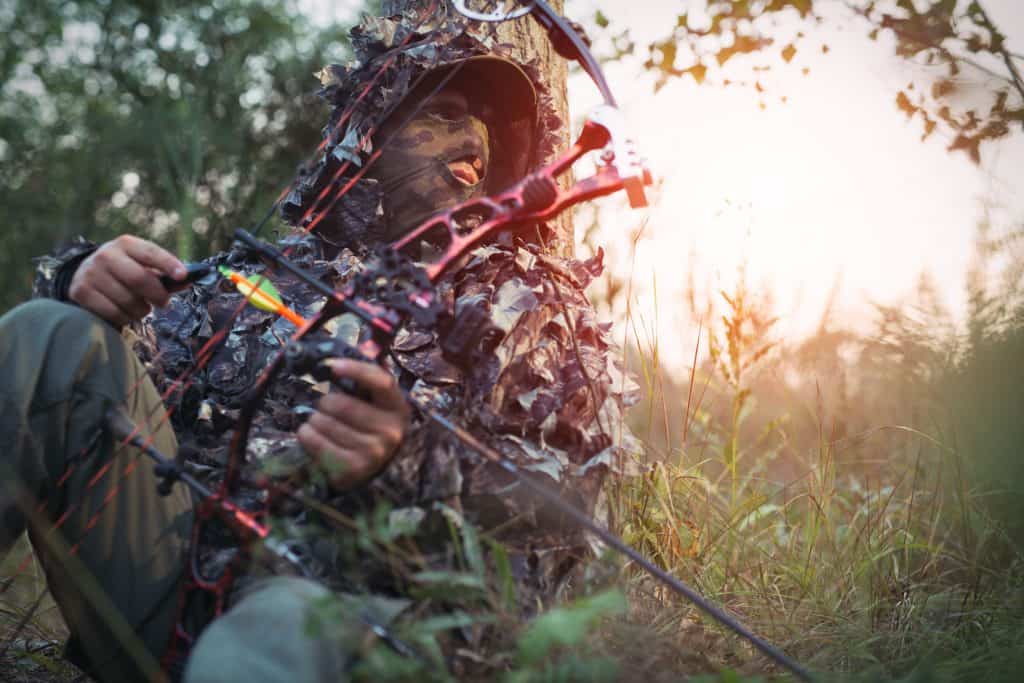
Bowtech Archery and Mathews Archery are two of the top competitors in the bow market. They are both known for their presence in the field of bow technology innovation and for developing some of the best bows out there.
Since both of these brands are on the high-end scale, you will definitely find the quality and the performance you’re looking for. There are many archers all over who are dedicated consumers to both these brands, and both brands have a reputation for having high-value products.
If you’ve heard about these two companies from your friends, teachers, etc., and you’re wanting to get a bow from one of these companies, it may be difficult understanding the differences between these two brands.
So I put a list together of 11 Pros and Cons to Help You Decide if you want to purchase a Bowtech or a Mathews bow. We’ll discuss a certain category of a factor that is important to consider before making your purchase, and talk about which brand is the winner of the category.
This will be kind of like a Battle of the Bands, but this time a Battle of the Bows: featuring Bowtech Archery and Mathews Archery.
So before things start to get bloody, let’s talk a little bit about each of our opponents for this competition.
Our first opponent, Bowtech, was established in 1999 by Kevin Strother and John Strasheim, and their first bow model was released in 2000, which was received with increased orders and archers who were hungry for more.
“Refuse to Follow,”
– The Bowtech company motto
Headquartered in Eugene, Oregon, since their first bow model release, Bowtech has grown to be one of the top bow manufacturers in the world, with 300 workers at their main facility and is the parent company to several other smaller bow manufacturers, like Diamond Archery, Stryker Crossbows, Excalibur Crossbows, etc.
Bowtech prides themselves on making all of their products right here in America, and supporting American industry as well as maintaining world-class design in their bows.
Origins of Mathews
The second competitor in the Battle of the Bows, Mathews Archery, was created in 1992 by Matt McPherson in Austin, Minnesota. McPherson grew up as a kid loving archery, and often because he was too poor to buy one for himself, he created bows that he could shoot when he was in ten years old!
When Mathews Archery was established in 1992, no one could’ve imagined that this small business would become one of the world’s best bow manufacturers, and a leader in bow technology as well.
Now located in Sparta, Wisconsin, Mathews Archery strives to keep themselves always improving and bettering their company and their products for their customers.
Quick Comparison Between Bowtech and Mathews
Bowtech vs. Mathews
Check out our Archery Page For More Great Content!
1. Innovation
Bowtech Bows
Bowtech is known for being one of the best when it comes to creating new bow technology. Bowtech has over 20 different patents for different technologies, including one of their most famous technologies, the Binary Cam system.
The Binary Cam System was patented in 2007 by the company’s research and development director, Craig Yehle. The Binary Cam System is related to the pulley system in the compound bow, and the Binary Cam System features two cams at the top of the pulley system that are stuck together.
This revolutionary Binary Cam System changed the way that dual cam systems were seen, as it eliminated almost all the disadvantages that a dual cam system had because of the desynchronization of the two cams, while still preserving the speed and quality that the cams provide to your shot.
In fact, this innovation was so revolutionary that it was added to the list of the most important evolutions in bow technology history.
Because of the vast amount of technologies that Bowtech has brought to the archery manufacturing world, it has created a name and a reputation for itself by being one of the most influential and one of the best.
Mathews Bows
While not as many as Bowtech, but tying closely around 18 different patents, Mathews Archery has also brought a number of new bow technologies to the archery manufacturing table. The most famous of all of these is the Solocam.
The Solocam, if you can guess, is the complete opposite of a dual cam system and the Binary Cam System developed by Bowtech. The Solocam is a single cam system for compound bows, and it provides a more accurate shot while having a lighter bow and making the shot significantly quieter.
While the Solocam system is not as fast as the Binary Cam System is, the Binary Cam is also louder and heavier than the Solocam system.
Mathews continues to produce new technologies that make their bows better and better.
Winner: Bowtech
While the companies created around the same number of patents, Bowtech has more of a reputation and more impact on the archery world because of their technologies, like the Binary Cam System.
Although this one was a close one, and it can be difficult to say which company has better technology, it can also depend on what you’re looking for for a bow. You may prefer a quieter bow rather than a fast bow, but that’s up to your own personal opinion.
2. Accuracy
Bowtech Bows
Bowtech prides itself on being on “an entire company obsessed with accuracy,” so you would imagine that the accuracy of their products is something that they take into careful consideration.
Bowtech tests every bow before they sell it at retail stores or ship it to their consumers. They also specialize in their bows having dual cam systems and being some of the best with the patented Binary Cam System.
Because the majority of Bowtech’s bows are dual cams with the Binary Cam System installed, they add extra weight to the bow and therefore add more power and speed into the shot.
In addition to the weighted dual cams, in the case of the new Realm SR6 and Realm SS, a front-heavy draw cycle is also included, which makes the bow have even more power, and thus increased accuracy.
Most archers know that heavier bows make for fewer mistakes and better accuracy, as the heaviness of the bow automatically corrects little miscalculations and therefore increases the likelihood for a well-aimed hit.
With the emphasis on accuracy and power, in their bows, Bowtech really does a great job assuring their customers of a bow that guaranteed not to disappoint.
Mathews Bows
Mathews Archery generally specializes in single cam bows, with their specially created and patented Solocam technology. With the release of the recent Vertix, the new Engage grip was developed to increase comfort and to reduce the risk of bow torque.
Mathews also hand-tests each of their bows countless times before they are released to the public and sent to their consumers. So you can rest assured that your purchase will result in satisfaction.
The technology unique to the Mathews company is the Solocam technology, which makes a bow more light, compact, and accurate despite its weight.
Many archers still love and cherish their Mathews bows, as they know that the bow will bring them the results that they desire.
Winner: Bowtech
Since one of Bowtech’s priorities is to provide their consumers with a bow that has pinpoint accuracy, you can see that they follow through with their promises. The unique Binary Cam System technology makes the likelihood of an accurate shot even higher with it’s added weight.
When the newly released Realm SR6 and the Realm SS were tested by Outdoor Life, the Realm SR6 was rated as “excellent”, while the Mathews Vertix was rated only as “very good”.
While Mathews bows are still great and accurate enough for most, some people still struggle with the single cam system and making their shots accurate with the usage of it.
Since Bowtech is a “company obsessed with accuracy,” it’s no surprise that their bows are some of the most accurate out there.
3. Speediest Bow
Bowtech Bows
This year Bowtech came out with the Realm SR6 and the Realm SS. The Realm SR6 is this year’s newest speed bow and is nothing to sneeze at. The advertised IBO speed for this bow was 352 feet per second, making it a very impressive bow.
Although the Realm SS was technically created for a really smooth and silky draw, however, it’s still incredibly fast, with a speed of 336 feet per second.
The famous Binary Cam system makes the bows have a much faster shot as well, as it produces more power, so bows that employ this technology are likely to be the most speedy.
Mathews Bows
Mathews new bow that has everyone buzzing this year is the Vertix. Last year Mathews released the Triax, which also had the archery community abuzz with its state-of-the-art technology and speed.
However, the Vertix is the new and improved version of the Triax, and it has an impressive IBO speed of 343 fps. The Vertix is also supposed to have a really smooth and comfortable draw while still preserving the speed of the bow.
Winner: Bowtech
If you consider the official speeds of the two newest bows from Mathews and Bowtech, then you’ll notice that even though it’s a close call, that the Bowtech’s newest Realm SR6 comes out on top. Both companies have great bows for speed, but my call for this round is Bowtech.
4. Costs
Bowtech Bows
While the Realm SS and the Realm SR6 are priced at around $1,099 each, these two bows are not the most expensive out of all of the Bowtech bows. Since the company is a world-class bow manufacturer and producer, they often have an expensive price tag attached to their products.
For example, the Bowtech Reckoning Compound Bow, which has come out this year as well, features the Deadlock technology but ranges in price from $1,399-$1,499. Many of their finest bows are in the $1,000 range, although they also offer cheaper options from them as well as their other companies.
However, Bowtech is a parent company for Diamond Archery, which is a much cheaper option for bows and other equipment, which can vary from the $200-400 range to the $500-700 range.
The company offers fine products, and that often includes with it a higher price that comes with the quality.
Mathews Bows
As for the Mathews Vertix, having been newly released this year, the price of the bow is retailed for and advertised for $999. The Vertix is actually priced on the higher side of Mathews products!
Generally, you can find a decent bow from Mathews starting from the $200-400 range to the $700-900 range. Although still technically considered a high-end bow, the bows that Mathews Archery offers normally don’t go higher than $1000 a piece.
Winner: Mathews
I’m sure that there are some people out there who are willing to spend thousands of dollars on their equipment, but I think that for most people, spending over $1,000 on a bow going to hurt in the wallet.
So for us normal people who are trying to manage a budget, the bows offered at Mathews Archery are a more economical option.
5. Comfort
Bowtech Bows
Bowtech newest and most impressive bows released this year have undoubtedly been the Realm SR6 and the Realm SS. With thousands of raving reviews, the Realm SR6 and the Realm SS have been the results of many efforts to make the best bow that Bowtech could make.
But as for comfort, the Realm SS is really the fruits of Bowtech’s efforts. With the Realm SR6 as the speed bow counterpart, the Realm SS is supposed to be the bow with the most comfort and ease. The SS in the bow’s name even means “super smooth.”
The most noticeable feature of the Realm SS that makes it so special is the draw curve of the bow’s draw cycle. Often when you are drawing a speed-bow, there is a hump or a hill that you have to go over in the draw cycle, where you have to exert a little more force to be able to get the bow at full draw.
However, with the Realm SS, the draw curve is super smooth, as the name says, and has virtually no hump whatsoever. This makes the shooting experience much more enjoyable and easier for the shooter.
Although let’s not ignore the Realm SR6. It still has a very comfortable draw cycle and easy draw curve, but the Realm SS is what really takes the cake.
Mathews Bows
At Mathews Archery, the company has a philosophy of out-doing itself every time it releases a new product. In the promotion video for this year’s new Vertix, you hear an explanation from Matt McPherson, CEO of the company, talking about the vibration of the bow.
He says that every year they started with a certain amount of vibration in their bows, and referred it to being like a whole piece of a paper. Each year, the company strives to halve the vibration, just like tearing the paper in half. Eventually, the vibration that they have left ends up being tiny!
So you can figure with that sort of imagery that the company has really strived to make their bows the most comfortable ones out there. And the Vertix is a product of that dedication to have the most comfortable bow.
With 20% less vibration than that of the popular Triax released last year, bowhunters and archers everywhere that the Vertix has the best amount of vibration since the Triax.
Outdoor Life says that the Vertix “was completely dead in the hand when shooting,” and that the new Engage grip “provide(s) a more comfortable feel,” to the bow.
Winner: Mathews
With the release of the new Vertix this year, Mathews has really upped their game when it comes to making their products more and more comfortable for their consumers and making their experience more enjoyable.
While Bowtech has also improved their game when it comes to comfort with the improvement of their draw cycles, Mathews has really outdone themselves this time.
6. Ability to Fix
Bowtech Bows
Bowtech bows are known as some of the best quality bows on the current market. They have a lifetime warranty on all of their products, and that includes the free fixing of their products if there are any issues due to workmanship or materials.
If you register your bow with the company, as long as the bow was not sold over the Internet, then you automatically qualify for a lifetime warranty on your bow.
If you ever experience any problems with your bow, again, due to the workmanship or materials of the bow, you can contact your local dealer, who will examine your bow and determine if your bow needs to be sent back to the company, or if it can be fixed by parts sent to the dealer.
If there are indeed problems that require the bow being sent back, the company will fix it for free. All information should be available through the Diamond or Bowtech dealer.
Mathews Bows
As for Mathews Archery, if you register your bow online or through your retailer within the first year of purchase, you are also qualified for a limited lifetime warranty on your bow.
If you have any problems with your bow, then you can contact the nearest retailer and work with them to fix your bow. The company will provide parts and/or instructions in order to fix any problems you need, although independent retailers might be subject to charge you for their services.
This does not include any damage that comes from the bow being used or mishandled, and only includes certain portions of the bow, hence which is why the lifetime warranty is limited.
Winner: Both!
Both Mathews and Bowtech have very similar processes when it comes to fixing problems with your bow. If the bow is damaged due to the building process or the materials the company used, then the company can help you with the process of getting your bow fixed.
7. Versatility
Bowtech Bows
Bowtech specializes mainly in compound bows, and also owns another company called Stryker Archery and Excalibur Crossbows which, like their names, are crossbow-producing companies.
If you are looking for a recurve bow it’s best to stop right here, because Bowtech doesn’t make them.
Their website displays their main products, bows and accessories, but it fails to guide the complete beginner to what bow they will want and need for their specific purposes.
So while they do offer a variety of different products to choose from, and own a couple of compound bow companies, it’s hard to say that the company offers a versatile, as well as easy to understand guide for their consumers looking to make a purchase.
Mathews Bows
Sorry recurve archers, Mathews also only sells compound bows and owns a company that sells crossbows. But Mathews does a really good job organizing their bows and providing versatility in their products, which makes purchases and options for purchases easier for customers to identify.
If you access their website, when you click on the bows section, sections for hunters and competitive archers will pop up. You can go from there based on your primary reasons for purchasing a bow, and it will display options that are recommended for you.
In addition to that, there is also a bow builder that enables you to customize and create a custom-made bow, just for you! This can make a bow that has more meaning and is adapted to your tastes!
Not to mention, their new Vertix includes a new Switchweight technology, which basically means that you can switch your draw weight on the bow with the simple twist of a few screws and adjusting the weights on the bows themselves to address a wide range of archers.
Winner: Mathews
Bowtech has a lot of products to choose from, but Mathews nails it when it comes to providing options and customizations for your bow. They are the winners when it comes to providing versatile products for their consumers.
8. Altogether Quality
Bowtech Bows
While Bowtech is one of the top brands in the market, in recent years there has been a multitude of limb failure complaints by various consumers.
Most of these complaints have been about limbs breaking or coming to them in really poor form, or shattering through a couple of shots.
Although it seems like there are fewer complaints by consumers as of late, so it may be possible that Bowtech has fixed whatever the problem with the limbs was, but there still is that history of limb failure within the company’s products.
Bowtech still offers some of the best, most high-quality products, and many archers are very happy with them.
Mathews Bows
Mathews Archery has preserved a good reputation of high-quality products through their career. Like most bow manufacturing companies, Mathews Archery has had its share of limb failure complaints.
However, they are far and few in between, as Mathews strives to make their products the most reliable and of the highest quality.
Winner: Mathews
Both of these companies work their best to make sure that their products are of the highest quality and reliability, however, perhaps because of the more wide-spread accessibility, Bowtech has had more complaints of technical difficulties with their bows.
Mathews reputation, as well as their priority on quality products, has really been something that makes them stand out in the market, as well as prove that price doesn’t always mean the best quality.
9. Weight of Bows
Bowtech Bows
Bowtech is known for their Binary Cam System, which unifies the synchronization of dual cam systems and adds more weight to their bows so as to add more power.
So you would think that their bows are heavier than most, right?
Actually, the Realm SR6 and the Realm SS are only 4.3 lbs.
Surprising right? I thought so too.
Mathews Bows
Mathews Archery is known for their unique Solocam technology, which makes it so the cams on their compound bows are singular, and thus is supposed to provide a lighter, more comfortable experience for the archer.
However, if we’re comparing the Realm SR6 and the Realm SS, then we find that the newly released Vertix is actually heavier. It’s not by much, but the Vertix is actually 4.67 lbs.
Winner: Bowtech
Although a little unexpected, for the purposes of this article, the winner of lighter weight bows is Bowtech. Now, this might not be the case for all of the Bowtech bows and all of the Mathews bows, but if we compare the current best two bows that the companies have to offer, Bowtech wins.
And this could be a good thing or a bad thing based on how you look at it. Some archers might want a heavier bow, and some might want a lighter bow. You decide.
10. Great Customer Service
Bowtech Bows
Bowtech is known to have an excellent customer service group, that cares about their customers and is very helpful to those who are seeking it. They provide a website with FAQ and information for any problems you might be experiencing.
There are very few complaints about their customer service and they will take care of any problems you might be experiencing.
Mathews Bows
Mathews Archery, however, has a core value of putting people first before anything. They focus on making sure that they take care of their employees in their company. They dedicate themselves to creating a happy customer base by creating the best products in the market.
Mathews puts a lot of effort in making sure that when they are developing a product, they think about the people and the customers they’re making it for.
Winner: Mathews
With a company like Mathews dedicated to valuing the people in their lives more than anything, you know that Mathews will for sure take care of you as their valued customer.
11. Design
Bowtech Bows
This year’s new release of the Realm SR6 and the SS were both beautiful models. The models were both super sleek and come in a variety of different colors to choose from. The models also come with two different settings to choose from, Performance or Comfort.
The grip is minimalist and low profile, and also comes in a variety of colors to choose from. The overall design is simple and elegant, with customizable features as well.
Mathews Bows
The newest Vertix has more of a boxy body and is a lot sturdier than the Realm SR6 and the Realm SS are. Some people don’t like the boxy limbs and build of the Vertix, but it’s up to your own preferences.
The Engage grip is also a little bulky, and stands out a little more, but is incredibly comfortable. The design of the Switchweight technology makes it simpler to change your draw weight on your bow.
Winner: Bowtech
This is more of a matter of personal preference than anything, but I thought that the Realm SR6 and the Realm SS was a more attractive model than the Vertix. I like the minimalist look, and I like how you can choose different settings based on your personal feelings.
And our final score is: 5 to 5!
Since there was technically a tie in the Ability to Fix category, Mathews Archery and Bowtech tie in my book!
So while there are so many things that differentiate the two companies, both Mathews and Bowtech are individually great companies. And a lot of this is based upon personal opinion and preference, so you decide!
If you are considering a Bowtech bow, you might want to check out our other comparison posts:
Bowtech vs PSE Bows
BowTech vs. Diamond Bows
Bowtech vs. Hoyt Bows
Bowtech vs Bear Bows
Best Mathews Bows
I wish I could tell you which Mathews bow is best, but the answer is going to change depending on who you ask and what they are using it for. It’s very subjective. Even so, their top selling bows are as follows…
Mathews VXR Series: This series is renowned for their speed and accuracy and are best sellers to hunters, as well as target shooters.
Mathews Traverse: The Traverse has outstanding performance, and is very similar to the Halon 7.
Mathews Triax: The Triax is known for its compact design and quietness, which makes it a favorite among hunters who need a maneuverable and stealthy bow.
Mathews Vertix: Offering a combination of speed, accuracy, and forgiveness, the Vertix is another popular choice for both hunting and target shooting.
Mathews Halon X: The Halon X series is known for its speed and power, making it a great choice for those who value arrow velocity.
Best Bowtech Bows
The Carbon One is Bowtech’s first flagship carbon bow. It boasts Bowtech’s renowned DeadLock Cam System, which simplifies cam adjustments for precision tuning.
Another innovative feature of the Carbon One incorporates Flip Disc Technology to effectively grant you the versatility of two distinct bows in one. You have the choice between Performance and Comfort settings on the mods, enabling a customized draw experience.
Bowtech’s primary goal was to engineer the smoothest draw with minimal vibration in a carbon bow. Achieving this, the cleverly designed riser, complemented by Orbit Dampeners and Dual Lock Pockets, effectively nullifies any vibrations during the shot, enhancing the overall shooting experience.
Two other popular Bowtech bows are the following…
Bowtech Revolt: Known for its smooth draw cycle and accuracy, the Bowtech Revolt was a favorite among both hunters and target shooters.
Bowtech Realm X: This model was appreciated for its versatility, with a good balance of speed and shootability, making it suitable for various archery disciplines.
Optimal Draw Length For Your Mathews or Bowtech Bow
There’s a general guideline for determining suitable draw lengths based on your height.
It’s important to note that these guidelines are approximate, as not all individuals of the same height will have identical wingspans. However, if you’re looking for a starting point, the following table provides a helpful reference for the range you should consider:
It’s essential to remember that if your personal measurements don’t align precisely with this chart, it doesn’t mean you’re in the wrong. It’s wise to recheck all your measurements and, ideally, try out various draw lengths to determine the one that feels most comfortable and effective for you, rather than relying solely on what you’ve been advised.
With the correct draw length, you’ll be well on your way to enhancing your archery experience.”
You’re here for the best 223 ammo, but a disclaimer needs to be made because many will argue that .223 Remington and 5.56 Nato are the same.
They are NOT the same despite having the exact external cartridge dimensions.
You should NOT load 5.56mm NATO ammo into a .223 Remington chamber because it will cause higher chamber pressures when fired. The higher pressure can hurt the shooter and damage the rifle.
However, shooting .223 Rem ammunition in a 5.56mm NATO chamber is safe. Still, you will sacrifice some performance because of the difference in distance between the case mouth and the barrel rifling.
With that out of the way, let’s load up on some of the best .223 ammo for every shooter.
If you can’t wait, the best 223 ammo is Federal American Eagle 223 Rem 55-Grain FMJ-BT because it’s reasonably priced and made by a well-known ammo manufacturer.
Wolf 223 Rem 55 Grain FMJ – Best Plinking Round
Federal American Eagle 223 Rem 55 Grain FMJ-BT – Best AR15 Ammo
Winchester Deer Season XP 223 64 Grain Extreme Point – Best Deer Hunting Round
Hornady 223 Rem 55gr V-MAX Ammunition – Best 223 Varmint Round
Remington 223 Rem 77 Grain HPBT – Best Self-Defense Round
Winchester 223 Rem 69 Grain HPBT – Best Hollow Point
The best target ammo depends on your preferences. If you intend to have a fun day of plinking, then you’ll want cheap .223 ammo.
However, suppose you’re competitively target shooting. In that case, you’ll likely need to handload your rounds to dial them in perfectly for your gun’s barrel twist rate, or you can use match-grade ammo that is more consistent than inexpensive rounds, but you give up the control to craft the perfect round.
Wolf 223 Rem 55-Grain FMJ
Specs
Casing: Steel
Bullet Type: Full Metal Jacket
Bullet Weight: 55-grain
Muzzle Velocity: N/A
Muzzle Energy: N/A
Pros
Inexpensive
Non-Corrosive
Cons
Some shooters prefer a brass case over a steel case
Why We Chose It
These Wolf Ammo rounds are a happy compromise between price and reliability, which is why I consider them one of the best for plinking. While most shooters prefer a brass case, these rounds are steel cased, which has its pros and cons.
Steel-cased ammo is cheaper but tougher on your rifle. Steel cases are also more difficult to reload, so if you plan to reload, this probably isn’t the ammo for you.
Though 55gr rounds typically have a higher velocity, they’re not always the ideal bullet weight, especially when shooting long distances.
Wolf ammo is for the budget-minded shooter who doesn’t have the time to reload.
Honorable Mentions
If you want an inexpensive brass casing for target shooting, the PMC 223 55 Grain FMJ-BT is the way to go, but be aware you will pay a little extra for the brass casing.
The Federal Premium 223 Rem 42 Grain Frang. rounds are intended for close-range target shooting and law enforcement training situations. The frangible bullets are much less likely to ricochet when they hit a steel target because they are designed to disintegrate on impact.
Suppose you’re running low on hand-loaded rounds and must practice for a long-range competitive shooting match. In that case, the Remington Premier 223 Rem 55 Grain AccuTip-V rounds are a viable option based on their ballistics.
Best AR 15 Ammo
Federal American Eagle 223 Rem 55-Grain FMJ-BT
Specs
Casing: Brass
Bullet Type: Full Metal Jacket Boat Tail
Bullet Weight: 55-grain
Muzzle Velocity: 3,240 fps
Muzzle Energy: 1,282 ft-lbs
Pros
Trusted brand
Reasonably priced
Cons
Not the best self-defense round
Why We Chose It
You can burn through a lot of 223 Remington ammo when shooting an AR, so you don’t want high-end expensive ammo, but you need a reliable round that will allow your firearm to operate smoothly.
That’s where this 55gr bullet in a brass case perfectly fits. It’s not the most expensive, so it’s not terrible on your wallet, but also dependable for target shooting.
However, this would not be my first choice for home defense because the Federal .223 Rem 55 Grain FMJ-BT is a full metal jacket bullet instead of a hollow point bullet.
This 55-grain bullet has a decent velocity, but the lightweight bullet will be affected more by the wind as your distance to the target increases.
Honorable Mention
The Wolf WPA Military Classic 223 Rem 55 Grain FMJ was designed for mass production for military use, so it’s inexpensive and relatively reliable. The significant downside is that these are steel cartridges instead of brass.
Best 223 Hunting Ammo
The 223 is not the most popular hunting round because it lacks the power to harvest big game ethically. However, in some states, you can use a .223 Rem for deer hunting, and it is a solid varmint round.
Winchester Deer Season XP 223 64-Grain Extreme Point Ammunition
Specs
Casing: Brass
Bullet Type: XP (Extreme Point)
Bullet Weight: 64gr
Muzzle Velocity: 3,020 fps
Muzzle Energy: 1,296 ft-lbs
Pros
Designed for deer hunting
It packs a punch for a medium-weight 223 bullet
Trusted brand
Cons
Expensive
223 is not the best deer hunting caliber
Why We Chose It
It’s unlikely you’ll shoot an entire box of ammo for deer season, so the price per round is less of a concern. The most important things you need from your .223 ammo for deer hunting are reliability, consistency, and stopping power which Winchester Deer Season XP 223 64gr can offer hunters.
The 223 Remington is not known for its stopping power, which is why most deer hunters use larger calibers, and it’s banned in some states. However, increasing the bullet weight will aid in upping the stopping power to a point.
The heavier 64gr bullet is slower than the other lighter bullets, but it’s needed to increase the stopping power.
Even though it’s designed for deer hunting, it’s effective in other hunting situations.
Honorable Mention
The Federal 223 Rem 62 Grain Fusion has a little lighter bullet that you’d expect to travel faster than the Winchester Deer Season XP; however, that’s not the case. The main advantage this bonded soft point bullet has is the price. It’s much cheaper than the Winchester Deer Season XP, so you can practice with it more without breaking the bank.
Best Varmint 223 Round
Hornady 223 Rem 55gr V-MAX Ammunition
Specs
Casing: Brass
Bullet Type: V-Max
Bullet Weight: 55-grain
Muzzle Velocity: 3,240 fps
Muzzle Energy: 1,282 ft-lbs
Pros
Fast
Trusted brand
Cons
Can get expensive
Why We Chose It
Varmint hunting typically involves shooting much more often than deer hunting, so having a dependable round, reasonably priced, is critical. Varmints are generally smaller animals, so the knockdown power doesn’t have to be as much as when hunting big game.
Because they’re lightweight, fast-traveling bullets, 223 bullets are a solid choice for hunting coyotes, prairie dogs, and other varmints, and the Hornady 55gr V-MAX is no exception.
The 3,240 fps of this Varmint Express round is the high average for most 55gr bullets, which is expected from Hornady. They’re one of the leading ammo manufacturers and trusted by many shooters and hunters because of the dependability of their ammunition.
For more options, check out our Hornady 223 ammo page.
Honorable Mention
The Sierra Prairie Enemy 223 55 Grain BlitzKing has lower muzzle velocity and muzzle energy, and it’s more expensive than the Hornady 55-grain bullet, but some rifles are more accurate with this round.
Best Home Defense Round
AR-15s excel in urban combat areas; however, that doesn’t mean they’re the best home defense weapon.
That title belongs to the shotgun because projectiles from a shotgun are less likely to over-penetrate.
However, if all you have is a 223 rifle, then, by all means, use it to defend yourself using some of the ammo choices below.
Remington 223 Rem 77-Grain HPBT
Specs
Casing: Brass
Bullet Type: Hollow Point Boat Tail
Bullet Weight: 77-grain
Muzzle Velocity: 2,790 fps
Muzzle Energy: 1,331 ft-lbs
Pros
Trusted brand
High muzzle energy
A heavier bullet means more knockdown power
Cons
Lower muzzle velocity
Not cheap
Why We Chose It
Though it’s not the fastest, it’s one of the heaviest 223 hollow point bullets available, so it will pack more of a punch to the threat, hence the higher muzzle energy.
Since Remington is in the name of the 223, we should expect them to make the best 223 ammo on the market, and they are a trusted brand in the ammo space, though some Remington firearms have seen a decline in quality.
Be prepared to spend more for this and other home defense rounds. This is partly due to the specialized bullets used in defense rounds.
Despite being slower than lighter bullets, the muzzle velocity is still plenty fast. An intruder won’t notice the difference in speed if you’re forced to use it to defend your family and yourself.
Honorable Mentions
The Federal LE Tactical TRU 223 Rem 55 Grain Nosler Ballistic Tip Ammunition offers a lighter bullet, which means less recoil, not that a 223 has much recoil anyways, and it also travels faster. However, this means you’re giving up some stopping power, but you’re saving a little money.
The most expensive self-defense round we will mention today is the Winchester Silvertip 223 Rem 64 Grain Defense Tip. Ballistically speaking, it sits in the middle, primarily because the bullet weight is between the other two rounds previously mentioned.
Best Hollow Point 223
Winchester 223 Rem 69-Grain HPBT
Specs
Casing: Brass
Bullet Type: Hollow Point Boat Tail
Bullet Weight: 69-grain
Muzzle Velocity: 3,060 fps
Muzzle Energy: 1,434 ft-lbs
Pros
Trusted brand
Reasonably priced
Solid ballistics
Cons
Not the fastest
Not the cheapest
Why We Chose It
The Winchester .223 Rem 69gr hollow point boat tail bullets might not be the cheapest or the fastest, but they pack more of a punch than the lighter hollow points, and they’re not overpriced despite being manufactured by a trusted brand.
The ballistics won’t blow anyone away, but considering the bullet weight, these rounds hold their own.
These 69gr hollow points offer shooters a higher velocity and muzzle energy than other heavier bullets, so maybe you can have your cake and eat it too.
I wouldn’t hesitate to use Winchester 223 Rem 69-Grain HPBT in a home defense situation plus; they’re not so expensive you can’t afford to practice with them at times.
For more options, check out our Winchester 223 ammo page!
Honorable Mention
TulAmmo 223 Rem 55 Grain HP are much cheaper than the Winchester 69gr HPBT, and they’re faster thanks to the lighter bullet, which also means less recoil. However, the cartridges are steel instead of brass.
Cheapest 223 Ammo
TulAmmo 223 Rem 55-Grain FMJ
Specs
Casing: Steel
Bullet Type: Full Metal Jacket
Bullet Weight: 55-grain
Muzzle Velocity: 3,241 fps
Muzzle Energy: 1,283 ft-lbs
Pros
Cheap
High muzzle velocity
Cons
Steel casing
Cheap ammo is less dependable
Why We Chose It
If you want cheap 223 ammo, this is it. It’s a third of the price of most 223 Rem hunting and self-defense ammo, so if you take it to the range, you’ll be able to stay longer because you’re not spending your paycheck on ammo for target practice.
The reason it’s so cheap is that it’s steel-cased ammunition. This means it’ll be more challenging to reload and a little tougher on your firearm.
Despite being cheap, TulAmmo 223 Rem 55-Grain FMJ offers shooters comparable ballistics to more expensive 55gr ammo, which means you can train with it and get similar results as the costly ammunition.
Honorable Mention
Though Wolf 223 Rem 55 Grain FMJ is slightly more expensive than the Tula ammo mentioned above, sometimes you can find it in Wolf Gold, which means it is a brass case instead of a steel case.
How to Choose the Best 223 Ammo Based on Your Needs
When purchasing ammunition, you’re typically compromising because there’s no perfect ammunition. There are always several considerations that you need to make.
Budget
The primary consideration for the average firearms enthusiast is the budget.
How much are you able to spend on ammo?
My personal preference is to shoot for somewhere in the middle; however, there were times when I was pinching every penny, so I was only concerned with the cheapest ammo I could find.
Remember that cheaper ammo tends to be less reliable than more expensive ammunition.
Reliability
The reliability of the ammo is critical, especially if it’s self-defense ammo. You need to know that the round will fire when you pull the trigger.
I’ve purchased ammunition that regularly didn’t fire, despite seeing an indention on the primer. This was very frustrating when shooting at the range, but it could have resulted in severe harm had I needed it during a defensive situation.
I tend to stick with well-known brands, but sometimes the reliability of the ammo also depends on your firearm.
Some guns function better with specific ammunition brands. This means you’ll need to test several brands to determine which one your weapon likes best.
Ballistics
The ballistics you need out of the ammo will depend on what application for which you’re using it. If you’re plinking at the range, the ballistics don’t matter as much as when you’re shooting in a competition.
For a competition, typically, a fast medium-weight bullet works best, but once again, it will depend on what your gun likes. Sometimes the lighter, faster bullets work best, and sometimes the heavier bullets work best.
I prefer to stick with medium-weight bullets that still pack a punch for hunting and self-defense. The muzzle velocity is less important but still relevant in hunting situations.
How to Save Money On Ammo
As ammo demand and prices continue only to increase, as shooting enthusiasts, we’re always looking for ways to save a little money so that we can visit the gun range more often.
Here are a few recommendations I have for saving money on 223 ammo.
Buying in Bulk
When you buy bulk 223 ammo, the manufacturer and retailer give you a slight discount per round. While it might only be a few cents per round, those cents add up quickly when you’re shooting a few hundred rounds or more on every visit to the gun range.
The worst part about buying bulk ammo is the initial cost. You have to spend several hundred dollars to get significant savings.
However, ammunition lasts for a long time when properly stored, so you can stock up while prices are as low as they’ll ever be and not be in a rush to shoot it.
Reloading
Reloading or handloading is another way to save money on factory ammo. You can use spent brass and reload it by cleaning the brass, punching out the used primer, inserting a new one, pouring in gunpowder, and inserting a new bullet.
Obviously, this is an oversimplified explanation, but that’s the basic idea.
This saves money in the long run and gives you more control over the process so you can craft the perfect bullet for your gun, whether that’s an AR-15 rifle or a trusty bolt-action hunting rifle.
Reloading has the same problem as buying bulk because it’s a significant investment upfront that pays itself off over the long run.
If you’re really crazy, like most of us firearms enthusiasts, you’ll do both, buy in bulk and reload to save even more money!
Common 223 Bullet Types
There’s not a wide variety of 223 bullets, but there are a few you should be aware of and understand which one works best in what situations.
FMJ
The most common 223 bullets are FMJs or Full Metal Jackets. They’re usually the least expensive. They’re not the best for home defense because they tend to over-penetrate the target and walls.
FMJs are suitable for target practice; however, I don’t recommend shooting steel targets with FMJs within 100 yards. I have had the metal jacket come back and cut my cheek when shooting metal targets at 75 yards with a buddy.
HPBT
Hollow Point Boat Tail Bullets or HPBT are common hunting and self-defense rounds. The hollow point expands on impact, which reduces its ability to penetrate but, upon entrance, causes more damage.
For more HPBT ammo options, visit our Fiocchi 223 ammo page.
The Boat Tail refers to the aerodynamic shape of the bottom of the bullet. The base is tapered to improve accuracy at long distances.
SP
The Soft Point bullets, designated by SP, expand less on impact than hollow point bullets, so they get better penetration yet expand more than an FMJ. So you can have a happy medium between the two bullet types.
To achieve this, these bullets are made from a softer lead than the typical bullet. They are most popular amongst big game hunters, where hollow point bullets are banned. However, they don’t have the stopping power that hollow points typically do because of the reduction in expansion.
Ballistic Tip
The Ballistic Tip is Nosler’s name for their hunting ammunition with a plastic tip on a hollow point bullet. The polymer tip helps with aerodynamics and allows the hollow point uniformly expand.
Be sure to check your local hunting regulations, as Ballistic Tipped bullets are banned in some areas.
Green Tip
Green Tip ammo is most often found in 5.56 NATO rounds because it’s designed for the military as a penetrator round. Instead of a lead core bullet, it has a steel rod inside that can better penetrate the target when closer than 100 yards.
However, some ranges don’t allow green tip ammo, so if you choose to go this route, don’t be surprised if your local gun range doesn’t allow you to bring it in.
Parting Shots
The best 223 ammo for you will depend on your gun and the circumstances in which you intend to use it.
For hunting, that will likely be Winchester Deer Season XP 223 64gr.
While if you plan to use it for home defense, I recommend Remington 223 Rem 77-Grain HPBT because the hollow point bullet is less likely to over-penetrate.
Lastly, for target shooting, I recommend Wolf 223 Rem 55-Grain FMJ because it’s inexpensive.
If your doggo loves to swim, a dog ramp is a must accessory for your boat! Be it taking your dogs out for a good time, a swim, or hunting, you’d definitely want to make their experience as comfortable and safe for them, wouldn’t you?
As much as you love your pet, it will definitely hurt your pocket to spend money on commercial dog ramps. The good news is that you can DIY your dog a functional boat ramp using affordable supplies all by yourself. And, the love and care you put into the DIY process is an added bonus!
Okay, so where do you start? You start by selecting a trustworthy tutorial for you to replicate. Here are 15 brilliant DIY dog ramps for boat ideas for you to choose from!
1. DIY Floating Boat Ramp Pool Ramp or Dock Ramp for Dogs
In this Youtube tutorial, Jennifer Turner elaborates to you on how she DIYed a floating boat ramp for her doggo for under $100. The supplies this DIY requires are two anti-fatigue mats, jumbo noodles, zip ties, and a nylon rope.
For those interested, this is the first part of the tutorial, and in this second part, she shares heartwarming footage of her dog getting used to its new homemade dog ramp.
2. Dog boat ladder instructions.
Cocozoo has shared a fantastic idea of building a dog ladder for a boat. He used 1.5’’ ABS pipe and a pine board for the purpose of this DIY. He further mentions that you can use a 1’’ pipe if your doggo weighs relatively lighter.
You might have plenty of queries regarding this project, don’t you? To your rescue, the user has even shared a plan along with his build experience. All your queries will most likely be answered there!
Check More Details
3. DIY Dog Ramp
Internet is truly a fantastic place! Here’s another forum on DUCKhunting Chat where the user named Honkin shares his dog ramp build details with the rest of the users.
He used a 1’’X6’’ aluminum tubing with 12 inches inside diameter for the frame and a 12’’X12’’ interlocking sport court for the decking.
The reviews on this thread are rave. If you follow this idea, please let us know in the comments how did it work out for you.
Check More Details
4. How to build a DIY Pet Ramp Start to Finish – Includes complete Drawings and Instructions!
Follow this DIY tutorial by James Mark Konstruction to build a dog ramp that helps your dog to climb up and down not only a boat but any other raised surfaces such as a car, couch, or bed.
Luckily, this tutorial features all the drawings, plans, and step-by-step instructions for this DIY project. Also, if you’d like to read a written instruction, the Youtuber has shared the drive link in the comment section. Hope it helps!
5. DIY DOCK & BOAT RAMP FOR DOGS
5 pool noodles, 2 anti-fatigue floor mats, 42 plastic zip ties, 2 big carabiners, and 6 feet rope – these are the supplies you need to build a brilliant DIY dock and boat ramp for dogs.
If you have all these supplies gathered, read this written tutorial by HALIFAX DOGVENTURES to construct the ramp.
All the steps are briefly described using documented images for your ease. This DIY looks incredible! Everyone in the comment section seems to be quite impressed by this idea.
Check More Details
6. Dog Ramp for a Dock or Pool
Save hundreds of dollars on a dock or a pool dog ramp by following this easy tutorial by Eric Hurst. The Youtuber explains every step of this DIY project in detail.
He has further cleared his viewer’s confusion in the comment section and has shared more advice regarding the topic. Make sure you check them out! You might find your queries answered there.
Also, there’s a suggestion in the comment pointing out how the use of PVC instead of wood would result in a better product. What do you think of that?
7. HOW TO BUILD A DOG WATER RAMP FOR A BOAT
Are you a beginner at building a dog boat ramp? If yes, this post by Marine Waterline is perfect for you! From choosing the right material to budgeting to the description of each step in detail, you’ll find all the information you need in this blog.
Marine Waterline further has a range of amazing blogs and DIYs on boating, fishing, kayaking, and a variety of water sports. Do check them out if you’re into such stuff!
Check More Details
8. Hobie Tandem Island DIY Dog Ramp by Rockin Robin Sails
Rubber mats, PVC, and life jackets – if you have these supplies handy with you, here’s the perfect tutorial for you! This dog ramp is two-layered, where the bottom level stays below the water surface, making it easy for your doggo to climb.
Especially if you own a Hobie Tandem Island, you need not make any changes to this DIY. Everyone in the comment section is applauding this video. Make sure you give it a watch!
9. Pool and Boat Dog Ramp Questions and Answers
If this is your first time planning to DIY a dog boat ramp, this question and answer post by Make And Build Dog Stuff will help you immensely. From DIY ideas and plans to clear some common doubts regarding the DIY, this post is a must-read for those aiming to build a boat or dock ramp for their dogs.
What’s more, this site features plenty of other useful DIY projects for proud dog parents. We guarantee it will be of great help to you!
Check More Details
10. How to Make a Dog Ramp for a Pontoon Boat: 7 Ladder Ideas
This post by PONTOONopedia consists of not one but 7 brilliant DIY dog ramps for a pontoon boat idea.
From a sleek aluminum and stainless-steel metal ladder that requires professional metalworking skills to a simple DIY utilizing a rubber drainage mat and a few bungee cords, this post has covered it all!
However, remember that this is not a step-by-step DIY tutorial and, therefore, is only appropriate for those who are seeking ideas that they can bring into action.
Check More Details
11. Homemade boat ladder for you and your dog (small boat)
This ingenious DIY boat ladder idea will leave you speechless! All you need is a used two-step stool, 2 hooks and 2 sets of stainless screw, nut, a few tools, and 30 minutes of work time to complete this DIY.
The hook on top of the ladder perfectly clicks with the boat hull, eliminating any need to permanently attach the ladder or a ramp to the boat, making it perfectly portable.
What’s more, this DIY is not only applicable for your dog but equally great for you when the situation demands it!
12. The Joy of Dog Boat Ramps
By now, if you’ve realized that DIYing a dog ramp is not for you and you’d rather choose to go with a commercial option, this post by Crownline is a must-read!
It features details including specifications and cost for Paws Aboard and Skamper-Ramp. Analyze the pros and cons and figure out the best dog ramp for your animal friend. We hope this blog helps!
Check More Details
13. How A Duck Dog Should Ride In a Boat
While this is not a dog ramp for boat tutorial, this video by Bodie Drake surely is a must-watch for those who are always accompanied by their dog friends during their boating journey, especially if it’s a duck dog.
Watch this video to educate yourself on how you should train your duck dog to ride the boat such that they can transform into fantastic hunters. The Youtuber shares pretty solid tips and tricks in this video. Do check it out!
14. Boat Projects: Ramps For Dogs
This blog by LakeExpo not only features some of the best commercially available dog ramps but also has information on how you can DIY a dog ramp at the end of the blog.
For instance, you can use an aluminum extension ladder as a framework for the purpose. Not sure how exactly to repurpose an aluminum extension ladder into a dog ramp? Read the blog to find out!
Check More Details
15. The 5 Best Dog Ramps and Ladders for Boats
While dog ramp DIYs are affordable and many of them don’t even require you to have expert handyman skills, let’s admit, some of us are definitely having conflicting thoughts on whether to DIY a dog ramp or to avoid all the efforts by simply buying a commercially available one.
Well, if you’re having second thoughts, here’s the latest list of best dog ramps and ladders available on the market.
Summary
From the idea that uses an old unused ladder to ones that use cost-effective supplies, we’ve got all types of dog ramps tutorials listed for you in this post.
We’ve further listed a few commercial dog ramps reviews for those having second thoughts. Now, the choice is yours! And in case you DIY a dog ramp, we’d definitely love to know your experience.
The Super Slam of North American Big Game 29 is the ultimate quest for a big game hunter. Are you that hunter who has what it takes? The Super Slam of North American Big Game takes serious dedication and years to accomplish. First, a hunter must register the legal taking of 29 big game animals native to North America. The official archives are kept through the Grand Slam Club/Ovis (GSCO). A hunter must register with GSCO, pay the $25 membership fee and submit the trophy hunt online. The membership and submission of your trophy hunt can be found here:
SLAMQUEST
Here is a list of big-game animals for the Super Slam on North American Big Game 29 and the hunts we have available.
The Alaska brown bear is the largest bear in the world, larger than brown bears of Europe and the grizzly bear. Brown bears in Alaska live off of a protein-rich salmon diet and can be found along the Alaska coast and near spawning salmon runs.
Alaska Brown Bear Hunt
Black Bear –
The Black bear is found in the western United States and has the largest population of any bear in the world. Black bears are found in Alaska, Canada, Florida and Gulf Coast areas.
Black Bear Hunts
Grizzly Bear –
The grizzly bear is found in a range of areas in North America but the largest populations of grizzlies are seen in Alaska and Canada. Grizzlies like to wander and can kill animals as large as a moose; however, these bears eat a lot of berries, roots, nuts and different types of grasses to survive.
Grizzly Bear Hunts
Polar Bear –
The polar bear populations are mainly found in the southern part of Hudson Bay and James Bay in Canada. They can be seen on the shores and pack ice of the Arctic Ocean. Polar bears spend years out on the ice but the pregnant females will come ashore to den.
Cougar –
The cougar is a solitary, silent large cat and are entirely carnivorous. It has many common names such as mountain lion, panther and puma. They are the second-largest cat in the western hemisphere and only North American cougars are allowed to take for the Super Slam quest.
Cougar Hunts
Columbia Blacktail Deer –
Columbia Blacktail Deer are found in the North American Pacific Coast region to the southern part of Monterey County of California. These deer have similarities to the mule and Sitka deer but can be distinguished by antlers, overall coloration and tail.
Coues Deer –
Coues deer are found in southwestern Arizona and a little bit of New Mexico. They are often called little desert dwelling siblings of the whitetail deer. Top End Adventures offers a few Coues deer hunts.
Coues Deer Hunts
Mule Deer –
Mule deer are found all over in the western United States, western Canada and adapt to a wide range of habitats. Bucks can range from 150 – 300 lbs and will migrate to the high mountainous country by themselves to lower ranges during the winter to avoid deep snow levels.
Mule Deer Hunts
Sitka Blacktail Deer –
Sitka Blacktail deer are located in the wet coastal rain forests of north-coastal British Columbia and Southeast Alaska. Averaging from 90-120lbs, this subspecies of mule deer is the most common deer in Alaska.
Whitetail Deer –
Whitetail Deer are one of the most common deer you will find in North America. They average in weight from 100-200lbs. A very easy way to identify this species is simply in its name, check the underside of the animal’s tail.
Whitetail Deer Hunts
Rocky Mountain elk –
The Rocky Mountain Elk is commonly known for having the largest antlers of all elk subspecies. They are found in the Rocky Mountains and many adjacent ranges. An average weight for a bull is 700lbs and their antlers can weigh up to 40lbs alone.
Rocky Mountain Elk Hunts
Roosevelt Elk –
Weighing in from 700-1,100 lbs, Roosevelt Elk are the third largest mammal in North America. Roosevelts are a subspecies of elk found in western Oregon.
Best Elk Hunting States
Tule elk –
Tule elk are the smallest species of elk found in North America. These smaller elk are mainly located in the state of California. Females often average 370-430lbs while the males can weigh anywhere from 440-550lbs.
The Best Elk Hunting States
Barren Ground Caribou –
This medium-sized caribou is mainly found in the Canadian territories of Nunavut and the Northwest Territories. The Barren Ground Caribou are smaller and lighter-colored then the boreal woodland caribou.
Central Canadian Barren Ground Caribou –
Living in the tundra and Arctic islands, these caribou can vary in size dramatically depending on where they are located. Mature bulls can weigh 250 to 450lbs and antlers for the CCBGC score around the same as the Quebec Labrador caribou.
Mountain Caribou –
Very similar to Woodland caribou, this is an endangered species. They reside in British Columbia and western Alberta. In early 2019, the remaining southern mountain caribou were taken and put into maternity pens.
Quebec Labrador Caribou –
This medium-sized tundra caribou is very similar to the CCBGC. Hunts for this subspecies can start at about 10,000 USD.
Woodland Caribou –
Mountain caribou, or in other names, Boreal woodland caribou are one of the most endangered mammals in North America currently. These caribou live in the mountain ranges of British Columbia, Alberta, and parts of Idaho and Washington.
Alaska Yukon Moose –
The Alaska Yukon or in other names, the giant moose, is a subspecies of moose native to ranges from Alaska to western Yukon. This moose is the largest subspecies of moose to roam the boreal and deciduous forests.
Alaska Moose Hunt
Canada Moose –
There is an estimated 500,000 to 1 million moose in Canada. These moose are mainly located on the hillsides of the western mountain ranges. A mature bull’s antlers usually range between 120 and 150cm between the widest tips.
Canada Moose Hunt
Shiras Moose –
Measuring over six feet at the shoulder and weighing up to 1,000lbs, the Shiras moose is Colorado’s largest big game animal. Colorado has one of the fastest growing populations in moose in the lower 48 states.
Moose Hunts
Bison –
Mostly found in conservation areas, bison can be found in the US, Canada, and Mexico. Bison are commonly called buffalo in the US and Canada but are only distantly related to the true buffalo. Adults can grow up to 6ft and 7in in height and 11ft and 6in in length.
Muskox –
Muskox typically weigh in from 500 to 800lbs. These huge mammals have inhabited the Arctic for thousands of years, and their long shaggy hair is well adapted to the frigid climate.
American Mountain Goat –
These hoofed mammals are endemic to North America and commonly found on cliffs and ice. Mountain goats will weigh from 90 to 300lbs and are protected by their woolly white double coats.
Mountain Goat Hunts
Pronghorn Antelope –
Pronghorn Antelope are mainly found in North America. Their natural ranges are most commonly extended from southern Canada to northern Mexico. The pronghorn is the fastest land mammal in the western hemisphere with running up to speeds of 42 mph for one mile.
Antelope Hunts
California Bighorn Sheep –
Known for its large horns, the Bighorn sheep is native to North America. California is home to tell different subspecies of sheep, the desert Bighorn and the Sierra Nevada Bighorn.
Dall Sheep –
Dall sheep, or in other names, the thinhorn sheep can be found in northwestern North America. Both male and female sheep carry a huge set of horns, but the females are often shorter and more slender.
Dall Sheep Hunts
Desert Bighorn Sheep –
This subspecies of bighorn sheep is native to the deserts of the intermountain west and southwestern regions in the US. With rams weighing up to 250lbs, Desert bighorn sheep are the largest native animal in the Grand Canyon National Park.
Rocky Mountain Bighorn Sheep –
Rocky Mountain bighorn sheep are the largest wild sheep in North America, the males can weigh up to 300lbs while just their horns alone can weigh up to 30lbs. The females, or ewes, are about half this size.
Stone Sheep –
Native to northwestern North America, the Stone sheep is a southern subspecies of the Dall or Thinhorn sheep. These sheep can be found mainly in British Columbia seen licking minerals at Summit Lake or other Provincial Parks.













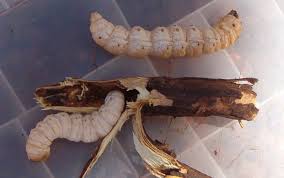 appearance. Common grubs are white grubs which are know to be quite devastating to lawns. Other grubs might not be so conspicuous, but they can all work wonders triggering a fish to bite.