

Home Blog Page 65

Winchester 1400CS – Mossy Oak Review

0

As soon as I saw the Winchester 1400CS, I’m attracted to it.

It’s simply beautiful and unique.

They say “judge the book by its cover” but hey, you have to admit that it’s one of the most gorgeous-looking rifles in the market today.

But is it good as its beauty?

Let’s find out in this detailed Winchester 1400CS review.

Winchester 1400CS – Guntype

winchester 1400cs

This is a spring-piston air rifle (springer) which means that it gets power from a coiled spring and a piston inside the chamber.

Springer is generally cheap and consistent on performance.

It’s one of 5 types of air gun you need to know before buying,

Winchester 1400CS has a caliber of .177 (4.5 millimeters) .

It’s a break barrel, single-shot gun so you can only shoot 1 shot at a time.

After the first shot, you have to reload the pellet manually to prepare for the second shot.

A single-shot gun makes you a disciplined shooter: you know you have to make your shot count because you have only one chance to hit the target before reloading.

The barrel is rifled with helical grooves inside the bore (more on that here).

Moreover, this air rifle has a muzzle-mounted sound suppressor at the end of the barrel that cuts the sound of your shot by 50%.

It allows multiple shot at the animal without scaring them away and is the perfect choice for the shooter who wants to enjoy pest elimination without worrying about bothering the nearby neighbors.

Stock
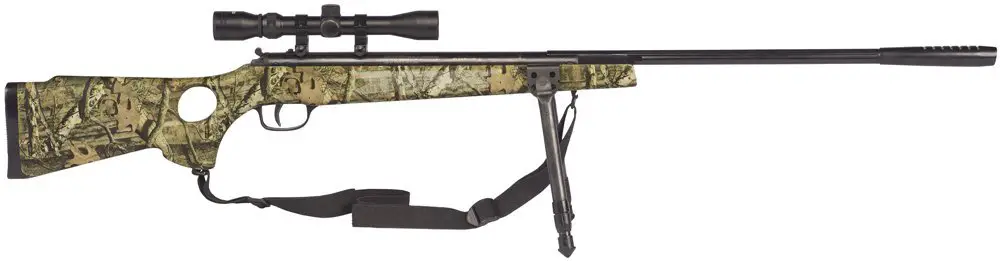
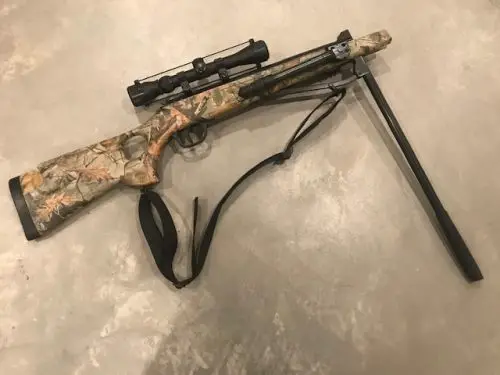
winchester 1400cs mossy oak review

The stock is made of composite material which stands up against all kinds of weather and is impervious to water.

(For more on the in-depth comparison between synthetic and wood stock, see this post.)

Furthermore, it is designed in a beautiful Mossy Oak break-up Infinity Camo style so it conceals effectively your presence in the hunting field.

Besides, it allows some movement for shooters without startling their prey.

This type of stock is best suited for picky shooters who demand absolute stealth on the hunting trip.

The stock has a thumbhole grip for added wrist support and a straighter trigger pull .

In addition, this Winchester 1400Cs has a bipod attaching to the sides of the forearm

And can be extended from 9” to 13.5” to provide steady support on the bench when you need it

But it can be folded up out of the way when you are done shooting.

No confusing bipod adapter is required.

Also, it has a rubber buttpad to reduce felt recoil and texturing on the grip and forearm to add friction to your arms, prevent slippage from the shooter’s sweat and enhance accuracy.

If you are in the air gun world for quite a time, you probably know that lots of shooters like to attach the sling on their air rifles,

But it’s a pain to struggle with the sling swivel stud.

Winchester has already done that for you.

Just pull the sling through the swivel loops, and you are good to go all day in the field: the gun will be there when you need it

And it won’t weigh you down when you are on the move.

Ammo

.177 pellet is the only type of ammunition for the Winchester 1400CS.

The price of .177 pellet is lower than others pellets’ prices,

And if you look at the pellet count box, you will see that you’ll get exactly twice as many .177 as .22 for the same price.

Therefore, .177 is very cost-effective when it comes to long-hour target shooting and plinking.

(For more on the differences between .177 & .22 and which jobs they do best, see this post.)

Cocking and Loading

Cocking the gun:

  • First, put the gun ON SAFE, hold the gun by your side, and then firmly tap the muzzle end to expose the breech.
  • Let the gun rest on your upper thigh and grasp the muzzle end.
  • Continue to pull the barrel down to its limitation to perform cocking action

Loading the pellet:

  • With the breech opened after cocking, put the pellet (with the pellet’s nose lying forward into the breech.
  • Then pull the barrel up to its original position until it locks and you are ready to fire

Winchester 1400CS Sight
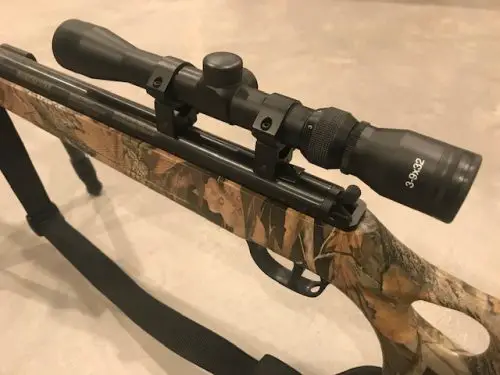
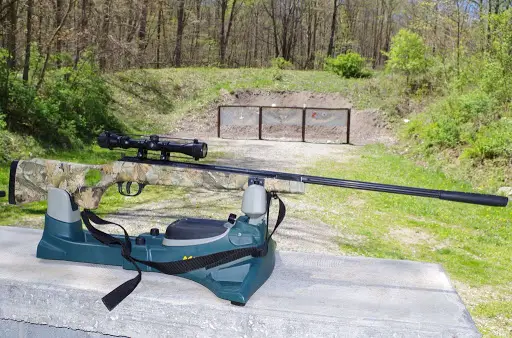
winchester 1400cs scope

The Winchester 1400Cs doesn’t have traditional iron sight.

Yep, no front sight, no rear sight.

But it does have a 3-9x 32 scope.

32 is the diameter of the front lens, measured in millimeters.

3-9 is the magnification ability of the scope.

It means that the image you see when looking through the scope is 3 to 9 times bigger than the picture you see without it.

This variable power scope gives you dead-on accuracy in the long-range shooting situation.

Velocity, Accuracy and Power

The velocity of Winchester 1400 CS is 1400 FPS (feet per second).

Since the speed of sound is 1100 FPS (vary with altitude and temperature),

If you use a lightweight pellet you may hear the loud crack when shooting because the superfast pellets break the sound barrier.

This springer can shoot into 3/4″ plywood at 25 yards so it has more than enough power to deal with squirrels, chipmunk, possum, prairie dogs, etc.

Check Price on PyramydAir

Noise

Remember the maximum velocity for this Winchester is 1400 FPS which is lots higher than the speed of sound

So even your actual performance will not achieve the mind-blowing velocity as the manufacturer advertised,

You still need to expect a loud crack because the pellet breaks the sound barrier .

Lucky for you this gun has a sound compressor so the noise it makes will be a lot quieter than the loud crack of a rimfire rifle.

Shooting range and intended use

The effective shooting range for Winchester 1400CS is up to 50 yards.

You can use this rifle for target shooting, plinking, pest control, and small game hunting.

Accessories

The Winchester 1400Cs doesn’t need any accessories at all

Winchester 1400CS Specifications

  • Caliber: 0.177”
  • Velocity: 1400 FPS
  • Loudness: 3- Medium
  • Overall Length: 51.2”
  • Shot Capacity: 1
  • Barrel: Rifled
  • Front Sight: None
  • Rear Sight: None
  • Scopeable : 11mm dovetail
  • Sight: 3-9x 32 scopes
  • Buttplate: Rubber
  • Suggested for: Target shooting/Plinking/Small game hunting/Pest control
  • Action: Break Barrel
  • Safety: Automatic
  • Powerplant: Spring-piston
  • Function: Single-shot
  • Body-type: Rifle
  • Weight: 9.0 lbs

Pros and Cons

ProsCons
  • Attractive design
  • Awesome stock
  • Comfortable thumbhole grip
  • Fantastic composite material
  • Wonderful foldable and extendable bipod
  • Already-integrated sling
  • Superb knockdown power
  • Great scope
  • Quite heavy for small shooters

Winchester 1400CS Price

The price for Winchester 1400CS is only about 200 dollars.

It is a good price for a supersonic gun that delivers lethal knockdown power, even in a .177 caliber.

Check Price on PyramydAir

Customer Reviews

There are not so many online reviews about this gun.

Positive reviews indicate that buyers like its velocity, power, and design

Whereas negative reviews complain that this gun is too heavy for them so it’s not an air rifle for kids and small build shooters.

And it’s best for bench-rest shooting or shooting on the bipod.

Many reviews show that this is a very accurate gun while others said they cannot get a small shooting group.

This couldn’t be a serious problem after the break-in period and when you get used to it.

Conclusion

The Winchester 1400CS is a good gun for the money.

This is the rifle that deserves to be added to your air gun collection.
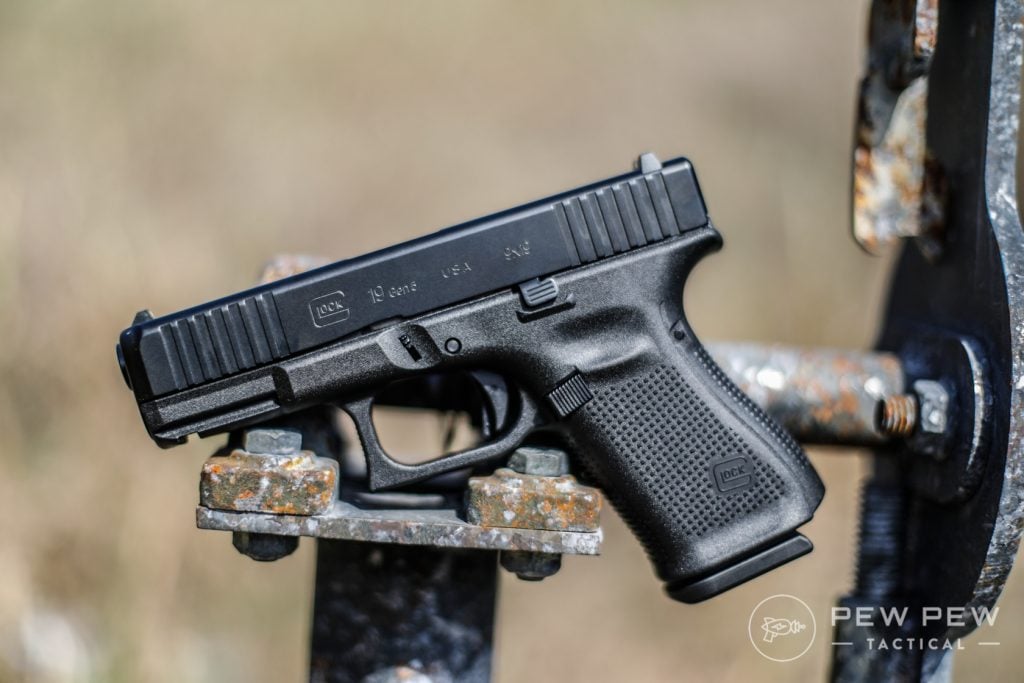
Best Glock 19 Sights (And Other Models)

0

Updated: 9.21.23: Added Tyrant Designs and HIVIZ to list.

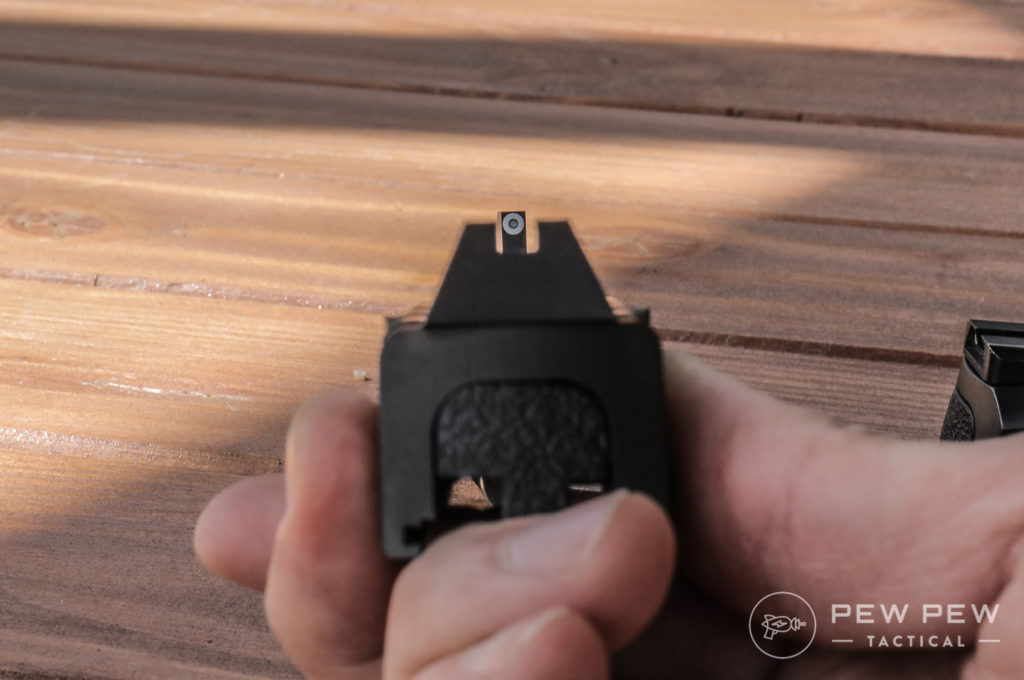
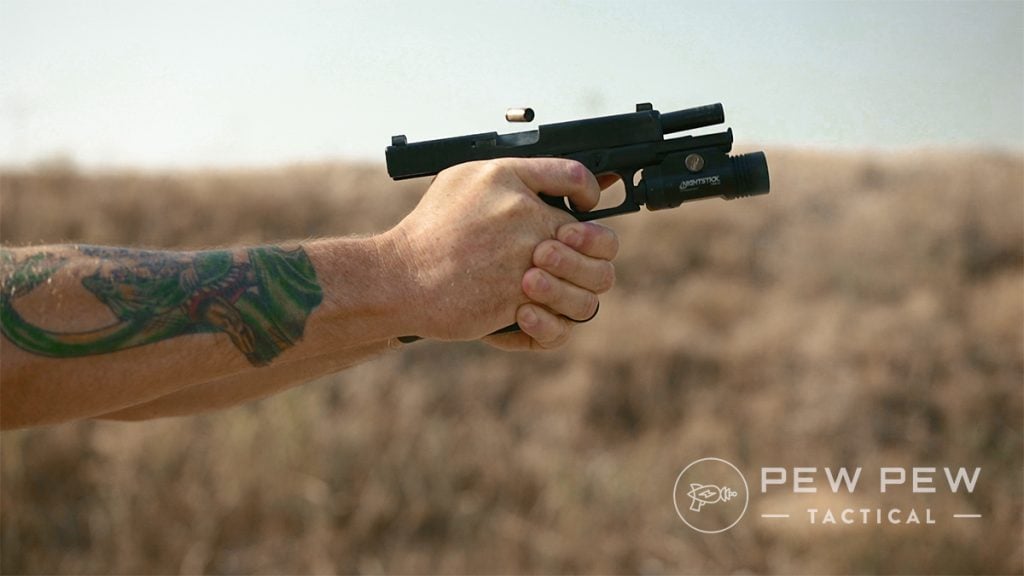
The Glock 19 is one of the most popular concealed carry weapons for a reason. It’s affordable, comfortable to lug around, and it packs a powerful 15+1 capacity punch.

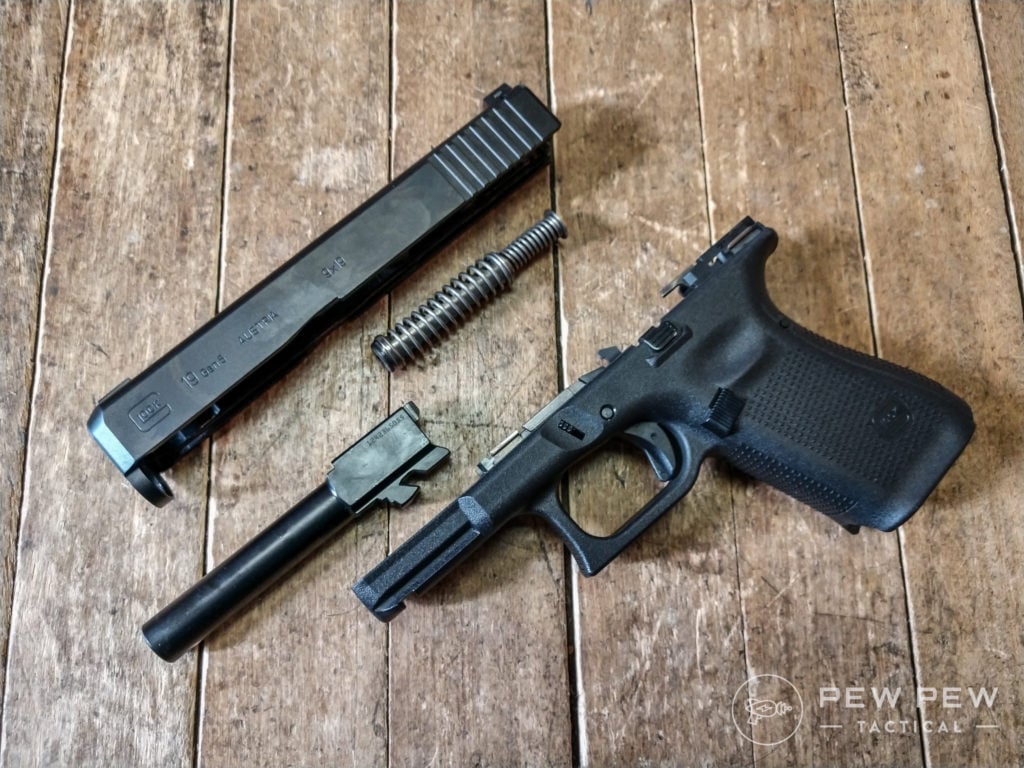
Glock 19 Gen 5, Stock

But when you’re trusting your life with a handgun, you don’t want it to simply be close to perfection – you want it to be flawless. For a number of Glock 19 owners, this flawless design was interrupted by Glock’s OEM sights.

It’s not that the factory sights were inherently bad…they just didn’t go above and beyond to improve accuracy, precision, and target acquisition.

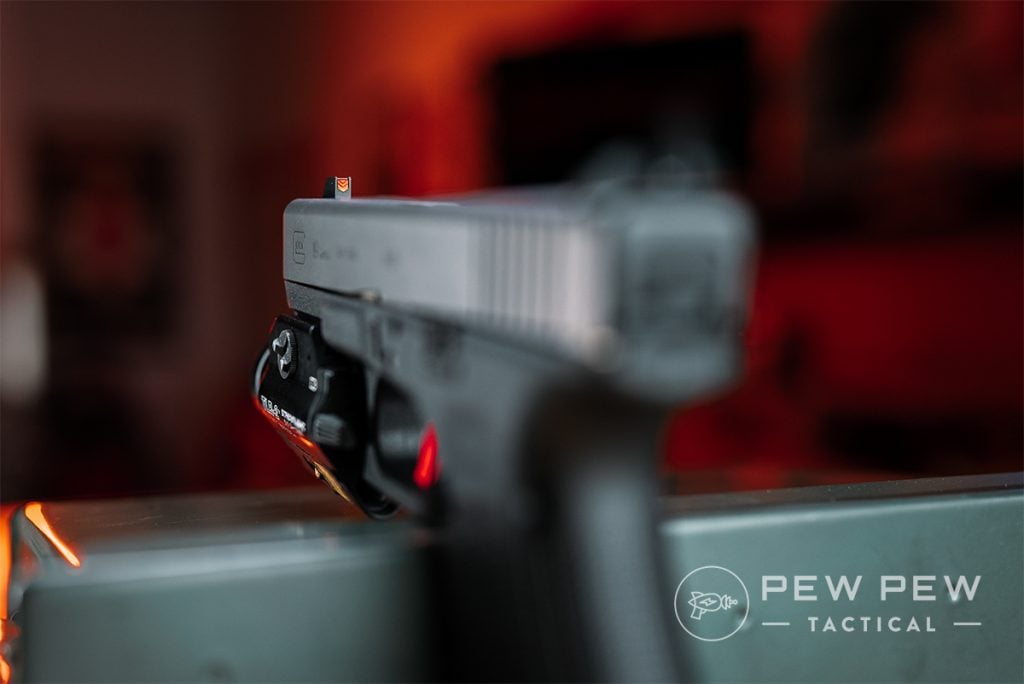
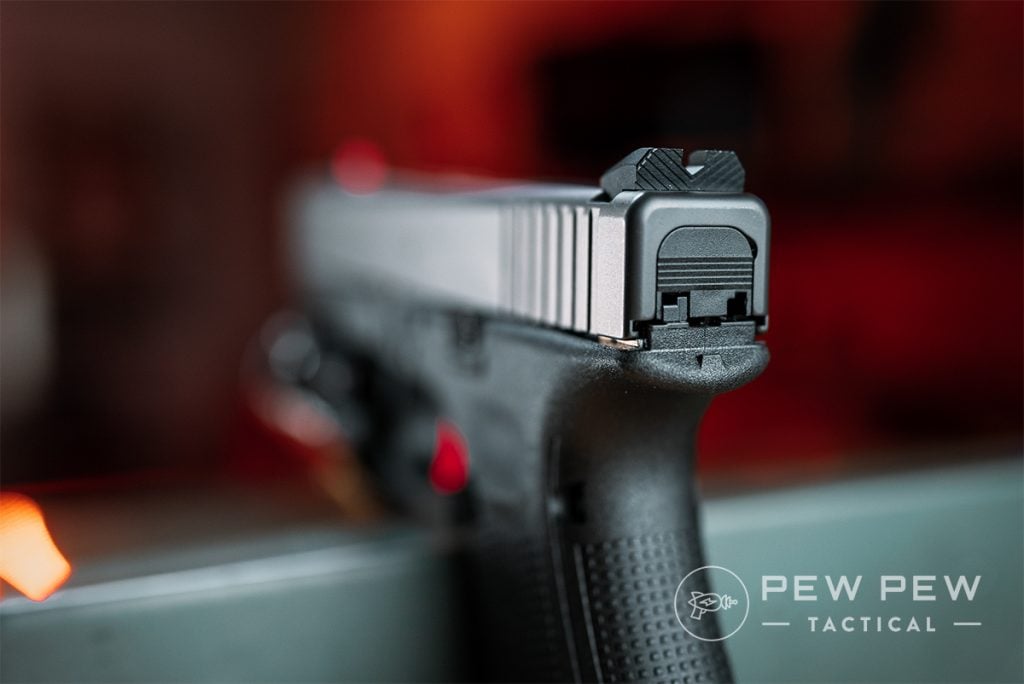
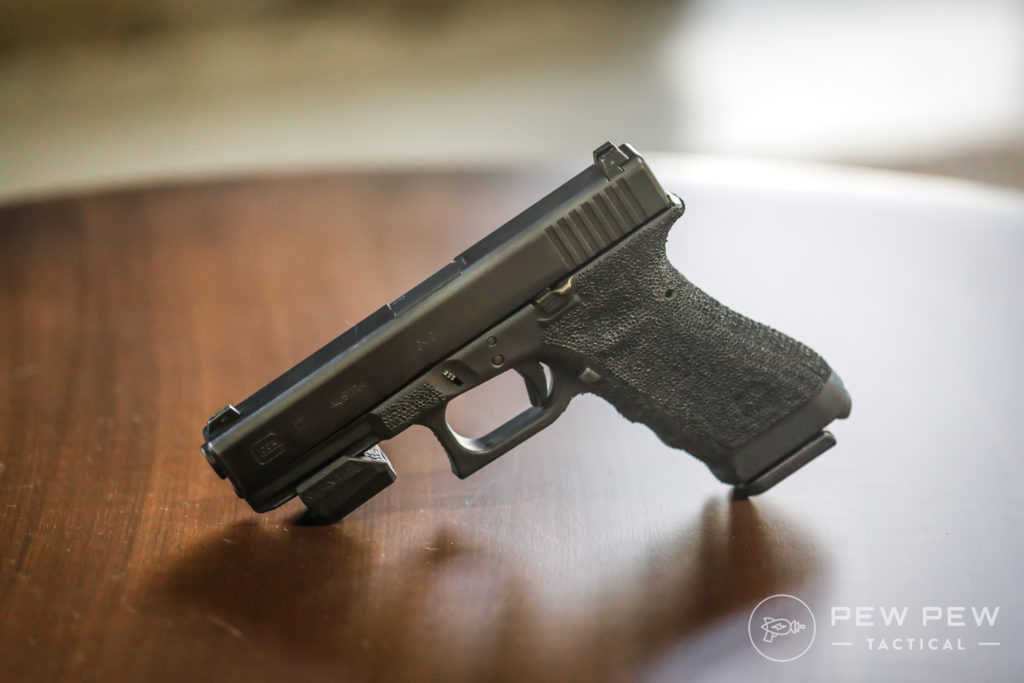
PPTG19ten
Glock 19 Gen 5

The good news about owning a Glock 19 (or any Glock, really) is that you’ve got unlimited access to aftermarket parts that can improve your performance. And if you’re going suppressed, you’ll want some suppressor-height sights.

G19 Irons with Suppressor

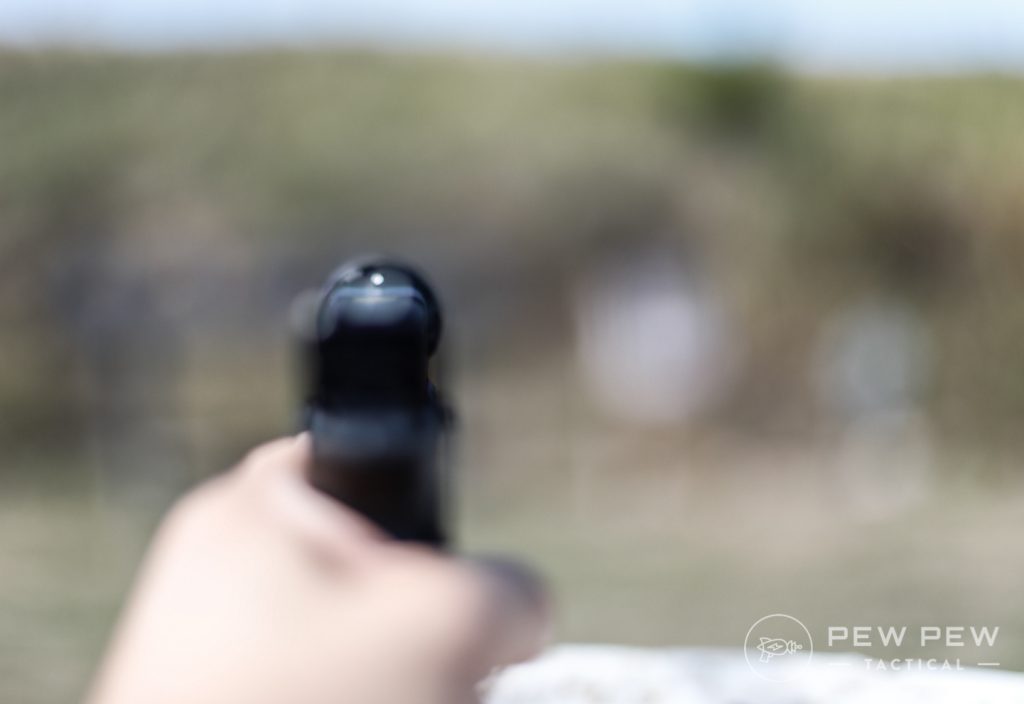
And for a gun like the G19, which was designed for concealed carry, you want sights that do a better job of attracting your attention than the OEM sights.

Best Duty Weapons Glock 19

Today, we’re looking at some sights that will turn your compact pistol into a concealed carry masterpiece.

THE QUICK LIST

Why You Should Trust Us

We here at Pew Pew Tactical believe in bringing you the best information based on testing we’ve done. Every model we recommend is based on hours of research, range testing, and concealed carry with the sights equipped on our various Glocks.

HiViz Litewave H3
We love a good range day!

We spend hands-on time with every model to make sure that it can withstand the rigors of range days, home defense, and concealed carry.

Best Glock 19 Sights

1. Trijicon HD XR Night Sight Set

Trijicon’s HD XR Night Sight set aims to maximize durability and target acquisition through its illuminated design, which is set up to immediately draw your eye to the front post.

Green Laser

Unlike some of the other night-sight sets out there, the HD XR is heavy-duty and able to withstand repetitive drawing without wearing down. Also, sturdy aluminum cylinders built into the sight help protect the tritium-phosphor lamps from any damage that could happen while operating your gun.

Another great feature about the HD XR, which sets it apart from some of Trijicon’s other iron sights, is the narrow front post, which is .022 inches thinner than other sights. While this doesn’t seem like a major change, it does help with making target acquisition faster by improving the shooter’s field of view.

In terms of functionality, the HD XR does everything that iron sights are supposed to do and then some.

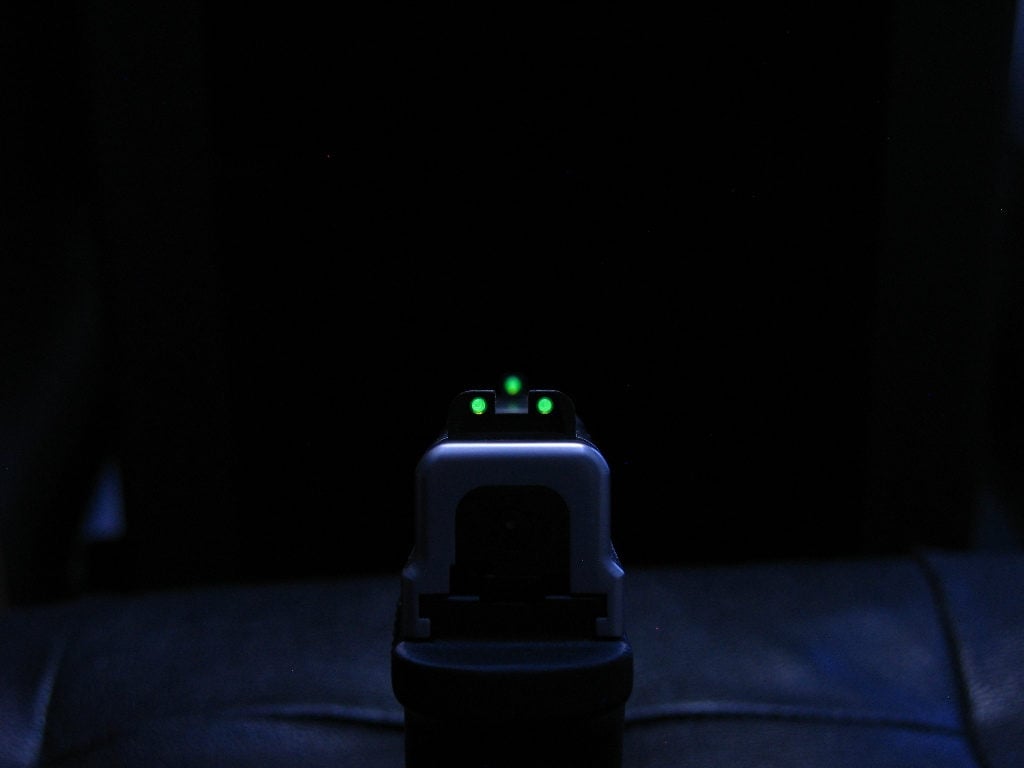
Zeroing in on your target is as simple as lighting up the front dot between the two rear dots, which is made easier thanks to the brightly colored lamps built into the sight.

This attention-grabbing design makes it less likely for you to overlook the sights in a high-stress situation where your adrenaline’s pumping and you don’t have time to think before you react.

What do you think of the Trijicon? Rate them below!

2. DXT2 Big Dot

If you want to break away from the standard 3-dot sight picture, the DXT2 Big Dot is a great option.

As the name makes it sound — you use a big dot and set it on top of a vertical line, basically aiming using a lowercase “i.”

For some, this can be much faster and more intuitive than trying to align 3-dots and check for spacing on either side.

Combined with the fact that these are Tritium night sights and are always visible, the DXT2 has some major pluses going for it.

And you get to pick from Orange or Yellow!

3. TRUGLO Tritium Sights

One of the most cost-effective options is the TRUGLO Tritium Sights.

Simple and to the point with inner tritium and nice visible white outlines.

If you’re looking for a no-muss, no-fuss wallet-friendly option, this is what you want.

4. XS RAM Night Sight

Big, Tritium Night Sights, 3-dot system — the XS RAM Night Sights are simple but very effective. There isn’t much to say about these since they are fairly straightforward, but that doesn’t mean they aren’t awesome.

These are some of our favorites.

One of the best-hidden features is what they call their Ember Glow Dot Technology. This is a cool set of words to mean that the front sight glows brighter than the rear.

A brighter front sight really helps draw your eye to it and keeps you focused on where you should be, and assists in accurate, fast shots while in less-than-ideal lighting conditions.

Add in a 10-year warranty and rock-solid construction, and the XS RAM speaks for itself.

5. Night Fision

Got a suppressor, RMR, or want a super easy-to-see orange front sight? Check out the to the Night Fision.

trijicon night sights

They claim to have the brightest tritium available and have been making compasses for the military for years using the same material.

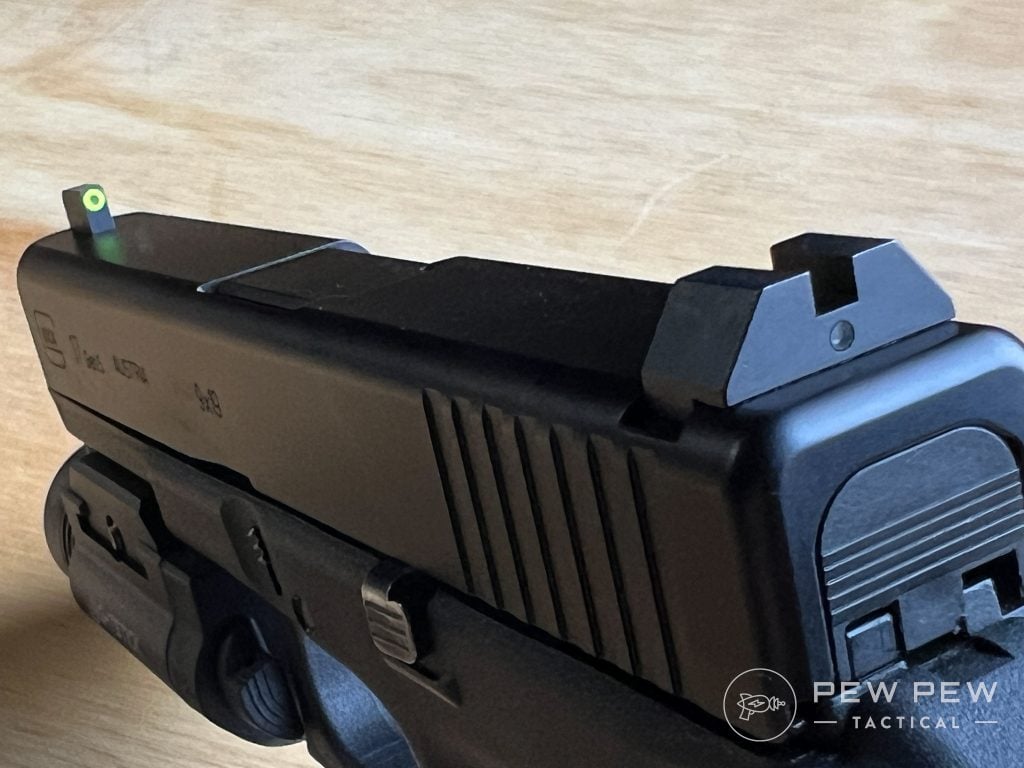
I got my hands on one in suppressor height that is super easy to acquire in the daytime and lights up bright in the dark.

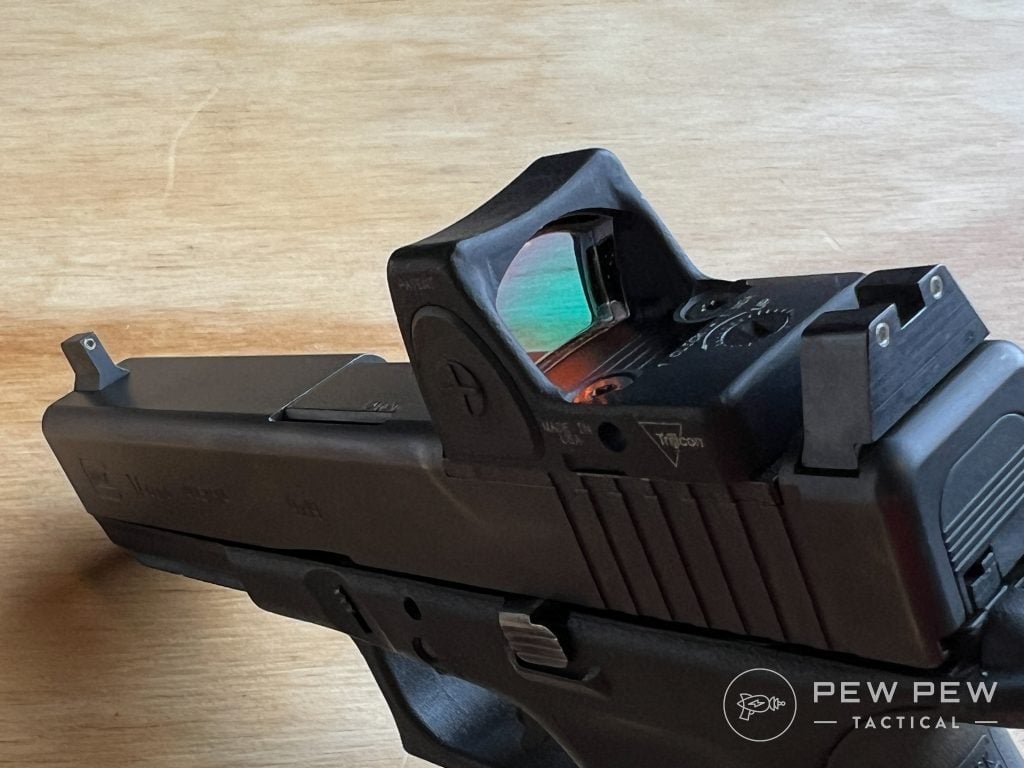
Also co-witnesses with my Trijicon RMR, so I’m a happy camper.

6. Tyrant Designs Glock Compatible Sights

While not tritium-based, these 7075 Aluminum are tough and offer high contrast for sight acquisition.

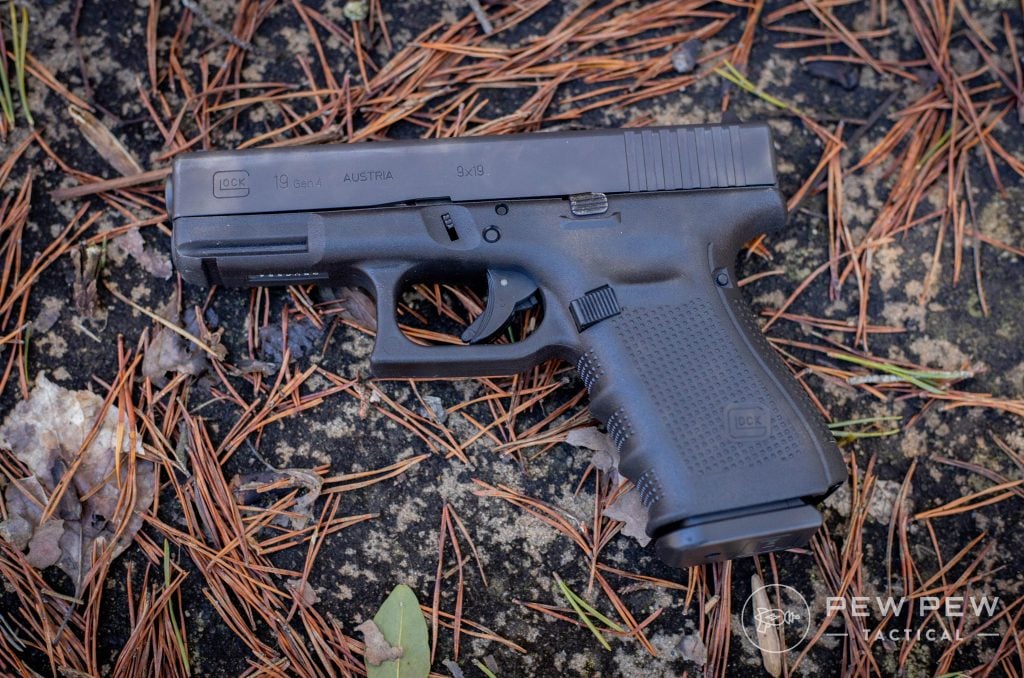
Glock G19 Gen 4

You’ll notice the serrations and matte finish are intentional, designed to eliminate glare.

The angles have been laid out in a manner intended to draw the eye forward.

Best Glock 19 Sights (And Other Models)

Overall, these work as intended and also offer a nice little aesthetic touch.

Honorable Mentions

  • AmeriGlo Fiber Optic Sight: The most cost-efficient way to venture into fiber optics…note only the front is fiber optic but still great on a budget.
  • TruGlo TFX: Tritium AND fiber optic for the best of both worlds.
  • HIVIZ Litewave H3: This one uses a combo of Tritium and the company’s “Litepipe technology” for bright, illuminated sights.
Best Glock 19 Sights (And Other Models)

Does Color Really Matter?

Bright, illuminated sights are better than your standard iron sights for the following reasons:

  • They do a better job of attracting your eyes to the front sight, which is easy for the untrained shooter to forget to do in a high-adrenaline situation.
  • These make it easier to see the target in a low-light setting.
  • Colors help prevent your sights from becoming hardily visible in low light.

But does it matter which color you choose?

Some people claim that bright green is proven to attract your eye quicker than any other color.

Best Glock 19 Sights (And Other Models)
Give us all the green!

But in my experience, it’s the brightness that draws my eye to the front sight – not the color. For me, it doesn’t matter what color my sights are as long as they’re bright enough to capture my attention when I’m aiming.

With that said, some people who use Trijicon sights like to have contrasting colors for their rear and front sights. Their rear sights might illuminate orange, whereas their front sight has a bright green dot.

Best Glock 19 Sights (And Other Models)
Trijicon Night Sights

The idea behind this is that the contrasting colors make it more likely for the shooter to focus on the front dot in the middle since it’s a different color than the rest. Whether that works or not depends on the person.

Installation

Glock sights come on and off pretty easily…check out How to Install Glock Sights Without a Sight Tool.

But for those that still want a tool (if you have other handguns besides Glock), take a look at our round-up of the Best Sight Pusher Tools.

Final Thoughts

Night sights can make a world of difference for Glock users who want to ditch OEM sights for something better.

Best Glock 19 Sights (And Other Models)
Glock G19 Gen 4

Whether you want sights to see over your suppressor or just want to add some color to make aiming easier, these recommendations will help you get on target.

What night sights do you run? Let us know in the comments below! Need more parts for your Glock? Check out the Best Glock Upgrades for more inspiration.

Best Glocks of 2024: Top Calibers & Sizes

0

Glocks…one of the most popular, recognizable, and divisive brands in the firearms world.

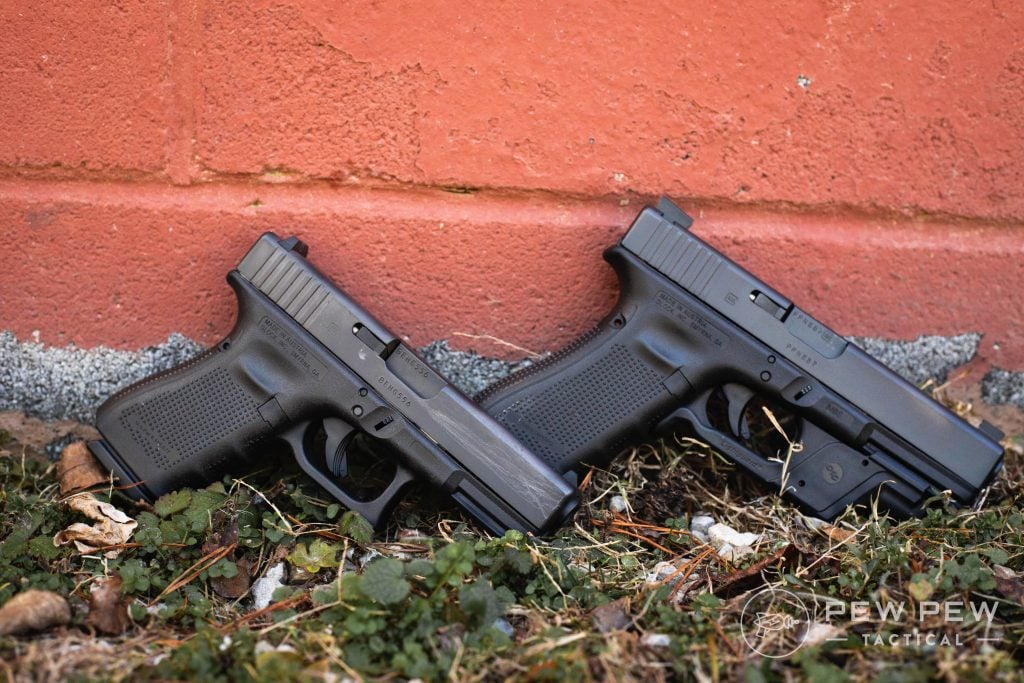
Glock G17 and G19 Gen 4
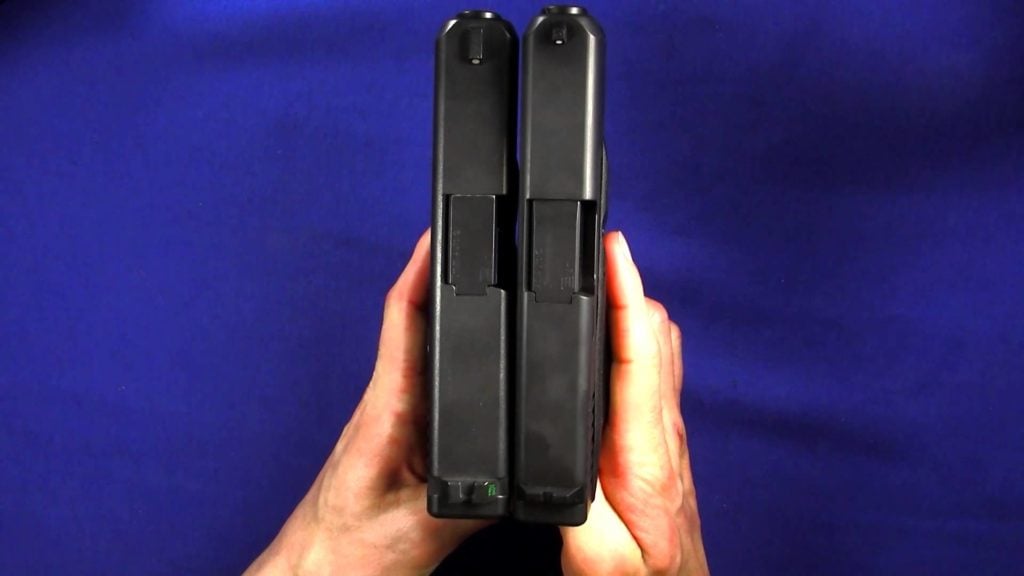
Glock G19, left, and G17, right.

Even if you take a step out of the gun community, most people know about Glock. From movies to rap lyrics, the brand seemingly exists everywhere.

But within the gun world, Glocks are one of those guns that foster a conversation.

Glock Rap
Glocks pop up everywhere

Whether you love Glocks or love to hate them, we’re going to take a look at some of the best models the Austrian company has to offer.

From concealed carry 9mm variants all the way to full-auto (oh yeah, they have one of those too), we’ll tell you which Glocks are worth your time, money, or are just plain fun.

Let’s get to it!

THE QUICK LIST

History Time!

We would be remiss if we didn’t at least touch on the history of Glock. Since it is a powerhouse brand, we feel we kinda owe it to you to explain how they got to where they are.

Glock began in the early 1960s, helmed by Gaston Glock.

Gaston Glock
Gaston Glock

At the time, pistols weren’t really on his mind. Instead, the company manufactured wood, steel, and plastic.

Fast forward to the groovy era of the 1970s, marking Glock’s entry to the world of weaponry — specifically, knives, grenades, and machine-gun belt links.

1970s
The 70s were groovy, baby.

It didn’t take long for the wheels to start turning and by the 1980s, the Glock 17 emerged.

While it wasn’t the first polymer pistol to land on shelves (that honor belongs to HK VP70), it was the first one to be a big hit.

All Tested Glock Triggers
The G17.

Before you know it, law enforcement was arming up with the plastic fantastic and its stellar 17-round magazine.

So, why has Glock maintained its stature?

Well, like it or not, the pistols are affordable and reliable. Two things that make both government agencies and civilians fall in love.

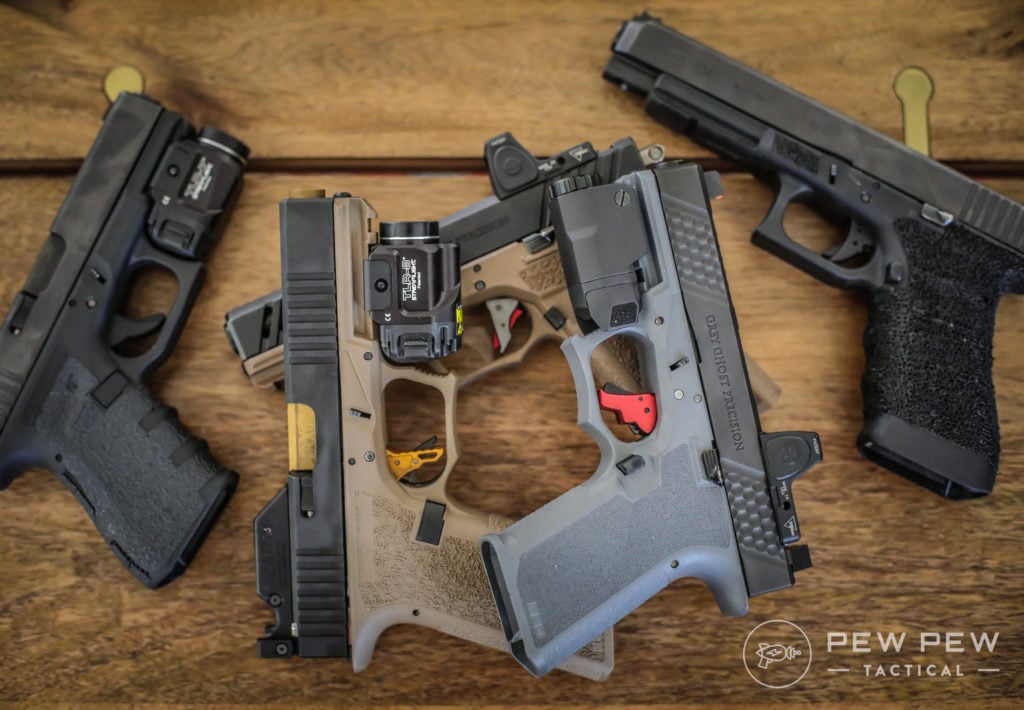
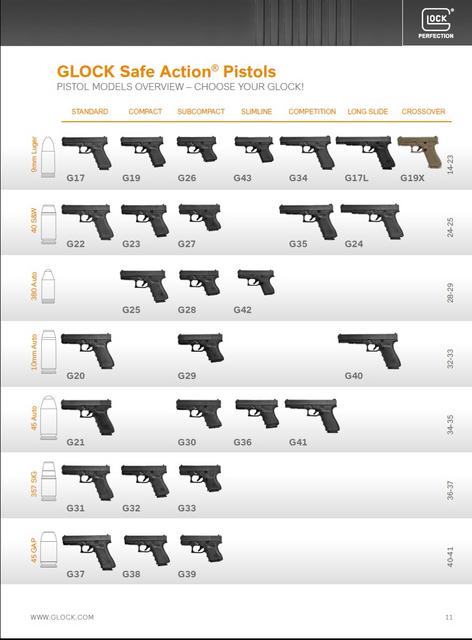
Glock Models Chart
Aftermarket, anyone?

Since Glock’s emergence into the firearms community, the brand has continued to release new models based on the tried-and-true design.

Whether that’s upgrading generations or producing new models in different calibers (I’m looking at you G44), Glock isn’t going anywhere anytime soon.

Glock G17 Gen 4
Glock models…you got some options.

Best Glocks in All Calibers

With history behind, let’s get to what you really came for…the best Glock pistols.

Though 9mm is classic Glock, we’re going to cover all sorts of calibers in the company’s inventory.

1. Glock 17 (9mm)

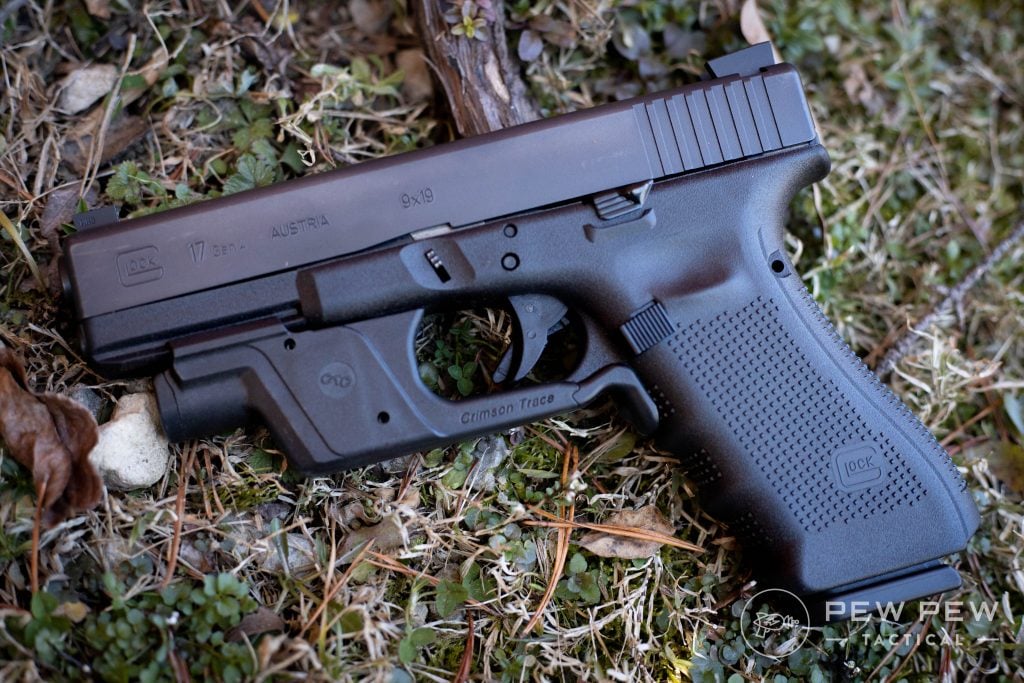
Ok, so we had to kick this list off with the OG, the one that started it all…the Glock G17.

A full-size, 9mm model, the G17 is available in all multiple generations.

Glock G17 Gen 4
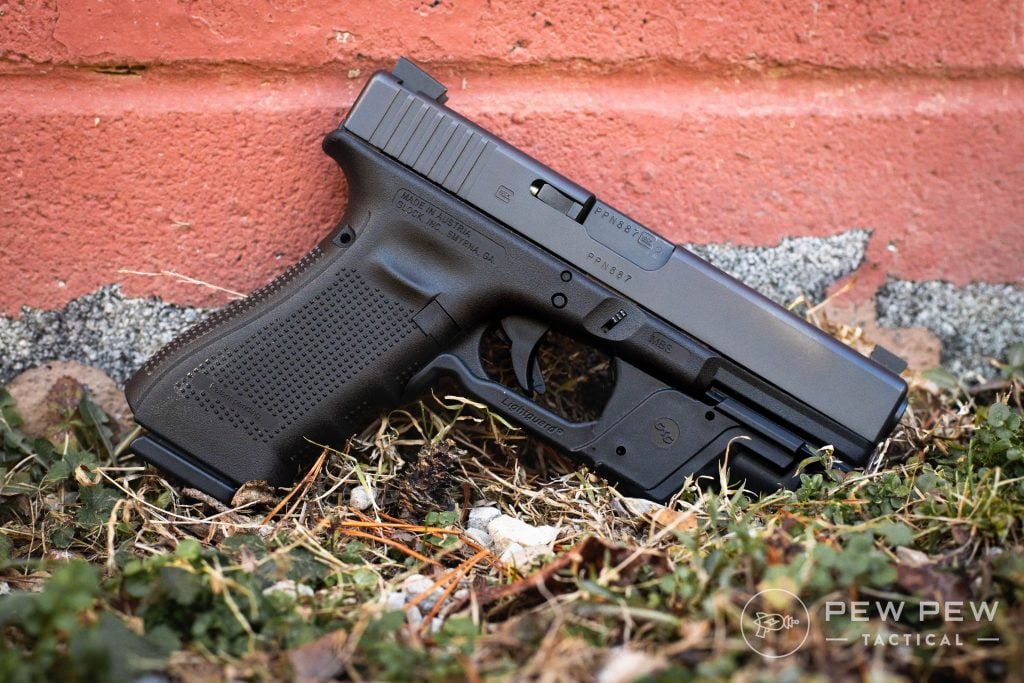
Glock G17 Gen 4 with a Crimson Trace light.

(Don’t know the difference between a Gen. 3 and a Gen. 5, head over to our Glock Generations article to get the low-down.)

Featuring a barrel length of 4.49-inches, the G17 measures 8.03-inches in total length. It weighs in at 32.28-ounces loaded with a standard 17-round magazine.

Glock G19 Gen 4
The gold standard of Glocks

The G17 is the gold standard for most law enforcement and its reliability has made it a winner in the civilian market.

From carry to home defense, the G17’s larger style makes it a perfect pistol for self-defense and personal protection.

If full-size isn’t your thing, however, then you might consider moving to Glock’s midsize 9mm…

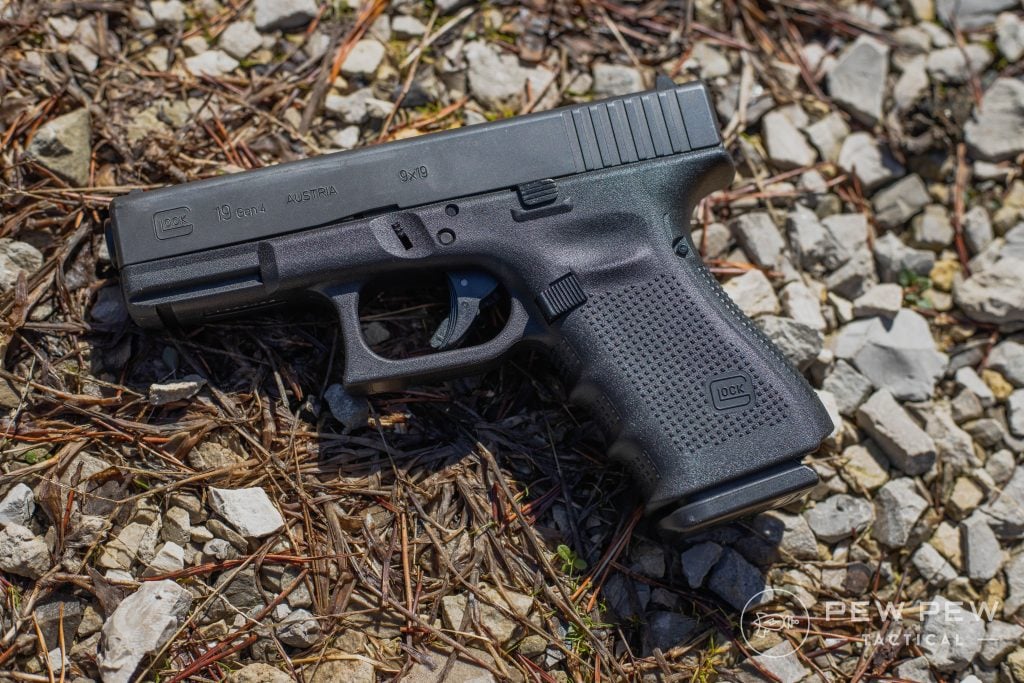
2. Glock 19 (9mm)

The Glock 19 is remarkably similar to the G17, but on a slightly smaller scale.

Still chambered in 9mm, the G19 measures 7.28-inches in total length. It sports a 4.02-inch barrel and weighs 30.16-ounces loaded.

Glock G19 Gen 4
Glock G19, Gen 4

This midsize model is versatile and easily transitions from the range to concealed carry with its double-stack design.

Again, it’s seen wide use in the law enforcement realm and, like most Glock products, is renowned for its ease of use and reliability.

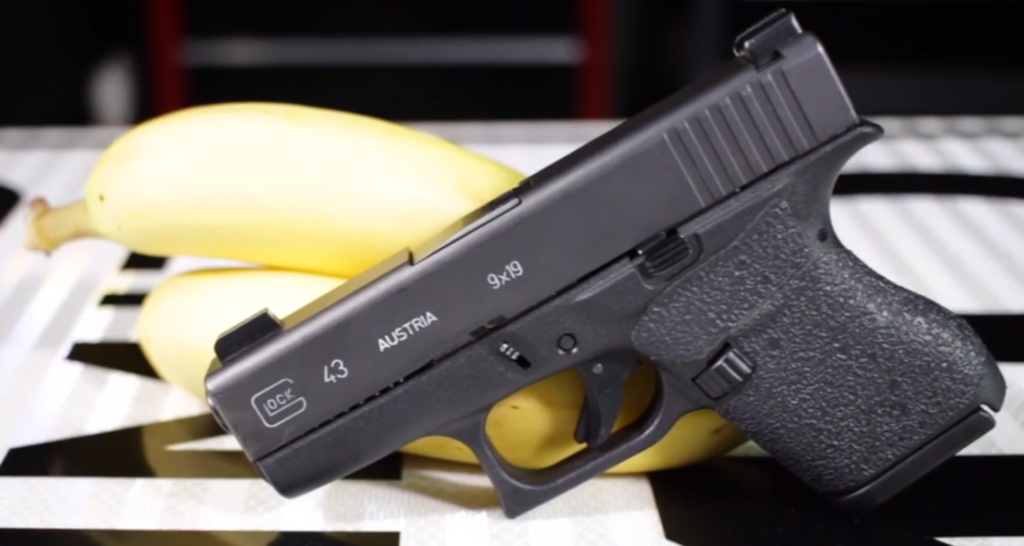
G43 Banana
Love a midsize? The G19 is for you!

Not to mention, the 9mm chambering means that, in non-ammo shortage scenarios, you should be able to easily train with it alongside its standard 15-round magazine.

The G19 also benefits from a wealth of aftermarket support so you can switch sights, triggers, and slides if you so choose.

Interested in learning even more, especially about the Gen 5 G19, then head over to our full review.

If you still need something smaller to conceal, maybe in hotter summer months, then let’s take a look at a single stack.

What do you think of the Glock 19? Rate it below.

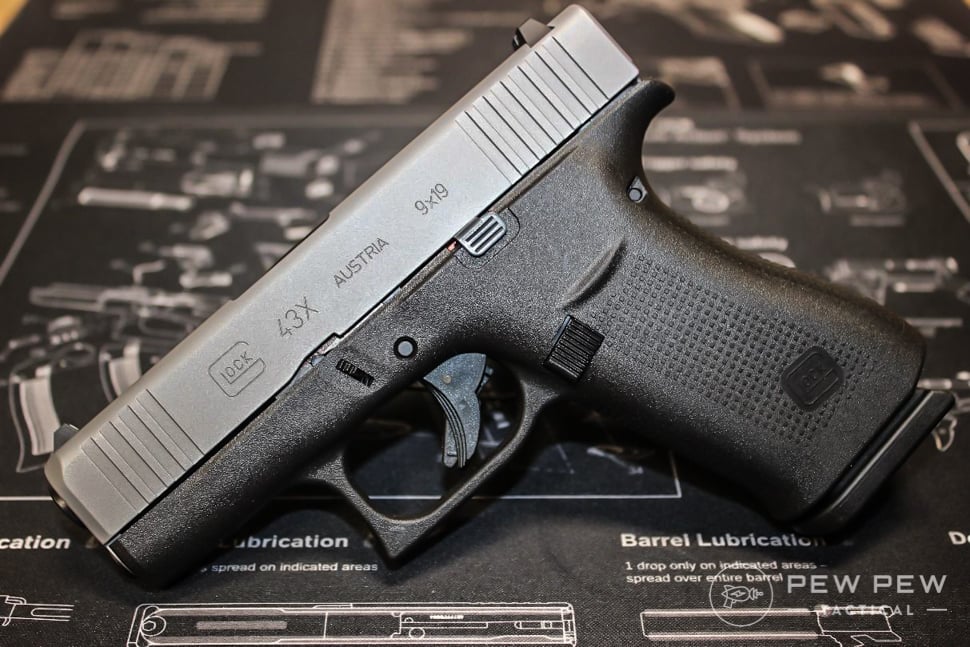
3. Glock 43/43X (9mm)

Coming in with a subcompact style, the Glock 43 and newer 43X reduce the size of the platform with a single-stack design.

Glock G43X
G43 and a…banana???

The 6-round capacity on the G43 brings with it a slimmer profile but still with a 9mm chambering.

Offering a 3.41-inch barrel and 6.26-inch overall length, the G43 weighs 20.64-ounces loaded.

Meanwhile, the G43X brings an ever-so-slightly larger build.

The G43X measures 6.50-inches overall but still uses that 3.41-inch barrel. Loaded, it weighs more than the standard G43 at 23.7-ounces.

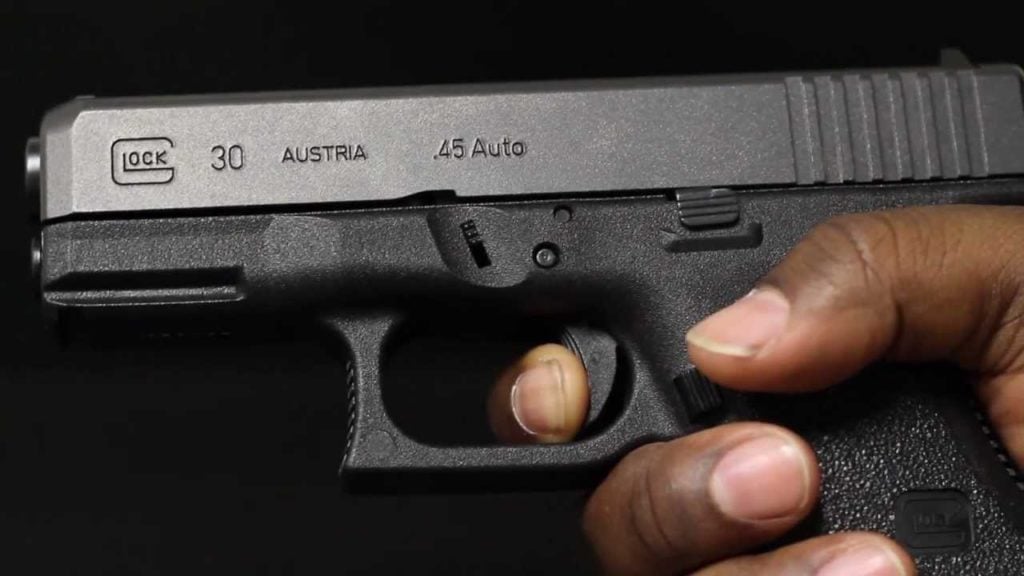
.45 acp glock 30
Glock G43X

You also get more rounds with the G43X — it features a 10-round capacity.

If you want a slim CCW pistol but have to have that sweet, sweet 9mm, the G43 and G43X are right up your alley.

For a more in-depth look at the G43, check our review here or just watch the video below.

If you prefer a little different oomph, however, you can knock it up to .45 ACP.

4. Glock 30SF (.45 ACP)

Some people love their .45 ACP and who are we to tell you you’re wrong. If .45 ACP is what you want, then the G30 SF is the Glock pistol for it.

Based on the G30 design, the G30 SF brings a subcompact appearance with a 10-round capacity.

.45acp glock 30s vs 30sf
The Glock 30 is just the right size for a lot of folks.

How does Glock accomplish this? With a shortened frame and reduced grip dimensions, of course.

With a barrel length measuring 3.78-inches and an overall length of 6.97-inches, the SF weighs 33.69-ounces loaded.

Glock G21
The Glock 30SF (right) vs the Glock 30S (left)

The choice of many plain-clothed street cops and security personnel, the G30 SF fits naturally into a concealed carry or defensive setup.

Like all Glocks, it’s easy to operate and maintain.

Though the G30 SF makes for flawless concealed carry in .45 ACP, what about a full-size for home-defense or just fun at the range…

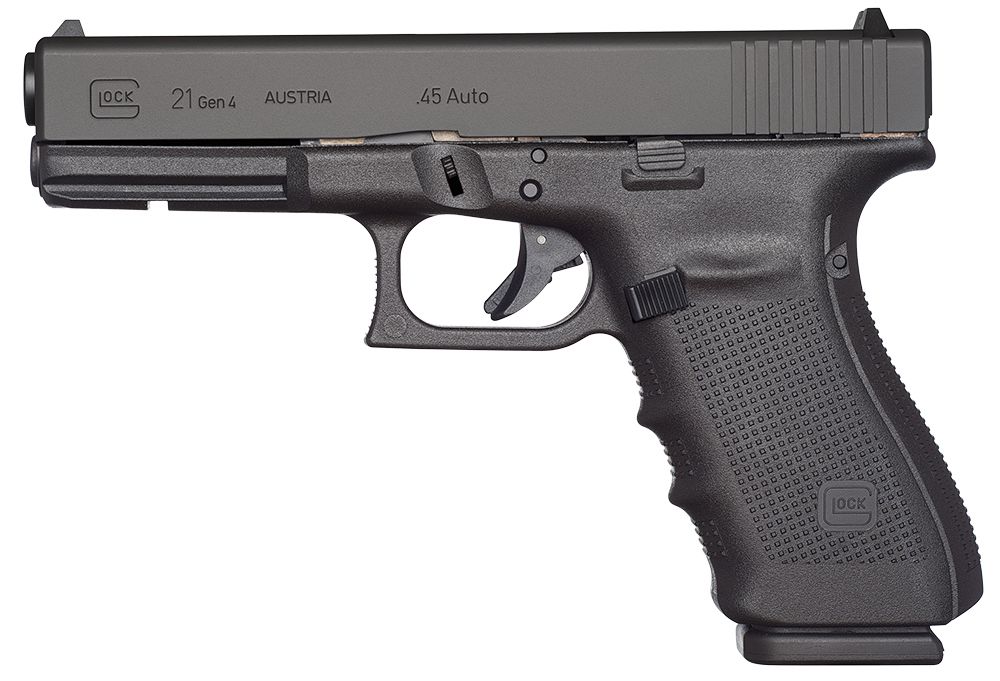
5. Glock 21 (.45 ACP)

Continuing the .45 ACP vibe, the G21 is the full-size package.

With a barrel length of 4.61-inches and a total length sitting at 8.07-inches, the G21 weighs 38.80-ounces loaded.

What do you get from the G21 that you don’t see with the G30 SF? More rounds!

Glock 23, Gen 4
Glock G21

The G21 boasts a standard capacity of 13-rounds.

We always think more is better, especially when at the range or during a defensive situation.

Which, is where this pistol excels.

It could easily tuck into a nightstand safe or tossed into a range bag.

If .45 ACP isn’t your cup of tea, though, Glock does offer a handful of .40 S&W models

6. Glock 23 (.40 S&W)

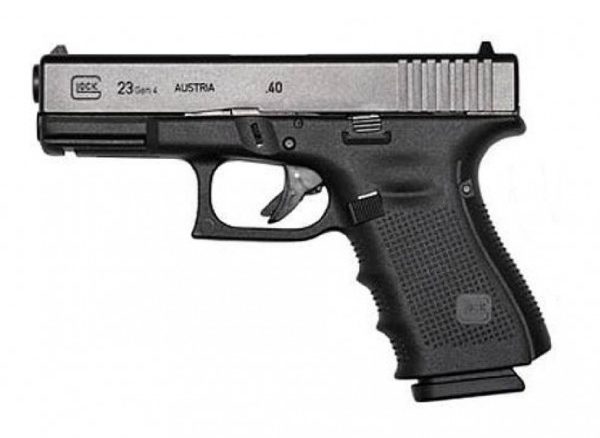
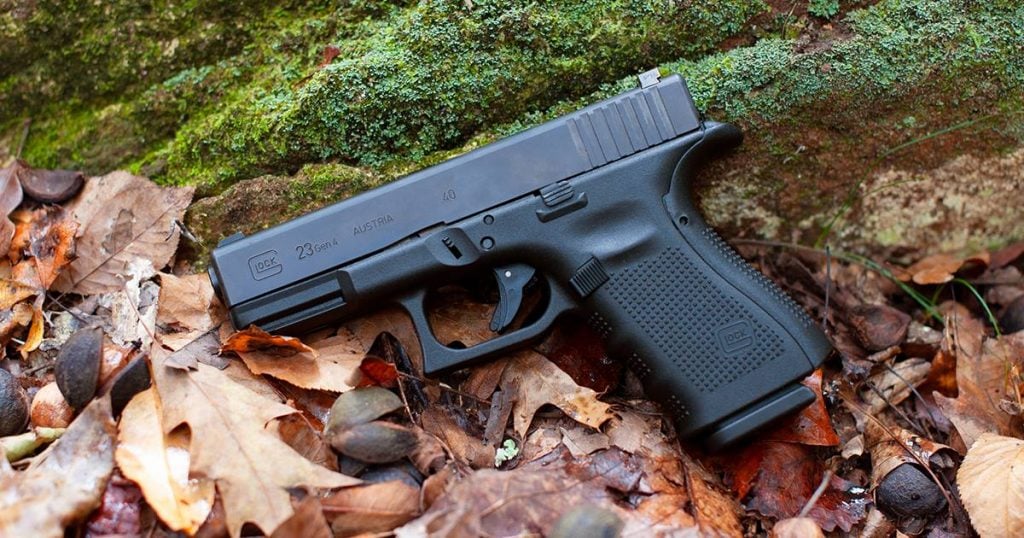
The G23 comes chambered in .40 S&W with a magazine capacity of 13-rounds (though you can certainly spring for an aftermarket mag with up to 22-rounds).

Sporting a 4.02-inch barrel and total length of 7.28-inches, it weighs 34.36-ounces loaded.

Glock G23

It’s available in Gen. 4 or Gen. 5, but if you go for a Gen. 5 you’ll get the bonus of an nDLC finish, Glock Marksman barrel, and flared magwell.

Oh, and lefties will appreciate that ambidextrous slide stop lever too!

Using a compact build, the G23 is a nice middle area between full-size and subcompact.

Glock 20 and lots of ammo
Glock G23 (Photo: Glock)

And if you happen to love red dots and optics as much as we do, there’s even a MOS model that supports red dots.

If you love the .40-caliber, then you can’t get better than the G23.

Of course, while we’re talking alternative rounds, we might as well mention that Glock also has 10mm offerings

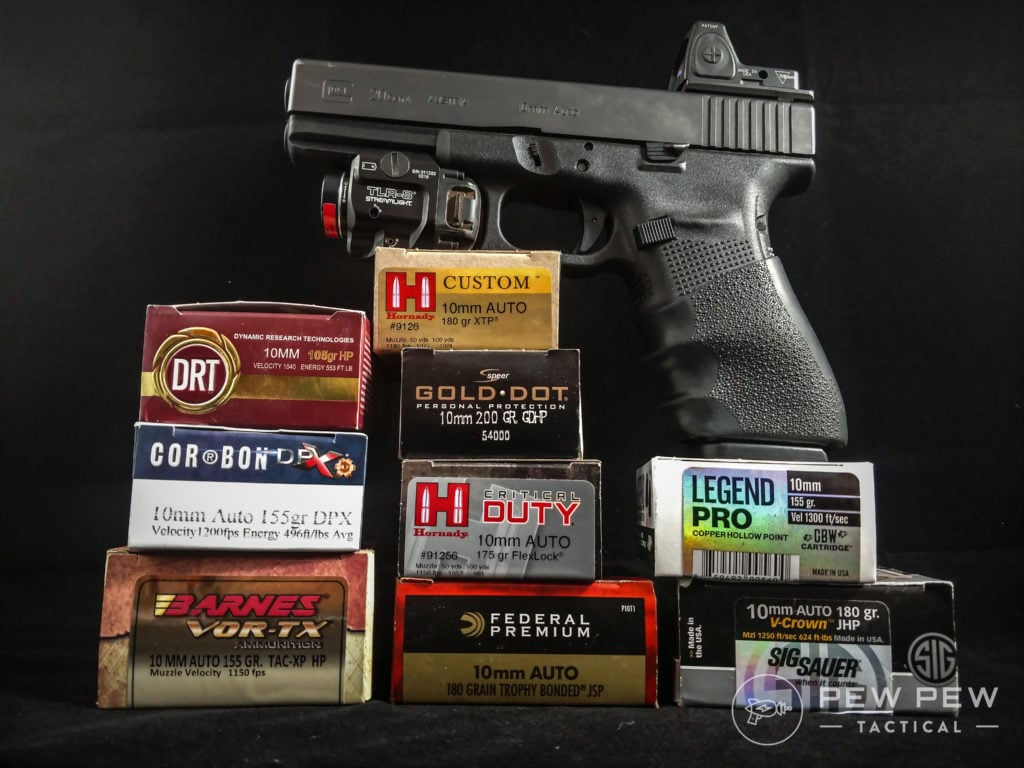
7. Glock 20 (10mm)

There’s something cool about shooting 10mm. Whether you’re doing it on the hunt or at the range, it’s a fun round!

Luckily Glock has a few 10mm offerings up its sleeve, but our favorite is the G20.

Glock 20 Target and Ammo
G20 with a Trijicon optic.

With a capacity sitting at 15-rounds, the G20 is a full-size model with 8.07-inches in total length to its name.

The barrel measures 4.61-inches and total loaded weight is 39.86-ounces.

While the G20 only comes in the Gen. 4 variant, but Glock does offer an SF, or short frame, model.

Glock G42
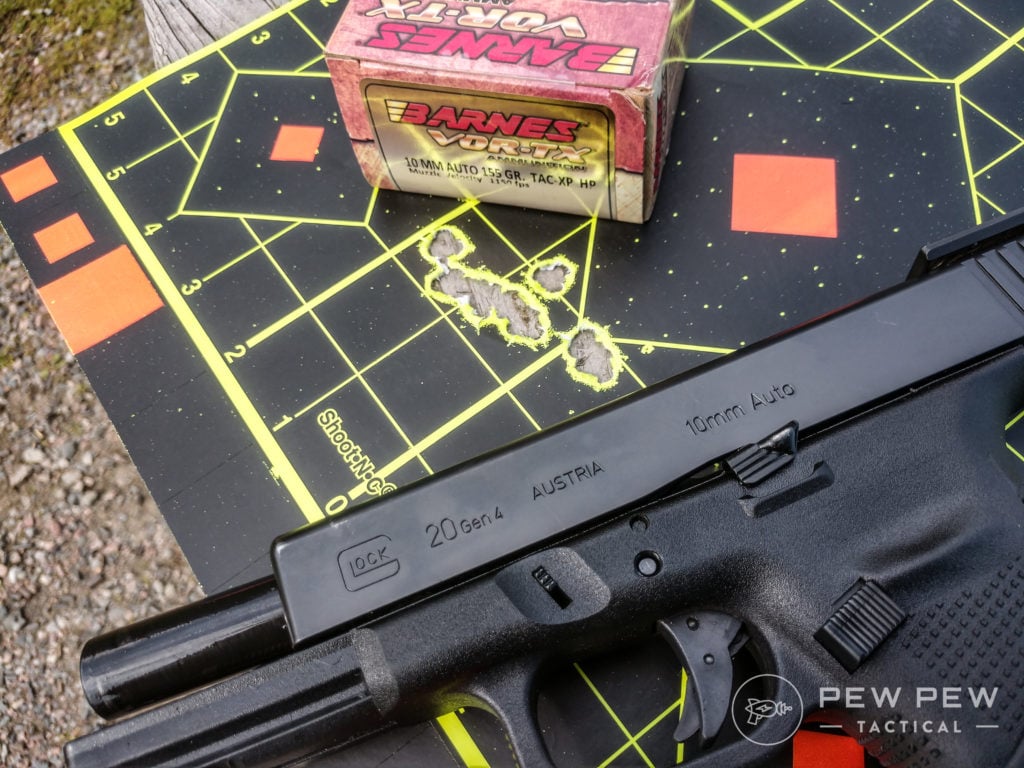
From a distance of 25 yards, shooting from the bench, with the SRO mounted to the gun the G20 nailed this group with Barnes 10mm 155-grain TAC-XP HP.

You still get that 15-round capacity with the SF and most of the measurements are on par with the G20.

But the SF downsizes the receiver’s circumference at the rear for a little more ease when shooting.

Interested in a deep dive into this 10mm bad boy? Check out our full review here!

Of course, if 10mm is just a bit much in your book, you can move in the opposite direction to a Glock in .380 ACP.

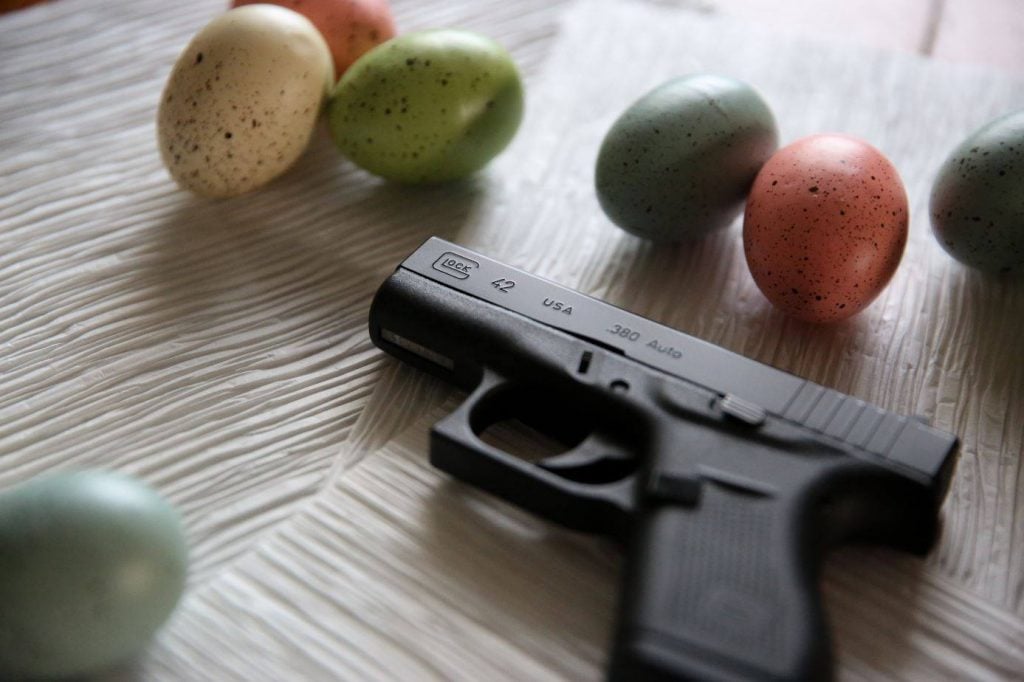
8. Glock 42 (.380 ACP)

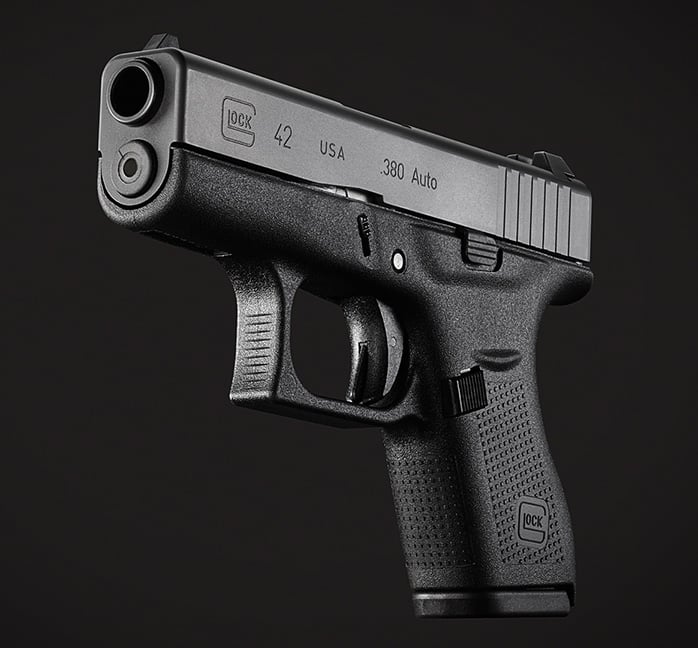
The G42 comes chambered in .380 ACP which means there’s little to no recoil while shooting.

This subcompact offers a barrel length of 3.25-inches with an overall length measuring 5.94-inches. Weight rests at 15.87-ounces loaded.

Glock G42
Glock G42

Glock’s G42 is an ultra-compact pistol designed for concealed carry. This is your summer gun!

The trade-off for such a small handgun, though, is capacity. In the case of the G42, that means 6 rounds. Probably want to stock up on the spare mags…

Glock 44 at the Range
Glock G42

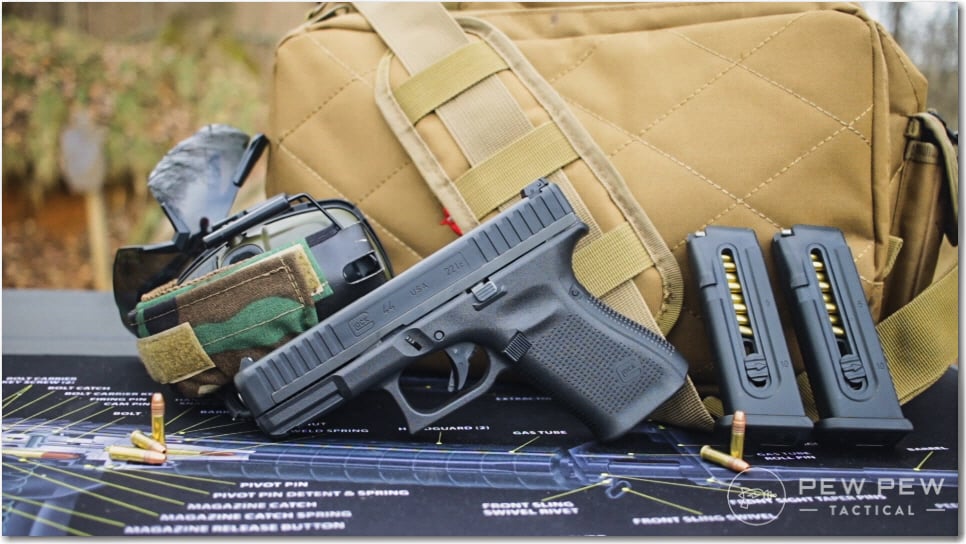
It keeps to Glock’s easy-to-shoot-and-maintain platform and brings that durability you’ve come to expect from the Glock brand.

If .380 ACP is still too much, you can always go with a cartridge most of us probably started on…a .22 LR.

9. Glock 44 (.22 LR)

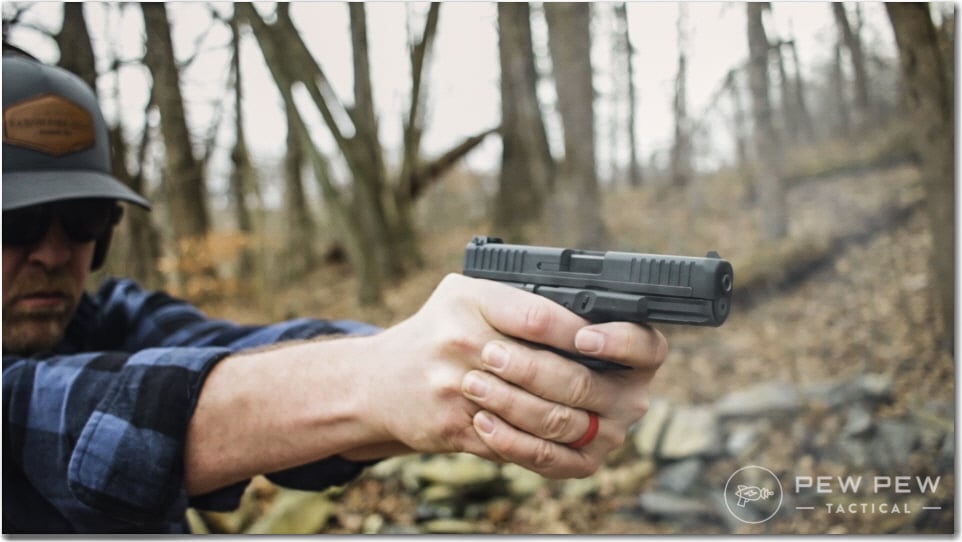
Ok, so I know the G44 is controversial. I’m sorry to all the fanbois who wanted a Glock PCC but instead got a .22 LR. Don’t throw hate at me.

The G44 burst onto the scene with a .22 LR chambering. According to the company, they wanted to introduce a gun specifically for first-time gun owners and those that put in a lot of training reps at the range.

Glock G48 MOS
Glock 44

Mimicking the size of the G19, the G44 comes with a 4.02-inch barrel and an overall length of 7.28-inches. Loaded with its standard 10 rounds, it weighs 16.40-ounces.

While you most likely won’t be packing this in your IWB holster, the G44’s strength comes from the fact that you can easily plink with it.

Glock 18C with Fun Switch

Normally, .22 LR ammo is cheap and easy to find, making this gun a perfect training companion.

Not to mention, .22 LR has virtually no recoil so first-timers will find this comfortable and less intimidating to shoot.

To see the G44 in action, peep our video below or you can read our full review here!

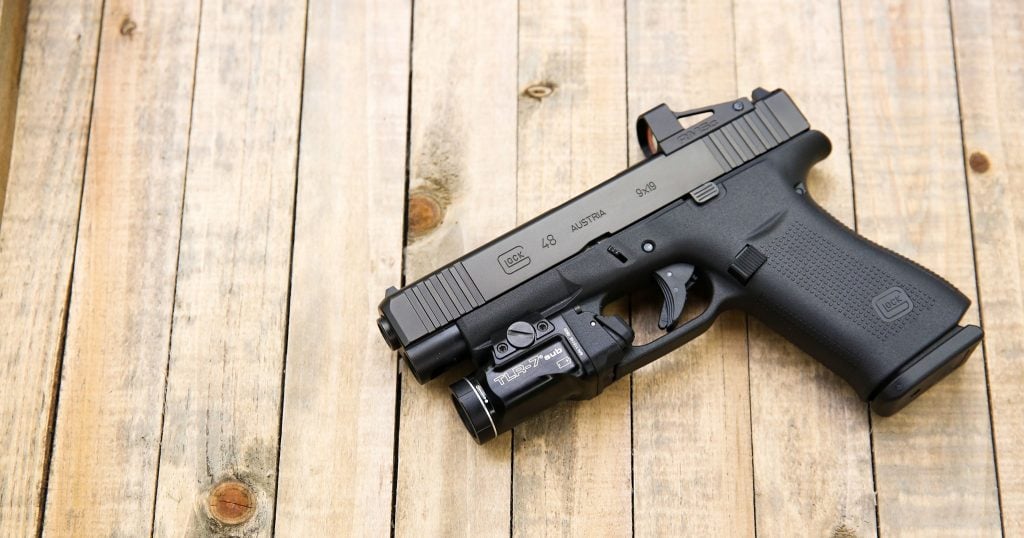
10. G48 MOS (9mm)

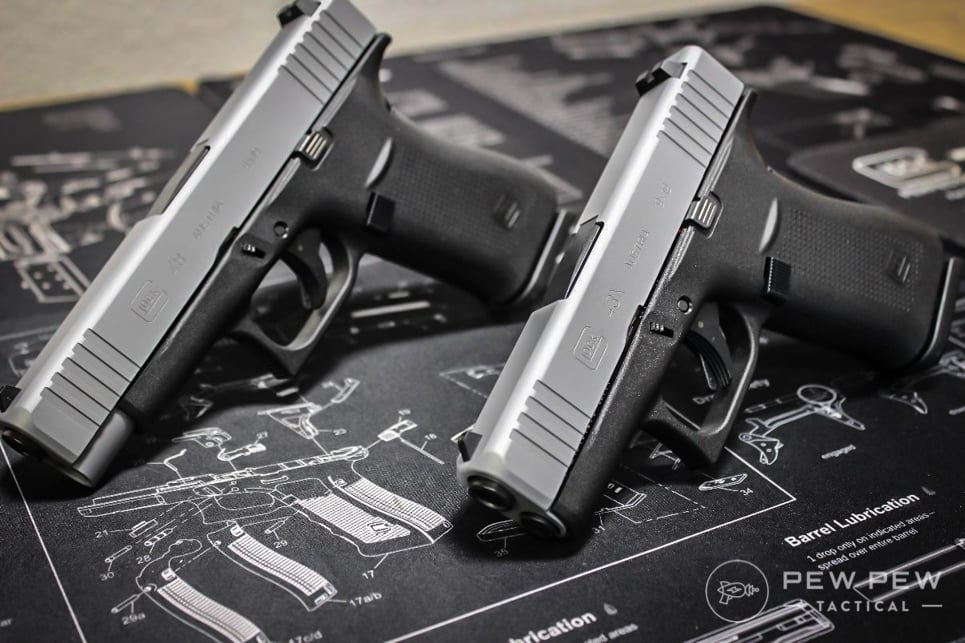
A newer Glock model, the G48 series takes a slim approach and looks to shave down on size.

Chambered in 9mm, it measures pretty close to the G19 but adopts Glock’s Slimline build to reduce its width.

Where the regular, ole G19 offers a 1.26-inch width, the G48 MOS measures 1.10-inches.

Glock G32
Glock G48 MOS (Photo: Glock)

The G48 brings a 4.17-inch barrel to the table with an overall length of 7.28-inches. It tips scales at 24.97-ounces loaded. And, it comes with a standard capacity of 10 rounds.

The MOS designator means that it uses Glock’s Modular Optic System. If you love red dots, this is a great pistol to toss an optic on — especially for concealed carry.

For more info on the G48 (and G43X) walk on over to our full review here.

Honorable Mentions

We couldn’t do an ultimate Glock list and leave off the very cool full-auto (yeah, you read that right) Glock 18.

The G18 is a BAMF 9mm full-auto Glock that most of us could just dream of owning. But for the lucky few, it’s a rad model that is peak Glock.

Glock G43X and G48
Glock 18C with fun switch

Also worth mentioning, if you’re a fan of .357 calibers and were a little bummed to not see the cartridges mentioned…well, let me put you on the G31 and G32.

Both are .357 SIG models! So, go get your fix!

Best Glocks of 2024: Top Calibers & Sizes
Glock G32

Conclusion

Glock pistols set the standard for polymer, striker-fired pistols. With a range of calibers from .22 LR all the way to 10mm, you’re guaranteed to find a model that fits your needs.

Best Glocks of 2024: Top Calibers & Sizes
Glock G43X and G48

What is your favorite Glock? Did it make our list? Let us know in the comments below. If you’ve already got a Glock but want to snazz it up, check out some of our other articles on how to Gucci your Gat: Best Glock Upgrades, Best Glock Sights, and Best Glock Triggers.

The 16 Gauge Resurgence

0

By Tom Kelly

The resurgence in lighter, sleeker shotguns has prompted some of the major shotgun manufacturers to introduce some newer versions of the 16 gauge in the last few years.

The 16 gauge was another victim of the magnum craze. It seemed like for a while if it didn’t have a 3” or 3 ½” chamber, it didn’t sell. Well, like many of the other magnums, when people started shooting them, they lost some of their luster. In the last 10 to 15 years, there has been a resurgence of the smaller gauge shotguns. There are even people hunting turkeys with .410 bores. Here in the north country, we still appreciate a good upland game gun. Many 16 gauge shotguns fill this job admirably.

Slug Options

The 16 gauge can fulfill the role of an all around game gun in a very sleek classic style. In places like Massachusetts, where deer can only be hunted with shotguns, a 16 gauge loaded with slugs can be an effective tool. It can also be accomplished in a lighter sleeker shotgun. I have also had bear clients successfully harvest black bears with 16 gauge slugs. The niche where this midsized gauge really shines, however, is for upland game. There are few places a Browning sweet 16 or an Ithica Mod 37 Featherweight swings as smoothly as when following partridge weave through the trees. Countless snowshoe hare have also fallen to a 1 oz load of #6’s from these classic guns.

In the 40s and 50s, approximately 25% of the sporting shotguns sold were 16 gauge models. Sadly, that is no longer the case. There are still many fans of the 16 bore. Unfortunately, most of these fans are now senior citizens. As an example, my lifelong hunting partner and friend Bob, whom you have all heard about, has 3 Browning Sweet 16 shotguns. One is set up with a low power scope for slug shooting, one has a modified choke for pheasants over dogs and the third has an improved cylinder for partridge and hare.

Specs The specs of the 16 gauge are pretty respectable for these aforementioned purposes. The bore measures .662 of an inch. Shotshells can be had in 1 oz or 1 1/8 oz payloads. A 1 1/8 oz load of #6 shot leaves the muzzle at 1423 fps. That will catch a fleeing hare and put his tail over his ears quickly.

The resurgence in lighter, sleeker shotguns has prompted some of the major shotgun manufacturers to introduce some newer versions of the 16 gauge in the last few years. Browning has reintroduced the classic sweet 16 with some modern touches. Browning is also offering the Citori 725 over and under in this gauge. Savage Arms and Franchi, are also making 16 gauge over and under shotguns. CZ is offering a Sharptail side by side in 16 gauge. These all feature a reduced size receiver to add to the lines.

Hopefully, a new generation of 16 gauge fans will respond to these new offerings. Some of the old classics can still be found on used gun racks. The good news is used 16 gauge shotguns usually sell for less than comparable 12 or 20’s. Remember a lightweight Browning Sweet 16 would make a perfect 1st shotgun for that new shooter you are bringing along.

Tom is a Registered Maine Guide. He is the owner/operator of Shamrock Outfitters in Orient Maine with his wife Ellie. He is a retired police officer as well as a retired manager from two major firearms manufacturers. He is an NRA Certified Instructor as well as a Hunter Safety Instructor in Maine, New Hampshire and Massachusetts. You can reach Tom at Shamrock Outfitters (207) 694-2473. Please visit our Facebook Page: Shamrock Outfitters and Properties and come visit us on East Grand Lake.

For more articles about hunting, fishing and the great outdoors, be sure to subscribe to our monthly magazine the Northwoods Sporting Journal.

For free access to our monthly digital version of the Northwoods Sporting Journal, click here.

What is Nymphing? An Introduction to the World of Subsurface Fly Fishing

0

Nymphing: The act of fishing with artificial flies that imitate aquatic insects in their juvenile, larval state or other sub-aquatic lifeforms including worms and crustaceans that trout find irresistible. In other words, a fly fishing technique to catch lots and lots of fish in practically any body of water, any month of the year, and any time of day whether there?s a hatch happening or not.

Before mayflies, caddisflies, and stoneflies become creatures of the air, they spend their humble juvenile lives underwater as nymphs. Some cling to rocks in cocoon-like husks and some crawl around or scoot through the water, inevitably getting washed downstream by the river’s current.

Regardless of the specific species and how they look and behave, at some point, all nymphs “hatch,” leaving behind their sub-surface dwellings to become winged adults. They shed their nymphal exoskeletons, rise through the water column, emerge through the surface film, dry their wings, then head skyward to mate, lay their eggs, and die.

Why should you care about these strange aquatic insects and their anti-climactic life cycle?

Because nymphs are trout food.

And if you want to catch trout consistently ? both in size and numbers ? knowing how to fish flies that imitate nymphs is absolutely essential.

To get started, let’s dive into why you should be fishing in the first place.

A couple years ago I wrote a mini book, that I gave away at the classes I taught. Get a FREE Download eBook called – Expert Nymphing Secrets

Why Nymphing is More Effective than Any Other Style of Fly Fishing

Although dry flies get most of the attention and praise among fly anglers, the truth is that trout spend the vast majority of their time feeding underwater ? not on the surface.

And what are they eating down there?

You guessed it ? lots and lots of nymphs.

No matter the time of year or hour of the day, nymphs are present in rivers and lakes. And most of the time, trout are snacking away.

That’s why fishing nymphs is so effective ? since trout are always eating nymphs, you don’t have to time it right or wait for a hatch to catch fish. Simply tie on one or more nymph flies in approximately the size and color that matches the natural insects in the water and get to fishing.

When and Where to Fish Nymphs

The beautiful thing is that just about every type of water ? be it a fast-flowing freestone, a glassy spring creek, or even a stillwater lake or pond ? likely hold resident populations of aquatic insects. And like we mentioned, the nymphs are underwater all day long, regardless of whether a hatch is happening or not.

So no matter what stream or lake you’re on and when you’re fishing, you can use nymph flies to catch fish. The first key to success, then, is to know what kind of natural nymphs the trout are eating so you can match your artificial to the real thing. The second key is to know how to read the water in order to deliver your offering to the right spot with the proper presentation to entice a trout to bite.

We’ll get into the specifics of how to do all this later on, but the point is, if you know there are trout in a stream or lake, you can use nymphs to catch them.

What are my Favorite Nymph Flies

I’ve got a dozen articles on nymph flies. The best way to fill your fly box is to get a great foundation of flies. Pheasant Tails Hare’s Ears, Caddis, Midge….here are some pictures and sizes, plus a FREE download with my list.

Guide Tip: I probably shouldn’t be giving this away, but in the class I teach I have a download to help folks get a great selection of flies. Get the DOWNLOAD HERE

What Gear do You Need to Start Nymph Fishing?

Many times in fly fishing, going after a new species or learning a new style of casting requires an expensive trip to the fly shop to buy all new specialized gear. Luckily, this isn’t the case with nymph fishing.

Nymph fishing rods can get a little technical. If you really want to get into this kind of fishing, (it really catches lots of fish) you should think about getting the TFO Drift Fly Rod. It’s a 3 wt 9 foot fly rod in it’s basic form.

The ground breaking feature of this rod is that you can add length without un-stringing your fly line. The rod sections extend the rod from 9 foot up to over 12 feet. Read about the rod in this article – The Best Nymph Fishing Fly Rod or in my recommended gear section – HERE.

If you want to check the prices and reviews on the TFO Drift here’s a link to AMAZON – TFO Drift Fly Rod – Definitive Nymph Fly Rod.

Most of the nymphing techniques we’ll cover involve short casts, so a high-performance rod isn’t necessary. Unless you hook into a true giant, your fly reel won’t see much action when nymphing other than conveniently storing line ? most fish can be landed by stripping line by hand.

To give you an idea of the basic fly fishing outfit required for nymph fishing, here’s a quick gear list:

  • Rod: 9-foot 4,5, or 6-weight, medium to fast action
  • Reel: Standard single action fly reel matched to rod
  • Line: Weight-forward floating line
  • Leader: 9-foot nylon tapered leader
  • Tippet: Spools of 3X, 4X, 5X, and 6X

Pretty simple, right? Of course, you’ll still need some flies and several other nymphing-specific pieces of tackle, but as long as you have that basic rod and reel setup, you’re ready to start putting the nymphing techniques we’ll cover to the test!

I’ve got an article called Nymph Fishing Putting it All Together (Link to article). It summarizes many of the articles on this website.

The Top 5 Fishing Lures Of All Time (Inshore Edition)

0

Want to know what the absolute best inshore fishing lures are?

We’re constantly getting questions from the Salt Strong community about what the best lures for inshore fishing are, what our favorite lures are and how to fish each lure for different inshore species.

We decided to answer your questions once and for all and show you the top five inshore fishing lures of all time!

To do that, we came together to talk about our favorite lures. We narrowed it down to five that we think every inshore angler should have in their tackle box.

In this podcast episode, we go over the top inshore fishing lures of all time and how to best use them.

Do you have a favorite inshore fishing lure? Have any questions about our top inshore fishing lures?

Let us know in the comments below!

To learn more about the best fishing lures for every kind of fishing and get access to exclusive fishing gear, don’t forget to check out the Salt Strong Insider Fishing Club.

The Top Five Inshore Fishing Lures

We’ve narrowed down the best five fishing lures for inshore fishing after extensive research and testing.

These lures have helped us catch literally thousands of fish. Being confident in how to use them can do the same for you.

In no particular order, the top five inshore fishing lures of all time are:

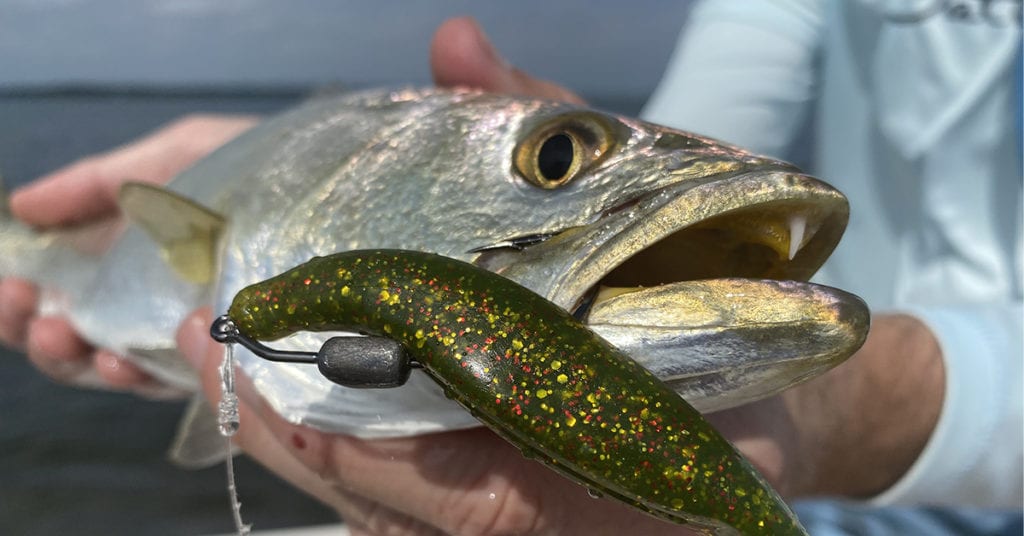
1. The Paddletail Lure

slam shady 2.0 trout attack

One of the best lures to find fish in new areas is the soft plastic paddletail on a jig head.

This is an inexpensive and easy-to-use lure that catches just about any inshore fish there is. It is especially effective for catching trout and redfish on the flats or near structure.

The paddletail jig can be worked with a straight retrieve or with a twitch-twitch motion bouncing it off the bottom. Both retrievals will catch fish.

There are many manufacturers of paddletail lures, so you have a ton to choose from.

Our personal favorite is the Slam Shady 2.0 paddletail.

It’s white with gold and silver flecks to attract fish, and the tail has incredible action that elicits tons of reaction strikes.

Click here to get a free pack to try out! (While supplies last.)

2. The Weedless Spoon

Gold Spoon Fishing Lure

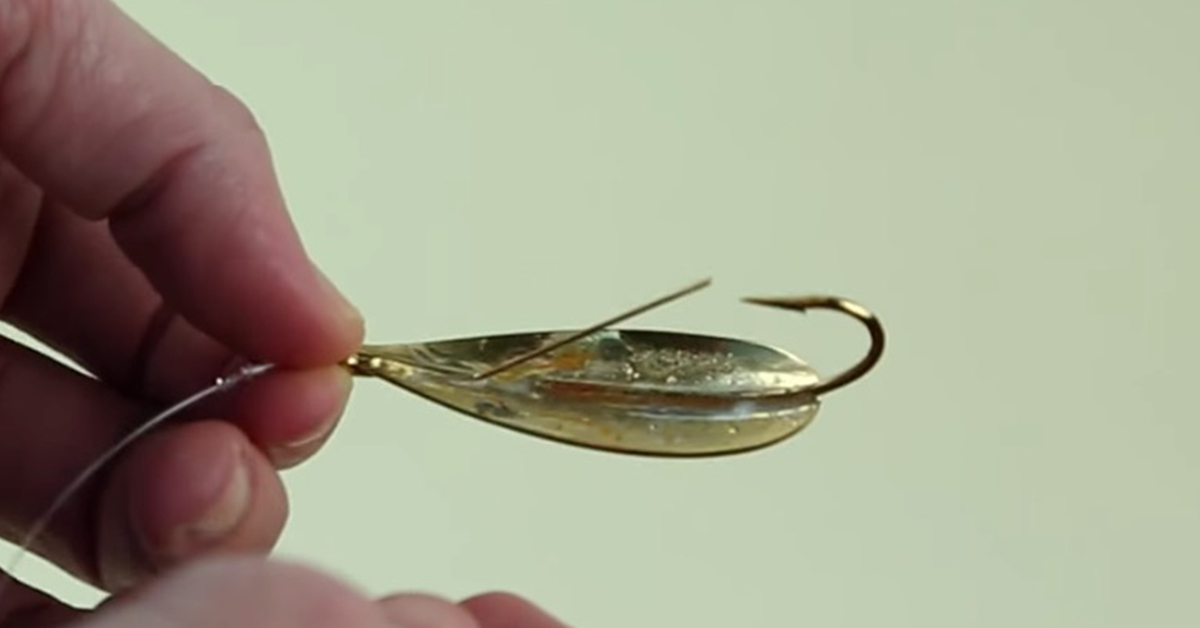
This lure is a timeless classic that catches just about any kind of fish there is.

While these lures do not look spectacular compared to other fishing lures, they are extremely effective.

Spoons create a lot of vibrations and flash in the water. They are designed not to look like any prey in particular, but rather create a lot of commotion and flash that inshore fish cannot resist.

Gold spoons seem to be the most popular of all for inshore anglers, but almost any color can work just fine. Our personal favorite is the Johnson Minnow Spoon, which is a weedless spoon we can work through grass and mudflats.

3. Topwater Plugs

Possibly the most exciting way to catch fish, topwater lures are an effective way to entice inshore fish and produce explosive visual strikes.

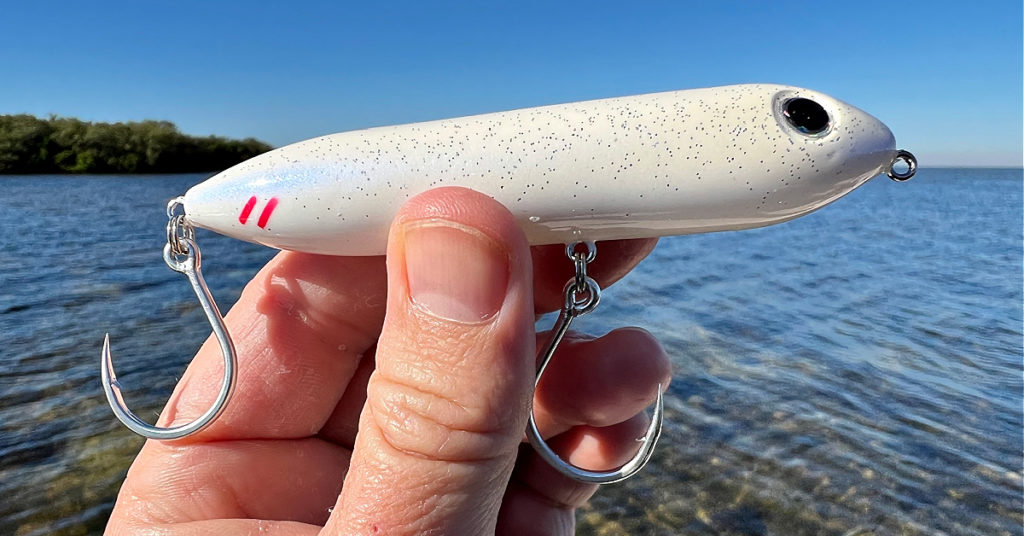
The “walk-the-dog” types of topwater lures are deadly just about anywhere there are inshore feeding fish. They are especially great over shallow water where fish do not have to rise up off the bottom too far to eat the lure.

Some of our favorite topwater plugs are the Heddon Super Spook and the Rapala Skitterwalk. We like to replace the treble hooks with single inline hooks to help keep ourselves safe and for protecting fish that are to be released. Single inline hooks dig into fish with hard mouths better than treble hooks – which is an important advantage when fishing for species such as tarpon.

Our favorite is our very own Moonwalker Topwater Lure.

Tip: fish topwater lures in the early morning and evening/night time for the best results. We particularly like the early morning because there is usually less floating debris (such as dead grass) than at night.

4. The Bucktail Jig

spro bucktail jig review

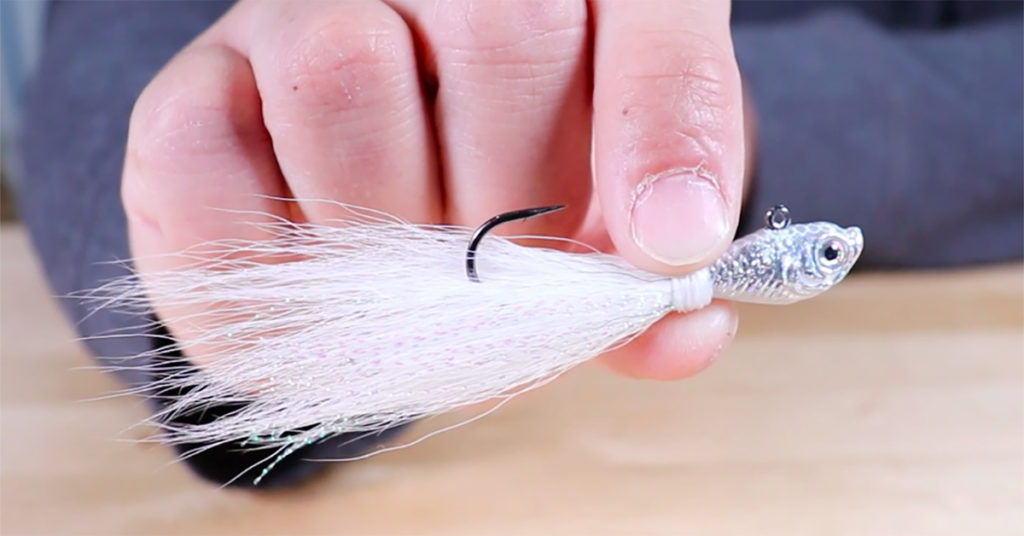
Bucktail jigs are the original gangsters of inshore fishing and are still just as effective today as they were 100 years ago.

This lure is cheap to buy and even easier to make at home if you have the materials (click here for a jig making tutorial). All it takes is a jig head, some bucktail (which you can buy online or at any fly fishing shop), and thread to hold it all together.

These are one of our go-to lures for big snook and are great for other inshore species such as pompano, redfish, trout, and even bass.

You can use heavier bucktails to catch massive snook and tarpon in deep water with heavy current or use tiny bucktail jigs to catch trout on the flats. Both tactics are effective.

5. Jerk Baits and Twitch Baits

speckled trout on jerk shad late spring

Suspending jerk baits and twitch baits are lures that every inshore angler should have and know how to use.

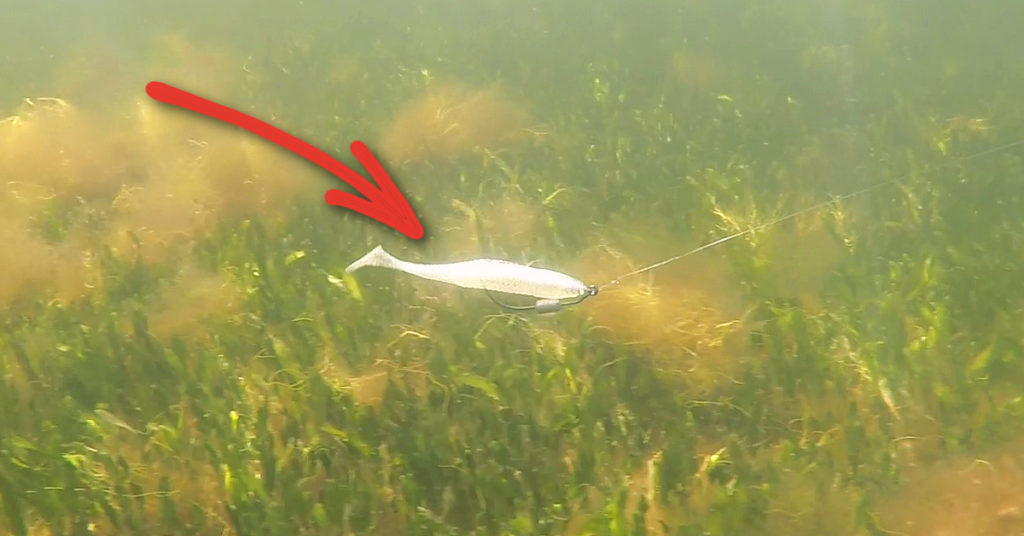
For soft plastic jerk baits, we love the 5-inch Alabama Leprechaun jerk shad rigged weedless on a weighted hook. This is our go-to rig for fishing on grass flats and is deadly for redfish, trout, snook, and pretty much any other predator fish that feeds on the flats.

Tip: These soft plastic jerk baits have to be rigged correctly in order to work. If they’re rigged incorrectly, they’ll spin or have terrible action in the water and won’t catch fish.

Note: The jerk shad is a lure that helped land a catch of a lifetime when sight fishing from our 3rd-floor balcony (see the balcony catch video here).

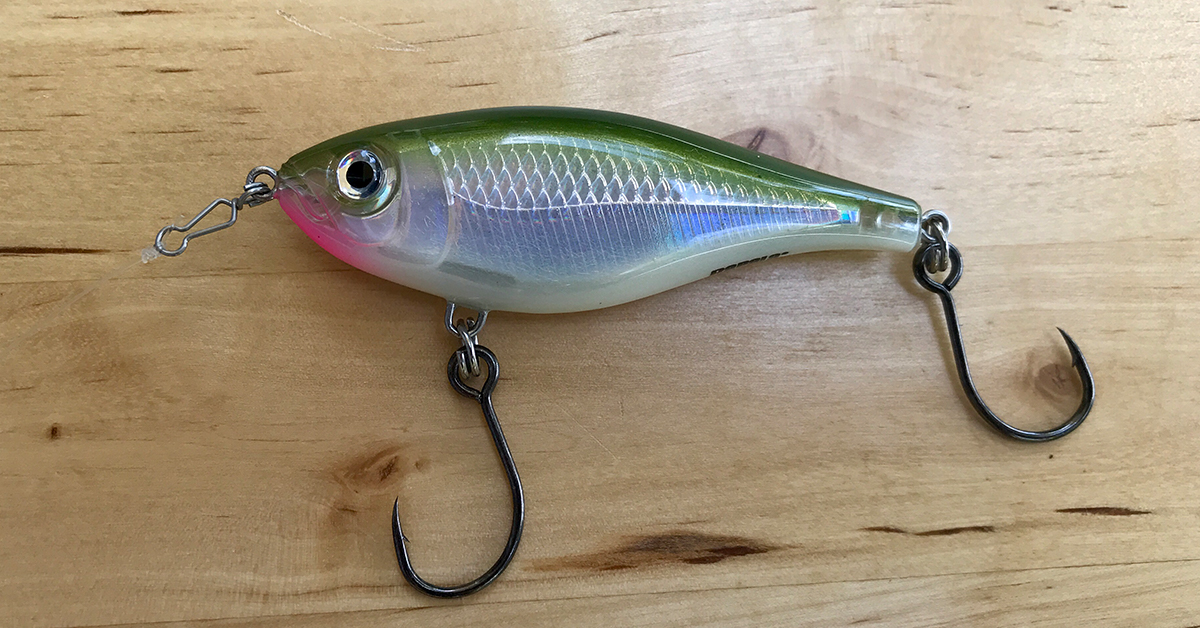
Conversely, hardbody twitch baits that work in a similar way to their soft plastic cousins are another lure type you need to know how to use. You can work these just like your jerk baits.

Rapala Twitch Bait

Most twitch baits are not weedless, so keeping these off the bottom is a more effective way to fish these lures.

We especially like the MirrOlure MirrOdine.

It is one of our favorite twitch baits and has a great profile in the water.

Bonus Inshore Lures: Shrimp Lures

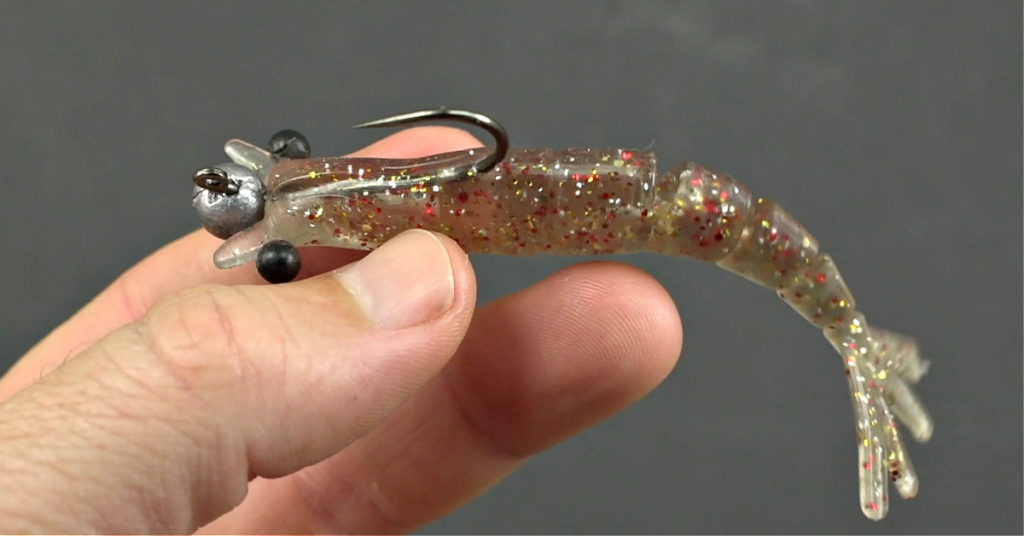
One thing we didn’t mention in our top five inshore fishing lures list was lures that imitate shrimp.

We all know that just about any inshore fish absolutely loves to eat shrimp. Having some lures that look like shrimp is always a good idea as they will likely catch a ton of fish when you use them.

The ultimate artificial shrimp imitation is the Power Prawn shrimp lure rigged on Power Prawn jigheads. This shrimp lure is hands down the best we’ve come across and catches all species of fish!

The Berkley Gulp Shrimp on a jig head is one of our absolute favorite lures when the conditions are turned up and choppy. The scent from the Gulp Shrimp adds another element to entice the fish to eat your lure.

So far, the Gulp products are the only ones we’ve been able to find that smell so good to fish that the used ones can be cut into small pieces for catching tons of pinfish and other small baitfish.

The D.O.A. Shrimp is another staple every inshore fisherman should have. These lures are extremely versatile and can be rigged on an unweighted hook, jig head, and even a popping cork. Each method will catch fish.

Savage Gear shrimp is another one that we’ve had success with, and there of course are many more options.

Learn more about the Insider Fishing Club

Top Five Inshore Fishing Lures [PODCAST]

You can watch the video version of this podcast below (which I highly recommend), listen to the audio version by clicking the play button underneath it, or listen to it on iTunes, Stitcher, or Spotify.

salt strong podcast itunes salt strong podcast stitcher

salt strong podcast spotify

Note: Don’t forget to subscribe to the Salt Strong podcast on iTunes, Stitcher, or Spotify.

Related Podcasts:

  • IS THERE A SECRET WAY TO WORK YOUR LURE?
  • SWIMBAIT, CRANKBAIT, JERKBAIT, & TWITCHBAIT (WHAT’S THE DIFFERENCE?)

Conclusion

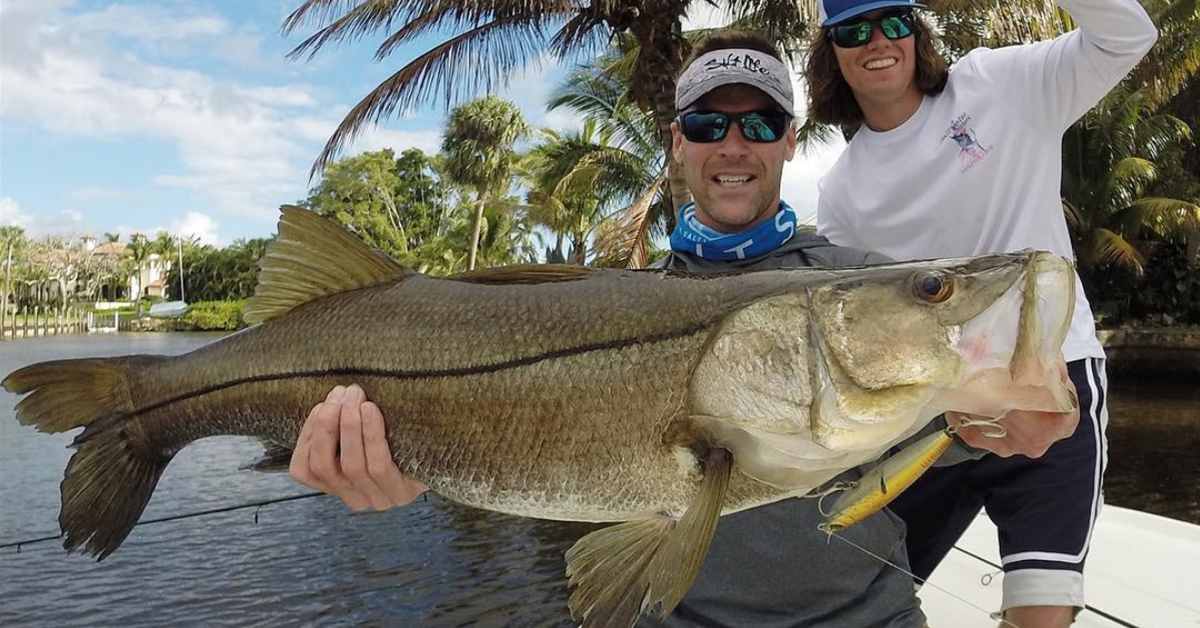
Jupiter Snooker with big snook on topwater

Having a couple of lures you can use confidently and often will up your fishing game and help you catch more fish.

The lures above are proven to catch fish. Knowing how to use all of them will allow you to effectively fish the entire water column, which is critical when you are trying to locate where the fish are.

Remember, the most important thing is to find the feeding zone. Most of the time when you find the feeding zone, it won’t matter what lure you’re using — the fish will eat it.

However, these lures will have you prepared for every fishing situation when you do find the feeding zone.

If you have any questions or comments about this article, let us know in the comments section.

To learn more about the Insider Fishing Club, click here now.

P.S. – To see all of the past podcast episodes, click here now.

Tight lines!

Related Articles:

  • 7 ESSENTIAL SALTWATER FISHING LURES THAT CATCH FISH PRETTY MUCH ANYWHERE
  • JOHNSON SILVER MINNOW WEEDLESS SPOON REVIEW & RIGGING TIPS
  • HOW TO CATCH MORE REDFISH, SNOOK, & GROUPER WITH JUST ONE LURE

M1 Garand 30-’06 Rifle Ammo Test: What’s The Best?

0
M1 Garand 30-'06 Rifle Ammo Test: What's The Best?

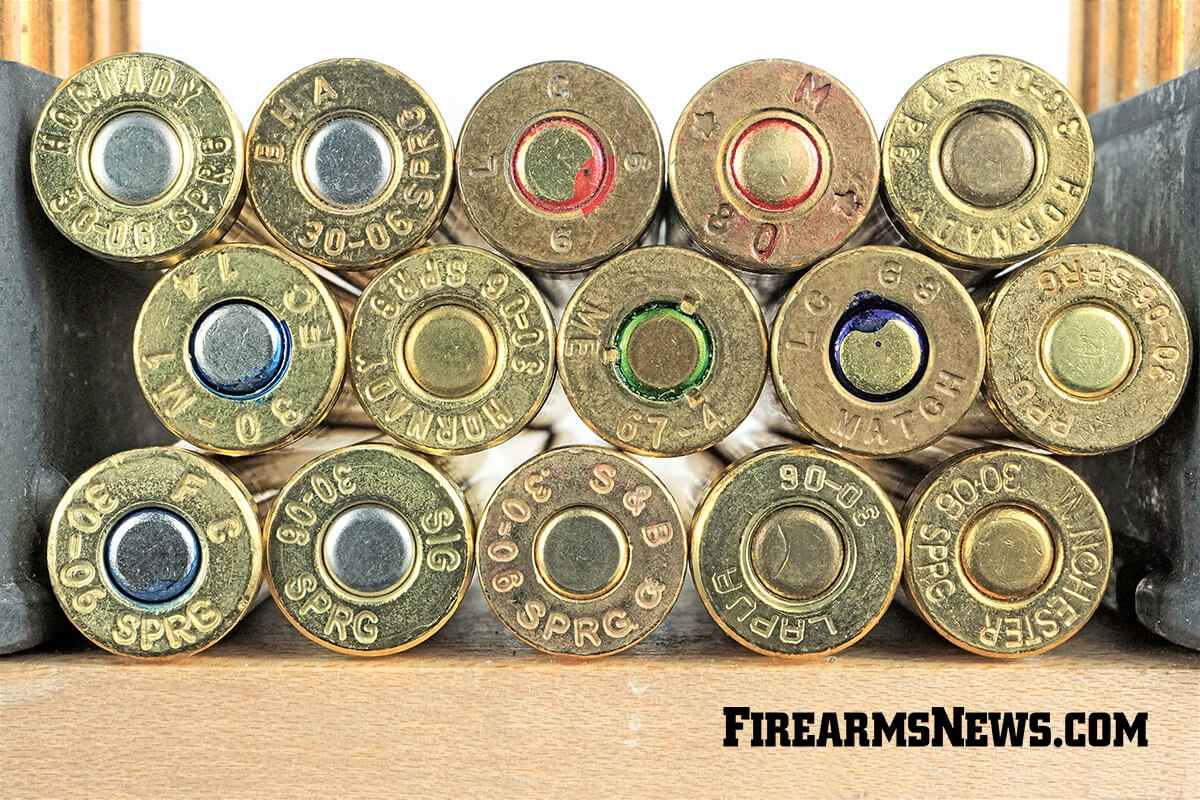
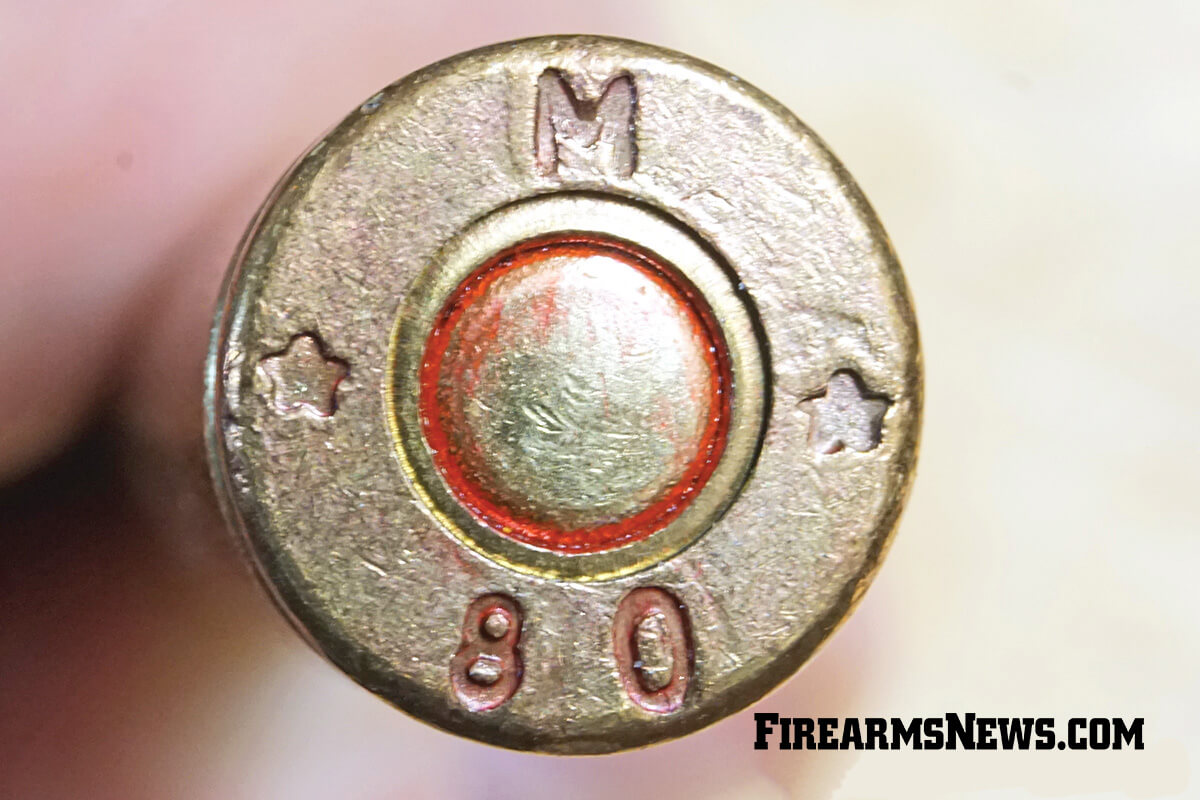
.30-06 Test Ammo Headstamps

[PLEASE NOTE: This article originally appeared in the Jan. 2021 print issue of Firearms News. The ammunition prices mentioned herein are not current.]

I have been a Garandaholic since I was a teenager in the ‘70s. My interest in this great battle rifle was spurred by my father’s memories of his World War 2 service. Like many vets of World War 2 and Korea he spoke of the M1 with reverence. The only source for G.I. surplus M1s in my youth was the Director of Civilian Marksmanship (DCM), the forerunner of the current Civilian Marksmanship Program (CMP). I recall the DCM selling them for $99 each. The catch was that the buyer had to be an NRA High Power Rifle competitor and I didn’t start shooting in rifle competitions until over a decade later.

NRA
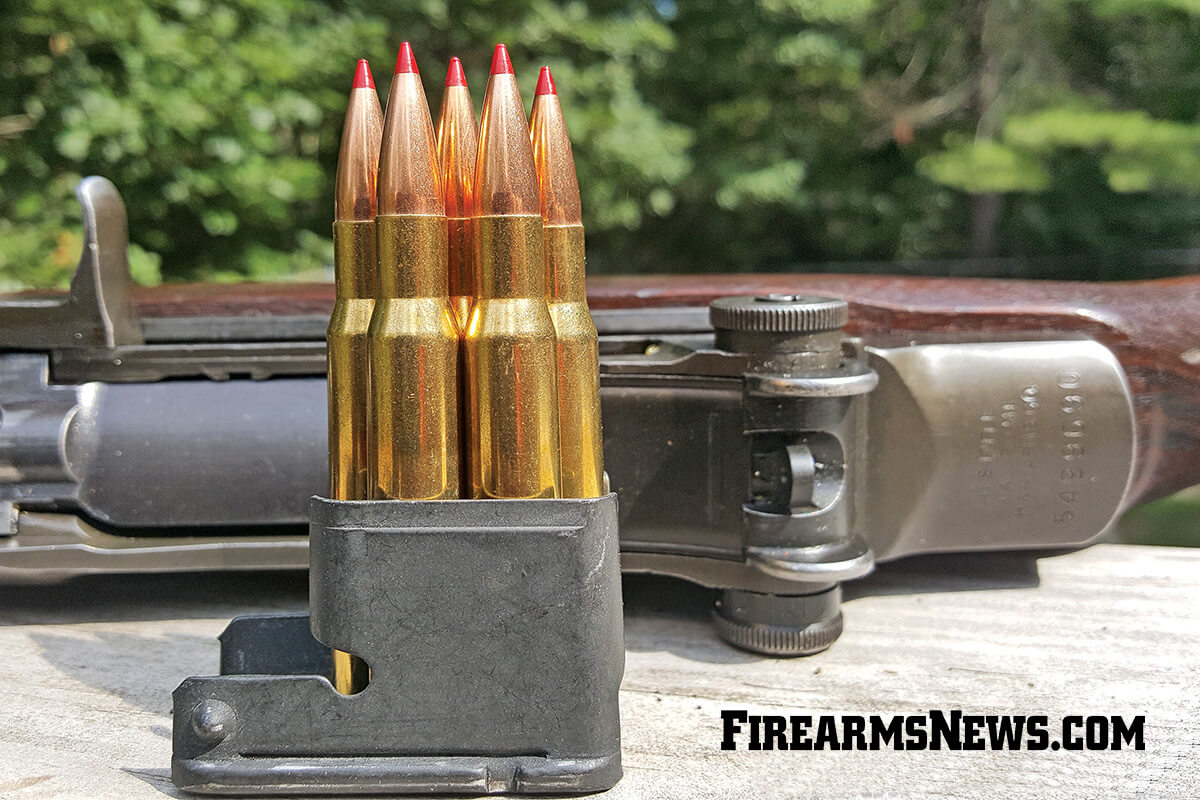
A five-round clip of Black Hills 155 gr. ELDs awaits testing on the shooting bench.

On December 11, 1975 I walked into a local gun shop and found a Garand for sale. It was built on a rewelded receiver and the barrel had been fabricated from a 1903A3 barrel, although I wasn’t aware of those things at the time. My fate was sealed. From that point on I would always have M1s. That first M1 remained in a closet during my tour with Jimmy Carter’s Army and I never really started shooting it until I became interested in High Power Rifle competition toward the end of the ‘80s. I re-barreled it to .308 for logistical reasons. The Maine Army National Guard marksmanship team issued me 7.62 NATO for practice and that beats buying ammo.

Garand Ammo Test Five-Round Clip of Black Hills 155 gr. ELDs
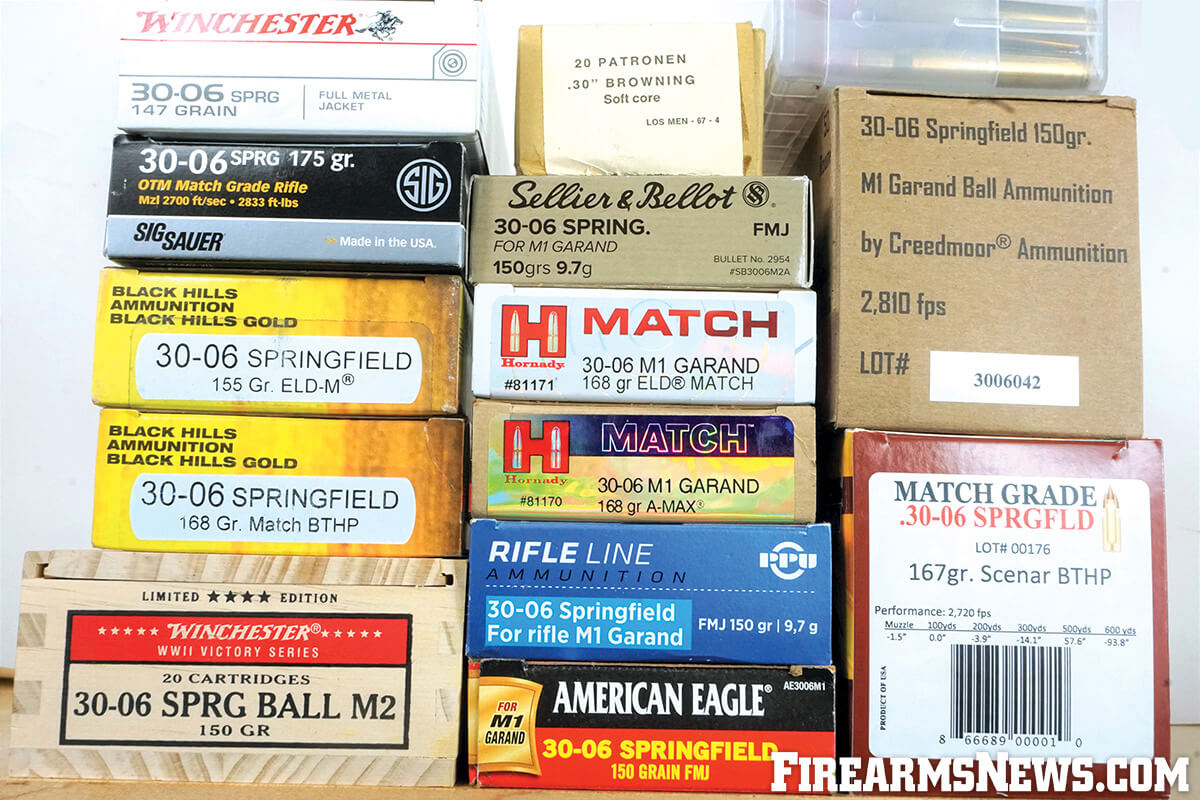
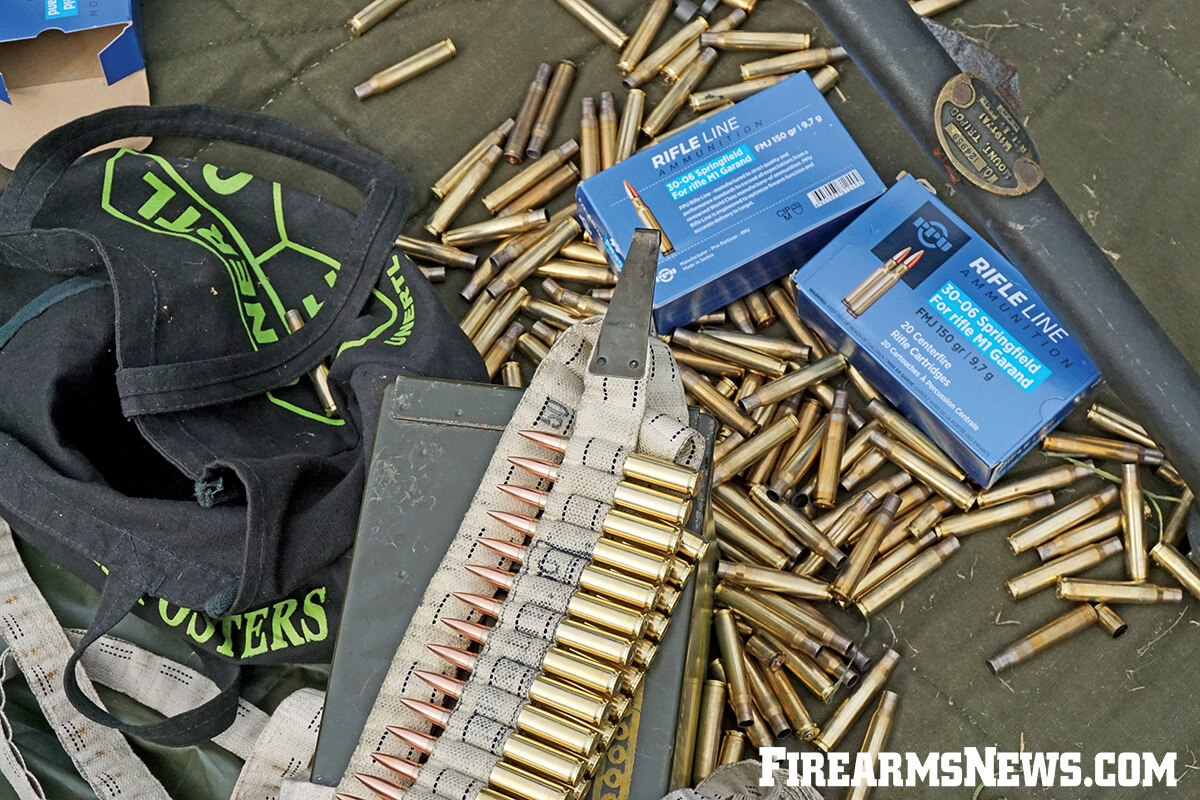
Loads from just about every major manufacturer were tested for this article.

.308 Garands shoot quite well, but most of the rifles out there will still be found in .30-06. This old cartridge has been around for over a hundred years and it is still popular with hunters and military rifle shooters. The Garand, due to its gas-operated action, is easy on the shoulder compared to a bolt-action rifle firing the same round and it comes equipped with the best sights ever issued on a battle rifle. An old-school rifleman who appreciates wood and steel blasters will find the M1 a pleasure to shoot.

Garand Ammo Test Loads From Major Manufacturers
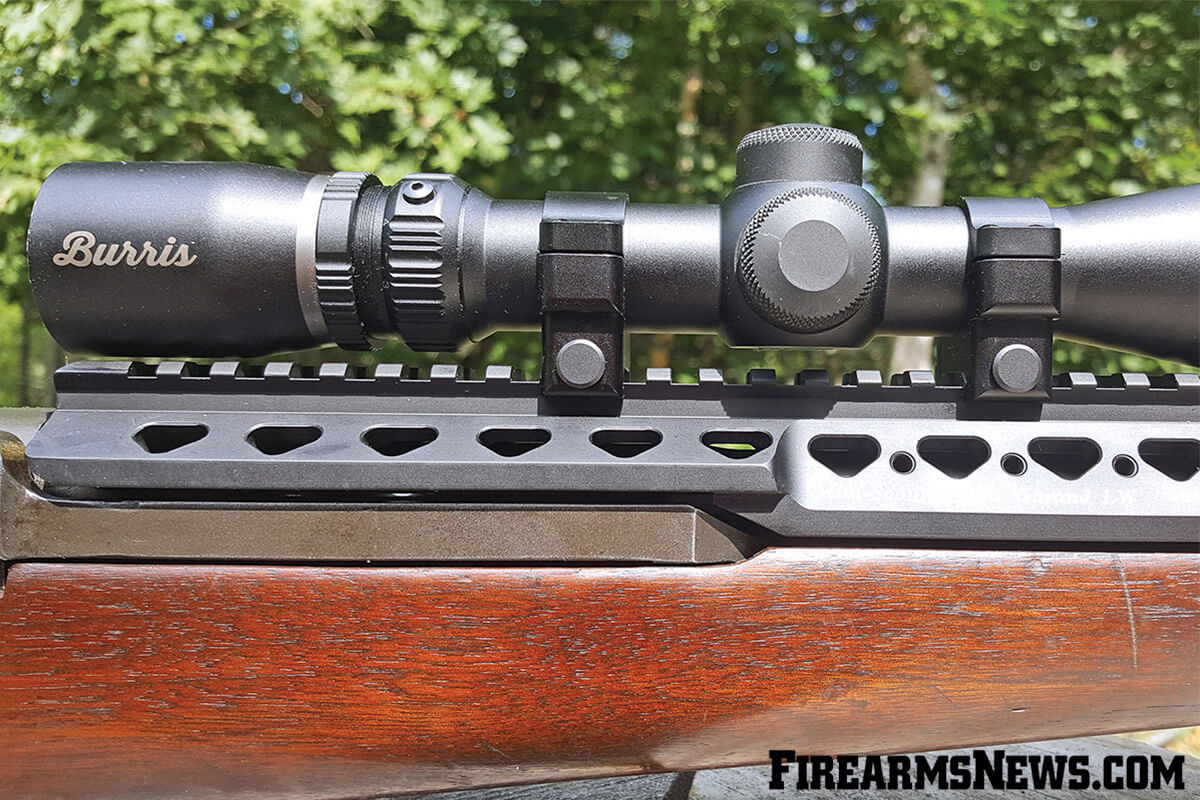
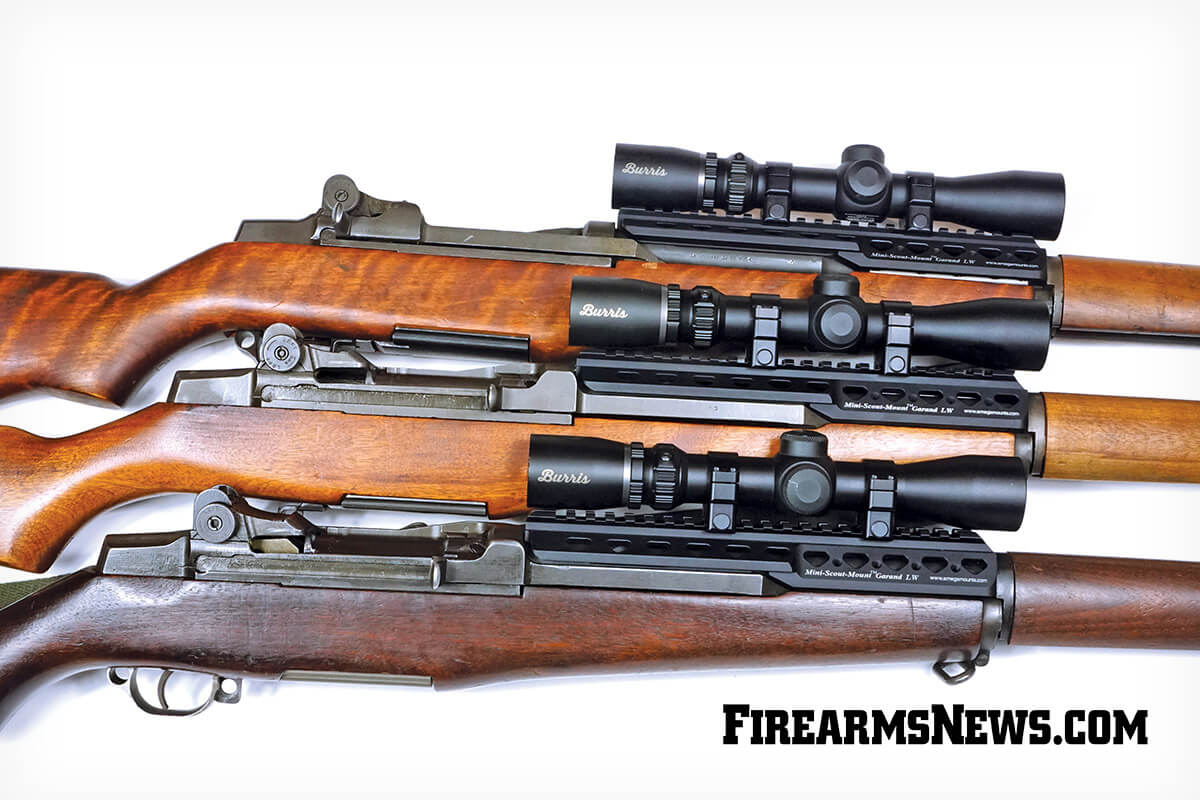
Burris 2-7x scout scopes were fitted to each of the test Garands to reduce human error.

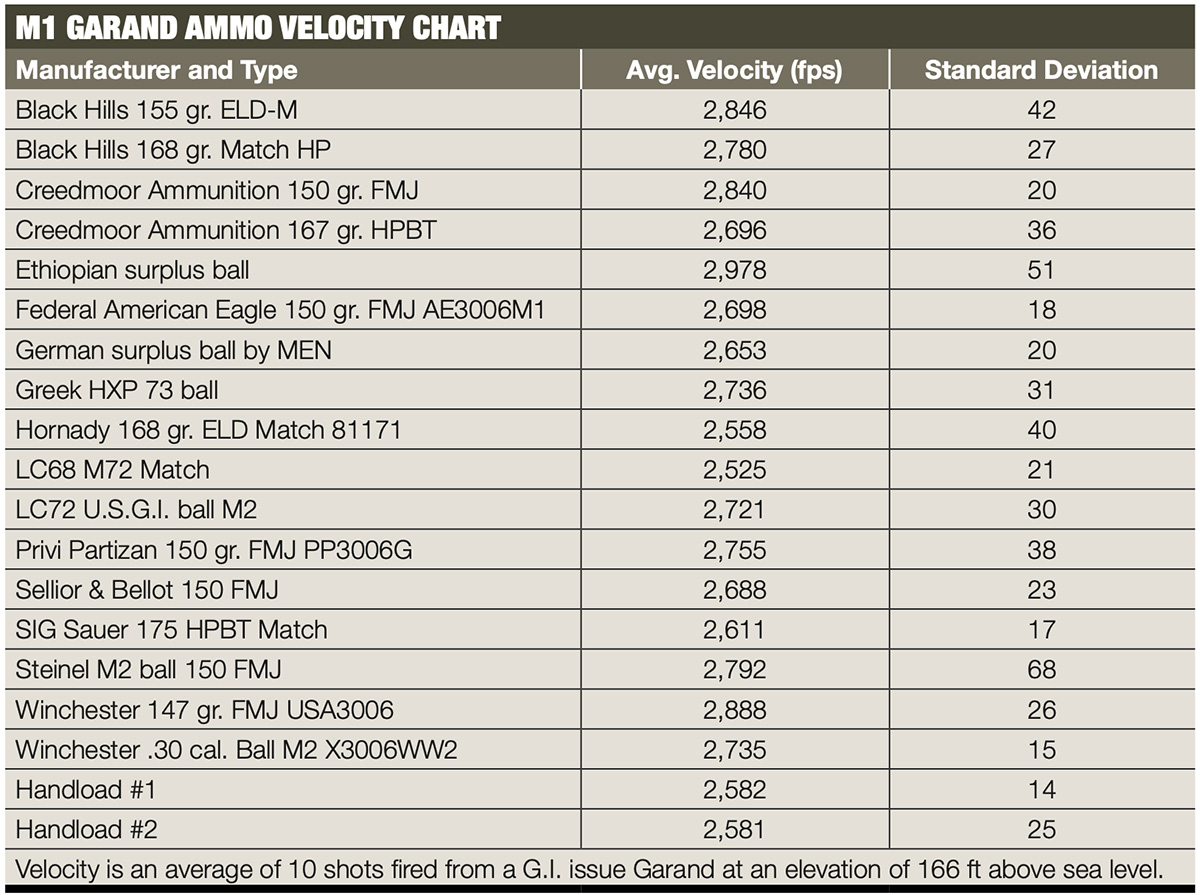
A concern of M1 shooters is finding the correct ammunition. But, you say, .30-06 ammo is everywhere. True, but a lot of the ammo commercially available today is not loaded to the original pre-World War 2 military spec for which the Garand was designed. The gas system was configured to operate efficiently and reliably with the military issue Caliber .30 Ball Cartridge M1 (and later M2). The gas port size and internal dimensions of the gas cylinder were optimized for the military powders of that era resulting in the correct bolt velocity as it travels rearward after unlocking. Excessive bolt speed can damage the weapon and in extreme cases the rear of the receiver may fail. One can only imagine the discomfort experienced by the shooter who is whacked in the face by a high-velocity receiver heel! For decades M1 shooters fired military surplus ammo with no worries but that supply is gone now. Luckily for Garandaholics, several commercial manufacturers have stepped up to the plate and offer specific loads tailored for the Garand gas system. The purpose of this article is to sort through current offerings testing them for accuracy, velocity and function so you can determine what product best fits your needs and budget. If Consumer Reports did ammo tests they would read something like this.

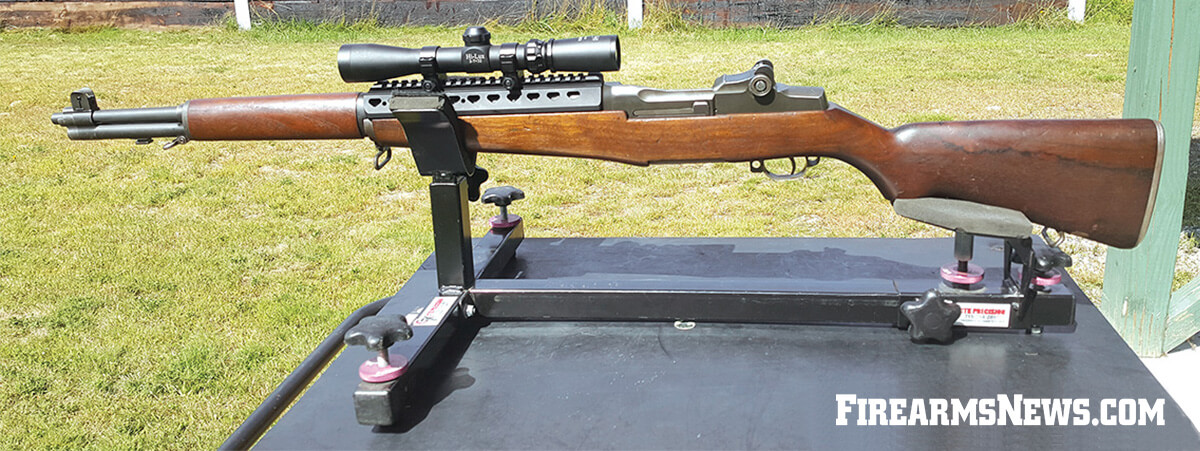
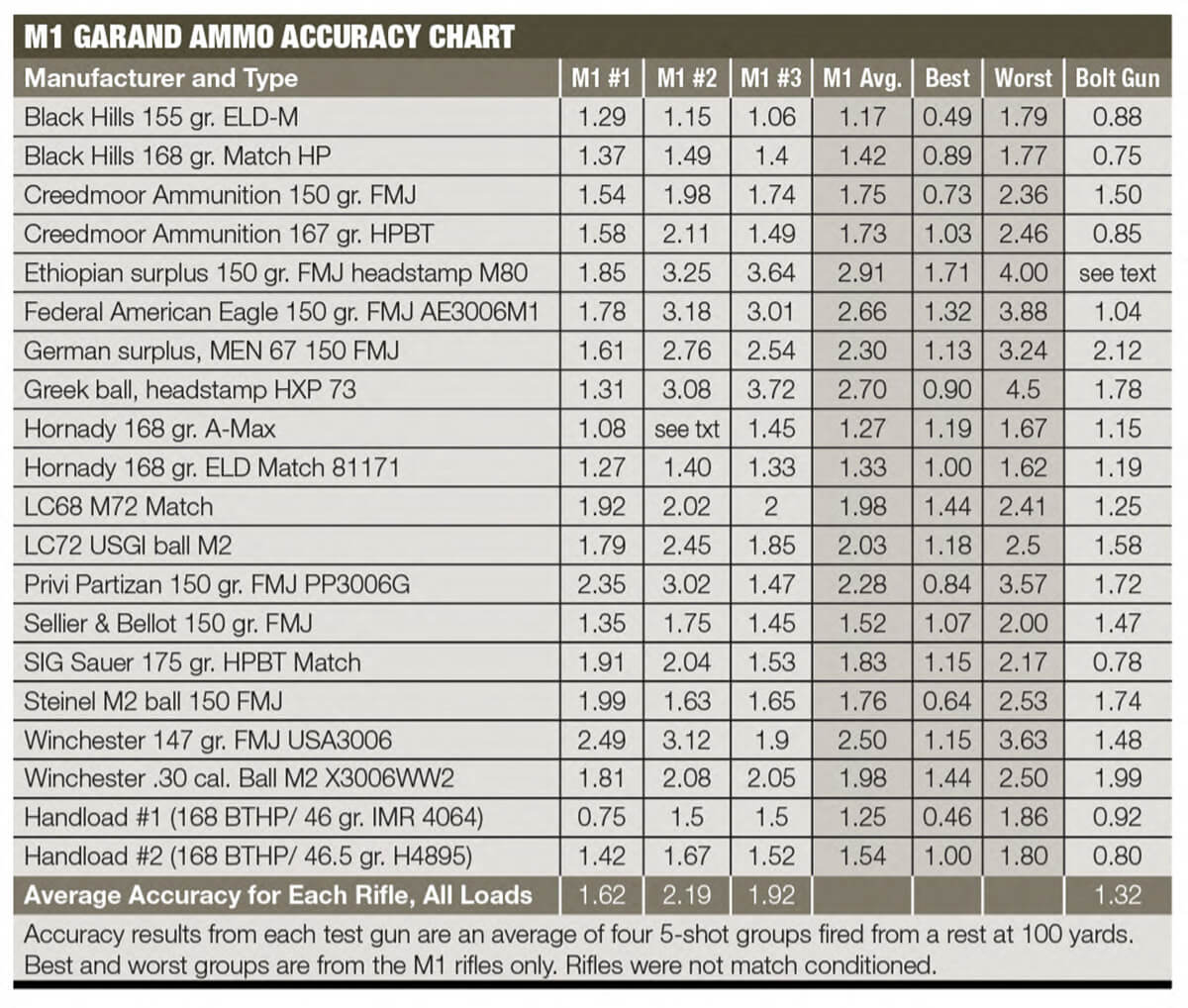
Test standards: All loads were fired for accuracy at 100 yards. Obviously, the heavy bullet loads would shine at longer distances, but my home range is 100 yards and considering the many man-hours spent testing a couple thousand rounds traveling to another range simply wasn’t feasible. Rifles were fired from a bench rest. I used a CTK Ultimate Shooting Rest for the M1s. The Savage bolt gun was fired from a bipod. As much as I would like to think of myself as a human machine rest I am just an old man who likes M1s but this was a pretty solid setup.

Garand Ammo Test Burris 2-7x Scout Scopes
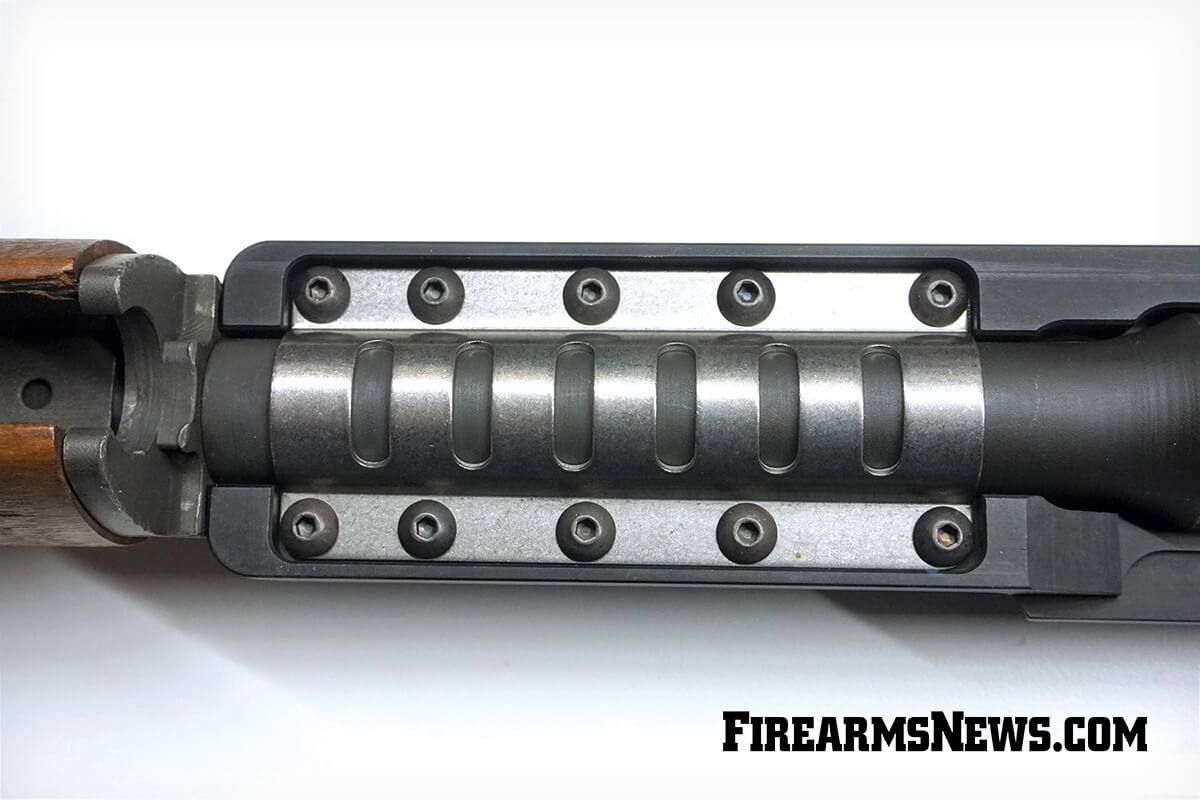
Bottom view of the Amega scope showing the clamping plate and screws.

Targets were the IBS Hunter Rifle target with six bullseyes. I fired six five-shot groups with each type of ammo from each rifle and averaged the four best. Why five-shot clips? Because Firearms News test standards for rifles are based on five-shot groups so if you are comparing Garand accuracy to some other rifle we keep test standards uniform across the board. Five-shot clips are available for Garands (Brownell’s 901-000-004). I feel that averaging the groups of many targets results in a trend that reveals the most accurate loads. Shot groups were measured center to center with a caliper as accurately as possible.

Garand Ammo Test Amega Scope
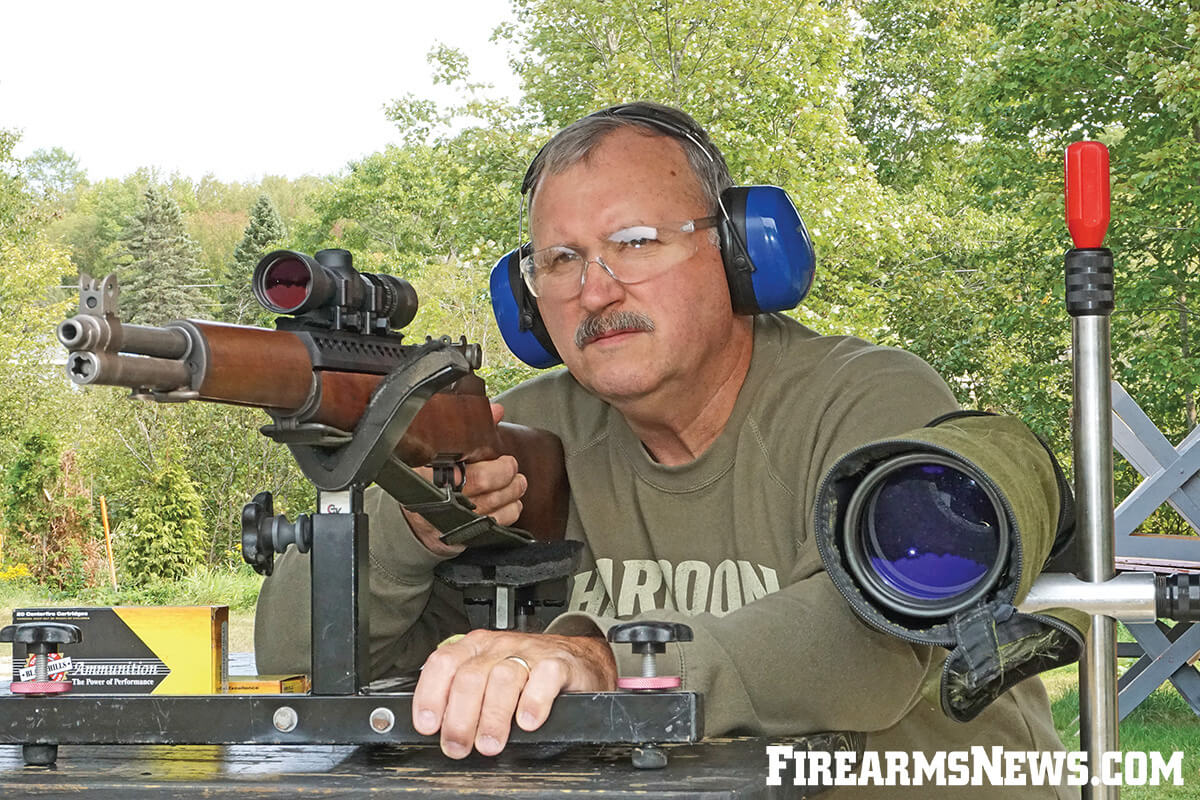
Test rifle #1 shown mounted on the CTK shooting rest employed in accuracy testing.

To reduce human error, I fitted the M1 rifles with scopes. Heresy, you say. I agree, but the point of this test is to rate the accuracy of available ammo, not my marksmanship. Scopes reduce human error. Due to the top-loading design of the rifle, a scope cannot be positioned directly over the receiver. However, a “scout” scope with eye relief of approximately 9-1/2 to 10 inches mounted just forward of the receiver works fine. I used the Mini Scout Mount from Amega Mounts (AmegaMounts.com) which clamps to a standard profile M1 barrel replacing the rear handguard. The mount never loosened during testing.

Garand Ammo Test Test Rifle 1
The Garand test rifles with scopes mounted as tested.

I employed two different scopes: a Hi-Lux 2-7x BDC and a Burris 2-7x 32 Scout. All testing was done at 6x. The Burris was a bit brighter with a finer reticle but also cost over twice as much as the Hi-Lux. The first Hi-Lux I mounted failed after several hundred rounds. The manufacturer replaced it. If you shoot a lot, you know scopes will fail occasionally. If the manufacturer stands behind their product its nothing to worry about.

Garand Ammo Test Test Rifles
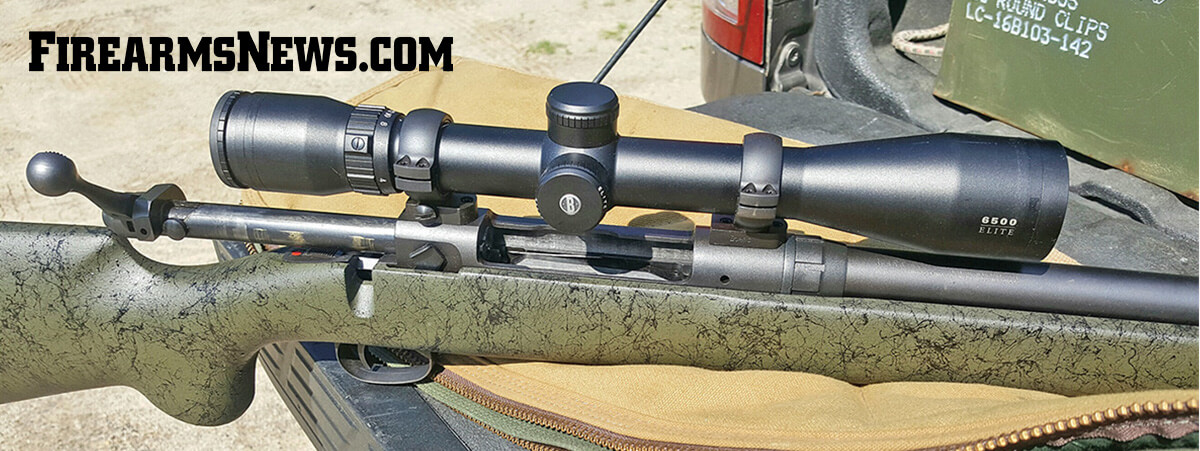
Test rifle #4 was a Savage 110 Police Special from the 1990s that had been restocked.

The rifles: All test rifles were from my personal collection. These are not match-conditioned rifles, but they were inspected for mechanical issues that may cause inaccuracy such as loose gas cylinders, poor op rod fit, little to no stock compression, etc. and corrected as needed. I guess you could say they were “blueprinted.” About halfway through the test, guns #2 and #3 stopped grouping. The actions were loosening in the stocks. To tighten them I inserted a short piece of 1/16″ walnut veneer under the forward end of the receiver rails. These pieces of wood served to lever the barrel upward slightly increasing pressure between the stock ferrule and lower band. Tensioning the barrel through shimming or bedding results in increased accuracy from M1s and M1As. After this simple modification, our test guns started shooting again.
Garand Ammo Test Savage 110 Police Special
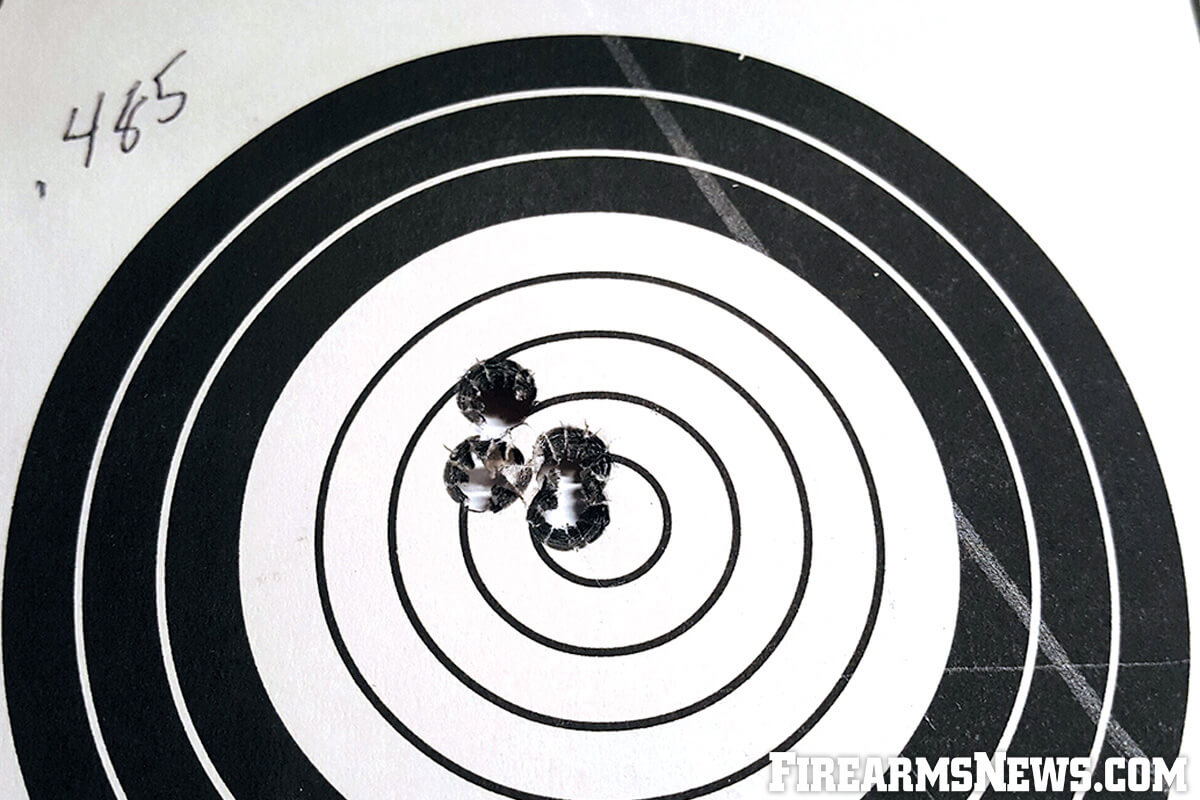
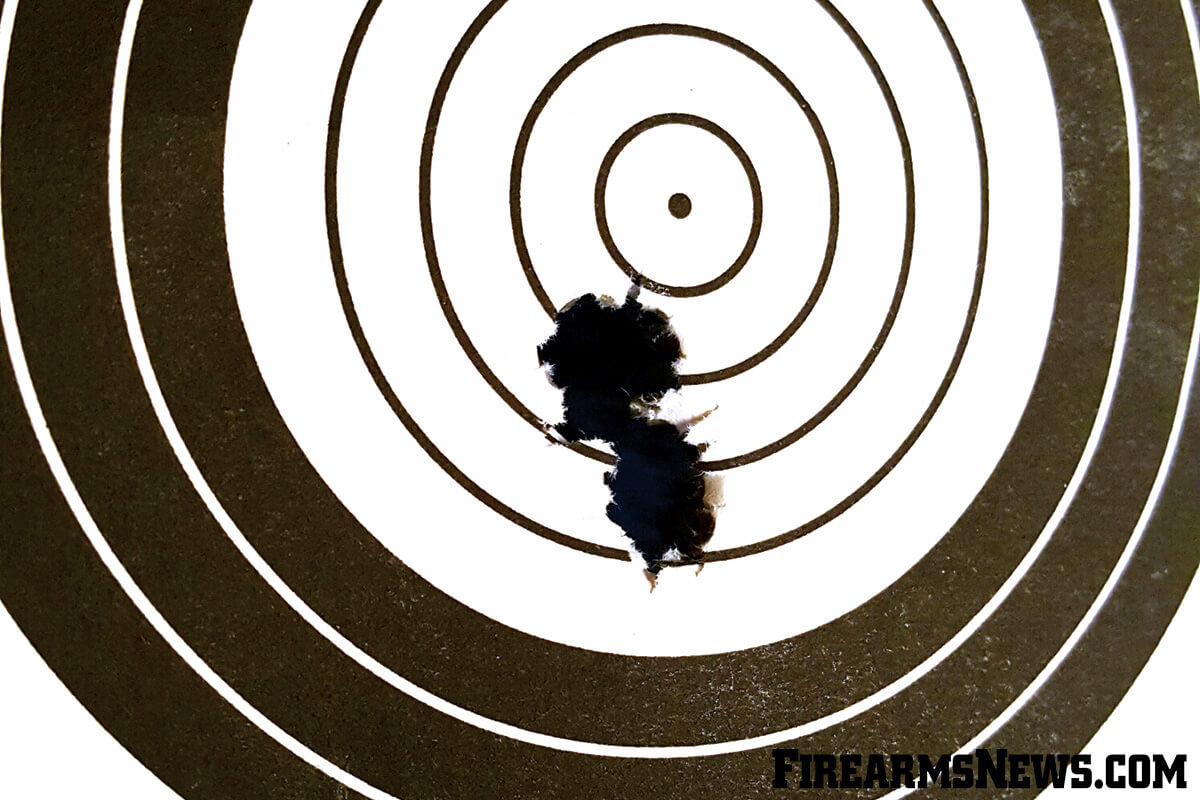
An incredible .485″ 5-shot group fired from Garand #1 (Black Hills 155 ELDs).

Rifle #1 is a Korean War era M1 produced by H&R. I re-barreled it with a Fulton Armory standard weight barrel a dozen years ago. Aside from the commercial barrel it is a standard issue infantry rifle. When fed ammo of the correct spec it will function reliably and shoot accurately all day. The barrel probably had less than 200 rounds through it at the beginning of testing. This is one of my best shooting rifles.

Garand Ammo Test .485-inch 5-Shot Group
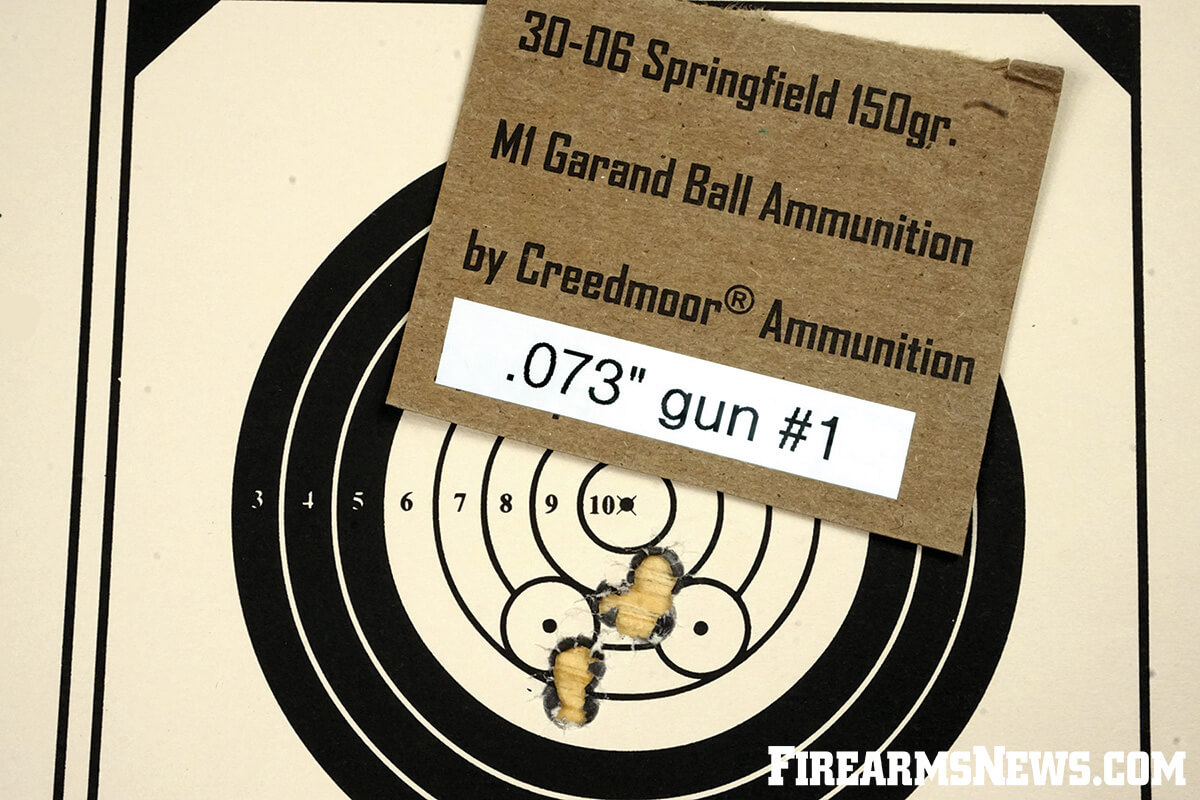
Our best five-shot group with Creedmoor 150 FMJ from the CMP: .073 inch.

Rifle #2 is from Springfield Armory and was produced in 1944. I purchased it from DCM in 1991 for $165 and it was shipped to me registered mail from Anniston Army Depot. It came equipped with a G.I. Springfield Armory barrel dated 10-63 and at the time this test commenced had approximately 2,000 rounds down the tube. It is 100% G.I. in issue condition. This rifle does not shoot as well as rifle #1 but with good ammo it will shoot almost as well. This is a beautiful weapon and I will probably never modify it.
Garand Ammo Test Creedmoor 150 FMJ Shot Group
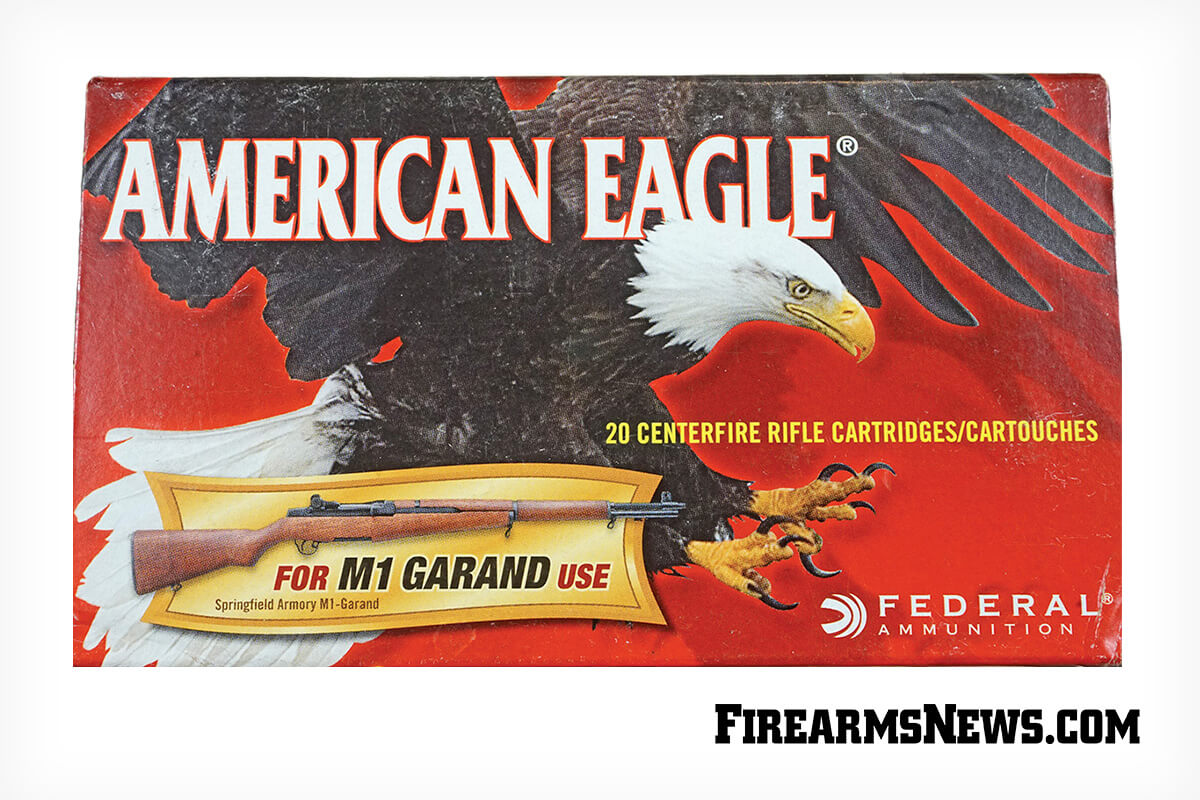
A Garand is prominently displayed on this box of American Eagle indicating its intended use.

Rifle #3 is another beautiful Garand purchased from CMP in 1999 for $400. This one sports a G.I. Springfield Armory barrel dated 12-65 with about the same wear on it as Rifle #2 as indicated by a G.I. throat erosion gage. The rifle went through a rebuild in 1966 at Red River Army Depot and probably didn’t see much use after that. Like the previous two rifles it is unmodified G.I. issue in excellent condition. This rifle was also used to chronograph all loads.
Garand Ammo Test Garand on American Eagle Box
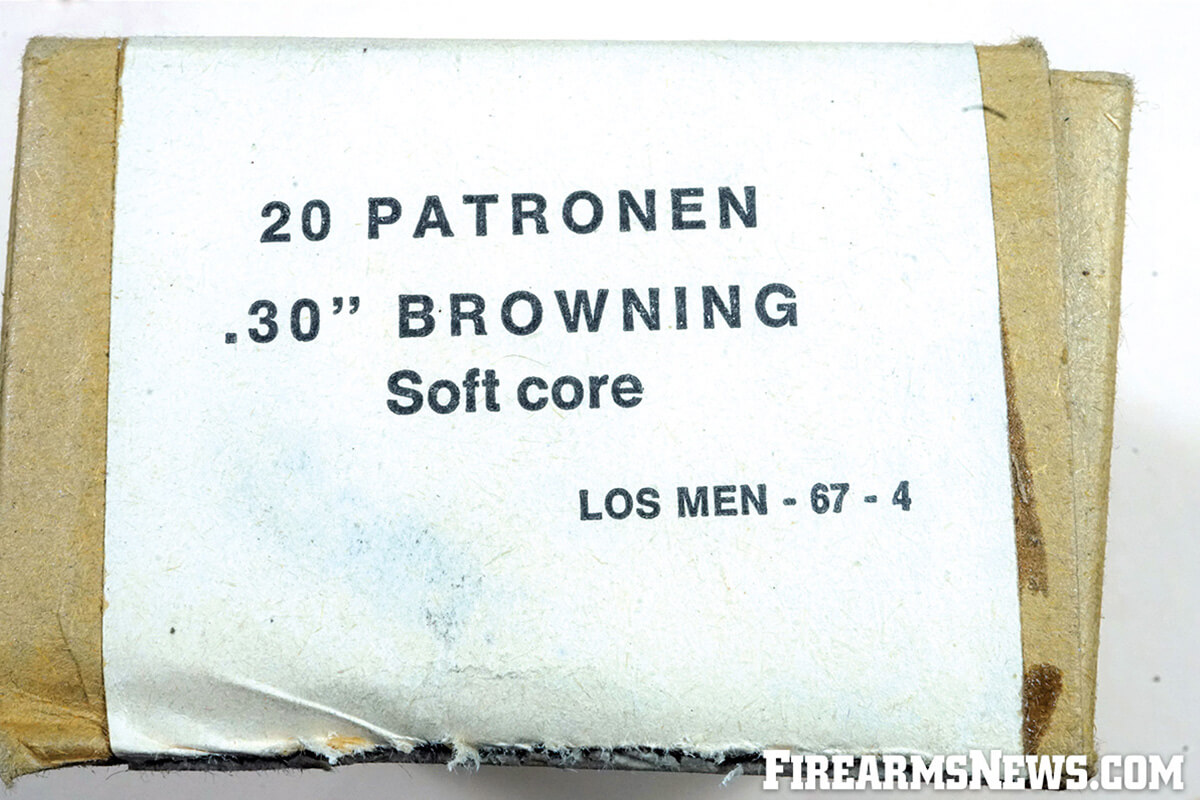
Surplus German MEN ammo in 20-round boxes manufactured in 1967.

Rifle #4 is a Savage 110 Police Tactical rifle produced in the late ‘90s. I bought it used and I have no idea how many rounds it has digested but it is a reliable shooter producing slightly under 3/4 MOA groups with good ammo and I thought it would be interesting to throw a bolt gun into the mix to judge the accuracy of the loads if, for instance, you will be shooting a vintage sniper match with the same ammo. I did not have a 1903A4 available for testing. The Savage was bolted into a Bell & Carlson M40 style stock and equipped with a very nice 2.5-16×42 Bushnell Elite 6500 scope. One thing I noted about the Savage was from the first cold bore shot to the last shot from a smoking hot barrel the point of impact didn’t wander. The action has been blueprinted by Larry Racine, one of the great bolt rifle mechanics of our time.

Over 2,400 rounds were fired during this test. It took months to complete. 60 to 90 rounds were fired during each visit to the range and the rifle bores were patched out in between trips. Obviously, weather conditions varied.

Garand Ammo Test German MEN Ammo
The headstamp on the Ethiopian surplus ball indicated 1980 manufacture.

The Ammo

A few comments are in order about the ammo I tested. Please note that any ammo purchased was pre-Wuhan Virus so ammo prices have increased compared to those I list in the ammo cost chart.

Black Hills

Black Hills has been a manufacturer of premium quality ammunition for many years. I have evaluated some of their offerings in 5.56mm, .308 Winchester and .45ACP but I was unfamiliar with their .30-06 ammo. I didn’t even know if it was compatible with the Garand gas system. I contacted them, and they assured me it was and sent test samples loaded with both 155 and 168-grain Hornady ELD-M projectiles. The accuracy of the Black Hills rounds was stunning. While testing the 155s I shot one five-round group that measured 1/2″ center to center. Amazing. And remember, I’m shooting G.I. issue grade rifles, not match rifles. The only downside to factory ammo this good is cost. At $2/round it simply isn’t practical for most of us to shoot it a lot. That being said, I will keep some Black Hills .30-06 ammo on hand for occasional use to impress my friends who think M1 Garands don’t shoot well. I love to prove them wrong…

Garand Ammo Test Headstamp on Ethiopian Surplus Ball
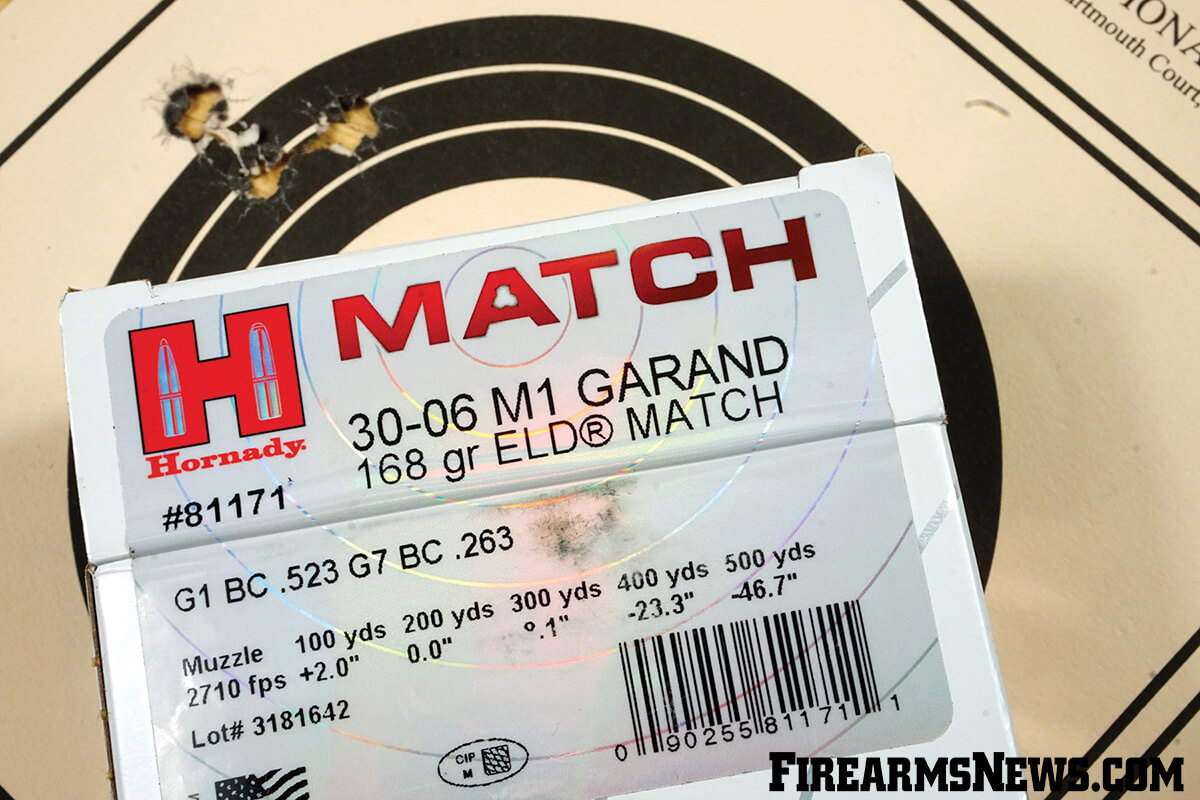
A fine group fired with Hornady 168 ELD Match ammo.

Creedmoor

Creedmoor is the house brand ammo for the Civilian Marksmanship Program and is specifically loaded for Garands and vintage sniper rifles. I obtained it directly from CMP. The 150-grain FMJ-BT load consists of Hornady brass and bullets. Averaging less than 2 MOA in all three Garand test rifles and costing less than a buck a round this load would be a good choice for a rifleman who wants decent accuracy without taking out a second mortgage to pay for ammo. The second Creedmoor load I tested was loaded in Lapua brass (!) with Lapua 167-grain Scenar bullets and was a bit more expensive. I had high hopes for this load but at 100 yards it didn’t shoot better on average than the 150-grain load although the bolt gun liked it. The higher ballistic coefficient of the 167-grain bullet would be an advantage at longer ranges. At 100 yards I would stick with the 150 FMJ load for less money.

Hornady
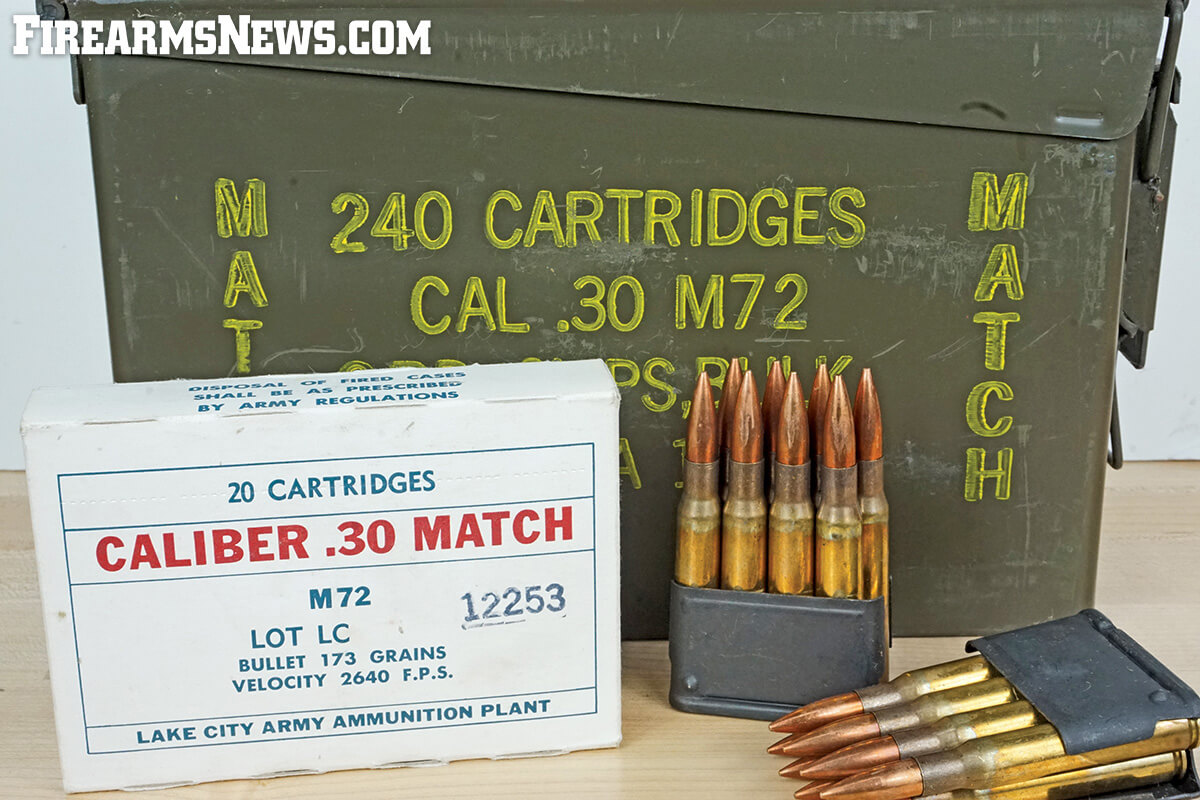
Lake City M72 Match ammo was issued in 20-round boxes or loaded on 8-round clips.

Ethiopian Surplus

I saw this Ethiopian ball for sale at SG Ammo. It was loaded in eight-round clips and packed in bandoliers, obviously loaded for Garands. I was not aware that Ethiopia manufactured their own ammo but the experts of the International Ammunition Association assured me they did in fact produce this stuff. The manufacturer’s code on the clips appeared to be French. The cartridge cases are Berdan primed and the primers are crimped. I experienced a few malfunctions in the Garands with this load and the Savage bolt action rifle would not chamber it. Closer inspection revealed the size of the cases (base to shoulder) was larger than what SAAMI would consider normal. Accuracy was not exceptional. Based on my experience with this load I cannot recommend it.

Garand Ammo Test Hornady 168 ELD Match Ammo Group
Prvi Partizan ball ammo is marketed specifically for Garands and the boxes are so marked.

Federal American Eagle

I have shot a ton of Federal American Eagle AE3006M1 ammo in rifles I rebarreled for customers. It shoots quite well in new barrels with short throats but not so well in a G.I. barrel with a couple thousand rounds down the pipe. I believe this situation is caused by the short overall length of the round. For instance, the traditional OAL of the .30-06 cartridge in reloading manuals is 3.34 inches. A sample G.I. (LC72) M2 ball round I pulled out of my pile measured 3.33 inches. The Federal cartridge is 3.1 inches. The base to bullet ogive length was .128 of an inch shorter than the G.I. ammo from Lake City. This means the Federal bullet has to jump 1/8 of an inch farther before it engages the rifling. Looking at the accuracy chart, the Federal load shot great in Garand #1 with a fairly new barrel but really choked in the G.I. guns with throats that were farther forward. I like this round. It functions great in any Garand and the cost isn’t stupid. I just wish the bullet wasn’t stuffed so far down in the case.

Garand Ammo Test Lake City M72 Match Ammo
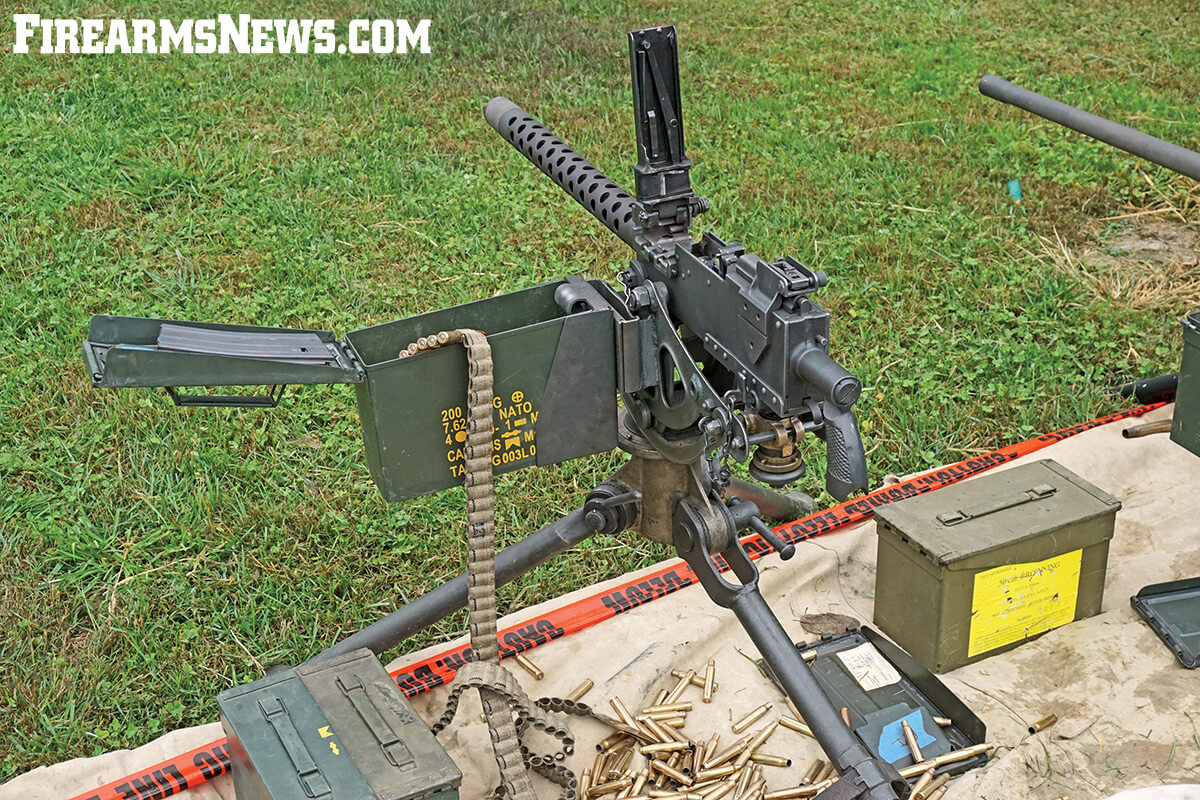
Prvi Partizan ball ammo was successfully test-fired in a vintage M1919A4 machinegun.

German Surplus by MEN

I picked this stuff up on a whim. It was packed in 20-round cardboard boxes marked “.30 Browning.” I have no way of knowing if it is loaded to the correct pressure curve for M1s but if the label refers to the .30 Browning machinegun it should be ok. MEN is Metallwerk Elisenhutte GMBH, Nassau, Lahn, Germany. The number 67 probably refers to the year it was loaded. West Germany did employ M1 Garands after World War 2 to some extent. The brass is Berdan primed and the ammo functioned ok in the M1s. Accuracy was average. The bolt gun did not particularly like it. Cost was equal to the Privi Partizan and Sellier & Bellot offerings, but the brass is not reloadable, so I probably wouldn’t purchase this ammo again. Velocity was the highest of any ammo tested prompting me to worry about excessive bolt velocity in the Garands.

Garand Ammo Test Prvi Partizan Ball Ammo
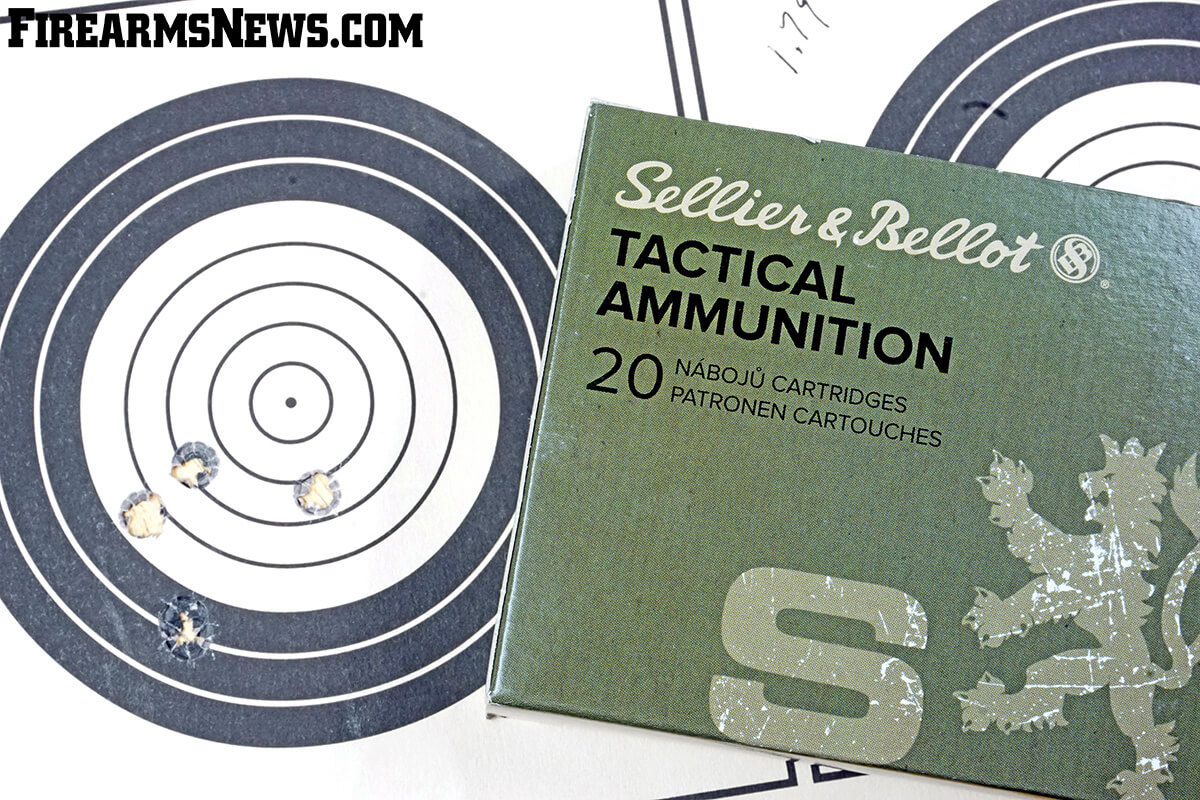
Sellier & Bellot 150 FMJ loaded for the Garand is a best buy of currently available choices.

Greek Surplus Ball

The CMP sold this stuff for years with various headstamp dates packed loosely, on clips or in sealed metal tins. They have since run out of it and there is no source for it in quantity as far as I know. Some lots were better than others. Suitable for the weekend blaster or a highpower shooter practicing offhand, the brass is reloadable. Fifteen years ago, many of the choices we enjoy in commercial ammo loaded for Garands today didn’t exist and Greek was one of the few alternatives to handloading. That being said, I wouldn’t pay a premium for it today. Some of the Greek clips seem to be a bit out of spec in my experience. Like the Federal load, it seemed to do well in a new barrel but not so great in a used G.I. barrel.

Garand Ammo Test Prvi Partizan Ball Ammo Successful Test-Fired
The iconic M1 Garand will still draw a crowd at the local range.

Hornady

Hornady 168 grain A-Max is a load that has been discontinued. I had enough on hand to test it in 3 out of 4 rifles. It shot well but on average no better than the new ELD load.

Hornady 168 grain ELD Match was my second load from this manufacturer (Hornady.com). Cost, availability and accuracy considered, this was probably the best ammo of the whole test. Averaging over $.50 per round less than the excellent Black Hills load utilizing the same bullet, it was equal in accuracy. If I were buying match ammo to shoot out to 600 yards this would be the stuff. Hornady introduced this product and an earlier (slightly more expensive) version loading the A-Max bullet specifically for the Garand and vintage sniper rifles. Velocity is similar to the original M72 military match load. More expensive than the common M2 ball clones, but not excessively so, this product is a winner. In all three rack-grade rifles it averaged only 1.33 inches. My handloads aren’t quite that good but I’m working on it.

Garand Ammo Test Sellier & Bellot 150 FMJ Best Buy
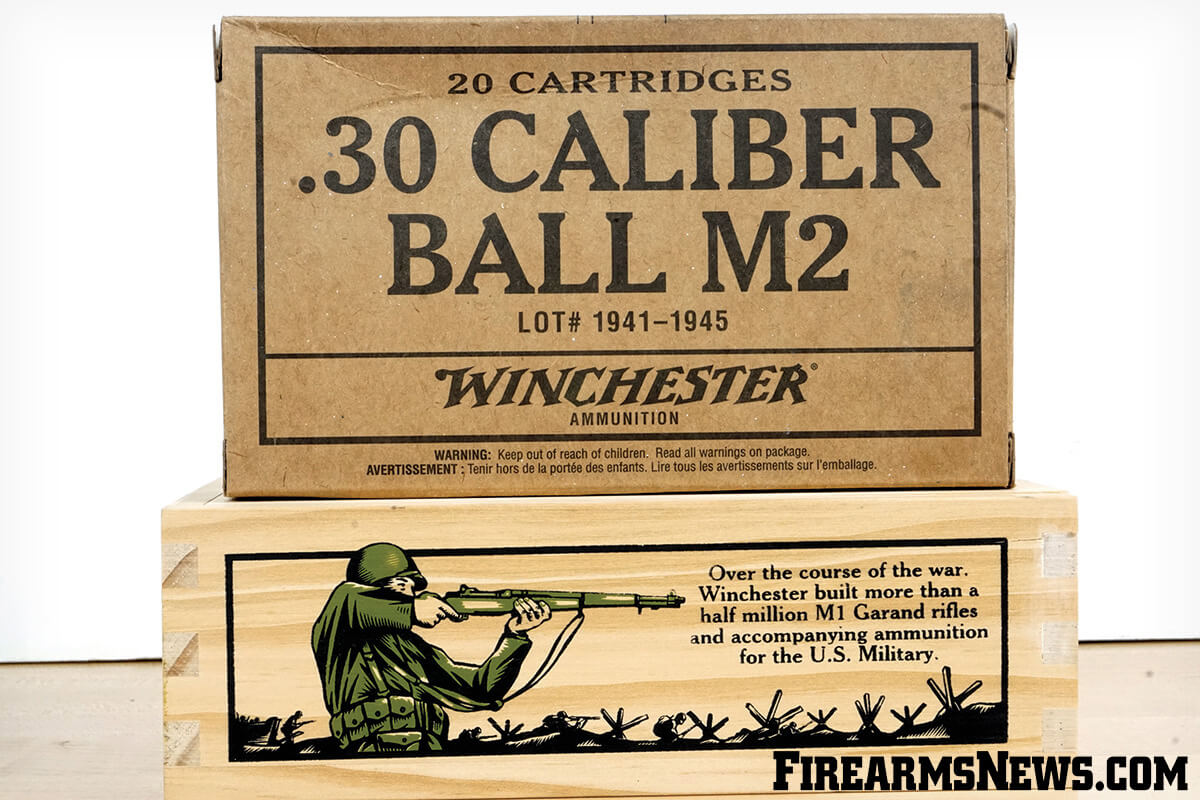
WW2 commemorative packaging from Winchester for its Garand load.

Lake City

I was fortunate to have stashed a quantity of LC 68 M72 Match which is an original military sniper load from years ago. Originally developed by Frankford Arsenal in the late 1950s, and standardized as Cal. 30 Match M72 in 1958, this load featured a 173-grain boattail full metal jacket bullet. Production appears to have ceased in late 1968, or thereabouts, so this particular lot may have been one of the last loaded by Lake City. Interestingly, it was still available to the Army National Guard into the 1990s. According to the History of Modern U.S. Military Small Arms Ammunition, Vol. 3 by Hackley, Woodin and Scranton (2015), M72 components (casings and bullets) continued to be produced into the 1970s for use by military teams with the last cases headstamped LC 78. In the unlikely event you can acquire a quantity of this ammo for a reasonable price keep in mind it shoots about 2 MOA in rack-grade guns. It may have been considered match grade 50 years ago, but times have changed, and bullets have improved in the interim. Your money will be spent more effectively on modern fodder such as the Hornady ELD load. That being said, the LC .30 cal. Match brass is very nice to reload if you can find some. My sample batch was loaded in 8-round clips, 264 rounds per .30 cal. ammo can.

Garand Ammo Test Draws a Crowd
An eye-popping .457″ 5-shot group fired with hand- load #1.

LC 72 U.S.G.I. issue M2 ball ammo is where it all started. M2 ball ammo was approved as the U.S. issue rifle cartridge in 1940, replacing the previous M1 ball cartridge. Although the M1 rifle (adopted in 1936) was developed for M1 ammo, testing proved the new M2 round actually improved the performance of the Garand and M1 ball was phased out. The main difference between the two cartridges was bullet weight. M1 ball (standardized in 1926) was loaded with a 173-grain boattail bullet while the new M2 sported a 150-grain boattail bullet. Although corrosive priming was standard during wartime M2 production, non-corrosive primers were developed during the war and incorporated into M2 production by the early 1950s. During World War 2, M2 ball was replaced by M2 AP (armor piercing) for combat use in 1943 but the standard ball round remained in production into the early 1970s. The sample lot I tested was, in fact, produced at Lake City in 1972. Primers were crimped, creating an extra step for reloaders.

Garand Ammo Test Winchester WW2 Commemorative Packaging
Another day at the office. There are worse jobs than shooting M1s!

Prvi Partizan

Produced in Serbia, with boxes clearly marked “For Rifle M1 Garand,” Prvi Partizan 150-gr. FMJ is designed to mimic M2 ball (PrviPartizan.com). The brass is boxer primed and the primers are not crimped. Expect accuracy to be in the 2-3 MOA range. The main attraction of this product is its relatively low cost of approximately $.70 per round. For a shooter that wants reliable ammunition with the correct Garand pressure curve for weekend plinking this is a good choice. On a whim, I took some of this ammo to a machinegun shoot and fired it in an original M1919A4 BMG. The BMG and the Garand fired the same ammo, so it should work. We plowed through 100 rounds loaded on a cloth belt without incident. Function was perfect. Some of my handloads tested for this article were loaded using PPU brass.

Garand Ammo Test .457

Sellier & Bellot

Sellier & Bellot 150-gr. FMJ is made in the Czech Republic and marketed as part of S&B’s Tactical Ammo line (SellierBellot.us). The 20-round boxes are clearly marked “FOR M1 GARAND.” This is good. No confusion as to its intended purpose. The brass is boxer primed and reloadable. The primers are not crimped, and the primer pockets were nice and tight when I reloaded some once fired cases. This ammo outshot some of the expensive “match” loads which is pretty impressive considering it cost $.65/round. I would absolutely recommend it as a best buy. The higher BC loads would beat it at distance, but at 100 or 200 yards S&B is a good choice.

Garand Ammo Test Accuracy Chart

SIG Sauer

I shot some pretty decent groups with SIG Sauer’s 175 gr. HPBT Match (especially with rifle #3). It probably wasn’t optimized for Garands although SIG said the pressure curve was suitable. The Savage bolt gun really liked it and I’m betting this load was developed in and for bolt guns. The only reason I would avoid it for Garands is cost: $.35/rnd more than the Hornady 168 ELD load which shot better.

Steinel

Steinel M2 ball, 150 FMJ is a relatively new product from Steinel Ammunition in Ohio. It is intended for M1s and is part of their Vintage Military Ammunition line which includes some interesting hard-to-find cartridges like 6.5 and 7.7 Arisaka and several flavors of .45/70 ammo with a couple intended for safe use in old Springfield Trapdoors. My samples were loaded in federal brass, but the CEO informed me that by the time you read this they may switch to Starline brass now that it is available. As far as commercial M2 ball goes, this Steinel load ranked behind S&B and Creedmoor in performance but it is still a solid choice. You can buy cheaper imported ammo, but it may not shoot as well as domestic products. I wish this new ammo company luck in the future. Steinel ammo is packed in very nice re-useable slip-top plastic boxes (reloaders take note).

Garand Ammo Test Accuracy Chart

Winchester

Winchester USA 147 gr. FMJ is a low-cost offering in Winchester’s “white box” line, the Garands didn’t like it. I doubt it was ever intended for use in M1s and I wouldn’t recommend it for that purpose when just about every other type of ball ammo shot better. Stick with the next product if you want to shoot Winchester.

Winchester .30 cal. Ball M2 X3006WW2 is a new offering in World War 2 packaging, even including brown military-type cardboard boxes, this is a decent ball load for M1s. Not the best or the worst, it is under a buck a round and designed for use in Garands. More accurate than some imports, domestic offerings Creedmoor and Steinel were slightly more accurate for a bit more money. Cost and accuracy considered, this would be a solid choice for the Garand owner.

Handload #1

I have a long history with the 168 BTHP match bullets. I have shot literally thousands of them through M1 Garands and M1As. They are solid performers. In recent years this bullet has been eclipsed for long range use by the new generation of low drag, high BC products offered by seemingly every bullet maker. I don’t care about that. I no longer shoot in competition and almost all my ammo is expended at 100 yards. I know this bullet will do the job out to 600 yards and I still have a pile of them, so they are my choice in M1s and M1As. In fact, Lake City loaded the 168 BTHP in their excellent M852 7.62mm match ammo which eventually became the military sniper load after someone in the legal arm of DoD determined the “hollow point” in the bullet was not designed for expansion and therefore didn’t violate Geneva Convention references to “Dum Dums.” Handload #1 was 46 grains of IMR 4064 under the aforementioned bullet in a PPU or S&B case sparked by a Winchester Large Rifle primer. Common components, excellent accuracy.

Handload #2

Same load with different powder. 46.5 grains of Hodgdon H4895. I used H4895 in match loads for years shooting M1As. It meters super smooth in my ancient Pacific powder measure. I don’t think load #2 shoots as well on average as load #1 so in the future I will stick with IMR 4064.

Everyone is looking for a bargain and the hard reality is that good .30-06 ammo will be much more painful to the wallet than bulk 5.56mm (especially these days). Generally speaking, I think any ammo that consistently shoots under 2 MOA in most guns is worthy of consideration. But, as far as surplus ammo goes, forget it. The price isn’t cheap, and the accuracy of G.I.-grade ammo will not impress. The best bang for the buck will be imported ball such as Privi Partizan and S&B. Personally, I prefer not to buy imported ammo during times when American ammo companies are laying people off (call me a hater), so I would lean toward the slightly more expensive Creedmoor 150 FMJ and Steinel M2 ball. If I was looking for the best deal in match ammo I would choose the Hornady 168 gr. ELD load (especially for longer ranges) and possibly the Federal 150 FMJ for testing freshly rebuilt guns with new barrels. I am quite fond of the Black Hills 155 ELD load but with a cost of $2 a round (during normal buying times) and limited availability I won’t shoot a lot of it.
I think most people will be impressed with how well a 60-year-old battle rifle will shoot if fed decent ammo. Bench rest rifle? No, but certainly adequate for most other purposes.

Best 6 Primitive Survival Fish Traps (How To)

0

An effective primitive trap could be the best method for catching fish in large quantities. You will find the best types of primitive traps for lakes, rivers and coast below.

1 Primitive Funnel Basket Fish Trap (Fastest Method)

How-To

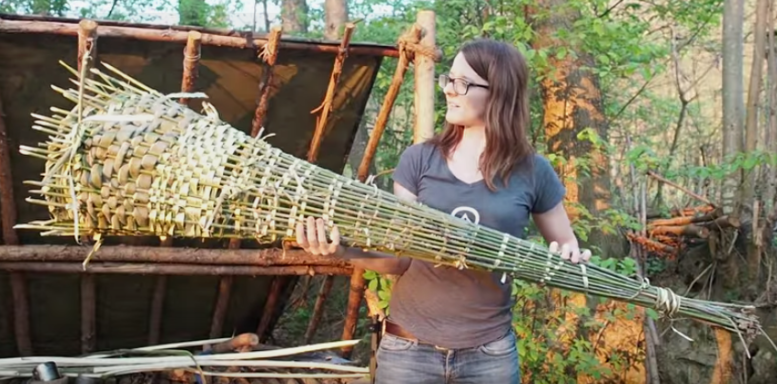
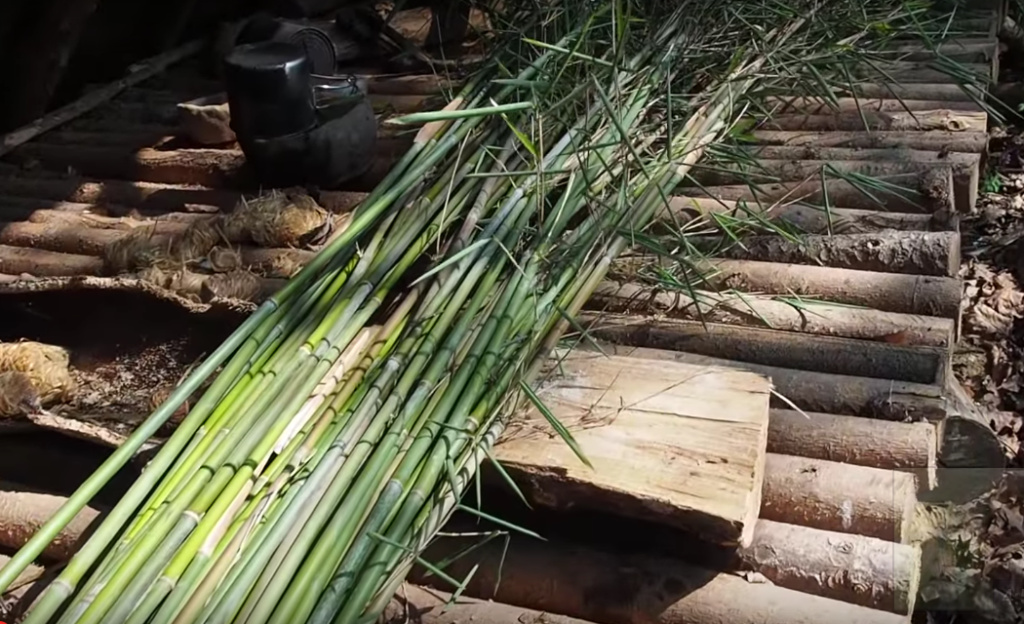
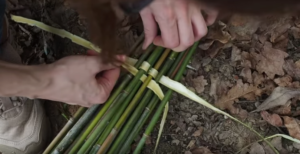
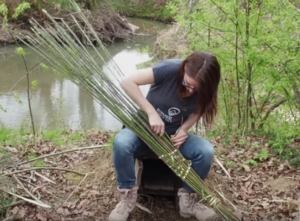
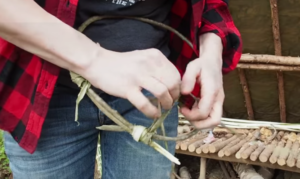
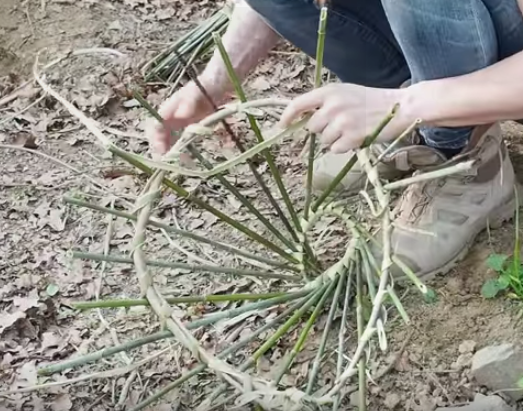
Collect very long thin sticks of willow or bamboo for the main body of the trap.

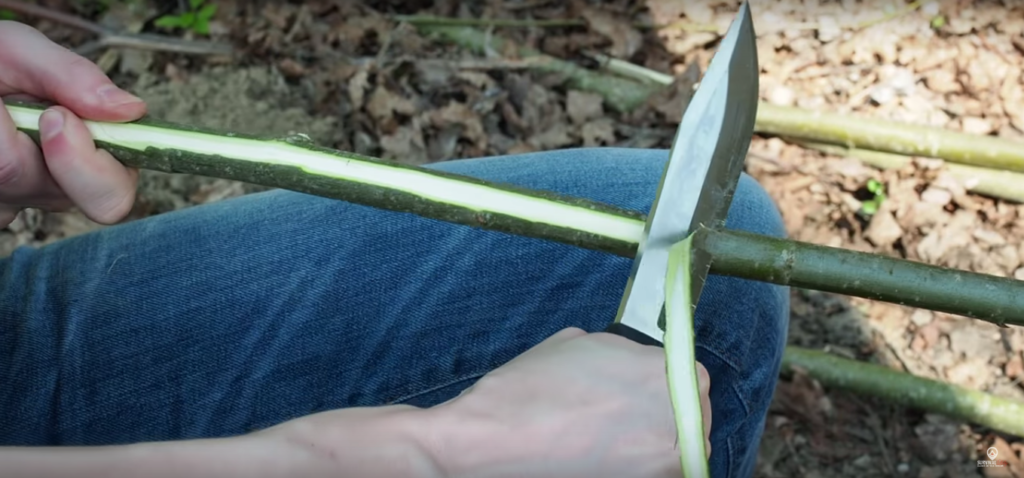
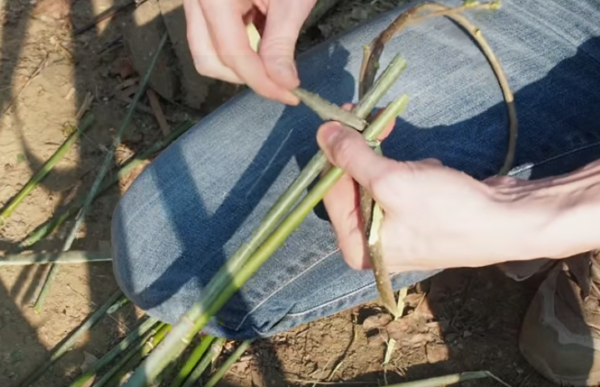
Remove bark from other thick willow sticks to use as weaving material and cordage.

Tie one end of the bundle of long willow sticks.

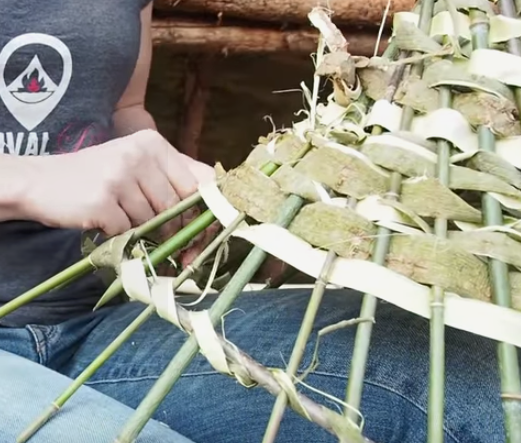
Start weaving the sticks.

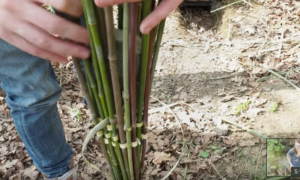
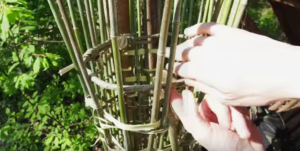
Insert a rock to spread the sticks and continue weaving.

Continue weaving until you reach the middle.

Tie a flexible stick into a circle with the same diameter as the middle of the trap.

Insert and tie the ring inside the middle of the trap.

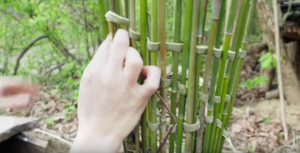
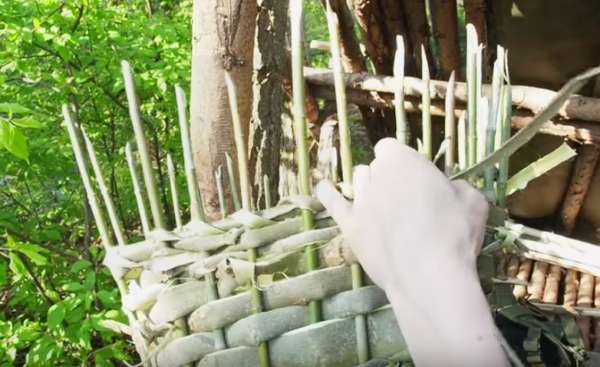
Continue weaving until you are close to the top.

Thick bark makes it much faster to weave.

Now tie another smaller ring exactly the size of the fish you want to catch. Then tie sticks for the body of the inner funnel.

Tie a second circle the same diameter as the end of the main body of the trap. And tie it to the inner funnel.

Weave the inner funnel

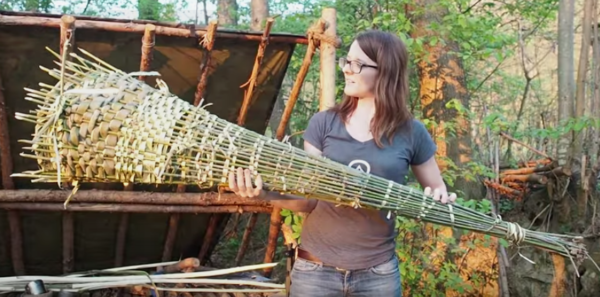
The two parts of the trap are finished

Insert the small funnel into the main body of the trap.

You must insert some bait into the trap and rocks to keep the trap submerged. Tie it to a float or shore for retrieval.

When I was in the forest for six months I made one of this traps and tried it out without much luck. The downsides of this type of trap is that it takes a long time to build (5 hrs), and it is not super easy to re-bait or retrieve the fish. Nevertheless you could make one without even using a knife.

This trap would work much better placed in a small stream and creating a stick funnel from shore to shore that leads to the trap. This set up would use the current to lead the fish straight into your belly.

via Survival Lily

2 “M” Primitive Funnel Fish Trap

This is the easiest and fastest trap to make!

Insert long sticks into the mud or sand to form a big “M”.

Insert more sticks wherever there are holes and make sure the funnel opening matches the size of the fish you want to catch.

Adding vegetation on top to create a shaded spot attracts fish.

Add bait in the trap and then the waiting game starts. This is the trap that Zack built in the Alone show.

This trap might not be super effective but it is very quick and simple to build. I like the fact that it is super easy to check if there are fish and retrieve them. The downside is that other than bait and shade there is no other incentive to go in there.

via CN Daily HD

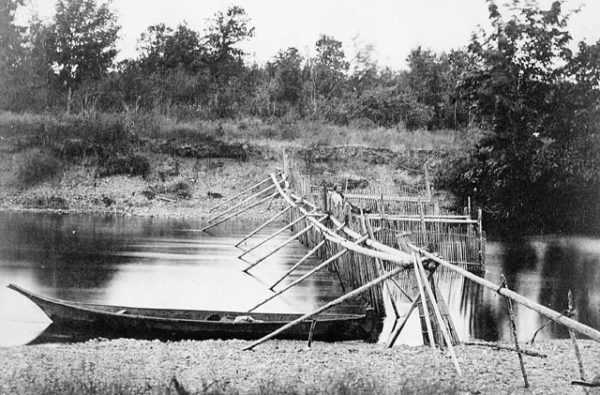
3 Stone or Wood Weir

Using the same funnel principles our hunter-gatherer ancestors used stone or wood weirs to close up streams and lead fish into big “M” or funnel basket type traps.

4 Tidal Trap

Another kind of trap used in the coast is the tidal trap. Sometimes it involved a funnel. Fishermen would usually spear the fish that get caught after the tide recedes.

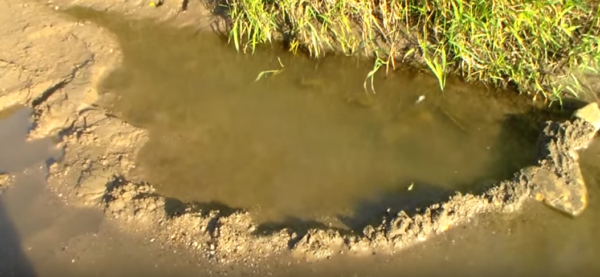
4 Minnow Trap

You might need to catch minnows to use as bait in your hooks so this simple trap could come in handy.

Just create a shallow pool using rocks or mud.

Leave an opening and wait for a long time. Placing bait or vegetation to shade the pool should help. When you want to retrieve the minnows just close the entrance and scoop them out.

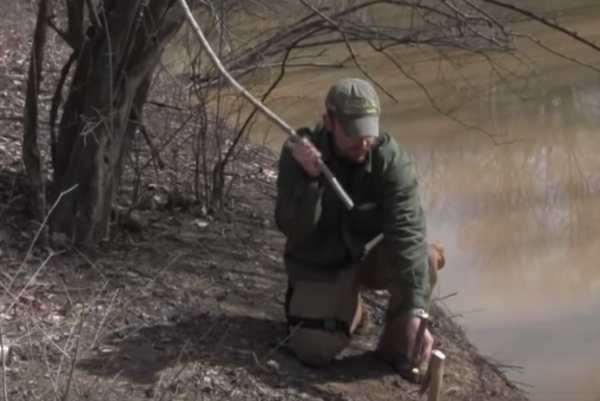
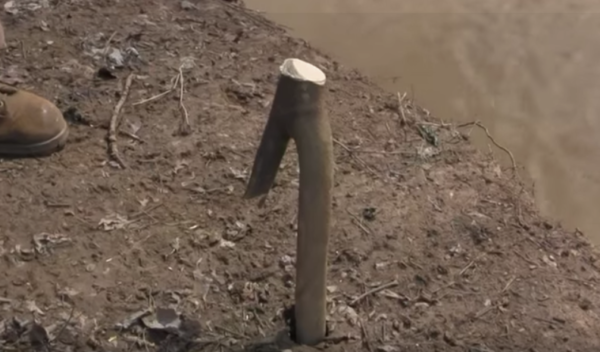
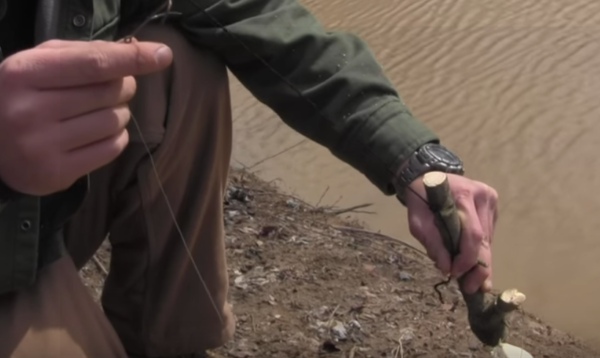
5 “L7” Pole trap for Fishing

This is a mix between a trap and a fishing line with hook. I’ve tried this trap before and to me it doesn’t seem to be better than just having a line with a baited trebble hook and bobber; and it does take more time to set up.

Find a way to position your spring pole next to the water. Green wood doesn’t work well because it will stay bent and won’t be springy.

Stake a long “7” into the ground.

Tie the longest end of the “L” to your spring pole and tie the shortest end to your line and hook.

Now hook the “L” and the “7” by their shortest end. Having a bobber would maintain your baited hook off the bottom.

This trap also tends to be very finicky. The only benefit I’ve experienced is that if you are around you’ll notice pretty quickly if a fish caught your hook. In theory the spring pole helps set the hook, but in practice it doesn’t make much of a difference. Obviously to be primitive it would have to be built using natural cordage and a natural hook.

via Sigma 3 Survival School

6 Trotline

I might be blending primitive an modern here but you could make a fully primitive trotline out of natural materials. What I like about a trotline is that it is relatively easy to make and light weight. It can be used in a lake, river, and coast.

Start by inserting a long stake into the submerged ground. You could also tie your line to the shore or an anchor and submerge it.

Tie you main line to it.

Extend the line and leave enough space between hooks so that fish can’t get entangled with other hooks or stakes.

Attach your lines and hooks at intervals. You could use sinkers, leaders and/or bobbers depending on your needs.

This is a set of hooks with sinkers for the trotline. The line used can be thinner than your main line. For a modern trotline, I recommend braided line instead of mono because it is easier to handle and more durable.

What I like about trotlines is that they are relatively easy. They are also as effective in a slow river as in the coast or a shallow lake.

via MCQBushcraft

If you want to learn more about primitive fishing techniques the best resource out there is the book:

Indian Fishing: Early Methods on the Northwest Coast

I have read it three times already, and there is so much knowledge and wisdom in it.

If you liked this article consider supporting my work by using this link to buy gear on Amazon (I get a very small commission and it doesn’t increase the cost of products for you).

Main image by Petr & Bara Ruzicka

Hunt of a Lifetime: Fife uses bow to bag state-record mule deer

0

YAKIMA, Wash. – Hunting Washington’s most prized deer can take significant time and effort, not to mention a little bit of luck.

For 27-year-old Jake Fife, it took 16 years to earn an archery tag for one of Yakima County’s most coveted and restricted units, the location of which he asked not be used in this article. So when his early scouting last summer identified a buck bigger than any he’d ever seen before, bringing it home became a single-minded obsession that defined his daily routine.

“Wake up, go to work, think about the deer, get off work, go see the deer,” Fife recalled. “Think more about the deer. Come home, sleep think about the deer. Dream about the deer.”

Those dreams became haunted by a missed opportunity on the opening day of the season, Sept. 1, but nine days later Fife found the perfect chance for redemption. Countless hours of target practice finally paid off when he took down the buck, two weeks before the season ended.
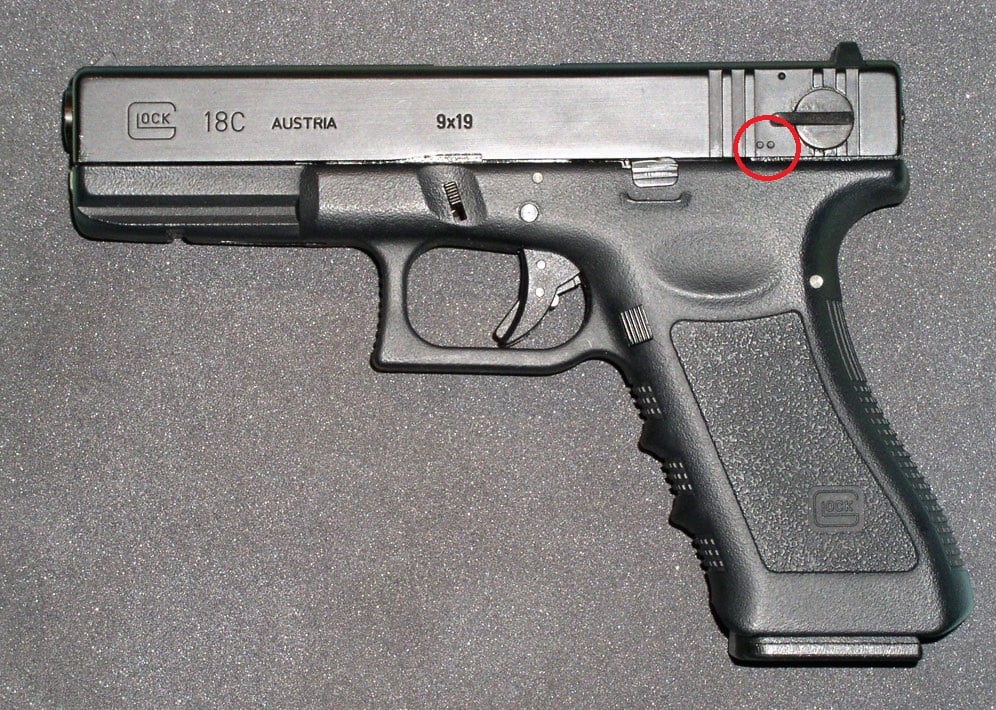
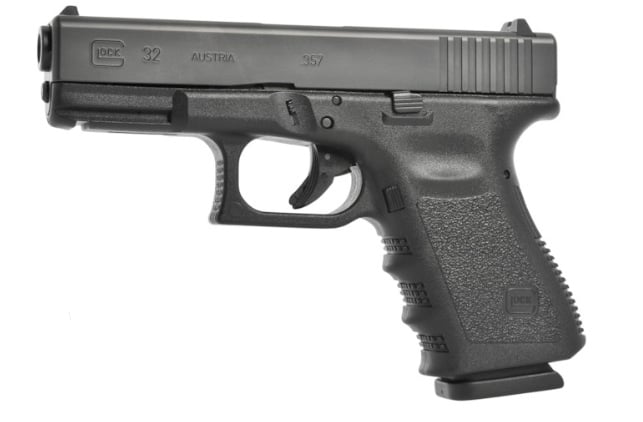
Fife’s elation and pride from his first archery kill along with a full freezer plus plenty for friends from 175 pounds hanging at the meat locker provided enough rewards, but he would earn much more. The buck’s net score of 229 shattered the previous record of 2033/8 for Washington nontypical mule deer, and it won Best-of-Show in the archery category of the Horn and Antler competition at February’s Central Washington Sportsmen Show.

“It was really special due to the fact that I was able to finally get it down with a bow after a lot of failed attempts on other deer and stuff that I ended up never getting,” Fife said. “I feel pretty spoiled, but at the same time, there was a lot of hard work and disappointment before that happened.”

Hunting in his blood

Fife took his first hunter’s safety course to acquire a license at eight years old, following in the footsteps of his father and grandfather.

He initially applied for the unit where he would eventually find his record-breaking buck as 10-year-old, and Fife gained experience hunting elsewhere with his father, Gary Fife. Longtime hunting partner Trevor Dallman met Fife during their freshman year at Selah High and joined him in collecting virtually all of the many deer mounts now hanging from the wall in his east Selah home.

“We started off pretty young and just kind of going together and before you know it, we just hunted well together and started having good success,” Dallman said. “Mostly deer, elk and waterfowl.”

Fife learned to hunt with rifles and muzzleloaders before finally picking up a bow a little more than three years ago. He worked hard to gain confidence and skill with his Bowtech Carbon Knight, learning how to factor in the wind and hide well enough to creep within range of a potential target. Dallman said the Naches Valley head baseball coach and P.E. teacher has always had the “eagle eye” for finding the biggest game animals, including a memorable one that got away after a close call a couple years ago.

So when Fife sent Dallman a picture of an even more massive buck, Dallman quickly agreed to be a spotter and help out however he could. That meant tagging along whenever possible, and he heard plenty of stories from days when he couldn’t make it out to join his friend.

“He’s just so dedicated, I knew he wasn’t going to go for anything else,” Dallman said. “There was multiple other bucks when he got this one that were, at any other time, ‘wow, that’s a huge buck.’”

As one of two hunters selected in late June for an archery tag on a unit known for old, large bucks, Fife found his ultimate goal after several days of scouting about three weeks before the season opened. He tried to track the buck for about six hours daily on the weekends and two to three during the week, totaling well over 50 hours.

Finding trends proved more difficult than expected as the buck wandered around to different trails, bedding down and drinking water at multiple spots. Fife figured the deer’s tendency to stay in the general area would give him a good chance, though he couldn’t imagine just how soon it would come.

Taking down a “giant”

Fife didn’t sleep much the night before he began his hunt for the buck he referred to as a “giant” in a blog post for Northwest Sportsman magazine last October.

He woke up early and shortly after the sun rose saw a shocking sight — the buck of his dreams all alone. Fife carefully worked his way to within 70 yards of the patch of sage where he believed the deer was resting, only to see it stand up 30 yards away, then bolt upon seeing a disturbance so close.

“He didn’t stop to look back to see what I was,” Fife said. “I watched him go over one ridge and then go over another ridge and then go over another ridge. I was like ‘oh my god’ and then he never came out of that one, a big canyon, so I knew he was around.”

Nerves engulfed Fife even more than before following the close encounter, but he remained patient, waiting for the ideal moment. He saw the buck out in the open and with others over the next few days, including on a couple when the unit was closed, choosing to keep his distance rather than risk another failed stalk.

Finally, on Sunday, Sept. 10, Fife discovered the buck behind a large patch of brush and watched it feed while darkening up its horns by rubbing them on and off for about two and a half hours. He also called Dallman, who went out to spot for his friend as quickly as possible on another beautiful, sunny morning.

“Pretty much I had a perfect view,” Dallman said. “You could drive this road up on this hill and I could see everything.”

He watched as Fife slowly and methodically crept towards the bottom of the draw, eventually taking off his shoes and crawling on hands and knees through cheatgrass and stickers. He eventually settled into a spot about 40 yards away, behind a bush enough to be hidden from the deer, with a slight, steady breeze blowing into his face.

But as Fife partially stood up, awkwardly off-balance, waiting for the deer to stand and turn around, he felt his bow jump a bit and realized he needed a more comfortable position. So he immediately pulled back the string, stepped up and through the bush, then when the buck got up, locked eyes, and stomped his foot down, Fife let his arrow fly.

“It just went right through him, just disappeared,” Fife said. “It happened so fast I was just like — I knew I seen that I hit him but it didn’t make much sound or anything.”

An anxious hour

Doubts about what looked like a perfect shot crept into Fife’s mind after he watched the buck sprint away at full speed, and a phone call to Dallman only confirmed those fears.

From the road, he’d seen the buck tear off through the plain at full speed showing no signs of injury, then eventually slow down before it headed into some bushes and disappeared. Fife couldn’t find any traces of blood — or his arrow — so he decided to wait an hour until about 12:30 p.m. to begin a thorough search.

Dallman directed Fife to the bushes, and there it was, a buck even bigger and more incredible than he’d seen at a distance or in his pictures. Dallman and a game warden who watched the hunt helped Fife back to the truck with his price, which he estimates weighed about 300 pounds.

The success garnered Fife plenty of attention and opportunities to tell his story to fellow hunters, but he insists the high score isn’t really important to him. He’s hoping a full mount will be done by the end of the summer, and he’ll always have some unforgettable memories.

“Not even just to get him, but to be able to hunt a deer of that caliber was pretty cool,” Fife said. “Who knows if it’ll ever happen again? It might not.”

1500fps Air Rifle

0

Introducing the 1500fps Air Rifle: Unleash Unprecedented Power and Precision. Experience the ultimate shooting performance with our cutting-edge air rifle, capable of firing pellets at an astounding velocity of 1500 feet per second. Engineered with state-of-the-art technology and precision craftsmanship, this game-changing weapon ensures unrivaled accuracy and target-penetrating force. Dominate the field and redefine your shooting capabilities with the 1500fps Air Rifle – a true game-changer for enthusiasts and professionals alike.

1500fps air rifle

1500fps air rifle

A 1500fps air rifle offers unparalleled power and precision for shooting enthusiasts. With its high velocity, this air rifle ensures that your shots hit the target with incredible speed, making it ideal for both hunting and target shooting. Its impressive FPS (feet per second) rating allows for greater accuracy even at longer distances, giving shooters the confidence they need to consistently achieve their desired results.

Designed with advanced technology and precision engineering, the 1500fps air rifle delivers exceptional performance. Whether you are a seasoned shooter or a beginner, this air rifle provides a smooth and reliable shooting experience. The high velocity of this air rifle also makes it suitable for pest control applications, enabling you to effectively eliminate unwanted critters from your property.

In conclusion, the <1500fps air rifle> offers a powerful and precise shooting experience. With its high velocity, it ensures accurate shots for target practice or small game hunting. Its compact design and ease of use make it a great choice for both beginners and experienced shooters. Whether you’re honing your skills or seeking an effective hunting tool, this air rifle delivers on performance and reliability.

Best Air Rifle Deals

Popular Posts

Best Air Rifle Brands – Who Makes the Best Pellet Gun?

0
In Jeff Bezos’ own words: "A brand for a company is like a reputation for a person. You earn reputation by trying to do hard...

Air gun 101: What is a PCP air rifle? Is PCP gun the best...

0
A PCP air gun is one of five types of air rifles in the market today. PCP air guns have become more and more...

Air Rifle Scope vs. Rifle Scope – Which One Fits Your Shooting Needs?

0
"Air Rifle Scope vs Rifle Scope: Unveiling the Ultimate Precision Optics. Discover the essential differences and benefits of these two optical devices, empowering shooters...