


Home Blog Page 173

A Step-By-Step Guide to Trapping Muskrats Successfully

0

Trapping muskrats has long been a traditional outdoor activity for many enthusiasts and an effective method for controlling the population of this small semi-aquatic rodent.

As a beginner, it’s important to understand the basics of muskrat behavior and their natural habitats to increase chances of success and ensure an ethical and humane trapping experience. With the right knowledge and equipment, even newcomers can quickly become skilled in trapping muskrats.

Trapping Muskrats

Recommended Traps

Body Grip Traps

Body grip traps are effective for muskrat trapping due to their design, which quickly and humanely dispatches the animal.

These traps have a large square frame and powerful springs, allowing muskrats to be easily targeted. When setting these traps, pay attention to the muskrat’s pathways and place the trap accordingly.

Coil Spring Traps

Coil spring traps are also a popular choice for trapping muskrats. These traps consist of two powerful springs attached to a jaw-like mechanism.

When the muskrat triggers the trap, the jaws close with great force, ensuring a quick capture. Coil spring traps should be placed in shallow water near muskrat dens or other frequented locations.

Foothold Traps

Foothold traps are a traditional choice for many trappers. These traps have two jaws that close when a muskrat steps on the trigger, securing the animal’s foot.

Foothold traps can be placed near muskrat dens, on floating debris, or on trails. These traps are known for their versatility, and can be used in different situations.

Conibear Traps

Conibear traps are a type of body grip trap with a rectangular frame. They are designed to capture and kill the muskrat with the strong force of the springs.

Conibear traps are best used in narrow channels where muskrats frequently swim or travel through.

Live Cage Traps

Live cage traps are a humane option for those who want to capture muskrats without causing harm. These traps consist of a metal cage with a door that closes when the muskrat enters to eat the bait inside.

Live Trap

This method allows the trapper to safely relocate the muskrat to another area. When using live cage traps, be sure to check them frequently to avoid causing unnecessary stress to the captured animal.

Float Traps

Float traps are a unique method of trapping muskrats that involve a floating platform, which is placed in water where muskrats are known to forage.

These platforms typically have traps, such as foothold or body grip traps, attached to them. When the muskrat climbs onto the floating platform, it triggers the trap, ensuring a successful capture.

Trap Setting Techniques

Den and Burrow Sets

Den and burrow sets are ideal for targeting muskrats within their natural habitats. To set up a den set, locate an active muskrat burrow entrance, either underwater or above water within the bank. Place a trap at the entrance, ensuring it is stable and secure.

For burrow sets, position the trap inside the burrow, making sure it is properly concealed. Successfully trapping muskrats with den and burrow sets requires patience, observation, and proper trap placement.

Runway Sets

Muskrats frequently use established trails to move through their territory. A runway set aims to take advantage of these well-traveled paths. Locate a muskrat run, typically characterized by a narrow underwater channel with a clearly visible entrance.

Muskrat Trail

Place a trap within the run approximately six to twelve inches below the water surface. Keep the trap secured with a stake or weight so that it remains in position. The muskrat will swim into the trap as it moves along its usual route.

Slide Sets

A slide set capitalizes on muskrats’ tendency to slide into the water from the bank. Identify an active slide by looking for a narrow, worn path leading from the bank into the water.

Place a trap on the slide, submerging it slightly under the water. Make sure the trap is stable, preferably anchored to nearby vegetation or a stake. As the muskrat uses the slide, it will encounter the trap and be captured.

Float Sets

Float sets are an effective technique for trapping muskrats in deep water. To construct a float set, create or purchase a floating platform made of wood or foam. Attach the trap to the float and anchor it in a location where muskrats are known to be active.

Bait the trap with vegetables or muskrat attractant, making it an enticing target for the muskrats. When the muskrat visits the float set, it will be caught in the trap. Remember to regularly check and reset these traps as needed.

Muskrat Bait and Lure

Natural Food Sources

Muskrats have a diverse diet consisting of various plants and small aquatic animals. You can use some of these natural food sources to attract them to your trap. These include vegetation such as cattails, root vegetables like carrots and parsnip, apples, and other parts of plants that muskrats may eat.

Root Veggies

Additionally, muskrats are known to consume small aquatic animals like crayfish, mussels, frogs, and insects. Using these natural food sources as bait can enhance the effectiveness of your trap.

Commercial Lures

There are commercially available muskrat lures that you can use to attract them more effectively. These lures often contain scents or ingredients that are highly attractive to muskrats, including oil of anise.

When using commercial lures, carefully read and follow the manufacturer’s instructions to ensure successful trapping. Keep in mind that some lures may also attract other animals such as beavers, raccoons, or coons, so be prepared to secure your trap accordingly.

Homemade Lures

If you prefer to make your own muskrat lure, you can use some of the natural food sources mentioned earlier, combined with additional scents or ingredients to enhance their attractiveness.

One common homemade lure is a mixture of peanut butter and apple bits. This combination produces a strong scent that can lure muskrats toward your trap.

However, homemade lures may not be as potent as commercial options, and you may need to test different formulations to find the most effective combination for your specific trapping location. Remember to be cautious when using homemade lures, as they might also attract unintended animals to your trap.

Trapping Safety and Equipment

Protective Clothing

When trapping muskrats, wear protective clothing to ensure safety and reduce the risk of injury. Wearing gloves helps protect your hands from sharp objects and animal bites.

RAPICCA Animal Handling Gloves Bite Proof Kevlar Reinforced Leather Padding Dog,Cat Scratch,Bird Falcon Gloves Grabbing Reptile Squirrel Snake Bite 16in Grey-Black

Additionally, waders are crucial for navigating the wet environments where muskrats are commonly found. This water-resistant gear enables trappers to move comfortably and safely in shallow water while setting and checking the traps.

Trap Preparation and Maintenance

Proper preparation and maintenance of muskrat traps are crucial for optimal performance and to ensure the wellbeing of the animal. Follow the guidelines below:

  • Clean and deodorize traps between each use to eliminate any human scent or remnants of previous catches.
  • Check trap mechanisms for functionality by testing the trigger and springs before each use.
  • Remove any rust or debris that could hinder the trap’s performance or impede its ability to close properly.

Using well-maintained equipment will make your trapping experience more efficient, effective, and humane.

Trap Anchoring and Staking

An essential aspect of muskrat trapping is the correct anchoring and staking of traps. This aids in:

  • Swiftly submerging the trapped animal, ensuring a quick and humane end.
  • Preventing the loss or theft of traps.
  • Reducing the risk of non-target species coming into contact with the trap.

Use sturdy stakes or tangle stakes to anchor traps securely in position. Some options include:

  • Slide sets: These are an effective method for trapping muskrats. Ensure that the trap is appropriately weighted, such as using a #1½ trap or using a tangle stake, to quickly pull the trapped animal underwater.
  • Bank den sets: Place a bodygrip trap at the entrance of a muskrat den and anchor it with a stake or sliding wire system to secure it in place.

Properly anchoring and staking traps will make your trapping experience more successful and ethical.

Catching Multiple Muskrats

Use of Multiple Traps

Catching multiple muskrats can be made more efficient by strategically placing a variety of traps around muskrat habitats. Given that muskrats are abundant in many areas and relatively easy to trap, employing multiple traps can help increase the chances of capturing them successfully.

Multiple Muskrats

Using different types of traps, such as wire mesh traps, box traps, or body-gripping traps, allows trappers to target various muskrat behaviors and movement patterns.

When placing multiple traps, it is important to look for muskrat signs, such as burrows, tunnels, and trails. Observe their feeding areas and place traps near their most active locations. This strategy will increase the chances of catching multiple muskrats, as they will likely be attracted to their preferred feeding and resting spots.

Colony Trapping

Colony trapping is another effective method for catching multiple muskrats. A muskrat colony trap is designed to catch several muskrats at once without the need for bait.

These traps are made of wire mesh and are typically longer (e.g., 36-inch) to accommodate more muskrats. The trap doors are gravity-operated, allowing muskrats to enter but not exit.

To effectively use a colony trap, place the trap in shallow water near muskrat activity signs. The trap should be positioned at an angle, with one end resting against the bank or vegetation and the other end submerged in the water.

This setup encourages muskrats to enter the trap while they are swimming or searching for food.

Frequently Asked Questions

What is the most effective trapping method for muskrats?

Muskrats can be effectively captured using foothold traps, live traps, or colony traps. For example, the Tomahawk Rigid Muskrat Colony Trap is 36 inches long and can catch up to 10 muskrats at once. The most suitable method depends on the trapper’s goals and preferences, as well as local regulations.

How can I safely remove muskrats from my pond?

To safely remove muskrats from a pond, use live traps, such as Havahart live muskrat traps. Position the trap near a muskrat’s entry or exit point to increase the chances of successful trapping. After capturing the muskrat, relocate it to another area, complying with local wildlife regulations.

Which bait works best for catching muskrats?

Muskrats are primarily herbivorous and prefer plant-based baits. However, when using slide sets—a technique that places foothold traps along trails where muskrats enter and exit the water—no bait or lure is typically required.

What is the proper way to set up a muskrat live trap?

To set up a muskrat live trap, choose a trap at least 30-40 inches in length. Place the trap near a muskrat slide or at a known entry/exit point. Monitor the trap regularly and always follow the trap’s instructions and applicable regulations.

Are there specific regulations for muskrat trapping?

Yes. Regulations for muskrat trapping vary by state, province, or country. Trappers need to follow local laws, including licensing requirements, trapping methods, and the relocation or disposal of captured animals.

What are the common uses for captured muskrats?

Captured muskrats can be harvested for their fur, meat, or simply removed for pond or land management purposes. If trapping for meat or fur, trappers must ensure they adhere to local wildlife regulations and sustainable trapping practices.

Wrapping up the Guide to Trapping Muskrats Successfully

Muskrats are among the easiest furbearers to trap, making it an accessible venture for those interested in learning about trapping.

Choosing the appropriate trap, understanding helpful techniques for setting traps, and selecting the best bait and lure can drastically improve the chances of successful capture. Next, check out our Complete Guide to Woodchuck Trapping!

Early Warning System: Campsite Perimeter Security

0

Chuck Norris doesn’t sleep. He waits. But for the regular Joe, being awakened from a deep sleep by a bump in the night can be a brown-pants-inducing experience. At least if you’re in your home, you’re familiar with your surroundings and should be able to navigate through it in complete darkness. You know the floor plan. You know all the avenues of approach. And, with a little prior planning and practice, you have an advantageous position where you can defend yourself and your loved ones from any attempted assault.

It’s one thing to be safe and secure in our homes. It’s quite another to maintain that same level of protection when we’re sleeping under the stars, far from civilization. Whether we’re enjoying all that Mother Nature has to offer on a relaxing camping trip or searching for sanctuary in the midst of a crisis evacuation, dusk brings on a whole new set of challenges when there are no walls and roof around you. How do we guard against those ominous sounds of creatures roaming the wilderness, looking for easy prey? How can we know the difference between man and animal?

Several factors should be considered when selecting an appropriate location to set up an overnight campsite, but that’s the topic for another article. For our purposes, we will assume we’ve selected a good location to make camp and have now progressed to the point of trying to establish some level of security.

Early Warning System: Campsite Perimeter Security

One of the most challenging aspects of setting up perimeter defenses is restricting access to your base camp. The feeling of freedom and open air that campers love also works against us when it comes to protecting our campsite from unwanted wanderers or outright intruders. While selecting a good location for the campsite is a critical first step, it’s only one step in the larger defense-in-depth strategy.

The next step is to create an early warning system for when someone or something approaches our location. For those who don’t have a lot of wilderness time under their belt, you’ll be shocked to find how noisy it is at night, as all manner of creatures venture out under the cover of darkness for their evening meal. Depending on the location and time of year, the noise can really be quite loud. Anything moving around at night can potentially have plenty of background noise to mask its movement. Additionally, if one is bedded down in a wooded area, one will notice that noise tends to ricochet off the trees, making it difficult to localize and pinpoint the source. Do not fall into the false mindset that any intruder wandering into the campsite will make enough noise to wake you and give you time to determine their intentions. Creating an early warning system will ensure you have some measure of advanced notice to an intruder, be they two- or four-legged.

Early Warning System: Campsite Perimeter Security

Early warning systems can be quite simple or very complex, but since most outdoorsmen take a minimalistic approach to travelling in nature, a simple security solution seems the best choice. Let’s look at three simple options for securing your campsite location.

The Old Tin-Can Trick

Early Warning System: Campsite Perimeter Security

If you’re a fan of AMC’s The Walking Dead TV show, then you’ve seen this zombie security system quite often. It doesn’t get any simpler than a length of string, a few empty soup cans, and some small rocks.

Cut an entrance and an exit hole in the can just small enough to lace through the string. Partially cut the lid just wide enough to add a few rocks inside the can, then press the lid shut. Lace the string through several cans, leaving enough string on either end to tie off the ends to make a string barrier. Make the barrier long enough to cover the width of the access path you want to secure. Tie off the ends of the barrier with enough tension to pull the system relatively tight and level across the ground.

A height of two to three feet off the ground is a good all-around height to protect against moderately sized animals and low enough that under the cover of darkness a person wandering around may not notice the alarm and set it off.

Early Warning System: Campsite Perimeter Security

Tip: If this type of setup appeals to you, consider getting a bag of marbles to use in the cans. They roll around much easier and seem to make a more audible alarm when banging around inside the cans. Additionally, a good length of strong fishing line will work better as a string than 550 paracord, and it weighs next to nothing.

The Modified Window/Door Alarm

Early Warning System: Campsite Perimeter Security

While the marble-in-a-can method might work for you minimalists, the MacGyver fans are going to want something a little more “techie” for their campsite. Fortunately, your favorite local hardware store or online shop should have just the thing: small window/door security alarms. Modifying their use for campsite security is only limited by your imagination.

Early Warning System: Campsite Perimeter Security

One simple option is to purchase a doorstop alarm. These alarms function by placing them directly behind a door. They are shaped similar to a doorstop with a ramped area that allows the door to slide over the ramp, effectively pressing the ramp down into the unit. When the ramp is depressed enough, a loud audible alarm is triggered.

A simple method for employing their use is to create a tripwire across an access path. Tie off one end of the fishing line to a tree or other secure object. String the wire across the path and tie the other end of the string off to a short length of stick. Find any object with some mass such as a small log or rock. Prop the object up with the stick, ensuring the line is taut across the path. Place the doorstop alarm under the object positioned in such a way that when the trip line is pulled, the stick is pulled out from under the object, allowing the object to fall on the doorstop, setting off the audible alarm.

Tip: Having four or five units in your pack gives you another simple but effective way to secure multiple access paths to your campsite. Piercing alarms going off simultaneously will be loud enough to scare away all but the most determined predators.

The CAPSS3 Option

Early Warning System: Campsite Perimeter Security

For those who take their campsite security a little more seriously, look no further than Brite-Strike Technologies, which offers a host of handheld and weapon-mounted lights for combative applications. Brite-Strike has also introduced several products for the perimeter alarm market.

The All Purpose Adhesive Light Strips (APALS) are basically solar-powered light sticks that provide about 40 lumens of green or red light for more than 12 hours on a single charge. Smaller than your standard smartphone, these units are lightweight alternatives to chemical light sticks and last twice as long. To provide the same amount of illumination as the APALS for one year, a user would need to purchase 730 chem light sticks at an average cost of $1,200. One APALS retails for about $20. This is quite a no-brainer for those looking for some late-night campsite illumination options that don’t include packing around 15 or 20 chem lights or battery-powered lanterns.

Early Warning System: Campsite Perimeter Security

Another innovative Brite-Strike product is the Camp Alert Perimeter Security System and Survival Signaling System (CAPSS3). The CAPSS3 is a lightweight and compact multifunction unit that offers both security and signaling capabilities for the outdoor enthusiast. The CAPSS3 unit comprises of a 135-decibel audible alarm unit that is triggered by a built-in metallic trip rod. Pulling the rod out of the recess in the unit triggers the alarm.

A small LED red dot is built into the side of the unit that acts as both a visual alarm and provides enough red light at night to read maps or other documents. A larger blue LED light is built into the unit along the length of the CAPSS3. It has the dual function of acting as a visual alarm and offering enough blue light to signal rescuers or to help mark one’s location for airborne search-and-rescue operations. A slide button is located on the face of the unit to allow the lights to be used for reading or signaling. Plus there’s a strobe function that can go off in conjunction with the audible alarm.

Early Warning System: Campsite Perimeter Security

A small key ring is attached to the triggering rod to provide several tripwire attachment options, and each CAPSS3 unit includes two 10-meter-long clear monofilament lines for use as a nearly invisible tripwire. Additionally, the unit comes with a small section of heavy-duty 3M double-sided adhesive tape for attaching the CAPSS3 unit to any surface, such as a tree or a rock. A few small nylon zip ties can also be used to stick the unit onto odd-shaped surfaces. The CAPSS3 survival signaling system has an MSRP of $40 — but wait, there’s more! Each CAPSS3 system also includes two blue APALS at no extra cost.

Tip: The unit is slightly smaller than a deck of cards and weighs only a few ounces, so pack several units in your day pack or bug-out bag. They certainly won’t hurt your back after a long day of hiking yet provide multiple points of security.

Layered Defense

Early Warning System: Campsite Perimeter Security

As you can see, each type of early warning system has pros and cons, but there are certainly more benefits than negatives. Plus, they’re all relatively affordable and easy to set up. If you’re a minimalistic prepper who needs to stay light and mobile, picking any one of these options can give you peace of mind if you’re forced away from your neighborhood and into unknown territory. For those who like to spend a lot of time with Mother Nature but take their personal security seriously (or perhaps their zombie defenses a little too seriously), you can always opt to layer your defenses by using a combination of these systems.

Because not all of us have Chuck Norris-like instincts, having some sort of reliable perimeter security system is the secret to getting a good night’s rest when sleeping under the stars. With the knowledge that you’ll be alerted if a predator — man or beast — enters your campsite, you’ll be ready for anything that goes bump in the night.

Is Squirrel A Rodent? (Quick Facts)

0

Is Squirrel A Rodent? There is some debate over this classification, as squirrels are not technically considered rats or mice. However, they share a lot of the same features and habits, so it’s no wonder people are often confused about what distinguishes these animals.

In this post, we’ll take a closer look at squirrels and investigate what sets them apart from other rodent species. We’ll also explore why they’re such popular creatures and discuss some of the unique things that make them special.

So if you’re curious about squirrels, stay tuned – we’ve got all the answers you need!

What are squirrels?

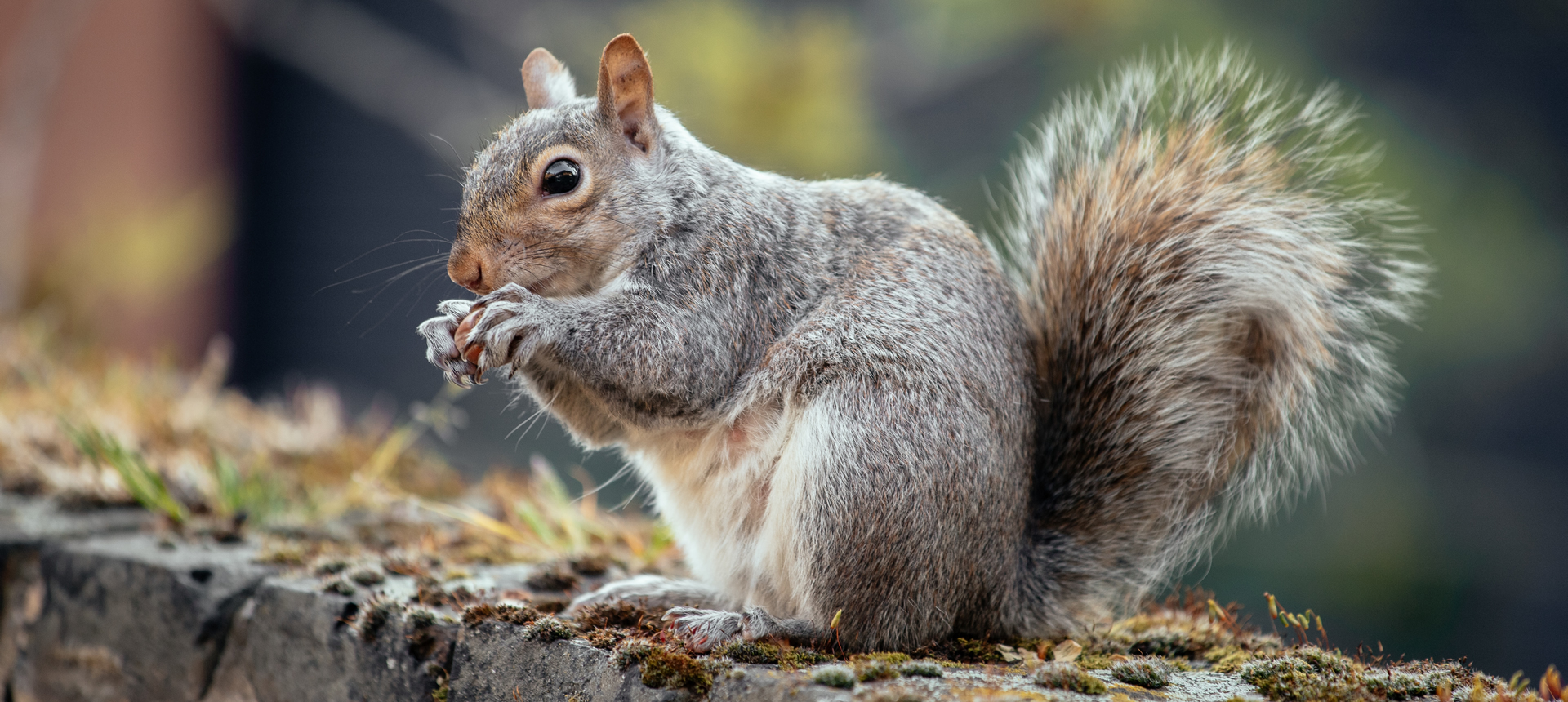
Squirrels are small to medium-sized rodents that belong to the family Sciuridae. There are over 200 different species of squirrel, which can be found in a variety of habitats all over the world (with the exception of Antarctica).

They are typically omnivorous creatures, which means that they will eat both plant and animal matter. The most common food items in a squirrel’s diet include nuts, seeds, fruits, and insects.

What sets squirrels apart from other rodents is their long tail – which they use for balance while they are climbing trees.

Their furry tails also help to keep them warm in cold weather conditions.

Squirrels are also known for their large eyes and sharp claws, which help them to navigate their way around trees and other obstacles.

(How Long Do Squirrels Live? See this post for more)

What are rodents?

Rodents are a type of mammal that belongs to the order Rodentia.

There are over 2,000 different species of rodents, which makes them the largest group of mammals in the world! They can be found on every continent (with the exception of Antarctica) and come in a wide variety of shapes and sizes.

The smallest rodent is the pygmy jerboa, which only grows to be around 3 cm long, whereas the largest rodent is the capybara – which can weigh up to 100 kg!

Most rodents have four sharp incisors that grow throughout their lifetime. These teeth are used for gnawing, which helps them to eat tough plant matter and also allows them to create burrows and nests.

Rodents are also characterized by their furry bodies and long tails.

So, are squirrels rodents or mammals?

Squirrels are both Mammals and Rodents. This is not an uncommon situation in the animal world as approximately 40% of all mammals in the world are rodents 

Here is a look at how squirrels are scientifically classified:

  • Class: Mammalia (Mammals)
  • Subclass: Theria (Therian Mammals)
  • Infraclass: Eutheria (Placentals Mammals)
  • Order: Rodentia
  • Family: Sciuridae
  • Genus: Sciurus

What do squirrels look like?

Squirrels come in a wide variety of shapes and sizes, depending on the species. However, they all share some common features, such as their long tails, furry bodies, and sharp claws.

They typically have brown, grey, or red fur, although some species can be black or white. The largest squirrel is the Indian giant squirrel, which can grow to be over 1 m long!

(Do Squirrels Eat Meat? See this post for more)

Different types of squirrels:

There are many different types of squirrels, which can be found all over the world. Some of the most common species include the red squirrel, grey squirrel, ground squirrel, and flying squirrel.

The red squirrel is the smallest type of squirrel, with a body length of around 20 cm. They are native to Europe and Asia and have reddish-brown fur.

The grey squirrel is slightly larger than the red squirrel and has grey or black fur. They are native to North America and were introduced to Europe in the 19th century.

Ground squirrels are another type of small squirrel that lives in burrows underground. The most common species is chipmunk, which is found in North America.

Flying squirrels are a type of squirrel that can glide through the air, thanks to their furry ‘wings’. They are found in North America, Europe, and Asia.

Do squirrels make good pets?

No, squirrels do not make good pets. Although they may seem cute and harmless, they can actually be quite aggressive – especially when they feel threatened. They also carry a number of diseases, which can be passed on to humans, such as rabies and typhus. If you’re looking for a small mammal to keep as a pet, you would be better off choosing a different species, such as a hamster or gerbil.

(Do squirrels carry rabies? See this post for more)

Why are squirrels considered pests?

Despite their cute and cuddly appearance, squirrels can actually be quite pesky creatures. They are known for raiding bird feeders, digging up gardens, and chewing through electrical wires. In some cases, they can even cause power outages! As a result of their destructive behavior, many people consider them to be pests.

(For more on the best air rifle for squirrels, see this post)

What damage can squirrels cause?

Squirrels can cause a lot of damage, both to property and to the environment. Some of the most common problems that they cause include:

– Chewing through electrical wires, can lead to power outages

– raiding bird feeders and gardens

– digging up plants and flower bulbs

– chewing on wood structures, such as decks, porches, and fences

HOW TO IDENTIFY A SQUIRREL INFESTATION IN YOUR HOME?

There are a few telltale signs that you may have a squirrel infestation in your home:

– You see squirrels regularly running around your property

– You find holes dug in your garden or yard

– There is damage to your home’s exterior, such as chew marks on siding or holes in soffits

– You hear scratching or scurrying noises coming from inside your walls or attic

If you notice any of these signs, it’s important to take action immediately to get rid of the squirrels before they cause any further damage.

How can you get rid of squirrels?

If you’re having problems with squirrels on your property, there are a few things you can do to get rid of them. First, make sure that all food sources are inaccessible – this includes bird feeders, garbage cans, pet food, and anything else that might attract them. Next, seal up any holes or cracks in your home or garage, as this will prevent them from getting inside. Besides, you can set up live traps to capture the squirrels and release them into a more suitable habitat. Finally, you can take care of it by yourself by using an air rifle.

(For more on the best air rifle for pest control, see this post)

Rare Deer Shot In West Texas Is Headed for the Record Books

0

Cibolo Creek Ranch in West Texas was established in the mid-1800s by Milton Faver. Legend has it that Faver fled Missouri for Texas after gunning a man down in a duel. Only 45 miles north of the Mexican border and an hour south of Marfa, the 30,000-acre ranch became an important outpost for trade along the Rio Grande. More than 170 years later, it’s now known as the home of a potential record book deer killed by Texas native John Hughes.

Hughes’ rare deer is a Carmen Mountain whitetail, the resident cervids of the area that were first discovered in Mexico in the 1930s. They are one of four subspecies of the whitetail deer in Texas and a smaller cousin of the Coues deer, which makes the size of Hughes’ 131-inch free-range buck that much more impressive. Some people call Carmen Mountain whitetails “Coues deer,” and Boone and Crockett put them in the same category in its record books.

“On our first morning, we were driving back up in the mountains, and Jasper, our guide, saw what he thought was a monster Coues,” Hughes said. “My son Coleman jumped out, and they advanced on this deer. Then they turned, and they ran back to the truck. The buck was so big Jasper wanted Coleman to have a super solid rest, and so he put him on the truck.”

The rare deer was on the move and quickly outrunning the range of his son’s rifle.

Related: World Record Whitetail: The Top 5 Typical Archery Bucks

“He had his .308 suppressed Remington 700, a rifle he’s had since he was 8 years old. That deer was at 200 yards; can’t get a shot. Deer’s at 400 yards, and I’m like, “Bro, you’ve got to chuck that rifle. Grab Jasper’s .28 Nosler.”

Coleman took his shot at 600 yards and missed just right off the front shoulder. The deer disappeared.

The next morning, Hughes and his son headed out on their own with Jasper out of commission from salmonella poisoning. They located a giant aoudad, and Coleman was able to put a perfect shot on it.

“This thing was an absolute beast,” Hughes said. “Sheep life is pretty rough. They live in very rough places, and they fight for their [mates], you know, unlike most other animals. This guy was probably a rut away from being a one-horned sheep. His right horn was just about broke off.”

Killing the Aoudad was the first of a couple of high points for Coleman on this hunt. He was also able to ring the bell on a heavy mule deer later in the trip.

After they packed to sheep out, the men headed back to the spot they last saw the big deer.

Related: 5 Sleeper Public Land Whitetail States You Don’t Want to Miss in October

“We went right back up in there, and there he was,” Hughes said. “I didn’t know it was that same deer since I didn’t actually see him yesterday. I was like, ‘Holy crap, that’s a 130-inch whitetail buck.’ Now, in South Texas, we would cull it, you know, two years old and not a desirable whitetail for what we’re used to in South Texas. So we just watched it meander off.”

Jim Breck owns High West Outfitter, the operation Hughes and his son were hunting with. He called Hughes to see how they were making out without their guide. After hearing about the deer, Breck told Hughes that there are no whitetails in the area and that he was describing a potential world record Carmen Mountain whitetail.

Breck grabbed their sick guide and drove out to where the Hughes’ were posted up.

“I’m 700 yards away, so I set up with Jasper’s Nosler,” Hughes said. “All I can see is his head and his antlers. He’s tucked himself in up under a cliff with a bunch of logs and trees in front of him.”

The men had been watching the buck for an hour, so they knew he was not in a hurry to move. They decided to touch off a round into the cliffs above the deer to see if they could roust him.

“He scooted out, maybe took about three or four steps,” he said. “Just enough that I could make a shoulder. My first shot missed to the right just like Coleman did. The winds up there took my second shot just left.”

His third shot found the buck’s shoulder, and the animal dropped where it stood.

Related: Antlered Doe: Missouri Hunter Shoots Huge, Rare 16-Pointer

“I didn’t realize how big it was till we got up there. Like, holy shit,” he said.

A Carmen Mountain whitetail in the 90- to 100-inch range is considered typical in size, but anything beyond that 100-inch mark is world-class.

The men green-scored the stud at 131 inches, which is only 7/8-inch shy of the No. 5 typical Boone and Crockett record Coues deer (again, B&C doesn’t distinguish between Carmen Mountain whitetail and Coues deer). It’s also a shoo-in for the Safari Club International (SCI) Top 10; SCI is the only club that recognizes and ranks the Carmen Mountain whitetail as a category separate from Coues.It was a rare deer indeed.

With only 128 Carmel Mountain whitetails total in the SCI record books, Hughes is in some pretty exclusive company. Of course, the record book buzz is something he could take or leave.

“Personally, I don’t give a rat’s ass,” Hughes said. “I guess is a big deal just because there’s not very many big Coues deer killed anymore. For me, hunting with my son and having the story means more.”

Read Next: Texas Elk Hunting is Brimming With Free-Range Opportunities

Understanding Air Rifle Suppressors: Legal Guidelines & Regulations Explored

0

“Exploring the Legality of Air Rifle Suppressors: A Comprehensive Guide to Understanding the Rules and Regulations Surrounding Suppressor Use for Air Rifles.”

air rifle suppressors legal

air rifle suppressors legal

The legality of air rifle suppressors varies from country to country and even within different states or regions. In some places, owning and using a suppressor on an air rifle may be completely legal and regulated similarly to firearms suppressors. This is often the case in countries with more relaxed gun laws, where suppressors are seen as a tool for reducing noise pollution and protecting hearing. However, in other jurisdictions, the use of suppressors on air rifles may be heavily restricted or even illegal.

It is important for individuals interested in using air rifle suppressors to thoroughly research the laws and regulations specific to their location before purchasing or using one. In countries where suppressors are legal, owners may need to obtain a permit or license to possess and use them. Additionally, specific restrictions such as maximum noise reduction levels or caliber limitations may apply. Understanding the legal requirements surrounding air rifle suppressors will help ensure compliance with the law and prevent any potential legal issues.

In conclusion, the legality of air rifle suppressors varies across jurisdictions. While some countries allow their use for recreational purposes, others strictly prohibit them. It is crucial for individuals to thoroughly research and comply with local laws before purchasing or using such accessories.

What is a group of deer called?

0

Discover the fascinating world of deer in this insightful guide! Unravel the mystery behind what a group of these majestic creatures is called and delve into their captivating social dynamics. Join us on an enchanting journey as we explore the collective noun for deer and gain a deeper understanding of these graceful animals.

1. Discovering the Collective Names for Groups of Deer

1. Discovering the Collective Names for Groups of Deer

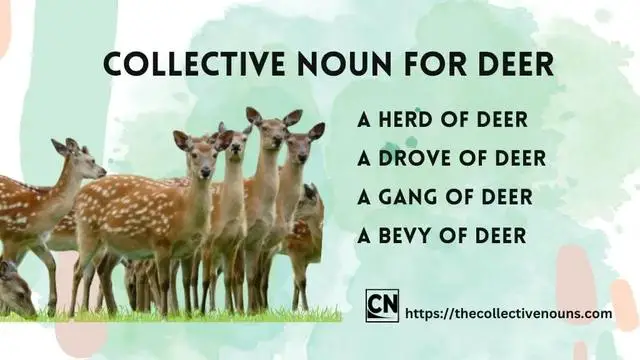
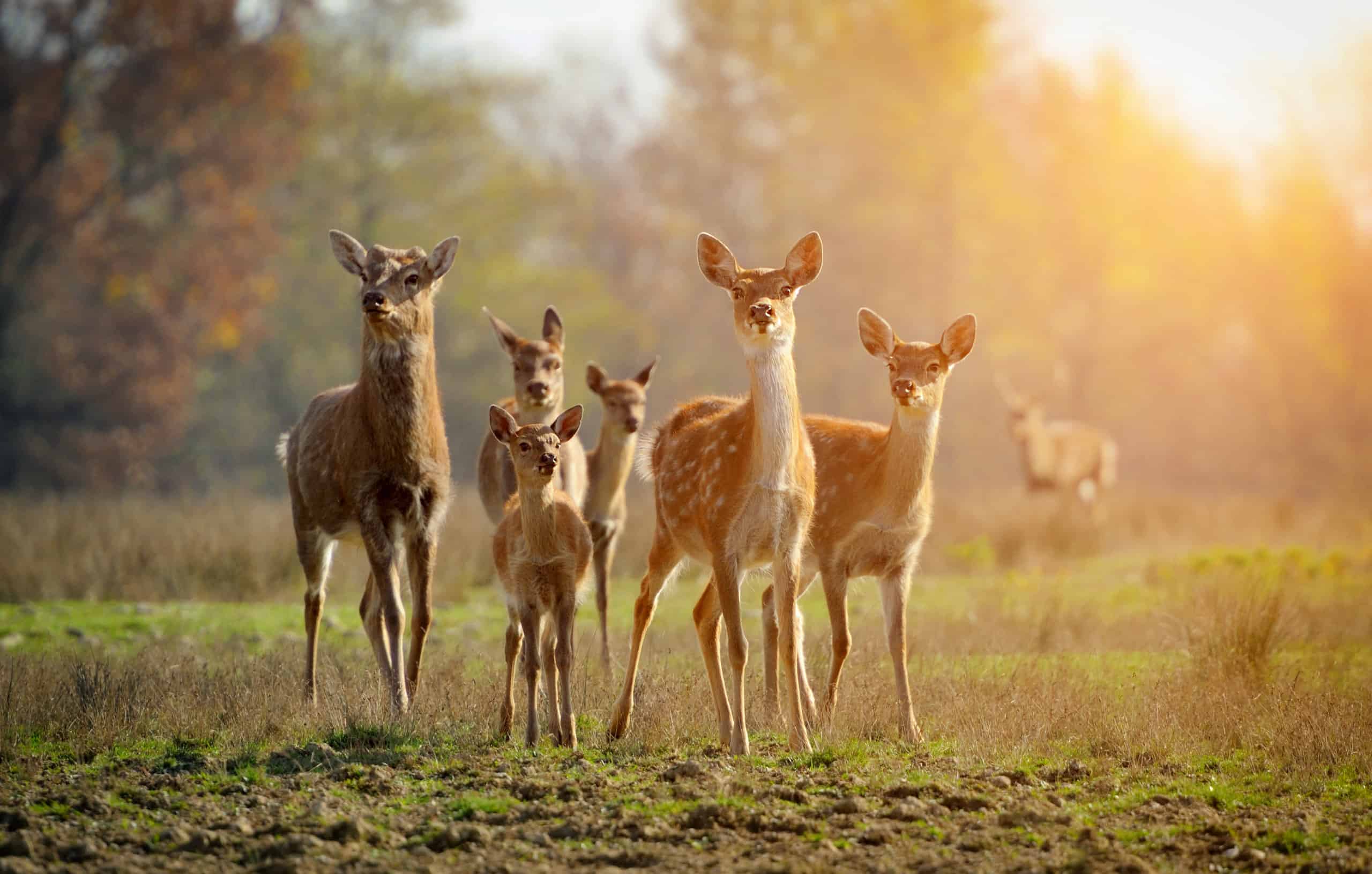
When it comes to describing a group of deer, the most commonly used collective noun is “herd.” A herd of deer refers to a large group of these majestic animals that are often seen grazing together in a field. This term is typically used when the deer are peacefully feeding and moving as a unit. For example, “The herd of deer grazed in the meadow” or “The herd of deer moved slowly across the field.”

However, there are also other collective terms that can be used to describe groups of deer based on their activities, behavior, and habitat. One such term is “drove,” which is used when a group of deer is being driven or herded by a person or animal. This could be a shepherd guiding them or a pack of dogs driving them. For instance, “The drove of deer was being herded by a shepherd” or “The drove of deer was being driven by a pack of dogs.”

Another collective noun for a group of deer is “gang.” This term is used when the deer are roaming together in a wild area. It implies that they are exploring their surroundings and searching for food. An example sentence would be: “The gang of deer was roaming the forest.”

Lastly, we have the term “bevy,” which describes a group of deer gathered together in a single area. It suggests that they are resting or enjoying each other’s company. For instance, “The bevy of deer was gathered in the clearing” or “The bevy of deer was resting in the shade.”

Deer are fascinating creatures found in various parts of the world except Antarctica. They are herbivores and primarily feed on grass, leaves, and bark. With their highly developed sense of smell and hearing, they can detect potential dangers from afar. These agile animals can run up to 30 miles per hour and are capable of swimming and jumping over obstacles as high as 8 feet.

In conclusion, the collective nouns of herd, drove, gang, and bevy reflect the beauty and strength of deer. Whether they are peacefully grazing together, being guided by a shepherd or pack of dogs, roaming in the wild, or gathered in a single area, these collective terms capture different aspects of their behavior and habitat.

2. Unveiling the Fascinating Terminology: What is a Group of Deer Called?

2. Unveiling the Fascinating Terminology: What is a Group of Deer Called?

Deer, being social animals, often gather in groups. These groups are given specific collective nouns based on their activities, behavior, and habitat. The most commonly used collective noun for a group of deer is a “herd.” A herd refers to a large group of deer that graze together in a field or meadow. It is a mesmerizing sight to see a herd of deer peacefully grazing and moving across the landscape.

In addition to a herd, there are other collective terms used to describe groups of deer. One such term is a “drove,” which signifies a group of deer being driven or herded by either humans or animals. This term is often used when referring to hunting or shepherding activities involving deer.

Another collective noun for deer is a “gang.” A gang of deer typically denotes a group of these majestic animals roaming together in the wild areas such as forests. They move around in search of food and explore their surroundings as they navigate through their natural habitat.

Lastly, we have the term “bevy” to describe another type of group formation among deer. A bevy refers to a gathering of deer in a single area, often seen resting or enjoying the sun in clearings or shaded spots. It showcases their social nature and provides an opportunity for them to bond with each other.

It’s fascinating how these collective nouns – herd, drove, gang, and bevy – reflect the beauty and strength of these graceful creatures. Deer are found on all continents except Antarctica and are known for their herbivorous diet consisting mainly of grass, leaves, and bark. With their highly developed senses of smell and hearing, they can swiftly navigate their surroundings while reaching speeds up to 30 miles per hour.

Additionally, it’s interesting to note that despite being land-dwelling animals, deer are capable swimmers and can even jump over obstacles as high as 8 feet. These remarkable characteristics make them a symbol of elegance and majesty in the animal kingdom.

In conclusion, the collective noun for a group of deer is a herd. However, depending on their activities and habitat, terms like drove, gang, and bevy are also used to describe different types of deer groups. These terminologies highlight the social nature and captivating behavior of these magnificent creatures.

3. Exploring the Different Collective Nouns for Deer

Deer, being social animals, often gather in groups to graze, roam, or rest. These groups are known by different collective nouns depending on their activities and behavior. Here, we will explore the various collective nouns used to describe a group of deer.

Herd:

A herd of deer is the most commonly used collective noun for these majestic animals. It refers to a large group of deer grazing together in a field or meadow. The herd of deer moves gracefully as they feed on grass, leaves, and bark. Their synchronized movements create a beautiful sight in nature.

Examples:
– The herd of deer grazed peacefully in the meadow.
– The herd of deer moved slowly across the field, their antlers shining in the sunlight.
– Startled by a loud noise, the herd of deer swiftly disappeared into the forest.

Drove:

The term “drove” is used when a group of deer is being driven or herded by a person or animal. This collective noun implies that the deer are under some form of guidance or control. It can be seen when shepherds guide their livestock or hunters direct a pack of dogs to drive the deer towards them.

Examples:
– The drove of deer was being herded by an experienced shepherd.
– With skilled hunting dogs at their command, the drove of deer was being driven towards the waiting hunters.
– The drove of deer moved cautiously as they were guided through dense vegetation by an experienced tracker.

Gang:

When a group of deer roams together in a wild area without any specific direction or purpose, it is referred to as a gang. This collective noun suggests that these individuals are exploring their surroundings and searching for food as they move through forests and open spaces.

Examples:
– The gang of deer was spotted deep in the heart of the forest, gracefully navigating through the trees.
– As dusk settled, the gang of deer emerged from their hiding spots and began their search for food.
– The gang of deer explored the area, their keen senses alert to any potential dangers.

Bevy:

A bevy of deer is used to describe a group that is gathered together in a single area. This collective noun implies a sense of unity and companionship among the individuals. It can often be observed when deer gather in clearings or rest in shaded areas during hot weather.

Examples:
– The bevy of deer stood peacefully in the clearing, enjoying each other’s company.
– Seeking respite from the scorching sun, the bevy of deer found solace under the shade of a towering oak tree.
– The bevy of deer basked in the warmth of the sun, their fur glistening with golden hues.

In conclusion, deer exhibit social behavior and are often seen in groups. The collective nouns used to describe these groups – herd, drove, gang, and bevy – highlight different aspects of their activities and behavior. Whether they are grazing together in a field or exploring wild areas, these majestic animals captivate us with their beauty and strength.

4. Understanding the Language of Deer: Group Terminology Revealed

4. Understanding the Language of Deer: Group Terminology Revealed

Deer, being social animals, often gather in groups to graze, roam, or rest. These groups are referred to by different collective nouns based on their activities and behavior. Understanding these terms can provide insights into the language of deer and their social dynamics.

Herd:

A herd is the most commonly used term to describe a large group of deer grazing together in a field or meadow. It signifies a sense of unity and coordination among the deer as they move and feed together. The herd of deer moves slowly across the field, exhibiting their graceful nature.

Drove:

A drove refers to a group of deer that are being driven or herded by a person or animal. This term highlights the interaction between humans or other animals and deer. For example, a shepherd may be guiding a drove of deer using his expertise, or a pack of dogs might be driving the deer towards a specific direction.

Gang:

The term gang is used when describing a group of deer that roam together in a wild area. It suggests a sense of independence and exploration as the gang of deer searches for food or explores their surroundings. This collective noun portrays their adaptability to various habitats and their ability to survive in the wild.

Bevy:

A bevy refers to a gathering of deer in a single area. This term conveys an image of tranquility and serenity as the bevy of deer rests or enjoys their surroundings. It emphasizes their ability to find comfort and security in numbers while taking respite from their daily activities.

These collective nouns – herd, drove, gang, and bevy – reflect both the beauty and strength exhibited by these majestic creatures. Deer are found on all continents except Antarctica and have adapted well to diverse environments. They are herbivores, primarily feeding on grass, leaves, and bark. With their highly developed senses of smell and hearing, deer can detect potential threats and navigate their surroundings effectively.

Deer are known for their agility and speed, capable of running up to 30 miles per hour. Their ability to swim and jump over obstacles up to 8 feet high further showcases their physical prowess. However, it is their social nature that truly defines them as they live in small groups, fostering companionship and support among fellow deer.

In conclusion, the collective nouns used to describe groups of deer – herd, drove, gang, and bevy – provide a glimpse into the language of these magnificent animals. Understanding these terms allows us to appreciate the dynamics of deer society and their remarkable adaptability in different environments.

5. The Many Faces of Deer Collectives: From Herds to Bevies

Deer, majestic creatures found in various parts of the world, are known for their collective behavior and group dynamics. These social animals often gather in groups, each with its own unique name. Here, we explore the different terms used to describe a group of deer and delve into their activities, behavior, and habitat.

Herd: A Large Group Grazing Together

The most commonly used collective noun for deer is a herd. This term is employed when referring to a large group of deer grazing together in a field or meadow. Picture a serene landscape with several deer peacefully feasting on grass or leaves. That would be a perfect example of a herd of deer going about their daily routine.

In addition to grazing, herds of deer can also be seen slowly moving across fields or meadows as they search for food or water sources. However, these peaceful scenes can quickly turn chaotic if the herd is startled by loud noises or sudden disturbances.

Drove: Being Driven or Herded

When deer are being driven or herded by humans or animals, they are referred to as a drove. This term highlights the act of guiding or controlling the movement of deer from one location to another.

Imagine a shepherd skillfully herding a group of deer towards greener pastures or hunters strategically driving them towards specific areas for hunting purposes. In such situations, the collective noun “drove” accurately captures the dynamic relationship between humans/animals and these graceful creatures.

Gang: Roaming Together in the Wild

Deer that roam together in wild areas form what is called a gang. This term emphasizes their natural inclination to explore and move around freely within their habitats.

A gang of deer can often be observed traversing forests, searching for food, or simply enjoying the freedom of their surroundings. This collective noun highlights the camaraderie and unity among deer as they navigate through their natural environment.

Bevy: Gathered Together in a Single Area

When a group of deer is gathered together in a single area, it is referred to as a bevy. This term signifies the close proximity and social bonding among these animals when they choose to congregate in a particular spot.

Imagine a clearing where several deer are resting, basking in the sun, or seeking shade together. In such instances, the collective noun “bevy” perfectly captures the sense of togetherness and tranquility that can be observed among these graceful creatures.

In conclusion, deer exhibit fascinating collective behavior and live in groups with distinct names based on their activities and behavior. Whether it’s a herd peacefully grazing, a drove being guided by humans or animals, a gang exploring their wild habitat, or a bevy gathered together in harmony – each term reflects the beauty and strength of these magnificent creatures.

6. Cracking the Code: Decoding the Group Name for Deer

Deer, being social animals, often gather together in groups. These groups are given collective nouns to describe them based on their activities, behavior, and habitat. The most commonly used collective noun for a group of deer is a “herd.” This term is used when a large number of deer are grazing together in a field or meadow. It signifies their peaceful and harmonious coexistence as they feed on grass, leaves, and bark.

Another collective noun used for deer is a “drove.” This term is employed when the deer are being driven or herded by a person or animal, such as a shepherd or hunting dogs. It implies movement and control over the deer as they are guided from one place to another.

In certain wild areas, you may come across a “gang” of deer. This collective noun is used to describe a group of deer that roam together in their natural habitat. It highlights their independence and adaptability as they explore the forest in search of food and shelter.

Lastly, there is the term “bevy,” which refers to a gathering of deer in a single area. A bevy of deer can be seen resting or enjoying the sun in a clearing. This collective noun emphasizes their unity and camaraderie as they find comfort and safety in each other’s presence.

Overall, these collective nouns – herd, drove, gang, and bevy – reflect the beauty and strength of these graceful and majestic animals. They provide insight into the different aspects of deer behavior and highlight their ability to live harmoniously in various settings.

In conclusion, a group of deer is commonly referred to as a herd. Herds serve as a means of safety and companionship for these majestic creatures, allowing them to thrive in their natural habitats. Understanding the terminology associated with wildlife helps us appreciate and preserve the beauty of nature.

Air Rifle Trigger System

0

“Unlocking Precision: Exploring the Revolutionary Air Rifle Trigger System for Unparalleled Accuracy and Control.”

air rifle trigger system

air rifle trigger system

The air rifle trigger system plays a crucial role in determining the accuracy and performance of an air rifle. This intricate mechanism is responsible for releasing the compressed air that propels the pellet forward, making it an essential component of any airgun. The trigger system consists of various parts such as the sear, trigger blade, and spring, all working together to provide a smooth and controlled release of the shot.

One key aspect of an air rifle trigger system is its adjustability. Different shooters have varying preferences when it comes to trigger pull weight and travel distance. Therefore, many modern air rifles are equipped with adjustable triggers, allowing users to personalize their shooting experience. These adjustments can help achieve a crisp break, reduce trigger creep, and enhance overall accuracy.

When selecting an air rifle, it is important to consider the quality and design of its trigger system. A well-designed trigger will feature minimal take-up and overtravel while providing a consistent pull weight from shot to shot. Additionally, safety mechanisms such as automatic safeties or two-stage triggers may be present in certain models to prevent accidental discharges. Understanding and appreciating the intricacies of the air rifle trigger system is crucial for both beginners and experienced shooters alike.

In summary, the air rifle trigger system plays a crucial role in ensuring accuracy and precision during shooting. By understanding the various types of triggers available, shooters can make informed decisions to enhance their performance. Whether it’s a single-stage or two-stage trigger, proper maintenance and adjustment are key to achieving optimal results. Ultimately, investing in a high-quality trigger system is essential for both professional and recreational shooters seeking improved accuracy and overall shooting experience.

What Does Rabbit Taste Like? (Definitive Guide)

0

What does rabbit taste like? Some people say that rabbit tastes like chicken, while others say that it has a unique flavor all its own. In this blog post, we’ll explore the different opinions on rabbit flavor and give you our thoughts on this delicate topic. Whether you’re considering getting a pet rabbit or are simply curious about what these animals taste like, read on for more information.

What Is Rabbit & Rabbit Meat?

Rabbit is a type of game meat that comes from the hare family. These animals are farmed for their meat, fur, and even their pelts, which are used to make clothing and other items. Rabbit meat is considered to be a healthy option since it’s lean and low in calories, fat, and cholesterol. It’s also a good source of protein, vitamin B12, niacin, and phosphorus.

What Does Rabbit Taste Like? Does Rabbit Taste Good (Like Chicken)?

Rabbit meat tastes a lot like chicken due to the fact that both are white meat. The biggest difference between the two is the texture. Rabbits have less fat compared to chickens, so they’re drier.

The taste of rabbit meat will depend on the age of the rabbit. The general consensus is that the younger the rabbit, the better it tastes. Older rabbits, especially wild rabbits, tend to develop a strong smell, making them hard to eat if cooked wrong.

Rabbit meat is comparable to chicken and would take on whatever spices you put on it (spicy, curry, savory, etc.).

Nutritional Benefits of Rabbit Meat:

Rabbit meat is an excellent source of animal protein and essential nutrients. It’s low in calories and fat but high in healthy Omega-3 fatty acids. Rabbit meat is also a good source of B vitamins, iron, zinc, and selenium.

If you’re looking for a healthy alternative to red meat, rabbit is a great option.

What is the History of Rabbit Meat?

Rabbit has been eaten as a food source for centuries. The first recorded instance of rabbit consumption dates back to the 4th century BC in Greece. Rabbit was a popular dish among the wealthy since it was considered luxurious meat.

Today, you can find rabbit meat at some specialty butcher shops and online retailers. You can also purchase whole rabbits or live rabbits for slaughtering.

Besides, if you want to eat rabbit meat, you might have to hunt for the wild ones.

(For more on the best air rifle for rabbits, see this post)

What is Rabbit Meat Called?

The term for Rabbit meat is ‘Coniglio’ in Italian, ‘Lapin’ in French, ‘Conejo’ in Spanish, and ‘Hasenfleisch’ in German. In Chinese, it is called ‘tuzhu yanzhi’. In English, it does not have a special name like pork, beef, veal, or venison. It is just called rabbit meat.

How To Cook Rabbit?

Rabbit is a very versatile meat, so there are many different ways to cook it. Rabbit can be roasted, grilled, stewed, stir-fried, or even made into sausage. The key to cooking a rabbit is not to overcook it, as this will make the meat tough.

Here are some tips on how to cook rabbit:

-If you’re roasting a rabbit, make sure to stuff the cavity with herbs and vegetables to keep the meat moist.

-To grill a rabbit, marinate it in your favorite sauce for at least an hour before cooking.

-For stewed rabbit, brown the meat in a pan before adding it to the stew pot.

-If you’re stir-frying rabbit, cut the meat into small pieces so it cooks evenly.

Regardless of how you cook rabbit, it’s important to remember not to overcook it. Rabbit is best cooked until it’s slightly pink in the middle.

(How To Get Rid Of Iguanas? See this post for more)

Easy Rabbit Recipe:

Grilled Rabbit with Spicy Sauce

Ingredients:

-1 rabbit, cut into pieces

-1 bottle of your favorite hot sauce

-1/4 cup olive oil

-2 tablespoons vinegar

-1 tablespoon paprika

-1 teaspoon garlic powder

-1/4 teaspoon cumin

Instructions:

1. In a large resealable bag, combine the rabbit pieces, hot sauce, olive oil, vinegar, paprika, garlic powder, and cumin. Seal the bag and shake it to coat the rabbit.

2. Let the rabbit marinate in the fridge for at least an hour (overnight is even better).

3. Preheat your grill to medium-high heat.

4. Grill the rabbit pieces for 10-12 minutes, or until cooked through. Serve immediately.

FAQs

How do you cook rabbit so it doesn’t taste gamey?

The key to cooking rabbit so it doesn’t taste gamey is to not overcook it. Rabbit is best cooked until it’s slightly pink in the middle. This will ensure that the meat is moist and tender. Another tip is to marinate the rabbit in your favorite sauce for at least an hour before cooking. This will help to tenderize the meat and give it flavor.

What does wild rabbit meat taste like?

Wild rabbit meat tends to have a strong smell, making it hard to eat if cooked wrong. The best way to cook wild rabbit is to marinate it in your favorite sauce for at least an hour before cooking. This will help to tenderize the meat and give it flavor. Another tip is to not overcook the rabbit, as this will make the meat tough. Wild rabbit is best cooked until it’s slightly pink in the middle.

Is wild rabbit meat better than domestic rabbit meat?

The taste of wild rabbit meat will depend on the age of the rabbit. The general consensus is that the younger the rabbit, the better it tastes. Older rabbits, especially wild rabbits, tend to develop a strong smell, making them hard to eat if cooked wrong. Wild rabbit is best cooked until it’s slightly pink in the middle.

How do you make rabbit sausage?

Rabbit sausage can be made by grinding up raw rabbit meat and mixing it with spices and herbs. The sausage can then be formed into patties or links and grilled, roasted, or fried. Rabbit sausage is best cooked until it’s slightly pink in the middle.

Why is Rabbit Meat Not Popular? 

There are a few reasons why rabbit meat is not as popular as other meats. One reason is that rabbits are often considered to be pets, so people may not want to eat them. Another reason is that rabbit meat can be difficult to cook if you don’t know how to do it correctly. Rabbit meat is best cooked until it’s slightly pink in the middle. If it’s overcooked, the meat can be tough and have a strong taste.

Do Different Cuts of Rabbit Taste Different? 

Different cuts of rabbits can taste different depending on how they’re cooked. For example, the loin is a leaner cut of meat that is best cooked quickly so it doesn’t dry out. The leg is a tougher cut of meat that benefits from being cooked slowly so it becomes tender. Rabbit meat is best cooked until it’s slightly pink in the middle.

How Should I Store Rabbit Meat?

Rabbit meat should be stored in the fridge and used within 2-3 days. If you’re not going to use the rabbit meat within that time frame, it can be frozen for up to 3 months. When storing rabbit meat, make sure to wrap it tightly so air doesn’t get to it. Rabbit meat is best cooked until it’s slightly pink in the middle.

What Flavors Go Well with Rabbit? 

Rabbit goes well with a variety of flavors, such as spicy, curry, savory, and sweet. Rabbit can be cooked in many different ways, such as roasting, grilling, stewing, stir-frying, or even made into sausage. The key to cooking a rabbit is not to overcook it, as this will make the meat tough.

Conclusion

Whether you’re considering getting a pet rabbit or are simply curious about what these animals taste like, we hope this blog post has been helpful. Rabbit meat is healthy and tastes similar to chicken, making it a great option for those looking for a leaner protein source. When cooking rabbit, be sure not to overcook it as this will make the meat tough. There are many different ways to cook rabbits, so experiment with different methods and find the one that you like best. 

Can You Eat Bass? The Biggest Myth In Fishing

0

If you’ve ever been around a hardcore freshwater bass angler, you’re probably well aware that eating bass is a huge taboo. Depending on the person, eating bass can be almost as offensive as insulting their religion.

Religious tendencies aside, you’ve also probably heard that bass are just no good to eat, or even that they’re “wormier” or “muddier” than other edible fish. These ideas keep most people from ever even trying bass, so the question remains: can you eat bass?

There are plenty of myths and taboos around eating bass, but in this article, I’m going to reveal the truth about it.

First things first: can you actually eat freshwater bass?

Both largemouth and smallmouth bass (the two most common black bass in North America) are in the sunfish family, the same family that includes crappie and bluegill. These two fish are some of the most popular food fish in the country, so it stands to reason that bass should be edible too.

It turns out that not only is bass perfectly edible, but it’s just as healthy and safe to eat as any other freshwater fish. Bass don’t contain any more parasites or toxins than any other predatory gamefish, and when properly cooked, pose no risk to human health. For more health stats and information about eating bass, check out this article from Livestrong.

The only potential health risk that comes from eating bass is mercury poisoning. Mercury slowly accumulates in the flesh of any predatory fish, so this isn’t a bass-specific risk, but it’s something to consider when choosing your meals. States put out fish consumption guidelines that will tell you which fish (and how much) are safe to eat. But generally, larger and older fish contain more mercury than smaller ones.

As for whether bass taste good, part of the problem is that both largemouth and smallmouth bass are some of the most adaptable gamefish in North America. They can live anywhere from cold, clean rivers to dirty, algae-covered city ponds.

The eating quality of an individual fish has a lot to do with where it lives, so their varied habitat means their taste and texture can vary a lot. But I can say from personal experience that bass that come from relatively cool, relatively clean water taste just as good as any crappie or perch I’ve ever eaten.

Smallmouth bass and largemouth bass prefer different water conditions, with smallies generally thriving in cooler, less weedy water, and largemouths preferring the opposite. This is a big part of the reason that people generally think smallmouth taste better than largemouth. It’s not a hard and fast rule, but in my experience, largemouth bass do tend to have softer meat and “fishier” flavor than smallmouth.

Whether or not you can eat bass doesn’t seem to matter; it’s no secret that most people just don’t.

You’ll hear people say that they don’t eat bass because they taste muddy, they’re wormy, or that they just prefer other fish. But in reality, many of these folks are just repeating what they’ve heard, and have never actually tried a bass themselves (and long ago, I used to be one of these people).

The real reason people don’t eat bass is because of a decades-long catch-and-release campaign. Bass are an extremely popular sport fish for their aggression and fight, but 100 years ago they weren’t as easy to find as they are today. Overfishing and unenforced laws led these once-abundant fish to the brink of extinction.

Laws were enacted to protect them, but a huge part of the resurgence of freshwater bass is because of a widespread effort to change the culture around bass fishing. Anglers shifted the focus from food to fun, framing the bass as a fish that’s more fun to catch than it is to eat.

The campaign worked, and this idea still prevails in modern bass fishing culture. It’s a great story of conservation success, but the ideas that were popularized then don’t necessarily apply today.

There was a time when bass were more valuable if you released them, because eating them meant contributing to their downfall.

But I’m about to make a bold statement: if you want to catch bigger bass in your local lake, you should eat more bass. Eating more of the fish that you want to catch may seem counterintuitive, but hear me out on this one.

Fish aren’t like people, whose genetics ultimately determine how big they will grow. In the wild, they aren’t limited by genetics like we are; they’re limited by biomass.

Biomass is the total weight of the fish in a body of water. The amount of fish food that’s available in a body of water is what determines biomass, so lakes and rivers all have a unique biomass maximum that limits how much fish they can support.

The thing about fish biomass is that all that matters is the total weight of all the fish in the lake combined. A population of ten 5-pound fish has the same biomass as 50 one-pound fish. That doesn’t make much difference to the ecosystem, and both lakes would have “stable” populations of fish. But if a couple of those smaller fish are removed, then the rest of the fish have enough food to grow bigger.

Of course, there are a ton of factors at play. But the idea that you should release every bass you catch because “it’ll be bigger next year” just isn’t true. Removing a small bass and eating it leaves more food around for the rest of them (and more food on your dinner plate, too). And some of those bass might just get big enough to be your next personal best.

I mentioned above that smallmouth tend to be better tasting than largemouth, and that fish from cold, clean lakes or rivers are better in general as well.

Another thing to consider is size. Larger fish are usually mushier and fishier, so selecting small to medium-sized fish is the way to go. When keeping a bass for the dinner table, 12-15 inch fish are perfect. That’s the happy medium between being big enough to be worth eating without being so big that they taste bad.

Eating small fish also makes sense for population management. Studies have shown that in almost all fish species, large, old females actually produce more eggs per pound of body weight than smaller and younger ones. Leaving the old breeders around keeps the most productive fish in the water, and solid genetics will get passed on to the next generation.

Removing more small fish also leaves more food around for the big ones. It may seem insignificant, but minor changes to an ecosystem can have a big impact. So if you want to have the best chance at a new personal best, taking and eating a few small bass now and then only helps your cause.

The story of freshwater bass is a story of a huge conservation success. Black bass were pushed to the brink, and catch-and-release culture helped their populations become healthy and thrive again.

But bass are delicious and safe to eat, and their thriving populations mean there’s just no reason we can’t utilize this awesome natural resource. And in the process, we might just help create the next fish of a lifetime.

What Kind Of Accessories Are Actually Useful On Firearms?

0

Firearms are essential pieces of equipment in most American households. Unfortunately, crime rates are through the roof and people have never been more concerned for their safety. By virtue of reading this post then it’s highly likely you yourself are a gun owner.

Unfortunately, a lot of people have no idea what to do with their guns (or how to improve them and make them more efficient) beyond storing them in cases and using them in emergencies. In this post, you will learn about the kind of accessories you should fit to your firearms to make them better.

Laser Sight

Laser sights aren’t exactly common accessories, but they are highly useful. If you are the owner of a rifle like the AR-15 then a red dot sight could come in very handy. If you do plan on investing in such an accessory, you need to make sure that you read an AR15 red dot sight guide so that you can use yours more effectively. A lot of people make the mistake of thinking that they can just fit laser sights, and they do not need to perform research and learn how to use them. Not using one’s laser sight correctly could lead to a reduction in their performance and when it comes to actually using one’s gun, failure. Try to find the most affordable but likewise, quality laser sight that you can for your weapon as your gun’s accessories need to be the best of the best.

Flashlights

Typically, flashlights are only fitted to the weapons of military personnel and the police. However, there is nothing stopping you from fitting one onto your weapon. That being said as flashlights can be heavy and can obstruct movement, you should only fit one to your gun if it is really necessary for you to do so. If it is not necessary then you should not waste your time. Find the brightest flashlight that you can, so you can make the most out of it. The brighter a flashlight is, the more useful it is going to be.

Holster

Holsters are great accessories if your firearm of choice is a pistol or handgun. Having a holster means that you will be able to carry your weapon around with you. Before investing in a holster and then using it to carry your gun, make sure it is legal in your state for you to do so. In some states, people can openly carry their guns and in others, they can carry them concealed, in a holster. In some, however, gun owners can do neither. Being caught with a weapon in a public place, licensed or not, is a criminal offense in some places.

Sling

A sling is essentially just a holster for larger guns, like rifles. If you do own an AR-15 as mentioned earlier then it’s a good idea to invest in a sling. Having a sling means that you will be able to carry your weapon around with you. Again you do need to find out what your state’s specific rules are relative to the carrying of weapons in public. If you are not allowed to carry any guns in public then carrying an AR-15 is bound to get you into a lot of trouble since many states are calling specifically for that gun’s banning.

Silencer

A silencer isn’t an accessory you really need, but it can be one that is fun to own. A lot of people have this idea in their heads about silencers that they completely silence shots, but this is not true. They just muffle them. Silencers are extremely loud when they are used which means that they are not ideal for concealing the sound of gunshots completely. Even so, a lot of people use them when they are hunting and if you are a hunter, a silencer is one of the best weapons that you can invest in.

Headphones

Finally, make sure that you have headphones if you are going hunting or plan on attending a shooting range. Do not make the mistake of using your firearm without them. For ears unfamiliar with the sound of gunshots, headphones can save them from bursting. If you have not been in close proximity to gunfire before and use a weapon, the chances are your eardrums will burst, which can be excruciatingly painful. Headphones are not that expensive and make for a great investment for all firearms owners, casual or professional.

If you plan on buying a gun then be sure to invest in at least some of the accessories that have been listed here in this post. They will prove to be very handy and will help you to use your weapon more effectively. Most of these accessories are widely available and very affordable.

Best Air Rifle Deals

Popular Posts

How to make a break barrel air rifle more powerful

0
"Unleash the Power: Mastering Break Barrel Air Rifles for Maximum Performance. Discover expert tips and techniques to enhance the power and precision of your...

PCP vs Gas Piston: Which One is Better?

0
The perfect airgun is a difficult pick when you are new to gun-hunting. There are a lot of things to keep in mind, starting...

Guide to find Best Scope for Break Barrel Air Rifles

0
"Unlock the Perfect Shot: Discover the Best Scope for Break Barrel Air Rifles. Enhance your shooting experience with precision and accuracy, as we delve...