


Home Blog Page 61

Best Dry Fire Training Systems, Laser Ammo, and Laser Targets

0

If you’ve been shooting for a while, you’ve probably heard the best shooters talk about dry-fire training.

Dry fire training is a practice technique that simulates shooting and manipulating a firearm without using live ammunition. Instead, shooters use an unloaded gun to safely practice their shooting skills virtually anywhere without the expense, noise, and hazards associated with using live rounds.

Dry fire training is important for gun enthusiasts because it helps them become more comfortable, confident, and competent with their firearms while developing ‘muscle memory’ and refining their skills. Those who dry fire often see a dramatic improvement in accuracy, faster shooting speeds, and better overall performance in real-world shooting scenarios.

While many agree dry fire practice is an essential component of any training regimen, many people find dry fire training boring. Shooters rather shoot for live ammo at a range.

Dry Fire Training

This is where dry fire training systems come into the picture.

They can make dry fire practice more efficient, effective, and fun, by providing realistic simulations, immediate feedback, and a wider variety of training scenarios than just using an unloaded gun.

Shooting is a perishable skill, so making dry practice enjoyable helps encourage people to continue practicing.

We’ve used all of the major dry fire training systems in the market, which we’ll be sharing with you later in this article.

But, let’s start with the best dry fire training systems based on our extensive testing.

Let’s get to it…

Top 10 Dry Fire Training Systems You Need to Try

We’ve tried every major dry-fire training tool on the market, and our cadre thinks the following training aids are the best overall.

Each product has its pros and cons that address one or more specific skill sets. Not one product on the market does it all, but each one will help make you a better shooter.

That said, before getting to the list, here are our recommendations based on common use cases and categories:

  • Best Overall: Mantis X10 Elite and the Mantis Laser Academy

  • Best for AR-15s: Mantis Blackbeard X

  • Best for Beginners: SIRT Pistol and Dummy Rounds

  • Best for Simulating Recoil: Laser Ammo’s Recoiled Enabled Pistols (if you want to use a training gun) and Coolfire Trainer (for your own gun)

Now, here’s the list of the best dry fire training systems with their key features and benefits.

How Laser-Based Dry Fire Training Systems Can Improve Your Shooting Skills

Laser Based Training

In our top 10 list, you’ll find quite a few laser-based dry-fire training systems.

They use a laser-emitting cartridge or a laser integrated into a dedicated training gun. When the trigger is squeezed, the laser device emits a brief red, green, or IR laser beam. This laser beam simulates the path of a real bullet and provides instant visual feedback on shot placement and accuracy.

There are two main parts to a common laser-based dry-fire training system:

  1. Laser Cartridge or Training Gun: The laser cartridge is a small device inserted into a real firearm’s chamber or attached to the end of specific training gun barrels. Alternatively, some systems use dedicated training guns with integrated lasers, often replicating real firearms’ size, weight, and feel for a more realistic experience.
  2. Target or Sensor System: The target can be a simple paper target, reflective stickers, or an electronic sensor system that detects the laser beam when it hits. Some electronic sensor systems can connect to a computer, smartphone, or tablet and use special software to track shot placement, timing, and other performance metrics, providing detailed feedback to the user.

Advantages of Using a Laser-Based Dry-Fire Training System

  • Safety: Laser-based systems provide a safe way to practice shooting skills without risking accidental discharge or injury because they don’t shoot a projectile.

  • Cost-Effective: Practicing with a laser-based system eliminates the need for purchasing live ammunition, which can be expensive, making it a more cost-effective alternative to live fire training.

  • Convenience: Laser-based training systems can be used in various indoor settings, allowing gun owners to practice their shooting skills anytime and anywhere without needing a shooting range.

  • Realistic Simulation: Many laser-based systems replicate the size, weight, and feel of real firearms, providing a realistic experience.

  • Immediate Feedback: Laser-based systems offer instant visual feedback on shot placement, helping shooters identify areas for improvement. Some systems also provide additional performance metrics through connected software.

  • Versatility: Laser-based systems can be used with various firearms and in various training scenarios.

Disadvantages of Using a Laser-Based Dry-Fire Training System

  • Lack of Recoil: Most laser-based systems do not simulate the recoil experienced when firing live ammunition, which may limit the development of specific shooting skills that require managing recoil effectively.

  • Initial Cost: While laser-based systems save money on ammunition in the long run, they can have a higher upfront cost than just using an unloaded gun for dry fire practice.

  • Compatibility: Some laser cartridges are designed for specific calibers, meaning users with multiple firearms may need to purchase different laser cartridges or adapters to practice with each gun. In addition, some laser cartridges may not work with specific laser targets.

  • Technical Issues: Electronic sensor systems and related software may occasionally experience technical issues or glitches, which could impact training sessions.

Improve Your Shooting Accuracy with These Computer-Based Dry Fire Training Systems

Mantis X10 Elite sensor

As referenced in the previous section, some laser training systems work with specialized software applications. Combined with laser-emitting devices or sensors, these applications are computer-based dry-fire training systems that provide detailed feedback on your shooting performance.

Computer-based dry-fire training tools fall into two major categories.

  1. Laser Cartridges or Training Guns Combined with Camera System Software: As discussed above, when a shooter fires a laser beam from a laser cartridge or laser training gun, a computer or smartphone captures the laser’s impact point on a target. The camera system sends the captured data to a connected computer, smartphone, or tablet running specialized dry-fire training software. This software processes the data, tracks shot placement, timing, and other performance metrics, providing real-time feedback to the shooter.
  2. Sensors Attached to Firearms: Another option uses sensors attached to a firearm that detect the movement of a gun, such as with the Mantis X10 Elite. Sensors collect hundreds, if not thousands, of data points, which computer software analyzes. The software offers various features for analysis, such as displaying shot groupings, calculating accuracy scores, and identifying patterns or areas for improvement. Users can track their progress over time and adjust their training routine based on the feedback provided by the software.

Advantages of Computer-Based Dry-Fire Training Systems

Like laser-based systems, computer-based dry-fire tools offer safety, cost-effectiveness, convenience, real-time feedback, and versatility.

Beyond that, computer-based dry-fire systems provide more detailed analysis and feedback on performance.

Moreover, they provide better progress-tracking features. Shooters can track their progress over time, allowing them to analyze their performance and improvement trends.

Lastly, several software applications will provide you with specific pointers based on areas you need to improve, sometimes offering video instruction, too.

Disadvantages of Computer-Based Dry-Fire Training Systems

Dry-fire training systems, like laser-based tools, can have a high initial cost, lack recoil, and may have compatibility and technical issues.

In addition, there can be a learning curve to using software. Some shooters may find setting up and using a computer-based system challenging, especially if they are not tech-savvy.

Recoil Systems: The Secret Weapon for Effective Dry Fire Training

Recoil enabled laser pistols

If you’re serious about firearms training and dry fire, you’ll likely use a recoil-enabled dry fire pistol at some point.

They function a lot like laser pistols, but they also simulate the recoil of a real firearm during dry-fire training, providing a more realistic experience and helping users develop the necessary skills to manage recoil effectively. These systems can either be standalone training guns or attachments that can be added to a real firearm.

Typically, the recoil simulation mechanism relies on compressed gas, such as CO2 or gas, that creates a force that pushes the slide backward, mimicking the recoil experienced during live fire.

Airsoft pistols that have been converted to shoot a laser with every trigger pull are the most common option in the market. They are replicas of real firearms in design and weight, so everything will feel the same when you practice while saving your actual firearm from wear and tear. We like and recommend Laser Ammo’s Recoil Enabled Pistols.

If you want to use your own pistol instead of an airsoft pistol, a great option is the Cool Fire Trainer. It replaces your live fire barrel inside your real pistol, and each trigger squeeze will activate a CO2-powered mechanism to cycle your pistol’s slide and provide recoil (while emitting a laser with each shot).

Advantages of Recoil Systems

The big advantage is the ability to simulate recoil.

One of the challenges to proper dry fire training, in general, is for shooters to use the same technique and grip pressures they would when firing a real gun with live ammo.

When a shooter fires live ammo, they tend to grip harder because of the little explosion in their hands. This is needed to help control the gun.

For the average shooter, during dry fire drills, they may not have a proper grip. They likely aren’t gripping their gun hard enough with the same consistent pressure applied during live fire, which can engrain bad habits during one’s dry fire session.

Using a recoil-enabled pistol will provide some blowback, reminding the shooter to grip their gun as if using a real gun.

In addition, the simulated recoil will make one’s sights or red dot lift/move as if they were shooting live ammo. The shooter must learn to manage this blowback so that their sights return to their target efficiently and effectively, so they can take follow-up shots quickly.

Lastly, recoil systems allow users to practice their trigger control, specifically resetting and prepping their triggers as they would during live fire.

Disadvantages of Recoil Systems

Although recoil-enabled dry-fire pistols provide blowback, the recoil does not match the amount of force applied by ‘real’ recoil.

The recoil impulse from compressed gas is better than nothing and serves as a reminder to grip a firearm properly, but shooters must understand that they need to invest ample time in shooting live ammo to learn how to manage recoil.

Another disadvantage is that any training tool that uses compress gas to simulate recoil must be ‘kept warm’ to use for long periods of time.

For example, airsoft pistols typically use magazines filled with green gas. Initially, a shooter might be able to take 50 to 60 rapid-fire shots before having to refill the magazine.

When one refills the magazine with green gas, they’ll notice it’s cold. The colder the magazine, or wherever compressed gas is being stored, the fewer shots one will be able to take before having to refill the gas again.

Specialized Training Tools That Will Take Your Shooting Skills to the Next Level

Specialized dry-fire training tools are designed to help gun enthusiasts improve specific shooting skills and techniques without using live ammunition. These tools can be used independently or with other dry-fire training systems to enhance the overall training experience.

While some specialized training tools overlap with the preceding categories, specialized tools can offer more focused and in-depth training around a specific skill set or skill sets.

There are several dry fire training systems in our top 10 list above that fall into this category that we highly recommend, namely:

  • The DryFireMag: An automatic pistol trigger resetting magazine.

  • Laser Ammo’s Smokeless Range 2.0: A virtual range that you can use indoors.

  • Laser Ammo’s Reactive Laser Targets: Great, versatile targets to use with all major laser cartridges and laser firearms.

  • Dummy Rounds: They are low-cost and provide great training value, especially for beginners.

Are Dry Fire Systems Worth It?

Best Dry Fire Training Systems, Laser Ammo, and Laser Targets

You’re reading this article because you likely understand the value of dry-fire practice. But, you might wonder if these training aids are worth the money.

Dry fire training systems offer many benefits for shooters looking to improve their skills and maintain proficiency without using live ammunition. Here are some of the key features and benefits:

  1. Safe Practice: Dry fire training eliminates the need for live ammunition, allowing you to practice shooting skills safely at home or in other non-range environments without the risk of accidental discharge or injury.

  2. Cost Savings: Dry fire training systems do not require live ammunition, which can be expensive, especially for regular practice sessions. By eliminating this expense, you can save money while still honing your skills.

  3. Convenience: With dry fire training systems, you can practice at your own pace and in the comfort of your home or any suitable space. This eliminates the need to travel to a shooting range and allows for more flexible practice sessions.

  4. Real-time Feedback: Many dry-fire training systems provide instant feedback on shot placement, accuracy, and speed, allowing you to identify areas for improvement and adjust your technique more effectively than with traditional dry-fire practice.

  5. Customizable Training: Dry fire training systems often include a variety of drills and scenarios designed to improve specific shooting skills. This allows users to tailor their practice sessions to focus on the skills they want to develop.

  6. Eco-friendly: Since dry fire training systems do not use live ammunition, they are an environmentally friendly option for practicing shooting skills, reducing lead pollution and waste associated with spent casings.

  7. Reduced Wear and Tear: Dry fire training typically causes less wear and tear on your firearm compared to live-fire training. This can help extend the life of your firearm and reduce maintenance costs. For example, when using recoil-enabled pistols, I prefer using airsoft replicas such as those from Laser Ammo.

Tips for Making the Most Out of Your Dry Fire Practice

Best Dry Fire Training Systems, Laser Ammo, and Laser Targets

Whether or not you use any of the products on our list or just an unloaded firearm when dry firing, keep these tips in mind to make the most out of your practice sessions.

  1. Have a plan: Before starting your dry fire practice, determine what specific skills you want to focus on, such as trigger control, drawing from a holster, or target transitions. Having clear goals will help you concentrate on the areas that need improvement.

  2. Create a dedicated practice space: Designate a specific area in your home or another indoor location for dry fire training. Ensure it’s free from distractions and has enough space for you to perform various drills comfortably.

  3. Use a ‘real’ grip: Maintain the exact grip and stance you use during live-fire training to ensure consistency and build muscle memory.

  4. Incorporate training aids: Utilize dry-fire training tools, such as the ones we’ve recommended in this article, to enhance your practice session and receive real-time feedback on your performance.

  5. Focus on trigger control: Pay close attention to your trigger pull, ensuring a smooth and consistent press without disturbing your iron sights or red dot. This will help improve your accuracy during live-fire sessions.

  6. Make dry fire a habit: Establish a regular dry fire training schedule to maintain and improve your shooting skills. Consistent practice is essential to getting better fast. In our War Room community, we conducted a challenge to have members dry fire every day for a month. After the challenge, dry firing became a habit.

  7. Mix up your drills and exercises: Vary your drills, exercises, and scenarios to keep your training sessions engaging and challenging. This will help you develop a well-rounded skill set and prevent boredom during practice.

  8. Record your progress: Keep track of your performance and improvements over time to stay motivated and identify areas that may require additional focus.

Here’s a video that will help make your dry fire training more realistic.

By following these tips, you can maximize the effectiveness of your dry fire training sessions and continually improve your shooting skills.

Frequently Asked Questions

Does dry firing damage a gun?

Dry firing generally does not cause damage to centerfire guns. These firearms are designed to withstand the impact of the firing pin hitting the chamber without a cartridge in place.

However, for rimfire guns like .22 caliber models, repeated dry firing can potentially cause damage because the firing pin in these guns may strike the edge of the chamber, causing it to degrade over time.

How much should you dry fire per day?

There is no minimum or maximum number of times a day. It will all depend on your time and how much you can remain focused during your practice sessions.

Many serious shooters dry fire at least 15-30 minutes a day, 3-5 times a week. Professional shooters may dry fire daily and for 30 or more minutes each session.

The key is to be consistent, depending on your time and attention span. If you can only dry fire once a week, then be consistent.

Regarding the session length, you can keep going as long as your technique doesn’t get sloppy. If this happens, it’s a good indicator that you should stop for the day.

Can dry fire training improve my shooting?

It absolutely can! I don’t understand those who say they don’t want to dry fire or that they only shoot live ammunition.

The best shooters in the world all dry fire. It allows you to work on practically everything you can when shooting live rounds, except recoil management.

Do I need any special equipment for dry fire training?

Not at all. You can use an unloaded firearm if you want.

That said, I highly recommend using different training tools like the ones on our list.

They will make practice more enjoyable and help you improve faster, especially for beginner to intermediate shooters.

Is dry fire practice effective for both beginners and experienced shooters?

Absolutely. Regardless of your skill level, dry fire practice allows you to get in countless repetitions for free, practically anywhere.

If you use proper technique, each perfect rep will help you improve and burn your movements into your subconscious.

Can dry fire training replace live fire training?

You can accomplish a lot with dry fire training alone, but it will never replace live fire training, regardless of using a laser pistol with an integrated recoil system.

Technology has gone a long way to simulating recoil using compressed gas, but it isn’t the same as live fire when it comes to learning and improving recoil management.

In addition, for a lot of shooters shooting live ammo, the sound of a gun going off (i.e. the bang) and the face that they are using actual ammo can cause stress and anxiety. This can’t really be replicated during dry fire, so shooters need to practice at a live range, too.

Though dry fire training can’t replace live fire training, they complement each other, and serious shooters will do both.

Get Started with the Best Dry Fire Training Systems Today

The best shooters in the world will agree. Dry practice will make you a better shooter.

But, many people find it boring. Dry fire training systems can help make practice fun while helping you improve faster.

We’ve tried practically every major dry fire product, but the list we provided are the best. Check them out and start practicing!

If we left out a major tool that you’ve used, let us know in the comments section below.

Our Comprehensive List of the Dry Fire Training Tools We’ve Used

In coming up with our list of the top dry fire training products, we went through a lot of different tools. Here the the other popular training aids we tested.

Can I hunt deer with an air rifle?

0

Air rifles have been gaining popularity steadily over the past several years. This is the result of several factors, such as a shortage of .22LR, an enormous influx of new shooters both young and old, and airguns that have become largely viable for hunting beyond the usual critters and varmints.

Considering all this, it looks like pneumatic hunting is here to stay.

To answer the question regarding hunting deer…YES, you can hunt deer with an air rifle. More and more states have been recognizing advances in technology and have made deer hunting with an air rifle legal. Get the right gear, follow the law, and have a good time.

Now, before investing in any equipment and heading out to fill the freezer, the first thing to do is know where and what you can legally hunt once you have your air rifle.

Of course, there are no federal regulations in place on air rifle hunting, but the same cannot be said about state laws. Not only do laws vary from state to state, but each state can set its own laws and codes on what can be hunted with an air rifle and what cannot.

There are even guidelines on what caliber, speed, and muzzle energy required to be legal in states that do allow air rifle hunting.

In this article, we will break down some of the state laws that pertain to air rifle deer hunting, and what types of equipment are suitable to ethically kill a deer.

State Laws

While it would be excessive to list all the laws for all the states regarding air rifle deer hunting, we will give a quick rundown of states where air rifle hunting has become popular and is legal with some stipulations. As well as some of the states where it is not permitted at all.

It seems to be much more prevalent to be legal to hunt deer in states in the eastern half of the nation, with some exceptions, while the majority of the states west of the Mississippi have prohibited it.

On the east side of the country, Missouri, Arkansas, and Michigan are all legal. So are Kentucky, Tennessee, and all states southeast of them are alright, while nearly all states in the northeast are states that have prohibited the practice, with the exception of Maryland, Vermont, and Maine.

Once you cross ole Miss, the only states where it is legal to hunt deer with air rifles are Idaho, Utah, Arizona, North Dakota, and the great state of Texas.

Texas Laws

Without going into detail on every state’s specific regulations, we will use Texas as our example. The regulations set forth by the Texas Parks and Wildlife Department are pretty straightforward and reasonably fair. They state that on permitted public lands, you can hunt deer with an air rifle as long as it meets the following conditions:

  • The projectile must be at least 30 caliber in diameter
  • The projectile must be at least 150 grains in weight
  • The projectile velocity must be a minimum of 800 feet per second
  • OR any combination of bullet weight and muzzle velocity that produces a muzzle energy of at least 215 foot-pounds of energy.

What air gun should I use?

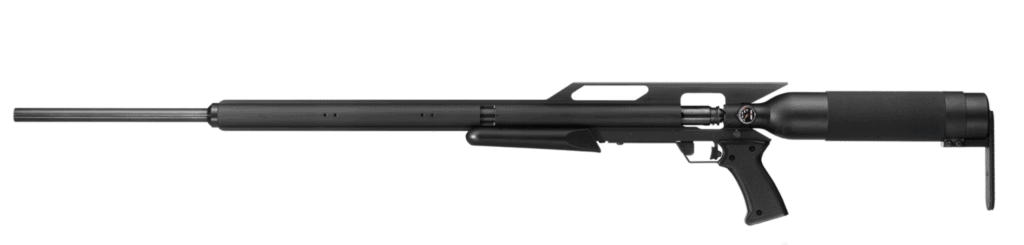
Conveniently these requirements can be met by nearly any air rifle in the Texan line from Airforce Air Guns. The superstar of this line being the Texan .50 Caliber.

This professional-grade air rifle can put a projectile downrange at over 1000 feet per second, with muzzle energy levels that top 650 foot-pounds. This is more than adequate for a humane kill shot in nearly any scenario and at amazing distances.

Why Are The Regulations So Specific, And Why Are They Important?

Air guns function much differently than traditional firearms like shotguns and centerfire rifles. As such, an understanding of the operation and subsequent limitations of pneumatic rifles.

Before you commit to an air rifle, you should do your best to ensure that it meets the state requirements for where you will be hunting. The caliber, speed, and energy levels should all be easily found either through the manufacturer’s website, or the rifle documentation.

Just like with any other legal hunting method, knowing how your weapon exceeds, and how it is limited, is absolutely crucial to reducing or eliminating loss due to wounding and escape.

Different brands will have different specifications for ballistic performance. Other critical factors to consider when hunting with an air rifle are the weight of the bullet, the skill of the hunter, and the distance to the target.

Another limiting factor that is unique to air rifles is the diminishing charge in the air reservoir. After each shot, the amount of air in the reservoir is reduced, thus making each successive shot have its own diminished ballistics.

Eventually, this will necessitate either recharging or refilling the reservoir or air source.

While it is absolutely possible to take big game at distances of 150 yards or more, the ideal effective distance for air rifles is 75 yards or less. After this point, there is a marked reduction in the lethality of the shots from air rifles.

This is vital knowledge for all hunters using air guns because this limitation can lead to wounding loss. Inside this range, shots placed into essential or vital organs, like the brain, heart, or lungs, is still critical to reducing wounding loss.

This is similar to the limitations and shot placement requirements of using other non-explosive weaponry like archery.

The standard practice of waiting approximately an hour for the animal to expire without fleeing should still be observed since the initial ballistic energy is enough to damage the organ fatally but may not prevent adrenaline-fueled attempts to escape if frightened.

Other Important Considerations When Choosing An Air Rifle

Classification

Your state may classify air rifles differently than on a federal level. Federally, air rifles are not considered firearms, but that being said, some states do.

New Jersey for example does classify air rifles as a firearm, and as such, they are bound and regulated by that state’s firearm laws. This extends from purchase and handling through usage during hunting.

Even if a state does not classify an air rifle as a firearm, they may still qualify for the label of “dangerous weapon” which means that felons cannot own them. Other states do not classify them as either firearms or dangerous weapons.

Licensing

Occasionally a state will require licensing for specific weapons when used for hunting. This often delineates between archers, black power weapons like muskets and other muzzleloaders, and traditional firearms. Before you hit the stands, make sure you have appropriate licensing if required in your area.

Caliber

This is one of the main factors to consider for hunters because the goal of every hunter should be to put the animal down and quickly and humanely as possible and reduce or eliminate the subsequent suffering.

As a general guideline, animals with fur should be shot with nothing smaller than a .22 caliber bullet. This is also dependant on species because obviously a .22 is too small to be effective and humane on deer.

The ideal caliber for deer will be an absolute minimum.30 caliber, with .40 being the standard, and the required minimum in states like Missouri.

As we mentioned with Texas, they have a minimum caliber requirement, but the bullet weight and speed can be variable, provided the muzzle energy is appropriate for an ethical kill by being a minimum of 215 foot-pounds.

Velocity

Velocity is important as it figures heavily into the muzzle energy calculation. Even a large caliber bullet can be useless as a humane killing option if it is not traveling fast enough to be effective.

Not only Texas, but Rhode Island and New Jersey have minimum velocity requirements for hunting projectiles.

Seasonal & Animal Restrictions

In most areas, hunting weapons each have their own seasonal restrictions, as well as guidelines on what they can be used during a given season. While it may be legal to use an air rifle for deer during one part of the year, it may be illegal to use it on coyotes during that same time of year.

It is best to check with the wildlife department for the state in which you will be hunting, for the specifics.

Age Limitations And Restrictions

The restrictions on buying and using air guns based on age will vary considerably from state to state. Some states have no restrictions, while some require the buyer to be 16, or even 18, for long guns.

Conclusion

As with anything, do your homework before jumping into something with legal ramifications. With that being said, “airguns” have come a long way and they shouldn’t be looked at as kid’s play anymore. If you spend a little money and buy the right gun, hunting is definitely possible with the capable rifles.

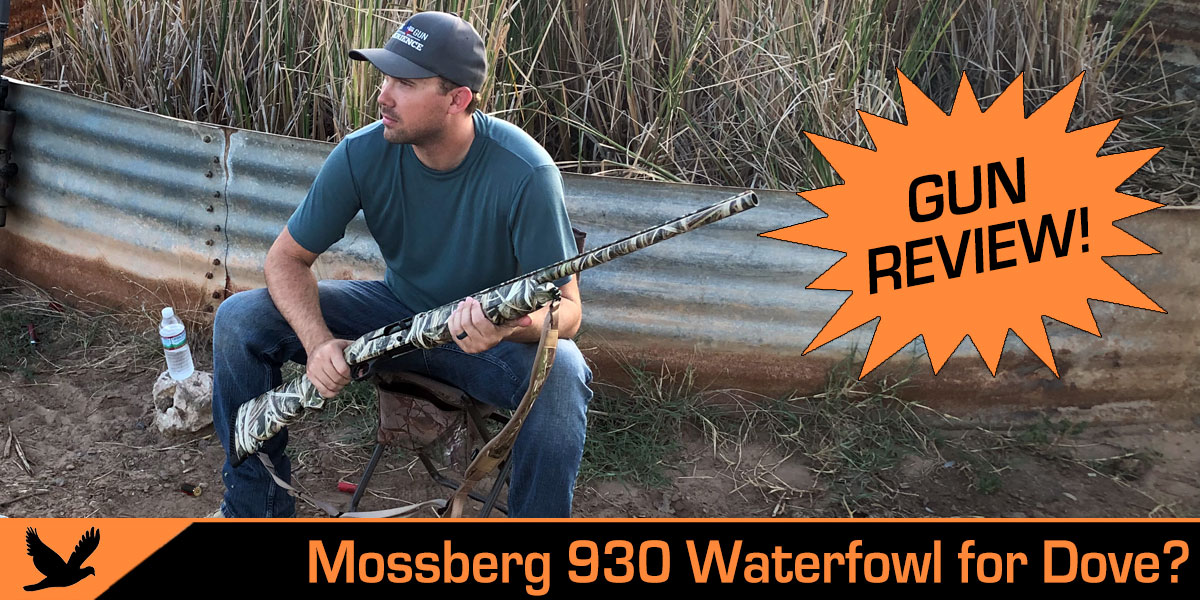
Mossberg 930 Review (Dove May Have Died for this Test)

0

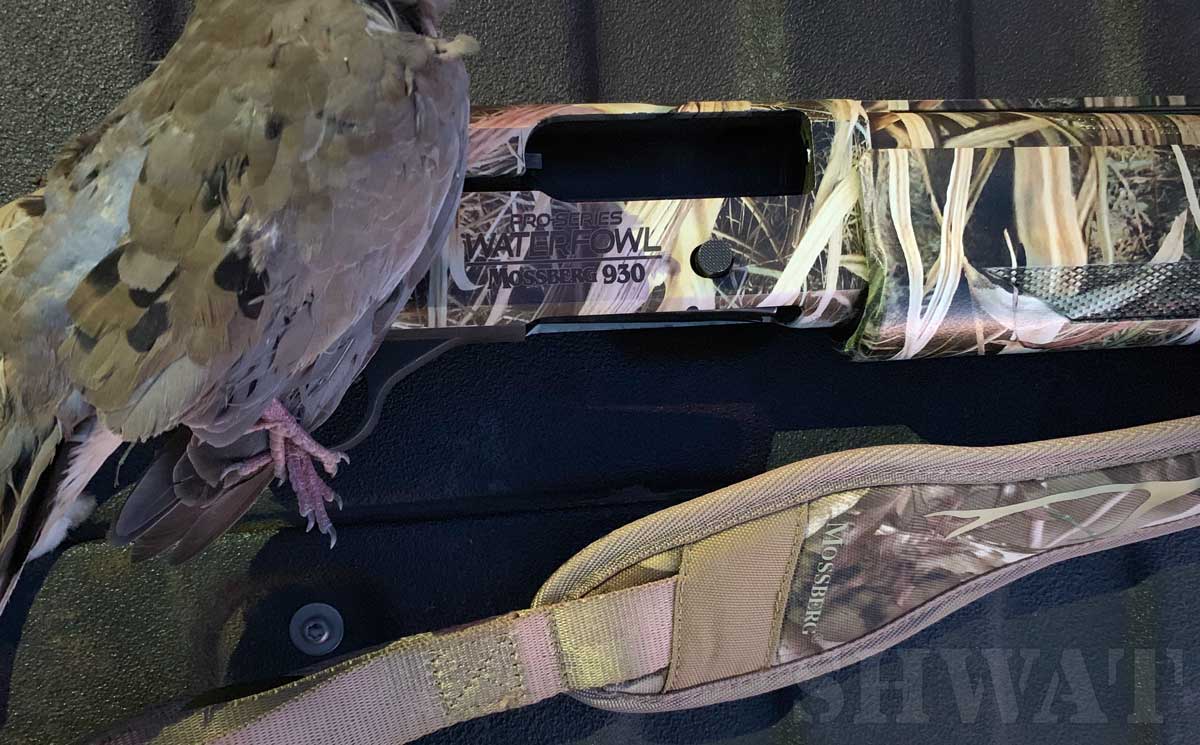
Mossberg 930 review 2019

For all intents and purposes, the whole month of September is a holiday in the state of Texas. Of course, Labor Day is the first Monday in September – three day weekend, BBQs, etc… But what September signifies to Texans is the start of dove season. It is absolute hysteria. In Texas some hunt deer, some hunt hogs, others hunt ducks or exotics, but everybody hunts dove. For reasons we’ll discuss shortly, I wanted to review the Mossberg 930, but hold that thought.

For the 2019 season, I was particularly focused on the second weekend of September. The plan: leave Dallas/Fort Worth at 4 am on Thursday with my buddy Jon, drive to Albuquerque NM, get a hotel, wake up early Friday morning, shoot all ten stages of the USPSA 2019 High Desert Classic, after the match drive to the family ranch in the panhandle of Texas where we would meet JD and Mo, predator hunt all night, get two hours of sleep, wake up, dove hunt, and repeat until we leave Sunday afternoon. We were really maxing out the schedule, but that’s just what you do on a guys weekend.

Why the Mossberg 930?

I was most looking forward to dove hunting. The other activities are awesome, but I get to do those all year. Between my personal armory, SHWAT™, and connections through the Texas Gun Experience, I can pretty much shoot any shotgun I fancy. Beretta, Benelli, Browning, Remington, and others are all on the menu. This year I decided to choose something a little bit different and went with the Mossberg 930 Pro-Series Waterfowl. I have always respected Mossberg’s 590 Series so it made sense to check out their 930.

hunter t shirts for sale

930 Looks Matter

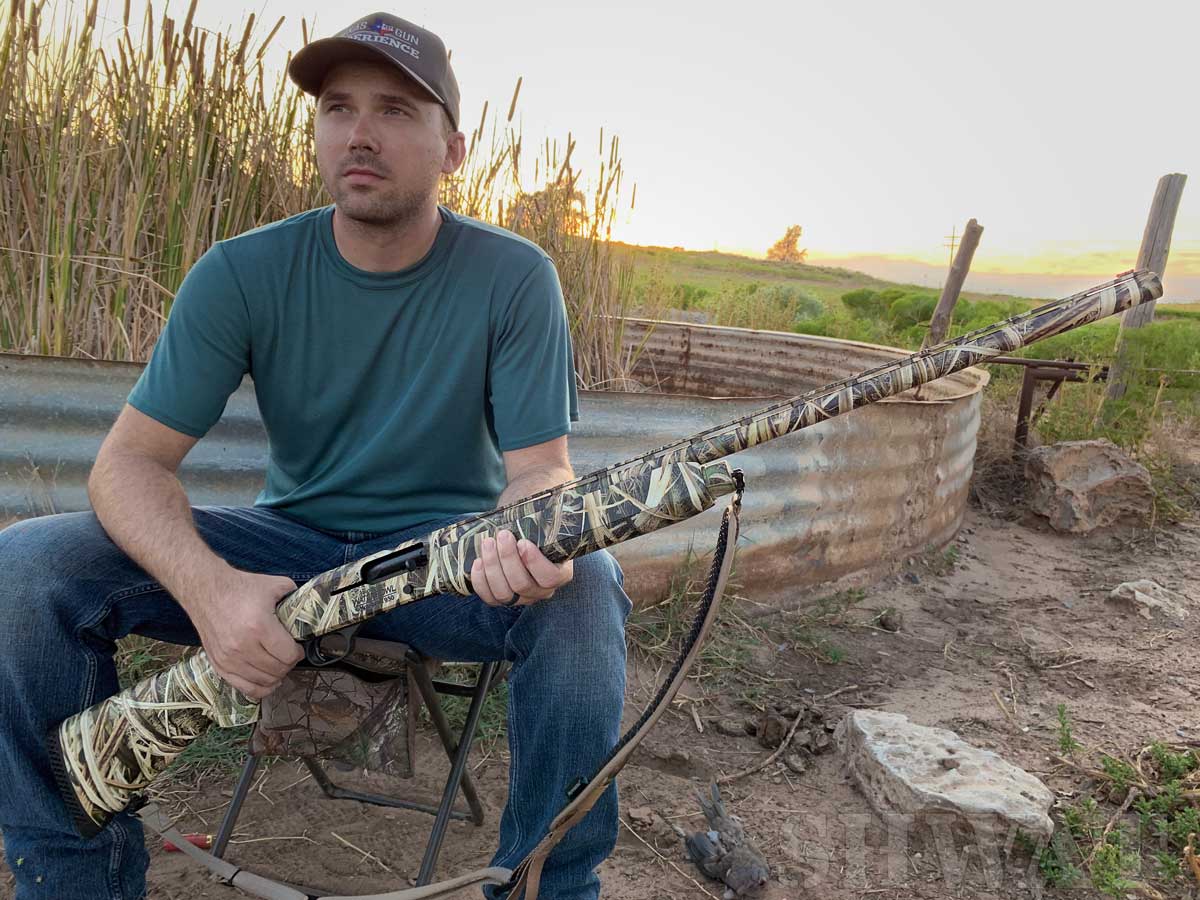
First things first. The 930 Waterfowl edition looks slick. Covered in a Mossy Oak Shadow Grass Blades camo pattern, it reminds me that I grew up lusting for such things. I hunted with old beat-up single shots while friends camo covered auto-loaders seemed to taunt me. Yes, “it’s the Indian, not the arrow” remains true, but it helps to have nice arrows and if they look good you get bonus points. High Schoolers like to flex with the coolest new phone or gadget, and, like it or not, dove hunters like to flex with their shotty’s. When your hunting buddy says, “Sweet shotty, bro!” life is all good. Under the camo pattern, the Mossberg sports clean, traditional shotgun lines.

Mossberg 930 review

930 Looks Don’t Matter

Looks don’t matter if the gun doesn’t work. My ammo choice for the Mossberg 930 Waterfowl edition was shotgun shell soup, or shell soup for short. What is shell soup? Well, I have this ammo container containing red, blue, green, yellow, and black shells. Some of these are 6 shot, some 7, some 8, and others remain unknown. That’s why I call it shell soup. Got it? Well, Mikey liked it. I put around 100 rounds of shell soup through the Mossberg and it ate everything. Not a single hiccup. I know what you’re thinking… 100 rounds can’t come close to telling us much about the Mossberg 930’s abilities. Granted, but based on past experiences I expected at least a stovepipe or two.

The Mossberg Shotgun Safety

The Mossberg 930 Pro-Series Waterfowl features something very new to me, but not new to Mossberg: A top-mounted safety selector. The majority of shotgun designs I know I know place the safety somewhere on the trigger guard. I didn’t give this much thought as the first bird came in. Flying the tree line, right-to-left, about 70 yards out it then turns, heading straight for me.

Oh yeah baby, dove season is about to get started!

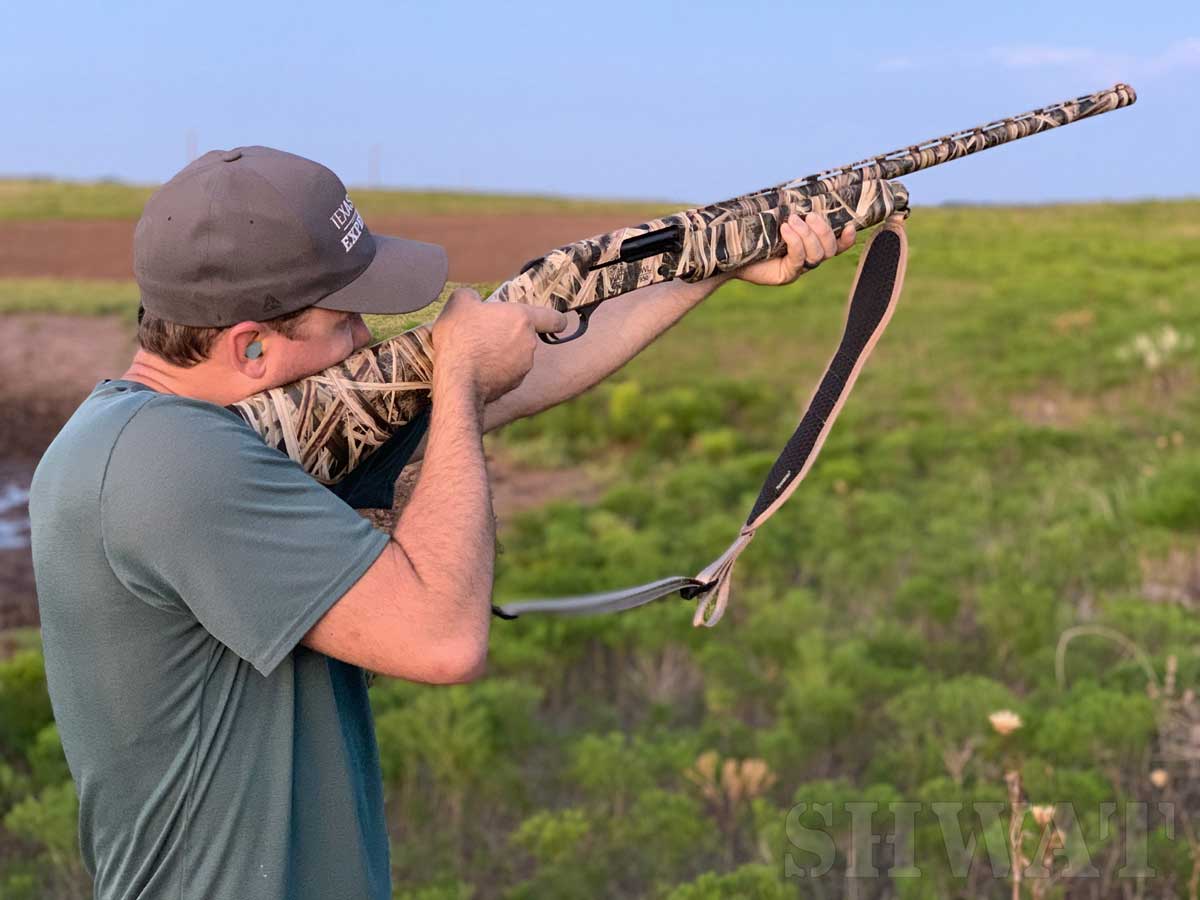
I wait until the timing is right, pull up the 930, look down the raised vent rib, acquire the fiber optic red bead, and line up the bird. I have it dead-to-rights and pull the trigger. Nothing happens.

Crap! The safety dummy!

So, I take my finger off the trigger and start fumbling for the safety. I can’t find it, everything feels flush, so it must be off, right?

I quickly realign my shot and try pulling the trigger again. Nothing! I take the gun off of my shoulder, rotate it 90 degrees, and look down at the top-mounted safety as the dove flies right over my head… Yep… What’s worse than that is a couple of minutes later I repeat the entire failure process again. JD, in particular, finds great pleasure in observing my angst. I, however, do not.

dove hunting with mossberg 930

After those first few mishaps, everything is smooth as a perfectly polished barrel. Maybe I should have thought about the safety position a little more to begin with, but no doubt, I’m thinking about it now. Running the gun properly throughout the next two days I think over the pros and cons of Mossberg’s placement of the safety on the 930 and other shotguns. I conclude that the top mounted safety beats the trigger guard safety design. Why? It’s safer, especially when you are flipping the safety back on.

Most safeties are less than half an inch away from the trigger when mounted on the trigger guard. When you think about that in conjunction with factors such as weather, gloves, adrenaline, and inexperience, you can start to see a host of potential problems. For this reason alone, I have pretty much made up my mind that when it comes time for my kids’ first shotguns I will go with Mossbergs.

Mossberg 930 Build Quality

Mossberg didn’t spend much money or do anything crazy with the stock or forend, but it’s a shotgun designed to live in a duck blind. The 930 is a tool that is going to get wet and beat up. Babying the thing is not something I want to worry about. Mossberg did, however, spend some money where it counts by boron nitriding the bolt and using a stainless steel recoil spring. This thing stands up to the abuse water fowlers put it though, so it should be able to survive chasing doves in a sunflower field without a problem.

mossberg 930

Natural Pointing

Okay, we know the Mossberg 930 looks good, chugs shells, and utilizes a top-mounted safety, but it is time to get down to business. Wing hunters pay attention. The gun points nicely. When I shoulder 930 the bead is right where it needs to be. In my case, I’m not too high or too low on the rib (though it comes with a shim kit if this isn’t the case for you). The 28-inch barrel is well balanced. With a gas operated loading system, the 930 weighs 7.75 lbs, less than a gallon of water. The soft honeycomb recoil pad soaks up recoil which allows for fast follow up shots. If you don’t believe me, just look up some videos of Jerry Miculek shooting a Mossberg 930. Here’s one for you:

Final Thoughts on the Mossberg 930

What do we have when it’s all said and done? In my opinion, a good looking, no frills, down to business autoloader that is reliable and will stand up to abuse. Not really much to see here, because that is what a waterfowl shotgun is supposed to do, right? Yes, but the Mossberg 930 Pro-Series Waterfowl comes to the market with an MSRP of $794. That’s about half the price of the majority of the competition. Well done, Mossberg.

Long vs Short Action: Chart of Rifle Cartridge Lengths

0

Rifle actions come in different lengths to accommodate different lengths of bullets. Knowing the action length of a rifle is important to understand what length of bullet you can put in the rifle.

In general, cartridges under 2.8″ in overall length are considered short action. Cartridges between 2.8″ and 3.6″ are long action, and cartridges over 3.6″ require a magnum action. However, there are many exceptions such as the 6.5 PRC, which is considered a short-action cartridge despite its 2.955″ length.

The problem with that general rule is that there are so many exceptions. The exceptions occur because rifle and cartridge makers like to bend and shape what we consider “short action.” It also depends on the particular rifle. For example, Browning may make the action slightly longer than Winchester, so Browning may consider a cartridge as “short action” which would require a standard action in a Winchester rifle/magazine. It just depends.

It simply isn’t possible to give specific numbers such as those bolded above to say what is and isn’t a short action cartridge. Those are general guidelines, but there are many exceptions.

Common Rifle Cartridges, and Their Action Lengths

CartridgeAction LengthCartridge Overall Length (in)

What is a short-action rifle? The term “short action” refers to a rifle designed to accept cartridges up to approximately 2.8″ in length, or similar to the length of a .308 Winchester. However, specific rifle designs sometimes accept slightly longer cartridges up to 2.955″ in a short action.

What is a long-action rifle? The term “long action” means a rifle that accepts cartridges between approximately 2.8″ and 3.6″. A common example of a long action is the .30-06 or the .270 Winchester. Long actions are sometimes referred to as “standard-length action.”

What Happens if an Action is Too Short for the Cartridge?

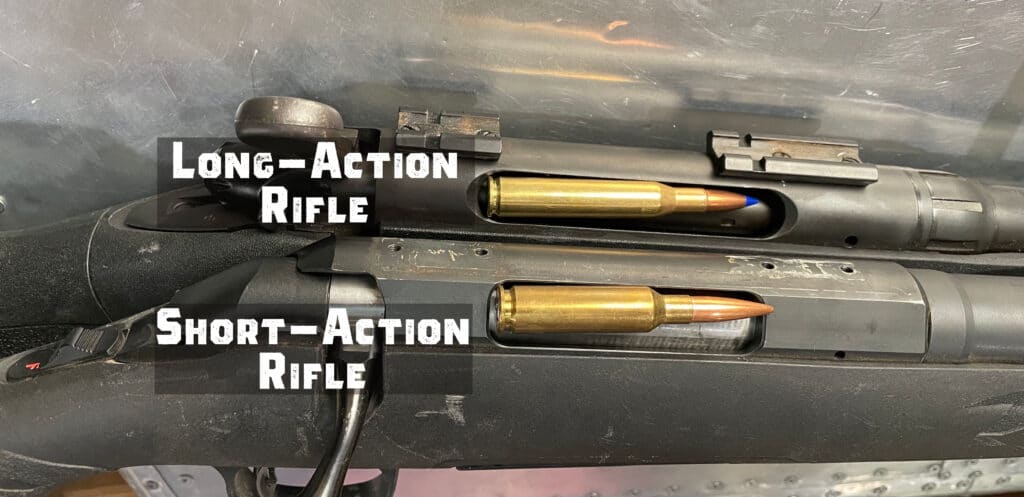
As you can see in the image above, this cartridge will not load in this rifle. This is a short-action rifle, with a cartridge that is too long to fit. The back of this cartridge is pushed all the way back against the bolt face, but the rear wall of the magazine, but the front of the bullet can’t fit down into the mag well. Even if this rifle were chambered for this round, it wouldn’t load because the cartridges wouldn’t fit in the action or the magazine.

This is a common issue when selecting a VLD bullet on a cartridge that is very close to the limit for the action.

Suppose you hand load a cartridge such as the 6.8 Western. Its cartridge overall length is 2.955″, which is right on the edge of what we could possibly call a “short-action” cartridge. You select a Berger VLD hunting bullet which is very long and slender, and you want to seat that bullet far out from the mouth of the case for better accuracy on your particular setup. It’s possible that the cartridge may not chamber in your particular rifle if the action is too short.

Each rifle will be slightly different in how long the “short action” will be. It may chamber in one rifle, but not another.

Deer Culling – Why is it taking place?

0

deer culling cwdAccording to www.dictionary.com, cull means “to choose, select or pick”. In other words, deer culling is when a human decides which animal is being taken from the herd. By definition, deer culling is not much different from hunting.

Why use Deer Culling?

There are a few reasons why a deer herd would be culled:

  • Herd Reduction
  • Deer and vehicle collisions
  • Property damage
  • Disease Control

Herd Reduction

Herd reduction is often used within urban areas and forest preserves. This type of deer culling normally involves sharp shooters. The goal is to reduce the size of the herd to prevent things like starvation and incest.

Herd reduction does come with quite a hefty price tag. The cost of these deer culls can run from around $340 per deer to $740 per deer. The overall price of herd reduction culling can easily run into the hundreds of thousands of dollars. (1)

Deer and vehicle collisions

Deer and vehicle collisions are a common occurrence in Illinois and result in vehicle damage and injury, including death, to some drivers. Due to the relationship between deer populations and vehicle/deer accidents, the State of Illinois works with insurance companies when determining the states deer herd objectives. While it is controversial, deer culling has been shown to lowered the number of deer and vehicle collisions.

cwd cullingProperty Damage

Property damage is a serious issue to Illinois farmers and homeowners. A whitetail deer can consume an average 7 pounds of food per day which equates to 2,555 pounds per year. This can be devastating to a farmer’s revenue earned from his crops.

Residential damage occurs also. Valuable trees and plants can be damaged when a whitetail has turn to them for a food source after their natural habitat has been eaten.(2)

Agricultural damage

There are a three ways in which deer are culled from these properties.

  1. The issuing of nuisance tags to the property owner giving them the ability to cull the deer
  2. Allowing hunters access to the property
  3. Using sharpshooters provided by the state

Urban Damage

With urban/residential damage, sharpshooters are normally used. Only in rare instances, urban hunting zones are established.

Disease Control

This type of deer culling is used in areas where disease is threatening the herd. Control methods in this situation depends on the state. Sharpshooters and traditional hunting methods are often used together to gather information on the disease. After the information is gathered, further action is decided upon.

Deer culling and the future of the Illinois deer herd

Deer culling is an important issue and seems to be a controlling factor with the number of deer in Illinois. We have talked to many people on the subject ranging from hunters to employees of the Illinois DNR. In the near future we will be publishing articles containing interviews that give different angles and viewpoints on the subject of deer culling in Illinois.

The coming sections will include an interview with Jeff O’hare who runs the Facebook page “Stop the Illinois DNR so the Herd Can Grow”. This posts will offer very interesting insight on CWD and what is happening here in Illinois from the perspective of some Illinois hunters.

The final section will be an interview of Doug Dufford, Wildlife Disease and Invasive Species Program Manager for the IDNR. These different perspectives on the CWD and deer culling will allow for greater insight to this area!!

References

  1. http://www.cleveland.com/solon/index.ssf/2013/12/solon_continues_deer_culling_t.html
  2. http://www.northamericanwhitetail.com/land-management/deermanagement_wt_202foodplots/

Diana Chaser Review

0

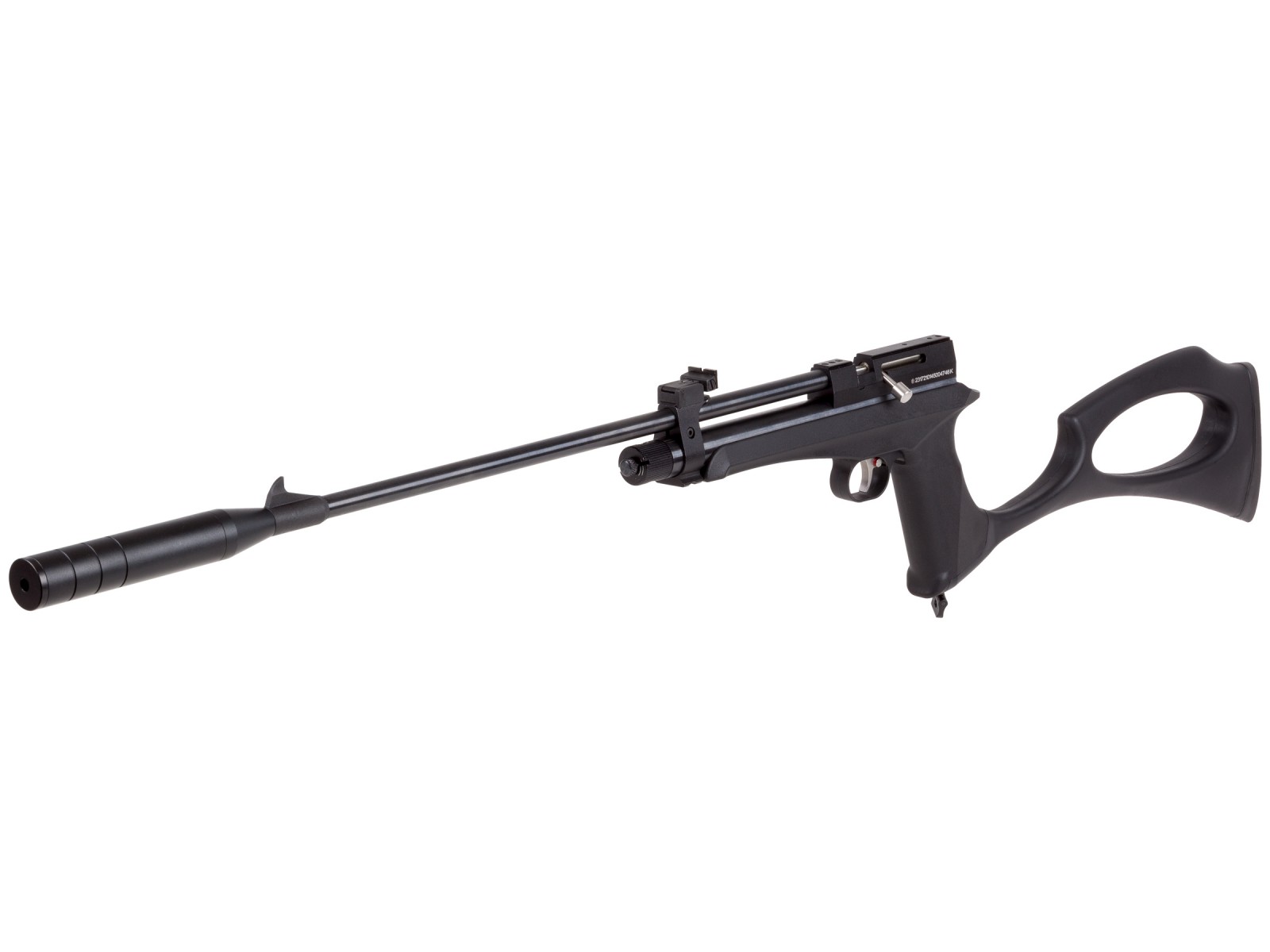
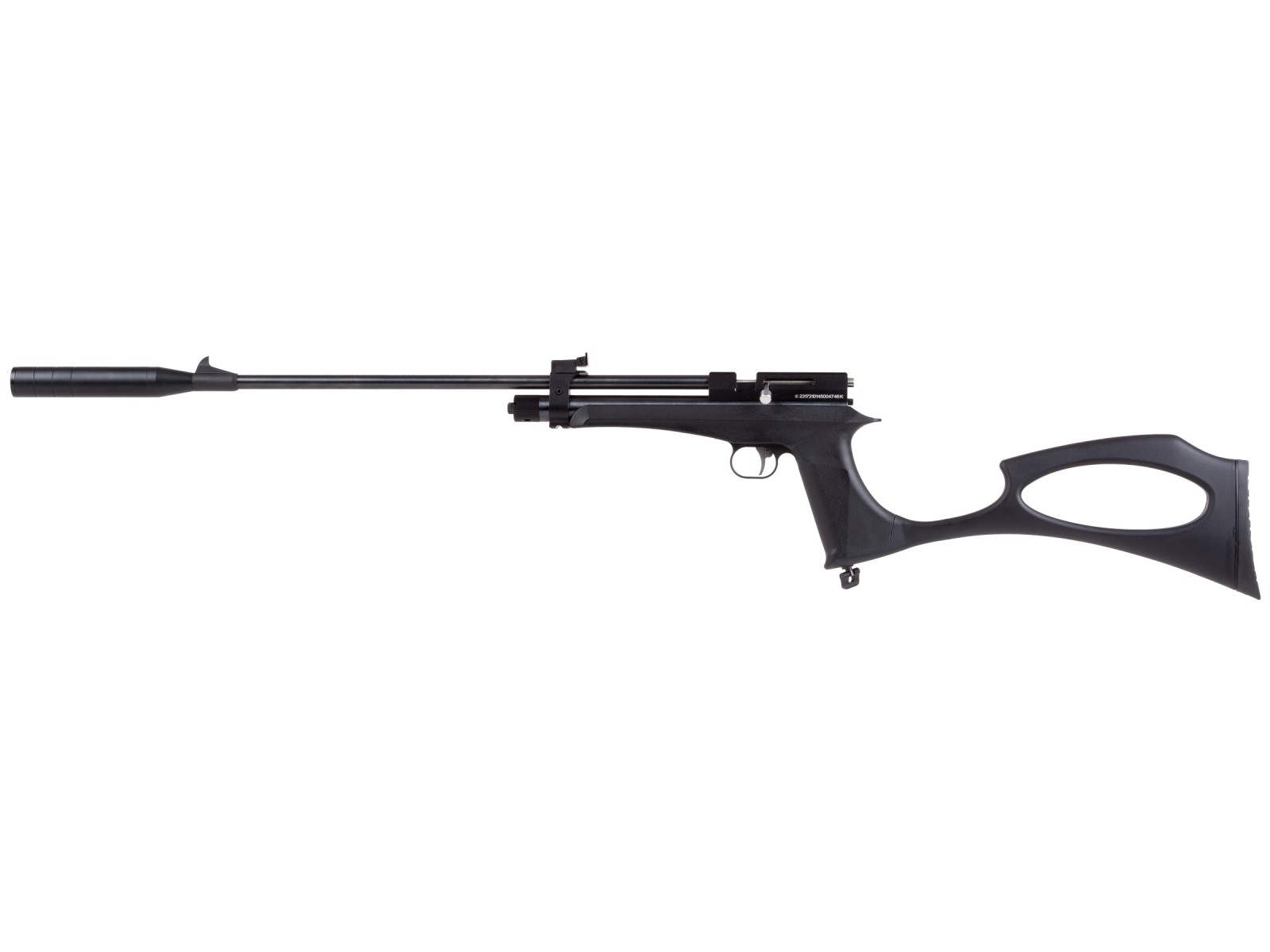
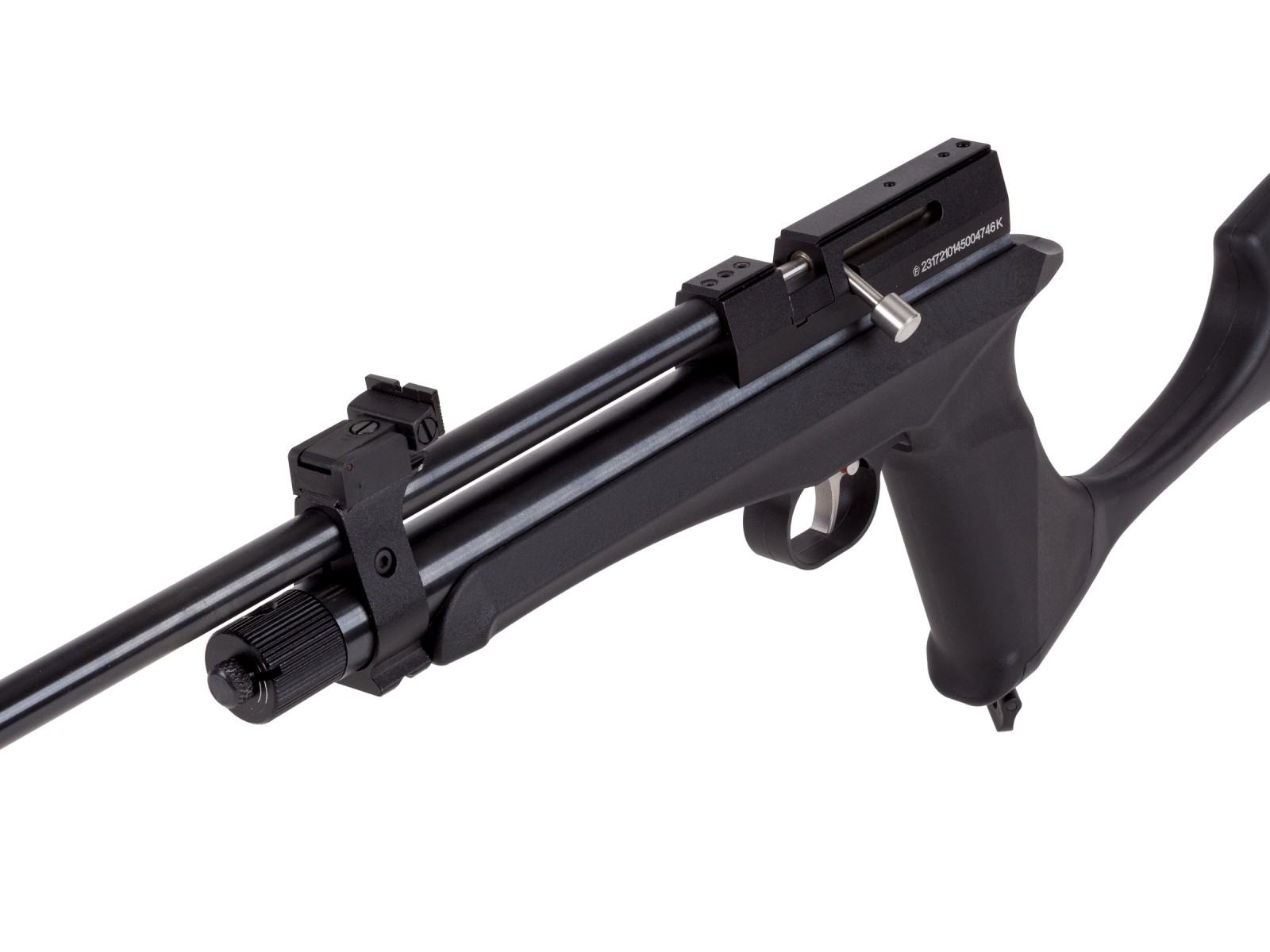
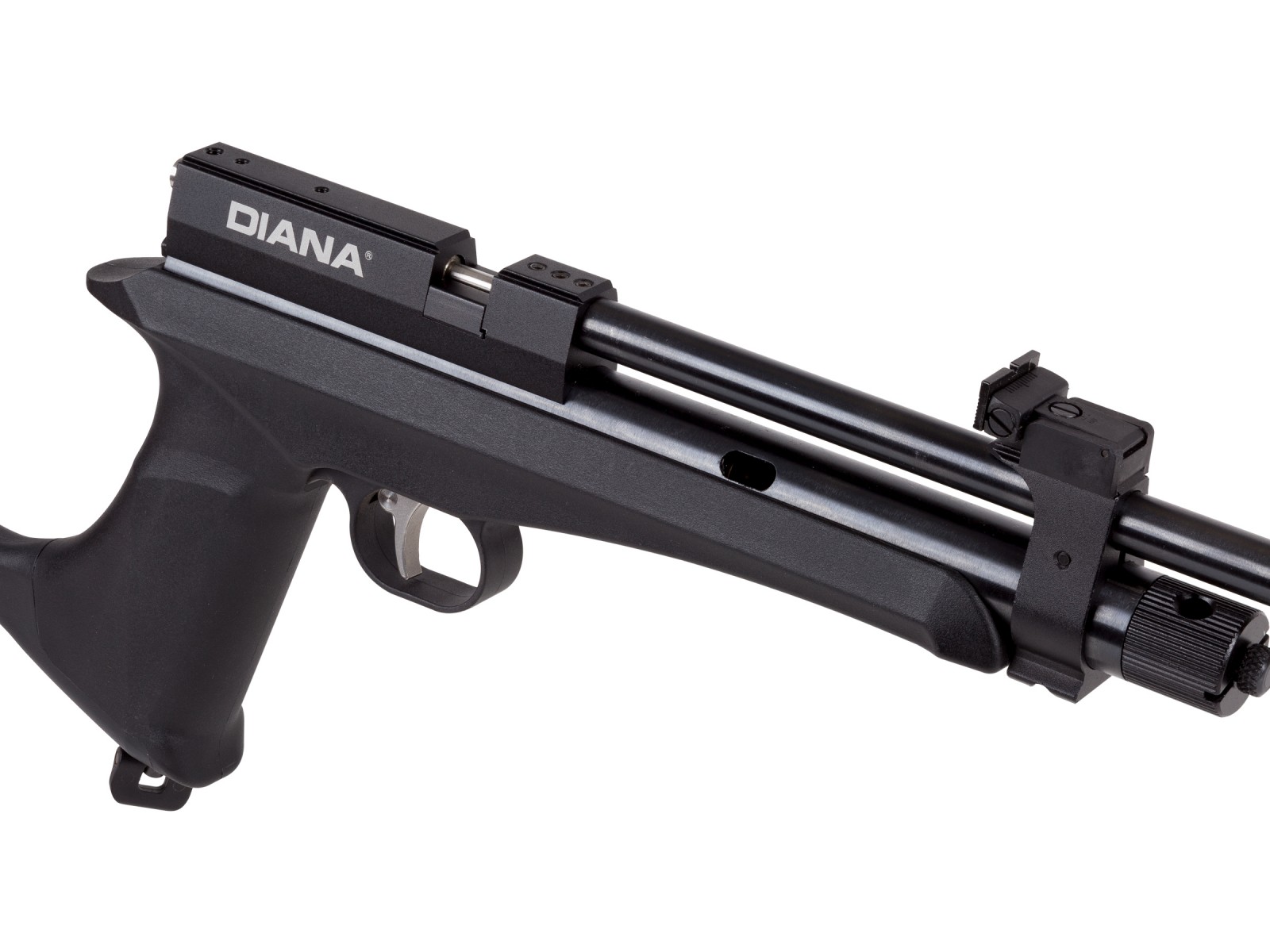
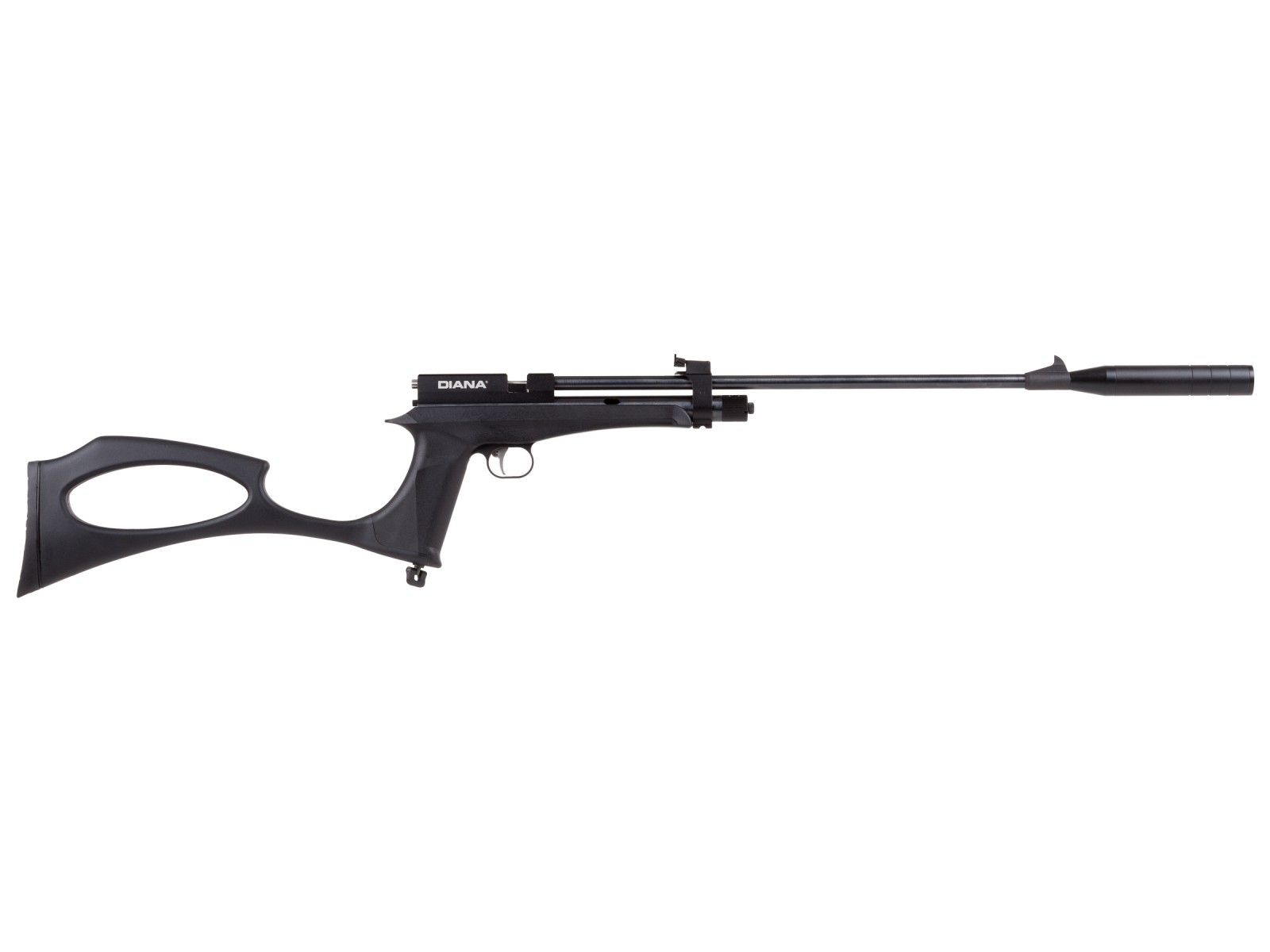
The Diana Chaser represents an intriguing entry in the modern air rifle market, offering a unique combination of versatility, performance, and value. This comprehensive review explores every aspect of this versatile air rifle, from its multiple configurations to its real-world performance characteristics. Whether you’re a beginner looking for your first air rifle or an experienced shooter seeking a versatile addition to your collection, this detailed analysis will help you understand what the Diana Chaser has to offer.

Value Proposition and Package Contents

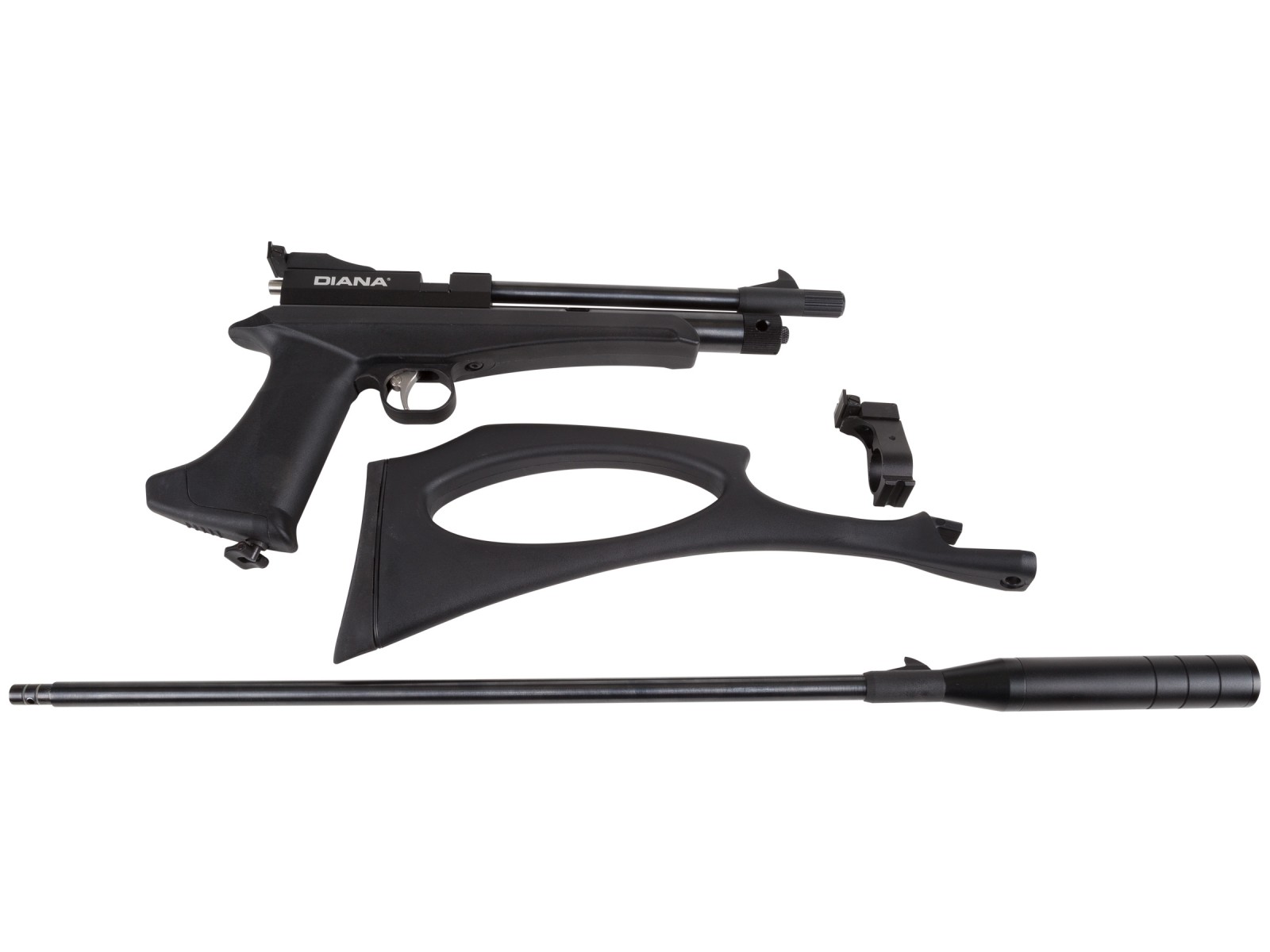
At a street price of $142.99, the Diana Chaser kit delivers exceptional value for money. The comprehensive package includes:

  • The basic CO2-powered action
  • Two interchangeable barrels (long and short)
  • A rifle/carbine stock
  • A soft carrying case
  • A single-shot pellet loading tray
  • Two sets of sights (for rifle and pistol configurations)
  • A barrel band
  • Spare O-rings
  • 12-month warranty coverage

This extensive kit provides everything needed to configure the weapon in three distinct ways: as a pistol, a micro-carbine, or a full rifle. The inclusion of both barrels and multiple sight options makes this package particularly attractive for those who value versatility in their shooting platform. Currently, the Diana Chaser is one of the best air rifles for pest control.

Construction and Build Quality

Materials and Finish

The Diana Chaser features robust construction with metal components where it matters most. The receiver, CO2 chamber, barrel, and trigger mechanism are all metal, while the grip utilizes a textured composite material for weight reduction and comfort. The external metal parts showcase good machining quality and surface finishing, with satisfactory blacking on the barrels and CO2 tube, and nice powder coating on the breech.

The synthetic stock, while showing a visible mold seam, is well-finished with a practical textured surface. The overall fit between components is good, reflecting careful assembly and quality control. While the design might appear somewhat “spindly” due to its light construction, this contributes to its versatility and ease of use.

Performance

Velocity and Power

Chrony tests:

CalibersPelletsFPSFPE
.22Predator Polymag 15.89 gr5259.73
.22RWS Hobby 11.9 gr5457.85
.177Crosman Premier 7.9 gr6507.41
.22Crosman Premier 14.3 gr 5328.99
.22RWS Meisterkugeln 14 gr530 8.73
.22H&N Field Target Trophy 14.66 Gr511 8.5
.22H&N Terminator 16.36 Gr5019.12
.177JSB Simply Pellets 8.02 Gr6527.57
.177H&N Sniper Light 7.4gr5504.97
.22H&N Baracuda Hunter Extreme 18.52gr4096.88
.177Predator GTO 5.0 Grain 676 5.59
1.177H&N Field Target Trophy Green 5.56 Grain 6645.45
2.177RWS Hobby 7.0 Grain 605 5.58
3.177Crosman Premier HP 7.9 Grain 5986.27
4.177JSB Exact Diabalo 8.44 Grain5936.59
5.177H&N Field Target Trophy 8.64 Grain5716.25
6.177H&N Baracuda Match 10.65 Grain5497.13

The Diana Chaser demonstrates impressive performance metrics that vary significantly between configurations and environmental conditions. In rifle configuration, our testing revealed:

  • Maximum velocity of 676 FPS with 5.0 Grain Predator GTO alloy pellets
  • 605 FPS with 7.0 Grain RWS Hobby lead pellets
  • Consistent performance for approximately 50 shots per CO2 cartridge
  • Velocity drops to 307 FPS at shot 50 before rapid decline

Temperature plays a crucial role in performance, with approximately 2 FPS change per degree Fahrenheit. At 90°F, the rifle can achieve up to 812 FPS with lead pellets, nearly doubling the muzzle energy compared to cooler conditions.

Accuracy and Consistency

Accuracy tests:

CalibersPelletsDistancesGroups
.177Crosman Premier Domed 10.5gr10 yards1/4"
.177Crosman Pellets Hollow 7.9gr15 metersnickel size
.22JSB Diabolo Exact Jumbo Heavy 18.13 gr15 yards1"
.22RWS Hobby 11.9 gr15 yardsone hole
.177H&N Field Target Trophy 8.64 Gr10 yardsone hole
.22Crosman Premier 14.3 Gr10 metersdime size

The Diana Chaser demonstrates commendable accuracy, particularly with the right ammunition choice. Best results were achieved with 8.44 Grain JSB Exact pellets, producing impressive one-hole groups at appropriate ranges. The rifle maintains a respectable Standard Deviation of 6.56 FPS across different pellet types, indicating good consistency for a CO2-powered platform.

check price on Pyramyd Air

Operating Characteristics

Trigger System

The two-stage trigger system features:

  • Average pull weight of 3 Lbs 8 oz
  • Light first stage
  • Distinct second stage transition
  • Single adjustment screw
  • Manual safety integrated into trigger blade
  • Consistent pull weight variation of ±5 ounces

Loading and Operation

The Diana Chaser utilizes a left-side bolt handle, which, while unusual, proves smooth and efficient in operation. The single-shot loading system employs a magnetic tray, best loaded from the left side to maintain proper alignment. For enhanced convenience, optional magazines are available:

  • 9-shot capacity in .177 caliber
  • 7-shot capacity in .22 caliber
  • Compatible with various Diana models

Sighting Systems and Optics

The Diana Chaser comes with two sets of adjustable notch rear sights, designed for both pistol and rifle configurations. While lacking fiber optic inserts, both sets offer windage and elevation adjustment. The dovetail rails machined into the breech allow for scope mounting, though some considerations apply:

  • High rings required for 40mm objective lenses
  • Adapter needed for most red dot sights
  • Stock designed primarily for open sight use
  • Possible need for cheek riser with scope

CO2 System and Performance

CO2 Operation

The Diana Chaser operates on standard 12-gram CO2 cartridges with several notable features:

  • Unpressurized tube design
  • Special slot for cartridge removal
  • Included Tommy Bar tool for installation
  • Temperature-dependent performance
  • 25-40 consistent shots per cartridge
  • Best performance in warmer conditions

Shot Count and Efficiency

CO2 performance varies with temperature and shooting pace:

  • Approximately 25 “good” shots at full power
  • Up to 50 total shots per cartridge
  • Gradual velocity decline after 25 shots
  • Rapid decline after 40-50 shots
  • Temperature-dependent efficiency

Practical Applications

Intended Use Cases

The Diana Chaser excels in several applications:

  • Backyard plinking and target practice
  • Family shooting activities
  • Training platform for beginners
  • Close-range pest control
  • Educational tool for shooting fundamentals

Range Performance

Performance varies by configuration and distance:

  • Pistol/Carbine: Excellent at 10 yards, less effective beyond 30 yards
  • Rifle: Maintained accuracy at 30 yards and beyond
  • Best results with matched ammunition
  • Consistent grouping at intended ranges

Features:

  • CO2
  • Bolt-Action
  • Includes Single-Shot Tray
  • Fixed Front Sight
  • Adjustable Rear Sight
  • 11mm Dovetail
  • 2 Stage Trigger, adjustable take-up
  • Spare CO2 capsule can be stored in the grip
  • Approximately 50 shots per CO2 cartridge
  • Compatible with Diana Stormrider Magazines
  • Soft Case included

Recommended uses:

  • Target shooting/plinking
  • Pest control: starlings, rats, pigeons.

Pros and Cons

ProsCons
  • Beginner-friendly
  • Inexpensive
  • Lightweight and accurate
  • Can be switched between pistol and carbine in minutes
  • Perfect for shooting small pests like rats and pigeons
  • The user manual is not very descriptive

check price on Pyramyd Air

Conclusion

The Diana Chaser represents outstanding value in the air rifle market, offering a versatile platform that can grow with the shooter’s needs and preferences. While it has some minor design compromises, the overall package delivers excellent performance, good accuracy, and remarkable adaptability at its price point.

For anyone seeking a versatile, affordable, and capable air rifle platform, the Diana Chaser deserves serious consideration. Its ability to transform between configurations, combined with solid performance characteristics and upgrade potential, makes it an excellent choice for both beginners and experienced shooters alike.

Dodge 6.4 HEMI vs 5.7 HEMI

0

The Chrysler/Dodge/Ram 5.7L and 6.4L HEMI engines power similar cars and trucks. This makes the comparison common as many wonder which engine is the best fit. Ultimately, 6.4 and 5.7 HEMI engines likely both have plenty to offer for most owners. With two great engine options it can be hard to pull the trigger but worry not. In this guide, we compare 6.4 vs 5.7 HEMI engine specs, reliability, performance, price, and more.

*5.7L and 6.4L HEMI engines are also known as the 345 HEMI and 392 HEMI, respectively. These numbers represent the engines displacement in cubic inches. We may refer to the engines by these names in this article.

Dodge 6.4 vs 5.7 HEMI Specs, Performance, Reliability, MPG

Dodge HEMI Engine Specs

Below is a chart showing specs for the 5.7 vs 6.4 HEMI V8 engines:

Engine5.7 HEMI6.4 HEMIDisplacementConfigurationAspirationBlock MaterialHead MaterialValvetrainBore x StrokeCompressionHorsepowerTorque (lb-ft)

Specs for the 5.7 and 6.4 HEMI engine are pretty straight-forward. They share many things in common especially when looking at similar year engines. Anyway, both share their V8 HEMI pushrod design with 2 valves per cylinder. 345 HEMI and 392 HEMI engines also both use cast iron blocks with aluminum heads.

We’ll avoid spoiling all of the details regarding horsepower and torque for now. Of course, the 6.4 HEMI is the more capable engine. Its larger displacement and output give it the edge. There is more to look at regarding 5.7 vs 6.4 HEMI power and torque curves. This topic will come up in a few sections when we discuss performance.

*2009+ 5.7 HEMI engines went through a fairly big update. MDS and variable valve timing were two of the major updates. 6.4 HEMI engines use this technology, too. Point is – the older 345 HEMI’s are a bit different since they lack this tech.

What Cars Use These Engines?

6.4 vs 5.7 HEMI engines are in the following years and models:

5.7 HEMI (345 HEMI)6.4 HEMI (392 HEMI)

As shown above – the 5.7 HEMI is an engine option in a few models that do not offer the 6.4L engine. It’s also the older engine dating back to 2003 while the 6.4 HEMI didn’t come out until 2011. However, Chrysler did offer the 6.4L since 2007 as a crate engine with the name 392 HEMI.

Anyway, the common them is that the 5.7 is a base engine in many models with the R/T badge. On the other hand, 6.4 HEMI engines often receive the SRT8, SRT, and 392 Scat Pack designations.

5.7 vs 6.4 HEMI V8 Performance

Writing engine comparison guides can be challenging. Most engines are found in various models and years – as with these two HEMI engines. The following theme will apply to much of this article: it’s tough to get specific on a model and year basis. As such, we won’t be diving into 0-60, 1/4 mile times, or other specific performance factors.

There is still plenty to talk about when it comes to 6.4 vs 5.7 HEMI performance, though. The 6.4 HEMI generally offers an extra 75-100 horsepower over the 5.7 engine. Thanks to larger displacement the 392 is also good for an extra 60-80 lb-ft. Low-end torque is also about 70 lb-ft more than the 5.7 further widening the gap between the two. However, power and torque are a smaller difference on Ram trucks as the 392 truck version is tuned for better economy and towing.

There’s no replacement for displacement. Clearly, this saying holds true in the 5.7 vs 6.4 HEMI comparison. These engines share similar design and tech, and the larger displacement HEMI simply has the edge. That’s not to say the 5.7L V8 is a slouch by any means. Rather, if you’re looking for all-out performance or towing then the 6.4 HEMI is the clear pick.

Winner: 6.4L HEMI

Aftermarket Potential

Bear with a few duplicate comments here as it’s the same concept as above. Larger displacement takes the win when it comes to tuning, modding, and aftermarket performance potential. If power and performance are the end goal the Dodge 6.4L V8 is our pick.

We looked at similar mileage 2016 Dodge R/T Challengers with the 5.7 HEMI vs the 6.4 HEMI R/T Scat Pack. The difference in price ranges from about $5,000 to $10,000 with the 392 HEMI the more expensive option (as you likely guessed).

Buy a 345 HEMI, use the left over money on upgrades, and you can certainly end up with the more powerful engine. Now, it’s fair to point out some of the many counter arguments here. Add the same mods to a 6.4L V8 and it will be more powerful. Also, no matter how many upgrades you add to the 5.7 HEMI it will never be the 6.4L.

Aside from all of that – both of these engines have plenty of aftermarket support. It’s not hard to find what you’re looking for whether you choose the 345 or 392 engine. Don’t miss out on our best 5.7 HEMI upgrades and 6.4 HEMI upgrade guides if you’re looking for more info.

Winner: 6.4 HEMI

Dodge 6.4 vs 5.7 HEMI Reliability

Reliability is an easy subject for me to discuss. I wrote in-depth articles about reliability and common engine problems for each engine; the links are just below in the next section for those wanting to learn more. In this article we’ll just scrape the surface and discuss some of the basics.

The 6.4 and 5.7 HEMI both offer good reliability overall. As with any engine, they’re prone to their share of problems and failures. We think both engines deserve average to above average remarks for reliability. Don’t expect Honda or Toyota-like maintenance and repairs, though.

Keep in mind we’re talking about performance engines. Repairs tend to be a bit more expensive when problems do occur. Basic maintenance items can also be pricier.

Which one is better, though? It’s impossible to say for sure. It’s likely the 6.4 HEMI vs 5.7 HEMI will offer similar reliability. Most of it simply comes down to maintenance and luck of the draw. Some 6.4L engines hold up beyond 300,000 miles while others die much sooner. The same can be said for the Dodge 345 too.

Winner: Tie

Engine Problems

Issues between the two engines are pretty similar. Keep in mind – problems may appear worse or more common on the 5.7L V8. It’s the older and more popular engine on the road. As such, there’s more info out there for the 5.7 HEMI which can make problems seem more widespread. On the contrary, there are more high mileage 345’s out there.

Ultimately, both engines share many of the same common problems – such as the HEMI Multi-Displacement System (MDS). As stated previously, these engines offer similar reliability and which one is better often comes down to maintenance and some luck of the draw. Anyway, check out the below articles for more information on some common engine problems:

345 HEMI Engine Problems

392 HEMI Engine Problems

5.7 vs 6.4 Hemi Price

In the section about aftermarket performance we touched on 5.7 vs 6.4 HEMI price briefly. The price difference when looking at similar model, trim, age, mileage, etc remains around the $5,000 to $10,000 mark. It doesn’t always hold true since there can be other factors that affect price. Regardless, the 5.7 HEMI is generally the cheaper option.

Additionally, 5.7 HEMI engines have been around since 2003. There isn’t a way to make a fair comparison with the 6.4L V8 in this case. It just means the 5.7 is the budget friendly option even if it means buying an older car. The age and higher production also do the 345 HEMI favors when it comes to parts, replacement engines, so on.

Winner: 5.7 HEMI

345 vs 392 HEMI Fuel Economy/MPG

This is a pretty quick topic since it’s impossible to get extremely specific. 5.7 vs 6.4 HEMI fuel economy depends on many individual factors. Year, model, drivetrain, conditions, driving habit, etc all play major roles. That said, the 5.7 HEMI engine will deliver better fuel economy if all else is equal.

There are situations where the 6.4 HEMI actually provides better MPG than the 5.7L engine, though. Does the Dodge car or truck have MDS technology? Some Dodge 5.7 HEMI engines have this tech while others do not. A 392 equipped with MDS vs a 345 without MDS is a different story.

Nonetheless, we could go on all day debating which engine in which configuration provides better fuel economy. However, the point remains. The smaller 345 cubic inch engine should deliver better MPG – all else equal.

Winner: 5.7 HEMI

Towing Capacity

Vague concepts continue when it comes to 6.4 vs 5.7 HEMI towing capacity. There are too many configurations that affect towing as much or more than the specific engine. Anyway, you guessed it. Dodge 6.4 HEMI’s are the better option when it comes to towing.

Not only does it offer more power and torque, but it’s also better tuned for towing. Low-end torque is a big improvement on the 392 cubic inch engine. It’s generally going to offer the most towing capacity and pull similar weights with more ease. Although, the 5.7 V8 isn’t a slouch and may be more than enough for many.

Winner: 6.4 HEMI

Dodge 345 vs 392 HEMI Summary

Chrysler, Dodge, and Ram offer the 6.4L and 5.7L HEMI engines in many similar models. The engines also share similar design and technology. It makes for a common discussion and comparison between the two. Picking the right engine for you can also be complicated since both engines have plenty to offer.

The saying, “there’s no replacement for displacement” holds true here. Dodge 6.4 V8 HEMI engines simply offer more performance and towing vs the 5.7 HEMI. The 5.7 HEMI takes the win for price, parts availability, and fuel economy. They’re both pretty reliable engines, so that’s a wash.

In summary, if all-out performance or towing capacity is your goal then the 6.4 HEMI is likely the best choice. Those who want a great overall balance of performance, MPG, towing, and price will find joy in the 5.7L V8. Either way, we believe it’s hard to go wrong with the 345 or 392 HEMI engines.

What’s your experience with these engines? Are you considering one?

Leave a comment and let us know!

How to Choose the Right Socket Size for Lug Nuts [A Thorough Guide]

0

When it comes time to change a tire, you need to make sure that you have the correct socket size for the lug nuts. If you don’t have the right size socket, you could end up damaging the lug nuts or the socket itself.

In this blog post, we will discuss how to choose the right socket size for lug nuts. We will also provide a list of some of the most common socket sizes and their corresponding lug nut sizes.

What Is a Lug Nut Socket and What Size Do You Need for Your Car Wheels

A lug nut socket is a special socket that is designed to fit over the lug nuts on a car wheel. The most common socket sizes for lug nuts are 17mm, 19mm, 21mm, and 23mm.

These four sizes will generally cover 95% of your needs. However, it is always important to check the owner’s manual for your specific vehicle to ensure that you are using the correct size socket. Lug nut sockets are typically made from either steel or titanium, and they usually have a 6-point or 12-point design.

The 6-point design is more common because it provides a better grip on the lug nut, but the 12-point design can be easier to use in tight spaces. either way, having a good quality lug nut socket is essential for anyone who plans on doing their own car repairs.

How to Measure the Size of Your Lug Nuts?

Before you can measure the size of your lug nuts, you’ll need to gather a few supplies. You’ll need a tape measure, a flathead screwdriver, and a lug wrench. Once you have your supplies, park your car on level ground and set the parking brake.

Next, locate the lug nut that’s in the 12 o’clock position and insert the flathead screwdriver into the hole in the center of the nut. Twist the screwdriver until it’s snug, then use the lug wrench to loosen the nut by turning it counterclockwise. Once the nut is loose, remove it from the wheel and use the tape measure to check its diameter.

The most common sizes for lug nuts are 19mm and 21mm, but it’s always best to double-check to be sure. With a little patience and a few simple tools, measuring the size of your lug nuts is a quick and easy process.

The Different Types of Lug Nut Sockets Available on The Market

When it comes to lug nut sockets, there is a wide range of options available on the market. From shallow to deep sockets, and from standard to impact-rated, there is a socket to suit every need.

Shallow sockets are typically used for smaller nuts, while deep sockets are required for larger nuts. Standard sockets are suitable for most applications, but impact-rated sockets are designed to withstand the high torque of impact wrenches. In addition, there are a variety of head types available, including hex, Torx, and 12-point.

Hex head sockets are the most common type, but Torx head sockets are often used in high-torque applications. 12-point sockets are less common, but they offer a more secure grip than hex or Torx head sockets. With so many options available, it is easy to find the perfect socket for any job.

How to Choose the Right Socket Size for Your Car Wheels?

When you go to change a tire, it is important to choose the right socket size for your car wheels. The socket size is determined by the diameter of the holes in the wheel, and it should be slightly larger than the bolts that secure the tire to the wheel.

If the socket is too small, it will not be able to engage all of the bolts, and if it is too large, it will “cam out” and slip off of the bolt head. In both cases, you risk stripping the bolt or damaging the wheel.

To avoid these problems, check your owner’s manual or look online for the recommended socket size for your car. Once you have the right socket size, changing a tire will be a breeze.

Tips for Using a Lug Nut Socket Safely and Effectively

While lug nut sockets are generally very durable, they can be damaged if used improperly. Here are a few tips for using a lug nut socket safely and effectively:

-If possible, use an impact wrench to remove or install the lug nuts. This will help to prevent damage to the socket.

-When using the socket by hand, be sure to grip it firmly and use slow, steady movements. Sudden or jerky movements can cause the socket to slip and potentially damage the lug nuts.

-If the lug nuts are very tight, you may need to use an air ratchet or breaker bar in addition to the socket. However, be sure not to apply too much force, as this can damage the socket orstrip the threads on the lug nuts.

By following these simple tips, you can help ensure that your lug nut socket lasts for years to come.

Lug Nuts Sizes Chart/Common Lug Nut Sizes

Here’s a table of common lug nut sizes and thread pitches:

Size (Metric) Size (Imperial) Thread Pitch 10mm – 1.25 12mm – 1.25 12mm – 1.50 12mm – 1.75 14mm – 1.25 14mm – 1.50 14mm – 2.0 – 7/16″ 20 – 1/2″ 20 – 9/16″ 20

Please note that this table only includes the most commonly found lug nut sizes and thread pitches. To determine the correct lug nut size for your vehicle, refer to the owner’s manual, measure the outside diameter of the wheel stud thread, or bring a lug nut to your local hardware store and test it on available bolts.

Wheel Nut Socket Size

Knowing the right wheel nut socket size is essential for your lug nuts. It’s important to choose the right size socket for your lug nuts in order to ensure the proper torque requirements. This will help to ensure that the wheel is securely fastened to the vehicle.

Impact vs. standard lug nut sockets can also be a factor when selecting the right lug nut socket size. Impact sockets are designed for use with air powered tools and are more durable than standard sockets. Additionally, lug nut socket material options range from chrome vanadium to titanium and should be selected based on the type of lug nut being used.

Lug nut socket extension lengths are also important to consider when determining the right socket size. Longer extensions may be necessary in some applications, and it’s important to make sure the socket is compatible with the lug nut. Lug nut socket storage solutions are also available to help keep sockets organized and safe.

When selecting the right socket size, it’s important to make sure the lug nut socket fits properly. Socket brands and quality comparison is also important to consider. It’s best to use a torque wrench when tightening lug nuts to ensure proper torque settings. If a lug nut becomes stuck, there are special techniques and tools that can be used to safely remove it with a socket.

Here is a helpful 2-column table showing the most common wheel nut socket sizes in both metric and SAE measurements:

Metric Sizes SAE Sizes 17 mm 11/16-inch 19 mm 3/4-inch 21 mm 13/16-inch 22 mm 7/8-inch

What Size Socket for Chevy Lug Nuts

Knowing what size socket to use for Chevy lug nuts is essential for proper torque and wheel alignment. Depending on the model of your vehicle, the thread size of the lug nuts can differ, with common sizes including M12x1.50, M14x1.50, and 1/2-20 UNF. The hex heads of the Chevrolet Bolt lug nuts, for instance, measure 19mm or 3/4 inches, while the Chevy/GMC lug nuts have a 7/8 inch (22mm) hex.

To determine the correct size socket, check the vehicle’s owner’s manual or seek professional advice. Keep in mind that aftermarket lug nuts may have different hex head sizes even if the thread size remains the same.

To ensure your lug nuts are properly installed and secure, it’s important to adhere to the manufacturer’s lug nut torque specifications. Lug nut removal tools can be used to loosen and remove the lug nuts, but make sure you’re using the correct size for your lug nuts.

Common problems with lug nuts include cross threading, stripping of the lug nut, incorrect tightening sequence, and improper torque. Different types and materials of lug nuts may require different maintenance tips and security options.

To prevent cross threading, avoid using power tools or extensions and be aware of lug nut size compatibility when using aftermarket wheels. If desired, you can also purchase lug nut covers and accessories for added protection and aesthetics.

Here is a helpful table with some common Chevy models and their respective lug nut socket sizes:

Chevy Model Thread Size Socket Size Chevrolet Bolt M12x1.50 19mm or 3/4″ Chevy/GMC (typical) M14x1.50 22mm or 7/8″

Semi Lug Nut Socket Size

Knowing your semi lug nut socket size is essential, so make sure you check it before you buy. The most common size is 33mm, which is equivalent to 1 5/16 inches, but this can vary depending on the specific truck model and wheel type.

For example, American trucks equipped with Budd wheels may require a 1-1/2 inch hex socket with a 13/16 inch square. It’s important to follow the lug nut torque specifications for your semi-truck and ensure you use the correct socket size.

Common lug nut materials include steel, aluminum, and stainless steel, each of which requires different tightening techniques. Using the wrong socket size can be dangerous and damage your wheels, so it’s essential to have the correct size on hand to ensure proper lug nut tightening.

Impact sockets provide additional torque and are often a better choice for lug nut tightening. Additionally, there are different types of lug nut sockets, such as standard and deep, and it’s important to check compatibility with different brands of trucks. To measure the lug nut size, use a caliper to accurately measure the outer diameter of the nut.

Common Semi Lug Nut Socket Sizes:

Socket Size (mm) Socket Size (inches) Notes 33mm 1 5/16 inches Most common size for semi-truck lug nuts 1-1/2 inch hex 13/16 inch square For some American trucks with Budd wheels

Metric Lug Nut Size

Frequently check the external diameter of your wheel studs to determine the correct metric lug nut size for your vehicle. It’s important to follow the manufacturer’s torque specifications when installing lug nuts.

Common materials used for lug nuts include steel, chrome, and aluminum. For the best fitment, it’s recommended to use a torque wrench when installing lug nuts. To ensure security, consider using locking lug nuts or wheel locks. Lug nut covers and decorative options are also available for customizing the look of your vehicle.

If you need to remove a lug nut, be sure to use the correct removal tool. Make sure your lug nuts are compatible with aftermarket wheels before installing. If you’re looking for specific lug nut colors or customizations, check the availability of your desired color or design.

Alternatives to lug nuts include wheel studs and wheel bolts. Following these guidelines will help you choose the correct lug nut size and ensure secure and proper wheel fitment.

Here is a helpful table showing the most common metric lug nut sizes and their corresponding wrench sizes:

Metric Lug Nut Size Wrench Size 17mm 17mm 19mm 19mm 21mm 21mm

Lug Nut Socket Size Toyota

Checking your Toyota model’s lug nut size is essential before using a socket.

For most Toyota vehicles, the lug nut socket size is 21mm, which is metric in measurement. However, it’s important to note that some models, such as the new Toyota Tundra, may require a different size, like a 22mm socket.

To ensure proper lug nut torque specifications, it’s best to use a torque wrench with the correct size socket.

The lug nut removal tool, lug nut lock key, and lug nut covers are also helpful when replacing or installing lug nuts.

Additionally, make sure to check the lug nut thread size, type, torque sequence, and wrench size for your specific Toyota model.

Following these steps will ensure proper installation and a secure connection.

Here’s a helpful table showing the lug nut socket size for most Toyota vehicles:

Toyota Model Lug Nut Socket Size Most Toyota Models 21mm Toyota Tundra 22mm

Frequently Asked Questions Regarding Socket size for Lug nuts

These are the frequently asked questions related to socket size for lug nuts-

What Size Are Standard Lug Nuts?

There are a few different sizes that are considered “standard” for lug nuts, though which size is most common can vary depending on the make and model of the vehicle.

17 mm hexes are perhaps the most ubiquitous, but 19 mm and 21 mm sizes are also fairly common. You may occasionally see a lug nut with a 22 mm or 23 mm hex, and 11*16 inch (17.5 mm) and 13*16 inch (20.6 mm) sizes are even less common.

In general, it’s best to consult your vehicle’s manual or a qualified mechanic to determine which size lug nuts are required for your particular car, truck, or SUV.

Are Lug Nuts Metric or SAE?

For many car owners, the terms “metric” and “SAE” are unfamiliar. However, these two standards are actually very important when it comes to choosing the right lug nuts for your vehicle. Metric lug nuts are metric threads, meaning that the threading is in millimeters.

SAE lug nuts, on the other hand, have inches-based threads. In general, metric lug nuts are used on European vehicles, while SAE lug nuts are more commonly found on American cars. That said, there are some exceptions to this rule. For example, Audi vehicles use both metric and SAE lug nuts.

So, if you’re not sure which type of lug nut to use, it’s best to consult your owner’s manual or a qualified mechanic. Using the wrong type of lug nut can cause problems with wheel balance and alignment, so it’s important to get it right.

What Type of Socket Should Be Used for Impact Wrenches?

When it comes to impact wrenches, not just any old socket will do. These tools generate a lot of torque, and that can wreak havoc on a standard socket. That’s why impact-rated sockets are designed specifically for use with impact wrenches.

These sockets are made from stronger materials that can withstand the high torque without stripping the nuts or rounding off the edges. In addition, impact-rated sockets often have a thicker wall to help prevent them from breaking under stress.

As a result, they’re an essential part of any impact wrench kit. So, if you’re looking for the right socket for your impact wrench, make sure to choose an impact-rated model.

What Is the Difference Between a Shallow and Deep Socket?

There are a few key differences between shallow and deep sockets that are important to note. First, shallow sockets are typically used for smaller nuts, while deep sockets are required for larger nuts.

This is because the deeper socket provides more support for the nut, preventing it from turning or breaking as easily. Additionally, deep sockets often have a different design than shallow sockets, with a longer and narrower shape that is better suited for reaching into tight spaces.

Finally, deep sockets typically cost more than shallow sockets due to their increased durability and strength. When choosing a socket for a project, it is important to consider the size of the nut as well as the level of access that is needed. In most cases, a deep socket will provide the best results.

What Is the Best Way to Grip a Lug Nut Socket?

When it comes to changing a tire, one of the most important steps is properly attaching the lug nut socket. If the socket is not attached correctly, it can slip and damage the lug nuts.

To avoid this, be sure to grip the socket firmly and use slow, steady movements. It may also help to use an impact wrench, which can provide extra torque and help to prevent the socket from slipping.

With a little care and attention, you can ensure that your tires are changed safely and quickly.

Final Thoughts On How to Choose the Right Socket Size for Lug Nuts

In conclusion, finding the right socket size for your lug nuts is important. Make sure to consult your vehicle’s owner’s manual or a professional mechanic to ensure you have the right size.

With the proper tools and know-how, changing your own tires can be a simple and rewarding task. Stay safe out there!

How to choose the best tent for camping with dogs (a buying guide)

0

Are you going tenting with your dog and not sure which tent is the best choice for you and your best friend? I know there are a lot of choices and it can be daunting to pick out the right dog friendly tent. After frequent camping trips with my now 9 year old dog, Ayla, I’ve been through a few different tents and I’ve definitely come to a conclusion of what I think is the best tent for camping with dogs.

Obviously, there are many factors that play a role in which tent to choose, so I will go through the main factors you should look for in a pet friendly tent and the pros and cons with different tents so that you can make a sound decision based on your dog, camping habits, and needs.

Disclosure: This post may contain affiliate links. That means that if you make a purchase through one of those links, I will get a small commission at no extra cost to you. If you have any questions about these services or products, feel free to ask me.

How to choose the best tent for camping with dogs

There are a few things you need to consider before choosing the best tent for camping with dogs. First of all, do you want the dog to sleep inside the tent or not?

The first years I camped with Ayla, I had a tunnel tent and she slept outside in the front department. Later, I got a larger tent and chose to take her inside and we both love it! Now, I would never leave her outside again.

I’ll go through the pros and cons of having your dog inside or outside the tent to help you make the best choice for you and your dog.

RELATED: Best eco friendly backpacks

Advantages of having the dog inside the tent

One major advantage of having your dog inside the tent is that it can’t wander off at night if it becomes curious of something. This means you don’t have to get up at night to chase it.

Even though the dog is in a leash, I find that they tend to slip out of their harness if they really want to.

As a result, you get a better sleep and your dog gets a more relaxed night without having to protect the tent from the outside world.

Another advantage is that it’s so cozy to have your furry friend next to you. I really noticed a big difference on Ayla once I let her come inside the tent and sleep on her blanket in her own corner. She was proud, happy, and very relaxed. Opposed to before, she now sleeps through the whole night.

Having your dog in the tent also makes it easier to leave the tent when you go to the shower or bathroom. Dogs are usually more calm when they have smaller areas to protect so the tent is the perfect place.

If it rains outside, it can be a disadvantage to have your dog sleeping on a mat on the ground as it can get wet, which in turn isn’t very comfortable. Inside the tent you know it’s dry and comfortable for your pet.

Disadvantages of having the dog inside the tent

First of all, if your dog sheds like mine, you’ll get a large amount of dog hair inside your tent. If you usually have your dog in the bed, then you probably don’t mind, so it won’t be a problem.

The other thing that could be a disadvantage is if it rains or your dog gets wet from bathing before entering the tent, it will get humid but can also smell like wet dog, depending on the breed.

On the other hand, you know that your dog is not laying on wet ground outside.

Finally, I can imagine it’s a pain to have a super active dog inside the tent if it can’t lay still and keep spinning around. Personally, I haven’t had this problem with Ayla, as she’s a very calm lady.

YOU MIGHT ALSO LIKE: How to travel locally: A responsible guide to local travel

Features to look for in a dog friendly tent

Now that you’ve hopefully made a sound decision on whether to have your dog inside or outside the tent, let’s have a look at dog-friendly tents for you and your furry friend.

I have listed a few features I think a pet-friendly tent should have (or not have) from my experience of camping with Ayla before we look at the best tents for dogs.

The less tent cords the better

I’ve had a couple of hiking tents and mountain tents with a lot of cords to help the tent stand properly and it might be my clumsiness (they also say the dog resembles its owner), but both Ayla and I found ourselves stumbling in the tent cords in more than one occasion. In the worst case scenarios, this has resulted in a partly collapsed tent.

Needless to say, I’m not a big fan of tents that need a lot of cords to stay erected and I profoundly believe that the best tents for camping with dogs are the ones with fewer cords.

Easy access in and out

Easy access to go in and out of the tent is essential when tent camping with a dog. My first tent wasn’t a very dog friendly tent. It did have a front department where she slept in her bed or blanket, but the tent was small and low.

A 2-person Bergans tunnel tent, perfect for hiking and spending the night in extreme and windy weather in the mountain.

If I had taken Ayla hiking over several days and had to carry the tent in my backpack, I’d definitely use this tent! But not for car camping.

For me, it’s also an important matter that Bergans is a sustainably conscious outdoors brand, striving for a more sustainable production chain.

The one I have now, is excellent. There is no front department, but it’s easy and straight access in and out which means fewer chances of disaster from an eager dog.

I also found a larger tent (3-4 person) with front department is easier to navigate with Ayla around, both because of the height but also because there is generally speaking more room.

Easy access to water

It’s important that your dog has easy access to water. If you have the dog in the front department of your tent, it’s possible to leave a bowl of water there so the dog can drink during the night.

If you opt for having the dog inside the tent, you need to make sure there is a water bowl outside the tent opening so you can let the dog out and drink before bed time and as soon as you wake up. This is especially important in warmer weather conditions.

When I go camping with Ayla during Spanish summer, I often give her water if I wake up in the middle of the night too.

To summarize this, you don’t want to have a tent where you have to get through several tent openings before you can get to the water.

RELATED: Eco friendly camping gear (including dog camping gear)

Best tents for camping with dogs

Based on the above and my experience, I have picked out a few top dog friendly tents to help you pick the best tent for camping with dogs based on your needs.

Vaude Campo Compact XT dome tent

Vaude has this great dome tent which has a spacious front department if you opt for letting your dog sleep outside. It does have space for a blanket or a small dog bed so that your pet can sleep comfortably.

With the front department, it’s easy to have water accessible for your dog all night.

Vaude is one of the leading outdoors brands within sustainability and the majority of their overall materials are vegan.

The only down side with this tent, are the tent cords. Otherwise, this is without a doubt one of the best tents for camping with dogs on the market.

This tent weights 3 kilos and can be packed up for shorter hikes too.

Get a Vaude Campo Compact XT dome tent here

The North Face Stormbreak tent

This tent from The North Face is a great pet friendly tent. Easy to set up, it is the perfect tent for camping with dogs.

It’s easy to get in and out and you don’t have tent cords either you or your dog can stumble in, which makes it a much better experience.

There is a small front department where you can leave a bowl of water. there is room to leave your dog outside as well, depending on the breed.

What I love about this tent, is that it’s easy and with only 3 kilos for the 3-person tent, you can carry it on small hikes too. The 1-person tent (which might be tight if your dog is bigger than a Chihuahua) only weights 1,4 kilos.

Get The North Face Stormbreak tent here

Quechua 2 seconds pop up tent

My current tent is this Quechua 2 seconds pop up tent, which is super handy. It seriously only takes a few seconds to pop it open. No tent poles needed, which means Ayla can’t walk on top of the tent and make a mess while I try to put it together.

When there’s no wind, you don’t even need to peg this tent to the ground, which makes it even quicker to get up and to pack. I also find a lot of camp grounds have hard soil or even pebbles where you pitch your tent and unless you have a hammer or huge muscles (which I definitely can’t brag about), it’s impossible to peg the tent.

This tent is spacious and easy to get in and out of both for you and your pet. I always leave a water bowl for Ayla outside, and when I wake up, I open up so she can stick her head out and drink. It’s also waterproof, which I’ve unintentionally tested by spilling a whole bottle of water over the top.

The only thing I have to pick on when it comes to this tent, is that my friends and I had problems packing it up the first few times and had to ask for help from other campers. This summer, though, I magically found the trick and now I can’t understand that I ever had a problem with it.

Note that the packaging is not suitable for hiking as it packs up really big, though perfect for car camping.

Except from being the less sustainable tent I’ve used so far, Quechua’s pop up feature goes a long way in being user friendly and the fact that you don’t need cords or pegs makes this the best pop up tent for camping with dogs.

Get a Quechua 2 seconds pop up tent here

Conclusion

Rounding up this post on the best tents for camping with dogs, I hope you have the information you need to make a sound decision on what are the best pet friendly tents for you and your dog.

If you have any thoughts, questions, other recommendations you think I should consider in this post, feel free to drop me a comment below.

Happy dog camping!

Other necessities when taking dogs camping:

READ NEXT: Benefits of sustainable tourism

Did you like this? Pin it for later!

Leave this field empty if you’re human:

Elderberry or Water Hemlock?

0

The most common confused questions I hear on identification are about elderberries and the water hemlock. Had I not students such a confusion would have never occurred to me as to me the two species don’t look alike at all. Generally said elderberry fruit is edible, the entire water hemlock is deadly. Indeed, many call water hemlock the most deadly plant in North America. Learning to identify the two is very important.

The Elderberry, Sambucus canadensis, is a shrub with bark, to ten feet or more. Woody. Its blossom is a dense flattop. It produces, locally, black berries about BB size. It has opposite compound leaves, feathery. Most of the veins on the leaf either fade after leaving the midrib or terminate at the tip of the teeth, not in the notches. If you have a #10 magnifying glass you can see tiny veins terminating at the tips of the teeth. Occasionally an elderberry vein will terminate at a notch, but it is uncommon.

The Water Hemlock is herbaceous, two to seven feet. It has a green main stem with purple splotches, or is entirely dusky purple particularly when young. The sectioned, hollow stem has vertical grooves on the outside. It produces a fire cracker-like explosion white blossom that made up of many smaller umbrella-like blossoms. Those produce seeds, not fruit. It has alternating, compound leaves, coarse, toothy. On individual leaves most, not all, but most of the veins clearly terminate between the teeth, in the notches.

Let’s also talk about habitat. Both elderberries and water hemlock are associated with water. But there are some differences: Elderberries can tolerate more dry areas and Water Hemlock can grow in water. If you are in a dry area that is dry most of the time and you think you have one or the other it will probably be an elderberry. If you have damp ground it can be either. If it is standing water most of the time it will probably be water hemlock. Season also counts. Elderberries are year round locally. Water Hemlock can die back in the winter.

Now a closer look: Elderberries are shrubs. They are woody. They have bark. The bark is green and smooth when very young with occasional white dots that are actually lenticels, which is one way the plant exchanges gasses. With time and height the elderberry develops a familiar looking bark, smooth and brown. Now the lenticels are corky lumps seen at left. On much older plants the bark will become vertically furrowed. The inner core of the trunk and branches — the pith — is soft and can be easily reamed out. Not a long-lived plant, just a few years, it can grow to about four inches through. When it dies and dries it leaves a vertical standing small dead tree. The dead wood breaks easily and burns well.

The Water Hemlock is herbaceous, read not woody. It does not have bark. It has nodes, which are swellings where leaves attach or used to attach. The main stem has vertical groves in it and is hollow. It is often streaked with purple, or is splotched with purple. It is usually at least purple at the nodes and sometimes young plants can be entirely dusky purple. Ocassionally the entire older plant will be purple. A stem that is an inch through would be a large water hemlock. The plant is hairless. When crushed it can have a pleasant liquorish or anise scent, or it can also smell like mouse urine. Remember it is deadly and can kill in virtually minutes. The toxicity decreases vertically with the roots the most toxic and the seeds the least. Taste is not a warning sign in that those who have eaten the roots raw or cooked said they were flavorful and very enjoyable. Depending upon the size of the individual, the amount consumed and which parts consumed death will occur in 15 minutes to a little over two hours. This is not the hemlock given to Socrates which was a gentle species. This species produces severe pain and convulsions, torturing its victim horribly until death.

The leaves of both species are different, not only from a distance but close up as well. The veins of the elderberry leaf either fade as they reach the edge of the leaf or terminate at the tip of the teeth. You may need a small magnifying class to see that. The veins are most prominent as they leave the light-colored midrib. Also note that the teeth are quite small, like the edge of a small serrated steak knife.

The veins of the water hemlock are quite different. The veins of the water hemlock clearly terminate BETWEEN the larger teeth of the leaf. See arrows to right. There is no ambiguity. The veins end between the teeth. Even when a vein splits the split ends go to the notches, not to the tips of the leaf. There may be an occasional exception but the trend of the majority is very clear. You will note that while each species’ leaf has an acute tip (pointed) the elderberry leaf is round near the tip whereas the water hemlock leaf is not.

The elderberry is not without its dangers as well. The wood is toxic and has poisoned folks who have made whistles out of the green wood. Unripe elderberry fruit is toxic and the ripe fruit bothers some people. The ripe fruit is better used dried, cooked or made into wine or jelly than consumed raw.

Lastly, the “hemlock” tree is a totally different species and issue. To read more about different colored elderberries, click here.

Best Air Rifle Deals

Popular Posts

Master Small Game Hunting with an Air Rifle: Tips and Techniques

0
"Experience the thrill of small game hunting with an air rifle! Embark on a captivating journey as you test your accuracy and precision in...

PCP vs CO2 Guns: Which One is Better?

0
The most talked-about debate between hunters and gun enthusiasts is what the best power source of a gun is.  The five main sources of power...

Synthetic vs Wood Stock: The Final Showdown Between Brunette And Blonde

0
I understand that you’re here to get some quick facts on synthetic vs wood stocks Probably to guide your purchase.  Quick alert - the debate...