Home Blog Page 30

Peeps & Target Alignment

0

The myth

It’s commonly passed around that the peep needs to be circled by the sight. This has been circulated so many times that it’s widely accepted. Sight companies offer rings for their scopes, multi pin brackets, and single pin movers. Often at the pressure of the customers that believe it necessary for the most accurate shooting. The truth is, this age old archery advice is totally incorrect. It’s not harmful, but incorrect nonetheless.

The problem

As the ambient light changes, your view through the peep sight is restricted or opened. In bright direct sunlight the peep view is restricted. The iris of your eye is stopped down to a tiny pin hole making the peep hole appear to be smaller than it is. Shooters trying to ring their scope mistakenly choose a larger hole peep so they can see the perimeter of their scope. This is a problem because the peep runs the show. The smaller the hole, the more accurate your head placement is. If you use a large hole peep you risk larger groups. Merely ringing the scope housing isn’t accurate enough because the scope is too close to your face.

The peep runs the show

You’ve likely moved your peep a tiny amount and noticed how great the effect is on your point of impact. A ⅛” move on the peep at 20 yards can change your point of impact almost 6 inches. Using a ¼” peep to see your housing in bright light will allow you to make a ⅛” mistake with head alignment to the target. This will blow your group size out even if you are shooting well. The peep and its relationship to the target is everything. The peep must be centered with the target, not the housing.

The solution

By using the smallest peep the light will allow, you are looking for contrast between your aiming device and the target. If the light is too low, you lose contrast. Experiment with various peep sizes and go as small as you can before everything grays out and contrast is lost. Rule of thumb, depending on how young your eyes are. Open sun conditions: use a 1/32” or 3/64” peep. Shaded woods or low contrast targets like 3D animals: use a 1/16” or 3/64”. The 1/8” peep for hunting is best. 1/8” transmits all the light your eye can possibly use, so even if it’s really dusky or dark going larger than 1/8” won’t give you any more view. It will just make you miss more.

If you’re in the over 40 crowd

Here’s some extra info for my grown archers. Using a smaller hole peep will make your aiming device more clear and reduce starbursting on your fiber. I have found that no clarifier at all with a smaller hole peep gives me more accuracy than a large hole with a clarifier that blur’s my pin. When your pin is blurry, you lose contrast even if there’s plenty of light. If you must use a clarifier, use the lowest power with the smallest hole you can. That will reduce your pin blur. While hunting in the woods, go ahead and grab a “verifier”, it’s like reading glasses for your peep. The Verifier will allow you to use a big hole for deer hunting light yet still be able to see your pins. You will notice a little less fidelity in the target but finding a balance between hole size and verifier power will get you where you need to be.

Too long didn’t read

Keep your peep hole as small as possible. You only need the peep to be large enough to see contrast between the target and your aiming device. Forget ringing the scope with the peep. Ring the target with the peep. Your pin is in the middle of your scope, so it will align itself even if you can’t see the edges. If you’re using a multi-pin box, ring the target then use the appropriate pin. Be sparing with clarifiers unless they are well made like Hamskea’s premium clarifiers. You could hurt your accuracy with cheap peep lenses that aren’t optically centered.

For more info

Check out my Youtube – www.youtube.com/GeorgeRyals

Get lessons with me either online or in person – www.improvemyarchery.com

Support the Hornets – We sell MERCH – www.Hornetpower.net

43 Hunting and Fishing Terms, and Their (Tongue-in-Cheek) Meanings

0

You thought that you knew your hunting and fishing terms, but you were wrong.

Whether you have a fishing rod in your hands, big game hunting, slinging flies, or sharing in an upland hunt, you need to know what your hunting and fishing terms are. Sometimes the English language can fool us into believing that a slang term is actually the real phrase, and vice versa.

We’re declaring it an open season to jump on your hunting buddies and let them know that what they are saying really means something else. Maybe you’re in the bar discussing game birds or bag limits, or maybe you’re talking with your tree hugging cousin who wonders why you’re hunting with an “assault rifle.”

Face it, a lot of us have been using these hunting and fishing terms wrong all this time and didn’t know it. Here’s where the rubber meets the road and you can find out what you’ve been missing.

Keep these in mind when your know-it-all friend starts talking in the blind.

Snort: The sound you make when your buddy swears it was a 10-point that he missed.

Wheeze: The sound you make dragging a deer through the woods.

chronic wasting disease management act

Grunt: The sound you make when you see that gun you’ve been wanting is discontinued.

Rabbit-in-distress: When you step on your wife’s ankle biting dog’s tail.

Crankbait: That expensive bass boat with all the bells and whistles.

Buzzbait: Those ice cold brewskis in the cooler.

Buck-in-rut lure: That new tight dress your girl is wearing.

Honker: That jerk at the boat launch that’s totally impatient.

High-ball: Whisky or rum?

Swamp donkey: What you call your buddy when his new 4×4 gets stuck.

Tree rat: That dude sitting in your stand.

Smokepole: That stick of salami/pepperoni you put in your backpack.

Kicker: When the kid finds out he can’t go fishing with you.

Kentucky windage: When you aim a little right or left of where you’re trying to walk after too much bourbon at deer camp.

Robin Hood: That dude pitching the timber that can’t miss.

Burn a hole in the yellow: Peeing in the snow.

Glassing: The reason why a dude wears dark sunglasses to the beach with his girl or wife.

43 Hunting and Fishing Terms, and Their (Tongue-in-Cheek) Meanings

Bluebill: What your buddy gets when he falls in the water in January.

Chuckle: What you do before, during, and after your buddy falls in that cold water.

Boar: That dude that can’t stop talking about his skill.

Deep diver: That guy that can’t stop telling fishing lies.

Brow tines: That buddy that always wears his shades on his forehead.

Bull: What you’re thinking when your buddy tells his fishing stories.

Call-shy: When you can’t get up the nerve to call that gal you met at the boat show.

Cape: What your buddy thinks he wears when he scores a nice buck.

Gobbler: What your buddy turns into over that first fresh venison steak of the year.

Confidence decoy: Your pal who’s the wingman tonight.

Cow: What your wingman is helping you to avoid.

Pointer: That dude your friend brought along that wants to try every spot he sees.

Furbearer: What you didn’t know about that guy until he took his shirt off at camp.

Shaker: Your buddy when he sees a buck.

Greenhead: What your buddy gets when your buck is bigger.

Gutshot: That feeling you get when the neighbor scores the buck you’ve been hunting all year.

Inside spread: The distance between you and the other guy working a shoreline.

Jump shoot: When you come up too fast to another angler working a spot.

Limb saver: When your friend helps you drag your deer.

Locator call: When you have to call from the driveway to wake your buddy up early because he stayed out too late.

Pass shoot: What that one buddy seems to do every time you kick a deer by him.

Quiver: Every time that same guy sees a deer.

Shed: What your wallet does every time you go into the hunting/fishing store.

Trapline: That aisle in the outdoor store where everything is marked 50% off.

Shock gobble: What your wife does when you get home from the hunting/fishing store.

43 Hunting and Fishing Terms, and Their (Tongue-in-Cheek) Meanings

Butt out tool: What you say to that friend who wants to know where you caught that bucket of crappie.

There’s a method to our madness when it comes to the outdoor phrases that we use every day. The big fish that got away is usually just a couple of words from the real definition and you didn’t even know it. Now you have the ammunition to block out that one loud guy in your group and make sure that when the trap closes, it’s just his mouth you’re talking about!

You may even be able to get around the game warden with some of this wily jargon, but don’t bet on it. The next time that you’re on a fishing trip or out with the long bow remind your buddy that sometimes a diving duck is really just that thing you do when the guy in the front of the boat casts without looking behind him!

You’ll be better off for it.

Looking for a little more? Follow my webpage, or on Facebook and Twitter

NEXT: TAKE MY QUIZ TO SEE IF YOU ARE INDEED AN OCDH: OBSESSIVE COMPULSIVE DEER HUNTER

WATCH

10 Popular Edible Mushrooms (And How To Cook With Them)

0

In the fall, as temperatures begin to drop, pumpkins and squash take all the glory, but let’s not forget about edible mushrooms, the ever-versatile bumper crop! While mushrooms can be found year-round, many varieties peak during the fall and winter. And with the average American consuming more than two pounds of edible mushrooms each year, we wanted to take a closer look at the top varieties.

Fun Fact: National Mushroom Day is October 15th each year!

Mushrooms are a staple ingredient in many of your favorite recipes across a variety of cultures. Out of approximately 14,000 known species of mushrooms, some are used for medicinal purposes, some can send you on a psychedelic journey, while others are delicious, healthy and edible additions to various cuisine. Even though mushrooms are grouped into the produce section at the grocery store, they technically aren’t plants. Mushrooms belong to the fungi kingdom and make their food by metabolizing dead or decaying matter. They reproduce by producing spores rather than seeds. Weird fact: mushrooms are actually more closely related in DNA to humans than to plants!

Edible Mushrooms – A Powerhouse of Nutrition

Edible Mushrooms pack a nutritional punch, making them a healthy addition to any diet. They’re high in fiber and low in fat and carbohydrates, while also being a significant source of vitamins A, C, B6, B12, and selenium. The Mushroom Council reminds us of this very unusual fact: mushrooms are the only veggie in the produce aisle that contains vitamin D!

Medicinal mushrooms have been used in Eastern medicine for thousands of years and are gaining popularity in other parts of the world. Often found in powder form, they can easily be added to smoothies, coffees, soups, etc. Different mushrooms have distinct health advantages: brain boosters, hormone balancers, antioxidant powerhouses, stress relievers, immune and energy boosters.

Long gone are the days where the lone button mushroom was the only grocery store mushroom variety available. While you can go foraging (safely!) for edible mushrooms, such as morels, or cultivate your own, you won’t need to look any further than your produce aisle for many varieties—from sweet to nutty-tasting, some even resemble the taste of lobster! Their versatility and meat-like texture (hello, portobello!) make them a popular culinary staple. Even the strangest-looking fungi—and they can get weird-looking—make a surprising and tasty addition to many meals.

Top 10 Mushroom Varieties To Try

Check out this list for a quick run-down of the more common edible mushrooms and how to include them in your cooking.

1. Button (White)

Ninety percent of mushrooms eaten are of this variety, and can easily be found at your local grocery store. With less culinary flair than the more exotic-looking mushrooms on the market, the simple button mushroom is anything but boring. This mild-tasting variety is easy to cook and adapts to the flavors of any dish. They can be eaten raw or cooked and are a popular addition to soups, stir-frys, salad, and or topped on pizzas. The easiest way to cook them is to simply saute them with a little oil.

Also called: table mushroom, common mushroom, white mushroom, or champignon de Paris.

2. Cremini (Italian Brown)

Cremini mushrooms are the brown strain cousin to the white button mushroom, just with darker, firmer, and more flavorful flesh of the white button mushroom. They are simply baby portobellos. While they have a more complex taste than the white button, the two mushrooms can be used interchangeably, and both are often widely used in savory and spicy dishes.

Also called: Italian mushroom, brown mushroom, baby portobello, or baby bella.

3. Portobello

The portobello mushroom is basically just a fully mature cremini. These dense and rich mushrooms are a staple in Italian cooking and their texture and taste make portobello an excellent meat replacement. Want a low-carb bread option? Portobello’s flat caps work well for a bun substitute. Their meaty texture also holds up well for grilling and stuffing.

Also called: portabello, portabella, Roman mushroom, field mushroom, or cappaellone.

4. Shiitake (Forest or Oak)

Shiitake mushrooms are native to East Asia, with 83% of them grown in Japan. In Japanese, shiitake means “oak fungus” where they can be found. They don an umbrella-shaped brown cap, which curl under slightly. Fresh shiitakes have a light woodsy flavor and aroma, while their dried version has a more intense umami flavor (the fifth taste, which is described as savory or meaty). You can cook with both fresh and dried shitake, however, the dried ones are more widely used. Shiitake mushrooms are low in calories, while also offering many vitamins, minerals, and health-promoting compounds to protect against cancer and inflammation and to boost your immune system. They have long been used in traditional Eastern medicine for boosting health and longevity.

Shiitake mushrooms’ distinct umami flavor is a great addition to vegetarian dishes. Often sold dried, they simply need to be soaked in hot water to soften before cooking. Saute shiitakes with greens and serve with a poached egg; add them to pasta dishes or stir-fries; make a flavorful soup, or roast them up for a crispy snack.

Also called: black forest, black winter, brown oak, Chinese black.

5. Oyster

Oyster mushrooms can be found growing on the sides of trees in the wild, however, most of these whitish and thin, fan-shaped mushrooms that you find in stores or on menus are most likely cultivated. First cultivated during World War I as a ration food, Oyster mushrooms carry a delicate aroma and subtle, savory anise flavor and are prized in many Japanese and Chinese dishes, such as soups, sauces, and stir-fries. More expensive than white button mushrooms, but less so than rarer mushrooms, such as morels, oysters require little prep work and can be eaten whole or chopped. While they can be eaten raw, cooking oyster mushrooms brings out their delicate flavor and gives it a unique velvety texture, making them the perfect addition to any barbeque (they are delicious marinated, and grilled).

Also called, tree oyster, angel’s wings, and abalone mushroom.

6. Porcini

One of the most prized mushrooms, porcini mushrooms are desired for their smooth texture and aromatic, woodsy flavor. They’re widely used in Italy and France and are referred to as cepes. Fresh porcini are beloved by gourmet chefs and are often sautéed and served as a side dish or added to risottos and pasta dishes. Fresh varieties are harder to come by in the United States, but dried ones can be restored by soaking them in hot water. Dried porcinis add rich flavor to broths and stews.

Also called: cepe, bolete, king bolete, Borowik, Polish mushroom.

7. Morel

One of the most prized edible mushrooms in the world, the morel’s honeycomb-shaped cap is distinct in appearance. Morel mushrooms are difficult to cultivate, so most morels served up in restaurants are harvested in the springtime from the wild—creating a multi-million dollar enterprise. Their rich flavor complements a wide range of dishes, and can often be found alongside meats or stuffed inside ravioli. This is one mushroom species that can’t be eaten raw—it needs to be cooked to neutralize its naturally occurring toxins. Read how to spot their poisonous lookalikes!

Also called: morchella.

8. Enoki (Snow Puff)

Enoki mushrooms feature distinct small, shiny white caps attached to thin stems. The wild types tend to be darker and shorter than their cultivated counterparts. Their crunch makes them a good raw option to top on salads. This species also cooks up well, making them a great addition to sauces, stir-fries, and soups.

Also called: Enokitake, futu, winter mushrooms, and winter fungus.

9. Chanterelle (Girolle)

This flashy yellow, trumpet-shaped mushroom is known for its unique peppery and fruity flavor. The chanterelle is difficult to cultivate, making it one of the most popular mushrooms picked in the wild. Considered a higher delicacy mushroom, cooking this fungus with fat, such as butter and cream, draws out its rich flavor, making it a great addition to sauces, soups, and soufflés.

Also called: Egg mushroom, Golden or yellow chanterelle, pfifferling.

10. Maitake

Resembling a head of cabbage with delicate, feathered edges, the maitake mushroom can be cultivated or found in the wild. The maitake mushroom grows at the base of trees and is native to North America, Europe, and China. It has been consumed for centuries in China and Japan; maitake means “dancing mushroom” in Japanese. Maitake can be found in-store or farmer’s markets in overlapping clusters, resembling a bird’s plumage. Thanks to its bird-like appearance, it is known as “hen-of-the-woods.” This earthy, peppery flavored mushroom is best served cooked with savory and salty flavors. Delicious in soups, stews, pasta dishes, ramen, sauces, and saute. It can also be found in a dietary form for your regular health regimen.

Also called: Hen-of-the-Wood, sheepshead mushroom, ram’s head, dancing mushroom.

Selecting Mushrooms

Whether foraging or purchasing cultivated mushrooms, select mushrooms that are firm, with a smooth appearance, void of any noticeable soft spots. The surface should be dry, but not dried out, and never moist or slimy. Once you get your mushrooms home, gently remove any excess dirt before storing but don’t wash them until you’re ready to eat them. And always rinse them whole, before slicing, as the exposed flesh will absorb water like a sponge.

Storing Mushrooms

Due to mushrooms’ high moisture content, they are very perishable. Store them in a container with good airflow to maximize air circulation without drying out the mushrooms. Wrap mushrooms in a paper towel and place them in an opened plastic or paper bag. Mushrooms should last in the fridge for a few days if properly stored. They can also be frozen or dried to increase shelf life.

Which Is Your Favorite Mushroom?

Which is your favorite? Not a fan? Tell us in the comments below!

ATV Won’t Start: Fixing the Most Common Problems

0

When your ATV doesn’t start, it can be frustrating, inconvenient, worrying, and confusing. There are so many things that cause an ATV to not respond to your will, so it’s good to know the most common reasons for an ATV to not start and the symptoms that will clue you in on the real reason behind your quad’s stubborn refusal to get going.

Why isn’t my ATV starting?

atv inspection

To start, an ATV needs enough fuel, air, spark, and power in the battery. When any of these things are lacking, your ATV won’t start up.

If these things have been taken care of, there could be a problem with the electrics, such as the kill switch. To work out which of these issues is the most likely, first consider whether the engine is starting at all.

My ATV engine isn’t turning over at all

engine stop button atv

Is the ATV in gear?

Many ATVs won’t start up if they’re in gear as a safety precaution. Double-check that your ride is in park.

Is the kill switch engaged?

OK, though this is the simplest possible answer to your problem, it’s also the most common reason an engine won’t crank up at all. The kill switch, also known as the run switch, should be in the “RUN” or “ON” position. Some ATVs have a kill switch with a tether pull cord, so make sure this is connected correctly before you start taking apart your machine in frustration.

Is the ATV battery dead?

atv battery

Your ATV won’t start if the battery doesn’t have enough charge. Check the battery using a voltmeter or multimeter. If you’ve somehow completely discharged the battery, you can use a smart battery charger designed for ATVs to bring it back to life. Sometimes, you’ll simply have to replace the battery if it’s past its prime.

Is the ATV solenoid getting power?

When you turn the key or hit the start button, you should hear a clicking sound. This clicking sound is the solenoid, which is a switch used to send current to your starter. If it’s not getting power from the battery, your ATV won’t start.

You’ll find the solenoid near the starter. Connecting a multimeter (red to red, black to ground) to the solenoid will show you whether the solenoid is getting power. If not, and your battery is charged, there’s a problem with the wiring or connections between the battery and the solenoid.

My ATV engine turns over but doesn’t start

atv spark plug

If everything above has been taken care of, your ATV engine should turn over. If it turns over but doesn’t start, we should now consider a potential problem with the fuel, spark, or air systems.

Before you leave for a ride, make sure you keep all basic tools and essential spare parts on board. Discover a range of storage options.

banner

Is the ATV engine getting fuel?

Let’s assume your ATV has adequate fuel and the fuel shut-off valve has not been closed off. Find your spark plug, which is usually behind some protective casing. On a carbureted ATV, remove the spark-plug wire, while on a fuel-injected ATV, remove the ignition coil. To take out the spark plug, use a spark-plug removal tool.

Check to see if the spark plug is dry. If so, the fuel isn’t getting to your cylinder. There is a problem either with the fuel pump or the lines between the gas tank and the carb. This will require finding the location of the problem through a process of elimination and then cleaning.

If the problem lies in the fuel intake system, there are different repair steps for carbureted ATVs and electronic fuel injection ATVs. It will be required to consult your manufacturer’s user guide for details on how to repair the fuel filter, fuel pump, or fuel injector.

Is the ATV engine getting enough spark?

If the spark plug is wet, it may still not be getting enough spark. The easiest way to diagnose this is to use an inline spark tester that fits between the spark plug and the coil/wire. Pressing the starter button should cause the test tool to light up, allowing you to eliminate this as the source of the problem.

If the tool shows there’s a problem with the spark, try testing the kill switch with a multimeter, checking for damaged wires, replacing the spark plug. If none of these relatively simple fixes restores the spark, you may have to replace the ignition coil.

Is the ATV getting enough air?

Your gas tank or gas cap will have a small vent for air to enter and escape. As fuel is pumped out of the gas tank, air is pulled in to replace it. If your gas vent is clogged, the fuel pump won’t be able to draw gas from the gas tank.

These are the main reasons an ATV won’t start and how to troubleshoot the issue. Check them all in turn, and you’ll quickly find the root of your problem and have your ATV back on the road in no time.

Different Types of Airsoft Ammo Types (Full Guide)

0

If you’re new to airsoft, the different ammo types on the market can be confusing.

Are you choosing the right BB weight for your gun?

Does the size of the BB matter?

Will your ammo selection impact performance and gameplay?

We’ve tried and tested every type of airsoft ammo on the market. This guide will answer your questions about BB colors, sizes, materials, and, more importantly, which is the best ammo for you.

Size

There are three size variations of airsoft BB: 4.5mm, 6mm, and 8mm in diameter. The most common size is 6mm. This is because most airsoft guns are manufactured to accept this pellet size.

Before buying airsoft ammunition, ensure your rifle is designed to accept 6mm BBs. Most gas-powered airsoft guns (GBB), Co2 pistols, and spring-powered guns will fire 6mm rounds.

8mm BBs are less common, but players can modify their gun barrels to shoot this larger size of ammo. However, based on feedback from the airsoft community, 8mm BBs are less efficient than 6mm BBs due to their larger surface area and air resistance.

Wind and spin from your guns’ hop-up unit can create poor accuracy.

Weight

The most commonly used weight of airsoft BB is 0.20g. But depending on the FPS of your airsoft gun, you can choose a heavier weight, such as 0.25g or 0.28g. The weight of your BB can influence trajectory, energy, and velocity (force).

You can fire a heavier-weight BB from weapons at a much higher rate. Your gun’s barrel will influence your shots’ performance and overall accuracy.

Depending on your play style, the type of rifle you have, and the different kinds of environments will decide what weight will be best for you.

Keep in mind that an airsoft gun and a BB gun are different. There is 4.5mm metal ammunition available, but these are not safe to use in airsoft.

You’ll have to consider your gun’s performance before you up which ammo weight you use. If your rifle’s internal parts aren’t powerful enough to support moving from a 0.20g to a 0.28g, it will impact how far you can shoot.

Here’s a list of all airsoft BB weights:

  • 0.12g
  • 0.20g
  • 0.22g
  • 0.25g
  • 0.28g
  • 0.30g
  • 0.32g
  • 0.36g
  • 0.38g
  • 0.40g

Most starter airsoft guns can support 0.20g out of the box. Remember, ensuring your gun’s FPS doesn’t mean you’re firing over the limit. The lighter the BB, the less it can travel over a distance.

But lighter BBs have less precision. As you’re shooting, you’ll notice your rounds become less accurate.

As you move from a beginner airsoft player to a more regular skirmisher, you might use 0.25g – 0.28g weights.

This slightly heavier weight will likely require upgrades to your rifle. Even though it’s only a few grams, it makes a big difference.

If you want to use the heaviest BBs (0.32g and above), your gun will need some serious performance upgrades. This type of BB is best suited for sniper rifles or DMRs due to the length of the barrel.

If you need clarification about the airsoft BB size, your gun allows, check for markings on the airsoft gun magazine or the handbook the manufacturer provides.

Note: the heavier the BB, the more likely it is to hurt if a player gets shot. Be conscious of your trigger discipline as you move up in weight.

Material variants

Airsoft BBs are made of plastic. There are both biodegradable and non-biodegradable options available on the market. Most brands produce high-quality BBs for both variants nowadays.

Most indoor airsoft venues will allow for non-biodegradable airsoft ammo.

This is because the BBs can be collected and disposed of properly. These non-biodegradable BBs are made of a plastic called Acrylonitrile Butadiene Styrene (or ABS for short).

However, outdoor venues such as urban sites will usually ask you to use biodegradable BBs (bio BBs). This is because they degrade over time and will not impact the environment.

They are a little more expensive, but keeping your local airsoft site environmentally friendly is worth it.

Biodegradable airsoft BBs are made of Polylactic Acids (PLA) products such as corn and starches.

As you can imagine, sweeping up 400,000 airsoft BBs at the end of the day isn’t possible (or fun).

Colors

Most airsoft BBs come in a standard white or a lighter color. The reason for this is that it improves the visibility of your shot. Shot placement and identifying your hits is much easier if the BB direction can be tracked through the air.

There are darker BB colors, such as dark green and dark blue. This naturally has an impact on visibility.

Darker BBs can sometimes be great for avoiding shot detection (i.e., opponents can’t see them coming), but they can create problems for you, too.

Tracer BBs

Tracer BBs have a luminescent coating that glows as they’re fired. Tracer BBs give you a significant advantage in indoor CQB environments where light is limited or, of course, for a night airsoft game.

For the luminescent coating to work on the BB, a tracer unit must be fitted to the end of your AEG. Your shots will then flash a cool green or red as they fly toward your opposition.

Tracers are more expensive than your standard non-glow pellets. But they’re a lot of fun and can help prevent cheat calling.

Airsoft ammo types FAQs

What ammo is used in airsoft?

Airsoft guns (sniper rifles, shotguns, pistols, and AEGs) all use BB or spherical airsoft pellets. Most commonly made out of plastic and come in the color white. The standard BB diameter is 6mm, and the most common weight is 0.20g.

What is the difference in airsoft ammo?

The main difference between airsoft ammo is size, weight, and color. The manufacturing process can differ between brands, too. Depending on the polishing process, the BB quality can vary.

This will impact performance, and your BBs will likely have imperfections if the polishing process is poor. Such as rough characteristics or small pieces of sharp plastic on the surface of the BB.

Do heavier BBs increase range?

Yes, heavier airsoft BBs travel further due to increased flight stability and path. The bigger the BB size and weight, the less likely it can be influenced by wind, rain, and other environmental elements.

Do heavier BBs hurt more?

Yes, heavier BBs hurt more. Their increased weight can result in more power and cause more damage to their intended target (i.e., other airsoft players). For safety reasons, heavier BBs are measured on a Joule’s energy chart to avoid serious injury (piercing the skin).

Is it okay to reuse BBs?

No, you can’t reuse airsoft BBs. Once they’re fired from your rifle, the integrity of the BB is compromised. In simple terms, the inside of the BB starts to crack. If you reuse BBs after they’re fired, they could shatter on the inside of your gun. You are ultimately damaging the internals of your weapon.

Wild Cherry Tree, A Native American Necessity

0

A message from EatThePlanet.org: “We are happy you found us! We strive to be informative and accurate. Enjoy what you find here! Take a look at our new downloadable pdf eBook A Complete Guide To Foraging. We put a lot of work into this eBook and are very excited to share it with you.” – Joe Forager(Owner)

Editor’s note: This article was originally published in September 2013. Updated April 2022.

The name ‘wild cherry tree’ refers to a number of species in the genus Prunus. Some of the most common include the black cherry (Prunus serotina) and the chokecherry (Prunus virginiana), both of which are native to North America. There is also a species native to Europe called wild cherry (Prunus avium). All three of these common cherry species have similar characteristics, but there are factors that can help you tell them apart. Both the fruits and bark of the North American species have an interesting history of usage in Native American culture.

Several clusters of shiny, bright red chokecherries contrasted against the light green leaves.
Chokecherry (Prunus virginiana) | Photo by Botteville on Wikimedia Commons

Edibility and culinary use

The only edible part of the plant is the flesh of the fruit, as, like store-bought cherries or apples, even the seeds contain toxins. The taste of the fruit can vary between species and even individual trees within the same species. The European wild cherry (Prunus avium) is also known as the ‘sweet cherry’. As the name suggests, the fruits are much sweeter than their North American cousins. Because of this, they are the original wild version of the cherries that we buy at the supermarket.

A cluster of ripening cherries amongst the serrated leaves. The cherries are in a mix of colours, from pale yellow to ruby red.
European cherries | Photo by Lendskaip on Wikimedia Commons

The black cherry and chokecherry have a similar taste which is usually described as bitter, often with a hint of sweetness. Some trees produce fruits with a sweeter taste, but the bitterness is almost always present. They can be eaten raw right off the tree as a snack while out walking or hiking. However, they’re more commonly used in pies and other recipes. If eating them raw make sure to choose the darkest and softest cherries, and make sure you spit out the seed. Wild cherries usually ripen in summer between May and June depending on the species and area.

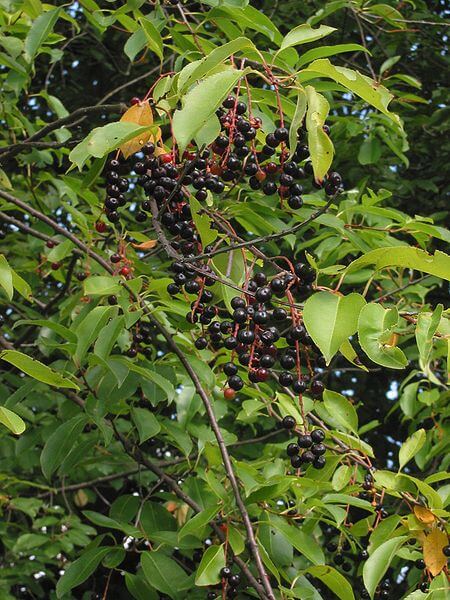
Prunus serotina, Black Cherry leaves, fruit and twigs

Health benefits of wild cherries

Cherries contain a number of very effective antioxidants including chlorogenic acid, quercetin, and kaempferol. Some studies involving chokecherries indicate that they could potentially lower high blood pressure. The high number of antioxidants in black cherries could also help to ease inflammation caused by conditions like arthritis.

Cherries are an excellent source of fiber, potassium, and many B-vitamins. HealthTrends.com has some more indepth information on the benefits of B-vitamins and potassium in your diet.

Cautions and lookalikes

The leaves, bark, seeds, and all other plant parts of the cherry tree contain a substance called hydrogen cyanide that can break down into cyanide. It’s a well-known toxin that can be very harmful to humans. Grazing animals are often lethally poisoned by eating too many cherry leaves. Hydrogen cyanide has a very bitter taste, so if you ever come across berries that are extremely bitter it may be best to avoid them.

When foraging for any wild berries, make sure to follow these fundamental identification steps. Wild cherries generally do not closely resemble any poisonous wild fruits. However naive foragers could mistake black cherries (Prunus serotina) for deadly nightshade or moonseed berries.

How to identify wild cherry

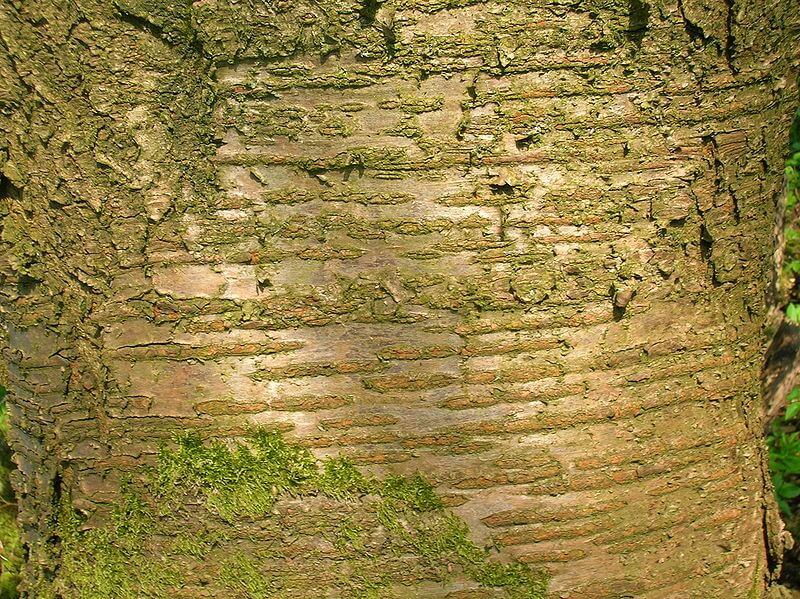
Wild cherry trees can usually be identified by their leaves and bark. The leaves will have finely serrated edges and the bark typically features horizontal lenticels on newer growth, and sometimes older growth too. Chokecherry and black cherry trees are very similar in appearance, however, the chokecherry tree usually has smaller, glossier leaves.

Prunus avium, Sweet Cherry horizontal bark lenticels
Prunus avium, Sweet Cherry horizontal bark lenticels (Photo By: Rosser1954 / Wikimedia Commons)

Another good identification feature is that many cherry trees have a fungus called black knot which creates large and small cankers or burls on the tree. Black knot affects many plants in the Prunus genus including cherries and plums. When collecting wild edibles, always make sure to follow Safe Foraging guidelines.

Wild cherries in Native American culture

Cherries were a vital source of nutrition to ancient cultures across Europe and North America, including Native Americans. Wild cherries would have been eaten freshly picked or dried and stored with other berries as a winter supply of fruit. The dried fruits would be used in many dishes including ‘pemmican’, a traditional high-calorie Native American food that was created for long journeys. Dried meat and fruits would be ground down and then mixed with animal fats and stored in rawhide bags to preserve them.

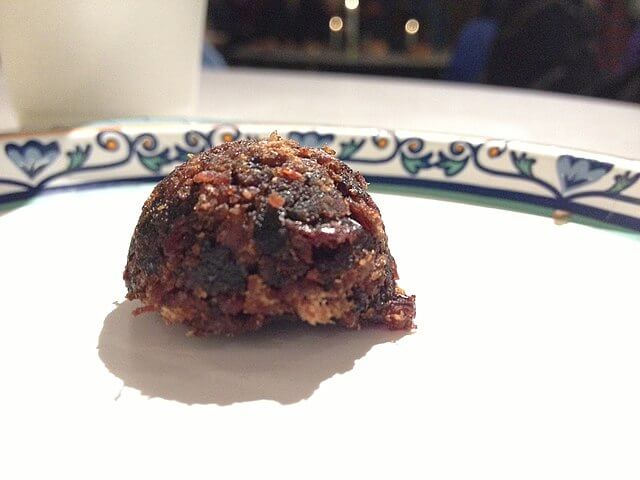
A plate with a rounded ball of pemmican. Pieces of fruit can be seen in the mix.
A portion of pemmican | Photo by Jen Arrr on Wikimedia Commons

The bark of wild cherries was also collected and used in Native American medicines. It would be ground into a powder or boiled to create teas. It was used mainly to treat respiratory illnesses like coughs and colds. However, it was also used to stem bleeding, and treat digestive complaints like diarrhea or cramps. Chokecherry bark was also used by some groups in a herbal smoking mixture known as Kinnikinnick. The ingredients varied between groups, but it usually contained notable bark and leaves from certain valued plant species.

Prunus serotina Black Cherry Bark with Black Knot canker
Prunus serotina Black Cherry Bark with Black Knot canker | Photo By Hardyplants on Wikipedia

Conclusion

Chokecherry and black cherry trees are a common find in many parts of the US, especially in the eastern states. They’re also a valued food source for plenty of wildlife too, especially deer, birds, and even bears. If you identify a tree in the wild, or even in your own backyard, try a cherry or two. Personally, I like to eat them freshly picked in small quantities during the summer.

Do you have a local source of wild cherries near you?

Many of our readers find that subscribing to Eat The Planet is the best way to make sure they don’t miss any of our valuable information about wild edibles.

See our privacy policy for more information about ads on this site

8 Weight Fly Rod Uses

0

It’s a fact, 8 wt fly rods get overlooked. Too often we read articles or get into conversations at the fly shop about different fly rod weights and which situations each is best suited for, and the 8wt never seems to match up with angler’s idea of the ideal weight for specific species. It always tends to be one size too large or one size too small. Because of this, we wanted to take a look at 8 Weight Fly Rods Uses.

It’s a shame because this size of fly rod is incredibly versatile but often underutilized. It’s never in the Goldilocks zone, but we would rather have a rod that can cover a lot of different applications, especially if we don’t have the resources to splurge on five different rods.

We explain below some of the uses and situations when these fly rods can be beneficial, and we’ve listed out a couple of our favorite 8 weight fly rods that are on the market.

8 Weight Fly Rod Uses

Uses and Benefits of an 8 weight fly rod

Below is a quick list of some popular game fish that you can easily chase after and land with an 8 weight fly rod:

  • Bass
  • Carp
  • Large Trout (Or average trout using big streamers)
  • Pike
  • Salmon
  • Steelhead
  • Bonefish
  • Snook
  • Redfish

And again, you might find some people that prefer a rod a step up or down in weight, but the point is that an 8wt gives you a versatile rod that can work a lot of different fish, and the truth is there are a lot of different .

With 8wt line, you can work with the heavier flies, often weighted, that get down in the water column quickly such as buggers and Clousers. These rods have the power and stiffness to turn over heavier sinking line but still sensitive enough for more delicate presentation with lighter flies if that is what’s needed.

Some models will be better suited for heavy casting versus light presentation, but 8wt rods are not so far up or down in weight that one or the other is not achievable.

You might also notice several saltwater species in the list above. Fishing for saltwater game is often synonymous with windy conditions. While it may differ from one model to the next, most 8wt rods are often moderate-fast to very-fast action which allows them to load fast and cut through the wind. That said, if you’re chucking heavy flies, especially in wind, wear sunglasses for eye protection!

The main point, and what we want to get across, is that an 8wt rod might not fit every application perfectly, but they’re versatile enough to cover a lot of different fishing scenarios and deserve a spot in your outfit. The crew here at FlyRods.com each have an 8 wt in our quiver, and we always enjoy using them. The seasoned large game angler will tell you, there are a ton of 8 weight fly rod uses!

Key components of a quality 8wt fly rod

Number of pieces

For a long time, it was thought that the more pieces a fly rod had, the less efficient the rod was regarding action and power throughout the rod.

The leaps in fly rod manufacturing and materials have allowed better tapering and ferrule design on the pieces which helps it retain the correct action and power throughout the length of the rod.

Someone really in tune with fly rods is going to be able to tell the difference between the same model in a two piece versus a four piece, but for most people, the difference between the two won’t be noticeable.

The main advantage of more pieces as compared to less is better portability.

Rod materials

Modern rods are almost always carbon fiber graphite or fiberglass. Both can catch fish. Fiberglass is often more in the slow to moderate action while graphite is usually in the fast action range. Action discussed more below.

You will also see a lot of nano-resin materials now being used in conjunction with graphite which increases the strength of the rod without adding a lot of weight.

Handle and grip

Cork is going to be the go-to material when it comes to fly rods. Cork is often given a specific grade ranging from A to AAA with the latter being the highest grade. Some synthetic grips are appearing on the market, but their popularity has not quite taken off.

Most 8wt rods are still only going to have single handgrip though there are 8wt Spey style grips, which we’ll save for another article.

You will also find some rods of this weight with fighting butts. These butts are great if you’re planning on getting into some bigger fish and allow you to take a lot of the pressure off your wrist when trying to get leverage.

Action

A fly rod’s action refers to where the rod bends when pressure is applied. The three main specifications for action are slow (bend more in the bottom third of the rod), moderate (bend in the middle to top half of the rod), and fast (bend in the top third of the rod).

Like any of these components, there is no right or wrong decision when it comes to a fly rod. Slow, mid, or fast action rods can all catch fish. Orvis has a helpful article on it.

There are several ways you can go with action for 8wt rods. Fast action rods are generally stiffer and let you load up quicker and get more line speed, distance, and the ability to cut through the wind.

The downside is that you get less accuracy at short ranges and there is less protection for light tippet, meaning if you hook a big fish you might snap it off.

With a moderate action rod, you get a slower load which can make wider loops trying to lob out heavy flies easier and make casting a bit more manageable for those still working on their technique.

They also are more manageable at short ranges you might run into while bass fishing around structures. You also get a little bit more finesse in your presentations.

Power

The power of a rod refers to how much pressure it takes to make the rod bend. For decent 8wt rods, the power ratings are going to fall anywhere from medium to heavy power.

While it depends on the fish, you are going to want the rod to have some resistance to get leverage on larger fish. A moderate-heavy to heavy power rating is our recommendation. See this guide on rod power by TFO.

Power, action, and stiffness don’t have a clear definition or standard across all of the different manufacturers. In the video below, you can get a better visualization of what these different terms mean.

Our top 8 weight fly rods

Fenwick HMG

Fenwick, in general, is an anomaly when it comes to quality rods at retail store prices. Most fly rods you pick up in this price range are similar to wet noodles when casting but the Fenwick brand surprised us with their rod quality, and the graphite HMG remains true to this trend.

While the HMG won’t fish like the high-end rods itis incredibly affordable, and its performance on the water is not going to dissuade beginners or frustrate more experienced anglers.

The Fenwick HMG 8wt has a single model option with a length of 9 feet and a weight of 4.2oz and four piece setup. We also like the dot alignment system on the ferrules that helps you align all of the guides and keep your casting at its optimum.

Handling

The HMG doesn’t use the highest quality cork, but that’s one part of the rod design that helps drop the price down. The handle is a kind of hybrid Full Wells design, but the rod handles easily in your hands.

The double up-locking reel seat is easy to turn and get a nice tight lock on your reel. There is also a small cork fighting butt on this rod

Casting and Wrangling

The Fenwick HMG feels pretty good casting. You’re going to be able to cast it proficiently on the water and are going to be able to catch fish. It’s a moderate fast action taper which makes it a little more user-friendly to beginners, but it might not give the performance someone out on the flats dealing with wind might want.

With its action, tip performance, and large stripping guides this rod shoots line well and is pretty decent at roll casting. Unlike the other 8wt fly rods, this rod does a lot better at short range than it does at 80+feet. It’s a great rod for fishing lake banks for bass.

Fenwick Eagle

This graphite rod from Fenwick is another excellent 8 weight option for those who want a rod that is going to perform well on the water, including casting and handling fish, without having the steep price tag.

The Eagle uses a four section blank so it’s also a great rod to bring on trips with you where there might be an opportunity to work some water.

This rod features two stripping guides along with the remaining snake guides. All eleven guides are chrome and do well at reducing friction of line leaving the rod and distributing pressure along the rod’s length. The guides, along with the light olive finish on the blanks and cork handles give it a pleasant look.

We like the reel seat on the Eagle as well. It uses a carbon spacer and a two aluminum up locking mechanism that keeps your reel locked and secure.

Handling and Wrangling

The Eagle uses pretty good quality cork for its hand grip, and it has an excellent reel seat. The handle also has a fairly large cork fighting butt for an 8 weight fly rod. The fighting butt along with the full wells cork handle gives you a comfortable setup to work large bass.

It’s a pretty stiff tip, and with its action, you can get quick hook sets, but it’s enough to snap light tippet. That comes with just about any fly rod and not a knock on the Eagle. We just wanted to mention it. This rod is great at picking up subtle takes and is pretty sensitive overall.

The power of this rod is categorized as Fly by the manufacturer. This is usually in the medium to sometimes medium heavy range. That’s more than enough for any bass you might be chasing. That power rating with the handle and fighting butt make this a great big bass rod or streamer rod for large browns. This rod utilizes IM-8 reinforced graphite, so it’s got some durability.

Casting

This is a medium fast action rod, but we think the tip is a little stiff and feels more like a fast action rod when casting. It’s not really a concern, and it is subtle. If you bought the rod wanting that action, you probably wouldn’t even notice. The Eagle picks up line well off of the water and loads quickly to get those large flies back into the strike zone.

This stiffness of the tip helps this rod load line pretty well, and you can get a couple dozen feet of line loaded with a lighter fly tied on. Medium range casts between 30 and 45 feet are where this rod really shines in line management and accuracy. You can get more distance if you’re not throwing a huge weighted fly, but anything past 50’ get’s tough to manage.

TFO BVK

We don’t live under a rock, and we realize that not everyone who wants to purchase a new fly rod has a spare 800 dollars lying around to throw towards a new rod. We like the BVK from Temple Fork Outfitters because it is high quality and provides a performance more akin to the high dollar fly rods without the price.

Handling

These rods feature a full wells grip design and a short fighting butt. The cork is decent quality, it’s not the top of the line stuff, but it’s not going to degrade after a few trips either.

The rod uses an anodized aluminum reel seat with a double uplocking mechanism that is the only issue with the rod. I have used this rod on a lot of smallmouth bass, and there have been several times I have had to pull out the pliers to loosen them as they tend to slip the threading. It doesn’t really affect fishing, but it can be the breaking point when the fishing hasn’t turned out as you hoped.

Casting and Wrangling

These are moderately fast action rods and pretty heavy in the power department even though they are relatively lightweight for an 8wt rod. They are not the most accurate rods at short range, but they can turn over a lot of line quickly and accurately.

G Loomis NRX

G Loomis is easily one of the top manufacturers of high-quality fly rods. They are usually the end goal for most fly anglers when it comes to lifetime fly rods. They carry a steep price tag, but the quality of these rods are second to none in most experts opinions.

Handling

The NRX Saltwater 8wt model is a 4-piece blank that has incredible strength but is only available in a 9’ rod length. These are graphite rods but utilize the nano-resin technology making them light and strong.

The rod uses a full wells cork grip, though the front end of the grip is a bit wider than the back end with the intention of giving you better control on long casts. The up-locking rings on the reel seat are easy to use and give a stable and secure lock on your reel.

Casting and Wrangling

These rods have a very fast taper which is the same as fast action, but they do not have stiff rod tips. This gives the NRX pretty great casting under 40 feet which is usually the weak point for 8wt rods. As far as casting out to 75 and even 100 feet, the NRX can give you tight loops, high line speeds, and accuracy with heavier lures. We also like how well this rod shoots line.

Orvis Recon

The recon has several 8wt models available with different lengths. 7’11”, 9’, and 10’ lengths and those options are a big plus in our eyes because it allows you to match the rod with your main casting style.

Handling

The reel seat uses a double up-locking mechanism to secure the reel, but it runs into the same problems as the TFO BVK rod. But hey, when that is the biggest concern on a fly rod, it’s a pretty dang good rod.

It has an excellent full wells cork grip and also a short fighting butt with a rubber stopper. With its handle and heavy power rating, the recon can provide a lot of leverage on larger fish.

Casting and Wrangling

This is a mid-priced rod, and we only bring that up because its performance is much closer to that of the high-end rods. Like most 8wt rods, the Recon has a fast action taper. This rod has plenty of power, but the stiffness of the rod in hurts the accuracy slightly at ranges within 35 feet. And that is relative to the perfect fly rod.

Compared to a lot of rods out there, it’s a stretch for us to complain about accuracy. You’re not going to have an issue getting heavy buggers or zonkers out past 60 feet. As the length of the rod increases, the power and accuracy you get at longer ranges increases, but the performance up close declines slightly.

Conclusion

An 8 weight fly rod is a versatile tool that can be utilized in multiple fishing applications, and there are a TON of 8 weight fly rod uses. Perhaps more so than any other weight of fly rod. There are a lot of excellent options out there for 8wt fly rods with almost every major fly rod manufacturer presenting several models. We recommend checking out the TFO BVK, which is a good mix of price vs performance.

We hope this short article explained some 8 weight fly rod uses, some key attributes of quality 8wt rods, and has given you some rod options to consider before your next trip to the water.

Have a favorite 8 weight fly rod? Have a good or bad experience with any of the rods we covered? Let us know below in the comments. Like, share, and comment below!

Of moose and men: A brief history of domesticated moose in Alaska

0

Long before Jack Carr was noticed for raising two pet moose, he was already famous.

An Alaska mail carrier at the turn of the 20th century, Carr spent his days crisscrossing the territory by dog sled, delivering mail between the Last Frontier and the contiguous United States.

In this role, Carr brought news of Alaska to a national audience. He was the first to confirm the Klondike Gold Rush in 1897, when he brought the news of gold to Seattle, the New York Times reported more than a century ago.

Only later, after moving to Washington state, did Carr procure and train two moose. He named them in honor of President William Taft and Taft’s daughter, Helen. The unusual pets brought Carr’s name to the headlines once again.

Despite the novelty and interest surrounding his pet moose, he wasn’t the only one domesticating moose during that era. From Fairbanks to Skagway, stories of pet ungulates were making the news.

‘Moose will go on vaudeville stage’

Carr’s name is scattered among various publications of the time, where he described the advances and ills of the era, from the destitute miners spending their scant money at saloons to the bustling population of Dawson City.

He took the first mail from Circle City by dog team in 1896, mushing down to Skagway, the Fairbanks Daily News-Miner wrote in 1960. The next year he purportedly traveled from St. Michael, at the mouth of the Yukon River, to Seattle. His journey took only 87 days, the article says, not including the days he rested.

By 1898, Carr was described as “one of the most famous mail carriers and travelers” among Yukon pioneers by the Klondike Nugget, based in Dawson City.

A few years later, Carr was again on the move.

A 1906 article from the Fairbanks Daily Times says that Carr, “the greatest of all mushers,” had “quit the business.” He and his wife were heading to Seattle, ending his mail contract between the Yukon-Koyukuk region.

The couple had already sold a trading post they owned in Fort Yukon. Carr had also secured a gold mining claim that “relieve(d) him from any further necessity of mushing or doing anything else save watching the other fellows work,” the article says.

(The later News-Miner article says, though, that he was still mushing in Alaska in 1908, so there is some discrepancy as to the end of his mail-carrying career. At some point, though, he ended up back in Interior Alaska, with two baby moose by his side.)

In November 1909, his image appeared in the Seattle Daily Times next to two moose calves. The article was dug up by Elizabeth Cook of the Tanana-Yukon Historical Society.

“Moose Will go on Vaudeville Stage,” the article’s headline proclaims. “Jack Carr, Pioneer of Alaska, Educating Animals He Caught in Far North for Theatrical Career.”

According to the article, Carr captured the twin calves near Circle City in the Interior when they were 6 days old. He fed them condensed milk and oatmeal until they were more fully grown.

He named the two moose Bill and Helen, after President William Taft and his daughter.

Bill and Helen were brought to Seattle via steamship and train, where they lived in an enclosure on Carr’s property, the article says.

Undated images of the two moose fully grown show that he succeeded in training them to pull him in a sulky, a light, two-wheeled carriage. Another image shows a moose standing on two legs and Carr standing on a pedestal, smiling at his domesticated creature.

Eventually, Carr got bored of living in Seattle, the News-Miner reported. He moved to the now-abandoned town of Katalla, Alaska, where he lived for the rest of his life. It’s unclear when or if the moose went with him.

Moose-mounted cavalry?

Today, of course, all of this would be illegal. State law bans the keeping of game animals as pets. Moose can be kept in captivity only under certain circumstances, by zoos and other permitted facilities.

But long before the Gold Rush, other Arctic regions were experimenting with domesticating moose.

In the 1700s, Swedish King Carl XI used moose as riding animals for couriers. He also planned to make moose-mounted cavalry regiments, an idea that was presented later to the Academy of Science in Stockholm as an alternative to importing horses. The idea never took hold, though; the animals’ untrainable nature and susceptibility to disease made them less preferable to horses.

In the 1930s, Soviet dictator Joseph Stalin also hoped moose would replace horses in cavalry regimes but the idea was eventually abandoned. Moose domestication projects in Russia continue today, mostly selling moose milk and serving as tourist attractions.

Meanwhile, in Alaska’s territorial days, there were no laws against keeping moose, and another famous Alaskan, J. Bernard Moore of Skagway, also had his own family pet.

Carnation the moose

The Moore family settled in Skagway Bay in 1887. Ten years later – after J. Bernard Moore successfully predicted that a gold rush would flood the valley with stampeders – their homestead was overrun with men heading north.

The city of Skagway was born, and for a short time, one of the most famous residents was a young bull moose.

The tale of J. Bernard “Ben” Moore’s moose is related in detail in “Skagway: City of the New Century” by Jeff Brady.

Moore inherited the moose in Seattle in 1899 from a miner who had brought the creature down from Canada. Its name: Carnation.

Carnation arrived in Skagway incognito. Eventually, Moore taught the moose to be put in harness, and he decided to hitch Carnation to a wagon and parade through town.

A local newspaper described the scene:

“All idle eyes in the business center of the city yesterday afternoon were amused by the sight of a fine specimen of the monarch of the woods, a moose, parading in the streets in harness and subservient to man,” the Skaguay News wrote on Dec. 30, 1899.

During his short tenure as a local attraction, Carnation was photographed, featured in stories and visited frequently, Brady writes. In 1900, the 2-year-old moose died, with his death attributed to gluttony – eating “too much clover,” a newspaper reported at the time.

Moore buried Carnation on his property and mounted the moose’s head above the piano in his home. Moore’s homestead is today a National Historical Landmark.

‘Asked many times to keep the moose out of the saloon’

A brief history of pet moose wouldn’t be complete without the infamous tale of one in Fairbanks that in 1913 annoyed city officials so much they crafted an ordinance against it.

Fairbanks bartender Pete Buckholtz acquired his calf from hunters, Alaska Dispatch News columnist Dermot Cole writes in his book “Fairbanks: A Gold Rush Town that Beat the Odds.”

The moose was fed potatoes and stale bread in winter months, and sometimes willow branches cut by Buckholtz. It was broken to harness and, like the other pet moose, could be hitched to a sled.

Docile and affectionate, the moose followed its owner around, including into the saloon where Buckholtz worked.

“Buckholtz had been asked many times to keep the moose out of the saloon, but he refused,” Cole writes.

Mayor Andrew Nerland decided that he had to do something about this nuisance moose. While the city didn’t have the power to ban the possession of a live moose, they found a loophole: They could ban moose from city sidewalks. And so they did, preventing the moose from legally entering the saloon.

If you have more information about historical game animals as pets, or any of the above men profiled, please email reporter Laurel Andrews at [email protected].

Alaska Dispatch Publishing

Does Nikon Still Make Scopes? Everything You Need to Know

0

Nikon scopes have been frontrunners in the very profitable market of rifle scopes for decades.

However, Nikon abruptly changed its stance a few years ago, abandoning hunting, and rifle scopes, entirely.

This change has left many suppliers and loyal customers worried about the future of their products, myself included.

Let’s look at why the company chose to leave the rifle scope market.

I’ll explain what this means for Nikon’s customers and what optical products are still offered by their sport optics division.

Does Nikon Still Make Riflescopes?

Man holding rifle

As of 2022, Nikon is no longer in the rifle scope business.

Nikon wanted to distance itself from the hunting and weapons crowd, focusing on more consumer-friendly products and multi-purpose range finders.

It makes sense to discontinue their entry-level and mid-level range of scopes despite being a very profitable market.

This allows the company to divert its focus to its main product: cameras. Still, they will not leave the outdoor community entirely.

They will simply no longer carry weapon-mounted sights.

Is It Impossible to Buy Rifle Scopes?

While you can’t order Nikon’s scopes straight from the company, you can still buy any unsold models from a registered Nikon optics dealer.

Nikon migrated all their supply to third-party resellers to get rid of their current stock..

I’ve had to buy some Nikon scopes from outside sellers; fortunately, they still work as if they were brand new.

Once their supply has been exhausted, no new sniper scope will be made available.

Why Has Nikon Stopped Making Rifle Scopes?

Woman holding rifle

In 2019, Nikon announced that it would leave the rifle scope market completely, selling off its remaining rifle scope line products to companies on its Focused Dealer Direct Program.

This shift in the distribution model from the traditional wholesale supply chain to the registered dealer-only program is one of two factors cited by a Nikon rep for the company’s departure from the rifle scope business.

Aside from open supply chain issues, the Nikon rep named the market itself and the fact that Nikon wanted to distance itself from it as one of the two factors that caused the company to abandon the line.

Sniping products have brought great shares to the company, but their scope lines have been making less and less money through the years as the competition grows fiercer.

The company had also received negative publicity over the use of its products in big game hunting.

This cuts into their bottom line and affects the sale of their other, more lucrative products.

These factors have led to the company’s internal decision to discontinue the production and distribution of weapon-mounted products.

How Does This Affect Current Nikon Scope Owners?

Nikon migrated their remaining stock of entry-level and mid-level range scopes to their accredited companies for reselling.

The company sees that focusing on more profitable product families makes sense.

I know I felt disappointed about this as I loved using Nikon’s scopes in the past.

Don’t worry, though. Fans of Nikon-produced optic products need not feel abandoned.

Plenty of companies still carry any needed replacement parts, and the company promises to honor customer commitments.

Still, it will take loyal users some adjustments as they look for different scope brands moving forward.

It’s unfortunate that many fans have sworn off Nikon because of this perceived betrayal.

Can I Still Buy Nikon Rifle Scopes?

Woman preparing to shoot rifle

The shift from the traditional wholesale supply chain distribution model to the registered dealer-only program has forced Nikon to cut its losses and return to cameras.

This, plus their effort to clean up their image and deviate from an extremely competitive industry, means that their sporting optics division (binoculars, spotting scopes, etc.) will be left without a rifle scope.

Thanks to the focused Dealer Direct Program, you can still find, and buy, any Nikon product you need!
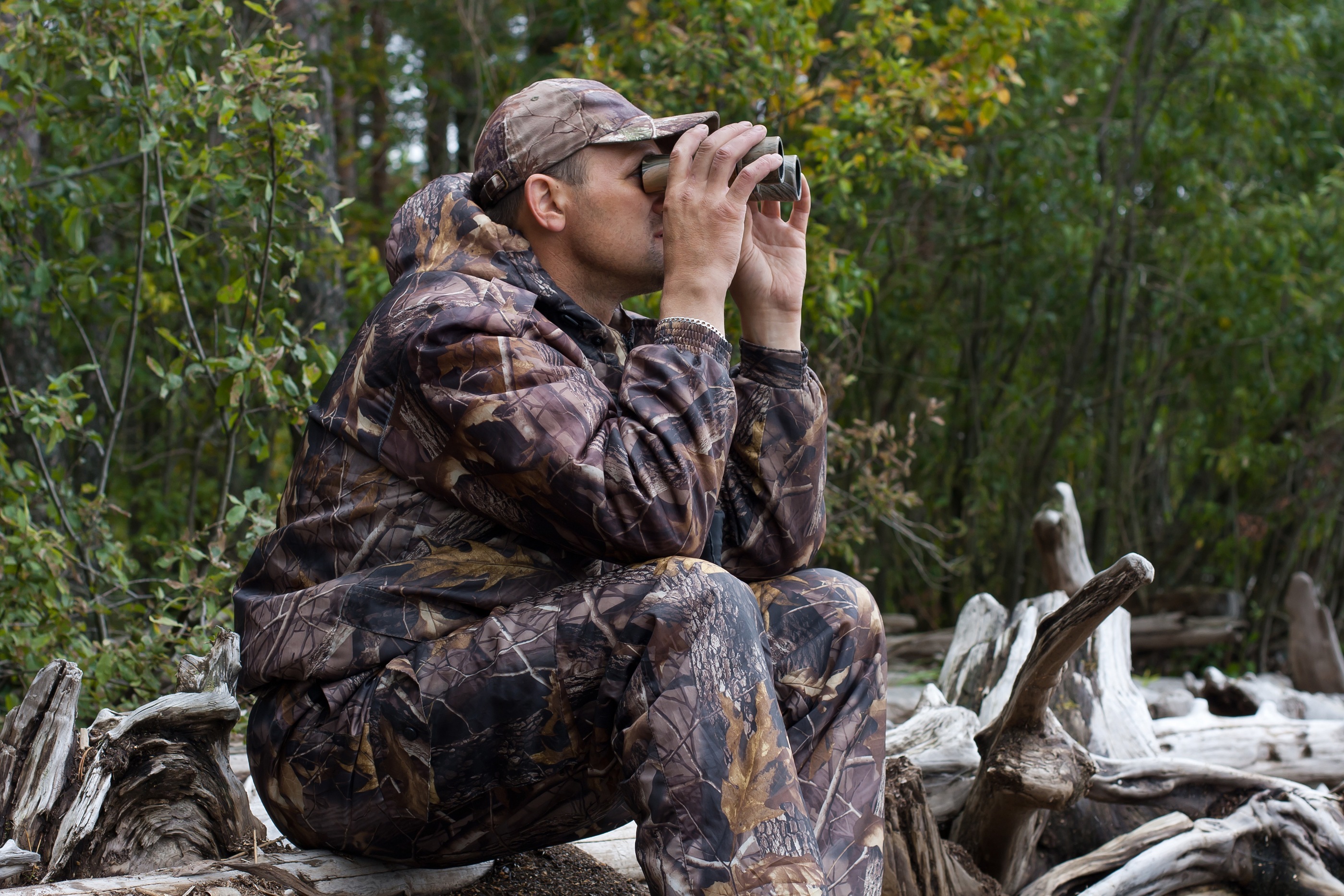
That said, Nikon abruptly changed course without recalling and disposing of every rifle scope.

There is still PLENTY of current inventory available at any registered Nikon optics dealer.

You can find and purchase Nikon scope models and accessories through third-party sources.

If you don’t think Nikon scopes are for you, there are a lot of other scopes at affordable prices for you to check out!

Do Nikon Scopes Have a Lifetime Warranty?

Woman sporting rifle

While it may be impossible for hunters to look forward to a new rifle scope line from Nikon, warranty worries should be the least concern for long-time Nikon users.

The company has promised to continue offering and honoring lifetime warranties for any Nikon-produced scope.

Though Nikon does not plan on returning to the rifle scope business, it does plan to take care of any users who enjoy its extremely competitive rifle scopes.

The company announced that their rifle scopes are covered by a five-year limited lifetime warranty.

That gives me some reassurance, at least!

Fortunately, one of my Nikon scopes was still covered by the warranty, so no harm done despite the discontinuation of their scopes.

It encourages these scope users to continue using Nikon’s spotting scopes, cameras, and other shooting equipment.

Nikon Alternatives to Consider

Since Nikon is no longer in the rifle scope market, there are other brands you can turn to instead.

These brands work just as well as Nikon’s scopes, so you can’t go wrong with these alternative brands.

1. Leupold

Leupold is known for offering rifle scopes with high durability and affordable pricing.

My experience with Leupold scopes has been nothing but enjoyable, from their SUPER clear optics and ruggedness.

You can definitely trust this brand as it’s been in the business for over 100 years! They definitely know what they’re doing.

2. Vortex Optics

Vortex is one of the newer kids on the block, but their scopes have Leupold and Nikon beat in the pricing department.

You get EXCELLENT quality with contrasting colors and you don’t have to spend a fortune!

Plus, they also come with a lifetime warranty, so you have nothing to worry about.

3. Bushnell

Bushnell is another TOP-TIER company that produces precision optics that are great for large and small game.

And it’s not just scopes!

If you want to expand your outdoor gear, you can find high-quality red dots, rangefinders, and spotting scopes

Final Words

Nikon really cemented itself as one of the best rifle scope manufacturers ever.

While Nikon rifle scopes may be off the table, Nikon continues to offer its more profitable product families, whether they be cameras, binoculars, range-finders, or other scope products.

North America

0

What location has caught the most blue marlin over 1,000 pounds?

This question was recently posted on social media, and asked everyone around the world to count up the granders (marlin weighing 1,000 pounds or more) caught from their home waters. We wanted to see, statistically, which location would stand out as the best place in the world to catch a grander blue.

Utilizing the Hawaii Fishing News Grander list, we counted up about 144 from Hawaii.

With that in mind, the following may be inexact, but it will give you a pretty dang good idea where the granders were caught in Hawaii:

Big Island: 87Oahu: 43Maui: 7Molokai: 3 (Two were caught the same day!)Kauai: 2

Of all the grander marlin caught in Hawaii, however, three fish stand out as extremely noteworthy catches. These fish include Capt. George Parker’s 1,002-pound blue marlin caught in 1954, the first grander in Hawaii. Capt. Bobby Brown’s 1,376-pound blue caught in 1982, a world record that still stands today. And, the largest marlin ever caught on rod and reel, Capt. Cornelius Choy’s 1,805-pound blue caught in 1970.

The best “Big Fish” months appear to be July with 21 granders, while June and March each have 20. May has tallied 14 granders, with 13 caught in August, 12 landed in April 12 and 10 in September. The winter months of October through February average less than five, but for some reason January posts nine, which offsets the lowest months of November and December, with three each.

June 10, 1970 is an especially notable date because it was on this day that Choy brought in his monster marlin. This year, on June 10 and 11 the Hawaii Marlin Tournament Series will pay homage to Choy’s 1,800-pounder at Leg One of the aeries, The Kewalo Big Fish Chase.

A $75,000 bounty has been placed on Choy’s monster and whoever catches a marlin larger than 1,805 pounds will walk away with the purse. Jungle rules do apply, in deference to the favorite way of fishing by Oahu folks. However the rod and reel must adhere to IGFA tackle specs. This “bounty” is open only to teams entered in the Kewalo Big Fish Chase. There’s also a guaranteed $10,000 purse to be split among the largest marlin, ahi, mahi and ono – on top of the purse generated from the $500.00 per team entry fee.

Rules for the Bounty and the tournament can be found at: http://konatournaments.com/events/kewalo-harbor-big-fish-chase/

HONARABLE MENTION

During the online discussion, folks from all over the world chimed in, but in the end, it was apparent that Hawaii is still the Blue Marlin Grander Capital of the World. Honorable mention went to Madeira, Cape Verde and the Canary Islands. Mauritius was noted as holding the potential to give Hawaii a run for its money, if only it had a large fleet of boats. They estimated 40 granders weighed in Mauritius with the largest weighing 1,430 pounds. Very respectful!

An interesting tidbit from the conversation was that known hot spots that catch large numbers of blue marlin such as St. Thomas, Panama and Costa Rica had very few granders to speak of. That doesn’t discount the great fishing that the offer, with the Costa Rica FAD fishing reporting sometimes 20+ blue marlin a day – from one boat!

Capt. Bomboy Llanes caught a 1,258.4-pound blue marlin back in 2003 at the Firecracker Open tournament, and it was long thought to be the largest marlin ever caught in a tournament. However, Capt. Tim Dean chimed in from Australia and reminded is that he weighed a 1,278-pound black marlin at the Lizard Island Black Marlin Classic.

Therefore, Bomboy had to adjust his claim to having caught the “largest blue marlin in a tournament, anywhere in the world.” Small adjustment for such a big fish, on a world-wide scale.

The story of Molly Palmer went viral back in 2012 when she was fishing in the Big Island Marlin Tournament. She refused to cheat and decided to disqualify a 1,022-pound marlin that was not only the tournament winner but also a potential woman’s world record because of a technicality.

Going in to its 31st year, the eight tournament Hawaii Marlin Tournament Series, the features the return of Taj Mahal and the Hula Blues Band in their only performance for the year. Taj will be taking a break from the TajMo tour with Keb Mo, following the release of their new record “TAJMO” featuring cameos by Bonnie Raitt and more.

Taj had his own tournament in Costa Rica for a few years and loves to fish. Last year at the BIMT he tagged and released a marlin to get back in the groove. This year he has a brand new plan.

For a complete schedule of all eight events in the $1.5 million Hawaii Marlin Tournament Series visit www.konatournaments.com

Hawaii has a long history of big marlin, but none of the fish landed here can top 1,805-pound marlin brought in by Capt. Cornelius Choy’s 1,805-pound on June 10, 1970. Choy’s monster still stands as the largest marlin ever caught on rod and reel. Anyone who catches a bigger fish in the Kewalo Big Fish Chase tourney will win $75,000.
On May 27, 1982, angler Jay De Beaubein set the 130-pound class IGFA world record with a 1,376-pound Pacific blue caught on No Problem with Capt. Bobby Brown and Doug Haig. The record still stands.
Tournaments are probably the best time to catch a grander, as you can win prize money and bragging rights. Two notable Hawaii tournament catches include the 1,258.4-pound blue caught by Bomboy Llanes in 2003, the largest blue caught in a tournament. And, the 1,022-pound marlin caught by Molly Palmer. Visit konatournaments.com for info on the Hawaii Marlin Tournament Series.
Best Air Rifle Deals

Popular Posts

How to make a break barrel air rifle more powerful

0
"Unleash the Power: Mastering Break Barrel Air Rifles for Maximum Performance. Discover expert tips and techniques to enhance the power and precision of your...

Dry Firing Air Rifles: What You Need to Know

0
"Master the art of precision shooting with dry firing air rifles. Enhance your aiming skills, trigger control, and muscle memory without using ammunition. Discover...

PCP vs CO2 Guns: Which One is Better?

0
The most talked-about debate between hunters and gun enthusiasts is what the best power source of a gun is.  The five main sources of power...