

Home Blog Page 29

Hunting Slang 102

0

You’re all brushed up on hunting lingo 101 and gun lingo 101, so let’s take it to the next level. Welcome to Hunting Slang 102.

Hunting slang is a less-than-official language that can vary by state or by region, but nonetheless, all hunters and their communities throw around terms and colloquialisms that you probably didn’t hear in your hunter safety course. Admittedly, some hunters are more crude in their slang, but they all have the same intention: to just have fun and make memories while embarking on one of the most natural journeys in the wild.

This list may not be comprehensive, but there’s plenty to add to your personal vernacular.

Game Slang:

Freezer Queen (synonyms: Old Long Nose, Slick Head, Baldy) — A female deer, typically big or old. These are worth shooting because they will fill up the freezer for plenty of dinners.

Speed Goat (synonym: Loper) — A pronghorn antelope, usually called just “antelope.” They are not actually part of the goat family, but they are the fastest. A pronghorn also isn’t technically an antelope, but they are distant relatives. A giraffe is a pronghorn antelope’s closest relative (who would’ve known?).

Dandy (synonyms: Toad, Shooter, Swamp Donkey, Pig) — A really nice male deer, typically big bodied or with a nice set of antlers and old or smart. You’ll be telling stories about this deer for a long time.

Button Buck (synonyms: Nub Buck, Nubby) — A young male deer with antlers that aren’t yet grown in. Their meat is usually tender and good eating, so depending on your goals as a hunter these could result in a successful hunt.

Mulies — Nickname for a mule deer which are typically found in the United States west of the Missouri River. They have a distinctly white behind, thick bodies, large tall ears similar to mule ears, and mature bucks have longer antler tines than whitetail deer.

Whiteys — Nickname for a whitetail deer, which are marked by their white fluffy fur on the bottom side of their tails. Whitetails can be found nearly anywhere in the U.S. except the Southwest, most of Alaska and Hawaii.

Huns — Nickname for Hungarian partridge, which are also known as gray partridge or English partridge, and have a mostly gray body and chest with some orange and cinnamon stripes throughout their feathering. They are a game bird weighing a little over a pound in the same family as pheasants and are typically found in the north central part of the U.S. Excellent eating if you can shoot one after it flushes, or flies, out of its hiding place.

Sharpies — Nickname for Sharptail Grouse

Spike — Any deer that has just one antler spike on both sides of their head, like two spikes (not to be confused with a unicorn, which only has one spike).

Fork Any deer that has antlers that branch out on either side of their head, resulting in a total of four points.

Gobbler (synonyms: Thunder Chicken, Boss Tom, Hammerhead, Red Head) — A male turkey, can be any of the types of turkeys like Merriams, Eastern, Rio Grande or Gould’s. The thundering and hammering referred to in the other nicknames come from the sound the male turkey makes during their mating dance, where they use their wings to beat the ground. They also make a sound like a gobble and the blood rushes to their head when they are excited, causing a red head.

Tree Rat — Quite simply—a squirrel! These can be either gray, red, black, or white, with white being very rare. Though they have a very fluffy long tail, they squeak, run and hide similar to rats.

Yote — A nickname for a coyote of any type, which are smaller than a wolf, but furry with a skinny snout and gray, brown, tan, white and black coloring. They can be found in nearly every state in the U.S. except Hawaii.

Dabblers — This term refers to waterfowl that eat by “dabbling” their heads underwater and keeping their butts above water. Types include the famous mallards, teal and wood ducks, as well as pintails and gadwalls. Coloring for each type ranges from grays to blacks, green, blue, brown and some orange tints.

Divers — Unlike dabblers that stay near the surface of the water, divers actually dive underwater to eat and find fish. These can include canvasbacks, scaup, Mergansers, and redheads.

Technical Slang:

BBD — Abbreviation for “Big Buck Down.” This phrase is used appropriately when a big buck has been shot and believed to be expired. A hunter would usually say this in extreme excitement.

Skunked — No, no real skunks involved here. If you have been hunting for quite a while and come home at the end of the day with no sign of your target animals or an opportunity to harvest, you’ve been “skunked” or unsuccessful.

Winded — It may be tempting to think “out of breath” on this one, but it actually means an animal smelled your scent through the wind, and basically implies you spooked them.

Busted — Similar to getting busted as a human caught red-handed, here an animal has spotted you in their natural territory, causing you to lose a decent opportunity.

Dirt Nap — One of my favorite slang phrases, this one refers to what happens when that animal goes down after a kill shot.

Flagging — Whitetail deer are known for doing this. If they are spooked or warning their fellow deer mates, their tail will perk up and the white undersides of their tails shake like a flag. This usually means you are close to blowing an opportunity to get closer or have already blown it.

Rattling — A fairly typical practice for deer or antlered animal hunting, this is when a hunter uses a pair of antler sheds or manufactured antlers to rattle together for attracting animals. Rattling imitates the sounds antlers make when two male antlered animals fight each other, typically during the rutting season or breeding season.

Bag — A bag is another word for a harvest limit, or however many animals you’re allotted to kill. Waterfowl and bird hunters usually use this term, and may or may not carry their game home in a bag.

Bagged Out or Tagged Out — This is when you’ve officially reached your harvest limit. The phrase “bagged out” is usually used in bird hunting while “tagged out” is usually used for four-legged animal hunting.

Buck Fever — Ah, yes. Good ol’ “buck fever.” Buck fever is a phenomenon that many enthusiastic hunters experience. When seeing a buck in the wild, especially one within the kill zone, a hunter may feel shaky knees, quickened heart rate, inconsistent breathing, sweaty palms, and frozen muscles. Adrenaline is to blame.

Smoke Pole — A nickname for a muzzleloader, a long-barreled gun that produces smoke when shot, due to the gunpowder that ignites when triggered.

Dope — No, not that kind of dope. Here we’re referring to urine of a female deer, or doe, that is in heat which is used in the hunt for a buck. It is found in the form of liquid within a bottle and can be sprayed or soaked on a wick, which can be hung on a tree limb. Place this in an effective spot and the scent will attract bucks during the rut.

The Rut — I’ve referenced this term a few times already, so I’ve saved the best for last. This is one of the ultimate times to hunt antlered deer. During this period of a hunting season, females are “in heat,” or preparing to be bred, and bucks are on the hunt to do the breeding. You interrupt the buck’s one-track-mindset and behavior during this period and voila, the perfect opportunity to harvest a beautiful buck is upon you.

Take Aim: Where to Shoot a Turkey

0

Every hunter dreams of an instant kill, where their prey simply hits the ground dead. It’s the perfect shot, the best intention, and the only way to make sure the animal doesn’t suffer. Here, we’ll take a look at your placement when you’re trying to take down the gobbler you’ve got your eye on.

Broadside

If the turkey approaches you broadside, the best place to put your shot is right where the wing joints to the body. You’ll slice through heart and lungs and there is no more instant kill than that. Plus, should you miss your mark by an inch or two on any side of this shot, you’ll still hit enough necessary organs to take the bird down in one go (almost certainly).

We do have to note that broadside shots are usually the most preferred to take with both firearms and archery since they allow for a much larger target and an easier spot. Plus, broadside shots allow you to see spurs on gobblers and assure you that the bird you’re shooting is not a hen.

Above the Beard

Maybe your gobbler is just demanding that you shoot it from the front. It wants to look you in the eye when you put it down and you know what? You’re game for that.

Shoot just above the bird’s beard to get that turkey’s pretty fan on your wall. Shooting under will likely damage the breast meat and may cause a gut shot, which could end up ruining the entire bird. If you take the turkey with a shot above the beard but below the neck, you’ll go straight through the heart and lungs once again and put it down in a blink.

Where the Fan Meets

Or maybe you’re experiencing the opposite problem. The turkey won’t turn around and is being, well, a turkey. In this case, we recommend calling vigorously to try to get the gobbler’s attention. A broadside or front shot is so much easier than trying to knock off the bird’s backside.

However, we take whatever shots we can, right? It’s more important to bag your bird than it is to let it get away because it’s only showing its back to you.

Shoot at the base of the fan, just below the actual tail of the bird but above the cloaca. Unfortunately, you’ll likely see some meat loss with this shot but that doesn’t matter quite as much if you’re just after the fan and you’re feeding your dogs the rest. Still, even if you’re just after the fan, this probably isn’t the best shot in the world, anyway.

Try to get the bird to turn, but take what you can if it won’t.

From Behind

Maybe the turkey doesn’t even care enough to flip its fan at you. That, or you’re after a bearded hen that you’ve had your eye on and she couldn’t care less. Go ahead and shoot in the same position, but across the back rather than from underneath the fan. You’re looking to aim for the tail joint at the body and sort of up along the spine rather than down into the body cavity.

Again, ideally, you get the turkey to turn your way and try to get that broadside or front shot. If you can’t, the joint of the tail and the body is a simple place to put a shot.

The Head Debate

It is preferred to kill a turkey by placing a body shot across the heart or lungs to ruin as little meat as possible and to kill the bird instantly. After all, we want their meat and the trophies, and we want the turkey to die as fast as possible.

So why not try for a headshot and be done with it?

Turkeys have incredibly tiny brains. Anyone who’s watched them for a while will probably chuckle at that, but we aren’t making fun of their intelligence. Instead, this is a simple fact. The heart and lungs of a turkey are far larger than the brain and better targets. Yes, your rifle is probably going to completely behead that turkey if you manage to get a really solid shot at it.

The target is tiny, the brain is minuscule, and you don’t want to take a bird’s beak off and leave it to starve to death by a misfire. A body shot will kill almost any bird, even if you don’t clip the heart and lungs. The damage done to the internal system of the turkey is simply too much for the body to bear. That isn’t so if you miss their very small head (and smaller brain).

Bottom Line

We strongly recommend either a broadside or a front-facing shot. These are the easiest to take and assure that the bird is probably dead before it hits the ground.

Looking for some more tips? Check out our other articles: 15 Expert Tips for Spring Turkey Hunting and How to Clean a Wild Turkey.

Juniper Berries: How To Find, Harvest, and Use Them

0

Juniper Berries

Here in Ohio, we still haven’t had a frost so I’m still bringing in the harvest. This week, I’m ready to collect juniper berries.

Our juniper shrub has played an important part in our farm since the very beginning. It was much smaller when we moved in, but nonetheless, was the best shelter on the property for our very first bee hives. The mockingbird, for which we named our farm, nested in the juniper just above the hives that first year and we took it as a good sign.

Where to Find Juniper Berries

Junipers grow in most parts of North America. They aren’t too picky about the soils in which they grow, with the exception of their dislike for an extremely wet one. Because they can tolerate extremely dry conditions, you may have met a juniper even if you live in the city. They are often planted near sidewalks and streets. They don’t need much in the way of maintenance, so no need for a grounds crew to keep them trimmed. Even the berries, which are small and abundant, lure the birds to come and fetch them instead of gracelessly cluttering the yard.

Using Juniper Berries

Juniper berries have a long tradition of use in food, beverages, and medicine. I wrote some weeks ago about the fact that they are the main flavor in gin. In Norway, where my family originates, it is common to home brew with juniper berry tea. You’ll find recipes that include juniper berries with meat, especially fish. Just a few are used, and they are usually crushed to release their flavor. It is said that they make a domestic meat taste like their wild counterparts.

In medicine, juniper berries are recognized for both their high content of volatile oils and their beneficial resins. It its common to see them applied to issues in the respiratory tract and urinary tract. Therefore they can be useful for such issues as cold, congestion, cough, urinary tract infections, arthritis, and gout. They are fairly intense in their action, so only small amounts are used.

NOTE: Juniper berries aren’t a tonic by any means, so the use of them over long periods of time isn’t advisable. The use of the berries for anyone with only one kidney, or someone with kidney disease, is not advised.

Harvesting Juniper Berries

Our juniper bush towers over us these days. It has grown from a modest six feet to easily 11 feet over the past 15 years. I won’t bother picking any of the berries above my head. In that way, I can leave some of the berries for the birds. Juniper leaves are sharp, so it’s best to use gloves when picking juniper berries.

The time-honored way to pick is much like mulberry picking. Place a sheet underneath the shrub, grasp a branch with berries, and gently shake. The berries will fall off quite easily. You are looking for only the blue, ripe berries. Anything green will rot before it dries.

Drying Juniper Berries

After gathering the berries, it is time to dry them. It has turned rather chilly and humid here, so I’ll most likely use the dehydrator. It takes quite a while to fully dry a juniper berry because it is highly resinous. You can expect to allow them to air dry for up to three weeks or at least two days in the dehydrator.

Using Dried Juniper Berries

This winter, I’m looking forward to experimenting with some juniper rubs for outdoor barbecue. If I decide to use the berries for medicine, they can be tinctured, powdered, or made into tea.

Want juniper berries, but don’t have time for a DIY?

You can find organic dried juniper berries here for a reasonable price.

Have you noticed a juniper shrub in your area, covered in blue berries? Have I inspired you to take a closer look?

*******

An Overview of Fleshing Knives

0

The fleshing knife is a key component to most fur sheds. If you’re fleshing muskrats, mink, marten and weasels, you can simply use a butter knife, or a small pelt scraper. But if you’ve got any amount of meat and fat to clean off a pelt, you need a fleshing knife.
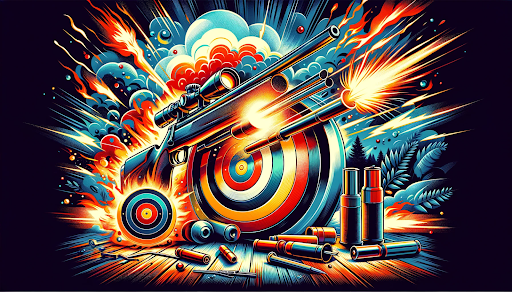
Fleshing knives come in a variety of shapes and sizes, and a wide range of price points. The very low end, entry level fleshing knives cost around $15-25. Why so cheap? They’re simply a piece of mild steel with a handle on each end. Unlike the better knives, they’re only one sided, meaning you can do a lot of pushing, but little to no cutting unless you sharpen the convex side on your own. They also typically come unsharpened, and don’t sharpen very easily. They can get the job done, and are great for fleshing a few pelts a season, but they require a whole lot of work and will wear a guy out pretty quick trying to do much fleshing. A number of different companies make these knives, some with brand names and some without. Aside from a lack of ergonomics, the entry level fleshing knives don’t have the quality steel that will take a sharp edge and hold it. Sure, you can sharpen them, but they’ll go dull pretty quick, and won’t cut or push nearly as well. Still, if you need a fleshing knife in a pinch, or you only flesh the occasional pelt, one of these will save you a few bucks.

There’s a quick jump, both in price and quality, between the low end and high end fleshing knives – without much in between. Instead of paying less than $30, you’ll be well north of $60 for a good knife. And in my opinion, it’s well worth the added investment. I remember my disbelief when I tried my first good quality knife, a Necker 600, after spending years trying to flesh beavers with the low end knives. It was incredible. One side for pushing, and a razor edge on the other for cutting the tough spots. The high quality steel blade didn’t dull a bit, even after fleshing 20 beavers. In addition to steel quality, the ergonomic shape was easier on the hands and arms, and the knife had a level of flex to it that made for smooth strokes and less tiring. I swore I’d never go back to an entry level knife. If you can afford it, get a Necker, or equivalent fleshing knife like the Wiebe Elite or the Au Sable Superior.

In addition to the low and high end standard knives, there are a number of other styles that some folks prefer. Sheffield and Green English are a bit different style of knife, with a much wider double-edged blade. They come factory sharpened, and lots of folks like them. The Green English is available at a similar price point to the Necker, and the Sheffield is kind of the high end of the high end product – hand crafted in England with the best quality steel.

A relative newcomer to the market, the Caribou fleshing knife has had some really great reviews recently as well. The big time beaver trappers I know who have used it say it has a thinner, more flexible blade than the Necker, and they really like the precision it affords. Check it out!

Unless you’re a skilled clean skinner or one of those guys who fleshes beaver pelts with a small knife over his knee, you need a fleshing knife in the fur shed. It’s as important as the beam, and you certainly get what you pay for. The low end knives are a dime a dozen, and will get you by in a pinch, but a good fleshing knife that’s comfortable and high performing is worth every penny you spend on it. It’s an item that will last for many years, and pays for itself with every pelt you put up.

Exploring the Benefits of Firebird Targets for Sharpshooting

0

Introduction

Sharpshooting, a skillful and precision-driven sport, has gained immense popularity among shooting enthusiasts. At the heart of this thrilling activity lies the essence of accuracy and efficiency. Firebird Targets, a revolutionary addition to the sharpshooting world, have redefined the way shooters engage with their targets. In this article, we delve into how Firebird Targets significantly enhance the experience and skills of sharpshooters, with a particular focus on airguns, including the more powerful big bore air guns.

What are Firebird Targets?

Firebird Targets are not just a modern innovation in shooting sports; they are a game-changer. These targets, distinct in their design, incorporate a reactive substance that ignites with a bright flash and a loud bang upon impact. This reaction is more than just visually stimulating—it’s a direct, immediate indicator of a successful hit. The design of Firebird Targets is a blend of advanced materials and chemistry, ensuring that the ignition is safe and controlled. These targets are suitable for a variety of shooting environments, from controlled ranges to open outdoor settings, making them versatile for different shooting disciplines.

The Advantages of Using Firebird Targets with Airguns

The use of Firebird Targets with airgun, especially in precision shooting, brings a multitude of advantages:

  • Enhanced Precision and Accuracy: The immediate feedback from Firebird Targets is a boon for precision shooters. It enables shooters to see and hear their success instantly, which is crucial for fine-tuning shooting skills.
  • Training Efficiency: In training scenarios, this immediate feedback means less time spent checking targets and more time focused on shooting practice.
  • Safety and Environmental Benefits: Beyond the thrill and training benefits, Firebird Targets are designed with safety as a priority. They are environmentally friendly, reducing the waste often associated with traditional paper or metal targets.

The Synergy between Big Bore Air Guns and Firebird Targets

When combined with big bore air guns, Firebird Target offers a unique and enhanced shooting experience. Big bore air guns, known for their significant power and larger caliber projectiles, are particularly well-suited for use with Firebird Targets. The high-powered impact of these airguns ensures a complete and spectacular reaction from the targets, providing an intense and satisfying experience for the shooter.

  • Maximizing the Shooting Experience: The pairing of big bore air guns with Firebird Targets brings a new level of excitement to shooting practices. The visual and auditory feedback from the targets is amplified, making every shot feel impactful and rewarding.
  • Skill Development and Training: For those practicing precision shooting, the combination of these airguns and targets provides an excellent platform for skill enhancement. The high-caliber impact offers a realistic and challenging environment for shooters to refine their accuracy and control.
  • Real-World Applications: This pairing is also beneficial for hunters and tactical shooters who use big bore airguns. It offers a realistic training environment, replicating the conditions and feedback they would experience in real-world scenarios.

Practical Tips for Using Firebird Targets with Airguns

Optimizing the use of Firebird Targets with airguns involves several key considerations:

  • Target Placement and Distance: Correct placement of Firebird Targets is crucial for safe and effective shooting. Consider the range and power of the airgun when determining the distance and arrangement of the targets.
  • Target Maintenance and Longevity: While Firebird Targets are designed for durability, proper handling and storage will extend their life. Keep them in a cool, dry place when not in use.
  • Shooting Techniques and Safety: Regardless of experience level, it’s important to prioritize safety when using these targets. This includes wearing appropriate protective gear and following standard shooting safety protocols. Additionally, shooters should focus on honing their shooting techniques to fully capitalize on the benefits of Firebird Targets.

Conclusion

The integration of Firebird Targets in sharpshooting has not just been a technological leap; it has been a transformation in the way we approach and understand precision shooting. These targets, with their instant feedback mechanism, have the potential to revolutionize training methods, making learning and improvement more accessible and efficient for shooters of all skill levels. The compatibility of these targets with airguns, particularly big bore air guns, further enhances their utility, providing an unmatched experience that is both thrilling and beneficial for skill development. As we look towards the future of sharpshooting, it is evident that innovations like Firebird Targets will continue to shape and evolve the sport. For enthusiasts, professionals, and novices alike, embracing these advancements means not only enjoying a more engaging shooting experience but also stepping into a new era of precision and excellence in the sport of sharpshooting.

Limb Lines For Catfish – The Complete Guide

0

Limb lines are an extremely effective and simple method of catfishing. Typical limb lines for catfish setups involve nothing more than stout twine, a heavy sinker, a strong swivel, a sharp hook, and a tasty piece of bait. Instead of attaching this to a fishing pole, you tie it to a supple green limb overhanging the water and motor away to go do other things. In your absence, the limb fights the fish. Clever anglers may set a dozen or more of these lines, and let them “soak” for a couple of hours while they fish with a rod and reel nearby. If they’re lucky, they’ll soon be blessed with a “tree shaker,” a catfish so big it makes the whole tree sway as it struggles to return to deeper water!

Are Limb Lines Legal?

In most cases, yes! Most states allow limb lining in one form or another. In places where catfish are plentiful (throughout most of the southern and midwestern United States) regulations generally permit limb lines, trotlines, and other forms of setlining. Some states may have restrictions on the number of lines or hooks you can have out at once, and most require that the lines be tagged with the owner’s information. It’s important that you read up on your state’s regulations and clarify any questions with local authorities before you begin setting limb lines for catfish.

Limb Line Fishing

Some catfishermen look down upon limb lines, claiming that they don’t require any skill. It’s true that limb lines do set the hook and play the fish for you. But limb lines are to rod and reel fishing what trapping is to hunting. It’s a different way to accomplish the same goal, and you put in all of the hard work and planning on the front end of the project. There is definitely an art to setting limb lines.

limb lines for catfish
Look for banks with a lot of overhanging brush on them when you are setting your limb lines.

For this article, we were lucky enough to be able to interview Art Preller. Art is a longtime limb line fisherman on the White River and the inventor of the Port Arthur Limb Line.

How Deep To Set Limb Lines For Catfish

While many fishermen conceptualize catfish as deep water bottom dwellers, Art knows different. “Catfish are edge dwellers,” he says. “They’ll run the bank edge at night, and you don’t need a whole lot of water to catch them in. I’ve got a three foot paddle on my boat, and if I see a limb that looks good I’ll go over and stick that paddle in the water. If it’s got three feet then I’ll go ahead and set a line. I don’t usually fish all the way on the bottom. I’ll drop the bait down to the bottom and then come up about six inches.”

Setting Catfish Lines – Where To Put Them

We asked Art if he had any advice on what stretches of the bank were good candidates for limb line fishing.

“It depends on what you’re fishing for,” Art replied. “If you’re fishing for flatheads, bluff banks are best. If you’re fishing for channel cats or blue cats, you can really catch them almost anywhere. I like to look for banks with a lot of overhanging brush on them. And the more structure you have around on the edge of the bank, the better.”

Catfish Bank Poles/Diddy Poles – An Option When You Don’t Have A Limb

Sometimes, there just isn’t a limb handy where you want to set a hook. Art keeps a few pvc poles in his boat that can be driven into eroded bluff banks. Referred to as “bank poles” “ditty poles” or “diddy poles,” these simple devices can make you a more versatile fisherman.

Diddy poles can be made from pvc, bamboo, cane, or green willow shoots. Anglers can also purchase premade diddy poles made from fiberglass. These poles are small enough in diameter that they can be set on sunken timber with the aid of the appropriately sized drill bit. If you’re looking to purchase some premade diddy poles, Catfish Getters offers them in several sizes and configurations.

Limb Lines On The River

When setting limb lines on the river, look for breaks in the current. If there’s a seam line in the current, catfish will lurk in the low-flow areas and wait to ambush food swept downstream. The mouth of creeks and sloughs off of the main channel can be productive areas.

setting a limb lines for catfish
If you can’t find any limbs overhanging the bank, you can attach your limb line to a diddy pole on the bank.

Structure can also provide an easy place for catfish to rest and wait for prey. Old docks, fallen down trees, and sunken houseboats or derelict vessels on the bank can be productive places.

How To Set Limb Lines For Flatheads

Flathead catfish are highly regarded by serious catfishermen. “Flatheads are kinda like the crappie of the catfish family,” Art explains. “They have a very white, clean meat because they hunt live bait; they’re not scavengers like the other species.”

So how can a catfisherman target flatheads with his limb lines?

“You’ll definitely catch more flatheads with live bait,” he said. “Down here, we like to use goldfish or rice slicks.” (Editor’s note: “rice slicks” is a colloquial term for Green Sunfish (Lepomis cyanellus). “June is usually the most productive month because they’re spawning. Right now, if we set hooks with live bait, we’re running around a 25% hookup rate for flatheads.”

Best Bait For Limb Lines

What about other species? What’s the best bait for channel catfish and blue catfish?

“Nightcrawlers are always a good go-getter,” says Art. “You’ll mainly catch channel cats on them, but you can catch blues and even flatheads occasionally. You just have to be careful how you run your lines. If you’re using nightcrawlers, wait until sunset to bait your hooks. Otherwise bait-stealers like bream and gar will clean your hooks before catfish can find them.”

“As far as blues go, if you can catch a few skipjack or freshwater drum, you can cut those up and that’s a really good bait for blue cats,” Art explains. “We were out just last week and caught a 22lb blue on a piece of cut drum.”

Best Hooks For Limb Lines

Hook selection is a very important part of your limb line strategy. Catfish run the gamut from 2lb “eatin’-sized” channel cats all the way to trophy-class blue cats that can break the hundred pound mark. You’ll want to match your hook to your target fish’s size.

“I’m not really a trophy catfisherman,” says Art. “I’m just out to fill my freezer. My general rule is if a fish is too big for my filet knife, I’ll let him go. You need big fish in your water to replenish what you catch. So with that in mind, I consider a size two to size four j-hook to be about right for what I’m targeting.”

catfish
Choose your hook size based on the size of catfish you are looking to catch.

What about trophy catifsh?

“If you’re going for the big fish, those 50-80lb trophy fish, then you’ll want something bigger. I’d say a 7/0 circle hook would be about right for big fish. You’ll also want to get some bigger swivels. Big catfish are tough on your tackle.”

Best Knot For Limb Lines

For your connections to the swivel and hook, a good, no-slip knot with high break strength such as a Palomar knot is ideal. For your attachment to the limb, a good slip-knot will hold even the largest catfish, but come loose quickly and easily with a tug of the tag end when it’s time to gather your lines back up.

Best Time To Set Limb Lines

Limb lines are usually set at night during the spring and summer months. During this time, catfish feed more heavily at night as the water temperatures cool off. They’ll transition from deep, cool holes to the shallows along the shoreline in search of prey such as shad, bluegill, skipjack, crawfish, and insects.

Fishing at night also ensures that you are avoiding the “bait stealers” Art mentions. If you try to run lines during the day, you’ll have to fight with bream, gar, choupique, and even hungry turtles!

Limb Line String

Catfish are not line-shy. Heavy-duty, tarred trotline cord is strong and holds knots well, two features crucial in limb line string. Art’s premade limb lines come standard with tarred cord rated to 170lbs, plenty strong enough for even the biggest trophy catfish.

Limb Line Weights

When selecting weights for limb lines used in catfishing, it is essential to consider the size and behavior of the catfish species you are targeting. Generally, heavier weights are preferred to keep the line securely anchored to the limb or structure. The weight should be sufficient to counteract the fish’s strength and prevent it from easily breaking free. Depending on the water current and depth, weights ranging from 2 to 8 ounces or more may be suitable. It’s important to experiment and adjust the weight based on the specific fishing conditions to ensure the limb line remains stable and effective in attracting and catching catfish.

How To Make A Limb Line

Limb Line Setup

If you’d like to make your own limbline, start by gathering your materials. You’ll need heavy cord, strong swivels, sharp hooks, and some ½-4oz egg weights.

Start by cutting 2 lengths of cord; a 6-10ft main line and an approximately 2ft leader. Tie a heavy-duty swivel on one end of the main line using an improved clinch knot or palomar knot and thread an egg weight on. In heavy current, you’ll need a heavy sinker to keep your bait submerged. In slack water, use a lighter sinker.

Once the sinker is threaded, prevent it from coming off by tying a simple overhand knot on the opposite end of the line from the sinker. Then, tie a hook to your leader line. Straight-shank hooks can be attached with an improved clinch knot or similar. Circle hooks perform better when snelled. Be sure to use a hook size appropriate for the size fish you are after.

Once this is done, tie the hook and leader to the swivel on your main line. Add a tag in compliance with local regs to your main line, and your line is ready for the water!

Limb Line Rigs

It may not occur to most fishermen, but there is more than one way to rig a limb line. Most anglers will stick with the tried-and-tested Carolina and split shot rigs for limb lines. But there’s nothing stopping you from experimenting! Any live or cut bait rig that you would tie on the end of a rod-n-reel can be duplicated on a limb line. A dropshot rig is a good way to suspend bait off of the bottom, and you can experiment with multiple hooks by mimicking a high-low rig.

Catfish Limb Lines For Sale

While limb lines are simple to make, they do take up a lot of time. And if you don’t already have the hardware on-hand, it can be surprisingly expensive by the time you add up all of the materials plus time and gas to acquire them. Pre-made limb lines are an excellent option for fishermen who are short on time, or who just want to try a couple out on their next fishing trip.

Art Preller’s Port Arthur Limb Lines are an innovative take on limb lines. They incorporate a hi-vis, reflective flagging device that serves as a fish indicator, tag, and storage device. According to Art, “You can put fifty of them in a five gallon bucket and they’re all organized. And when you’re done fishing, they’re easy to pull off of the river so that you aren’t losing equipment or littering the environment.”

limb lines for catfish
Trophy sized catfish can definitely be caught on the proper limb line setup.

Limb Line Safety

Unfortunately, some fishermen give limb-lining a bad name and abandon their lines or leave them unattended for too long. This can be dangerous to wildlife and even people, especially when water levels fall and leave the hooks exposed. Animals and boaters can become hooked or entangled in an abandoned limb line, so always be sure to remove your lines when you are done with them!

Limb Line Lights

Some anglers go so far as to mark their limb lines to make them more visible. A chemical glow stick or inexpensive clip-on light can make it easier for you or unwary boaters to locate your lines in the dark. Reflective tape and hi-vis yellow, orange, or pink lines can also make it easier for you and others to see your lines.

Limb Line Tags

In most states, regulations call for tagging your limb lines. These tags generally require you to provide ID and contact information. In Alabama, for example, lines must be tagged with the owner’s name and either a phone number or fishing license number. This information helps conservation officers to identify the owners of abandoned lines.

Limb Line Storage

Perhaps the most difficult part of fishing with limb lines is keeping them organized! The more lines you run, the harder this becomes. A boat full of lines with sharp hooks and flopping catfish isn’t just frustrating, it can be downright dangerous!

Some anglers keep their lines wrapped around a section of foam pool noodle. Bury the hook point in the foam, wrap the line around the noodle, and tuck the tag end under the last wrap for a clean package that can be easily unwound when needed.

Another storage tactic is to wrap the lines around your fingers in a figure-8 pattern and secure it with a small alligator clip. The wrapped line can then be set into a compartment in a flat, stowaway-style tackle box.

Final Thoughts On Limb Lines For Catfish

In conclusion, limb lines are a highly effective and popular method for catching catfish. This traditional fishing technique combines simplicity and efficiency, making it accessible to anglers of all skill levels. By utilizing strong lines, appropriate bait, and strategic placement, limb lines offer a reliable means of catching plenty of catfish. However, it is crucial for anglers to prioritize responsible fishing practices, ensuring the safety and well-being of both the targeted species and the surrounding ecosystem. By adhering to local regulations and employing responsible fishing methods, anglers can continue to enjoy the thrill of limb lining while preserving natural resources and being considerate of other outdoorsmen.

Full Disclosure: This post may include affiliate links. There’s no extra charge to our readers for using these.

Ammo Grain Weight: What is it? Does it Matter?

0

Grains are the unit of measurement used to describe bullet or gunpowder weight. And by “bullet,” I mean the would-be projectile part of a cartridge, not the whole thing. A grain is 1/7,000 of a pound and used in ammo manufacturing worldwide, a true holdout of the imperial measuring system in a time when most standards have gone metric. Reportedly the term is derived from the amount of weight required to balance about 30 wheat or barley grains on a scale.

As far as I can tell, ammunition is the only thing that still uses grains as a standard. Solid medications, i.e. aspirin, were the other remnant of the grain standard until approximately 30 years ago.

Now that we know where this peculiar term came from, let’s discuss why, or whether, it matters when it comes to ammunition choices. After all, the choices are many. In terms of handguns used for personal defense, grain weights typically range from 85 grains in the case of 380 ACP to 230 45 ACP. Of course there are exceptions on both ends of the spectrum, especially if one checks out frangible or lead-free ammunition.

In general, but with many exceptions, lighter grain weights are used for full metal jacket “practice” ammunition. These represent less costly options than the same brand of ammunition in higher grain weights and/or hollow point form. Using 9mm as an example, most FMJ loads are 115 grain. Hollow point 9mm is typically 124 or 147 grain, with 124 being a bit more common and usually more affordable within the same brand.

Greater grain weights can make a difference when firing long distances. The bullet’s arc and point of impact will be lower as grain weight increases, assuming identical powder charges in the rounds. This seeming disadvantage is slight though, and often offset by the heavier bullet being less influenced by wind than the lighter one. And while bullet shape definitely enters into the equation, identical nose-of-bullet construction and identical powder loads will almost certainly offer a greater advantage with a heavier bullet in terms of longer-range accuracy. The most frequent example I’ve seen is the 700 Aggregate, AKA The Humbler Drill historically used by Delta operators as a practice tool but perfectly available to anyone who can download instructions and buy an NRA B8 bullseye target. Dozens of times, I’ve seen the same gun produce very different levels of accuracy on this drill with a simple change of grain weight within the same brand of ammo. With a few exceptions, greater grains mean greater accuracy. If this kind of precision is important to you, time spent on a shooting bench using near-perfect trigger technique will yield a lot of information about how your gun handles various bullet weights.

Most readers are probably more concerned about whether grain weight makes a difference on an active threat than bullseye shooting. My answer is shot placement counts above all. No matter what ammo (or caliber) you carry, it does no good if shots don’t land as intended.

I’d love to stop this article right here, but the terminal ballistics geeks will surely say something about bigger grains equaling bigger OOMPH on target. And to an extent that really only matters in laboratory conditions, yes, there’s a minor difference in hydraulic disturbance with a heavier bullet. But, again with the same powder load as the lighter bullet, or when fired from a shorter barrel, that heavy projectile will go a bit slower. Push the performance envelope of either powder or grains too far in any direction, and the gun won’t function reliably.

Those concerned about the short barrels of many defensive handguns will be well-served to explore options among ammunition especially made for short barrels, or to purchase a chronograph and measure velocity for themselves. Examples of loads specialized for short barrels are Punch by Federal Premium and 365 by Sig Sauer.

As one of my shooting mentors puts it, ballistics is a very mature science. Ammunition makers can predict with great accuracy how a given combination of materials will perform. In fact there’s a repository of knowledge and manufacturing standards that guide ammo development. The Sporting Arms and Ammunition Manufacturers’ Institute (SAAMI) is a consortium of gun, ammo, and defense companies that publish these helpful, voluntary guidelines. Their data is transparent and available for anyone to peruse.

Thanks to LuckyGunner.com, which has a superb range of ammo to choose from and provided some of the ammo seen in this article, along with the manufacturers.

How to Catch Stocked Trout

0

Catching stocked trout can be easy if you know what the best bait is that stocked trout respond to. Some baits for catching trout from shore and on the water. Factors such as the weather to how long the trout have been in the water can affect the choice of the best lure.

Stocked Trout at the Hatchery

Top Lures for Catching Trout in a Pond or Lake

  1. Fishing Spoons
  2. Inline Spinners
  3. Berkeley PowerBait Floating Mice Tails

Best Lures for Catching Rainbow Trout

Berkley PowerBait Floating Mice Tails

PowerBait Mice Tails are worm shaped rubber lures that have a round “head” in a contrasting color.

They are called Floating Mice Tails because they are meant to be fished with a slip sinker rig that lets it float 8 to 16 inches from the bottom of the lake, reservoir or pond.

PowerBait Floating Mice Tails

White, pink, fluorescent green and orange are top fish catching colors for me. Brown is a good color if fishing clear water and the day is cloudless.

Read More: PowerBait Mice Tails

In addition to fishing these with a slip sinker rig, they can also be put onto a line that has a split shot sinker tied to 8 to 16 inches above it.

What that means is you tie the hook at the end of your fishing line, slip the mice tail onto the hook, then about eight to sixteen inches above that, you crimp on a split shot sinker.

It’s a fast way to rig up mice tails but it could result in some line twist.

Fishing Spoons for Catching Trout

One of my favorite ways of catching trout is with a spoon. What I do is set up a PowerBait rig on one pole then with another pole start casting a spoon.

In my personal experience, catching stocked trout with a fishing spoon can be one of the most effective ways to catch fish.

Top Fishing Spoons for Catching Trout in a Pond or Lake

  • Kastmaster Spoons
  • Mepps Little Wolf
  • Thomas Buoyant
  • Super Duper Spoon

Spoons have different qualities and uses. Here’s a list of the best spoons for catching trout and with a description of how the fishing spoons work.

Super Duper Trout Spoon

The Super Duper is, in my opinion, a finesse type spoon. They’re very light and require ultralight fishing gear. In my experience, trout seem to attack it aggressively when nothing else seems to be working.

Thomas Buoyant Fishing Spoons Trout Lure

The Thomas Buoyant spoons are great spoons for catching trout. Use a small size like about 1/8 ounce or even lighter if you have ultralight fishing gear. I have caught countless trout with the Thomas Buoyant spoon.

The reason it works so well is because the shape of the spoon allows it to be fished relatively slowly without it sinking to the bottom. That’s something that cannot be done with a Kastmaster.

Kastmaster Spoons

Kastmaster spoons are fantastic spoons, too. What makes these spoons useful for catching trout is that they cast very far. Their aerodynamic shape helps them fly through the air farther. But that ability to cut through the air also makes it sink faster, as well.

That means you must reel it back to shore fast, which may or may not be the presentation that excites the trout. That said, I’ve caught so many fish with a Kastmaster, it really is a “must-have” lure.

Gold, silver/blue, and fluorescent orange/gold are top colors for brighter days. Firetiger is my go-to secret weapon for catching trout on cloudy days.

Mepps Little Wolf Spoon

The Little Wolf fishing spoon is one of my favorites because it has a fantastic tail-wagging action that trout seem to find irresistible. It darts left to right in a searching pattern.

Read More: Catch More Fish with Fishing Spoons

Drop Shot Fishing for Freshly Stocked Trout

An interesting way to catch stocked trout is to tie weight at the end of the fishing line, then add a hook about 12 inches above it so that the weight is at the bottom and the hook is higher up. That’s called a drop shot rig. Onto the hook you can put a three inch worm.

Then you can cast and retrieve. This works great for when trout have been freshly stocked and are swimming together in schools.

Stocked brown trout & brook trout

Brown trout & brook trout respond better to the instinctual trigger of a fleeing bait that is presented by an inline spinner, minnow shaped lure or a casting spoon.

Brown trout also more readily associate a worm with food than a stocked rainbow trout.

A meal worm or a hook laden with squirming little worms will trigger an enthusiastic lunge from a brown trout or a brook trout.

How to Catch Freshly Planted Trout

Notice how I keep repeating the phrase, freshly planted? When you read that phrase, please take it to mean that what I’m writing doesn’t necessarily hold true for trout that have been planted a month or more previously. A rainbow trout that has been in the lake or river for a few weeks will respond to real food like a worm.

How Stocked Trout Behave

Freshly stocked trout tend to swim in schools. If you are at a stocked reservoir, pond or river and see schools of trout swimming by, odds are that the lake has recently been recently stocked. Schooling is a behavior that comes from habit. Trout are raised in long oval shaped pools about two feet high. There is an artificial current in it and they tend to swim in circles, often counter clockwise. There is also netting above their pools to prevent birds of prey from swooping down on them.

The above is important information to know. It explains the behavior of trout after they’re planted. Stocked trout tend to keep close to shore, perhaps seeking the comfort of the edge they had been used to from being in the pool. They also tend to prefer swimming about eighteen inches from the surface or eighteen inches from the bottom. This means that if you are going to float a fishing fly or other bait under a bobber, rigging the lure about eighteen inches below the bobber is a good start. This is true when the temperature of the water is optimal.

When it starts to get warmer or time passes, trout tend to hover about eighteen inches to two feet above the bottom of the lake, often just a short cast from shore.

If you’re fishing a sliding slip sinker rig and are not sure at what depth the trout are holding at, start at twelve inches for one pole and eighteen inches for another pole. Then gradually increase the length up to about two feet.

The thing about trout swimming counter clockwise is also important, particularly to anglers who are trolling bait.

If you want to trigger an instinctual chase response, try circling your boat or kayak in a counter clockwise direction, that way your lure will pass them from behind.

If you are drifting bait with a current, particularly in a river, then the natural movement is casting upstream and allowing the bait to float and tumble downstream to where the stocked fish are holding.

After time has passed, rainbow trout begin to regain instinctual behavior such as shyness, staying close to the bottom, feeding on insects and relating to structure.

Examples of structures that fish seek are steep drops from shallow to deep, boulders, underwater trees, underwater currents, breaks in currents that create an area of calm water, shade etc. After time has passed, a rainbow trout will be able to be caught with lures with lively action and live bait. Stocked brook trout and brown trout consistently respond to movement, the action of a lure, as well as to the size.

What Fishing Flies to Use to Catch Stocked Trout

For fly fishing, flies such as the Cove Pheasant Tail, brown Wooly Bugger, natural colored Gold Ribbed Hare’s Ear fly, AP Emerger and other similar nymph type flies will take trout.

I think it’s because, combined with the way they are presented in stillwater (i.e. lakes and ponds) they resemble the general profile of trout food. Both the Cove Pheasant Tail fishing fly and the AP Emerger are well regarded flies for stillwater, with the Cove having been created specifically for stocked trout in reservoirs. In my opinion it’s no coincidence they resemble in color, size and presentation the general profile of trout pellets splashing down, particularly when two or three flies are tied in tandem.

What is Best Color PowerBait Dough for Catching Stocked Rainbow Trout?

There are many colors to choose from. Just keep in mind that white is a color that can be seen regardless of depth, regardless of how sunny or overcast the weather and without regard to whether the water is clear or murky. If you can only choose one color, white is the best color to choose because of how visible it is- and getting your bait noticed is one of the important keys to catching fish with dough since dough does not have fish attracting action. Other colors can be useful too, such as fluorescent for overcast days and pretty much anything for clear water.

Perhaps just as important as color is how light your hook is (will it float when smeared in trout dough?), making sure your bait ball isn’t too big, floating it at the right depth and casting it not too far from shore (although sometimes a long cast is necessary). These are rigged using a slip sinker rig.

Best Time of Day to Catch Stocked Trout

The best time to fish for stocked trout is during the early morning hours or about three hours after the brightest time of day, roughly between 3 PM and sundown. Stocked brown trout are especially active in the early morning and closer to sundown. Stocked rainbow trout can be triggered to bite bait all day if it’s cloudy.

While stocked trout can be caught at most times of day, anyone who is observant will notice that there are certain times of day where the fishing seems to “turn on” and many around a lake begin catching.

These are the best times to catch trout:

  • Trout Dislike Bright Sun Fish during times of day when it’s not bright.
  • Bugs tend to hatch at certain times of day, triggering feeding behavior
  • Stocked trout are fed once a day, usually in the late afternoon. They are conditioned to be fed at this time of day.

Rule of thumb, fish for stocked trout on either side of high noon when the sun is at its brightest.

If you have any questions please contact me. I would be more than happy to write a post answering your questions!

Have a great time catching fish!

Roger

Polar Bear VS Grizzly Size: A Comprehensive Comparison

0

Polar bears and grizzly bears are two of the most iconic bear species, each displaying unique characteristics and behaviors. When discussing their size, one question often arises: which bear is larger? In this article, we will explore the differences in size between polar bears and grizzly bears, touching on key factors that contribute to these variations.

Polar bears, native to the Arctic region, are considered the largest land carnivores. Males typically weigh between 770 and 1,500 pounds and have a massive build. On the other hand, grizzly bears, found in North America, display a more varied size range. Mainland grizzlies tend to be smaller, with their weight reaching up to 860 pounds in some cases.

These size differences can be attributed to several factors such as habitat, diet, and genetics. By comparing these majestic animals, we will gain a deeper understanding of their incredible adaptations and how they have evolved to thrive in their respective environments.

Comparison of Physical Characteristics

Polar bears and grizzly bears exhibit distinct differences in size and physical characteristics. As the largest bear species, polar bears generally are bigger than grizzlies, with adult males reaching lengths of up to 10 feet. Grizzly bears, on the other hand, are smaller, typically growing up to 8 feet long.

Size and Weight:

  • Polar Bears: Adult male polar bears can weigh up to 1,700 pounds, with females weighing around 50% less.
  • Grizzly Bears: Capable of reaching 800 pounds, male grizzlies usually weigh less than their polar counterparts, while females have a similar weight difference as polar bears.

When standing on their hind legs, the heights of these bears differ as well:

  • Polar Bears: Males measure 5.9 to 9.8 feet tall and can reach more than 11 feet (3.3 meters) when standing on their hind legs, while females range from 5.9 to 7.8 feet.
  • Grizzly Bears: Around 3.5-4.5 feet tall when walking on all four paws and can reach more than 8 feet (2.4 meters) when standing on their hind legs.

In terms of fur color, polar bears have a thick white coat, aiding in camouflage and insulation. Grizzly bears, on the other hand, display different shades of brown fur, often with lighter or darker tips, giving them a “grizzled” appearance.

Enhancing their hunting and swimming abilities, polar bears have larger and more paddle-like paws compared to grizzlies. Moreover, polar bears boast longer necks and narrower heads, adapted for catching seals in the water. Conversely, grizzly bears have a wider and more robust head, along with a noticeable shoulder hump, designed for digging and catching prey on land.

Polar Bear Size and Weight

Overall Size

Polar bears are among the largest members of the bear family. They typically stand around 5 feet at the shoulders, making them taller than their grizzly bear counterparts, which stand a little over 3 feet at the shoulders. The largest recorded polar bear measured 12 feet tall and weighed around 2,209 lbs (1,002 kg).

Weight Distribution

Male polar bears tend to weigh between 770 and 1,500 pounds, while female polar bears usually weigh between 330 and 650 pounds. It is important to note that polar bears’ weight can fluctuate depending on factors such as age, food availability, and their specific habitats.

Grizzly bears, on the other hand, are lighter and have a more varied weight range depending on their subspecies. The largest subspecies of brown bear, the Kodiak bear, has an average weight of 660 to 1,320 pounds for males and 330 to 715 pounds for females.

Grizzly Bear Size and Weight

Overall Size

Grizzly bears have a height of approximately 3.5-4.5 feet at the shoulder, with a total length of around 6.5 feet for both males and females. Although they may not be as tall as their polar bear counterparts, grizzlies are still considered as one of the largest terrestrial predators.

Weight Distribution

The weight of grizzly bears can vary greatly, reaching up to 860 pounds. It is important to note that male grizzly bears typically outweigh females by a significant margin. This sexual dimorphism is evident in their size, with males being around 20% larger than females.

Comparative Analysis

Polar bears and grizzly bears are both impressive animals with unique characteristics. In terms of size, polar bears tend to be larger than grizzly bears on average.

An adult male polar bear can grow up to 10 feet tall (3 meters) when standing on its hind legs, and typically weighs between 900 to 1,600 pounds (400-725 kilograms). Grizzly bears, on the other hand, can reach heights of 8 feet and weigh up to 860 pounds.

In terms of their habitats, polar bears primarily live in the Arctic regions where they can blend into the snow with their white fur. On the contrary, grizzly bears are typically found in North America, particularly in the western parts of the United States, Canada, and parts of Alaska. Their habitats differ significantly, which attributes to some of the differences in their sizes.

Given their size and weight, polar bears have a stronger advantage when competing for resources and hunting prey. However, grizzly bears are also considered powerful hunters, making them formidable competitors in their respective environments.

It’s important to note that the sizes of individual bears can vary, and both species have plenty of individual variance. Factors such as age, sex, and access to food resources can impact a bear’s size throughout its life.

Implications of Size Difference

Hunting Tactics

Polar bears and grizzly bears have different hunting tactics due to their size differences. Polar bears, being larger, rely mainly on their immense strength to catch seals and other marine mammals. They are excellent swimmers and can travel enormous distances in search of food. Grizzly bears, on the other hand, are more opportunistic and adaptable hunters. Their smaller size allows them to be more agile and chase various prey, including smaller animals, fish, and even scavenging on carcasses.

Survival Rate

The size difference between these bear species has a direct impact on their survival rates. Polar bears, with their larger size and massive body weight, can store more fat reserves, enabling them to survive harsh Arctic winters and periods of food scarcity. Grizzlies, being slightly smaller, have lower fat storage capacity, which can affect their survival in difficult conditions. However, their adaptability and diverse diet may compensate for this disadvantage.

Habitat Influence

The distinct size of polar bears and grizzly bears is influenced by their respective habitats. Polar bears have evolved to become the largest bear species, with adaptations especially suited for the extreme Arctic environment. Their large size combined with their thick coat of fur allows them to retain heat more efficiently, crucial for survival in the frigid Arctic temperatures. Grizzlies, predominantly living in North American forests and mountain ranges, have evolved to be somewhat smaller, enabling them to navigate their terrain for food and shelter more efficiently.

Frequently Asked Questions

Is a polar bear larger than a grizzly bear?

Yes, polar bears are generally larger than grizzly bears. Polar bears usually measure between 2.4 and 3 meters in length and can weigh up to 1,700 pounds, while grizzly bears measure around 2 meters in length and weigh about 860 pounds on average.

Would a grizzly bear beat a polar bear?

It is difficult to predict the exact outcome of a hypothetical battle between a polar bear and a grizzly bear. However, polar bears are larger and have a stronger bite force of around 1200 psi compared to grizzly bears, which have a bite force of about 975 psi. These factors give polar bears an advantage, but the outcome would depend on the individual circumstances.

How do Kodiak bear sizes relate to polar and grizzly bears?

Kodiak bears, a subspecies of brown bears, are similar in size to polar bears. Some Kodiak bears can reach up to 1,500 pounds in weight, which is close to the size of the largest polar bears. However, grizzly bears, which can also be considered a subspecies of brown bears, tend to be smaller than both polar bears and Kodiak bears.

What is the largest bear ever recorded and what species was it?

The largest polar bear ever recorded was in 1960 and measured 3.65 meters (12 feet) tall, weighing around 2,209 pounds (1,002 kg). This polar bear holds the record for the largest bear ever documented.

Which is considered more dangerous: polar or grizzly bears?

Both polar bears and grizzly bears can pose a threat to humans. However, polar bears are more likely to be considered more dangerous due to their greater size, increased aggression, and capacity to travel large distances in search of food. It is essential to exercise caution and maintain a safe distance from both species in their natural habitats.

Conclusion

Polar bears and grizzly bears are both remarkable and powerful animals, but they differ significantly in size. Polar bears are generally larger than grizzly bears, making them a force to be reckoned with in the wild. This size difference plays a crucial role in their hunting abilities and overall strength, with polar bears being more capable of taking down larger prey and fending off other predators.

Size differences between polar bears and grizzly bears can be attributed to various factors such as their habitat, diet, and genetics. Polar bears, primarily living in the harsh Arctic environment, rely on a diet of seals and other marine mammals that provide a high-fat intake for survival. Grizzly bears, on the other hand, consume a more diverse diet, including vegetation, berries, and smaller animals, contributing to their varying sizes depending on location and food availability.

In conclusion, the larger size of polar bears compared to grizzly bears has adapted them to their Arctic habitat, contributing to their status as one of the world’s most powerful land predators. Both species, however, play vital roles within their ecosystems, and their unique differences make each bear species fascinating in its own right.

Understanding Rifle Scopes – Serious Shooters

0

We understand Rifle Scopes

Rifle Scopes

Selecting the right riflescope.

How to avoid the common mistakes.

Serious Shooters shows you how.

When buying a new telescopic sight, it is best to start with a clean sheet. There are many things to consider and there is no one type of scope that is good for every gun. Just because your friend has a 3-9×40 on his hunting rifle does not automatically make it the best scope for your hunting rifle.

Buy the best scope you can afford for the gun. Dont put a $99 Shining Deer Special on Old Betsy if your next trip is two weeks in Fiordland. You will never forgive yourself if it fails while you are on The Big Trip. Unless you try to use your riflescope as a spotting scope, (which you shouldn’t), or you are a serious target shooter, you are unlikely to notice large differences in optical quality just by looking through the scope, anyway. The most important reasons for buying a more expensive scope are not that obviously visible. The most important virtues of a telescopic sight are reliability and retaining a zero.

They dont make em like they used to. Right! Modern manufacturing techniques have made todays scopes cheaper, more reliable, and with better lens coatings than what was ever possible before. Many new scopes were impossible to make before the invention of computer optical design programmes.

Dont Buy Old Technology. Don’t buy a particular scope just because your mate’s got one or your uncle had one. One of the most requested scopes in New Zealand is a 30+years old optical design that has poor lens coatings, dreadful reflections and no click-stops on the adjustments. Its sole recommendation is that it doesnt often fog or fail. But neither will many better, newer and CHEAPER scopes.

There a wide range of possibilities when it comes to selecting the best scope for your rifle. Lets look at a few generalizations and go from there. The point is, that you need to match the scope to the type of shooting you will most often be doing, and the rifle it is to go on. Many people get it wrong. They automatically want to put a 3-9×40 on their deer rifle and a fixed 4 power scopes on their 22lr. Why, when rabbits are smaller than deer and are frequently seen at equal or greater ranges than deer.

Lets look at 22s. Most 22s are used for rabbits & possums. Sitting side on at 75 meters a rabbit presents a target roughly the size of a clay house brick. The instant kill area is smaller than a business card. On possums, very often you can only see the eyes. A bit of magnification helps pick up the body and avoid twigs and branches. Both rabbits and possums can usually be relied to sit still for at least a few seconds. Most people only want to buy a fixed 4x power, but we usually recommend a 3-9×40, for most circumstances it is the best all-round scope on a 22lr. In many brands the difference in price between fixed and variable power scopes is usually negligible.

Scopes for Deer, Goat or Pig hunting rifles. Most people by far, ask for a 3-9×40 scope on their deer rifle. If a rabbit has a credit card sized kill area, a deer has one the size of an dinner plate. A goat’s heart/lung area is about the size of a bread and butter plate. A much bigger target than a rabbit, it is frequently seen at 5 to 25 meters and often, on the move. Even at 200metres a dinner plate is a reasonable target, well achievable with a 5x power scope. That is the equivalent of the same plate at 40 meters with no magnification. We feel a 3-9x is more than you need for most deer hunting and lacks sufficient field of view for close running shots. We recommend a 1.5-5x, or up to 2-7x for most deer rifles. The small front lens diameter is not a disadvantage as its field of view and light gathering capability are both greater at lower magnification anyway.

Exceptions where a bigger scope might be appropriate are when the rifle is used principally on Thar, Chamois and deer open country or tops shooting. Then consider a 3.5-10 or 4-14 power.

Scopes for Varmint Rifles. Lets move that house brick sized rabbit out to 100, 200 or even 300 metres. Magpies are worse with a kill zone the size of a 50mm long (2) piece of broomstick. Any takers for the 3-9x?? In this area, more is better. Trade the light gathering for pure magnification. You need it. Ignore scopes with very fine crosshair only reticles. You cant see them in hunting situations where there is no white paper target to aim at. Pick a standard or fine 30/30 or Plex type reticle and buy the most expensive you can afford. In varmint scopes, cost equals quality. Avoid powerful fixed power scopes, as they wont let you take a 25m shot. Use a front lens shade and invest in a laser rangefinder and a bipod. Oh, and a broad stretchy sling to save your shoulder when you have to carry it all.

Hornets need at least 12x to 16x scopes (3-12x or 4-16x). 222s & 223s need at least 16x magnification at the top end. 22-250s and bigger need at least 24x. As you start to shoot your varmint rifle you will start to grow into the more powerful varmint scope. You will actually see your heartbeat bouncing the cross hairs at anything more than a 16x power setting. But, amazingly, after a few months you will learn to shoot between the heart beats (truly) and then you will start to use the top end of your scopes magnification range. Trust me… a magpie at even 200m is a mighty small target. You wouldnt put cross-ply tyres on your sports car. Don’t put a 3-9x on your Varmint rifle.

Variable v/s Fixed Power. The reasons for not buying variable scopes used to be that they were more expensive, had lower quality optics and broke or fogged more often. None of these things are true any more. In many cases a variable power scope is the same price or cheaper now that a similar fixed power scope. The scope makers make so many variable powered scopes, that the unit manufacturing cost is much lower. The staff at Serious Shooters hardly own any fixed power scopes.

Eye relief is the distance that you hold your eye from the back of the scope. Features of eye relief are the distance required to see a clear full picture through the scope, and sufficient distance to protect you from Weatherby or Magnum Eyebrow from a powerfully recoiling rifle. Generous Eye relief means that you can move your eye back and forward through perhaps an inch or two (25-50mm) and still see clearly. Shallow eye relief means there is only one right spot. Scopes like that are not good for quick or running shots. Scope Turrets cover the adjustment dials, usually in the middle of the scope. Target Turrets may be tall, and some may not even have screw-on caps to cover them. Hunting Turrets are small (not tall) and ideally should have clearly defined click-stops in their adjustment. Click stops vary from 2 clicks to the inch, to 8 clicks to the inch, but 4 clicks to the inch is most common.

Scope mounts. There is a bewildering range of options to choose from when selecting scope mounts. They range from $19.95 to way over $500. It is always to your advantage to buy the best scope mounts that you can afford.

Understanding Parallax. Telescopic sights are manufactured to be parallax-free at a particular distance. At the stated distance, you can move your eye around behind the scope and the crosshairs do not wander on the target. This distance is usually 100yds, but some special scopes are focused at closer or greater ranges. Parallax is not a big deal on most deer rifles but is very important at 25m or closer, on very small targets, or for long range precision shooting. It is more noticeable on very powerful magnification scopes; so most riflescopes more powerful than 10x power have a ring on the front (or a third knob on the turret) for dialling the correct parallax. If you have an adjustable parallax scope on a hunting rifle, leave it set on 100yds/mtrs for most shooting, or 25-50yds for close range rabbit shooting.

Light gathering is the ability of your scope to gather all available light from a target and transmit it through the scope to you eye. The larger the front lens or tube diameter, the more light than can be got to your eye.

Magnification. Riflescopes are usually referred to by their magnification power and the diameter in millimetres of the front (objective) lens. i.e. a 4×40, 1.75-5×32 or 4-16×44.

Serious Shooters will recommend the most suitable mounts for your scope and your rifle.

The information contained in this leaflet is copyright of SERIOUS SHOOTERS LTD

For further information contact:Serious Shooters LtdThe Best Gun Shop 726 Great South Road, Penrose, Auckland, New Zealand. Phone 64-9-579-3006

Best Air Rifle Deals

Popular Posts

What can you kill with a 177 air rifle?

0
"Unleash Your Precision: Discover the Power of a .177 Air Rifle to Take Down Targets with Accuracy. Explore the Versatility and Potential of this...

Air Gun 101: How many types of Air Gun Sights are there and which...

0
The former American president, Joe Biden, was recently quoted saying: If you need more than ten rounds to hunt, you better stop that business and...

What Is An Air Rifle?

0
If you have stumbled upon this article, chances are that you probably have a pest problem at your house. This is a very common...