Home Blog Page 199

Can a felon own an air rifle in PA?

0

“Understanding Pennsylvania’s Laws: Can a Felon Legally Own an Air Rifle? Discover the regulations surrounding felons and air rifle ownership in Pennsylvania, ensuring clarity on this important topic.”

can a felon own an air rifle in pa?

can a felon own an air rifle in pa

According to Pennsylvania state law, felons are prohibited from owning or possessing firearms, including air rifles. Although an air rifle may not be classified as a traditional firearm, it is still considered a weapon under state law. Therefore, felons are subject to the same restrictions and penalties when it comes to owning or using an air rifle.

The prohibition on felons owning air rifles in PA is rooted in the state’s commitment to public safety and crime prevention. By restricting access to firearms, including air rifles, authorities aim to reduce the likelihood of convicted criminals committing further offenses. It is important for individuals with felony convictions in Pennsylvania to understand that violating this law can result in serious legal consequences, including potential imprisonment and fines.

In Pennsylvania, felons are prohibited from owning firearms, including air rifles. The state’s laws make it clear that individuals with felony convictions are not exempt from this restriction. Therefore, despite the differences in power and function between a traditional firearm and an air rifle, a felon cannot legally possess or own an air rifle in PA.

2020 Mathews VXR Bow Review

0

Mathews VXR 31.5 hunting bow

My first modern compound bow was a Mathews Q2 SoloCam that I got in the winter of 2002. I loved that bow and was completely taken by the speed and accuracy I was able to achieve with it so quickly. Over the past 20 years, I have created so many hunting memories with a Mathews bow in my hand. I have owned and hunted with several other name brand bows, but I always seem to return to Mathews Archery. Last week, I toured their manufacturing facility, met some of their knowledgeable staff and learned more about their story. After all of that, it was hard not to fall in love with their bows completely.

While I could talk about the history of Mathews Archery because it’s truly fascinating (and I would encourage everyone to visit the link below to read about the company’s start), for the sake of words, I want to explore some of my personal impressions about the company that makes it so appealing as a bowhunter.

One of the most impressive aspects of Mathews Archery is that they build bows from start to finish within the same two buildings. In those two buildings, the initial engineering is completed, the risers and cams are machined, bows are dipped and finished—all of the parts and pieces are assembled right there on site.The strings are built and installed in the same area where each bow is timed and prepped before it goes out the door. Each person on the assembly line oversees one specific part of the process. Employees control the production and assembly of every single part and piece of a new Mathews bow and it’s all done in-house. Essentially, they control everything and the result is extremely tight tolerances and consistency for each and every bow that goes out the door.

While I was also impressed with the innovation that goes into their bows, I was even more impressed with the innovation in the machinery that they have developed to build and assemble them. Previously, when I have considered buying a new bow, I am really only thinking about the bow itself—which obviously makes sense—but, now, I have a whole new level of appreciation for these bows based upon the technology involved in building and assembling each one.

The older I get the more interested I am in the story of a company and their products. I become more aware of the company’s culture and values and I want to try to put my money into quality products that are made by people who I believe are as passionate as I am about archery and hunting. For me, it’s clear that Mathews Archery is first and foremost interested in creating accurate, quiet and innovative bows. Every office I visited was full of deer, elk and antelope mounts. Almost every employee that I talked to was interested in how my hunt was going and eager to share their own hunt stories. Mathews is a company that believes in archery, bowhunting, adventure and storytelling. I really appreciated the culture there and the employees I met walk the walk; they all hunt, they all shoot and are passionate about archery. People can accuse me of being a fanboy and that’s fine, I’ll admit that I am indeed a fan of their bows and the company as a whole.

The 2020 Mathews VXR 31.5 Bow Review

Full draw with Mathews VXR 31.5 bow

With that, I also thought I’d add a review of the brand new 2020 Mathews VXR that was just released today. I received a VXR 31.5 about a month ago and, full disclosure, this bow was given to me; however, I have spent the past month shooting it and, in all honesty, I am very impressed with this bow.

First off, the VXR measures in at 31.5” axle to axle, making it the shortest bow I have ever owned. I wouldn’t say that I was excited when I was told that it would be 31.5” bow since I have always preferred a longer ATA based on the premise that they tend to hold better and the string angle at my 30” draw was always too steep for my liking on a short bow.

Interestingly enough, though, the VXR riser is actually longer than the riser of the 35” Halon X that I have been shooting for years. The VRX riser is not only longer, but it’s also lighter and stiffer due to the geometry and bridged design. A longer riser yields a steadier hold. If you think about what it’s like to hold a broomstick in your bow hand and then you tip that from side to side, there’s less movement at the ends because it’s so long. The length of that broomstick adds stability. In comparison, a foot-long ruler in your hand moves a lot when you tip it back and forth. That’s why the riser length matters and the VXR holds extremely steady due to the longer and stiffer riser.

Along those same lines, the geometry of the VXR with its Crosscentric Cams yields a string angle that is still really comfortable even with my longer draw length. I have no issues easily finding my three anchor points on my face: nose to string, string to corner of my mouth and the first knuckle under my jaw. It’s a very comfortable bow at full draw.

Mathews 2020 VXR Bow Specs

VXR 28 SpecsVXR 31.5 SpecsAxle-to-Axle28″31.5″Brace Height6″6″Draw Weight60, 65, 70, 75 lbs.60, 65, 70, 75 lbs.Draw Length25.5″-30″27″-31″Let-Off80 or 85%80 or 85%Physical Weight4.44 lbs4.66 lbsIBO RatingUp to 344 FPSUp to 343 FPSCamCrosscentric w/ Switchweight TechnologyCrosscentric w/ Switchweight TechnologyMSRP$1,099$1,199

Video review of the 2020 Mathews VXR

Most people ask about draw cycle of a bow and while that’s less of a concern for me than how the bow holds at full draw, it’s worth noting that the VXR draws very smoothly. I wouldn’t suggest that it draws as smooth at the Traverse, but it’s certainly smoother than my Halon X. On the draw, it’s very similar to last year’s Vertix, which builds fairly evenly throughout the cycle. The rollover into full draw is smooth with no noticeable dive or drop into the back wall. The back wall is firm due to two cable stops (one on each cam) that engage the inner cable. The back wall is firm and the bow holds really well at full draw.

For me, a great addition this year was the option to choose between an 80% or 85% let-off mods. I chose the 80% left off mods and the slight addition in holding weight is welcomed. I get enough holding weight to give me more stability in the back wall, but it doesn’t feel like it wants to jump out of my hand if I relax a little. The VXR also has the Switchweight mod technology. Rather than using your limb bolts to change the draw weight, you can simply maximize the limbs out (which is most efficient) and change the mods to adjust your draw weight in 5 lb increments. I’m very intrigued with 65 lb mods as I have really liked that weight for hunting out of blinds or treestands when drawing a bow from a sitting position or when it’s cold.

Mathews VXR bow showing harmonic stabilizer

The most noteworthy aspect of the VXR is that it is by far the most quiet dead-in-your-hand bow I have ever shot. It’s so quiet that the first few times I shot it, I was really wondering if something was wrong with it. Sounds silly, but it’s disturbingly quiet. For a hunter, obviously that’s a good thing. Less noise equates to a higher likelihood that a buck or bull won’t jump the string. It’s also really dead in the hand. I’ve never cared about some feedback from a bow, but for folks that love a really smooth shock-free bow, the VXR really shines and it is DEAD quiet. I’ll say it one more time: every year, every new bow is the quietest dead-in-the-hand bow—the difference is that the VXR really is.

A few other things to note: the new OD green color of the VXR is really nice and they have a new finish that has a great texture to it. The Engage Grip is thin, comfortable in the hand and easily provides a repeatable grip. I like the grip, but I also love the fact that I can simply remove it and shoot it off the riser. Older Mathews models had sharper edges and, if you wanted to shoot it off the riser, it wasn’t comfortable. The VXR has rounded edges and it feels fantastic in the hand. It’s my preferred method, but I love the fact that they have given me the option.

Extended six bridge riser of Mathews VXR bow

The VXR tuned extremely easily. I had perfect bullet holes through paper in three arrows and the fixed blade broadhead flight out to 80 yards was very good. It incorporates the top hat shim technology, so if you need to fine-tune your left and rights, it’s easily achieved by moving the cams slightly one way or another. Learn how to easily adjust top hats here. The bow carries really well due to some minor machining in the riser. Carrying it in your hand is comfortable and the same rounding in the riser fits your thumb perfectly at full draw. The VXR also balances really well. In your hand without anything on it, it sits almost straight up and down. I ended up setting mine up with a 12” Bee Stinger MicroHex stabilizer with 3 oz of weight on a 10-degree quick disconnect and a 10” Bee Stinger MicroHex back bar with 7 oz of weight on the Mathews Adjustable V-Bar bracket. For a great article on bow balance with stabilizers, you can check out Brady Miller’s article on Mathews’ website here.

Below shot of 2020 Mathews VXR 31.5 hunting bow

My first three days at the range with the VXR, I robin-hooded three different arrows at 20, 30 and 50 yards. I shot some of the tightest groups at 40 yards I have shot in a long time and I was having a blast. The VXR is easy to shoot; some bows I have had to work to shoot well and this is not one of those. It holds so well; the back wall is perfect and it goes off without a hitch.

Trail Kreitzer Mathews VXR Wisconsin whitetail

I was able to take it to Wisconsin to hunt this past week and, even with temperatures in the 20s, it was easy to draw, held true and I took my first whitetail buck at 10 yards. If you are looking for a new hunting bow in 2020, I’d strongly suggest you visit an authorized Mathews dealer and shoot the VXR. From a guy who has been a skeptic of shorter ATA “hunting” bows, it’s shifted my paradigm and I can’t wait to see what I can do with it in 2020.

Learn more about the 2020 Mathews VXR bows here

goHUNT INSIDER equals better hunting research

How to Hunt Crows

0

Crow hunting is a bit like duck hunting, as decoys and calling can often pull birds in for a shot from a camouflaged or natural blind.

Crow hunting is also completely different from anything else you may have done.

And yes, because some of you are no doubt wondering, I’ve eaten every crow I’ve ever shot.

The dark breast meat looks (and tastes) a bit like a duck’s as well, and you can even use waterfowl recipes.

Some tips for crow hunting follow here.

How to Hunt Crows (© Maciej Olszewski-Shutterstock photo)

Calling Crows

If you’re a turkey hunter, chances are you carry a crow call to locate roosted spring gobblers, which often shock gobble to it.

That same tool can be carried along during crow season, of course, to call crows in.

Crow calls tend to work to your position best on calm, still daybreak morning as these loud, raucous birds gather, interact and begin their morning’s business – which often involves feeding in pastures and farm fields.

Some crow callers also employ electronic calls (often legal; check your lawbook).

In my experience, windy gusts and rain showers dampen (pun intended) crow activity. Crow call and hunt these birds with this in mind.

Two vocalizations, among others, you make might include:

1. The so-called rallying call is a series of caw-caw-caw notes.

2. The distressful wailing crow call, a kind of painful, pleading effort, will bring them in as well.

In short, listen to crows on their daily patterns – they’ll teach you plenty about varying vocalizations.

Where to Look

Sure enough, the habits of crows can change on a daily basis, so regular scouting – as with other forms of hunting – is essential. Find their preferred local flyways.

And these birds migrate in late summer and early fall, gathering into a “murder of crows,” the collective noun for a group of crows.

Enough of the bookish stuff. Finding crows is as easy as talking to your local farmers.

Most will enthusiastically greet your request to hunt these black birds with affirmative responses.

Once crow hunting access is gained, arrive in the pre-dawn (as you would for waterfowl) and watch the early movements of crows.

Where are they roosting?

Where are they flying to feed and hang out as daytime arrives?

What food sources are they using?

This will set you up for your crow hunt, seasons providing.

Decoying Crows

You can use a dozen black plastic decoys or even bigger spreads to fool your crows (just as we’d increase the size of the spread in duck hunting).

Consider putting some in the trees surrounding your setup, as well as on the ground in front of you, in gun range.

Place one on a nearby fencepost or two, and try to envision how the decoying birds might see your hunting setup from the air.

As always, check your regs, but I’ve used a number of off-beat tricks to pull them in.

An old fox pelt can be propped in an open field, and this will definitely draw a look from nearby crows, often resulting in a band of the black birds coming in looking for a fight. A deer hide might pull them in, especially if you fashion it to look like a dead one.

Be inventive.

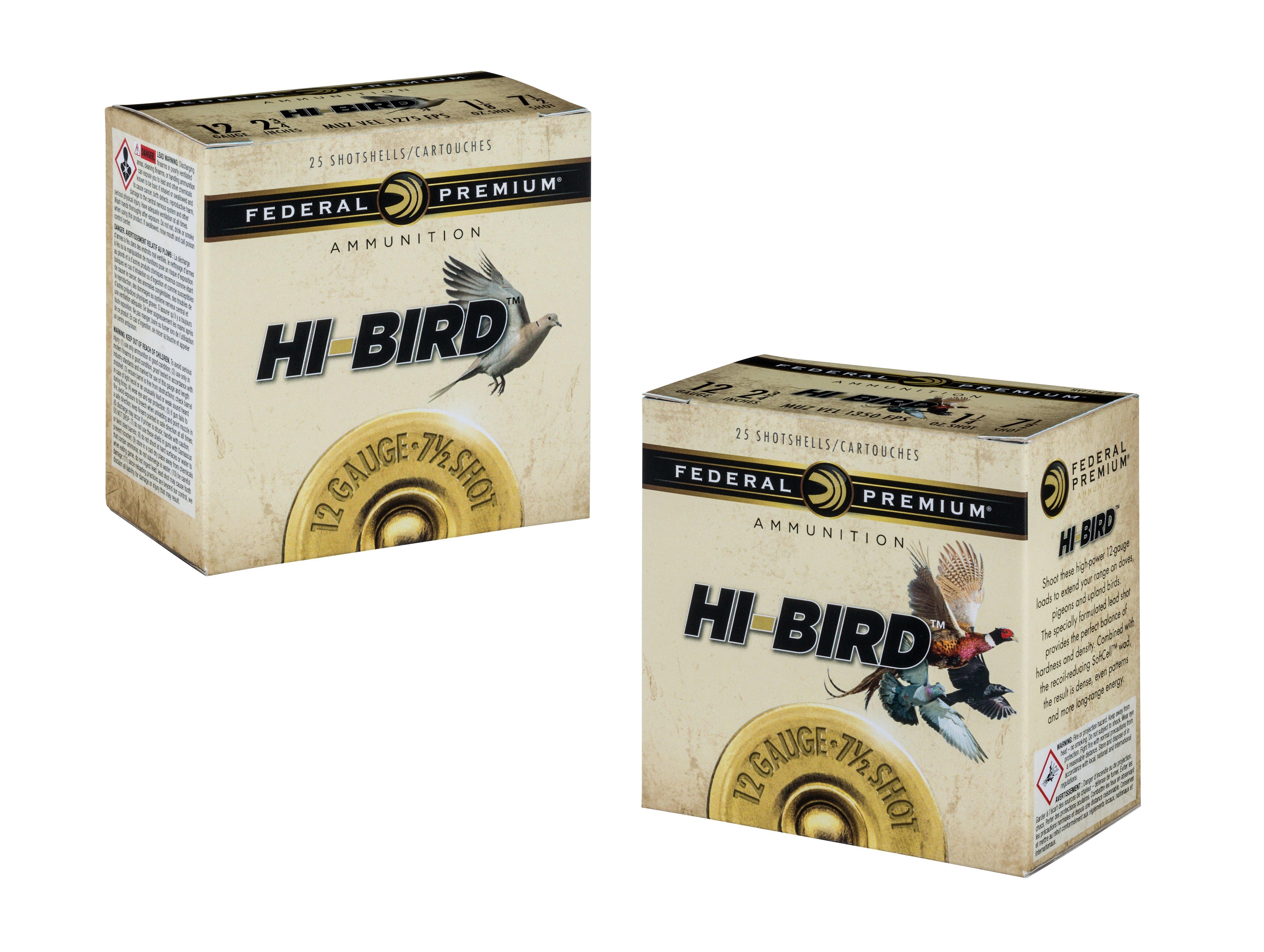
New Federal Premium Hi-Bird Load for Crows and More . . .

Go here.

Guns and Loads

Your old 870 pump will do fine for crow duty, as will your dedicated waterfowl shotgun. Either 12 or 20 gauge, it’s your decision.

A modified or improved-cylinder choke, shotgun depending, is likely best for your plans.

As shotgun loads go, No. 6 shot, to even No. 7 1/2s or 8s are a good bet.

You’re Hunting What?

Okay, well crow hunting might seem perfectly fine to us, but to some, it’s a bit odd.

And that’s fine.

However, keep in mind that perfectly legal daybreak gun blasts during the late summer months, and at times not perceived as “hunting season,” might draw some attention and even a phone call or two to the authorities.

I’ve heard of more than a couple guys who’ve had some unusual experiences as legal crow hunting goes.

At best, maybe a knock on a local door or two might help clear the air and let bystanders know what you’re doing – expecially on properties bordering farmland where you’re hunting.

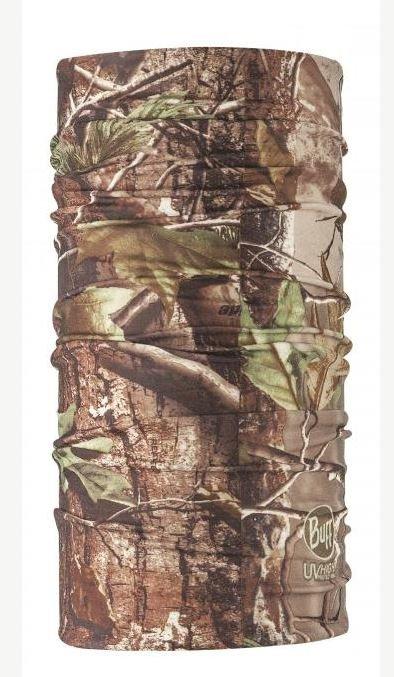
Hide your face and head with BUFF® UV Multifunctional Realtree Headwear

Camouflage

Wearing camouflage from head to toe, including a facemask, is essential for crow hunting.

Many Realtree camouflage options will work to match the habitat you’re crow hunting.

“Crow hunting is a bit like duck hunting, as decoys and calling can often pull birds in for a shot from a camouflaged or natural blind.

Crow hunting is also completely different from anything else you may have done.”

Some state opportunities are available in summer, location providing; some in late winter and early spring, so match your surroundings.

As always, check your hunting regulations as well.

Go here for Realtree small game hunting and guns and shooting tips.

Follow us on Facebook.

Have you ever hunted crows? Any tips to add?

Please comment below.

Editor’s note: This Realtree.com post was first published August 15, 2017.

What's the Best Barrel Length for 6.5 Grendel?

0

You’ve heard great things about the range, accuracy, and knockdown power of 6.5 Grendel rounds out of an AR-15, and now you want to try it. We completely understand. Fortunately, modifying your AR-15 to load and fire 6.5 Grendel rounds is easy – all you have to do is replace the barrel, bolt, and magazine with 6.5 Grendel compatible ones.

Getting the right 6.5 Grendel barrel is especially important because it will determine the handling and accuracy of your gun. Keep reading to discover the best barrel length for 6.5 Grendel.

What's the Best Barrel Length for 6.5 Grendel?

The Best 6.5 Grendel Barrel Length Depends on Your Needs

Understanding your shooting needs is the first step toward picking the best 6.5 Grendel barrel length. For instance, if you plan to hunt, you will need a long barrel that delivers enough velocity and stopping power to take down your preferred prey.

Long-range shooters also need a long barrel that delivers enough velocity to hit far-away targets. However, your barrel can’t be overly long. A too-long barrel will make your gun bulky and clumsy, leading to trouble wielding and aiming your gun.

What about home protection, self-defense, or combat training? For such scenarios, you don’t need a barrel that delivers maximum range. Instead, go for a gun you can easily and quickly pull, aim, and shoot. Short barrels are best for this because you can easily move the gun within the closed spaces of your home or during close to mid-range combat.

What Are the Most Popular Lengths for 6.5 Grendel Barrels?

What counts as a long or short barrel will depend on your ammo type. For instance, unlike 9mm barrels that can be as short as 4.5 inches, the shortest 6.5 Grendel barrel you can get is 12 inches. Why? Since 6.5 Grendel is a mid to long-range ammo, it requires a barrel that can support that range.

Below are the most popular 6.5 Grendel barrel lengths:

  • 12.5 inches: A 12.5-inch 6.5 Grendel barrel is ideal if you want to keep your gun as compact and light as possible for easy wielding.
  • 16 inches: A 16-inch 6.5 Grendel barrel is a mid-length barrel that offers better muzzle velocity than 12 inches without overly compromising maneuverability.
  • 18 inches: The 18-inch 6.5 Grendel barrel is popular among shooters who want to hit far-off targets.
  • 20 inches: If you want maximum velocity and range, a 20-inch Grendel barrel is the way to go.

6.5 Grendel Barrels for Long Range Shooting

You can hit targets up to 800 yards away with 6.5 Grendel ammo, but only if you have the right barrel length. A 20-inch barrel is long enough for complete gunpowder burning to generate maximum bullet velocity. The velocity generated by the long barrel will help your long-range precision shooting by making a round fly further on a flat trajectory before gravity pulls it off course.

While longer barrels are available, tests show that the velocity generated by a 22-inch barrel is close to that of a 20-inch barrel. Since the velocity gains from going 22 inches or higher are negligible, you are better off sticking with a 20-inch barrel. Also, getting a 22-inch barrel or higher may make your gun uncomfortably heavy and long.

Optimal Barrel Lengths for 6.5 Grendel Hunting Rifles

Among many hunters, 18 inches is considered the best barrel length for 6.5 Grendel. Since the barrel isn’t overly long, you don’t have to worry about your gun getting caught in bushes while hunting for prey. Also, the barrel’s length will not get in the way of pulling and shouldering your gun to take aim or make follow-up shots quickly.

Even better, an 18-inch barrel combined with a 6.5 Grendel round can generate enough power to take down most deer-sized targets at 500 yards. Also, an 18-inch 6.5 Grendel barrel offers enough stability and velocity to help rounds maintain course and remain accurate, increasing your chances of hitting prey in a kill zone.

The Most Versatile Barrel Lengths for Multipurpose 6.5 Grendel Rifles

Do you want an AR-15 that can multitask? If so, fit it with a 12.5 or 16-inch 6.5 Grendel barrel. These mid-length barrels offer the best of both worlds, keeping your gun easy to wield and offering impressive velocity and accuracy.

Barrel Length FAQs

Here are answers to common questions about the best barrel length for 6.5 Grendel:

How far can you accurately shoot a 6.5 Grendel?

The distance you can accurately shoot 6.5 Grendel rounds will depend on various factors, such as wind, barrel length, skill level, and bullet weight. In standard conditions, a 6.5 Grendel round can travel 200 yards without experiencing a drop. That means you get the most accuracy at 200 yards. However, a skilled shooter can compensate for drop and accurately hit targets at 800 yards.

What does a 6.5 Grendel compare to?

The ammo most similar to the 6.5 Grendel is the .308 Winchester. They are both long-range rounds, but the .308 Winchester has a slightly larger diameter. The bigger size of the .308 gives it a bit more knockdown power than the 6.5 Grendel. However, the 6.5 Grendel takes the prize for accuracy because of its lower recoil and superior wind resistance.

Is it better to have a longer or shorter barrel for 6.5 Grendel?

Whether you should get a longer or shorter barrel for 6.5 Grendel will depend on your shooting plans. Go for a longer barrel if you want maximum accuracy and bullet velocity. However, if you want a gun that stays easy to carry and wield, you are better off with a shorter barrel. While a shorter 6.5 Grendel barrel has less range and power, it’s more than enough to take down targets at 200 yards.

How much does a 6.5 Grendel drop at 500 yards?

The drop of a 6.5 Grendel round at 500 yards will depend on your barrel and bullet weight. According to data from AmmunitionToGo.com, 6.5 Grendel ammo fired from a 24-inch barrel will drop 50 to 60 inches at 500 yards, depending on the specific 6.5 Grendel ammo you use. Hornady Match 123 Gr. ELD drops 51.3 inches at 500 yards, while Federal Gold Medal 130 Gr. OTM drops 59.48 inches.

What's the Best Barrel Length for 6.5 Grendel?

Need a 6.5 Grendel Barrel?

Now that you have the scoop on the best barrel length for 6.5 Grendel, which one do you plan on getting? Don’t forget that the right barrel length for your AR-15 is one that fits how you intend to use your gun. Visit the Ballistics Advantage store today to browse and order your preferred 6.5 Grendel barrel and the other components you need to upgrade your AR-15 to take 6.5 Grendel rounds.

Six Essential Commands for Retrievers

0

By Gary Koehler

One of the most common mistakes amateur retriever trainers make is rushing the learning process. The temptation to get a young dog out in the field as soon as possible can be hard to resist. Born with an innate retrieving drive, the pup is already raring to go. And with hunting season only months away, you may be just as eager to start running retrieving drills.

Before you jump headlong into field work, however, make sure your dog has mastered the fundamentals of obedience. Be patient and take it slow. There are no shortcuts. To be able to perform advanced tasks, a retriever must first learn to follow basic commands. Repetition and consistency are the only sure ways to build understanding and trust.

Here’s a brief primer on 6 basic commands that will help set the stage for your retriever’s future training and hunting success:

1. Here

Some trainers use the word come instead. Whatever word you use, your dog must learn that this is an unconditional command, not a request. Get a 20- or 30-foot check cord and attach one end to your pup’s collar. Hold the other end in your hand and walk several paces away from the dog. Say the command here. If the dog does not move in your direction, begin pulling him toward you with the check cord. Be firm but not rough. Repeat this exercise several times until the dog learns to come to you without hesitation. Remove the check cord and repeat the exercise again. Praise the pup when he does well to help make this lesson as much fun as possible.

2. Sit

This command can be incorporated into your pup’s feeding regimen. Hold the food bowl in one hand and say sit while pushing down on the dog’s rear end with your other hand. When the dog sits, place the bowl in front of him on the floor. The pup will quickly learn that the reward for sitting is food, which is a great motivator.

3. Stay

You can teach stay as an extension of the sit command. While the dog is sitting, hold your hand out toward him with your palm facing outward and say stay. Walk away, wait a minute, then call the pup to you. Gradually extend the length of time the dog remains in the sitting position. If the pup breaks and runs to you without being called, take him back to the spot where he was originally sitting and start the lesson over again. Never allow your dog to think that staying put is optional. He should remain in place until released.

4. Kennel

This lesson is easy. When putting your pup in his crate, simply say kennel. Once the dog learns to associate this word with entering the friendly confines of his kennel, you can use it when loading him into a vehicle, boat, dog hide, blind, and other such places. The key is to make the crate as attractive as possible from the get-go. You can do this by placing a blanket and a treat inside to entice your puppy to enter it.

5. Heel

Your retriever should be trained to walk at your pace and not drag you down the street. That’s the purpose of the heel command. Begin walking with your pup on a lead. He should always be on your left side. When he quickens his pace and pulls ahead, say heel and pull him back toward you with the lead. Repeat this lesson each time he moves ahead of you. If you stop walking, your dog should stop and sit down beside you.

6. No

This command should be used to discourage undesirable behaviors such as chewing on furniture, jumping on people, messing in the house, and similar indiscretions. Be sure to say it loudly and emphatically. Your dog should not have any doubt about what you mean when you say no.

For more retriever tips, visit ducks.org/retrievers.

Continue Reading

PSE Full Throttle Review

0

Editors’ review

The Full Throttle is the fastest bow ever produced, but nothing except the specification numbers would lead a shooter to believe that. For this much performance, the Full Throttle draws very well, feels balanced, holds steady, and has minimal hand shock. The valley is on the short side of things, but those wanting a speed bow already know this, and often shoot better being forced to pull hard into the back wall. It really is too bad short brace height speed bows get a bad reputation of being unforgiving and hard to shoot because many shooters will not even give the Full Throttle a legit chance because of it. However, those shooters willing to give it a test shot are going to be impressed no doubt.

Finish

PSE and Mossy Oak Camo go with each other like peanut butter and jelly. PSE has been finished with Mossy Oak for what seems like forever, and 2014 is no different. The finish options available make the entire lineup look spectacular, and the Full Throttle is no exception. Shooters have three options available without going through the PSE custom shop for an almost endless amount of finish options. Mossy Oak Break up Infinity is the traditional camo pattern option, joining an all black look, and the popular Skullworks edition pattern. All options look and feel great and are capable of withstanding the abuse hunters put on their equipment from being out in the wilderness.

Riser

Like the rest of the bow, the riser of the Full Throttle looks aggressive and mean. The riser cutouts give the bow an attitude that makes it look like no other bow currently on the market. The overall mass of the bow tips the scales at just over 4-pounds, but it by no means feels heavy even completely rigged. Although the cutouts and riser character is different than anything else PSE has this year, it is still obvious the Full Throttle is a member of the beloved X-Force line of things. The evolution of this bow has been great to watch, and it will be interesting to see how engineers improve on this solid foundation in the future. The Flex Cable Slide works like a limb and allows the shooter to fully customize the feel of the shot. Made from the same material as the split limbs, the cable slide adjustments allow for less torque while drawing and shooting the bow. While the arrow is drawn, the slide flexes in toward the arrow, after the arrow has been fired, the slide returns back to its normal position and allows for full clearance of the arrow and fletchings. The Backstop 2 rear mounting dampener does a fantastic job stopping the strings forward movement after the shot. The rubber haults the string, and cancels out noise and vibration very well transferring any residual vibration to the front mounting stabilizer hole. The riser shelf also features tuning and alignment marks as well to give tuners a good idea of where to start before fine-tuning for the perfect tear on paper. These engraved timing marks do not take away from the look of the bow, but adds a lot in functionality.

Grip

The chosen grip for the Full Throttle is fantastic in most shooters opinions, It is narrow and skinny and fits very well in the shooters hand for a repeatable shot. It may take a little getting used to for shooters coming from a thicker more contoured grip, but those interested in perfect hand placement for limited torque and improved accuracy will love the overall feel of this grip. The rubber sidepieces feel fine, but the grip will get chilly in cold hunting situations being a part of the machined riser material. PSE is aware of this, and sells a neoprene grip cover for those wanting a warmer option without compromising the great feel of the riser in hand.

Limbs

PSE bows, especially the X-Force lineup features highly pre-stressed split limbs to help store energy and power the arrow downrange. These limbs have undergone lots of testing to make sure they hold up to everything engineers demand of them. The limbs are adjustable in ten-pound increments and have four maximum weight configurations: 50, 60, 65, and 70-pounds. Although it would be nice to have a 40-pound weight range, most shooters interested in a speed bow are covered in the standard 30-pound range available. The Centerlock Speed Pockets keep the limbs fixed to the riser. Based on the successful Centerlock pockets, the speed pockets sport a shorter design, which helps add a it of speed while eliminating some extra weight as well. The overall package is adjustable, lightweight, and fast while functioning very well.To help dampen vibration, the limb bands from PSE do a great job at reducing even more noise and vibration. The old design required the limbs to be detached to replace or put on. This generation band can be added or removed with the external locking system featured on the rubber dampeners. Shooters wanting a more customized look will also appreciate the varied colors the bands are available in as well.

Eccentric System

The Full Throttle cam is a masterpiece in archery engineering producing the fastest speeds ever from a compound bow coming in at 370 feet per second. The cams look aggressive and produce amazing performance. With draw lengths available between 26.5 and 30-inches in half-inch increments, the Full Throttle is sure to fit almost all shooters interested in a speed bow. Made out of high strength aluminum, the draw length specific cams are designed with speed in mind. The cams also feature a 70% let off, which may take a little to get used to if shooters are coming from an 80% let off, but will perform very well.

Draw Cycle/Shootability

Unfortunately, speed bows have a terrible reputation for shootability and feel. That is before the Full Throttle! This bow is amazing and shoots very well in the hands of just about anyone. The aggressive cams are designed to be tough at first, but smoother towards the end, and that is exactly how they feel. No part of the draw cycle in unmanageable, and the draw cycle transitions are very smooth. Those giving the Full Throttle a legit test shot will rave about how awesome it feels from start to finish.The back wall is solid, but the valley is a little short for some personal preferences. However, many shooting experts prefer a shorter valley, which forces shooters into a proper push and pull technique leading to improved accuracy. It may take a little more getting used to for some, but those willing to give it a try are going to be pleasantly surprised at the difference it makes. After the shot, there is a slight vibration with the bare bow, but nothing a few accessories cannot correct. The bow holds well on target, and is a bit on the heavy side of things spec-wise. It does not feel heavy in hand or holding on target, but in comparison with some other lightweight models, there is a difference when held side by side.If for no other reason, shooters should try this bow out to get a feel for what speed truly feels like. The Full Throttle is an engineering victory for how well it draw and how fast it shoots. Even with the short brace height, the Full Throttle is a dream to hold and shoot. It stacks arrows and will produce enough kinetic energy for the majority of animals hunters set out for.

Usage Scenarios

The Full Throttle is a speed bow designed for hunting, but could help eliminate some yardage errors on the 3D course as well. With a 33 1/4- inch axel-to-axel measurement, the bow looks great on paper as a multipurpose bow even though it was designed with hunting in mind. For the $1099 price tag, it may help justify the cost for some shooters if it could be used for more than one purpose.

Comparisons

Both bows are speed demons, and great performance bows. They are designed to push the limits of speed in the compound world, and do so with a solid foundation and great shootability. With that being said, a large majority of shooters feel the PSE Full Throttle is an improvement in almost every way over the PSE X Force Omen Max. Although the Omen has a cult like following, shooters wanting speed also appreciate the smooth draw and improved back wall the Full Throttle has to offer.

Summary

Speed bows do not get the attention they deserve for the simple reason they are not giving a fair shot. Most shooters are going to walk in to a pro shop, take the Full Throttle off the shelf and test it out set at the same poundage as the bow they have at home, and walk out of the store complaining at how overpriced and hard to draw it is. Unfortunately, those shooters are missing the biggest advantage of shooting a speed bow, and that is the option to significantly decrease the draw weight and maintain the same solid performance. Shooters seriously interested is trying out the speed demon Full Throttle should have the speed of all the bows they are considering set the exact same and shoot them that way. Of course a Full Throttle is going to draw a bit differently than other bows, it is shooting 20 feet per second faster than most other fast bows on the market. Realistically, the Full Throttle can be shot 10-15-pounds lighter than what shooters are used to and still shoot the same speed. The Full Throttle is a great shooting bow in all areas, and deserves a test shot.

Best Air Rifle Deals – Pellet Guns Black Friday Super Sale (Updated 2025)

0

Here we go. The busiest shopping season of the year when we can take our favorite rifles at jaw-dropping and saliva-drowning prices. Many air gun retailers offer special deals from spring to the end of the year so this post will be dedicated to giving you the hottest deals available.

Keep in mind that all these hot deals will not concentrate on one day but spread throughout the season so remember to check this page again to save your hard-earned money and enjoy the sweetest deals at the same time.

Also, note that some deals are not listed as special deals or today’s deals on e-commerce sites but the prices are lowest in the whole year of 2025 so you’d better grab it this time before the prices rise again.

PyramydAir New Year Sale:

Check the Deal

Airgun Depot New Year Deals – Air Rifle Super Sales

Check the Deal

Airgun Depot New Year Deals – Best Sellers 2024

Check the Deal

Airgun Depot New Year Deals – Customer Favorites

Check the Deal

Choose the best air rifle scope for your Gun – New Year Deals

Check the Deal

270 vs 280 Remington vs 280 Ackley Improved vs 7mm Rem Mag

0

Here’s what you need to know about the 280 Ackley Improved and how it stacks up against the 270 Winchester, 280 Remington, and the 7mm Remington Magnum.

Most hunters and shooters in North America are probably familiar with the venerable .270 Winchester and 7mm Remington Magnum cartridges. However, while those two rounds are very popular for a reason, they are far from the only high quality choices in that size range.

Indeed, the .280 Ackley Improved (280 AI) is one of the newest SAAMI standardized rifle cartridges on the block. The .280 AI was developed by modifying the case from the .280 Remington. Both of those cartridges are very capable performers, though neither is as well known or as widely used as the .270 Winchester or 7mm Remington Magnum.

What do the .280 Remington and .280 AI have to offer hunters, particularly compared to the .270 Winchester and 7mm Rem Mag? Why did the .280 Remington struggle to initially gain traction in the commercial shooting and hunting market? Can the .280 AI really live up to the claim made by some that it can do everything the 7mm Mag can do, but with less recoil?

In this article, I’m going to do a detailed comparison of the 270 vs 280 Remington vs 280 Ackley Improved vs 7mm Remington Magnum in an effort to answer the above questions and parse out the differences between those four cartridges so you can make an informed decision regarding which one will work best for you.

Before we get started, I have an administrative note:

Some of the links below are affiliate links. This means I will earn a small commission (at no extra cost to you) if you make a purchase. This helps support the blog and allows me to continue to create free content that’s useful to hunters like yourself. Thanks for your support.

270 vs 280 Remington vs 280 Ackley Improved vs 7mm Rem Mag: History

As is the case with many other cartridges developed in the United States, the story of the .270 Winchester, the .280 Remington, the .280 Ackley Improved, and the 7mm Remington Magnum starts with the .30-06 Springfield.

The US Army started looking for a new service rifle and cartridge after being on the receiving end of a deadly demonstration of the capabilities of the revolutionary new Mauser rifle and 7mm Mauser cartridge in the hands of Spanish troops in Cuba during 1898. They eventually chose the bolt action 1903 Springfield rifle chambered in the new .30-06 Springfield cartridge.

Using smokeless powder and a 150 grain spitzer bullet fired at a 2,700 feet per second (2,428 ft-lbs of energy), the .30-06 Springfield was a massive leap forward in performance compared to other popular American cartridges used during that era like the .45-70 Government.

For this reason, the .30-06 Springfield was an almost instant success in the civilian market.

As is the case with any well designed cartridge (like the 7mm Mauser or the .30-30 Winchester), wildcatters also quickly started modifying the .30-06 Springfield to accomplish a variety of different tasks. Some gun designers necked up the .30-06 to develop bigger cartridges like the 338-06 and the .35 Whelen.

Others opted to neck down the .30-06 case to use smaller diameter bullets (like the .25-06 Remington), which is what the folks at Winchester did when they modified the case to use .277″ instead of .308″ bullets. The result was the .270 Winchester cartridge, which they released in 1925 with the Winchester Model 54 rifle.

The original .270 Winchester load shot a 130 grain bullet at a velocity of 3,140 feet per second (2,846 ft-lbs of energy). This was an incredibly high velocity for the 1920s and was a tremendous speed improvement over the .30-06 Springfield, which was itself considered a very high velocity cartridge for the day.

If you’d like to learn how the .270 Winchester compares to its parent case in the .30-06, read the article below:

270 vs 30-06 Debate Settled Once And For All

While the .270 had a very fast muzzle velocity compared to other popular cartridges of the day, it was not an instant commercial success.

This was due to a number of reasons, one of which was the fact that the .270 Winchester fired unusual size bullets. Instead of using the much more commonly used .284″/7mm bullets like the 7mm Mauser (and many newer cartridges like the 7mm-08), for reasons that aren’t clear today, the .270 Winchester used .277″ bullets.

This very likely hampered adoption of the cartridge to a certain degree.

However, the .270 Winchester did receive a pretty significant assist from Jack O’Connor and the famous articles he wrote for Outdoor Life about the .270 over the years. Some were reluctant to adopt the cartridge, but many American hunters eventually came to appreciate the flat shooting characteristics of the round as well as the fact that it was so effective on thin skinned game. It didn’t take very long before the .270 Winchester was firmly entrenched as one of the most popular hunting cartridges used in the United States.

Remington made an attempt at knocking the .270 Winchester off its perch when they rolled out the .280 Remington cartridge in 1957.

Also developed by necking down a .30-06 case, the .280 Remington offered hunters a slight ballistic edge over the .270 Winchester and also utilized the more popular .284″ bullets. All things considered, the .280 Remington had a lot of potential and should have been a big success, but the company made a couple of major blunders when they rolled out the new cartridge.

First, they introduced the .280 Remington in their Model 740 autoloader. Later, they also offered it in their Model 742 autoloader and Model 760 slide action before finally offering it in the Model 721 and 725 bolt-action rifles. They eventually got around to offering it in their legendary Model 700 bolt-action, but dropped it after a couple of years before finally reintroducing it in the Model 700 in 1979.

During many of those critical early years, the cartridge was only available in the Model 742 autoloader. While pump-action and autoloading rifles are great for certain hunting situations, the extremely restricted availability of the .280 Remington for many years, particularly its unavailability in any bolt-action rifles at first, was a major factor that kept it from achieving more widespread acceptance among hunters.

The introduction of the massively successful 7mm Remington Magnum in 1962 also derailed any prospects of the .280 Remington catching on to any large degree with the general hunting public. As you’ll see in a minute though, Remington didn’t give up on the .280.

Remington made a massive splash in 1962 when they rolled out their new Remington Model 700 rifle along with the brand new 7mm Remington Magnum cartridge. Using a shortened .375 H&H Magnum case necked down to use a .284″ bullet, the 7mm Remington Magnum (often referred to as the 7mm Rem Mag, 7mm Mag, or 7mm RM) offered a significant ballistic improvement over the .30-06 Springfield, the .270 Winchester, the .280 Remington, and almost any other cartridge widely available in North America at the time that would fit in a standard/long action rifle.

Since it uses a larger diameter case derived from the .375 H&H, the 7mm Magnum has a very large powder capacity and is capable of shooting the same weight bullet faster than the .30-06. Additionally, those smaller diameter .284″ bullets used by the 7mm Rem Mag have a higher ballistic coefficient and more sectional density than .30 caliber bullets of the same weight used by the .30-06 Springfield.

For those reasons, most 7mm Remington Magnum loads have more energy remaining downrange, a flatter trajectory, and (all other things being equal) will penetrate better than .30-06 Springfield loads using the same weight bullets.

And to top it all off, while a few older cartridges like the .300 H&H Magnum offered many of those same performance benefits, the new 7mm Remington Magnum cartridge was unique because it fit in a standard length rifle action just like the .30-06 and similar cartridges like the .270, .280, etc.

With all that in mind, it’s easy to see why lots of hunters and shooters in North America quickly got behind the flat shooting and hard hitting 7mm Rem Mag.

It’s also easy to see why the 7mm Remington Magnum quickly pushed the .280 Remington even further out of the limelight at first. However, the management at Remington gave the .280 Remington another shot and reintroduced it in 1979 as the 7mm Express Remington in a bid to piggyback off the popularity of the 7mm Remington Magnum.

Though dimensionally identical to (and thus completely interchangeable with) the original .280 Remington, Remington claimed the new 7mm Express loads had a tiny velocity advantage over the original .280 Remington factory loads when using the same weight bullet. As you can imagine though, the name change resulted in a lot of confusion between the 7mm Express and the 7mm Rem Mag, which are NOT interchangeable.

So, Remington renamed the cartridge AGAIN after a few years and went back to the .280 Remington, which is what it’s called today.

So, if it wasn’t bad enough that the management at Remington didn’t fully get behind the cartridge and offer it in a bolt-action rifle from the start, they also kept changing its name. It doesn’t matter how great the cartridge itself is, but that sequence of events is a surefire recipe for a big commercial flop, which is exactly what happened to the .280 Remington.

Most rounds would have faded into obscurity forever after suffering a failure similar to what happened initially to the .280 Remington. However, the fact that it’s still hanging around even after experiencing a bunch of marketing fumbles from corporate management is a testament to the inherent strengths of the .280 Remington.

In fact, though nowhere near as commonly used as the .270 or the 7mm Mag, the .280 Remington is much more widely used today than it ever was.

Interestingly enough, the .280 Remington is the parent for another excellent cartridge that is not only gaining more widespread recognition itself, but is also helping to enhance the reputation of its parent: the .280 Ackley Improved.

Parker Otto Ackley, better known as P.O. Ackley, was very well known for developing wildcat cartridges in the latter half of the 20th Century. Among other things, he’s particularly well known for his series of “Ackley Improved” cartridges. Ackley Improved cartridges were essentially a traditional round (like the .270, .30-30, .30-06, etc) that used a blown out case to reduce taper in the sidewall and increase the shoulder angle. The result was a new case with slightly more (usually around 4-5%) powder capacity.

Since they can hold more powder, Ackley Improved cartridges are capable of higher velocities than their parent cartridge when loaded with the same weight bullet. However, the reduced body taper and sharper shoulder can sometimes cause feeding issues with certain rifles.

The actual performance difference between Ackley Improved cartridges and their parents varies, with some realizing a much bigger jump in velocity than others. For example, when using the same weight bullet, .280 Ackley Improved factory ammunition typically shoots 50-150 (usually around 100 fps faster) than most .280 Remington factory ammo.

That might not seem like much, but the .280 Ackley Improved (also known as the 280 AI, 280 Remington Ackley Improved, or 280 Rem. Ackley Improved 40 degrees) hit something of a sweet spot between the .280 Remington and the 7mm Remington Magnum. Not only does the .280 AI offer a noticeable ballistic advantage over the .280 Remington, but it’s also capable of performance nearly on par with the 7mm Remington Magnum.

Additionally, since it has such an efficient design, the .280 AI doesn’t use as much powder as the 7mm Remington Magnum to achieve nearly the same level of performances. For this reason, the .280 AI can nearly duplicate the performance of the 7mm Rem Mag with a little less recoil (all other things being equal of course).

This is why the management at Nosler decided to standardize the .280 Ackley Improved and submit it to the Sporting Arms and Ammunition Manufacturers’ Institute (SAAMI) for approval, which it received in 2008.

270 vs 280 Rem vs 280 AI vs 7mm Rem Mag: Cartridge Sizes

The unique roots of the 7mm Remington Magnum and the shared heritage of the .270 Winchester, .280 Remington, and the .280 Ackley Improved are all obvious in the photo below.

First, the .270, .280, and .280 AI are all very similar in appearance: they have the same rim diameter as well as very similar case lengths. However, there are some important differences that set them apart from each other.

As you can see, the .280 Remington and .270 Winchester are identical up to the shoulder and have the same 17.5 degree shoulder angle, but the shoulder of the .280 Remington is moved slightly forward. This prevents .280 Remington ammunition from being chambered and fired in a .270 Winchester chamber.

The shoulder of the .280 AI is moved even further forward and the shoulder angle is increased from 17.5 degrees to 40 degrees. The .280 AI also has a less tapered case than the .280 Remington and the .270 Winchester.

With a completely different lineage than the other three cartridges, the 7mm Remington Magnum has a unique look as well. Not only is it a belted magnum cartridge, but it has a larger rim diameter and a 25 degree shoulder.

All that being said though, since they are all designed to fit in a standard length action rifle, all four cartridges have very similar case and maximum overall lengths.

Not surprisingly, the .270 Winchester and .280 Remington have very similar case capacities while the .280 AI can hold a little more powder because of its less tapered case and steeper 40 degree shoulder. Even so, the 7mm Remington Magnum can hold significantly more powder than the other three, which is due in large part to its larger diameter case.

Additionally, the .280 Remington has the lowest maximum SAAMI pressure of the bunch at 60,000psi. The 7mm Remington Magnum comes next at 61,000psi and is followed by the .270 Winchester and .280 AI, which both have a maximum SAAMI pressure of 65,000psi.

Finally, bullet size is other big distinguishing factor between them. The .270 Winchester also uses .277″ bullets while the .280 Remington, .280 AI, and 7mm Remington Magnum all use .284″ bullets.

270 Win vs 280 Rem vs 280 AI vs 7mm Mag Ballistics

Those differences in the external dimensions of the .270 Winchester, .280 Remington, .280 Ackley Improved, and 7mm Remington Magnum do translate into differences in ballistic performance, though probably not quite as much as you’d initially expect.

This is illustrated in the table below comparing Nosler Trophy Grade and Hornady Precision Hunter factory ammunition loaded with 130gr AccuBond (.435 BC) and 145gr ELD-X (.536 BC) bullets in .270 Winchester, 140gr AccuBond (.485 BC) and 150gr ELD-X (.574 BC) bullets in .280 Remington, 140gr AccuBond (.485 BC) and 162gr ELD-X (.631 BC) bullets in .280 AI, and 140gr AccuBond (.485 BC) and 162gr ELD-X (.631 BC) bullets in 7mm Rem Mag.

All eight loads used a 200 yard zero.

Interestingly, the 130 grain .270 load has an almost identical trajectory to the .280 Remington 140 grain Accubond load. The same goes for the 145gr .270 Winchester vs the 150gr .280 Remington load. In both cases, the .270 Winchester has a slightly flatter trajectory, but the .280 Remington has a tiny bit more kinetic energy at all ranges (about 5-10% at 500 yards).

The three .284″/7mm 140gr Nosler loads all use the exact same AccuBond bullet, just fired at different velocities: the 7mm Rem Mag is 50fps faster than the .280 AI, which is in turn about 150fps faster than the .280 Rem. With that in mind, the minor differences in trajectory and retained energy between the three are not at all surprising. The results are also about what you’d expect for the Hornady Precision hunter loads for those three cartridges.

That being said, the .280 AI is clearly a little closer in performance to the 7mm Rem Mag than it is to the .280 Remington.

The chart below compares how much a 10 mile per hour crosswind impacts those same .270 Winchester, .280 Remington, .280 AI, and 7mm Remington Magnum loads out to 500 yards.

As you can see, even though they have a very similar trajectory with both light and heavy for caliber bullets, the .280 Remington has a clear advantage over the .270 Winchester in terms of wind drift. Once again, the 7mm Remington Magnum has the least wind drift. It’s followed closely by the .280 Ackley Improved and there is a slightly larger gap between the .280 AI and the .280 Remington.

Now lets talk about recoil.

The table below compares the recoil produced by the Nosler loads compared above for those cartridges when fired from a 7.5 pound rifle. I used Nosler’s own reloading data published online (available here, here, here, and here). I’m not aware of any rifles that are currently manufactured in all four cartridges, so in the interest of making as close to an “apples to apples” comparison as possible, I just decided to make the comparison with a hypothetical rifle that weighs exactly the same for each cartridge.

Felt recoil will vary from shooter to shooter and rifle to rifle, but free recoil energy is still a useful way to compare cartridges.

As you can see, the .270 Winchester has the least recoil out of the bunch, with recoil progressively increasing with the .280 Remington, .280 Ackley Improved, and 7mm Remington Magnum.

This is one of the most interesting points of comparison between the 7mm Rem Mag and .280 AI though. As you can see, that particular 7mm Mag load has a little more free recoil energy than the .280 AI when used in the same weight rifle, but is shooting the same bullet only 50 feet per second faster.

This is because it takes an additional 3.5 grains of powder to produce that additional 50fps of velocity. In this case, it takes about 6% more powder to produce about 1.5% more velocity and this results in about 6-7% more recoil. In other words, that extra powder is resulting in diminishing returns in terms of velocity, but still producing more recoil.

Interestingly enough, Nosler also publishes a .280 Ackley Improved load with a 140gr bullet at 3,222fps that slightly exceeds the velocity of that particular 7mm Rem Mag load above. However, since the .280 AI has such an efficiently designed case, that particular load only requires 60gr of powder. The 7mm Rem Mag load above still has about 3% more free recoil energy than the faster .280 AI load.

That’s not a gigantic difference, but it’s also not nothing either.

So, does that mean the claim that the .280 Ackley Improved can do everything the 7mm Remington Magnum can do, but with less recoil is true?

Well, sort of.

It is true that certain factory loads and handloads for the .280 AI can come very close and even exceed the performance of typical 7mm Remington Magnum factory loads. It’s also true that those .280 AI loads generally require a little less powder and thus produce less free recoil energy (all other things being the same). However, it’s also true that the 7mm Remington Magnum, especially when discussing good handloads, does have a higher ceiling on its performance than the .280 Ackley Improved.

So, yes, it’s easy to find examples of .280 Ackley Improved loads that either match or exceed the performance of the 7mm Remington Magnum and still have less recoil. However, the 7mm Remington Magnum is still capable of greater velocities overall.

Barrel length is another thing you should keep in mind. Nosler used a 24″ barrel for the .270 Winchester and 7mm Remington Magnum, but a 26″ barrel for the .280 Remington and .280 Ackley Improved in their published reloading data I used above. This undoubtedly has an impact on bullet velocities.

Remember: the gap in performance between many .280 Remington, .280 Ackley Improved, and 7mm Remington Magnum loads (especially the latter two) is pretty small. Indeed, depending on the exact barrel length of the rifles in question, the real world advantage one cartridge may have over the other may narrow considerably, disappear, or even flip in favor of the other cartridge.

Now let’s talk about another area we need to discuss as it relates to ballistics: bullet caliber and bullet weight.

The .270 Winchester uses .277″ bullets while the .280 Remington, .280 Ackley Improved, and 7mm Remington Magnum all use slightly larger .284″ bullets.

Since they use larger diameter bullets, the .280 Rem, .280 AI, and 7mm Rem Mag all have about 5% more frontal surface area (also known as cross sectional area) than the .270 Winchester (.0633 vs .0603 square inches). All other things being equal, a bigger bullet will make a bigger hole, cause more tissue damage, and result in more blood loss.

Once again, that’s not a gigantic difference, but it’s a slight advantage in favor of the .284″/7mm cartridges.

With regards to bullet weight, the majority of .270 Winchester factory loads shoot bullets in the 120-150 grain range. 130 grain and 150 grain bullets are by far the most common.

On the other hand, the .280 Remington is normally offered with 139 grain, 140 grain, or 150 grain bullets, but it’s possible to find a few loads with 156 grain, 160 grain, and 165 grain bullets as well. The .280 AI is similar, with 140 grain, 150 grain, and 162 grain bullets being the basically only choices at this time in factory ammo for the cartridge.

Finally, the majority of 7mm Remington Magnum factory loads shoot bullets in the 139-175 grain range. Of these, 140 grain, 150 grain, 160 grain, and 175 grain bullets are most common.

Here’s one last thing to consider when comparing these cartridges: magazine capacity.

Since it uses a much larger case diameter, most rifle magazines will hold more .270 Winchester, .280 Remington, or .280 AI cartridges than 7mm Remington Magnum cartridges. Typically, a rifle magazine that can hold 4-5 .270 or .280 cartridges will only be able to hold 3 7mm Remington Magnum cartridges.

So where do we stand with each cartridge?

Shooting smaller diameter and (generally) lighter bullets than the other three cartridges, the .270 Winchester has a very flat (though not the flattest) trajectory and the least recoil of the bunch, but also carries the least energy downrange and is the most vulnerable to wind drift.

Typical .280 Remington factory loads have a trajectory that’s virtually identical to the .270 Winchester. However, the cartridge shoots larger diameter bullets that are generally heavier. Those bullets are much more resistant to wind drift and retain much more energy as they travel down range. However, that comes at the expense of a little more recoil than the .270 Winchester.

The .280 Ackley Improved offers a modest ballistic improvement over the .280 Remington in terms of trajectory, wind resistance, and retained energy. Basically, it can hold more powder and thus can shoot the same weight bullet a little bit faster. This comes at the expense of more recoil though. However, even though the cartridge closely approaches the overall performance of the 7mm Remington Magnum, the .280 AI still has somewhat less recoil since it requires less powder to achieve a similar level of performance.

Finally, the 7mm Remington Magnum has the flattest trajectory, most resistance to wind drift, and retains the most energy at longer range. It’s also better suited to using heavier bullets than the other cartridges. However, that comes at the expense of more recoil and the larger diameter case of the cartridge results in a reduced magazine capacity in most rifles.

270 vs 280 vs 280 AI vs 7mm Rem Mag Ammo Selection

While all four are pretty commonly available, the .270 Winchester and the 7mm Remington Magnum are by far the most popular out of the bunch. In fact, those two cartridges are likely among the Top 10 best selling rifle cartridges in the United States each year. I’d wager that the .270 Winchester is a little more commonly used than the 7mm Rem Mag.

Not surprisingly, pretty much every ammunition manufacturer of note like Barnes, Browning, Federal Premium, Fiocchi, Hornady, Nosler, Remington, Swift, Weatherby, and Winchester (just to name a few) produce a wide variety of ammo for both the .270 Win and the 7mm Rem Mag.

The .280 Remington is somewhat less common, but still pretty easy to find with Barnes, Federal, Hornady, Nosler, Remington, and Winchester all producing good quality .280 Remington hunting factory ammo.

The relatively new .280 AI is nowhere near as common as the 270 or 7mm Rem Mag. At this point, only Federal, Nosler, and Hornady make .280 Ackley Improved factory ammo. For this reason, the .280 AI is best suited for handloading. It’s now possible to buy .280 AI brass (Nosler brass is a particularly good choice), but you can also make your own by fireforming .280 Remington brass.

Additionally, it’s possible to safely (and often relatively accurately) fire .280 Remington ammo in a .280 AI rifle. However, the brass is then fireformed to .280 AI after doing so, which is yet another reason why it’s a good idea to handload if you like the .280 AI.

BUY SOME OF THE BEST 270 WIN HUNTING AMMO HERE

BUY SOME GREAT 280 REM HUNTING AMMO HERE

BUY SOME EXCELLENT 280 ACKLEY IMPROVED HUNTING AMMO HERE

BUY SOME QUALITY 7mm REM MAG HUNTING AMMO HERE

Read the articles below if you’d like to learn more details about some of the various hunting ammunition choices for the 270 Winchester or 7mm Remington Magnum.

Best 270 Ammo For Hunting Elk, Deer, And Other Big Game

Best 7mm Remington Magnum Ammunition For Hunting Deer, Elk, & Other Big Game

Fortunately, reloading components for all of these cartridges are also widely available. Since the .280, .280 AI, and 7mm Rem Mag use the very popular .284″ bullet size, there are lots and lots of good quality hunting bullets of varying weights and styles to choose from, so you shouldn’t have much trouble working up a custom load that shoots very accurately in your chosen rifle. Though only a few cartridges (like the 270 WSM, .270 Weatherby, and 6.8 Remington SPC) use .277″ bullets, the fact that the .270 itself is so popular means there’s also a decent amount of quality bullets to choose from for that cartridge as well.

Regardless of the cartridge you choose, you’ll have a gigantic bullet selection consisting of virtually every major style of bullet to choose from like the Barnes TTSX, Berger VLD, the Hornady ELD-X, GMX, InterBond, InterLock, and SST, the Nosler AccuBond, AccuBond Long Range, Ballistic Tip, E-Tip, and Partition, the Remington Core Lokt, the Swift Scirocco and A-Frame, and the Winchester Power Point (just to name a few).

270 vs 280 Rem vs 280 AI vs 7mm Mag: Rifle Selection

The rifle situation is very similar to the ammunition situation with these cartridges: .270 Winchester and 7mm Remington Magnum, in that order, are the most popular, followed by the .280 Remington and .280 Ackley Improved.

Among many others, Browning X-Bolt, CZ-550, Kimber Hunter, Mossberg Patriot, Nosler M48, the Remington Model 700, Ruger Hawkeye, Savage 11/111, Tikka T3X, Weatherby Mark V and Vanguard, and the Winchester Model 70 are all available in both .270 Winchester and 7mm Remington Magnum.

The .280 Remington is currently manufactured by Browning, Remington, and Winchester in their X-Bolt, Model 700, and Model 70 rifles.

Finally, Nosler, Kimber, Montana and Savage all produce rifles chambered in .280 Ack Imp. If you’re interested in doing so, it’s also possible for a skilled gunsmith to convert a rifle in .280 Remington over to the .280 Ackley Improved chambering with a chamber reamer.

Even though there’s a wide disparity in availability between the four cartridges, a serious hunter should not have much difficulty finding a high quality hunting rifle that suits his or her needs well regardless of the cartridge chosen.

BUY A NICE 270 WIN HUNTING RIFLE HERE

BUY A REALLY GOOD 280 REMINGTON HUNTING RIFLE HERE

BUY A GREAT 280 ACKLEY IMPROVED HUNTING RIFLE HERE

BUY AN EXCELLENT 7mm REMINGTON MAGNUM HUNTING AMMO HERE

Read the article below if you’d like to learn more details about some of the various hunting rifle choices for the 270 Winchester.

Best 270 Rifles For Hunting – Ultimate Guide

270 vs 280 Remington vs 280 Ackley Improved vs 7mm Rem Mag: Which Is Right For You?

Do you primarily hunt medium sized game like deer, feral hogs, or black bear at ranges within 200 yards? The .270 Winchester, .280 Remington, .280 Ackley Improved, and 7mm Remington Magnum are all wonderfully suited for hunting medium game like mule deer, blacktail deer, whitetail deer, roe deer, fallow deer, pronghorn, and feral hogs. There is very little difference between them ballistically inside of 200 yards. Go with the .270 Winchester if you want the cheapest or easiest to find factory ammo or if you’re sensitive to recoil.

Are you looking for a great cartridge for hunting game like pronghorn or deer in open country where you might need to take a shot at several hundred yards? Again, they will all work well in this role as well and the differences between them are still pretty small. With typical hunting factory loads, the 7mm Remington Magnum and the .280 Ackley Improved have a slight advantage over the others in this regard with a flatter trajectory and the most resistance to wind drift. Of the two, the .280 Ackley Improved has a little less recoil, but ammo is easier to find for the 7mm Mag.

Are you sensitive to recoil? The .270 Winchester has by far the least recoil of the bunch. The .280 Remington and .280 Ackley Improved (especially the Ackley Improved) are both pretty good alternatives to hunters who want a little more powerful cartridge than the .270 Winchester, but with less recoil than cartridges like the 7mm Remington Magnum and .300 Win Mag.

Are you looking for a great cartridge for sheep, mountain goat, or tahr hunting where you need a heavy hitting cartridge with manageable recoil in a lightweight and easy to carry rifle? All will certainly work to one degree or another. Thanks to Jack O’Connor, the .270 Winchester is considered a classic sheep hunting cartridge if there ever was one. However, the larger .284″ cartridges have more resistance to wind drift and either a similar (in the case of the .280 Rem) or flatter trajectory. This is an area where the .280 AI really shines because it has a similar or slightly superior trajectory and resistance to wind drift when compared to the 7mm Remington Magnum, but less recoil in a lightweight mountain rifle that’s easy to carry in rough country.

Are you a handloader? If not, then you should probably stay away from the .280 Ackley Improved (unless you’re fine with just 1-2 brands as factory ammo options) and go with either the .270 or the 7mm Mag. If you are a handloader, both the .280 Remington and (especially) the .280 AI have outstanding potential. That being said, all four cartridges are generally good options for reloaders.

Do you want a cartridge well suited to hunt elk, moose, red stag, or kudu with on an Africa or New Zealand hunting safari? In addition to all being excellent choices for deer sized game, these cartridges are also suitable for bigger creatures under the right circumstances. Many consider the .270 Winchester to be on the light side for elk and moose hunting, but especially when using heavy, premium quality bullets (like the Nosler Partition), it’s absolutely capable of getting the job done. That being said, the .280 Remington, .280 AI, and 7mm Rem Mag are generally a little better suited for hunting bigger game.

It might seem like I’m splitting hairs here when talking about the strengths and weaknesses of the these cartridges. That’s absolutely true.

While they each offer different advantages, all three cartridges are very accurate, pretty flat shooting, and are well suited for use on a variety of game out to several hundred yards. For the vast majority of hunters, there is very little difference in their performance at typical hunting ranges (inside 300 yds).

The .270 Winchester, .280 Remington, .280 Ackley Improved, and 7mm Remington Magnum are all great rifle cartridges. While there is a large amount of overlap in their capabilities, each one does offer certain advantages. You need to carefully analyze your potential needs and choose the one (270 vs 280 Remington vs 280 Ackley Improved vs 7mm Rem Mag) that you think will fit them best.

Even so, no animal will never know the difference if your shot is placed in the right spot. Get a good hunting rifle chambered in the cartridge that you think fits your needs the best, learn to shoot it well, use quality bullets, and you’ll be all set for most hunting situations.

NEXT: 270 vs 308 WIN: WHICH ONE SHOULD YOU HUNT WITH?

Enjoy this article comparing the 270 Winchester, 280 Remington, 280 Ackley Improved, and 7mm Remington Magnum cartridges? Please share it with your friends on Facebook and Twitter.

The Lyman 50th Edition (p197-198, 212-216), Speer Number 10 (p182-184, 193-196, 201-204), and Hornady 10th Edition (p351-355, 391-400, 406-411) reloading manuals were used as references for the history of the cartridges. The data used to compare the trajectory and wind drift of the cartridges was obtained from Hornady (here, here, here and here) and Nosler (here). Case capacities and reloading data were obtained from Nosler (here, here, here, and here). Maximum pressure obtained from SAAMI (p23 and 28). I used the Hornady Ballistic calculator and ShootersCalculator.com to compare trajectory, wind drift, and recoil for the cartridges.

Make sure you follow The Big Game Hunting Blog on Facebook, Instagram, Twitter, and YouTube.

Things You Must Know Before You Go For Hunting

0

Hunting requires considerable self-control, perseverance, and a firm foundation. Beginners should therefore understand that hunting is complex and that they must learn skills and techniques from experienced hunters. It is far better to begin your hunting adventures with a solid grasp of hunting fundamentals, which will unquestionably improve your hunting abilities and success rate.

Therefore, we have compiled the best hunting information in one article to help hunters. Laying a solid foundation with the knowledge you learn from this will enable you to go on to more challenging hunts and techniques. With each hunt, you will sharpen your focus and gain more knowledge of the natural world.

Hunting Licenses

It is Illegal to hunt without a valid license. Depending on the animal or bird you plan to pursue, there are some situations where you require more than one license. It is imperative to purchase a hunting license to hunt wisely, morally, and responsibly.

Get your tags for hunting: This is true while hunting for a large animal like an elk, a deer, a buck, etc. Each species has a tag that allows you to pursue a particular animal for a set amount of time.

Hunting Regulations 

The majority of seasoned hunters keep themselves informed of state regulations pertaining to hunting rules. Remember that these laws are updated annually because hunting regulations vary from state to state. You can learn about forthcoming hunting season dates, licensing requirements, fees, and other restrictions by studying various state regulations. When reading the rules, you should pay more attention to the region and the species you can hunt.

Hunter Traits

There are certain practices that hunters still do today that have been handed down through the years. We have known for a very long time that animals rely on their senses of hearing and smell. As a result, we have adapted particular features to obscure those senses:

First, conceal your body odor with light, simple soaps while keeping your clothes stuffed with pine needles and leaves. Learn how to lure animals with the best bait or other attractants. Second, refrain from making quick, loud movements if you produce loud noises when pursuing close to an animal habitat; learn to stay calm and pause for a while.

Choosing the Right Ammo

An often overlooked but vital aspect of preparing for a hunt is the selection of appropriate ammunition. The ammo you choose can significantly influence the success of your hunt. It’s not just about the caliber; you need to consider the bullet type and weight as well, which can vary depending on the animal you’re targeting. For example, you might need a 150-grain .308 bullet for deer hunting, but a larger caliber for elk or bear. One should conduct a thorough research on the ammo needed for specific hunts, taking into account factors such as the range you’ll be shooting from, and the size and behavior of the animal.

A cost-effective and practical way to ensure you have enough ammunition for practice and the real hunt is to buy in bulk. Bulk ammo not only saves money in the long run, but it also guarantees consistency in your shots, since all the rounds come from the same manufacturing lot. For instance, purchasing bulk 308 ammo will assure you have a consistent supply for your hunting trips and target practices. Another example is the 223 bulk ammo, which is commonly used in varmint hunting due to its accuracy and effectiveness. Remember, it’s essential to familiarize yourself with your chosen ammunition by spending ample time at the shooting range before your hunt. This familiarity will enhance your confidence, accuracy, and overall hunting experience.

Weapon Handling

Bow hunting and firearm hunting are the two types of weapons available to hunters. Both have particular benefits and drawbacks. However, you should learn to approach both weapons with caution, and you should only ever point your weapon at your intended target. Lastly, continue to wear your safety until you are ready to fire. 

Nowadays, we can see the increasing number of crossbow hunting as it requires more experience and skill set. Also, in most places, bow hunting lasts longer than rifle hunting. So if you are looking for your new hunting crossbow, you can check out our list of the best and fastest crossbows available today.

Knowing how to handle your weapon prevents encounters where your hunting abilities let you down. A perfect shot from a secure position is necessary for a hunt to be successful. You must dedicate time to practicing months before the opening day: By practicing diligently, you can immediately determine how excellent you are at them and what areas of your rehearsal need work.

Research About Animals

The various animal species in your area are one of the first things you learn and comprehend. You can hunt a wide variety of animals, but with the appropriate approach, you can identify and take down the particular animal you want. Researching their strengths, weaknesses, behavior, where they eat and sleep, what they consume, the form of their footprints, and other factors will be necessary.

Maps and Layouts

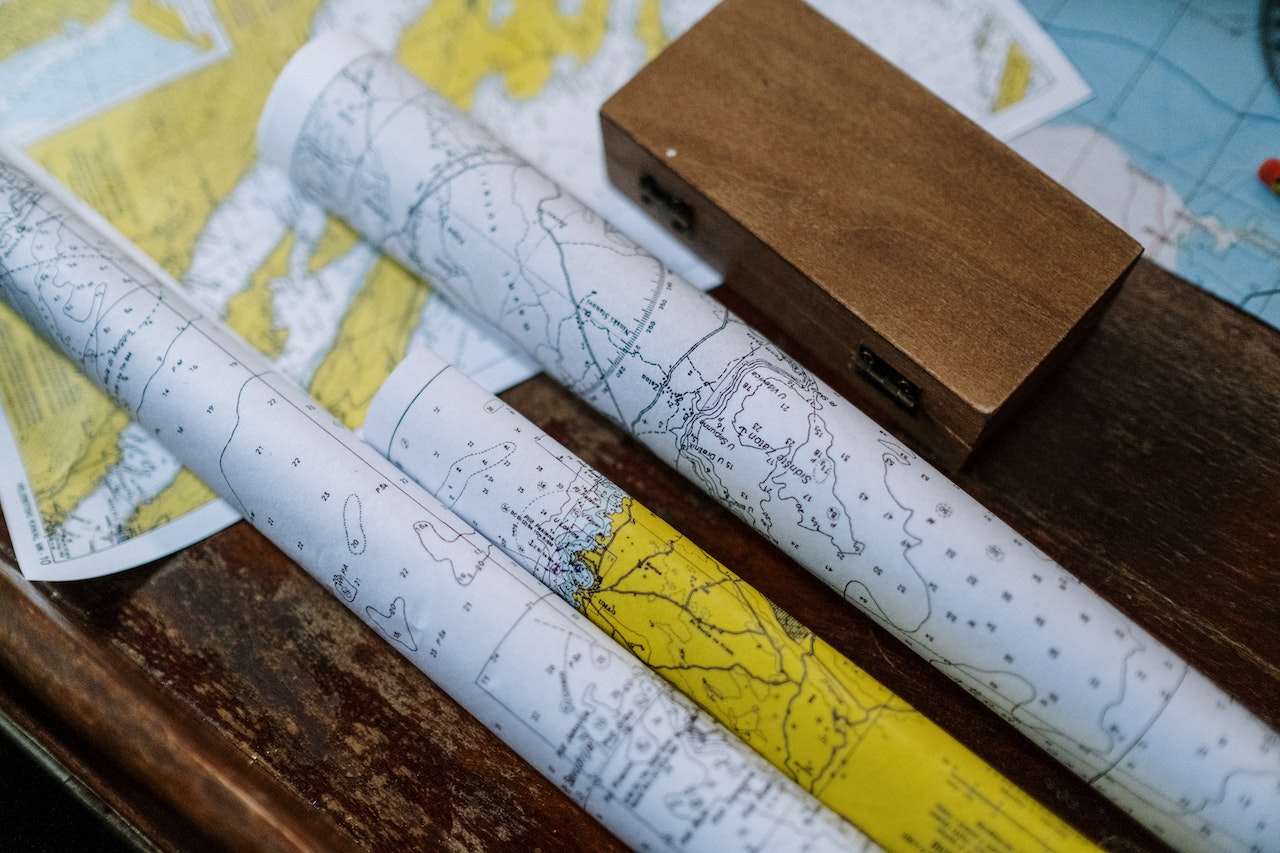
Your precise, applicable hunting plans should begin during the map session. The geography, terrain, distance, closest roads, etc., may all be found on a good map or Google Maps. This knowledge can improve your chances of having a successful hunt. Maps also give information about the vegetation, which can help you focus your search.

In dense terrain, using an offline map can be a smart move. You can utilize saved maps on your phone instead of the GPS when using offline mapping.

Conclusion

You can prevent making careless errors by paying attention to these suggestions. To guarantee safety and a successful hunt, always abide by the above advice.

At Air Gun Maniac, we provide the best reviews and tips about guns and accessories. If you want to learn about the different types of air rifles available, check out 5 Types of Air Guns You Need to Know Before Buying, which can save you time and money in searching for the best air gun on the market.

Drury Outdoors Talks About the Key Factors That Affect Whitetail Behavior

0

Mark Drury explains the key factors that influence whitetail behavior, advice for beginning hunters and the benefits of onX Hunt and his new DeerCast hunting app.

What if the forecast could tell you where the whitetail will be the night before you head out into the field? What if you could look at a new swath of public hunting ground and know intuitively where the whitetail will be?

Missouri-based Mark Drury, co-owner of Drury Outdoors and a lifetime hunter with 40+ years of whitetail hunting experience, is a firm believer that it’s possible. In his “Thirteen” video series, he talks about 13 different indicators that dictate whitetail behavior and patterning. In a recent phone interview with onX, he noted three factors he always looks for when evaluating a potential hunting location:

– Bed- Food- Water

Food, he reiterated, is perhaps the most important factor.

“Whitetail are slaves to their stomachs,” he shared. “Really focus on your food plots. Befriend a local farmer or someone at the local co-op—they will know crop timing, what sprays and fertilizers to use and more.” That farmer or co-op member may end up being your best friend in the plot-planning game. Consider possibly calling up your local Farm Service Agency office and asking for information; usually they are more than happy to help.

Food is a moving target: a whitetail’s preferred source differs by both region and time of year and can also change on a day-by-day basis. If a deer is feeding on beans and then acorns suddenly start to drop, they’re likely to shift to eating acorns, therefore changing current eating habits and—most likely—movement patterns.

Mark is a steady user of onX Hunt as a tool to manage his food plots. “I absolutely love onX,” he shared. “I like using it to establish the size on all of my food plots. By calculating the correct acreages, it really helps estimate seed and fertilizer needs, which helps reduce costs. No need to guess anymore.”

Pending the time of year, a good water source and potential bedding spots may overtake the need for food.

“At certain times of year, water, food or bed may be the most important,” Mark noted. It’s up to the hunter to problem solve in certain areas—and to look for opportunities. “If they’re lacking cover or food, you can help provide it.”

Another crucial factor for whitetail hunters is weather. “It’s a big one,” commented Mark. “Weather influences whitetail behavior and movement on a minute-by-minute basis.” It’s this level of importance that helped inspire Mark, along with his brother Terry, to develop the DeerCast hunting app. It also inspired us to create our own deer hunting weather and forecasting capability in onX Hunt. Utilizing current weather reports and weather forecasting, DeerCast helps whitetail hunters predict deer movement in the field.

One of the last key factors Mark looks at is overall rut interpretation and dynamics. What does the herd ratio look like? For example, a high doe-to-buck ratio can lead to a prolonged, less-defined rut. Take some time to research the herd you’re hoping to hunt—game cameras are your friend here.

And perhaps most of all: don’t be afraid to get your hands dirty and just learn. As a child, Mark lived in a rural town of roughly 400 residents. His father didn’t hunt, but he knew he wanted to be outside.

“Since the time I was little I just wanted to be in the woods,” he shared. “I took up hunting myself—that’s just what people did in our town; how they approached things. It was a lot of learning by trial-and-error.”

It was that same learning process that has now led to a 40-plus-year career as a whitetail hunter. “Hunters can never stop learning; you need to go at it with an open mind—hunting keeps us learning,” Mark added.

That same spirit of learning dictates the hunting lifestyle, for both first-year and seasoned hunters. Mark notes that 25 years ago, hunting media was largely limited to print magazines such as Field & Stream and Outdoor Life; now it’s easy to find all manner of information online.

His advice for new hunters? “Sit there and soak up as much as possible online—and never stop wanting to learn.”

It’s savvy advice for hunters of all levels, backgrounds, and locales.

header image: Donn Vidosh

Best Air Rifle Deals

Popular Posts

Air Rifle Scope vs. Rifle Scope – Which One Fits Your Shooting Needs?

0
"Air Rifle Scope vs Rifle Scope: Unveiling the Ultimate Precision Optics. Discover the essential differences and benefits of these two optical devices, empowering shooters...

PCP vs CO2 Guns: Which One is Better?

0
The most talked-about debate between hunters and gun enthusiasts is what the best power source of a gun is.  The five main sources of power...

Can a 22 air rifle kill a deer?

0
"Debate over whether a 22 air rifle can effectively take down a deer has sparked curiosity among hunting enthusiasts. With its lower muzzle velocity...