When you think of trophy whitetails, public land likely isn’t the first thought to pop into your head, and that’s understandable. However, monster bucks get taken off public tracts year after year, leaving us scratching our heads. Not all public lands are created equal, though. Some offer little resources to produce magazine-quality deer. Others are so highly pressured by hunters that you’ll likely see an orange vest before you see a buck. However, the Midwest has a reputation for its strictly managed public lands and vast agriculture that will make public land feel like whitetail heaven.
Ohio, in particular, is one of the best states in the nation for hunting public whitetails, with woods packed to the gills with the kind of trophy bucks you will be raving about for the rest of your life. Of course, Ohio is a big state, with numerous major cities and suburban areas, but it has quite a bit of public land available to deer hunters, much of which is home to big bucks. Here are some of the best public hunting tracts that every avid hunter needs to experience when coming to Ohio.
Check out the Ohio Department of Natural Resources (ODNR) for updated maps and info on Ohio hunting.
If you ask a few Ohioans to point you toward a good slab of public deer hunting land, few spots will come up in your conversations as often as the Woodbury Wildlife Area. Located in Coshocton County, about an hour-and-a-half drive northeast of Columbus, the Woodbury Wildlife Area covers some 20,000 acres and is overflowing with trophy bucks.
Woodbury and Coshocton are popular spots for hunters and other nature enthusiasts, so you may have to take the less traveled paths to find the prime deer areas. Still, Woodbury is a beautiful piece of Ohio public land, and the adventure is worth it.
Dillon Wildlife Area
If the wide-open expanses of Woodbury sound appealing, but the crowds turn you off, then the Dillon Wildlife Area is a similar whitetail deer hunting area that you might be interested in.
The deer in this area are under moderate pressure from hunters. Considering Ohio’s hunting reputation, public lands like Dillon and Woodbury are in high demand for destination hunters—but it’s not too tricky to find less-traveled spots and the deer herds that take refuge there. The Dillon Wildlife Area is located in Nashport, just a half-hour jog from Woodbury, so you can quickly try both out on the same trip.
Conesville Coal Lands
The northeast region of Ohio is a thriving deer habitat, loaded with great places to set up camp and hunt. If you are heading to Coshocton for the Woodbury or Dillon Wildlife areas, complete the hat trick with the Conesville Coal Lands.
The hunting pressure on this 12,000-acre piece of land is slightly lower than the Woodbury or Dillon areas, partially because you need a permit to hunt here. Don’t be scared away by that statement, though: permits are free and can be picked up at local bait shops or secured online.
Shawnee State Forest
If you want public hunting land in Ohio but need to get away from the northeast triangle, head to southwest Ohio for the Shawnee State Forest area. At 60,000 acres, Shawnee is the single most extensive public forest area in Ohio and is a prime deer hunting spot as a result. Many Boone & Crockett bucks have been taken off this public tract, and it’s easy to see why.
The woods are thick and scattered with overgrown trees and plants, but if you are game for a more rugged hunting experience, there is little doubt that you can be successful here, especially during the gun season at the tail end of the rut.
Eagle Creek Wildlife Area
The Eagle Creek Wildlife Area was newly established as a public hunting tract in 2018. Two thousand three hundred acres may not seem like much, but nestled in between agriculture and thick timber, located in the heart of the famed Brown County, this is a spot you don’t want to overlook.
What makes this piece so unique, as well as a honey hole for mature bucks, is that it is a controlled access property. Only 65 people are drawn annually, allowing each hunter to spread out and have a great chance at harvesting a trophy whitetail.
Hunting is hard…but western hunting is just plain difficult! It strains your gear, your emotions and your body all at the same time. Hunting, regardless of the technologies we bring to the field will always remain a primal grudge match between predator and prey. The only thing we can improve upon as hunters is our fitness level. The frustration we feel during the fall hunting seasons reflects our own inability to handle the wild at her best and most fit. Some hunters forego preparations in the offseason and pay the price through not tagging an animal, being unable to keep up with the demands of the hunt or worst of all, may not be able to fully enjoy the hunt. While training to hunt may sound cliché, everyone’s journey is their own. Each person must want to take it upon themselves to be in peak form come fall. Each person’s “peak form” may be different, but your body and mental game must be at a minimum to complete your hunting adventure. This means taking hunting workouts and fitness seriously in the offseason.
PODCAST: John Stallone and Willi Schmidt – Planning and Preparing for Big Game Hunts Out of State
Diet and exercise should always be considered under the advice and guidance of a medical professional. Their knowledge and expertise can help you understand how to fully optimize diet and exercise for you and your body based on your age, current fitness level, and any injuries. Another reason to check with health care professionals is to keep a working track of your vitals, specifically your heart. Every year hunters succumb to a fatal heart attack in the wild and they may have never known they had a lurking heart problem. The actions of the wild through hiking and heavy lifting can lead to serious strain on the heart muscle and leave you in a dangerous situation especially if you are traveling to higher elevations on your hunt. Many months before hunting season it is always good to check your cardio health. Consider building a baseline of data every spring to track year after year.
The Right Way to Start Is Through Nutrition
A truck is worthless if the gasoline is of poor quality. Poor fuel robs the vehicle of efficiency through strength and endurance. The same goes for the body, the foods we eat, and supplements we take, as they make up a large portion of the overall performance and results we see through preparing our bodies. If you are not sure where to start, start by evaluating what you are eating and consult a professional if you need help shaping a plan.
A good rule of thumb is to stick to lean proteins, vegetables, fruits, complex carbohydrates throwing out simple carbs and starches and looking into additional supplements like Wilderness Athlete products. Adding supplement powders to your breakfast smoothies are a great way to further optimize the body. Workout recovery mixes like Protein Plus or Brute Strength also help you get the most from your time in the gym or from out hammering miles on your legs by providing a balanced proportion of protein and carbohydrates and proven nutritional anti-inflammatories. When you push your body to the next level through training, it will need help through supplements to replace the nutrients you are so quickly burning.
A Body in Motion
Exercise can seem overwhelming. Thousands of hunting workouts are possible and endless numbers of movements and methods, theories and techniques create a crisscrossing mire of confusion that the everyday hunter can find frustrating. Just getting up off the couch to get to the gym and break a sweat is a daunting task if there is no direction and no plan. Exercise requires a drive, desire, determination and most of all a plan!
Every hunt is different within itself just as each game species requires different hunting tactics. Each hunt will push different parts of the body and you can make the best use of the long offseason to prepare for the specifics of your hunt. In general, there are workouts that help in overall hunting fitness.
Hunting Workouts to Focus on For Western Hunting
When it comes to mountain and western hunting your entire being must be ready for the wear and tear of the daily grind. To be able to enjoy the rigors of mountain hunting, cardio endurance and leg and core strength should be on the forefront of your offseason workouts. Just remember that big bucks, bulls, and rams are killed because you were able to get to them and keep up with them, not because you muscle flexed them to death.
Cardio health can be achieved through any different forms of exercise. Running, biking, elliptical machines, stair climbers or even high-intensity workout videos provide quality cardio routines. Consistency is the key to building cardio stamina. Nobody says that it’s the most fun exercising in the world, but it is effective and trains the mind to deal with pain. The same pain you’ll deal with on a long hunt and hopefully packing out your trophy.
Pushups, lateral raises, and shoulder presses are simple daily exercises. Pushups work the triceps and parts of the shoulder muscles in addition to core muscles, back and pectoral muscles. Pushups are a stamina building exercise using your own body weight. Consistent and daily repetitions are the key to building long-term strength and endurance through this exercise in your off season training.
Lateral raises are another easy exercise not requiring heavy weight or much time. Lateral raises are an exercise in which you raise your arm in a Y, T and I form and hold for a few seconds at a time. This work out can be done with or without weights. If you choose to use weights, use small dumb bells no greater than 15lbs.
Leg day is often skipped since it requires much more effort both physically and mentally. If you can get over the mental hump of procrastination, working out your legs is not difficult at all.
The weight room also has plenty of options to strengthen legs muscles. Squats and leg presses are widely regarded at the go-to leg exercise, and for good reason. These motions work nearly every area of your legs and build core strength and stability. The form is the key for both methods and should always be done with a spotting partner. Other exercises include motions possible with dumb bells. Vertical and side-to-side lunges holding dumb bells are great for lower body resistance training. These motions work parts of your legs regular squats cannot. In the mountains every part of your legs are worked and strained as the constant stop and go, pushing and balancing yourself is a part of each step.
Packing out any animal is an ordeal. Often times the luxury of having pack animals is not available and the tough work must be done on your own back. Having a strong core and back is one of the most overlooked aspects of off-season preparation. Sure, everyone wants a great looking six pack to play the xylophone on, yet, a strong core is beyond the glamor. A strong core provides balance and strength as it is a part of your overall base. Beyond crunches, there are other great offseason workouts you can do to build a strong core. Squats help build core strength as a part of that routine, but planks and leg lifts directly target the core. These resistant style exercises are brutally painful when done consistently in the gym but help you get the results you need.
Back muscles provide the stability and stamina for carrying heavy loads. Exercises like lateral pull downs and dumbbell rows build these back muscles. Most gyms will have a lateral pull down the machine. With a wide grip bar, the idea is to use your scapula muscles in a downward motion. Pinch your shoulder blades together for a full motion and slowly let the bar back up. Don’t overload yourself and have incorrect form as this will not help you achieve the strength and results you need for the mountains. If a lateral pull down machine is not available, pull ups can serve a similar function working both back and arm muscles through a general pulling motion. Using one’s own body focus on going straight up and down to avoid swaying from side to side. There are many variations of pull ups from wide grip to revise grips and close grip work different parts of the lateral muscles. The key is proper form and consistency.
Hunting Workout Videos
These are a handful of hunting workout videos I have recorded over the year of some of the workouts I want to do to ensure each part of my body is ready for the hunting adventure ahead!
Core and Stability
Workout: Focus on the core with a combination of workouts seen in the video below, and by using a combination of balance and Bosu balls, medicine balls, and weighted sandbags.
The Hunting Application: Core and stability workouts as seen in the video below are absolutely critical when hunting in serious and uneven terrain. This is especially true when you are traversing the rough terrain with a heavy backpack.
Barbell Lower Back and Legs
Workout: Standard squats with a barbell strengthens your lower back, legs, and core for strength and stability.
The Hunting Application: This exercise has one of the most practical applications of any hunting workout as it applies to almost every aspect of the hunt from packing in gear to scaling the mountain to packing out the animal you’ve harvested. Do NOT overlook this highly effective training exercise while preparing for your next hunting trip.
Weighted Sled
Workout: The weighted sled workout is huge for overall strength and increases endurance by raising the heart sand forcing you to control your breathing.
The Hunting Application: There’s nothing worse than going on a hunt you’ve been planning for several months and realizing once you’re there that you’re not physically prepared. Struggle with the sled, and excel on the mountain. This approach will make your hunt that much more enjoyable!
Trap Bar Deadlift
Workout: Deadlifts are a great way to strengthen your legs, back, and core
The Hunting Application: Lower back injuries are common in the mountains. Lifting totes onto the pack mules, fetching water from the spring, packing your animal back to the horses. All of these tasks are a great opportunity to get hurt if you don’t strengthen your core with exercises like this…
Weighted Pull Ups
Workout: Pull ups speak for themselves… Pull your chest up to the bar and return to rest. This exercise builds several muscle groups to increase upper body strength in general.
The Hunting Application: Whether you’re hanging a new set for whitetails or scaling the final boulder to get to a better vantage point for glassing an opposing mountain range, pull ups are the perfect exercise to give you the upper body strength you need to get where you need to be!
Shoulder Press
Workout: Shoulder press works your anterior and medial deltoid (shoulder) muscles.
The Hunting Application: You name it… Hoisting gear onto your pack horse. Hanging tree stand sets. Drawing your bow. Anything at eye level or above uses these muscles.
Rhomboid Row
Workout: Rows are a great workout for strengthening your back and specifically your rhomboids, which lie between your shoulder blades and your posterior deltoids, the rear part of your shoulder.
The Hunting Application: This exercise is critical for shot execution and being able to stay at full draw for long periods of time. You’ll be surprised how much easier your bow is to shoot after you’ve been doing this exercise for a while…
Train to Hunt Challenge:
More often than not, most hunters begin their workout programs in July to get ready for the fall. It’s difficult if you have not been working out all year to get motivated or know where to start. Fall seems a long way off and it is often difficult to begin a workout regime in the late winter or spring. Having something to train for in the summer is a great motivator. Train To Hunt was created with this in mind.
There are now nearly a dozen Challenges throughout the country where you can test your fitness and archery shooting skills with others and have something to train for. Although the format has changed for 2017, it is a great program to get you ready for the hunting season, several months before you may have gotten started, The Challenges are a one-day event, and include a 3-D archery shoot in the morning and a Challenge Course in the afternoon. The 19 target, 3-D shoot includes some hunting situations, like shooting from a kneeling position, shooting and then drawing and shooting a follow-up shot within 10 seconds. The afternoon portion includes a longer course where you pack your bow and some weight in your pack and shoot targets along the way. Your 3-D score and your time and score on the Challenge Course are combined for an overall score. Not only does this give some motivation to begin a workout program, the Challenges are a lot of fun and the camaraderie is amazing! Train to Hunt not only puts on these challenges, they also have a workout generator (see below) on the website and can help you create a daily workout depending on your available time and fitness level!
Click Here for the Workout Generator!
Conclusion…Keep the Hunt in Mind
Western hunting is hard when we make it harder than it needs to be. Aside from the challenge of the chase, your body should not have to be the reason you struggle to fill a tag. Training for hunting or performing these hunting workouts in the offseason with the goal of being able to hunt in mind should be your driving power. Don’t let the daunting task of working out or climbing a mountain be the reason your western hunting adventure failed.
The popularity of hunting from ground blinds, like a pallet deer blind, has grown tremendously in the past few years. When placed in a strategic location, a ground blind can offer the most exciting close encounters with deer and other game that a hunter could hope for. This is especially true when the blind is left in place for a long period of time, allowing the animals to get used to seeing it.
I set up a doghouse-style pop-up blind in what I thought would be a good spot early one deer season, then left it alone and never went to it until the next season. The first morning I hunted it, I had a bobcat walk by within 20 feet, a young six-point buck slowly grazing by at about 20 feet, and a very nice eight-point buck working a scrape about 60 yards away.
None of the critters knew I was sitting there.
The only downside of leaving a portable blind in place for a long time is the effects that Mother Nature has on it. Later in the year after that memorable hunt, my blind started to fall apart (literally) from overexposure to sunlight, wind, and rain.
However, I was so pleased with the success of my earlier hunt out of it that I decided to investigate the possibilities of a more permanent ground blind. That’s how I came up with my version of the pallet deer blind.
Easy Pallet Deer Blind
The pallet deer blind is just that—a blind made from shipping pallets. Most of us are currently interested in saving a few dollars on hunting equipment whenever possible, and pallets are usually free for the asking.
In fact, most businesses are happy to have someone haul them away. Just be sure to ask permission. Never assume the pallets are free for the taking when you see them sitting there. Some businesses reuse them. Or the pallets may have been promised to another person. But I assure you there are plenty of free ones out there if you’re willing to do a little legwork to find them.
Once you find the pallets, you will need a way to haul them to your hunting camp. A few hand tools plus a little knowledge in carpentry and you are good to go.
A full-height blind works well on an elevated platform when you don’t need as much concealment. Wrap it in burlap and screw a few leafy branches to it. You will be amazed at how well it blends with natural surroundings.
Here is the full height version of the one-man blind. Just screw three more pallets on top (with the shooting windows already cut out):
The one-man, full-height blind consists of six pallets, two 2×2 corner strips, and a handful of wood screws. I also recommend finding a few scrap pieces of treated 2×4 blocking to set it on so that the untreated wood is not sitting directly on the ground. The best plan is to have all your pieces cut and ready to assemble prior to going into the woods with it. Then all you need is a cordless screwdriver and you can erect the blind at your hunting spot in less than 10 minutes.
Once the blind is erected, it’s time to use your imagination. Remember, it’s a blind made of wood. You can do virtually anything with it. You need a bow hanger? Screw in a hook wherever you want. Need a shelf or two? Screw in some shelves. Want a roof on it? Get a couple of wood slats and a scrap piece of tarp.
You can also make it warmer and keep the wind off of you. Just staple roofing felt around the inside or outside of it. Then wrap it with camo burlap, screw some leafy branches to it (or pine limbs), erect it on an elevated platform and you have a shooting house instead of a ground blind.
Add another stack of two pallets to the front side and now you’ve got a two-man blind. Be creative and have fun. The sky is the limit and you’ll have a really nice, almost free, hunting blind that will last a long, long time.
Homemade Pallet Deer Blind Plans
Here’s a diagram of the standard shipping pallet that works best and a simple instruction diagram on how to build a one-man, full-height blind:
One tip that will make this easier and faster for you is to get six pallets that are all the same dimension. Once you go in search of free pallets, you’ll quickly find out that there are several different sizes and configurations, but you can come up with six of the same after a little searching. And even if you don’t find six matching pallets, you can still make it work with a little creative cutting and shimming.
If you’d like to have a free copy of these pallet deer blind plans, as well as instructions for two other variations of the pallet blind: the two-man, full-height blind and the half-height pallet blind, please fill out the form below.
Full Disclosure: This post may include affiliate links. There’s no extra charge to our readers for using these.
The .300 Win. Mag. debuted way back in 1963 and was an immediate success. Based on a shortened .300 H&H Mag. case, the .300 Win. Mag. offered better ballistics than the H&H from lighter, standard-length actions. To improve performance from the Win. Mag.’s shorter 2.62-inch belted case, engineers removed most of the parent cartridge’s body taper and increased case capacity.
The .300 Win. Mag.’s popularity continued to grow. By the 1990s it surpassed the .30-06 as the cartridge that had collected the most Boone & Crockett record-book animals.
Over the decades other hot .30s have challenged the .300 Win. Mag. for its crown, but none has done serious damage to its appeal. But in 2018 Hornady came out with a totally different fast .30. Known as the .300 PRC (Precision Rifle Cartridge), this new beltless offering is based on the .375 Ruger, a beltless magnum that outperforms the .375 H&H in a standard-length action.
Both the .300 Win. Mag. and the .300 PRC feature a rim diameter of .532 inch, so both require a magnum bolt face. The .300 PRC’s case is the same diameter as the .300 Win. Mag.’s belt, and the .300 PRC has less taper and a 30-degree shoulder as opposed to the .300 Win. Mag.’s 25-degree shoulder. So even though the .300 PRC case is slightly shorter at 2.58 inches than the Win. Mag., it offers about five percent more capacity.
The .300 PRC has a long neck and added head height, which allow it to be loaded with high ballistic-coefficient bullets. The .300 PRC was designed as the ultimate precision long-range, medium-bore rifle cartridge, and even though it’s only a couple years old, the PRC is already a standout in the world of precision shooting.
The .300 PRC has some serious street cred, but it doesn’t beat the Win. Mag. on all fronts. For starters, the Winchester will fit in a standard-length action without modification. The .300 PRC will fit in most long actions, but the cartridge’s greater overall length—3.34 inches for the Win. Mag. versus 3.70 for the PRC—will likely require a longer magazine.
The .300 Win. Mag. isn’t that far behind .300 PRC ballistically. Hornady’s .300 PRC Precision Hunter load pushes a 212-grain ELD-X bullet from the muzzle at 2,860 fps while the company’s .300 Win. Mag. Precision Hunter load fires a 200-grain ELD-X bullet at 2,850 fps. With a 100-yard zero the .300 Win. Mag. drops 12 inches at 300 yards while the .300 PRC drops 11.6 inches.
The Winchester does all this with less recoil. What’s more, most .300 Win. Mag. barrels have 1:10 twists and will effectively shoot bullets ranging from 150 grains up to 200. The .300 PRC features a 1:8 twist, ideal for bullets from 200 grains and heavier.
But if you look more deeply at the ballistics, you’ll notice a gap. The .300 PRC consistently carries 250 to 300 additional foot-pounds of energy over the Winchester at practical hunting ranges. At 1,000 yards the .300 Win. Mag. load drops about 20 inches more than the .300 PRC, but the most dramatic difference is in handling wind.
At 1,000 yards the 212-grain .300 PRC drifts 10 inches less in a 10-mph crosswind than the .300 Win. Mag. Now that Hornady is offering its 250-grain .308 A-Tip bullets with a G1 BC of .878, handloaders can really improve ultra-long-range performance. And because the .300 PRC has less free-bore and headspaces off the shoulder rather than the belt, accuracy potential is excellent.
In practical terms, both will serve hunters and shooters well. Hunters will appreciate the .300 Win. Mag.’s wide selection of rifles and ammunition, while target shooters will like the .300 PRC’s accuracy and ballistics. Ultimately, it depends on whether you want the .300 Win. Mag.’s versatility or the .300 PRC’s long-range potential.
The best crossbow scope in 2024 is the Hawke 3X32 IR Crossbow Scope.
It does everything right, nothing wrong, and comes in at a more than fair price.
To start with, I made a shortlist. All the best crossbow scopes have excellent feedback from a significant number of online reviewers. Once investigated, I removed some due to negative feedback on other sites. I was left with the following six options:
Hawke Crossbow 1.5-5X32 IR SR Scope with Illuminated Circles, Matte
Excalibur Tact-Zone Illuminated Scope, 2.5-6x32mm
TRUGLO Crossbow Scope 4X32 with Rings APG
When you buy a new crossbow, unfortunately, a lot of the built-in scopes often lack quality. It’s good to do some research and budget a little extra for a top crossbow scope.
Maybe you have the best crossbow in the world, but it defeats the point if your scope fails at a particular distance or particular light level.
I’ve done a considerable amount of research into the latest best crossbow scopes. Before we dig into the reviews, I’m going to share all the essential information you need to make the best decision when buying a scope.
Not all of the best crossbow scopes will have all of these features, but most will. I’ve summarised the main parts briefly, starting from the back of your scope:
Ocular lens
The ocular lens focuses the light which comes in through the front end of the scope (the objective lens) so that you can focus on it with your eye. Good scopes apply finishes to the ocular lens, which repel water and improve light intake.
Eye piece
This part holds the ocular lens in place.
Diopter adjustment
At the rear of your scope right above the eye-piece is the diopter adjustment. This might be the only real adjustment on a lot of crossbow scopes. It allows you to sharpen your scoped image by getting your reticles clear.
In essence, it compensates for differences between your own two eyes. Lots of beginners don’t even realize they can adjust this!
Power ring
The power ring is the gear that you twist to change the magnification of the target through your sight.
You only find this on variable scopes. If you have a fixed-power scope, you won’t have this. (More on the differences later)
Scope tube
The bridge between the ocular lens and the objective lens, which is one long piece of metal.
The scope tube is where you’ll fix the scope rings or base, to attach the scope to your crossbow.
They come in 1-inch and 30mm tube diameters. 30mm tubes can only be used with 30-mm scope rings and 1-inch with 1-inch.
Objective bell
The objective bell is the part of the scope which increases in size from the scope tube to the objective lens diameter.
Focus lens
In the objective bell there’s a focus lens which helps focus objects in the scope.
Erector tube
The erector tube sits in the objective bell in front of the objective lens. It houses both the magnification lenses and the reticle.
Reticle
The reticle is the part of the sight with markings like crosshairs, a target dot, or chevrons to shoot several distances.
If the reticle sits in front of the magnification lenses, it will also change in size as the magnification is altered on variable scopes. This is generally better as you don’t have to make a manual adjustment.
Objective lens
The objective lens gathers light from around the target you are sighting.
A larger lens means more light comes in, and a more full viewing area through your scope. The objective lens can be quite heavy though, so if it gets too big it can compromise weight and balance. This shouldn’t be an issue for scopes in the best crossbow scopes review below, though.
Cool tip: when you see a scope description, you can tell the objective lens size. For example “a 3×32 scope” means three times magnification with an objective lens of 32mm.
Scope base and scope rings
You attach your scope to the crossbow using a scope base or scope rings.
Types of Scope
Fixed-power scopes
Fixed-power scopes are the opposite of variable scopes, that’s to say you can’t change the level of magnification of your targets.
A good crossbow magnification level is anywhere from 3x to 6x magnification; dependent on the game size and hunting distance.
For example, 3x magnification is great for small game over short to medium distances, like turkey hunting. If you go for any more, you’re going to struggle to find the turkey amongst the foliage!
People will boast about stronger magnification, but it’s likely you won’t need any more than 3x.
Variable scopes
A variable scope allows you to change the magnification as needed. This isn’t without its difficulties though, as you will need to regularly zero in. This means resetting the scope at that magnification every time you change zoom.
Even worse is if you have what’s called a ‘second-focal-plane scope’. In that case, if you change magnification, the reticle won’t change with it. You’d have to sight-in the crossbow again so that your distance markers are correct.
If you use a first-focal-plane scope (typically more expensive), the reticle and the image move together, so the crosshairs will adjust with the magnification, avoiding this problem.
If you can, it’s better to set the scope magnification for your whole hunting session and not change it again. Instead, you can use your crosshairs or dots to shoot varying distances. It’s not comfortable to keep changing on the go.
Speed-adjusted scopes
Some manufacturers have started to include another dial for you to input your bow’s FPS. I liked this feature on the Excalibur Tact-Zone, but it was confusing on the Hawke 1.5-5X32.
What to do with a new crossbow?
Mount it
When you get your new scope, first you’ll want to attach it to the rail assembly on the bow, securing it with scope rings. Be sure that there’s no movement in the scope from recoil when shooting.
You can read about how to mount your scope here. I recommend getting it fixed by a professional if you’re not sure what you’re doing. It’s an important job because you want it to be perfectly aligned, which involves a trial-and-error process to get it perfect.
Sight it in
‘Sighting-in’ is matching the POA (point of aim) with the crossbows point of impact (POI) for a given range.
It can be really tedious the first few times you do it, but it gets easier with practice. It’s an exercise of trial and error aiming and firing at a fixed point until you get it right.
Again, if you’re unsure we recommend you take it to a pro shop, to ensure it matches up over all distances.
Zero it
This is only for adjustable scopes, where you reset the scope to place the middle of the crosshairs at your new “sighted-in” point of aim. You’ll do this every time you change the magnification.
Minutes of Angle (MOA): learning to adjust while shooting
MOA refers to the number of clicks necessary to adjust the scope to account for windage and elevation.
If you have a 1/4-inch MOA, you’ll need four clicks to move the scope an inch over 100 yards.
Ensure you factor in distance though! If you’re only 50 yards away, you’d need double the clicks (8) to adjust the scope correctly.
1/8, 1/4 or 1/2-inch MOAs are appropriate for a crossbow. A lower MOA gives you more precise adjustments but means you’ll have to spin the adjustment gear more to make it.
Cool tip: Scopes have writing on them to let you know the MOA, i.e., “1/2 MOA per click.”
What features do the best crossbow scopes have?
Spending money on a quality scope will buy you a sturdier more durable scope which lasts longer. It will cost you less in the long term. Consider the following features when purchasing your scope:
Magnification
Magnification is how many times bigger you want the target to be through the scope.
Length
Length is measured from the front of the objective lens to the back of the eye-piece. A more extended scope means higher magnification.
It isn’t necessarily the best because of trade-off in weight and profile. It’s more important to have a scope relative to what you’re hunting and the distance at which you’re shooting.
Illumination
Some scopes have an illumination feature: a dial with rear-stat settings for a little dot in green or red.
An illuminated reticle brightens the reticle so that you can better see your crosshairs or other markers. It’s excellent in tricky lighting and helps to improve accuracy.
Is it necessary? No. Is it sometimes helpful? Yes, depending on the situation.
No stray light
Sometimes as light reflects off the metal of a scope, the glare can enter the lens and distract the shooter.
Get a scope with an interior coating to prevent reflection on the metal from external light. Otherwise, it makes it harder to make out the target.
Exit pupil
A measure of the amount of light which reaches your eye through the scope when shooting.
Field of view
Field of view refers to the width of your view when looking down your scope. If you sight-in at 150 yards, you might have a 20-yard wide field of view.
Field of view depends on magnification and focal length of the lenses. More magnification means less field of view.
Center-tube (or scope tube) diameter
The 1-inch tube size is popular in America, and the 30-mm is more prevalent in Europe. There’s a commonly misheld belief that 30-mm tubes let in a little more light, but it does have a thicker wall for better strength and durability.
Configuration Simplicity
Intuitive and straightforward adjustment options for no faff when scoping in. IMPORTANT!
Weatherproof
Is your scope good in all climates? Make sure your scope’s fog proof and waterproof. The distinct advantage is that your lens is clearer for shooting. But you’ll also avoid future repair costs or just giving up and buying another.
Good warranty
Does it have a lifetime warranty? Lots do these days, so find out.
Eye relief
Typically measured in inches, eye relief refers to the distance between the lens and the eye that you sight with. You need sufficient eye relief so that you don’t hit your eye against the scope when you fire.
Realistically, this is more appropriate for firearms due to their higher recoil.
It does make sense to account for it though. If there’s too much or too little eye relief, you might not be able to focus on the target (and have to re-fix your scope!)
Scope accessories
Many of the following come standard with bows. Check yours before you buy:
Scope caps
An additional but worthwhile accessory to protect the lenses on your scopes.
Several types exist, like flip-up caps and elastic caps. They live on the scope and are only taken off to hunt/shoot.
Scope cloths
Take care of lenses with a good scope cloth or lens pen to gently remove smudges.
Scope Rings
Most scopes include rings so that you can mount the scope immediately.
Nikon is well known for its optical performance, and this scope is an excellent example of their quality.
The Prostaff P3 is a 3x fixed-magnification scope with a proprietary ‘BDC’ reticle. It’s designed to maximize the range and efficiency of hunting crossbows.
Despite no illumination, there are no reports of difficulty in low light levels. It has anti-reflective compounds on every glass surface, which help to provide bright and vivid images and excellent light transmission. Many reviews point out the quality of its crisp image.
Nikon has tested the BDC 60 reticle extensively, with a variety of bolts, point weights and crossbow speeds. It has aiming points which reach out to as much as 80+ yards.
Reticle changes are made in 1-inch adjustments which make an excellent click. There’s a neat little button to reset the windage and elevation adjustments to 0, so it’s considerably easier to make adjustments on the go.
The all-metal scope has been made of high-quality materials. The main tube is made of one-inch aircraft-grade aluminium as has the quick-focus eye-piece.
One thing of note: according to one review, if you shoot a fast crossbow there’s a chance the yardage markers (point of aim) on the reticle won’t line up precisely with your point of impact.
Pros
Instantly reset turrets to zero
Great for the price
Great light
Accurate
Consistent
Good build quality
Cons
No illumination
May fail to sight-in at high FPS
>> Check Price on Amazon <<
UTG 4X32 1-Inch Crossbow Scope Review
The UTG 4×32 has a 4x magnification fixed-power scope with a respectable 27.2-foot field of view and high-quality image thanks to its broadband lens coating.
The UTG has an MOA of a 1/4 inch. There are several reviews of people taking a long time to sight it in, although others had no problems.
The scope is built on a True Strength Platform which uses smart spherical structures to achieve windage/elevation adjustments and strong recoil resistance.
Like the Prostaff P3, this scope also has a reset to 0 button on the windage/elevation adjustments to help sight-in.
The reticle includes five horizontal lines calibrated at 300FPS so that you can quick-aim out to fifty yards. You can also control a red/green dual illumination from a side wheel on the side of the scope. It’s great for hunting in different lighting conditions.
Two things that were liked and commented heavily are how forgiving the eye relief is, and the flip-open lens caps that come with it.
Pros
Generous field of view
High-quality image
Instantly reset turrets to zero
Forgiving eye relief
Comes with flip-open lens caps and low profile quick detach ring mounts
Cons
Some issues sighting-in
>> Check Price on Amazon <<
Hawke 3X32 IR Crossbow Scope Review
The Hawke 3×32 seems to be a remarkably good scope choice for hunters of all abilities.
Unless you hunt at long distances, its 3x fixed-power scope is plenty magnification. The 3x magnification and design gives it an excellent field of view at 33.3 feet.
So many reviews commented on just how crisp and clear the image is with a sharp edge-to-edge focus.
The ballistic reticle has laser-sharp illumination, which can be switched on and off. The fantastic 5-setting rheostat illumination comes in red or green and doesn’t produce that ghosting effect you find with cheaper reticles.
The reticle features illuminated hollow circles instead of crosshairs which I quite like because they don’t cover the intended POI. The circle is supposed to be a 2″ kill zone at the corresponding distance. It also has left-right hairlines representing 12 inches and 24 inches.
The scopes 315 FPS calibration point worried me that high-performance crossbows might struggle to sight-in correctly. Hawke, however, has taken this into account. The new model is calibrated at 340 FPS, and Hawke says this will work with crossbows reaching speeds of as much as 475 FPS.
The optics are multi-coated to protect against fogging and liquids, and there are no reports of this being the case.
The scope even features resettable turrets like the first two, and really can’t do much wrong.
Pros
Great customer support
Excellent field of view
Bright and crisp wide-angle image for edge to edge clarity and sharp focus
Best crossbow scope for low light
Weatherproof
Cons
Doesn’t come with scope rings
Special Mentions
Best Crossbow Scope for the money
>> Check Price on Amazon <<
Hawke Crossbow 1.5-5X32 IR SR Scope Review
Hawke’s variable scope is also proving to be a massive hit, which speaks volumes for the brand.
The Hawke 1.5-5X32’s precision reticle offers aim points at 10-yard intervals from 20 to 100 yards. It has five crosses – not illuminated circles as they advertise in the name – corresponding to yards 20-60, and postmarks for yards 70-100. Only the IR model has crosses which light-up.
This scope, like the fixed-power version, has excellent feedback for sighting-in. Once you configure the speed selector ring – on which you can input speeds anywhere from 250 to 425 FPS – you will hit all your yard markers accurately.
The speed selector ring, however, is a frustration for several buyers. After all, it’s advertised as a 5x scope, but in reality, you can’t set the zoom level you desire. Instead, you have to input your crossbow FPS, which will automatically adjust to the zoom level necessary.
So technically it is a 5x scope as if you set 425 FPS you will zoom in to 5x. It can be incredibly annoying if you want to set the FPS correctly to your crossbow because you can’t achieve the maximum advertised zoom.
The reticle offers red and green illumination in five levels of brightness (SR model). The one-inch optics are fully multi-coated for high levels of light transmission.
The 1/2-inch MOA is crisp thanks to the no-snag fingertip turrets.
Pros
Great customer support
Bright and crisp wide-angle image for edge to edge clarity
The ultra-compact Tact-Zone from Excalibur has a 2.5-6x magnification variable zoom. It comes as standard on the whole Excalibur Matrix series of crossbows.
The scope is adjustable to speeds from 275 DPS to 410 FPS, and unlike the Hawke 1.5-5×32 above, the speed adjustment is independent to the zoom adjustment.
It features a new updated reticle design for tact-zone. The new reticle does an excellent job of lining up bolt POI with POA up to 60 yards out, for any given arrow speed.
The scope features 1/2-click MOA adjustments for sighting-in and a 30mm tube for added strength. It holds up well against the elements, be it rain, fog or knocks from dropping it.
The reticle has red/green rheostat illumination and a multi-coated lens for exceptional clarity. The lenses are also protected by flip-up caps, although numerous buyers decide to replace them citing that they’re a little bit tacky.
Pros
Crossbow speed adjustment ring for easy configuration
Weatherproof and shockproof
Cons
May struggle on high-performance crossbows over 410 FPS
Cheap lens covers
>> Check Price on Amazon <<
TRUGLO Crossbow Scope 4X32 Review with Rings APG
The TruGlo 4×32 is a fixed-power 4x magnification scope. The old-school reticle – although not illuminated as some people report – is designed for range finding and trajectory compensation.
The fully coated lenses provide brightness, clarity and contrast, and despite not being illuminated, plenty of buyers state just how well it works in low-light levels.
What people like about the scope are the rubber eye-guard and generous 4-inch eye relief. It has a durable leaf spring for windage and elevation adjustments located under screw down caps.
The manufacturer claims that the scope is weatherproof, but I’ve read 5+ reports of the scope fogging up. If you do have issues with it, the customer service at TruGlo doesn’t seem to be great, so it may be better to purchase through Amazon.
All in all, there are more impressive scopes out there, but this one is great for those with reduced budgets. Nonetheless, the scope has garnered a whole heap of really positive reviews from Amazon.
Pros
Good crossbow scope for the money
Old-school reticle if that’s what you like
Great for dawn/dusk hunters
Cons
May fog up
Poor customer service
>> Check Price on Amazon <<
Best Crossbow Scopes: Conclusion
My opinion is that the best scope for 2024 is the Hawke 3×32 IR crossbow scope. It’s thanks to its excellent field of view, crisp edge to edge image, reliability in all conditions and solid illumination.
If you’re keen on a variable scope, then you have a toss-up between the Hawke 1.5-5×32 (my choice), and the Excalibur Tact-Zone. Unless your conditions favour it, I don’t believe a variable scope is necessary for crossbow shooting.
Of the two, the Hawke seems a better option for overall quality. That said, some people are put off by the magnification dial issue which controls zoom based on the crossbow FPS. If that’s the case for you, then you should choose the Excalibur Tact-Zone.
Who makes the best crossbow scope?
Based on my research, it looks like Hawke is the best at making consistently good variable and fixed-power crossbow scopes.
SALT LAKE CITY — Filmmaker Joseph LeBaron had never heard the stories about whales living in the Great Salt Lake. In fact, the Utah native had rarely even spent much time at the lake.
That changed in 2015 when NPR radio host Doug Fabrizio reached out to see if LeBaron’s team would be interested in filming an interview with Dr. Lynne McNeill, a folklore specialist at Utah State University. The topic? An infamous article published in 1888 about whales being released into the Great Salt Lake.
Needless to say, LeBaron was intrigued.
“The article was about a scientist named James Wickham who came from England to try to start a whale oil fishery in the Great Salt Lake,” recalled LeBaron. “He apparently spent a couple of years off the coast of Australia to capture a breeding pair of whales, and then transported them to Utah by train, in giant tanks of water.”
LeBaron’s team decided that the project was going to require more effort than originally planned. The story was simply too big to capture in a three-minute edit. With their eyes now set on a short film, the filmmakers began scouting the Great Salt Lake.
“We quickly fell in love with the lake,” said LeBaron. “Even though the Great Salt Lake is so important to the state for many, many reasons, it had never felt like a destination place for me. Now I realize that it’s just so incredibly beautiful and wild and weird.”
The team soon realized it would be impossible to film on the lake, as declining levels made it too shallow. Each year, they’d go out to check the depth to see if “this was finally the year to film.” But the lake just got more and more shallow.
According to legend, whales were transplanted into the Great Salt Lake in the 1800s. A new short film examines this mystery. (Photo: Jacob Justice)
“It was really hard for us to see this beloved character disappearing before our eyes,” LeBaron said. “Ultimately, we got scrappy and were able to get the shots we needed. And through our newfound love of the lake, we grew into activists and saw an opportunity for this film to act as a call to conservation.”
LeBaron sought out an impact partner — FRIENDS of Great Salt Lake was the ideal match, as part of their mission is to increase public awareness and appreciation of the lake through education, research and the arts. Their partnership will culminate in a film premier for the completed short film, “Whales of the High Desert,” on Aug. 25. The event will feature live music and multiple food trucks at Industry SLC, 650 S. 500 West, in Salt Lake City.
Since Fabrizio was the impetus for the whole project when he first contacted LeBaron about the story nearly a decade ago, it’s only fitting that he’ll be emceeing a panel discussion at the premier about the film and conservation efforts for the Great Salt Lake. Panel members include Bonnie K. Baxter, director of the Great Salt Lake Institute at Westminster College; Lynne S. McNeill, professor of folklore at Utah State University; and, Holly Simonsen, programs director at FRIENDS of Great Salt Lake.
All proceeds from the event will go to FRIENDS of Great Salt Lake to support their ongoing conservation efforts. You can get details and reserve tickets by clicking here.
And if you’re wondering whether the mysterious story about whales in the Great Salt Lake is true — it’s worth noting that even the filmmakers and experts involved with the project have a hard time answering that question.
There’s no concrete evidence available to support the claim, which suggests it’s unlikely to have occurred. But the thrilling possibility that whales called the Great Salt Lake home, even briefly, has helped keep the legend alive all these years.
Hunting dogs have been bred and trained for centuries to assist humans in their hunting pursuits. They are strong, agile, and intelligent, making them ideal companions for hunting trips. Naming your hunting dog is an important part of the bonding process between you and your furry friend. A great name not only reflects your dog’s personality and characteristics but also adds to their hunting persona.
In this blog post, we will share with you the best hunting dog names from various sources that will suit any breed and help you find the perfect name for your four-legged companion.
Ace – A short and snappy name for a dog who is always on top of their game and excels in the field.
Arrow – A strong and swift name for a hunting dog who can navigate through the woods like a pro.
Aspen – Named after the popular ski resort town, this name is perfect for a dog that loves to hunt in the mountains or is from Colorado.
Blaze – A fiery name for a dog who has an intense passion for the hunt and can track down prey with ease.
Boone – Named after Daniel Boone, a famous frontiersman and hunter.
Brook – Inspired by brook trout, this name is fitting for a waterfowl retriever or a dog that loves to swim.
Browning – Named after the Browning Arms Company
Buck – This classic hunting dog name is inspired by the iconic game animal and is fitting for a dog that is quick, nimble, and agile.
Cabela – Named after Cabela’s, a hunting and fishing retail store.
Canyon – Named after the many canyons and gorges found in hunting areas.
Cascade – Inspired by the Cascade mountain range, this name is great for a dog that loves to hunt in the mountains or is from the Pacific Northwest.
Cheyenne – Named after the capital city of Wyoming, this name is great for a dog that loves to hunt in the western United States or is from the region.
Chief – A powerful and commanding name for a dog who takes charge and leads the way on the hunt.
Colt – A name for a young hunting dog who is full of energy and eager to learn.
Dash – A name for a dog who is quick and agile on their feet, making them a valuable asset on the hunt.
Duke – A name for a regal and noble hunting dog who exudes strength and loyalty.
Flint – Named after Flintlock, a type of gun used for hunting.
Gage – Named after a shotgun gauge, which measures the diameter of the gun barrel.
Glacier – Named after the Glacier National Park, a popular outdoors spot in Montana.
Grizzly – Inspired by the large and powerful bear, this name is fitting for a hunting dog that is big, strong, and fearless.
Grouse – Named after the popular game bird, this name is perfect for a hunting dog that excels in upland bird hunting.
Gunner – A name for a dog who is skilled in shooting game birds and can retrieve them with ease.
Hank – A name for a dog who is a loyal and reliable companion on the hunt, always by their owner’s side.
Huckleberry – Named after the wild berries often found on hunting trips.
Hunter – A straightforward and fitting name for a dog who was born to hunt.
Kodiak – Inspired by the large bear species, this name is fitting for a hunting dog that is big, strong, and always on the hunt
Marlin – Named after the popular pelagic fish, this name is great for a dog that loves to spend time on the water.
Maverick – A name for a daring and adventurous dog who loves to explore new terrain on the hunt.
Mossy – This name is inspired by the popular camouflage brand and is perfect for a dog that loves to hunt in the woods and blend in with the surroundings.
Nellie – Named after Nellie Creek, a popular hunting spot in Montana.
Oakley – A name for a hunting dog who is strong, sturdy, and can withstand any challenge that comes their way.
Orvis – Named after Orvis, a famous hunting and fishing supply company.
Ozark – Named after the Ozark Mountains, a popular hunting destination in Arkansas and Missouri.
Pheasant – A cute and quirky name for a dog that helps hunt pheasants.
Quill – Named after a feather quill, which hunters may use to memorialize their hunts.
Red – This name is inspired by the color of many game animals and is fitting for a hunting dog that is fast, fierce, and always on the hunt.
Redwood – Named after the Redwood National and State Parks, which offer hunting opportunities.
Remi – Named after Remington
Remington – A name for a dog who is a skilled gun dog, known for their excellent retrieval abilities.
Ridge – A name for a dog who can navigate through rough and rocky terrain with ease.
Rio – Named after the Rio Grande, a river that flows through many popular hunting destinations.
Rocky – Named after the iconic mountain range, this name is great for a dog that is tough, rugged, and always up for a challenge.
Ruger – This name pays homage to the firearms company and is great for a dog that is tough, reliable, and always gets the job done.
Sage – Named after the sagebrush found in many hunting locations.
Scout – A name for a dog who is always on the lookout for game and can spot prey from a distance.
Shooter – A name for a dog who is a sharpshooter and can hit their target with precision.
Sierra – Named after the Sierra Nevada mountain range, this name is perfect for a hunting dog that is tough, rugged, and loves to explore the great outdoors.
Steele – A strong and durable name for a hunting dog who can withstand harsh weather conditions.
Stone – Named after the rocky terrain often found in hunting areas.
Tahoe – Named after Lake Tahoe, a popular destination for hunting and fishing.
Talon – A fitting name for a hunting dog with sharp claws.
Timber – Named after the wooded areas where hunting often takes place.
Tracker – A fitting name for a dog that helps track down game.
Trigger – A name for a dog who is quick to act and can respond to commands in a split second.
Turbo – A name for a dog who has boundless energy and can keep up with their owner on a long hunt.
Whiskey – A name for a dog who is spirited and lively, bringing excitement to every hunting trip.
Winchester – Named after the Winchester Repeating Arms Company, which produces hunting firearms.
Wyatt – A name for a dog who is a fearless and determined hunter, always up for a challenge.
Yukon – Named after the Yukon River and the Yukon Territory, known for their abundant wildlife.
Zephyr – A name for a dog who is fast and agile, like a gentle breeze that blows through the woods.
Zeus – A name for a dog who is powerful and commanding, like the king of the gods.
Zion – Named after the popular national park, this name is perfect for a hunting dog that loves to explore the wilderness and climb mountains.
When it comes to precision shooting, having the most accurate 22 rifle at 100 yards can make a world of difference.
Whether you’re a competitive shooter, a small game hunter, or simply enjoy hitting the bullseye with unmatched precision, finding the right rifle is crucial.
In this comprehensive guide, we will explore the realm of 22 rifles and pinpoint the 22 rifle that exhibits the highest level of accuracy when shooting at a distance of 100 yards.
Faxon FX22, Crimson Trace Rimfire scope, and CCI Stingers
So, grab your coffee, sit back, and let’s dive into the world of precision rimfire shooting!
Before we delve into the specific rifle we’ve chosen, it’s essential to understand the factors that contribute to accuracy at 100 yards. Here are the key elements to consider:
Barrel Quality and Length
The quality and length of the barrel play a significant role in determining a rifle’s accuracy. A well-crafted barrel with precise rifling and a suitable length can stabilize the bullet and minimize its deviation, resulting in improved accuracy.
Known for their phenomenal rifle and pistol barrels, Faxon Firearms has stepped into the rimfire barrel game in a big way.
FAXON RIMFIRE 16″ STRAIGHT FLUTED BULL BARREL FOR 10/22
The barrel used here is manufactured from 416-R stainless steel, given 6 groove rifling at a 1:16 twist, and a Recessed Target Crown. Additionally, the barrel is finished in a Black Nitride for added protection from the elements.
Action Type
Different action types, such as bolt action, semi-automatic, and lever action, have varying degrees of accuracy.
Bolt action rifles are known for their exceptional precision due to their inherent design, which locks the bolt tightly into the barrel, minimizing movement during the firing process.
However, the FX22 bolt design by Faxon Firearms closes that gap significantly.
FAXON RIMFIRE BOLT ASSEMBLY FOR 10/22
Related – Ruger 10/22 Bolt Upgrade By Faxon Firearms
Trigger Quality
A crisp and consistent trigger is essential for accuracy. A smooth and light trigger pull enables shooters to achieve more precise shots, reducing the risk of jerking the trigger and throwing the shot.
Faxon utilizes the proven Ruger BX-Trigger in the FX22 rifles.
RUGER BX-TRIGGER FOR 10/22
One of the standout features of the BX-Trigger® is its significantly reduced pull weight. While the standard 10/22® trigger typically has a pull weight of around 6 pounds, the BX-Trigger® brings this down to approximately 2.75 pounds.
This reduced pull weight translates into a smoother and more responsive trigger pull, allowing for greater accuracy and control over those longer shots.
Ammunition Selection
Choosing the right ammunition is vital for accuracy. Factors like bullet weight, velocity, and bullet design can affect the trajectory and stability of the bullet, ultimately impacting accuracy.
Our two favorites are CCI Stinger and Lapua Center-X.
CCI Stingers are the gold standard in small game hunting. They are fast, accurate, and deadly thanks to its copper-plated 32-grain hollow point bullet.
CCI 22 LR STINGER CPHP 32GR
Lapua Center-X is generally accepted as the gold standard for long-range .22 LR shooting.
LAPUA CENTER-X – 250 ROUNDS
If you’re shooting in competitive matches that are 100 yards or more, then Lapua Center-X is your ticket.
Optics
Having high-quality optics, such as scopes, can greatly enhance accuracy by providing a clear sight picture and magnification for precise target acquisition.
Getting an optic specifically designed for the 22LR round, such as the Crimson Trace Brushline Rimfire, is going to greatly increase your accuracy out to 100 yards.
BRUSHLINE 4-12X40MM BDC-RIMFIRE
The Crimson Trace Brushline 4-12x40mm scope with the BDC Rimfire reticle has been specifically designed to enhance the hunting experience for those pursuing small game. This exceptional scope features a 1-inch tube constructed from aerospace-grade aluminum, which not only makes it incredibly lightweight but also ensures its durability even in demanding conditions.
The scope has undergone rigorous environmental testing to guarantee its reliability, and it has been nitrogen-purged to prevent fogging, making it completely waterproof. Furthermore, its shockproof design ensures that it can withstand the bumps and jolts commonly encountered in the field.
One of the standout features of this scope is the MOC (Multi-Coated) ELD (Extra-Low Dispersion) glass, which provides exceptional clarity and optimal light transmission. This advanced glass technology ensures a sharp and vivid image, allowing hunters to spot their targets with ease.
The magnification ring and turret of this scope are designed with aggressive knurling, enabling effortless adjustments. This means that hunters can quickly and accurately adjust their magnification levels and make precise turret movements without any difficulties.
Overall, the Crimson Trace Brushline 4-12x40mm scope with the BDC Rimfire reticle offers hunters a superb optic that combines lightweight construction, durability, weather resistance, superior glass quality, and ease of use.
Most Accurate 22 Rifle at 100 Yards: Faxon FX22
The Faxon Firearms FX22 line of firearms is meticulously crafted to deliver an unparalleled plinking and target shooting experience.
This exceptional line encompasses a diverse selection of rifles and a pistol, all meticulously chambered in the versatile and cost-effective 22 Long Rifle cartridge.
Irrespective of whether you are a novice or an expert marksman, the FX22 line offers steadfast and precise firearms suitable for a wide array of shooting endeavors, ranging from casual backyard plinking to competitive shooting events.
The FX22 line presents an extensive array of configurations to cater to your specific preferences, including rifles with various barrel lengths, handguard styles, and stocks, along with a compact pistol option. This ensures that there is an FX22 firearm ideally suited to fulfill your unique requirements.
As a result, these firearms have gained tremendous popularity among shooters of all skill levels who seek both reliability and precision. If you are in pursuit of a versatile and cost-effective line of firearms designed explicitly for plinking and target shooting, look no further than the remarkable Faxon Firearms FX22 line. It is your ultimate solution.
Faxon FX22 Grey Birch MFG Chassis
Out of all the options available in the FX22 platform, the Grey Birch MFG Chassis is our favorite.
FAXON FX22 RIFLE, GBMFG CHASSIS, 16″ BARREL
The FX22 is our favorite rifle due to its exceptional features and top-notch construction. It is built with the Grey Birch MFG “La Chassis,” providing a solid and reliable platform for shooting. The chassis is constructed from Grey Birch polymer, which offers durability and stability while keeping the overall weight of the rifle low.
One of the standout features of the FX22 is its 16″ Medium Fluted Barrel made from high-quality 416-R Stainless Steel. This barrel not only ensures durability but also offers exceptional precision. The fluting helps to reduce weight and improve heat dissipation, making it an excellent choice for extended shooting sessions. The barrel is finished with Black Nitride, providing added protection against corrosion and wear while giving the rifle a sleek and attractive appearance.
The sporter chamber type and 1:16 twist rate make the FX22 well-suited for hunting and reliable performance. The 1/2×28 muzzle thread pitch allows for easy installation of various muzzle devices, giving you the flexibility to customize your shooting experience according to your preferences.
The FX22 receiver is constructed of 6061-T6 Aluminum, known for its strength and light weight. It is finished with a Black Hardcoat Anodize, ensuring long-lasting durability even under challenging conditions. The integrated 0-MOA 1913 Picatinny Rail on the receiver makes it effortless to mount your favorite optics and accessories, enhancing the rifle’s versatility.
The bolt of the FX22 is made of 17-4 Stainless Steel, renowned for its corrosion resistance and strength. The firing pin profile is round, ensuring reliable ignition and consistent performance. The Tandemkross® Spartan Skeletonized Charging Handle allows for quick and easy charging, adding to the overall convenience and efficiency of the rifle.
Another notable feature of the FX22 is the inclusion of the Ruger® BX-Trigger®. This trigger offers a light and crisp ~2.75 lb trigger pull, enabling precise and accurate shooting. With this trigger, you can expect improved accuracy and better control over your shots, making it an excellent choice for target shooting or enhancing your shooting skills.
In conclusion, the FX22 stands out as our favorite rifle due to its outstanding combination of features. From its durable and precision-made barrel to its lightweight and sturdy receiver, this rifle offers reliability, accuracy, and versatility. With the added convenience of the Tandemkross® Spartan Skeletonized Charging Handle and the superb Ruger® BX-Trigger®, the FX22 provides an exceptional shooting experience for both hunters and shooting enthusiasts alike.
Related – 3 Ruger 10/22 Mods from Faxon Firearms
Frequently Asked Questions (FAQs)
How accurate is a .22 at 100 yards?
While the .22 LR demonstrates effectiveness within a range of 150 yards (140 meters), its typical effective range is considerably shorter.
When using a high-velocity 22-caliber round at a distance of 100 yards, the bullet will, on average, deviate 5-6 inches below your line of sight. At 150 yards, this deviation increases to 20 inches.
For squirrels and rabbits, the maximum effective range is usually 75 to 100 yards, with a more realistic range of 25 to 50 yards, depending on the rifle and the shooter. Bullet drop becomes negligible within such ranges.
What is the most accurate 22 rimfire?
When it comes to accurate .22 rimfire rifles, one notable option that stands out is the Faxon FX22. The FX22 is renowned for its exceptional precision and reliability, making it a top contender for shooters seeking a highly accurate rimfire rifle.
The Faxon FX22 boasts a range of features that contribute to its accuracy. It is equipped with a 16″ Medium Fluted Barrel made from high-quality 416-R Stainless Steel, ensuring both durability and precision.
The FX22’s sporter chamber type and 1:16 twist rate further contribute to its accuracy. This chamber type and twist rate combination ensures reliable performance and precise bullet stabilization, resulting in improved shot placement at various distances.
The FX22’s bolt, made of 17-4 Stainless Steel, ensures reliable function and contributes to consistent accuracy. The firing pin profile is round, further promoting reliable ignition and shot consistency.
Additionally, the FX22 is equipped with a Ruger® BX-Trigger®, which offers a light and crisp ~2.75 lb trigger pull. This trigger enhances accuracy by providing a smooth and consistent trigger break, allowing shooters to maintain precise control over their shots.
What is the most accurate 22 caliber cartridge?
The .22 Long Rifle (LR) is widely regarded as a highly accurate .22 caliber cartridge, suitable for a variety of shooting applications.
The .22 Winchester Magnum Rimfire (.22 WMR) offers increased velocity and energy, contributing to improved accuracy at longer distances.
Lastly, the .22 Hornet, although a centerfire cartridge, is recognized for its exceptional accuracy in specialized firearms. Ultimately, individual preferences, shooting scenarios, and firearm compatibility play a significant role in determining the most accurate .22 caliber cartridge for each shooter.
Conclusion
Finding the most accurate 22 rifle at 100 yards can greatly enhance your shooting experience and precision.
The Faxon FX22 series of 22 rifles offer exceptional accuracy, build quality, and features that cater to both beginners and experienced marksmen.
Remember to consider factors like barrel quality, action type, trigger, and ammunition selection when making your choice.
Whether you’re hitting the range for practice or heading into the field for small game hunting, the Faxon FX22 will be your trusted companion.
Many people use the hard hitting 450 Bushmaster for hunting deer, feral hogs, and many other species of big game with excellent results. Here are a few great brands of 450 Bushmaster ammo that will probably serve you very well next time you’re afield.
Released in 2007, the 450 Bushmaster cartridge essentially duplicates the performance of the outstanding 45-70 Government cartridge with the added benefit of fitting in an AR-15 platform and meeting the legal requirements some states have for hunting deer with straight walled rifle cartridges. Not surprisingly, the cartridge is now very popular and many companies like Barnes, Buffalo Bore, Federal Premium, Hornady, Remington, and Winchester produce several different variants of 450 Bushmaster ammo for hunting deer, feral hogs, and other big game animals.
Originally designed by Tim LeGendre of LeMag Firearms as the .45 Professional, Bushmaster Firearms International collaborated with Hornady in bringing the project to market as the .450 Bushmaster under license from LeGendre.
The new straight walled cartridge functions in the AR-15 platform and, pushing a .452″ 250-grain bullet at 2,200 feet per second (2,686 ft-lbs of energy), delivers bone crushing performance out of an easy to handle semi-auto rifle.
While the cartridge excels at hunting big game at short and medium range, it quickly drops off in performance as range increases due to the low muzzle velocities and low BC bullets used by the cartridge. In addition to having lots of bullet drop out past 150 yards, the cartridge is only available in a handful of bullet weights and recoil can be pretty stout as well.
These are all important factors that need to be taken into consideration. For these reasons, the cartridge is best suited for a few pretty specific hunting situations.
First, it’s a great choice for those who need a straight wall cartridge for deer hunting in states like Iowa, Ohio, on public land in Indiana, and certain parts of southern Michigan.
It’s also an excellent cartridge for hunters who want hard hitting performance at short range using a big bore AR platform.
The .450 Bushmaster is not limited to those situations though and plenty of hunters all over North America use it for hunting a wide variety of game.
Note that the .450 Bushmaster is a big step down in performance compared to many other big bore cartridges like the 458 Win Mag and 458 Lott and there’s a big difference between what those cartridges will do and what the 450 Bushmaster is best suited for, especially when hunting dangerous and/or much larger game.
In fact, though it is technically still a .45 caliber cartridge, the .450 Bushmaster uses .452 caliber bullets that are the same diameter as the pistol bullets used by cartridges like the .45 Colt, .454 Casull, and .460 S&W instead of .458 caliber bullets used by the .45-70, .458 Win Mag, and .458 Lott.
That said, it will definitely work on bigger and tougher game under the right circumstances though. Just be sure to use appropriate ammunition (which we’ll get to shortly) and keep your ranges short if you want to use the 450 Bushmaster for hunting elk, black bear, or moose.
Fortunately, there is a wide variety of 450 Bushmaster factory loads specifically designed for just about every conceivable big game hunting situation. So, regardless of whether you’re using a bolt action Ruger American Ranch, a Ruger Scout Rifle, a Savage 110, a single shot Ruger No. 1, a semi-auto Ruger AR-556, or one of the other many .450 Bushmaster rifles in production, there is pretty much guaranteed to be something for everyone on the list below of the best 450 Bushmaster ammunition for hunting.
In today’s post, I’m going to show you the best 450 Bushmaster ammo for hunting deer, feral hogs, black bear and other big game and I’ll also go over the pros and cons of each individual load.
Note: some of the links below are affiliate links. This means I will earn a small commission (at no extra cost to you) if you make a purchase of rifle, handgun, rimfire, or shotgun ammunition through those links. This helps support the blog and allows me to continue to create free content that’s useful to hunters like yourself. Thanks for your support.
Barnes VOR-TX
Do you love Barnes bullets? Well, you’re in luck because Barnes produces some great .450 Bushmaster ammo as part of their VOR-TX line. Featuring their legendary copper Triple Shock X (TSX) bullet, this ammunition is designed for rapid expansion, high weight retention, and deep penetration.
Barnes produces a single loading for the 450 Bushmaster using a 250gr TSX bullet. While this ammunition suffers from the same shortcomings as all other 450 Bushmaster loads in terms of range, it is still a fantastic option for those looking for great 450 Bushmaster ammo for elk hunting at shorter ranges. The same goes for game like black bear and moose as well.
In fact, I’d say the 250 grain TSX load from Barnes is some of the best 450 Bushmaster ammo for elk, bear, and moose hunting. I’m not a fan of using the 450 Bushmaster on truly dangerous game like brown bear or cape buffalo, but this is the ammo I’d recommend for those who insist on using the cartridge for those tasks.
It will also still work really well on game like deer and feral hogs. I don’t think you can do any better than this Barnes ammunition if you want something that’s hard hitting at close range on all manner of game for the cartridge.
For those reasons, I think this Barnes 450 Bushmaster ammo is the best option for those who want to hunt the widest possible range of game with this cartridge.
In addition to being one of the most versatile loads for the cartridge, this ammunition is are also 100% copper, which makes it an ideal choice of 450 Bushmaster hunting ammunition for use in states like California that that don’t permit the use of lead bullets.
Bullet Type: TSX FB
Bullet Weight: 250 grains
Ballistic Coefficient (G1): .200
Muzzle Velocity: 2,200 feet per second (2,687 foot-pounds of energy)
GET BARNES 450 BUSHMASTER AMMO HERE
Also Available at: MidwayUSA
Winchester Deer Season XP
Winchester’s Deer Season XP line of ammunition is some of the best 450 Bushmaster ammo for deer hunting. The Extreme Point bullet this rifle ammo uses is similar to Winchester’s Power Point bullet, but the Extreme Point has a large diameter polymer tip that’s specifically designed to produce a gigantic wound channel along with massive impact trauma.
This normally results in a very short tracking job and a very easy to follow blood trail. Even so, it’s designed specifically to compete with popular whitetail deer hunting ammo like the Federal Fusion, Federal Power-Shok, Hornady American Whitetail, Remington Core-Lokt, and Winchester Super-X in terms of accuracy and reliability.
The Winchester Deer Season XP line is also competitively priced and has one of the lowest costs per round out of all the 450 Bushmaster ammo on this list.
So, not only is this some very reasonably priced 450 Bushmaster ammo, but it also has a very good reputation for producing a giant wound channel and minimizing the distance deer run after being hit. In fact, this Winchester ammo is one of my top recommended brands of 450 Bushmaster ammo for whitetail deer hunting. The same goes for blacktail and mule deer hunting.
While this might be the best 450 Bushmaster round for deer, I do NOT recommend using it for bigger game like black bear, elk, or moose though (keep reading for 450 Bushmaster elk hunting ammo recommendations).
Bullet Type: Extreme Point
Bullet Weight: 250 grains
Ballistic Coefficient (G1): .210
Muzzle Velocity: 2,200 feet per second (2,687 foot-pounds of energy)
GET DEER SEASON XP 450 BUSHMASTER AMMO HERE
Also Available At: Cabela’s, Lucky Gunner, and Optics Planet
Hornady Black
Modern sporting rifles are extremely popular hunters and shooters in the United States. For this reason, many of the big ammunition companies produce special ammunition optimized for performance in those “black” guns. Unfortunately, some of those rifles are picky about the ammo they function best with.
Well, Hornady Black ammo is intended for use in so-called modern sporting rifles like the AR-15 family of rifles and carbines. Hornady designed this ammunition to reliably function in a wide variety of semi-automatic rifles (including direct impingement, inertia, & gas piston) and many of the various 450 Bushmaster magazines.
Since the 450 Bushmaster was originally designed as a “big bore” AR cartridge, it only makes sense that Hornady offers this cartridge in their Black line of ammo as well.
Don’t worry, this stuff will also work great in single shot, pump, and bolt action rifles with different barrel lengths, with or without a muzzle brake, and with or without a suppressor.
Loaded with a 250 grain Flex Tipped Expanding (FTX) bullet with a plastic tip, this ammunition is a great choice for those who want to use their 450 Bushmaster for deer hunting, especially if the hunter wants to use an AR platform or other semi-auto 450 Bushmaster rifle. Those FTX bullets are great on thin-skinned game and this is my #1 recommended 450 Bushmaster ammo for hunting using a semi-automatic rifle.
This is also great ammunition for those who want to take their .450 Bushmaster hog hunting. A skilled hunter can make short work of a group of hogs with a magazine full of Hornady Black .450 Bushmaster cartridges.
This is also one of the higher velocity 450 Bushmaster ammo options as well and also uses the same style FTX bullets with polymer tips Hornady offers in many of their LEVERevolution loads (to include the 45-70). So, while it’s far from a good long range ammo choice, this stuff does have a slightly longer effective range than some other 450 Bushmaster ammo loads.
It will definitely work on really large game if you don’t have anything better, but I do not recommend using Hornady Black 450 Bushmaster ammo for hunting game like elk, moose, or black bear unless that’s all you have. Instead, I think other loads I recommend later in this article are a better choice like the Barnes TSX if you absolutely insist on using the cartridge for a bear or elk.
All things considered, this Hornady ammo is outstanding on deer sized game and you can’t go wrong with Hornady Black 450 Bushmaster ammo for deer hunting.
Bullet Type: FTX
Bullet Weight:250 grains
Ballistic Coefficient (G1): .210
Muzzle Velocity: 2,200 feet per second (2,687 foot-pounds of energy)
GET HORNADY BLACK 450 BUSHMASTER AMMO HERE
Also Available at: Brownell’s, Cabela’s, and Optics Planet
Winchester Super X
It’s not flashy or trendy, but this Winchester Super X loading with a 260-grain bullet is definitely great 450 Bushmaster ammo for deer hunting. Not only is it very effective, but this ammunition is also normally very reasonably priced and has been one of the easier 450 ammo options to find during these past few years.
These bullets are pretty soft and tend to expand very well at ranges inside 200 yards. Additionally, since this loading uses heavier bullets with a higher sectional density, it also tends to penetrate well and you’ll very likely get an exit wound from a deer regardless of the shooting angle with this bullet.
While I think this is outstanding deer hunting ammunition, I do not recommend using Winchester Super X ammo for hunting bigger game like black bear, elk, or moose with a 450 Bushmaster. Instead, stick to medium game like feral hogs and deer with this ammunition and you should have outstanding results.
In addition to being very effective, this ammunition has one of the lowest costs per round out of all the .450 Bushmaster ammo on this list. So, it’s tough to go wrong if you want some great 450 Bushmaster ammo for deer hunting. Place your shot where it needs to go and no deer will run very far afterwards.
Bullet Type: Power Point
Bullet Weight: 260 grains
Ballistic Coefficient (G1): .191
Muzzle Velocity: 2,110 feet per second (2,570 foot-pounds of energy)
GET WINCHESTER 450 BUSHMASTER AMMO HERE
Federal Non-Typical Whitetail
The .450 Bushmaster is an outstanding cartridge for deer hunting and many of the big ammunition companies make special lines of ammo designed specifically for hunting whitetail deer. Federal’s Non-Typical Whitetail is another great example of some high quality ammo for deer hunters.
Loaded with a 300 grain hollow point flat nose bullet, this ammunition delivers hard hitting terminal performance on thin-skinned game like deer. Like all Federal Premium ammunition, this stuff is also renowned for really good accuracy and reliability. It’s also pretty darn reasonably priced.
Even though it uses a heavy for caliber 300 grain bullet, resist the temptation to use it on bigger game though. I’d use it without hesitation on deer or feral hogs, maybe black bear too. In my personal opinion, it’s too soft for use on elk though even though it uses a very heavy bullet.
Even so, Federal Non-Typical Whitetail 450 Bushmaster ammo is a really good choice if you’re looking for the best 450 Bushmaster ammo for deer hunting.
Bullet Type: Jacketed Hollow Point (JHP)
Bullet Weight: 300 grains
Ballistic Coefficient (G1): .225
Muzzle Velocity: 1,900 feet per second (2,405 foot-pounds of energy)
GET FEDERAL 450 BUSHMASTER AMMO HERE
Hornady Sub-X
The 450 Bushmaster is a surprisingly popular cartridge among those who run suppressed rifles (especially in the AR-15 platform). Understandably, many hunters want to use 450 Bushmaster subsonic hunting ammo to maximize the effectiveness of their suppressed rifle. This is especially true in certain situations (like feral hog control) where the hunter is trying to shoot multiple animals out of a group.
Unfortunately, there are some very real downsides to using subsonic 450 Bushmaster ammo in a hunting situation. In particular, subsonic ammo has a very arching trajectory and many .45 caliber bullets won’t reliably expand at those slower subsonic velocities (under about 1,100fps depending on temperature and altitude).
This makes it both more difficult to hit the animal and the bullets cause less damage to the animal when they do hit when compared to supersonic loads.
However, Hornady’s new Subsonic line of rifle ammunition aims to solve those issues with subsonic loads.
Designed specifically for both accuracy and performance below the speed of sound, Hornady 450 Bushmaster subsonic ammunition uses their new 395gr Sub-X bullet. This heavy for caliber bullet has a deep hollow point cavity with a polymer Flex Tip and long grooves in its jacket to help it expand reliably at low velocities.
This ammunition also uses special powders optimized for subsonic use that also minimize the flash signature of the round.
With an advertised muzzle velocity of 1,050fps, this ammunition is extremely quiet (especially suppressed). However, even though it starts of pretty slow, heavy bullets like this 395gr Sub-X that also have a relatively high BC retain energy and velocity pretty well.
Since it’s designed specifically to expand at subsonic impact velocities, this is incredibly effective 450 Bushmaster Blackout subsonic hunting ammunition on game like deer and feral hogs at short range and with good shot placement.
And yes, it will function very well in a semi-automatic 450 Bushmaster rifle as well as in a bolt-action rifle. It also works well in rifles with a short barrel.
This ammunition still has a pretty arching trajectory, but it shoots flat enough for use at shorter range (which is where the 450 Bushmaster works best anyway). For instance, this ammo will hit no more than 3.5″ high at shorter range and will hit about 5″ low around 125 yards with a 100 yard zero.
So, a good marksman should have an effective range of 100-120 yards with this ammunition.
With all that in mind, I think this is the best 450 Bushmaster subsonic hunting ammo currently available. When used in conjunction with a good AR-15, a suppressor, and maybe even a thermal scope, the hogs won’t know what hit them until too late.
You’re not required to have a suppressor to use this ammunition either. In fact, this is also a really good low recoil 450 Bushmaster ammo option that will still be pretty effective on many species of game.
Bullet Type: Hornady Sub-X
Bullet Weight: 395 grains
Ballistic Coefficient (G1): .300
Muzzle Velocity: 1,050 feet per second (967 foot-pounds of energy)
GET HORNADY SUBSONIC 450 BUSHMASTER AMMO HERE
Also Available at: Cabela’s
NEXT: BEST 6.5 CREEDMOOR AMMO FOR HUNTING ELK, DEER, & OTHER BIG GAME
NEXT: 101 BEST GIFTS FOR HUNTERS
Featured Image From Lucky Gunner.
Enjoy this article about the best 450 Bushmaster ammo for hunting? Please share it with your friends on Facebook and Twitter.
Make sure you follow The Big Game Hunting Blog on Facebook, Instagram, Twitter, and YouTube.
While sitting around the campfire on the first night of our 3-day trip, I told my wife that I was going to go to bed, because I wanted to get up at sunrise and be on the river to start fishing.
While doing a few last-minute preparations before hitting the sack, we laughed at how much easier it is to get up early when heading out to hunt or fish than it is to go to work. The truth is, whether it’s getting up early to sit in a treestand, to hear a tom turkey gobbling while still on the roost or to cast a line into the water at sunrise to catch big bass, we do it because we know that this is the most active part of the day for an outdoorsman to have success. The thrill that comes from this knowledge and experience is what keeps our adrenaline high, and our anticipation elevated enough to be able to bounce out of bed before the first light of day.
As we enjoyed ourselves each day of our trip on the Jacks Fork River in southern Missouri, I began to realize that peak movement times and getting out of bed earlier than usual was not the only two similarities that hunters and fisherman have.
On this trip, I spent much of each morning and evening walking the banks and wading into the waters to try my hand at catching smallmouth bass and goggle-eye. As I walked along the quiet banks of the river, one of the many thoughts that entered my mind was how having success catching fish in small streams such as the Jacks Fork involves the same factors and techniques as when hunting successfully.
As mentioned earlier, one of the most significant similarities between hunting and fishing is the time of day. On the majority of most of my hunting and fishing trips, I enjoy early morning and late evenings the most. As with most animals and fish, these are the times that they are most active, mainly because of food. Early in the morning, it’s time to eat breakfast. It is the same with deer or fish; they are in search of food, thus being why the activity is at its highest.
While walking the banks of the river fishing, I noticed that I caught more fish during the first couple hours of the day than any other part of the day, mainly because the fish were hungry and feeding on bait. In the small streams that I was fishing, one of the most popular food sources is crawdads: Smallmouth bass and goggle-eye love feeding on crawdads in the swifter parts of the current. My bait of choice was a plastic tube in a pumpkin color or something brown with a little green tinge to it. These baits best resemble the food that the fish are most likely feeding on.
Late evenings are like that of early mornings. Animals and fish are ready to feed before dark, also making it an excellent time to catch fish while feeding. Besides fish wanting to eat, another reason early mornings and late evenings seem to be more successful in that the temperatures are on the cooler side during these two times of the day. Again, another similarity to that of hunting. When temperatures are more pleasant, activity is going to increase.
Feeding Areas, Travel Routes and Scouting
The term pre-fish may not mean anything to someone who has not been around fishing tournaments. In many tournaments, anglers will get a day before the official competition to pre-fish. During this time, anglers will spend their time searching for spots with the most fish, and more importantly, finding the biggest fish.
The key to success while hunting or fishing is knowing where the animal or fish live, where they travel, and where they feed. To be able to find out where fish are located, anglers must spend time scouting, like that of a deer hunter. Anglers will search where fish are feeding, what bait they are fishing on, and where they spend the most time. By being prepared before a competition, the fisherman will be more successful when the time comes to weigh in.
On my fishing trips on the small rivers and streams in southern Missouri, I observed several small crawdads swimming around in the shallow water as I walked up and down the banks. By seeing a lot of bait in the water, I decided to use a plastic tube bait in multiple colors that resembled the crawdads.
In the rivers and streams that I was fishing, one will find a lot of structures underneath the water. Things like trees, old logs, and rock ledges provide excellent cover for bass to hide under until the current brings food by them. While fishing a structure in the river, which has a constant flow, I elected to pitch and flip my plastic tubes upstream, letting the natural current pull my bait past the logs and rock ledges. By timing the depth of bait to be eye level with the fish when passing by the formation, I was able to get a lot of reactions from smallmouth. When flipping plastic tubes near a structure, I prefer using my Lew’s Super Duty GX3 bait caster reel in a 6.5:1 gear ratio, paired with a Lew’s Custom Black 6′ 8″ med/heavy rod. As for my line, I use Strike King’s Fluorocarbon line in a 10-pound test because it easy to feel the smallmouth react to the bait and super tough, even around structures.
It is essential to carry a quality setup such as my Lew’s rod and reel. When walking the banks fishing for smallmouth, one does not have the luxury to reach in a rod box and grab another pole if something tears up or quits working. Instead, I rely on proper equipment that will allow me to fish without interruption.
The key to success while hunting or fishing is knowing where they live, where they travel, and where they feed.
Stay Hidden
Another similarity between hunting and fishing – that I have found while walking the banks fishing small rivers and streams – is to stay hidden. When I say small rivers and streams, I mean I am fishing an area in which, from bank to bank, it will measure anywhere from 10-feet wide to 40-feet wide. Most of the time, I can wade across with no problems, except for being seen by fish.
When walking the banks and wading to fish, I try to stay far enough away from my casting target so that bass will not catch my movement. Some may think I am crazy; however, if the fish can see you walking or wading near them, they will not bite.
When deer hunting or even predator hunting, I continually use shadows and natural obstructions to keep from being spotted by an animal. The same goes when walking the banks or wading. I like to stay in the shadows if I am close to where I think the fish are going to be.
If one will pay attention to what is in between you and the fish, the chances of getting more bites will increase dramatically.
Over the years, I have always noticed the same men and women who passionately hunt in the fall and winter seem to be the same men and women who become as equally passionate about finding big fish in the spring and summer. It comes down to the similarities when pursuing both. It is easy to see that it is the thrill of seeking, finding, and pursuing that fuels the fire of our passion for being in the outdoors regardless of the time of year.
Exploring the Pros and Cons: Pump Air Rifle vs Break Barrel - Unveiling the key differences and advantages between two popular air rifle mechanisms....










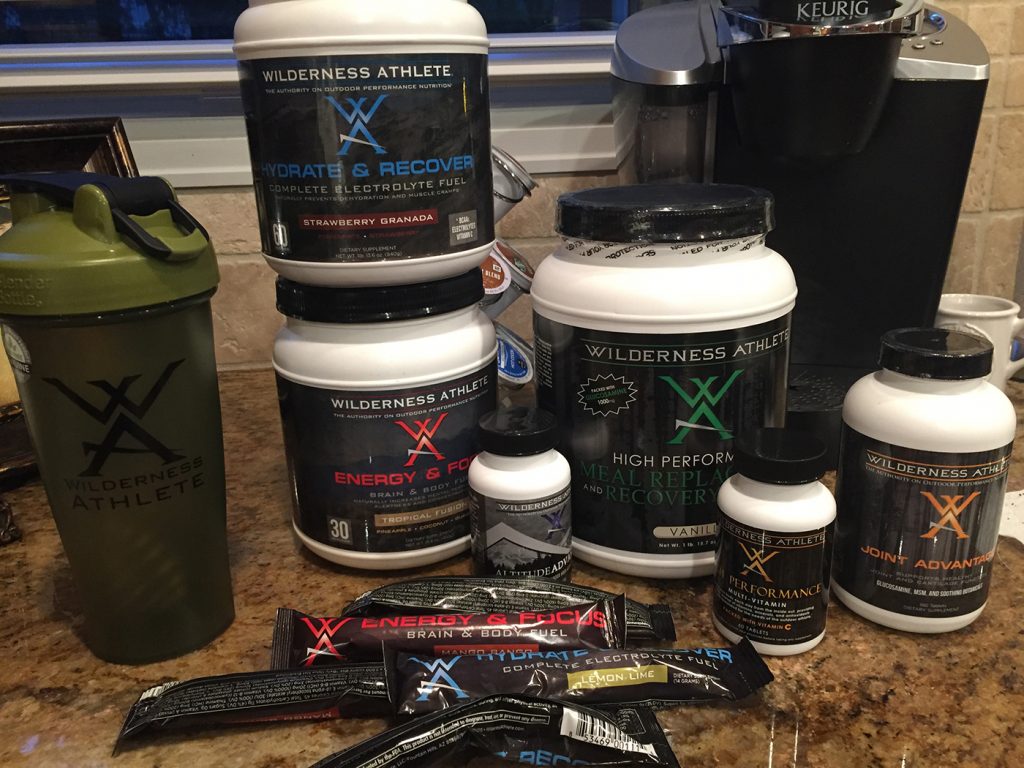
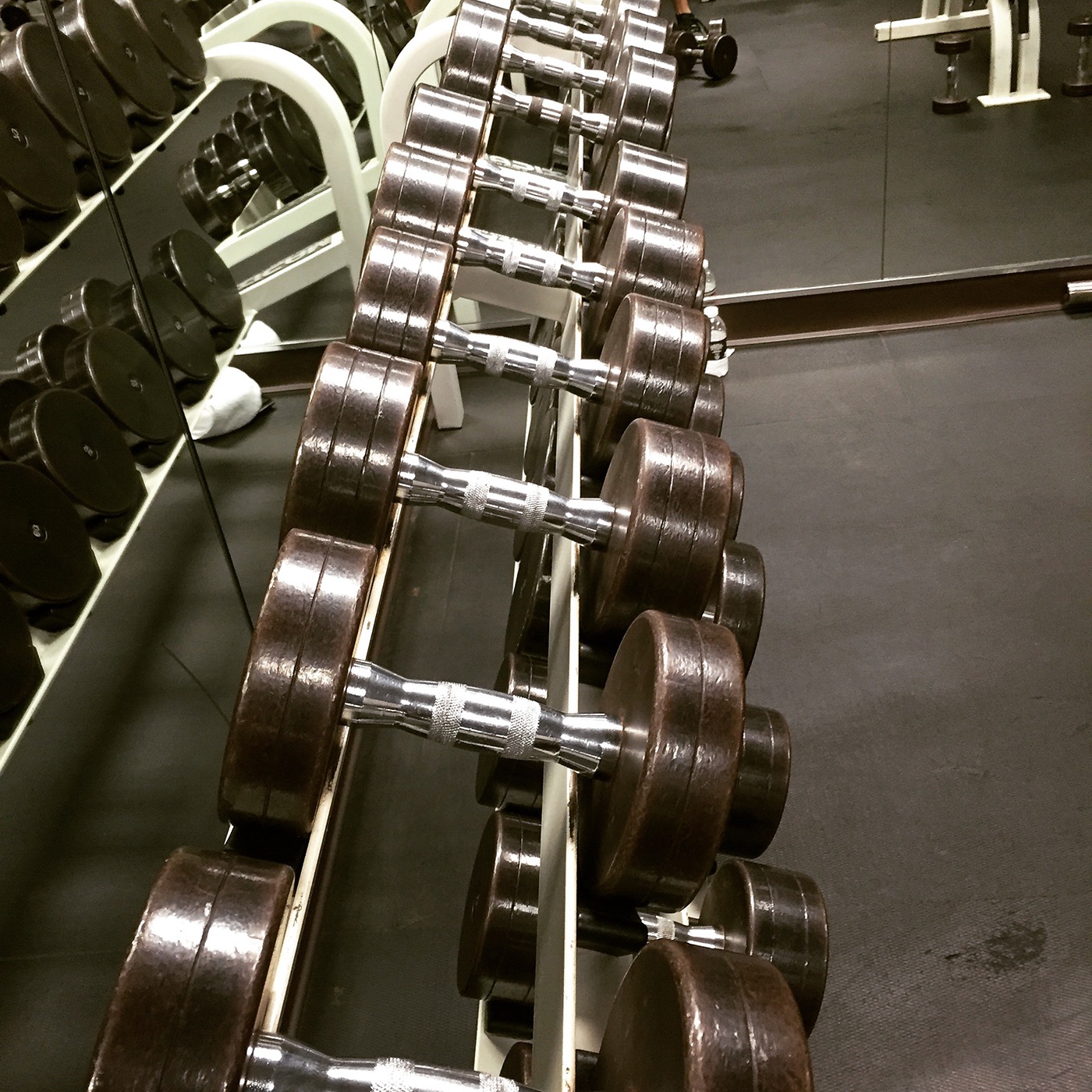

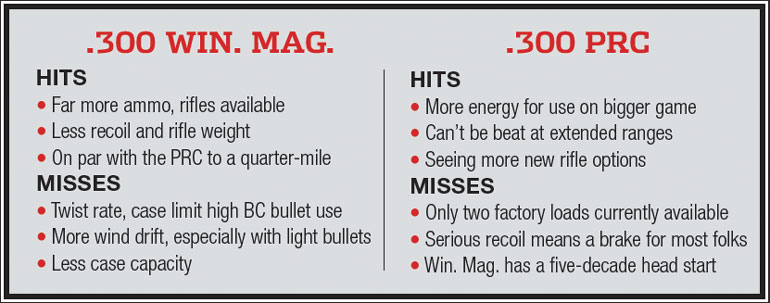
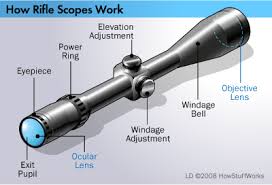
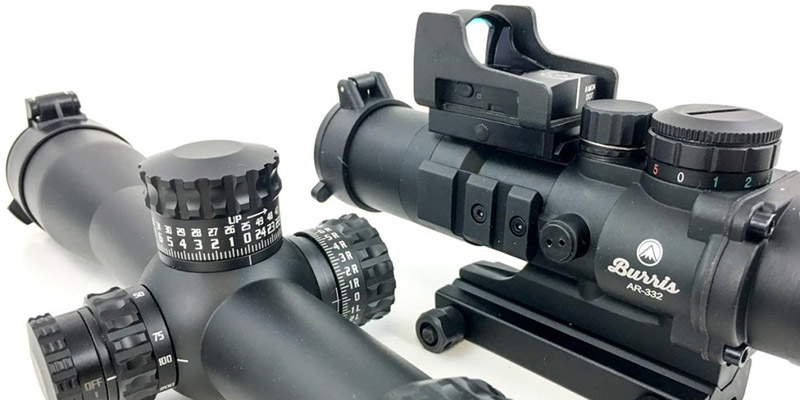

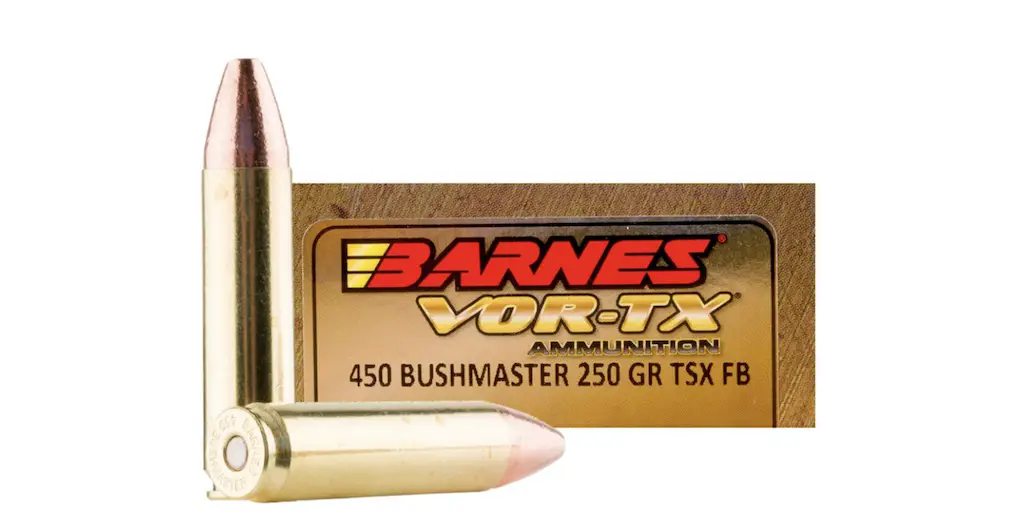
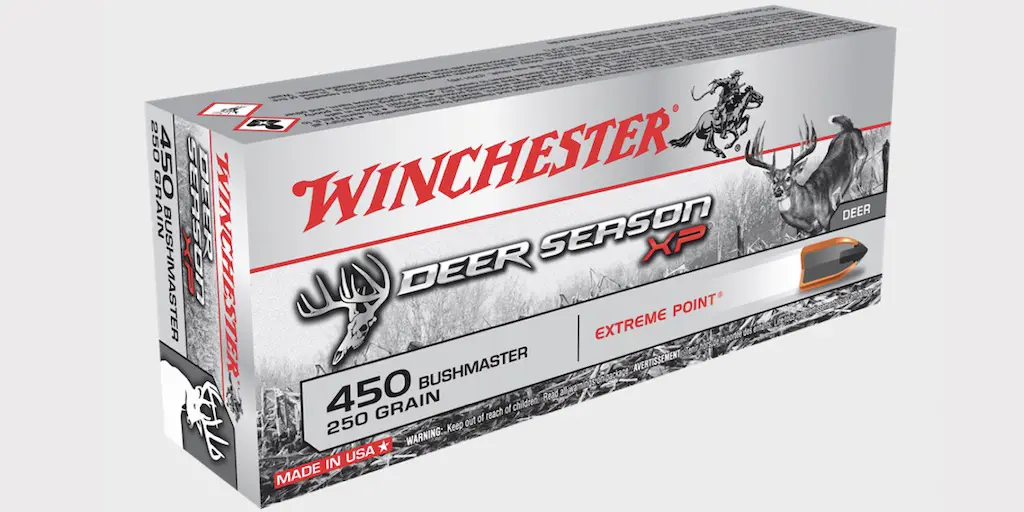
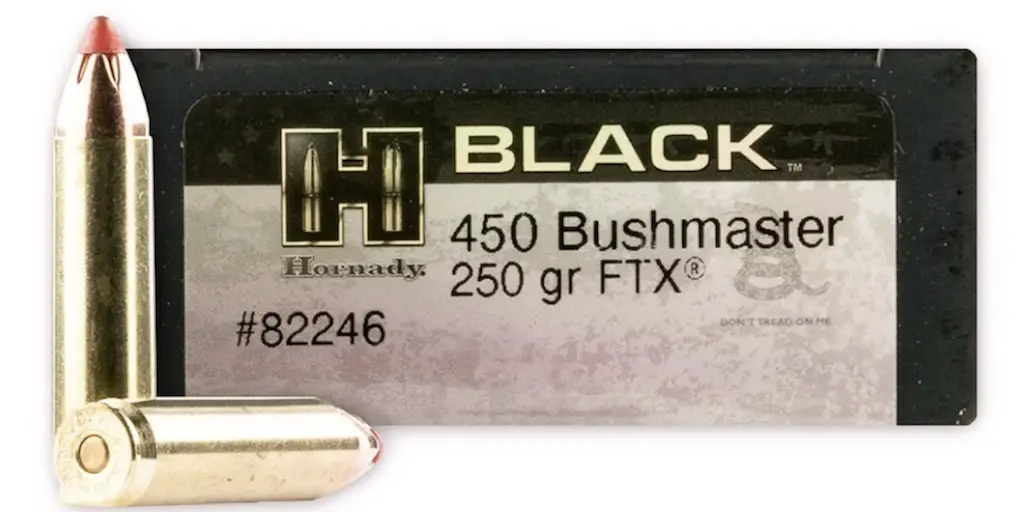
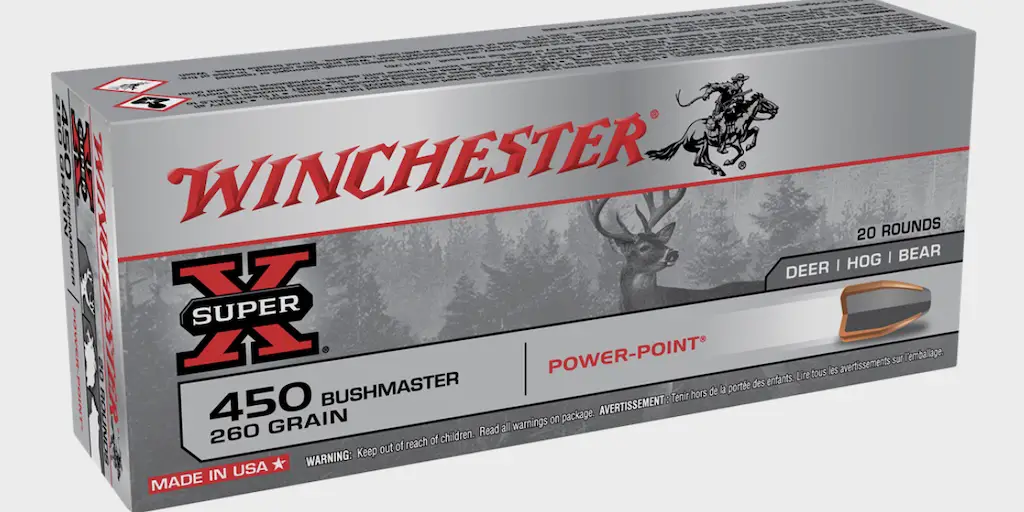
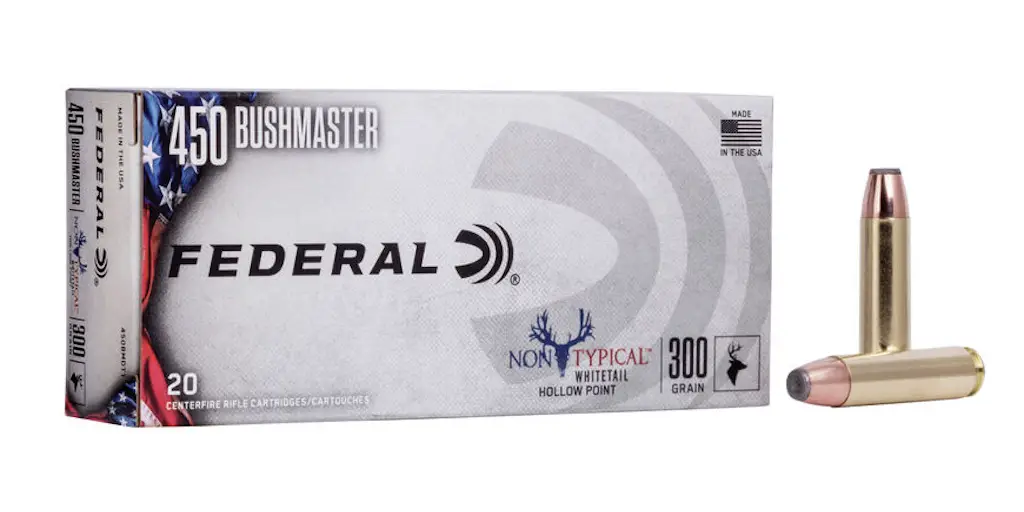
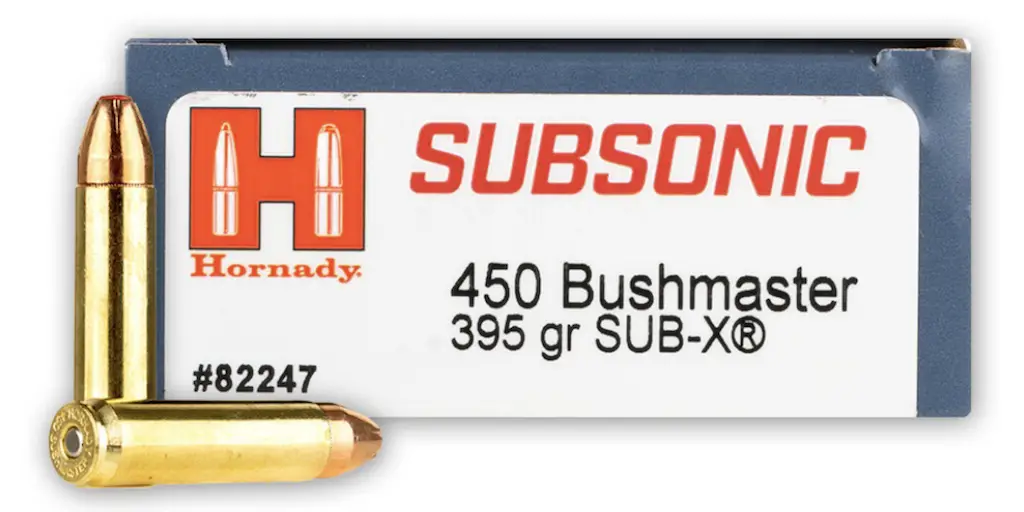

 As mentioned earlier, one of the most significant similarities between hunting and fishing is the time of day. On the majority of most of my hunting and fishing trips, I enjoy early morning and late evenings the most. As with most animals and fish, these are the times that they are most active, mainly because of food. Early in the morning, it’s time to eat breakfast. It is the same with deer or fish; they are in search of food, thus being why the activity is at its highest.
 It is essential to carry a quality setup such as my Lew’s rod and reel. When walking the banks fishing for smallmouth, one does not have the luxury to reach in a rod box and grab another pole if something tears up or quits working. Instead, I rely on proper equipment that will allow me to fish without interruption.