Home Blog Page 187

What Pound Test Fishing Line for Crappie Is Best?

0

Crappie fishing is a popular pastime for many anglers since the fish are very easy to catch and they put up a good fight when caught, making the process very fun.

When it comes to selecting the pound test for the fishing line when catching crappie, though, there appears to be a bit of a confusion.

This is why I decided to write this post, which answers the question “What pound test fishing line is best for crappie?” and also provides a few recommendations that might make your life easier.

What Pound Test Line Should I Use for Crappie?

There appears to be a great deal of uncertainty over which pound test line is best for crappie fishing.

Because of their diminutive size, crappies don’t put up much of a fight when caught, making them a pleasure to land.

As a bonus, they are quite small, making them a great option for fishers who would rather avoid catching monster fish and enjoy a good time catching smaller fish.

Thus, when angling for crappie, I advise using a line with a 4 pound test. The thin and light nature of this line makes it easier to cast and less likely to startle the fish.

You could use a 6-pound-test line, but if the crappie can see it, they’ll probably notice the line and swim on.

Types of Fishing Lines for Crappie Fishing

Here are some of the most frequent fishing lines followed by an analysis on whether they are good or bad for catching crappie.

Monofilament

All of the material for a monofilament fishing line comes from a single filament. Nylon is the material of choice, however polyethylene and fluorocarbon are occasionally used to compose this fishing line as well.

The durability and tensile strength of monofilament fishing lines make them versatile and useful for fishing of all kinds. This is why they are among the most widely used fishing lines.

Why Is Monofilament Good for Crappie Fishing?

Crappie are easily spooked, so it’s important to use a line that won’t drive them away.

Monofilament’s low visibility encourages Crappie to bite, and the line’s strength improves your chances of landing the fish once they do.

This line’s already impressive strength and durability make it ideal for catching crappie, but its flexibility makes it even much more effective.

Why Aren’t Monofilament Lines Good for Crappie Fishing?

Although monofilament fishing lines are widely used due to their inexpensive price and adaptability, they have a reputation for breaking easily.

Due to their construction from a single strand of material, monofilament lines break easily when subjected to tension.

This is especially true of 4-pound lines, which are usually utilized to catch crappie, see what I mean?

Choosing a good quality monofilament fishing line should solve this issue, though.

Fluorocarbon

Fishing line manufactured from fluorocarbon resin is known as fluorocarbon fishing line. Fishing enthusiasts are increasingly adopting this material because of its many advantages over more conventional options like nylon.

Fluorocarbon lines are not only practically invisible underwater, but also substantially more abrasion resistant than other line, making them less likely to fracture under the force of crappie battling.

Why Is Fluorocarbon Good for Crappie Fishing?

Invisible in water is one of fluorocarbon’s most useful properties. Because the line won’t spook the crappie as easily, it’s great for fishing.

In addition, unlike certain other fishing lines, fluorocarbon can withstand the sun’s ultraviolet rays for extended periods of time without deteriorating.

Finally, fluorocarbon absorbs less water, making it simpler to handle and cast, which is critical for improving the fishing experience.

Why Aren’t Fluorocarbon Lines Good for Crappie Fishing?

I can’t think of any disadvantages to using fluorocarbon line to catch crappie.

Braid Line

Braided fishing line is one variety that is made up of multiple strands of material that are woven together (nylon, polyethylene, etc.).

Braided fishing lines are widely used because they are extremely durable and abrasion-resistant, and they flex very little. This allows for greater sensitivity and feel when casting.

Why Is Braid Line Good for Crappie Fishing?

I would use a braid line to capture crappie for a number of reasons.

Braided line can take on larger fish and heavier weights because of its superior strength.

Second, bites from even the smallest fish may be felt when using braided line because of its extreme sensitivity and lack of elasticity compared to other lines. This will help you catch the most crappie fish possible.

Third, this line is one of the best if you care about underwater visibility, as its smaller diameter belies its greater strength compared to other fishing lines.

Why Aren’t Braid Line Good for Crappie Fishing?

Because to the small diameter of the line, it is readily frayed or broken when exposed to the sharp teeth of a fish.

Second, braid line has very little elasticity, which can make setting the hook when a fish bites difficult.

Frequently Asked Questions

Here are some of the most frequent questions that always pop out when asking about fishing lines, pound test and catching crappie.

Why do people use yellow line for crappie?

Aside from the 4 to 6 pound test, visibility is an important thing to consider when selecting a crappie fishing line.

A yellow fishing line is a wonderful choice for fisherman that keep a close check on their line. Yellow is easily visible from above, making it simple to notice even the smallest bite.

The yellow color, however, is easily visible to fish swimming underneath. Crappie are more easily spooked by yellow lines than by lines of any other color.

Can crappie see your line?

Yes, Crappie have good eyesight and are very sensitive to movement. This means that if your line is in their line of sight, they will almost certainly notice it.

Crappie are also extremely sensitive to light and dark contrast. As a result, if your line is darker than the water surrounding it, the fish will most likely notice it.

“Half Dollar Size Expansion, 82% Weight Retention, Flatter Trajectory, FROM YOUR 20 GA, with 12ga Performance Down Range”.

0

Table of Contents

NEW: “OUT OF THE BOX THINKING” – “INDUSTRY TREND SETTING IDEA”!

“The first, RIFLE DESIGN, 20ga slug ammo”! “Schrifle 365gr Copper 2.1” case length ammo available now!

“Watch for second series of bore size slugs”: The “NeoTec 365gr Copper” slugs, in both 20 & 12 gauge in 2 3/4″ and 3″ slugs for factory chamber. Fall 2020

After 30+ years: NOW- 12ga Performance From Your 20 Gauge Slug Gun! Designed for use in any make SLUG GUN with a 20ga Rifled Barrel only.

“No longer just a slug gun, but not quite a rifle, it’s a Schrifle”

OUTDOOR LIFE MAGAZINE REVIEW: by COLIN MOORE https://www.outdoorlife.com/blogs/game-changers/shotgun-season-how…

TarHunt-Premier “NeoTec” Copper 365gr (green) slug round is the High Performance 20ga Schrifle™ series slug; loaded in both the 2 3/4″ and 3″ standard shot gun hulls. For use in rifled barrels with standard chamber lengths. Order these round by the “length of you slug guns chamber”, period. Performance will be close to equal from one length hull to the other.

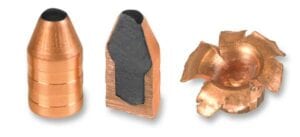
Introducing the newest 20ga Schrifle series: “NeoTec Copper 365gr” bore size slug. The facts speak for themselves as seen in the accompanying photos below. Look at the real differences between the new the bore size 20ga NeoTec Copper 365gr (62 caliber diameter slug, before it enters the game) and the industry standard 45 caliber sabot projectile. The picture shows the actual REAL difference between a 62 caliber and the 45 caliber slug. The 26% overall larger diameter of the NeoTec Copper 62 caliber slug vs. a 45 caliber slug is easy to see. The ratio of one to the other remains the same at any magnification.

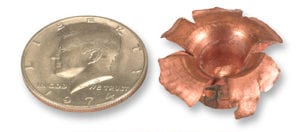
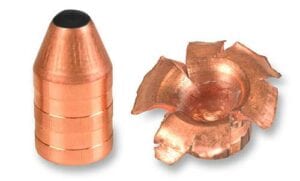
For comparison purposes this photo shows a 1974 Kennedy .50 cent piece; next to a NeoTec Copper 365gr expanded slug that was fire into a ballistic gelatin block from between 45 and 50 yards away. That range duplicates about 70% of most deer taken with a slug gun. This NeoTec Copper 365gr expanded slug weights 302gr (an 83% weight retention) and it expanded to just over the size of a half a dollar! An expanded slug like the one shown, @1800 fps, and spinning at 54,000 rpm’s (when fired thru a 1-24 twist rate barrel), and weighting over 30 grains, acts just like a hole saw!

“The technology behind the NeoTec Copper 365gr slug”.

The NeoTec 365gr Copper series design is a example of “out of the box thinking .” The “Hollow Bullet with Internal Structure”, patent number US 9,372,05 B2, uses a pressurized elastomer truss that is flexible enough to alow the thin side walls of the hollow copper slug to upset in size, to better fit your barrel diameter. After firing and the upset to the bore has taken place by the bullet side walls, the pressurized elastomer truss remains strong enough to support the thin copper side walls from collapsing inward while the slug is being forced thru the barrel. Correct implementation of these two events, in that order, is critical to insure proper flight requirements and the elimination of flyers. With this new “hollow bullet” design, a full bore size diameter bullet can be maintained, while greatly reducing its overall weight. Making it possible to load the same physical size bullet at higher velocities than its original full density configuration. [A solid copper bullet of the same size & shape could weigh over 750 grains]. Upon impact, the pressurized elastomer truss it allowed to rapidly expand outward thus aiding in the initial amount of fracturing of the o-jive (pointed part of the slug). The area in the nose section where the wall is the thinnest.

The “hollow bullet” design shown here uses an full cavity elastomer truss. This design helps generate real expansion of a 99.9% pure copper bullet that will expand and not just shoot thru or implode on impact projectile! [Sometime, in the near future, we will be hunting with “HOLLOW Bullets” supported entirely by internal metal alloy truss. These projectiles will be made on a 3-D metal printer] at even faster velocities.

The “NeoTec Copper 365gr” Premier Slug

The 365gr NeoTec Copper slug is the newest slug in the TarHunt 20ga Schrifle series. It is a high performance, full expanding, copper slug at 1800fps. It is flying at or near the same velocity as other popular sabot rounds, but it weights a full 100+ grains more!

The all new 20ga Schrifle NeoTec Copper 365 grains at 1800fps will be stable thru all known 20 gauge twist rates. The TarHunt NeoTec Copper slug is a premium full performance, bore size slug, and is on track to be largest diameter, heaviest, fastest, full expanding of all the copper slugs in the industry. While retaining as much as 85% of its original weight when used on thin skin big game. The bore size NeoTec Copper 365gr slug has a unique felt recoil. The slug generates a clock wise torque on the gun and requires two handed gun control, when testing off of a bench rest.

The 20ga NeoTec Copper slug will also qualify as a “Green” non-toxic projectile for the areas that require a non-toxic slug. The current trajectory data for the 20ga Schrifle series NeoTec Copper 365gr slug has been added below, next to the Raptor Alv 270gr data, so a side by side comparison can be made. You may be surprised by the heavier slug. Only a 2″ trajectory arc, either above or below, your aiming point, thru 150 yards when zero at the proper yardage.

Thank You

Thank you for your interest in the 20ga.”Schrifle”series NeoTec 365gr Copper non-sabot slug round. All orders until further notice will be shipped directly from TarHunt. The webmaster has installed a “blue buy now” tab on the opening home page as well as a normal ordering format under the ammo tab and under the hunting ammo drop down.

Accuracy Detail

The new 20ga Schrifle series: NeoTec Copper 365gr @1800fps and the Raptor Alv/Lead 270gr @1975fps slug will work thru all known 20ga twist rates. I feel the NeoTec Copper 365gr is by far the best choice for deer hunting with the 20ga Schrifle series of slugs. It is a very accurate slug, when fired in a SAAMI diameter barrel. A non-lead (a green, non-toxic) maximum expansion slug with a high percentage of weigh retention.

Calculated trajectory: Current indications show the 270gr Raptor Alv/Lead high performance slugs @ 19oo+fps may be the heaviest weight slug usable at those velocities.. Note: the Raptor Alv/Lead 270gr data uses a 150yds zero and the drop looks much better than the 365gr Copper slug at 200yds. But look how high the mid-range trajectory is, using the 270gr**, at 100 yards and it has 15% less energy at 100yds and 17% at 200 yards.

Raptor Alv-lead core 270gr.**

Range-yards
Velocity-fps
Energy-ft/lbs
Trajectory-inches
0
1900+
2338
-1.45 (12% less energy @ muzzle)
50
1730
1794
+2.26
100
1509
1365

3.07 ** (15% less energy @ 100yds)

125
1410
1191
+2.09
150 ZERO
1325
1044
0.0
175
1238
919
-3.31 (what is your aiming point?)
200
1168
818
-8.07 (what is your aiming point; and 17% less energy)

Calculated trajectory: In comparing, the 365gr NeoTec Copper @1800fps to 270gr Raptor Alv slug @1975 fps. Notice that the NeoTec 365gr Copper shoots flatter and has more energy at 150yds.. The increased weigh makes it a much better choice for hunting thin skinned big game in the 150 thru the 200 yard range!

“Why does the 365gr NeoTec Copper slug use a 130yd zero while the 270gr Raptor Alv slug and all brands of sabot ammo, uses a 150 yard zero”? Notice the trajectory’s number highlighted at 50, 100, 150, and 200 yards. When using the NeoTec Copper 365gr it means that for the first 150 yards you have a total of a 4 inch maximum variation in your trajectory curve. In the heat of the battle that means hold center and shoot, no guessing. But look (how low) it is at 200yd. Exactly my point, at 200yds all you have to do it to lay your horizontal cross hair right on top the back bone a squeeze the trigger. The 12″ of drop will place your shot in the heart/lung area.

“No guessing”, EVEN using a scope that has just a standard cross hair. It’s a quick way of accurately taken shots from 50 thru 200 yards when your using the Premier “Schrifle – NeoTec” slug. No confusion trying to remember which cross hair to use. Along with a slug that has the energy to get the job done at 200yds.

NeoTec Copper 365gr.

Range-yards Velocity-fps Energy-ft/lbs Trajectory-inches 0 1800 2650 -1.45 50 1618 2121 +2.10 100

1410

1612

+2.14

130 ZERO 1304 1377 0.0

150

1239
1244
-2.40

175 1169

1107

-6.54 (17% more energy @ 175yds)

200

1110

980

-12.10 (back bone hold) – hit the heart at 200yds

From May-1, 2018 thru how ever long they last— TarHunt will release a 6-ROUND SAMPLE BOX, your choice of a of the 20ga Schrifle series: The 270gr Raptor Alv or the NeoTec Copper 365gr slug rounds in a generic 6-round box. The price is $28.50 for the 270gr Raptor Alv and $32.50 for the 365gr NeoTec Copper, in a sample 6- round box +ups.

Note: The Raptor Alv/Lead in 240 grain and the Raptor Alv 260/265 grain has been discontinued. There are a few boxes of 260 grain for as long as the last.

TarHunt can be reached at: 570-784-6368 (9am-4pm)

Gel-block video

Look at this you tube video of a 8 inch square, 18 inch long, 21 pound gelatin block, (normally used to test rifle bullets). It was hit with the new, reduced load, 20ga Schrifle slug. The slug is a full bore size 62cal, 260gr. slug fired from a full 40 yards away using a 1-23tr. The lower your twist rate number (1-23tr) the more RPM”S the slug has to aid in cutting a bigger wound channel.

The gel block reacts to the impact of the 20ga “Schrifle” by producing 9-10 different severe shock waves patterns as the slug moves thru the 17 inches of the gel block! If you look closely you can see the Raptor HP design separating into 3 peddles, about 120 degrees apart. The peddles then penetrated out ward for Approximately 7 inches. At the end of the video the 21 pound block is stood up on end and is flipped off the table. The multi-shock waves, seen here in this video, of a 20ga “Schrifle” moving thru this gel block is a good representation of the wound channel trauma produced by a 20ga “Schrifle” slug going thru a 16″ thick Deer size animal!

Ice Fishing for Pike

0

Northern Pike pulled up through ice fishing hole

The real secret to catching more fish is knowledge! The more you know, the more fish you’ll catch. These Northern Pike ice fishing tips and techniques are proven winners.

Love ’em or hate ’em, if you’re ice fishing, you’re likely to run into some Northern Pike. Near the top of the food chain in nearly any lake they inhabit, these aggressive fish can be a ton of fun to catch! And, once you get past the slime and the Y-bone their good eating too.

If you want to catch more Northern Pike the two most important keys are location and presentation. You could have the most appealing bait in the world but if there aren’t any fish around it’s going to be a looong day. And, not catching a thing while everyone else around you is catching fish can be really frustrating. What you present to the fish is just as important as finding them.

The information found here is best used along with some investigative work done by you. Finding out what the Department of Natural Resources says about a lake and talking to local anglers, especially at the bait shop, can save you a ton of time finding the fish and knowing what they’re biting on.

Northern Pike have very good vision but limited night vision. Unlike most other fish species Northern Pike remain active in the winter and are primarily caught during broad daylight.

Northern Pike Ice Fishing Location

Northern Pike location is often dictated by their belly. They don’t swim in schools and can usually be found relating to the same types of lake structure as their next meal.

Structure like points, breaks, rock piles and humps are classic examples of structure that will have Northerns in close proximity.

In shallow water Northern Pike usually cruise about mid depth but as the water becomes deeper they tend to hang closer to the bottom.

During early ice Northern Pike can be found in fairly shallow water accompanied by weed edges, points and bars. Combined with inside turns or other structure is even better.

As winter progresses Northern Pike follow the food and move further out. Start by fishing outside weed edges and offshore humps and bars.

As spring nears Northern Pike begin moving shallower again into pre spawn areas. Besides shoreline points and breaks, look for them near river mouths.

Before we switch gears and talk about presentation, remember locating the fish is half the battle. Don’t just drill one hole in 10 ft of water next to a point. Instead drill several holes in varying depths and find the fish.

Using modern electronics can also help you find fish faster. Depth, fish and structure can all be seen using a flasher (Vexilar or Marcum).

Northern Pike Ice Fishing Presentation

OK, you’ve found the Northern Pike, now let’s look at some effective techniques to get them on the ice!

The most common way to ice fish for Northern Pike is by using Tip-ups. This ice fishing contraption is simple and effective.

More Northern Pike have probably been caught using a treble hook and a sucker minnow on a Tip-up then any other method.

Generally the bigger the Pike you’re after the larger the minnow you’ll want to use. I generally use a medium sucker minnow or smelt in the 6-8 inch range. Push the eye of the treble hook up through the belly of the smelt.

Most ice fishermen can attest that they’ve caught Northern Pike while jigging for other species of fish. Even the smallest lures have been known to produce Northerns, only because they’ll eat nearly anything you place in front of them.

Jigging has become a popular method for catching Northern Pike as well. Most likely this is because they’re more fun to fight using normal ice fishing equipment than with a Tip-up.

Jigging for Northern is basically raising your rod tip a foot or more, then dropping it back down to its starting position.

When choosing tackle to jig for Northern Pike you’ll use the same types of lures used for Walleye, only bigger in most cases. My favorite type is the sinking lure or spoon.

Sinking lures include the Live Target Golden Shiner Rattlebait and Dynamic Lures HD-Ice and nobody makes a better spoon than Len Thompson and their Dimpled Series spoon where added indents cause a lot more action has you move the rod tip up and down.

Sinking baits and spoons are great for more aggressive Northern Pike. Usually I put a minnow head on one of the treble hook barbs and start by fishing with one of these.

Hopefully you’ve found something new to try in these Northern Pike ice fishing tips and techniques that will help you ice more fish.

What most people consider luck is usually a combination of preparation and practice so get out there and enjoy the practice.

Looking to venture to a new species check out our 5 Tips for Catching Walleye through the Ice.

It’s important to stay warm and comfortable weather it be open water fishing or ice fishing. For that head over to our Elite Fishing Apparel section.

Are You Missing Out?

Try our RLM Elite Mystery Tackle Box available now for a limited time! The perfect gift for the angler in your life

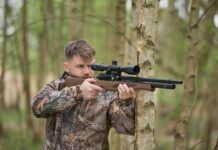
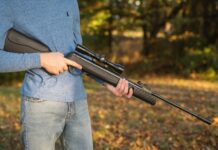
The 5 best air rifles for shooting rabbits

0

When it comes to finding the best air rifle for shooting rabbits, there are lots of models available on the market. Here’s a selection of the best, featuring options for both beginners and experienced shooters.

Pellpax Storm X Deluxe Kit

If you consider yourself a novice rabbit shooter, this is the perfect rifle for you.

It’s easy to use and comes with an array of features that are ideal for shooting small pests. These include a muzzle energy of between 11 and 12ft/lb and ornately textured grips for a secure hold. And let’s not forget its good-quality scope.

With rabbits mostly active at dawn or dusk, you need a rifle with a large lens scope for a greater range of vision. That’s why the Storm X Deluxe Kit includes a 3-9×50 scope, which fits the bill for rabbit shooting. It also comes with a screw-on silencer, which comes in handy when you’re trying to avoid spooking other rabbits in the area.

Weihrauch HW77K

This is considered by many to be the best air rifle for shooting rabbits, due to its power and accuracy.

If you’ve been struggling to hit rabbits from a long distance, the Weihrauch HW77K will help you overcome this issue. It’s incredibly accurate and has low recoil, making it a popular choice for pest control and target shooters. The trigger is also extremely precise, giving you extra control of your shot placement.

The Weihrauch HW77K comes in 4 calibres – .177, .20, .22 and .25 calibres. The.22 is widely regarded as the best option for rabbit shooting, as it has a good “smacking power” and is therefore ideal for achieving a clean kill. There are also more pellets available for this calibre, giving you a wider range of options.

Air Arms S410

This is one of the most reliable air rifles on the market. It has a classic style, impressive accuracy and a multi-shot format. As such, it can be used by both experienced and novice rabbit shooters.

The rifle also comes with a 10-shot magazine, meaning you won’t have to worry about buying pellets before you head out on a hunt.

Check out the below review of the Air Arms S410 and watch it in action. As the reviewer says at the end of the video – if you can pick one of these up, you’re onto a winner.

BSA Lightning XL SE Tactical

This rifle is popular among sporting shooters due to its durable, all-weather design. It also has a polymer coating, making it very comfortable to hold and easy to grip. So, if you’re planning on going rabbit hunting in a variety of weather conditions, this is the air rifle for you.

Part of the BSA family, the BSA Lightning XL SE Tactical has a fully adjustable trigger and strong build quality. Another of its standout features is the legendary cold hammer forged barrels that BSA air rifles are famous for. This ensures power, accuracy and a great all-round gun.

Gamo Varmint Stalker Deluxe

There’s very little not to like about the Varmint Stalker Deluxe. At £169, it’s one of the best value air rifles around, and you get a lot for your money.

This gun is both powerful and accurate, which is ideal when you’re targeting a rabbit in the distance. It’s capable of firing .177 calibre pellets with a 1250 feet per second velocity and has a very smooth trigger. What’s more, its custom trigger design makes it highly durable in a wide range of scenarios.

It also has a high-quality black synthetic stock with rubber inserts for better handling, making it a great option for all-round shooting.

Specialist shooting equipment insurance from Ripe Shooting

If you do decide to purchase a new air rifle, you may want to consider specialist insurance to protect it. After all, the last thing you want is to pay huge sums of money if your air rifle is damaged, lost or stolen.

Here at Ripe Shooting, we arrange cover that ensures that your kit is completely protected should the worst happen. Get an instant online quote today.

Fixed-Blade Broadhead Test: 2022 Edition

0
Fixed-Blade Broadhead Test: 2022 Edition

SHARP CHOICE: Muzzy’s new Merc was sharpest among the 14 broadheads in this year’s field, according to independent test results.

This year marks a major milestone here at Petersen’s BOWHUNTING — our 10th Anniversary Broadhead Test. Oh, what a journey it has been. When I consider the time (weeks) and energy it takes to do our annual broadhead test, it amazes me we ever made it to year two!

Back when we first began in 2013, we unknowingly set ourselves up for a testing marathon by tackling 25 broadheads — 13 fixed-blade models and 12 mechanicals — at once. None of our tests were proven, forcing to us to run back and forth to the hardware store for additional supplies as we adjusted on the fly. We were also forced to acquire additional test heads from the stock inventory at Lancaster Archery Supply, because we were running out as we forged ahead like madmen through an extended period of trial and error.

They say experience is a great teacher, and that’s certainly true in our case. I’m pleased to report we’ve become not just older but wiser over the past decade, alternating our annual test between fixed-blade heads and mechanicals to keep our workload manageable and give manufacturers additional time to release new models in each category.

But while we’ve changed some things and have continually refined our testing procedures, one big thing that has not changed — and never will — is our commitment to doing whatever it takes to make this the most consistent, credible and unbiased broadhead test available to bowhunters anywhere. The cornerstone of our testing is a desire to create a level playing field for all, and over the years we’ve eliminated some tests that did not meet this high standard and modified others to ensure they do.

Perhaps the biggest single testing improvement we’ve made over the years came in 2014, when we upgraded the shooting platform to our custom-built, one-of-a-kind X-Ring Machine that is far superior to any commercially available shooting machine. Weighing more than 200 pounds, the X-Ring Machine offers rock-solid stability along with micro-adjustable windage and elevation and a laser sighting system! Driven by a servo motor, the draw sled that pulls the bowstring back rides on linear slides and is controlled by draw-position sensors. The X-Ring Machine is also controlled via proprietary software that takes precise measurements during the draw cycle and automatically calculates data for things such as kinetic energy and dynamic efficiency. Another milestone that came in 2014 was the decision to outsource broadhead sharpness testing to CATRA (Cutlery & Allied Trades Research Association) in the United Kingdom. That’s right; we ship broadhead blades all the way across the Atlantic Ocean to give you the most accurate and reliable sharpness comparison available!

During our 10-year broadhead testing journey, we have been invited to use some great facilities near our Pennsylvania headquarters, including ranges at Black Eagle Bowmen, Lancaster Archery Supply, Weaver’s Archery and Drop Tine Archery. As for the testing itself, we’re pleased to report that more than 40 manufacturers have submitted broadheads for evaluation, not to mention additional manufacturers such as Mathews, PSE, Bowtech, Last Chance Archery and Rinehart Targets have donated bows, targets and other equipment to assist in our testing.

In summary, the past decade has allowed us to build a significant depth of experience and expertise in broadhead testing and demonstrated that we’ll go to great lengths to bring you only the most technically sound and relevant data possible — no bias and no BS! This year, we dive deep into 14 of the hottest fixed-blade broadhead options with tests that measure penetration, durability, blade sharpness, flight precision and more. It’s our hope that you enjoy reading the results as much as we enjoy bringing them to you.

Annihilator 100 XL

Annihilator 100 XL

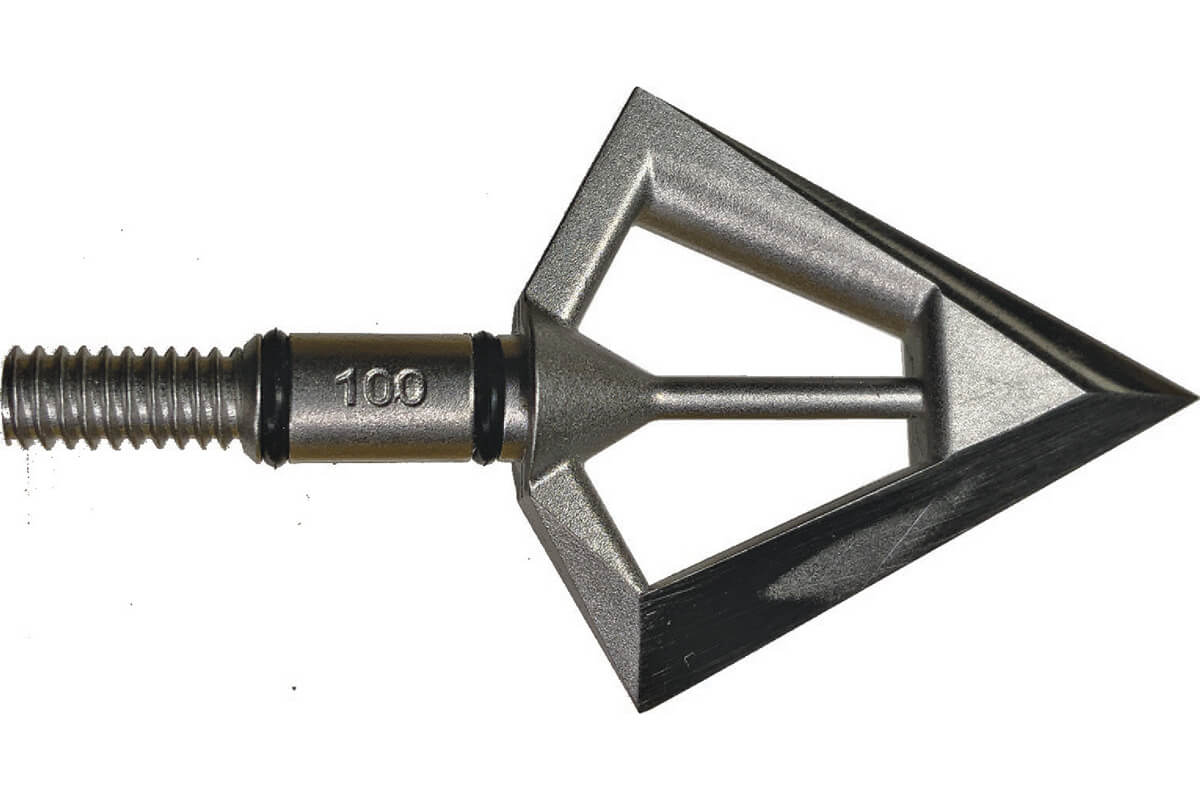
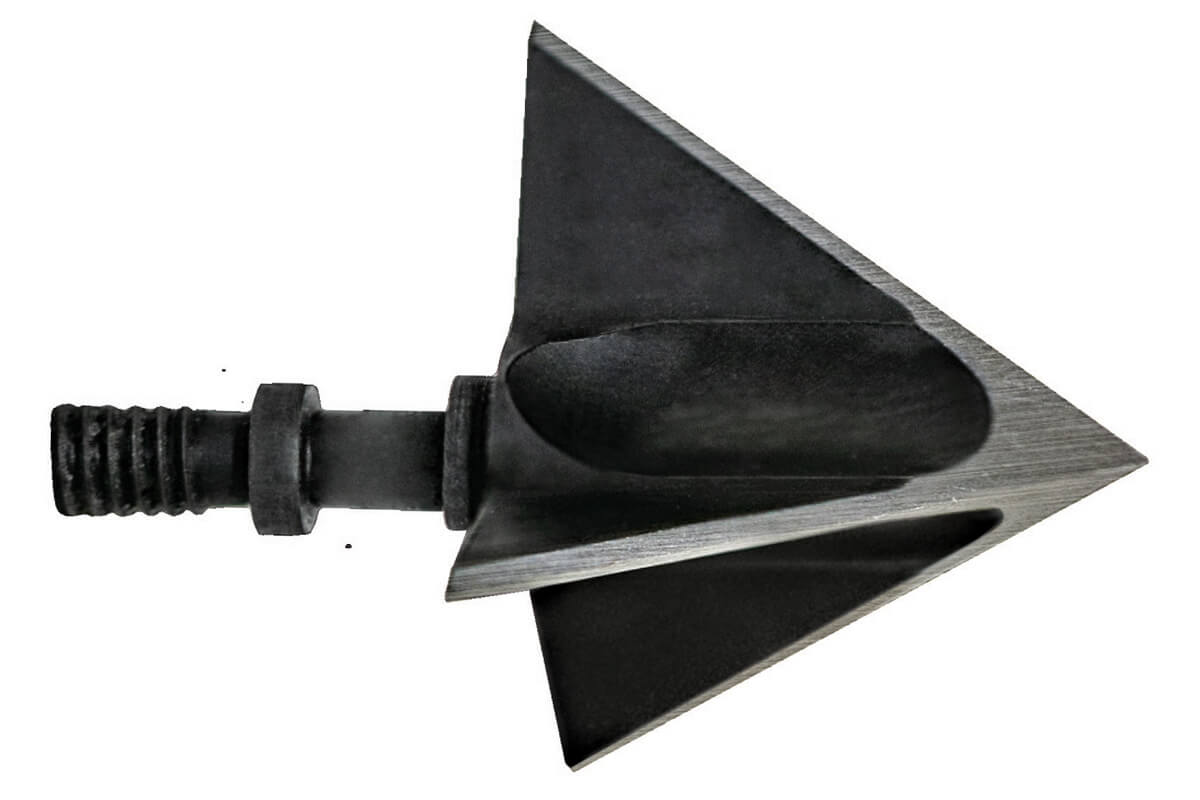
Annihilator is a relative newcomer to the archery world; however, they have turned plenty of heads and built a solid following in a short time. The nearly indestructible 100 XL is made from a single piece of 4140 alloy steel and hardened to Rockwell RC 52. Edges are beveled at 30 degrees to enhance edge retention and durability and are easily re-sharpened on a flat stone. The unique, scooped-out shape is without cutouts or vents and designed to quietly fly like a fieldpoint at long range and cause maximum damage through wound channels that won’t close up and induce pressure changes inside the animal’s body. The 100 XL has proven effective with all bow styles and a wide range of arrow/bolt speeds. Sporting a 1.0625-inch cutting diameter, these heads are made in the USA and guaranteed to weigh within ±.2-grain of one another.

  • $62.99 per 3 | annihilatorbroadheads.com
  • Top Test Finishes: 1st in Double Combo Penetration and Hemorrhage
Fixed-Blade-2022-Cobra.jpg
Cobra Barbarian

Cobra Barbarian

Cobra jumps into the broadhead market with the Barbarian line that includes both fixed and mechanical heads. Cobra’s FXT (Fixed Crossbow Titanium) heads were originally intended exclusively for the crossbow market, but the company wanted compound users to have the opportunity to shoot them as well. So, Cobra came up with a two-collar system. The straight collars match up with bolt diameters, and the tapered collars are more in line with standard arrow diameters. Cobra’s solid, one-piece ferrule is made of titanium to take advantage of its high strength-to-weight ratio and overall durability. Blades are replaceable and made of 420 stainless steel that is .033-inch thick. The Barbarian’s cutting diameter is a generous 1.25 inches and its trocar tip is designed to take on the harshest of shots. Heads are spin-tested at the factory.

  • $54.99 per 3 | cobraarchery.com
  • Top Test Finish: 4th in Total Cutting Potential
Firenock Dagger

Firenock Dagger

Firenock is known for engineering products and components that work well together. In fact, their Traumahawk broadhead was designed specifically to work with the company’s airfoil-based Aerovane; however, it required too much speed and power for some applications. Enter the Dagger, which has fewer use restrictions for a wider range of applications. This head is made from 420 stainless steel and uses compound single bevels providing rotation to, and through, the animal. The rotation inside the animal is advertised to cause cavitation resulting in faster death. Metal Injection Molding (MIM) during the manufacturing process makes the Dagger even more effective. The two-blade head has a 1.01-inch cutting diameter and a cut-on-contact design for maximum penetration.

  • $69.95 per 3 | firenock.com
  • Top Test Finish: 10th in Hemorrhage
Fixed-Blade-2022-G5.jpg
G5 Striker X

G5 Striker X

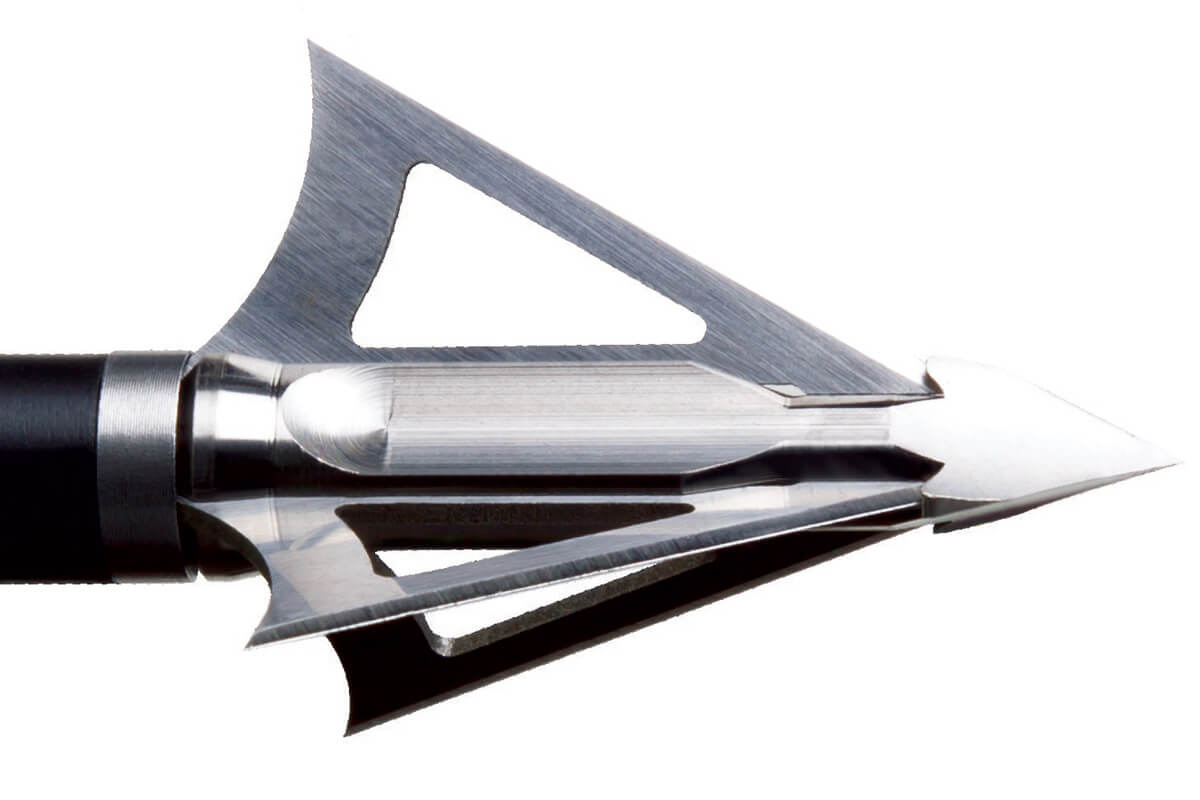
G5 continues to bring top-notch heads to market with the new Striker X fixed-blade broadhead. The Striker X features four replaceable Lutz blades that have a reputation for being super sharp and a track record to back it up. The four blades, each measuring approximately 1 inch long, create a 1.25-inch cutting diameter. G5 broadheads are spin-tested at the factory and advertised to have improved flight characteristics versus the competition. The all-steel Striker X is also available in a crossbow model and comes in your choice of 100 or 125 grains. A BMP practice head and blade-replacement kits are also available.

  • $46.95 per 3 | g5outdoors.com
  • Top Test Finishes: 1st in Total Cutting Potential, 4th in Hemorrhage and 5th in Sharpness
Grim Reaper Micro Hades

Grim Reaper Micro Hades

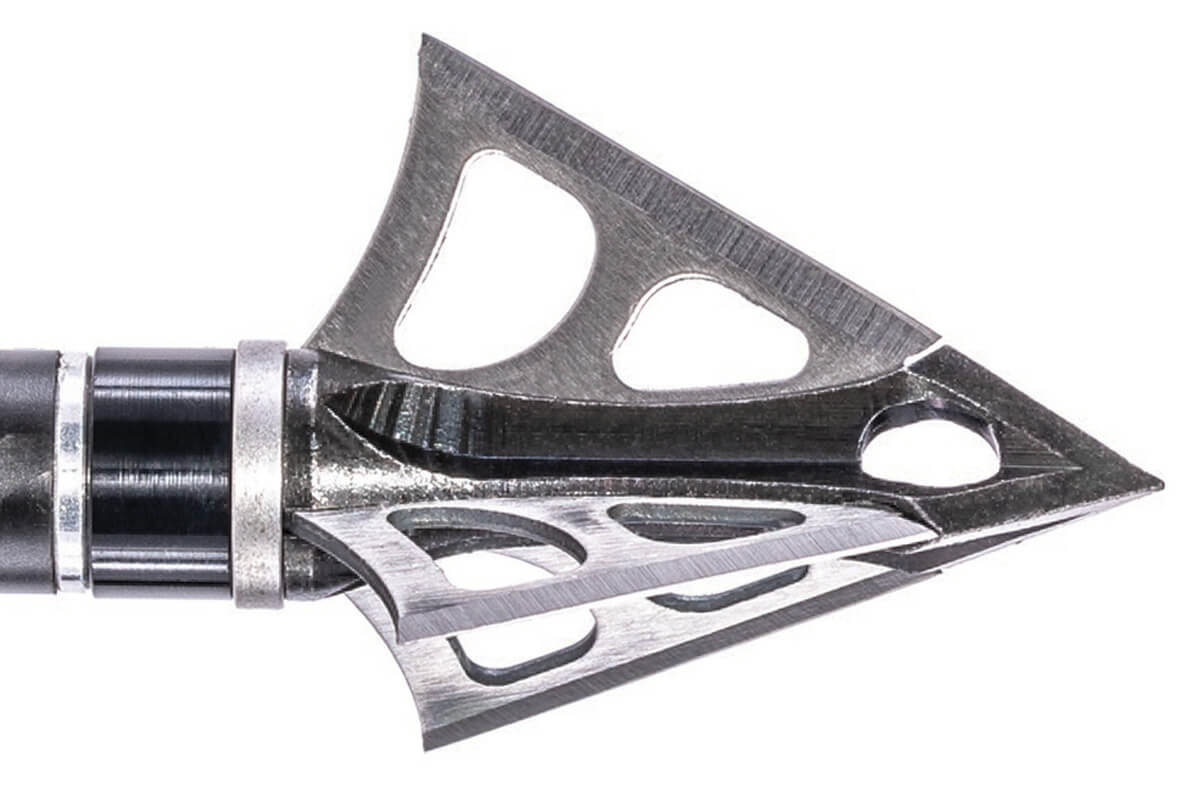
Grim Reaper, known for creating devastating broadheads, designed the new, 3-blade Micro Hades to maintain excellent flight performance at any speed produced by today’s compounds and crossbows. The Pro Tip is hand sharpened and built to bust through bone. With its 100-percent stainless steel construction, the Micro Hades is made to withstand anything you can throw at it. The .035-inch thick, 440 stainless blades, which reach to a 1.0625-inch cutting diameter, are anchored to the ferrule with Grim Reaper’s four-point blade locking system. Made in Provo, Utah, the Micro Hades is all about inspiring confidence through durability, lethality and overall performance.

  • $39.99 per 3 | grimreaperbroadheads.com
  • Top Test Finishes: 2nd in Sharpness and 3rd in Double Combo Penetration
Fixed-Blade-2022-Innerloc.jpg
Innerloc American Eagle

Innerloc American Eagle

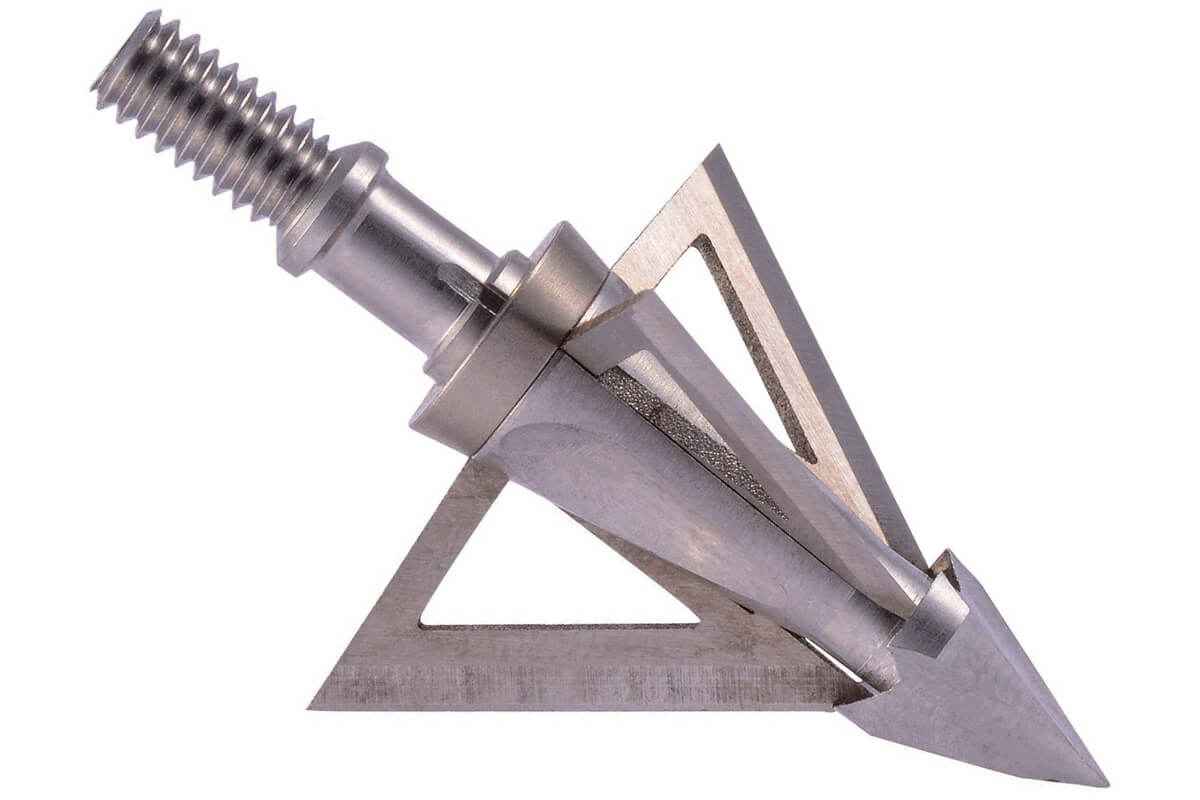
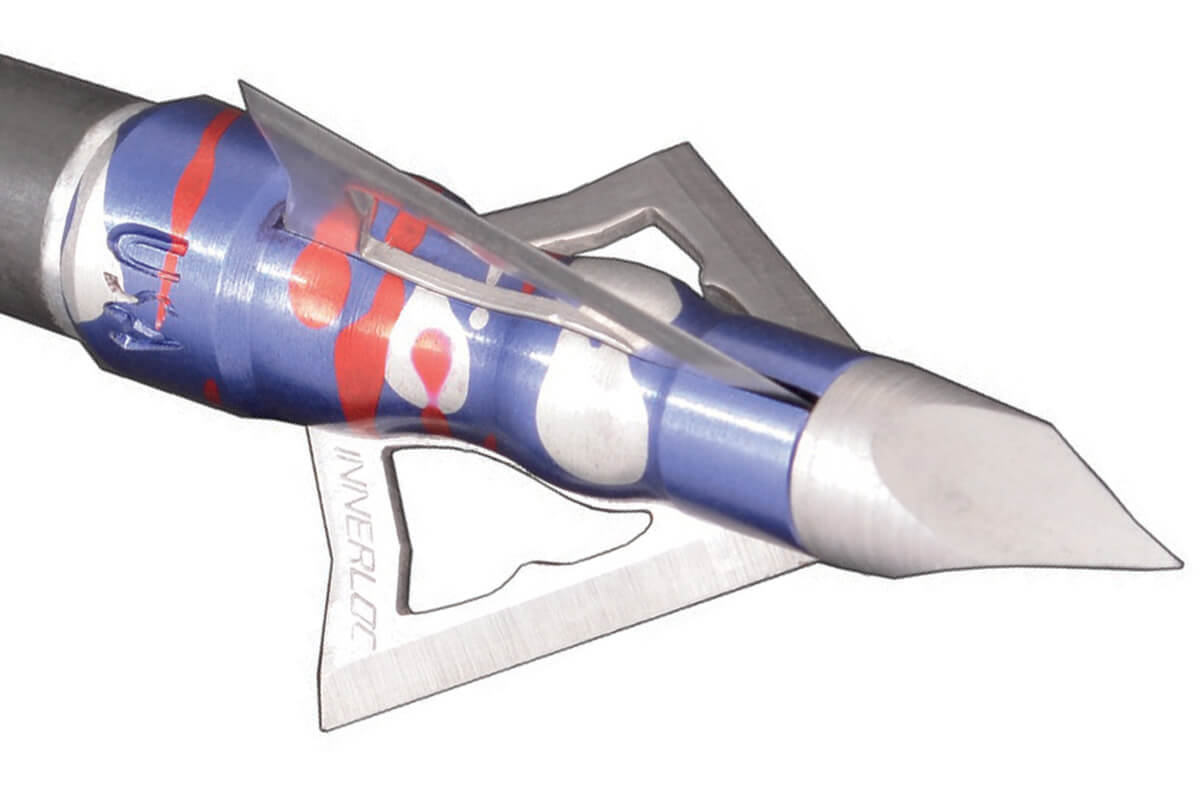
Innerloc’s Patriot Package — including three American Eagle broadheads, six eagle-inspired, patriotic arrow wraps and a Deadly by Design Innerloc Country can cooler — was put together as a tribute to all American patriots. The American Eagle broadhead features a red, white and blue anodized aluminum ferrule that sports an eagle stamp at its base along with eagle-shaped blade cutouts. The 3-blade head weighs 100 grains and produces a 1-inch cutting diameter. Innerloc’s proven Center Locking System uses matching bevels on the ferrule and stud to create a self-aligning, clamping action for the .027-inch thick, L-shape blades with bases that match the inner-diameter of the ferrule. The company’s Endur-Edge is built through specialized manufacturing and tempering processes to create a durable edge that will hold its form and sharpness.

  • $35.99 per 3 | innerloc.com
  • Top Test Finishes: 3rd in Triple Combo Penetration and 4th in Sharpness
Muzzy Merc

Muzzy Merc

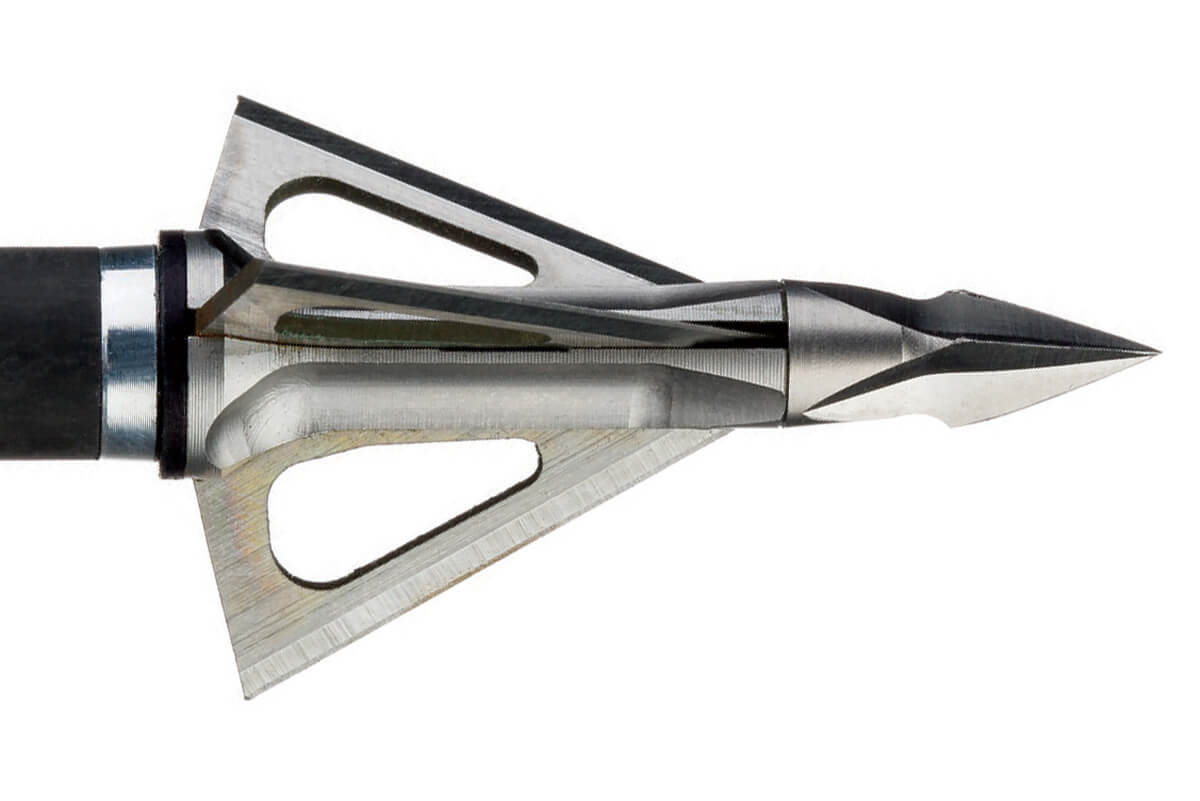
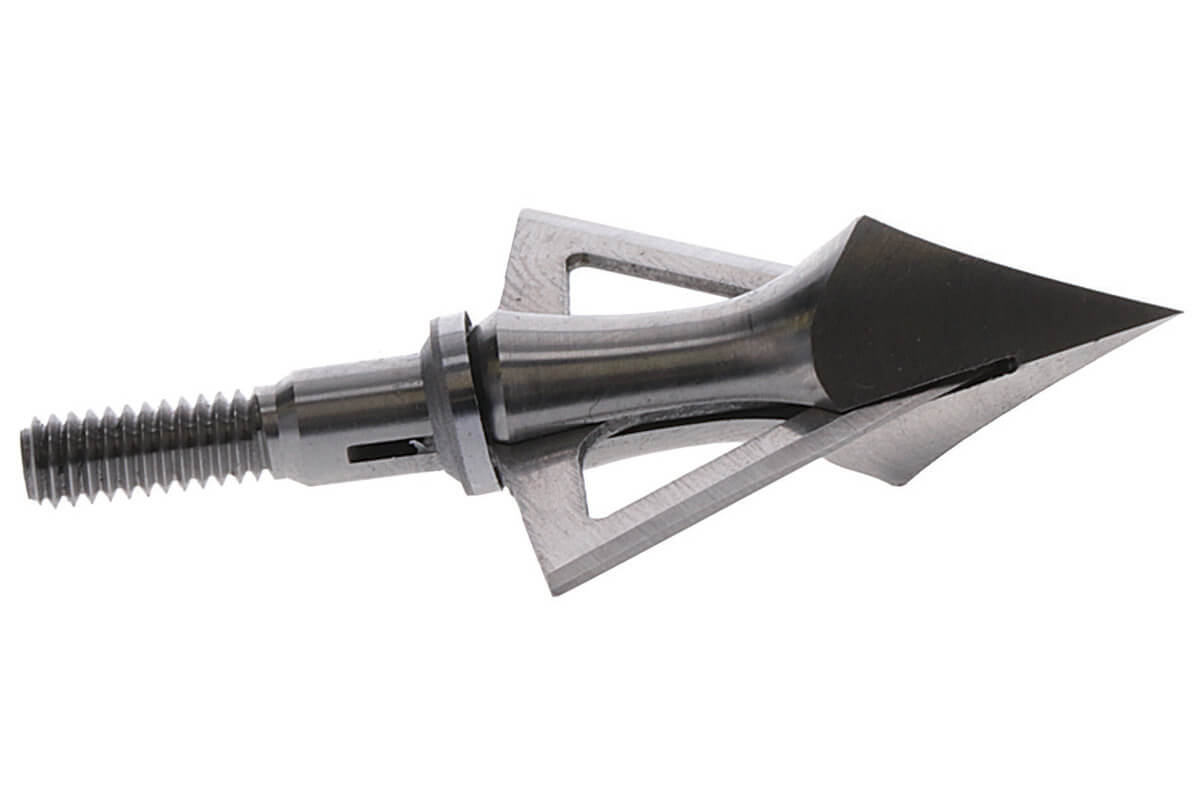
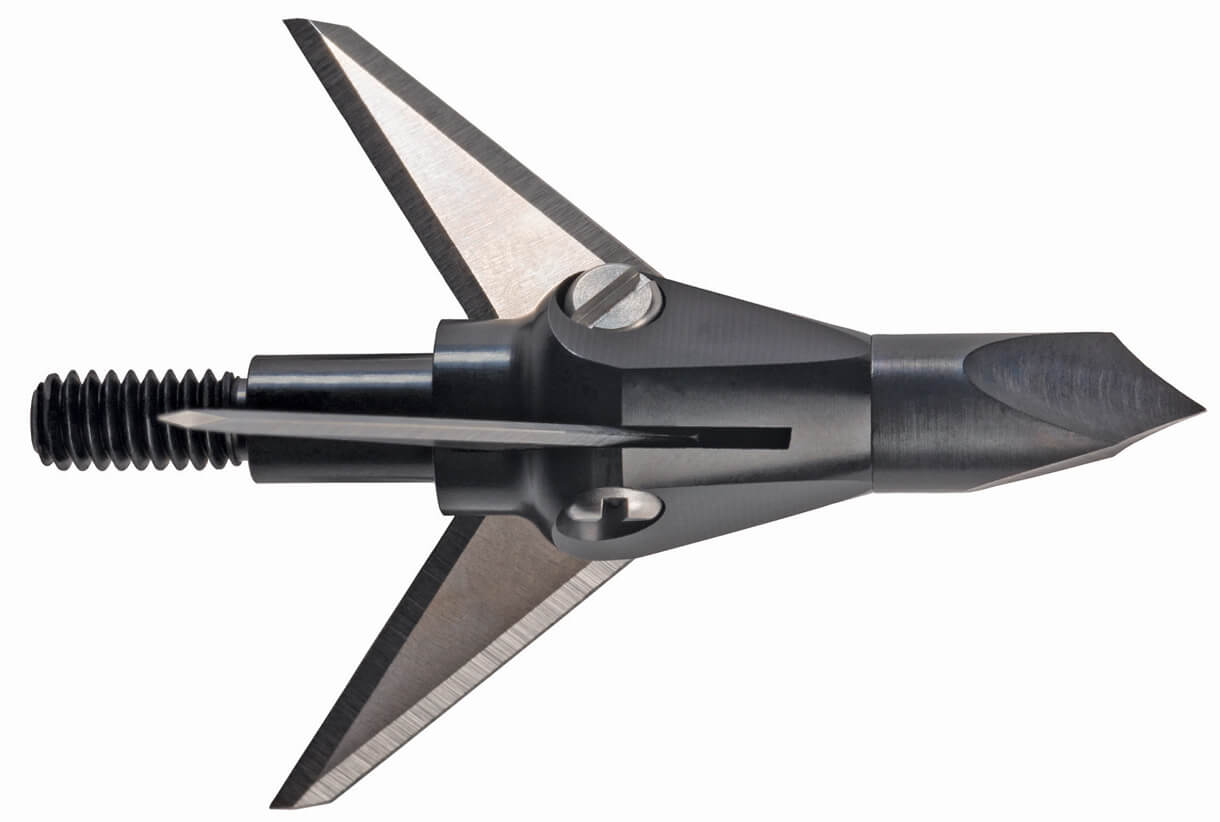
Muzzy, one of the most trusted broadhead manufacturers, builds its new, 3-blade Merc with a one-piece, solid stainless steel ferrule to ensure toughness. The ferrule shape and venting, along with the Hybrid Cut-on-Contact Tip, promote quiet flight and increased penetration. The .030-inch thick blades transition smoothly into the correlating edges of the ferrule for a continuous cut from tip to the blades’ base. Blades are generously vented, have a 1.0625-inch cutting diameter and are locked in place by an aluminum blade-retention collar. Muzzy says the Merc’s unique geometry and venting deliver stable flight and extreme bloodletting.

  • $44.95 per 3 | feradyne.com/muzzy-broadheads
  • Top Test Finishes: 1st in Sharpness and 2nd in Triple Combo Penetration
Fixed-Blade-2022-NAP.jpg
NAP Endgame

NAP Endgame

NAP machines its 2-blade Endgame from a single piece of Grade 5 titanium to achieve precision while taking advantage of the material’s impressive strength-to-weight ratio, tensile strength, ruggedness and corrosion resistance. The oversized Bone Breaker Tip, machined directly into the titanium structure, is designed to cut on contact for greater penetration. An X-Lock blade-retention system secures the .031-inch, replaceable, stainless steel blades to the ferrule. Cutting diameter is 1.1875 inches. All heads are spin tested at the factory to ensure optimum performance, and a set of replacement blades and practice blades are included.

  • $54.99 per 3 | newarchery.com
  • Top Test Finish: 3rd in Hemorrhage, 4th in Double Combo Penetration and 5th in Triple Combo Penetration
QAD Exodus

QAD Exodus

QAD broadheads are unique in their design, as they employ Blade Over Shaft technology that anchors the blades to a very short ferrule while allowing the length of the blades to reach back over the shaft. The ferrule length and hardened stainless steel tip equal that of a fieldpoint, which reportedly improves flight characteristics and accuracy. This compactness also increases penetration and pass-throughs. The three, .040-inch thick stainless steel blades are set at a steep angle to reach a 1.25-inch cutting diameter in a short distance. Blades are replaceable; the head comes in 85, 100 and 125 grains in swept-back and full-blade models.

  • $42.99 per 3 | qadinc.com
  • Top Test Finish: 1st in Triple Combo Penetration, 2nd in Double Combo Penetration, 5th in Total Cutting Potential
Fixed-Blade-2022-SlickTrick.jpg
Slick Trick SS3

Slick Trick SS3

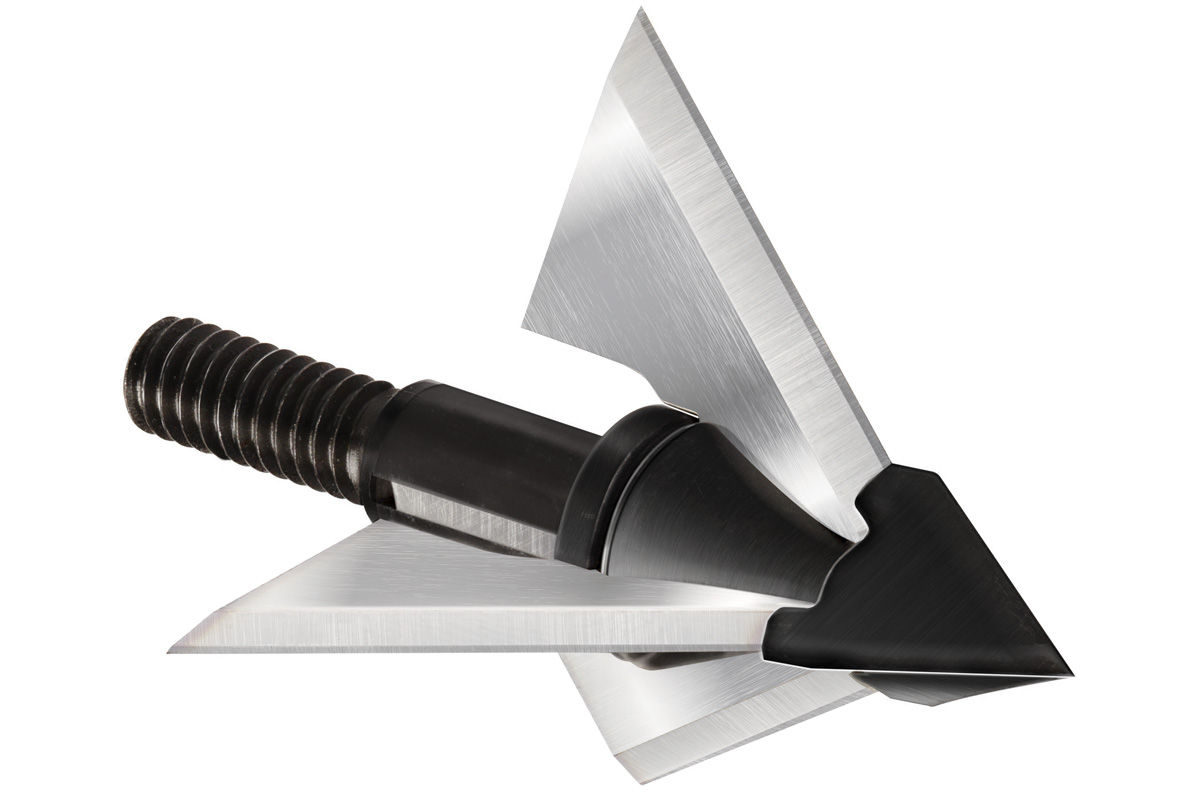
Slick Trick’s new-for-2022 SS3 is a single-piece head machined from a solid block of 416 stainless steel and finished with a black-oxide coating. There are no blade vents or separate pieces — this is a solid unit from top to bottom, which is advertised to reduce flight noise, increase strength and maximize durability. The three, built-in blades produce a cutting diameter of 1.125 inches. A proven mix of overall geometry and weight distribution are said to create laser-like flight from any bow. Slick Trick designed the blades to stabilize the head quickly and leave a slug-like hole in whatever you put it through. The chisel tip is built to be aerodynamic and begin cutting on impact for increased penetration.

  • $47.99 per 3 | slicktrickbroadheads.com
  • Top Test Finish: 5th in Double Combo Penetration
Swhacker Levi Morgan #262

Swhacker Levi Morgan #262

Known for its popular mechanical heads, Swhacker also has a substantial fixed-blade offering. Swhacker founder Rick Forrest teamed up with one of the planet’s best archers in multi-time world champion Levi Morgan to design the new #262 fixed-blade broadhead. The 3-blade, 100-grain head features a black-anodized, aircraft-grade aluminum ferrule and a hardened, high-carbon steel chisel tip that is advertised as cut-on-contact. Blades are made of stainless steel, have a .032-inch thickness and produce a 1.25-inch cutting diameter. The swept back, independent blades rotate when pulled back so they are not considered barbed.

  • $54.95 per 3 | swhacker.com
  • Top Test Finish: 3rd in Total Cutting Potential and 5th in Hemorrhage
Fixed-Blade-2022-SYKD.jpg
SYKD Hunt Endurance

SYKD Hunt Endurance

SYKD Hunt enters the fixed-blade broadhead arena with the 3-blade Endurance, featuring a 1-inch cutting diameter. SYKD says the optimized design allows the Endurance to be used with both compounds and crossbows. Blades are made of stainless steel, measure approximately .028-inch thick and are individually hand-sharpened. A front-end, blade-locking system is designed to secure the blades during flight and penetration. The aggressive chisel tip is built to bust through bone, causing maximum damage and increasing penetration.

  • $32.99 per 3 | sykdhunt.com
  • Top Test Finish: 6th in Triple Combo Penetration
Tooth of the Arrow S-Series XL

Tooth of the Arrow S-Series XL

The 4-blade S-Series XL has a 1.1875-inch cutting diameter, and it’s machined from one piece of high-carbon steel, heat-treated for strength and durability.

Blade edges are sharpened at 45-degree angles and designed to create large entry and exit wounds. The compact ferrule puts 70 percent of the head’s weight in line with the arrow shaft and, when coupled with the low-profile design, enhances aerodynamics and optimizes flight characteristics. A chisel point offers maximum impact on bone, and black-oxide plating protects the head, which comes in 100, 125 and 175 grains.

  • $49.99 per 3 | toothofthearrowbroadheads.com
  • Top Test Finish: 2nd in Total Cutting Potential and Hemorrhage
Fixed-Blade-2022-Wasp.jpg
Wasp Mortem

Wasp Mortem

Wasp demonstrates its dedication to producing some of the most durable heads available by outfitting the new Mortem with a one-piece, stainless steel ferrule. Sitting atop the ferrule is a solid, one-piece stainless steel trocar tip that is hardened for strength and durability, precision-machined and perfectly aligned with the blades to increase penetration from any shot angle. Three stainless steel blades, sharpened to a surgical edge, reach out to produce a 1.125-inch cutting diameter. Blades are easily replaced.

  • $33.99 per 3 | wasparchery.com
  • Top Test Finish: 3rd in Sharpness and 4th in Triple Combo Penetration

Test Philosophy

Our goal is to objectively test a series of characteristics critical to the successful completion of a broadhead’s mission — killing game quickly. Tests are conducted with materials and processes that result in accurate, unbiased results. Since conducting our first broadhead test in 2013, we have built on our experiences year after year and continuously made enhancements and modifications where they will benefit the test and, in turn, the reader. We use technology such as the Petersen’s BOWHUNTING X-Ring Machine that is advanced far beyond any commercially available shooting machine and an IDT Motion Xtra N4 high-speed video camera. Where we do not have the resources to conduct our own testing, we source it from outside. For example, we ship broadhead blades all the way across the Atlantic to have sharpness measured by the Cutlery & Allied Trades Research Association in Sheffield, England.

Test Setup

A Mathews V3X was set up with a 29-inch draw length and 65-pound draw weight. It was equipped with a NAP QuikTune 3000 arrow rest and D-loop. Three dozen factory fletched Easton FMJ 340 arrows were cut to 29.375 inches long and weighed at 376 grains (not including point weight). Completed arrows weighed 476 grains (with 100-grain broadhead or fieldpoint) and flew at 272 fps as measured by our chronograph. The Mathews V3X bow was mounted to the X-Ring Machine and tuned with the Easton arrows to achieve a perfect bullet hole at various distances. This setup was used for all test shots except the Hemorrhage Test, which was conducted as noted below.

Physical Dimensions: A Mitutoyo 8-inch dial caliper was used to determine the size of each broadhead’s cutting diameter, blade length, blade thickness and the length of the head beyond the end of the arrow. Cutting diameter on 3-blade heads was calculated by laying two of the blade tips along one jaw of the caliper and the third on the opposite jaw. That number was divided by 1.5 and then multiplied by 2. Example: Greatest distance is .75/1.5 = .5 x 2 = 1-inch cutting diameter.

An Easton Digital Grain Scale, calibrated according to manufacturer instructions, was used to determine the mass weight of each individual broadhead. Three separate heads were measured and averaged for a final result.

Fixed-Blade-2022-Physical-Dimensions.jpg

Total Cutting Potential: The ability of a head to cut, and the amount of cutting that takes place, is a factor of sharpness, cutting diameter and the number of blades. With this in mind, we calculate the Total Cutting Potential (TCP) of a head by multiplying the radius by the number of blades. We consider it “potential,” because a lost blade in bone or otherwise means you have that much less to do the cutting once the head breaks through into the body cavity. Blade angle is not considered in determining TCP, since angle does not change the amount of flesh that is cut as long as penetration is equal.

Here are two examples of TCP calculations: A 2-blade, 2-inch cutting diameter head has a radius of 1 inch. To get the TCP, you multiply the radius by the number of blades, which gives you a TCP of 2 inches. Now, consider a 3-blade head with a cutting diameter of 1.375 inches. The radius is .6875-inch, so you would multiply .6875 by the number of blades, 3. Your TCP would be 2.0625 inches, which means you will cut slightly more than the 2-blade head with a 2-inch cutting diameter.

Hemorrhage Test: Behind the scenes, this is known as the “blood bag” test! It was designed to take a relative measure of how much bleeding each broadhead will cause. For each head, a thick plastic bag containing exactly two gallons of red (for effect) colored water was sealed, suspended from a fixture and marked with a reference line. Using a Wicked Ridge Raider 400 crossbow, each head was fired low through the bag. We used frame-by-frame time stamps from a Nikon D5600 camera to measure elapsed time from impact until the water level matched the reference line.

Fixed-Blade-2022-Hemorrhage-Test.jpg

Sharpness: Three blades (one blade from three different heads) from each broadhead model were sent to CATRA in the United Kingdom to measure blade sharpness with the association’s Razor Edge Sharpness Test (REST) machine. The machine measures the force required, in Newtons, to cut through a rubber test medium. The less force required to cut the rubber, the sharper the blade. As a reference point, a shaving razor blade will typically result in a reading near .3 Newtons. Additional information about the REST machine can be found online at catra.org.

Hard-Impact Test: The hard-impact test is designed to simulate the performance of a head after it encounters and passes through a hard material such as bone. We all want to know our broadhead will still do its job and keep cutting even after hitting a rib or shoulder. This test was performed at 20 yards, using .03-inch thick sheet metal as the impact material. General results can be found in the accompanying chart, with high-speed video footage on our YouTube channel showing each head’s performance in great detail.

Fixed-Blade-2022-Hard-Impact.jpg

Penetration Tests: This year, we eliminated one of the penetration tests we’ve been doing for years and replaced it with a new test we started last year. The pure foam test was scrapped, as it did not correlate to any situation one would encounter in the field; we hunt animals with a hide or other tough outer layer, such as thick feathers on a turkey. So, as we started last year, we added rubber-backed carpet on the outside of the foam. This “Double Combo” penetration test is designed to simulate a hide/body hit during which no bone is encountered. Our second penetration test, or “Triple Combo” test, consisted of rubber-backed carpet, .03-inch thick sheet metal and foam, to simulate a hide/body hit during which bone is encountered. Targets for our penetration tests are made by stacking the carpet, metal and foam plates and wrapping them with stretch-wrap film.

Over the years, many people have asked why we don’t use actual animal carcasses, or even a side of beef, to conduct our penetration tests. Our answer is simply that using such methods would not provide consistent, repeatable results from shot to shot. Instead, we use manmade materials to simulate basic properties (soft, hard, firm) while maintaining the consistency required for valid test results.

To conduct our penetration tests, three brand new heads from each broadhead model were fired into both types of block. The section of arrow protruding from the target was then measured for each shot, with a final average being calculated. That number was then reconciled with the arrow length for each test broadhead (different models have different overall lengths) to determine the actual depth of penetration.

Fixed-Blade-2022-Triple-Combo.jpg

Crash Test: The Crash Test is a violent test of a broadhead’s overall integrity. It was conducted by shooting each model into a fieldstone at 20 yards and evaluating the overall condition of the head after impact. Not surprisingly, most heads in the test sustained considerable damage as a result of impact. General results can be seen in the accompanying chart, with high-speed video footage on our YouTube channel showing each head’s performance in great detail.

Fieldpoint Comparison Test: A fieldpoint was shot from the X-Ring Machine at 25 yards to give us a reference point for measuring the broadhead impact locations on the target. We performed the test and found our groups relative to the fieldpoint were not in line with previous years. So, we tweaked the arrow rest and assured all test arrows were straight, properly aligned and spun true on a Last Chance Archery Revolution Arrow Tuner (engineered by Travis “T-Bone” Turner). We then repeated the test with much better results!

Three shots were fired with each test model, and the impact points were averaged to plot the data in the accompanying chart. As has been common in recent years, all the test heads flew well, with none varying more .7-inch in windage or elevation from the fieldpoint, and we had to enlarge the scale of the results chart just so you can identify each head’s point of impact. This is a testament to how much broadhead manufacturing has improved over the past 20 years and offers proof that — with a properly tuned bow and arrows — you can get your hunting broadheads to fly quite similarly to your practice points.

Rifle Accuracy: 5 Things to Check When Your Rifle Shoots Like Shit

0

Countless things go into achieving rifle accuracy, and just as many things can make a rifle shoot poorly and erode accuracy. So where do you look when your trusty rifle isn’t grouping like it used to, or when that new barrel burner isn’t shooting up to its price tag?

Many factory rifles now guarantee sub-MOA (minute of angle) accuracy at 100 yards. So, if you bought a rifle in the past five years and it can’t group five shots under an inch at 100 yards with premium ammunition, you should keep reading.

Here is a five-part diagnostic checklist that can solve many common accuracy problems.

Check for Rock Solid Scope Mounts and No Play in Sights

The first thing you need to check when your rifle is shooting poorly is the sighting system. Most of the rifles that come into my gunsmith shop for accuracy issues have loose sights. If your groups are all over the place with no rhyme or reason to the pattern, this is likely the problem.

Check iron sights by trying to move them with your hand. If there is any movement at all, they need to be fixed. Fortunately, there are many ways to tighten the fit of a dovetail sight. A metal shim, lightly peening the dovetail, and a drop of solder can solve this problem.

If a rifle is fitted with a scope, there are many more things that can go wrong. To start, make sure all the screws on the scope rings and bases are tight. If you find a loose one, you may have found the issue already, but beware, it’s important not to overtighten these screws since many rings and bases are made out of aluminum and the fine threads are prone to stripping. There are recommended torque settings for the screws in your rings and bases set by the manufacturer. Look them up, and use a torque wrench to lock everything down like it should be, and shoot again.

RELATED – Most Expensive Guns: The 6 Priciest Firearms Ever Sold at Auction

Listen to What Your Brass is Saying

An empty brass casing can tell you all you need to know about your chamber. During the firing process, your brass makes a reverse imprint of the chamber, revealing any flaws that might be hard to see otherwise. Saving the brass from your day at the range can save you valuable time later and answer lots of questions if rifle accuracy problems arise.

First, look at the casing itself. Are there any bulges or odd discoloration near the mouth of the case? Next, look at the primer. The primer is your ignition system and can have significant effects on accuracy. I have seen rifles that were wildly inaccurate because of a broken firing pin that still managed to set off cartridge primers.

Whole chapters of books have been written about how primers look when things aren’t right. If you notice that your dimpled primers look different than they usually do, it may be time to take the rifle to a gunsmith.

RELATED – Muzzleloader Hunting: How to Remove a Stuck Projectile

Inspect the Crown

The crown is found at the muzzle of your barrel and is critical for rifle accuracy. It should be uniform and not have any burrs, dings, or dents.

Most crowns are designed to avoid damage to the critical areas, but they still can get beat up through years of use in the field. Taking your rifle to a gunsmith to recut a crown is a very common and inexpensive job that can solve some accuracy issues.

Ensure Rifling Twist Rate and Bullet Weight Are Compatible

Occasionally, the combination of certain rifling twist rates and bullet weights can kill a rifle’s accuracy. Diagnose this by looking at the impact of your bullets on paper at 50-100 yards. If your impacts look oblong or sometimes even sideways (keyholing), your bullet isn’t stabilizing properly and is tumbling on the way to the target. This is becoming a more common issue with modern calibers that use longer, heavier bullets with higher ballistic coefficients.

Your twist rate can be easily measured using a clothespin and cleaning rod and cross-checked with this chart to see if you are using the correct weight bullet. The fix for this problem is simple: try different bullet weights.

RELATED – Airgun Cleaning 101: How to Remove Rust

Look To the Stock: Imperfect Bedding Can Kill Rifle Accuracy

The bedding on your rifle is critical for accurate shooting. The bedding is basically a reverse imprint of your action in the stock. A well-bedded action will have a consistent position from shot to shot. There have been countless articles written about glass bedding an action, (editor’s note: this is the best one), but how do you identify bedding as your rifle accuracy issue?

Start by shooting a group at 100 yards. A recoil lug that isn’t bedded properly can cause erratic groups without any consistency. On a wooden stock, a crack running from the recoil lug to the magazine box is a telltale sign of this problem.

If there is a pattern to your grouping, that can be used to troubleshoot bedding issues. A pattern that prints in a vertical string can usually be corrected by relieving the bottom of the barrel channel in the stock. Any horizontal trending groups are generally caused by uneven pressures on the sides of the barrel channel.

Some firearms, such as pre-’64 Winchester Model 70s, have a screw in the forearm used to adjust the tension and harmonics of your barrel.

Bedding issues can be fixed at home, but it is better to take it to someone who has done it before and is comfortable doing it.

RELATED – Where Have All the Side-By-Side Shotguns Gone?

Know When to Take a Rifle to a Gunsmith

Unless you have access to a machinist buddy with a lathe, some of these fixes and adjustments must be made by a professional gunsmith. If you’re lucky, you already have a gunsmith that you know and trust to do work like this. If not, you can go here to get a walkthrough of the best ways to locate and get in touch with a gunsmith in your area.

One of the first things your gunsmith will likely ask after you present a rifle with accuracy problems is if you reload your own ammo. This is not the time to get defensive about your reloads. Explain exactly how you do it, and if it ends up being the problem, learn from it.

Keep your brass and give it to your gunsmith along with some of your unfired reloads. This will help them identify any ammunition-related accuracy problems for you.

READ NEXT – Shotgun Shells: The Most Important Developments of the Past 10 Years

Snow Goose Spread Strategy

0
Shooting from about 25 yards results in an ideal shot pattern to kill snow geese.

Without question, spring snow goose hunting requires a large decoy spread. But the act of merely scattering a lot of white decoys in a field doesn’t ensure you’ll suck in wave after wave of hungry geese.

“A lot of guys think it’s just about numbers,” said Andy Dively of A&A Outdoors in Frankford, Del. “But putting out 1,000 decoys doesn’t mean you’re guaranteed to get shooting. You have to put thought into how you set them.”

Typically, Dively starts out early in the morning with a spread shaped like a triangle. The wide end is downwind and the point, where the hunters hide, is upwind. The spread is fairly sparse at the downwind end, with decoys thicker as the rig stretches toward the hunters.

“Snow geese are greedy,” he said. “They’re constantly jumping over one another, flying upwind to get to the front of the chow line. We try to imitate that with our spread.”

Dively’s 100-yard-long snow goose rig typically is about 90 yards wide at the bottom and 30 yards across at the tip.

“A big flock of 2,000 snows is going to be wide when it hits the spread,” he said. “Then we funnel them in tighter as they fly up the rig.”

Wind speed dictates how many decoys Dively uses on a given day.

“If the wind is 15 mph, I want to put out every decoy I have – say 1,500 or so,” he said. “The harder it blows than that, the more I scale back my numbers. You don’t need as many when it’s windy. I’ll shorten up the rig and make it tighter when it’s real windy, too.”

Positioned For the Shot

About 30 yards downwind from the hunters, Dively plants 15 flyers on poles of varying heights from 3 feet to 8 feet high. Those decoys are clustered on the right side of the spread. Then, 8 yards in front of the hunters, on the left side of the spread, Dively places eight to 10 more flyers.

In the snow goose game, perfect shooting means 20 to 25 yards.

“Any closer than that and the shooting gets tough, because guys think they have to have tighter chokes and big shot,” he said. “At 25 yards, you get a nice shot pattern. We’re most successful when we have shooting at 25 yards.”

What the geese are doing when they slide from one set of flyers to the next, Dively said, is heading for the front of the chow line, where they expect to find the best food.

“I think they hit the first flyers, and then they see the others and think there are birds jumping in front of them,” he said. “They don’t like getting beat to the front.”

Midday Loafing

At around 10:30 a.m., Dively changes his rig. “Now I’m expecting birds that are looking for a place to hang out through the midday,” he said. “They’re not as aggressive anymore.”

Dively spreads out his decoys. He doubles the distance between them, instead of being 1 to 2 feet apart. Also, he’ll spread out his flyers throughout the rig and push them down into the dirt, so they’re only about 2 feet off the ground.

“What this setup looks like is a relaxed flock,” he said. “The flyers just look like birds that are jumping up to stretch their wings before landing again. We kill a lot of snows at this time of day with this setup, because most guys just stick with their morning setup. They don’t change it around.”

Afternoon Feeding

Snow goose hunting is best when it is windy. The decoys come alive and the birds fly lower. But guided hunters can’t pick and choose days afield based on the wind. When there is no wind, Dively sets up his standard morning rig, but instead of using the wind to guide the setup, he arranges decoys based on the expected approach. That will be the “downwind” end of the rig. Instead of hiding hunters at the upwind end, they are positioned at the extreme downwind edge.

Although the time varies, snow geese typically leave their daytime roosts and head out to feed again after 2 p.m. This is when you should go back to the morning spread.

“The geese are going to flare when they see there’s no movement, so we set up in a spot where we’ll have a chance, hopefully, to shoot while they’re still looking things over,” he said.

Sound Systems

Electronic callers play a key role in the spring snow goose hunt. Dively runs a pair of two-speaker systems in the downwind end of his spread. Each plays recordings of relaxed snow goose sounds – primarily the signature murmur of a big flock of snows.

At the upwind end of the rig, Dively runs a pair of four-speaker calling systems playing aggressive feeding noises. The hunters lie in wait there, so the goal is to entice incoming, hungry snows to key in on this area.

“E-callers can be really effective on certain days,” he said. “The windier it is, the better they seem to work, because the sound really carries downwind and flocks can hear it from a long way off.”

The ability to control the volume with a remote is important. E-callers blare loudly to distant flocks to get their attention, but should be toned down as birds get closer.

Motorized Motion

This year, for the first time, it appears Pennsylvania hunters will be allowed to use motorized motion decoys during the later part of the snow goose season. The Pennsylvania Game Commission’s board of commissioners was expected to approve them at a January meeting. Hunters have been allowed to employ electronic decoys in Delaware and other states, however, for quite some time.

The only motion decoy Dively uses is a rotary machine, often called a “snow goose tornado.” These machines have two or four flying snow goose decoys attached to long arms that spin in circles. Place the rotary machine as close to hunters as possible.

Try using rotaries real early in the morning, before the sun’s up too high. They’ll fool snow geese then, but once the light’s real good, they can hurt you. It’s not natural for snow geese to just fly around in circles.

Hunters can create more erratic movement in the spread with a flag. To the geese, it looks like a bird jumping up to move to the head of the feed line.

Strategically Big

Successful spring snow goose hunters use incredible numbers of decoys. Go big, but put some thought and strategy into placing your spread.

P.J. Reilly hunts geese and ducks from New Holland, Pa.

How To Set Up A Trout Rig And Line? – An Easy And Effective Guide

0

Fishing for a trout has always seemed complicated, especially for those who are only planning to engage in this fun-filled recreational activity. However, it is not just all about fun. It is also a combination of knowledge, skills, determination, and mostly patience.Setting up fishing rigs and lines is the number one problem that can test an angler’s patience. There are a lot of variations of fishing lines and rigs that only a few can probably name.Regardless, we can always choose to make fishing a simple activity and not so complicated. That is why the internet can indeed be your ultimate best friend.This article will introduce to you the different steps to set up your trout rig and line.

Our Fishing Gears on Sale

Trout, What Is It?

A trout is a generic term used for several freshwater species. The trout is closely related to the Salmon family. Each trout can survive differently from one another. In line with that, variations of the trout can be found anywhere.

Some live in freshwater lakes and rivers, such as the lake trout. Others, notably the Rainbow Trout, can switch from living in the sea to inhabiting freshwaters. Due to the difference in habitat and environment, trouts also differ in their colors and patterns.

These colors are often acknowledged as camouflaging, in which a trout changes in color depending on the environment it is living in. What is impressive about the trout is that it changes colors if they migrate to a different place or environment.

It can be hard to determine the specific breed of trout based on their colors and look. Also, it can be challenging how to catch these trouts. Some trouts are rare to find, while some, on the other hand, can just be caught around the corners.

Before you can cast your line in the water and hang tight for a trout bite, there are many things that you ought to have as a primary concern as far as prior information. One of the prime things to know is the habitat and tendencies of the trout fish itself.

Keep in mind, your odds of winning a catch rely basically upon your capacity to pass judgment on trout behavior and afterward setting up a fishing rig and line in like manner.

Main Species Of Trout

There are three major species of trout that fishers catch, and each has its unique characteristics. These are the Brown, Brook, and Rainbow Trout.

Apart from these three, the wildcard steelhead is also known to be the same as the rainbow trout. It lives in the ocean or lakes before it spawns in the freshwater or smaller tributaries.

Meanwhile, the rainbows produce a silvery color on them. This habit, also seen in salmon, makes them a must-have catch, especially among anglers.

Know Your Trout

Because of the trouts’ ability to survive across various water and current conditions vary in their shading and skin patterns. It is intriguing to realize that a wide range of trout types exist, depending upon the external conditions that they are opened to.

Below are some quick facts to help you with acquainting yourself with this exciting fish:

        • What do they look like? The appearance of the trout fish differs over the various species. Since these fish take after the salmon family, trout itself develops to huge sizes, ensuring an extraordinary attraction for fishers and anglers in the area.
        • Trout typically have moles like imprints and their bodies, whose size and color differ from species to species. Rainbow trout are generally touched with silver, while brown-colored trout are actually what their name proposes, but with reddish spots along their length.
        • Trout fish habitat: trout are normally found in freshwater bodies, for example, lakes, and rivers, with certain species having the option to withstand the high salt content of the ocean. Trout prefer moving waterways that are colder and choose to live in calmer, less frequented zones.
        • Eating patterns: trout are known to eat various bugs (mainly aquatic insects), crustaceans, worms, and leeches. Bigger-sized trout are likewise known to feed upon smaller fish!

Where Can You Find The Trout?

You can find the trout in moving and cold water. Trout can be found in the rivers and creeks, and they love to run up and down in these locations.Trout is one of the commonly stocked game species, and it can also be found in lakes (like another species, the Lake Trout). Indeed, trout can be dropped in ponds, streams, and anywhere.Trout can grow up to massive size and swim into the ocean. They sometimes feed smaller fish in the lake. Sometimes, they eat salmon spawn and raid their beds.Amazingly, trout is also one of the accessible food for wild animals. As such, you can see it in the woods, for they are considered the Bobcats, bears, and other animals’ food.The more remote the lake or river is, the more likely you can find a trout in the water. With this, trout fishing is considered one of the best activities for anglers and outdoor enthusiasts.

The Beauty Of Trout Fishing
Without a doubt, trouts are among the most magnificent freshwater creatures that have ever prevailed in bodies of water. There are four major species of trout that are often sought after by anglers.

The Brook trout, commonly referred to as the speckled trout, is considered the easiest to catch. Meanwhile, the Cutthroat Trout (“Cutthroat” because of red-orange slash marks on their throats) dominantly occupies the country’s western part. Finally, the Rainbow and Brown Trout are both found in rivers or streams.

Setting Up The Rig

Well, all you need to figure out is your trout rig and how to set up your line. If you are wondering what the term “Rig” stands for, it is relatively simple. A rig is a term used to define the combination or arrangement of equipment or things used for fishing. A rig may be attached to a rod, carried by hand, or mounted on a boat.

How To Set Up A Trout Rig And Line?
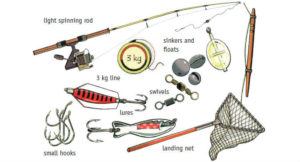
When you get an overall idea of what the trout fish resembles, your goal of getting a fine example effectively turns out to be a lot simpler. Your best course of action is to exhibit your knowledge and set up your fishing rig and fishing line.

There are many and numerous ways on how to set up a trout rig. But, the steps and ways following this are by far the best ones out there. It has been tested and proven to catch a satisfying number of trouts.

The Things Needed For Trout Rig Setup

A rig is a group of fishing gear needed for making a decent catch. Here is a quick rundown of things that you would need to set up your fishing things and permit the fishing to progress.

      • Fishing Rod and Reel – If you do not have one yet, you can start by purchasing an affordable pick at any fishing shop near you.
      • Fishing Line – Usually, if you buy yourself a pair of fishing rods and fishing reel, the fishing line already comes with. If there are none, provide yourself with some fishing line at about 5-10 lb test fishing line. Next, spool it in the fishing reel. Ensure that your fishing line is neat and all set for trout hunting for those who already have. Ensure that there are no tangles or flaws inside the reel, or else it would significantly affect your trout adventure.
      • A Set of Hooks – For trout fishing, the best hooks to use are sizes 4-12.
      • Bobbers – A basic bobber will do. Just make sure that the bobber is big enough to prevent the split shot and hook and bait from sinking into the water.
      • Sinkers – This is the exact opposite of the bobbers. The sinkers’ weight should be light enough. So, that if it is attached to the bobber, it will not drag the bobber down.
      • Bait -Freshly picked worms can already work well for what we are about to do. But, other options also include using crickets or Berkely trout worms.

The Steps In Setting Up The Trout Rig

      1. Start with tying the fishing hook to the end of the fishing line. To this, you can use a basic knot to attach it to the line. It is best to use an Improved Clinch knot or Palomar Knot for better performance.
      2. Next, insert a line from one end of the split shot going out to the other end. Make sure that it is at a distance of 10-15 cm above the hook.
      3. The next thing to do is attach the bobber or float at the tip of the fishing line. This is quickly done by inserting the line through both the top and bottom metal hooks. Always remember that it is essential that the fishing line runs around the bobber or float. Moreover, both hooks should keep the bobber or float anchored or stationary.

There you have it. In only three easy steps, you have now set up an effective way for successful trout fishing.

Best Trout Fishing Rigs You Can Get To Know
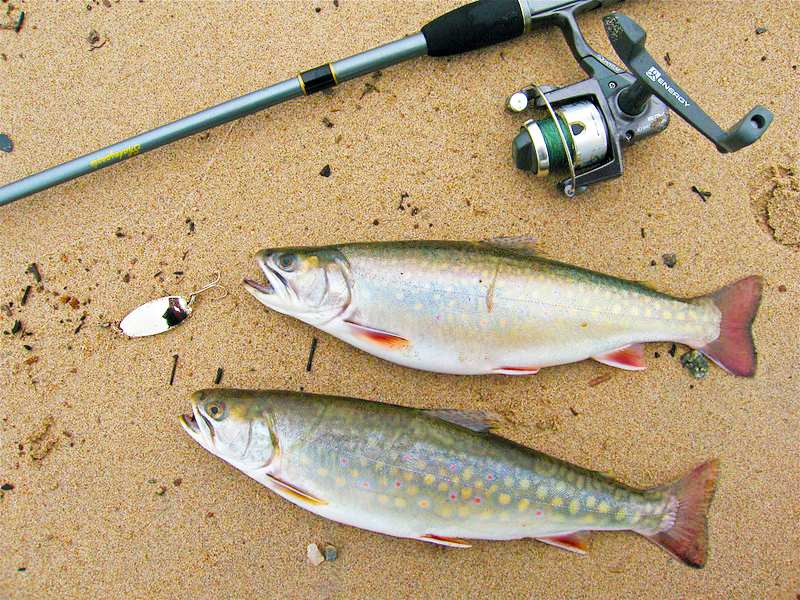
1. Sinking Bait Trout Fishing Rig

A sinking bait rig is a ticket when trout plunges to the lake’s bottoms to look for the colder waters during warm days. All you require for a sinking bait rig is a slip sinker, swivel, hook, and bait.

What You Need:

      • slip sinker
      • swivel
      • hook
      • bait

How To Setup A Sinking Bait Trout Rig

First, rig a slip sinker and slide the eye of a slip sinker on the end of your fishing line. Next, tie a swivel to the end of the line to prevent losing the sinker. On the opposite end of the swivel, attach a 12-18″ piece of fishing line and attach your hook. Preferably a fishing line that is a somewhat lesser pound test than your mainline, that way, if your line breaks, it is just at the end of your rig.

With this arrangement, a trout will have the option to take the bait without feeling the sinker’s resistance. Likewise, you do not have a visual marker on the surface with this arrangement. Subsequently, it is ideal for saving a finger on the line to feel for any bites. You can likewise intently watch the fishing line to distinguish any movement.

2. Float Fishing Rig For Trout (Bobber Fishing Rig)

In case you have not tested it or might want a substantially more visual style of trout fishing, try the thrill of fishing for trout with a bobber. Nothing beats the excitement of watching your bobber start to move a lot over the water, then rapidly dive under the water’s surface by a trout.

While a slip bobber trout rig takes somewhat more work than a basic clip on a bobber, the slip bobber is a substantially more flexible and powerful rig for trout fishing. This is particularly obvious in deeper lakes. But, a clip-on bobber could be similarly useful in catching trout in a shallow stream or waterway.

What You Need:

      • slip bobber or clip-on bobber
      • bobber stop (for slip bobber)
      • swivel
      • Hook

How To Set Up A Bobber Rig For Trout

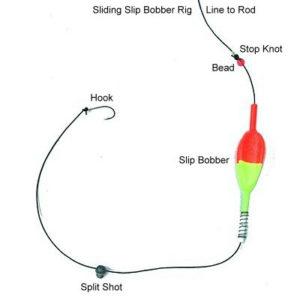
A slip-bobber rig works like the previously mentioned slip-sinker rig. To start, take a bobber stop that is incorporated with most slip bobbers available and string it onto the end of your fishing line. This will fill in as a movable point to stop your bobber.

By sliding this up and down the line, you can fish your lure suspended in the water, basically as deep as you need.

After the bobber stop, slide on your bobber and tie on a swivel to prevent it from sliding off your line. Much the same as the sinker arrangement, tie on a 12-18″ segment of fishing line and attach your hook.

At the point when you cast, you’ll just be managing your bobber and this short segment of the line, regardless of really fishing your lure a lot further to the point of your bobber stopping.

3. Lure Rig For Trout Fishing

This might be the easiest, and now and again, the best trout rig of all! It’s easy to set up as there are not close to the same number of segments to stress over compared with the bait fishing rig and bobber rig.

When using a lure to look for trout, you can keep it as easy as tying the lure right onto the end of your line if that is all you have. In any case, because of the lures spinning movement, this may place turns in your line that might decrease the breaking quality of the line or even cause a significant tangled wreck.

What You Need:

      • Variety of trout lures
      • Swivel (optional)
      • Leader line

How To Setup A Lure Fishing Trout Rig

The preferable strategy for connecting a trout fishing lure is to tie a clip swivel to your line’s furthest limit and attach your lure to that. Not exclusively, it will lessen line twists. Likewise, it will consider a more reasonable presentation and make it simpler to change out between lures. By rapidly rotating through lures, you can rapidly figure out what the trout will like to eat at that given time.

For Trolling, these jet divers are a Great Replacement for outriggers and heavy lead ball sinkers.

How To Setup A Fishing Line?
Since you now have an idea of setting up a trout fishing rig, your next job includes the crucial need to have a strong grasp on the most proficient method to set up a fishing line.

Same as with the trout rig, there are many selections to choose from when it comes to setting up your fishing line. Particularly for trout fishing. But, this article will show you one of the basic fishing line setups there is. Yet, even though it is basic, it is still the most effective and reliable way to set up a fishing line for trout fishing.

The Things Needed For Fishing Line Setup

      • Your fishing hooks and fishing line

The Steps In Setting Up The Fishing Line

    1. Attach the hook to the fishing line. Tie the Hook onto the Fishing Line. To do so, grab the tip of your fishing line and loop it in the tiny hole on your hook. Upon grabbing the end of the fishing line, you have already entered the hook. Twist that end to the mainline about nine times.
    2. Loopback. After you have twisted it about nine times, loop it in the tiny hole of the hook again. But, this time, on the opposite side of the hook’s hole from the first time, you have looped it in.
    3. Tighten. Once you have looped the fishing line in, pull the mainline (the longer part) to snug the twists tightly.
    4. Remove the excess line. Then, cut the extra hanging line on the other end of the fishing line closer to the hook.
    5. Prepare the line. The next steps would be the same as the ones when you are setting up your trout rig. Insert the weight, followed by the bobber, and so and so forth.

There you have it! A simple yet effective way to ensure a fishing line for a good trout adventure. Before heading out to look for some trout, read some of the tips, we have for trout fishing.

Common Things Used When Trout Fishing

Rainbow trout grow up to 12 inches long, and you can use an ultralight tackle for this type of fish. You can use a spinning reel, light/ ultralight action rod, and a 4-8 lb test fluorocarbon line for standard trout fishing.

Always remember these two important rules when trout fishing:

  1. Stocked trout needs power bait.
  2. Trout that measures over one-foot long cut insects and flies from their diet. These will not break or make the bite, but they can affect the type of trout you hook unto it.

Powerbait such as trout marshmallows or any dough bait substitute to imitate fish pellets is not a good choice for the native type of trout. Stocked trouts that grew in hatcheries and farms are being fed with fish pellets. Dough baits and power baits are created to imitate the fish pellets’ scent, texture, and size. However, if you wish to catch native trouts, they will be clueless about the glob of dough that floats in front of them.

Sometimes, you may get a bite because the trouts can be curious. However, native trouts are not conditioned to eat the pellets.

If you wish to catch bigger trouts like the brooks, browns, and steelhead, make sure to avoid the mayfly and fly. Trouts may sometimes occasionally eat small insects like flies, but they eat worms, smaller fishes, and shrimps most of the time.

Now, if you wish to imitate those trout meals when fishing, follow these tips:

Tips To Remember When Trout Fishing
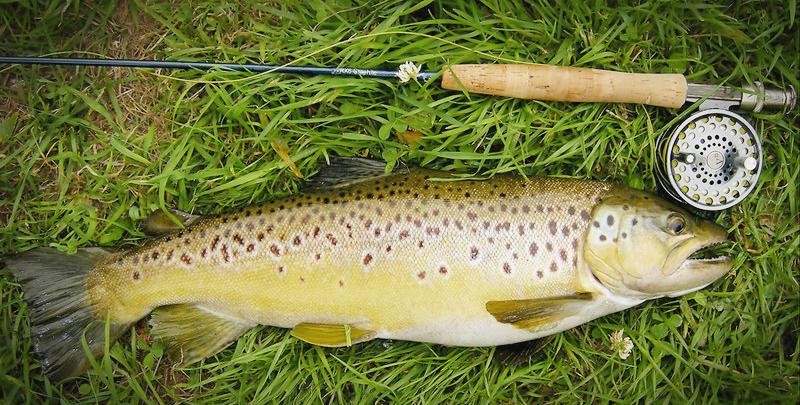
  • Learn the Rules. Before heading out to fish for some trouts, the first important tip is to be aware of your location’s rules and regulations. There are certain rules and regulations when it comes to fishing. Some rules from one state or place may be different from the other. So, to be sure, always remember to check the rules.
  • Have Your Equipment Ready. If you have no fishing equipment yet available, you can look for some affordable fishing gear at fishing shops. However, fishing equipment’s logic is that the pricier the gear is, the durable, reliable, and high-quality. Of course, you also need to weigh if the price is reasonable or not.
  • Know the Perfect Location. It is important to determine the location you are going to fish to. You cannot just choose some random lake and expect to catch your desired number of fish. To save your time and effort, it is best always to double-check the best places to fish.
  • Check for Weather Updates. This goes hand in hand when choosing the perfect location. Checking the weather forecast can save you time, money, and energy.
  • Baiting Your Hook Properly. One of the most common mistakes of anglers is the way they hook their baits. Some think that everything is set once the bait is hooked. As a matter of fact, the right way to hook your bait is to let the bait follow the hook’s shape. So, you have to fill in the bait body with the shape of the hook. This is to make sure that the fish never gets away.

Those who have a messy strategy of baiting their hook will unavoidably confront the more getting away from trout, alongside lost bait.

The ideal approach to hook is to ensure that the hook goes the entire body of the bait so the trout cannot swim away after detaching the untethered, floating bits of bait.

You can consider these little things that would permit you to meet with more prominent success as you set up a trout fishing rig and fishing line.

Common Lures For Trout Fishing

To lure the trouts into your baits, you must put a type of food they use to eat. If you are going trout fishing, be sure to have at least one of these lures:

Cranks

Crankbaits may not be every angler’s first choice when trout fishing. However, big trouts will hit crankbaits, especially those who are 1/3 or ½ of their size.

Trout has sharp teeth, and they don’t have any problem eating whole portions of big baits. They can tear it into pieces and swallow it.

Critters

Critters like beetles, grasshoppers, bugs, and crickets fall into the streams and rivers with trouts all the time. As such, trouts used to see these critters and eat them. If you try drowning grasshoppers or imitators in the current, surely the trouts will go after it.

Powerbait

Dough bait can be called power bait by any trout angler. If there are trouts anywhere in the area, you can have a few power bait colors to ball up, put into a hook, and give a go.

Salmon Eggs

Trouts are known as notorious scavengers—the raid on spawning beds of fishes to feed their eggs.

You can cut one belly open, put it into a size six hook, and trouts will feed on it.

Spinners

Rooster tails and spinners are some of the best lures for trouts all over the world. You can change it easily in and out on a swivel and get bit by trouts anywhere in the lake. Their flapping blades can be added to a river current.

Spoons

Flashy spoons and those tipped with feathers and wax worms are an effective lure for trouts throughout the year.

They live in colder weather when the bite slows down. Their flashiness entices into a bite and annoys the trouts.

Swimbaits

Bigger trouts love to eat smaller baitfish. One of the best techniques you can try is eating baitfish, paddle tail, a swimbait to disrupt the column.

Tubes

The tubes imitate zooplankton that fishes eat under the sea. They can be instrumental when trout fishing, so always keep them at your tackle box.

Worm Imitators

One of the most basic trout-catching lures is the worms. Live worms can get bit by every fish under the sea.

Some downsized and soft plastic worms can be a great option, too, for the trout. Make sure to choose bright color worms so trout can detect it underwater, even in rivers and lakes.

Important Notes
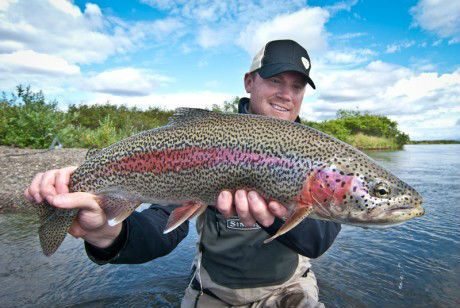
Always remember to enjoy your trout adventure. Some days will be bad, and other days will be amazingly worth it. Also, trout fishing is a matter of discovering your inner happiness. You are challenged in different ways that, sometimes, most of these tips will not save you from that scenario.Nonetheless, continue to learn and develop your skills when it comes to fishing. It is only a matter of dedication and passion to which one can truly bask in the glory of catching these aquatic species. I hope that these tips may work for you well, as it has worked for me.Keep in mind that knowledge and strategy go inseparably, and to appreciate more achievement, you should practice perfecting both!

Our Fishing Gears on Sale

I hunted down an Arby’s venison sandwich, ate it and now regret it

0

Season’s eatings! The weather may be getting colder, but Dining Month on OnMilwaukee is just cooking up, dishing out your winning picks in this year’s Best of Dining poll. Dining Month is brought to you by Fein Brothers, your premier food service equipment and supply dealer in Wisconsin since 1929. Congratulations to all of the winners, and happy eating for all those who voted! See all the winners for the month so far here.

It was a gorgeous day for a hunt – to go out into nature, surround myself with the autumnal beauty of the Midwestern woods before taking my place as an apex predator on the top of the animal kingdom, using careful skill and prowess to find and shoot a deer, and then feast on the butchered fruits of my labor, filling myself with sustenance, a sense of accomplishment and a primal connection with the wild and humanity’s early ancestors.

But instead, I stopped by an Arby’s drive-thru and ordered one of their venison sandwiches with a large Dr. Pepper. Truly I felt dominion over God’s great creation.

I hunted down an Arby's venison sandwich, ate it and now regret it

Last fall, in its quest to live up to Ving Rhames’ beefy boast that WE HAVE THE MEATS, the fast food restaurant introduced a venison sandwich – a slab of deer steak topped with crispy onions and a juniper berry sauce – to a test-sample 17 locations in five particularly hunt-happy states. The meal (somehow not called the Bambi Burger) was a hit, reportedly selling out at several locations within hours, so a year later, Arby’s brought the deer dish back – this time at all of its restaurants. The only catch? It’s only available today, Saturday, Oct. 21.

So, around noon, I wheeled into a fairly quiet Arby’s drive-thru and ordered a venison sandwich meal, complete with a large drink and that all-important garnish for any respectable deer dish: curly fries.

After scarfing down a few of those salty spirals, I popped open the box for the main event and found myself face-to-face with an image somehow sadder than Bambi’s mom dying. The venison meat itself was a pallid grey burger – a distant far cry from the perfectly pink deer steak in the press photos. But whatever; if I cared that much about food presentation, I wouldn’t be eating a venison burger from the drive-thru home of the Meat Mountain.

I hunted down an Arby's venison sandwich, ate it and now regret it

However, the venison sandwich’s texture unfortunately tastes about as good as it looks. My first bite into the misshapen meat lump was mushy and mealy – chewy and moist not in a good way but in a “did somebody already gnaw on this and then put it between two buns?” way. And that’s not even including the unappealing vein of translucent gummy fat that treated me inside that initial bite.

Things got a little better for the venison when noshed with the rest of the toppings. The crispy onions were a little soggy, but still gave the sandwich at least a semblance of a textured crunch to fend off the meat’s mushiness, while the juniper berry sauce brought a nice tartness to the table. Sure, it was probably just tangy barbecue sauce, but the flavor was pleasant and played well with the mild, slightly garlicy gaminess of the meat. They all teamed up to make a sandwich I was technically able to finish – though I wasn’t happy about the experience at all.

So, naturally, I tried a second one.

I had originally bought a second sandwich for my girlfriend – more of a venison aficionado than yours truly – to try for herself. After one unimpressed bite, however, her sandwich quickly became my sandwich. Perfect, I thought; I could try another one to make sure my burger wasn’t just one fluky go-around. After one big bite into the heart of the sandwich resulted in a grossly fatty, chewy and sinewy chunk of gristly venison my teeth had to tug and tear away with a gag like Leonardo DiCaprio eating raw bison liver in “The Revenant,” however, my sandwich quickly became the garbage’s sandwich.

Here’s to Arby’s new elk sandwich – currently testing the waters with its own limited-time, one-day-only rollout in Colorado, Wyoming and Montana – faring better.

And if not, well, the curly fries are always good.

Bleats to Grunts – Deer Sounds and What They Mean

0

Most of the time deer seem like ghosts walking through the woods. For the hunter it might sound like the forest is filled with everything but deer. In reality, though, deer are quite vocal animals, and they express themselves with a variety of noises that all mean different things, from warnings to sweet talk.

Knowing these sounds is essential to the effective hunter. Not only can they let him know where deer are and what they’re doing, but certain sounds may repel or attract certain types of deer at certain times. It might sound complicated, but there are definitely harder languages to learn.

In the end learning the vocabulary of deer speak is a lot of fun.

You might also like:

If you’re looking to imitate a deer you should checkout how that’s possible by reading our roundup of the best deer calls. Or maybe you’d like an article outlining the characteristics and locations of all the different types of deer that make up the deer family?

We’ve also another similar article that covers the sounds that Elk make.

What sounds does a deer make when scared or nervous?

One of the things that have helped deer survive for so long is their herd mentality. They take care of each other. One way they do that is by warning each other when there’s danger. Specifically, there a few sounds you should be aware of because if you hear them, it probably means a deer knows you’re around and has just alerted the rest of the herd.

Sniffs

If a deer begins to sense something is off, they may start making sniffing sounds. Not only are they trying to get a better smell, one of the easiest ways they can find you out, but they’re also putting the rest of the herd on edge. The sniff doesn’t sound much different than a human sniff, only stronger and deeper. Imagine air being sucked in through a deer’s large nose.

Deer sniffing at 1:05

Stomps

Along with sniffing, suspicious deer may begin lightly stomping their hooves. This happens when they first suspect danger but aren’t quite sure where or what it is yet.

The noise sounds just like a wood block striking the ground and is usually noticeable since the deer are otherwise as silent as mice. The stomping puts the rest of the herd on alert so that they can more easily pinpoint the threat.

Snorts

The snort happens when a deer is positive there’s danger around. It means whatever methods you’ve employed to camouflage your body, noises and scents haven’t been enough. The snort sounds similar to a human sneeze, and nothing is more disheartening than hearing it off in the distance just when you’ve given up for the day and decided to start making your way out of the woods. The deer will snort, raise its tail and run away. The sound will alert other deer, and they’ll all do the same.

Listen to both stomps and snorts in this video

What sounds does a deer make when angry?

When they’re in the rut, male deer shed some of their usual cautiousness in order to chase the does. This certainly applies to their sounds as well, and a buck in the rut will be a lot louder than usual. In fact, he’ll make a variety of sounds to intimidate other bucks or warn them of his presence, and he’ll respond to sounds that make him think there’s another male around. He’ll make sounds to try to seduce the does as well.

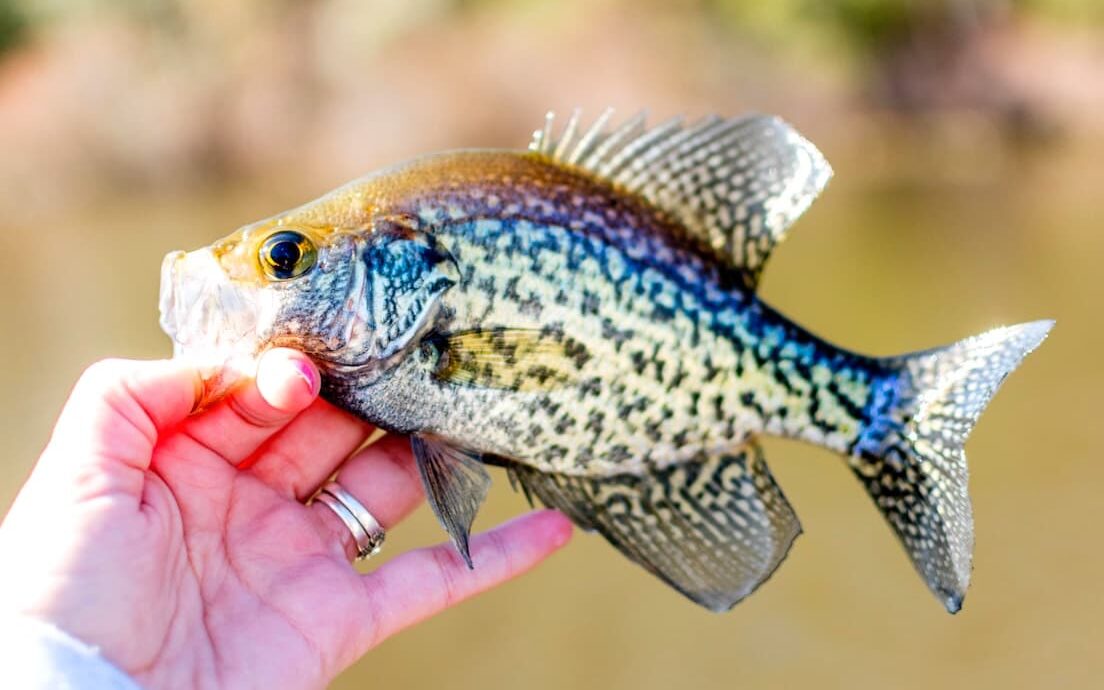
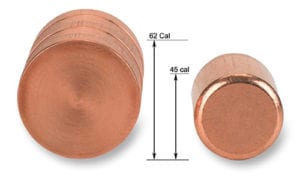
Buck Grunt

Bucks make a loud grunting sound to show their dominance. While all deer make soft, long grunts to call to one another, the deep, short grunt of the buck is the male claiming the territory and does in it as his own. He’ll usually make it when he’s decided on a specific doe to chase, and he’ll continue making the grunts as he chases her. The sounds are also attractive to the females.

A buck grunt is one of the sounds that can be mimicked to attract a deer. Some examples are listed here in our roundup of the best deer calls.

Listen to buck grunts at 2:40 into this one

Rattling Antlers / The Buck Rattle

The buck rattle isn’t a vocalization of the deer. It’s the sound of two bucks fighting. When they spar, they clang their antlers together making a rattling sound. Before the rut begins, this can be light sparring just to size each other up, but when the does are in estrus, this becomes serious fighting to determine dominance.

If other bucks hear the sounds of antlers rattling, they know two males are fighting and will usually come to watch, especially the dominant buck of the area because he’ll want to know who’s fighting in his territory. This is why imitating this sound can attract them.

Hunters or naturalists looking to lure deer often use man made materials to mimic these sounds, there are some great examples in this roundup of the best rattling antlers.

Snort-Wheeze

The snort-wheeze is an especially aggressive sound used to intimidate rivals. It sounds just like the name implies: a snort followed by a raspy wheeze. Two bucks vying for territory and does may make these sounds at each other to display their dominance. If one buck is smaller or more timid, the noise might send him running, but the more aggressive males usually make this sound just before they spar. This noise combined with the rattling antlers really gives the impression of a fight and will attract curious and dominant bucks to the area.

There are some example products that allow you to make rattling antler and snort wheeze sounds in our roundup of the best deer calls.

Snort-wheeze at 0:20

Other deer sounds

Being herd animals, deer need some way to communicate, and one of those ways is sound. They don’t just make noises to show fear or anger, but they also make different sounds when they’re excited, happy or even bored. Does especially have a wide range of vocalizations they use with each other and their fawns.

Doe Grunt

The grunt of a doe is much higher than that of a buck because the females have smaller bodies, and just like in humans, this results in a shorter airway. The does don’t grunt to show dominance, though. Basically, they just do it to talk to one another. Deer are highly social, and they try to gather together when they can, so a grunt is the deer’s way of telling others it’s around and ready to mingle, so to speak. The mothers also grunt to call the fawns if it’s feeding time or if they’re moving to a new location.

Listen to the due grunt at 1:14

Doe Bleat

Does also bleat in social situations. The bleat is a higher-pitched vibrating sound, similar to that of a goat. They mostly do it when they are gathered together or with their fawns, and it signals contentment.

Doe in Heat Call – Estrus Bleat

When the does go into heat and are ready to mate, they make their own sound to seduce the bucks. This is the estrus bleat and it’s higher than the bucks’ calls. It almost sounds like a kazoo. When a doe wants to mate, she’ll stop and make the bleat which lets the buck chasing her know she’s ready. This can be one of the loudest noises deer make and is very distinctive.

Listen to the doe bleat at 1:00

What sounds does a baby deer make?

Baby deer, or fawns, make a lot of different noises to communicate with their mothers. The does have strong maternal instincts and respond quickly to calls from their babies. Consequently, if you’re hunting a doe, the best way to attract her may be to mimic the sounds of a fawn.

Nursing Whine

When the fawns are nursing or trying to nurse, they whine. It’s a rising and falling pitch that actually sounds a lot like a rusty screen door blowing in the wind, but the fawns make it to bond with their mothers. Like most social communication between deer, it is not audible from much of a distance.

Fawn Distress Call

If a fawn is in danger, it will call for its mother’s help. The call sounds like a loud continuous cry that can sometimes be eerily human. If it’s enough to make you feel like you need to go see what’s wrong, just imagine how it sounds to a mother deer. Does will normally come fast to find the crying fawn, even if their own babies are safe by their side. As you can imagine, the noise increases in volume depending on how much the fawn feels in danger. It might be quiet and rhythmic if the fawn is merely lost and looking for the herd, or it could be loud and panicked if it’s being chased by a predator. You’re mostly likely to hear this sound at the beginning of the season when fawns are still small and dependent on their mothers, and that’s also when you’ll have the best luck imitating it, though it can be successful year-round.

Fawn Bleat

Fawns also make a goat-like bleating sound similar to the does when they are happy. Because of their small bodies, the pitch is higher than that of the adults, but it serves basically the same purpose. The fawns bleat when they’re playing with each other or socializing with their mothers, and it encourages social bonding within the herd. You’re likely to hear young deer playing around and bleating while their mothers feed.

Listen to a fawn bleat at 1:00
Best Air Rifle Deals

Popular Posts

Synthetic vs Wood Stock: The Final Showdown Between Brunette And Blonde

0
I understand that you’re here to get some quick facts on synthetic vs wood stocks Probably to guide your purchase.  Quick alert - the debate...

What Is An Air Rifle?

0
If you have stumbled upon this article, chances are that you probably have a pest problem at your house. This is a very common...

5 Types of Air Guns You Need to Know Before Buying

0
Have you ever wondered how many types of air rifles are out there? Is your head spinning around with various powerplants and you don’t know...