There are many ways to fill PCP air rifles: scuba tanks, hand pumps, and High-pressure air compressors. The most inexpensive way is to use a hand pump. In this blog post, we will provide you with three tips on how to use a hand pump for your PCP air rifle.
Hand pump tip 1 – Take it Easy
Do not pump longer than about five minutes. Then let the pump cool down for about 15 minutes between 5 minutes sessions. This will prolong the life of your hand pump. You don’t want to overwork it and then have to buy a new one!
Airgun Hand Pump Tip 2 – Watch Out For Moisture
Adding a moisture filter adapter to your air pump is a great idea. It can help remove moisture from the air that you’re compressing into your airgun. This is important because moisture can damage your airgun.
Airgun Hand Pump Tip 3 – Pumping To Higher Pressures
If you don’t mind a workout in five-minute intervals, that hand pump can be a great way to fill a PCP gun! Just remember to take breaks in between pumping so you don’t overwork yourself or the pump.
The beauty of regulated PCPs is that you don’t have to pump them all the way up. Just get them beyond the set pressure of the regulator and keep it topped off. (Like the Umarex Gauntlet)
Air rifles are a fun way to spend an afternoon, and they can also be a great tool for hunting or target shooting. When it comes time to buy a new air rifle, there are many different factors to consider.
This article will discuss the best spring air rifles on the market and what makes them so special. We will also provide some tips for choosing the right springer for your needs. Keep reading!
Top-rated Spring Air Guns
If you are in a hurry, here is an overview of the highlighted candidates in our list of the best springers in 2026:
The Air Arms TX200 MkIII is a top-of-the-line air rifle perfect for competitive shooters and sportsmen alike.
With its powerful Lothar Walther barrel and richly finished Monte Carlo stock, the TX200 MkIII provides exceptional accuracy and fit, making it ideal for hunting or competition.
In addition to its superior performance, the TX200 MkIII features a two-stage trigger and automatic safety for ease of use. Loading is via a sliding breech, which is revealed when you cock the underlever.
The TX200 MkIII shoots at 930 fps in .177 and 755 fps in .22, making it a versatile gun for any kind of shooting. If you’re looking for an accurate, reliable, and well-crafted springer, the Air Arms TX200 MkIII is a perfect choice.
Features
Spring-piston
Underlever
Single-shot
Sliding breech cover exposes loading port during cocking cycle
2-stage adjustable match trigger
Lothar Walther barrel
11mm optics dovetail grooves
No open sights
Beech Monte Carlo stock
Raised right-hand cheekpiece
Checkered forearm and pistol grip
Ventilated rubber recoil pad
Shrouded barrel
Accuracy:
Calibers
Pellets
Distances
Groups
.22
JSB 18.31 grain pellets
50 yards
< 1 inch
.22
14.66 grain H&N Field Target Trophy
50 yards
< 1 inch
.177
JSB Exact Heavy Diabolo 10.34 gr
20 yards
0.21"
.22
Air Arms Diabolo Fields
12 meters
1/2 inch
.177
JSB Exact Heavy Diabolo 10.34 gr
25 meters
< 1 cm
.177
H&N Sport Baracuda 10.65
50 yards
0.88"
.177
Air Arms Diabolo Field Heavy 10.3 gr
25 yards
0.44"
.177
JSB Match Diabolo 7.87 gr
25 yards
0.33"
.177
JSB 10.34 gr
25 yards
0.25"
.177
Air Arms Field 8.4 gr
35 yards
0.7"
.177
Air Arms 10.3 gr
40 yards
dime size
.177
Air Arms 10.3 gr
50 yards
1/4"
.177
H&N Sport Baracuda 10.65
20 yards
1/4"
.22
Crossman Premier domed 14.3 gr
35 yards
1/2"
.22
JSB Diabolo Exact Jumbo 15.89 gr
50 yards
1/4"
.22
H&N Baracuda Green 12.65 gr
25 yards
one hole
.177
Air Arms 10.3 gr
50 yards
1/2"
Chrony tests:
Calibers
Pellets
FPS
FPE
.22
JSB 18.31 grain pellets
572
11.29
.22
14.66 grain H&N Field Target Trophies
635
13.13
.177
RWS Meisterkugeln 8.2 gr
932
15.82
.177
RWS Meisterkugeln 8.2 gr
936
15.95
.177
RWS Meisterkugeln 8.2 gr
941
16.13
.177
RWS Meisterkugeln 8.2 gr
931
15.78
.177
RWS Meisterkugeln 8.2 gr
937
15.99
.22
Air Arms Diabolo Field 16 gr
620
13.66
.177
JSB Exact Heavy Diabolo 10.34 gr
787.89
14.26
.177
JSB Match Diabolo 7.87 gr
898
14.1
.177
Air Arms Diabolo Field Heavy 10.3 gr
830
15.76
.177
H&N Sport Baracuda 10.65
803
15.25
.22
Crosman 14.3 gr
750
17.87
.177
Air Arms Diabolo Field Heavy 10.3 gr
825
15.57
.177
Crosman Premier Light 7.9 gr
880
13.59
.177
Beeman Laser 7.16 gr
966
14.84
.22
Crosman Premier hunting pellets 14.3 gr
735
17.16
.177
RWS Hobby 7 gr
960
14.33
.177
JSB Diabolo 8.4 gr
732
10
.177
Air Arms Diabolo Field 8.44 gr
908
15.46
Pros and Cons
Pros
Cons
Underlever design and fixed barrel for accuracy and consistency
Famous Rekord trigger design.
Easy to clean
Beautiful blue chrome finish
Extremely accurate
Great for Field Target
doesn’t have open sights
Recommended uses:
Target shooting/Plinking
Pest Control/ Small game hunting: Armadillos, Chipmunks, Grey Foxs, Possums, Porcupines, Prairie Dogs, Crows, Pigeons, Raccoons, Rabbits, Rats, Skunks, Squirrels, and Turkeys.
The Air Arms Pro-Sport spring air rifle is a high-quality gun that is perfect for both field target shooting and hunting small animals. The Pro-Sport is known for its accuracy and ease of use, making it a popular choice among shooters.
The Monte Carlo stock and raised cheekpiece provide a comfortable and ergonomic experience, while the 12-groove Lothar Walther barrel ensures precise shooting.
The Pro-Sport also features a barrel shroud to reduce noise and increase stealth while hunting. Get the .22 caliber rifle for an all-around versatile gun that can take down rats, mice, rabbits, and squirrels with ease.
Features
Max Velocity: 950 fps
Overall Length: 40.5″
Buttplate Ventilated rubber
Function: Single-shot
Weight: 9.03 lbs
Trigger Pull: 3.0 lbs
Scopeable: 11mm dovetail
Safety Automatic
Suggested for Small game hunting/target practice
Caliber: .177 – .22
Loudness: 3-Medium
Barrel Length: 9.5″
Shot Capacity: 1
Cocking Effort: 39.6 lbs
Barrel Rifled
Front Sight: none
Rear Sight: none
Trigger: Two-stage adjustable
Action: Underlever
Powerplant: Spring-piston
Accuracy
Calibers
Pellets
Distances
Groups
.22
H&N Terminator 16.36 gr
40 yards
one hole
.22
Air Arms Falcon 13.43 gr
35 yards
dime size
.22
H&N Field Target Trophy 14.66 gr
35 yards
dime size
.177
JSB Match Diabolo Exact 8.4 Gr
25 yards
0.25"
.177
JSB Diabolo Heavy
40 yards
one hole
.22
JSB Diabolo Heavy 18.13 gr
35 yards
1/2"
.22
Crosman Premier Hollow Point 14,3 gr
30 yards
one hole
.22
Air Arms Diabolo Hunter 16 gr
23 yards
0.75"
.22
JSB Hades Diabolo 15.89 gr
30 yards
dime size
.22
JSB Hades Diabolo 15.89 gr
25 yards
0.33"
.22
JSB Exact Jumbo 13.43 gr
25 yards
0.32"
.22
Predator GTO Lead Free Pellets 11.75 gr
25 yards
0.21"
.22
JSB Hades Diabolo 15.89 gr
50 yards
1.29"
.22
JSB Jumbo Heavy 18.13 Gr
35 yards
3/8"
.22
H&N Baracuda Match 21.3 gr
35 yards
3/8"
Chrony tests
Calibers
Pellets
FPS
FPE
.22
H&N Field Target Trophy 14.66 gr
720
16.88
.22
Crosman Premier Hollow Point 14.3 Gr
728
16.83
.177
JSB Match Diabolo Exact 8.4 Gr
755.9
10.66
.177
JSB Diabolo Heavy 10.34 gr
770
13.62
.22
JSB Diabolo Heavy 18.13 gr
635
16.24
.22
H&N Field Target Trophy 14.66 gr
717
16.74
.22
Crosman Premier Hollow Point 14,3 gr
704
15.74
.22
Crosman Premier Hollow Point 14,3 gr
710
16.01
.22
JSB Hades Diabolo 15.89 gr
620
13.57
.22
JSB Exact Jumbo 13.43 gr
675
13.59
.22
Predator GTO Lead Free Pellets 11.75 gr
805
16.91
.22
JSB Hades Diabolo 15.89 gr
665
15.61
.22
JSB Jumbo Heavy 18.13 Gr
583
13.69
Pros and Cons
Pros
Cons
Quality craftsmanship, stunning walnut stock, and deep bluing
Well-tuned from the factory
Quiet and well-balanced
Great 2-Stage Trigger
Accurate up to 40+ yards
Packs enough punch for most of your pest and small games hunting needs
The HW50S spring piston air rifle from Weihrauch Sport is a high-quality gun perfect for plinking and hunting small rodents. With a state-of-the-art German design and construction, this gun is built to last.
The HW50S features a precision rifled barrel, making it accurate and reliable. The rugged stock is made from durable hardwood, making it sturdy and stable.
The HW50S also has an adjustable trigger, so you can customize it to your specific needs. Whether you’re looking for a gun for plinking or hunting, the HW50S is a perfect choice.
Features
Single-shot
24 lbs. cocking effort
Checkered beech stock with raised cheekpiece
2-stage adjustable Rekord trigger
Globe front sight accepts inserts (included)
Adjustable rear sight
Steel barrel & receiver
Rubber buttpad
Incl. front sight inserts
Accuracy
Calibers
Pellets
Distances
Groups
.22
H&N Baracuda Hunter Extreme 18.5 gr
20 yards
1/2"
.177
H&N Field Target Trophy 8.64 Gr
10 meters
dime size
.177
H&N Excite Spike Pointed 8.64 Gr
25 yards
0.5"
.177
Predator Polymag 8 Gr
15 meters
dime size
.22
Crosman Hollow Point 14.3 gr
25 yards
0.5"
.177
JBS Exact
25 yards
5/16"
.177
Crosman Premier 7.9gr
10 yards
one hole
.177
H&N Field Target Trophy 8.64 Gr
35 yards
dime size
.177
JSB Match Diabolo Exact 8.44 Gr
10 yards
0.16"
.177
H&N Field Target Trophy 8.64 Gr
30 yards
1/4"
.177
RWS Superdomes 8.3gr
25 yards
0.5"
Chrony tests
Calibers
Pellets
FPS
FPE
.177
RWS Hobby 7 Gr
864
11.61
.177
H&N Excite Spike Pointed 8.64 Gr
765
11.23
.177
Predator Polymag 8 Gr
775
10.67
.177
Crosman Premier 7.9gr
765
10.27
.22
Crosman Premiers 14.3 gr
610
11.80
.177
H&N Field Target Trophy 8.64 Gr
754
10.91
.22
RWS Superdome 14.5 gr
630
12.78
.22
H&N Field Target Trophy 14.66 Gr
616
12.36
.177
JSB Exact 8.4 gr
775
11.21
.177
RWS Super Point 6.9 Gr
815
10.18
.22
RWS Hobby 11.9 gr
650
11.17
.177
Crosman Premier 7.9 gr
770
10.4
.177
JSB Exact heavies 10.5 gr
660
10.16
.177
Crosman Premier 7.9 Gr
769
10.38
Pros and Cons
Pros
Cons
Lightweight and compact
Beautiful stock and excellent HW barrel
Not very hold sensitive
Accurate with open sights
The rear sight has three different notches (different widths) and a V-notch
The Diana RWS 460 Magnum Breakbarrel Air Rifle is an engineering masterpiece from the fabled German airgun manufacturer.
From the powerful .22 caliber spring-piston set-up to the beechwood Monte Carlo stock with the checkered forearm and pistol grip, every detail of this air rifle was meticulously considered in its design.
Each shot you take will go downrange with a whopping 900 fps velocity, ensuring precise accuracy for varmint hunting and pest control.
With only 36 lbs. cocking effort, you can comfortably spend afternoons outdoors spending your time efficiently and accurately shooting those pests away.
And with its 11mm dovetail mounting, you can rest assured that your scope won’t easily come off making it easier to get small groupings.
The RWS 460 Magnum is a break-barrel air rifle that is perfect for any outdoor enthusiast looking to stay on target every time they shoot!
Features:
Underlever action
1100 FPS (.177), 900 FPS (.22)
Loudness: 3 – medium
Single shot
Cocking effort: 36 lbs.
Blade & ramp front sight
Micrometer adjustable rear sight
11mm dovetail scope mount
Two-stage, adjustable T06 trigger
Rifled steel barrel
Ventilated rubber buttplate
3.3-lb. trigger pull
Automatic safety
Spring piston power plant
Hardwood stock
Checkered forestock and grip
Monte Carlo stock with raised right-hand cheek piece
Accuracy
Calibers
Pellets
Distances
Groups
.22
Crosman Premier Hollow Point Pellets 14.3 Gr
20 yards
nickel size
.22
JSB Diabolo Exact Jumbo 15.89 Gr
30 yards
dime size
.22
Predator Polymag 15.89 gr
30 yards
3/4"
.22
Predator Polymag 15.89 gr
50 yards
1.5"
.22
JSB Diabolo Exact Jumbo Heavy 18.13 gr
20 meters
dime size
.22
RWS Super H Point 14.2 Gr
60 yards
1.5"
.22
JSB Diabolo Exact Jumbo 15.89 Gr
25 yards
quarter size
.22
JSB Diabolo Exact Jumbo 15.89 Gr
10 meters
one hole
.22
JSB Diabolo Exact Jumbo 15.89 Gr
25 meters
0.5"
.22
JSB Diabolo Exact Jumbo 15.89 Gr
45 yards
0.5"
Chrony tests
Calibers
Pellets
FPS
FPE
.22
Crosman Premier Hollow Point Pellets 14.3 Gr
890
25.16
.22
JSB Diabolo Exact Jumbo Heavy 18.13 gr
775
24.19
.22
JSB Diabolo Exact Jumbo 15.89 Gr
749
19.8
.22
Gamo Raptor 9.9 Gr
911
18.25
.22
H&N Sniper Light 14 gr
825
21.16
.22
RWS Superdome 14.5 Gr
815
21.39
.22
Beeman FTS Copper Plated 14.72 gr
905
26.78
.22
RWS Hobby 11.9 gr
897
21.27
.22
RWS Superpoint 14.5 Gr
820
21.65
.22
RWS Super H Point 14.2 Gr
801
20.24
.22
JSB Diabolo Exact Jumbo 15.89 Gr
777
21.31
.22
Beeman Kodiak 21.14 Gr
585
16.07
Pros and Cons
Pros
Cons
Beautiful and well-made construction
Excellent trigger
Extremely easy to be accurate
You don't need a scope for shooting up to 30 yards
The Hatsan 95 is one of the best spring piston air rifles on the market, perfect for both novice and experienced shooters alike.
The beautiful Turkish walnut stock gives the rifle a luxurious look and feel, while the adjustable Quattro two-stage match trigger provides superior control and accuracy.
The SAS (Shock Absorption System) reduces felt recoil for a more enjoyable shooting experience. Whether you’re plinking at cans in the backyard or hitting targets at the range, the Hatsan 95 will give you years of enjoyment and satisfaction.
Features
Rifled steel barrel
Quattro 2-stage adjustable match trigger (adj. for trigger-pull weight, first stage, second stage & length of travel)
11mm optics dovetail
Fixed TruGlo fiber optic front sight (red, 0.060″)
Looking for a top-quality air rifle that can handle any task you give it? Look no further than the Beeman R9 Spring Piston Air Rifle. This German-made break barrel marvel is hand-assembled and ready to provide you with amazing accuracy.
It’s also lightweight, at only 7.3 pounds, so you can shoot it all day long without getting tired.
Plus, with its German heritage, you can be sure that the R9 will perform flawlessly for any purpose, whether you’re using it for hunting, pest elimination, paper targets, field targets, or plinking. If you’re planning on shooting field targets, the .177 caliber is the optimum choice.
The Beeman R9 air rifle is a top-quality choice for serious shooters. It features a hardwood Monte Carlo stock with a slightly raised cheekpiece that is ambidextrous for comfortable shooting.
The dependable break barrel mechanism is smooth and easy to cock, making it easy to get back into the action.
The famous Rekord trigger is the standard by which all other triggers are measured and can be adjusted to suit your needs. Easily add a scope on the 11mm dovetails; accept a vertical scope stop pin.
With its superior performance and outstanding craftsmanship, the Beeman R9 air rifle will surely give you the edge in competition or hunting.
Features
11mm Dovetail rail
2-stage adjustable Rekord trigger
Checkered hardwood stock
Includes open sights
14.25″ Length of Pull
Fully-adjustable rear sight
Accuracy
Calibers
Pellets
Distances
Groups
.22
Crosman Premiere Hollow Point 14.3 gr
20 yards
dime size
.22
Air Arms Diabolo Field 16 Gr
25 yards
dime size
.177
H&N Baracuda Match 10.65 gr
10 yards
0.16"
.177
H&N Baracuda Match 10.65 gr
20 yards
0.17"
.177
H&N Baracuda Match 10.65 gr
30 yards
0.49"
.22
Predator GTO 11.75 Gr
25 yards
0.5"
.22
Predator GTO 11.75 Gr
50 yards
1"
.22
H&N Barracuda Hunter Extreme
20 yards
1/4"
.22
RWS Meisterkugeln 14 gr
50 yards
dime size
.177
Beeman Kodiak Match 10.65 gr
60 yards
quarter size
.22
H&N Field Target Trophy 14.66 gr
25 yards
0.5"
.177
H&N Baracuda Match 10.65 gr
25 yards
0.4"
.22
Beeman FTS Double Gold 14.66 Gr
25 yards
one hole
.22
JSB Exact pellet
25 yards
dime size
.22
RWS Hobby pellet
30 meters
dime size
.22
JSB Diabolo Exact Jumbo Express 14.3 gr
50 yards
quarter size
.177
H&N Field Target Trophy 8.64 Gr
25 yards
dime size
.177
H&N Baracuda Match 10.65 Gr
25 yards
dime size
.177
RWS Supermag 9.3 gr
25 yards
1/2"
.177
Crosman Premier Heavy 10.5 gr
20 yards
dime size
.177
Predator Polymag 8.0 gr
25 yards
1/4"
.177
Beeman FTS 8.64 gr
50 yards
7/16"
.22
RWS Meisterkugeln 14gr
20 yards
0.22"
.22
JSB Hades 15.89 gr
25 yards
0.44"
.22
H&N Terminator 16.36gr
25 yards
0.35"
.22
H&N Terminator 16.36gr
50 yards
0.65"
Chrony tests
Calibers
Pellets
FPS
FPE
.22
H&N Field Target Trophy 14.66 gr
750
18.32
.20
JSB Exact 13.9 gr
708
15.48
.20
H&N Field Target 11.42 gr
772
15.12
.22
Predator GTO 11.75 Gr
757
14.95
.20
H&N Field Target 11.42 gr
780
15.43
.22
RWS Meisterkugeln 14 gr
741
17.07
.22
H&N Field Target Trophy 14.66 gr
730
17.35
.20
Beeman H&N Match 10.03 Gr
820
14.98
.22
Beeman FTS Double Gold 14.66 Gr
680
15.06
.177
JSB Match Diabolo Exact 8.44 Gr
860
13.86
.22
Crosman Premier Hollow Point 14.3 Gr
725
16.69
.22
H&N Field Target Trophy 14.66 gr
700
15.95
.177
JSB Match Diabolo Exact 8.4 Gr
803
12.03
.177
Crosman Premier 7.9 Gr
830
12.09
.22
RWS Meisterkugeln 14gr
713
16
.22
JSB Hades 15.89 gr
656
15.19
.22
H&N Terminator 16.36gr
658
15.73
.22
H&N Baracuda 18.21 gr
651
17.14
.22
Predator GTO 11.75 gr
814
17.29
.22
JSB Exact Jumbo 13.43 gr
674
13.55
.177
Beeman Kodiak 10.6 gr
770
13.97
.177
RWS Hobby 7.0 gr
931
13.45
Pros and Cons
Pros
Cons
Well-made and nicely finished
Great blueing
Extremely accurate up to 50 yards
Great Rekord trigger
Easy to cock
Not hold sensitive
Not pellet picky
Great for possums and raccoons
Fiber optic sights would be nice
Recommended uses:
Target shooting/plinking
Pest control/ small game hunting: squirrels, raccoons, chipmunks, possums, starlings, pigeons.
The RWS Model 48 is a high-powered, spring-piston air rifle that is perfect for all sorts of applications.
With its ambidextrous, extended beechwood stock, robust power plant, and German-engineered accuracy, the RWS/Diana 48 pellet rifle offers shooters the kind of ergonomics, accuracy, and reliability you demand shot after shot.
This versatile air rifle is perfect for target practice, plinking, pest control, and small-game hunting.
The extended beechwood stock provides a comfortable and natural grip for both right- and left-handed shooters. The smooth, spring-piston power plant delivers plenty of power and accuracy for taking down targets or pests.
The Diana RWS 48 air rifle is a top-of-the-line product that is perfect for those who are looking for accuracy and precision.
This pellet rifle features a “floating action” that hovers on a set of rails, which makes it virtually recoilless.
In addition, the streamlined hardwood stock is extremely comfortable and easy to handle. With its superior design and craftsmanship, the Diana RWS 48 is perfect for anyone who wants the perfect shot every time.
Features
Beechwood stock
1100 FPS (.177), 900 FPS (.22)
Sidelever action
Cocking effort: 39 lbs.
Blade & ramp front sight
Adjustable rear sight (windage & elevation)
11mm dovetail scope mount
Rubber buttplate
3.3-lb. trigger pull
Automatic safety
Spring piston power plant
Single shot
Accuracy
Calibers
Pellets
Distances
Groups
.22
Crosman Premier 14.3 Gr
30 yards
1/2"
.22
Crosman Premier 14.3 Gr
25 yards
dime size
.22
JSB Diabolo Exact Jumbo 18.13 Gr
40 meters
0.59"
.22
JSB Hades 15.8gr
25 meters
one hole
.22
RWS Superdome 14.5 Gr
15 yards
one hole
.22
Crosman Premier Domed 14.3gr
50 yards
quarter size
.22
Crosman Premier Domed 14.3gr
70 yards
1"
.22
H&N Field Target Trophy 14.66 Gr
70 yards
1.75"
.22
RWS Superdome 14.5 Gr
25 yards
dime size
.177
RWS Flat Head 8.2 gr
20 yards
1/2"
.177
RWS Flat Head 8.2 gr
40 yards
3/4"
.22
H&N Baracuda Hunter Extreme 18.52 gr
50 yards
one hole
.22
JSB Diabolo Exact Jumbo 15.89 Gr
91 yards
2.5"
Chrony tests
Calibers
Pellets
FPS
FPE
.22
JSB Diabolo Exact Heavy 18.13 gr
755
22.95
.22
JSB Diabolo Exact Heavy 18.13 gr
709
20.24
.22
RWS Hobby 11.9 gr
930
22.86
.22
Crosman Premier 14.3 Gr
860
23.49
.177
JSB Heavy Diabolo 10.34 gr
955
20.95
.22
JSB Diabolo Exact Jumbo 15.89 Gr
762
20.49
.22
Crosman Premier 14.3 Gr
824
21.56
.22
JSB Diabolo Exact Heavy 18.13 gr
726
21.22
Pros and Cons
Pros
Cons
German Crafted, American Built
Top-notch craftsmanship
Easy to cycle with the side lever
Reliable T06 trigger
Devastating power on small games
Needs minimal maintenance to be the default hunting weapon
Great for shooting squirrels, rabbits, hares, turkeys, possums, and groundhogs
Whether you’re a first-time hunter or have years of hunting experience under your belt, you know the importance of scouting the area beforehand. Getting a feel for the surrounding wildlife and lay of the land gives you an advantage when you set out on your next trip.
Trail cameras are the perfect solution to giving you the upper hand. With coverage of your entire property, you can have a clear view of many outdoor angles to better strategize your next hunting venture. Many of these cameras work on cellular plans to give you real-time visibility regarding what’s happening around your property.
On average, trail camera plans can range anywhere from free to costing $60 or so each month, often paid upfront for a year. Some plans run about $1,000 annually. Others cost more or less depending on the number of cameras on your data plan and whether that company charges for data usage or on a picture-by-picture basis.
Incorporating a cellular trail camera into your hunting and scouting process, security or wildlife photography hobby can enhance your experience. Learn the benefits of choosing Moultrie Mobile as your cellular trail camera provider by reading below.
Benefits of Choosing Reliable Trail Cameras
Integrating a cellular trail camera with a data plan is one of the best ways to ensure your trail cam photos are easily accessible and stored somewhere safe. With the proper connection, you can check up on areas of your property any time you desire without worrying about a choppy feed, disconnected coverage or lagging.
Some benefits of choosing trail cameras that send pictures to your phone include:
Access to your photos from anywhere you have a cellular signal — regardless of your proximity to your trail camera. You can also view pictures via your log-in credentials on the mobile website.
The option to store your photos in cloud-based storage, keeping them safe and secure if anything happens to your phone.
The ability to customize your data plan to match how many cameras you have and how often you plan to use them.
Additional perks and features, like built-in AI capabilities, the ability to change camera settings remotely, image filtering and sorting options and push alerts when photos are taken or delivered.
You can enjoy the views of the great outdoors right from your fingertips with reliable coverage sent to your phone. If you’re scouting out your next hunt, choosing the right trail cameras offers you all the above benefits as you explore the great outdoors.
Now that you know more about the benefits of cellular trail camera data plans, you might be wondering how much you can expect to pay for the costs of these connectivity packages. The answer depends on several factors, including:
Whether you are paying monthly or for an entire year upfront.
The brand, model and type of trail camera you are using.
How much data and photos you anticipate using each month.
Whether you opt for thumbnail-size or full-resolution images.
Any add-ons or bonus features, like access to cloud storage, may cost additional fees, depending on the manufacturer.
Exploring your options for the best trail camera manufacturer plans can give you a better idea of which choice gives you more bang for your buck. Comparing the quality and costs of each one can make your decision easier.
The Best Cellular Trail Camera Plans With Moultrie Mobile
Every game camera manufacturer provides different services from others. Prices vary across the industry, and the value of any 4G wireless trail camera plan depends on how well that manufacturer meets your specific needs. Some of your needs may include the following:
Compatibility with a cellular service provider that has extensive coverage in your area.
Whether the data plan includes the cost of photo transmissions or total data usage.
High-quality products that are suitable for your intended use.
Availability of multi-camera packages and other add-on options.
Your budget for both the initial camera purchase and monthly fees.
The ability to pay monthly, quarterly or annually.
The overall quality of the product, service and ongoing care.
At Moultrie Mobile, we take all of these crucial factors into consideration when helping you find quality coverage that fits your budget.
As a long-time leader in the trail camera industry, we designed the Moultrie Mobile cellular trail camera plans to integrate seamlessly into your lifestyle and offer convenient features that enable you to get the most out of your camera footage. All plans below include unlimited cloud storage, HD versions of images available for on-demand download and advanced image recognition — all with no contract required.
Our plans are compatible with Verizon- and AT&T-connected cellular trail cameras, offering maximum coverage. Additionally, our Moultrie Mobile App is also easy to use, allowing you to access and monitor your camera’s status and settings when you’re away.
Choose from one of these flexible, cost-efficient Moultrie cellular train camera plans:
Standard: The Standard plan includes 1,000 images and 10 videos each month. It costs $8.99 per month if you pay annually and $9.99 if you pay each month.
Unlimited: The Unlimited plan includes a limitless number of images and 50 videos each month, which costs $12.99 per month when paid annually and $16.99 when paid monthly.
Pro Series Unlimited: The Pro Series Unlimited plan includes unlimited images and 50 videos each month, and you save more when you have four or more cameras on this plan. Your first camera is $34.99 per month, and additional cameras are $7.99 per camera each month.
Every Moultrie Mobile plan offers competitive pricing and includes convenient features and anytime-access to our helpful team of customer service representatives.
Do you need a few more pictures for one month than you do in another? Moultrie has you covered. Our plans are flexible and adaptable to your lifestyle. For the Standard plans, you can easily add 500 more images to your plan for an additional $4.99, or add 50 videos for $1.
With every Moultrie Mobile monthly plan, you also have the option to pay annually rather than monthly, saving up to 40% on total monthly costs. Plus, you can upgrade or downgrade your plan anytime and there is never an activation or cancellation fee. Regardless of the Moultrie Mobile plan you choose, you’ll have access to valuable features that will enhance your hunting and scouting experience.
Cellular Service Providers for Trail Cameras
Some cellular game data plans are compatible with only one cellular service provider, while others are compatible with two or more. Always consider the service provider when choosing your trail camera plan and check that their high-speed coverage extends to the areas where you install your cameras.
The two most popular service providers compatible with 4G cellular trail camera plans are Verizon and AT&T:
Verizon: You need a connected device plan to access Verizon cellular game camera plans. Verizon’s connected device plans can work through your account’s unlimited or shared data plan, or you can opt for a single-device plan instead. Single-device data plans range from 500MB to 1GB, while shared data plans can reach 10GB. You can also use add-on data boosts for your Verizon cellular trail camera plans for an additional fee. Verizon covers more than 99% of the U.S. population, so you likely won’t have trouble picking up a strong signal where you need it most.
AT&T: With wireless coverage in every state, AT&T has both prepaid and standard contract data plans. AT&T game trail camera service prepaid data options include an 8GB high-speed data plan, an unlimited data plan and an unlimited plus data plan that includes a 10GB mobile hotspot. Standard contract AT&T trail camera plans include unlimited and mobile share options, so you can adapt them to fit multiple cameras if necessary.
Why Moultrie Mobile Offers the Best Cellular Trail Camera Plan
With adaptable, cost-efficient plans, flexible coverage options and world-class customer support, Moultrie Mobile is the best cellular trail camera plan for anyone who wants reliable quality and convenient built-in features. Here’s what you get when you choose Moultrie Mobile:
Multiple coverage options: With the ability to choose between Verizon, AT&T and other major cellular networks as your service provider, you can select the one with the best coverage in your area. You are not bound to whichever company currently services your cellphone — our plans are their own entity and can exist on a different network from your cell phone.
Flexible plan options: We offer several different plan options to suit various needs and lifestyles, all with no required contracts and no fine print. You have the opportunity to pay either monthly or upfront for the year, which saves you money. As your needs and lifestyle change, you can easily adjust your plan to a lower or higher tier, or add 500 photos to your current month for an extra charge.
Unlimited cloud storage: Every plan has free unlimited cloud storage, so your photos are easily accessible and safely stored. Even if your phone breaks, you can access your images without issue.
Advanced image recognition: Our advanced image recognition system helps you get the most value for your money, sifting through your game cam photos to identify and tag ones with deer, buck, turkey, people and vehicles in them.
Trained customer support: Our highly trained support team is based in the U.S. and is always available to help if you have questions or require assistance — even on nights and weekends. Enjoy further peace of mind with our three-year hassle-free warranty program.
Easy setup: It only requires three simple steps to set up and you’re ready to receive photos and improve your hunting.
More than a trail camera: The Moultrie Mobile app includes quality features and technology that is sure to impress. You’ll have everything you need with one innovative app.
High resolution: You’ll receive HDR images and HD videos with sound directly to your phone. You’ll have the ability to scout from virtually anywhere.
Free two-year warranty: You’ll be backed with our industry-leading warranty for up to two years after the purchase date. Remember to register your camera to ensure the two-year warranty covers you.
Enjoy Happy Trails, the free monthly newsletter from Hiking For Her.
Receive a free resource: Hiking Layering System Explained
If you’re hiking with wide feet, you know what I mean when I talk about smiling feet!
Smile, purr, send little heart emojis into the air, it’s all good when it comes to finally finding a pair of hiking boots that fit your wide feet.
So let’s get to it!
Just so you know, I recommend the brands and stores that deliver the goods. Some of my links go to trusted affiliates, meaning Hiking For Her earns a small percentage of your purchase price.
It costs you nothing extra to support this website while hiking with wide feet 😉
Best brands for hiking with wide feet
As a hiker, I have my personal favorites that I know work for my quirky ultra wide feet.
I also follow all the hiker chatter on line, so I learn about hiking boot brands reported to work well for hiker’s wide feet.
Although I try hard to give you reliable information, please be flexible with these recommendations.
Your wide feet are unique, and you will have to experiment with the brands I’m about to recommend.
Ready?
Here are my two lists of wide width hiking boot brands you should look at.
My personal listof hiking footwear that accommodate wide feet
These brands have been on my wide feet for decades:
Keen
Salomon
Zamberlan
Merrell
My researched list of wide width hiking boots that are reported to work well
These brands perform well for other hikers with wide feet, based on top selling statistics and trail reports:
Oboz
LaSportiva
Altra
Vasque
General tips for shopping for wide boots
Before you dig into particular brands, it’s important to realize that every outdoor brand becomes known for certain important features.
The brands of hiking footwear I’m sharing here have wide width options along with their other options, or are built with a wider toe box to begin with.
But beyond brand names, it is important to know exactly how to shop for wide width trailwear.
Drop down to my tips before you buy a pair.
And if this is your first pair of hiking boots, read my detailed tips for selecting the right pair here.
Now let’s take a tour of those brands!
Why Keen boots make hiking with wide feeta comfortable experience
Here’s the whole story in one diagram:
And here’s the boot you will find on my feet for day hikes on established trails, wearing a day pack.
KEEN Targhee III Waterproof Mid Hiking Boots
You can read my detailed Targhee review here.
Salomon hiking boots if you arehiking with wide feet
These are the boots I use when I need good traction and ankle support, on day hikes as well as multiday trips.
Salomon X Ultra 4 Mid GORE-TEX Hiking Boots
Note that these boots have a high cut. If you don’t want your ankles surrounded and protected, consider these Salomon trail shoes instead.
They are what I wear for straightforward day hikes on non-rocky, dry to moderately muddy trails.
Salomon X Ultra 4 Low Hiking Shoes
Zamberlan hiking boots for wide feet
These boots are built for rugged use. And the price reflects that.
So only look at these if you’re going to be wearing them through tough conditions.
Zamberlans are on my feet when I do multiweek backcountry treks, because they stand up to water, rock, jagged trail debris, snakes, and more.
And while they are not labeled “wide width”, the toe box is plenty roomy for my wide feet.
They also receive rave reviews from hikers with toe problems, including hallux rigidus and arthritis.
Zamberlan Vioz GTX Hiking Boots
An important sizing note
I always go up one full size with this brand, to accommodate foot swelling and my two pairs of hiking socks.
In fact, the first time I bought a pair of Zamberlan hiking boots, I made the mistake of ordering my regular size. They were a bit snug :/
So if you’re going to use sole inserts, or are at all concerned that your regular size might be too snug, order up one size.
Merrell trailwear whenhiking with wide feet
These are the trail shoes I wear when I want to go fast and light, with minimal weight on my back.
They give good traction and are quite comfortable.
Ordering up a half size gives you a good chance that you will enjoy roominess, if you have any doubt.
Also, I only wear one pair of socks with them, and never get blisters.
Merrell Moab 3 Waterproof Hiking Shoes
Oboz hiking boots in wide widths
These boots seem to run a bit small, so be sure to order up a size, and make certain you select the wide option.
Oboz Bridger Mid Waterproof Hiking Boots
LaSportiva boots for wide feet
These boots are ankle protectors, so choose them for trails that will fling roots, rocks and debris at you.
And the tread will impress you.
As with many European brands, they can run a bit narrow. You know what to do if you’re hiking with wide feet!
La Sportiva Ultra Raptor II Mid GTX Hiking Boots
Altra Lone Peak boots
These boots feature a wide foot bed, nice and roomy for your toes. They call it the “Footshape toe bed”, designed to allow your toes to relax and spread out naturally.
They run up to a size 12.
Altra Lone Peak Hiker 2 Hiking Boots
Tips for shoppingfor wide width trail footwear
There are many brands which have given hikers with wide feet good outcomes. And now you’re familiar with some of them.
Here are a few general tips for shopping for wide width hiking boots, to make your choice a bit easier. You want to be hiking with wide feet and a wide smile on your face, right?
Hiking boot reviews are gold mines of information
As with buying any hiking gear, read the reviews and cross check user experiences before trusting your feet to any one brand.
Pay close attention to how reviewers describe their feet.
You want someone to mention a wide width.
And if you’re lucky, they will also mention their arch height.
If in doubt, go up in size
If you have feet that are just a tad bit wider than “normal”, you might not have to worry about sizing.
But if you have truly wide feet, and have struggled with sizing before, order up a size or at least a half size.
And pay attention when you look at the boot, either on line or in the store.
You want the “wide” version if the brand makes regular width as well.
Relax, it’s REI!
Because you are purchasing from REI Co-op, you can return the boots and try another size if they aren’t perfect the first time.
More REI benefits here
Be prepared!
I don’t recommend that you pop into a gear store on a whim to try on wide width boots or trail shoes.
Go at the end of your day when your feet are at their maximum size.
And bring your own hiking socks, so you can get an exact feel for how wide the boots run.
What’s that? You don’t use dedicated hiking socks? Read this!
If the lacing right out of the box seems weird on your feet, unlace them and try some other lacing techniques, like these.
Pro tip
Need insoles that fit wide hiking boots?
Embrace hiking with wide feet
Don’t let the width of your feet slow you down.
(Ha! A hobbit foot just flashed through my mind. Embrace the width!)
Take good care of your wide feet with my foot care tips for hikers.
BTW, If you’ve found other brands of footwear that makes hiking with wide feet a good experience for you, drop me a line here. I’ll add it to our list!
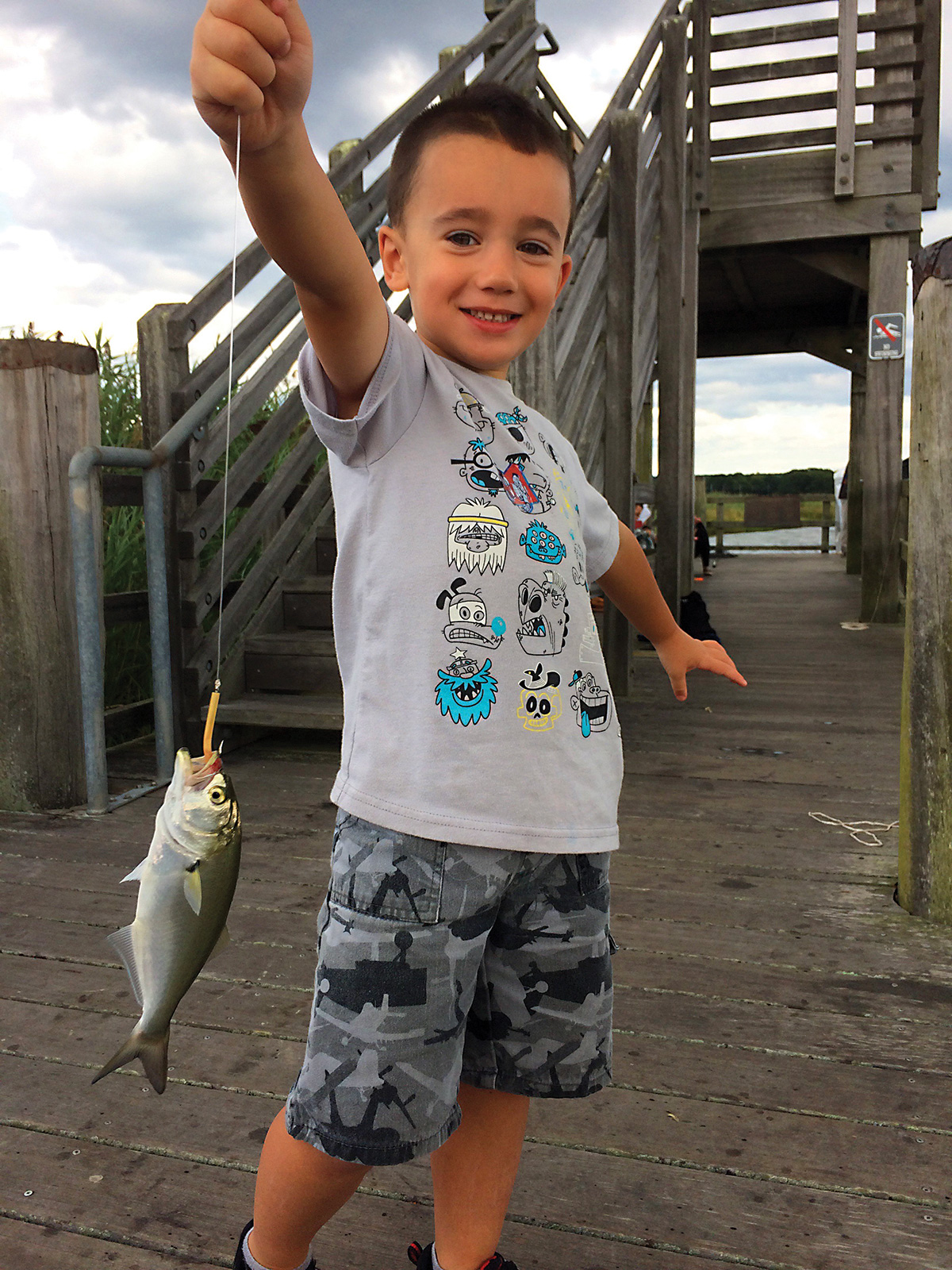
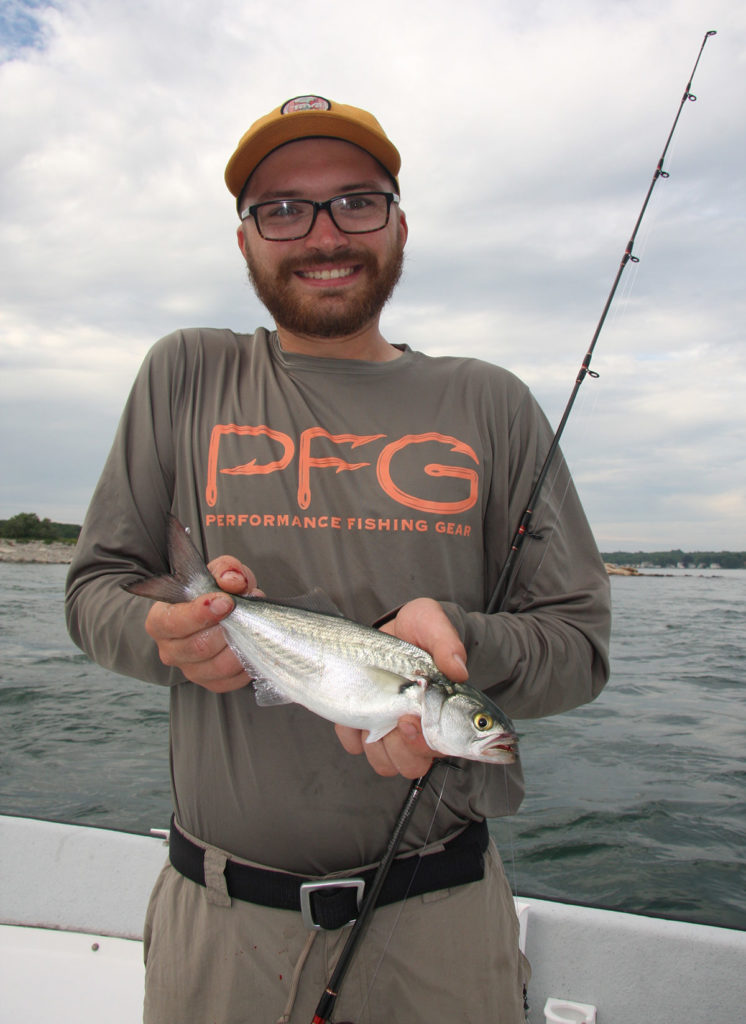
Snapper blues are just about the perfect saltwater species to introduce new anglers to the exciting sport of fishing. (Photo by Toby Lapinski)
When I think of snapper blues I think of my youth. Countless memorable days in late August, sunburned shoulders, casting from a jetty in Madison, CT near my grandparents’ house. There was no 10-fish limit back then, and a bucket full of snappers fed the family fried-fish dinners for several nights. Today, the same excitement still thrills me when I feel one tugging on my spinning gear, fighting like a fish twice its size. Tigers cloaked in kitten bodies.
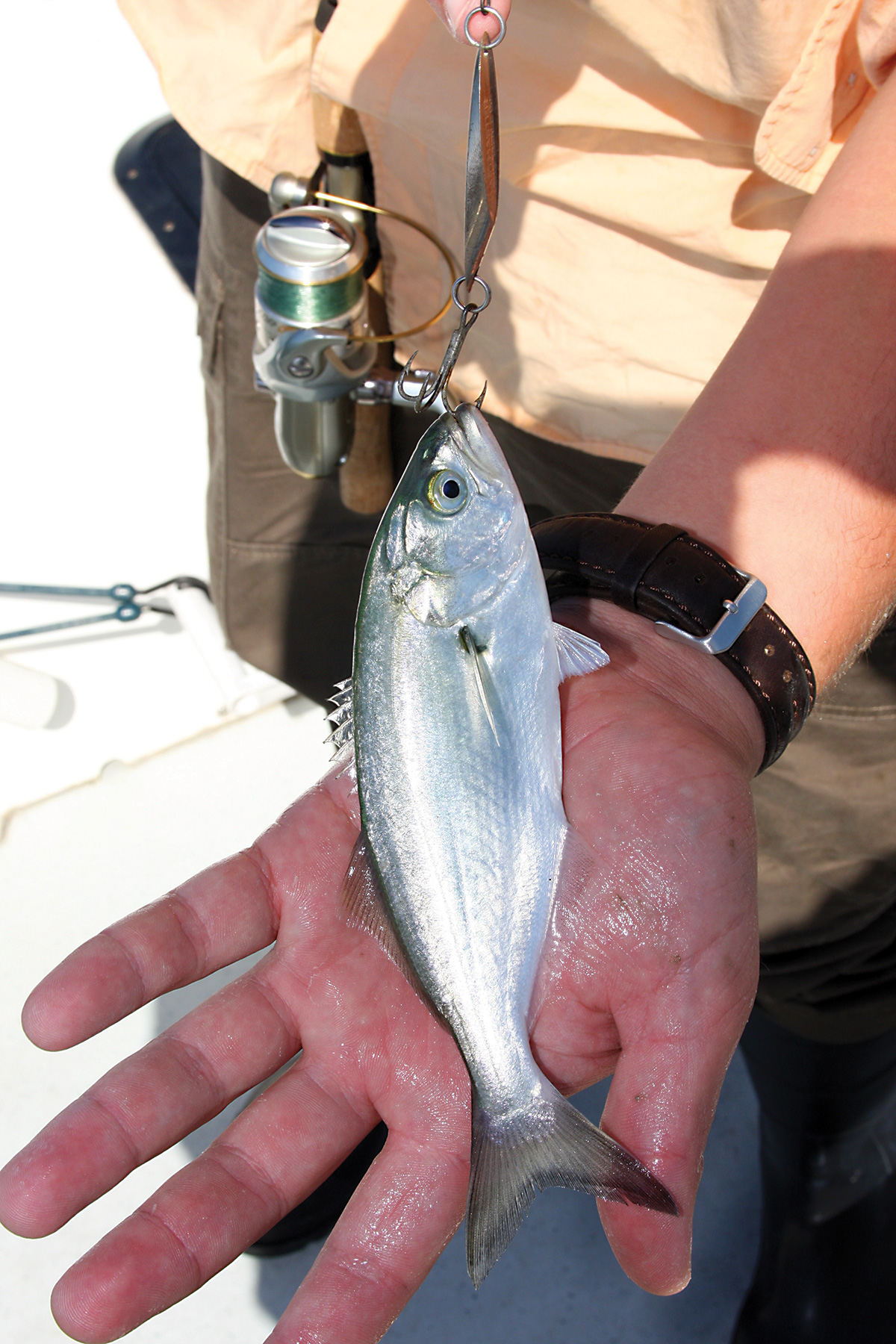
I’ve met anglers who believe snapper blues are their own species, and those folks were surprised to learn that “snappers” are simply baby bluefish. Anyone familiar with juvenile blues knows the name comes from the fast and fierce snapping of the jaws, which can inflict an impressive finger wound from even the smallest fish.
Snappers are young-of-the year bluefish, which become a “catchable” size of about 5 inches long when they invade our waters in late July and early August. They eat and grow at a remarkable rate, sometimes approaching nearly an inch per week. Late-season snappers reach at least 10 inches long before they migrate south in September, and are formidable opponents on a light outfit. They’ll strike at any lure smaller than themselves, making them a great target for young or beginner anglers and anyone looking for fishing fun on the saltwater.
Snapper Appeal and Locations
“When you find a school of snapper blues,” said Elliott Taylor, a snapper expert with 20 years’ experience in both CT and RI waters, “the bite can last all day, and you don’t need any special tackle to catch a limit. You don’t have to be a saltwater angler to get into snappers [although a saltwater license is necessary to target and/or harvest them], a lightweight freshwater rod will suffice, making these fish accessible to people of all ages and skill levels. Snappers, however, are not hardy fish—many don’t survive the catch-and-release process—so it’s best to have a plan for your catch, and stick to the limit only.
“You can find snappers close to shore, in estuaries and near structure like rock piles, docks and jetties where they chase bait like silversides, mummichogs and grass shrimp. Breachways and mini rip lines near shore often hold snapper blues, and nearshore tern activity is a great indicator the fish are there. Fleeing baitfish and small surface breaks are other exciting giveaways.”
Whether they’re sought for food, sport or bait, snapper blues make great summer targets.
Technique
The easiest technique for catching snappers is to fish a small metal lure. Using this method, you cast—from either shore or a boat—as far as you can and then slowly reel in. Small tin lures are designed to tumble and flash, imitating a wounded or escaping baitfish, which draws any snappers within sight. Snapper pros experiment with different retrieve speeds to see what works best on a given day—faster speed keeps the lure near the surface, and slower speed allows it to sink a bit. Generally, try to keep the lure about 2 feet below the surface with your rod tip near the water.
An advanced technique is to work a flat metal rapidly across the surface with your rod tip held high, which causes the lure to travel along the top like a jumping baitfish—the same concept as working a big surface plug for adult bluefish. The trick is to reel it as slowly as possible while keeping the lure skimming the surface. The commotion triggers aggressive strikes, and it’s fun to see the hits on top.
Despite their reputation as voracious feeders, bluefish of all sizes are sometimes fussy. Bait is often the answer when small blues hesitate striking tin lures. If you’re only stocked with lures, try dicing a silverside into tiny chunks and use a piece to sweeten the treble hook on your metal.
Other snapper experts are diehard bait anglers, which means using a snapper rig—purchased from a tackle shop or home tied—consisting of a small hook threaded with shiners and bobber or “snapper popper.” Set the popper to hold the bait about 18 to 24 inches below the surface. Cast your line a little way out from the dock or jetty and wait. Some anglers try to cast as far as they can, but that’s unnecessary with bait and may cause a soft bait to tear from the hook. Like fishing for freshwater panfish, when you see the popper dip below the water you know a snapper is biting.
“Gently but erratically retrieving snapper poppers will attract fish that are spread out,” said Taylor, “as will using small, freshwater, surface-popper lures with the first treble hook removed. In areas with a large concentration of fish, a very small tin such as a Kastmaster, Hopkins or Deadly Dick is most efficient.”
Tackle
An inexpensive, light and durable 5- to 7-foot, small spinning outfit and assortment of small metal lures are perfect for quickly loading up a limit on snappers. You can add to the fun and challenge by bringing along a small fly rod.
“I use ultralight tackle,” said Taylor, “like a 6-foot 6-inch Ugly Stik Intercoastal and small reel spooled with 10-pound mono finished with a short 20-pound fluoro leader. But slightly heavier saltwater rods to 8 feet will also work, especially if you’re expecting any type of larger fish mixed-in. Long casts and intermittent twitches during a quick retrieve with a 1/8-ounce silver Kastmaster from any craft, including a kayak or SUP, attracts plenty of attention from the ever-present summertime snappers. You can move up to a 1/4-ounce for bigger snappers later in the season. Four- to 5-weight fly rods are also an absolute riot for snapper blues using a minnow imitation or bucktail retrieved quickly.”
Snappers for Bait
In the absence of traditional baitfish like porgies or bunker, snapper blues make good baits for slammer bluefish and even striped bass, but the main use for snappers as bait is for late-season doormat fluke. Keeping within the 10-fish limit, you can fish snappers either dead or alive, and there are several approaches when doing so. Some pros rig the snapper in the same manner you’d rig a shiner for largemouth-bass—from the bottom lip through the top, typically off a traditional fluke rig, either with a fluke bomb or off a three-way swivel.
To fish the fluke bomb, start with a barrel swivel attached to a 3-foot section of 30-pound fluorocarbon leader. Tie in a 6-inch dropper loop at the mid-point of the leader, and attach a large, flashy teaser. At the end of the leader, attach a snap swivel to clip on a fluke ball heavy enough to hold bottom. Cut a second 3-foot length of 30-pound fluoro, and attach it to the 9 o’clock position on the fluke ball with another snap. Tie in a 5/0 Gamakatsu live-bait hook for your main bait at the trailing end of the leader. This rig works equally well with live or dead snappers.
To fish a snapper live, some people prefer to place the hook in the back, just in front of the dorsal fin. You can also hook them through the nostrils. They can stay alive this way for a length of time. If the snapper is dead, however, don’t fish them with the flared gill covers and bent up head, typical of their rigor mortis position, because they spin in the current. If that condition happens, cut off both gill covers and bend the body straight. Sewing the mouth shut helps, too.
Other fluke pros “butterfly” the snapper bait by running a fillet knife from the tail up close to the head on both sides of the spine. Some experts then remove the spine for an unobstructed flutter action.
While an array of lures and bait will produce snapper blues, tried-and-true “tins” like a Kastmaster or Hopkins is tough to beat.
Snappers in the Skillet
Many people don’t like eating bluefish, and therefore won’t eat snappers. But snappers don’t have the same dark meat and strong taste as adult blues. Their flesh is light and finely textured.
“They are great in the frying pan,” said Taylor, “just remove the head by making a diagonal cut behind the gill covers, cutting through the backbone. Gut the fish by pulling the head down, removing it from the body along with the entrails. Season to your liking with salt, pepper and oregano, and fry on medium heat until golden brown.” You then simply and easily eat the fillet off the backbone as you would a small trout.
The Elusive Striper
“These juvenile bluefish,” said Taylor, “also work great as live bait for large striped bass. When I was 10 years old, I was out in our Merrimac canoe with my father near a rock pile on Quonny Pond in Westerly, RI. We watched pods of bait swirling with packs of snapper blues meticulously corralling and devouring the peanut bunker and shiners. We were casting small Kastmasters and slowly filling our two-person limit for dinner. Suddenly, a large striper erupted inches from the boat, startling us, and taking a mouthful of bait and snappers with it. Frantically, we casted hoping to catch the bass, but to no avail. Since then, I have landed several 15- to 35-pound stripers using snapper blues.
“Catching your bait can be just as fun as catching your target species. Snapper fishing is consistently fast-paced, making it a quick cure for the fishing bug when other fisheries are slow in late summer.”
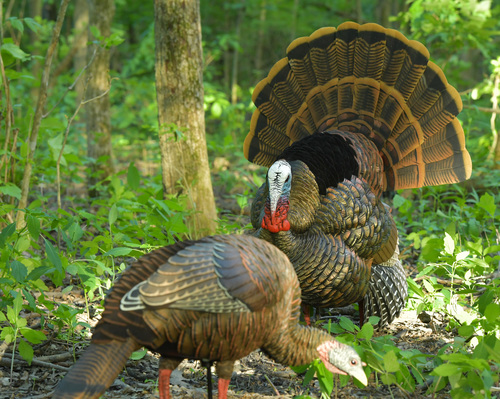
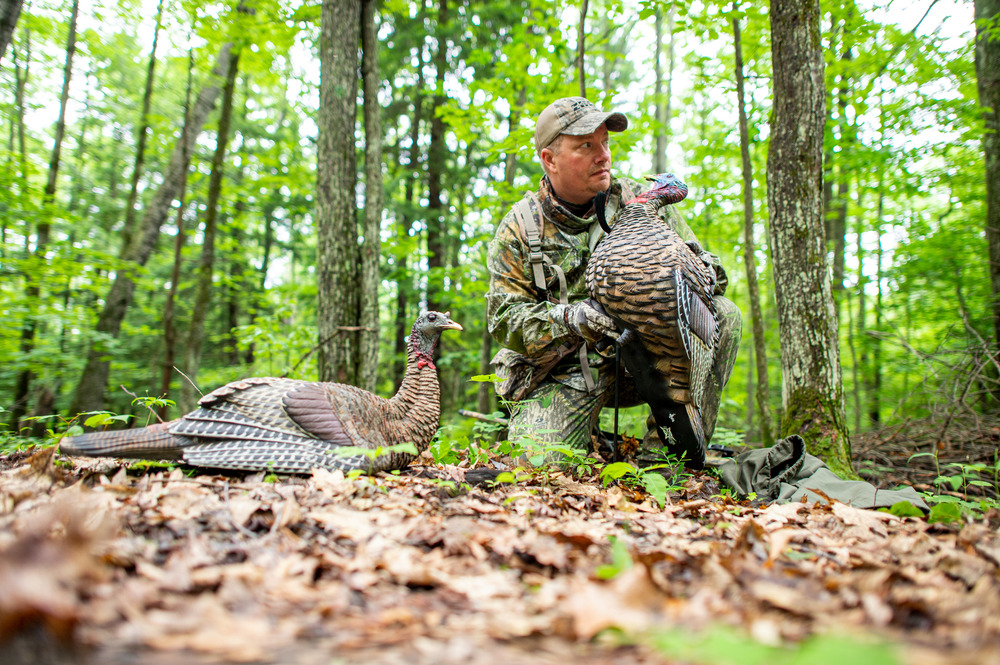
I have been hunting turkeys for 20 years now and I still have a lot to learn, but one thing I do know for sure is that turkey decoys have become a vital part of my turkey hunting success! No, you do not have to use a decoy to harvest a wild turkey, but I love to draw turkeys in close, see how they interact with the decoy and enjoy the show. The Avian X series of turkey decoys will do just that for you. I have been using Avians for the past several seasons and my harvest rate has taken a significant increase from where it was. There are many different types of decoy setups a hunter can use. Here are our 3 BEST Avian X decoy setups to help you be successful this spring!
1. Full Strut Tom/Laydown Hen Combo
This setup seems to be the most controversial of the three. Some hunters live & die by this setup and others are not fans of the full strut decoy, but if used properly and in the right situations, this is one of my favorite ways to hunt! The LCD or HDR Strutter decoy are both eye-catching and when used in open field settings can be seen from long distances. This scenario is perfect when you have observed aggressive gobbler behavior the in flock of turkeys you are hunting. Paired with the LCD Laydown Hen from Avian, this is a deadly combination. This breeding position is sure to trigger boss toms to come into the decoys for an action-packed hunt at close range.
2. Submissive Jake
If you are hesitant to put out a strutter decoy, then try a submissive jake setup. the LCD Quarter Strut Jake makes this setup attractive to both dominant and sub-dominant gobblers. This decoy option is 15 percent smaller than a real jake. When I pair it with any of the Avian X Hen decoys, it has proven time & time again to drive gobblers wild! This option is less risky if you are worried about spooking subordinate gobblers and running them off your property. I have found this option is most successful during the early part of season when turkeys are still establishing dominance & their pecking order!
3. Lone Hen
If I had to choose one setup to use for the rest of my hunting days, this would be it! I cannot tell you how many times I have pulled toms into range with this option. I am a conservative turkey hunter and if you want to use a decoy but are worried that a male decoy could do more harm than good, you can never go wrong with a lone feeding hen. Avian has both the LCD & HDR series versions of a feeding hen. A gobbling tom will come from hundreds of yards away to try and catch this lone hen’s attention. This feeding posture makes the hen look calm and content, which is always inviting to other turkeys. On many of my hunts, I have started with a lone feeding hen and ended up with a field full of turkeys in my lap. You can never go wrong with this one and it gets my best overall decoy setup!
Avian X has a great line of the most realistic turkey decoys on the market. Check them out today at avian-x.com!
The perfect coyote bait pile is a marvelous tool for coyote hunters. Set up correctly, a coyote bait pile will lure in and hold coyotes exactly where you want them, convince them to consume the bait, and give you all the time you need to take your shot.
Coyote bait pile essentials: Bait, location, and time.
Your success baiting coyotes will depend on using the right bait in the right location and patiently waiting for the magic to happen.
Want to know when coyotes are the most active and most likely to show up at your bait pile or respond to your calls? Check out my article.
Looking for a great book on how to call in a coyote? Check out Andrew Lewand’s book below. This book answers the most frequently asked question on the internet… What sounds are working right now? No matter which brand of call you use, the sequences in each chapter with boost your success rate!
The right bait.
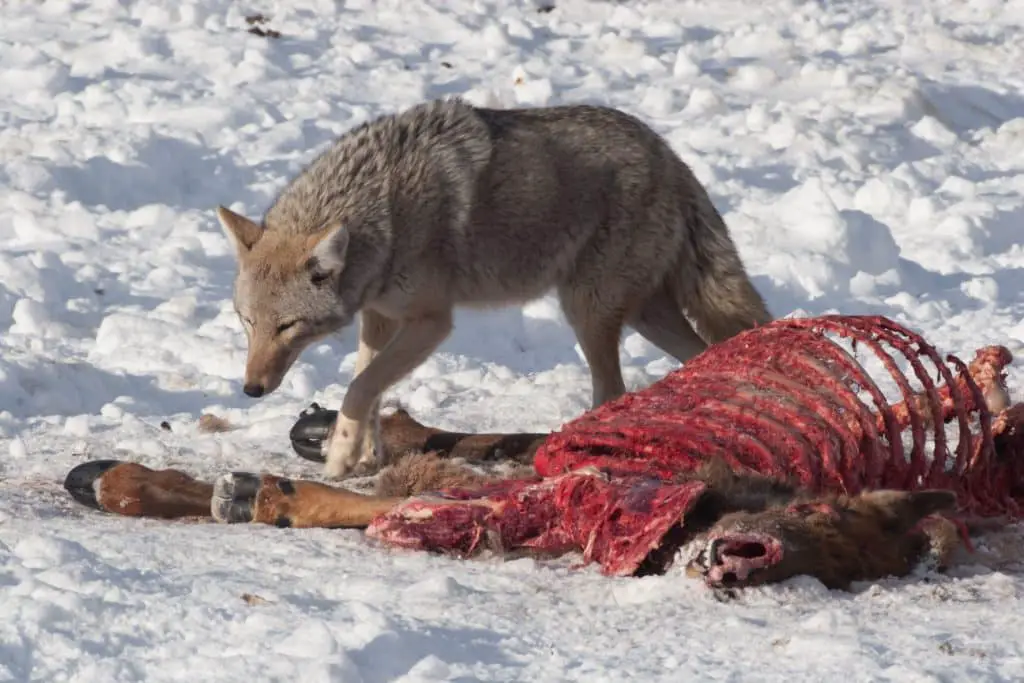
Honestly, nothing beats a deer carcass. It’s what coyotes expect to find dead of natural causes (or gunshot wounds) in the woods and fields. Indeed, it’s often discovered split open and mangled alongside the roadway. They consume it regularly and are naturally drawn to the familiar odor of its decay.
There may be other baits, and they may work, but deer meat is the superior choice.
Photo Credit: Shutterstock/G Allen Penton
The perfect location.
Simply put, a coyote bait pile tucked just inside a woodline that provides the coyote with a sense of cover but is actually a shooting lane with you on the other end is the perfect location.
We’ll discuss how to set up this location later, but you can get a basic idea from this image.
That’s far enough away to help you beat a coyote’s amazing senses.
All the time it needs.
The last piece of your perfect coyote bait pile is time. Time for the pile to ripen. Time for the pile to be found.
During the days and weeks after you have placed your bait, you will be sorely tested. Doubt will creep in and disturb your resolve. “Did I use enough meat?” “Is the pile too well hidden?”
Make a solemn vow as you walk away from your perfectly baited and placed pile. A vow to never, for any reason, disturb it. It’s a test of faith in yourself and the quality of the work you have done.
Avoid the temptation to commit the only unforgivable sin of baiting coyotes: Spilling fresh human scent on it.
Getting deer for your coyote bait pile.
There are three ways to get deer for your coyote bait pile. Here they are arranged in order of easiest to hardest.
From deer hunters.
If you hunt deer, you know a lot of flesh doesn’t get packed into freezer bags. So this season, let your deer hunting friends know you’d love to take home their scraps.
You can make a suitable sized coyote bait pile from a single butchered deer using the Baitsicle Method discussed later.
Deer processors.
Deer cutters, especially those who butcher your deer, are often more than willing to let you take as much of their waste as you can carry.
Brings some buckets and heavy duty contractor bags with you.
Roadkill.
I hesitate even to mention this method of collecting bait. However, because it is legal in some states, I’ll take the time to layout the easiest way to secure enough carrion from roadkill, but check your local laws and be very damn careful. A bad night could end with you being roadkill.
First of all, you only need one deer to make a coyote bait pile. You do not need 300 pounds, no matter what someone tells you. 50-75 pounds is perfect and will last the whole season.
Secondly, a doe in the back of your truck brings a lot less attention than a buck with a big rack in the back of your vehicle—police attention, that is. The law may be on your side, but you still could get arrested by a suspicious officer and have to spend money defending yourself. A dead doe is a tragedy. A dead eight-pointer is a trophy. Consider yourself warned.
Roadkill tips.
Collecting roadkill is a significant job. You have to drive around sparsely traveled back roads (never attempt recovery on major routes), racking up quite a few miles before you’ll come across anything of value. Once you spot a possible candidate, I suggest you consider a few points before proceeding.
Is it in a safe location for collection after dark? At night, you’ll be able to collect when the traffic flow is at its lowest point. You will also be able to hear vehicles approaching and see their oncoming headlights. Night-time recoveries draw less attention from the general public, too. Think fewer 911 calls. After dark, you’ll have fewer flies to deal with, and you won’t have to drive off a murder of crows. However, a flashlight is required so you can be assured Mr. Bear isn’t already seated at the Roadside Cafe himself.
Is the carcass relatively intact? If the stomach is burst, the deer severely mangled or already badly rotted, take a hard pass on it. Lifting a dead deer into the back of a truck by yourself is a nightmare, to begin with. Don’t add to your impending misery by trying to handle anything dead for too long.
Bring rain gear. Never, ever recover roadkill in anything you’ll want to wear again. There’s just no way to do it without getting bloody and stinky. So bring a rain suit and gloves with you.
A bit of rope will ease (some) of your pain. Without a rope, your best bet is to grab the head, sit on your tailgate, and use your legs to push yourself backward as you lift the deer over the back of the truck. You’ll find another way to get deer for your bait pile next year.
If you have rope, you can tie up the head, stand on your tailgate, and lift and pull the head up and over the end of the truck. When you can grab the legs, you should be able to walk backward and pull the rest of the deer into the truck.
Types of coyote bait piles.
Baitsicles
The baitsicle is my favorite coyote bait pile for four reasons; easy to transport, requires the least amount of baiting material, draws repeated visits, and can be placed in nearly every type of location.
How to make a baitsicle.
You’ll need one five-gallon pail, 10 feet of rope, enough bloody deer scraps to fill 75% of the bucket, a hammer (to break the bucket if the bait sticks to it), and access to water.
Start by placing a few inches of meat on the bottom of the pail. Now, coil at least a foot-long section of rope on top of the flesh and cover the coil with more scraps. Next, slowly add water, making sure the meat holds the rope down. Once your bucket is about half full, you can add the rest of your bait, top off the water, and allow it to freeze.
Pro tip: Bloody is best. The pinker your water, the better. For an example of how bloody; check out these photos of how coyote trappers make their baitsicles.
Correctly done, you should have about 6 feet of leftover rope. You will use this to drag your baitsicle and anchor it in the field.
The baitsicle will weigh over 50 lbs, but frozen, it should be easy to pull over snow and rugged enough to survive being dragged over open terrain.
During each thaw and refreeze, more bait will be exposed for the coyotes to lick and gnaw on, providing each coyote with just enough to encourage repeated visits.
Pro tip: Drag your baitsicle around. You’ll leave a scent trail everywhere you go that leads predators directly to your bait.
Wait, do you live where the eastern coyote roams? Then you need to check out my article on Killing Giants.
Hay bales or compost piles in open fields.
A compost pile in an open area is an insect and rodent luxury apartment. Over time, it will attract more and more predators like foxes and coyotes.
You can use a hay bale to create a min-compost pile for less than $20. So, don’t worry if you don’t own a farm or have access to large amounts of compost.
To begin, I’ll assume you are both reading this before the summer has ended, and you want to make a one-of-a-kind coyote bait pile with live rodents that even squeaks for you.
Your first step is picking up one or more 50 lbs compressed blocks of hay from a local supply store. Make sure you get hay, not straw. Mice and voles (your real coyote bait) love to nest in and eat hay.
Once you have selected a place to set your hay coyote bait pile, chop a hole about half the size of the bale and 6-10 inches deep.
Note: The smell of freshly disturbed earth often draws the attention of foxes and predators, so be prepared to hunt this spot shortly.
Fill the hole with corn and flip the bale over on top of it. Over time, the corn will be found by rodents, who will consume it and use the hay bale for nesting in and also feast on. Their movements, scent, and occasional squeaks will act as a living coyote bait pile that also draws in plenty of foxes.
Compost piles for coyote baiting.
A compost pile that features pine shavings or other bedding materials taken from chicken coops and duck houses will often contain an ungathered egg and uneaten food pellets. This waste material will quickly draw insects and other scavengers. Fox and coyote are never far behind. This type of compost pile is a predator magnet, and therefore, a hazard if kept too close to livestock. I’ve seen predators visit my compost pile several times a week all year long.
Using cages for baiting coyotes.
Dead chickens, squirrels, and other small mammals placed in cages and secured to the site create mini coyote bait piles. Leave them uncovered, and you’ll be surprised how many critters stop by to check out the bait.
Pro tip: Hay bale, compost, and cage coyote bait piles work best in open, mowed fields that make good habitat for rodents.
Want to know what calls coyotes and foxes respond to the most? Is there a magic sequence other hunters use to bag coyotes? Read my article on calls here to find out the best calls.
The best location for a coyote bait pile.
The absolute best place for a coyote bait pile is just inside a woodline.
Set the pile 5-10 yards inside the woods and about 100 yards from your shooting location. You want your bait far enough in to calm the coyotes and give them a sense of cover. However, don’t go too far, as you’ll double or triple the amount of site preparation you’ll need to create a clear shooting lane.
Looking at the bait pile from your shooting stand, you should have just wide enough of a window to see any coyotes when they are within 25 feet from either side of the pile—this is also the perfect range for night shooting using the best thermal scope for new predator hunters.
Set the bait inside the middle of your shooting window and secure it to prevent movement by the coyotes. You can use a sapling but avoid wide tree trunks that could obstruct your view of the target or interfere with the path of your shot.
And don’t worry about ropes, tie-down stakes, or other exposed equipment used to secure the bait—it will lose any scent and be ignored by curious coyotes.
If you can’t secure your bait to an object, consider using an earth anchor.
Pro tip: Deerskins serve multiple purposes, so save them and wrap your pile in them. The skins help convince the coyotes, and the frozen flesh helps protect the bait pile.
Add a camera to your coyote bait pile.
A cellular game camera will let you know when your pile is being visited and, more importantly, by whom. While it can be used as a real-time burglar alarm or help you pattern the visits being made, it does have a few easily fixable drawbacks.
It can spook coyotes. Even the faintest glow of the shutter’s IR light or softest click can make a coyote bolt. Most won’t go more than a few yards away before returning, but if it happens every time they near the pile, it could drive them off permanently. The fix here? Set the timer to allow no more than one photo every 5 minutes.
The cold can sap cheap batteries. It cant be said too often; set your pile and never go back to it except to pick up a dead coyote. Use high-quality lithium batteries where appropriate.
Squirrels, birds, and even mice will set off the camera too. You usually get a package deal with cellular cameras. These deals can give you 100 to 200 free photos a month. If you are not careful, they will all be daytime photos of crows and nighttime images of mice racing around your set. To avoid this, reduce the camera’s sensitivity. Going from high sensitivity to medium setting should help, but even at the lowest setting will pick up coyotes and foxes.
Your camera will need as clear and unobstructed shot. Set it at the right height and make sure any branches, brush, or twigs are cleared out of the way. Also, make sure to remove anything the wind may move around—a single twig can send many false alarms to your phone.
Where is the absolute best place to shoot a coyote? Don’t know? Then read this article on where to place your round to put a coyote down.
Scatter free meals to add confidence when coyote baiting.
No matter which coyote bait pile method you use, scattering some morsels around the pile will help make the coyote feel more confident when reaching the actual pile.
Deer scraps are fine, but confidence strips that include “fishy” treats, like shrimp, add a tempting scent that has often set my bait piles on fire, luring predators in much faster than deer-only sets. If you are afraid that coyotes won’t come to your bait pile because they’ve been shot at them before, read my, The Truth About Educated Coyotes article.
If your coyote bait will sitting in an area with heavy snow, I recommend using a coyote lure you can smear on tree limbs and other items that won’t get buried under the snow and ice.
Dunlap’s Hellfire Long Call Smear is skunk in a bottle. It works every season for me, even though I’ve never even seen a skunk where I hunt. Great stuff!
Now, stay away from you coyote bait pile.
Once your bait and camera are set, don’t go near it again, except to recover a downed animal. Let it quietly sit for as long as it takes to start attracting coyotes. Look, it may be two weeks before you see activity, but worrying you haven’t set the pile upright and trying to rework it or add bait to it will only splash new doses of your scent all over the place. Just be patient. If there are coyotes around, they will find your pile.
There is only one other reason to get anywhere near your coyote bait pile, heavy snow. While the stench always finds a way to work itself up and out of even the heaviest snowfalls, you can reduce the time it takes for coyotes to find it.
It’s time for a short snowmobile ride! From the road closest to your pile, start near one end of the field and use your snowmobile to create a nice curvy path. Then, hug the edge of the woodline and cut back to the road at the opposite end of the field. Plowed roads get heavy predator travel in rural areas. But, if they find an easy way to scout inside a field quickly, they will take it.
If you don’t have a sled, snowshoes will work just as well, especially after the deer have helped break the trail even more for you.
Interested in a quick course on how to track a wounded coyote? Read this article on how to track a wounded predator.
Who is visiting your coyote bail pile?
There are two types of coyotes you’ll catch visiting your bait pile; residents and transients.
Residents consider the location your placed your bait pile in to be their territory. They’ll visit it more than once. They will make their approach less cautiously. Their visits will last longer, they’ll eat more, and they will stay closer to the pile while resting.
Transients are coyotes in search of their territory. Transients get treated and act like trespassers. They will be very cautious during each approach. Their heads will be on swivels, and they will be quick to grab a bite and retreat a pace before consuming what they caught. The single click of a game camera can drive them away, perhaps for good.
If you set the pile up to remove unwanted local coyotes, there’s no need to worry you will attract coyotes from other more distant areas.
Calling near a coyote bait pile can increase your success.
Calling near your coyote bait pile is a great idea. Even if your stand is empty, there’s a good chance you’ll catch a late-arriving coyote. Coyotes that finally show up to investigate the source of your calls will poke around and possibly discover your bait pile.
If you are targeting hungry coyotes, check out https://thepredatorhunter.com/how-to-master-the-best-closed-reed-coyote-call/.
You can also call near bait that has already been found and partially consumed. A simple coyote vocalization may bring a resident coyote back to defend its food source in these situations.
A bit of effort, but nothing beats a perfect coyote bait pile.
A perfect coyote bait pile takes some scouting, planning, and waiting-but it yields unbelievable results. So start your planning today, and reap your harvest during the next coyote hunting season.
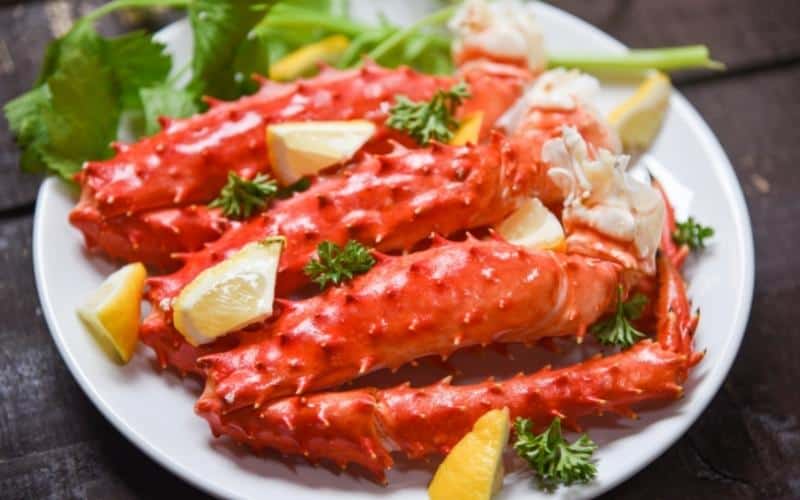
You can find mouthwateringly delicious king crab at almost every top-rated seafood restaurant. Still, dishes containing king crab tend to cost $50 or more! But Alaskan king crabs populations are thriving, so why are king crabs so expensive?
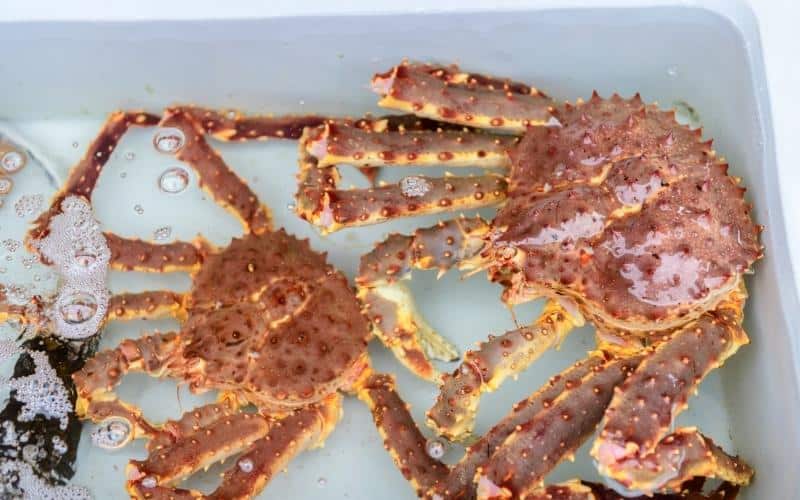
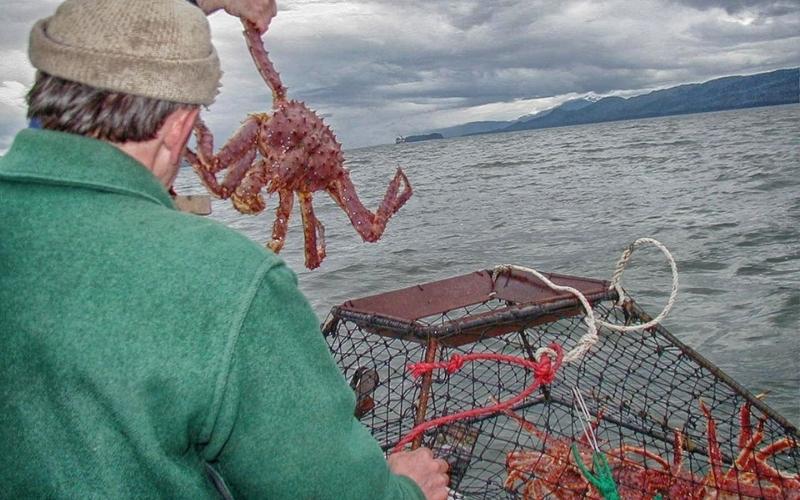
Harvesting king crabs is dangerous, which is the primary reason why they’re expensive. Anglers who fish for king crabs tend to earn higher-than-average annual salaries due to the hazards of fishing for king crabs. Also, king crabs live in remote, cold waters. Reaching these areas can be costly.
Let’s explore the many reasons king crabs are more expensive than other types of seafood. When you’re familiar with the costs that influence a king crab’s price, you might have a new appreciation for the effort it takes to get this crab from the ocean to your plate.
Here Are the Top 10 Reasons Why King Crabs Are So Expensive:
Harvesting king crabs is dangerous
Some harvesting locations are more desirable
King crabs live in remote environments
All king crabs are wild
Fresh king crab is only available during specific seasons
Transporting fresh king crab is expensive
King crab tastes like high-quality lobster
Quotas prevent overfishing and limit supply
People prefer large king crab legs
There are several king crab dishes
10. There Are Several King Crab Dishes
Unlike some types of expensive seafood, like high-cost sea urchins, king crab is used in various dishes.
Steamed king crab legs are a popular way to enjoy king crab. But king crab leg meat is also used to make crab cakes, crab rolls, and savory seafood soups.
Because king crab is used to create many tasty dishes, there’s a higher demand for king crab meat, raising prices. It’s also worth noting that king crab legs come in different sizes. And the bigger the portion, the higher the price.
9. People Prefer Large King Crab Legs
Generally, king crab legs fall into one of several size categories:
Jumbo
Giant
Colossal
Super Colossal
The largest size, Super Colossal, is the most expensive. That’s because larger crab legs contain more meat!
So, while a pound of Jumbo king crab legs might cost about $20, a pound of Super Colossal legs typically retails for $100. Seafood lovers who enjoy steamed crab legs tend to gravitate toward the larger sizes, increasing the demand (and the price) for these heftier portions.
While king crabs aren’t endangered, the supply of fresh king crab is extremely limited. After all, many countries adhere to strict fishing quotas to prevent overfishing.
8. Quotas Prevent Overfishing and Limit Supply
The three countries with the highest king crab output are the United States, Norway, and Canada. These countries have strict harvesting quotas to prevent anglers from overfishing, keeping king crab population numbers high.
While this practice is an excellent way to ensure that wild king crab populations continue to thrive, it also means that demand for king crab always outpaces supply, resulting in higher prices.
Additionally, anglers cannot harvest king crabs below a specific weight limit. For example, legally harvested king crabs must weigh more than seven pounds. This rule keeps juvenile king crabs in the water, encouraging further population growth over time.
But diners love the savory taste of king crab legs. Their taste is often compared to the flavor of a high-quality lobster, making them a popular choice among seafood lovers around the world. This desirable flavor profile is another reason why king crabs are so expensive.
7. King Crab Tastes Like High-Quality Lobster
Many of the world’s most expensive foods have outrageously high price tags because they’re delicious! King crab is no exception, with a complex flavor profile that can please even the most particular palates.
King crab legs are slightly sweet, so they feature a balance of natural saltiness and unique sugariness. They’re also full of tender, melt-in-your-mouth meat. As a result, these crab legs are often compared to the highest-quality lobster meats.
But while lobster populations suffer from overfishing, leading to severe shortages, king crabs are protected by several fishing regulations and laws. This difference in fishing practices has altered public opinion, leading to a higher demand for king crab and lower demand for lobster.
As the law of supply and demand dictates, any high-demand good will enjoy a price boost. But the increased call for king crab is just one of the many reasons this seafood is so pricey. Transportation issues also affect prices.
6. Transporting Fresh King Crab Is Expensive
The finest seafood restaurants only order live crustaceans and fresh fish. By avoiding frozen ingredients, world-class chefs can ensure that every meal that leaves their kitchen is of the best possible quality. But this need for fresh ingredients comes at a high cost.
Transporting live seafood can be exceptionally challenging. Not only do countries have strict rules about shipping and handling live animals, especially those from other regions of the world, but keeping aquatic creatures alive and healthy as they travel across the globe can be tricky.
A king crab needs a cold saltwater tank to survive. They also have high-maintenance diets, as adults are primarily carnivorous. Consequently, in-transit live king crabs need a regular diet of fish, clams, snails, or small crabs.
Keeping a king crab’s tank cold and clean during transit requires plenty of planning, a refrigeration unit, and extra care. These requirements significantly increase the price of a live king crab, especially during the off-peak seasons.
King crabs are only harvested during the fall and early winter months, and keeping them alive for an extended period during spring and summer can quickly add hundreds of dollars to a live crab’s price tag.
5. Fresh King Crab Is Only Available During Specific Seasons
Frozen king crab legs are slightly more affordable than fresh ones, but not by much. That’s because the annual haul of king crab is limited.
Anglers can only harvest these crustaceans during the fall and early winter. Whatever they catch during this time must last for the remainder of the off-peak season. This limited availability significantly affects the price of a king crab.
The best time of the year to invest in king crab legs is during the late winter and early spring season. In January and February, the harvest of king crabs is at its highest level and is incredibly fresh.
After this point, the supply begins to run low. As a result, prices tend to hit their highest point during the summer and fall, often increasing by 60%.
But, you may be wondering, “Why don’t aquaculturists build farms to keep the king crab supply constant throughout the year?” After all, there are plenty of seafood farms around the world, many of which produce fish, shellfish, and crustaceans all year long.
4. All King Crabs Are Wild
Unfortunately, you can’t farm king crabs. These creatures live in deep ocean environments and can take decades to reach a harvestable size. They also require plenty of space to roam around and reproduce.
Consequently, all king crabs that make it to the dinner table come from wild populations. As you might suspect, wild-caught seafood is almost always pricier than farmed versions.
King crabs will remain a wild-caught delicacy until fish farming techniques and technology improve. And because these crabs live in remote, freezing waters deep beneath the ocean’s surface, harvesting them is a constant challenge.
3. King Crabs Live in Remote Environments
Like some of the world’s most expensive mushrooms, king crabs live in remote environments that can be challenging to access. Anglers harvest Alaskan king crabs from the Gulf of Alaska, Bristol Bay, and Norton Sound. Ice floes are common in these areas, and they can destroy fishing vessels.
Fishing locations are often hundreds of miles away from the nearest coastline or shipyard. As a result, anglers working on fishing vessels may work 20-hour days and spend weeks or months harvesting crabs, with virtually no days off.
Additionally, Alaskan king crabs often live about 600 feet beneath the ocean’s surface. Reaching these areas requires advanced fishing equipment. If this equipment breaks while anglers are out on the water, crews might be unable to harvest any crabs for the season, raising the overall price for king crabs.
But traveling back to shore for a quick repair is out of the question. The time and energy it would take to sail into harvesting locations, return to land, and sail back out again would negatively impact a vessel’s haul.
Thanks to the restricted time limit allocated for harvesting these crabs, anglers are stuck in the remote environments where king crabs live until the end of the harvest season. The fishing vessels and equipment required to transport a crew to these faraway fishing spots are costly, and this expense is eventually added to the initial cost of a king crab.
While consumers could choose to purchase king crabs from other, less remote locations, the demand for Alaskan king crabs is far higher than the demand for Norwegian king crabs. For better or worse, some harvesting locations are more desirable than others.
2. Some Harvesting Locations Are More Desirable
The Gulf of Alaska may be the oldest known king crab habitat. While these crabs have proliferated in the Murmansk Fjord in Norway, they’ve only lived there since the 1960s. On the other hand, Alaskan king crabs have been thriving off the coast of Alaska for hundreds, potentially thousands of years.
They’re also the only domestic source of king crab in the United States. For these reasons, many diners prefer Alaskan king crabs over Norwegian king crabs. Besides, North American restaurants can spend slightly less on king crabs harvested from the ocean surrounding Alaska, which is a significant benefit.
However, because Alaskan king crabs are preferable, there’s a higher demand for them. And, as we’ve mentioned before, higher demand almost always means higher prices.
Still, fishing for Alaskan king crabs isn’t a walk in the park. Many people have died trying to harvest these delicious crustaceans. The inherent danger of harvesting king crabs might be the primary reason these crabs are so expensive.
1. Harvesting King Crabs Is Dangerous
Though supply and demand are some of the most significant factors influencing king crab prices, harvesting challenges might be even more influential. In particular, anglers who harvest king crabs tend to face life-threatening hazards.
Remember, Alaskan king crabs, one of the most popular types of king crabs, live in freezing waters off the coast of remote areas. As a result, anglers who sail into these areas to harvest king crabs can suffer from hypothermia after prolonged exposure to icy winds and low temperatures.
Storms and strong winds can also make this job dangerous. For example, when ice-cold waves pound the decks of a fishing vessel, the anglers aboard the ship are often drenched to the bone.
If they cannot dry off and get warm quickly, their heart rate can slow to a dangerous level, potentially resulting in death.
These turbulent waves can also wash anglers overboard into deep, unforgiving waters. When visibility is poor, it’s almost impossible for crew members to rescue anglers. Sadly, drowning risks are quite high for those who decide to fish for king crabs.
But low temperatures and rough waves aren’t the only dangers anglers face when harvesting king crabs. Heavy equipment, falling ice, and capsized fishing vessels are also potentially fatal risks that anglers encounter.
Fortunately, these brave anglers are compensated for the dangers they face. The average annual salary of someone who fishes for Alaskan king crabs is more than $314,000. But this higher-than-average salary also means that consumers tend to pay higher prices for Alaskan king crabs.
How Much Do King Crabs Cost?
The price for a pound of king crab legs varies depending on harvesting location, leg size, and season. That said, the average cost for a pound of king crab legs ranges between $60 and $75.
Whole king crabs are far more expensive. A live Alaskan king crab can cost $675 for those living in the continental United States.
But they can cost $1,000 or more when transported to international destinations, making them one of the most expensive types of seafood.
Why Are King Crabs So Expensive?
So, why are king crabs so expensive? First, catching these hefty crustaceans is incredibly dangerous. King crab anglers often put their lives on the line to harvest them.
Of course, king crab anglers also enjoy exceptional salaries to compensate for the job hazards. Anglers who harvest Alaskan king crabs earn an average salary of about $314,000. Consumers help pay this salary each time they purchase expensive king crab legs.
Are you interested in learning more about the world’s most expensive foods? If so, check out these related articles now!
When my husband first started hunting large game over a decade ago, I wanted nothing to do with the gut pile. Now? I’m rummaging through it trying to find all the good, often overlooked cuts of meat, and put as much of that animal to use as possible. This includes the almighty venison liver.
When it comes to nutrient-dense organ meats, the liver is the next logical step after trying venison heart. While the heart is very mild in flavor and most reminiscent of a really good steak, the liver takes a bit of a stronger palate and a more acquired taste. But, there are plenty of ways to make the often pungent flavor of the liver much more mild and worth the effort.
Historically, hunters would sautee the heart and liver at deer camp, eating the nutrient-dense organ meats before they ever left for home. But, today, that doesn’t happen as much. The liver, however, is arguably one of the most nutritionally dense foods on the planet, full of essential nutrients like Vitamin A, Vitamin B, copper, folate, and iron. But because of its often pungent flavor, it’s often overlooked.
Preparing Venison Liver
The liver is full of blood vessels, which gives it a pretty pungent flavor. This is especially true for large animals, but if you’ve had calves liver, or pig liver and enjoyed it, you’ll probably like deer liver.
The flavor profile for liver is pretty iron-like and a bit bitter, this is especially true of older bucks, while the flavor of younger bucks (less than 2 years) and does flavor is a bit milder from the start.
While the flavor in and of itself can be enough to turn some folks off from it if it’s prepared correctly you can turn any liver hater into someone who enjoys this nutrient-dense food.
So, how do you prepare it properly? To begin, you’ll want to simply remove the liver from your deer. While most animals have a bile duct you need to worry about and remove, deer actually don’t possess a gallbladder, so all you need to do is remove it. Once removed, you’ll want to thoroughly rinse it with cool water.
Next, you’ll want to slice or cube your liver. Not only will this increase the surface area for soaking out some of that pungent flavor, but it will also enable you to remove any gristly bits and veins from the liver tissues.
Then, you’re on to soaking. I recommend soaking your liver for 12-48 hours, changing the liquid at least once. For the mildest flavor, I recommend soaking the liver in milk, but you can also use saltwater. Saltwater doesn’t seem to pull out as much flavor as milk, though.
Of course, you can just eat fresh liver without soaking it, soaking it isn’t a safety concern, but a taste concern. We usually harvest, rinse, and soak it and eat it the next day, but it’s really a personal choice.
The longer you soak it, up to two full days from harvest, the more mild the flavor. What you use and for how long you soak is up to you, but if you’re trying deer liver for the first time, I suggest soaking it for at least 12 hours in milk or buttermilk before cooking it.
After soaking, you’ll simply remove the liver and rinse it off. I pour mine in a colander and rinse it under cool water until the milk is off and pat dry.
Cooking Venison Liver & Onions
After you’ve soaked and rinsed the liver, it’s just a matter of frying a little bacon, slicing up some onion, dredging the liver in seasoned flour, and frying it in butter in a cast-iron skillet.
Begin by dicing up bacon and frying it in a couple of tablespoons of butter. Once crispy, remove the bacon to a plate lined with paper towels to dry, leaving the grease in the skillet.
Meanwhile, combine flour, seasoning salt, black pepper, garlic powder, and paprika to make your dredge.
Dredge the liver pieces in seasoned flour, coating each side well. Continue until all of the pieces are well coated.
Slice onion into thick rings and brown them in the hot skillet of bacon grease over low heat.
Once the onions are nice and browned, move them to the side of the skillet away from the heat. Melt more butter and add your liver to the skillet, being sure not to crowd the skillet.
Brown the liver slices to a golden brown, over medium-high heat, for about four to five minutes for each side and remove to a plate lined with paper towels, until you’ve finished the entire batch, adding more butter as necessary.
The trick to flavorful, tender liver is to allow each side to brown, flipping the liver as little as possible, while not overcooking it (which results in tough liver).
Add all of the liver, onions, and bacon back to the skillet and toss together until mixed thoroughly.
Tips for Cooking Deer Liver
Soak the liver for a minimum of 12 hours to remove the bitter flavors. Whole milk works well, or you can try salt water or a buttermilk soak.
Keep the onion slices large, you want them similar in size to a bite of liver.
Don’t overcook your liver. To keep it tender, you’ll want to cook it until there’s still a tiny hint of pink in the center.
Pull the liver out of the refrigerator, drain, rinse and leave out while you prepare the rest of the ingredients so it’s warmer when you cook it.
Cooking this dish in a cast iron skillet will yield the best results, but if you don’t have one any large skillet will work equally well.
If you’re looking for ideas on how to reconnect with your food, nature, and the heritage way of life, you’ve come to the right place.
Join over 40,000 like-minded folks in my Facebook group, The Self Sufficient Life. You can join by clicking here.
Though typically thought of as a fairly modern piece of gear, automatic knives actually date back to the mid-1700s, when smiths in Europe first began equipping flintlock and coach guns with folding spike bayonets. Over the next century, this design would evolve into the earliest handheld switchblades, ultimately kicking off the auto knife segment that continues booming today with an ever-growing array of increasingly capable models.
And while the options in this space were once fairly limited, it’s hugely grown in popularity over the last decade or two, becoming the go-to option for legions of EDC enthusiasts. However, with literally hundreds of available offerings to choose from, it can be difficult honing in on the standout models that objectively tower over the rest. So, with this in mind, we’ve thoroughly scoured the segment to deliver this guide to the best automatic knives you can buy, counting down our picks for the finest available options on the market, while also touching on what factors to consider when shopping.
While automatic models share a great many traits with regular, manually-deployed knives, there is still a small handful of finer points that are crucial to explore when shopping in this area. In an effort to simplify your search, we’ve pieced together this condensed guide on the five most pivotal factors to review before pulling the trigger on your purchase.
Materials & Construction: No matter what type of knife it is that you’re shopping for, overall quality, durability, and performance will largely boil down to the materials used to construct it, with automatic models being far from an exception. As such, when shopping for an auto, it’s imperative to review the material(s) being utilized to craft the model’s handle (and/or frame), as well as the type of steel that the blade is composed of.
Action & Deployment: Just like with normal, manually-opened knives, one major factor that hugely separates truly premium auto models from cheap imitators is the knife’s deployment and action. Whether this is of the slide, switch, or push-button variety, these more high-end autos tend to feature powerful spring mechanisms and equally robust locking mechanisms. It’s also worth checking out the particular type of deployment a knife is using, as there are automatic folding knives as well as spring-loaded OTF — or “out the front” — models.
Aesthetic Design: Just like with their manually-deployed counterparts, automatic knives are produced in an enormous variety of different shapes, sizes, and styles. This means that whether you’re a hardcore minimalist, a fan of busy, involved designs, or anywhere in between, there will almost certainly be an auto model that jives with your personal aesthetic taste. A great many of these knives are also produced in a myriad of different constructions and/or finishes.
Craftsmanship & Quality: Because automatic knives tend to be more expensive, they’re often embraced and produced by more premium knife makers. In addition to an auto knife’s blade and handle constructions, locking mechanism, and deployment, the overall quality of execution and craftsmanship on display can also wildly vary, and as such is another area that distinguishes top-shelf knives from the more budget-friendly blades on the market. Unsurprisingly, with such high levels of quality and fit and finish, quite a few of the more premium automatic knives on the market come backed by generous — often lifetime — warranties.
Legality: As convenient as automatic knives are, they’re unfortunately illegal to carry in some regions — a fact that’s largely owed to the traditional association between criminals and switchblades. There are also locales with specific laws regulating what type or size of automatic knife can be carried, such as California which limits the blade length on legal auto models to two inches or less. And, while the simple possession of an illegal auto knife is no more than a misdemeanor in most states, it can still result in exorbitant fines and even jail time, making the legality of any auto knife that you’re considering well worth looking into prior to making your purchase.
Böker Stubby Strike
Photo: Blade HQ
Best CA-Legal Auto: Böker’s aptly-named Stubby Strike is a compact, California-legal auto model with a stout, 1.875″ drop point blade that’s crafted from D2 steel before being treated to a black stonewashed finish. Equipped with a righthand side, deep-carry tip-up pocket clip, this knife features a set of stainless steel liners adorned in OD green texture-coated aluminum scales and is armed with a push-button locking mechanism. Measuring 5.325” when open, the Stubby Strike Auto tips the scales at just 3.22oz.
Kershaw Launch 1
Photo: Blade HQ
Best Affordable Auto: Released in 2015, the Launch 1 has long been one of Kershaw’s most popular — and thoroughly capable — everyday carry knives. The auto model features a black anodized aluminum handle with a Bullseye red push button opener that’s mated to a black stonewashed drop point item made from CPM 154 blade steel. Unfortunately, due to its 3.375” blade length, the Launch 1 can’t legally be carried in some regions, including California, as well as the UK, where automatic knives are banned outright.
SOG Knives SOG-TAC AU Compact
Photo: Blade HQ
Best Tactical Auto: A tactical powerhouse that lends itself extremely well to everyday carry, SOG Knives’ SOG-TAC AU Compact is a California-legal automatic that’s constructed around a stainless steel frame sandwiched between a set of textured black aluminum scales. Outfitted with a reversible, tip-up deep-carry pocket clip and a safety-equipped automatic version of SOG’s proprietary XR locking mechanism, SOG-TAC AU Compact’s thumb-slide deploys a special cryogenically heat-treated 3.00” D2 tool steel tanto blade that’s fortified via a black titanium nitride coating — and offered in a number of different blade shapes that are available in plain-edged, serrated, or partially serrated variants.
Buck 110 Auto Knife
Photo: Buck Knives
Best Vintage-Styled Auto: Originally designed by Al Buck in 1963 before being released the following year, Buck Knives’ 110 Folding Hunter has unequivocally been the American heritage brand’s most iconic model for the nearly six decades that it’s been in production. More recently, the Idaho-based outfit opted to bestow the 110 with the auto treatment, arming it with a push-button auto-deployment in its otherwise unchanged handle — which on this version of the 110 Auto is crafted from top-shelf Crelicam Ebony wood and paired with a 420HC stainless steel clip point blade with a satin finish. Made in America, this knife is also sold with an included leather friction-fit sheath.
Gerber Auto 06
Photo: Blade HQ
Best Self-Defense Auto: The Gerber 06 is a well-built EDC-friendly automatic knife that’s constructed around a handle that’s been machined from a solid piece of aluminum billet into an ultra-ergonomic shape that provides absolutely stellar grip — whether held normally or in a reserve grip. Add to that a beefy razor-sharp 3.625″ (drop point or tanto) blade made from premium CPM S30V, and you’ve not only got an amazing tactically-inspired everyday carry knife, but you also have one of the best auto-deployed fighting knives on the market (for under the $300 mark). A handgun-style safety switch ensures that accidental deployments won’t occur either.
Spyderco Autonomy 2
Photo: Blade HQ
Editor’s Pick: The second-generation Spyderco Autonomy is an absolutely incredible everyday carry knife that, despite the addition of an automatic blade deployment setup, retains everything that EDC enthusiasts have come to love about the Colorado-based company’s blades. This includes a beefier, 3.50” version of Spyderco’s unique drop point blade shape — which is made from ultra-corrosion-resistant, nitrogen-based LC200N rustproof blade steel — that’s mated to a G-10 handle equipped with an auto version of the firm’s signature compression lock. And, despite no longer being deployed manually, the Autonomy 2’s blade still sports a smaller version of Spyderco’s instantly-recognizable circular thumb opening — another classic Spyderco design hallmark present on this knife.
Benchmade 9400 Auto Osborne
Photo: Blade HQ
Best Overall EDC Auto: Since being introduced at the Blade Show in 2000, the utterly game-changing Osborne has not only been one of the most sought-after and trusted Benchmade knives, but it’s also unequivocally one of the all-around very best everyday carry knives ever conceived. Spurred on by the 940’s immense popularity, in May of 2020, some 20 years after the original Osborne debuted, the Oregon City outfit released an automatic version of the much-beloved EDC folder, retaining the normal variant’s green-anodized aluminum handle and 3.40” CPM S30V reverse tanto blade, however, Benchmade’s patented AXIS locking mechanism has been jettisoned in favor of a push-button deployment setup. Interestingly, the auto-spec Osborne actually weighs 0.25oz less than the manually-opening version.
Emerson Knives Bullshark
Photo: Emerson Knives
Best American-Made Auto: In late 2020, Emerson Knives unveiled its very first automatic model in the American knife maker’s more than quarter-century-long history with the Bullshark. Legal to carry in Emerson’s home state of California, the Bullshark is a surprisingly capable and utilitarian knife for packing such small dimensions, with the 4oz auto measuring just 5.30” when open. The Bullshark’s hard-anodized black aluminum handle is linked to an auto push-button-deployed 1.90” 154CM blade that’s 0.125” thick and rated between 57 and 59 on the Rockwell scale.
Microtech Ultratech
Photo: Blade HQ
Best Auto OTF: Since the brand’s inception in 1994, Microtech Knives has established itself as one of, if not the single finest producer of tactical auto and OTF knives, as evidenced by the North Carolina company’s blades being the go-to choice for countless elite military operators — as well as being the knife of choice for none other than John Wick, who carries a UTX-70-spec of the Microtech Ultratech on screen, along with one of the brand’s Combat Troodon models. Engineered to withstand a lifetime of hard use in hostile conditions — meaning it’s more than robust enough to stand up to regular EDC duties — the Ultratech S/E (seen here) features a contoured and jimped black-anodized aluminum handle with a milled thumb-slide that rapidly deploys this knife’s blade — a 3.44” drop point item crafted from ultra-premium Böhler M390 steel.





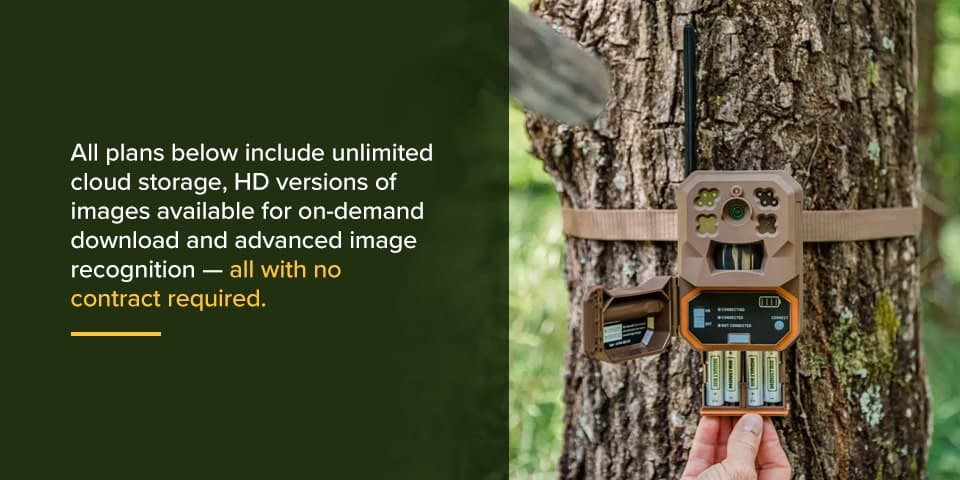
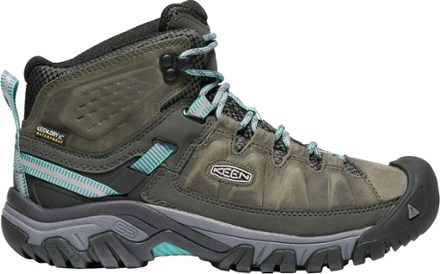 KEEN Targhee III Waterproof Mid Hiking Boots
 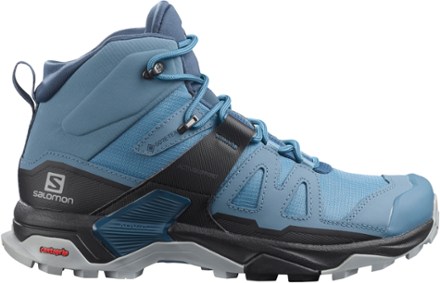 Salomon X Ultra 4 Mid GORE-TEX Hiking Boots
 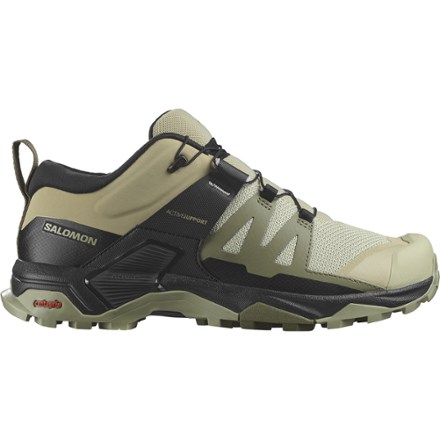 Salomon X Ultra 4 Low Hiking Shoes
 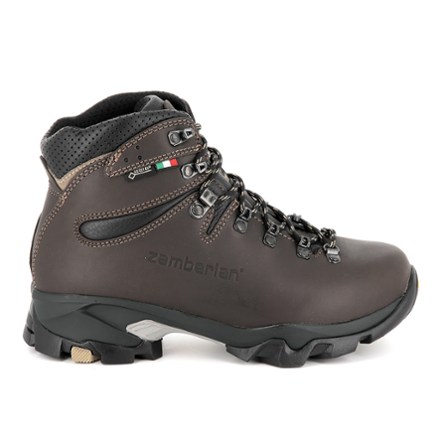 Zamberlan Vioz GTX Hiking Boots
 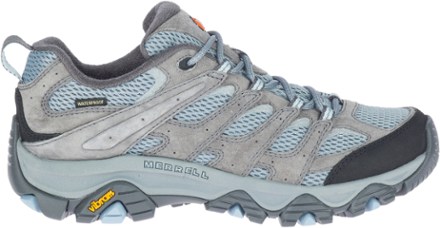 Merrell Moab 3 Waterproof Hiking Shoes
 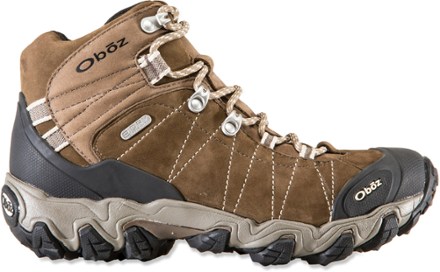 Oboz Bridger Mid Waterproof Hiking Boots
 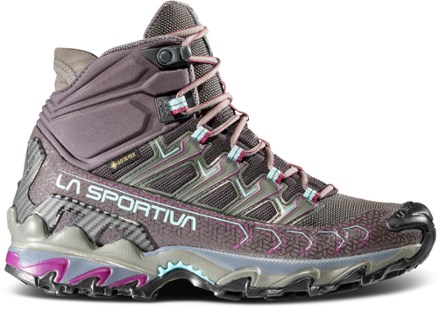 La Sportiva Ultra Raptor II Mid GTX Hiking Boots
  Altra Lone Peak Hiker 2 Hiking Boots