



Home Blog Page 135

Birdshot vs. Buckshot | What’s the Difference?

0

This article takes you over the differences between birdshot and buckshot, giving you a better idea of what each round can do. You can think of it as your ultimate guide to shotgun ammo.

The main difference between birdshot and buckshot is their penetrating power. Buckshot pellets are larger and can penetrate two or three walls, while birdshot pellets are smaller and don’t have much penetration power. However, both rounds are lethal at close range.

Now, let’s define each type of ammo and then discuss the differences as well as the pros and cons.

What Is a Birdshot?

Birdshot is a type of shotgun ammunition that is used for hunting birds. The pellets are small and numerous, making them effective for taking down smaller game. The size of the shells also makes birdshot less likely to penetrate deeply into walls, making them a safer choice for home defense.

Birdshots can be identified by their size designation. They’re typically marked with a number from 6 to 8, which refers to the size of the pellets in millimeters. As the size of the pellets decreases, so does their range.

Most people use birdshot for hunting game birds like quail, dove, and pheasant. However, it can also be used to take down small mammals like rabbits and squirrels. It can also penetrate an unprotected human torso up to about 25 yards (23 meters).

What Is a Buckshot?

Buckshot is a type of shotgun ammunition larger in size than birdshot. It comprises lead or steel pellets that are typically about .25 inches (6.35 mm) in diameter. This size allows them to travel further and do more damage than birdshot.

The easiest way to tell the difference between birdshot and buckshot is by judging their size. Birdshot will be much smaller than buckshot. And while birdshot can cause damage, buckshot is specifically designed for hunting purposes, as it can take down larger targets.

This ammo is particularly popular for deer hunting, as the larger pellets are more likely to cause a lethal wound. Buckshot is also available in a variety of different sizes, making it a versatile choice for any hunter.

Differences Between Birdshot and Buckshot

Aside from their penetrating power, buckshot and birdshot are also used for different purposes. Here’s everything you need to know:

Pattern Spread

Birdshot spreads out more than buckshot, making it ideal for home defense or hunting small game. Still, many pellets will concentrate in the middle, resulting in significant damage. The pattern will also spread out further if the shotgun is fired at a distance.

On the other hand, Buckshot doesn’t spread as much as birdshot and will penetrate deeper. It’s suitable for hunting larger game but would be risky in a home defense situation. A lead pallet could pass through several walls, injuring family members or neighbors.

Related Pump Action vs. Semi-Auto Shotgun for Hunting | Pros and Cons.

Range

The range for birdshot is also shorter than for buckshot. Buckshot can travel up to 500 yards (457 meters) before it loses power, while birdshot is effective for about 30 yards (27 meters).

This means that if you’re hunting deer, buckshot is a better option. However, birdshot is a better choice if you’re going after a smaller game or want to use your shotgun for home defense.

Price

Birdshot is also cheaper than buckshot, making it a more affordable option for many shooters. The main reason for this price difference is that buckshot is produced with solid lead pellets. Birdshot pellets are typically made with a steel core covered in a thin layer of lead.

This material difference also accounts for the difference in penetration power. Buckshot will cause more damage than birdshot, but birdshot is still lethal at close range. In the end, it all comes down to what you’re using your shotgun for.

Stopping Power

Buckshot is also more effective than birdshot when it comes to stopping power. A single buckshot pellet can take down an animal, while birdshot will usually just injure it.

This is why buckshot is the preferred choice for hunting large game.

Size of Pallets

The size of the pallets is also a consideration you’ll want to keep in mind when making a choice. Buckshot pellets are typically 9mm in diameter, while birdshot pellets are between .2 and .3 inches (6 and 8mm).

This difference in size means there are more pellets in a buckshot cartridge than in a birdshot one. As you can imagine, with more shells, come more chances to reach your target.

Buckshot and Birdshot in Green Gunpowder

Pros and Cons of Birdshot

Here are a few of the pros and cons of using birdshot:

Pros Cons

Pros and Cons of Buckshot

Buckshot also has its pros and cons. Here are the most relevant ones:

ProsCons

12 Gauge vs. 20 Gauge Shells

When choosing shotgun ammo, you have two main options: the 12 gauge or the 20 one. But how can you decide which one is right for you?

The 12 gauge shell is the most popular choice, as it’s larger and more powerful than its 20 counterpart. It can take down bigger targets and has a longer range. However, it’s also more expensive and more challenging to handle.

This shell can be found in birdshot, buckshot, and slug varieties. The slug is a single projectile designed for larger targets like bears, while the birdshot and buckshot are designed for smaller game.

The 20 gauge shell is smaller and less powerful than the 12. However, it’s more affordable and easier to handle, making it a better choice for beginners or those who aren’t as experienced with shotguns.

This shell is available in birdshot and buckshot varieties, with the birdshot being ideal for hunting small game.

So, which one should you choose?

It really depends on your needs and what you plan to use your shotgun for. If you’re looking for a powerful shell that can take down big targets, then the 12 gauge is the right choice for you. However, if you’re looking for an affordable home defense round, the 20 gauge is the way to go.

No matter which one you choose, make sure to practice with your shotgun so that you’re familiar with its recoil and handling. This will help you be safer and much more accurate when you use it.

Related 6 Best Shotguns for Beginners.

Other Calibers of Shotgun Ammo

While the 12 gauge and 20 gauge shells are the most popular choices, other calibers of shotgun ammo are also available. Here are a few of the most common ones:

  • .410: This is a small caliber shotgun often used to hunt small game. It’s less powerful than the 12 and 20-gauge shells but is more affordable and easier to handle.
  • .357: This is a handgun cartridge that can also be used in a shotgun. It’s more powerful than the .410 but less powerful than the 12 gauge.
  • .45: This is a large caliber cartridge designed for hunting large game. It’s more powerful than the .357 but less powerful than the 12 gauge.
  • .10: This is the largest caliber shotgun shell available and is more powerful than the 12 gauge. It is often used for hunting large game such as bears and deer.

What Is the Length of Shotgun Shells?

The length of shotgun shells can vary, but they are typically about 2.5 to 3 inches (63.5 to 76.2 mm) long. This length includes the shell casing and the projectile.

Shell length is a crucial factor to consider when choosing a shotgun for home defense. You want to make sure that the shell is long enough to fit comfortably inside your gun, while not getting stuck in the barrel.

It’s also important to consider the length of the projectile. The longer the projectile, the more extensive the distance it can travel. Therefore, if you’re looking for a shell with an extended range, you’ll want to choose one with a longer projectile.

Choose the shell that best suits your needs, and, as always, make sure to practice with it so that you’re familiar with its recoil and handling.

What Is a High or Low Brass Shell?

When looking for shotgun ammo, you’ll likely often see the terms “high brass” and “low brass” thrown around. But what do they mean?

The term “high brass” is used to describe shotgun shells made up of higher-quality brass. This type of brass is stronger than its lower-quality counterpart used in low brass shells. Low-quality shells are made from poor-quality brass. They’re of inferior quality but less expensive.

High brass shells are much more expensive, but they offer significantly more power and a longer range. They’re often used for hunting large game.

Low brass shells are typically used for target shooting and home defense. They offer less power than their counterpart, but are more affordable and easier to handle.

Related 2 3/4 vs 3 Inch Shells | Which Should You Choose?

Low Recoil Shotgun Loads

Father teaching son to use a shotgun

If you’re looking for a shotgun load that has less recoil, you’re in luck! In today’s market, there’s no shortage of highly efficient, easy-to-use rounds that cause little to no recoil.

Low recoil rounds are designed to reduce the amount of pushback you feel when you shoot.

This quality makes them excellent for beginners looking to gain a bit of accuracy when they shoot. Additionally, they’re also great for more experienced, but smaller-bodied folks who are looking to handle their firearm with a bit more ease.

Low recoil rounds are available in both birdshot and buckshot varieties; however, they’re not as powerful as regular rounds, so they aren’t the best choice for those looking to hunt larger game.

However, they’re very well-suited for target shooting or home defense. Therefore, if you’re looking for a load that will minimize pushback and makes it easier for you to shoot accurately, low recoil rounds are a smart choice.

Lead-Free Birdshot or Buckshot Shells

While it is not currently possible to get birdshot or buckshot shells that are 100% lead-free, some rounds come close.

Lead-free birdshot shells are available in steel rounds. These rounds are not as powerful as lead birdshot shells, but they’re still effective for hunting small game.

Lead-free buckshot shells are available in copper or steel shot. Although these rounds are not as powerful as lead buckshot shells, they’re still effective for hunting large game.

If you’re looking for a lead-free option that is still effective for hunting small and large game, then steel or copper birdshot or buckshot shells may be worth a try.

What Is the Best Shotgun for Home Defense?

Remington-870-Pump-Action-Shotgun
Remington 870

The best shotgun gauge for home defense is usually short-range and lighter. For example, birdshot would be a better alternative than buckshot. However, the ideal choice for you will depend on your gun experience and your personal preferences.

For those who are new to shotguns, a 20 gauge may be a better choice. It has less recoil than a 12 gauge, making it easier for you to shoot accurately.

On the other hand, if you’re experienced and prefer a more powerful round, then a 12 gauge may be a better choice.

I want to reiterate that regardless of your experience level or preferences, it’s crucial to practice with your chosen shotgun before relying on it for home defense. Doing so can help you be much better prepared if you ever need to use it in a real-world situation.

Parting Shot

The shotgun is a versatile weapon that many hunters, law enforcement agents, and even homeowners carry to protect themselves. However, the type of ammunition available for these shotguns can differ depending on what the user is looking for.

Birdshot pellets are smaller, and the shotgun is typically used for hunting small game such as birds. Buckshot has larger shells and is used for hunting larger game. Whatever you choose, make sure to be proficient in handling and shooting the ammo and firearm you select.

For more, check out The 9 Best Shotguns for SHTF.
Post-Kill Rituals: Matters of the Heart

0

Hunting’s post-kill rituals aren’t spontaneous gestures like high-fives or war-whoops, but perhaps that’s where they began.

Maybe those instinctive, visceral celebrations evolved as ancient hunters and their tribes considered what they gained at the animal’s expense. From there, things got complicated as time and culture took hunters’ thoughts and hunting’s utilitarian tasks, and shaped them into formal tributes to the animal’s life and the meat it provided.

That process created ceremonies—large and small, personal and communal—to instill and sustain ancient reverence. Maybe that’s why post-kill hollering, laughing and chest-thumping can appear disrespectful to others. Ignoring post-kill tributes—even those silent and subtle—suggests we’ve forgotten the old ways, never took time to learn them, or never knew of them in the first place.

Either way, today’s post-kill rituals are rooted in history and traditions, and mostly of European or Native American origins. The Germans, for instance, prayed to St. Hubert, the patron saint of hunters. They built forest chapels on their hunting lands and made worship mandatory. American Indians, meanwhile, have long dropped pinches of tobacco onto the animal’s body to offer respect, believing that tobacco—crumbled or smoked—connects them to the spirit world.

Many hunters still practice post-kill rituals, borrowing from history, other cultures and their own imaginations to honor the fact that life requires death, which warrants respect. With that in mind, here are some post-kill rituals you might recognize.

Blooding: This common ritual varies widely, but usually involves a parent or the camp’s senior member taking blood from a hunter’s first kill and applying it to his or her face. Some elders carefully streak the hunter’s cheeks with a blooded finger, while others hastily smear blood all over the hunter’s face.
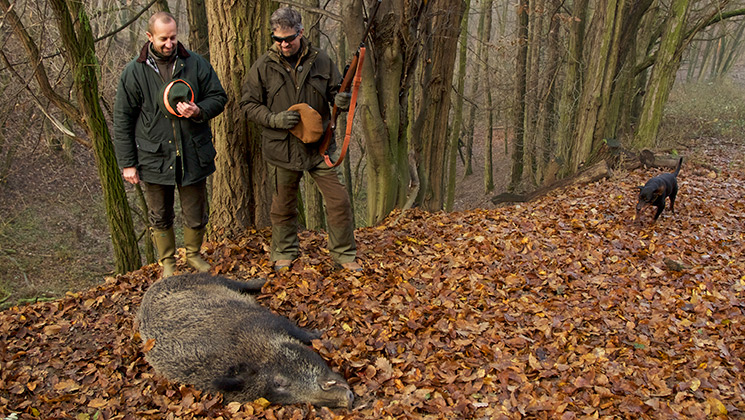

This rite traces back to the 700s A.D. as a tribute to St. Hubert. To receive the patron saint’s blessing for the kill, the group placed a knife in the animal’s fatal wound to coat it in blood. One of them then used the knife to gently apply red crucifixes on the hunter’s forehead and both cheeks. The hunter then accepted everyone’s congratulations.

Joe Hamilton, director of development for the Quality Deer Management Association, recalls a similar ritual from his younger days. In this case, an older hunter explained the symbolism while applying blood: The streak down the first-timer’s nose honored the quarry’s sense of smell; a second streak over one eye honored the quarry’s sense of sight; a final streak over the other eye honored the hunter’s accomplishment. “They honored the hunter for being quiet, patient and stealthy to overcome the animal’s natural defenses,” Hamilton explains.

Horn Blowing: Houndsmen hunting deer often blew horns to communicate with the dogs and each other. To make the sounds, they used everything from a bull’s actual horn sheath, to horns or bugles made of brass or pewter. Today many huntmasters in Europe still blow horns to communicate to their charges. Some American hunters do, too. Regardless where it’s blown, the sound of a horn reverberating through a hardwoods swamp or a deep forest can make the hair on hunters’ arms stand up.

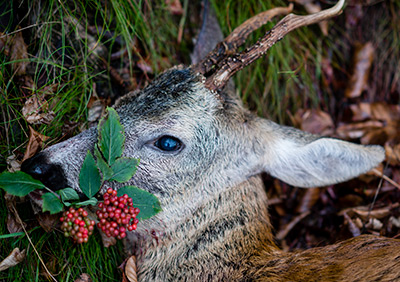
The Last Bite: The “letzebissen” or “letzer bissen” is practiced in Austria, Holland and Germany, and by some Americans. Valerius Geist, 78, of British Columbia, is a retired zoology professor and hunting authority who was raised in Germany and Austria. Geist says Germans break (never cut) a twig from one of five tree species in descending preference: oak, pine, spruce, fir and alder. With the animal placed on its right side, they pull the broken twig through its mouth from one side to the other and leave it clamped between its jaws.

Eating Raw Liver: Al Hofacker, founding editor of Deer & Deer Hunting magazine, recalls hunters in 1960s-era deer camps in northeastern Wisconsin that brought the liver of their first kill back to camp each year. “At night they’d slice small pieces of the raw liver and each eat a piece,” he says.

Slitting the Throat: Hofacker also recalls a once-routine practice he could never explain. “Decades ago it was common to slit the deer’s throat before field-dressing it,” he says. “It never made sense because the heart has stopped beating, but they thought they were ‘bleeding it out.’ That’s pretty much gone now.”

Meat, Skulls, Shoulder Mounts: Long after the kill, hunters continue honoring their quarry by cherishing and consuming its meat, and displaying its skull or full-shoulder taxidermy mount. Such honors, however, are easily tarnished. “You should never desecrate head mounts by placing cigarettes in the mouths, sunglasses over the eyes, or hats or Santa Claus caps on their heads,” Geist says. “You also don’t sit on the animal’s body after you’ve killed it. That dishonors the creature.”

This is obviously an incomplete list, but perhaps it reminds us that honoring our quarry is largely a matter of the heart. And that, Geist says, should focus on the kill itself.

“Rituals aren’t a bad idea; I see their value,” Geist says. “But you show the utmost respect by concentrating on killing the animal quickly. Hunters’ conduct toward wildlife and nature should be consistent with their conduct toward other humans.”

How To Skin A Raccoon

0

Learning how to skin a raccoon is not a difficult task.

With a few simple tools and a little patience anyone can learn how to skin, flesh, stretch and dry a raccoon pelt.

One of the biggest mistakes made during the fur harvesting process occurs during the skinning or fleshing of the furbearer.

Why is this stage so important?

Improperly skinning the animal can decrease its value or even worse, make it worth nothing at all.

Proper fur handling is an important step that everyone should understand.

Not only will you feel a sense of pride or satisfaction from a job well done, you’ll also get a better price from the fur buyer for all your hard work.

There are two basic ways to skin a furbearer……open and cased.

“Open” describes a method used to skin beaver or badger where a cut is made down the belly and the pelt is tacked out flat.

“Cased” is the most common method of skinning a furbearer.

Muskrats, mink, coyotes, fox, raccoons and many other animals are skinned this way.

Cased furs are processed by cutting a slit in the animals hide from one hind foot pad to the other.

A small slit is made in the tail and the tailbone is removed leaving the tail fur attached to the pelt.

Then, the pelt is removed from the animal in a process that’s similar to taking off your shirt or socks.

Once the hide is removed it’s then fleshed, stretched and allowed to dry.

How To Skin A Raccoon

Although it’s pretty easy to remove the skin from a raccoon, they contain a lot of fat which sometimes makes the fleshing process a little time consuming and messy.

Before you begin, I recommend wearing a pair of latex surgical gloves during the entire process.

The rubber or latex gloves not only keep your hands clean, but they also protect you from various diseases that raccoons have been known to carry.

I’ve also found using a thin bladed skinning knife or pocket knife, like a Buck or Old Timer knife, with a sharp blade works the best.

How To Skin A Raccoon Step-By-Step Process

To begin cut around the front and rear ankles where the fur meets the top of the foot.

Next, starting at the hind foot pad, on the inside of the foot just above the heal, cut straight across the body just above the vent or anus.

Cut all the way across in a straight line to the opposite foot pad.

In a “V” shape cut around the vent on both sides and then cut about a 3-4 inch slit along the underside of the tail.

Using your knife and hand pressure, remove the skin from around the legs far enough so you can attach a skinning gambrel or other similar device around its rear legs so the raccoon can be hung upside down.

Using your knife to remove any connective tissue, work the hide off the legs, around the cuts near the vent and around the cut on the tailbone.

Expose a couple inches of the tailbone and remove the tailbone using a tail stripper.

For best results use a push/pull motion with your hands and the tail stripper.

At this point you can pretty much grab the hide and pull it down like a sock, using your knife to cut away any connective tissue that gets in the way.

When you reach the front arms, work the hide around the elbow and stick your fingers between elbow/armpit area until you can pull the hide down off the front wrists.

Do this on both front legs.

While pulling down on the fur, remove the fur from around the head until you reach the ears.

Cut off the ears leaving them attached to your “cased” skin.

Using the ear holes for leverage, continue to pull the pelt down and cut around the eyes, lips and finally cut the pelt off at the nose.

That’s it!

The skinning process is now done and you’re ready to flesh.

How To Skin A Raccoon – Flesh Removal

Place the cased raccoon skin over your fleshing beam, flesh side out.

Using a small clamp to clamp the nose area will keep the pelt from slipping over the end of the fleshing beam.

Position the pelt evenly on the beam and begin to slowly remove the flesh and fat with the sharp part of your fleshing knife.

Start at the base of the ears and slowly work your way down the pelt using a slight slicing motion with your knife.

Necker Fleshing Knife

Once the fat starts coming off you can turn your knife over to the dull edge and push away from your body, removing the fat from the hide.

Flesh about half way down the pelt and then rotate the pelt on the fleshing beam.

Continue fleshing the pelt until all flesh and muscle has been removed.

Once the hide has been fleshed the final step is to stretch and dry the fur over either a board or wire stretcher.

Overall – How To Skin A Raccoon

Learning how to skin a raccoon the proper way will ensure the you get the maximum amount of money when you take your furs to a buyer.

Take your time, do a good clean job, and your hard work will be rewarded.

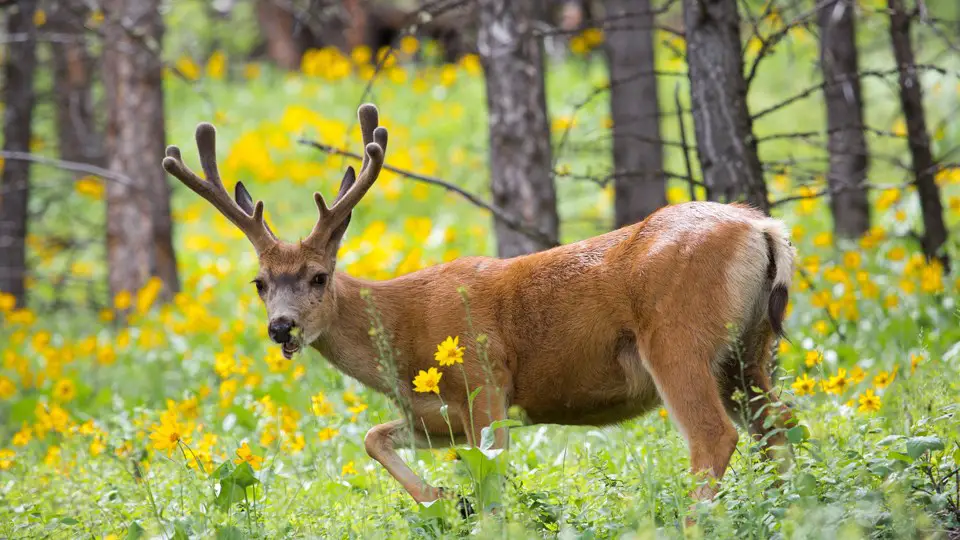
What Do Deer Eat in Summer?

0

“What Do Deer Eat in Summer? Discover the Dietary Preferences of Deer During the Warm Season. Explore their Natural Diet and Learn How They Adapt to Find Nourishment in Lush Environments.”

1. “Exploring the Summer Diet of Deer: What Do They Eat?”

1. "Exploring the Summer Diet of Deer: What Do They Eat?"

Deer have a diverse and ever-changing diet, and their preferences shift with each season. During the summer months, when there is an abundance of food available, deer can consume anywhere from three to ten pounds of food daily. Their food consumption remains fairly consistent during this time but may increase in the fall as they prepare for winter. So, what exactly do deer eat in the summer?

According to a study from the University of Missouri Extension, whitetail deer have been found to dine on over 600 plant species. In a single day, they can consume up to 20 different types of plants to gather necessary nutrients. The plentiful supply of food during the summer makes it easy for them to eat as much as they want.

However, it’s important to note that deer typically avoid well-established crops such as corn, soybeans, oats, wheat, and alfalfa. If they do go after these crops, they will preferentially eat ones that have fallen on the ground. These crops serve as snack-time satisfaction for them. Mushrooms can also be consumed as snacks during the summer months.

Deer also feed on various fruits such as those from ash trees, hemlock trees, sumac trees, maple trees, and aspen trees. They also enjoy ground-bearing fruit like strawberry and raspberry plants. Additionally, deer may feed on fruit trees such as plum bushes, pears, apples, and crab apples during the summer months.

Protein is an essential aspect of a deer’s diet. Females require high levels of protein before giving birth and during lactation periods. Bucks need protein for antler regrowth during spring and summer months. To meet their protein needs, deer often feed on winter wheat, soybeans, rye grasses, brassica plants (such as kale or turnips), clover, and alfalfa. Generally, deer will feed on as many plant species as they can find close to the ground.

Deer are known to forage for their meals at dawn and dusk when they believe there are no predators around. They move about frequently, rapidly feeding on available food sources before moving on to another area. While they primarily browse for their meals, deer also consume fruits when available.

In conclusion, deer have a wide range of food options during the summer months. They eat various plants, fruits, and even mushrooms. Their diets consist of both carbohydrates and protein-rich foods to meet their nutritional needs. Deer are opportunistic feeders and will consume almost anything they can find close to the ground.

2. “Unraveling the Mystery: What Deer Feed on During the Summer Months”

2. "Unraveling the Mystery: What Deer Feed on During the Summer Months"

Deer have a diverse diet that changes with each season, and the summer is no exception. During this sunny season, deer have an abundance of food to choose from, allowing them to eat as much as they want. According to a study from the University of Missouri Extension, whitetail deer can consume over 600 plant species in a day. They eat as many as 20 different plant varieties to gather the necessary nutrients.

While deer are known for their ability to devour crops, it’s important to note that they typically avoid snacking on well-established crops like corn, soybeans, oats, wheat, and alfalfa. If they do go after these crops, they will prefer the ones found on the ground. Deer also enjoy mushrooms as snacks during the summer but tend to eat more during the fall season.

In addition to plants, deer also feed on fruits from trees such as ash, hemlock, sumac, maple, and aspen. They also indulge in ground-bearing fruits like strawberries and raspberries. These fruits provide carbohydrates for deer during the summer months.

Protein is another essential aspect of a deer’s diet. Females require high levels of protein before giving birth and during lactation. Bucks need protein to regrow their antlers in preparation for mating season. To meet their protein needs, deer feed on winter wheat, soybeans, rye, brassica, clover, and alfalfa.

Deer are opportunistic feeders and will consume almost anything they can find close to the ground. They browse on grass varieties in spring but prefer soft stems during summer. Additionally, they may also feed on lichen and forms at specific times of the year.

Overall, deer have a varied diet in the summer months consisting of plants, fruits, and protein sources. They are constantly foraging for food, usually at dawn and dusk when they feel there is no predator around. Their ability to adapt their diet to the changing seasons allows them to thrive in different environments.

3. “Understanding the Palate of Deer in Summer: Their Favorite Foods Revealed”

During the summer, deer have a wide variety of food options available to them. According to a study from the University of Missouri Extension, whitetail deer are known to dine on over 600 plant species. This means that in a single day, deer can consume as many as 20 different types of plants to gather the necessary nutrients.

Deer take advantage of the abundance of food during the summer and can eat as much as they want. However, it’s important to note that deer typically avoid well-established crops like corn, soybeans, oats, wheat, and alfalfa. If they do consume these crops, they prefer to eat ones that are found on the ground rather than directly from the plant.

In addition to ground-based crops, deer also enjoy snacking on mushrooms during the summer. While they may eat some mushrooms during this season, their consumption tends to increase during the fall months.

Deer also have a preference for fruits from various trees such as ash, hemlock, sumac, maple, and aspen. They also feed on ground-bearing fruits like strawberries and raspberries. These fruits serve as a source of carbohydrates for deer during the summer.

When it comes to protein intake, female deer require higher levels of protein weeks before giving birth and during lactation. Bucks also need protein for antler regrowth in summer and spring. To meet their protein needs, deer often feed on winter wheat, soybeans, rye, brassica plants (such as kale or turnips), clover, and alfalfa.

Overall, deer have a diverse diet in the summer months. They will eat almost anything they can find close to the ground including corn, soybeans, rye grasses legumes berries bark and more.

Please note that while lichen and fungi may be part of a deer’s diet, they tend to seek these out during specific times of the year, particularly in winter.

In conclusion, deer have a varied and adaptable diet during the summer months. They consume a wide range of plant species, including fruits from trees and ground-bearing plants. Protein is also an essential part of their diet, with females requiring higher levels during certain periods. Deer are opportunistic feeders and will eat almost anything they can find close to the ground.

4. “From Fruits to Bark: Discovering the Varied Diet of Deer in the Summer”

During the summer, deer have a diverse diet that includes a wide range of plant species. According to a study from the University of Missouri Extension, whitetail deer can consume over 600 different types of plants. In order to gather adequate nutrients, they eat as many as 20 different plant varieties in a single day. The abundance of food during the summer allows them to eat as much as they want.

While deer may snack on crops such as corn, soybeans, oats, wheat, and alfalfa, they typically prefer to eat those that are found on the ground. These crops serve as a form of snack-time satisfaction for them. Mushrooms can also be consumed as snacks, although deer tend to eat more during the fall season than in the summer.

In addition to crops and mushrooms, deer also feed on fruits from trees such as ash, hemlock, sumac, maple, and aspen. They also enjoy ground-bearing fruit like strawberry and raspberry plants. These fruits provide carbohydrates for deer during the summer months.

Deer are known for their preference for soft stems during the summer. While they may feed on grass varieties in the springtime, they opt for soft stems during the sunny season. They also feed on fruit trees such as plum bushes, pears, apples, and crab apples.

Protein is an essential aspect of a deer’s diet. Female deer require high levels of protein before giving birth and during lactation. Bucks need protein to regrow their antlers in preparation for mating season. To fulfill their protein needs, most deer feed on winter wheat, soybeans, rye, brassica plants (such as kale or turnips), clover, and alfalfa.

Overall, deer have a varied diet in the summer that includes corns soybeans,r, rye, alfalfa, berries, bark, legumes, and many more. They also feed on apples, crab apples, plum bushes, and mushrooms. Deer are opportunistic eaters and will consume almost anything they can find close to the ground.

5. “Summer Feasting: A Look into What Deer Eat During Sunny Seasons”

During the summer, deer have a wide variety of food options available to them. They have an incredible palate and can consume anywhere from three to ten pounds of food daily. Their diets change with each season, and in the summer, they take advantage of the abundance of food.

According to a study from the University of Missouri Extension, whitetail deer can eat over 600 plant species. In a single day, they may consume up to 20 different plant varieties to gather the necessary nutrients. The summer provides them with plenty of options for their meals.

While deer will not typically snack on well-established crops like corn, soybeans, oats, wheat, or alfalfa, they may eat those that have fallen on the ground as a form of snack-time satisfaction. Mushrooms can also be included in their snacks during the summer months.

Deer also enjoy fruits from various trees such as ash, hemlock, sumac, maple, and aspen. They also feed on ground-bearing fruits like strawberries and raspberries. Fruits provide them with carbohydrates during the summer.

Protein is another essential aspect of a deer’s diet. Females require high levels of protein before giving birth and during lactation periods. Bucks need protein to regrow their antlers during the summer and spring months. To meet their protein needs, deer often feed on winter wheat, soybeans, rye, brassica plants (such as turnips), clover, and alfalfa.

Deer are opportunistic eaters and will forage for their meals at dawn and dusk when they believe there are no predators around. They move about frequently and may rapidly feed on one type of plant before moving on to another area.

In summary, during the summer months, deer will eat a variety of foods including corn (found on the ground), soybeans, rye, alfalfa, berries, bark, legumes, apples, crab apples, plum bushes, and mushrooms. They have a diverse diet and will consume almost anything they can find close to the ground.

Note: This article is based on the information provided in the given content and does not reflect personal opinions or experiences.

6. “Feeding Habits Unveiled: What Do Deer Consume in the Summertime?”

Deer’s Varied Summer Diet

During the summer, deer have a wide range of food options available to them. According to a study from the University of Missouri Extension, whitetail deer can feed on over 600 plant species. This allows them to consume as many as 20 different plant varieties in a single day in order to obtain the necessary nutrients. With an abundance of food during this season, deer have the freedom to eat as much as they want.

Preference for Snacks and Fruits

While deer will eat almost anything they can find close to the ground, they tend to avoid well-established crops. If corn, soybeans, oats, wheat, or alfalfa are present, they will typically opt for those that have fallen on the ground. These become their preferred snacks. Additionally, deer also enjoy fruits from trees such as ash, hemlock, sumac, maple, and aspen. They also feed on ground-bearing fruit plants like strawberries and raspberries.

Dietary Needs and Foraging Behavior

In terms of nutritional needs during the summer months, protein is essential for both male and female deer. Females require high levels of protein during pregnancy and lactation periods while bucks need it for antler regrowth. To meet their protein requirements, deer often feed on plants such as winter wheat, soybeans, rye, brassica (cabbage family), clover, and alfalfa.

Deer typically forage for food at dawn and dusk when they feel safer from predators. They move around frequently and may quickly consume a small amount of food before moving on to another area.

Other Dietary Considerations

Apart from plants and fruits, deer may also feed on lichen and moss. However, they tend to seek these out during specific times of the year, particularly in winter. Overall, deer have a diverse diet and will eat almost anything they can find closer to the ground.

In conclusion, deer primarily feed on a variety of fresh vegetation during the summer months. Their diet consists of grasses, leaves, and tender shoots from plants such as clover, dandelions, and wildflowers. While they may also consume fruits and berries when available, their main source of sustenance remains the abundant plant life found in their natural habitat.

How to Salt Cure Minnows – Preserving Minnows

0

Preserving Chub, Shinners & Sucker Minnows with Table Salt

You may ask yourself; what is the big deal about salted minnows? Why am I hearing more and more about fishing with salted minnows? I’ll answer that question!

First of all, in some Canadian provinces and many American states, it is illegal to use live bait on some lakes or you can’t use minnows unless they were caught in the lake you are fishing. It’s also illegal to transport live bait or bring live bait into a state, provincial or national park. It’s to stop the spread of invasive and invading species such as the Round Goby or the Rusty Crayfish. That’s one reason to fish with salted minnows.

The second reason is they work fantastic. Walleye, Northern Pike, Muskie, Smallmouth Bass, Largemouth Bass and Lake Trout and many other freshwater fish go crazy for salted minnows. The reason they go crazy is the salt! When a fish swims the muscles produce excess static electricity and there is a special chemical in the skin along the lateral line that discharges this static electricity is the form of ions. Predatory fish have sensors under their bottom jaw that detect these ions and salt mimics the ions. So when fish detect the salt, the dinner bell rings.

How to Salt Cure Minnows: Salting minnows is very easy but I have seen people make a couple of small mistakes that resulted in parts of the minnow rotting before it becomes salt-cured.

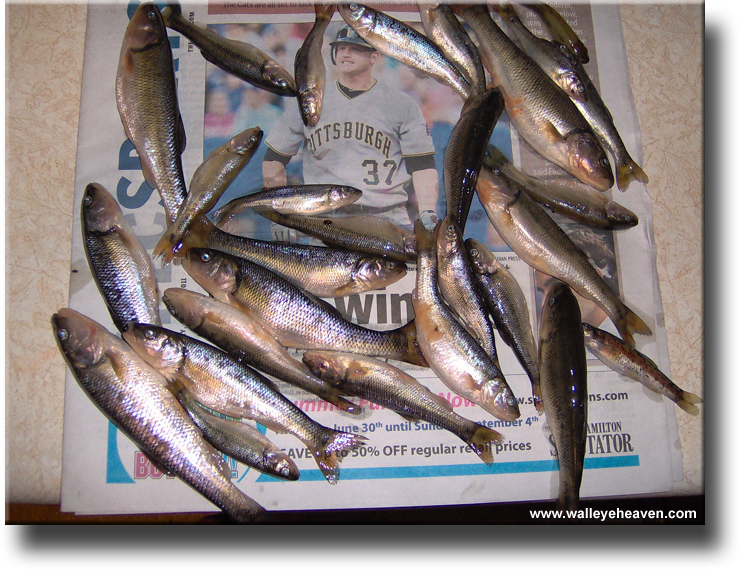
Step 1) Go to the local creek and catch some minnows or buy minnows at your local bait store. Minnows that are too big take a long time to cure and may rot so finger size or smaller is best. Leave your minnows on a newspaper to dry for a couple of hours. You don’t want them to be wet or they may form a crusty coating, which stops the curing process. Minnows bigger than your finger should be scaled and gutted, especially if they are Shinners or other fish with big scales.

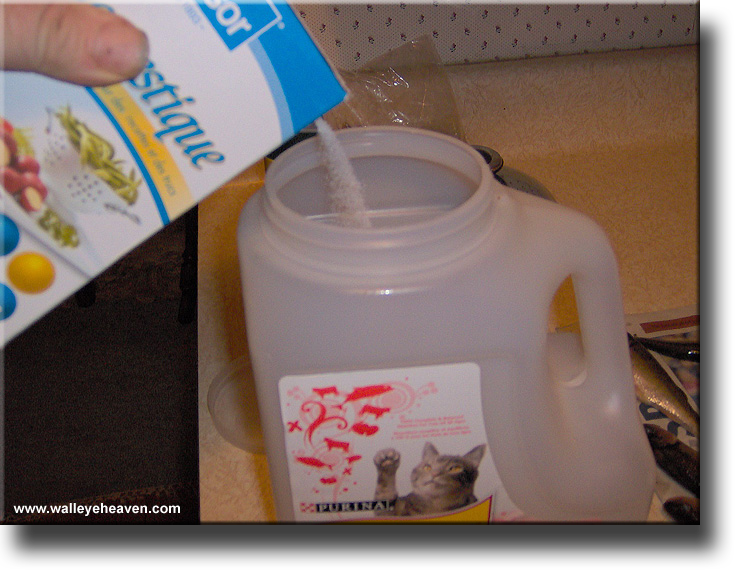
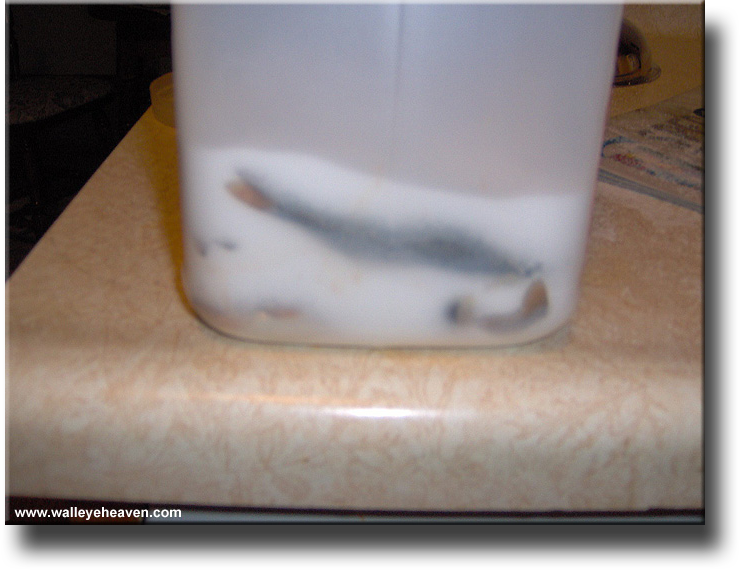
Step 2) Get a container that is at least semi-transparent and has an air-tight lid. Pour about 1/2 inch of salt in the bottom. You can use table salt or pickling salt. Do not use rock salt.

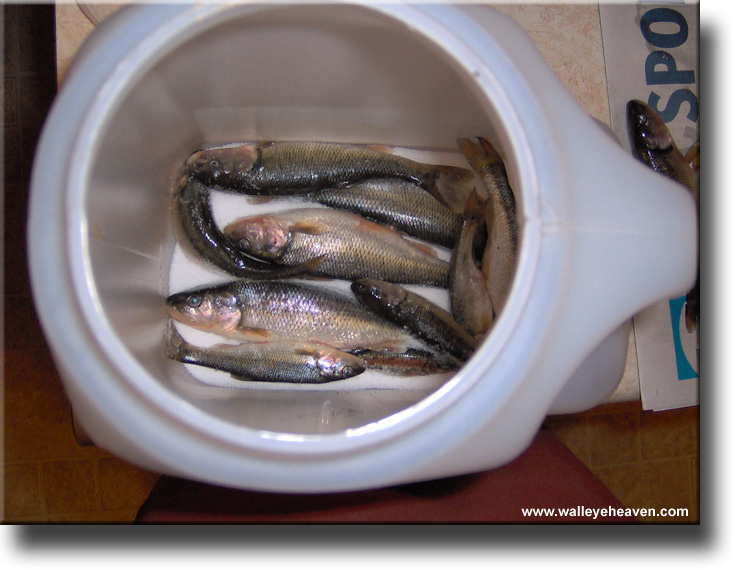
Step 3) Place a layer of minnows on the salt. Make sure they are on the salt and not on each other. Cover the first layer with minnows then cover them with another 1/4 inch of salt.

Step 4) The reason you want a container that is at least semi-transparent is to see if you have minnows touching the sides with no salt touching parts of the minnow. You need to grab a fork and nudge the minnows away from the side and let the salt fall in. You want the minnow completely surrounded by salt and not pushed up to the sides of the container. Then you make sure there is a 1/4 inch layer of salt on top of the minnows and then add the next layer of minnows and keep repeating the process until your container is full of salt and minnows.

Step 5) Buy the wife something really nice, screw on the lid good and tight, put the salted minnows in the refrigerator and then give your wife the gift and at the same time you tell her you have minnows in the fridge. If you are generous with the salt and have an air tight lid, they should not smell at all and the wife will not give you a hard time. If you can’t keep them in the fridge, find the coolest spot possible.

Step 6 The night before you are going to use your dry salted minnows you can re-hydrate them by putting some in a plastic zip-loc bag and pour 100% pure Cod Liver Oil on them. After 12 to 24 hours they should re-hydrate and become plumper.

Fishing with Salted Minnows: With smaller minnows, it’s best to put them on a jig and very gently jig so you do not rip the minnow off the jig. Let the fish suck on the minnow for a few seconds before you set the hook. For the big minnows, it’s best to get bigger single hooks and a small sinker and just let the minnow sink to the bottom and then drag the minnow over the tops of rocks and weeds. When a fish hits, release your bail and let the fish take the minnow for 30 second to give the fish time to get all the minnow in its mouth. Also, many fish (especially Pike & Muskie) hit minnows by the side then spit it out to grab it again head first. So if the fish releases the minnow do not real in. Give him time to bit again.

I hope this page was helpful Gary

Pa. Board of Game Commissioners approve several changes to Red Tag Program

0

WILKES-BARRE — The Pennsylvania Board of Game Commissioners this week approved a host of changes that will improve the efficiency and effectiveness of the Agricultural Deer Control Program — better known as the Red Tag Program — which helps farmers address crop-damage issues through the hunting of antlerless deer.

“The Agricultural Deer Control Program is designed to allow farmers to manage the deer populations on their property,” said Game Commission Bureau of Wildlife Management Director Matthew Schnupp. “The changes adopted today make it easier for landowners to enroll in the program, while making it more convenient for hunters to participate through an expanded season and increased number of tags.”

The changes, which were recommended to the Game Commission by those who use the program, will become effective in November 2022.

Changes include:

• An individual hunter no longer would be limited to obtaining one permit for a Red Tag property; they could get up to four. The higher limit is consistent with that used in the Deer Management Assistance Program (DMAP), which also helps landowners meet deer-management goals through antlerless deer hunting. Hunters would be able to keep all deer they harvest.

• The summer period during which Red Tag hunting is closed (currently May 16 – June 30) would be expanded to April 16 – July 31. Permits would be valid from Aug. 1 through Sept. 15, then from Feb. 1 through April 15. Permits would be issued for the license year that begins July 1 and runs through June 30.

• Landowners no longer would be required to report Red Tag harvests. Instead, similar to DMAP, hunters would report for each permit regardless of harvest success.

• All licensed hunters, not just hunters who are Pennsylvania residents, would qualify for Red Tag permits.

• The red snap tags that are the namesake of the Red Tag Program, would be replaced with standard harvest tags issued through HuntFishPA.

• Landowners no longer would need to enroll in the Game Commission’s Hunter Access program before using the Red Tag program, and Red Tag properties no longer would need to be posted with signs.

Antlerless deer, elk licenses

The board voted to allocate 948,000 antlerless deer licenses statewide, which is up from the 925,000 licenses allocated for 2021-21.

Hunting licenses for 2022-23 go on sale in mid-June and become effective July 1. After hunters purchase a general hunting license, they may apply for antlerless deer licenses based on staggered timelines, which will be outlined in the 2022-23 Pennsylvania Hunting & Trapping Digest, to be given free to all license buyers.

The board also voted to issue 178 elk licenses (60 antlered, 118 antlerless) across three 2022-23 seasons. For the one-week general season to run Oct. 31-Nov. 5, 31 antlered and 70 antlerless tags have been allocated. In the archery season open only in select Elk Hunt Zones, to run from Sept. 10-24, 14 antlered and 15 antlerless licenses are available. And there are 15 antlered and 33 antlerless licenses available for the Dec. 31-Jan. 7 late season.

All elk licenses will be awarded by lottery, and hunters must apply separately for all seasons they wish to be eligible to hunt. Each application costs $11.97, meaning a hunter can enter all three drawings for $35.91. Individuals can be drawn for a maximum of one elk license per license year.

More turkey firearms restrictions considered

The Pennsylvania Board of Game Commissioners gave preliminary approval to a measure that would provide the Game Commission yet another tool to respond to below-goal turkey populations.

In years past, reducing the length of the fall turkey season was the primary method to increase turkey populations. But last year, the Game Commission eliminated the use of centerfire and rimfire rifles in fall turkey season, noting that relatively few hunters used rifles, but rifles were responsible for about one-third of the fall turkey harvest. That provides an additional means to protect turkey populations without reducing season length.

The measure the board preliminary approved would eliminate the use of other single-projectile firearms — muzzle-loading rifles and handguns, and slug guns — in the fall turkey season. It will be brought back to the July meeting for a final vote.

When eliminating the use of rifles in the fall turkey season, the Game Commission noted that relatively few fall turkey hunters used rifles. Survey data suggested only 14% of fall turkey hunters statewide primarily used rifles, but rifles were responsible for 33% of the harvest.

Eliminating the use of other single-projectile firearms in fall turkey season would seem to impact even fewer hunters. The Game Commission has observed very few fall turkey hunters afield with single-projectile muzzle-loaders or shotguns. At the same time, eliminating the use of those firearms in the fall turkey season works toward the Game Commission’s goal of finding methods other than season-length reductions to stabilize fall turkey harvest numbers.

“Season length adjustments are a part of managing wild turkey populations, and reducing season length sometimes is a necessity,” said Commissioner Scott Foradora, who represents District 3 in north-central Pennsylvania. “But through alternative methods such as restricting the firearms that can be used in the season, season length reductions might be avoided, giving all hunters the opportunity to spend more time in the woods.”

DMAP might be available on leased hunting lands

Lands where hunting rights have been leased and where a fee has been charged for hunting might soon be eligible to enroll in the Deer Management Assistance Program, commonly known as DMAP.

The Pennsylvania Board of Game Commissioners today gave preliminary approval to a measure that would change the regulation that excludes leased hunting land from the program. The measure will be brought back to the July meeting for a final vote.

DMAP enables public and private landowners to better address their own deer-management goals for properties. Lands enrolled in DMAP are allotted a number of antlerless deer permits that can be purchased by hunters.

Landowners can make the permits available directly from license-issuing agents, or they can choose to issue coupons that then are redeemed for permits. In either case, DMAP permits cost $10.97 each. Hunters can obtain no more than four permits each for properties where coupons are issued, and no more than two permits each for other properties. Each DMAP permit can be used to hunt and harvest an antlerless deer during any established deer season.

The change preliminary approved by the board wouldn’t have major impacts on the DMAP program, but would make a significant difference for landowners who now are excluded.

The Game Commission has determined only about 5% of hunting lands are leased. On those properties, however, the only tool landowners and lessees presently have to address deer-population concerns is WMU-based antlerless licenses allocations, which might not be enough.

Applying the same rules to leased lands and private lands enrolled in DMAP makes sense because public access isn’t required to enroll in the program. Additionally, restricting DMAP to certain lands to encourage public access historically did not lead to significantly more public access or the prevention of leased lands. Leased lands still exist and are part of the Pennsylvania landscape.

Measure could allow for new road-killed deer disposal option

Permitted professionals hired by those wishing to address nuisance-wildlife problems might soon receive authority to pick up and dispose of road-killed deer.

The Pennsylvania Board of Game Commissioners gave preliminary approval to a measure that would allow nuisance wildlife control operators, who already are regulated by the Game Commission, to offer road-killed deer pick-up from roadways and private property.

Presently, the responsibility for picking up and removing deer carcasses from roadways is split between the state Department of Transportation and the Game Commission, which sometimes hires contractors to collect and dispose of deer.

Each year, the Game Commission receives thousands of calls from the public concerning deer carcasses along roadways and on private property. The agency often will assign its wardens to collect and properly dispose of these carcasses as their schedules and work duties permit, which in some cases doesn’t meet residents’ expectations.

Nuisance wildlife control operators could provide the public an additional resource for road-killed deer removal.

The measure will be brought back to the July meeting for a final vote.

More than 1,000 acres added to game lands

The Pennsylvania Board of Game Commissioners today and recently approved of acquisitions that would add more than 974 acres to state game lands. Among them are:

• A 278-acre tract in Bear Creek Township, Luzerne County. This land, which adjoins State Game Lands 91, was offered by Natural Lands for the option price of $42,000 lump sum. Natural Lands can acquire the property through partnership grants provided by the Pennsylvania Department of Conservation and Natural Resources and the Open Space Institute.

• A 4.59-acre tract in Bell Township, Clearfield County. This parcel within State Game Lands 87 is being donated by Diversified Production LLC.

• A 158-acre parcel in South Londonderry and West Cornwall townships, Lebanon County, and Rapho Township, Lancaster County. This land, which adjoins State Game Lands 145, is being offered for donation by Natural Lands, which can acquire the property through partnership grants provided by the Pennsylvania Department of Conservation and Natural Resources and U.S. Fish and Wildlife Services.

• A 54-acre tract in Miller Township, Perry County.

• Two tracts totaling 192 acres in Greene and Whiteley townships, Greene County.

• A 288-acre tract in North Bethlehem and West Bethlehem townships, Washington County.

Additionally, the Game Commission acquired one-ninth interest in the 39.76-acre Lola L. Woodring estate property adjoining State Game Lands 311 in Benezette Township, Elk County.

The Game Commission also has acquired a portfolio of oil, gas and mineral rights in Erie Crawford, Venango, Forest, Warren, McKean and Elk counties. These interests, which were donated by Payday Holdings LLC, of Frisco, Texas, are not surveyed and have not had exhaustive title searches conducted. The commissioners accepted the donation by notational vote in December 2021.

Reach Bill O’Boyle at 570-991-6118 or on Twitter @TLBillOBoyle.

Best tinder for survival fires

0

This review focuses on tinder that’s appropriate to keep in a portable kit, such as your go-bag, EDC, or vehicle. They work just fine for home supplies too, but there are a few larger products — such as standard “fireplace starter logs” — that you can add when you have more storage space.

The easiest thing to do is buy an off-the-shelf tinder, practice with it, then throw it in your bags and you’re done.

But this is a category where it’s relatively easy to make your own tinder and save some money. If you’re so inclined, those DIY options are covered below, too.

Igniter reviews:

  • Lighters
  • Matches
  • Ferro rods / fire steels

Tinder summary:

  • Everyone should have tinder in their primary go-bag — even if you’re comfortable sourcing natural tinder in the field (you might not be able to when you need it!) There’s not much point in carrying an ignition source if you can’t actually turn it into a fire.
  • Most types of tinder are either a fiber (eg. cotton) or petroleum-based fuel.
  • You can make tinder at home, and they usually work fine, but the safest and easiest way to prep is to buy an off-the-shelf product. DIY instructions are down the page.
  • Mix multiple types of tinder so you can cover a wider range of conditions. A common combo is mostly the smaller fiber-based tinder with a few larger fuel cubes to handle harsh conditions.
  • Good tinder lasts for at least 1-2 minutes and still works when damp.
  • Remember to practice!

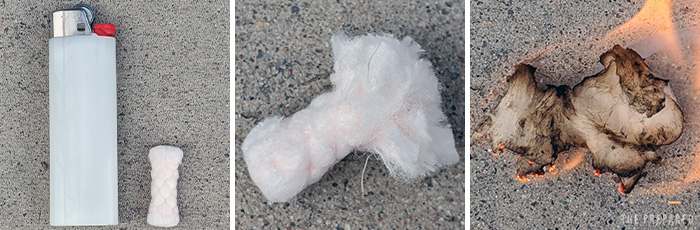
The best overall choice (and what many of us carry in our go-bags) are TinderQuik Firestarting Tabs. This popular product comes as no surprise to experienced bushcrafters and preppers. TinderQuik tabs are waterproof cotton that’s been condensed into a small package. To use, you simply break a tab apart with your fingers, making it fluffy and ready to catch a spark. Works well with all major ignitors.

At roughly $13 for a 50 pack, that’s $0.25 per fire. They’re small and light enough that you could carry all 50, although we generally recommend carrying at least 10-20 in the bug out bag checklist. 20 tabs only weigh around 0.5 ounces. TinderQuik tabs will last a minimum of 5 years, though if stored at room temperature can last a lot longer.

Fuel cubes, like the SOL All-Weather Fire Cube, can be a worthy upgrade when you need a very hot starter flame or expect to be dealing with conditions that make fires difficult (eg. you’re in a permanently-damp part of the world.) Roughly $0.60 per fire, or 2-3 times the cost per fire of the basic fibrous/cotton options. Burns for up to 12 minutes at a whopping 1,300 degrees Fahrenheit — perfect for drying out the wet kindling you’re trying to ignite or for directly heating a small stove or canteen to boil water. The cubes are individually wrapped, and weigh .2 ounces which makes it easy to throw one or three in your kit as a backup for your main tabs. We chose the SOL cubes over similar competitor UST Wetfire because the SOL burns twice as long, and unlike Coughlin’s Solid Fuel, tabs are individually wrapped.

If you like the idea of a larger product that you can cut down to size for each need, check out the Fat Rope Stick, a 6” long by 1.5” diameter tube of cotton rope that has been impregnated with a proprietary wax. The wax makes it waterproof and works as an accelerant. They’re pricey at around $17 for two ropes. If you use a common 0.5 inch per fire, that’s roughly $0.70 per fire. Lasts indefinitely when unopened and stored properly, with a claimed life of five years after the package is opened.

Paracord is already a universal staple used by almost every survival expert we know. Some fancier paracord comes with waxed-jute tinder wrapped inside the multi-stranded cordage — so you use it as plain cordage until you need to make an emergency fire, at which point you split open the cord and pluck out the tinder.

Although we don’t recommend relying on this as your primary tinder, UST’s ParaTinder 550 Utility Cord is one of the products we tested in the paracord review that has such a feature and stood up to our field abuse. So if you want to build in some extra redundancy by combining products / backups, the more expensive cordage is worth a look.

What is tinder and why you need it for fire starting

The easiest way to convince someone of the value of tinder is to ask them to make a fire by holding a match to a log. The match will die before the log ignites 99% of the time.

That’s why people use tinder and kindling as smaller intermediate steps, working their way from a single spark to a roaring flame. Which means the role of tinder is to catch the spark created by your ignitor, ignite quickly, and hold that flame until the kindling catches fire. Think of tinder like the toddler phase of a fire.

Remember the fire triangle:

fire extinguisher test

That’s why tinder (when it’s ready to use) often looks more like a frayed bird’s nest or those hairballs that hide under your bed than a solid chunk of something — each of those little fibers has great exposure to oxygen and can easily “catch” a spark. Most tinder that isn’t frayed or fibrous overcomes that limitation with the help of combustible chemicals (usually petroleum based).

Types of tinder

Humans have used all sorts of stuff for tinder since the discovery of fire. Bark, grass, plants, sap, wood shaving, fungi, dried poop, old bread, and tax returns all work fine — even Doritos and crayons work!

Modern tech has made it easier to carry the most efficient tinder in the smallest, lightest, and/or cheapest package. Most tinder falls into these categories:

  • Cordage and fiber
  • Fuel blocks
  • Metals
  • Natural biofuels (eg. fatwood)

Cordage and fibers

Fibrous material like cotton balls, cotton rope, char cloth, paracord, hemp rope, and jute twine can all be used as tinder. They’re often coated with a water-resistant and combustion-accelerant material, such as wax or petroleum distillates, which makes them more effective in harsh conditions.

Products in this category typically burn for 1-2 minutes, are lightweight, easy to carry, easy to make, commercially available, and claim a shelf life of five years (although it’s likely longer).

The tab starts small and condensed. Break it up with your fingers, then light.

It’s common to find these products compressed down for packaging and carrying. The TinderQuik tabs, for example, need to be broken up with your fingertips to turn the condensed cotton into that frayed bird’s nest with more volume and oxygen around the fibers.

Some of the top products in this category:

  • Baddest Bee Fire Fuse
  • Black Beard Fire
  • Fat Rope Stick
  • Live Fire Original
  • Pyro Putty
  • TinderQuick
  • UST ParaTinder 550 Utility Cord
  • Titan SurvivorCord
  • Live Fire Gear 550 FireCord

Solid fuel cubes

Individually-wrapped cubes composed of trioxane, hexamine, paraffin wax, and other petroleum distillates.

Some are small and intended to be used as short-term tinder, while others like the Esbit Fuel Tabs can be used as an all-in-one that both catches a spark easily and then burns long enough to be used as a main fuel source — for example, to sit underneath a small camp stove to boil water.

Depending on the size, average tinder cubes will burn for up to five minutes — that extra burn time might make a crucial difference when dealing with wet kindling. They can be extinguished and reused. Solid fuel cubes have a shelf life of 5 years, but during our research, we came across numerous stories of people lighting 20-year-old hexamine bars with no problems.

Top examples:

  • Coughlin’s Solid Fuel Tabs
  • Esbit Fuel Tabs
  • SOL All Weather Fire Cubes
  • UST Wetfire

Metals

Magnesium, which creates a short and intense flame, is best used when it is shaved on to natural tinder such as grass, leaves, down feathers, pine needles, and bark. Although it may look like a big chunky block of metal, magnesium tinder is deceptively lightweight. Magnesium can be purchased in blocks which can be shaved over natural tinder, or bags of magnesium shavings.

Magnesium is a component in ferrocerium (the alloy used in ferro rods) and often found in hybrid products that combine the ferro rod (ignitor) and magnesium (tinder). The Fire-Fast Trekker is an example that we use and like.

Steel wool (superfine #0000) can also be used as tinder, and like magnesium, it doesn’t burn very long and is best used to complement paper or natural tinder, especially in damp environments.

How can steel burn? Because steel wool is composed of thin carbon steel strands with a lot of surface exposure to oxygen, it only takes a little energy in the form of heat to start an uncontrolled combustion reaction. Energy from a match, ferro spark, or electric current is enough to ignite the steel wool.

Many survivalists will keep a handful of superfine #0000 steel wool and a 9-volt battery in their fire supplies. Merely pressing the battery terminals to the steel wool will ignite the bundle. If you choose to keep steel wool, secure the battery so the terminals are not exposed and be mindful of electricity sources.

Other metallic tinders:

  • Trolley Shop Magnesium Rod 5-Pack
  • Hilitand Magnesium Rod
  • Jets emergency fire starter magnesium bags
  • Red Devil 0320 steel wool (super fine)
  • Homax Steel Wool (super fine)
  • Pandora Steel Wool (super fine)

Natural tinder

Any dry organic material technically qualifies as “natural” tinder, but in practice people usually focus on specific types like fatwood and bagasse.

fat wood natural tinder

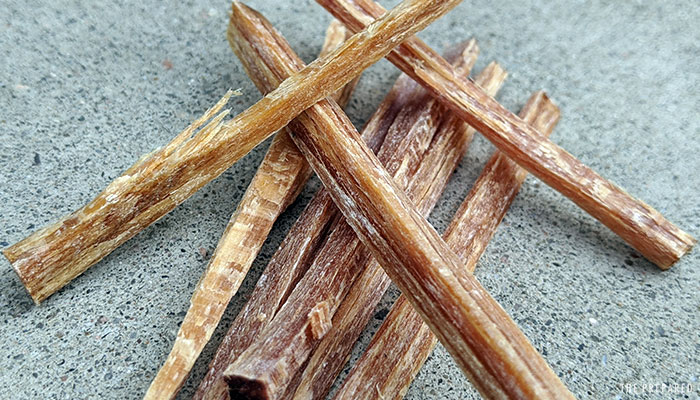
Fatwood, also known as pine knot or rich pine, comes from the stump or heartwood of pine trees. Those trees produce sap, which courses its way through the interior structure of the tree. When the tree ages or dies, evaporation turns that sticky sap into a harder — and very flammable — resin.

You can find fatwood in nature, make it yourself (kind of), or buy it off the shelf. DIY details below, but the punchline is that “forced” fatwood is wood with more of a coating, rather than the natural fatwood that was internally impregnated with the resin.

Bagasse in UCO Sweetfire Fire Starter

Bagasse is a dry, fibrous pulp biofuel that’s left over after sorghum and sugarcane have been processed for their main juices. Bagasse is combined with a wax and formed into individual blocks. Bagasse is a common product in the United States and can be found at any big box store like Walmart. It is also common in outdoor or sporting good stores.

Top products:

  • Coughlin’s Fire Sticks
  • Light My Fire Mayadust
  • Light My Fire Tinder-on-a-Rope
  • PBL Fatwood
  • Plow & Hearth Fatwood Fire Starter
  • UCO Sweetfire Fire Starter Tinder

DIY: How to make homemade tinder

The possibilities are endless — especially when you’re improvising in the field in the moment you need a fire — but there are a few common recommendations for DIY tinder that you can make and store ahead of time for portable kits.

Common stuff you’d find around the house or neighborhood

Pros: Free and easy! Cons: Often don’t work as well as proper tinder products. Dry out and compress any of these into a small container and you’re good to go:

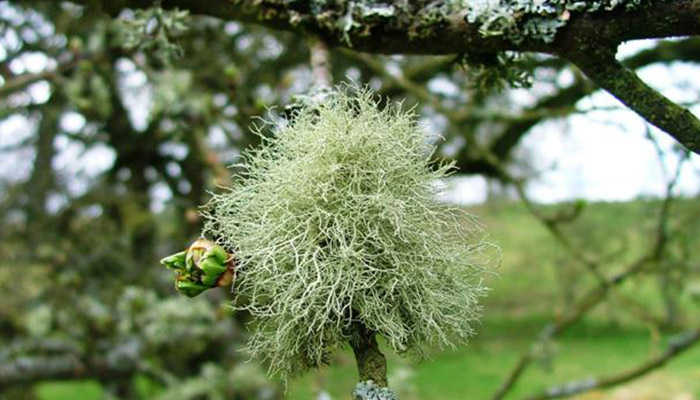
Old Man’s Beard, formally known as Usnea, a type of lichen
  • Old Man’s Beard and similar moss that’s fluffy and flammable (when dry)
  • Cedar or Juniper bark. Common in the United States. Shave it or fluff it up for an awesome natural tinder
  • Dryer lint — from cotton clothing is awesome. Lint from other clothing sources such as wool, microfiber and polypropylene may smolder, so not a great option, but it works
  • Used wet wipes that have dried out
  • Biofuels found around your yard, such as dry trimmings
  • Newspaper, printer paper, junk mail… any kind of paper that doesn’t have a slick/glossy coating (eg. a magazine)

Cotton balls and paraffin wax or petroleum jelly

Both popular options create a waterproof tinder that works well in the field. Using paraffin is a more involved process, but it’s a little less sloppy, and you avoid the problem of jelly-coatings becoming more fluid in the heat. If you use jelly, try to store the coated balls in a waterproof container (eg. a ziploc bag) so that the viscous jelly doesn’t ruin other stuff.

Jelly:

  1. All you need is a 100% pure cotton ball and normal petroleum jelly, like what you find in the pharmacy.
  2. Simply coat a cotton ball in the jelly using your fingers or anything similar. You only need to cover the surface, no need to try and work it deep into the fibers. (You want some internal dry fibers anyway.)

Paraffin:

  1. Buy Gulf Wax (the most common brand, but anything similar works fine) from your local supermarket. It is commonly found in the canning section.
  2. Melt the wax in a double boiler. A double boiler setup is where you take a pot and fill it halfway with some water. Turn your burner on medium heat. Take another pot, preferably an old one, place your wax inside the pot, and set it on your first pot. The steam in your first pot will heat up the second pot, and melt the wax.
  3. Once the wax is melted, turn off your heat source, and stir in your cotton balls.
  4. When the balls are coated, use tongs to remove and place on parchment paper or similar.
  5. Let cool.

Fire rope: natural cordage (eg. rope, hemp, jute) and paraffin

Similar concept to the cotton balls:

  1. Use a natural cord, such as a cotton rope. Be mindful that some cordage already has fire retardant built in for safety, which you obviously want to avoid.
  2. Cut the length you’d like to store. Some people like to make one long rope they cut down in the field before each fire, while others like to pre-cut.
  3. Melt paraffin wax in a double boiler.
  4. Gently swirl in the cord until it’s coated.
  5. Remove, hang or place on parchment paper, let cool.

Fatwood (sort of)

Real fatwood is hard to fake because it takes years for the natural process of impregnation and evaporation to work. DIY methods like this essentially make waterproof kindling, less so a pure fatwood tinder.

  1. Source a piece of pine, and using your favorite hatchet, cut the pine into small strips.
  2. Using your double boiler, melt some paraffin wax or natural tree sap.
  3. Place the small pieces of pine in the melted wax, and stir them around so they are evenly coated. When coated, remove with some tongs and set aside to cool.
  4. Store in a ziploc bag or waterproof container.

Most Expensive Recurve Bow in the World

0

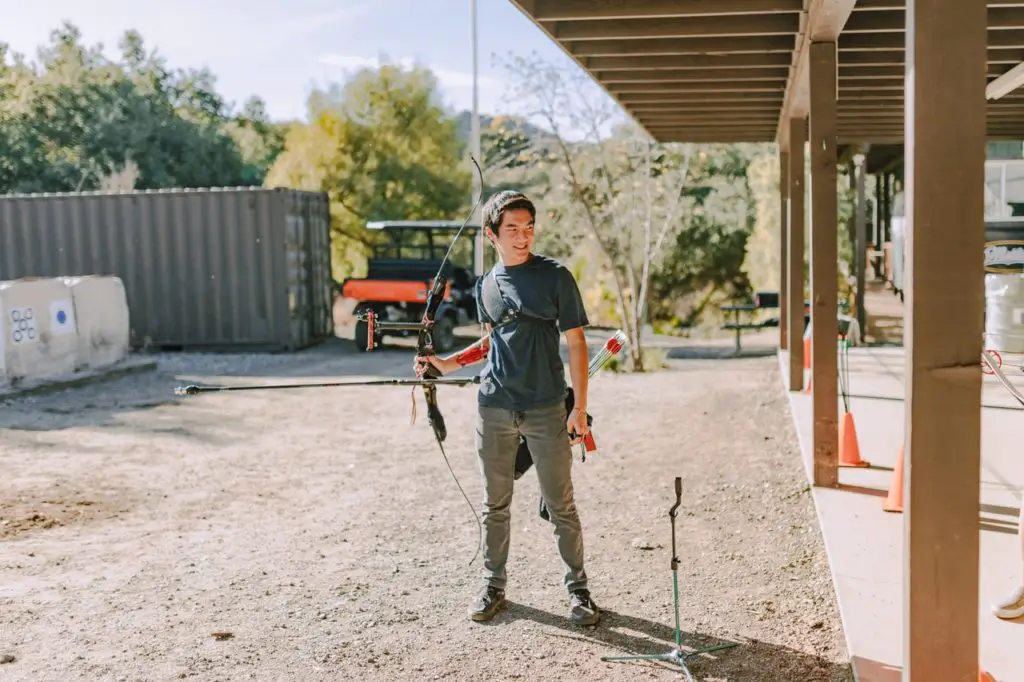
The best recurve bows can usually cost a fortune. In general, more expensive recurve bows tend to offer an advantage over less expensive counterparts. Especially when competing at a professional level. So, it makes sense if you are an advanced archer or an athlete looking for the most expensive recurve bow in the world.

There are quite a few really pricey bows out there. We are not talking about specialty bows but rather the most expensive recurve bow available to anyone.

The most expensive publicly available recurve bow is the Sanlida Archery Olympic Recurve Bow. This is a common bow used by Olympic athletes and offers one of the most accurate shots in the sport.

We review the Sanlida Archery Miracle Olympic Recurve Bow going over what makes it so special (and expensive).

Most Expensive Recurve Bow in the World

Sanlida Archery Olympic ILF Recurve Bow Review

If you want to compete at the highest level of target shooting, let’s say the Olympics, Sanlida Archery Olympic ILF Recurve Bow is a deservingly good choice. But, you may ask, “why this recurve bow?” First, this recurve bow is designed by Sanlida Archery, a reputable brand known for making archery equipment that offers incredible performance at a great value. Only a few archery brands do it better than Sanlida Archery.

Second, it comes with a full kit. The recurve bow includes everything you need for your target shooting. The interesting thing is it’s a ready-to-shoot bow, meaning that you don’t have to set it all up from scratch. You could adjust it to suit your preference if need be. The bow comes in four separate versions – 66″, 68″, and 70″, with varying tension levels. The item’s weight is 1300g (about 48 lbs), which is quite heavy. The weight is okay since the bow is tailored towards advanced archers and competitive athletes.

Another good reason is the construction. Each accessory is designed with high-quality material, and the bow itself is CNC machined 6061-T6 aluminum to enhance its strength. The limbs are made of premium-quality carbon and foam materials, while the riser is metal to add to the overall strength of the bow.

Table could not be displayed.

Pros

  • Ultimate Performance – the ready-to-shoot bow is designed to offer the best performance, thanks to the included accessories and construction. Archers can attain advanced level shooting with high precision using this equipment and boost their chances of success in competitions.
  • Great Design – with aluminum and carbon the main materials for the parts, you should expect the Sanlida Archery Olympic ILF Recurve Bow to last long enough. It’s strong and has an adjustable wooden grip, with a strong ILF recurve riser and limbs capable of seeing you through any target shooting competition.
  • Powerful – shooting precision is essential in archery. This recurve bow helps you to achieve that. Typically, a heavy bow can hinder shooting efficiency, but not the Sanlida. Despite its 2.8 lbs weight, the bow feels light and powerful simultaneously when holding it. This gives you the confidence to shoot.
  • Excellent Customer Support – if there’s one thing you should commend Sanlida for, it’s their customer service. The manufacturer ensures that customers are utterly satisfied with their products. The customer service is ultra-responsive and ever-ready to attend to your complaints.
  • Good Value for Money – although the price is over $900, the bow still comes at an unbeatable value compared to its rivals. When you consider that it comes with all the accessories needed in the kit, you will be excited to cough out such an amount for the recurve bow. It comes at one of the lowest costs around.

Cons

  • Expensive – this isn’t a con per se, considering that we are reviewing an expensive recurve bow. However, some archers with a limited budget may want to reconsider purchasing the bow.

Structure of the Bow – Riser, Limbs, and String

The ILF riser and limbs are solidly made, while the string is too robust to break. The beautiful anodizing ILF riser is aluminum, making it difficult to break easily even when used intensively. The riser comprises an adjustable wooden grip with bolt systems, sight, and stabilizers that are all durable. Overall, the bow doesn’t feel flimsy.

The lower and upper limbs are made of high-quality advanced carbon and foam materials that flex well. Thanks to these materials, the recurve limbs deliver a greater amount of kinetic energy more efficiently when the bowstring is released. This boosts the speed of the shot. The bowstring in the lowest version is 66”, which is normal for an archery athlete.

The bow’s string is also sturdy and holds power excellently. In addition, it stretches pretty well, which helps to exert more force on the shot for better output. You can’t fault this recurve bow.

Is an Expensive Recurve Bow Worth the Price?

The price of the Sanlida Archery Olympic Recurve Bow is fair, considering that the bow is for advanced target shooting. Beginners may question the price’s outrageousness, but it’s not typically for simple target shooting or practice. There are other bows available for such activities, and they come at a more affordable price than the Sanlida Archery Olympic ILF Recurve Bow.

The recurve bow’s advanced features make it ideal for Olympians. It can enhance the shooter’s precision, thanks to the sight and stabilizers. The wooden grip is also fully adjustable to match the riser, which improves shooting precision and balance. It gives the ultimate performance at an incredible value.

Apart from athletes, archers who need a bow with advanced features for the fun of shooting can also purchase this bow. The bow’s weight can be a hindrance if you aren’t a fit person. But, with all things being equal, you should enjoy recording those great shots with the bow. This bow is worth the price, and we recommend it.

The Sanlida Archery Olympic ILF Recurve Bow includes the following accessories;

  • Bow
  • Instruction manual
  • Sight
  • Advanced string
  • Weight
  • Sight pin damper
  • Arrow rest
  • Carbon stabilizer long rod
  • Riser
  • Limbs damper
  • Stabilizer and riser damper
  • Clicker
  • Cushion plunger
  • Limbs.

Final Thoughts

With Salinda Archery Olympic ILF Recurve Bow, shooting targets has never been easier. It possesses the capabilities to make you a champion in any target shooting competition. Although it doesn’t come cheap, it’s one of the most accurate even when compared to others within its range.

This Sanlida recurve bow is the most expensive recurve bow in the world but that’s what Olympic accuracy takes. With all the accessories included, you don’t need to make extra purchases. You can kickstart your journey to being a champion with this powerful bow.

How to Get Rid of Turtles in a Pond

0

Turtles might be seemingly harmless little creatures, but don’t let their slow movements fool you. These creatures can wreak some serious havoc in your pond.

In general, turtles in a pond are not a pleasant experience, and they can present dangers and issues you may never have considered before. That being said, if you catch a glimpse of turtles in your pond, then you should consider creating a plan to remove them as soon as possible.

To help you get started, let’s break down the potential issues turtles can cause inside your pond, as well as a few methods you can use to safely and humanely remove them from your pond.

The Good and the Bad of Turtles in a Pond

Turtles play a part in ecological balance. They are omnivorous. They eat dead animals, plant matter, and even sick fish, so having them around can potentially improve the quality of your pond water. However, these minor gains are far outweighed by the problems they can cause.

Turtles are natural scavengers. They will locate the fish in your pond and feed on their eggs, as well as their food. Turtles are also known to eat live fish (which can be a problem if your pond has goldfish, koi, or other ornamental fish) and will even consume aquatic plants you cultivate. Because of this, a surge in the turtle population of your pond can quickly deplete your pond of fish, plants, and every other thing (living or dead) within a short period.

Snapping turtles are especially problematic as they can be aggressive if provoked and can even transmit diseases (like salmonella) to humans.

How to Get Rid of Turtles in a Pond

1. Trapping turtles

The most efficient way to remove turtles from a pond is to trap them. The type of trap you use will depend on the kind of turtle you’re dealing with. In most cases, you can use a submerged turtle trap for a pond or a floating turtle trap. The former is the most effective method for snapping turtles and soft-shell turtles, while the latter works best on red-eared sliders and other turtles that lay in the sun.

You will need to take particular care to catch turtles in a pond with a submerged trap. Here are some tips on how to do it right:

  • You should set the trap in shallow water, so choose an area shallow enough for only the top of the trap sticks to be above the water
  • Dig into the mud just below the water, creating a hole in which the trap will snugly fit, and then push the trap in until it’s secure
  • For turtle bait, you can use lettuce, worms, vegetables, or even a can of tuna with holes punched in it
  • You should scout out the location where you believe the turtles live. If you have seen them congregate by a rocky section in a nearby pond, this is probably the best place to put your trap.

2. Manual removal

Another way to get turtles out of a pond is with your own two hands. If you have a medium-sized pond, you can catch turtles in a pond with a net. To do so, you will need a telescoping pond net to scoop the turtles out of the pond.

As another option, you can use a hook and line to remove snapping turtles. This method can be time-consuming, but effective. Similar to fishing, this process would require you to attach a treble hook to a line, and bait the hook with pieces of fish or meat. Tie the string or fishing line to a tree or root and completely submerge the hook in the water.

3. Call a professional

As a final method, you can always call a professional turtle removal service. These experts will know the best way to get rid of turtles in your pond and will have the right tools, insight, and knowledge to complete the task efficiently and legally.

Relocating Turtles

Once you capture the turtles, you’ll need to relocate them. There may also be laws that protect certain turtle species. That is why relocating your captured foe is the best option.

You should contact your local conservation or the Department of Wildlife to inform them of your plans and to seek legal advice.

Keep in mind, putting new turtles in a specific location may increase competition for scarce food resources. It is also possible that the turtles you capture may have a disease, and if you move them to a new location, they will spread it among a new population of turtles.

Whichever method you use to capture pond turtles, you should never handle these creatures without proper protective gear. Even if the turtle is in a cage, you should wear protective gloves to avoid direct contact with it.

How to Keep Turtles Out of Your Pond

1. Yard fence

Fencing your property will keep turtles and other predators off of your property and away from your pond. While this is a highly effective method of turtle control, it can be costly.

2. Perimeter fence

Putting up a small one-to-two-foot-high barrier around your pond may help prevent turtles from getting into it. This is a less costly option, but it can ruin the aesthetic value of your pond.

3. Pond netting

Placing a mesh pond net over your pond is an inexpensive and effective way to protect your pond from turtle intrusions. This is certainly the least expensive option of the three. It is possible to find a pond net that is barely visible, thus helping you preserve the aesthetic value of your water space.

The Bottom Line: How to remove turtles from ponds

Although turtles can enhance the look of your pond and even contribute to the quality of the water, the harm caused by their presence outweighs any good they might do.

At the same time, however, attempting to hunt down and remove each turtle one by one might be an unnecessary and inefficient way of removing turtles from your pond. And it is important to remember that any attempt to kill these creatures may put you on the wrong side of the law. Always review the rules and regulations regarding turtle capture and removal for your area.

In general, it is much better to capture turtles with traps or consult with a professional. Companies with expertise and experience in this field can help you get rid of turtles in your pond quickly, safely, and humanely.

Springfield Armory M1A Review

0

The Springfield Armory M1A air rifle represents an intriguing intersection of historical homage and practical functionality in the modern airgun market. As a replica of the civilian version of the legendary M14 battle rifle, it carries the weight of significant military heritage while offering contemporary air rifle enthusiasts a compelling shooting platform. Today, we will examine every aspect of this unique offering, from its construction and performance to its practical applications.

Heritage and Overview

The M1A’s lineage traces back to the M14, which was adopted by the U.S. Military in 1959 and continues in limited service today. Springfield Armory began producing the civilian M1A in 1974, and it quickly gained popularity, particularly in competition shooting. This air rifle version, manufactured by Air Venturi under a Springfield Armory license, aims to capture the essence of this storied platform while delivering practical airgun performance.

Construction and Build Quality

Physical Specifications

  • Overall length: 46 inches
  • Weight: 9.9 pounds (11.75 pounds when scoped)
  • Available calibers: .177 and .22
  • Stock: Hardwood with military-style profile
  • Action: Spring-piston underlever

The M1A air rifle’s construction reflects a careful balance between authenticity and functionality. The substantial weight matches that of the National Match firearm version, providing both realistic handling and practical benefits in terms of recoil management. The hardwood stock, while basic in finish, displays visible grain patterns and maintains the military aesthetic of the original.

The exterior utilizes a combination of compound materials and plastics to manage weight while maintaining durability. While some might criticize the synthetic components, particularly the brown plastic covering the forend (replacing the original’s wooden heat shields), the overall construction feels solid and purpose-built.

Performance Characteristics

Velocity and Power

The rifle demonstrates impressive performance metrics across both calibers

Chrony tests:

CalibersPelletsFPSFPE
.22JSB Diabolo Exact Jumbo 15.89 Gr71317.94
.22Crosman Premier 14.3 Gr81020.84
.22JSB Diabolo Exact Jumbo Heavy 18.13 gr65217.12
.22RWS Hobby 11.9 gr 85119.14
.22H&N Baracuda 15.89 Gr70317.44

Accuracy

Accuracy tests:

CalibersPelletsDistancesGroups
.22H&N Terminator 16.36 Gr50 ftnickel size
.22Crosman Premier 14.3 Gr25 yards0.75"
.22JSB Diabolo Exact Jumbo 15.89 Gr20 yards3/4"

Operating Characteristics

Cocking System

The underlever cocking mechanism represents one of the rifle’s most innovative features:

  • 35-pound cocking effort
  • Extendable lever for additional mechanical advantage
  • Sliding breech cover exposes loading port during cocking
  • Anti-beartrap safety mechanism
  • Clean, smooth operation with minimal spring noise

Trigger System

The trigger mechanism, while basic, proves serviceable:

  • Non-adjustable two-stage design
  • Approximately 3.5-pound pull weight
  • Requires consistent finger placement
  • Smooth operation despite lack of adjustability
  • Manual safety (operates opposite to firearm version)

Sighting Systems

Iron Sights

The military-style sighting system includes:

  • Adjustable rear peep sight with positive click adjustments
  • Protected front post sight
  • Good sight picture in adequate lighting
  • Authentic military sight picture

Scope Mounting

Scope mounting considerations include:

  • Requires separate rail/mounting plate
  • Very high scope positioning (similar to firearm)
  • May require cheek riser for proper eye alignment
  • Limited scope length due to loading port access
  • Tendency for mount screws to loosen (may require thread locker)

Practical Considerations

Shootability

The rifle’s substantial size and weight influence its handling:

  • Heavy platform best suited for larger shooters
  • Weight aids in recoil management
  • Excellent stability for precision shooting
  • Limited suitability for younger or smaller shooters
  • Some challenges for left-handed operation

Noise Characteristics

Noise levels vary by ammunition choice:

  • Backyard-friendly with lead pellets
  • Louder report with high-velocity alloy pellets
  • Minimal mechanical noise
  • Good sound suppression from substantial stock

Maintenance and Break-in

The rifle benefits from proper care and break-in:

  • Minimal initial break-in period
  • Improves in smoothness over first 500 shots
  • Benefits from periodic lubrication
  • Well-regulated factory lubrication
  • Accessible maintenance requirements

Value Proposition

At $199.99 MSRP, the M1A air rifle represents significant value:

  • Unique position in market (only new traditional springer since 2018)
  • Real wood stock versus synthetic competitors
  • Solid construction quality
  • Multiple user appeal (collectors, shooters, training)
  • 12-month warranty (though shorter than some competitors)

Limitations

  • Not suitable for slug shooting
  • Limited youth/small-frame shooter compatibility
  • No sling mounting capability
  • Storage space requirements
  • Loading challenges with larger hands

Safety Considerations

The rifle incorporates multiple safety systems:

  • Manual trigger safety
  • Anti-beartrap mechanism
  • Loading port safety
  • Clear operational instructions
  • Proper handling requirements during loading

Features

  • Spring-piston
  • Extendable Underlever for added leverage while cocking
  • Single-shot
  • Up to 1000 FPS in .177
  • Up to 800 FPS in .22 
  • Sliding breech cover exposes loading port during cocking cycle
  • Rifled steel barrel
  • Fixed Front Sight
  • Windage and Elevation Adjustable Rear Sight
  • Ambidextrous Hardwood Stock
  • Two stage trigger, non-adjustable
  • Manual Safety
  • Recoil pad with rubber insert
  • Anti-bear-trap safety mechanism
  • Faux bolt handle 
  • Package with softcase includes Springfield Armory soft sided rifle case (48 inches external length)

Recommended uses:

  • Target shooting/plinking
  • Pest control/small game hunting: squirrels, rabbits, raccoons.

Pros and Cons

ProsCons
  • Realistic look and feel
  • Stay true to the actual weight of the original M1A
  • Under lever cocking with the extension rod makes cocking somewhat easier
  • Accurate right out of the box
  • Easy to cock
  • Smooth and gentle firing cycle
  • It would be nice to have instructions on how to clean gun

Conclusions

The Springfield Armory M1A air rifle successfully bridges the gap between collectible replica and functional air rifle. Its combination of authentic handling, solid accuracy, and reasonable price point makes it an attractive option for multiple user groups. While it has some limitations, particularly regarding scope mounting and weight, these are largely inherited from the original design and don’t significantly detract from its overall utility.

For shooters seeking a historically-inspired air rifle that delivers practical performance, the Springfield Armory M1A offers a compelling package. Its combination of authentic handling, good accuracy, and reasonable price point makes it a worthy consideration for both collectors and serious airgun enthusiasts.

Best Air Rifle Deals

Popular Posts

Guide to find Best Scope for Break Barrel Air Rifles

0
"Unlock the Perfect Shot: Discover the Best Scope for Break Barrel Air Rifles. Enhance your shooting experience with precision and accuracy, as we delve...

Best Distance for Sighting In an Air Rifle

0
Shooting with an air rifle always seems like a thrilling experience, but if you are a newbie then you have lots to learn. One...

Air gun 101: How Nitro Piston technology can make your shooting sport more exciting?

0
In the air gun market today, there are many air rifles made with nitro-piston technology Even the best-selling lists on gun retailer's sites have a...