How long do squirrels live? What is the average lifespan of a squirrel? Do different types of squirrels have different life expectancies? In this blog post, we will answer all of these questions and more. So, if you’re curious about how long squirrels typically live, keep reading!
The Lifespan of a Squirrel – Wild vs. Captivity:
The average lifespan of a squirrel is around two to five years. However, some have been known to live for up to twelve years. When it comes to captivity, their lifespans are often extended. In fact, some squirrels have been known to live for up to twenty years in captivity!
Life Expectancy of Squirrels Across Species
Red squirrels: Red squirrels can live up to 5 years in the wild. Their mortality rate is quite high and only 25 percent of these squirrels live longer than a year. They mature at 2 to 4 years old. The longest recorded lifespan of a red squirrel in the wild has been 10 years. The male squirrels tend to live longer than female ones. For most squirrel species, it is the opposite.
Eastern fox squirrels: have an average lifespan of 8 to 18 years in the wild. Most squirrels die before maturity. Female squirrels have been known to live up to 13 years of age, on average, whereas male squirrels are known to live for 8 years, on average.
Southern flying squirrels: Southern flying squirrels live up to three to five years in the wild. Compared to their non-flying relatives, southern flying squirrels have a shorter lifespan in the wild. They tend to live longer in captivity and have an average lifespan of 10 years.
Eastern grey squirrels live up to 12 years in the wild. Their lifespan increases in captivity and their maximum age has been recorded to be 20 years.
Ground squirrels like the Richardson ground squirrel have short life spans of 2-4 years in the wild. Most males only live two years while the females sometimes live for four years in the wild. Similar lifespans have been reported for California ground squirrels.
Now that we know how long squirrels live, let’s take a look at what contributes to their longevity. Below are some of the main factors:
Diet: One of the main contributing factors to a squirrel’s longevity is their diet. Squirrels are mostly herbivores and their diet consists mainly of nuts, fruits, and seeds. This diet is rich in antioxidants which help to protect against disease and aging. In addition, nuts and seeds are a good source of protein and essential nutrients which help to keep squirrels healthy and strong.
Exercise: Another factor that contributes to a squirrel’s longevity is exercise. These creatures are very active and they spend most of their time running, jumping, and climbing. This helps to keep their heart and muscles healthy, as well as their bones.
Low-stress levels: Squirrels also tend to have low-stress levels. This is likely due to their simple lifestyle and their natural habitats. They are not exposed to the same type of stressors that humans are, such as working long hours, commuting, and dealing with family and relationship drama. As a result, they experience less wear and tear on their bodies and age at a slower rate.
While diet, exercise, and low-stress levels are all contributing factors to a squirrel’s longevity, there are also some factors that can shorten their life span. Below are some of the main ones:
Predators: One of the biggest dangers to squirrels is predators. These creatures are often targeted by birds of prey, such as hawks and eagles, as well as snakes and other mammals. As a result, many squirrels do not live to see their second year.
Disease: Another factor that can impact a squirrel’s lifespan is disease. Unfortunately, these creatures are susceptible to a number of different diseases, such as rabies, distemper, and mange. If they contract one of these diseases, it is often fatal.
The Average Squirrel Life Cycle:
Newborns: Most squirrel species give birth to litters of 2-5 young. The newborns are blind and hairless. They weigh about 1/2 ounce (15 grams) at birth and are about 3 inches (8 cm) long.
Weaning: At around 6-8 weeks of age, the young squirrels start to wean from their mother’s milk. During this time, they begin to eat solid food and learn how to forage for themselves.
Adolescence: At around 3-4 months of age, the young squirrels reach adolescence. They become sexually mature and begin to disperse from their natal territory.
Adulthood: Once they reach adulthood, squirrels live an average of 2-5 years in the wild. However, some species have been known to live much longer.
FAQs
How Does Their Lifespan Compare to Rats?
Rats have an average lifespan of 2-3 years in the wild. This is shorter than most squirrel species, which have an average lifespan of 4-5 years. However, there are some exceptions, such as the eastern grey squirrel which can live up to 12 years in the wild.
Do They Live Longer in Captivity?
Yes, squirrels tend to live longer in captivity than they do in the wild. This is due to the fact that they are not exposed to predators and diseases and they have a more consistent diet. In addition, they usually have access to exercise equipment and toys which help to keep them active and healthy. The oldest recorded age for a captive squirrel is 20 years.
Best way to get rid of a squirrel in your house:
If you have a squirrel in your house, one of the best ways to get rid of it is to call a professional wildlife control company. These companies are equipped with the tools and knowledge necessary to safely and humanely remove the squirrel from your home. Once the squirrel has been removed, they will seal up any entry points to prevent the animal from returning. Or you can get an air gun and take care of it by yourself.
When it comes to geese and duck hunting, the gun gets a lot of attention. Many people believe that having a successful season depends on whether or not you have the right gun. But surprisingly what affects the success of your shot is the choke. As a result, it is critical to choose the best choke for duck hunting. Use these guidelines to help you choose an appropriate choke for your firearm.
Understanding the Functioning of a Choke Tube
Credit: Outdoor Life
A shotgun choke is a narrowing or constriction that is present in the barrel that is usually a few inches from the muzzle. Every shotgun barrel has a choke or constriction that is either manufactured into the barrel, screwed in, or detachable.
When a shell is fired, it goes down the barrel, and the choke’s duty is to compress or constrict it before it leaves. This compression plays an important role in the patterning of the shot.
There are three types of choke tubes:
Full Choke
Modified Choke
Improved Cylinder Choke
Full Chokes
The constriction of a full choke is very tight. This choke is useful for rodents, turkeys, and other wildlife shot at 50-yard and longer distances since the shot holds together further.
Modified Chokes
The constriction in the modified choke is moderate. The bullets stay together for longer, resulting in a fuller shot string that is more helpful at longer distances. This choke is frequently utilized for duck hunting and geese hunting. Improved modified chokes are a significantly tighter version of the modified choke.
Improved Cylinder Chokes
A minor constriction exists in the improved cylinder choke. This choke helps gunshots spread rapidly. It is usually used for shooting at close ranges. It is a great option for small birds, rabbits, and other highland animals.
Whether you’re a waterfowler or a duck hunter, your goal is twofold: first, you must determine how far away the bird is when you’re firing and then choose the choke tube that produces the best pattern at that range. The only way of knowing what your choke will do while outdoors is to test it with your firearm and ammunition.
Notches on Choke Tubes
Credit: The Yorkshire Gent
Most choke tubes have notches on them. These are not accidental. The number of notches reflects how much constraint the choke provides; the more notches, the more constraint, and the more constraint the choke provides, the greater the distance of your shot pattern. However, not all chokes are made equal, and various ammunition will react differently, so it’s always a good idea to pattern your shotgun before going out hunting with it.
List of Best Chokes for Duck and Goose Hunting
Here are the best chokes for duck and goose hunting:
1) Fatal Shot Choke Tube by MOJO Outdoors
The MOJO Outdoors Fatal Shot Choke Tube is suitable for a wide range of shotguns and was developed after years of data and testing of shot patterns. It even runs different ammunition and cartridge varieties. This makes it the ideal choke tube for target sports and duck hunting. The choke is available in three lengths and has a screwless setup, allowing you to change it out as required in the field.
2) CARLSON’S 12 Gauge Choke Tube
The Carlson’s 12 Gauge Choke Tube is made for goose hunting at long-range distances and gives results similar to a full choke. The internal rings present slow the bullet down, allowing the shot to divide as it leaves the muzzle. If you’re looking for a complete package, this is the choke tube to have.
3) CARLSON’S Choke Tubes 12 Gauge for Remington
Another one from Carlson’s, this choke tube is typically recognized as one of the best and most precise designs available for turkeys. Turkeys and other birds don’t always fly in regular patterns, and they don’t always remain close, so this waterfowl choke tube comes in handy when you’re out in the woods. This can survive even the harshest weather during hunting season, thanks to its stainless steel metal body.
4) Primos TSS Turkey Choke Tube
The Primos TSS Choke Tube is a great choke for turkey hunting. The unique design offers a lengthier, more progressive taper, resulting in thick shot patterns that constrict more consistently. As a result, you get more shots. The choke is compatible with all Benneli, Remington, and Invector shotguns.
How do You Clean a Choke Tube?
Credit: Rifleshooter
A rusted-in tube is costly to remove, and it’s frequently impossible to do so without damaging the choke and maybe the chamber. Take out the choke tube at the end of each season and whenever the gun gets wet, dry it, scrub the threading on the barrel and tube, apply a dab of grease to the threads, and reinstall the choke tube in the gun. A fresh or rethreaded cylinder costs a lot more than a little grease and sweat.
What Kind of Shots Should You Shoot With Your Choke Tube?
Credit: Richard Faulks
This is entirely reliant on the choke tube’s capacity. Some choke tubes can be used with almost any shot. Other choke tubes will only allow to shoot with a lead or steel shot. Before patterning your shotgun with a certain type of shot, read the instructions on your choke tube carefully.
Summary
Because the most acceptable contact range for ducks or geese is 40 yards or less, the ideal choke for duck or goose hunting is an improved cylinder choke. If you’re going to shoot ducks or geese from a greater distance, a modified choke is the way to go.
Do you want to improve your shooting skills during hunting season? Practicing on shooting targets is the greatest way to do it. Introducing EasyShot: your best bet to improving your shot. Check us out today.
Missing and wounding deer isn’t fun. Practice aplenty and try to avoid each of the 15 primary reasons that hunters miss or wound deer. You can also check with landowners. Sometimes, they might have information on a deer you missed or wounded. (Honeycutt Creative photos)
A hunter draws back, settles the pin, but sends the arrow over the buck’s back. Perhaps he jumped the string? Another hunter does the same, but this time the arrow sinks underneath the belly. Chances are, you’ve missed a deer before, too. And if you haven’t, I hate to burst this delusion, but you certainly will if you hunt long enough.
So, what if you miss with that first arrow? Sometimes you get a follow-up shot. Other times you don’t. Here are next steps for either outcomes.
Reasons Hunters Miss a Buck
Hunters miss deer every season. In fact, I’d like to know the miss-to-hit and wounded-to-dead ratios, but we’ll never get an accurate bead on that. Still, these mishaps happen — a lot. There are many reasons why, including the following:
Rushing the shot process.
The deer was too far.
The deer was too close.
The pins or crosshairs weren’t visible.
Using the wrong pin or crosshair hold.
Ignoring the fundamentals.
Using poor shooting mechanics.
Equipment malfunctioned.
The vitals were obscured.
The angle wasn’t good.
A limb or other obstacle got in the way.
The deer was moving.
The deer jumped the string.
Buck fever struck again.
Clear out shooting lanes properly to help avoid hitting limbs, leaves, and other debris.
Regardless of which reason occurs, it shouldn’t. All of these are common excuses for missing deer, but none of these should happen. It’s crucial to take the necessary steps to overcome each one. Still, even the best hunters miss and wound deer. So, here’s what to do when it happens.
If You Miss and Get a Follow-Up Shot
Hunters oftentimes think it’s over if you miss a deer. That isn’t true. Second shot opportunities are more common than you might think. If you miss a buck, and it presents another opportunity — be it 10 seconds later or 30 minutes later — you have to be ready for it.
If it happens quickly, carefully nock another arrow, draw back, settle the pin, and let it fly. It’s good to keep your quiver within easy reach. Or pull a backup arrow out and place it somewhere that’s quickly and safely accessible.
If You Miss and Don’t Get a Follow-Up Shot
Get down and check for blood. Sometimes, it can be a hit and you don’t realize it. Once a clean miss is determined, keep hunting. Sometimes, the deer might return. Whitetails are curious animals. It might just give you another chance the same day. And the odds of getting another shot in the days to come are possible, too. Furthermore, you might see another deer you’re interested in.
If You Wound and Get a Follow-Up Shot
Always try to take a follow-up shot on wounded deer. Even if the first shot was perfect, and the deer is certain to die, take another shot if you get the chance. Doing so will likely expire the deer even sooner and makes the hunt that much more humane. Of course, if the shot was bad, taking a follow-up opportunity can mean the difference in killing it or not, and recovering it or not.
If You Wound and Don’t Get a Follow-Up Shot
The trickiest scenario is if you wound a buck and don’t get a follow-up shot. That’s when things get more difficult.
With a liver hit, wait five to six hours before attempting to recover the deer.
With a paunch (gut) shot, give the deer 10-12 hours, if conditions allow.
Shoulder shots are tricky and may or may not be a mortal wound. If not likely mortal, blood trail immediately in hopes of getting another shot. If it is likely mortal, give the deer a few hours.
Ham hits produce one of two outcomes. Either the buck bleeds out very quickly, or it lives to tell the tale. Either way, begin the blood trail immediately in hopes of another shot opportunity.
Leg hits are not immediately mortal but tend to set up infection over time. Blood trail immediately in hopes of catching up to the deer for another shot opportunity.
Spine shots aren’t usually lethal on their own. Go to the deer and finish it with another shot.
There are other bad shots hunters can make, but the above are the most common. Nonetheless, exhaust all options to recover wounded game. Oftentimes, where legal, that might even require hiring a blood-trailing dog, or even recruiting other people to help grid search for the deer.
Beat Buck Fever
It’s always best to make the first shot count. Do that, and you don’t have to worry about missing. But buck fever, and other common causes of missing, are difficult to overcome. Of course, you never want to “cure” buck fever. If that goes away, you’ve lost the excitement for hunting. But it is necessary to manage buck fever. Do that, and you keep the excitement and overcome the challenges it can present. To manage it, do the following things:
Follow a practice regimen. This helps to get you ready for the real deal. Consider shooting at 3D big buck targets and do other things that simulate real big buck encounters.
Hunt small game. Making good shots on live critters will help boost confidence once it’s time to make the shot on a big deer.
Don’t hold your breath. This limits the oxygen in your system. Breathe before, throughout, and after the shot process. This will help lead to a better shot.
Quit looking at the rack. Distract yourself if the sight of the buck is too much. Rather than staring at the deer, observe it through squinted eyes until time to shoot. Better yet, stare at the spot you’re going to aim at when shooting.
Envision yourself making a great shot. Visualize it in your mind. That will help lead to a good hit.
Be aware. See everything around you. Avoid hitting limbs and other things in the way.
Pick a small spot to aim at. Rather than aiming “behind the shoulder,” consider aiming at a specific hair in the crease behind the shoulder.
Follow your shot regimen. You’ve been practicing it for a reason. Use proper mechanics and follow through.
Gain experience. There’s no better teacher, and no better way to overcome buck fever. Keep after it, and you’ll eventually find the success you’re looking for.
If you miss or wound a buck, consider getting back out there. Unless it’s the last hour of the last day, there’s still some deer season left. Even then, start preparing for next season.
Overall, it’s important to accept a missed or wounded deer. It happened. Spend a few hours drowning in your misery, and then move on. Those who continue to sulk don’t improve. They wither. Instead, learn from mistakes, make necessary adjustments, improve as a bowhunter, and continue to do your thing.
Common Q&As
There are numerous questions that surround the topic of missed and wounded bucks. These are the answers to some of those questions.
Q: Does a deer’s body language help to determine the shot location?
A: Yes, it certainly can. Studying how a deer responded can indicate where the broadhead or bullet struck the arrow. For example, a deer that runs a short distance, then stops, and hunches up, oftentimes is hit in the paunch region. In contrast, a heart-shot deer usually mule kicks and runs very hard.
Q: How long do you wait before searching for a deer?
A: This varies based on the shot location. If you don’t see the deer fall, wait the appropriate timeframe. Heart-shot deer can be blood trailed within 30 minutes, double-lung-shot deer within an hour, liver-hit within 5-6 hours, paunch-shot (gut-shot) within 12 hours, etc.
Q: Will a non-mortally-wounded deer come back to the area it was shot in?
A: It might or might not. Some deer do return, although it might take a few minutes, hours, days, weeks, or months to do so. Other deer never return at all.
Q: Should I notch my tag on a lost deer?
A: This depends on legalities. Some states and situations require this, but most do not require it. In the instance that it isn’t required, this is a matter of personal ethics.
Q: How do I get over missing a big buck?
A: Continue hunting. Get back out there. But practice and prepare more than you ever have before. Generally, we create our own luck by setting ourselves up for success or failure.
So you just shot a buck on the fifth day of a seven day solo hunt in the backcountry, and you’re 6.5 miles from your truck. Now what? Well, unless you can find some horses running around…you’re probably going to need to get your buck broken down and start to burn some boot leather packing it out on your back. The old motto “releasing the arrow is the easy part, the real work begins after you get an animal down” couldn’t be more true. An ideal situation would be to have a friend help you take care of the meat and pack an animal out. However, sometimes you have to get creative and dig deep when doing it solo.
Before you get in this situation, you should plan ahead and before trying to tackle this task. Believe me…nothing is worse than experimenting on quartering out and/or de-boning an animal in below freezing weather conditions without the proper gear to get the job done. You want to get that animal properly broken down while taking the required steps to get all of the meat removed….all while doing it efficiently. Getting your meat ready to pack out in a timely manner, while minimizing contact with debris on the ground, will help ensure that you have tasty steaks for the dinner table.
There are many advantages to packing out your bow kill. However, there are just as many pitfalls to the process if you don’t know what you’re doing.
Packing out your own animal is all about knowing your physical limitations. Don’t try to bite off too much if you are not adequately prepared to pack a large animal like a bull elk out of the mountains solo during the early part of September. We all owe it to ourselves to get the meat out as quickly as possible. When in doubt, try to contact a few friends to help you pack meat, even if it means hiking to get cell service or heading back to your truck and driving to town.
Equipment NeededGear choices for packing out an animal are sort of like gear choices for setting up a new bow. There are a lot of options for each type of person. Personally, I have found the following items make the job easier on myself and have proven to work great throughout my bowhunting career. When it comes to knives, I prefer to carry the lightest knife for preparing my trophy in the field since I will be carrying this knife each day. You do not want to carry a heavy saw or giant knife in your pack if you don’t need to; just like all of your backpacking gear, you want it to be as light as possible yet still get the job done. The less weight you have in your pack, the harder you can hunt…the harder you hunt…the more successful you can be. (shop for backpacks)
The right game bag can make hauling your meat easier, as well as keep it cool, while also keeping your backpack clean of blood and odor.
I’ll be the first to admit…I don’t like carrying the extra weight of game bags in my backpack each day I hunt. But, I am hunting and therefore expecting to kill something, and even though I love the experience of the hunt, I am not just taking my bow out for a walk. It is for this reason that I pack game bags each day I am hunting, no matter if it’s a daytrip for antelope, a weeklong hunt for elk where I am moving camp each night, or a weekend mule deer hunt where I am headed back to the same tent location each night. Game bags prevent your hard earned meat from getting contaminated from a variety of sources such as dirt, sticks, and insects. I just keep thinking in my mind how miserable it would be if I didn’t have game bags with me when I make a kill. Like the old saying goes, “I’d rather have it and not need it, than need it and not have it.” It’s also a great idea to pack garbage bags if hunting during the hot early season, to give you more options for preventing your meat from spoiling. Placing your meat in garbage bags and then placing them in a stream will ensure they stay cool while you pack the rest of your meat.
Game BagsI have used a lot of different brands and materials of game bags over the years, and I think I have finally found the perfect system for my style of hunting. Cotton has fairly decent breathability, but it doesn’t hold blood well, is difficult to reuse after washing due to staining and odor retention, and it tears easily. Canvas game bags are too heavy for most situations where you are backpacking them in. These would be a great option if you’re hunting from a horse. I prefer a light-weight, breathable, synthetic game bag, as it seems to solve these problems. I rarely get blood on the inside of my pack, they don’t retain odors after washing, and they are extremely lightweight. One thing to look at with synthetic game bags is breathability- make sure if you’re hunting a long distance from your vehicle that your game bags allow your meat to cool. The worst thing would be a game bag that keeps the heat in. Those types of bags might be the lightest weight, but they sacrifice the most important reason for a game bag in my opinion. Not having breathability will potentially spoil your hard earned meat.
A good knife it vital to “post-shot” success. The right one will be lightweight and sharp as a razor.
Cut It And Cool ItA person can quarter or de-bone an entire animal with just one knife and without using a heavy saw. I prefer to use a lightweight knife that has replaceable surgical blades. In total my knife and extra blades weigh just a few ounces. This system eliminates having to carry the weight of a sharpening stone each day. I do carry a small multi-tool that works perfectly for cutting branches out of the way before you start to break down your animal. For example, this past fall (2012) my mule deer buck lodged into some trees and pinned his rack in some branches when he collapsed. Having a small multi-tool saved me some heavy lifting as I was able to cut the branches away freeing my buck to slide down the steep slope to a small flat bench where I could work break him down. (backpack videos)
One important part about packing out your own game is how you will store your meat once you get back to your truck. For this reason I always bring along a cooler that I will place my first load of meat into while I make multiple trips for the rest of the meat. You do not want your meat sitting in the back of your truck all day, since that’s an invitation for insects and/or other animals to chew on it. If you’re in very rugged terrain, it is a good idea to pack trekking poles or leave a set at your truck that you can grab after your first load. They will provide some support for your body and help balance the weight when you’re putting on the miles with a heavy pack.
If you have to leave meat behind, find a place that will keep it cool and out of the hands of bears, insects, or other predators that may move in and steal your hard-earned trophy.
TacticsIf the animal is within your comfortable carrying distance, then you can probably get by with quartering your animal and leaving the meat on the bone. I used to quarter and pack all animals that I shot because I didn’t want to take the time in the field to de-bone it. Well…after packing a bunch of animals through the years, I finally said I had enough, and now I de-bone everything. De-boning an animal makes your pack weigh a lot less, makes it easier to fit multiple game bags full of meat in your pack, and it helps cool your meat down faster.
Small-framed animals such as antelope don’t necessarily require a complete “d-boning” process. Instead, many can be quartered and hauled back to the truck.
The Right Way To Pack ItI place my de-boned hindquarters in one game bag each and do the same for the front shoulders. All the rest of the meat (backstraps, tenderloins, neck, brisket, etc.) will get divided into the front shoulder bags. You will soon find out there is a proper way to pack meat out in a backpack and a way that will hurt your body. Place all your meat as close to your back as possible in your backpack, but keep it off the bottom of your pack for balance reasons. Nothing is more uncomfortable than having a heavy object strapped to the outside of your pack that will pull your body backwards or to the side. (choosing the right pack)
When I have gear with me on the first pack out, I will place all my extra clothes in the bottom of my pack with my sleeping bag. The rest of my gear (tent, food, etc.) will get distributed to the outside pockets to make room for the meat inside of the pack. If you’re concerned about getting a little blood on the inside of your pack then it will be useful to place your de-boned meat in a garbage bag. Some packs have load slings that enable the bag to move away from the frame, allowing the meat to be placed right next to your back, while still enabling your gear to be placed inside your backpack. I really love this design for comfort reasons and ease of carrying my gear out on the first trip.
You may have a good backpack, but if it isn’t loaded correctly, the load will wear you down fast; possibly even injure you.
It is also very important that you utilize your compression straps on the outside of your pack. Nothing is more frustrating than hiking out with a heavy load of meat and a big buck rack on the outside of your back and having the rack bounce up and down or the meat falling around in the backpack. It will wear you out in a hurry…trust me on this one. Don’t ever try to stand and lift the pack up to your shoulders either. For one…it will hurt and two it has the potential to tear your shoulder straps by forcing all the weight to that one area. Instead, before I load the meat in my pack, I will place my pack near a spot that allows me to sit down on a bench and slip the shoulder straps on and get my waist belt buckled. Then I just need to lean forward and stand up. If that is not an option in the area you shot your animal, then I would suggest sitting down and getting your pack strapped on and do those same steps, but before you try to stand, roll onto your hands and knees facing uphill and then push yourself off the ground. Once standing, you will be able to adjust the shoulder straps, sternum strap, and waist belt. (backpack forum)
With a Polycarbonate Frame, AirTrack Suspension, and 4700 cubic inches in carrying capacity, the all-new Badlands Summit is designed to handle any load you can through at it.
The best advice I was ever given was don’t pack out what you are not going to use or consume. If I know I am not going to mount the buck, I will remove the entire hide from the skull and start to remove some of the meat from it as well. Also, I will remove the lower jaw because I have never found a need for it. I usually do a skull mount of most of my average bucks, but if you really want to lighten more of your pack out weight, then you can cut the skull plate in half below the antlers.
Backpack ConsiderationsHaving a pack that can handle the extra weight of meat plus gear is something to take into consideration before your hunt. You cannot place a heavy load in a pack that isn’t designed for that function. Lightweight packs may be great for ease of hunting, but most of the time they lack the comfort and adjustability of a do-it-all type pack. I am a huge fan of a pack that I can use for a week long hunt, and if I harvest an animal I can use that same pack to haul meat out. I am not easy on my backpacks- to me they are a tool to haul weight and haul it comfortably. So I will use my same pack for hunting as well as getting my hard earned protein to the table.
Another great option if you don’t want to get your nice backpack a little dirty or if it cannot handle the weight, is to have an external frame meat pack waiting for you at the truck. This way you could process your animal in the field, hang the meat in a shaded tree to cool, and then hike back to your vehicle to retrieve your meat hauling pack. It comes down to personal preferences and whether or not you’re willing to burn more miles going to get a different pack. Personally, I follow the “less trips mentality, so I chose a backpack that can do anything I ask of it.
Closing TipsI always keep my knife and tags in the same pocket on my pack. That way I have peace of mind knowing that I won’t lose them or dig through all my gear after I make a kill to find them. For attaching your tags to your trophy, keep it simple and use electrical tape. I always bring along a short section just for tags, since you don’t need a full roll of extra weight. If you shot anything larger than a deer such as an elk or a moose and you need to make multiple trips, make sure you place your meat high in a tree away from the reach of bears.
The end goal is memories on the wall, and a freezer full of healthy venison. Take the right approach and this will be an easily achievable goal.
Also for multiple trips, ensure your meat will be in the shade most of the time while you are packing the first few loads of meat and select a location with ample breeze to further cool the meat while you are away. Another great option for keeping your meat safe from insects or bacteria is using a mixture of citric acid powder and water. Citric acid will slow bacteria growth and prevent flies from trying to get through your game bag. This would be a great option for the solo hunter who is chasing elk deep in the backcountry. Finally, always be cautious while cutting up meat and returning to meat hanging in a tree in bear country….you never know what could be waiting when you return.
Discover the fascinating world of deer in this insightful guide! Unravel the mystery behind what a group of these majestic creatures is called and delve into their captivating social dynamics. Join us on an enchanting journey as we explore the collective noun for deer and gain a deeper understanding of these graceful animals.
1. Discovering the Collective Names for Groups of Deer
When it comes to describing a group of deer, the most commonly used collective noun is “herd.” A herd of deer refers to a large group of these majestic animals that are often seen grazing together in a field. This term is typically used when the deer are peacefully feeding and moving as a unit. For example, “The herd of deer grazed in the meadow” or “The herd of deer moved slowly across the field.”
However, there are also other collective terms that can be used to describe groups of deer based on their activities, behavior, and habitat. One such term is “drove,” which is used when a group of deer is being driven or herded by a person or animal. This could be a shepherd guiding them or a pack of dogs driving them. For instance, “The drove of deer was being herded by a shepherd” or “The drove of deer was being driven by a pack of dogs.”
Another collective noun for a group of deer is “gang.” This term is used when the deer are roaming together in a wild area. It implies that they are exploring their surroundings and searching for food. An example sentence would be: “The gang of deer was roaming the forest.”
Lastly, we have the term “bevy,” which describes a group of deer gathered together in a single area. It suggests that they are resting or enjoying each other’s company. For instance, “The bevy of deer was gathered in the clearing” or “The bevy of deer was resting in the shade.”
Deer are fascinating creatures found in various parts of the world except Antarctica. They are herbivores and primarily feed on grass, leaves, and bark. With their highly developed sense of smell and hearing, they can detect potential dangers from afar. These agile animals can run up to 30 miles per hour and are capable of swimming and jumping over obstacles as high as 8 feet.
In conclusion, the collective nouns of herd, drove, gang, and bevy reflect the beauty and strength of deer. Whether they are peacefully grazing together, being guided by a shepherd or pack of dogs, roaming in the wild, or gathered in a single area, these collective terms capture different aspects of their behavior and habitat.
2. Unveiling the Fascinating Terminology: What is a Group of Deer Called?
Deer, being social animals, often gather in groups. These groups are given specific collective nouns based on their activities, behavior, and habitat. The most commonly used collective noun for a group of deer is a “herd.” A herd refers to a large group of deer that graze together in a field or meadow. It is a mesmerizing sight to see a herd of deer peacefully grazing and moving across the landscape.
In addition to a herd, there are other collective terms used to describe groups of deer. One such term is a “drove,” which signifies a group of deer being driven or herded by either humans or animals. This term is often used when referring to hunting or shepherding activities involving deer.
Another collective noun for deer is a “gang.” A gang of deer typically denotes a group of these majestic animals roaming together in the wild areas such as forests. They move around in search of food and explore their surroundings as they navigate through their natural habitat.
Lastly, we have the term “bevy” to describe another type of group formation among deer. A bevy refers to a gathering of deer in a single area, often seen resting or enjoying the sun in clearings or shaded spots. It showcases their social nature and provides an opportunity for them to bond with each other.
It’s fascinating how these collective nouns – herd, drove, gang, and bevy – reflect the beauty and strength of these graceful creatures. Deer are found on all continents except Antarctica and are known for their herbivorous diet consisting mainly of grass, leaves, and bark. With their highly developed senses of smell and hearing, they can swiftly navigate their surroundings while reaching speeds up to 30 miles per hour.
Additionally, it’s interesting to note that despite being land-dwelling animals, deer are capable swimmers and can even jump over obstacles as high as 8 feet. These remarkable characteristics make them a symbol of elegance and majesty in the animal kingdom.
In conclusion, the collective noun for a group of deer is a herd. However, depending on their activities and habitat, terms like drove, gang, and bevy are also used to describe different types of deer groups. These terminologies highlight the social nature and captivating behavior of these magnificent creatures.
3. Exploring the Different Collective Nouns for Deer
Deer, being social animals, often gather in groups to graze, roam, or rest. These groups are known by different collective nouns depending on their activities and behavior. Here, we will explore the various collective nouns used to describe a group of deer.
Herd:
A herd of deer is the most commonly used collective noun for these majestic animals. It refers to a large group of deer grazing together in a field or meadow. The herd of deer moves gracefully as they feed on grass, leaves, and bark. Their synchronized movements create a beautiful sight in nature.
Examples:
– The herd of deer grazed peacefully in the meadow.
– The herd of deer moved slowly across the field, their antlers shining in the sunlight.
– Startled by a loud noise, the herd of deer swiftly disappeared into the forest.
Drove:
The term “drove” is used when a group of deer is being driven or herded by a person or animal. This collective noun implies that the deer are under some form of guidance or control. It can be seen when shepherds guide their livestock or hunters direct a pack of dogs to drive the deer towards them.
Examples:
– The drove of deer was being herded by an experienced shepherd.
– With skilled hunting dogs at their command, the drove of deer was being driven towards the waiting hunters.
– The drove of deer moved cautiously as they were guided through dense vegetation by an experienced tracker.
Gang:
When a group of deer roams together in a wild area without any specific direction or purpose, it is referred to as a gang. This collective noun suggests that these individuals are exploring their surroundings and searching for food as they move through forests and open spaces.
Examples:
– The gang of deer was spotted deep in the heart of the forest, gracefully navigating through the trees.
– As dusk settled, the gang of deer emerged from their hiding spots and began their search for food.
– The gang of deer explored the area, their keen senses alert to any potential dangers.
Bevy:
A bevy of deer is used to describe a group that is gathered together in a single area. This collective noun implies a sense of unity and companionship among the individuals. It can often be observed when deer gather in clearings or rest in shaded areas during hot weather.
Examples:
– The bevy of deer stood peacefully in the clearing, enjoying each other’s company.
– Seeking respite from the scorching sun, the bevy of deer found solace under the shade of a towering oak tree.
– The bevy of deer basked in the warmth of the sun, their fur glistening with golden hues.
In conclusion, deer exhibit social behavior and are often seen in groups. The collective nouns used to describe these groups – herd, drove, gang, and bevy – highlight different aspects of their activities and behavior. Whether they are grazing together in a field or exploring wild areas, these majestic animals captivate us with their beauty and strength.
4. Understanding the Language of Deer: Group Terminology Revealed
Deer, being social animals, often gather in groups to graze, roam, or rest. These groups are referred to by different collective nouns based on their activities and behavior. Understanding these terms can provide insights into the language of deer and their social dynamics.
Herd:
A herd is the most commonly used term to describe a large group of deer grazing together in a field or meadow. It signifies a sense of unity and coordination among the deer as they move and feed together. The herd of deer moves slowly across the field, exhibiting their graceful nature.
Drove:
A drove refers to a group of deer that are being driven or herded by a person or animal. This term highlights the interaction between humans or other animals and deer. For example, a shepherd may be guiding a drove of deer using his expertise, or a pack of dogs might be driving the deer towards a specific direction.
Gang:
The term gang is used when describing a group of deer that roam together in a wild area. It suggests a sense of independence and exploration as the gang of deer searches for food or explores their surroundings. This collective noun portrays their adaptability to various habitats and their ability to survive in the wild.
Bevy:
A bevy refers to a gathering of deer in a single area. This term conveys an image of tranquility and serenity as the bevy of deer rests or enjoys their surroundings. It emphasizes their ability to find comfort and security in numbers while taking respite from their daily activities.
These collective nouns – herd, drove, gang, and bevy – reflect both the beauty and strength exhibited by these majestic creatures. Deer are found on all continents except Antarctica and have adapted well to diverse environments. They are herbivores, primarily feeding on grass, leaves, and bark. With their highly developed senses of smell and hearing, deer can detect potential threats and navigate their surroundings effectively.
Deer are known for their agility and speed, capable of running up to 30 miles per hour. Their ability to swim and jump over obstacles up to 8 feet high further showcases their physical prowess. However, it is their social nature that truly defines them as they live in small groups, fostering companionship and support among fellow deer.
In conclusion, the collective nouns used to describe groups of deer – herd, drove, gang, and bevy – provide a glimpse into the language of these magnificent animals. Understanding these terms allows us to appreciate the dynamics of deer society and their remarkable adaptability in different environments.
5. The Many Faces of Deer Collectives: From Herds to Bevies
Deer, majestic creatures found in various parts of the world, are known for their collective behavior and group dynamics. These social animals often gather in groups, each with its own unique name. Here, we explore the different terms used to describe a group of deer and delve into their activities, behavior, and habitat.
Herd: A Large Group Grazing Together
The most commonly used collective noun for deer is a herd. This term is employed when referring to a large group of deer grazing together in a field or meadow. Picture a serene landscape with several deer peacefully feasting on grass or leaves. That would be a perfect example of a herd of deer going about their daily routine.
In addition to grazing, herds of deer can also be seen slowly moving across fields or meadows as they search for food or water sources. However, these peaceful scenes can quickly turn chaotic if the herd is startled by loud noises or sudden disturbances.
Drove: Being Driven or Herded
When deer are being driven or herded by humans or animals, they are referred to as a drove. This term highlights the act of guiding or controlling the movement of deer from one location to another.
Imagine a shepherd skillfully herding a group of deer towards greener pastures or hunters strategically driving them towards specific areas for hunting purposes. In such situations, the collective noun “drove” accurately captures the dynamic relationship between humans/animals and these graceful creatures.
Gang: Roaming Together in the Wild
Deer that roam together in wild areas form what is called a gang. This term emphasizes their natural inclination to explore and move around freely within their habitats.
A gang of deer can often be observed traversing forests, searching for food, or simply enjoying the freedom of their surroundings. This collective noun highlights the camaraderie and unity among deer as they navigate through their natural environment.
Bevy: Gathered Together in a Single Area
When a group of deer is gathered together in a single area, it is referred to as a bevy. This term signifies the close proximity and social bonding among these animals when they choose to congregate in a particular spot.
Imagine a clearing where several deer are resting, basking in the sun, or seeking shade together. In such instances, the collective noun “bevy” perfectly captures the sense of togetherness and tranquility that can be observed among these graceful creatures.
In conclusion, deer exhibit fascinating collective behavior and live in groups with distinct names based on their activities and behavior. Whether it’s a herd peacefully grazing, a drove being guided by humans or animals, a gang exploring their wild habitat, or a bevy gathered together in harmony – each term reflects the beauty and strength of these magnificent creatures.
6. Cracking the Code: Decoding the Group Name for Deer
Deer, being social animals, often gather together in groups. These groups are given collective nouns to describe them based on their activities, behavior, and habitat. The most commonly used collective noun for a group of deer is a “herd.” This term is used when a large number of deer are grazing together in a field or meadow. It signifies their peaceful and harmonious coexistence as they feed on grass, leaves, and bark.
Another collective noun used for deer is a “drove.” This term is employed when the deer are being driven or herded by a person or animal, such as a shepherd or hunting dogs. It implies movement and control over the deer as they are guided from one place to another.
In certain wild areas, you may come across a “gang” of deer. This collective noun is used to describe a group of deer that roam together in their natural habitat. It highlights their independence and adaptability as they explore the forest in search of food and shelter.
Lastly, there is the term “bevy,” which refers to a gathering of deer in a single area. A bevy of deer can be seen resting or enjoying the sun in a clearing. This collective noun emphasizes their unity and camaraderie as they find comfort and safety in each other’s presence.
Overall, these collective nouns – herd, drove, gang, and bevy – reflect the beauty and strength of these graceful and majestic animals. They provide insight into the different aspects of deer behavior and highlight their ability to live harmoniously in various settings.
In conclusion, a group of deer is commonly referred to as a herd. Herds serve as a means of safety and companionship for these majestic creatures, allowing them to thrive in their natural habitats. Understanding the terminology associated with wildlife helps us appreciate and preserve the beauty of nature.
Marlin 1895 .45-70 Trapper Lever Gun (RifleShooter photo)
The release of the Ruger-made Marlin 1895 SBL .45-70 Gov’t rifle last year was very well received, and Marlin is following that up with the 1895 Trapper. It has the same chambering, satin stainless finish and gray laminate stock as the SBL, but the Trapper version has a shorter, 16.1-inch barrel. Its barrel is cold hammer forged out of 410 stainless steel, has a 1:20 twist and is threaded 11/16×24 for mounting a suppressor or other muzzle device.
With its shorter barrel and reduced overall length of 34.25 inches, the Trapper is ideal for anyone who wants to add a can to their rifle without making the gun so long that it becomes unwieldy or for those who hunt in tight cover and want the shorter barrel because it’s handier. Weight is 7.1 pounds, and the gun’s balance point is centered at the loading port, which gives it that “between the hands” feel shooters love.
The triggerguard plate, receiver and lever are all precision CNC machined from 416 stainless steel forgings. An oversized lever loop makes it easy to cycle quickly and reliably. The bolt features a side-mounted extractor on the bolt body and a spring-loaded ejector that rests in a recess within the receiver. There’s also a crossbolt safety located on the upper rear portion of the receiver. The hammer has both half- and full-cock positions.
1895 Trapper
The Marlin’s controls are classic 1895, with a side loading gate, side ejection port and an exposed hammer. (RifleShooter Photo)
The Trapper model features Skinner front and rear sights. The rear sight is an aperture design, and the aperture unscrews so it can be replaced with larger or smaller aperture sizes. The front blade sight is sturdy and sports a bright white stripe along the spine that is easy to see in low light. There’s also a dovetail in the barrel that allows you to add a buckhorn-style rear sight if you’d like. Unlike the SBL, there is no Picatinny scope rail.
The laminate stock on the Trapper has a darker color scheme than that found on the Ruger/Marlin 1895 SBL rifles. A dense recoil pad about 3/4 inch thick with a spacer is perfectly mated with the contour of the stock. The iconic Marlin horse and rider logo is laser engraved onto the grip, and there’s an “RP” proof mark on the left side of the barrel. “Mayodan, North Carolina,” Marlin’s new base of operations, is stamped on the barrel as well, and serial numbers for these rifles begin with the prefix “RM” for Ruger Marlin.
Even the trademark bullseye design that has graced Marlin rifles for decades can be seen on this gun, albeit with a red center in homage to the Ruger brand. “The 1895 Trapper is an excellent early addition to our new Marlin line,” said Mickey Wilson, vice president of operations at Ruger’s Mayodan, North Carolina, facility. “It’s easy to handle, sports a great sight system and is powerful enough to take any North American large game animal, as well as offering protection to guides and fisherman from potentially dangerous animals.”
At just over six pounds, the trigger isn’t light, but it’s clean and sufficient for an open-sighted lever gun. I managed to punch groups right at an inch from 50 yards. With the Trapper’s shorter barrel, the Federal load ran about 100 fps slower than spec velocity, and the Hornady load was almost 200 fps slower.
Field Function
The Skinner aperture sight is adjustable for windage and elevation, and the rifle has a dovetail farther forward to mount a traditional open sight. (RifleShooter Photo)
The Marlin Trapper functioned flawlessly with one exception. I ran dry during one drill, and in my haste to reload, I didn’t fully seat the last cartridge in the magazine tube. When I attempted to cycle the action the bolt locked in the open position with the lever frozen, which is a telltale sign of this error. This common failure with Marlin rifles is entirely preventable as long as the shooter has the presence of mind to fully seat each round. Recoil from the Trapper is stiff, especially from the bench. Off the bench the rifle isn’t unpleasant at all, and with the gun held firmly and fired from a solid stance, it’s possible to deliver fast follow-up shots.
At a suggested retail price of $1,349, the 1895 Trapper is $50 cheaper than the SBL. That’s higher than Henry’s All-Weather Lever Action .45-70, but the Henry holds one less round; has a longer, unthreaded barrel; and lacks the Trapper’s impressive wood and Skinner sights. Is there still a place for big-bore lever guns in the hunting arena? Absolutely. For hogs, deer, elk, moose or anything that has the potential to bite back, there are few better options, and that’s because nothing handles like a lever-action carbine.
The Marlin’s 16.1-inch barrel is threaded 11/16×24, and the thread protector matches the color and contour of the barrel, which improves aesthetics. (RifleShooter Photo)
There’s also no doubt that these guns will be gobbled up by Marlin collectors, but you don’t need a dogmatic reason to buy one. These American-made lever actions are simply fun to shoot. That’s reason enough to own one.
(Affiliate Disclosure: This page contains affiliate links. We earn from qualifying purchases.)
I vividly remember attending a calling seminar by elk hunting legend Wayne Carlton when I was around 14 years old. Carlton put on one of the most entertaining seminars I have ever heard. After the show, I talked my dad into buying us one of Carlton’s new Fight’n Cow calls.
A couple of months later, on the opening day of Idaho’s archery elk season, after an uneventful morning, my dad and I were sitting high on a ridge, eating a sandwich and wondering what to do next. Finally, after some coaxing, Dad decided to try the new cow call. He assured me that every elk on the mountain would run the other way from the dreadful whining noise the call produced. After a short cadence of calls, though, he was proven wrong and I was blown away. You had to be there to believe it, but that mid-morning quietness was shattered by bulls bugling and coming to us from multiple directions. Over that season, we called in numerous bulls and got several shot opportunities using our newfound tool.
To my mind, the elk had never heard those noises from anything other than an elk, so when they heard it, they came to see an elk. As you can imagine, the initial effectiveness wore off over time, and they became like other elk calls – effective if used properly, but no longer the sure thing we experienced that first season.
Calls Have Comes a Long Way
Beyond the fighting cow and similar estrus-type calls, there has been a significant advancement in all elk calls, including diaphragms and grunt tubes. We as humans can imitate the sounds of live elk better than ever before, and new and existing companies are pushing the envelope and improving their offerings season after season. Here are some of the latest and best calls for your 2024 hunt.
Classic Call Companies
Rocky Mountain Hunting Calls
Rocky Mountain Game Calls has been in the game, producing quality elk calls, for a very long time, and that’s still the case today.
The Bull Basher Bugle Tube is a hybrid bugle with a molded body and aluminum mouthpiece. The aluminum mouthpiece allows for high pitches, and the helical “spitter” in the mouthpiece helps with airflow and makes controlling volume easier. Couple this with a throat design that provides optimal back-pressure and you can easily create a full range of bugles, chuckles and grunts. The best part is you get all this in a bugle only 18 inches in length.
The Steve Chappell 3 Pack Signature Series of diaphragms is a tremendous set of all-around calls that is very user-friendly and can make the full range of calls, from cow/calf mews to bugles from satellites and herd bulls. Made with the company’s successful GTP frame, these diaphragms will surely be a hit with serious elk hunters and beginners alike.
Rounding out Rocky Mountain Game Calls is the Voo Doo cow call. This external call is made with an acrylic barrel with vented holes to create ultra-realistic cow and calf sounds, and the ever-important estrus sounds for which this type of call is known.
Primos
Primos is another company that has been on top of the game call industry for many years, and for good reason: they make great stuff.
If you are looking for a compact bugle that’s super easy to operate, look no further than the Bullet Bugle Elk Call. This bugle uses the patented support shelf mouthpiece that lets you attach the famous snap-on blue reeds Primos perfected years ago. This system is highly user-friendly and perfect for those who struggle to use a diaphragm call to bugle, but still want to make great elk sounds.
The Top Pin is an excellent diaphragm in the Primos line. The sentry plate is set at the perfect angle for producing cow, calf and small bull sounds, and the single latex reed is very thin and easy to use.
Primos’s newest external reed cow call is the Tramplifier Open Reed. This open, single-reed call creates clear, high-pitched cow and calf noises and estrus sounds thanks to the acrylic barrel and soundboard. Available in long- and short-range models for locating or using in tight cover for that final call-in.
Native by Carlton
Years ago, Wayne Carlton sold his original company, Carlton Calls, to Hunter Specialties. Later in life, Wayne and his son Marc started Native by Carlton. They have a wealth of elk-hunting and call-making knowledge that goes into every Native call the manufacture.
New for 2024 is the Hunters Tube with Acrylic Mouthpiece. Many guys testing multiple bugle tubes say his bugle has exceptional back-pressure, which allows you to create the guttural groans and deep bugles that real elk make. Couple that with the acrylic mouthpiece that puts your lips in the perfect position for bugling, and you indeed have a bugle capable of making ideal elk sounds.
The new Yellow V3 Elk Diaphragms come in three sizes to ensure a model for everyone and three weights of latex to accommodate newcomers and the most seasoned elk callers. This call should be perfect for making the biggest bugles and soft cow and calf sounds, so you won’t need to change diaphragms in the field constantly.
New to the Game
Phelps Game Calls
I won’t say Phelps is a “new” company, but they haven’t been around as long as the above companies. However, they have been a strong player in the call industry for quite some time now, producing top-notch calls worthy of consideration.
This year’s newest addition is the Unleashed V2 Bugle Tube. At 12.5 ounces and 20 inches long, the V2 is smaller than the original Unleashed tube. Still, it delivers impressive volume and tremendous back pressure, allowing you to make the full spectrum of bugles, chuckles and grunts. This bugle comes with the EZ bugler and flared mouthpiece, so you can use the tube whether you can blow a diaphragm call or not. Another great feature is the full neoprene cover that looks good but, more importantly, keeps the bugle from making noise when clanked against your other equipment or brush.
The Phelps Signature AMP Elk Diaphragm is an excellent call for the experienced caller. This call isn’t quite as sensitive or easy to blow as some of the other Phelps calls, but when used by someone who knows how to use a diaphragm call, it can make fantastic elk sounds. I strongly recommend this call when you want to step up your game.
One of the more unique elk calls made in the past couple of years is the EZ SUK’R. This call is perfect for those who want to make subtle cow and calf noises but struggle to use diaphragm calls. This call can be used entirely hands-free and make cow sounds while you inhale on the call. It sounds a little strange saying that, but soon after you get your hands, or should I say mouth, on one, you will quickly see how easy this call is to use.
Born and Raised Call Company
If you don’t know who Born and Raised is, you likely don’t spend much time watching hunting videos online. The crew at Born and Raised get after the elk and have a good time doing it. A few years ago, they started making their line of game calls and are doing great with this venture.
They have been working hard perfecting their bugle tubes and have hit a home run with The Bomb Bugle Tube. This tube is 21 inches long, but incredibly weighs just 8.2 ounces. Still, the tube has thicker side walls for increased volume, and the Bomb Bass chamber creates low-end sounds that travel deep into the canyons to locate far-off bulls.
A new favorite diaphragm of mine has the perfect name: September. If you are a beginner, you might buy a different call in their lineup. If you are experienced, though, this call can make some of the loudest, most aggressive bugles possible due to its tighter stretch. You can also make most cow noises as well.
The easy-to-use Soundbite is an excellent open-reed call for users of all skill levels. This acrylic-bodied call has a J-Frame soundboard that’s easy to use, but also allows users to tune the sound to their personal preferences. Each call comes with three reeds and an extra band as well.
Slayer Calls
The newest manufacturer in this round-up is Slayer Calls. They may be a new company, but they aren’t strangers to calling and have brought plenty of experience and put it to work.
The ArchAngel Acrylic Elk Call is a big tube that means business. It only weighs 10.7 ounces, but packs a big punch when making loud elk sounds. The acrylic mouthpiece delivers smooth sounds to the large tube, producing a great final result.
The Endure (Green) diaphragm is made for intermediate or more advanced callers who want a call more tailored toward making a wide array of bugles, grunts and chuckles.
If you struggle to blow a mouth diaphragm, the Enchantress Push Elk Call is for you. By applying different pressure levels, you can make every elk sound there is. You can even screw it onto their tube for bugling in big bulls.
This article is based on a Japanese article and has been machine translated.
Sea bass fishing is fishing for sea bass (Japanese sea bass) using a variety of lures.
The most basic of these lures are called minnows, which resemble small fish.
Since minnows are the most basic lure, there are so many types that it is difficult to choose the right one.
In this article, we’ll take a closer look at minnows and introduce six recommended products!
If you’re not sure which minnow to choose, please try one of these.
Introduction to the characteristics and usage of minnows
First, let’s take a look at the characteristics of minnows and how to use them.
Before choosing a minnow, it is a good idea to first learn more about minnows.
A minnow is a lure that resembles a small fish.
Minnows are one of the many types of lures, and their main characteristic is that they resemble small fish.
Not only does it look like a real fish, but it also swims just like a real fish.
Therefore, it has the ability to catch sea bass in areas where there are many small fish that serve as bait for sea bass, as well as in areas where there are not so many.
It is also easy to use, and the basic operation is just to reel it in.
Sometimes you need to give it a little action, but basically just reeling it in is enough to catch fish, so it is easy to use even for beginners.
As you can see, the minnow is one of the most basic of lures, yet easy to handle, and is quite suitable for beginners.
Minnows are great for any situation.
I mentioned above that minnows work well both in areas with and without small fish as bait.
In fact, minnows have the power to catch sea bass anytime and anywhere, regardless of where, when or when they are used.
Therefore, it is best to use it for the first cast at the point where you are going for the first time or when you are not sure if you can catch fish.
You can also determine whether to use more intense or natural lures based on the reaction of the sea bass to the minnow.
In other words, minnows are the standard for all lures and are essential for sea bass fishing.
This is the first lure you should buy if you are a beginner in sea bass fishing.
Keep a few different types of minnows on hand.
And there are three types of minnows: the floating type that floats when stopped, the sinking type that sinks, and the suspending type that stops on the spot.
Each of these three types of minnows has its own strengths in certain situations and times of the year, and it is recommended to have more than one type available if possible.
However, if you can only afford one of them, we recommend the floating type.
The floating type is a type of minnow that dives deep when reeling in and rises to the surface when stopped.
The floating type is the easiest type to catch for beginners because the action of stopping and floating often attracts sea bass.
For this reason, we have picked up recommended minnows, focusing on the floating type.
Choose one of these minnows and you’re good to go! 6 Recommended Minnows
Here are six types of minnows for seabass fishing that we actually recommend.
The X-Sense Silent Assassin 140FAR-C is a minnow from the sea bass fishing lure series sold by Shimano.
The action and size of the lure are easy to handle, making it suitable for beginners who are new to lures.
It features Shimano’s original center of gravity shifting system called AR-C, which gives it more flying distance than other minnows of the same size.
It will definitely be very useful when sea bass are bouncing in the distance.
The color lineup includes models that glow like actual fish scales.
Recommendation 2: Daiwa Seabass Hunter Z
The Seabass Hunter Z is a great minnow for those who are just starting out in fishing and have never handled a lure before.
The lineup includes two of the most frequently used and easy to handle sizes, 9cm and 12cm.
Its swimming action is that of an orthodox minnow, so just reeling it in is enough to appeal to sea bass.
Another major attraction of this minnow is its price, which is less than 1000 yen.
Most other minnows cost around 1500 yen, so this price is quite reasonable.
You may want to buy more than one of several colors.
Recommendation 3: Daiwa Shoreline Shiner Z Set Upper 125S-DR
The Shoreline Shiner Z Set Upper is one of the most popular minnows among the many sea bass fishing minnows.
Of course, they are popular because they can be fished, and even beginners can significantly improve their chances of catching fish.
And these minnows sink slowly when stopped, a type called slow sinking.
It is recommended to use it when you cannot catch fish easily with floating type minnows or when you are targeting deep water.
It can be used in quite a wide range of situations because it can also provide enough distance.
Be sure to purchase these along with the floating minnows.
Recommendation 4: Megabass ONETEN Jr.
SW is a lure that was originally popular as a minnow for bass fishing, but was developed for the salt lure game.
It has enough flying distance as a lure for sea bass fishing, so it can be used to attack a wide range of distant points.
It is a minnow that is good at exploring efficiently when you don’t know the conditions of the day at the fishing spot.
It is also attractive because it has a quick darting action when the rod is lightly agitated.
The darting action stimulates the predatory instinct of sea bass lured by the natural action.
Recommendation 5: Megabass X-80SW
The X-80SW is a recommended lure for those who are looking for a minnow with power that moves greatly and appeals to a wide range of people.
The body is larger than the minnows we have introduced so far, allowing it to fly a considerable distance.
When you just reel it in, it swims in a big left-right motion called wobbling.
There are very few minnows that can make this wobbling motion as large as this minnow, so it will be able to make sea bass that do not respond to other minnows respond.
And the type is slow sinking, which enables you to keep attacking the same depth steadily.
Recommendation 6: Jackall Big Backer Gulf Minnow
The Big Bucker Gulf Minnow is a minnow from the Big Bucker salt game lure series sold by Jackal.
This product was originally developed to target bluefish such as yellowtails, but it is also very useful when targeting sea bass.
It has a solid weight of 27g, so it can be used for long-distance casting in large rivers and offshore embankments.
Of course, when you are targeting sea bass, you may also catch bluefish such as yellowtails, and the durability of the lure is such that it can handle such situations without problems.
If you want to fish for sea bass and other big fish that can be caught in the ocean, please consider purchasing this product.
If you want to go sea bass fishing, buy a minnow first!
Minnows are an essential lure for sea bass fishing and should be the first lure you purchase if you are a beginner.
Since these lures can actually catch sea bass, many types are sold by various manufacturers.
Among them, the six minnows introduced here are easy to handle and are recommended for beginners, so please refer to them.
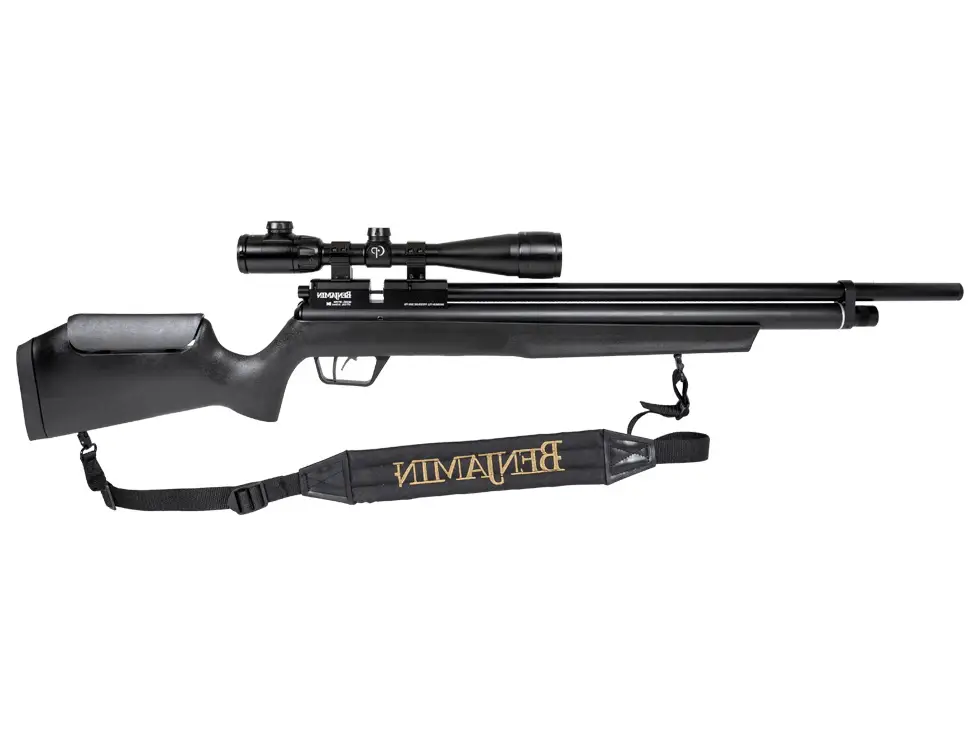
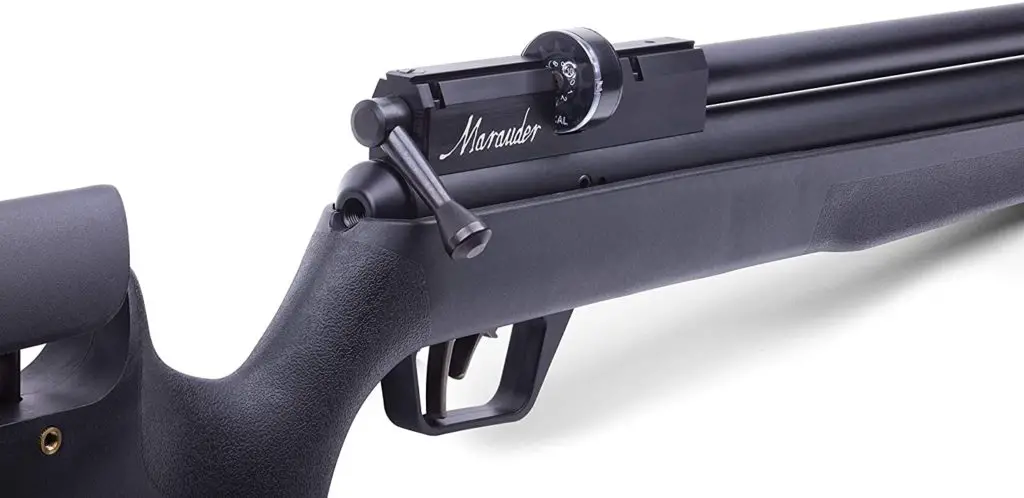
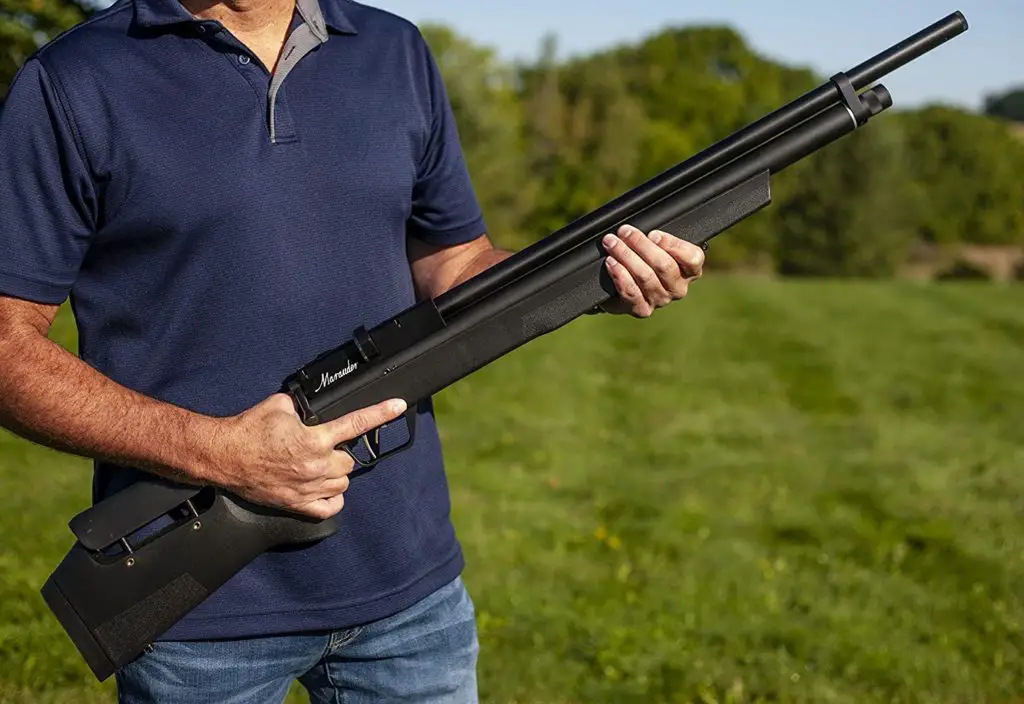
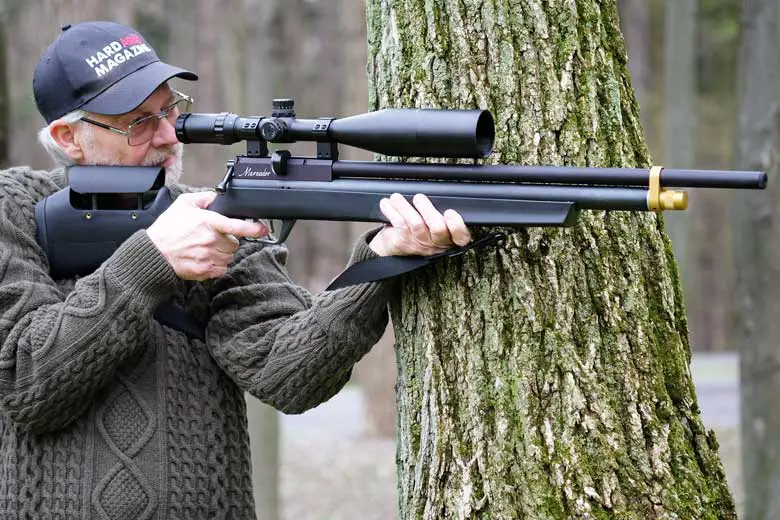
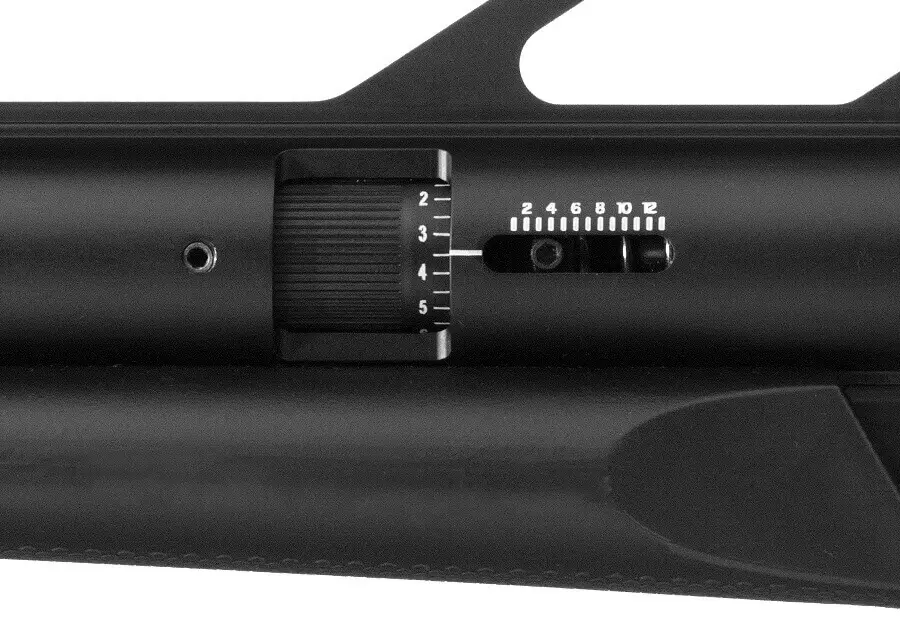
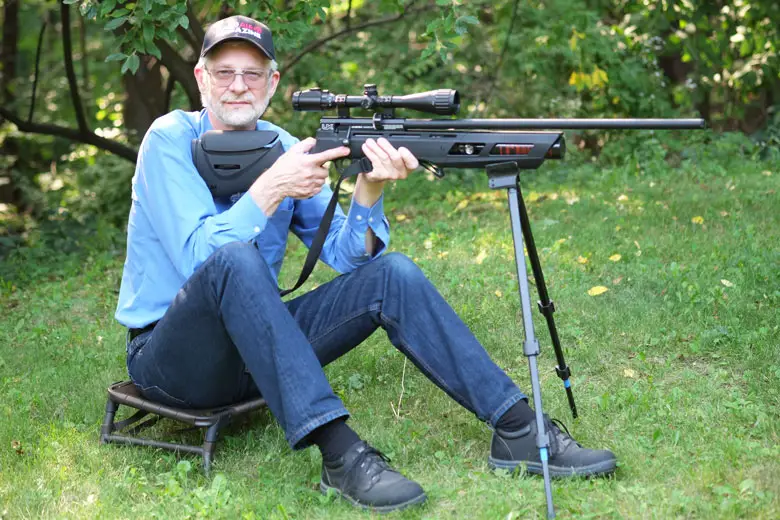
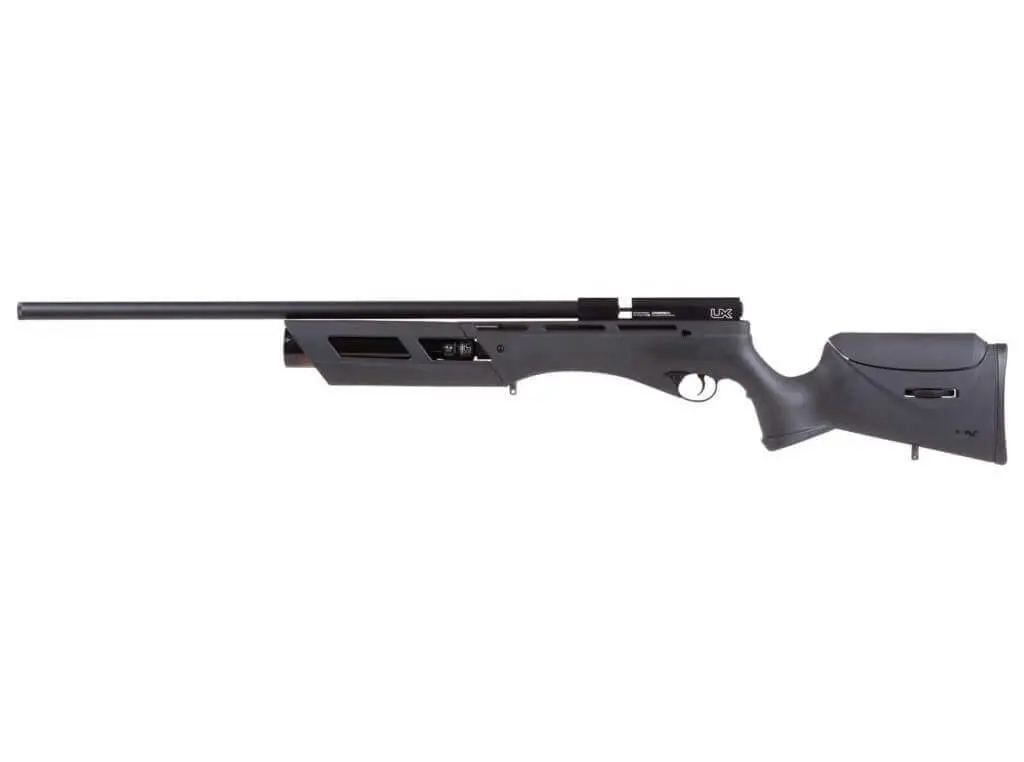
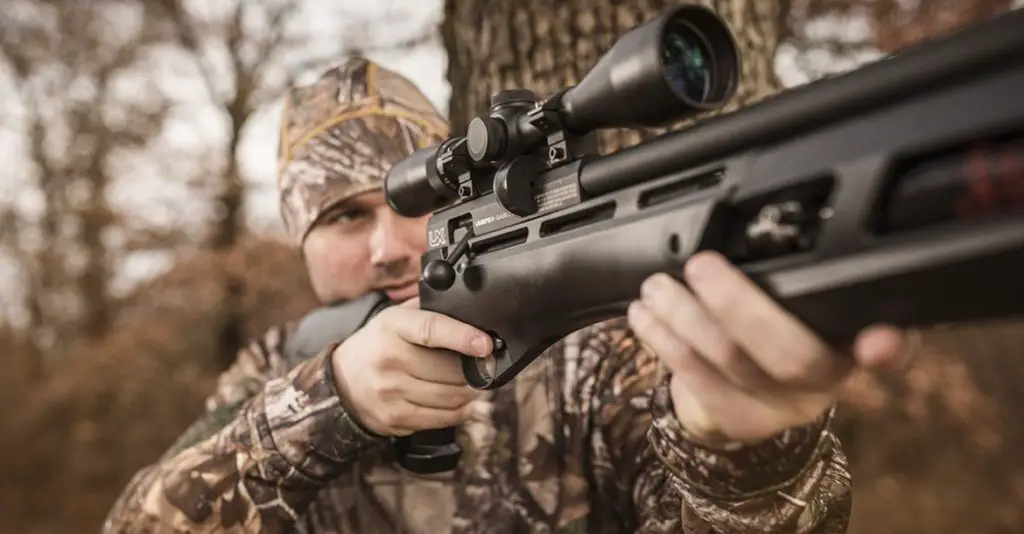
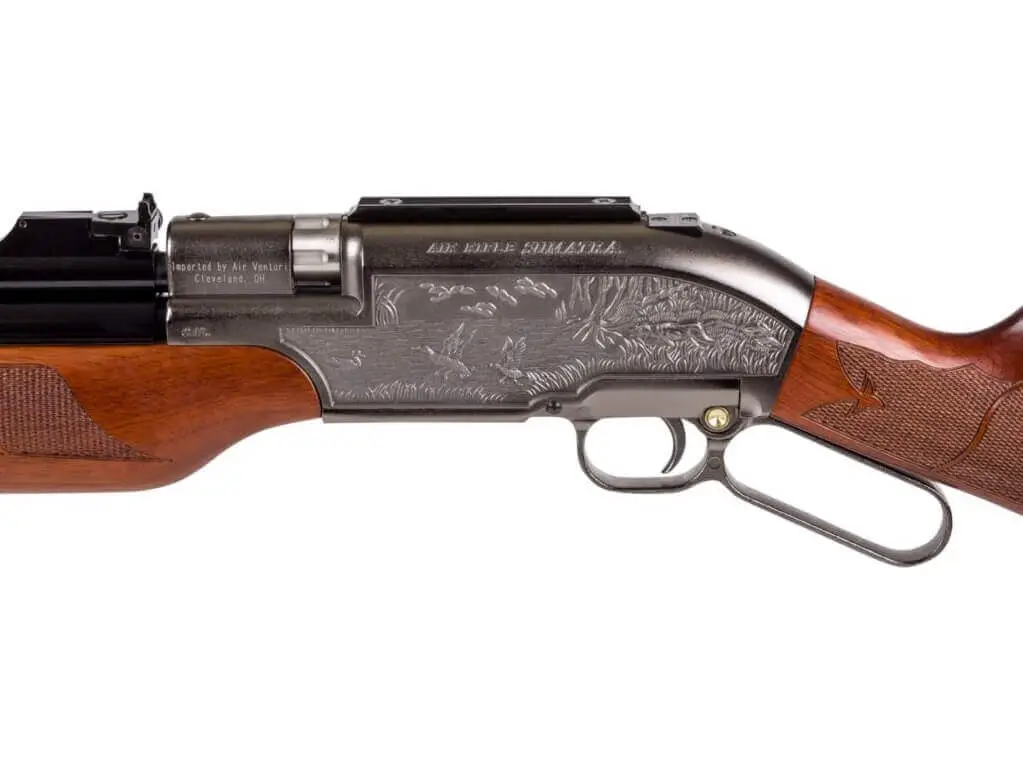
Around 90% of users recommend the air rifle due to its accuracy.
The reviews reveal that the air rifle has extreme accuracy for shooting and hunting.
Ian with Terry Tate from Team Wild used Benjamin Marauder for their hog-hunting trip in the video below:
Many shooters are even considering extending their backyard area to make full use of the rifle’s attributes.
Moreover, those who are first-time users also find the air rifle very user-friendly and reliable.
In addition to this, the Marauder is being lauded by ex-armed forces members.
Moreover, the customers are very appreciative of the price, which is very low for the features provided.
Key Features
One of the quietest air rifles
Outstanding accuracy
Inexpensive magazines
Transfer port and hammer spring allow for adjustment of the power
Accessories such as regulators, barrels, and air reservoirs are readily available on the market
Best for shooters and hunters
Reasonable price
Sleek hardwood stock
Attractive appearance
Conclusion
With outstanding accuracy, reliable performance, and reasonable price, the Benjamin Marauder is the perfect choice for shooters and hunters who don’t want to spend the likes of $1000.
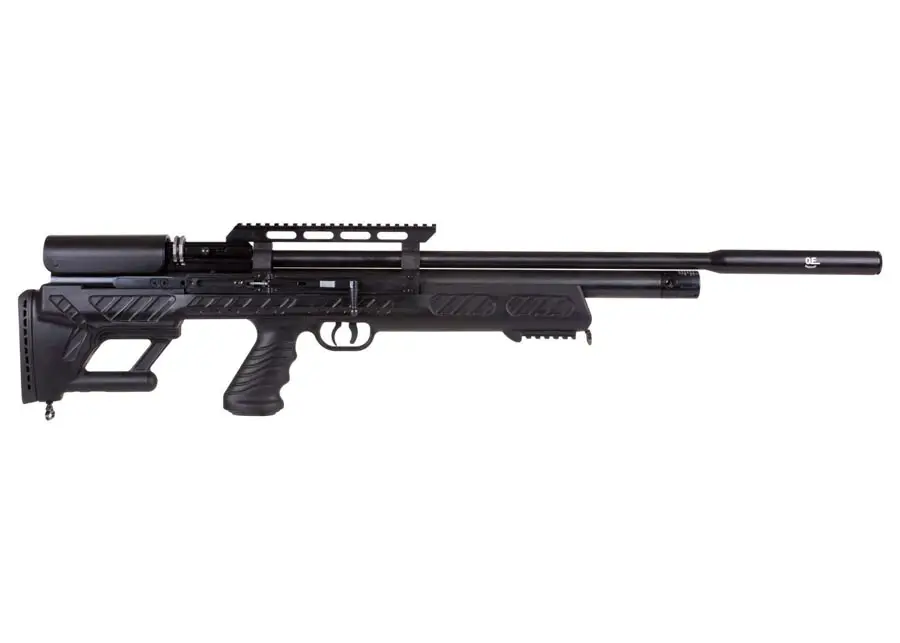
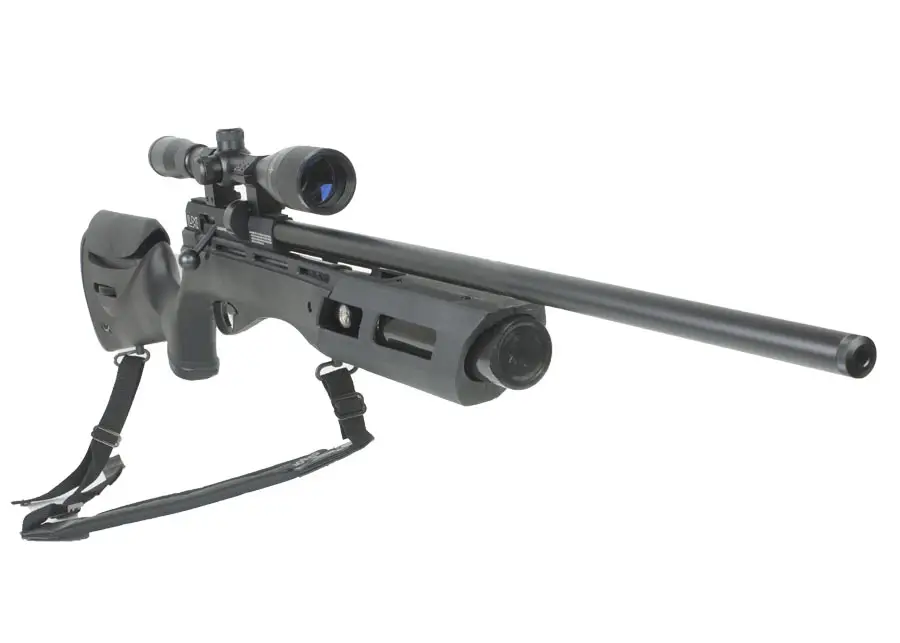
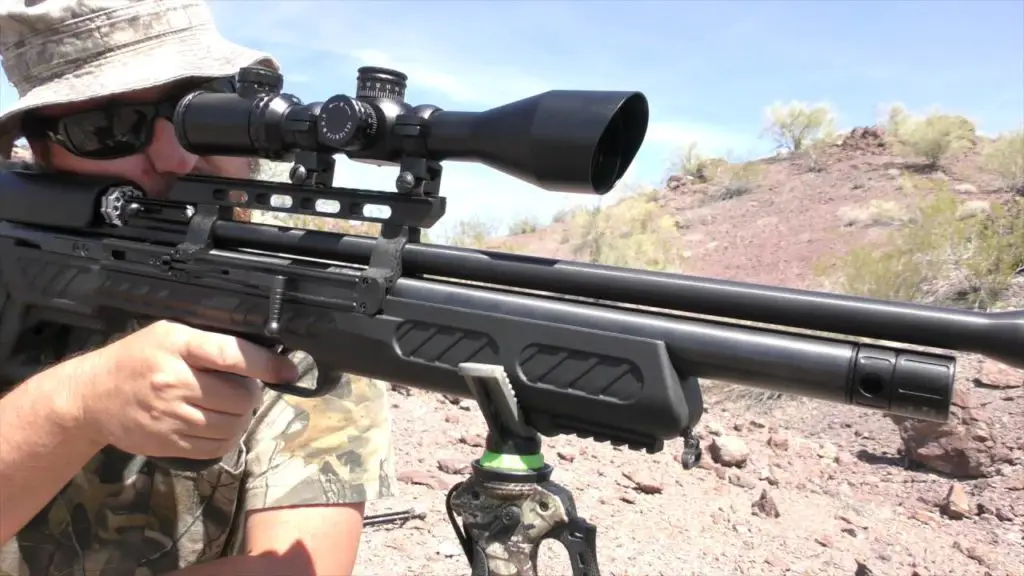
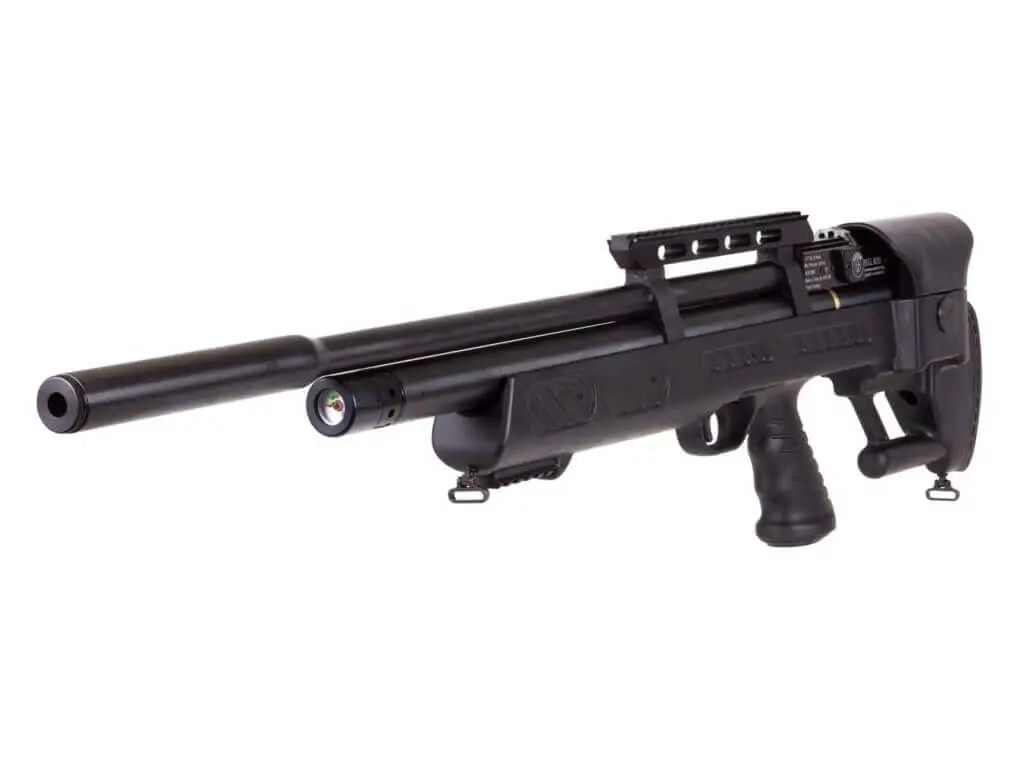
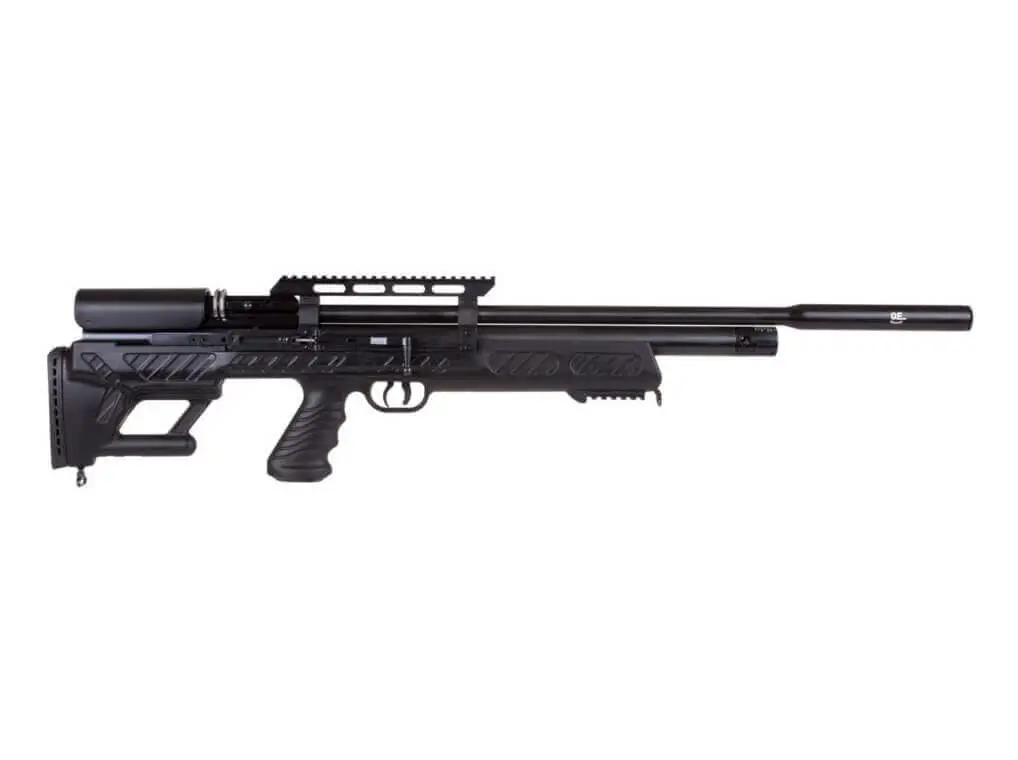
HatsanBullboss QE is known for its reasonable price, so if you’re not too tight on the budget, it might be a great gun for you.
Customer Reviews
The feedback of the customers for the Bullboss is mixed.
Some recommend it, while others have actually returned the HatsanBullboss QE.
Many users, however, do like the air rifle for its exceptional accuracy.
Moreover, the use of the trigger has also been appreciated as the trigger is much smoother.
Finally, the shooting range has been widely lauded.
In addition to this, shooters do have some complaints as well.
For example, they recommend not using the gun unless it is empty.
Due to the higher price, it might not sell as well as Benjamin Marauder.
The accuracy is commendable, but customers actually find it to be the best bullpup air rifle.
Key Features
Excellent accuracy
Quietness
Smooth trigger
2-stage Quattro Trigger System
Hardwood stock
Ventilated rubber butt pad
Conclusion
The above-mentioned description reveals that the Hatsan Bullboss QE is one of the best hunting air rifles under $1000, for users who need an accurate air rifle with useful features.
You can see the price is not so low, but it is reasonable given the features and performance.
Unlike our first air rifle, the HatsanBullboss QE does have some undeniable flaws.
Therefore, if you wish to buy an air rifle that is accurate, good-looking, less noisy and you do not care much about the price.
Moreover, being synthetic, it’s one of the lightest best long-range rifles under $1000.
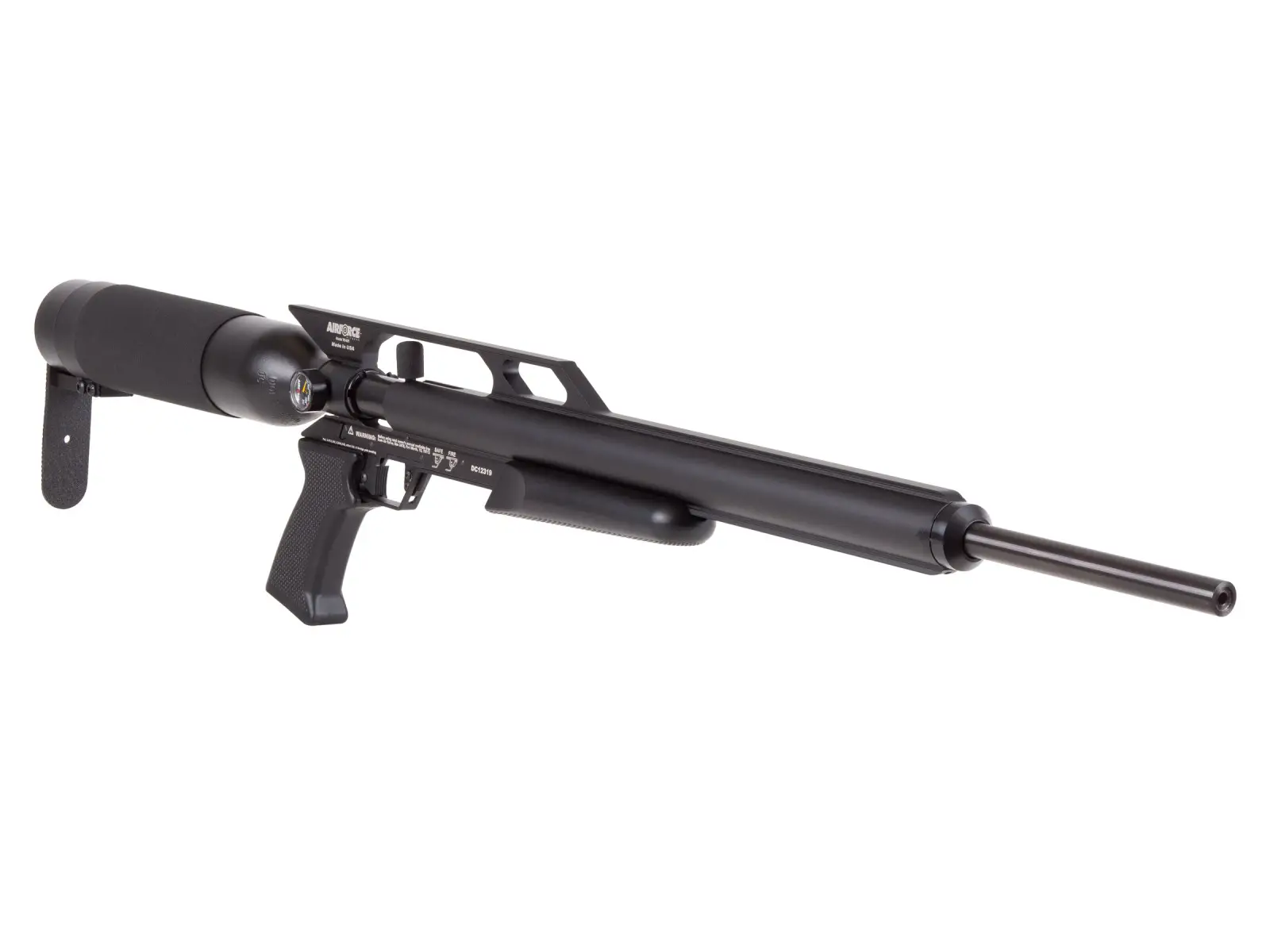
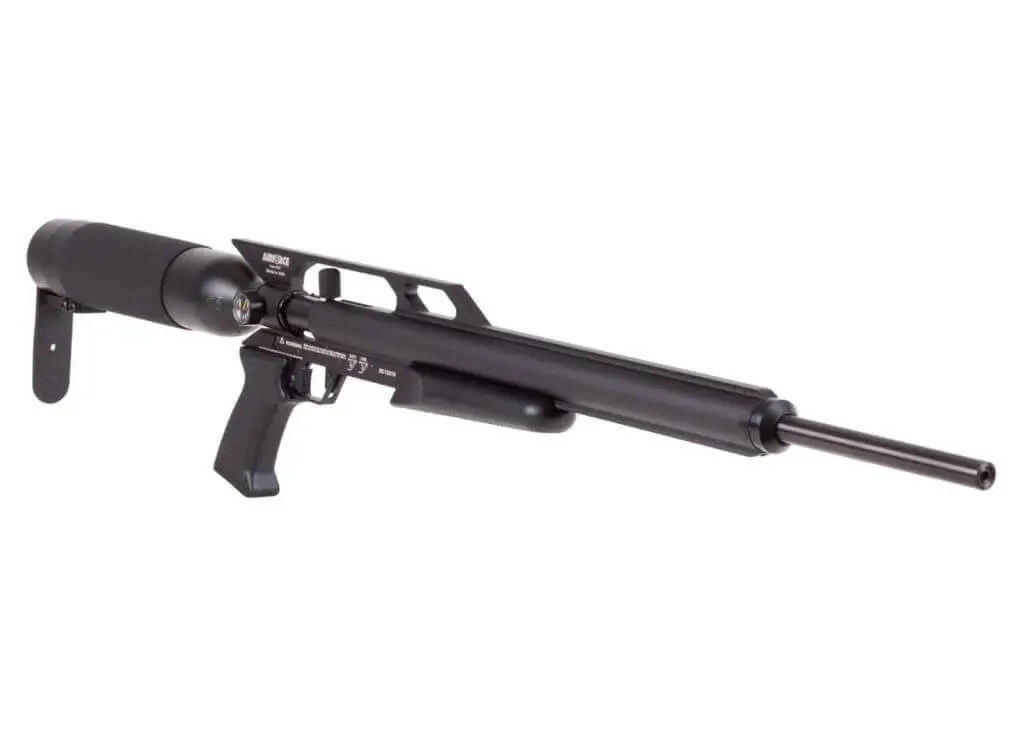
Therefore, for shooters who wish to have an enjoyable time in their backyard on weekends, the Airforce condor is a great option, as long as the noise isn’t an issue for you.
Additionally, most game hunters are satisfied with the performance, and also safety as well as power and accuracy.
Key Features
Exceptional Accuracy
Loud
Light in weight, therefore easy to use
Lifetime warranty
Highly adjustable power wheel
Lothar Walther barrel
Maximum velocity is 1150 fps
Conclusion
A serious air rifle for the serious shooter!
It is one of the best hunting rifles under $1000 in 2021.
Fact checked by Steven Lines, lifelong Hunter, and Outdoorsman.
If you plan to hunt elk, you need to get the right weapon. In this area, the .300 Blackout is a reasonably well-known name. But will it be powerful enough to kill an elk?
The .300 Blackout is powerful enough to kill an elk, as long as you are working within the right parameters. First, it has a limited range. You’ll have to be within 100 yards. You’ll also need to be confident of hitting the vitals, as it will struggle to get through the thick elk bones.
Before you head out to hunt an elk, you need to know what your weapons are capable of doing. This ensures that you will be able to deliver a kill shot. Keep reading to learn everything you need to know about using a .300 Blackout during your hunt.
Buy Ammo from Guns.com
Buy 300 Blackout Ammo from Palmetto State Armory
Performance of the .300 Blackout
Let’s start by looking at the performance of this cartridge. This will help determine how effective it will be when hunting for elk. It will also help you determine if it will be a good fit for your hunting style.
Accuracy
One of the most important elements to consider when you are planning for your hunt is how accurate the cartridge will be. The amount of drop you experience will often vary a little, depending on the grain that you are using. Typically, the heavier the grain, the more you can expect it to drop.
The good news is that this the .300 Blackout is designed to be very accurate. However, you should be aware that the bullet will start to drop fairly dramatically after the first 100 yards. How far it will drop will depend on a few factors, like the type of gun you are using and the amount of wind you are facing.
Here is roughly what you can expect when using a 110-grain bullet:
Minimal drop within the first 100 yards
Down 2.1 inches after 150 yards
A drop of 6.6 inches after 200 yards
After 250 yards you have lost 13.5 inches
Recoil
The next thing that you need to consider is the amount of recoil that you will experience. The good news is that this is one of the lowest-recoil bullets you can use, especially in the hunting realm. It will be a little more than the .308 Winchester. It’s on par with the .223.
This is a good choice for beginner hunters, as it isn’t going to throw you off-balance too much. It’s also ideal for people who have shoulder problems or hunters who are a little older.
Cost
Due to the popularity of the .300 Blackout, the costs associated with the ammunition will be fairly low. This will vary a little, depending on the type of grain you are purchasing. Generally, though, you can expect it to be between $45 to $60. This is a fairly good price.
Availability
It’s important to think about the type of gun you will be using when hunting. You need to make sure that the cartridge will be compatible with this weapon. The good news is that there is a wide range of rifles that you can shoot a .300 Blackout from. The AR-15 is the most common weapon used with the .300 Blackout. Primarily, it is used for military purposes. Because of this, the popularity you shouldn’t have any trouble finding ammunition.
Type of Grain
When you are thinking about the equipment you are taking hunting, it’s important to make sure that you are getting the right grain. This will ensure that you have enough power to kill an elk. This is where the popularity of the .300 Blackout comes into play.
They are available in a range of grains. They typically start at around 110 grains, but they can go all the way up to 220 grains. It might be best to stick with a heavier grain. These will allow you to penetrate more deeply. It can also help when you are dealing with thick elk bones.
It should be noted that, because they are used with the military, there is a wide range of available bullets. For example, some rounds are built to be subsonic. Others might be designed to work with silencers.
When you are hunting for elk, it’s best to use hollow point ammunition. They will be able to expand when it hits a target. This will do more damage, opening up a large blood trail.
Penetration
With any species, you need to make sure that you are doing enough damage to deliver a kill shot. This is more important than ever when you are dealing with a larger animal, like an elk. In this area, there are lots of variables that can affect the penetration, including:
Where you hit the animal
The amount of wind resistance
Distance from the elk
Grain of the bullet, which affects its weight
However, we can estimate how much force the bullet will impact will have by analyzing the ballistics. Often, the 110-grain will leave the bullet with a muzzle at 2,375 feet per second. If you hit the elk within the first 100 yards, you will be able to deliver 1,071 pounds of force.
Legality
Finally, you should always check your hunting rules before you begin. If you have the wrong set-up, you could be facing a major fine. The good news is that the.300 Blackout is legal in all states. You just need to make sure that you are using supersonic rounds. Though in some jurisdictions, subsonic varieties will be allowed.
What’s the Range of the .300 Blackout?
The .300 Blackout is a close-range weapon. It’s best to use this within a 100-yard range. Outside of this distance, the power starts to drop, so you might not have enough force to kill the elk.
The .300 Blackout is a popular choice when hunting for Whitetail deer. You can kill these animals from 200 yards away. Plus, they allow hunters to use AR-15, a weapon that most people will be familiar with and fairly comfortable shooting.
When you are working with any weapon, it’s important to think about the range. This is especially important when you are working with a large animal, like an elk. Too little power and you could be setting yourself up for a long blood chase as you work to track down and kill the injured animal.
The .300 Blackout has a limited amount of power, especially when compared to some of the larger hunting cartridges on the market. To ensure that you can penetrate deeply enough to kill the elk, you will need to move reasonably close before taking your shot. It’s usually best to be within 100-yards, though closer is usually best. If you can, try to get even closer. 40 or 50 yards will deliver the best results.
It should be noted that there are a few things that will affect the range of the weapon. These elements include:
Weather conditions. On a blowy day, you will face more wind resistance on the bullet. This can slow it down, reducing the penetrating force.
Accuracy. This is one of the most important elements to consider. If you can reliably land a shot to the vitals, you might be able to move a little further back. But you don’t want to go too far back, as you don’t want to risk not having enough penetrating force to kill the animal.
Species. If you are shooting a deer or hog, you can be further away. 200 yards for these species is a good option. But an elk is one of the largest hunting animals. Because of this, you will need to be closer.
Temperature and humidity. These might also affect the flight path of the bullet. Though this only starts to come into play when you are shooting from long distances.
Should You Shoot an Elk With a .300 Blackout?
The .300 Blackout is only effective at close ranges. It will also require you to have a clean shot and the accuracy required to hit your target. If these conditions don’t suit your hunting style or abilities, it’s best to try a different cartridge.
Now that we know a little more about this type of cartridge and how it performs, we have established that it can be to hunt elk effectively. But this doesn’t answer one of the most important questions. Is it a good choice for these larger species?
This is a contextual question, which will require you to answer a few important questions. These are:
How far away are you? This is one of the most important things for you to consider. As we mentioned, this will only be effective within 100-yards, it isn’t a good choice for hunters that prefer to shoot from a longer distance. But if you are presented a good opportunity, like an unexpected shot at a buck as you are stepping out of the car, it will be a good choice. You can shoot with an AR-15 within a few seconds, often with accuracy.
Can you hit the mark accurately? The next thing you need to consider is how confident you feel using the cartridge. The good news is that the .300 Blackout tends to be fairly user-friendly. It doesn’t have a lot of recoil and will fly fairly straight. But you should still have a few practice shots before the hunt to make sure you can hit the target.
What type of bullet are you using? This will determine the amount of damage you will be able to do. If you are using a heavier grain and have a hollow point, you should be able to kill the elk. Even if you don’t the wound will be deep enough to create a strong blood trail.
Are there any other options available? Finally, think about what other weapons you have at your disposal. If you have the choice, it might be better to pick a more long-range cartridge, like the Nosler Accubond. This has plenty of power, so you shouldn’t have any issues taking down the elk, even if you are around 200 yards away.
Once you know the answers to these questions, you will be able to determine whether you want to take the shot. There are a few circumstances where you can comfortably use the .300 Blackout. The elk will need within 100 yards. You’ll also need to have a pretty good shot, so you can be sure of putting it into the vitals and delivering the kill shot. You should be able to put the elk away.
Outside of this circumstance, it’s probably not a good idea to use the .300 Blackout. It will be a great option for smaller animals like deer or hogs. But when it comes to the bigger prey, like elk, it might struggle to get the job done.
What Else Can You Shoot With a .300 Blackout?
While elk might not be the best fit for the .300 Blackout, that doesn’t mean that you won’t be able to use it when hunting. It just means that you might need to adjust your target species a little. Here are some of the animals you can focus on:
Deer. This is the most common hunting application for this ammunition. In particular, you should focus on the whitetail. As we mentioned, it will be legal in all the States, so it has become a popular choice with deer hunters.
Hogs. These are other ideal target species. Like when hunting deer, you will be able to use this cartridge from a distance. You should be able to kill a hog from 200 yards away.
Bears. When on a camping trip, it can be a good idea to take an AR-15 with you, especially if you are going into bear country. If one of these animals breaks into your camp, it will allow you to defend yourself. If you need to, a close-range shot to the head should be enough to kill the bear. Often, though, the noise of the gun will be enough to deter them.
Smaller varmint. The .300 Blackout will offer more than enough power to stop smaller animals, plus it’s low-cost and accessibility makes getting replacement bullets easy.
Alternatives to Using a .300 Blackout
No cartridge will suit all hunters; you might need to experiment a little to find the one that suits you the most. The good news is that there are plenty of other options available for you to explore. These include:
Hornady. This is one of the most popular deer hunting cartridges on the market. It’s known for its accuracy and deep penetration. It should offer enough power to take on larger game, like elk.
.223. The .300 and .223 offer a similar shooting experience. The .223 will also be suitable for use with AR-15s.
.308 Winchester. This is another cartridge that is often compared to the .300 Blackout. However, this option is often best for shooting over longer distances.
It’s often a good idea to experiment with the type of ammunition you are using during the off-season. Go to your local range and try out different types of cartridges. This will make it easier to find one that you like to work with.
Tips For Hunting With a .300 Blackout
As we mentioned, the .300 Blackout can be a good choice for elk hunting. But you will need to be careful about the situations you are using it in. Here are some of the tips you can use to make sure that you get a kill shot on your next hunting trip:
Get close. Because of the limited range, you will need to get used to stalking the bulls. This takes a lot of skill.
Be patient. This cartridge might struggle to bust through the thick bones of the elk. Because of this, you will need to wait until they are in the right position before you take the shot. This gives you the best chance of hitting the vitals.
Be prepared to take a second shot. If you aren’t quite hitting the spot on your first attempt, you might need to make a follow-up shot. This is where the rapid-fire nature of the AR-15 shines. If you can get a second shot in quick enough you might be able to save yourself from having to follow a long blood trail.
Always be ready. You never know when you might get an opportunity to take a shot at the elk, especially if you are stalking them. Because of this, you need to get confident in your hunting ability. If you are offered a clean shot, within the target range, take it. You never know when you are going to get the next one.
As long as you apply these tips, you stand a good chance of being able to land an elk with a .300 Blackout.
Final Thoughts
Buy Ammo from Guns.com
Buy 300 Blackout Ammo from Palmetto State Armory
In the right hands, any weapon is capable of taking down an elk. The key is finding the one that best suits your hunting abilities. The .300 Blackout won’t be suited to those who like to shoot from long distances. But, if you like to get close to the action, stalking until you are within 100 yards, this cartridge is right for you.
Steven Lines is a hunter and outdoorsman from Safford, Arizona, USA. Since he was a child, he has been hunting and fishing and has over 20 years of outdoor experience. Steven works as a hunting guide in Arizona during his spare time and runs a Youtube channel dedicated to sharing his outdoor adventures with others.
Exploring the Pros and Cons: Pump Air Rifle vs Break Barrel - Unveiling the key differences and advantages between two popular air rifle mechanisms....

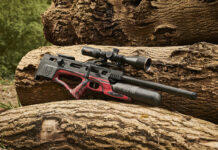
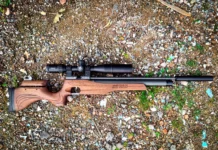
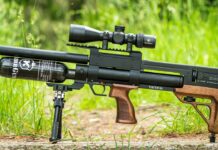
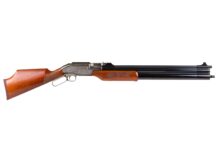

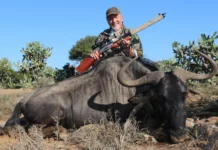
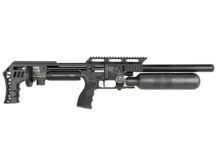
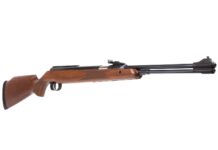

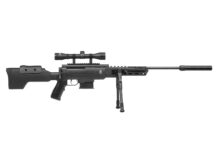
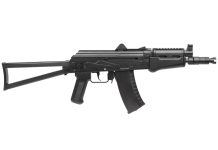
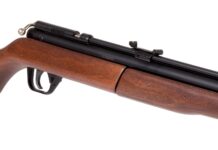

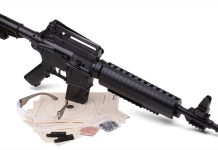
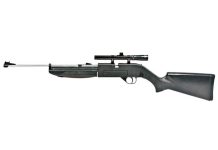
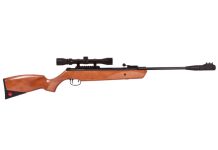
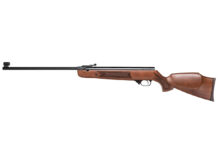




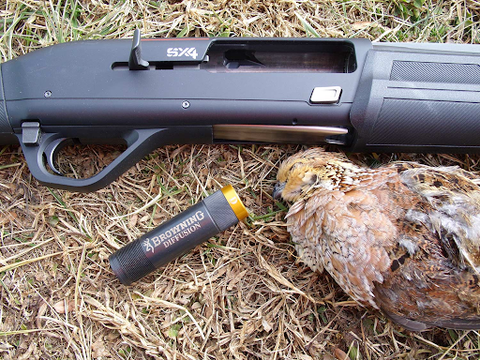
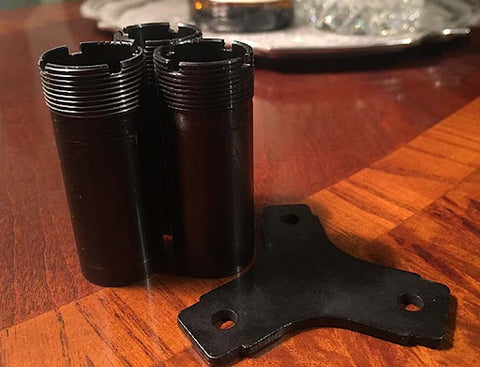
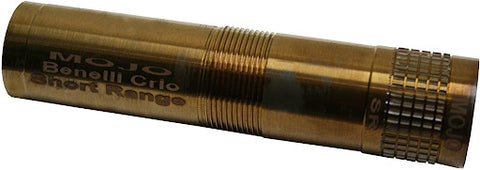
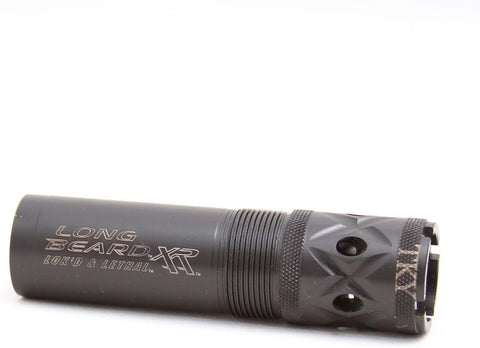
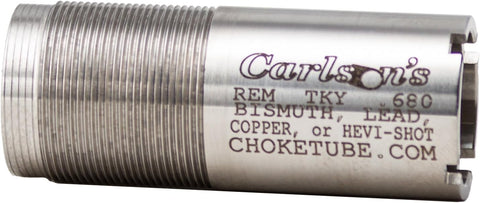
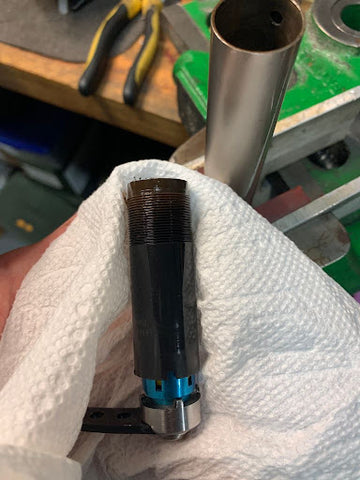
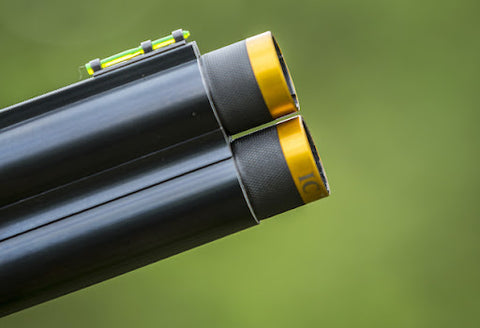
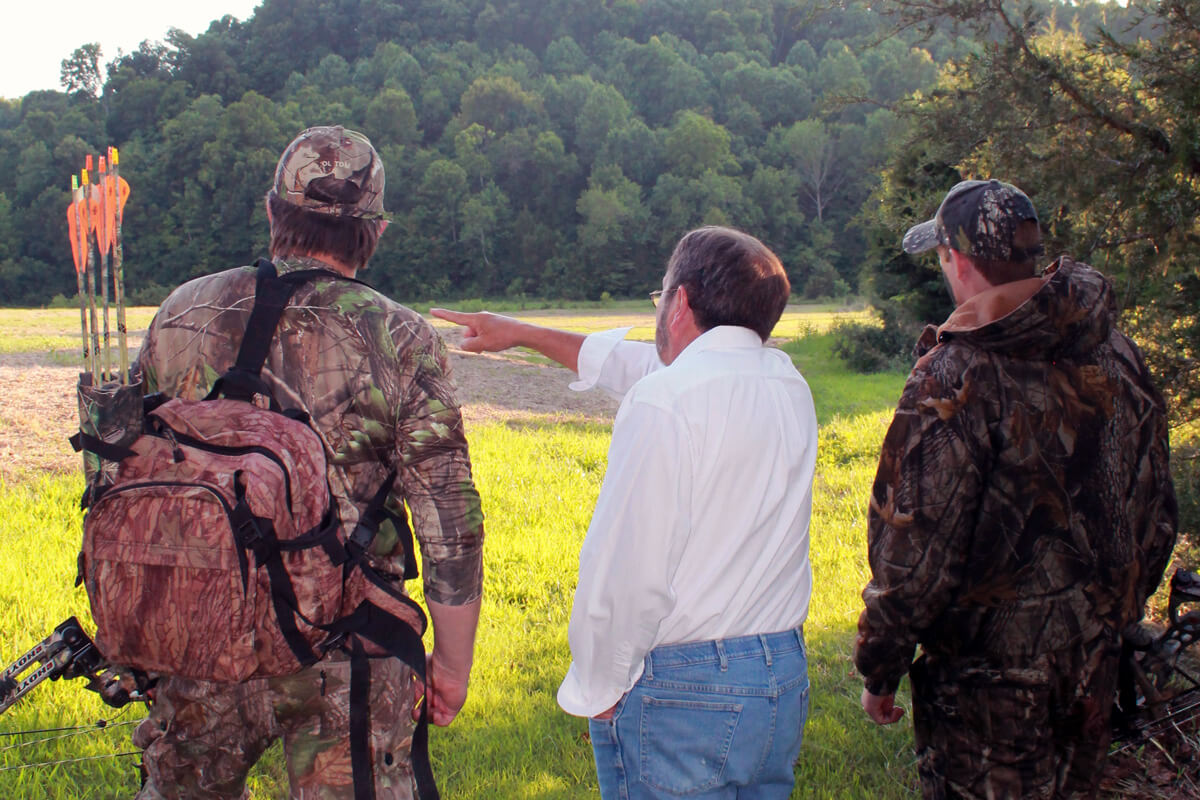
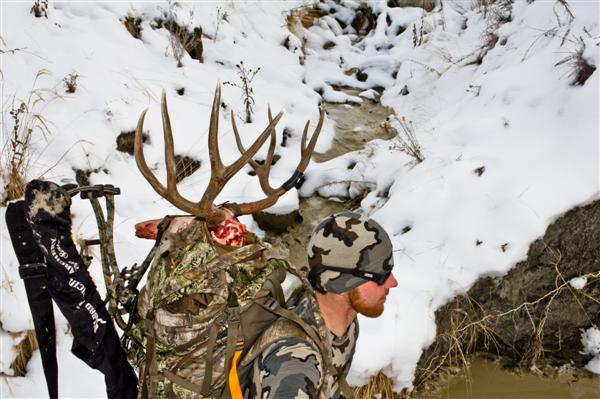
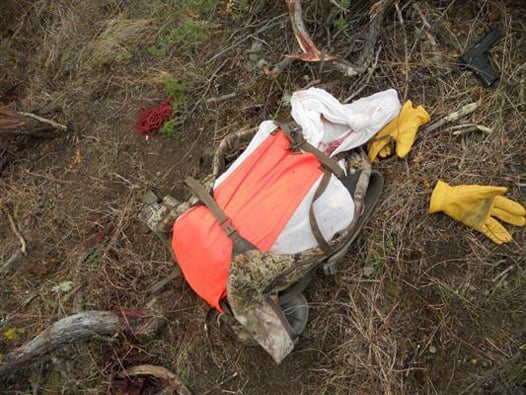
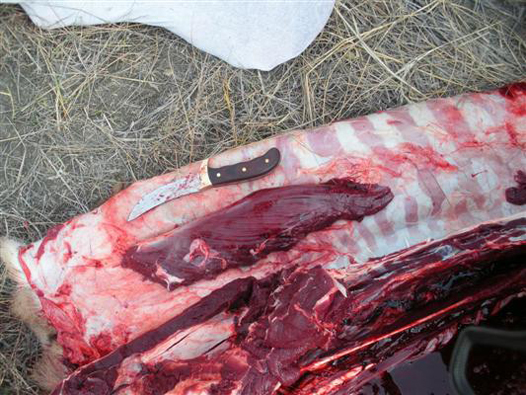
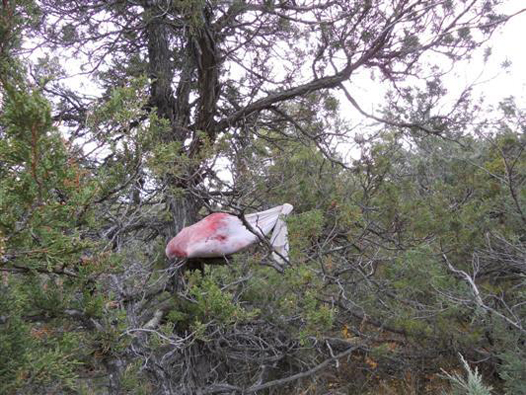
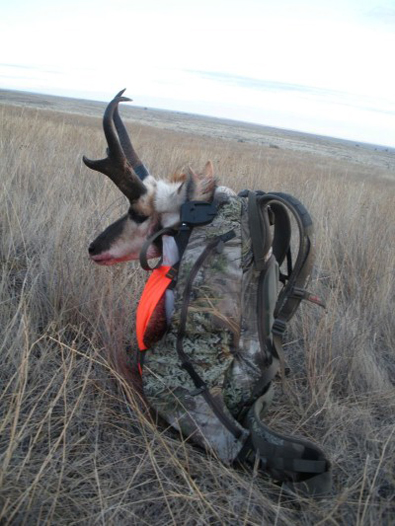
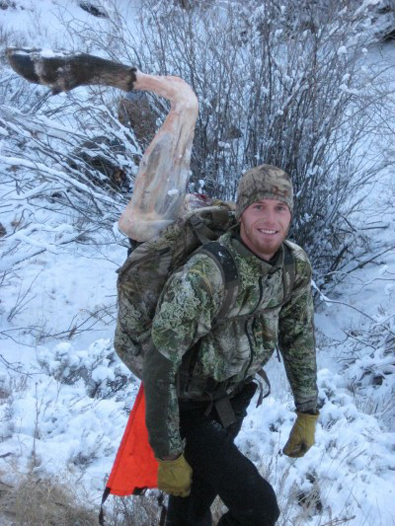
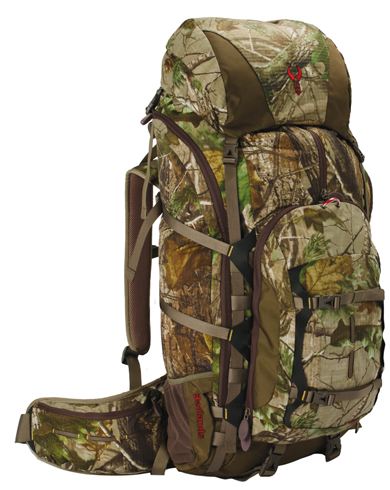
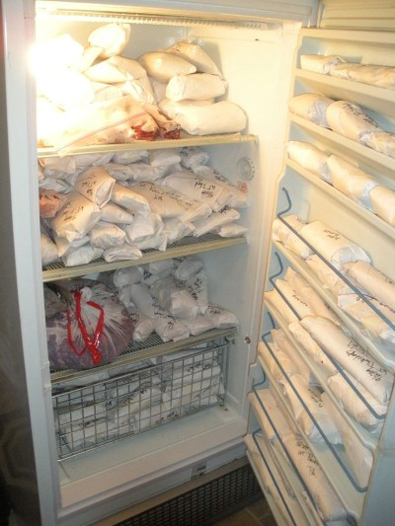
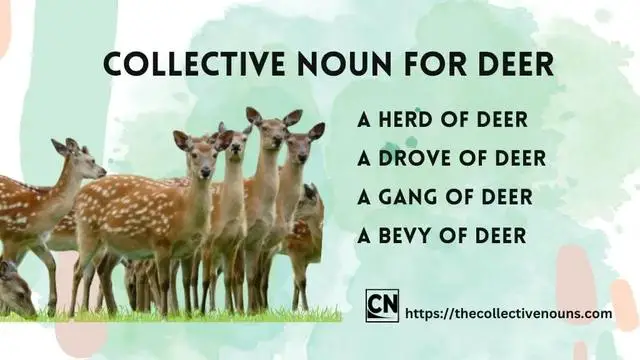
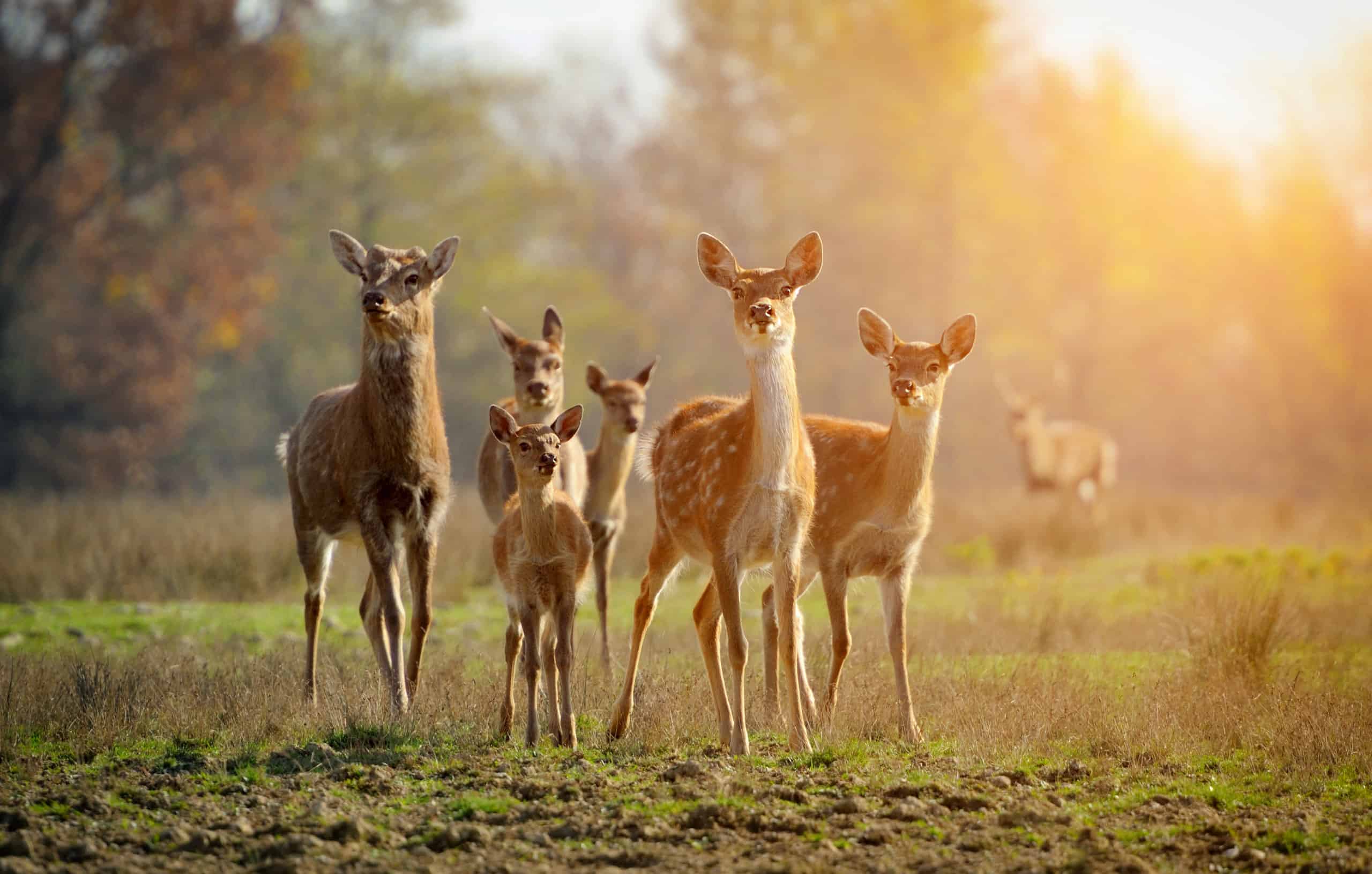
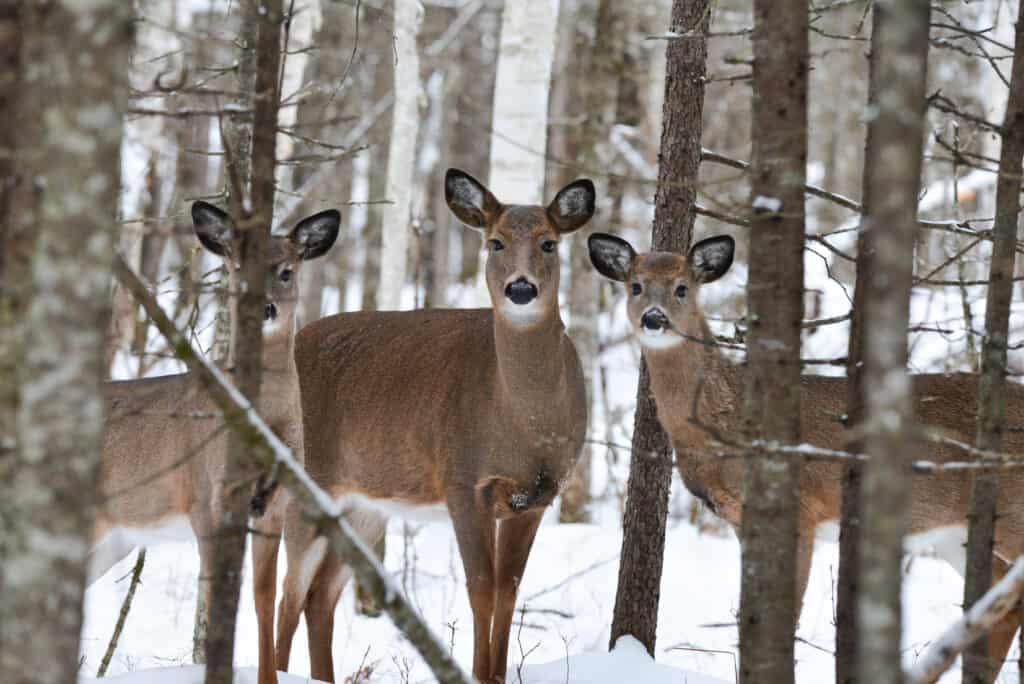
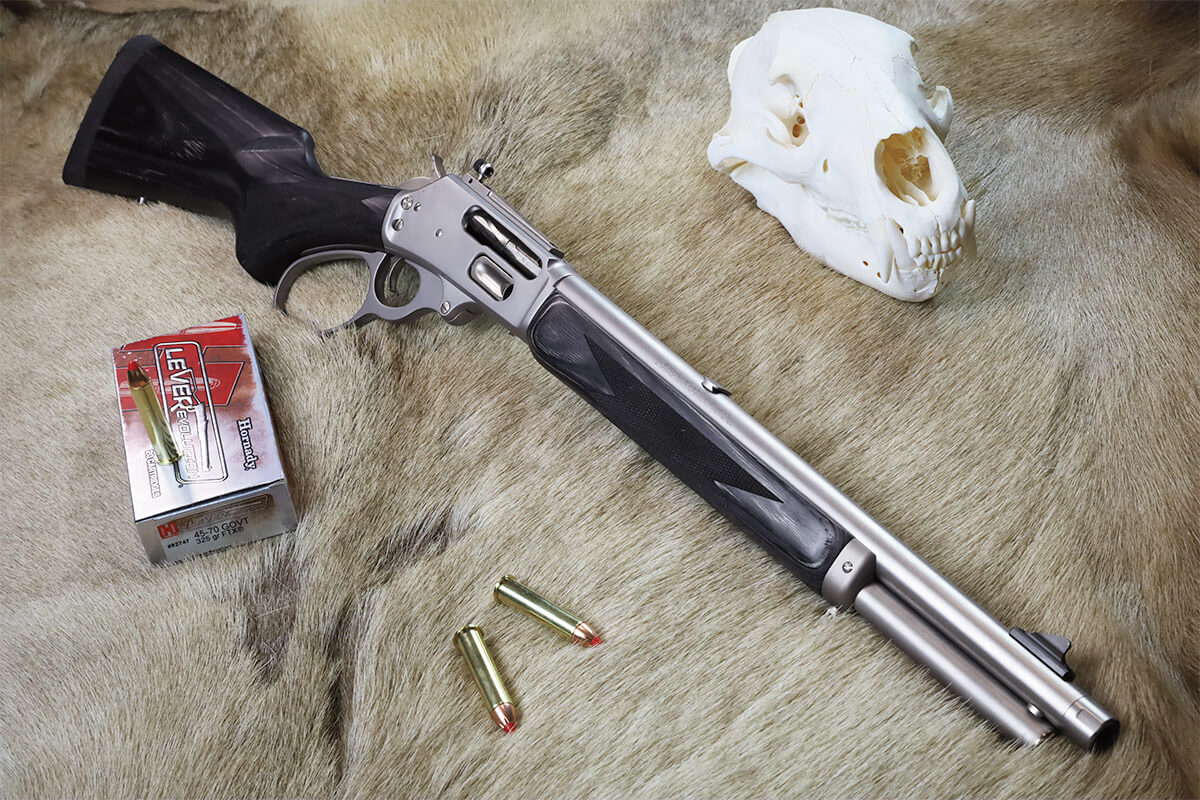
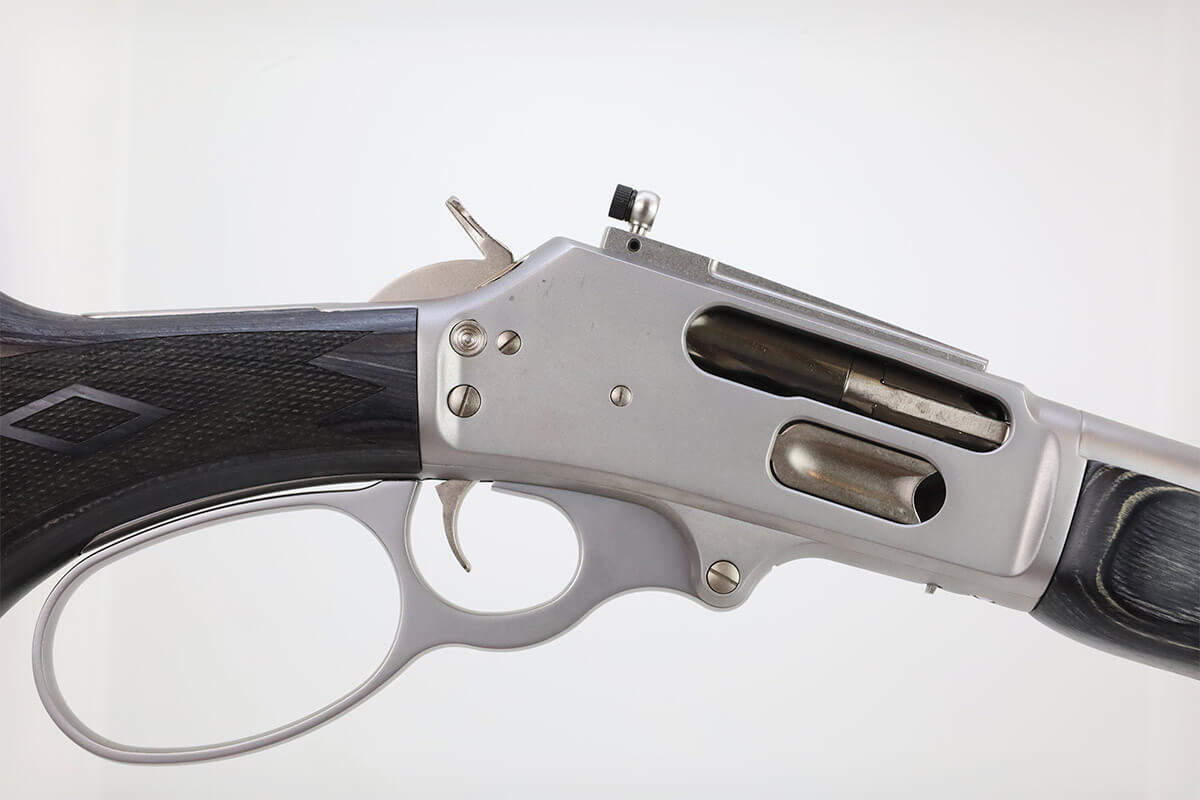
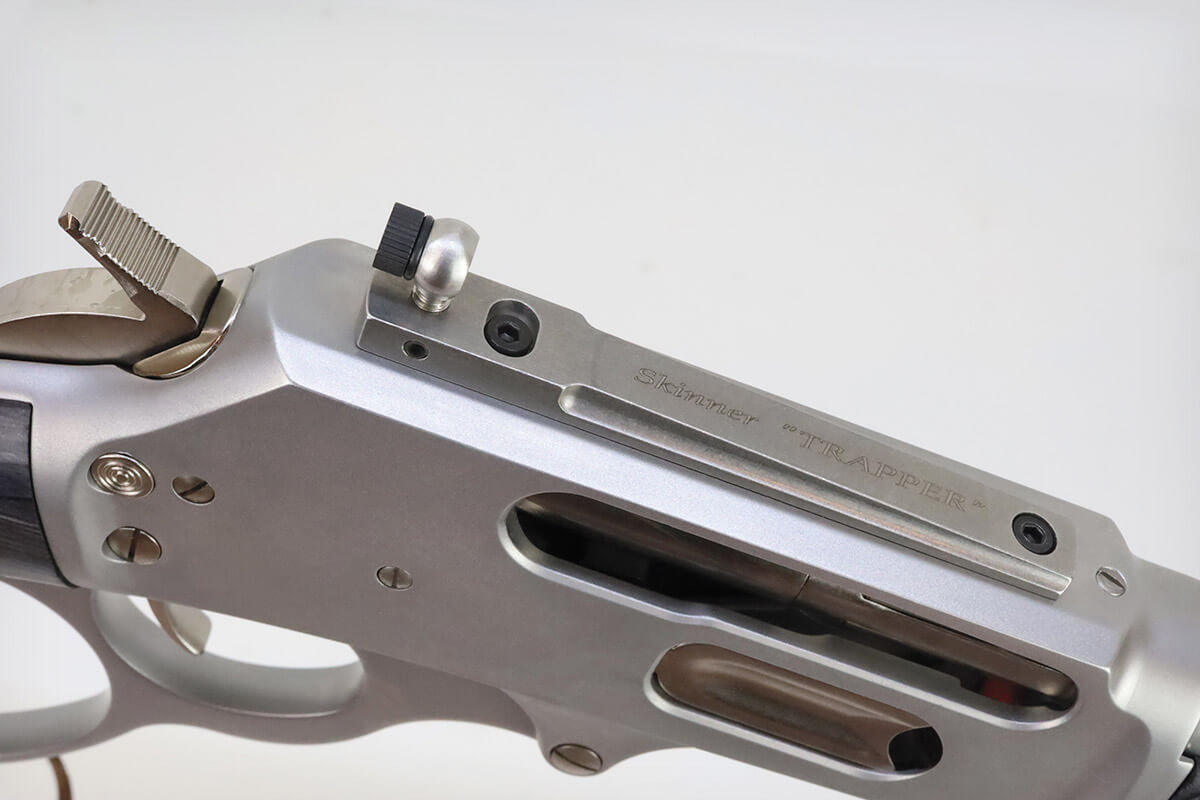
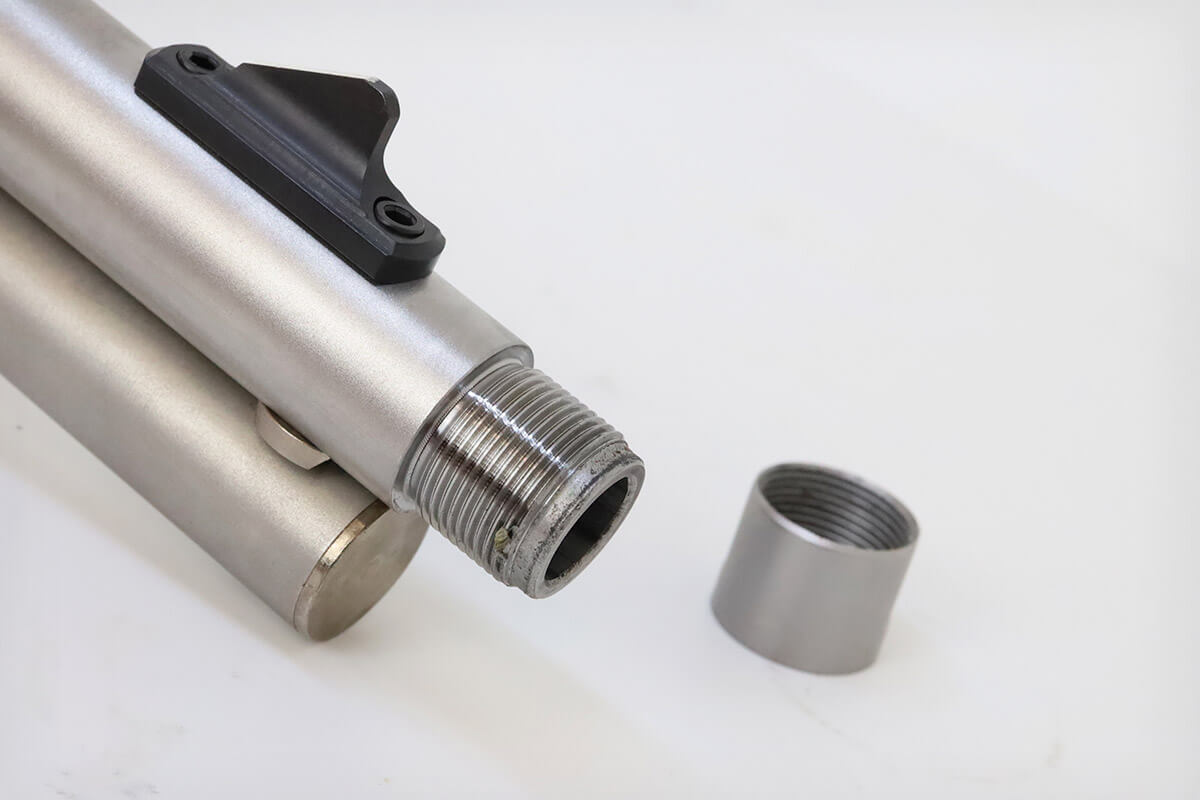




 SW is a lure that was originally popular as a minnow for bass fishing, but was developed for the salt lure game.
 The X-80SW is a recommended lure for those who are looking for a minnow with power that moves greatly and appeals to a wide range of people.
 The Big Bucker Gulf Minnow is a minnow from the Big Bucker salt game lure series sold by Jackal.