Today we continue looking at the 2024 SHOT Show and there is one more report yet to come.
SHOT in reverse?
Remember my comment that the crowds were smaller this year? Well, today they weren’t. It almost felt like a first day. Go figure!
Correction
I have to correct something in the Day 2 report. I called that concealed carry firearm a Three Ounce pistol. It isn’t. It’s just an Ounce pistol. They used the international symbol for the measurement “ounce” in front of the word Ounce on the literature and I thought it was a fancy number three.
The cover of the Ounce pistol brochure.
Okay, let’s see some more of the show!
Evanix
Viper — The Viper is a new precharged pneumatic (PCP) pistol that comes in .177, .22 and .25 calibers. It is semiautomatic and has a 7-shot rotary magazine in all calibers.
Evanix Viper is semiautomatic.
The Viper has a balanced valve and gets around 20 good shots per fill to 3,600 psi. It gets in the 12-14 foot-pound range in .177 to around 20 foot-pounds in .25 caliber. It retails at $975.
Rex S — I also saw the Rex S which is a Rex pistol bored out to accept 28-gauge shotshells. The Rex rifle also gets this treatment, resulting in a 28-gauge shotgun that shoots a charge of shot at up to 1,300 f.p.s. for the long gun and 1,000 f’p.s. for the pistol.
The new Evanix Rex shot pistol.
Here is the shotshell and a charge of shot that goes in the Rex S pistol.
ASG
My next stop was at Action Sport Games. They showed me a pistol that looks very much like a Glock but is actually called an ISSC. Now get this — ISSC is an Austrian firearms manufacturer, just like Austrian Glock and their handguns look like Glocks. But they’re not. They are ISSC.
ISSC M22 — This is a CO2-powered BB pistol that comes in either a blowback or non-blowback model. It should be out later this year and I will test it for you.
ASG will bring out the ISSC M22 later this year.
Security at SHOT
Just a side comment — the security at the show was much tighter this year than ever before. There were service dogs everywhere. I bet I saw at least 40 of them. Also, at my hotel there were guards on all the guest elevators, asking to see your room card/key. I know that Vegas has had problems in the recent past, but I could tell they aren’t quite sure what to do about it.
Hawke
My next stop was at Hawke, the scope manufacturer. I saw a scope with not less than 8-inches of eye relief! Called the Vantage Turkey Dot, it’s a 1-4X20 that you hunters should look into when it comes out.
Hawke Vantage 1-4X20 Turkey Dot.
What this scope will do for airgunners is allow them to mount it forward of the back of the rifle. It’s a little longer than a Bug Buster and probably ideal for some guns like the Dragonfly 2. It will probably sell for $220.
Josh and Mirfee Unger
At the AirForce booth I ran into Joshua and Mirfee Unger. Josh is the founder of Pyramyd AIR. They came as a surprise to see AirForce and also to see the folks at Air Venturi.
Josh and Mirfee Ungier. Josh founded Pyramyd AIR and Air Venturi. They enjoyed being back at SHOT once again.
Survival Airguns
My last stop was at the Survival Airguns booth. Their name includes two words I don’t expect to hear together — survival and airguns. This I had to see.
Zeus — The Zeus is a .72 caliber (12-gauge) rifle that I was told develops 1,500 foot-pounds of energy at the muzzle. If it can do that it is hands-down the most powerful air rifle in the world.
The Zeus is Survival Airguns big boy.
Zeus cornflakes. Seventy-two caliber hollowpoints made by Mr. Hollowpoint.
Summary
And that was the show. But for Monday I’m writing one more report that catches most of the things that haven’t yet been in the reports of the last four days. This SHOT was good, and I can see the industry is changing. Some companies are growing while others are fading away. I guess that’s life.
Compact is a term that’s seen as rather relative in most things. In the gun world, the term compact pistol seems firmly rooted as a firearm’s descriptor.
What size is compact?
Sig Sauer P365XL
Typically, a compact pistol has a barrel length between 3.7 to 4 inches. It also sports a double-stack type magazine with a capacity of at least 15 rounds (if 9mm) and features similar to a full-sized gun – like a rail for lights and optics compatibility.
The Glock 19 defined an entire generation of pistols as the standard-bearer for what a compact pistol should be. It’s small enough to be carried concealed but big enough to be a duty or home defense pistol.
Glock 19 Gen 5
New generations have seen a rail for lights and a cut for optics.
Being a standard-bearer meant you were innovative enough to be successful. However, does that mean the Glock 19 is the best compact pistol on the market?
I don’t think so.
Here a Glock, there a Glock…
I appreciate Glocks, and I own them, but I think Glock has gotten complacent. They still equip those not-so-great sights to their guns, and they won’t release the MOS 3 to us average joes. Not to mention, they ignore most ergonomic complaints until a big contract calls for changes.
With that in mind, if the Glock 19 is no longer the best, what is?
That’s tough. The compact handgun genre has become incredibly popular and is filled with outstanding options.
I can’t tell you which is the very best, but I can tell which guns are gunning for Glock’s top spot.
So, keep reading to see some Glock 19 alternatives in the compact realm.
THE QUICK LIST
Best Glock 19 Alternatives
1. CZ P-10C
CZ produced a striker-fired pistol before, but we don’t talk about the CZ 100. What the CZ 100 got wrong doesn’t matter because the CZ P-10C got it right. The latest and arguably greatest strike-fired from CZ hit all the right marks.
The CZ P10C
The C stands for compact, and the barrel measures 4.02 inches long, the capacity of flush-fitting magazines is 15 rounds, and the pistol is 1.26 inches wide.
Optics-ready options are available, and the gun comes with a Picatinny rail and backstraps to adjust for different hand sizes.
On top of that, CZ makes numerous models with different features, including suppressor height sights, threaded barrels, and different frame colors.
The P-10C does a few things notably better than the Glock…
First, the trigger is superior. It’s a cleaner break with a flat-faced trigger that performs better and feels better in hand.
Second, I find the ergonomics to be phenomenal. This includes the slide lock placement, the magazine release size, and the ultra-aggressive grip texture.
Capacity matters. The CZ P10C OR has a 15 +1 capacity and ships with two mags.
Oh, and the sights are made of metal — not plastic.
Glock still has CZ licked in simplicity and magazine prices as CZ mags are pricey. While the P10-C can be upgraded with new controls, triggers, etc., the Glock is still the easier gun to work on.
Even so, the P-10C offers more features, better ergonomics, and more configurations, and they do so for about the same price as a Glock 19.
Want to learn more? Check out our review of the CZ P-10C.
2. Walther PDP Compact
PDP might as well stand for Pretty Damn Perfect because Walther blew it out of the park with this gun. The PDP is a successor and evolution of the PPQ.
It’s the first pistol I know of designed with the use of red dots in mind.
Walther PDP
That said, of course, it’s red dot ready and outfitted with a plate system superior to the Glock MOS system in design.
The PDP compact features a 4-inch barrel, a width of 1.34 inches, and a magazine capacity of 15 rounds.
Walther designed the gun’s grip ergonomics around using a red dot, which shows.
Finding the dot and completing a good presentation of the gun makes it easy to find and quick on target. That by itself is innovative and makes the PDP Compact stand out.
Like the PPQ, the PDP features an amazing trigger. In fact, it’s even better than the PPQ with a shorter travel and a tactile reset you can’t miss.
Hot dang, the ergonomics of the PDP are awesome, and the gun feels so good in the hand. Besides feeling gun, the grip texture and the slide serrations are aggressive and sticky.
All the controls are large and easy to engage, especially the slide lock. Walther also allows you to swap frames and slides to create numerous gun configurations.
Glock does come in cheaper at both gun and magazine prices, though.
The Glock MOS series provide the plates to the shooter, while the PDP forces owners to order their free plate from Walther. Glocks are also easier to find and widely available.
Walther PDP Grip with pinky extension
The Walther PDP continues Walther’s tradition of being very underrated and under-appreciated.
In most respects, Walther’s Compact model blows the Glock away and is an awesome gun.
Want to learn more? Check out our written review here or watch the video review below!
3. Sig Sauer P320C
If one gun has been eating Glock’s lunch, it’s been the P320C.
Every day it seems like law enforcement departments are adopting the P320 — and we can’t forget the military’s adoption of the pistol.
P320-M17
I’ll give you two guesses at what the C in P320C stands for, and here is a hint, it doesn’t stand for cat. The compact variant hits us with 15-round magazines, a barrel length of 3.9 inches, and a width of 1.4 inches.
Sig loves to make a variety of configurations, and the P320C comes in seemingly half a dozen different variants.
The standard model is what we’ll be referencing today. The gun’s main draw will be its modularity.
The internal FCU is the actual “gun” portion. So this lets shooters easily remove the FCU and swap grip modules and slide sizes. I use a number of grip modules with my P320C, including one that allows the use of P365 mags.
Besides that, Sig includes real, all-metal sights that are almost always Sig LITE night sights. They also offer numerous optics-ready models, ambidextrous or reversible controls, and that 1911-like angle we all adore in the good ole US of A.
What does Glock do better? Provides magazines at a decent price point.
Glock mags are kinda hard to beat.
Sig is quite proud of their Italian-made mags. Beyond that, it’s tough to justify the Glock 19 in favor of the P320C.
I’m hoping guns like the Sig Sauer P320 force Glock to innovate and release those innovations to us. (Where’s the Glock 46 Gaston?)
4. HK P30
I will defy the article I’m writing by introducing a DA/SA hammer-fired gun instead of a striker-fired model.
The P30 doesn’t have a “compact” designation but fits the bill. HK gives us a 3.9-inch barrel, a width of 1.37 inches, and 15 rounds of 9mm in the magazine.
John Wick’s P30L
The DA/SA action of the HK P30 means the gun’s outfitted with a decocker. It’s not a conventional decocker, but it’s one of my favorites. HK placed it at the rear of the gun, right by the hammer, for easy engagement.
It also offers an awesome European magazine release that sits on the trigger guard — ambidextrous and easy to manipulate. The controls, in general, are massive and easy to engage.
This is one of the few pistols I can shoot with a thumb’s forward grip without pinning down the slide lock.
On the ergonomic front, a gun with replaceable backstraps is nothing new. However, HK went a step further with replaceable backstraps and side panels.
You can definitely customize the gun to fit your hand beyond what Glock offers.
Thankfully, HK got rid of their proprietary rail and gave us a true Picatinny rail.
I mean, if Wick rocks as P30 variant, it’s probably alright.
Beyond that, Glock does a few things better. Like the magazines, which is a recurring theme. Also, Glock makes an optics-ready model — HK doesn’t do the same with the P30.
The HK P30 differs slightly with its DA/SA design, but it’s a fantastic firearm with interesting ergonomics. It might not appeal to everyone, but it’s a winner in my book.
5. Beretta APX Centurion
Poor Beretta deserved a lot more recognition for the APX series. It’s easy for striker-fired pistols to get lost in the mix, but the APX presented a fantastic pistol.
The Centurion model uses 15-round magazines, a barrel length of 3.7 inches, and a width of 1.3 inches.
Beretta APX Centurion
This model delivers the closest we get to a compact pistol in this lineup. (Beretta’s actual compact APX is more of a subcompact.)
The APX was Beretta’s entry into the MHS trials and, like the P320, uses an integral chassis from easy-grip swaps.
Beretta released a few different frame sizes and frames with finger grooves and without. APX Centurion owners can swap the back strap, which also changes the side panels of the grip.
The APX trigger might be average and on par with Glock, but holy crap is it an accurate and controllable gun.
This little fella is super easy to shoot accurately and quickly. The APX ergonomics and configuration make it easier to control with more accuracy than I expected.
Size-wise it’s a little smaller than the Glock 19 and easier to conceal, but we still get a rail system.
The RDO model allows the shooter to top it off with a red dot on demand, and the ergonomics lend themselves well to adding a red dot.
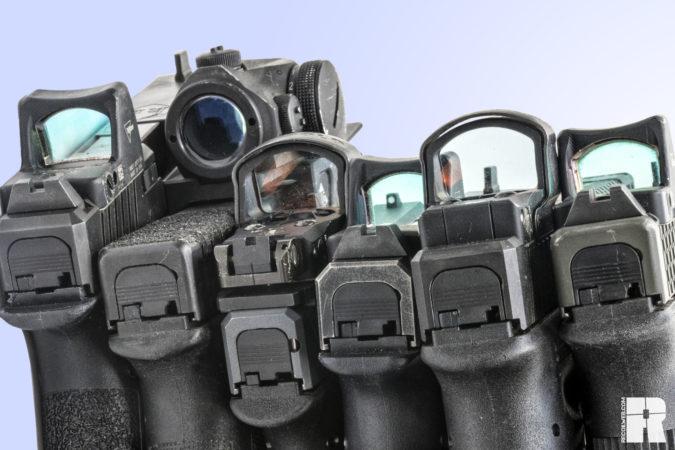
Tested Pistol Red Dots
Glock’s G19 still…you guessed it, makes magazines cheaper. And the Glock 19 is much more readily available. Finding the APX Centurion can be tough, and finding the RDO model can be even tougher.
Beretta makes them…allegedly.
The APX Centurion is a top-tier Italian stallion; believe it or not; it’s one of the most affordable pistols on this list.
Right now, you can purchase it for less than $400 — that’s a lot of guns for such a low price.
6. Sig Sauer P365 XL
You may claim the Sig Sauer P365 XL isn’t a compact pistol. You might be right, but then what is it?
The P365 XL has a 3.7-inch barrel, a 15-round magazine, and a width of 1.1 inches. It’s smaller than the Glock 19 but still meets the dimensions of a compact pistol.
P365XL
This gun packs a rail…even though it’s proprietary, it can mount a TLR 7 SUB. Don’t forget, you can also attach a red dot, and every P365 XL is optic ready.
The main benefit is that the P365 is much thinner than the Glock 19. It easily pulls double duty as a self-defense handgun and a concealed carry pistol.
Not to mention, it conceals easier…and that matters to a lot of smaller shooters.
Besides being a little smaller, it packs the same style of FCU the P320 does. You can use multiple grip modules from Sig and the aftermarket to get various grip sizes, terrains, features, and more.
Heck, I have an all-metal grip for my P365. What’s not to love?
Besides being optics ready, we also get great Sig Day/Night sights, a great trigger, an ergonomic grip, and multiple options for magazines. The 15-rounder fits, but so do 12-rounders which shrink the gun.
Micro Compacts Sig Sauer P365XL
What Glock does better, besides magazines, is control. The larger, wider grip offers better control over the gun, making it easier to fire faster and more accurately.
The Sig Sauer P365 XL redefines a compact handgun and offers an option for someone who might prioritize concealment more than control.
7. Glock 48 MOS
So, for those who MUST have a Glock but still want to scoot around the Glock 19…check out the Glock 48 MOS.
Standard G48
It’s basically a single-stack Glock 19 in size – with a slightly longer barrel at 4.17 inches but a width of only 1.1 inches.
The stock magazines only contain 10 rounds, but a company called Shield makes a flush-fitting 15-round all-metal magazine that gives it Glock 19 capacity.
The MOS model tosses on an optic’s cut and a rail for mini lights like the TLR 7 SUB.
The Trijicon RMR Type 2(left) and Burris Fastfire 3 (right) are great MOS options.
Basically, this version, alongside Shield mags, gives you a Glock 19 that’s smaller than the Glock 19.
The main thing the G48 does better is concealment. It slips under clothes very easily and makes the gun-friendly to carry. Even though it’s more carry-friendly, the hand-filling grip makes it easy to control and manage.
Like the Glock 19, the Glock 48 is simple, reliable, and robust.
It’s customizable, and numerous companies produce magazines for the weapon. However, the Shield mags are the only option that offers you compact capacity with a flush-fitting design.
Final Thoughts
Though the Glock fanguys and girls will lament the fact that I’m suggesting anything other than Gaston’s Glory, the PPT team likes options.
P365XL and P365XL Spectre Comp
So, when you want something that’s just as good (or even better…yeah, I said it) than Glock, check out the options above.
Which gun do you think out Glocks the Glock 19? Or have I committed sacrilege even suggesting such a thing? Let me know below. If you need a Glock, check out our list of the Best Glock Models or the Glock Clones we think are worthy of your attention.
Catching stocked trout can be easy if you know what the best bait is that stocked trout respond to. Some baits for catching trout from shore and on the water. Factors such as the weather to how long the trout have been in the water can affect the choice of the best lure.
Stocked Trout at the Hatchery
Top Lures for Catching Trout in a Pond or Lake
Fishing Spoons
Inline Spinners
Berkeley PowerBait Floating Mice Tails
Best Lures for Catching Rainbow Trout
Berkley PowerBait Floating Mice Tails
PowerBait Mice Tails are worm shaped rubber lures that have a round “head” in a contrasting color.
They are called Floating Mice Tails because they are meant to be fished with a slip sinker rig that lets it float 8 to 16 inches from the bottom of the lake, reservoir or pond.
PowerBait Floating Mice Tails
White, pink, fluorescent green and orange are top fish catching colors for me. Brown is a good color if fishing clear water and the day is cloudless.
Read More: PowerBait Mice Tails
In addition to fishing these with a slip sinker rig, they can also be put onto a line that has a split shot sinker tied to 8 to 16 inches above it.
What that means is you tie the hook at the end of your fishing line, slip the mice tail onto the hook, then about eight to sixteen inches above that, you crimp on a split shot sinker.
It’s a fast way to rig up mice tails but it could result in some line twist.
Fishing Spoons for Catching Trout
One of my favorite ways of catching trout is with a spoon. What I do is set up a PowerBait rig on one pole then with another pole start casting a spoon.
In my personal experience, catching stocked trout with a fishing spoon can be one of the most effective ways to catch fish.
Top Fishing Spoons for Catching Trout in a Pond or Lake
Kastmaster Spoons
Mepps Little Wolf
Thomas Buoyant
Super Duper Spoon
Spoons have different qualities and uses. Here’s a list of the best spoons for catching trout and with a description of how the fishing spoons work.
Super Duper Trout Spoon
The Super Duper is, in my opinion, a finesse type spoon. They’re very light and require ultralight fishing gear. In my experience, trout seem to attack it aggressively when nothing else seems to be working.
Thomas Buoyant Fishing Spoons Trout Lure
The Thomas Buoyant spoons are great spoons for catching trout. Use a small size like about 1/8 ounce or even lighter if you have ultralight fishing gear. I have caught countless trout with the Thomas Buoyant spoon.
The reason it works so well is because the shape of the spoon allows it to be fished relatively slowly without it sinking to the bottom. That’s something that cannot be done with a Kastmaster.
Kastmaster Spoons
Kastmaster spoons are fantastic spoons, too. What makes these spoons useful for catching trout is that they cast very far. Their aerodynamic shape helps them fly through the air farther. But that ability to cut through the air also makes it sink faster, as well.
That means you must reel it back to shore fast, which may or may not be the presentation that excites the trout. That said, I’ve caught so many fish with a Kastmaster, it really is a “must-have” lure.
Gold, silver/blue, and fluorescent orange/gold are top colors for brighter days. Firetiger is my go-to secret weapon for catching trout on cloudy days.
Mepps Little Wolf Spoon
The Little Wolf fishing spoon is one of my favorites because it has a fantastic tail-wagging action that trout seem to find irresistible. It darts left to right in a searching pattern.
Read More: Catch More Fish with Fishing Spoons
Drop Shot Fishing for Freshly Stocked Trout
An interesting way to catch stocked trout is to tie weight at the end of the fishing line, then add a hook about 12 inches above it so that the weight is at the bottom and the hook is higher up. That’s called a drop shot rig. Onto the hook you can put a three inch worm.
Then you can cast and retrieve. This works great for when trout have been freshly stocked and are swimming together in schools.
Stocked brown trout & brook trout
Brown trout & brook trout respond better to the instinctual trigger of a fleeing bait that is presented by an inline spinner, minnow shaped lure or a casting spoon.
Brown trout also more readily associate a worm with food than a stocked rainbow trout.
A meal worm or a hook laden with squirming little worms will trigger an enthusiastic lunge from a brown trout or a brook trout.
How to Catch Freshly Planted Trout
Notice how I keep repeating the phrase, freshly planted? When you read that phrase, please take it to mean that what I’m writing doesn’t necessarily hold true for trout that have been planted a month or more previously. A rainbow trout that has been in the lake or river for a few weeks will respond to real food like a worm.
How Stocked Trout Behave
Freshly stocked trout tend to swim in schools. If you are at a stocked reservoir, pond or river and see schools of trout swimming by, odds are that the lake has recently been recently stocked. Schooling is a behavior that comes from habit. Trout are raised in long oval shaped pools about two feet high. There is an artificial current in it and they tend to swim in circles, often counter clockwise. There is also netting above their pools to prevent birds of prey from swooping down on them.
The above is important information to know. It explains the behavior of trout after they’re planted. Stocked trout tend to keep close to shore, perhaps seeking the comfort of the edge they had been used to from being in the pool. They also tend to prefer swimming about eighteen inches from the surface or eighteen inches from the bottom. This means that if you are going to float a fishing fly or other bait under a bobber, rigging the lure about eighteen inches below the bobber is a good start. This is true when the temperature of the water is optimal.
When it starts to get warmer or time passes, trout tend to hover about eighteen inches to two feet above the bottom of the lake, often just a short cast from shore.
If you’re fishing a sliding slip sinker rig and are not sure at what depth the trout are holding at, start at twelve inches for one pole and eighteen inches for another pole. Then gradually increase the length up to about two feet.
The thing about trout swimming counter clockwise is also important, particularly to anglers who are trolling bait.
If you want to trigger an instinctual chase response, try circling your boat or kayak in a counter clockwise direction, that way your lure will pass them from behind.
If you are drifting bait with a current, particularly in a river, then the natural movement is casting upstream and allowing the bait to float and tumble downstream to where the stocked fish are holding.
After time has passed, rainbow trout begin to regain instinctual behavior such as shyness, staying close to the bottom, feeding on insects and relating to structure.
Examples of structures that fish seek are steep drops from shallow to deep, boulders, underwater trees, underwater currents, breaks in currents that create an area of calm water, shade etc. After time has passed, a rainbow trout will be able to be caught with lures with lively action and live bait. Stocked brook trout and brown trout consistently respond to movement, the action of a lure, as well as to the size.
What Fishing Flies to Use to Catch Stocked Trout
For fly fishing, flies such as the Cove Pheasant Tail, brown Wooly Bugger, natural colored Gold Ribbed Hare’s Ear fly, AP Emerger and other similar nymph type flies will take trout.
I think it’s because, combined with the way they are presented in stillwater (i.e. lakes and ponds) they resemble the general profile of trout food. Both the Cove Pheasant Tail fishing fly and the AP Emerger are well regarded flies for stillwater, with the Cove having been created specifically for stocked trout in reservoirs. In my opinion it’s no coincidence they resemble in color, size and presentation the general profile of trout pellets splashing down, particularly when two or three flies are tied in tandem.
What is Best Color PowerBait Dough for Catching Stocked Rainbow Trout?
There are many colors to choose from. Just keep in mind that white is a color that can be seen regardless of depth, regardless of how sunny or overcast the weather and without regard to whether the water is clear or murky. If you can only choose one color, white is the best color to choose because of how visible it is- and getting your bait noticed is one of the important keys to catching fish with dough since dough does not have fish attracting action. Other colors can be useful too, such as fluorescent for overcast days and pretty much anything for clear water.
Perhaps just as important as color is how light your hook is (will it float when smeared in trout dough?), making sure your bait ball isn’t too big, floating it at the right depth and casting it not too far from shore (although sometimes a long cast is necessary). These are rigged using a slip sinker rig.
Best Time of Day to Catch Stocked Trout
The best time to fish for stocked trout is during the early morning hours or about three hours after the brightest time of day, roughly between 3 PM and sundown. Stocked brown trout are especially active in the early morning and closer to sundown. Stocked rainbow trout can be triggered to bite bait all day if it’s cloudy.
While stocked trout can be caught at most times of day, anyone who is observant will notice that there are certain times of day where the fishing seems to “turn on” and many around a lake begin catching.
These are the best times to catch trout:
Trout Dislike Bright Sun Fish during times of day when it’s not bright.
Bugs tend to hatch at certain times of day, triggering feeding behavior
Stocked trout are fed once a day, usually in the late afternoon. They are conditioned to be fed at this time of day.
Rule of thumb, fish for stocked trout on either side of high noon when the sun is at its brightest.
If you have any questions please contact me. I would be more than happy to write a post answering your questions!
If you’re in the market for an LPVO, it goes without saying that you’d want the best glass that you can afford. But before we get into the best lpvo for you, there’s another question we have to answer first: Do you choose an lpvo with first focal plane or second focal plane? We’ll get into all of that in this article today.
What is an LPVO?
So what is an LPVO? LPVO stands for low powered variable optic. Essentially, it’s a scope that allows you to adjust the magnification power from 1X to something higher. The most common lpvo power ranges go from 1X to 6X, 1X to 8X and 1X to 10X.
FFP vs SFP
When browsing online sites you may see the acronyms ‘FFP’ and ‘SFP.’ FFP stands for first focal plane and SFP stands for second focal plane. To make sure you don’t unintentionally purchase the wrong lpvo, pay attention to these optics’ acronyms in the product title and description. But what is the difference between first and second focal plane?
What is First Focal Plane?
One way to help you better understand first focal plane vs second is to remember ‘FFP’ as ‘front focal plane.’ Take a look at the image above and you’ll see several pieces of information. Notice where in the figure it says ‘objective’ and ‘eyepiece.’ The eyepiece is the rear part of the scope closest to your eye. For a first focal plane lpvo, the reticle is placed on the plane (magnification erector assembly) furthest away from your eye and closer to the front of the scope.
Great, what does that all really mean? Based on where the reticle is placed it will give you a different focusing and aiming experience with your lpvo. For first focal plane optics the reticle will change in size in correlation with which power magnification you are using. The higher power you go, the larger the reticle will appear. As you reduce magnification, the reticle shrinks in size. At 1x power the reticle is barely visible and that goes for the illuminated red dot as well (if the lpvo has one). Another caveat is that at max power, the reticle may become so large and thick that it could cover up the target in an undesirable manner (depends on manufacturer and model).
Is a first focal plane scope better?
Generally speaking, the common trend for most shooters is to buy FFP scopes. The more accurate answer is that FFP is not necessarily the better option but it is certainly the more easy and convenient one. A lot of critics will say that using high quality FFP scopes will improve your shooting and chances of acquiring a target faster. Why is that?
The reason for that is because with a first focal plane lpvo, the mil dots or holdover marks on a FFP scope’s reticle will remain accurate no matter what magnification power you are using. This means that, depending on the reticle type you’re using, there is little to no calculations ever needed while aiming. That’s why competitors and hunters alike will often choose FFP LPVO’s over a SFP.
What is the best first focal plane scope?
It’s a tough call but we would say that a couple of the best first focal plane lpvo scopes include the Nightforce ATACR 1-8×24 or the Vortex Razor HD Gen III 1-10×24. We wouldn’t consider any 1X to 6X lpvo as the best because with a larger optical range, the clarity of being at 6X on the aforementioned ATACR or Razor is just that much clearer than a lpvo that maxes out 6X.
What is Second Focal Plane?
Now that you know what the first focal plane is, understanding the second focal plane is a lot easier. Since the first focal plane is closest towards the front of the scope, the second focal plane is the one closest to your eye when looking through the scope. Thus, the reticle is located on the second focal plane for SFP LPVO’s.
With a SFP lpvo, unlike with a FFP lpvo, the reticle maintains the same size no matter which power magnification is being used. How does that translate to your shooting experience? Well, with SFP, it means that your reticle’s hold off marks are only accurate at a designated power set by the manufacturer so some may see that as a major losing point.
However, SFP glass is typically clearer and has less distortion at higher magnifications. Something rarely talked about, if ever, is that SFP lpvo users also get to enjoy a brighter red dot compared to FFP lpvo scopes which aids in faster target acquisition at short distances. More importantly, if you simply remember your holds at each magnification, the accuracy of SFP hold off marks becomes a non-issue. So definitely don’t disregard SFP LPVO’s as an option while you’re shopping around as it is a more than viable option.
What is a second focal plane good for?
Optics manufacturers market second focal plane LPVO’s as good options for low-light situations such as hunting or scenarios that don’t require you to use hash marks for range estimation. There’s definitely some wisdom in that — take a look at the image above. That’s the (MOA) reticle of the Vortex Razor HD Gen III 1-10×24 FFP lpvo scope.
Notice how there are several numbers next to all the holdover marks? Well these sort of reticles aren’t used with second focal plane LPVO’s since those numbers and mil dots would only be accurate at one of the power magnifications set by the manufacturer. As information that is only accurate at one of the scope’s settings it just wouldn’t make sense for a SFP scope to use that kind of reticle. Most SFP lpvo’s will use a reticle similar to the one in the image below.
If you’re shooting with an AR-15 or an AR-10 at targets inside of 500 yards, the second focal plane LPVO is going to work perfectly. That being said, SFP optics have traditionally been used by hunters the most.
Is the second focal plane better?
“Better” is such a subjective unit of measurement. Every shooter is going to have a different set of deciding factors for what type of lpvo works “better” for them. If the reticle changing in size bothers you in FFP scopes, then a SFP scope might be more suitable to your preference. When it comes to first focal plane vs second — If you venture into long distance and precision shooting but don’t mind doing some quick conversions for calculating accurate MOA for the reticle’s hold off marks then SFP is going to work for you. For those that don’t want to be doing any math or extra critical thinking then SFP may not be for you. While higher quality (really depends on price range) FFP lpvo’s may not have this issue — some SFP lpvo’s can be just as effective, if not more, in close quarters situations since SFP scopes tend to have brighter red dots.
What is the best second focal plane LPVO?
In our opinion, the best second focal plane lpvo is EOTech’s Vudu 1-8×24 SFP. While 1-8x power lpvo’s are not commonly made with second focal plane reticles EOTech designed this expressly for 3-gun competitions. That means this lpvo is great for short to mid-range hunting distances as well. Of course, if you’re hunting larger game or doing precision shooting you might want something with more range and in that case this optic would not be the best for those applications.
LPVO Applications
What are all the applications that a lpvo can be used in? In this section we’ll discuss all the instances where iron sights, red dot sights and holographic sights just might not cut it but a lpvo might be more suitable.
LPVO – Competitive Shooting
A lot of competitive shooting involves cardboard slaying at very close distances. But to make things more interesting, it’s very common to see a couple of steel targets be set out a couple hundred yards away for a match. While a red dot, reflex or holographic sight can be perfect for any target inside of 100 yards, it might get difficult once targets start being placed out double or triple that distance. Accuracy is important and gets you higher scores in some types of matches but at the end of the day, speed is the name of the game. An lpvo can help competitors save significant time in finding their target and taking aim which is paramount when looking to place and win medals.
LPVO – Target Practice
Plinking is really fun. Sometimes there’s nothing better than the positive feedback of hearing the sound of steel ringing through your ear pro. But at some point, you have to ask yourself, “what the heck are you doing?” Are you shooting with any sort of purpose or are you really just mag dumping? Hopefully, you’re training for a specific reason. Whether your reason for doing target practice is for competition or more for a duty purpose, having an lpvo is a force multiplier as it increases your effective range and accuracy. If you expect to be engaging targets further out than 100 yards getting a lpvo is highly recommended.
LPVO – Law Enforcement/Military
It doesn’t seem like lpvo usage is as common with local law enforcement just yet but you can be sure that our military is definitely all aboard on the lpvo train. For most civilians and competitors we won’t really need any lpvo with power magnification ranges above 1X to 10X. However, soldiers in the military may need to regularly engage with the enemy at much further distances than that range allows for. Which is why there are also several LPVO’s that cover a much further distance. Just look at all the different ATACR riflescopes that Nightforce offers.
LPVO – Hunting
LPVOs are perfect for hunting varmint and smaller game 1X to 6X power is the perfect amount of optical range needed to hunt coyotes or feral boars. But of course, if you need more range you opt for a scope with 1X to 8X or 1X to 10X power. Anything bigger than that and we tread into medium powered variable optics and that’s not a lpvo anymore.
Start your next AR-15 build with 80 Percent Arms!
We hope this has helped better inform you on the first vs second focal plane debate. Whether you get a FFP LPVO or a SFP LPVO, you’re going to need a dope AR-15 to put it on! Start your own 80% AR15 build today and let our awesome customer service team know if you need any help along the way.
The anti-gunners in gun control advocacy groups and politicians are constantly going after our rights to have and make our own firearms. Don’t believe us? You must not have been paying attention to the news the past couple of years. Subscribe to our emails below to get our weekly newsletter so you stay informed and apprised of the most important 2A News today.
SMYRNA, GA. – January 16, 2024 The New Year brings new products to the table from GLOCK, including the first GLOCK Performance Trigger, the expansion of the Gen5 lineup to new calibers, and the introduction of the GLOCK 47 MOS to the commercial market. GLOCK remains the center of trusted versatility and enhanced performance.
“The G47 MOS delivers versatility and dependability for the evolving needs of our customers and has withstood the rigorous testing of the U.S. Customs and Border Protection (CBP)“, says Josh Dorsey, Vice President of GLOCK, Inc. „We are excited to make this model available on the commercial market along with the expansion of the Gen5 product line and the GLOCK Performance Trigger.“
The G47 MOS was developed for the United States Customs and Border Protection (CBP) in 2019. The G47 MOS offers the same reliability and performance as the G17 Gen5 MOS, with a shortened dust cover and maintains parts compatibility with the G17 Gen5 MOS, G19 Gen5 MOS, and G45 MOS. This pistol has the same sight radius as the G17 and is able to showcase exceptional accuracy.
BJ Norris, a 3-year veteran of the United States Border Patrol and member of the CBP National Marksmanship Unit says, „For the agents seeing the shooting team out winning competitions with their duty gun takes away any doubts about performance capabilities.
Due to the highly precise GLOCK manufacturing process, the versatility and interchangability are what makes this pistol unique. The G47 MOS has compatibility with the G19 Gen5 and G45; allowing customers to configure it to best suit their needs. The G47 MOS will replace the G17 Gen5 MOS, while the G17 Gen5 (non-MOS) will still remain in the Gen5 lineup.
Expanding the Gen5 lineup, the G20 Gen5 MOS (10mm AUTO) and G21 Gen5 MOS (.45 AUTO) feature over twenty design changes which distinguish them from their Gen4 predecessors by combining the standards of performance and reliability. The Gen5 enhancements include the GLOCK Marksman Barrel (GMB) utilizing new barrel rifling to deliver improved accuracy, the removal of finger grooves to be more adaptable to a wider variety of hand sizes, an ambidextrous slide-stop lever to provide improved control and flexibility, an nDLC finish making it a tougher and more durable finish that is exclusive to the GLOCK manufacturing process, and a flared magwell to increase performance by making it easier to funnel the magazine into the magwell.
In addition to the new pistol introductions, we are happy to announce the release of the first GLOCK pistol accessory, the GLOCK Performance Trigger. The GLOCK Performance Trigger was designed to meet a different set of criteria and offers a refined trigger pull. The Performance Trigger utilizes a newly designed, flat-faced trigger and maintains the same safety features of the trusted and proven GLOCK Safe Action® System. The GLOCK Performance Trigger must be installed by a certified GLOCK Armorer and is compatible with the following pistol models: G17 Gen5, G19 Gen5, G19X, G26 Gen5, G34 Gen5, G45, and G47 MOS. To purchase the GLOCK Performance Trigger, check with your local dealer for availability.
Shooting from about 25 yards results in an ideal shot pattern to kill snow geese.
Without question, spring snow goose hunting requires a large decoy spread. But the act of merely scattering a lot of white decoys in a field doesn’t ensure you’ll suck in wave after wave of hungry geese.
“A lot of guys think it’s just about numbers,” said Andy Dively of A&A Outdoors in Frankford, Del. “But putting out 1,000 decoys doesn’t mean you’re guaranteed to get shooting. You have to put thought into how you set them.”
Typically, Dively starts out early in the morning with a spread shaped like a triangle. The wide end is downwind and the point, where the hunters hide, is upwind. The spread is fairly sparse at the downwind end, with decoys thicker as the rig stretches toward the hunters.
“Snow geese are greedy,” he said. “They’re constantly jumping over one another, flying upwind to get to the front of the chow line. We try to imitate that with our spread.”
Dively’s 100-yard-long snow goose rig typically is about 90 yards wide at the bottom and 30 yards across at the tip.
“A big flock of 2,000 snows is going to be wide when it hits the spread,” he said. “Then we funnel them in tighter as they fly up the rig.”
Wind speed dictates how many decoys Dively uses on a given day.
“If the wind is 15 mph, I want to put out every decoy I have – say 1,500 or so,” he said. “The harder it blows than that, the more I scale back my numbers. You don’t need as many when it’s windy. I’ll shorten up the rig and make it tighter when it’s real windy, too.”
Positioned For the Shot
About 30 yards downwind from the hunters, Dively plants 15 flyers on poles of varying heights from 3 feet to 8 feet high. Those decoys are clustered on the right side of the spread. Then, 8 yards in front of the hunters, on the left side of the spread, Dively places eight to 10 more flyers.
In the snow goose game, perfect shooting means 20 to 25 yards.
“Any closer than that and the shooting gets tough, because guys think they have to have tighter chokes and big shot,” he said. “At 25 yards, you get a nice shot pattern. We’re most successful when we have shooting at 25 yards.”
What the geese are doing when they slide from one set of flyers to the next, Dively said, is heading for the front of the chow line, where they expect to find the best food.
“I think they hit the first flyers, and then they see the others and think there are birds jumping in front of them,” he said. “They don’t like getting beat to the front.”
Midday Loafing
At around 10:30 a.m., Dively changes his rig. “Now I’m expecting birds that are looking for a place to hang out through the midday,” he said. “They’re not as aggressive anymore.”
Dively spreads out his decoys. He doubles the distance between them, instead of being 1 to 2 feet apart. Also, he’ll spread out his flyers throughout the rig and push them down into the dirt, so they’re only about 2 feet off the ground.
“What this setup looks like is a relaxed flock,” he said. “The flyers just look like birds that are jumping up to stretch their wings before landing again. We kill a lot of snows at this time of day with this setup, because most guys just stick with their morning setup. They don’t change it around.”
Afternoon Feeding
Snow goose hunting is best when it is windy. The decoys come alive and the birds fly lower. But guided hunters can’t pick and choose days afield based on the wind. When there is no wind, Dively sets up his standard morning rig, but instead of using the wind to guide the setup, he arranges decoys based on the expected approach. That will be the “downwind” end of the rig. Instead of hiding hunters at the upwind end, they are positioned at the extreme downwind edge.
Although the time varies, snow geese typically leave their daytime roosts and head out to feed again after 2 p.m. This is when you should go back to the morning spread.
“The geese are going to flare when they see there’s no movement, so we set up in a spot where we’ll have a chance, hopefully, to shoot while they’re still looking things over,” he said.
Sound Systems
Electronic callers play a key role in the spring snow goose hunt. Dively runs a pair of two-speaker systems in the downwind end of his spread. Each plays recordings of relaxed snow goose sounds – primarily the signature murmur of a big flock of snows.
At the upwind end of the rig, Dively runs a pair of four-speaker calling systems playing aggressive feeding noises. The hunters lie in wait there, so the goal is to entice incoming, hungry snows to key in on this area.
“E-callers can be really effective on certain days,” he said. “The windier it is, the better they seem to work, because the sound really carries downwind and flocks can hear it from a long way off.”
The ability to control the volume with a remote is important. E-callers blare loudly to distant flocks to get their attention, but should be toned down as birds get closer.
Motorized Motion
This year, for the first time, it appears Pennsylvania hunters will be allowed to use motorized motion decoys during the later part of the snow goose season. The Pennsylvania Game Commission’s board of commissioners was expected to approve them at a January meeting. Hunters have been allowed to employ electronic decoys in Delaware and other states, however, for quite some time.
The only motion decoy Dively uses is a rotary machine, often called a “snow goose tornado.” These machines have two or four flying snow goose decoys attached to long arms that spin in circles. Place the rotary machine as close to hunters as possible.
Try using rotaries real early in the morning, before the sun’s up too high. They’ll fool snow geese then, but once the light’s real good, they can hurt you. It’s not natural for snow geese to just fly around in circles.
Hunters can create more erratic movement in the spread with a flag. To the geese, it looks like a bird jumping up to move to the head of the feed line.
Strategically Big
Successful spring snow goose hunters use incredible numbers of decoys. Go big, but put some thought and strategy into placing your spread.
P.J. Reilly hunts geese and ducks from New Holland, Pa.
We may not like it. But it happens every year. Deer season must come to a close. Then, bucks shed their antler…and we move in to pick them up. Here’s a little more insight on how deer grow and shed antlers as well as how to find them once on the ground.
THE ANTLER GROWING PROCESS
The antler-growing process begins almost as soon as the antlers are dropped. Sometime in early spring, velvet-covered antlers begin to protrude from the pedicles. Growth peaks in late August throughout most of the whitetail range. Most bucks shed their velvet between mid-August and mid-September. Increasing levels of testosterone cause their velvet to peel off. Then—in late winter after the rut is over—bucks shed their antlers.
HOW BUCKS SHED THEIR ANTLERS
Whitetails shed their antlers like many species in the deer family. There are several factors that play into this biological- and chemical-based occurrence.
Antler drop is influenced by genetics. Every subspecies of whitetail is a little different on when they let go of their headgear. Depending on what subspecies of whitetail you hunt will influence when they shed.
Geographical location also plays a role because it dictates climate. Depending on where the deer are will dictate what weather conditions they are exposed to. Extreme cold causes deer to shed their antlers sooner than milder conditions.
Nutrition and food source availability factor in, too. Deer suffering from malnutrition are subject to shedding sooner than healthier whitetails. Years with severe mast crop failures—like this year—can be a major player if no other food sources are available.
The fourth—and final major factor—is stress from the rut. Years that produce harsh rutting conditions for bucks cause bucks to shed sooner than usual. Areas with uneven buck-to-doe ratios dump bigger loads on bucks. Does get missed because there aren’t enough bucks to breed them in a timely manner. Therefore, the rut gets stretched out and lasts longer.
Once late winter arrives, the antler base loosens, and then the antler falls off. All of the factors above cause the connective tissue beneath the base of the antler to degenerate even faster.
WHERE TO FIND SHED ANTLERS
Shed hunting has become the latest buzz in the deer hunting world. You have to put miles on your boots to find them. But put the right miles. There are certain areas that tend to produce more sheds than others. Here are those prime spots.
Bedding Areas
Cedar thickets
South- and east-facing slopes
CRP fields
Field-grass beds
Fingers of trees
Travel Routes
Fence crossings
Ditch crossings
Creek crossings
Feeding Destinations
Crop fields
Food plots
Pockets of mast crop
Water sources
TIPS TO FIND SHED ANTLERS
It’s best to hunt smart, not hard. The same goes for hunting shed antlers. Just like there are better places to look, there are better ways to find them. Keep these tips in mind.
Tools of the Trade
Monitor the drop with trail cameras.
Use binoculars to scan fields and open woodlots.
Ride a four wheeler while looking in large fields.
Methods of Shed Hunting
Use a shed dog.
Look for the tip of an antler, not the entire thing.
Take someone who knows the ropes.
Look on rainy days. Antlers shine better then.
Shed hunt where you would late-season deer hunt.
Draw a grid on a map and search each quadrant.
Change perspective. Crouch down. Stand up. Find more sheds.
The annual antler drop is here. If it’s not in your area, it soon will be. Take time this post-season to get out and look for shed antlers.
Calling in bobcats is a tough task many predator hunters attempt, but few master. After reading these bobcat calling tips, you’ll be on your way to having a better understanding of how to call in bobcats at night and during daylight. A lot of bobcat calling mastery comes from understanding their characteristics, behavior, and perspective on life as they see it.
General Bobcat Calling Tips
Calling Bobcats at Night
Nighttime Setup and Location
How to Call Bobcats at Night
Calling Bobcats During Daylight
Day Time Setup and Location
How to Call Bobcats During the Day
Best States for Calling in Bobcats
General Bobcat Calling Tips
Generally speaking, bobcats are most abundant near water sources. They prefer traveling through creek beds, along rivers and streams, and even heavy brush areas. They aren’t ones to come out in the open, they almost always prefer to have cover as they are natural stalkers.
In order to be effective in hunting a territory for bobcats, the first step is figuring out if they are even in the area. A section of land that has all the characteristics that cater to bobcats, may still not actually have bobcats.
The first and foremost method of confirming if a bobcat is in the area is to search for tracks, scat, or even dead animals covered with leaves and brush or in trees.
Here’s a couple general calling tips that separate bobcats from coyotes:
Scan areas of cover heavily while calling, bobcats rarely fully commit to a call like a coyote does.
Coyote stands may be over in as little as 15-20 minutes, bobcat stands can last an hour or longer.
Stopping and starting calling sequences can spark a coyotes curiosity, the same tactic will cause a bobcat to lose interest. It’s important to keep bobcats focused on the target, and never stop calling. Decoys are also a great method to keep bobcats focused on the prize.
Location calls work to find areas with coyotes, but scouting and observing is the best method to find areas with bobcats.
If you’re calling bobcats in a new area, talk to the local farmers and ranchers or even Wildlife Department to get an idea where they are most commonly seen.
Foxes and coyotes are more likely to come to your call before a bobcat does. Be aware of this before choosing to discharge.
Bobcat calls should be higher pitched and at lower volumes as they get closer to the call. Bird and rabbit distress are two go-to calling techniques for bobcats.
Calling Bobcats at Night
The general bobcat calling tips we discussed above apply to calling bobcats at night, but the strategy of night time calling and day time calling is significantly different.
Nighttime bobcat calling is learning how to use the darkness to pull bobcats out of areas of cover, where they feel more comfortable. The darkness gives them a sense of protectiveness, and with the help of red hunting lights you can reveal them in the open without them knowing.
Nighttime Setup and Location
The best areas to setup while calling bobcats at night are open fields near a brush or tree line, open senderos, or even in the middle of dry creeks if there is enough visibility.
Bobcats are notorious to stay in areas of cover, but at night the darkness is their protection so they are far more willing to come out into the open. In our opinion, it is far easier to call a bobcat in at night versus the day time.
Thermals and night vision are becoming more popular for nighttime bobcat hunting, but red hunting lights can be equally as beneficial. Learn how to properly scan when predator hunting and a light can be more advantageous than night vision or thermal.
We prefer using our Predator Cannon Hunting Light Bars for calling bobcats at night, as they light up an entire field in red without alerting the cat, and are fully dimmable for near and far ranges. We’ve picked up a bobcat in the scope at over 800 yards with the Predator Cannon.
Predator Cannon Hunting Light Bar Setup for Calling Bobcats
If you’re interested in a mobile setup for calling in bobcats and covering a bunch of land, the Predator Cannon Hunting Light Bars are most likely a great fit for you. Here’s some different mounting idea’s we’ve seen from bobcat calling contest winners: Predator Cannon Hunting Light Mounting Ideas.
How to Call Bobcats at Night
When calling bobcats at night, once you start…don’t stop. They can lose interest very easily. The good news is bobcats are more likely to commit to a call like a coyote would at night in comparison to the daytime.
It’s best to know where you’re going to setup and scope the area during the day so you’re not fumbling around at night distracting critters around you.
Calls should be based upon what is more locally available in terms of birds and rabbits: if there are woodpeckers, use woodpecker distress; cottontails, use cottontail distress; jackrabbits, use jackrabbit distress and so on.
If you aren’t sure what’s in the area, the three distress calls listed above are fairly universal in attracting bobcats. The following are my favorites (in order) – cottontail distress, jackrabbit distress, woodpecker distress.
Learn how to scan while predator hunting, and never stop. Use the light to your advantage by using it as your camouflage without alerting the target.
A dimmable red hunting light that is well within their color blind range is key to illuminating the bobcat without alerting them.
It’s true that if the light is used properly, you can literally walk right up to a bobcat (within 30-40 yards) without alerting them.
I keep my bow stabilizer light on hand at all times in the event I have to be mobile while calling. It’s small enough to fit in my pocket, but has long range capabilities combined with desirable dimmable controls.
Constantly scan for eyes, and be prepared to act fast on a committed bobcat.
Be wary as raccoons, fox, and coyotes are all likely to commit to the same calls you are using to attract bobcats at night.
Use the wind to your advantage, position yourself downwind from the call to limit the senses a bobcat can use to expose you.
Even though it’s nighttime – STILL USE A DECOY. Bobcats have great night vision and will still be able to see it. This is a great way to get them to commit to the call.
My personal favorite decoy is a Mojo Critter, or any furry mechanical toy that has a whipping tail on it.
Calling Bobcats During Daylight
Calling bobcats during daylight can be a tough task to accomplish. One could say they have severe commitment issues unless they are enticed really, really well. The best way to entice them? Well, a decoy… or something similar such as hanging turkey feathers from a limb.
I’ve tried both and a mechanical decoy is more enticing that feathers hanging, but either one is better than nothing.
Day Time Setup and Location
Bobcats are more than likely not going to come out of cover during the day like they would at night, so the key to your day time setup is to be near areas of cover and constantly scan the brush or wooded area looking for a feline sitting on the edge of cover.
It will be your job to spot them camouflaged in cover before they lose interest and leave.
How to Call Bobcats During the Day
Similar to nighttime calling, the same types of calls apply – go with what is local to the area in terms of rabbits and birds, ideal calls are: cottontail distress, jackrabbit distress, and woodpecker distress.
Be prepared to see fox and coyotes, as they are more likely to commit before a bobcat will. Raccoons are common at night but less likely to come out during the day.
Anything can happen, but plan on the bobcat coming in slow and making frequent stops. Keep your eyes peeled, but most bobcats won’t come into sight until the 20 minute mark and may not come until the hour mark.
Be confident in your scouting and don’t leave too soon.
Duration of stands are much longer than coyote stands, but when moving from one stand to the next, should move at a greater distance. We typically move at least half a mile from previous calling location.
Decoys are extremely important to keeping the bobcats attention. Never stop calling, minimize your movements, and make your shot count. A spooked bobcat is tough to call back in no matter what your buddy says.
Be prepared to discharge when you are capable of taking the shot. Don’t wait too long. Despite a running call and action-packed decoy, bobcats can still lose interest very easily.
Be prepared for the unexpected: there are a few times where we’ve called in a dry creek bed that was not pressured and happened to be a bobcat’s territory. Within seconds of starting our call, the bobcat came sprinting down the creek bottom letting out the loudest and most unique sound I’ve ever heard, repeating it over and over. Come to find out it’s known as the bobcat bark.
A bobcat’s bark is typically their way of chasing another animal from its home territory. It’s a protective instinct, so if you hear it, be ready as you’ve got a cat coming quick.
Best States for Calling in Bobcats
Most states have bobcats, but some are more abundant than others. We are located in Texas, where there is no season for bobcats, but many states do have a season for taking these critters. Texas is home to some of the biggest bobcats in the nation, and they’ve become a nuisance for farmers as they favor feeding on young or injured livestock.
Here are our top 5 best states for calling in bobcats:
Texas
Kansas
Missouri
Nevada
Oklahoma
Fun fact: Generally speaking, approximately 2/3 of all bobcat harvests come from trappers who are called to the area by farmers. The remaining 1/3 of harvests are from hunters.
Closing Remarks
Over the years, I’ve seen a bobcat react in just about every manner you can imagine. Each bobcat has it’s own personality and characteristics just like we hunters and our pets do, but I can say that in general terms they are going to come in slow to a call with frequent stops.
They rarely do anything that would make them stick out of the brush, so it’s extremely important for you to closely monitor the area and be aware of change, movement, and the outline of their body.
I can’t tell you how many times I’ve come close to giving up on calling in a bobcat and I do one last scan through brush and end up picking out a bobcat sitting still, patiently watching my decoy.
Thanks for reading along. I hope I am able to help another hunter learn the bobcat calling game and become a better predator hunter like those who helped me.
If you’re seeking information on top-performing handguns, you’ve come to the right location. The renowned Austrian gun manufacturer, Glock, has achieved record sales for three consecutive years. It is predicted that their revenue will surpass one billion euros soon. Here is a list of the 10 best-selling pistols in the USA for 2022.
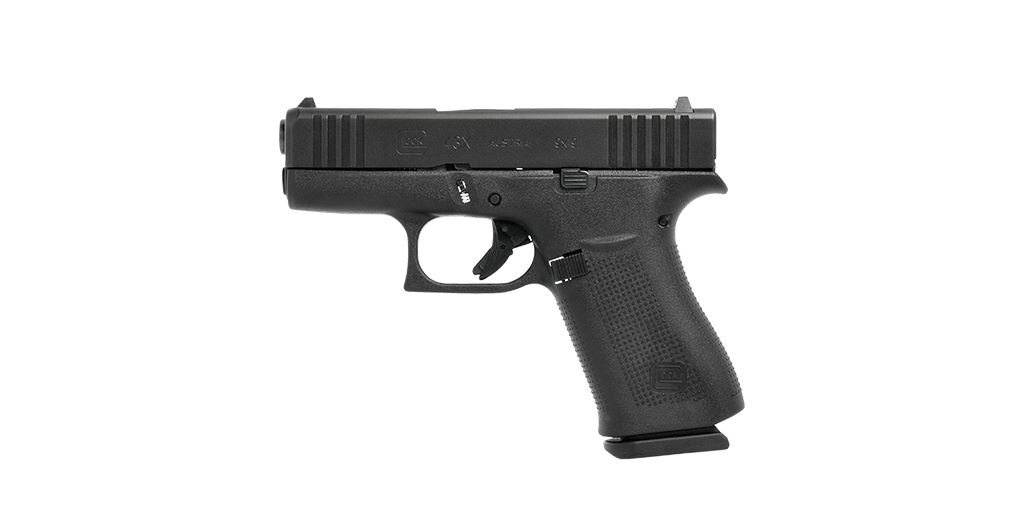
1. Glock 43X
The Glock 43X is lightweight, weighing just 650 grams when fully loaded. It is known for its low trigger force of 2.5 kg, making it easy to use. The G43X is part of Glock’s Slimline series, which offers the same level of dependability and performance as traditional Glock models, but with a more streamlined stock and grip for enhanced maneuverability.
The advantages of the Glock 43X include its compact size, ease of use, and exceptional trigger compared to other Glock models. Additionally, it was one of the best-selling handguns in 2021 and 2022. One potential disadvantage of the Glock 43X is that it is not designed to attach optics.
Glock 43X, a compact and reliable semi-automatic handgun (Photo: XY)
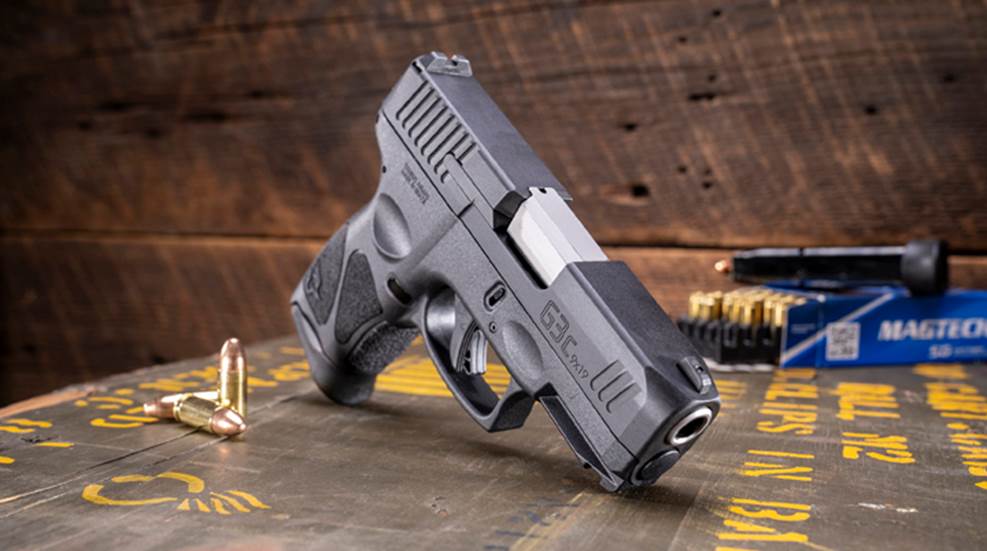
2. Taurus G3C
The Taurus G3C is a new model set to replace the well-liked G2C. If you’re searching for an introductory gun or a modern 9mm handgun with dependable accuracy and ample capacity, the G3C is a noteworthy option.
Benefits of the Taurus G3C include its three safety mechanisms: a loaded barrel indicator, locking firing pin, and trigger safety. Additionally, it has an affordable price point of around 250 Euros, making it great for every day and concealed carry. It also boasts a large capacity for a compact pistol and a light trigger pull of only 600 grams. Some potential drawbacks of the Taurus G3C include its longer trigger distance and less sleek design compared to other handguns on the market.
Taurus G3C, a compact and reliable semi-automatic handgun (Photo: XY)
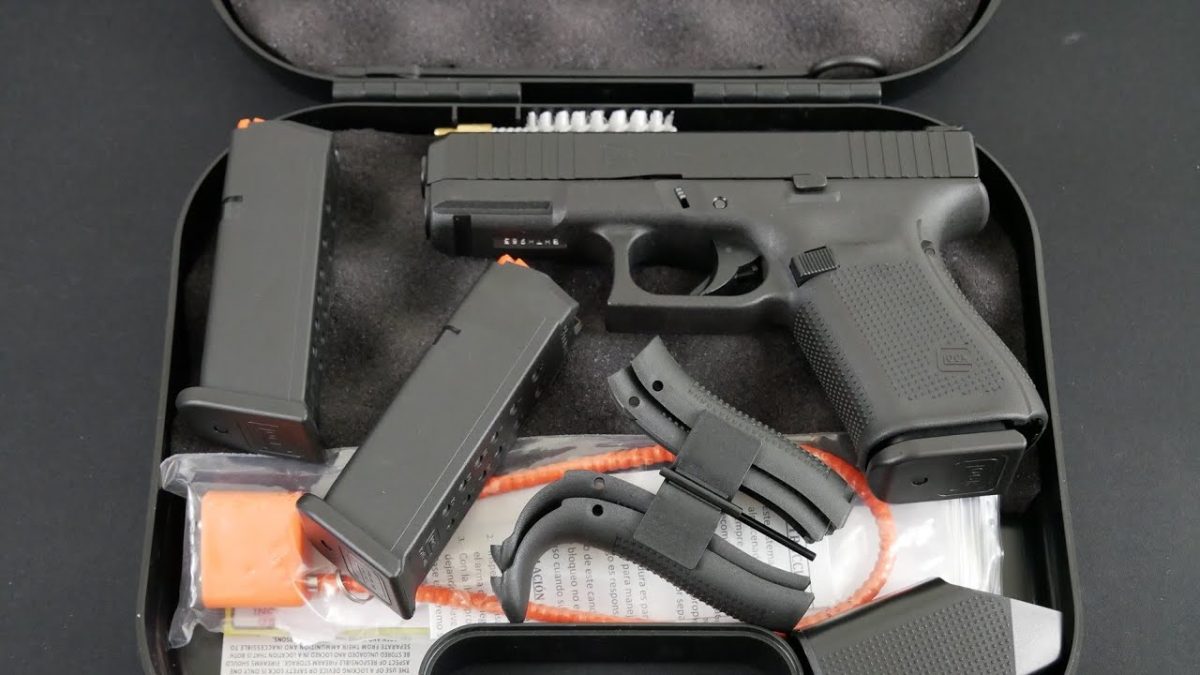
3. Glock 19 Gen 5
The Glock 19 Gen 5 is optimal for gun enthusiasts who find the Glock 17 too large but do not desire the smaller Glock 43X or Glock 26 (Baby Glock). Some benefits of the Glock 19 Gen 5 include its ample frame capacity, light trigger pull, and ideal sight length for targets up to 50 meters. It is also perfect for concealed carry, with a weight comparable to that of compact Glocks. One potential disadvantage of the Glock 19 Gen 5 is that it is unsuitable for optics attachment.
Glock 19X Gen 5, a versatile and reliable handgun in its original packaging (Photo: XY)
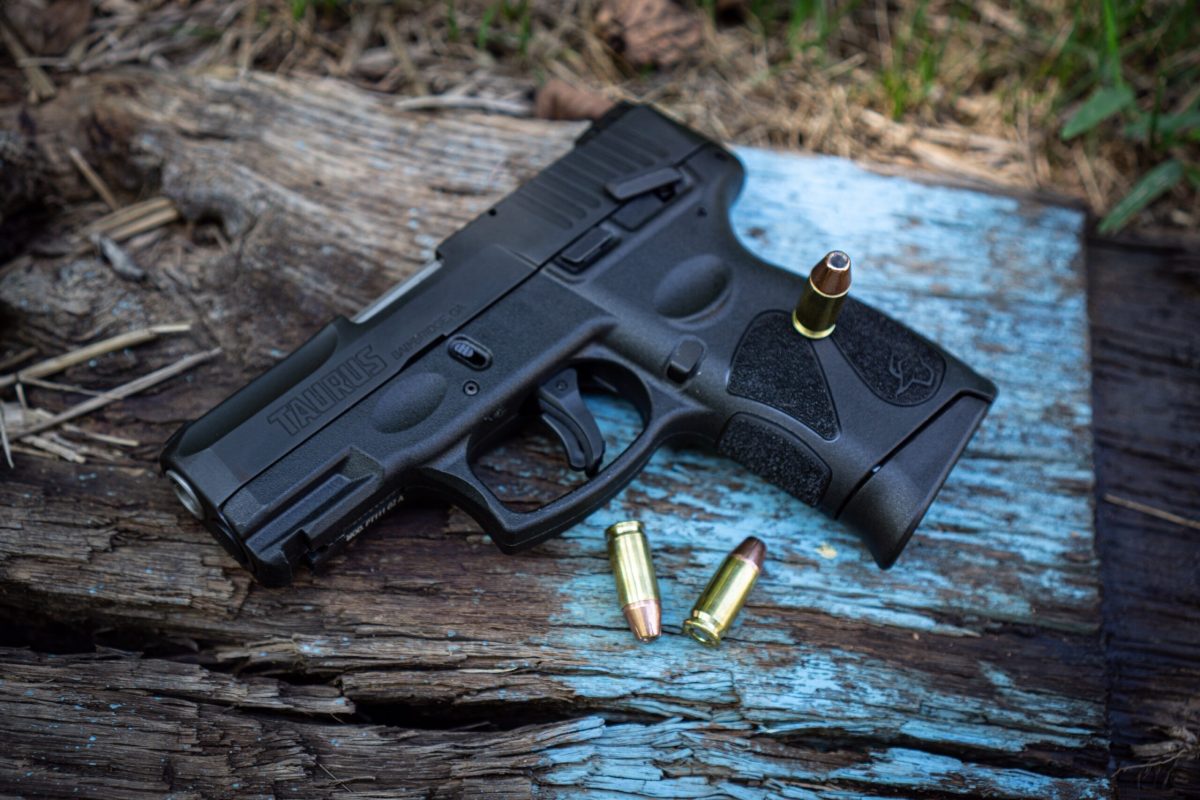
4. Taurus G2C
Taurus G2C, a mainstay in the top 10 list, is widely popular due to its cost-effectiveness. A brand new Taurus G2C in 9mm caliber can be acquired for around 230 euros. Benefits of the Taurus G2C include its affordability as the most budget-friendly gun on the list, the compact size that makes it suitable for versatile use, ease of use, its ergonomic handle with thumb and palm rests that enable comfortable grip and control, a light trigger pull, and 12+1 rounds, which is ample for its size. A potential drawback of the Taurus G2C is its incredibly long trigger travel.
Taurus G2C is an affordable handgun designed for concealed carry and personal defense (Photo: XY)
5. Glock 44
The Glock 44 is an excellent option for those who appreciate the Glock 19 and are searching for a .22 LR pistol. It offers a comfortable and familiar feel similar to the Glock 19 but with reduced recoil. Some benefits of the Glock 44 include its affordability and handling experience that closely mimics the Glock 19. One potential downside of the Glock 44 is that the barrel does not have a thread.
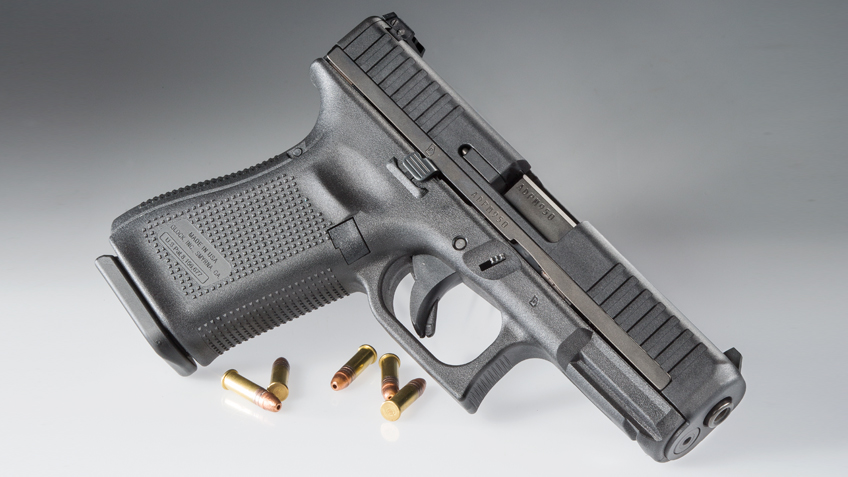
The Glock 44 in .22 LR, with rounds scattered around on a grey background (Photo: XY)
6. Glock 43X MOS
The Glock 43X MOS is similar to the Glock 43X, with the added feature of the Modular Optic System (MOS), which allows for the replacement of the factory sights with aftermarket RDS or tritium night sights.
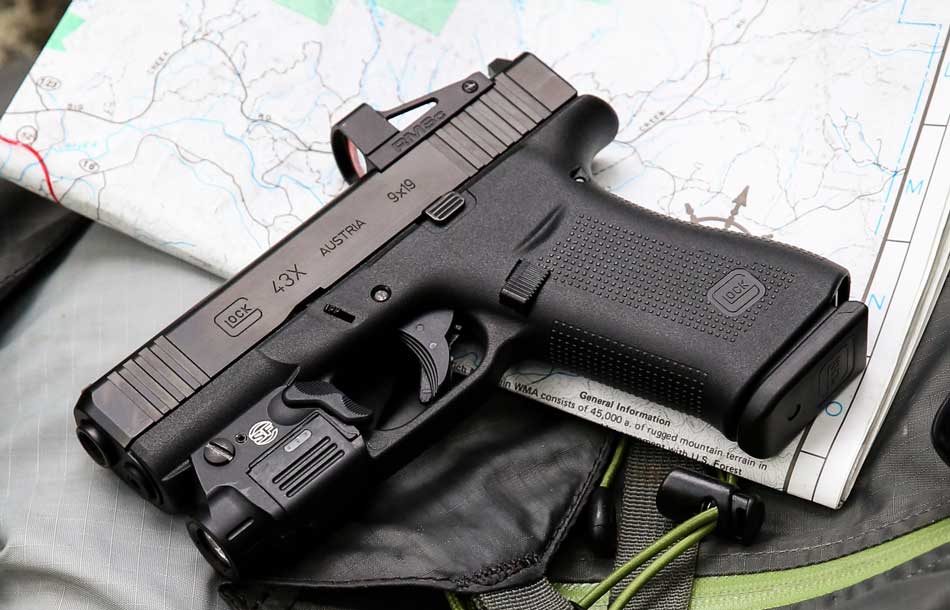
The Glock 43X MOS is a compact and versatile semi-automatic handgun built on the same platform as the Glock 43X but with the added feature of MOS (Modular Optic System), which allows for the attachment of different types of reflex sights (Photo: XY)
7. Glock 19X
The Glock 19X is an excellent pistol for those with larger hands and who desire the full-size grip of the Glock 17 but with the thinner and shorter frame of the Glock 19 for concealed carry. Benefits of the Glock 19X include its suitability for shooters with larger hands, its a thinner casing that makes it ideal for law enforcement, its high capacity, ease of use, and smooth trigger pull. One potential downside of the Glock 19X is that it may experience issues with ammunition from certain manufacturers and a collection of debris.
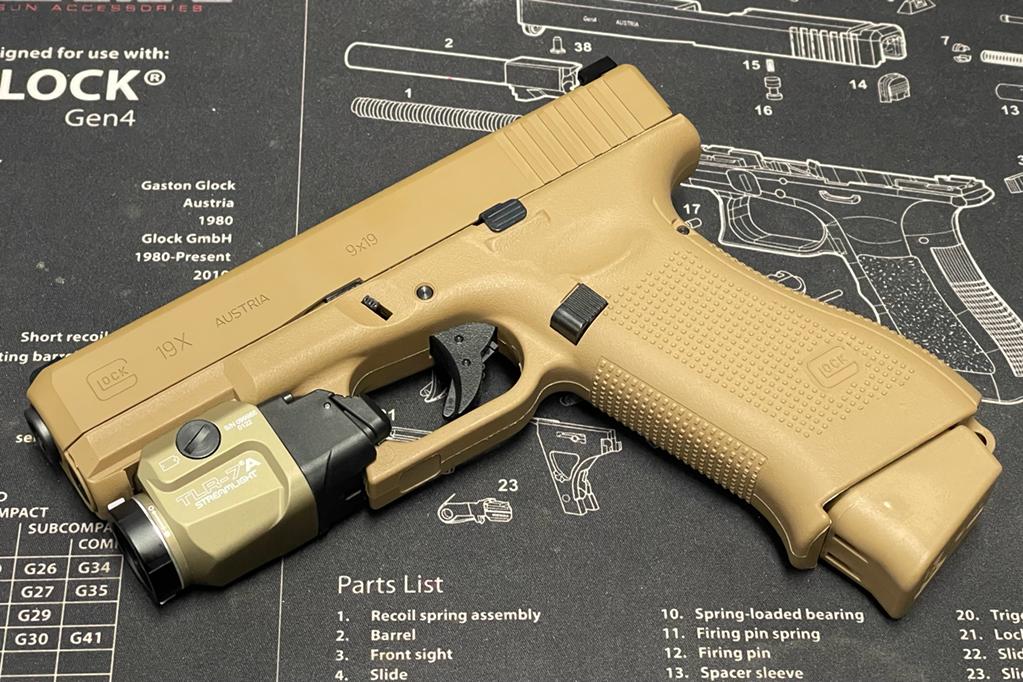
The Glock 19X Gen 4 in desert camouflage, with a flashlight attachment for low-light situations (Photo: XY)
8. Smith and Wesson M&P 45 2.0
The Smith and Wesson M&P45 2.0 is a .45 caliber pistol with an altered grip angle of 18 degrees to bridge the gap between this model and the Glock.
Some advantages of the Smith and Wesson M&P45 2.0 include its tactile and audible trigger reset, very light trigger pull, especially for a .45 ACP weapon, the optimum angle of the handle for a comfortable and natural shooting position, 4 included grip inserts for adaptability to any hand size, aggressive grip for full control during shooting, 380mm groove pitch which is ideal for a .45 ACP barrel, affordability, sleek design, suitable for open carry, and equipped with adjusted optics.
Potential disadvantages of the Smith and Wesson M&P45 2.0 include its limited capacity of 10 rounds, its length of 200mm, which makes it less suitable for concealed carry, its long trigger stroke, standard white dot sights that may be inadequate for a gun in this price range, and the similar price; you may be able to purchase a Glock 19 or Glock 43X.
The Smith and Wesson M&P 45 2.0 with a flashlight attachment and rounds on a wooden table (Photo: XY)
9. Glock 20
The Glock 20 is an excellent hunting companion due to its ample (15+1) capacity and 10mm caliber, which ensures adequate stopping power, even during an encounter with a bear. Some benefits of the Glock 20 include its large frame capacity, extended line of the 17 cm sight that allows for faster and easier targeting, superior stopping power, comfortable width of 3.4 cm, and ability to handle recoil better than any other 10mm pistol. Some potential drawbacks of the Glock 20 include its inability to be carried concealed, the tendency to collect debris, and the highest trigger pull weight of any Glock.
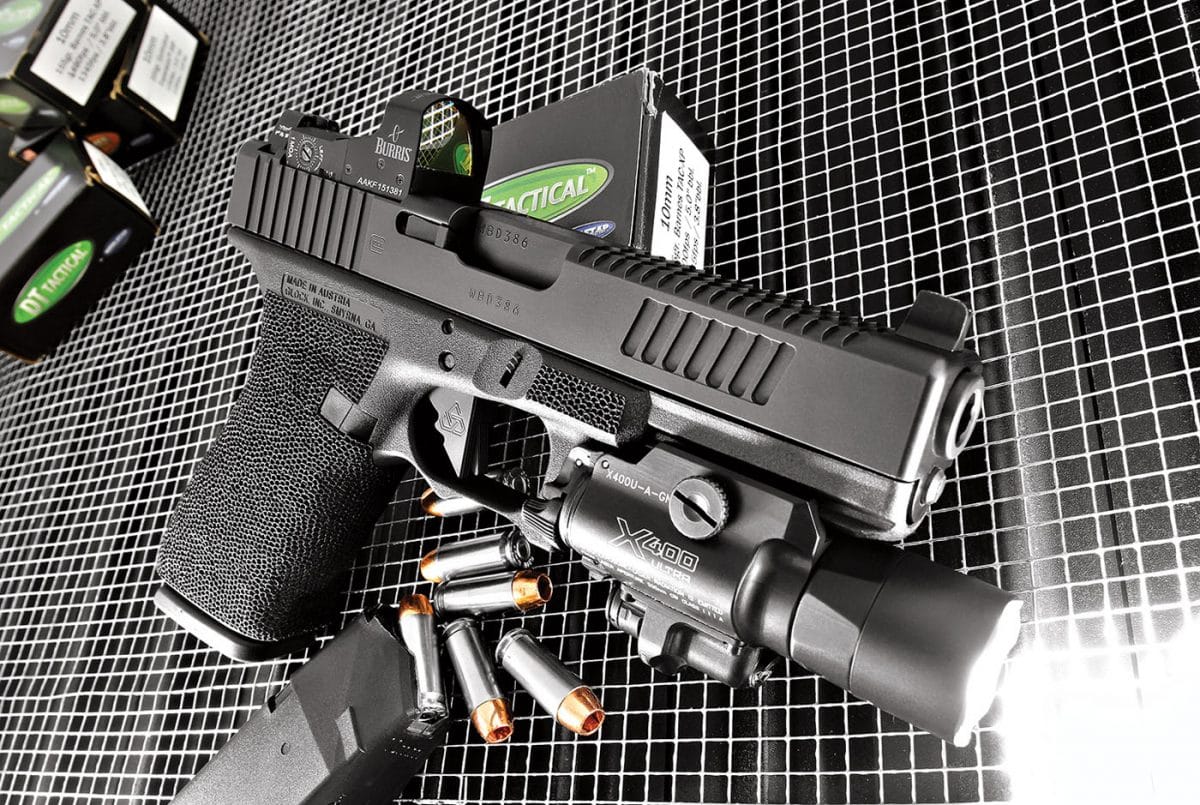
Glock 20 with optical sight and attached flashlight (Photo: XY)
10. Glock 26 Gen 5 (Baby Glock)
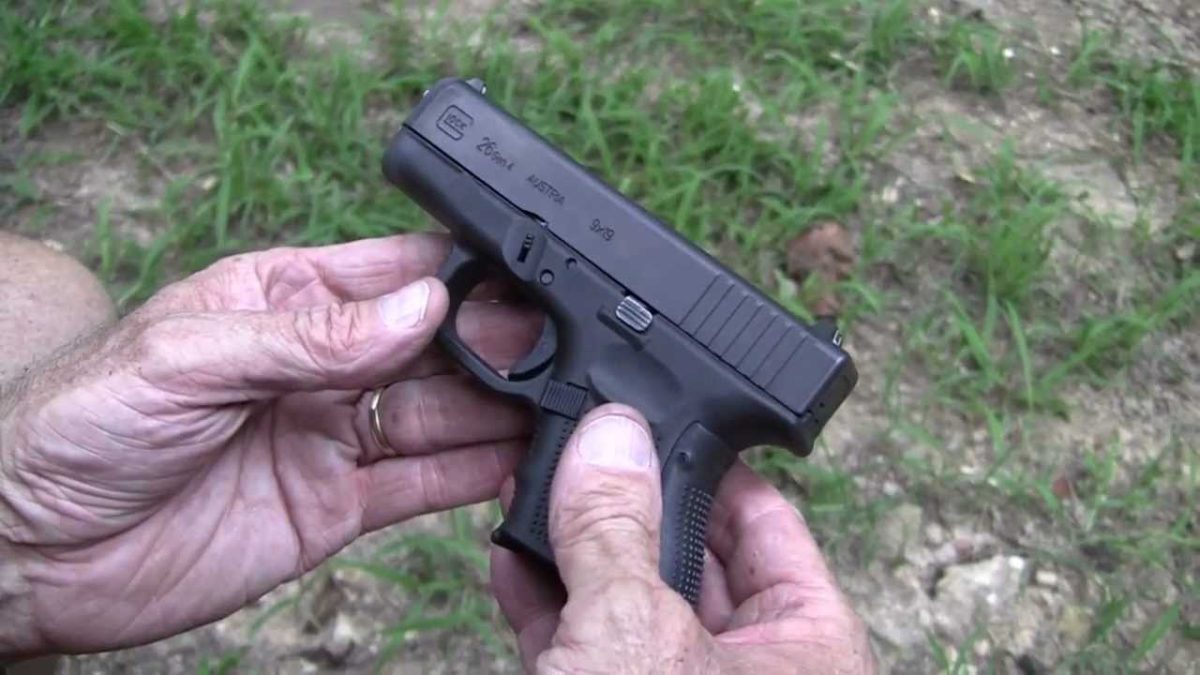
The Glock 26 Gen 5, also known as the “Baby Glock,” is the second most popular subcompact pistol after the Glock 43X. Some advantages of the Glock 26 Gen 5 include its suitability for concealed carry, its impressive frame capacity within its class, its lightweight of 730 grams when loaded, affordability, and the inclusion of the Glock Marksman Barrel, which uses a barrel rifling technique based on polygonal grooves for improved accuracy. One potential downside of the Glock 26 Gen 5 is that it is not equipped for optics attachment and may be too small for individuals with larger hands.
Glock 26 Gen 4, also known as Baby Glock (Photo: XY)
In 2020, the term Reflex Sight sounds a little out of date. There’s something of a late-80’s to Operation Desert Storm alure hovering about the old name. Often now referred to as a Red Dot Sight, the current nomenclature of the tactically proficient inundate themselves with words like Optic, or obscure the subject with codewords like “glass.” Growing up in tandem with the internet, many remember the day they graduated from the brain-melting phase of arguing AR vs AK, through the troublesome years of 9mm vs .45 into the sure sign of adulthood: the classic Red Dot vs Holographic arguments of the early 2010’s. In those days one was forced into what could only be understood as a binary decision: do you favor the indestructibility of the Aimpoint M68 CCO, or that big-as-a-Navy-SEAL’s-ego field-of-view unique at that time to the EOTECH Holo sight?
History of the Reflex Sight
Before we dig into the characteristics, qualities, and varieties of reflex sights, a little bit of history must come first. As time passes, the integration of digital technology into projectile weapons only continues to increase, and one should expect it to continue. While Red Dot Sights are still being accepted and integrated into handguns, it didn’t take long for Iron Sights to become a secondary option to an aiming device not designed for ranged magnification. The spiritual ancestor to what is now the norm for close range combat and defense carbines came about through the use of tritium and a curious understanding of the human brain.
The OEG, or Occluded Eye Gunsight emerged around the Vietnam war and gained recognition during the Son Tay prison raid. Unlike the conventional U.S. Armed forces of the day, the soldiers in the Special Operations could be found sporting what looked like a scope with a small red object protruding out where the objective lens would sit. However, if one looked into the OEG like a rifle scope, all they would see would be a red dot in a field of black. The OEG required the shooter to keep both eyes open, manifesting a phenomenon called collimating where one eye would see the dot the target, the other eye the dot, and the brain would superimpose the two images together. This same concept when applied to the ACOG and other prismatic optics is called the Bindon Aiming Concept.
But by 1975, Aimpoint had launched their electronic Reflex Sight by bringing battery-illuminated lighting to a bloodline of engineering dating back to 1902. By reflecting a point of light off of a layer of glass, the term “reflex sight” was born. The name stuck, however, largely due to the way it was perceived to grant lightning reflexes to the shooter.
Function and Operation
The Reflex Sight plays fewer tricks on your mind than its predecessors, but holds onto the genetic development all the same. While the OEG didn’t reflect light toward the eye of the shooter, a reflex sight uses a light-emitting diode to project a small point onto a sheet of curved glass which corresponds to the desired point of impact of the shooter. This glass has a special coating that allows most frequencies of light to pass through but reflects red light back to the shooter. The wider the frequency of reflected light, the more discolored the lens will appear.
The simplicity of a single-reference point of aim as opposed to lining up a front and rear sight allows not only for easing strain on the eyes transitioning through focal planes, but also reduces the dependency of the shooter to have perfect form. The angle of the reflection functionally affords the shooter grace when aiming, for so long as the optic was zeroed, the shooter can move their head shifting the apparent location of the dot in the optic, with minimal effect on their point of impact. There is debate, however, about how much this affects the placement of the shot, if at all.
Short comment on Parallax:
Parallax is the apparent displacement of an object when viewed from two different angles. A simple example we’ve all experienced is a speedometer in a car: viewing a speedometer from the driver’s seat will give you the correct reading, whereas when it’s seen from the passenger seat it will be wrong.
The same applies to optics, regardless of marketing claims of “parallax free”. The only time a scope or red dot will not have parallax error is if the eye is perfectly centered behind the reticle, or if the reticle is focused exactly on the targeted distance. Parallax error is largely unnoticeable at magnifications under 10x, which is why you’ll have a parallax adjustment knob on any quality scope above that magnification level.
The reflex sight developed along three main paths from there: ruggedness, size, and field of view. The rugged genome gave birth to the Aimpoint T-1 Micro, and was followed by a whole list of contenders as time passed on. Micro red dot sights (MRDS) eventually could fit on a pistol and now have surpassed trending and quickly are becoming the new normal. Contending with the EOTECH for field of view are options like the Trijicon MRO that feature a design attempting to minimize how much the body of the sight blocks the shooter’s view.
The name Red Dot Sight should not be deceiving, however. Young soldiers are probably still spreading the idea that the infamous “they” chose red because of how easy the eye picks up the dot. We’re not here to comment on that at the moment, but those for those who play Call of Duty or have some colorblindness, not every reflex sight comes exclusively in Red, and with new models arriving each year, a greater variety of reticles are appearing on the market.
Even as the technology behind optics and sights continues to explore new directions, the qualities typically found in reflex sights gives them a certain dominance in the field. Most options boast nearly excessive battery life, often marketed in the years. In trunks, closets, and gun safes across the country a T-1 Micro can be found with the light on, left that way on purpose with the confidence that the car’s battery will likely need changing first.
Few alternatives can beat a Reflex Sight in weight and durability. At the same time, Low Power Variable Optics (LPVO’s) are beginning to creep in with generous fields of view, all the while offering magnification at the turn of a dial. Holographic sights still pose a threat to the hegemony of red dots by creeping down in price with the Vortex UH-1.
The State of Reflex Sights in 2021
There’s nothing like having choices, but in 2020, we’re no longer gambling with cheap knock-offs with so many legitimate contenders on the field. Remember the three main paths from earlier? In similar fashion, the three categories of reflector-type red dot sights presented are full-size prioritizing field of view, the rugged compact optics typically featuring a 20mm aperture, and the self-defined micro section popular on pistols.
Full-Size / Field of View
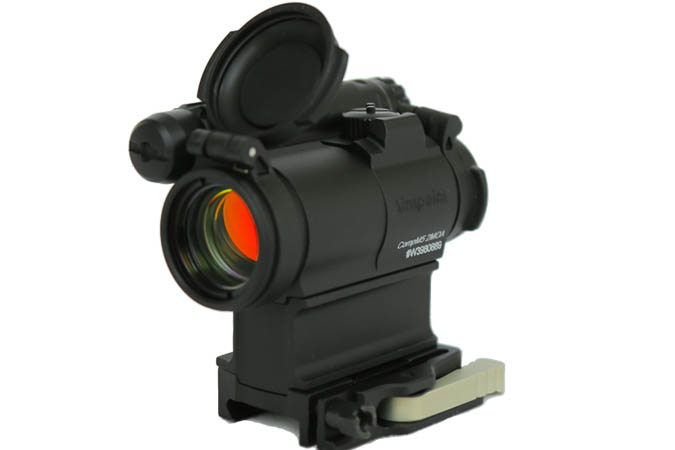
From the battlefield to a boar hunt, the heart and soul of reflex sights rests in the hands of these options. Old enough to be found on retro clone builds, relics like the Aimpoint M68 CCO still garner respect, and with years of use before options like the EOTECH reached the military, the design had gone through evolutions of improvement. Spiritual successors such as the AIMPOINT PRO and Vortex SPARC have survived house fires, which is more than most of us will go through, hopefully.
Even as some evolutions sought to get smaller, the desire for full-size reflex sights remains prominent as multiple companies continue to offer reputable and dependable red dot optics with aperture hovering around that 30 mm mark.
More on Full Size Reflex Sights
This Aimpoint PRO survived a House Fire.
Another full-cruelty demonstration of the failing to kill a Vortex Sparc.
Rugged / Compact
Perhaps it was timing, perhaps by design, when the Aimpoint T-1 Micro hit the scene in 2007, it brought with it the YouTube torture test. Millions watched in horror and anticipation as the Reflex Sight was dropped, smashed, thrown across concrete parking lots, submerged in water, and the like, only to be returned to the rifle with minimal shift in point of impact. Number crunchers claimed a 5-year battery life and quickly the optic was spotted on carbines, pistols, and shotguns. The category-defining durability spawned a host of options, with features like solar panels, reticle choices, and a steady creep towards more and more affordable options.
The trend had caught on, and rightly deserved a place in the pantheon of excellent red dot designs. Even as Aimpoint’s T-1 and T-2 Micro continue to hold a venerable place as the category progenitor, new offshoots have arrived offered with a range of dot colors, reticles, and features like solar panels to extend battery life can be found on SIG ROMEO4T and various models by HOLOSUN. In 2020, those interested in topping a defense carbine should not overlook the whole list of contenders including the STRIIKER by Atibal, Liberator by Swampfox, SPARC AR or Crossfire by VORTEX, and the TSR by U.S. Optics, just to name a few. There was a day when the naysayers could say nay, but today is not that day.
Vortex SPARC AR as low as $199 at Optics Planet
MICRO
Distinctly miniature, Micro Red Dots were not the first ones to make it on a pistol, but their popularity as a handgun optic has multiple histories. In 1970, Jerry Barnhart Before the days of sending a pistol off to get an optic cut, the most common place to find a micro reflex sight would be on a military or competition rifle mounted in tandem with some form of magnified glass. For a time, the combination of a Trijicon ACOG accompanied with an RMR caught the envy of those outside special military units, and for those interested in 3 gun, choosing to mount a second optic on your rifle will secure you a place in the high speed and punishing open devision.
In order to achieve their size, most Micro Reflex Sights feature an exposed emitter, sacrificing durability for reduced weight and size. Subject to the elements, MRDS’s require regular cleaning and maintenance, and both water and debris threaten to put them out of commission.
The Aimpoint ACRO and Holosun HE509T-RD were both designed as a sealed system, with the intent of topping common handguns. When sorting through the many options of micro reflex sights, one must pay special attention to the footprint: the pattern of bottom face of the optic that attaches to either a pistol slide or mount for use on long guns. Some share footprints, but that’s dicy business and often a point of friction between competing manufacturers.
Shop Holosun at Optics Planet
More on Pistol Mounted Micro Red Dot Sights:
Learn how to Master Red Dot Equipped Pistols with Mike Pannone.
For more on the history of red dots on handguns, as well as what to do when they break, read here from Concealment 9.
For techniques on transitioning from irons to an MRDS, read more.
Holographic Sights
In 2020, no one should be faulted for mistaking an EOTech XPS series or Vortex UH-1 as a reflex sight. The distinction between a holo sight and more traditional reflex optics is found in how they go about getting a reticle to appear for the shooter. From the outside, they look and act similar, but holographic sights bring their own characteristics to the table. Though shorter battery life and wider field of view are typical of the category, that’s not all we’ll have to say on them. Keep current and we’ll let you know when there’s more content on holographic sights.
Closing Off
Having come so far, we expect the future of the reflex sight to develop in two directions: either a constant pursuit of making them smaller, lighter, and less occluding of the shooter’s vision, or ultimately relinquishing ties to their old name by giving up the dependency on reflecting light off glass all together. We’re not sure how this second option will manifest, but if it’s anything like the video games, we’d be more than interested.
For now, reflex sights continue to dominate the trend and market of close-range, quick-draw inspiring aiming devices, at least in daylight hours. Tying them into night vision operations is still a work in progress, as a red-dot mounted pistol feel like cheating they’re so easy, while the experience is opposite when trying to line up an NVG tube with a sight sitting atop a carbine. Most, in that case, opt to use IR lasers to accommodate night vision dependent military operations.
Finally, the ecosystem of available reflex sights can quick spark more than one heated debate over which is “best.” That argument, thankfully, is waning as the level of quality found across the industry continues to rise. There was a time when one ventured onto dubious ground when looking at anything other than the higher-priced names typically known to secure government contracts, but those days are passing quickly by as more and more manufacturers continue offer reliable quality optics backed up by honest warranties. Owning a dependable reflex sight need not come at a luxury cost.
More on Optics
LPVO vs Magnifier, Pick your Poison.
Red Dot Sight Buyer’s Guide.
Many of the Best 9mm Pistols for 2020 come optics-ready.
EOTech Magnifier: Force Multipliers.
The Holographic Sight Advantage of EOTech.
Vortex Red Dot Sight Guide.
Aimpoint Acro vs Holosun 509T: Battle of Sealed MRDS Optics.
Prism Scope Versatility: The Battlefield and Beyond.
"Debate over whether a 22 air rifle can effectively take down a deer has sparked curiosity among hunting enthusiasts. With its lower muzzle velocity...




 The cover of the Ounce pistol brochure.
 The new Evanix Rex shot pistol.
 ASG will bring out the ISSC M22 later this year.
 Josh and Mirfee Ungier. Josh founded Pyramyd AIR and Air Venturi. They enjoyed being back at SHOT once again.
 Zeus cornflakes. Seventy-two caliber hollowpoints made by Mr. Hollowpoint.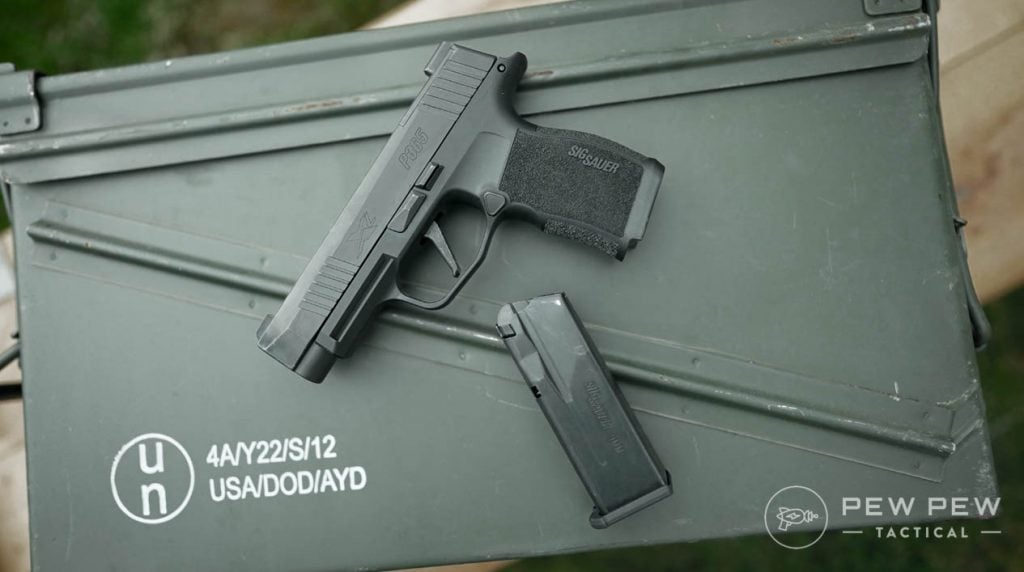
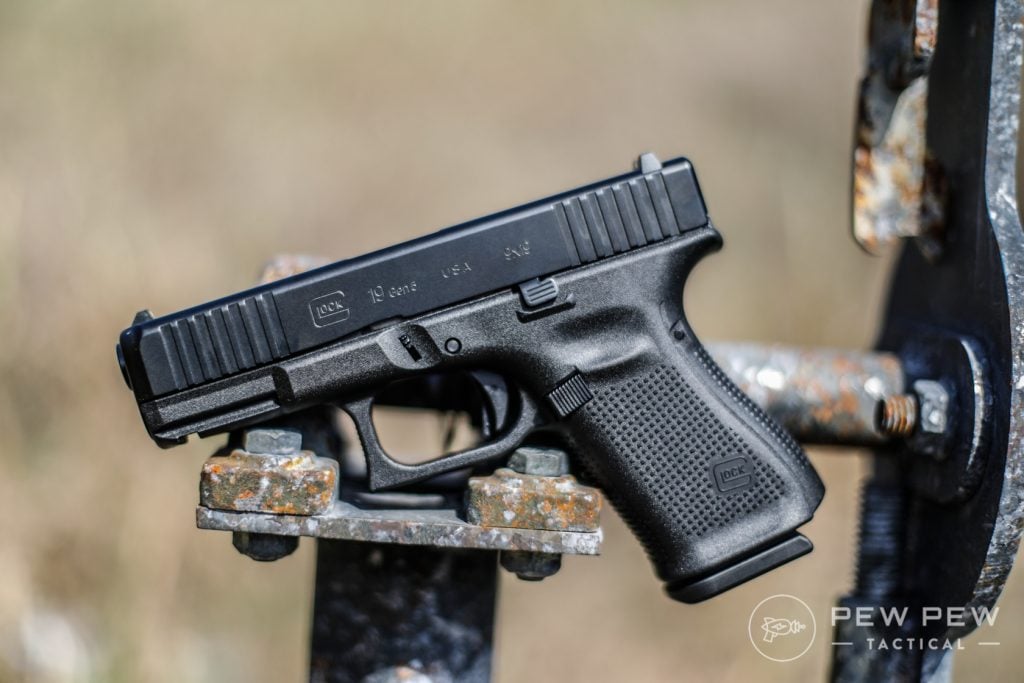
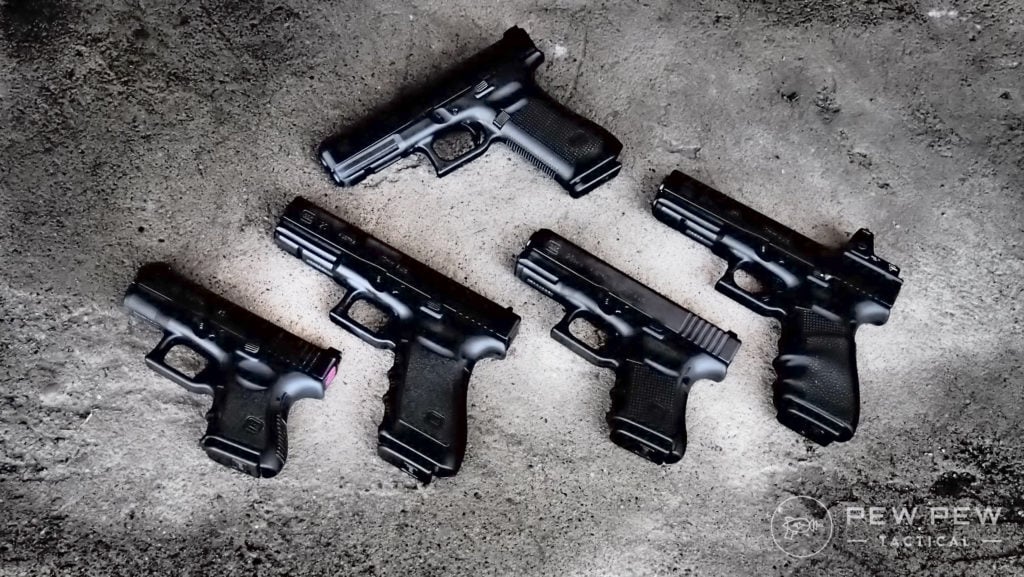

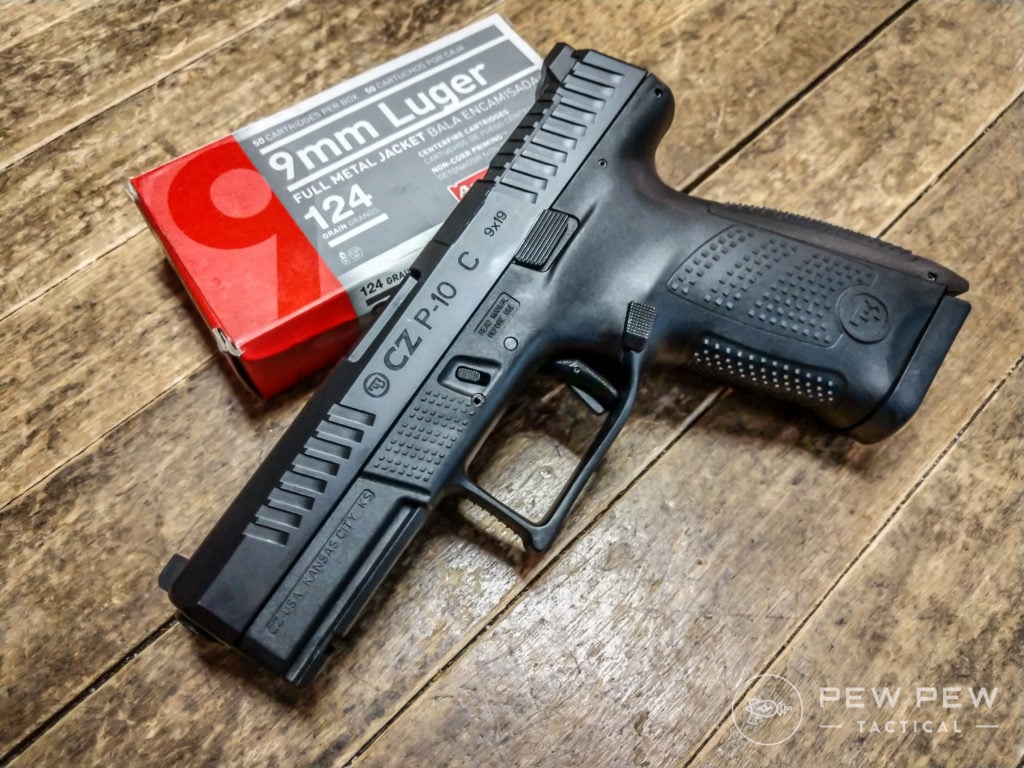
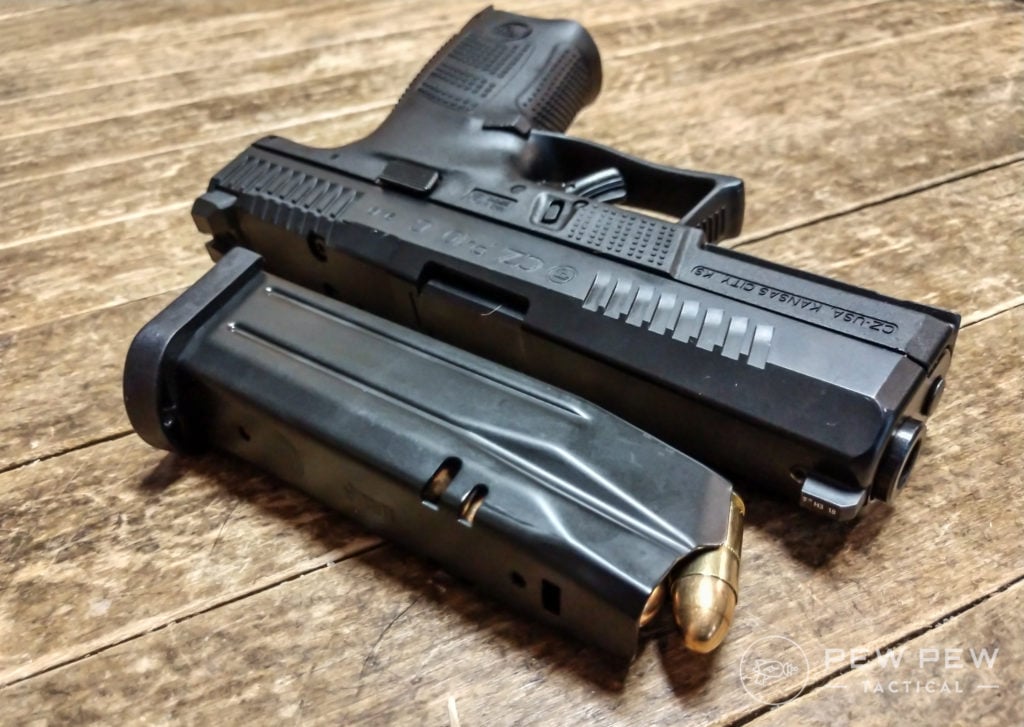
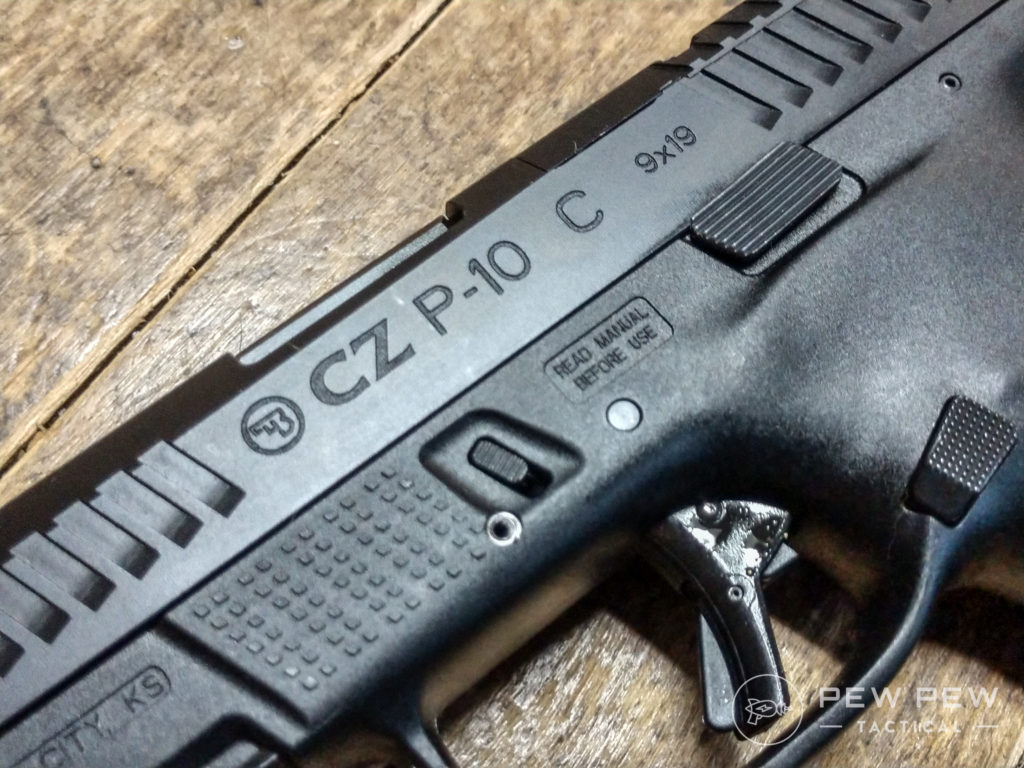
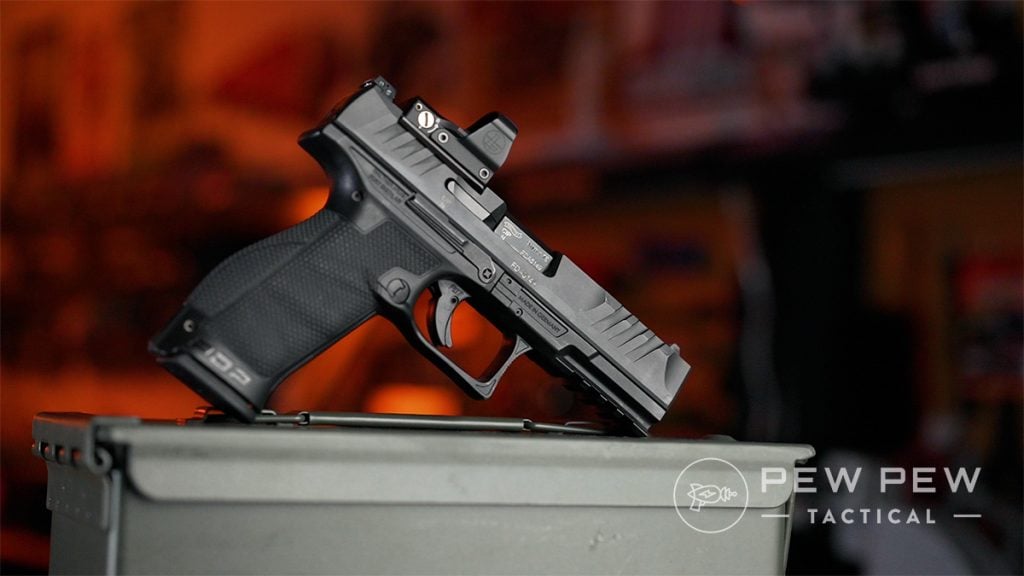
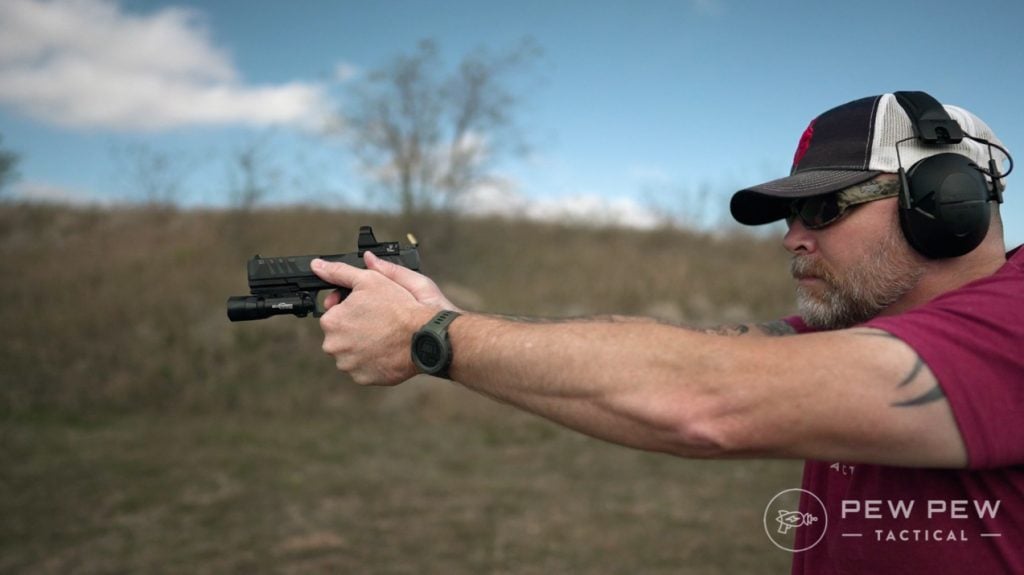
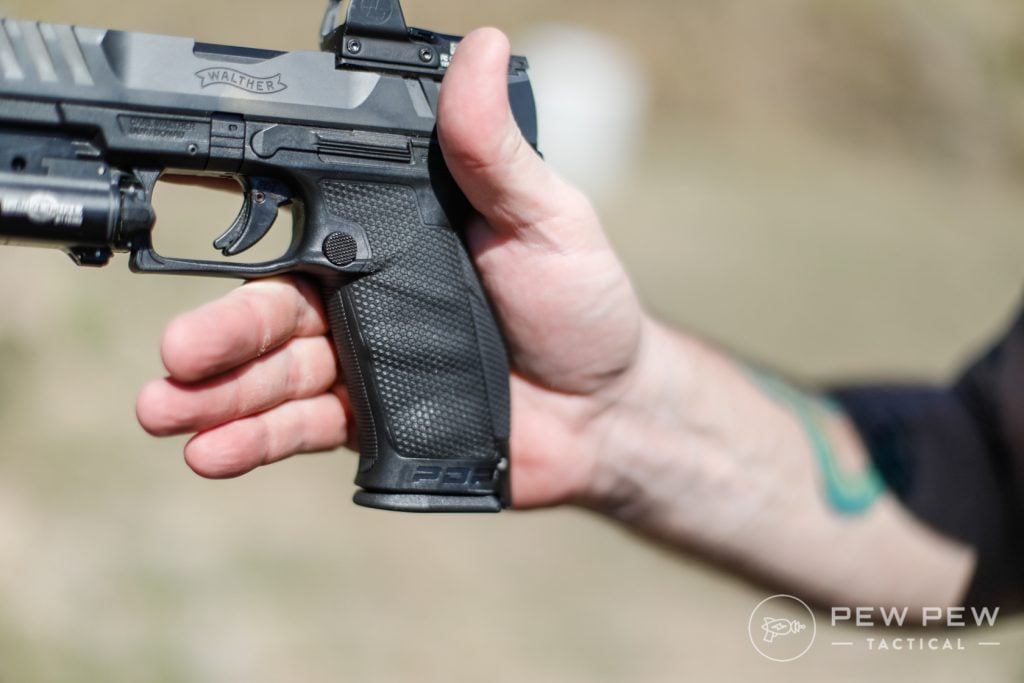
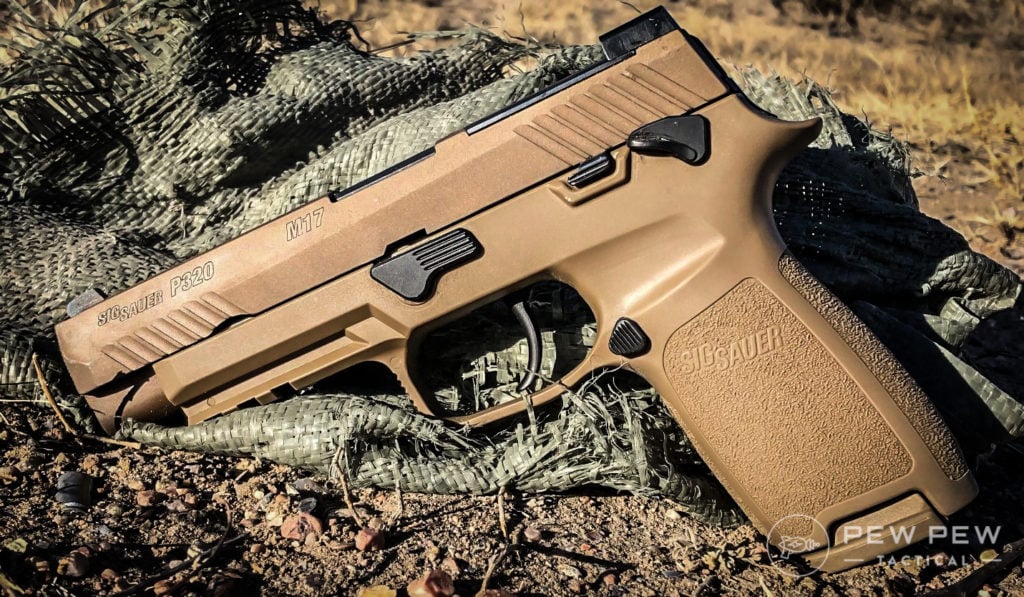
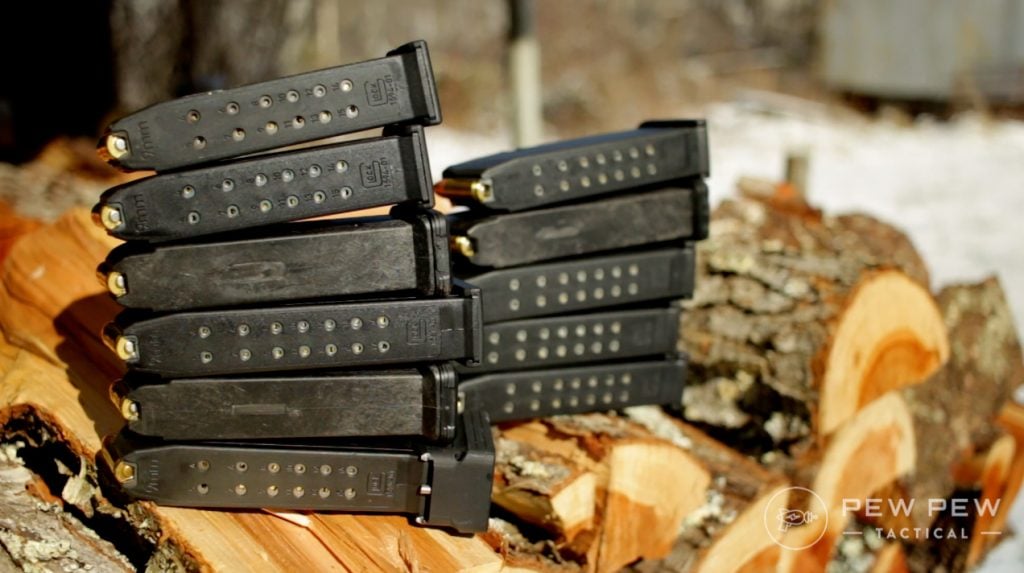
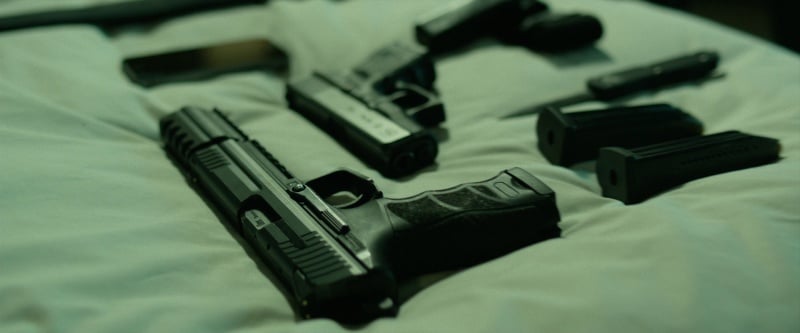

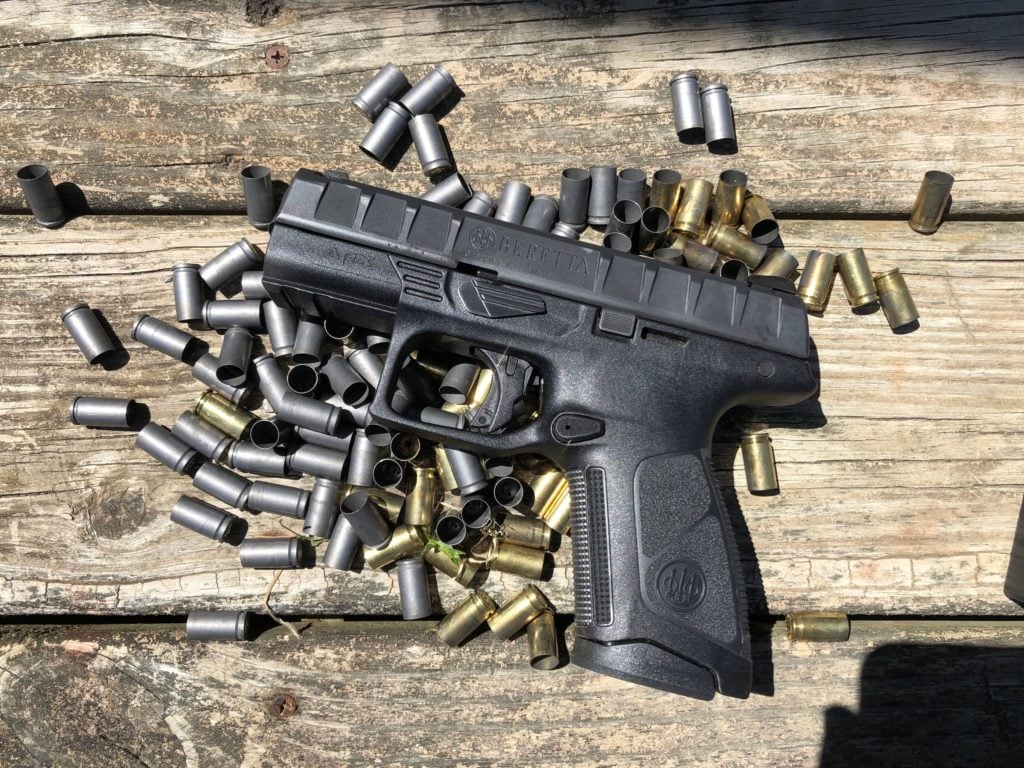
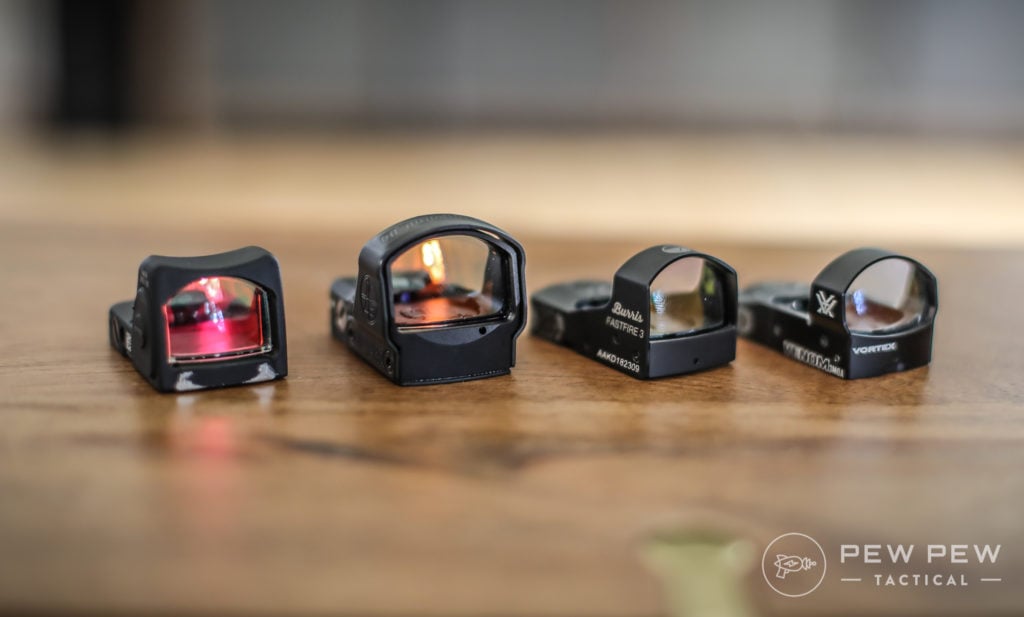
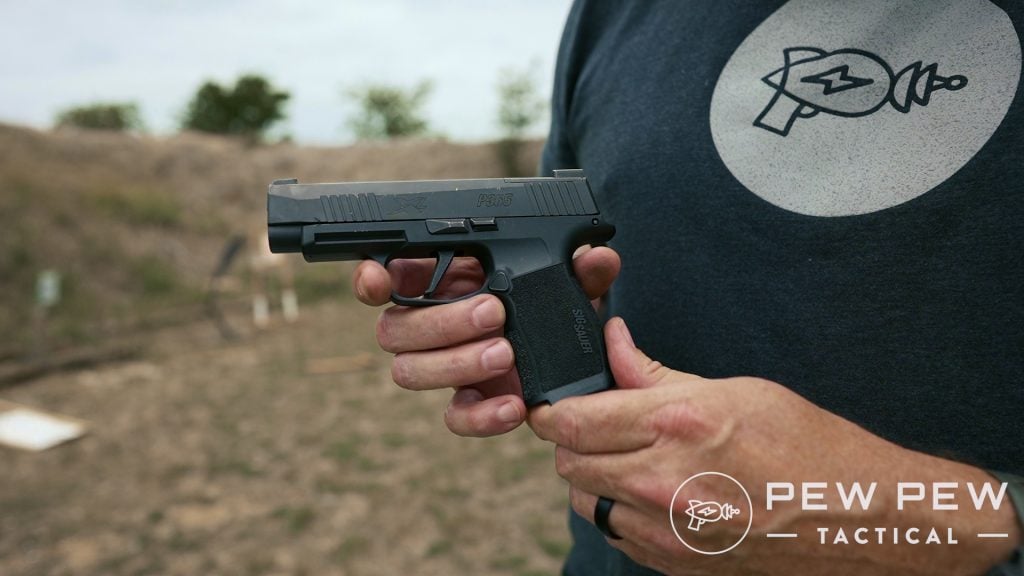
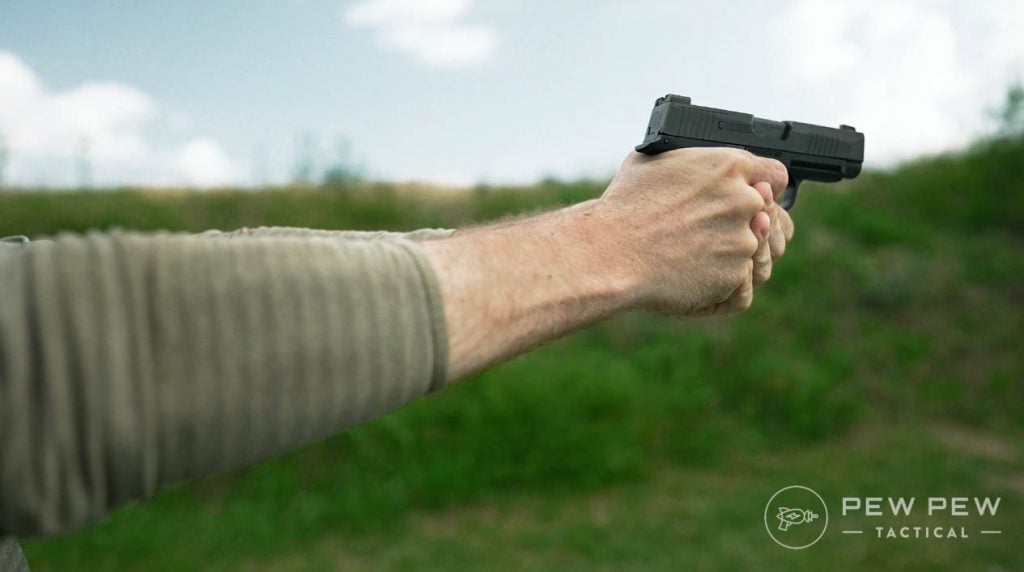
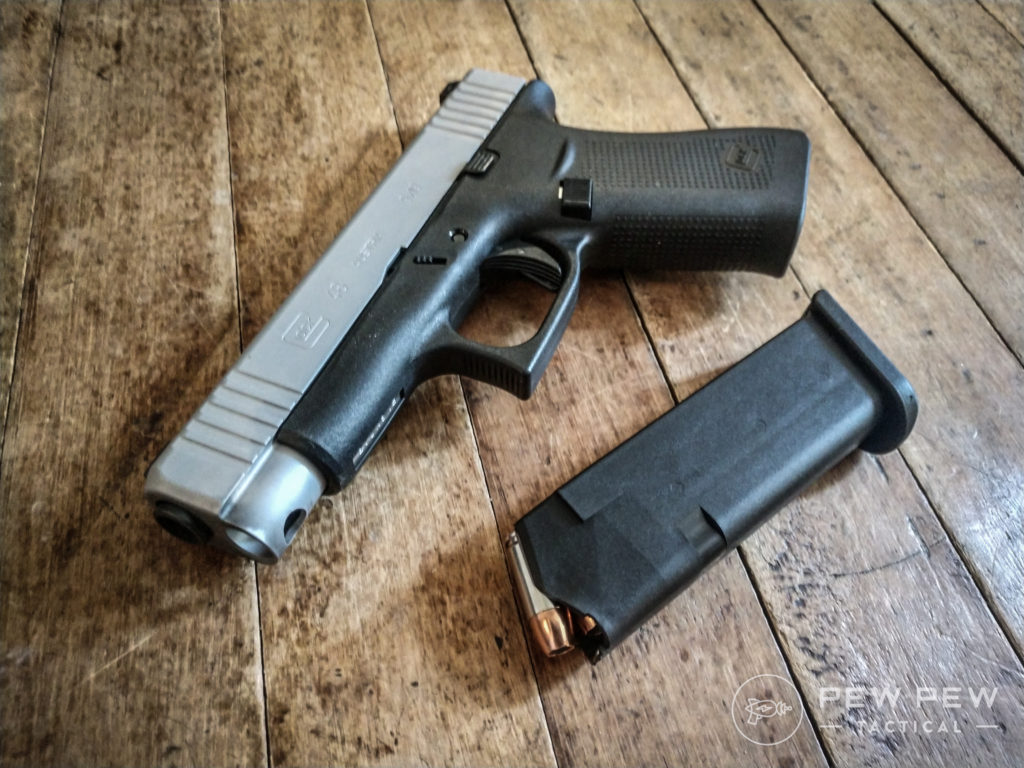
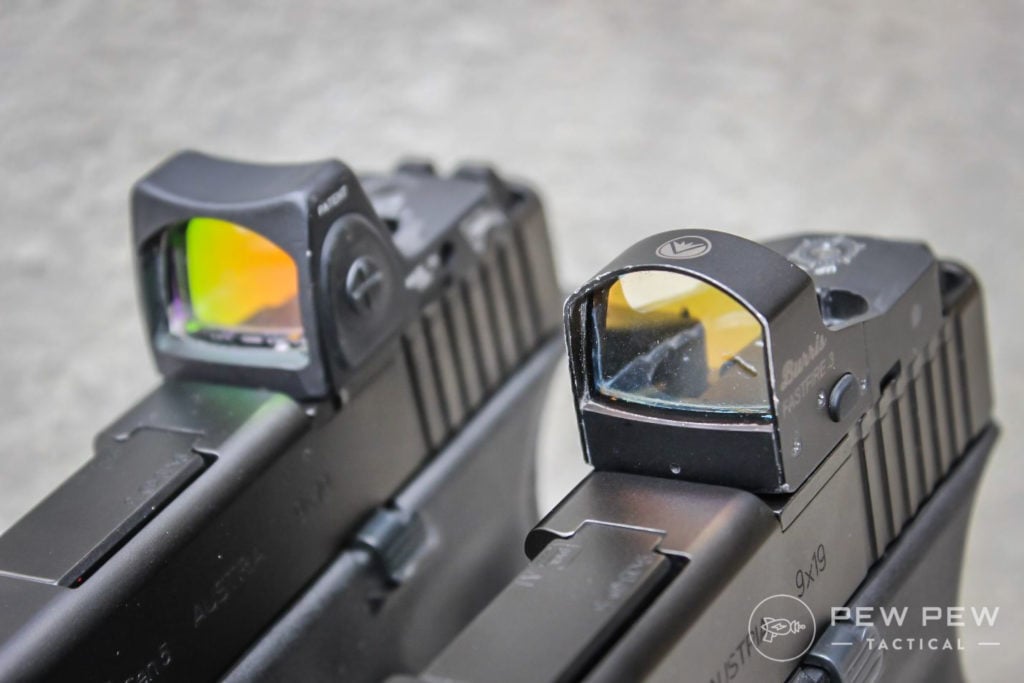
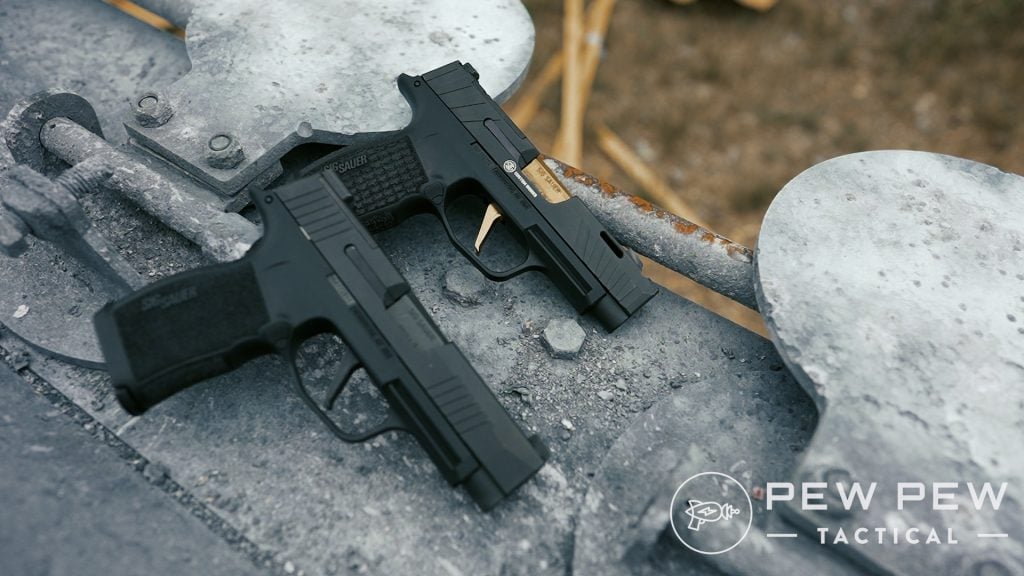
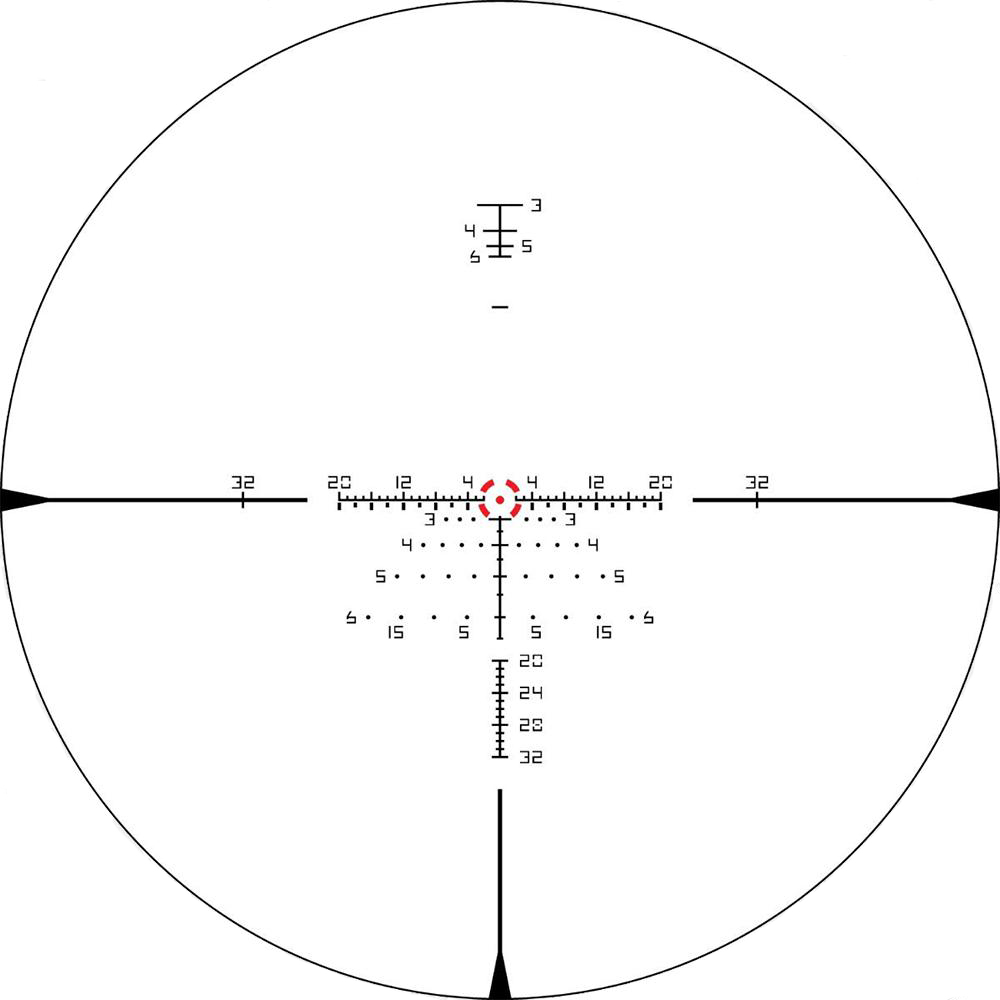

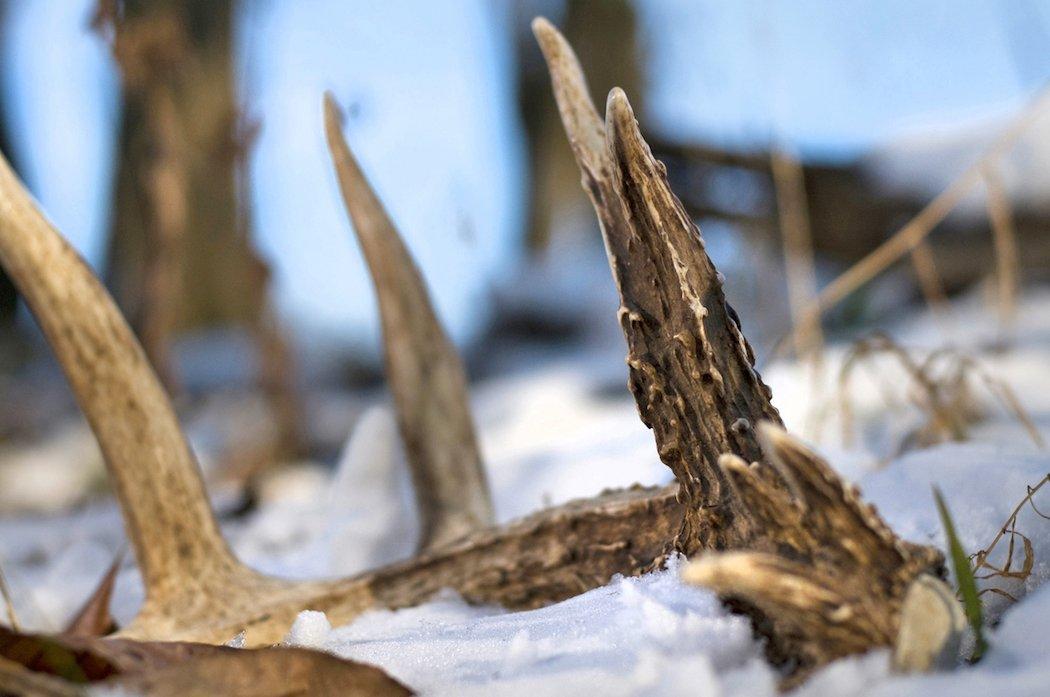 Antler drop is influenced by genetics. Every subspecies of whitetail is a little different on when they let go of their headgear. Depending on what subspecies of whitetail you hunt will influence when they shed.