Home Blog Page 96

The Best Time to Hunt Over Scrapes

0

Knowing when and how to hunt over scrapes is a pivotal part of being a successful whitetail deer hunter. These markings are utilized by bucks in a way that acts as a calling card for deer in a specific area and they can be extremely productive for hunters who know how to use them.

There is an element of mystery associated with scrapes as hunters can’t always tell what type of buck created the marking without the aid of a trail camera. Nevertheless, hunting scrapes at the right time can be the ticket to bagging a mature buck when all other methods of approaching the deer prove to be fruitless.

In this article, we’ll cover how bucks utilize scrapes in relation to the specific time of year, as well as certain times of the day during deer season. I hope to provide some insight as to the best ways to approach hunting over a scrape, and also give hunters an idea of when to lay off and stay away from them as well.

When Will Bucks Start Making Scrapes?

Scrapes are one of the most talked-about aspects of whitetail deer hunting. While there is plenty of great information that can be found online regarding scrapes, there are a lot of instances where misinformation is spread and sometimes advocated by what most hunters would deem to be reputable outdoorsmen and women in the hunting industry.

Seeing a fresh scrape is certain to inspire a sense of excitement in hunters of all skill levels as it is a sure sign that a buck has been in the area—and that he is likely to return on a semi-regular basis to check the scrape again at some point. So this begs the question, when is the best time to hunt over a scrape?

Hunters should start seeing more signs of buck activity in the form of scrapes on their given hunting location around early to mid-October throughout much of the United States. While bucks are known to make scrapes at virtually any time of the year, this kind of activity will increase when the bucks’ testosterone levels are increasing just before the rut goes into full effect.

This is a time when bucks are becoming more active and preparing to draw a line in the sand, so to speak, when it comes to their own personal territory. Bucks will start to create these kinds of markers as they instinctively know that the rut is set to kick off in a matter of a few weeks, depending on where you’re located throughout the country.

Determine the Freshness of the Scrape First

One of the key aspects to focus on when it comes to scrapes and how you should approach them is freshness. If you come across a scrape in your hunting land, take your time and look it over thoroughly to determine whether or not it is a fresh scrape, or if it has been made more than a few weeks ago. Focusing your efforts on hunting over an old scrape will likely turn out to be a huge waste of time as bucks may be on the move in your area and turning most of their attention towards their female companions instead of scrapes.

Be sure to look at the overhanging branches above the scrape to see if they have recently been chewed or twisted. Most skilled hunters are able to tell when a small tree branch was worked by a buck and make a fairly accurate assessment as to when the buck chewed on the ends of the branch or used its antlers to twist and break the ends.

It’s also important that you closely inspect the ground where the buck has pawed at the scrape and pay attention to whether there are any leaves and other debris that have fallen into the scrape area since the buck made the marking. A fresh scrape will have very few if any leaves in the scrape and an old one will have a decent amount of debris in the area.

When to Start Looking for Scrapes?

The most important question any hunter can ask pertaining to scrapes is likely going to be “when is the best time of year to hunt over scrapes?”

However, it can be just as important to understand when you should start looking for scrapes on your hunting land. If you are able to find scrapes or scrape lines early shortly after they’ve been created by bucks in your area, you can usually work to stay one step ahead of the buck you’re after.

You should start looking for scrapes on the property you are hunting in early October. Once you find the first scrape or scrape line, you should work to connect the dots and try to make an assessment as to where the buck is headed and what two points of interest the scrape is made to connect.

In most cases, scrapes are made in areas very close to where a buck is either feeding or bedding. If you are very familiar with the specific area you’re hunting, you should try to look for areas where bucks might bed down in thickets and other sections that offer good amounts of cover and a higher vantage point than the land surrounding the bedding area.

In addition to finding and pinpointing the particular bedding area in your neck of the woods, it’s also important to try and search out the various food sources nearby. If you can locate the bedding areas and determine which food supplies a buck is likely to be using in early to mid-October, you’re very likely to find scrapes along the trails or edges of thick cover and hardwoods.

Best Time of Year to Hunt Over Scrapes

According to most experienced whitetail deer hunters, hunting over scrapes is an excellent strategy just before the rut starts to kick in. For most of the United States, bucks will start to engage in behavior that is consistent with their usual rutting patterns around the beginning of October or toward the end of the month.

When it comes to hunting over scrapes, freshness is the most important aspect of the entire conversation. If you find a fresh scrape in early October or near the middle of the month, the best time to hunt over this particular buck sign is sooner rather than later. A buck that takes the time to create a scrape is likely to come back and check it within a few days, or sooner in some cases.
It’s a mistake to think that you can simply make a note of this scrape and hunt over it once the rut is truly beginning. Bucks typically make scrapes just a few weeks before they will begin to chase after does as a means to tell other bucks in the area “this is my turf.” Once they begin to go into estrus, bucks will mostly lose interest in scrapes as they will focus most of their efforts on finding these does that are in heat and mating with them.

Bucks will, however, come back and check these scrapes if they are in the area. Most hunters swear by the process of creating their own mock-scrapes in order to draw the attention of bucks. There is little scientific evidence to back up the idea that mock-scrapes are just as productive as naturally occurring scrapes.

Most hunters will have the most success hunting over scrapes in the month before the peak of the rut in their particular area.

Best Time of Day to Hunt Over Scrapes

Most scrapes are going to be worked by bucks under the cover of darkness. Obviously, hunters can’t legally hunt during this time, so the next course of action is to catch an unsuspecting buck at or near a freshly-made scrape in the early morning hours. If you plan to hunt over a particular scrape or a scrape line, it’s best to do so in the early morning.

Be sure to get into your stand well before daylight in order to avoid disturbing any bucks as they make their way along the trail where the scrape is located. It is very likely that the buck has spent the night roaming around the general area, checking scrapes, and feeding on various food sources.

The time for hunting over scrapes successfully is actually a shorter window than most hunters realize. Bucks will make scrapes in the early portion of the hunting season, but they will quickly turn most of their focus toward chasing after does in estrus once the rut kicks in full force.

Buck Behavior Around Scrapes

The subject of buck behavior around scrapes is one that could be discussed in an article of its own as there are many different points to consider. Bucks will react in a variety of ways to other deer visiting their scrapes and many mature bucks are known to make use of scrapes more heavily than younger bucks.

Bucks will begin to make scrapes more aggressively once their testosterone levels increase as the rut comes closer. Scrapes will begin to appear more frequently in October and you can expect other bucks to leave their scent in an already-made scrape in most cases. Some hunters can draw bucks in and keep their attention for a few days through the use of a mock scrape and the right combination of buck urine or doe estrus.

What is a Scrape Line?

A scrape line is one of the biggest signs that bucks are living in a specific area and that they’re also frequently using a certain lane of travel back and forth from their bedding area to their chosen food source. Bucks will create scrapes along the way from their bedding area to a particular food source in intervals of about 20 to 50 yards in most cases.

Bucks will usually create a scrape line sometime around early to mid-October and will continue to use and check these scrapes up until the rut kicks into high gear toward the middle of November.

How to Hunt a Scrape Line

If you plan to hunt over a scrape line, it’s best to do so during the morning hours as most bucks will work their scrapes during the night and move toward their bedding area shortly after the sunrise. In some cases, mature bucks will actually show up during the mid-morning hours to check their scrapes during late October or early November.

It’s best to hunt over a scrape line in the few short weeks just before the rut begins in your specific area. For much of the United States, the rut fully begins in the middle of November, so it’s best to hunt over scrapes and scrape lines in the month before the rut kicks off.

Conclusion

There is a lot of information related to scrapes that can be found online and wildlife biologists are still working to understand the subtle nuances of just how whitetail bucks utilize scrapes in a way to communicate their presence with one another. Regardless of your level of understanding when it comes to scrapes and when to hunt over them, the information in this article should help you get off to a productive start as it relates to scrape hunting in the next season.
Thank you for reading my article! I hope you enjoyed it, and if you have any questions or feedback, please send me an email at [email protected]. If you want to learn more about me or Omega Outdoors, visit my About Page. Otherwise, I hope you have a great day, and check out some of my other articles while you’re here!

How to Prevent Backlash on a Baitcaster? (Updated)

0

What is backlash & why do baitcasters suffer from it?

Backlash happens when the lure slows down after casting, but the spool does not—resulting in a tangled mess of line, also known as a “bird’s nest.”

It usually happens when you don’t have the spool and brake system set properly, it can happen if you aren’t using the right rod, and it can happen if you are not using the right line and lures.

The bottom line is that backlash with baitcasting rods is a mess that you absolutely want to avoid.

How to prevent backlash on your casting reel?

Backlash is what usually discourages people from using a baitcasting reel. However, there are many advantages to using a baitcaster rather than a spinning reel—such as allowing for more precision and control, giving you a more accurate cast. Then we will tell you a few ways to help prevent, or lessen backlash.

1. Choose the right (not expensive) equipment

Fishing Lines

When just starting, you want to choose the right fishing line to make it easier to untangle a bird’s nest.

Monofilament line causes the least backlash and is the easiest fishing line to untangle than a braided line or fluorocarbon line.

A heavy lure works better for baitcasting when you’re just beginning. The heavier lure will keep constant pressure on the line. When you go lighter you have to really pay attention to your arm/wrist position and how you are moving the rod. Normally, you snap the wrist with a Spinning Rod get the maximum distance but if you do that with a baitcaster rigged light, you will backlash every time. A baitcasting reel is more of a whole arm type of cast. If you could see in slow motion what happens when you snap your wrist with a bait caster, you would see a hump in your line heading out towards your lure and then traveling back to your reel. When it gets back (very quickly by the way) you get your backlash.

2. Adjust spool tension & the brake system & do a test cast

Fishing Lines

In the beginning, you need to ensure that your spool tension is set just right. You want your lure to fall at neither too high nor low of speed—but at a medium pace. There is no correct setting, so use trial and error to see where you feel most comfortable.

Just as important, you want to set the brake system to the highest setting. This gives you more control and allows less movement while you practice. When you become more comfortable, you can begin to lower the tension to allow longer baits.

3. Do not cast your lure against the wind

Casting against the wind will slow down your lure, but not your reel, resulting in backlash. As you become more comfortable with your reel and gain experience, you can begin casting into the wind.

If it’s possible, try practice casting in your backyard so you can have some control of your surroundings.

Once you’ve gotten the feel for your baitcaster, test it out on the water. You can experiment with different braking and tension settings to see which is most comfortable. When you feel that you are getting the hang of it, you can try investing in a more advanced bait caster. The most important: practice more, then you will handle it like a pro!

World record Albacore Tuna: An 88lb Monster – Tackle Village

0

Albacore tuna may be known for its tasty fillets that is sold in stores all over the United States, but it is also a species of Tuna that can grow to some pretty impressive sizes.

Although it is one of the smaller tuna species, the International Game Fish Association world record albacore tuna might be bigger than you first expect. On average, this species of fish might not sound like giants of the deep, but there are some large specimens out there.

It’s some of these large tuna specimens that we are talking about in this article. In it, we look at a couple of the world records associated with albacore tuna and the anglers who have managed to catch some of the big ones!

All Tackle World Record Albacore Tuna

Siegfried Dickemann was drifting a mackerel when his eventual record-breaking fish took a bite.
  • Date: 19th November 1977
  • Weight: 88 pounds 2 ounces
  • Angler: Siegfried Dickemann
  • Location: Gran Canaria, Canary Islands, Spain

Most fish of this species weigh in somewhere between 10 and 30 pounds. While they can get much bigger than this, it’s pretty rare to catch one that goes much beyond 60 or 70 pounds. That is unless you are angler Siegfried Dickemann on a fishing trip all the way back in November 1977.

On the trip, Siegfried was using a Noris-Shakespeare rod and an Osea line 900 9/0 with an 80-pound line. He was drifting a mackerel when his eventual record-breaking fish took a bite.

Despite the impressive size of this fish, there has actually been an albacore that was bigger and successfully caught with a rod and reel too. The fish in question holds the California state record and weighed 90 pounds 4 ounces. Unfortunately, for the angler who caught it, they were using a type of hook that the International Game Fish Association doesn’t approve so, therefore, the world record still stands at 88 pounds 2 ounces.

Whether you look at the world record or state record, these sea creatures are some of the biggest tuna specimens caught of the species. Despite their relatively small size compared to other world record tuna (the biggest yellowfin tuna ever caught was over 400 pounds and the world record bluefin tuna was over 1000 pounds), these fish are still big fish for the size the majority of their species grow to.

An 88-pound albacore tuna is certainly an impressive fish to behold.

All Tackle Length World Record Albacore Tuna

  • Date: 6th February 2022
  • Length: 29.92 inches (76 cm) and 30.31 inches (77cm) – TIE
  • Angler: Scott Tindale and Sue Tindale
  • Location: Bay of Islands, New Zealand

When husband and wife, Scott and Sue Tindale, set out on a fishing trip together, they probably didn’t think that one of them would end up as a new world record holder, let alone both of them!

Scott’s fish was slightly smaller than Sue’s fish but there wasn’t enough of a difference for the record to be broken. This means that both Scott and Sue hold the all-tackle length world record for albacore.

Scott was using a Kilwell rod, a Shimano reel, and he was trolling a Black Magic Freedom lure.

Sue was using a Kilwell rod, a Shimano reel, Black Magic line, and she was trolling a Pakula lure.

It’s an interesting story that this husband and wife can share together – a fishing trip in New Zealand led them both to catch the largest tuna of this type and both becoming world record holders.

About Albacore Tuna

Scientific name

Thunnus alalunga. Albacore are also known as longfin tuna too.

Distribution

Albacore can be found in tropical and warm temperate waters of the Pacific, Atlantic, and Indian Oceans. It is worth bearing in mind that these fish can swim up to 50 miles per hour and they can cover vast distances during their migrations.

Size range

While you can get Albacore that weigh up to 90 pounds and that are up to more than 30 inches long, most will weigh somewhere around 50 pounds or under and will be somewhere around 20 inches in length.

Fishing Techniques

Albacore can be caught using bait or a lure. They are usually found by trolling and can sometimes be bought closer by chumming small baitfish.

It’s worth keeping in mind that if the trolled fish gets unhooked, it will swim away and the rest of the school will likely follow so you need to be careful to prevent losing a whole load of fish.

These fish have good eyesight so a fluorocarbon leader might be useful too.

Eating Quality

Albacore are tasty fish and are the only tuna that can be sold as white meat tuna in the USA.

The flesh is light and has a mild flavor. The meat holds together pretty well so grilling Albacore can be a great option for cooking.

What is a Deer Head on the Wall Called?

0

“Unravel the humor behind a classic riddle: ‘What do you call a deer head on the wall?’ Delve into the amusing and unexpected answer that will leave you chuckling.”

1. Understanding the Terminology: What is a Deer Head on the Wall Called?

1. Understanding the Terminology: What is a Deer Head on the Wall Called?

A Common Practice among Hunters and Collectors

When referring to a deer head mounted on the wall, it is commonly known as a “mounted deer head” or simply a “trophy.” This practice of displaying animal heads as trophies is prevalent among hunters and collectors who take pride in showcasing their hunting achievements or appreciation for wildlife. The act of mounting these animal heads serves as a way to commemorate successful hunts or to display admiration for the beauty and majesty of these creatures.

Different Terminology for Different Animal Mounts

It’s important to note that the specific terminology used may vary depending on the type of animal being displayed. For example, if it were a bear head mounted on the wall, it would be referred to as a “bear mount.” Similarly, if only the skull is displayed without any taxidermy skin or other embellishments, it would be called a “European skull mount” or simply a “skull mount.” These distinctions help differentiate between various types of animal displays and provide clarity when discussing specific mounts.

Appreciating Taxidermy as Art

While opinions may differ on personal preferences regarding taxidermy displays, many people consider them to be works of art when done properly by talented taxidermists. Just like any form of artistic expression, taxidermy requires skill and attention to detail in order to create lifelike representations of animals. For those who appreciate the craftsmanship and aesthetic appeal of well-executed taxidermy, having multiple mounts in one’s home can be seen as an impressive collection that showcases both hunting prowess and an appreciation for nature’s beauty.

In conclusion, referring to a deer head mounted on the wall as a “mounted deer head” or “trophy” is common within the hunting and collecting community. The terminology may vary depending on the type of animal being displayed, with specific names such as “bear mount” or “skull mount” used to differentiate between different types of mounts. While personal opinions on taxidermy displays may vary, many view them as works of art if done skillfully by talented taxidermists.

2. Exploring Taxidermy: The Proper Name for a Deer Head Mount

2. Exploring Taxidermy: The Proper Name for a Deer Head Mount

The Different Names for a Deer Head Mount

When it comes to taxidermy, a deer head mounted on the wall is commonly referred to as a “mounted deer head” or simply a “trophy.” This practice is prevalent among hunters and collectors who wish to display their achievements or appreciate the beauty of these animals. However, it’s important to note that the terminology used may vary depending on the specific animal being mounted.

Understanding Various Types of Mounts

In taxidermy, there are different types of mounts depending on how the animal is preserved and displayed. For example, if it’s just the skull without any additional taxidermy work or skin, it is known as a European skull mount or simply a skull mount. This type of display showcases the intricate bone structure of the animal and is often favored by those who prefer a more minimalist approach.

On the other hand, if the entire animal is preserved and mounted, including its head and shoulders, it is referred to as a full shoulder mount. This type of mount aims to recreate the appearance of the animal in its natural habitat and requires skilled craftsmanship from a talented taxidermist.

An Appreciation for Taxidermy Artistry

While some may find these displays unconventional or even distasteful, others consider them works of art when executed properly by skilled taxidermists. The careful attention to detail in recreating lifelike poses and expressions can make these mounts truly awe-inspiring.

The author personally appreciates taxidermy artistry and proudly boasts an impressive collection in their own home. With 10 full shoulder mounts, 9 skull mounts, and numerous racks from various animals, they have created an environment that celebrates both nature’s beauty and the talent of taxidermists.

In conclusion, the proper name for a deer head mounted on a wall is a “mounted deer head” or simply a “trophy.” However, it’s important to understand that taxidermy encompasses various types of mounts, including skull mounts and full shoulder mounts. Regardless of personal opinions, when done skillfully, taxidermy can be seen as an art form that showcases the beauty of nature.

3. Unveiling the Artistry: Appreciating a Deer Head on the Wall

3. Unveiling the Artistry: Appreciating a Deer Head on the Wall

When it comes to interior design, opinions may vary greatly. Some may view a deer head on the wall as a symbol of hunting prowess or a collector’s passion, while others may see it as a questionable design choice. However, for those who appreciate taxidermy artistry and the beauty of nature, a well-executed deer mount can be truly captivating.

The Intricate Craftsmanship

A deer head on the wall is not just a mere decoration; it represents an intricate craft that requires skill and expertise. A talented taxidermist can transform a lifeless animal into a lifelike work of art, preserving its natural beauty and grace. Each mount is meticulously crafted, paying attention to every detail, from the positioning of the antlers to the expression in the eyes.

Not only does a deer mount showcase the craftsmanship of the taxidermist, but it also serves as a testament to the hunter’s dedication and respect for nature. It captures a moment frozen in time, immortalizing the memory of a successful hunt and allowing it to be cherished for years to come.

An Artistic Display

A well-placed deer head on the wall can add an element of elegance and intrigue to any space. It becomes a focal point that draws attention and sparks conversation. The juxtaposition between nature and human habitat creates an interesting dynamic that can enhance the overall aesthetic appeal.

Furthermore, when surrounded by other carefully selected pieces of taxidermy art, such as a taxidermied lynx along the sofa or various animal mounts strategically placed throughout the house, it creates an immersive experience akin to visiting a natural history museum. This curated collection showcases not only individual works but also tells a story of the collector’s passion for wildlife and their appreciation for the artistry involved.

Ultimately, whether one appreciates a deer head on the wall or not is subjective. However, it is important to recognize the skill and artistry that goes into creating these mounts. They represent more than just a hunting trophy; they embody the beauty of nature and serve as a testament to human creativity and admiration for the animal kingdom.

4. From Trophy to Art: The Significance of a Mounted Deer Head

4. From Trophy to Art: The Significance of a Mounted Deer Head

The Beauty of Taxidermy

One cannot deny the skill and artistry that goes into creating a mounted deer head or any other taxidermy piece. When done properly by a talented taxidermist, these creations can be truly breathtaking. The attention to detail, from the intricately preserved features to the lifelike positioning, transforms a simple trophy into a work of art. Each mount tells a story of the hunt and serves as a reminder of the beauty and majesty of nature.

A Display of Mastery

For hunters and collectors alike, displaying mounted animal heads is not just about showcasing their achievements or possessions. It is also a way to honor and appreciate the animals themselves. A well-executed mount demonstrates the mastery of the taxidermist in capturing the essence and character of the animal. It allows us to admire its grace and magnificence up close, frozen in time.

A Connection with Nature

Having multiple mounts in one’s house, like the author with their impressive collection, creates an immersive experience that connects individuals with nature. Each mount represents a unique encounter with wildlife, whether it be through hunting or other means. They serve as reminders of cherished memories and adventures in the great outdoors. These mounts also spark conversations and provide an opportunity for education about conservation efforts and responsible hunting practices.

Overall, mounted deer heads and other taxidermy pieces transcend being mere trophies; they become works of art that celebrate both nature’s beauty and human skill in preserving it. Whether appreciated for their aesthetic appeal or personal significance, these mounts hold a special place in many homes as symbols of admiration for wildlife and our connection to it.

5. The Beauty of Taxidermy: Identifying a Deer Head Mount

5. The Beauty of Taxidermy: Identifying a Deer Head Mount

Paragraph 1:

A deer head mount, also known as a mounted deer head or trophy, is a common practice among hunters and collectors. It involves preserving and displaying the head of a deer on a wall. This art form requires the skills of a talented taxidermist who carefully prepares and mounts the deer’s head to create a lifelike representation. When done properly, a deer head mount can be considered a work of art.

Paragraph 2:

In addition to deer heads, other animals can also be mounted in this manner. For example, if it were a bear instead of a deer, it would be called a bear mount. The term “mount” refers to the act of mounting and displaying an animal’s preserved body part for decorative purposes. In some cases, only the skull is displayed without the taxidermy skin and other elements, which is referred to as a European skull mount or simply skull mount.

List:

– Deer head mounts are commonly seen in hunting lodges and homes of hunters and collectors.
– A skilled taxidermist is required to properly prepare and mount the deer’s head.
– Other animals can also be mounted in this manner, such as bears or lynxes.
– The term “mount” refers to displaying an animal’s preserved body part for decorative purposes.
– A European skull mount refers to displaying only the skull without additional taxidermy elements.

Note: The provided content has been slightly modified for clarity and coherence.

6. Decorating with Wildlife: A Closer Look at Deer Head Wall Mounts

6. Decorating with Wildlife: A Closer Look at Deer Head Wall Mounts

The Art of Taxidermy

One popular way to decorate a room is by incorporating wildlife elements, such as deer head wall mounts. These mounts, also known as trophy displays, are created through the art of taxidermy. A skilled taxidermist carefully preserves and mounts the animal’s head, giving it a lifelike appearance. When done properly, these mounts can be considered works of art that showcase the beauty and majesty of nature.

A Variety of Options

Deer head wall mounts come in various styles and designs. The most common type is a full shoulder mount, where the entire head and neck of the deer are displayed on a plaque or directly attached to the wall. This type of mount creates a striking focal point in any room and adds a touch of rustic charm.

Additionally, there are skull mounts available for those who prefer a more minimalist look. Known as European skull mounts, these displays feature only the cleaned skull without any additional taxidermy work or skin. They offer a unique and modern aesthetic that can complement different interior design styles.

Personalizing Your Space

For avid hunters and collectors, displaying deer head wall mounts is not just about decoration but also a way to showcase their passion and achievements. Some individuals may have multiple shoulder mounts or even an extensive collection featuring various animals like bears or lynxes.

When done tastefully and thoughtfully, incorporating these wildlife displays into your home can create a sense of adventure and connection with nature. However, it’s important to consider the overall design scheme of your space to ensure that these mounts blend harmoniously with other elements in the room.

In conclusion, deer head wall mounts offer a unique way to decorate your space while celebrating nature’s beauty. Whether you opt for a full shoulder mount or a minimalist skull display, these mounts can add character and personality to your home. Just like any other form of art, it’s essential to choose and arrange them in a way that enhances the overall aesthetic appeal of your space.

In conclusion, a deer head on the wall is commonly referred to as a trophy mount. It serves as a decorative piece that represents hunting achievements and personal interests. However, ethical concerns have led to an increasing shift towards alternative forms of decor, promoting wildlife conservation and animal welfare.

308 vs 5.56 / 223: Ballistics, Ammo, & More

0

History: M4 vs M14s

The most significant performance difference between 5.56 NATO and .308 Win.—or its 7.62 NATO twin—was on full display during ground operations in the global war on terrorism. M4s chambered in 5.56 NATO performed admirably during the close quarters combat common in Iraq, but effectiveness diminished when Afghanistan’s mountains extended engagement distance.

The M4’s shorter barrel is nimble in buildings, but it’s not designed for long-range precision. It also compromises the projectile’s initial velocity, because not all powder may burn completely before it leaves the gun. That can result in increased drop during travel and additional time for wind to push it off course. Bullets delivered from those house-clearing carbines also don’t carry a lot of energy after lengthy travel.

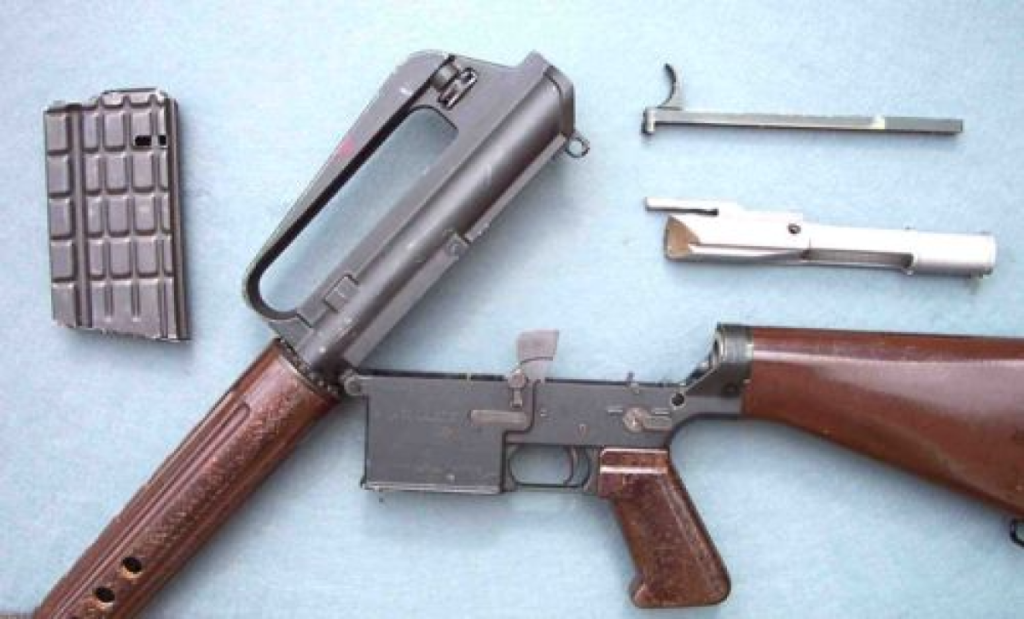
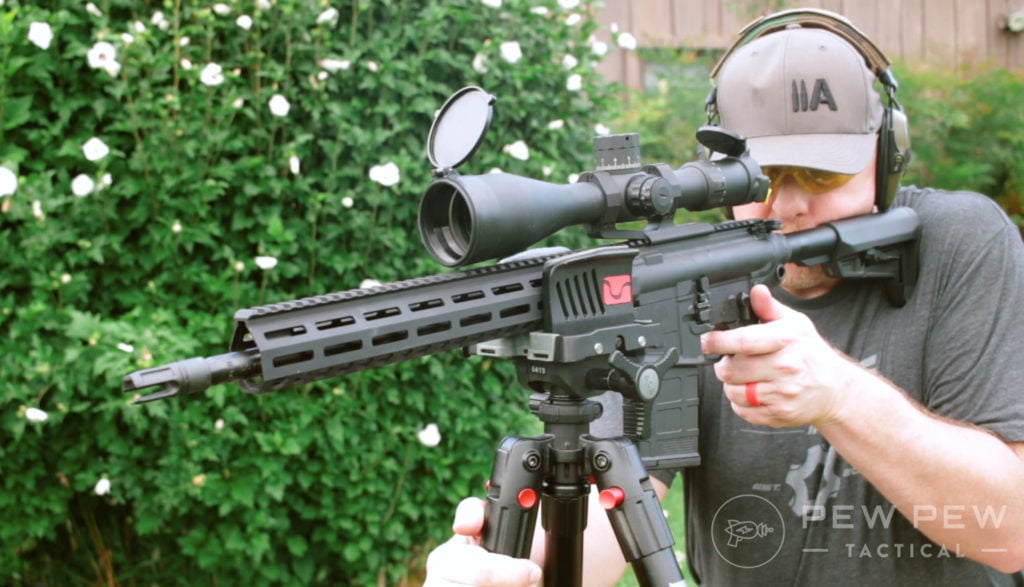
Insurgents, on the other hand, were behind heavier calibers, many of them capable of slicing through breezes and carrying authoritative punch upon arrival. The U.S. military’s Semi-Automatic Sniper System, basically a fully outfitted AR-10 chambered in 7.62 NATO, proved an effective response, but they were not available in sufficient numbers.

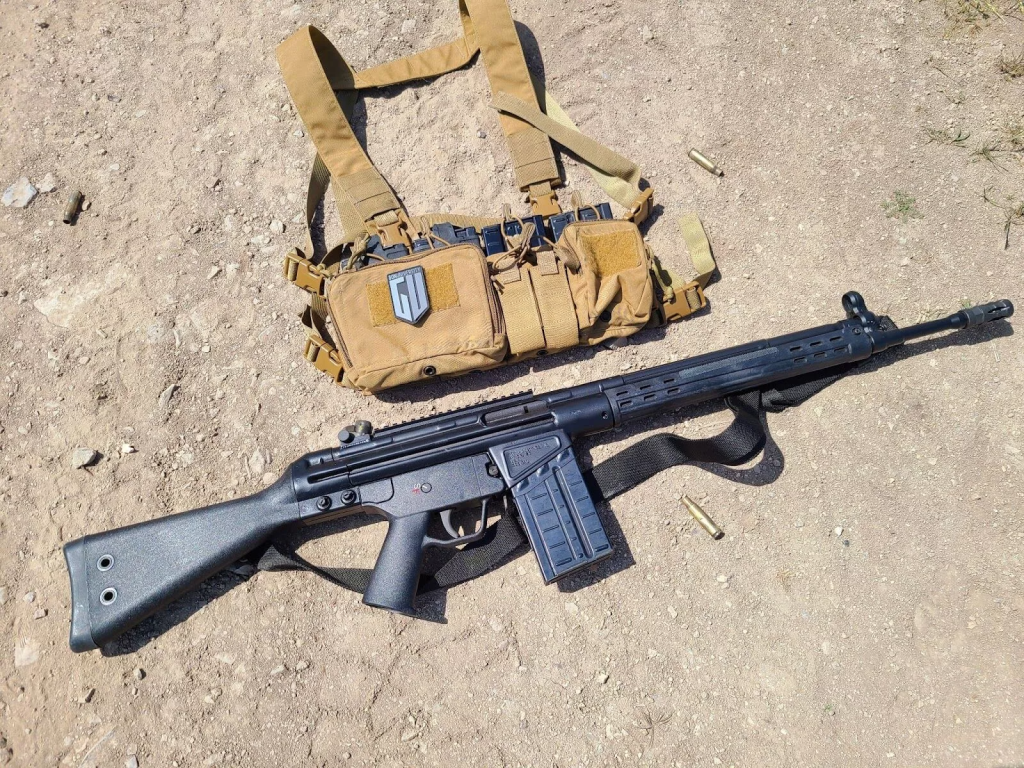
The solution had been collecting dust in armories since the Vietnam War. It was a stockpile of M14s whose short stint as the official service rifle ended in 1964 when it was (ironically) replaced by M16. That 7.62 NATO chambering called it back to duty, and M14s retrofitted with optics, rails and bipods in the hands of our troops responded to terrorist attacks at distances far beyond the effective range of M4s.

The 7.62 NATO (twin of the .308 Win.) is the clear winner of the two in the distance race. The 5.56 NATO, however, leads the way in those shorter sprints to the finish line.

7.62x51 NATO vs 308 Winchester side by side bullet comparison

7.62×51 NATO vs .308 (Are they the Same?)

Visually these cartridges are identical twins—assuming they’re dressed with the same bullet—but like any siblings, there are subtle differences. The .308 Win. can handle chamber pressure up to 62,000 psi, while 7.62 NATO (or 7.62×51 mm) ammo comes in at 50,000 psi. That means an AR-10 chambered for .308 Win. eagerly and safely digests 7.62 NATO. The reverse, however, is not true. The scarcity of catastrophic failures caused by the improper combination is a clear indication of the uncompromising focus on safety firearm and ammo companies maintain.

Precisely how we arrived at two different names is a story that begins in 1952, when Winchester Ammunition introduced the .308 Win. cartridge. The U.S. military, in the meantime had been experimenting with a replacement for the .30-06 Sprg. cartridge that got us through World War II and Korea. In 1954 the U.S. Army rolled out a 7.62×51 mm cartridge, the identical twin. Some claim Winchester worked with the government on the design but launched early under the company name for marketing reasons. Others, of a more conspiratorial nature, claim someone in the company gained access to the military’s specifications.

Either way, another name was about to enter the picture. The communist menace was growing at the time, and members of the North Atlantic Treaty Organization (NATO) were eager to standardize ammunition between allied nations to alleviate logistics problems. In 1957, a version of the 7.62×51 mm with pressure reduced to reliably run military machineguns and semi-automatics, was accepted and standardized under the label 7.62 NATO.

While AR-10s in .308 Win. can run 7.62 NATO, it’s dangerous for .223 Rem.-chambered AR-15s to run 5.56 NATO cartridges. They are visually similar, but the military version generates higher pressure. An AR-15 chambered for the NATO cartridge, however, can safely run .223 Rem., although some loss in accuracy is possible. [See our article about AR10 Calibers for more information on other calibers for AR10 uppers and AR-10 rifles.]

Bullet Slow Motion

Ballistics at Distance

Stopping Power

The amount of energy .308 Win. delivers downrange is staggering compared to that of the 5.56 NATO. It’s a huge concern for anyone who hunts big game, and illustrates one of the reasons the U.S. military pulled M14s out of mothballs.

Federal’s American Eagle line—staying with a single manufacturer to avoid the varying barrel lengths different brands sometimes use in testing—demonstrates the difference. Its 55-grain 5.56 NATO load generates 1,223 ft.-lbs. of energy at the muzzle, but the figure drops to a paltry 277 at 500 yards. Conversely, the company’s .308 Win. load with 150-grain bullet launches with 2,648 ft.-lbs. and at 500 yards still delivers 1,089 on target. That’s almost four times the stopping power at five football field lengths.

Wind Drift

Federal’s testing also demonstrates the difference in cartridges when it comes to wind drift. The results are reported for a 10-mph breeze, at full value—perpendicular to the bullet’s direction of flight—and again give the nod to .308 Win. The 5.56 NATO cartridge is off target by 38.1 inches at 500 yards. The .308 Win., however, moves 23.3. That’s more than a foot.

Bullet Drop

The 5.56 NATO load wins when it comes to drop,offering a flatter trajectory than it’s big brother 308 Winchester.With a 200-yard zero, it drops 38.1 inches at 500 yards. The .308 Win. figure is 47.2, or 9.1 inches lower.

Bullet drop, however, is relatively predictable, thanks to the fact that acceleration due to gravity remains 32 feet per second/per second, whether in gale-force winds or 10 mph breezes. Bullet drop compensating reticles harness that fact by providing the correct holdover for that rifle and cartridge at a known distance. You can also dial a rifle’s turret the correct number of clicks to adjust, which is the preferred military solution after lots of practice and copious note taking. For that reason, most precision marksmanship courses recommend, often, “dial for elevation, hold for wind.”

Of course, doping the wind at both the shooting position and target, while gauging crosswinds across 500 yards, is an art that takes years of practice. Reducing potential error by a foot is a huge advantage for .308 Win., along with the added energy delivered on target.

The numbers might make an AR-10 chambered in .308 Win. seem like the clear choice, but there are reasons many enthusiasts find the 5.56 NATO a better one.

Recoil

Recoil is likely the most over-discussed firearm subject that exists. Calculating the precise amount generated when a cartridge is touched off is easy, but how much of it reaches the shooter and is felt—perceived recoil—defies a simple equation.

Bear in mind, both cartridges are tame on the shoulder. The muzzle energy generated by the .308 Win. cartridge above, however, is nearly double that of the 5.56 NATO, resulting in a significant increase in raw recoil. That translates to increased muzzle rise with each shot, lengthening the time it takes to get back on target if a follow-up shot is required.

That fact gives an AR-15 chambered in 5.56 NATO a big advantage if it’s serving as a home-defense gun or pursues speedy predators. That’s one of the reasons the U.S. military has stuck with a cartridge that’s performed so well in Iraq’s urban engagements.

The cycling of a semi-automatic firearm drains some of that recoil compared to a bolt gun, however, long before it ever reaches the shooter. So does every ounce of the gun’s weight, along with accessories and scope. Add a recoil pad and perhaps even a muzzle brake and that .308 Win. recoil is almost as pleasant to shoot at a 5.56 NATO, but it won’t be nearly as nimble in that configuration. [See our complete comparison of AR10 vs AR15 rifles.]

Hunting & Bullet Choices

In many areas of the country pursuit of big game is not legal with a 5.56 NATO-chambered rifle. It is, however, allowed nearly everywhere with a .308 Win.

The smaller cartridge just doesn’t retain the kind of energy downrange for most hunters to deliver ethical one-shot stops. Even in practiced hands, the selection of bullets available today is limited, and most often available in match, full metal jacket or predator-hunting designs. There are some controlled expansion bullets available, but .308 Win. gets the nod here, thanks to an inventory of projectile choices that overwhelms those available for 5.56.

5.56 vs 308 side by side bullet comparison

Ammo

Bargain-basement prices for 5.56 NATO and .223 Rem. may not have survived the pandemic’s ammunition shortage, but they’re still inexpensive compared to other centerfire rifle cartridges. It’s hard to find a sporting goods store or FFL that doesn’t have a few boxes on the shelf, cases in back or pallet staged by the cash register. If high-volume practices are on the schedule, it’s the best choice.

That’s not the case with .308 Win. or 7.62 NATO. These cartridges are more expensive, although it’s hard to beat the performance downrange, along with the its long history of winning matches and bagging big game.

[308 ammunition can often be up to twice as expensive as 5.56 or 223 ammo, but offers a huge variety of grain weights for hunting and long range shooting. See our infographic comparing 2022 ammo prices by caliber.]

Which is Better?

[As Eric Shattuck said in his article about AR-10s vs AR-15s, “Ultimately, the choice between an AR-10 (.308) and an AR-15 (5.56/223) comes down to what you need out of your rifle.” We couldn’t agree more! If you’re looking for a rifle to do competitive target shooting, long range shooting, or medium to large game hunting, then 308Winchester is the way to go. However, if you simply want a low cost, versatile self-defense or plinking gun, 5.56 NATO/223 Remington will be the better option.

We would like to extend a huge thank you to Guy Saji for his work on this article comparing 308 Winchester and 5.56 NATO/223 Remington. Leave a comment below about your favorite AR-platform caliber and read about 6.5 Creedmoor vs 308 next!]

A Comparison between Coyotes, Wolves, and Foxes

0

Coyotes are often known to be the smaller cousins of gray wolves, and the foxes of the coyotes. You can clearly see the similarities in their appearances. However, there are many points of comparison between the three animals. This AnimalSake article does an analysis to put an end to the age-old debate of coyote vs. wolf vs. fox.

Wolves, coyotes, and foxes have roamed the earth alongside man for millennia. And yet they still manage to be an integral part of our ecosystem. But truly what is the difference between these three wonderful creatures besides their appearance?

Apart from looking quite similar to each other, they fall under the dog family ofCanidae. The Canidae family is divided into two main categories, the Canini, which consists of dogs, jackals, and wolves, and then there is the Vulpini family, which largely consists of foxes.

However, a few questions have haunted many for a very long time―are coyotes and wolves in the same family, how are coyotes and wolves alike, and how are coyotes and wolves different from each other? This article elaborates on size, diet, appearance, etc., about these beautiful Canidae for your understanding.

Coyote Vs. Wolf Vs. Fox

Following are some points of similarities and differences between the fox, coyote, and the wolf, which will help you see the variations in the same family.

Scientific Classification

Note: The following table includes the scientific classification for red foxes and gray wolves.

Appearance

Foxes are the smallest of the three weighing around 6 to 24 lb. They stand tall at around 15 – 20 inches and 15 – 30 inches long. They have a flattened skull, upright ears, slanted eyes, slightly upward-turned snout, elongated body with short limbs, and a long bushy tail.

Coyotes are smaller than the wolf and larger than the fox. They weigh around 24 – 46 lb. and are around 4 – 5 feet long and 50 – 66 cm tall. They have a long and slender snout with triangular ears and a long bushy tail. They have a bluish-black scent gland located at the upper side of the base of their tail.

Wolves have a heavier and larger body structure in comparison to the fox and coyote. They also have a wider and rounded snout. Wolves have shorter ears and a torso with a sloping back. They also have long but less bushier tails, which they carry high while running. They also have a black gland spot on the upper side of the base of their tail.

Coat

Foxes have been known to shed their dense winter coat around April. Different subspecies of foxes come in a variety of coats of fur color, length, and density. They range from white, black freckled with white, gray underside, auburn pelt, etc.

Coyotes have light gray, red, black and white-colored fur on their body. The colors and shades vary as per their geographical location. For example, those living on high elevations have black and gray fur as compared to desert dwellers, who are more whitish-gray. The coyote’s fur consists of short, soft underfur and long, coarse guard hair.

Wolves have a dense and coarse guard fur, along with a long and fluffy regular coat. Most of the unwanted fur is shed out on the offset of spring and grows back around fall. You can often find them in a combination of grays, blacks, and whites.

Behavior

Foxes are omnivorous scavengers, who tread out in search of food in the form of small prey only at the night. Unlike other canids, foxes do not live in packs. On the contrary, some like the Arctic foxes live solitary lives.

Coyotes are strictly monogamous and the pack is centered around the nuclear family, mostly around the reproductive female. However, it has been found that other non-family members join the pack temporarily.

Wolves are often found hunting in packs of around 7 – 8 wolves. This often includes the alpha male and female, older offspring, and pups.

Vocalization

A fox’s vocal repertoire is vast depending on what it wants to convey. It whines, yelps, lets out explosive calls, combat calls, growls, barks, and produces shrill screams.

Coyotes are often heard yipping and at times giving out short barking howls.

Wolves, as you are aware, are known for their howls. They also bark and whine to communicate.

Diet

A fox’s diet mainly consists of smaller mammals, rabbits, birds, insects, reptiles, crabs, eggs, and plants.

Coyotes hunt for rodents, reptiles, amphibians, fish, birds, pigs, sheep, goats, deer, hare, rabbits, and insects.

Wolves prey upon livestock, moose, deer, roe deer, wild boar, reindeer, ibex, wild goats, saiga, mule deer, badgers, ground squirrels, hamsters, marmots, mice, foxes, coyote pups, eggs, waterfowl, bison, rodents, fish, monkeys, reptiles, frogs, snakes, insects, wolves, etc.

Predators

A fox’s natural enemies mainly consist of the coyote and wolf and other predators, viz., bears, humans, eagles, and other larger carnivores.

Coyotes fall prey to mountain lions, tigers, bears, humans, and wolves.

A wolf’s life is often endangered by predators, viz., tigers, humans, and other wolves.

Reproduction

Foxes mate around December to February, with a 52-day gestation period. The litter can consist of around 4 – 5 cubs. In the initial 2 – 3 weeks of a cub’s life, they are kept within their den receiving the heat and nutrition from the vixen. Around 4 weeks into this world, they begin to slowly emerge out of their underground homes. The cubs are weaned when they are around 6 weeks of age. At around 6 months of age, they step into young adulthood.

Coyotes mate around mid-January to early February and have a gestation period of 60 – 66 days. The litter consists of around 2 – 10 pups. The pups survive away their mother at around 7 weeks and begin to eat solids after 3 weeks. Around October to November, when the pups are 7 – 8 months old, they begin to accompany their parents on hunts. On reaching adulthood, pups split from their parents and find their own mates.

Wolves breed around January to March with a gestation period of around 63 days. The litter often consists of around 4 – 7 pups. The entire pack pitches in to care for the pups till they have reached maturity, which is around their 10 months of age. Around this time, they are able to hunt on their own and become a contributing member of the pack. At times, some young wolves disperse into the wild.

Though these beautiful creatures are found wandering in the wild, they are in constant threat due to deforestation, unlawful human encroachment, and killing. Conversational camps and programs have been enforced to reduce the depletion of their fast-depleting population. Furthermore, cross mating with our faithful companions (dogs), and crossbreeding between coyotes and wolves have brought in new species.

Venison Fat & Rendering Deer Tallow

0

Contrary to popular belief, venison fat is useable and worth the effort to harvest. While deer tallow isn’t a common term for most folks, it does serve a purpose and has a place in your kitchen.

Until recent times, people had a pretty intimate connection with their food. They knew where it came from and were typically personally involved in every aspect of it from field to table. This connection also gave them first-hand knowledge of more traditional ingredients and how to use them.

In today’s world, that connection and those traditional ingredients and practices have been largely lost to the industrialization and commercialization of our foodstuffs.

In the past, butchering an animal would’ve been done in a person’s barn, depending on the size of the animal it may have been a local, community effort or simply a family event. When butchering, our ancestors generally took the time to harvest and find a use for nearly every part of an animal, including the fat.

What is deer tallow?

Animal fat that is rendered down from deer, elk, moose, caribou, bear, sheep, goats, bovine, and other ruminants is called tallow. While fat rendered pork fat is generally called lard , fat rendered from birds is called schmaltz, and rendered butter is referred to a ghee.

Simply put, deer tallow is created by the act of slowly heating pieces of fat up to melt it, also referred to as rendering. It is then cooled and stored.

While deer don’t have much fat on them and many, many people say it’s not worth the effort to harvest the fat for rendering, it actually is. Just like rendering lard, deer fat has its place in the world well above vegetable oils, which are actually rancid and has been industrially bleached and deodorized to mask its rancidity.

It can seem like it isn’t worth the effort because venison is such a lean meat, but I promise the effort you take to harvest and render deer fat will be worth it.

Where does deer fat to make tallow come from?

Believe it or not, there are different types of fat on a deer. First, and foremost, there is the caul fat which is the thin, lacy fat surrounding the deer’s entrails and is fantastic for covering venison meatloaves or meatballs or using as sausage casing. You can remove it, package it and freeze it for later use.

Caul fat wrapped burgers on a table
Caul fat is the web-like coating found on the deer’s entrails, it adds fantastic flavor to things like meatballs and the burgers pictured here.

The next type of fat you’re likely to encounter when butchering a deer is the suet. This is the fat inside the body cavity surrounding the kidneys and such. It is hard and waxy. This is generally the fat that is rendered from a cow, while a lot of people say they don’t care for it from a deer. Me? I use it to render, it does have a higher melting point, though. It’s fantastic for soap making, and can just simply be rendered for cooking, too.

Bird eating suet cake out of feeder
Suet is the hard fat found around the internal organs, while I personally use it for rendering, some folks don’t care for deer suet, it can be used as feed for wild birds and your chickens.

And lastly, is the fat on the outside of the carcass, all those bits that you usually cut away and put in the gut heap, it’s good fat. Unfortunately, if you aren’t hanging your deer in the hide, you need to work quickly so the fat doesn’t go rancid.

Yes, deer fat goes rancid fairly quickly. The reason? Deer fat is high in omega-3s, when the temperature gets above freezing and air begins hitting the fat, oxidation begins. Oxidation causes rancidity.

The quicker you can get your deer broken down, cooled, and out of oxygen (in the refrigerator) the less likely the fat will go rancid, the longer it will store, and the better tasting it will be.

What does venison tallow taste like?

Fat is the flavor vehicle of all meat, not the muscle itself, so fat flavor largely depends on diet. While in the past people made pie crusts out of lard (which does have a pork-like flavor), most of society has become accustomed to vegetable shortening, which has no flavor because it’s deodorized and bleached so eating traditional fats can be a bit of a transition.

Depending on where your deer is from will largely dictate what the fat will taste like. If you hunt in the grain belt, it likely ate a good deal of grain and grass and will taste similar to the beef most of us are used to eating. If your deer ate a lot of acorns, the flavor will be equally delicious. Hunting in areas where deer are small and typically very, very lean, the little bit of fat on it may not taste very good (though, it can still be used to make candles and soap, more on that later).

If you aren’t sure if you want to go to the trouble to render fat you won’t enjoy the flavor of, melt a small sliver in a pan with some water and smell it. If you enjoy the smell, it’ll taste good. If you don’t? I still recommend you render it and make it into good soap or deer tallow candles.

Deer fat is very high in stearic acid, which gives the fat a sort of waxy feel that will coat your mouth. But, if you like beef fat, you’ll enjoy deer fat and rendering it into tallow helps calm down that coating feeling that can be too much for a lot of people.

Even rendered, deer tallow will coat your mouth. A little bit goes a long way. Add small amounts to your cooked summer sausages or deer burger and the flavor is amazing and it’s not too waxy. Add too much, it’s waxy and can be unpleasant.

What are the benefits of tallow?

Tallow of all kinds supplies you with all sorts of essential, fatty acids.

  • High in Omega-3s, which can improve cardiovascular health (source).
  • High in conjugated linoleic acid (CLA), which has been shown to help in fat loss (source).
  • Deer tallow has the highest levels of stearic acid of any food, which can reduce LDL, or bad, cholesterol (source).
  • Tallow has a high smoke point and is more stable than industrial cooking oils.
  • It’s also fantastic for your skin making it perfect for soap making, lotions, and balms.
  • It’s a great, sustainable, local option for fat for cooking or skincare options.
  • It enables you to utilize the entire animal, nose to tail, not putting anything to waste.
  • Learning to render your own tallow is a self sufficient skill that is worthwhile so that those skills aren’t lost.

What is deer tallow used for?

Deer tallow can add excellent flavor to steaks and sausages.

Like beef tallow, deer tallow has many uses.

  • It can be used to add to your deer sausages or ground meat in place of unrendered fat to add a little fat and make the venison flavor really pop. Note: don’t use it in uncooked, dry cured applications as the waxiness of it isn’t very palatable.
  • You can use it for frying things like french fries. or sauteeing vegetables.
  • Add it to the top of your venison steak or roast for a burst of flavor.
  • Use it to waterproof leather products.
  • Save the suet to feed your chickens in the winter.
  • Make tallow soap, it’s great for making a facial bar since tallow naturally helps remove impurities from the skin.
  • Make an emergency jar candle.
  • Use it as a fire starter.
  • Make tallow balm for healthy, glowing skin.

How to render deer tallow

You will need:

  • Deer fat trimmed from around the organs and/or the outside of the animal, if it has hit air for very long, you may want to remove trim off the outermost part of the fat.
  • A grinder or a sharp knife and cutting board.
  • A large stock pot
  • Jars or tubs for storage
  • A cup of water

To begin, trim deer fat from the carcass, removing as much meat as you can; immediately refrigerate and cover it until the next day.

Next, you’ll want to either grind the fat with a hand grinder, an electric grinder, or cut it up into small pieces. If you’re cutting it by hand, you’ll want to start with really cold fat, in fact, you may want to pop it in your freezer for a bit to get it really cold, just not frozen.

Alternatively, if you do not have a grinder, you could also pop your trimmed fat into a food processor to get it chopped into little bits.

Place your ground-up fat into a large stockpot, add a cup of water, cover, and cook on the lowest heat setting you possibly can.

Now, you wait. The rendering process will take a long time. It took about 5 hours to render and my 5-quart stockpot was full. You’ll have bits of meat and other impurities that separate from the fat as it’s rendering, this is normal. Check it once in a while to make sure it’s not burning and give it a little stir.

You’ll know the fat is rendered once the impurities are floating (the little pieces of meat generally sink to the bottom of the pot) and the fat is clear and no longer cloudy.

Once rendered, place some cheesecloth in a colander and carefully pour your liquid fat into a bowl.

Next, transfer your strained fat into a pan, or glass jars. I prefer cooling mine in a pan and chopping it up because tallow is very hard when solid and that can make it difficult to get out of the jars.

Deer tallow, like all rendered fats, is shelf stable, once rendered it can be kept at room temperature for a year or longer assuming it is kept cool and out of direct sunlight.

If you’re looking for ideas on how to reconnect with your food, nature, and the heritage way of life, you’ve come to the right place.

Join over 40,000 like-minded folks in my Facebook group, The Self Sufficient Life. You can join by clicking here.

Other Nose-to-tail Wild Game Posts You’ll Love:

  • Easy Pan Fried Deer Heart Recipe
  • How to Cook Venison Liver

Break Barrel Air Rifle Scope

0

“Enhance Your Precision: Explore the Best Break Barrel Air Rifle Scopes for Unparalleled Accuracy and Target Acquisition.”

Break barrel air rifle scope

break barrel air rifle scope

A break barrel air rifle scope is a crucial accessory for any shooter using a break barrel air rifle. Designed specifically to enhance accuracy and precision, this type of scope is mounted on top of the rifle’s barrel and provides magnification for better target acquisition. With its advanced optics and adjustable features, a break barrel air rifle scope allows shooters to make precise shots over longer distances.

One of the key advantages of a break barrel air rifle scope is its ease of use. The break barrel design allows for quick and simple reloading, making it an ideal choice for both beginners and experienced shooters. The scope ensures that every shot counts by providing clear visibility of the target, even in low light conditions. Whether you are hunting or participating in target shooting competitions, a break barrel air rifle scope greatly enhances your chances of hitting your mark with accuracy and consistency.

In conclusion, a break barrel air rifle scope is a valuable accessory for enhancing accuracy and precision in shooting. It offers improved visibility, adjustable magnification, and reliable performance. Whether for hunting or target practice, investing in a compatible and high-quality scope can greatly enhance the overall shooting experience with a break barrel air rifle.

The Best Backpack Sprayers Tested in 2024

0

<?xml encoding=”utf-8″>

Built for comfort and ease of use, the backpack sprayer is becoming a go-to tool for gardeners, landscapers, and pest-control professionals—as well as home dwellers who simply want to enjoy a weed- and insect-free outdoor space. A backpack sprayer’s ergonomic design features adjustable shoulder straps and a spray wand, allowing you to carry fertilizer, herbicide, pesticide, or other liquids on your back rather than hauling around a heavy metal cart or handheld manual sprayer.

We tested and reviewed a variety of outstanding backpack sprayers. Preview our top picks below, and then keep reading to learn how these tools work, features to consider, and how to pick the best model for your space and style. Later on, check out our reviews of the best backpack sprayers for lawn and garden maintenance.

  1. BEST OVERALL MANUAL: Field King Max 190348 Backpack Sprayer
  2. BEST OVERALL MOTORIZED: Field King 190515 Battery Powered Backpack Sprayer
  3. BEST BANG FOR THE BUCK: Chapin 61800 4-Gallon Backpack Sprayer
  4. UPGRADE PICK: My4Sons Battery Powered 4-Gallon Backpack Sprayer
  5. BEST PROFESSIONAL: PetraTools Powered Backpack Sprayer with Cart
  6. BEST HOBBYIST: Chapin 61900 4-Gallon Backpack Sprayer
  7. ALSO CONSIDER MANUAL: Solo 4-Gallon Backpack Sprayer
  8. ALSO CONSIDER MOTORIZED: PetraTools 4-Gallon Battery Powered Backpack Sprayer

How We Tested the Best Backpack Sprayers

We considered these backpack sprayers from a home-dweller’s perspective. Although several of our picks offer truly professional-level performance and durability, our testing criteria centered on basic functionality, ease of use, operator comfort, and overall value.

To gauge mobility and operational comfort, we filled each sprayer to capacity with plain water and walked a spray route: putting on and taking off the backpack, walking between house and foundation plants, opening and closing a gate, uphill and downhill, and over small obstacles. Scoring favored sprayers that stayed most secure with less “slosh” and that generally felt most comfortable.

We then pressurized each sprayer, either by switching it on or by manually pumping and tried each nozzle. We noted ease and comfort of operation, speed of attaining initial pressure, motor noise, and drips from spray tips after releasing the spray trigger. The best backpack sprayers were easy to operate, versatile, fast, quiet, and drip-free.

Our Top Picks

This curated list includes backpack sprayers suitable for homeowners, hobbyists, and professionals alike.

Jump to Our Top Picks

What to Consider When Choosing the Best Backpack Sprayer

Before opting for the first hobbyist or professional backpack sprayer you see, take some time to familiarize yourself with the various product factors likely to lead you to the right decision. Consider the pressure (psi), tank capacity, the type of liquid delivery system, and the type of pump that pressurizes the backpack sprayer.

Pressure

Pounds per square inch (psi) is the unit of measure identifying the amount of pressure a backpack herbicide sprayer can propel through its nozzle. The average for a backpack sprayer is around 70 psi, but smaller models can use as little as 40 psi, and a commercial backpack sprayer may use as much as 150 psi.

Pressure is important to ensure that a backpack sprayer operates effectively. Too little pressure will produce an uneven spray that reduces the effectiveness of its contents, while too much will prove excessive for a smaller yard.

If you have a large yard with many hard-to-reach spots, or you are a professional who works in many different-size spaces, a sprayer with a psi rating of 70 or above is your best bet. For those with average-size or smaller yards, a moderate rating between 40 and 70 psi is more than enough to spray your space.

Piston vs. Diaphragm

Backpack sprayers generally come in one of two types of liquid delivery systems: piston pump and diaphragm pump.

  • A piston pump works by drawing liquid from the tank into an enclosed chamber on the upstroke and pushing the liquid out through the outlet valve or nozzle on the downstroke. Piston pump sprayers are more popular with the average home dweller because of their simple design, easy accessibility for repairs, and beneficial psi ratings.
  • A diaphragm pump is designed for the safety of professionals who use potent pest control and weed killer chemicals. It is a sealed system that works by moving liquid from one side of a chamber to the other with a diaphragm so that one side is always full and one side is always empty. The diaphragm pump cannot produce the same pressure as the piston pump but is better suited to pros because it’s made of more chemically resistant materials.

Manual vs. Motorized

Backpack sprayers use an internal pump to draw liquid out of the chamber, through a hose, and out through a wand and nozzle. This pump can be operated manually, or an electric backpack sprayer will often use a motorized system—the pricier option.

Manual backpack sprayers operate via a hand pump attached to the backpack chamber. Pumping manually for an extended period can cause muscle fatigue and pain, so while this style of sprayer is fine for smaller yards, once-per-season jobs, and the average home dweller, it’s less suited to professionals who have to spray for hours at a time. Manual backpack sprayers cost as little as $40 to as much as $150, on average.

Motorized backpack sprayers are powered either by battery or gas, with a battery backpack sprayer offering more versatility and a simpler setup. A motorized sprayer automatically pumps the liquid from the backpack chamber to the wand, requiring no physical work by the user. Intended for large projects and long workdays, a motorized sprayer (which can run between about $100 and $500) is a better choice for the busy professional who’ll rely on it daily.

Tank Capacity

Sprayers are available in a tank capacity range between 2 and 7 gallons. Carry smaller-capacity sprayers with a handle, and tote the largest tanks with a wheeled cart. A 4-gallon backpack sprayer is considered to be about average in size.

Sprayers that fall between these two size extremes are true backpack sprayers—light enough to carry on your back but too heavy to lug around by hand. For typical jobs, such as fertilizing a lawn or spraying an insect infestation, a 4-gallon tank can do the trick for a yard between 5,000 and 10,000 square feet.

Additional Features

Backpack sprayers may include a variety of features, such as a built-in gauge to monitor the pressure of the unit while in use, extra padding in the shoulder straps for added comfort, a foaming nozzle, and a foldaway pump handle that won’t get in the way while spraying. Larger models may offer an extended hose and wheeled cart that can be used for more complex yards and heavier tanks.

Tips for Using a Backpack Sprayer

Backpack sprayers are helpful tools for quickly and efficiently treating the yard and garden with liquid fertilizers, herbicides, and insecticides. But to ensure against over- or under-spraying an area, it’s important to keep the same walking speed and distance from the target during use.

Additionally, users should ensure that the backpack sprayer is properly pressurized at all times so that it’s easier to maintain an even spraying pressure. By taking the time to balance the pressure, the same amount of solution will be applied to each area of the yard and garden.

Before starting to use a backpack sprayer, adjust the shoulder straps so that the unit fits properly. You don’t want to have to deal with a shifting tank of fertilizer, water, or pesticide while working because it will take extra effort to control the moving weight, increasing fatigue.

In general, remember to:

  • Maintain a uniform walking speed.
  • Balance the spraying pressure.
  • Adjust the straps before use for a secure fit.

FAQs

Buying and using a backpack sprayer brings up several questions. We’ve answered some of the common questions below.

Q. What is a backpack sprayer used for?

A backpack sprayer is used to quickly and effectively spray the yard, garden, and trees with pesticide, herbicide, water, fertilizer, or other liquid solution.

Q. What do you put in a backpack sprayer?

You can fill a backpack sprayer with almost any liquid solution that has a similar consistency to water. This includes insecticide, herbicide, and liquid fertilizers. Just make sure the solution isn’t too corrosive or volatile, as these dangerous substances might eat through the walls of the sprayer.

Q. Are backpack sprayers safe?

Backpack sprayers are safe to use as long as they are filled with suitable solutions and proper precautions are taken to protect the eyes, skin, and respiratory system during use. The reason for the added personal protection is that when the liquid sprays from the backpack, some might get caught in the wind and blow back toward the user. While this wouldn’t matter much with water, it could be hazardous when the sprayer is filled with pesticide or herbicide.

Q. How far will a backpack sprayer spray?

The maximum distance that a sprayer can spray a liquid solution is determined by the maximum psi of the unit, the type of nozzle, the wind direction, the force of the wind, and the angle of the spray wand. On average, a backpack sprayer can spray up to about 10 to 20 feet, though there are models that can reach over 30 feet.

Q. How do you clean a backpack sprayer?

To clean a backpack sprayer after using it to apply a volatile chemical like herbicide or pesticide, follow these simple steps:

  1. Responsibly empty any excess solution from the sprayer tank and add about half a tank of water.
  2. Flush the sprayer system by using the sprayer until the tank is empty again.
  3. Fill the tank half full with water again, this time adding any cleaning agents or neutralizing solutions that can help to remove remnants of the herbicide or pesticide solution.
  4. Open all recirculation lines and any other hoses on the backpack sprayer.
  5. Shake or agitate the unit to ensure the cleaning solution reaches every inch of the backpack sprayer.
  6. Fill the tank to the top with water, and agitate again before emptying the sprayer.
  7. Refill the sprayer with water to rinse out any remaining cleaning solution.

A Handy Guide to Choosing the Best Pig Breeds

0

By far, my favorite homesteading venture has been the raising of hogs! No matter where you raise your homestead pigs, on pasture, in the woods, or in a clean pan, the quality of a homegrown hog versus a store-bought hog is unsurpassable. Until you eat real pork-lean, reddish-pink pork, you don’t realize how artificial conventional ham and bacon taste! But which pig breeds will get you the best ham & bacon?

One year, we purchased our pigs from two different sources. The reason for this was because by the time we found the first one, he had only one left for us at that time: Big Pig. (Here’s a tip- if you plan to raise your own hogs this year, NOW is the time to start shopping for a breeder. They go like hotcakes. We had a hard time finding them in the first two years.) After much searching, we found a source for our second hog. And what we got was a much smaller pig for DOUBLE the price, Little Pig.

Original, I know.

Her breeder told us that he was selectively breeding for leanness, and the difference was noticeable as the two girls grew up. The older one certainly had a jiggle to her when she ran, whereas the younger looked as though she was working out.

Choosing a Pig Breed: Meat-Type or Lard Type

The difference turned out to be more than visual. When it came time to eat, there was a very discernible difference between the flavor of Big Pig’s and Little Pig’s bacon. And let’s face it, the best reason to raise a hog is for the love of bacon!

Big Pig produced meaty bacon yet with an ample amount of fat to crisp and flavor the meat. My mouth is watering, just thinking about it! While Little Pig had virtually no fat and the results were a product that was chewy and tasted like ham. I would compare it to Canadian Bacon, only thinner.

The fat is where the flavor is!

What I’ve come to learn is that American pork production for commercial and show purposes is leaning increasingly towards lean to provide us with an alternative to chicken for our low-fat diets, since we don’t realize how vital saturated fats are to our health. And there are several different types of hogs out there.

So while shopping for your partners in Homestead Waste Management (feeder pigs) this year, it might be helpful to know which pig breed would suit your needs, so you’re not disappointed with your final results this winter.

Some questions you should ask yourself are:

  • Do you not care about having lean cuts of meat?
  • Do you prefer having more bacon over ham?
  • Will you be using a lot of lard?
  • Do you want juicier, more flavorful meat?

If you answered “yes” to any of those questions, you’re going to want to find yourself the lard-type of pig breeds!

Identifying Meat-Type vs. Lard-Type Pig Breeds

Most likely, the pig breeds you choose will be limited to one of the two types on the right of this chart. So let’s look at the difference between “Fat-Type” and “Meat-Type” hogs:

Meat Type on Left | Fat Type on Right

And while we’re on the subject, I found it to be interesting how the specific breeds have changed over the years.

Take a look at the difference between pig breeds from before and pig breeds now:

Duroc:

Hampshire:

Tamworth:

Berkshire:

I see the least difference in the Tamworth. If I were interested in raising heritage pork, I would definitely give Tamworth a try first. We know that Large Black Hogs and Gloucestershire Old Spots also produce a respectable amount of lard. The fattiest pig we’ve ever had was an LBH x GOS. By keeping good homesteading records we know that our yields on leaf lard off of those gals were more than ALL of the lard of any other pig breeds we’ve tried. Hands down, that was the best pork we’ve ever raised. So long as we are able to get that cross we will raise them from now on.

Of course, if you’re not a bacon person, it would stand to reason that fatty hogs wouldn’t be the best choice for your homestead. You’ll probably have an easier time finding your feeder pig source. Thankfully, for those of us who want the fat-type hog, the slow food movement is making them easier to find.

Which Pig Breeds Should You Choose for Your Homestead?

1. Wooly Mangalitsa

These pig breeds have an incredibly interesting history. They are the only pig breed on earth with wooly coats, making them one of a kind. Mangalitsa pigs are typically suggested for small farms or homesteads. Also, many farmers will tell you this pig breed is their favorite. So what is so great about them?

Well, for one thing, these pigs are delicious. They typically produce Kobe beef and other types of pork, and some argue they are the best-tasting pig. Their meat is tender, which is caused by their small bone structure. But just because they are smaller in the frame does not mean they don’t have some great fat on them!

This pig breed is one of the more fatty ones, which is great for bacon and flavor! So you will be getting the best of both worlds: amazing tasting meat, and excess fattiness (if that’s your thing). Though do keep in mind, owning this specific pig has to mean you have great use for fat because they have so much of it.

These pig breeds are low maintenance. So, they have even temperaments and do good outdoors at all times. Also, they are good at not eating you out of the house and home. They don’t rely on protein as their primary food source, and they eat about half the amount of other pigs, so they are great pigs to purchase in order to cut down on costs. Because of their fat and hair, they do good in the winter. Mangalitsas are very easy to maintain and they provide a profitable return, making them a wonderful pig for your homestead!

2. Red Wattle

The Red Wattle breed is exceptionally calm and even-tempered, as well as submissive and sensitive (easily startled). They are not known for aggression, and they are easy to raise. Red as a name fits this breed, as most are the color red, or red with black spots. This breed is larger in nature and bulky in weight. As they get bigger, their growth rate is fast. Their meat is delicious- tender, lean, and non-fatty. One of the best things about this pig breed is how well they mother, meaning means less work for you in helping to raise and care for their little ones! Wattles are sweet and kind in how they take care of their young, not to mention the bare huge litters multiple times of the year.

If you have a small homestead farm or are new to raising pigs, this type is a great place to start. One of the things that makes these pigs so nice to raise is how friendly they are. They enjoy being talked to and cared for, and you will grow very fond of them as you raise them. Wattles will help you to build up healthy soil and pastures by foraging. This also benefits you by keeping your feeding bill low! But even if you need to keep them enclosed in a yard or a pen, they do good in these confined spaces as well. Keep in mind that this is a giant pig. They regularly get up to 1,000 pounds, so be prepared to get a great return when they’re butchered!

3. KuneKune

KuneKune actually means “fat and round.” This breed is another sweet, even-tempered, and docile type. They are not small like our first suggestion or large like our section, but they hit that sweet spot right in the middle. KuneKune pigs will not uproot your plants (their noses don’t allow it), and they are good with fences. These are a few of the reasons why this pig breed is known for being the best for small farms. Some other reasons are the way they lack gross smells, how calm and quiet they are, and mainly, how well they do with children. KuneKune’s are the type of pigs who have everyone who meets them falling in love.

These pigs do great outside when it is not raining, but be sure to have a plan for when the rain does come! They tend to all sleep on top of each other in order to stay warm. Though they can be outside, it is best to have a barn for the rain and winter weather conditions. Remember, they don’t have fur! Keep in mind that we are talking about pure breed KuneKune’s. Once you begin to bring in the cross-bread types, behaviors may change. It is also important to remember to research what to feed them and how much. There are terrible consequences if you overfeed, underfeed, or don’t feed correctly.

4. Chester White

These pigs are on most homestead breed lists you will find. There are some great reasons for this. Firstly, they live very long lives. This fact is important if you are looking for pigs that can be raised for a long time and kept in top shape to produce the best meat. The main reason these pigs are so loved is because of their ability to mother. These Pennsylvanian natives are very kind, nurturing, and loving with their young. Chester Whites are bulky and muscular as well. They are all-around sturdy and well-mannered pigs, and you cannot go wrong with bringing them onto your homestead.

5. American Yorkshire Pig

American Yorkshire is a great pig breed to end this section of our article. This breed is the most commonly known one around, as well as the most popular in the US. So, they have the typical look of a pig that comes to mind when you think of pigs, and this is probably because their name truly fits them as America’s sweetheart. In addition, they have pretty pink skin and come along with tons of perks. Not to mention that, they are quick growers, come in big litters, and they are nice and bulky.

On top of all this, they are not expensive to feed, so you will get a good return on your investment. They are deeply loved for their meat, which is loaded with flavor, is lean, and has minimal amounts of fat. Not to mention, they are amazing moms for the same reasons as our last few pigs who win at parenting. This breed is indeed the perfect way to start your homesteading pig raising journey, and most of the nation would agree with that fact.

Final Toughts

Finally, it’s time to weigh in! Which do you prefer, ham or bacon? Also, which pig breed is your preference for meat production? Which breed best fits your needs? Tell us everything about your preferences in the comments section below.

Not to mention that all your further questions are more than expected in the same place. So, everything that you’d like to add or question regarding this article and all the pig breeds discussed, I wait in the comments section. Thank you a lot for reading and I hope that you’ll choose exactly what you need!

Best Air Rifle Deals

Popular Posts

Air Rifle Scope vs. Rifle Scope – Which One Fits Your Shooting Needs?

0
"Air Rifle Scope vs Rifle Scope: Unveiling the Ultimate Precision Optics. Discover the essential differences and benefits of these two optical devices, empowering shooters...

How Do Break Barrel Air Rifles Work?

0
A break barrel air rifle is a type of airgun where the barrel breaks open at a hinge point just above the breech. This...

How Does an Air Rifle Work?

0
Discover the inner workings of an air rifle with our comprehensive guide! From the mechanics behind its powerful shots to the intricate process of...