It’s always open season when it comes to shooting magpies. Unlike game birds, such as pheasant and grouse, which may only be hunted during open season, magpies are grouped with crows and woodpigeons in the category of pest and may be controlled at any time of year.
You don’t need to apply for a licence to shoot magpies, as they are covered by general licence issued by government. However, if you don’t already know the details, you should familiarise yourself with the licence so you know where you stand. The licence stipulates certain conditions and is a permit to landlords, occupiers, and authorised persons only, so if you are not the owner or occupier, you will need their permission.
The licence allows for the control of magpies to prevent damage to specified items only, which include livestock, crops, timber and fisheries. So quite apart from safety considerations, you’d have some difficulty in justifying shooting magpies in a small town garden. You can find further information about licensing on the Natural England website at www.naturalengland.org.uk.
Getting Started
Once you’ve established there are magpies in a particular area, find a suitable place to lure them to near to a spot where you can settle down to wait. An ideal place to wait for magpies would be close to trees adjacent to a clearing or open field. Dawn and dusk are when you’re likely to see birds displaying bolder behaviour, as it is generally a quieter period in terms of human traffic.
One of the best ways to get a good shot at a magpie is to catch it while it is eating. Entice the magpies to within your range by leaving out a food supply such as a freshly killed rabbit or squirrel. Alternatively, you could make use of a decoy magpie bird. Magpies are highly territorial birds so will often come down to investigate an unknown magpie in their area. Artificial magpie decoy birds are a good option, as they are realistic and easy to transport.
You may need to spend several hours to get a shot at a magpie, so consider using a portable hide. If you plan to shoot early in the morning you might prefer to set up the hide the day before to avoid disturbance when you arrive for shooting. Use a good quality camouflage hide net and peg it down at the base so that it won’t rustle in the wind.
Other considerations
It sounds obvious, but make sure you stay on the right side of the law. You must comply with the requirements of the Firearms Act as well as the Animal Welfare Act. If you use live decoy birds, be sure to treat them in accordance with legal requirements. This is an area currently under review by European legislators, so keep abreast of any changes which might be introduced in the near future.
Magpie numbers have tripled over the last three decades and are considered by many to be the vermin of the bird world, but even though they are not the most popular bird, you never know who might take umbrage with seeing them being shot. As with all hunting, be respectful and make sure you kill quickly and cleanly. If you know the law and work within it, you will have no cause for concern when controlling the burgeoning magpie population.
Sharks have a fearsome reputation as deadly predators but attacks on humans are rare. Sharks don’t actively seek out humans as prey and prefer to hunt fish or seals.
This doesn’t mean they pose no risk and danger can arise, especially during the summer months, when more people swim in the sea. For this reason, a handful of attacks and fatalities occur every year. Attacks are usually a case of mistaken identity, as sharks may bite a human believing them to be their usual prey. Many sharks let go once they realize their mistake, but their very sharp teeth can cause life-threatening injuries.
In 2022, there have been 51 shark attacks in the U.S., mostly in Florida. Only one, in Hawaii, was fatal.
The International Shark Attack File, run by the Florida Museum—which records shark attacks worldwide—is still analyzing this year’s data.
Gavin Naylor, Program Director at the Florida Program for Shark Research, who works on the file, told Newsweek: “There have actually been a handful fatalities [worldwide] this last year. The challenge is to determine whether or not they were ‘provoked’ or ‘unprovoked.’ We are still researching these cases. In general the numbers are slightly lower this year but not significantly so.”
A stock photo shows a great white shark breaching the water. There has been one fatal shark attack in 2022 in the U.S. Peter_Nile/Getty
One fatal attack
The U.S. saw one fatal shark attack in 2022, in Hawaii.
A woman from Washington State had been snorkeling off the coast of Hawaii near Keawakapu Point on December 8 when she disappeared without a trace. She had been with her husband at the time, who was also snorkeling nearby.
Several days passed with the woman’s whereabouts remaining a mystery, before officials confirmed that she had been attacked and killed by a shark.
Several eyewitness accounts confirmed the cause of death.
One witness told Hawaii’s Department of Land and Natural Resources that he had spotted the couple snorkeling as the shark approached. He said he began yelling at them both to get out of the water.
The witness then said he saw a shark feeding on something “in the middle of the red cloud in the water.” The woman disappeared, but the eyewitness continued yelling at the man to get out of the water.
The woman’s husband also said he had seen a shark about 50 yards offshore. After the woman went missing, he continued to search for her. The shark then began to circle the man, but eventually left the area. The husband had noticed it had blood around its gills.
The shark’s exact species was not confirmed but some believed it to have been a tiger shark. The tiger shark is one of the “Big Three” shark species responsible for most shark attacks on humans, along with the bull shark and the great white.
The U.S. is usually the country with the highest number of reported shark attacks per year, the International Shark Attack File said.
There have been a few more shark attacks in 2022 compared with the previous year when the International Shark Attack File recorded 47 confirmed unprovoked shark attacks.
In 2021, there were 42 percent more shark attacks than in 2020 but this was largely explained by fewer people being in the water during the coronavirus pandemic.
Of all states, Florida is usually the one with the highest number of attacks. This trend has been consistent for decades and the state has consistently topped shark bite charts. In 2021, Florida’s 28 shark attacks represented 60 percent of the U.S. total.
Shark bites in 2022
While there has only been one U.S. fatality this year, it has not been the only attack to occur.
A 17-year-old high school cheerleader, Addison Bethea, had her leg amputated after being attacked by a shark in Florida.
Bethea had been in the waters off Keaton Beach on June 30 when she was attacked by a shark thought to be 9 foot long.
The shark did not let go of her leg until Bethea’s brother dragged her out of the water away from its grip. The teen survived the attack but lost a leg.
In November, a California woman was bitten and shaken by a shark. Lyn Jutronich had been swimming off Del Mar Beach in San Diego on November 4 when she felt the shark slam between her legs.
As the shark clamped down on her right leg, it shook the limb once “like a dog” before letting her go.
Once an avid swimmer, Jutronich said she was not sure she would ever go into the sea again following the incident.
A spate of shark attacks also took place in New York state from June 30 to July 20. There were as many as six shark bites during this time, across beaches in the same vicinity. Before this, the Shark Attack File had only recorded 12 unprovoked bites in New York before 2022.
Do you have an animal or nature story to share with Newsweek? Do you have a question about sharks? Let us know via [email protected].
Coyotes are great at digging holes, and there are many reasons that coyotes dig. The most common reason that coyotes use their digging talents is to create underground burrows where they raise their pups and hide from predators.
They also use their digging abilities to tear apart and hide food. Coyotes dig for food like rodents, worms, and foxes. Coyotes may also dig for carrion if given the opportunity. Digging is one of the most common ways that the coyote supports and protects itself.
You can prevent coyotes from invading your property by using galvanized wire. Install an underground barrier, which prevents coyotes from digging under your fencing. You should bury the galvanized wire at least five-and-a-half inches deep around the fence perimeter.
Do Coyotes Dig Holes, Dens, or Burrows?
Coyotes dig holes so they may sleep in dens and burrows. These wild canines are a common predator to many small animals and insects. However, they are also, themselves, prey to many larger animals like wolves and mountain lions.
Do Coyotes Dig Holes?
Coyotes dig holes for many purposes, such as safety, comfort, and finding food.
Digging is one of the many talents coyotes have that help them remain at the top of the food chain despite their small size. Coyotes use digging to steal burrows, dig up rodents, and hide from larger predators underground.
Do They Dig Their Own Dens And Burrows?
Coyotes dig their own dens and burrows. The average coyote den is only a few feet in size. But may range up to fifty feet, with several openings and rooms.
Although coyotes can dig their own burrows, they may also steal them from other animals too.
Will Coyotes Sometimes Take Over Dens From Other Animals?
It is common for coyotes to take over dens from other small animals like foxes, rabbits, and other animals. If the den they find is not big enough for them, the coyote will dig the burrow so they can fit easier.
Coyotes typically take dens from other medium-sized carnivores like skunks and raccoons. In the process, they either consume the animal or run them out of the territory.
How Do Coyotes Build Their Dens?
The most common way that coyotes build dens is by digging an underground burrow that goes at least one foot underground. They will also build dens by stealing dens from other animals and then digging them wider.
Coyotes also build dens by digging into fallen or rotted tree trunks. Rotted trunks are great temporary dens because they are easy to build, provide protection, and are great for escaping harsh weather.
How Deep Can Coyotes Dig?
Coyotes can dig very deep. There is no exact measurement available because they are always adapting to new behaviors. Since the coyote is a great digger, that means without preventative measures, the coyote can dig underneath unprotected fences very easily.
Do Coyotes Dig Tunnels?
Coyotes do not dig tunnels, but they will dig large burrows that may have several entrances. These dens with numerous entrances can easily be mistaken as tunnels because of how large they eventually become.
Do Coyotes Bury Their Food?
Coyotes sometimes bury their food. Burying their food allows the coyotes to hide their meal from larger predators like mountain lions and wolves while they are away. Then, they may return and eat the rest of their meal later.
Will a Coyote Dig Up Dead Animals?
A coyote will dig up dead animals if they smell them. One of the main parts of the coyote’s diet is carrion. Even if the coyote does not eat the dead animal, they take joy in rolling its body in the dead animal so it may enjoy the rotting smell.
Do Coyotes Dig For Grubs, Moles, Mice, or Other Things To Eat?
Coyotes are opportunistic hunters. Being an opportunistic hunter means that the coyote might dig in the ground for worms and grubs, if necessary.
Will A Coyote Dig Up Your Lawn or Flower Beds?
Coyotes do not typically dig up flower beds unless they are interested in what you have planted inside of the flower bed. In some cases, the opportunistic coyote might become interested in the smell of certain vegetables and become enticed to try the various plants in your homemade garden.
A coyote may also dig up your garden because of insects, small mammals, and rodents that live in your garden.
Did A Coyote Dig That Hole? What To Look For
Coyote holes are large, typically a foot wide. Pay attention to the exterior if you suspect a coyote dug the hole. Several visual indicators may signal that a coyote has dug the hole.
Visual indicators that a coyote dug the hole include:
The presence of medium-sized canine footprints
Dirt is flung in several directions and piles (like a dog)
Feces resembling a domestic dog nearby the hole
Skeletal remains of small animals, rodents, birds, etc.
Large claw marks
Coyotes are visually similar to domestic dogs. If you notice feces, hair, or footprints that look similar to a canine, that could indicate you are in the territory of a coyote. The coyote has a similar digging technique as the domestic dog.
They are slightly sloppy and dig with their dirt in piles. If you notice dirt clumped in messy piles, this is an indication of a canine hole.
You may also choose to listen to your surroundings. If you hear howling at night near the hole, that is a common sign that a coyote owns that burrow.
Other Animals That Might Dig Up Your Lawn
Many animals might be digging up your lawn without you knowing. In fact, the presence of these animals on your lawn might attract coyotes. No matter what you try, unless you rid yourself of these small pests, coyotes will continue returning for this food source even after it begins to rot.
Common animals that dig up backyards include:
Domestic dogs
Badgers
Skunks
Rats or mice
Groundhogs
Opossum
Moles
Raccoons
Gophers
If dirt is pushed from underground toward the surface, that indicates that a small animal is burrowing underground. Unlike coyotes, pushing dirt from under the ground is an indication that the animal lives underground.
Removing smaller animals from your yard can prevent coyotes from entering your yard. Most of these animals attract coyotes and may lead to a coyote infestation if you are not careful.
Can Coyotes Dig Under Fences? Or Get Into Chicken Coops?
Coyotes are known for sneaking into chicken coops to eat chickens and eggs. They have an easy time digging underneath fences as well as jumping over fences. To ensure that coyotes will not get into your chicken coop, you must make your chicken coop and your fence coyote safe.
How To Make A Barrier Coyote Proof
To make a barrier coyote-proof, you must extend your fence at least five-and-a-half feet underground. An underground fence prevents the coyote from digging under your fence. In most cases, coyotes will give up when their attempts are obstructed.
Good barriers to place underground are barbed wire, chicken wire, and galvanized wire. When a coyote feels this, it will no longer dig in that area. Farmers may also recommend surrounding fences with tripwires, if possible.
Turkey hunting is a trendy sport that involves the pursuit of wild turkeys. It is a sport that has weathered the dynamic tales of time and has become a time-honored tradition. I supposed that this sport dates to the Native Americans, and then even the European settlers took hunting turkeys to pass the time till it got embedded into their culture.
There are over 7 million wild turkeys in North America. Usually, many people engage in the hunt for turkeys in the fall, and some also believe it is a dying activity. It is practiced in the countries of North America, Mexico, and Canada, amongst many others.
One of the most important things to remember when going turkey hunting is identifying the various varieties. There are many types of wild turkeys, and some are meant to be hunted, and some aren’t, so if you have never hunted before or are an amateur hunter, you need to know how to differentiate between these species.
There is Hen, Jake Turkey, and Tom Turkey. The Tom turkey is also called Long Beard Turkey and Gobbler Turkey. Hens are female turkeys and have characteristics like being small, having dark brown and dull hued feathers, short tail feathers, and short leg length.
Jake and Tom are Male turkeys and are often very difficult to differentiate. Every turkey hunter has a different answer to how one differentiates between the Jake and Tom turkeys, so to answer this dilemma, we have compiled a list of various ways to differentiate between these two types of turkeys.
There is a fundamental difference before starting with the list: Jake is an immature male bird whose age would be one human year while a gobbler is a mature turkey of more than two human years.
It is vital to differentiate between them because it is illegal to shoot specific turkeys species in some countries, and no one wants to get on the wrong side of the law. This will often not be a legal rule, but some people feel guilty killing a young turkey and are uncomfortable about shooting them. There is nothing wrong with hunting either Tom or Long Beard, except when it is illegal if you are happy with your decision.
Moving forward, when you can plan the type of turkey in front of you, it all comes down to the turkey’s looks and behavior. From beards, tail feathers to the color of the head, gobbles, and behavior, these factors help determine These types to differentiate between Jake Turkey and the Long Beard Turkey.
Below is a list of all the differences and explanations for them to understand Jake Turkey’s characteristics and the Gobbler Turkey.
Turkey Beards
Turkey Beards is a key identifier. It also helps one distinguish between females and males. The Hens have dark brown breast feathers while the males have black breast feathers.
In the males, Jake Turkey has short beards of about 2 to 3 inches, while the Long Beard Turkey has beards of the length up to 10 inches, which is also the cause of its name. Often the Long Beard Turkeys also have multiple beards showing their maturity.
Only Long Beard Turkeys don’t need to host multiple beards, but only rarely will you run across a Jake Turkey with multiple beards, while a Hen Turkey might also have a beard. The beard of a Hen Turkey will usually be very wispy and short. Many regulations permit you to hunt Turkeys with beards.
Tail Fan
Another common identifier is the Tail Fans. During the summer, Jake Turkey molts and then starts to lose its feathers. Almost all feathers get shed except for the ones in the region of the beard and the central tail feathers, thus resulting in the central tail feathers being above the rest of the fan when the rest of the feathers grow back in.
This extra length causes the fan to look uneven and awkward, which can be seen prominently when the turkey walks around. In the turkey’s second summer, it sheds all its feathers, so they grow back uniformly.
This shows a sign of maturity, so only Gobbler Turkeys will have a uniform tail fan while Jake Turkey will have an uneven and awkward fan. Sometimes, due to forests’ wild nature, even a Gobbler Turkey might have an uneven fan because of losing a few feathers to predators. Still, on looking closely, the unevenness will not be as much as Jake Turkey’s.
Head Colour
Tom Turkeys and Jake Turkeys typically have the same head colors and are a lot different from those of their female counterparts, but there is a slight difference between their heads during the spring breeding season.
Jake Turkey has a paler hue to their usual red and blue heads during this season, while Tom Turkey has a vibrant array of red shades and blue shades to their usual head color.
These vibrant colors help in attracting mates. Some white spots on their head are also found, making it easy to differentiate between the two turkeys during the hunt for the mature turkey bird.
Turkey Spurs
Turkey Spurs are also one of the common ways hunters differentiate between Jake Turkeys and Long Beard Turkeys. It helps determine the age accurately. Jake Turkeys have short and conical spurs that are slightly rounder.
Their spurs are around half an inch in length. On the other hand, a Long Beard Turkey has slightly longer spurs that are straight and pointed. They are longer than half an inch in length. As the Turkeys grow older, their spurs get more curved and hooked in form.
Gobbles
Gobbles are an identifier that requires patience and complete silence. It requires the hunter to use their hearing skills to their best as it is based on the kind of gobble the turkey in front is producing.
Gobbler Turkeys give a long, loud, and very good gobble, and in comparison to that, a gobble produced by a Jake Turkey is much softer and shorter and often not as good. If you are in a position where a Jake Turkey is making gobble sounds with the Gobbler Turkeys, you will probably be able to see the difference.
Jake Turkey’s gobble sounds like the noise that fellow hunters will be made to blend into the environment, while the gobble of a Gobbler Turkey is loud and like a response to the Death Valley Box call.
Behavior
Complimenting the animal kingdom’s general assumption, the older turkeys are more aggressive and loud compared to their younger flock. The Long Beard Turkeys are much more forward and louder in their behavior than the Jack Turkeys, which is why if a Jake Turkey is in the presence of a Long Beard Turkey, then it might not even strut near it.
Although this does not apply to the time when there is a group of Jake Turkeys, they are bolder when teamed up against a single Long Beard Turkey. In hunting, one must be aware of such nuances and decoy strategies.
A weaker, long beard may be more willing to approach hen decoys if there is no other male decoy around, while more robust, more aggressive gobblers may come running in to kick your jake decoys out of town.
All these identifiers are essential, but none of them apply solely individually. They need to be utilized with the complete sense and awareness of the hunter other identifiers’ backingers. Ensure all the conditions before you pull a trigger because a blunder like this cannot be rectified.
Often a hen might be bearded, or a Long Beard Turkey has no spurs or has an irregular fan, while a Jake Turkey might produce a gobble loud and long.
It is essential to be utterly aware while hunting because one is prone to accidents, including injuring a bird that is illegal to hunt or shooting a fellow hunter who was imitating the bird calls with a red and blue hat.
Turkey Hunting is a fun sport that many families enjoy, so to have a hearty experience, make sure you understand all the points carefully and then go into the field.
Glock, Glock, Glock, it’s all about Glock. I’ll be the first to admit that Glocks are fantastic firearms that are simple, accurate, easy to use, and all in all, great guns.
What I don’t understand is the cult of Glock.
Glock G17
They lack the charm and character of guns like the CZ-75, Hi-Power, and 1911. Yet here we are with a Glock G17 in our hands, and it’s a predictably lovely gun.
Let’s explore the what, the why, and where the Glock excels.
Glock 17: Review at a Glance
Pros
Accommodates virtually all mini-red dots
Modular grip
Highly reliable
Tons of aftermarket support
Cons
Slide bite is a real risk
Small slide lock
The Bottom Line
The Glock G17 delivers a reliable, fairly ergonomic full-sized 9mm pistol in a very affordable package. Plus, the wide range of aftermarket parts and accessories available allow you to customize your G17 to exactly what you want.
Specs and Features
Specifications
Caliber: 9mm
Width: 1.26″
Length: 7.95″
Barrel Length: 4.49″
Height: 5.47″
Weight: 22.05 oz
Capacity: 17
Features
Plate system for optics that accommodates nearly all mini red dots
Dual recoil assembly is designed to reduce recoil and increase the life of the gun
Comes with a reversible magazine release
Modular backstrap system
Comes with three 17-round magazines, a handy little magazine loader, and a little tool to attach the plates and optics
Source: Glock
Background
When Gaston Glock decided to produce a handgun, he assembled a crew of engineers, firearms designers, and professional shooters to design the next big firearm. That firearm became the Glock G17.
Gaston Glock
The 17 came from the fact it was Gaston Glock’s 17th patent. Glock produced the gun for the Austrian army, and it won the contract.
Gaston’s Glock G17 went on to keep winning military contracts and serves with numerous militaries and police forces, including SOCOM.
Iraqi police training with the Glock G17. (Photo: Sgt. Patrick Lair)
The Glock G17 is a full-sized 9mm model. It’s also a Gen 4 model with the dual captured recoil spring, rail, and finger groove-equipped grip.
Oh, and let’s not forget you also have the option of a MOS model. MOS stands for Modular Optic System, and the gun can accommodate more than a dozen different red dot optics.
There are two types of MOS systems, the standard which we have here and the MOS3. The MOS3 utilizes optic-specific platforms and only accommodates one footprint.
Who Is It For?
The full-sized Glock G17 makes for an excellent duty weapon with police and military forces. It’s also a solid handgun for home defense.
The ability to use 33-round magazines, toss a light on it, and equip the weapon with an optic makes it an excellent home defense firearm.
Most would feel the Glock G17 is too large for concealed carry. It’s a duty-sized firearm, but don’t tell that to the hardcore concealed carriers. Quite a few fellas and gals carry full-sized firearms concealed.
It’s not that hard to do with a good holster and a good belt.
Glock pistols are also perfect for those who like to tinker. A Glock is a lot like an AR. You can turn it into anything, or well, almost anything.
The Glock G17 can be transformed into a race gun for competition shooting, and it can be made into a subgun-like platform with dozens of different brace options.
Heck, you can turn it into a rifle if you so choose. Even a bullpup rifle if you want.
Some Glocks in the Roni and Recover Tactical 20/20
Fit & Feel
The large nature of the Glock G17 fits most hands rather well. If it doesn’t, you can add a backstrap to increase the grip size. I’ve got huge hands, and the Glock fits just perfect. I think the backstraps make the gun too clunky.
Big grips mean the gun’s relatively easy to handle. Full-sized 9mms eat recoil without issue, and so does the Glock G17. However, the gun has some flaws.
For one, without the rather large beavertail extensions, the gun offers some terrible slide bite to my big hands. A long day of shooting draws a little blood and gives me a nice callous. Luckily they fixed this with the Gen 5.
Call me soft, but the trigger also tends to rub and be irritating after shooting a few hundred rounds. I replaced the trigger shoe with a flat metal model to avoid such discomfort.
I’m a fan of the Gen 5’s smooth grip versus the grip humps, but I think that’s more my preference than a flaw on Glock’s part.
The Glock’s slide release placement is also an issue for me.
My thumbs press it down with a thumbs forward grip and render it mostly useless when the magazine is empty. The slide fails to lock rearward, and a click lets me know I’m empty.
The magazine release is easily reversible for left-handed shooters. It’s relatively nice, easy to engage, and better than the Gen 3 models.
How Does It Shoot?
With 6.69 inches of sight radius, the Glock G17 is a straight shooter. The plastic sights leave a lot to be desired, but they are entirely competent for accurate fire. At 25 yards, I can ring the tiny 4-inch gong if I take my time.
Fast headshots are easy to accomplish at this range, and hitting anything remotely large is easy. With an IPSC steel target, I went as far back as 50 yards and landed shot after shot on the big target.
While I replaced the trigger shoe, everything else is the same as a stock Glock trigger.
It’s relatively smooth with a fair bit of takeup. Once we get to the wall, it’s stiff but short and doesn’t disrupt your sights. The reset is rock solid and both tactile and audible.
Slow fire is fine, but what about fast and accurate? Well, the combination of a good trigger, a controllable platform, and big white sights make it fairly easy to get on target and put holes in that target.
I fired several basic drills like failure to stop, box drills, and 10-10-10 drills with the Glock G17. The result was passing scores across the board. At first, the 10-10-10 was a little challenging but cleared up with a few practice runs.
Box drills don’t have tight requirements time-wise, so I used the film Collateral as my example. I beat Tom Cruise’s time with the Glock G17 and Bravo Concealment holster with a bit of practice.
If I was to take advantage of the MOS system, I could toss an optic on and increase my accuracy even more.
The small red dot reticle makes it very easy to see your target and the dot removes the need to align sights. That leads to faster and more precise shots on target.
MOS plate for affixing a red dot sight
Finally, the Glock G17 is so reliable it’s almost boring. It just goes bang with FMJs, with JHPs, steel-cased ammo, aluminum-cased ammo, and so on.
The Glock G17 doesn’t seem to care much about what kind of ammo it eats.
What Sets It Apart?
These days, the Glock G17 has one main thing going for it over other pistols. Not so long ago, I would have said “reliability,” but most modern pistols made by quality manufacturers are going to be just as reliable.
These days, what really sets the Glock G17 apart is how incredibly widespread it is in the market. It’s the number one law enforcement sidearm, and almost certainly the most popular modern handgun in the world.
Glock G17 Gen 3
That makes it easy to find parts and upgrades, and it means that there are more upgrades available for it than any other pistol in the world.
Beyond all that, it’s still the same simple, reliable, and rugged Glock that we’ve had for the last several decades, albeit with some tweaks and improvements here and there. It’s the industry standard for a reason, after all.
By the Numbers
Reliability: 5/5
The Glock G17 doesn’t fail. It doesn’t give up and will eat whatever you put through it. There’s a big reason why the Glock dominates in the police and military armories of almost 50 countries, and it’s not because the gun looks good.
Ergonomics: 3/5
The slide bite, the small slide lock, and the blade-like trigger are downsides of a solid gun. The Glock G17 features soft recoil, is easy to control, and has an excellent wide grip that fills the hand nicely. Plus, the magazine release is a significant improvement from other Glocks.
Accuracy: 4.5/5
Handgun accuracy can be tricky to judge. The Glock G17 is about as accurate for a stock-duty-style firearm. It won’t shoot like a Czechmate but shoots pretty dang straight.
Customization: 5/5
It’s the AR-15 of handguns. You can toss on whatever accessories you want and customize the optic from the ground up. Glock G17 owners can swap so many parts and pieces that the firearm becomes less of a Glock and more of a whatever.
Value: 4/5
The Glock G17 might be the most affordable, optic-ready firearm made by a dependable manufacturer out there. The price is fair and keeps it well within most budgets.
Overall: 4/5
The G17 is a rock-solid pistol. The weapon is accurate and reliable, and while it faces some challenges ergonomically, the Glock G17 is an excellent weapon. Plus, it’s reasonably priced and easy to shoot.
Upgrades for the Glock G17
Like other Glocks, there’s a ton of aftermarket support for the Glock G17. And because of the modular design of Glocks, most G17 upgrades are also compatible with other Glocks as well.
Forget holsters and aftermarket sights, that’s nothing. You can replace everything down to the pins with custom parts, till you have a “Glock” made from entirely non-Glock parts.
Glock G17 (top) and Glock G19 (bottom), Gen 3
That means you can get something that’s truly custom, truly yours. And that’s always going to be something special.
For some specific recommendations, check out our guide to the Best Glock Upgrades.
Final Verdict
I think it’s safe to say that Glock’s fandom prefers reliability and function over character and charm. I get it. Well, I understand it at the very least.
Glock pistols perform, and that’s what a weapon should do at the end of the day.
The G17 is a classic, and it’s a classic that keeps evolving. You really can’t go wrong with a Glock.
Have you used a Glock G17 before? What do you think? Have suggestions for upgrades or accessories? Let me know in the comments.For more Glocks check out ourround-up of the Best Glocks.
Dogs are considered man’s best friend for a number of reasons; they are loyal, loving, affectionate, and they can be trained to do amazing things. Police departments and law officials use them to locate narcotics, firearms, and explosives with their keen sense of smell. But did you know that dogs can help you find antler sheds as well? If you’re interested in training your dog to find antlers, continue reading and I’ll tell you how you can train them to become your new favorite shed hunting buddy.
Benefits of Using a Dog To Find Antlers
A dog’s sense of smell is far superior to that of a human’s. Using their nose, they can sniff out and locate shed antlers that people like you and me wouldn’t be able to find.
Dogs are able to get into thick, dense brush to retrieve antlers.
It’s a heck of a lot more fun taking a dog with you to hunt for sheds than doing it alone!
My Antler-Hunting Dog
Let me first start off by saying that I’m not a professional dog trainer, and when I got my Golden Labrador Retriever, Jesse, I had no intention of training her to become a shed-hunting dog. In fact, I originally wasn’t even aware people trained dogs to find antlers. Not long after getting her, though, one of my hunting buddies saw my dog and was telling me about how he had seen someone train their Lab to sniff out sheds in the woods. With this knowledge at hand, I thought I might as well try and train Jesse. After all, the only thing I had to lose was time, and I enjoyed spending time with Jesse.
After talking with some people who trained their dogs to find antlers, and scouring the internet for advice on training Labradors, I had a good idea of how to train her. What I didn’t know, though, was just how quickly she would catch on. Jesse now goes on every antler hunt I go on and is almost certain to find more sheds than I do. Anytime I bring along buddies or guests on shed-hunting trips, they are always amazed at her uncanny ability to find sheds.
Which Breeds Are The Best Shed Hunters?
I’ve only trained my Lab, Jesse, to find sheds, so I really can’t say what the best shed-hunting breed is. I do know Labrador Retrievers are one of the most popular breeds for this because of their intelligence, sense of smell and ability to obey commands. I’ve also heard that Dachshunds can be trained to be effective shed hunters.
The most important thing, though, is making sure your dog will obey and follow your commands in the woods. Dogs that run off at the sight of a squirrel or any other animal create a dangerous situation.
The Basics of Training
Before you start, you’re going to need lots of treats (milk biscuits work well) and lots of antlers. You can either go out and try to find some sheds in the woods, or you can buy them online. Remember, only authentic antlers work, as fake ones don’t carry the same scent and feel. Try to get ones that are fresh and not completely sun bleached or dried out. Old antlers are likely to have lost a significant portion of their scent, making it difficult for your dog to locate them by smell.
Step #1 – Introducing Deer Antlers
You’ll want to give deer antlers to your dog as early as possible to get them used to the look, feel, and scent that they give off. This is one of the keys to successfully training your dog to find sheds in the wild. Try tossing some deer antler sheds out in the yard and say a command, such as “go get it” or “get the antlers.” If your dog obeys your command and successfully retrieves the antlers, give them a treat followed by lots of petting and praise. Positive reinforcement goes a long way when it comes to any form of dog training and/or obedience.
Don’t worry if your dog won’t immediately go after the antler. You may need to get them used to playing with it by putting it under their nose and almost teasing them with it. This shouldn’t be difficult, as most dogs will grow fond of playing antlers pretty quickly. Dogs instinctively love to fetch items thrown by their owners, so toss them out in the yard and let them chase them. Once they bring it back, give them a treat.
Step #2 – Hide-And-Seek
Once your dog is accustomed to the scent of deer antlers, it’s time to step up its training to the next level. Assuming you have access to some woods or a forest, hide a couple of them in moderately difficult areas. Place them underneath some leaves about 30 to 40 yards apart and give your dog the fetch command that you’ve previously trained them with.
If they don’t immediately go after the antlers, which they probably won’t on their first try, just walk over to the areas with the antlers and see if your dog can sense it. When they’ve found it, them a treat and lots of praise. Keep doing this once a day and you should see start to see improvements in how fast your dog is able to uncover the antlers.
Step #3 – The “Real” Thing
Once your dog has some training under their belt, it’s time to take them out on a real antler hunt with you. Just go about your search as you normally would, walking down trails and scanning your surroundings. Hopefully, your dog will pick up on the scent of a nearby shed and follow it. Keep your dog in sight and call them back if they try to run off without you. Once they find an antler, continue with the reward and praise. Alternatively, if you see an antler that your dog doesn’t, say the fetch command and let them uncover it.
That’s really all there is to training your dog to find antlers. Just keep taking your dog out there on your hunts and give them the opportunity to find the sheds. Keep rewarding your dog when they make a find and before you know it, your dog will be uncovering sheds left and right.
Tips For Training Your Dog To Find Antlers
Always be positive and reward your dog with a treat and praise when they find an antler. If they don’t find anything, don’t punish or scold them.
Keep your training sessions short. Typically, a single 20-to-30-minute session per day is more than enough needed to train.
Let your dog play with antlers and use them as chew toys. Not only will this allow them to get used to the antlers, but antlers contain beneficial nutrients like calcium.
Always keep your dog in sight, and if they run too far away, call them back. It’s dangerous for dogs to chase after animals in the woods.
If you haven’t done so already, you’ll want to train your dog basic commands, such as sit, stay and come. This will help make sure your dog is obedient and will obey your commands when you’re out in the woods.
Virtually everything you need to know about game meat from securing it, to how long the supply will last, to preserving it and turning it into delicious meals for your family.
It’s estimated that over 40 million hunters and anglers in the United States and Canada harvest protein from rivers, lakes, streams, fields, and forests every year. These game meats are not only an integral part of self-reliance but also a sustainable and economical way to harvest healthy meats for you and your family.
The first year my husband went deer hunting, I was beside myself when he brought the meat home. I wasn’t sure how to prepare it and my resources were very limited over a decade ago. It took a lot of trial and error to figure out what to do with it.
I was kind of hesitant to even try it. I find that when I’m unfamiliar with something, I tend to shy away from it. But, it was a lot of meat to just let sit in the freezer for a rainy day, and well… we weren’t made of money. So, I found an old recipe book that was my grandfather’s and tried it.
And, I was instantly impressed. Nothing, I mean nothing, compares to the flavor of venison. I much prefer it to beef. My oldest won’t even eat beef, only venison. And then we started expanding into other game meats and I was equally impressed.
While it takes a lot of hard work, you can acquire all of your meat from wild game and never buy meat again. But, if you’re like me and unsure, I’m here to help guide you through everything from defining game meat, going through flavor palates, preparing and preserving meat, figuring out how much your meat will make recipes, and more.
What is considered game meat?
Game meat is traditionally the flesh harvested from any non-domesticated land mammal, bird, or aquatic mammal that is legally hunted for personal consumption. However, many traditional game species are reared on ranches and harvested for commercial sale or even reared on backyard farms and homesteads around the world.
In short, animals that are typically farmed such as bovine, domestic swine, goats, sheep, and domestic fowl are excluded but most others can be considered game, even if they were reared by humans. In some specialized markets, game meats can be found for sale. This is becoming more and more common as people start to shy away from traditional, domesticated animals for food.
Why is it called game meat?
As I mentioned, game is traditionally hunted. Hunting is considered a sport because it tests the skill and ability of the hunter.
The word game is derived from the Old English word “gamen” which means joy, amusement, sport, or merriment. And since, traditionally, game is hunted it falls under the category of sport.
Common game meat in North America
Types of game meat vary based on your geographic location and there are thousands of animals worldwide that can be harvested for meat. In North America, some of the most common game species are:
Venison
Derived from the Latin word “to hunt” the term venison used to be used to describe any type of game meat including deer, rabbits, wild boar, and more. But, today, this term is used to describe the muscles and organs of any type of deer or antelope including, but not limited to, whitetail, elk, moose, and caribou.
Venison is delicious and flavorful. Nothing like bovine, it has a more earthy and rich flavor. It is also much leaner than domestic red meat and can be dry, especially if it is not cooked properly.
Rabbit
Rabbit meat is often described as being chicken-like in flavor, but it isn’t. While the flavor is mild, it’s also richer. This meat, like many game meats, can dry out quickly as well due to its leanness.
Duck
Duck is probably one of my favorite meats, coming in a close second to venison. It tastes absolutely nothing like chicken. In fact, by culinary standards, it’s often considered red meat despite the fact that scientifically speaking, it’s white.
Duck meat is very rich in flavor and duck breasts are actually fantastic cooked to rare.
Bear
If you’re lucky enough to live in an area where bear, especially black bear, is abundant enough to have a legal hunting season, you may enjoy this meat.
Bear meat is red meat, albeit slightly lighter than venison or beef. Bear meat has been compared to the flavor of venison, though chewier and slightly sweeter. It is typically slow-cooked because it can be quite tough.
Bison
Another favorite of mine is bison. Very lean, much like venison, but very delicious. The flavor of bison is much milder, while still being earthy than that of venison with very little “gamey” flavor going on at all.
Bison meat is a little more coarse than beef, and a. little sweeter, but the flavors are similar.
Squirrel
Some folks are taken aback at the idea of eating squirrels, much like rabbits. But it’s estimated over 1.8 million Americans hunt and cook this chicken of the woods. You do have to harvest several to make a decent meal if you have many people that you’re serving, but it can be worth your while.
Like rabbit, squirrel is often described as tasting like chicken, and that’s marginally true. Milder than rabbit, but not quite like chicken. However, due to diet, squirrels actually have a slightly nutty, sweet flavor and the texture is fine.
Beaver
Yep, people eat beaver. Who knew?
Beaver meat is not something I’ve personally tried, but it is described as being quite tough and stringy and very “gamey” in flavor. It’s not something a lot of people seem to like, but others swear by it and say it tastes similar to pork.
Wild Boar
Wild boar is nothing like its domestic cousin. It’s much leaner, higher in protein, and lower in cholesterol.
It has a flavor that can’t really be compared to other meats. The flavor is quite strong, rich, and nutty. The meat is juicy and is often described as a cross between beef and pork, but make no mistake, it doesn’t taste anything like domesticated swine meat.
Goose
Like duck, goose is considered a red meat by culinary terms, but scientifically is a white meat.
The flavor of goose is incredibly rich, comparable to a rare roast beef… but better. Also like duck meat, it is quite fatty, so there are a lot of natural flavors to it and it doesn’t need a lot added to it, unlike chicken.
Alligator
Known in the bayou as the chicken of the swamp, alligator is mild, white meat with a firm texture. It has a flavor similar to that of chicken, but more flavorful with a slightly fishy flavor.
Quail
Quail are quite small, but they have a good meat-to-bone ratio. In fact, the bones are so small, that they’re not typically removed but actually consumed along with the meat.
Quail has a similar flavor to chicken, but is better than most commercially raised chicken as it is richer and more flavorful.
Pheasant
The texture of the pheasant is like most poultry and the flavor is similar to chicken. However, it has a slightly “gamey” undertone with a mild smokey flavor.
Why eat game meat?
Game meat is an excellent choice for so many reasons. It’s healthier, it’s more sustainable, it’s more challenging to procure, it reduces your dependency on failing food systems, and so much more. So… what are the benefits of eating wild game?
It’s Healthy
Wild game is incredibly healthy. It’s much leaner than traditional, domesticated meats. If you put a meatloaf made from ground beef and another made from venison or bison in the oven… you’ll see all the fat at the bottom of the beef pan while the game meatloaf will not have much at all. A surefire way to tell, it’s virtually fat-free (in comparison).
Game meats are also very high in omega-3 fatty acids, an essential component of a healthy diet. According to a study done by Purdue University, their omega 3 to omega 6 ratio is also lower than grain-fed domesticated animals. This is beneficial because if that ratio is too high, it can increase inflammatory responses linked to chronic disease.
These meats were traditionally consumed by hunter-gatherer populations and this study shows that it’s not how much fat you consume, but rather the overall ratio of fats.
Wild game also has high amounts of essential vitamins and minerals such as iron, selenium, zinc, beta carotene, B6, and niacin.
It’s Natural- Antibiotic and Hormone Free
Game meat is harvested from its natural habitats, which means its diet is natural as well.
The meat isn’t farmed to grow fast and beefy, so no hormones are used.
Studies have shown that antibiotic treatment of animals can negatively affect the natural flora in the human gut. Wild game isn’t in need of antibiotics to avoid or treat infections, which means that you don’t have the concern.
It grew in its natural environment, eating its natural diet without human intervention, which, to most of us is a good thing.
It Tastes Better
I’ve known a lot of people to say game meat tastes, well, “gamey” but that’s simply because we’ve spent so long eating grain-fed meats that we don’t know to appreciate the flavor of natural meats.
Game meats have a unique and distinct flavor that is solely from their diet. Ruminants of any kind were never meant to consume grain, but since most domesticated animals are fed grain, it changes the flavor and we’ve gotten used to it instead of the flavor of an animal with a natural diet.
And for most folks, expanding your palette and enjoying the flavor of wild game just takes a little knowledge on how to properly prepare the meat. Most meats are fantastic, tastier, alternatives to more widely known and consumed meats.
It Is Environmentally Friendly
By eating wild game you reduce your carbon footprint. Most animals are harvested locally making the food miles from field to fork very few.
Hunting wild game is conservation and not enough people talk about how beneficial it is. Hunting has a positive effect on the ecology of our natural landscapes. Without hunting, populations would increase out of control to unsustainable levels.
And hunting helps keep natural woodlands and wetlands from being destroyed and conserves natural flora and gives wild bird populations more food allowing their populations to increase.
It’s Sustainable and Self Sufficient
We’ve all, unfortunately, seen the effects of a broken link in our food systems. Grocery store shelves can quickly become barren if even one element in that precarious system is broken down in some form.
However, hunting is a sustainable way to provide protein for you and your family. As I mentioned, it helps conserve natural resources but it also is something that you can do for you and your family to provide at least part of your protein without the detrimental effects of modern, commercial farm practices.
It’s Affordable
While hunting licenses and a bit of gear can cost money, it’s relatively inexpensive and gear doesn’t have to be fancy. Even if you do spend a good amount on the gear, it’s going to pay for itself in no time and you can use that gear for years.
Think about the cost of beef per pound from your local farmer’s market. Then consider the cost of a license and a bow and some arrows, and possibly a tree stand or hunting blind (and maybe some training and targets). You’ll spend less than you would to purchase a whole cow.
Low Risk of Food-Borne Illness
Commercially produced meats are often fed unnatural diets and crammed into spaces putting them at high risk for disease. Then, the meat is taken to the processing plant and the germs are spread all around the plant only to be packaged and brought home to put in your refrigerator.
In fact, a study done by consumer reports found that 97% of chicken contained bacteria that could make you sick. And another study by the center for science in the public interest found that beef is one of the riskiest meats to put in your fridge.
But you don’t have those worries so much with wild game since it lived a natural life, it’s probably healthy. Handling it properly should always be the first and foremost priority and knowing how to properly process it yourself or finding a reputable, small processing plant essential. But the risk is far less than with grocery store meats.
No Additives
Remember pink slime? It’s a filler that, for a short time, wasn’t used due to public pressure. But it didn’t last long.
This product is full of ammonia and is used as a filler in poultry and beef products to help reduce the risk of e. coli in these meats. And then that toxic chemical can slowly build up in the consumer’s system… Think about it.
No worries for pink slime or “saline solution” to increase weight, appearance, and safety in wild game, though.
What is the healthiest game meat?
Game meat of any type is very healthy, especially when compared to common commercial meats like beef. Wild game meat has more omega-3 fatty acids, it is leaner, lower fat, and has lower calories per 100 grams than most commercial meats.
How long will my game meat supply last?
Believe it or not, you can subsist on game meats year-round and never purchase meat again. In fact, it’s a goal of ours to transition to 100% wild game at some point in the future save some sausage casings and pork fat.
That being said, it will take a lot of work and dedication to keep your freezer and pantry full of meat. You can use game meats to help decrease your grocery bill, or you can slowly, but completely, transition to game meats and not have to purchase commercial meat again.
It’s certainly healthier and more sustainable than purchasing commercial meats, even if you’re purchasing those meats from a local, small farm. Which, you definitely should be doing, regardless.
When thinking about the possibility of supplementing or completely switching over to game the question of how much meat you need arises. And, of course, that answer can vary wildly. It’s highly dependent on how much meat you and your family consume each day, how often you feed guests, how often you won’t be eating meat from your harvest due to travel or eating elsewhere, and lastly whether you utilize nose-to-tail eating or only consume the cuts you enjoy.
The table provided below will give you a few ballpark estimates. This table is based off of the average serving size per person, with large game serving sizes being smaller than small game. These are the average weights of meat harvested off of each animal, which will always vary slightly. You can increase the weight yielded if you choose to utilize the entire animal, organ meats, less desirable cuts, etc. But, this can give you an idea:
How do I obtain game meat?
Traditionally, you would, of course, hunt for it. But, times have changed, and as consumer demand increases for more sustainable, natural, and environmentally friendly meats so have production processes.
While selling wild game is illegal, selling game meats that are farmed and processed at a USDA processing plant is not.
Game meats are becoming more and more common on supermarket shelves. While these meats aren’t wild, they are typically ethically grown and allowed natural diets on large ranches. They’re not fattened up with grains and are not given all types of hormones and antibiotics.
You can also oftentimes put your name on a list for a local processor. Many times hunters don’t pick up their meat for one reason or another. You can often get wild harvested game from a local processor for the cost of processing the meat.
Another option, if you’re comfortable and your local laws allow it, is to harvest road kill. While the process of doing this is very time sensitive and dependent on how much of the animal was struck, we’ve personally harvested several bucks off of the highway. If you’re in the area when the accident occurs, you know the meat is fresh and if the entire animal wasn’t side-struck much of the meat may be salvageable. This all depends on your comfort level and local laws, though.
Hunting game meat
Hunting game meat is the traditional method but rules and regulations vary by state. Sometimes, these rules even vary by county or even by hunting zones. I strongly suggest you look up your local rules, regulations, and seasons for your particular area.
Poaching isn’t cool, nor is it necessary. Seasons and bag limits are implemented for numerous reasons. One is to avoid nesting and mating seasons so that the population can reproduce, keeping levels where they need to be. Another is to avoid over-harvesting a particular population conserving it for future hunters and maintaining ecology.
Hunting licenses aren’t very expensive and they help pay to conserve natural wildlife habitats. In fact, without these dollars, it wouldn’t be easy to pay for the maintenance and purchase of wildlife habitats. These licenses also help local fish and wildlife districts know how many hunters and anglers there are which helps them set bag limits accordingly to conserve populations.
So make sure to contact your local Department of Natural Resources of Fish and Wildlife Division to be sure you know what’s legal and what isn’t.
Some states require hunter’s education courses, some allow some weapons and not others, some areas the bag limit will be higher than in others. How many antlered vs antlerless deer you can harvest can vary and more. It’s really dependent on your area.
Hunting is rewarding, though, and a skill I believe everyone should have at least a basic knowledge of. It allows you to provide protein for yourself and your family for just a little bit of money… but it can, and often does, take a lot of time.
Depending on the game you plan to hunt will determine the equipment you need. It’s often helpful to find a more experienced hunter to show you the ropes and help you safely and successfully harvest game until you get a little more experience under your belt.
Purchasing commercially available game meat
Some folks don’t have the desire or ability to hunt game, and that’s ok. Today’s consumer demand for healthy, sustainable, natural meats has grown immensely so the availability of these meats commercially has come a long way.
Most local groceries have at least some wild game meats available, some more than others. And a lot of farmer’s markets have game meats available, making them an excellent stop to see what you can find.
Even if you can’t find these meats locally, many ranches and farms sell USDA-processed meats online and ship them country-wide. So, there are options available to you if you’d like to try these healthier protein alternatives.
How do I preserve game meat?
There are many, many ways to preserve game meat from freezing to canning, to curing. It really depends on your comfort level, your knowledge level, and what equipment you have.
Freezing Wild Game
Freezing meat is, understandably, the easiest and most widely used method for preserving game meats. Many people invest in a vacuum sealer which can help preserve frozen meats for a longer period of time.
I recommend you package meats in individual packages that reflect the amount you and your family typically eat per serving. So, you may package a pound of ground meat, four steaks, or for smaller game, the entire animal.
Canning Wild Game
You can also game meat. While this does require a pressure canner, it’s a straightforward process. I love canning meat, though because it not only frees up freezer space, it makes meals so easy. Since the meat is already cooked during the canning process, it just needs to be warmed a little and you’ve got a meal.
Canned venison is one of my favorite, shelf-stable ways to preserve it.
Curing Wild Game
Another way is to cure meats. Now, this can be things like venison summer sausage, smoked jerky, venison jerky, or smoked hams and bacon. This method requires a bit more time, a larger comfort level, some equipment, and a little more knowledge, but these foods are so tasty, that you’ll be glad you jumped into it.
How do I cook game meat?
Game meat is easy to cook, but it’s not quite the same as cooking domesticated meats. It’s leaner which means it will dry out more quickly and the flavor is slightly different, making the seasonings you use, perhaps, a bit different as well.
These things are true of almost all wild game, with a few exceptions. Cooking venison is an easy enough process, though. You’ll just want to follow a few tips.
• Allow the meat to come to room temperature before cooking, this is true of any game meat, not just red meat. By doing this, you won’t “shock” the meat which can cause it to overcook. This process will take at least an hour, depending on what you’re cooking.
Wild game should never be overcooked. Overcooking game will produce a metallic flavor and create a very tough texture.
Keep wild game pink and on the rare side for the best flavor. The exception being goose meat which should be cooked to a temperature of 155°F for the best flavor and texture. Bear and wild boar should also be cooked to a minimum internal temperature of 155°F to avoid potential food borne pathogens.
Brown the surface after cooking if you’re roasting it in the oven for the best flavor.
Allow game meat to rest about 15 minutes after cooking before serving.
Game meat is best after cooked and not warmed up later.
What can I do with game meat? (recipes)
A lot of game meats can be swapped for more widely utilized meats like poultry, beef, and pork. As long as you follow the tips to cook it properly, you’ll be well on your way.
Instead of Chicken Use
Rabbit
Rabbit is very similar to chicken and a lot of traditional French recipes use rabbit and have more modern chicken versions of the same dish.
Rabbit can be cooked whole or separated into pieces and even deep-fried like chicken. However, it is best roasted, slow-cooked, or braised. Like this Braised Rabbit in Cream Sauce. The meat is a little tougher than chicken, especially if it’s wild-harvested meat, so slow and low is a great way to prepare it.
Quail
Quail are very small, typically serving an individual, not an entire family. But, they’re packed full of flavor that is similar, though richer, to chicken.
Most often people roast the whole bird, sometimes stuffing it. They are very lean, like most game and they cook quickly so be mindful of that when preparing. A whole bird will take about 20 minutes to cook through, which is when the meat is firm and juices run clear.
Duck
Duck is one of my favorite chicken substitutes. While it doesn’t taste a lot like chicken, it’s similar just richer.
The meat is also a little fattier, which means it doesn’t dry out as easily, making it great for beginners because it’s so much harder to dry out. I love making roasted duck, but the legs smoked and dipped in bbq are to die for as well.
Pheasant
A whole pheasant is very similar in size to a chicken, usually weighing approximate 2-3 pounds. As mentioned above, it’s very flavorful and most people like the flavor of it and don’t find it overly “gamey”.
Pheasant is best prepared by cooking it low and slow since it is much leaner than chicken. As I said, you don’t want to overcook game meats. You’ll also want to add fat to the bird or it will dry out. You’ll want to cook it at a low oven temperature or plan to frequently baste it. Cook to a temperature of 180°F.
Instead of Beef Use
Bison
Bison is an excellent choice for folks trying game meat for the first time. The flavor is unique and earthy, but mild and similar in both texture and flavor to beef.
Bison can be used in place of any dish calling for beef and the cooking method is the same except you’ll want to ensure you don’t overcook it, as it is very lean. Cooking bison to a rare to medium-rare temperature is best, you want a little pink in it.
Venison
Venison… I can’t say enough good things about it. It is by far my favorite and I’ll take a serving of venison over beef any day of the week, and so will my kids.
This meat is perfect in place of beef, prepared correctly and not overcooked it’s bursting with flavor. It’s perfect for making dishes like venison stroganoff, chili, sous vide roast or even a marinated venison steak.
In Place of Pork Use
Wild Boar
Wild boar isn’t the same as its domestic cousins, but it is very similar and the perfect substitute for domestic pork recipes.
Like most game, wild boar is best being cooked low and slow. Making pulled pork is one of my favorite ways, but you can also use the hams, make bacon, and more.
If you’re looking for ideas on how to reconnect with your food, nature, and the heritage way of life, you’ve come to the right place.
Join over 40,000 like-minded folks in my Facebook group, The Self Sufficient Life. You can join by clicking here.
The new 300 PRC is getting rave reviews with the long range shooting crowd, but is it really a good choice for hunters?
If they’re not plugged into the long range shooting community, most hunters and shooters probably haven’t heard about the new 300 Precision Rifle Cartridge (300 PRC) Hornady officially released in 2018.
Hornady advertises that the cartridge was designed from the start to use heavy for caliber, extremely aerodynamic bullets that deliver excellent performance at long range. The cartridge has received a lot of hype recently, but do you really need one?
Ever since the .30-06 Springfield took the hunting world by storm at the beginning of the 20th Century, .30 caliber cartridges have been extremely popular among hunters and shooters in North America. Though the .30-06 was and is a great option for many uses, hunters and shooters looking for more power or better long range performance have flocked towards the various .30 caliber magnum cartridges for many decades.
The big gun and ammunition companies have responded to that demand in kind. Hunters these days now have a dizzying array of .30 caliber magnum cartridges to choose from like the .300 Winchester Magnum, .300 Weatherby Magnum, .30 Nosler, 300 WSM, .300 Norma Magnum, and the .300 Remington Ultra Magnum (among others).
For that reason, you can be forgiven for wondering why we need another .30 caliber magnum cartridge and what advantages the 300 PRC offers compared to those older cartridges.
Is the 300 PRC just a fad that people will forget about in a few years when the next big thing comes along? Does the 300 PRC provide enough benefits for hunters and shooters to justify making the switch over to the new cartridge?
In this article, I’m going to discuss the history as well as the strengths and weaknesses of the 300 Precision Rifle Cartridge in detail. I’ll also provide some information on how the 300 PRC stacks up next to the .300 Winchester Magnum so you can decide if it fits your needs as a hunter.
Before we get started, I have two administrative notes:
Some of the links below are affiliate links. This means I will earn a small commission (at no extra cost to you) if you make a purchase. This helps support the blog and allows me to continue to create free content that’s useful to hunters like yourself. Thanks for your support.
Additionally, I recorded an entire podcast episode on this exact subject. If you’d rather listen than read, click the appropriate link below to listen to this episode on your preferred podcasting service.
Be sure to hit that “Subscribe” button in your podcast player!
300 PRC Podcast
Apple | Google | iHeart | Spotify | Stitcher
300 Precision Rifle Cartridge History
With the rise in popularity of extra long range shooting during the 21st Century, ballisticians at Hornady identified the need for a .30 caliber cartridge designed specifically for that sort of work. Existing cartridges like the .300 Win Mag were certainly capable of excellent long range performance, but there wasn’t a .30 caliber cartridge purpose built for that task.
In particular, the existing .30 caliber cartridges were not well suited for using extremely long, high BC bullets.
To accomplish that mission, designers at Hornady decided to think outside the box.
Instead of building a cartridge based on existing design constraints imposed by the various common action lengths (short action, standard/long action, etc.), they elected to just build a cartridge designed specifically to do what they wanted, then build the rifle around it.
So, they took a necked down .375 Ruger cartridge case and built the cartridge with a very long head height.
Head height is the amount of space available for the bullet outside the case while staying within SAAMI specifications for the cartridge. Put simply, more head height facilitates the use of very long, aerodynamic bullets.
We’ll discuss this more later, but to calculate head height, subtract the case length of the cartridge from the maximum overall length.
In fact, due in part to the fact that it has a long head height, the 300 PRC has a pretty long overall length. At 3.7″ long, it’s actually too big to fit in a standard length action rifle.
At the same time, the .375 Ruger was designed with the same .532″ case head diameter as the .375 H&H. However, unlike the .375 H&H (and cartridges like the 7mm Rem Mag and .300 Win Mag descended from it) the .375 Ruger is a beltless cartridge, so the actual body of the .375 Ruger case is larger in diameter than the .375 H&H.
This results in increased case capacity for the 300 PRC (and the 375 Ruger) cartridge while still working with a standard magnum bolt face.
Hornady formally rolled out their new 300 Precision Rile Cartridge in late 2018 and it made a big splash at the 2019 SHOT Show. The cartridge, along with 6.5 PRC (also descended from the .375 Ruger), received formal SAAMI approval in August of 2018.
300 PRC Ballistics
Typical 300 PRC ballistics are a 212gr bullet at 2,860fps (3,850 ft-lbs) or a 225gr bullet at 2,810fps (3,945 ft-lbs). Both loads use long, aerodynamic, heavy for caliber bullets that minimize bullet drop and wind drift at extended range. 300 PRC factory loads generally have a muzzle velocity similar to the .300 Win Mag, but with a heavier bullet with a higher BC.
With careful handloading, it’s possible achieve slightly higher velocities with the cartridge and/or utilize even heavier and more aerodynamic bullets.
Specifically, maximum handloads published by Hornady show a velocity of 2,875fps with a 220 grain ELD-X bullet and a velocity of 2,700fps with a 250 grain A-Tip Match bullet. Both of those loads were obtained using a 24″ barrel, so your mileage may vary.
300 PRC vs 300 Win Mag
300 PRC and .300 Win Mag factory loads generally have similar muzzle velocities, but the 300 PRC shoots a heavier bullet with a higher BC. Therefore, 300 PRC has a slightly flatter trajectory, a little more retained energy, less wind drift, and somewhat more recoil than the 300 Win Mag.
That’s how the two cartridges compare to each other in a nutshell. As we drill down into the details of their similarities and differences though, several especially important factors emerge.
First off, the cartridges have different roots and were built with different goals in mind.
While the 300 PRC was purpose built for long range shooting, the .300 Win Mag was primarily designed for hunters. The Winchester cartridge was also originally designed in the early 1960s, well before hunters and shooters fully appreciated the need for longer and more aerodynamic bullets.
That’s not a knock against the .300 Win Mag at all, but the cartridge is a product of those times. It works great for many tasks (which we’ll get into in a minute), but the cartridge design simply has certain limitations.
The .300 Win Mag and the 300 PRC both fire the same .308″ diameter bullets. There is some overlap in the common bullet weights they use, but the 300 PRC generally works better with longer and heavier bullets.
For instance, the 300 Win Mag commonly uses bullets in the 150-210 grain range with 150gr, 165gr, 180gr, 190gr, and 200gr bullets being most common. The .300 Win Mag normally uses a 1:10″ rifling twist, which is optimal for stabilizing bullets in that weight range.
While the 300 PRC can use those lighter bullets, it’s most commonly available with either 212gr or 225gr bullets in factory loads. Handloaders have utilized bullets weighing up to 250gr with the cartridge with great success.
For this reason, most 300 PRC rifles usually have a relatively fast rifling twist rate (usually 1:8″) in order to stabilize those long, heavy, high BC bullets.
So, why is the 300 PRC better suited for using those heavier bullets than the .300 Win Mag?
As I mentioned earlier, the 300 PRC has more head height than the .300 Win Mag. You can calculate head height by subtracting case length from the overall length of the cartridge.
The folks at Winchester opted to build the .300 Win Mag to fit in a standard length rifle action. This meant a maximum overall length of 3.34″.
On the other hand, the designers at Hornady didn’t operate under those constraints. With an overall length of 3.7″, the 300 PRC requires a magnum length rifle action. At the same time, the .300 PRC actually has a tiny bit shorter case length than the .300 Win Mag (2.62″ vs 2.58″).
This results in a relatively short .72” head height for the .300 Win Mag vs a much longer 1.12″ head height for the .300 PRC.
Basically, having more head height means the 300 PRC offers more room outside the case for bullets than the .300 Win Mag. As you can see in the photo below, the 300 PRC can use long, sleek bullets without seating them so deep they intrude into the powder column or contacting the rifling upon chambering.
Why can’t handloaders just use those same long, sleek bullets with the .300 Win Mag and not seat them so deep in the case?
Well, that would result in an overall length in excess of the SAAMI specifications for the cartridge. Since gun manufacturers build their rifles to those same specifications, there simply isn’t enough space in a standard length rifle action (or magazine) for those longer bullets.
That said, some custom rifle manufacturers will build a .300 Win Mag using a longer magnum length rifle action to get around those constraints, which does give handloaders a bit more wiggle room when using longer bullets. However, this article is primarily focused on using rifles in common production, not custom builds.
At the same time, the 300 PRC has a longer case neck than the .300 Win Mag (.3076″ vs .264″). In general, a longer neck helps hold a projectile (especially a very long one) securely and concentrically, both of which help with accuracy.
The 300 PRC also has a smaller throat diameter than the .300 Win Mag.
The throat is the smooth portion of a rifle barrel closest to the cartridge. Having a more snug throat diameter means there’s less room for the bullet to yaw upon firing before engaging the rifling. This can also help enhance accuracy.
Well, the 300 PRC has a throat diameter just .0008″ larger than the bullet diameter while the 300 Win Mag throat has a whopping .007″ of clearance around the bullet.
Additionally, the 300 PRC has a minimally tapered beltless case with a 30 degree shoulder. The .300 Win Mag uses a belted case with a 25 degree shoulder.
While the .300 Win Mag is certainly capable of excellent accuracy in the right hands, the 300 PRC was specifically designed for exceptional accuracy and outstanding performance at long range. As you can see, it incorporates a number of features to help accomplish that goal. Not surprisingly, the 300 PRC is extremely highly regarded for being a very inherently accurate cartridge.
In addition to the advantages the 300 PRC has in terms of accuracy and bullet selection, it also has a slightly greater powder capacity.
As previously stated, both cartridges have the same .532″ case head diameter. However, the actual body diameter of the 300 PRC is the same diameter as the belt on the .300 Win Mag. Since the cases are almost identical in length, the 300 PRC can hold a little more powder (the 300 Win Mag has about 90-91gr of case capacity vs 97-99gr for the 300 PRC).
For example, the Hornady reloading handbook lists a maximum load of 77.0gr of powder for the 300 PRC when using a 225gr ELD Match bullet, but just 72.7gr of powder when loading that same bullet in the 300 Winchester Magnum (p585 of the Hornady 10th Edition Reloading Manual).
Finally, the 300 PRC also has a higher SAAMI maximum pressure of 65,000psi vs 64,000psi for the .300 Win Mag.
Note: while the powder capacity figures listed above do give a good indication of the differences between the two cartridges, exact case capacities vary slightly according to the brand of brass used.
The table below compares a 200gr Hornady ELD-X (.597 BC) load in .300 Winchester Magnum to a load shooting a 212gr Hornady ELD-X bullet in 300 PRC (.673 BC). This data is for Hornady Precision Hunter factory ammo using a 200 yard zero and a 24 inch barrel.
As you can see, the two cartridges have virtually the same muzzle velocity, but the 300 PRC shoots a heavier and more aerodynamic bullet. This results in the 300 PRC having a tiny bit flatter trajectory with just 1.6″ (4%) less bullet drop at 500 yards. The 300 PRC also has about 7% more energy at the muzzle and about 15% more energy remaining at 500 yards than the .300 Win Mag.
Since this article is focused on the performance of these cartridges for hunting, I didn’t include any ballistic data past 500 yards in the table above. However, just to give you an idea of the benefits of the 300 PRC over the .300 Win Mag at long range, consider this: the .300 Win Mag has 20″ (~8%) more bullet drop at 1,000 yards and 96″ (12%) more bullet drop at 1,500 yards with a 200 yard zero.
To further illustrate that same point, consider the supersonic ranges of the two cartridges. This particular .300 Win Mag load drops below the speed of sound around 1,500 yards, but the 300 Precision Rifle Cartridge stays supersonic out until around 1,700 yards.
That’s not nothing, but there’s also not a gigantic difference between them either.
The chart below compares how much a 10 mile per hour crosswind impacts those same loads for each cartridge out to 500 yards.
At 500 yards, there’s just 2″ separating them. Even at 1,000 yards, the .300 Win Mag has about 10″ (~18%) more wind drift than the 300 PRC. So, the 300 PRC does have an advantage in this area, but once again, there’s not a gigantic difference between them.
Now let’s talk about recoil.
The table below compares a couple of handloads that approximate the performance of the factory loads given above when fired from identical Christensen Arms Mesa rifles.
Felt recoil will vary from shooter to shooter and rifle to rifle, but free recoil energy is still a useful way to compare cartridges.
Not surprisingly, the 300 PRC delivers those ballistic advantages over the .300 Win Mag at the expense of about 13% more free recoil energy. That’s saying something too because the .300 Win Mag is known for having a relatively stout recoil itself.
Even so, the 300 PRC is still a very shootable cartridge, especially in a heavier rifle. So, it’s not like you’re dealing with .338 Lapua levels of recoil with it.
In fact, that is one of the other selling points of the 300 Precision Rifle Cartridge: it delivers a definite advantage over other .30 caliber cartridges at long range, but without the punishing recoil of higher tier long range cartridges like the .338 Norma or .338 Lapua.
That’s also one of the reasons why the United States Department of Defense recently bought some Barrett MRAD rifles chambered in 300 PRC to supplement the other cartridges the United States Special Operations Command (SOCOM) uses in their sniper rifles.
Take all that for what you will.
So where do we stand overall with the 300 PRC vs 300 Win Mag?
Basically, the 300 PRC is capable of firing a heavier, more aerodynamic bullet at virtually the same velocity attained by the .300 Win Mag when using lighter bullets. That translates into a slightly flatter trajectory, a little more resistance to wind drift, and a little more kinetic energy at typical hunting ranges.
If you want to use the 300 PRC for elk hunting, the additional couple hundred ft-lbs of kinetic energy the cartridge provides might come in handy, but then again, the .300 Win Mag is plenty powerful for that work and I doubt any elk will be able to tell the difference.
The flatter trajectory and more resistance to wind drift of the 300 Precision Rifle Cartridge can also help with shot placement. This does make the cartridge a little bit more forgiving of range or wind estimation errors than the 300 Win Mag, but once again, it’s not a tremendous difference.
While this is probably not an issue for most hunters, typical 300 PRC barrel life is very likely a little shorter than typical .300 Win Mag barrel life.
Since the two cartridges use the same diameter barrel, throat erosion occurs a little faster with the 300 PRC because it has a little bit more case capacity. Simply put, burning more powder in an equally sized space will result in shorter barrel life.
This means that, in general, the 300 PRC will wear out barrels a little faster than the .300 Win Mag will (which can be a bit of a barrel burner itself). Exactly how fast that occurs depends on a number of factors like the quality of the barrel, the exact ammunition used, etc.
For serious target shooters, this is a concern. However, the good news for hunters is that typical 300 PRC barrel life is more than enough to last for many years of hunting with no issues at all.
So, while there is a difference in .300 Win Mag vs 300 PRC barrel life, it probably isn’t going to be a big issue for most hunters.
Unfortunately, the 300 PRC does have more recoil than the .300 Win Mag though.
While many hunters should be able to handle the recoil of both cartridges without too much trouble, don’t underestimate the impact that recoil has on the ability of a person to shoot accurately either. Regardless of how well a given person handles recoil, all other things being equal, they will absolutely shoot better with a milder recoil.
All things considered though, both cartridges are very accurate, flat shooting, and hit hard enough for use on a wide variety of game at practical hunting ranges. Regardless of whether you’re using a .300 Winchester Magnum or a 300 Precision Rifle Cartridge, no pronghorn, mule deer, or elk will go far if you put a well constructed bullet into the vitals.
Of the two cartridges though, the .300 Win Mag is still by far the most popular with hunters. This is reflected in the prices, availability, and variety of factory ammunition and hunting rifles currently in production for each cartridge.
So, even though the 300 PRC does have some advantages on paper, those small advantages don’t make much difference for the vast majority of hunters. The .300 Win Mag is still a fantastic hunting round and it’s a whole lot easier to find .300 Win Mag rifles and loaded ammunition.
If you already have a .300 Win Mag, there’s really not a big reason to upgrade to the 300 PRC unless you just want to.
In fact, the .300 Winchester Magnum is probably the better all around choice for most hunters.
That said, the 300 PRC gives hunters the ability to wring a little bit more performance out of a .30 caliber magnum cartridge. If you really enjoy shooting at longer range, then the inherent accuracy of the cartridge and the fact that it’s designed to use very heavy, high BC bullets are both compelling arguments in favor of the 300 PRC.
It’s a wonderful cartridge for long range precision shooting and I can certainly understand why somebody who used the cartridge for that sort of work would also want to take a 300 PRC afield.
300 PRC Ammo
The 300 Precision Rifle Cartridge does have a pretty dedicated following, but it’s not extremely popular in absolute terms and can’t certainly hold a candle to more established cartridges like the .270 Winchester or .30-06.
This will likely change in the future, but Hornady is the only major ammunition company currently producing 300 PRC ammo. The cartridge is available in both the Hornady Precision Hunter and Hornady Match lines with 212 grain ELD-X and 225 grain ELD Match bullets respectively.
Some people do hunt with the Match loads, but the Precision Hunter line is purpose built for long range hunting and is generally the better choice for most game.
Just as you’d probably expect, 300 PRC ammo is usually more expensive and not as easy to find as more popular cartridges. Since it’s used by a relatively small segment of the hunting world, not every sporting goods store keeps 300 PRC ammo in stock, but most of the big retailers in the USA usually have a couple of boxes of ammo on hand for the cartridge.
That said, I wouldn’t count on finding 300 Precision Rifle Cartridge ammunition in smaller gun store. Availability of ammunition is usually pretty good online though and most of the bigger retailers typically have a good selection of quality factory 300 PRC ammo in stock.
BUY SOME EXCELLENT 300 PRECISION RIFLE CARTRIDGE AMMO HERE
Reloading components for the cartridge (like 300 PRC brass) are available though. The high price of factory ammo and the difficulty involved with obtaining a reliable supply of ammo at times makes it a good choice for handloaders.
One other good point about the cartridge is that even though it’s not nearly as common as other .30 caliber cartridges, the fact that it satisfies a niche market does make it less susceptible to panic buying (unlike the .223 Remington or .308 Winchester for example). So, you’ll probably still be able to find 300 PRC ammo on shelves when people are buying everything else.
Since it uses the same .308″ bullet size that’s also used by the .308 Winchester, .30-06 Springfield, .300 Win Mag, and .300 Remington Ultra Magnum (among others), reloaders have access to a good number of outstanding quality bullets in the 180-200 grain range suitable for use on a wide variety of game to choose from.
However, there’s not quite a big of a selection of really heavy, high BC .30 caliber bullets. Aside from the aforementioned Hornady bullets, 190gr and 200gr Barnes LRX will work well with the 300 PRC (it’s a pure copper bullet, so the LRX is longer for a given weight than a lead core bullet) . The same goes for a couple of different options from Berger, so reloaders should be able to make a custom hunting load that works well for their needs.
300 PRC Rifles
The increasing popularity of long range precision shooting has resulted in a good selection of high quality rifles available for the 300 Precision Rifle Cartridge.
Among other companies, Barrett, Bergara, Browning, Christensen Arms, Fierce Firearms, GA Precision, Gunwerks, Hill Country Rifles, Howa, Ruger, and Seekins Precision all manufacture bolt action 300 PRC rifles.
So, while the selection of ammunition available for the cartridge is relatively small, hunters actually have some really nice rifles to choose from.
BUY A CHRISTENSEN ARMS 300 PRC HUNTING RIFLE HERE
BUY A BROWNING 300 PRC HUNTING RIFLE HERE
BUY A RUGER 300 PRC HUNTING RIFLE HERE
Best 300 Precision Rifle Cartridge Ammo For Hunting
Unlike the .300 Win Mag, there aren’t many options for factory 300 PRC hunting ammo right now. That’s slowly changing though.
If you’d like to learn more about some of the various hunting ammunition choices for the 300 PRC read this article:
Best 300 PRC Ammo For Hunting Elk, Deer, & Bear
Final Thoughts On The 300 PRC
The 300 PRC is a very well designed cartridge that offers some real advantages to long range shooters and fills an important niche among the various .30 caliber magnum cartridges. I’m actually a little surprised it took this long for a cartridge that fills that void to come along, but better late than never and Hornady did an excellent job when they designed the 300 PRC.
While a surprisingly large number of shooters and hunters have adopted the new cartridge, the small benefits it offers over more established calibers like the .300 Win Mag and .300 Remington Ultra Magnum probably aren’t big enough for most hunters to justify making the switch.
This is especially true considering the lack of 300 Precision Rifle Cartridge ammo choices at this point. Even so, the ammo selection for the cartridge will almost certainly improve in the future if the cartridge continues to grow in popularity. So, if you’re the type of person who wants to wring out all the performance you can from a certain caliber, by all means get a 300 PRC.
It’s a fantastic cartridge and I’m sure it will serve you well, particularly if you enjoy shooting at longer range.
Do you have a rifle chambered in 300 PRC that you’re itching to take on a hunt?
Book an incredible black bear hunt here.
Book an outstanding Africa hunting safari here.
Enjoy this article about the 300 Precision Rifle Cartridge? Please share it with your friends on Facebook and Twitter.
J Scott Olmstead’s article for The American Hunter was used as references for the history of the 300 PRC. The Hornady 10th Edition (p574-585) reloading manual (and their online supplement) provided data to compare their size and recoil of the .300 Win Mag and 300 PRC. The data used to compare the trajectory of the cartridges was obtained from Hornady (here, and here). Maximum pressure for the .300 Win Mag and maximum pressure and cartridge dimensions for the 300 PRC were obtained from SAAMI (p172 for the .300 Win Mag) and here for the 300 PRC. Case capacity information for the 300 Win Mag and 300 PRC were obtained from Chuck Hawks (here) and from Hornady. I used Shooters Calculator to compare trajectories, wind drift, and recoil for the cartridges.
Make sure you follow The Big Game Hunting Blog on Facebook, Instagram, Twitter, and YouTube.
NEXT: BEST 6.5 CREEDMOOR AMMO FOR HUNTING ELK, DEER, AND OTHER BIG GAME
In June of 2021, I was shocked to learn I had drawn an Idaho moose tag for the 2021 season. I quickly found the outfitter that held the permit for the unit I was to hunt — Broadmouth Canyon Ranch, which runs a famous high fence elk hunting program. They do own a large amount of land that is fair chase property. Little did I know, I was going to go on a hunt that was almost perfect.
Because of prior hunts in early in October, I got to the lodge on October 28. News of my moose tag had proceeded me. When I entered, I was an instant celebrity. All of the elk hunters wanted to talk about moose hunting and my tag. We all oohed and aahed at the moose head that hung over the fireplace.
My guide Tate and I met at breakfast well before sunrise. He said he knew a couple of places that should hold moose. We would be glassing off of some ridges. I pointed out that this was my first moose hunt and no clue what to look for. He said we would be hunting the Shiras moose, which is the smallest moose in North America, and that a good bull would have ten points on both sides.
We rode a side-by-side on dirt roads I will never find again. It was well below freezing and we had no windows on the side by side so warm gear was necessary. After a cold ride we came up on a ridge, made a hard left then slammed on the brakes. Tate pointed to my right where two cow moose stood 25 yards from us. They were not spooked, they just stood and stared. This had to be a good omen, right?
We turned around to find somewhere we would not spook them. We began glassing as the light of dawn creeped over the mountains. We glassed an area of deep canyons that stretched for miles. I’ve hunted wild hogs in California for years. It’s not unusual to glass a pig that turns out to be a burned out log so when I saw black that is what I assumed. But everything black was a moose, 13 in all, 9 that were bulls. There were two that looked big to me. Tate said I could shoot one of them on Wednesday if we had not found one bigger, and that was two days away.
We left that ridge to glass a new one. There were not as many moose but one looked good a couple miles away. Then Tate got excited. He said the one he could see was enormous. He got out his spotting scope and hooked up a camera so we could see it easier. It was indeed bigger than anything we have seen so far. He was feeding on a nob about a mile and a half away. Initially Tate wanted to wait for him to bed down. But that idea lasted a whole two minutes. He said, “Let’s kill that monster!”
We would not see the moose for the stalk down. We had the wind in our faces. We worked our way down a steep canyon wall. At the base of the wall was a long grove of dead trees that extended at least a mile down the canyon. Just outside of the trees was a game trail that rivaled the lanes of the highways I had used to get to the lodge. I’m five foot, nine inches, at best, and Tate played center for his college basketball team. It took almost two of my strides to match his one. He was pumped up with adrenaline and we made great time.
There were two nobs, one closer to us and one where the moose was. We stopped at the base of the first one and made a plan as we shucked off our jackets and backpacks. We would slowly climb to the top of the first nob, set up the shooting sticks and should have a 100-yard shot. We did exactly as planned, but the moose wasn’t involved in our planning. He was not there. It was comical as Tate and I looked for him then looked at each other. We did not think he had busted us because he could not have seen or smelled us.
Our new plan was to quietly and slowly climb the second nob while looking over both sides to see if he had wandered off. We climbed the second nob as planned, Tate was to my right just forward of me. At 61 years old, you find that you will trip over any little thing — roots of bushes, rocks, blades of grass, you get it. As I walk, I look forward every couple of steps to find those things that can trip me. As I scanned the ground in front of me, I looked up. There was six inches of moose antler over a bush right in front of me. I whispered, firmly, “Tate!” That’s all it took, we both dropped to the ground.
Tate asked me if I was comfortable shooting freehand? I’ve done it but I didn’t want to mess up a shot on possibly my only moose. He quietly set up the shooting sticks. He said to shoot fast as the moose will probably see me. With my adrenaline sky high I squatted behind the shooting sticks, place the muzzle of my rifle on the V of the sticks, took a deep breath and stood up slowly. As I stood I pushed the rifle forward on the sticks, bringing the rifle up to my shoulder, he did look at me as I put my eye to the scope, clicked off my safety and fired. He dropped where he stood. No steps, no running, just dropped dead.
Tate and I cheered. We jumped up and down, fist pumped and high fived. As we walked up to the moose I realized how big he was. Much larger than any elk I have ever harvested. Tate and I oohed and awed. Tate said it was the biggest ever harvested on the ranch — it was 11 by 11. It was much larger than the one over the fireplace at the lodge.
It green scored at 160 inches. After the 90-day drying period required by Boone and Crockett, it measured at 152 7/8 inches, the Idaho state record is 150 inches.
While preparing for another survivalist challenge, I thought to myself – what does it take to become a successful survivalist, what mindset should any of us possess? After some extensive research, I compiled a list of characteristics and qualities that many survival-minded folks have in common.
So, what are the necessary survival qualities? Here is the short list:
Adaptability – you need to survive in any environment.
Self-control – cooler heads prevail.
Resourcefulness – taking advantage of your surroundings.
The ability to learn – absorbing new methods and knowledge.
Motivation – the strong desire to survive.
But is this the complete list? And how do we acquire and learn these qualities? Let’s explore the mindset of a survivor even further.
Survival Qualities and Traits – The Comprehensive List
1. Adaptability
This skill is probably inherited by each and every one of us after millions of years of evolution. It is the survival of the fittest, after all. The better you adapt to new circumstances and environments, the higher are your chances to survive. You need to be flexible, you need to be capable of changing your plans accordingly to unexpected scenarios. Situations and surroundings might change for the worse and they won’t care about what you planned so far. Keep your ears pricked; keep your mind open and alert; keep your body ready to do things differently.
2. Self-control
A true survivalist should be able to control his emotions. That does not mean that he or she is a cold-hearted slab of stone. What it actually means is that you always remain calm in the face of any unforeseeable danger or situation. You can be aware of your natural emotional reactions, you may experience agitation, anger, fear, and so on. Yet you will not let those feelings cloud your rational decision-making processes. It’s a tough quality to master, but it’s very rewarding. Whatever difficulty comes your way, you will not panic. Instead, you will assess it with a cool, concentrated mind and act accordingly.
3. Resourcefulness
Once you adapt and calmly judge the situation, this trait will become handy and even crucial to your prolonged survival. How do you overcome this challenge? How do you use the environment to your advantage? Where is the shelter, food, water? How can you use the gear you’ve prepared in this situation? Can you make fire? Can you filter the water? Can you find north? As a resourceful person, you can bend the situation to your needs, you can use your surroundings to your benefit.
4. The Ability to Learn
Learning is the key to preparedness. Survivalists are smart and capable of educating themselves. This quality goes hand in hand with the flexibility and open-mindedness that I’ve mentioned earlier. Just like you adapt to a new situation, your mind needs to be open and flexible for a new information. A survivalist is always willing to absorb new knowledge and to incorporate it with previously accumulated facts and methods. There are countless ways for you to learn something new that will make you even more prepared. There are books, videos, blogs (such as this one), you can even look for mentors and experienced teachers.
If you are eager to learn, I would honestly recommend “SAS Survival Handbook: The Ultimate Guide to Surviving Anywhere”, which you can get on Amazon. It has every possible aspect of survival knowledge and technology, and the latest edition covers such new topics as terrorism and urban survival. The books teaches you about being prepared, making camp, finding food, first aid, disaster survival, and so much more.
5. Motivation
Motivation is the driving force behind your will to survive. It should be constantly with you: when you’re learning, when you’re managing to keep your emotions in check, when you’re adapting to new challenges and resourcefully taking advantage of the environment. Whatever comes your way, you need to have the inner desire to survive, whether alone or with your loved ones. Motivation keeps you going, keeps you afloat. It makes you focused on your goals, on the things that must be done in order to survive under every possible condition.
Here are a few more words about survivalist’s motivation:
Aren’t There More Useful Qualities and Traits Than Just These Five?
Of course there are more! While the aforementioned survival traits stood out during my research, here are additional characteristics you should hone as well.
Realism
A survivalist is neither a complete pessimist, nor a blind optimist. He sees things realistically, without tainting them with any subjective colors and filters. He recognizes the needs and the means to fulfill those needs. He realizes the gravity of any situation, estimates the danger and thinks about the ways he can cope with the situation. He does not tend to see the situation as hopeless, nor does he think that everything will turn out just fine and dandy. The reality is a complex thing, it never just positive or negative, and the survivor sees it for what it is. A good self-control will help your realism.
Stubbornness
This might seem like a trait that negates the suggested flexibility and adaptability, but stubbornness actually completes them. It basically means adopting the “never give up” attitude. You stubbornly pledge to survive, you stick to your goals no matter what, and proceed using the tools mentioned earlier (self-control, resourcefulness, etc.) as well as physical skills you’ve learnt. This is not about being dense and ignoring everything as you plow forward. This is about being persistent and resilient, about believing in what you can do and encouraging yourself to overcome any hardship.
Healthy Well-Being
Without sounding too poetic, your body is the vessel for your mind. You need to have a healthy attitude towards your physical well-being. Now, I don’t intend to preach what you should eat and how much you need to exercise. But your body is what will execute the orders sent by your will and your desires. Your body is you; take care of it. Take care of yourself, stay fit, train, improve your stamina. A healthy spirit can only thrive within a healthy body.
Our greatest happiness does not depend on the condition of life in which chance has placed us, but is always the result of a good conscience, good health, occupation, and freedom in all just pursuits.
– Thomas Jefferson
How Can I Learn and Improve These Abilities?
These qualities are not set in stone. You can improve and refine them. The key is open-mindedness as well as a will to change. Learn from your mistakes, always challenge what you know and what you believe in. Understand what every quality means, how it applies to you, and what you can do to master it.
For instance, self-control. Recall all situations in which your emotions got the best of you. What could you do to react better? How are you going to react in a similar situation in the future? Try yourself in a real situation. What do you feel when confronting the same people or circumstances? Can you let go of that emotion, if it gets in your way?
As far as the traits like adaptability and resourcefulness go, you can develop them all the time. Join various survival challenges and try yourself in different environments. Calmly estimate your successes and failures, but do not judge yourself harshly. It’s a learning process, you will do better next time.
The same goes for motivation and stubbornness. Always stick to your missions and goals, no matter what obstacles you might encounter along the way. Look at yourself objectively, notice the weaker spots in your determination. Think what causes them and what you need to solve to become a better survivor.
Always nourish your learning ability. Look for new information and challenge old preconceptions. The books and the Internet are rich with knowledge on survival and preparedness. Of course, not every information out there is legit, use your common sense, take any new knowledge with a grain of salt. Learning does not mean just mindlessly taking the new data in, you need to be smart about it. Incorporate new information wisely, trust your instincts and truly become a smart survivalist.
For a really trustworthy well of information and skills, you should check “100 Deadly Skills: Survival Edition: The SEAL Operative’s Guide to Surviving in the Wild and Being Prepared for Any Disaster”, a book with hundreds of positive reviews on Amazon. This impressive list of one hundred skills functions as a perfect guide and ensures your survival in the wild, in any climate and terrain. The book, compiled by actual special forces personnel, prepares you for any crisis, so that you stay safe in any calamity or hostile environment.
In addition to this book, I have compiled a list of recommended survival books that you can trust.
Becoming a Better Survivalist: A Tool to Measure Your Progress
Now that you see what it takes to have a great survival mindset, here is a simple tool you can use. It’s a table that lists all the necessary qualities. You can print it as many times as you would like. Then assess yourself, mark how you rate yourself for every trait, on a scale from 1 to 10. Work on those mental skills, strive to become better, and once in a while (let’s say, every two weeks) rate yourself again. Compare with the previous results, observe your progress, and recognize weaker points that you still need to improve.
Related Questions
What makes someone a survivor? A characteristic survivor possesses the skills and qualities mentioned in this post. In a nutshell, a survivor can cope with anything, can find stability within him/herself, no matter what circumstances they are facing at the moment.
Why are survival skills needed? Simply put, they are the deciding factor between life and death. If you are motivated to survive, you will need to master many useful survival skills, such as adapting to anything, starting a fire, making a shelter, using the right tools, and so on.
"Understanding the Legalities: Felon Ownership of Air Rifles in Tennessee"
can a felon own an air rifle in tennessee?
In the state of Tennessee, the ownership...




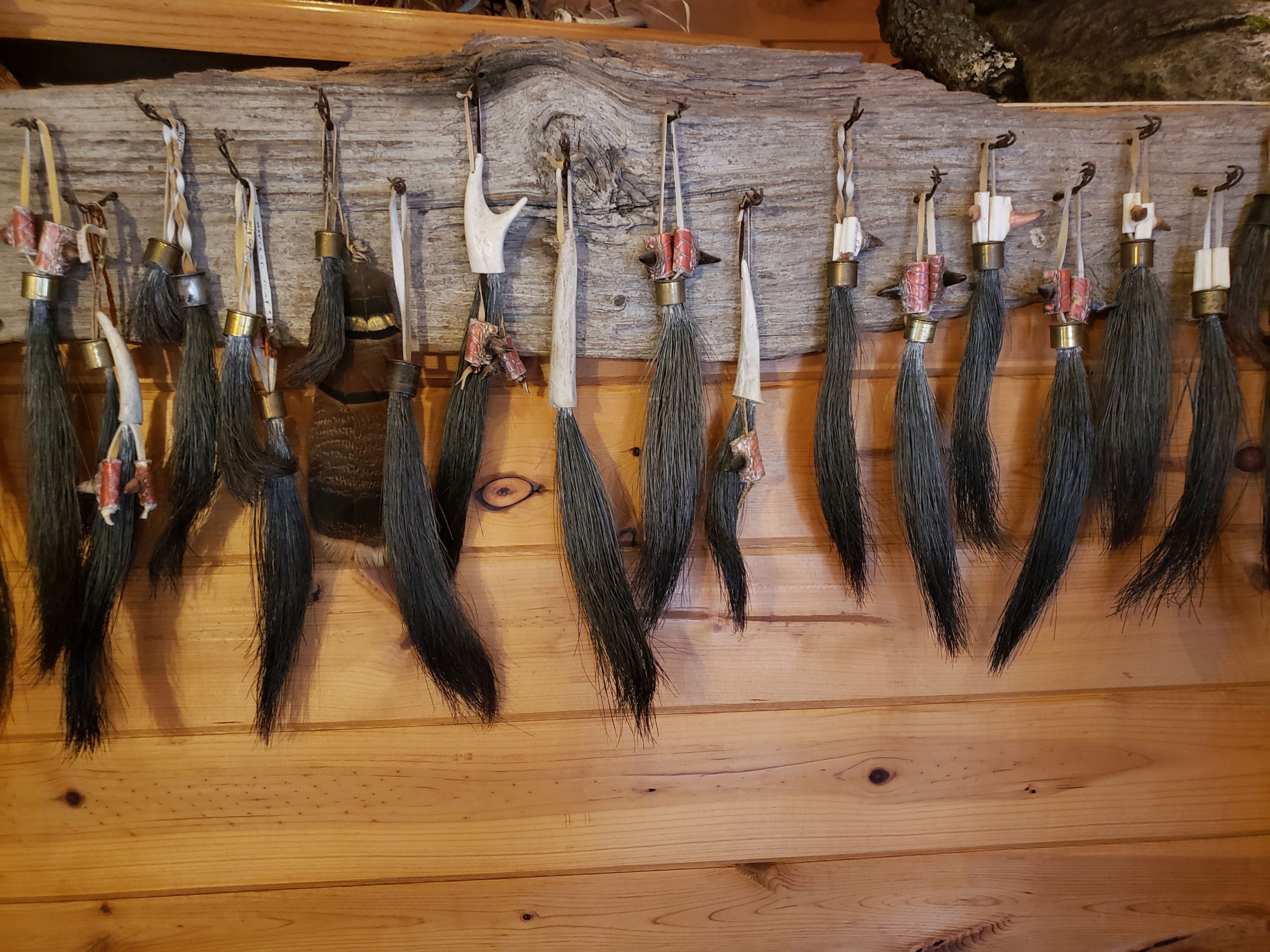
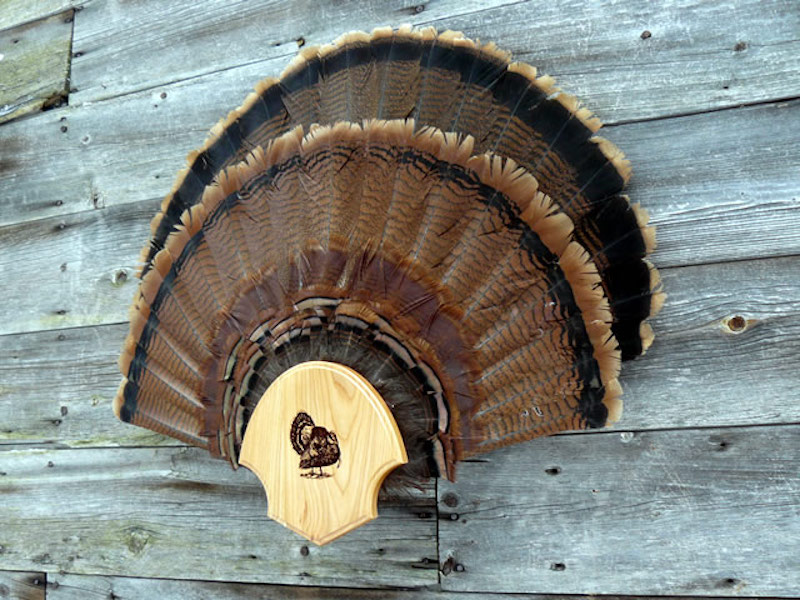
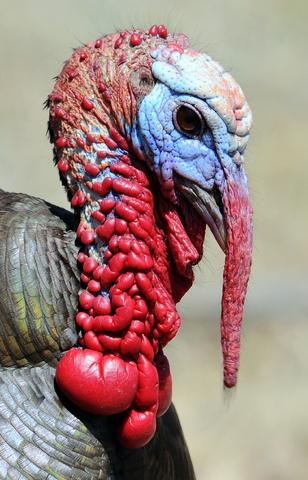
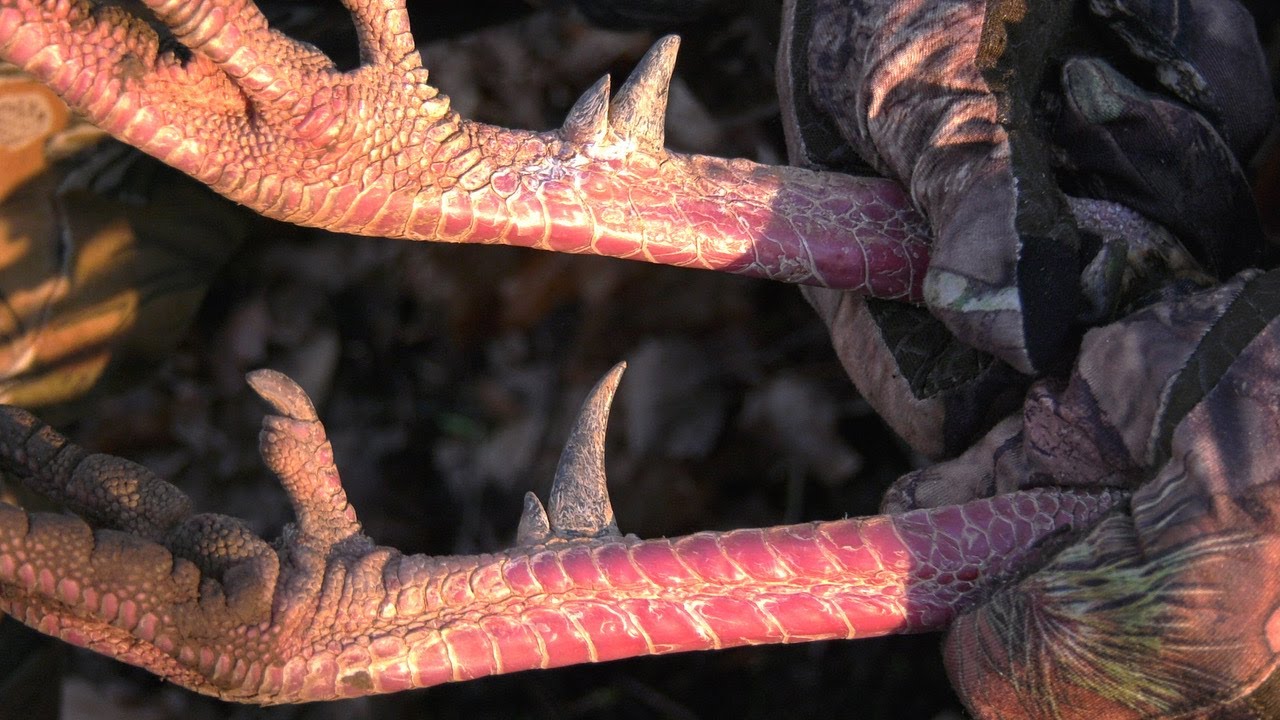
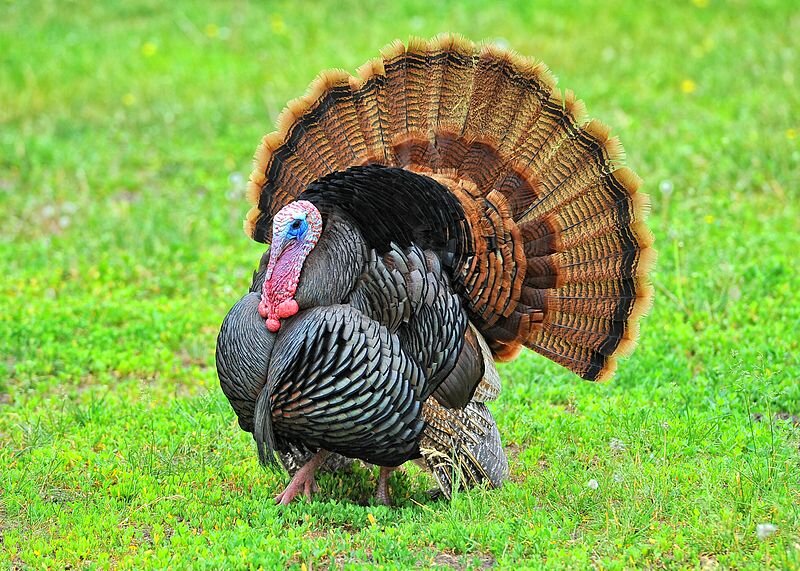
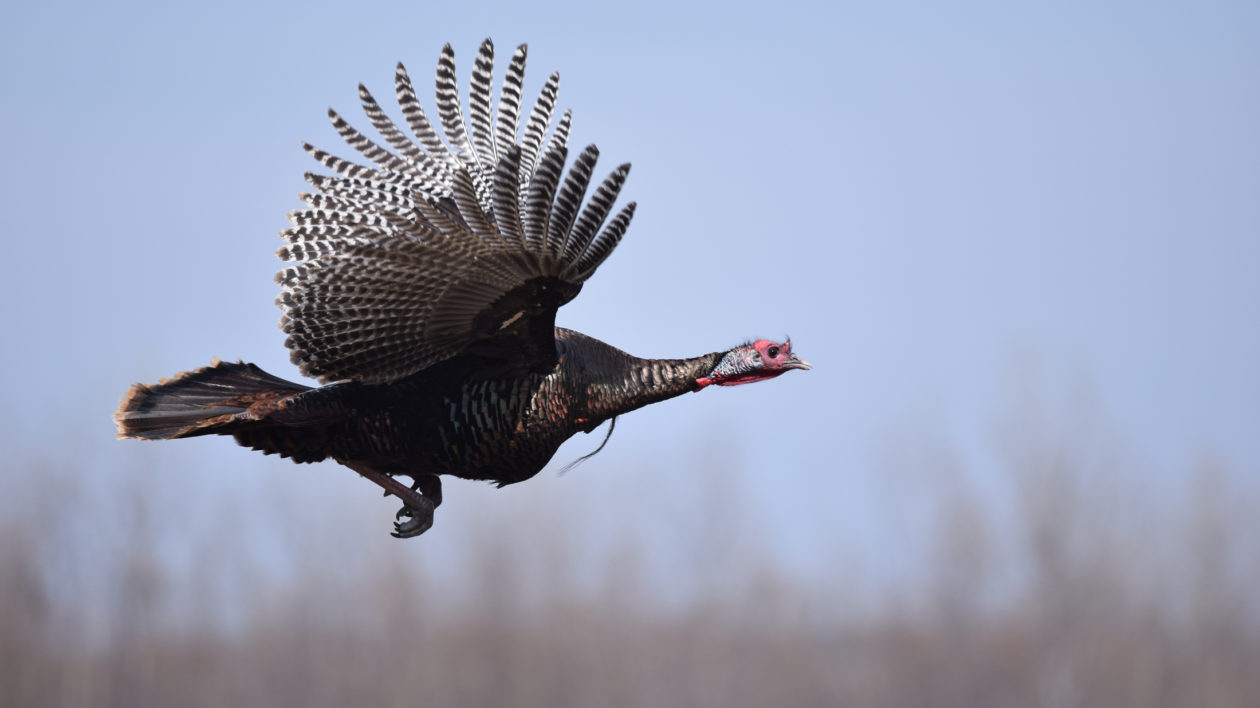
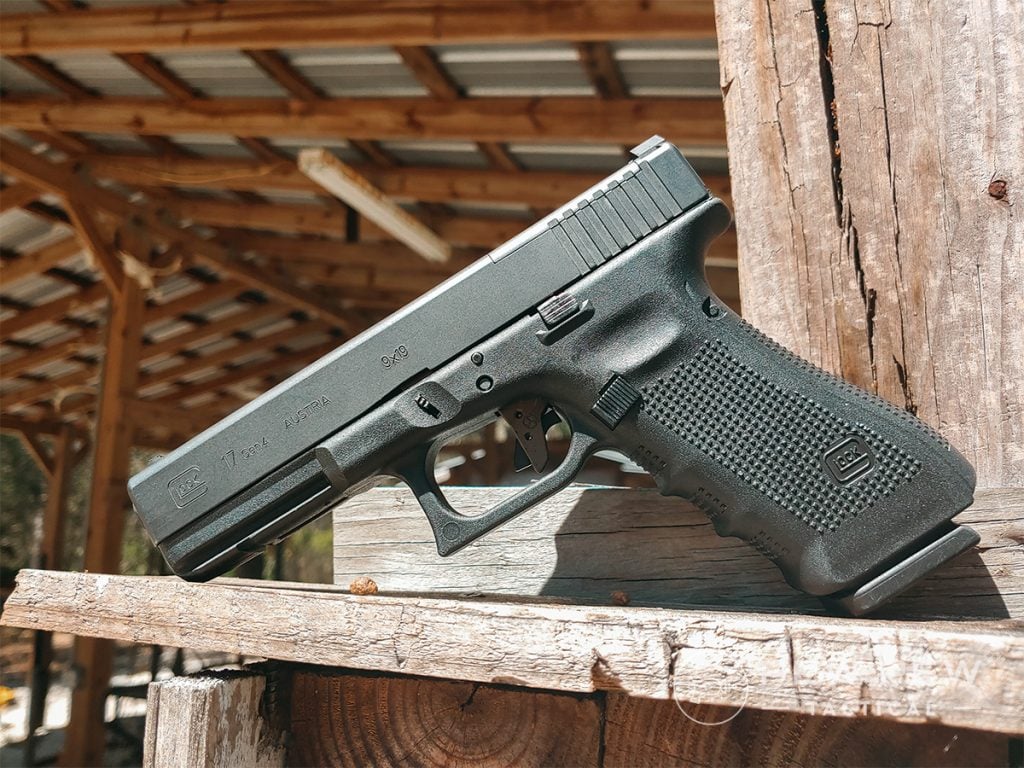
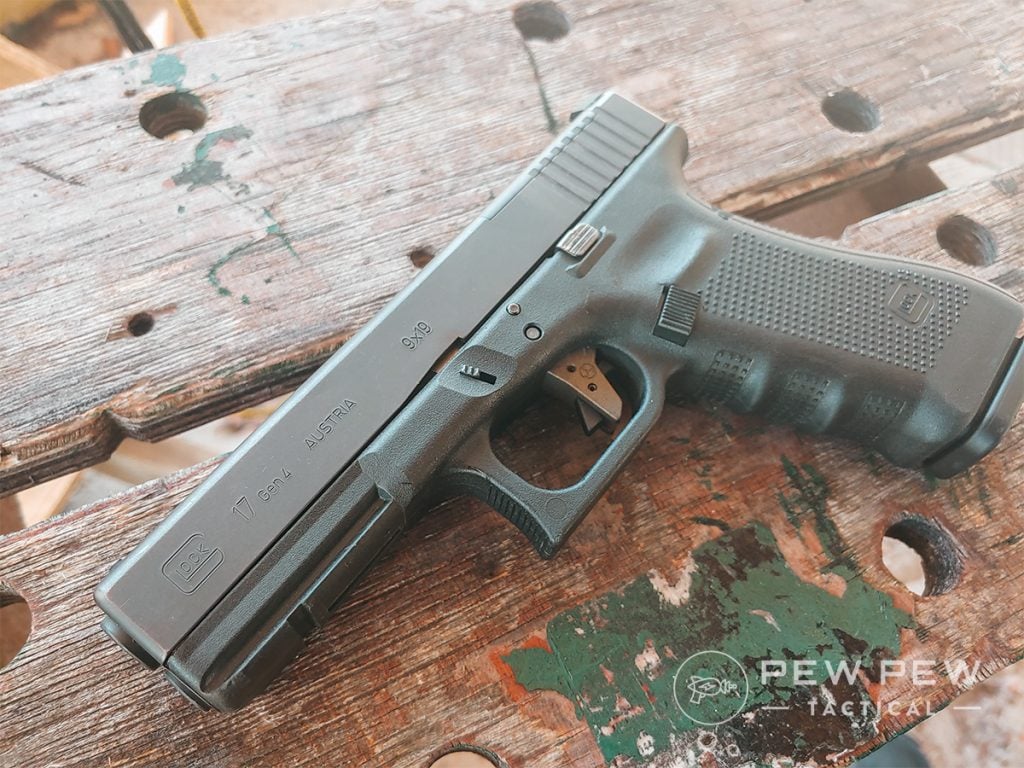
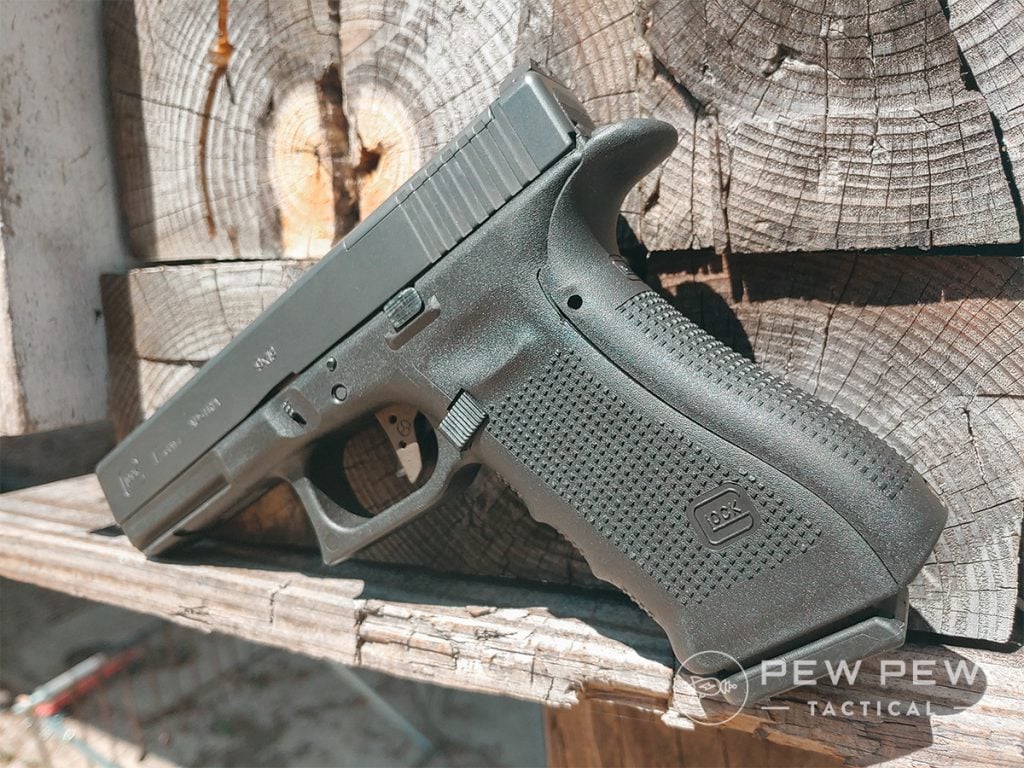

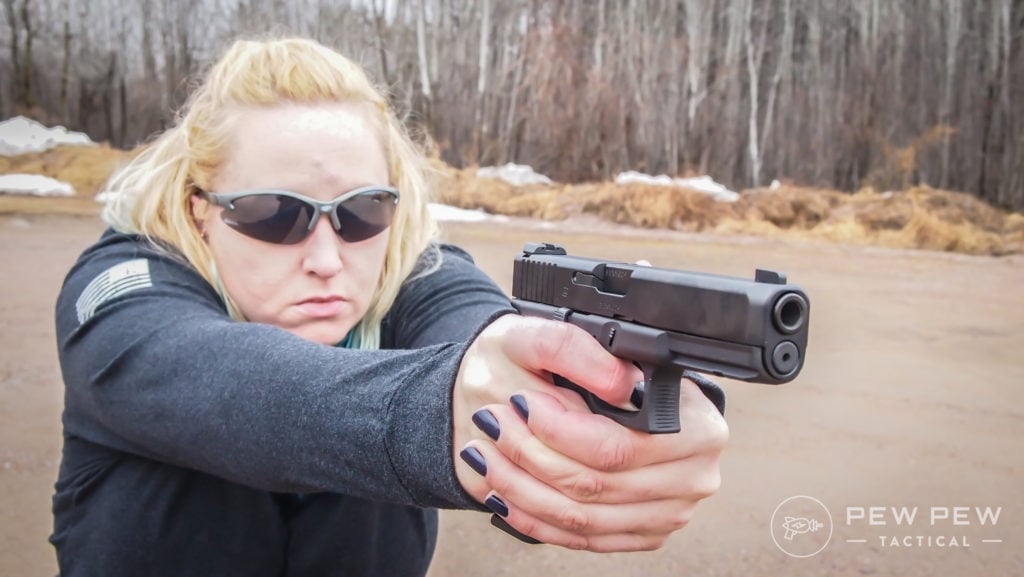
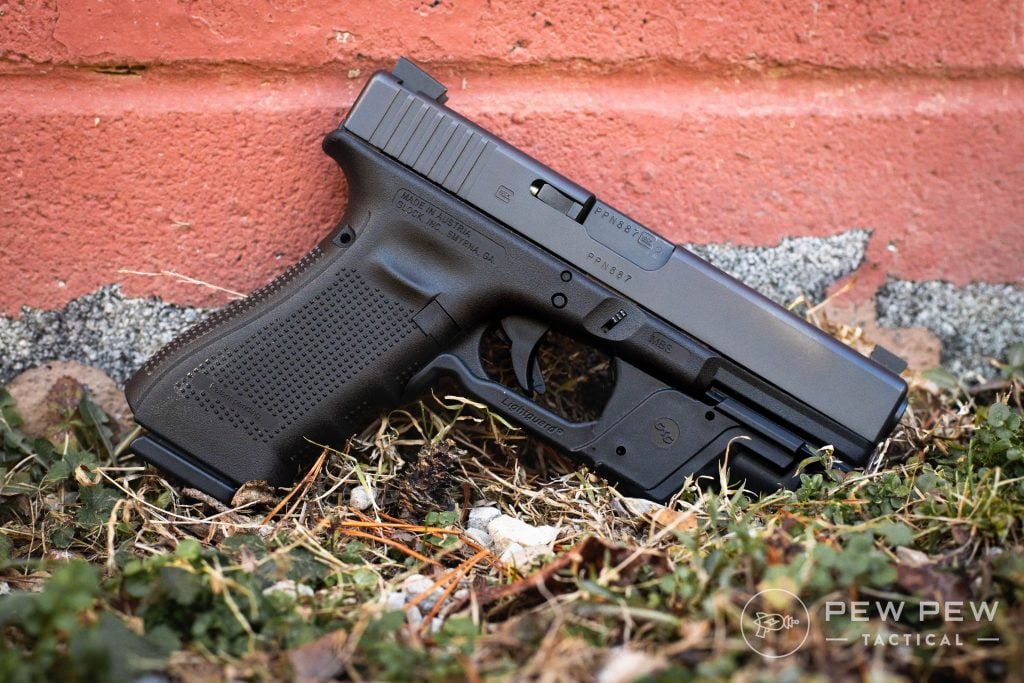
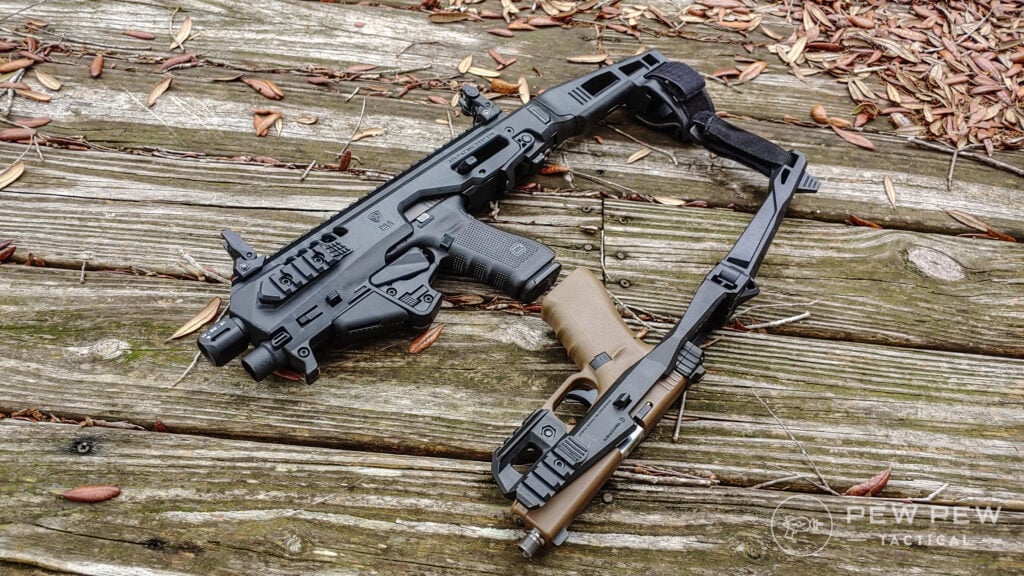
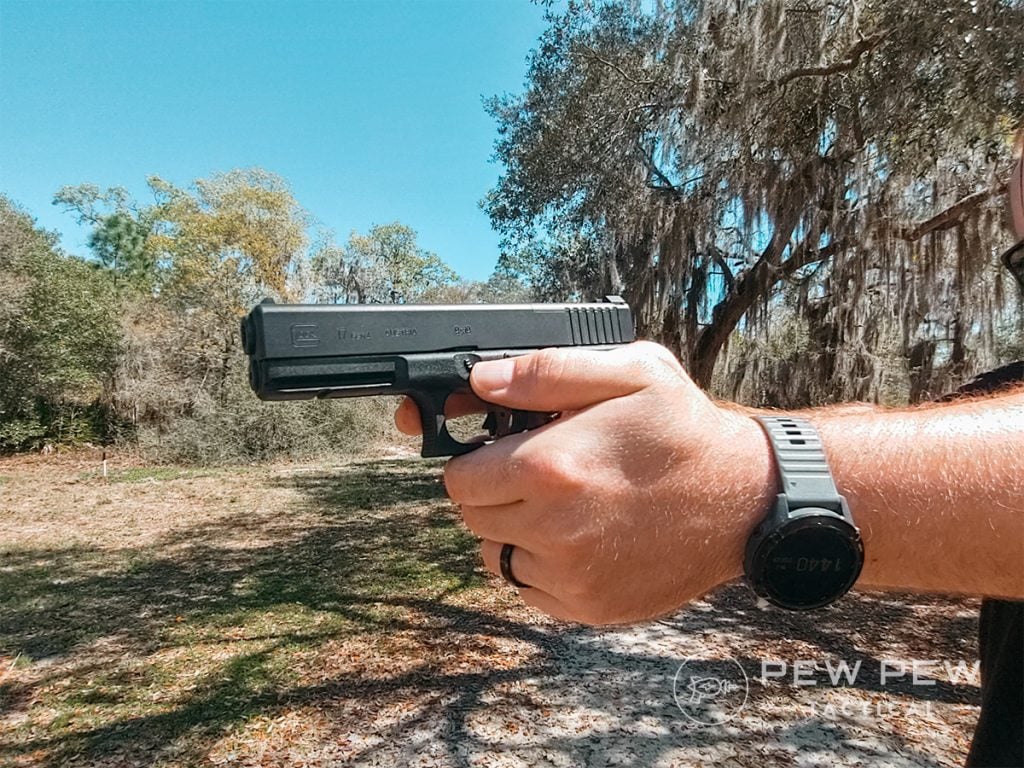
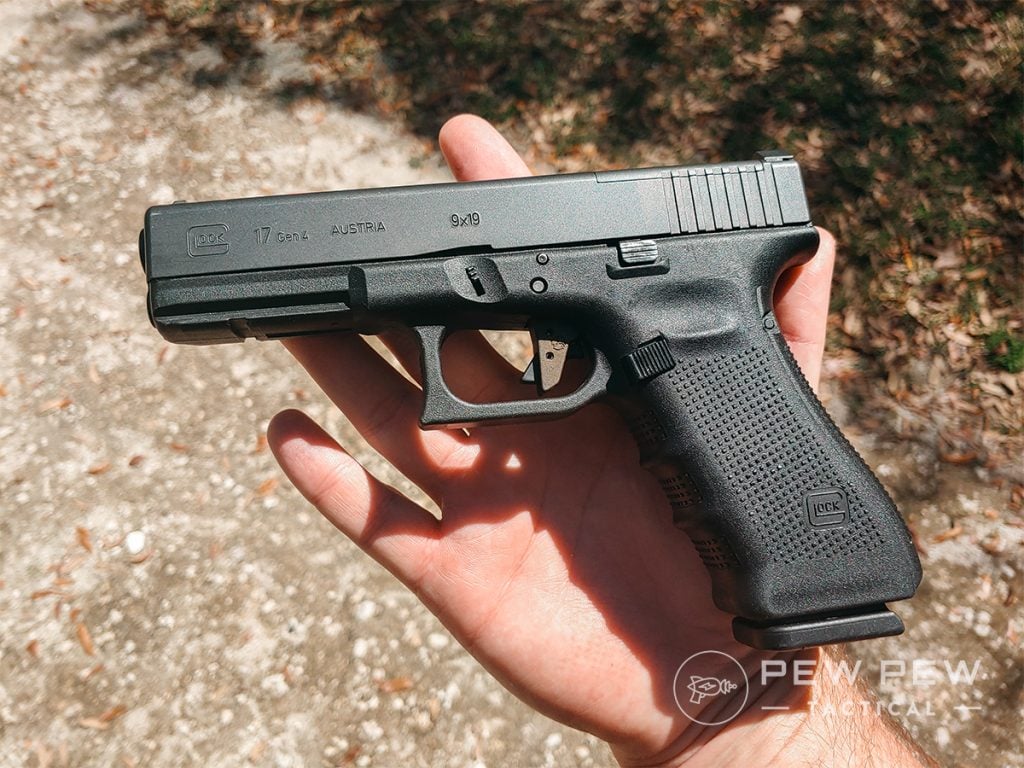
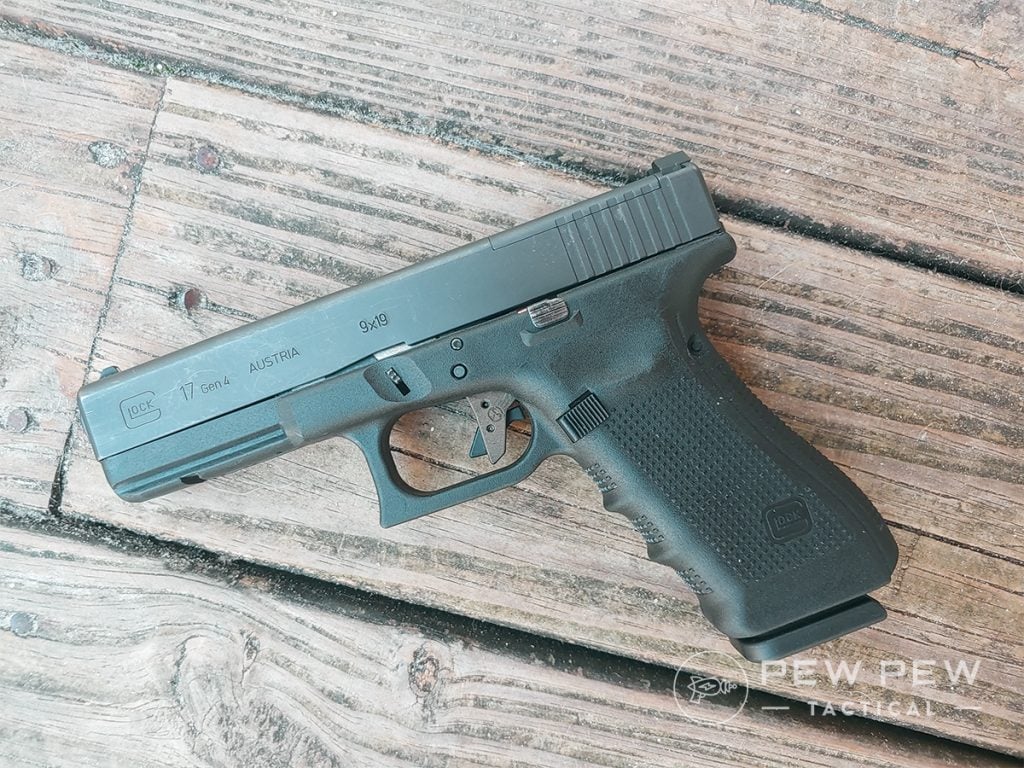
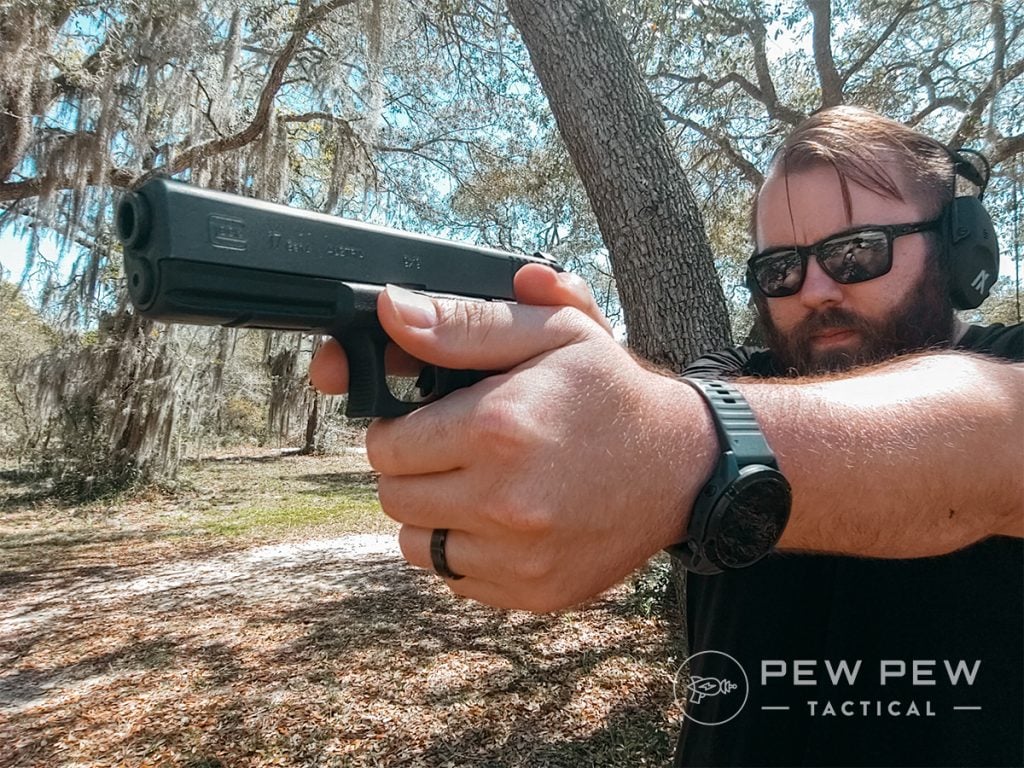
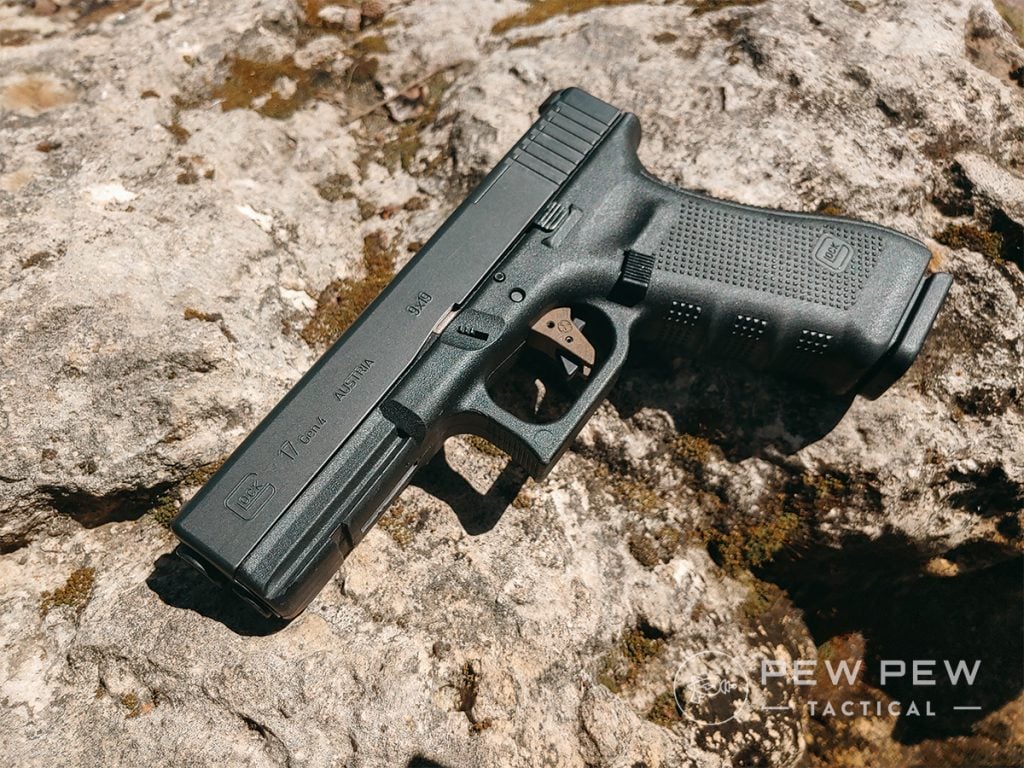
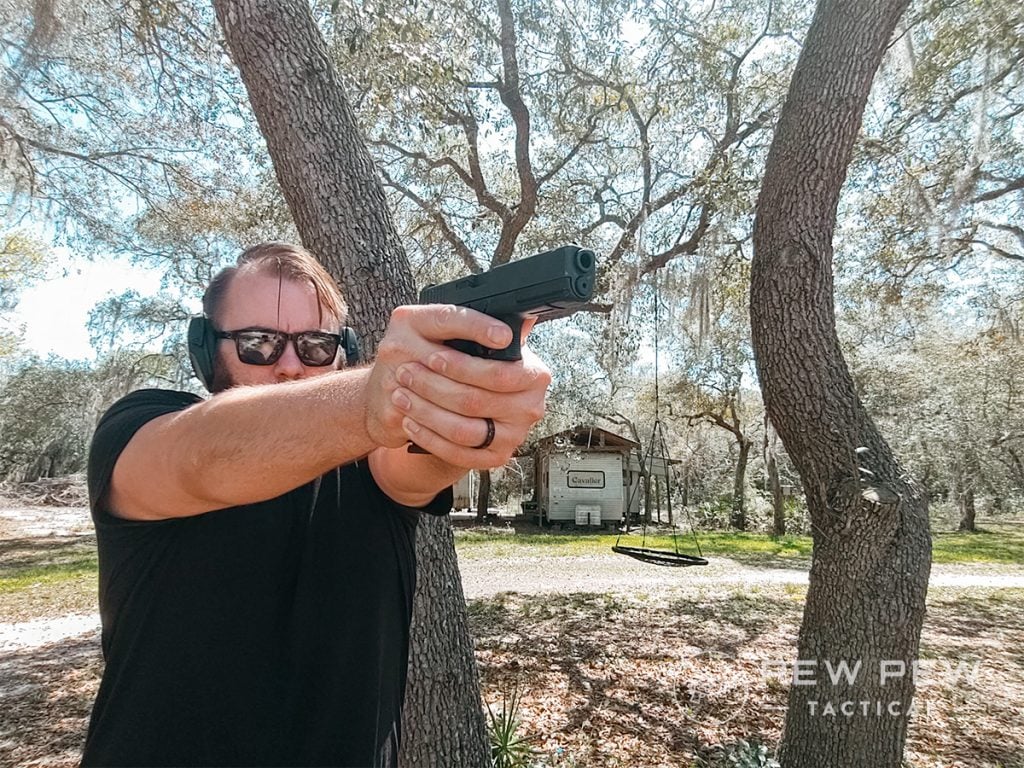
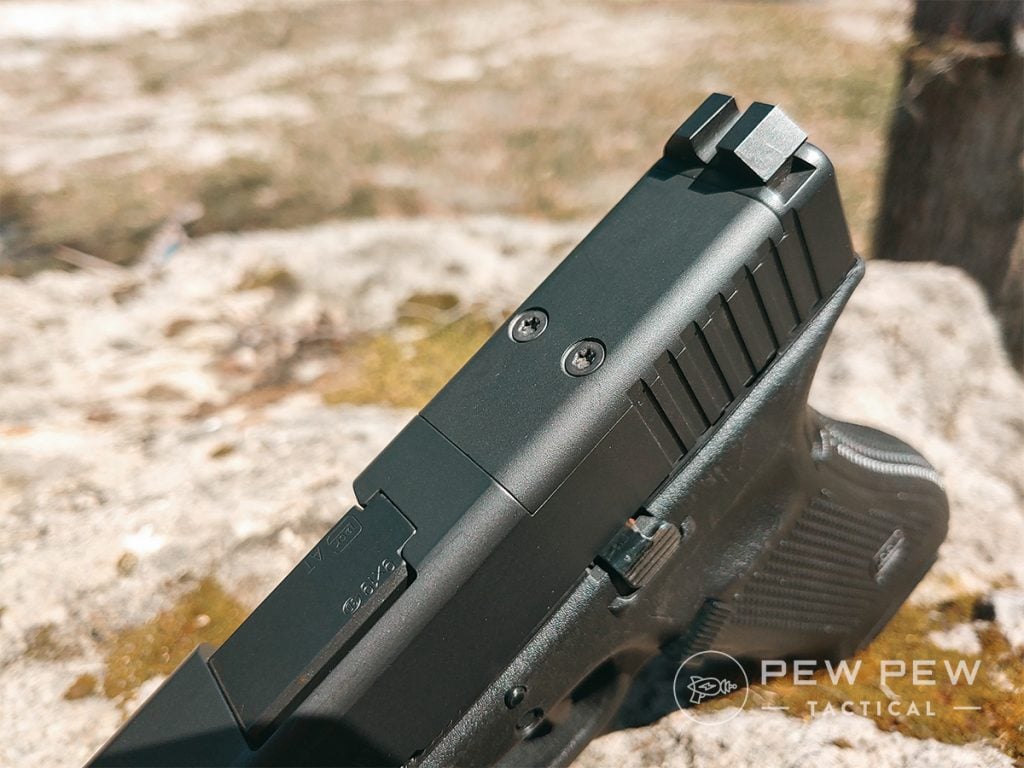
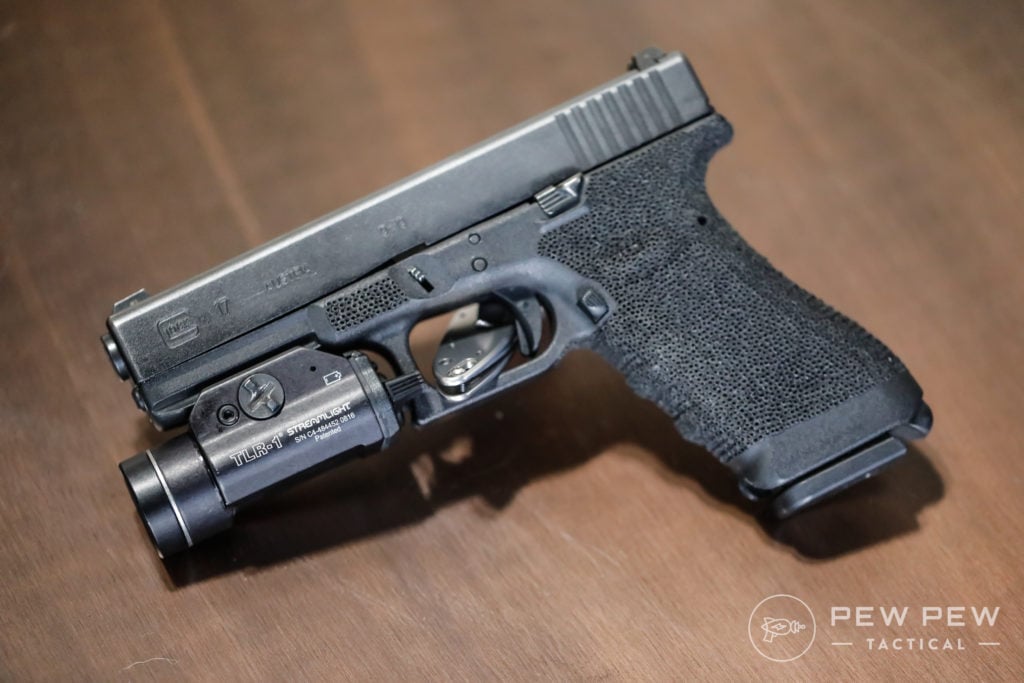
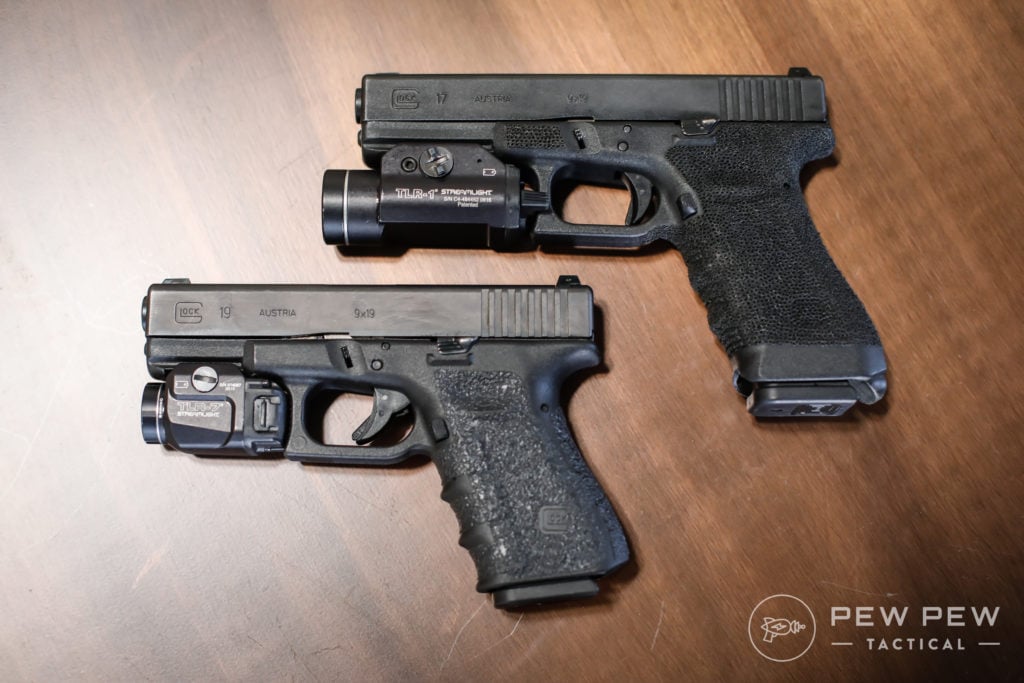
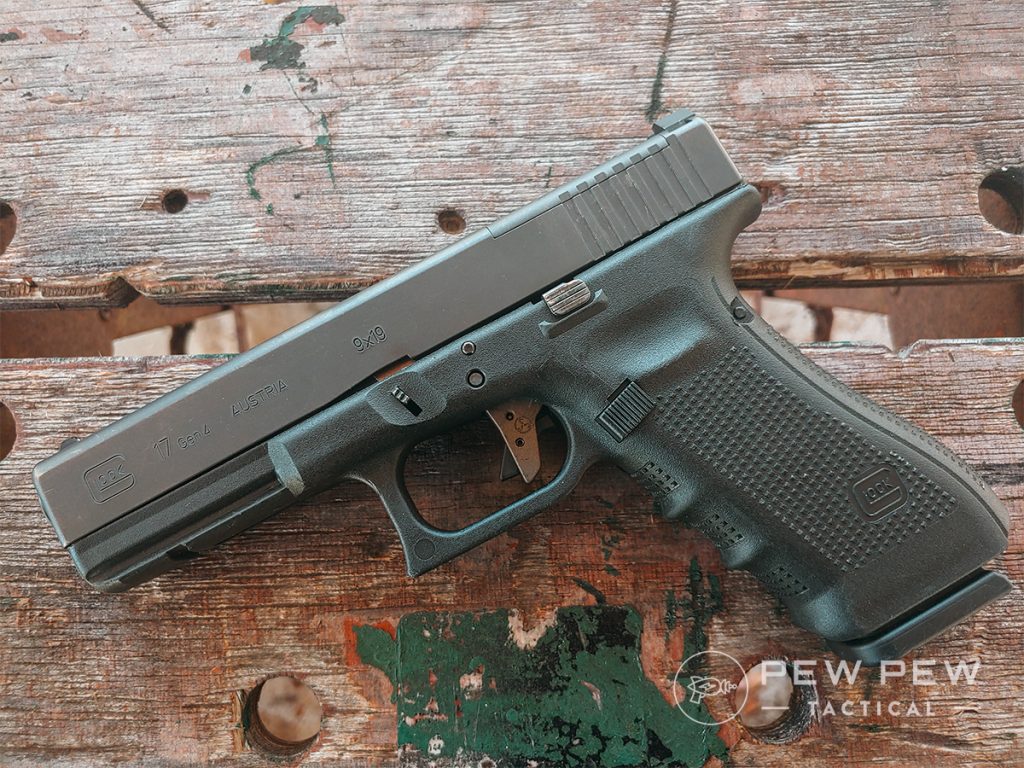
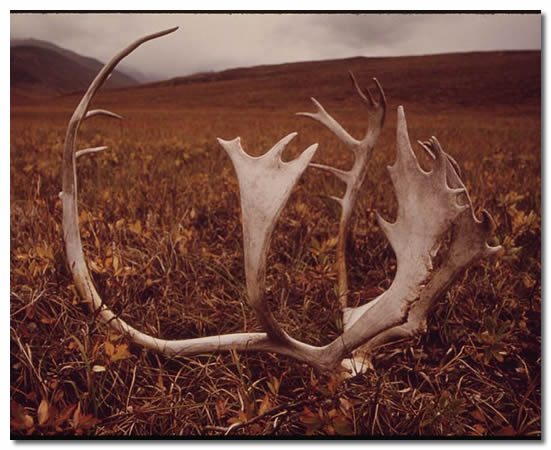
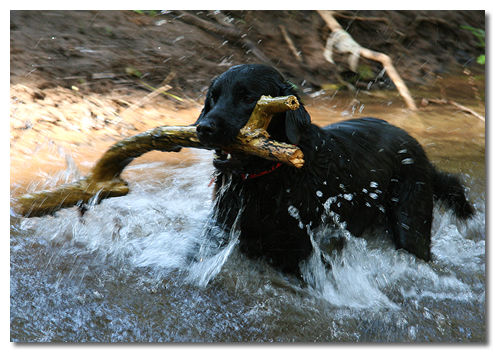
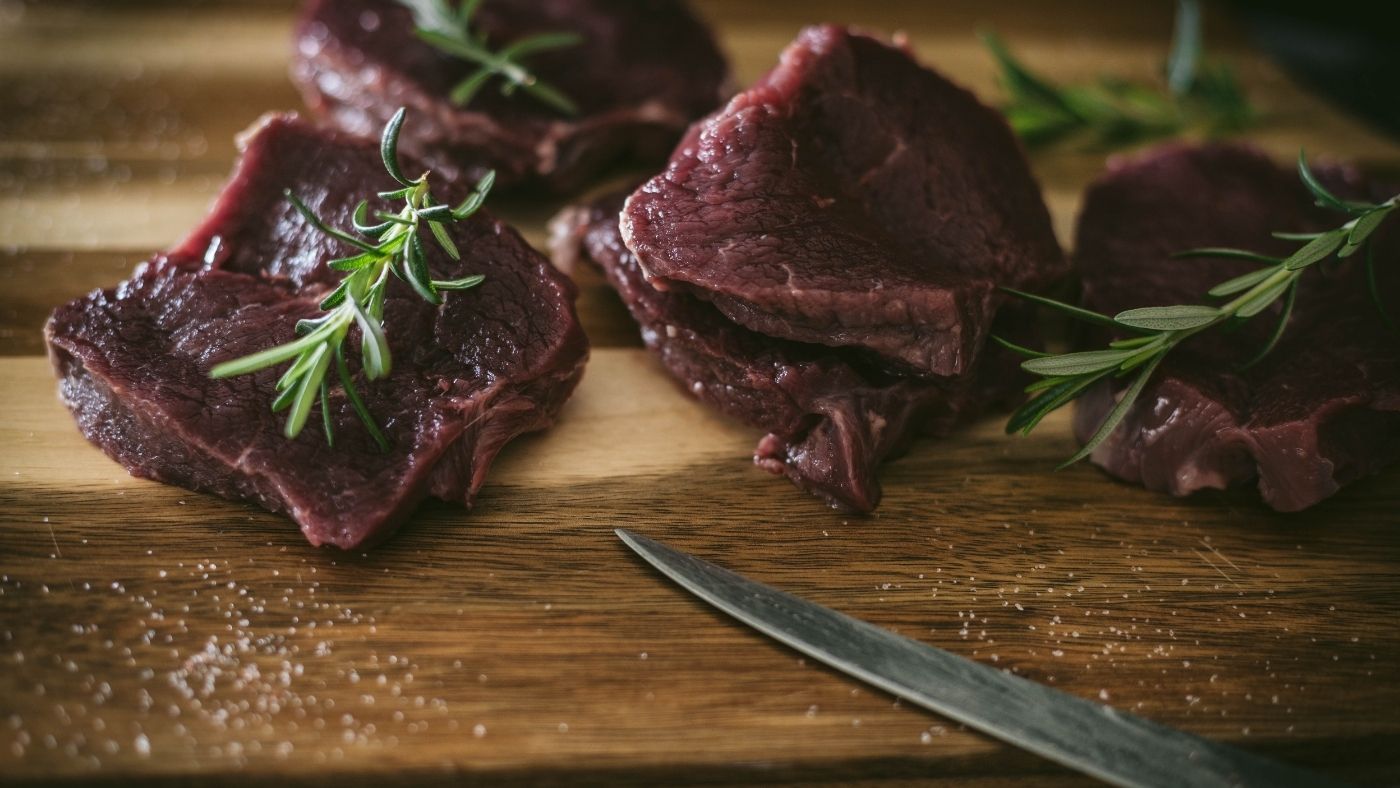


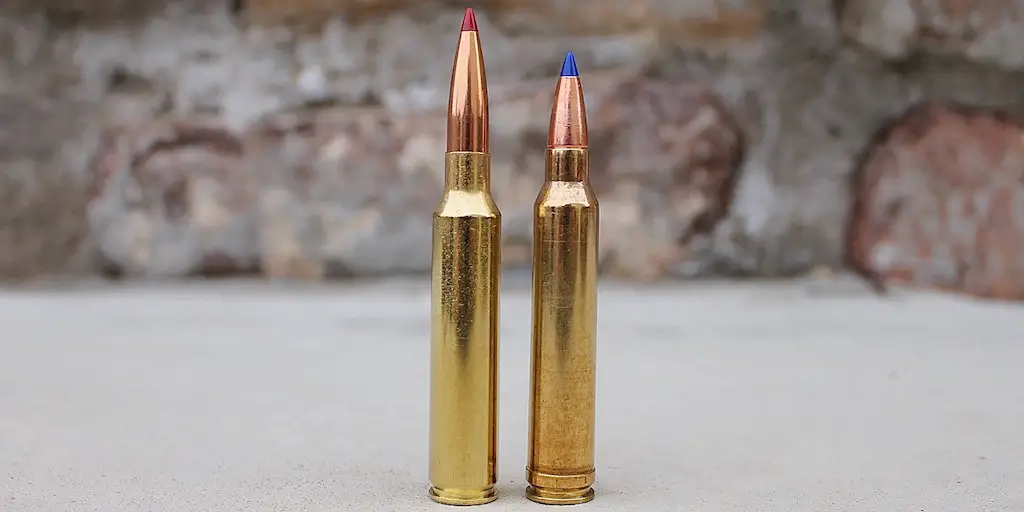
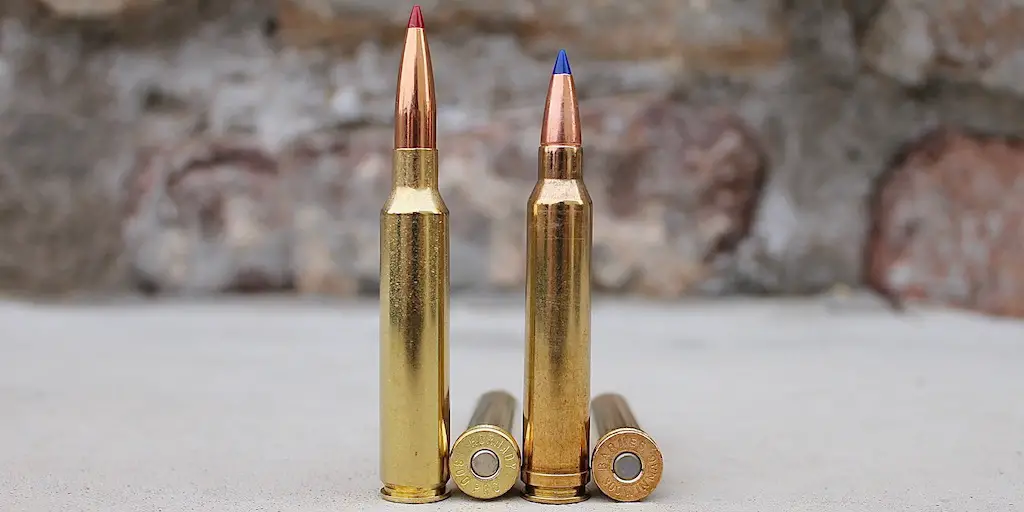

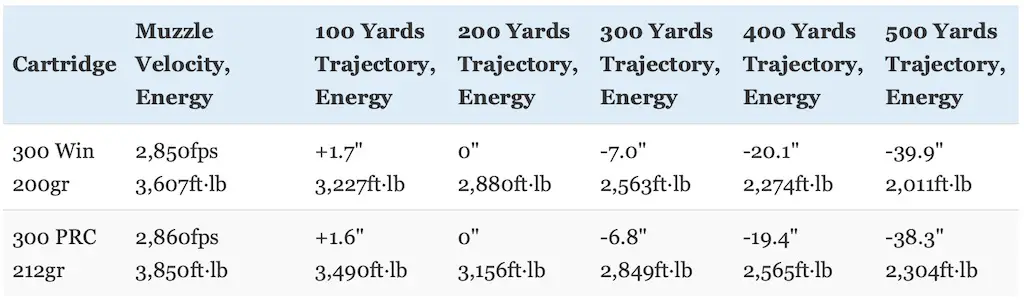
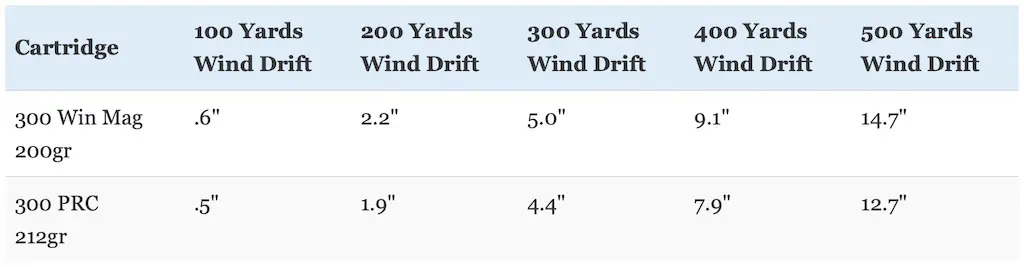
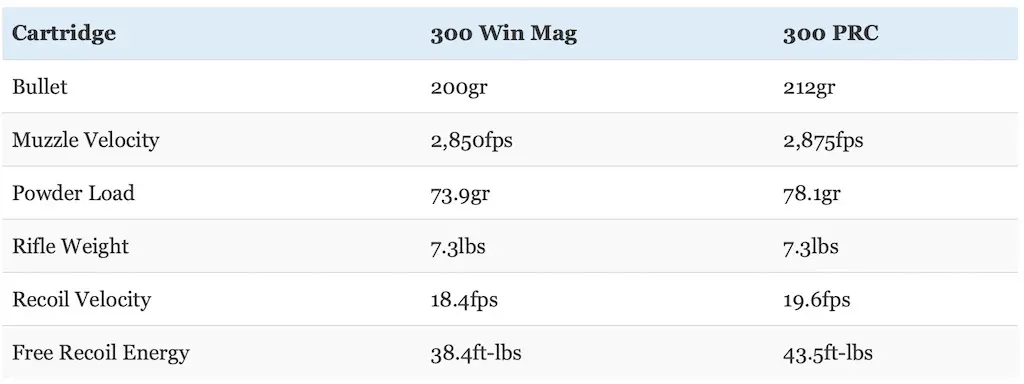

 If you are eager to learn, I would honestly recommend “SAS Survival Handbook: The Ultimate Guide to Surviving Anywhere”, which you can get on Amazon. It has every possible aspect of survival knowledge and technology, and the latest edition covers such new topics as terrorism and urban survival. The books teaches you about being prepared, making camp, finding food, first aid, disaster survival, and so much more.


