5 Best Shooting Tripods for Long-Range Precision Rifles (Photo by Ben LaLonde)
Early on in life, I learned the value of a quality tripod. Originally a photographer by trade, I knew even the slightest movement in the wrong conditions would ruin a shot. As I learned to shoot rifles from tripods, especially at extended ranges, I found the same to be true. Tripods can level the playing field, making difficult shots in awkward positions a lot more manageable. They’re not limited to tradition front-rifle support, but can be used as rear supplementary support as well. When looking at tripods for shooting, I personally have a few “must haves,” as well as a few, “prefer to haves.” Anything more is icing on the cake.
(Photo by Ben LaLonde)
Must-Haves
Stout legs – Strong legs and stiff legs often go hand-in-hand. It needs to support my rifle and any weight I put onto it while stabilizing my shot.
Easy adjustments – Holding a rifle for a precise shot is enough to think about. I want knobs, levers, and dials I can quickly operate one-handed without stressing.
Counterweight point – Every tripod I tested for this write-up features one, most often in the form of a hook or loop located directly under the head. To make my shot more stable, I can tie off to heavy objects, or even myself if need be.
Multiple leg angles – again, all tripods tested featured three angle positions. These can be used in any combination for variations of prone, kneeling, and standing shots.
Big rubber feet – rubber is a shock absorber, and as such, rubber feet on the ground help absorb and distribute recoil.
ARCA-Swiss style clamps – Clamps to secure the 1.5-inch wide dovetail rails provide fast and secure mounting options for rifles. There are a few variations of it on the market, but at its core, it is the gold standard for rifle mounting.
Prefer-to-Haves
Vented hinges – At the top of the legs, vent holes make deployment of the legs fast and worry-free.
Spring-loaded ratcheting angle locks – Again, my preference. It’s one less thing I have to think about when changing shooting positions quickly.
Bubble levels – Most every rifle I own has a bubble on the scope or action itself, but having one more to reference never hurts.
Those aren’t exhaustive lists, but they’re there to be thought provoking when looking for your next shooting support. Without further ado, let’s get into 5 of the best shooting tripods of the year.
Really Right Stuff S.O.A.R. TFCT 34L with Anvil 30 ARC
(Photo courtesy of Really Right Stuff)
RRS began as a photography equipment company in 1990, designing and creating more consistent and well-thought-out quick-release plates, tripods, and other accessories. Their Sport Optics and Rifle division has kept ahead of the curve with highly engineered, durable, and lightweight tripods capable of supporting even the heaviest of rifle platforms. Every single part of each tripod is designed, made, and hand-assembled right here in the USA.
Their compact but lightweight Anvil-30 ARC head is both ergonomic and feature packed. It has seen a few iterations over the last few years. The most up-to date version still features RRS’s easy to use lever-release, but it is now repositionable for tailoring to your preference. It also features the all-new R-Lock System. The R-lock provides supplemental security to your rifle mount in the form of a pin that locks into holes machined along the underside of RRS’s quick-release ARCA-Swiss Style plates. Even if you have ARCA plates without holes for the pin, the rail clamp can still be used in its traditional configuration. The newest ARC head also features toolless tension adjustment for the Patent-pending dual-rail style clamp. This allows you to set the jaws to the appropriate tension needed for your ARCA or Picatinny rails. Lastly, the throw lever now features a paddle style safety lock to prevent accidental release of the clamp.
As for the legs, The US-made carbon fiber legs are incredibly stout, even for their comfortably narrow dimensions. Because of the way the legs are offset in their hinges, they are able to fold in nice and tight to each other, keeping their packing dimensions to a minimum. The hinges are also vented, preventing airlock when deploying and collapsing the legs. This particular model, the TCFT 34L with the Anvil 30 ARC, extends to over six feet tall at its highest point, and can support anywear from 45 to 85lbs, depending on how high you extend its four sections. Even at its tallest, 45lbs is generous, and will cover most heavy long range platforms. The legs have three adjustable positions with ratcheting locks that automatically engage when adjusting from horizontal to vertical positions. The TFCT 34-L with Anvil-30 ARC head comes in with an MSRP of $1,580.00, making it the highest-priced option on our list.
Two-Vets Sporting Goods – Recon V2 with 55mm Dual Tension Ballhead and Area 419 Arcalock Clamp
(Photo by Ben LaLonde)
The first word that comes to mind when I see the Recon V2 is clean. The Recon V2 brings in a lot of features you should expect to find in premium carbon fiber tripods, at a more mid-level price point. The 38mm main tube is made of a stout and tightly woven carbon fiber, while the center section, hinges, and twist locks are all CNC machined from high strength aluminum. The grooved aluminum twist locks only require a quarter turn to loosen and retighten, making for fast and solid adjustments in the field. The hinge locks are able to ratchet and can lock out at 3 angles, giving you shots anywhere from prone to fully standing. At its full height, the Recon V2 with the 55mm Ballhead is just a couple inches shy of six feet tall, making standing shots a breeze, even at high angles.
The center section has been narrowed for the V2, giving a minimal profile when legs are collapsed against each other. The hinges are vented to allow for easy deployment and compression of the leg sections. The center section also features a rubber-tipped set screw, which lets the user snug it into whatever head they decide to use, eliminating the need for any sort of threadlock on the ⅜”-16 main screw. They also feature multiple ¼”-20 threaded holes around the center section and hinges for accessory mounting. The wide rubber feet provide support and stability in most environments, but when needed, simply unscrew the feet to reveal a steel spike in each. Spinning the threaded spikes from the inside to the outside gives you even more traction in soft terrain. The price of the Recon V2 alone is $605.00.
As for the head itself, the 55mm ballhead features a dual-tension system for ball adjustments. Set the smaller of the knobs to the level of tension you like, then use the large main knob to lock and unlock the head quickly. The third small knob on the tripod allows the user to loosen and tighten the panning portion of the head, giving glass-smooth horizontal movement. The Area 419 Arcalock Clamp features three steel pins that lock into Area 419 Arcalock scalloped rails. This pin/scallop combo prevents unwanted movement of the rifle in addition to the friction tension of the clamp. If you prefer to run smooth sided ARCA rail, this isn’t a problem. A set screw under each pin can be backed out, and the pins removed. Simply unwinding the oversized knob loosens the spring-loaded clamp and allows for ease of movement. The knob isn’t as fast as a throw lever, but does allow the user to adjust the tension in the ARCA plate exactly where they want it. The price of the ballhead in that configuration is $235.00. Combined with the price of the tripod, tax included, the full setup can be gotten right around $900.
Despite being a relatively new company, Two Vets has come out swinging with a wide product line covering the bases from competition to hunting. Their customer service has, in my experience been top-notch, and I often found my questions being answered by the owner of the company himself. They’re always working to improve their products and have a few exciting plans for 2024.
BOG Deathgrip Infinite
(Photo by Ben LaLonde)
The new Deathgrip Infinite from BOG comes down from their long line of affordable, thought-out hunting products. This latest model contains a number of features that make it better than ever. They started by separating the Deathgrip Clamp from the head, and put an ARCA-Swiss style plate on the bottom. The head itself now has an adjustable ARCA compatible clamp, making swaps between spotting scopes, cameras, and the Deathgrip head itself a breeze. That ARCA clamp tops a lined socket which tilts and rotates freely on the 45mm Aluminum ballhead. The polymer lining keeps the movements both smooth and quiet.
The Deathgrip Ultralite head is made from magnesium to remain lightweight but strong. It weighs less than 1lb, and features a patent-pending dual jaw clamp with rubber inserts to give you a secure, yet non-marring hold on your rifle stock. Clamping adjustments are made with a single oversized, rubberized knob. The dual jaw clamps move quickly, and keep the rifle centered over the tripod, ensuring the best balance. The ARCA-Swiss style plate is securely mounted on the bottom by four steel screws and two indexing pins. Testing the Deathgrip on different platforms, I didn’t have a single rifle it wouldn’t hold securely. From my heaviest AR-10s, to my lightest bolt actions, the clamp held solid through the firing cycle time and again. The jaws open to almost 2.5”, and can tighten to just under 1.3”. The Ballhead itself features overmolded knobs that are large enough to easily manipulate with or without gloves. The ARCA clamp itself can open more than wide enough to accommodate not only the Deathgrip head, but most any ARCA-style rail on the market.
(Photo courtesy of BOG)
Utilizing lighter materials like Magnesium and Carbon Fiber, BOG was able to drop the weight of the tripod with Deathgrip head to only 6.5lbs. Without the Deathgrip, the carbon fiber tripod comes in under six pounds. Twist locks on the stout carbon fiber legs are fast and easy to use, thanks to being rubberized. Steel spikes stored in the rubber feet are out of the way when you don’t need them, but easy enough to install when you do. The leg hinges feature three settings to adjust them to 20, 45, or 85 degrees. When splayed out to 85 degrees, shots can easily be taken in the prone. The tripod also features a retention strap to keep the legs held together when in transit. The kit comes with a soft carrying case, and an additional ARCA plate for optics.
Fat Boy Tripods Traverse Three Section with Invert60 Ballhead
(Photo courtesy of Fat Boy Tripods)
The Fat Boy Traverse tripod with their Invert60 Ballhead is flashy to say the least. The carbon fiber weave looks like snake skin, and the mossy green anodizing on the upper section stands out. The legs are a stout 42.5mm, and collapsed with the Invert60 Ballhead, it stands 32 inches tall at the ARCA Clamp. This is our bulkiest tripod tested, and with a total weight of 7lbs 11.5oz, it is also our heaviest. The legs have little to no flex, and when folded, integrated stops in the hinge prevent the legs from crossing over in the way of each other.
The hinges feature similar ratcheting technology we saw in a couple previous models, with the three leg positions allowing for shots anywhere from prone to standing. The center section is wider than previous models, and the ⅜”-16 threaded top platform can be swapped out for an aftermarket bowl adapter and 75mm leveling base. The hinges and center section also feature ¼”-20 threaded holes for mounting accessories. The rubberized twist locks on the legs require only a quarter of a turn to loosen or tighten, and the rubber feet feature integrated steel spikes. The spikes stay out of the way, but can be accessed by extending the shortest leg, then spinning the rubber foot up to expose the spike.
(Photo courtesy of Fat Boy Tripods)
The Invert60 Ball Head features a combination picatinny and ARCA rail clamp with an adjustable quick throw lever to loosen or tighten onto your rail of choice. One single rubberized knob controls tension on the 60mm ball head. The “Invert” name comes from the ball itself being mounted to the tripod, and the socket moving around it, opposite of a typical ball head. The grippy knob doesn’t take much of a rotation at all to go from very tight, to quite loose. This makes on the fly adjustments quick, and since the mount is inverted, the adjustment knob stays in the same spot relative to the rifle, making panning and tilting simultaneously a one-stop shop. The threaded plate under the ball features a set screw to prevent the head from coming loose.
The rubberized knobs and twist locks all feature aggressive texturing, ensuring ease of operation in any condition. When fully extended, the three-section legs bring the Invert60 ARCA clamp to 69 inches off the ground. While this option may be a bit big and heavy for backcountry hunts, it is sure to be a solid platform for predator hunting, competition, and regular range day shenanigans. Fat Boy offers the Traverse three section for $750.00, and the Invert60 Ball Head for $375.00, bringing the total cost for this setup to $1,125.00 plus tax.
Vortex Radian Carbon Fiber Tripod + Ballhead
(Photo courtesy of Vortex)
The design of the Radian Carbon tripod from Vortex is very reminiscent of my early photography days using Leofoto tripods and heads. Dimensions, shape, even placement of levers and knobs was very familiar. After offering optic-specific tripods in the past, Vortex has taken the dive into purpose-built, heavy duty shooting tripods. This model is offered as a complete package with your choice of a ball head or a leveling head. I chose the ball head for this review. Like their other products, the Radian Carbon tripod is covered under Vortex’s VIP Warranty. In the package is the set of legs, the head of your choice, a counterweight hook, soft case, ARCA plate for optics, stainless steel spike feet, and all tools and manuals you will need to get started and maintain your tripod.
The legs are stiff, with the main tube having a diameter of 36mm. When all four sections are fully extended, the tripod stands 67 inches at the ARCA clamp on the ball head. The rubber feet must be fully spun off before spinning on the spike feet. The twist locks only require a quarter turn, and the rubberized knob is generously sized, giving sure grip in any conditions. The center section has a metal loop for a sling, as well as a bubble to check level of the legs themselves. I would be remiss if I didn’t say I found myself wanting with some of the design on this tripod. The hinges for the legs are not vented, so I find myself pulling each section to fully extend it. This is a bit cumbersome when speed is of the essence. The hinge locks also do not ratchet in. It was an extra step I needed to take to ensure my legs would be locked out at the position of my choice. It’s not a make or break of course, but I definitely was expecting it as a premium tripod option.
The 55mm ball head features the three knob tension system I spoke about earlier in this review. Two for the ball, and one for the pan. The knobs are aggressively textured and easy to manipulate, despite not being rubberized. The ARCA clamp itself features a twist knob for securing the ARCA plates, and has its own small bubble level, ensuring you can keep the ball level. The maximum load of the tripod with that head is 55lbs. In this configuration, it comes in at a hefty 7lbs, 2.4oz. At it’s widest point when folded, the tripod is 6 inches in diameter, but the feet can come together at the bottom, so it still packs a bit easier than if the legs went straight out. The Vortex name and warranty carry a lot of weight, and despite my misgivings, it is still a solid option. For the premium price (MSRP $1,299.00), I do wish it had a few more of those features that I’ve really found make shooting from a tripod more pleasant.
Final Thoughts
When considering these five models, I looked for what was both solid and fast. Whether hunting or competing, speed matters. The fastest head to operate was by far the Anvil 30 ARC from RRS. The whole RRS setup was the lightest too, and as such, most versatile of the models tested. It’s also the most tested and fielded of any of the above models. The price for me, however, was a breaking point. I personally found myself drawn to the Recon V2 from Two Vets Sporting goods. Whether shooting rifles or even photos, it has been, more times than not, the one I reach for. In my time spent with it, it punched well above the price point at which it is offered. The Deathgrip Infinite Carbon Fiber from BOG was most budget friendly option. It comes with the tools needed to run any rifle, whether it had a rail or not. This past deer season, my good friend was due for neck surgery and couldn’t physically hold up his rifle. I sent this tripod with him for the season, and it gave him the support he needed to take the shot when it mattered. BOG built this one with a purpose. Speaking of dedicated purpose, the big and heavy Traverse from Fat Boy begs to be run in competition or out on a coyote hunt. The Vortex Radian Carbon, while a bit hefty, still finds a home in the worlds of competition and hunting.
These I tested are only a small batch of the wide range of tripods on the market. From even bigger competition models to the smallest and lightest backcountry tripods, there is sure to be one that fits your needs at the price point you want to work with. If you can try one before you buy one, even better. Whether hunting or competing, be sure you have the tools you need to make the shot count when it matters.
Have you just purchased your first bow sight and you need to sight it in?
What are the right sight marks for you?
What is the best way to sight-in your bow?
The only way to find out is to get out there and start somewhere, and we’ll show you where that is.
We’ll discuss common distances used to set your pins as well as our favorite way to sight in your bow.
What Distances to Sight in Pins on Your Bow?
What is the best distance to sight in your bow? You’ll find various answers here and there according to the preferences of the person providing the advice. We’ll lead you straight as the best distances for you will depend on a few things:
Draw weight/bow speed
Type of bow hunting
Personal preference for maximum shooting distances
All these factors will be addressed as we discuss the most commonly used sight marks for many bow shooters.
Top Pin Setting
The most common top pin setting for both timber and the open fields is 20 yards.
These days, most compound bows are fast enough to see very little difference in arrow trajectory between 10-20 yards. When this is the case, the first pin is usually set at 20 yards that also serves as a pin for 10-25 yard distances. You may be a few inches high when using the 20-yard pin for a 10-yard shot, and you may be a few inches low for a 25-yard shot.
To enable accurate and precise shots using your 20-yard pin this way, you’ll have to know how your bow, arrows, and sight setup will perform. Get to shooting off some arrows!
Do you have a 5-inch difference or more? Do you need to start with a 10-yard pin instead? If you’re shooting from a tree stand, you just might. You must also know the positions and kill-zone sizes of your game if you’re a hunter.
Low poundage bows that includes 40lb draw weights will require a top pin that should be set for 10 or 15 yards. It’s about shot placement that includes getting close enough to your target with it in a position to take an ethical shot.
Factors to think about:
How fast is your bow?
Where and what are you shooting?
Become proficient with setup to predict how it performs between 10-25 yards.
See instructions for your bow sight if there is a recommended top pin distance.
5-Yard Distance Increments
You may see some shooters with sight marks in 5-yard increments. An example includes: 15, 20, 25, 30, 35, and 40 and other similar variations. Again, personal preference is the rule here.
Consistent 5-yard increments are usually seen on sights that have 5 to 7 or more pins, and there are both pros and cons to this pin setup.
Advantages include less gap shooting, pin for every reasonable distance, and smaller yardage increments for confident shooting.
However, the disadvantages can outweigh the benefits. When increments are small, and you have a generally fast bow, the pins will be stacked very close together. It’s likely you will choose the wrong pin to shoot with.
Pins too close together can also block out a significant amount of the target. The more pins you have, the more it clutters your field of view.
10-Yard Distance Increments
Even 10-yard distances are the most common and versatile setup for hunters for many types of prey in the field. It may start with a 20-yard pin and continue from there, or it may start with a 15 or 25-yard pin and follow suit.
10-yard increments allow enough space between the pins to adequately see the target and to appropriately shoot the gaps when necessary. However, difficulty in achieving accuracy and precision at ranges further than 50 yards increases especially when you gap shoot. When you extend your pins out to longer distances, arrow drop, user error, and form issues are magnified.
Holding over or holding under isn’t so easy to do when you’re cold, hungry, tired, or you’re pumping with adrenaline due to the 10-point buck that just came into view 30 or so odd yards away. It may now be helpful to split the distance in 5-yard increments for the bottom pins such as 20, 30, 40, 45, and 50 or 20, 30, 35, 40, and 45. Find the variation that works for your bow setup and your shooting style.
Think about:
How many pins should be in your 10-yard increment setup?
What maximum distance are you comfortable and skilled enough at to make an ethical shot?
The more pins you have, the further you can shoot out in practice whether you realistically take shots out this far in the field. Practicing at 60 and 70 yards can make your 20-40 yard groupings tighter and easier to make. However, it does clutter your sight picture and it may encourage you to take shots you shouldn’t in the field.
Where is the Middle Ground?
The middle ground is more about having the right number of pins for your setup. There’s no need to clutter your sight picture with more pins than you realistically use in the field.
A general rule of thumb is 3 pins for many hunting applications, and 5 pins for Western or long shot hunting. Of course, there are hunters that do very well with a single pin bow sight to eliminate the process of gap shooting altogether. Where do you sit in the single vs multi-pin debate?
If you’re one of those hunters who push your bottom pins down as far as they can go to get them out of the way, but you keep them for the “just in case” moment, a fixed pin with a floater bow sight would serve you better.
Many times, the bow sight manufacturer will recommend in the setup and sighting-in instructions what distance the first pin should be set with and the distance increments for the following pins.
While 10-yard increments are certainly the standard and is a versatile setup, the goal is to find what setup works best for you. You won’t know it until you get out there and start practicing.
How to Sight-In a Bow
General Preparation Instructions for Sighting In
Mount your sight to your bow.
Be prepared to spread out sighting-in process over a course of several days due to fatigue that can compromise everything from correct form to accuracy.
Have necessary gear and equipment ready i.e. targets, arrows, appropriate laser rangefinder, etc.
Safety first: ensure you have the appropriate backstops and area clearance to shoot.
Start close to the target: 10 yards to get on paper and to reduce adjustment issues later.
Adjust in small increments at a time.
Have Allen wrenches or required tools to make adjustments to sight.
We like the “one axis at a time” method of sighting in. This process may incorporate use of leveled tape in the shape of a sideways “T”, as a cross, or any target that helps to focus the eye to aim in straight lines.
How to Sight In With a Fixed Pin Bow Sight
Stand approximately 10 yards away from your T target. Starting with the windage axis (left/right), you will want to aim for the vertical part of the target. Let off 3-5 arrows in a line.
Examine the arrows position in relation to the vertical line of the T. Being this close to the target, you want to make sure you’re as dead-on the center of the line as possible. Margins of error will be magnified when you step back to fine-tune your adjustments at longer distances.
To make adjustments, follow the arrow. If your arrows are left of the T, make an adjustment to move the entire sight housing If your arrows are right of the T, make an adjustment to move right.
Repeat this process until your arrows are dead-on center on the vertical line.
Stand approximately 10 yards away from your T target. If necessary, move the top pin high up towards the top of the housing to leave enough adjustment room for the remaining pins on sights with 5-7 pins. Let off 3-5 arrows in a line using your top pin as an aiming point for the horizontal part of the target to begin adjustments for the elevation axis (up/down).
Examine the arrows position in relation to the horizontal line of the T. You don’t have to be so precise with this at 10 yards. If the arrows are further than 6 inches of the line, follow the arrow to make adjustments by moving the entire sight housing. If your arrows are above the line, make an adjustment to move the sight up. If your arrows are below the line, make an adjustment to move the sight down.
Repeat this process until your arrows are within 6 inches of the horizontal line.
Step back to the distance you want to set your first pin for which is likely 20 yards. The top pin is the only pin you can set by moving the entire sight housing at this point in the process. Let off 3-5 arrows aiming with your top pin to hit dead-on the center of the horizontal line as possible. Now is the time to be precise with your adjustments by moving the entire sight housing up or down.
Once you’re hitting dead-on with your 20-yard pin, it’s time to sight-in the remaining pins which will all be adjusted individually. Typically, the next pins will be set for 30, 40, and 50 yards, if applicable. Stand at the distance you want to set your next pin for, let off 3-5 arrows using the appropriate pin to aim with and shoot for the horizontal line of the target.
Examine the arrows in relation to the horizontal line of the T. Be precise in making individual adjustments for the appropriate pin. Again, follow the arrow. When you’re successfully hitting the center of the line, it’s time to move to the next pin until all remaining pins are set for their distance.
Go back to 30 yards and let off 3-5 arrows for the vertical line to fine-tune your windage (left/right) axis with any adjustments if needed. You might notice you may be slightly off at 30 yards since variations in accuracy are magnified at longer distances.
Fine-tune any adjustments by double checking you’re consistently hitting the lines at your set pin distances. If you need to make any fine-tuning adjustments to your 20-yard pin at this point, do it by adjusting the individual pin, not by moving the entire sight housing.
How to Sight In a Bow Sight With 1 Pin
Each manufacturer and model of single-pin sights will have slightly different sighting-in instructions and sight tapes provided. It’s important to follow the setup recommended by the manufacturer to achieve maximum potential and accuracy from your sight.
A well-accepted method is the 20/60 setup which we’ll explain below.
Stand approximately 10 yards away from your T target. Starting with the windage axis (left/right), you will want to aim for the vertical part of the target. Let off 3-5 arrows in a line.
Examine the arrows position in relation to the vertical line of the T. Being this close to the target, you want to make sure you’re as dead-on the center of the line as possible since margins of error will be magnified when you step back to fine-tune your adjustments at longer distances.
To make adjustments, follow the arrow. If your arrows are left of the T, make an adjustment to move the entire sight housing If your arrows are right of the T, make an adjustment to move right.
Repeat this process until your arrows are dead-on center on the vertical line.
If you’re using calibration tape provided by the manufacturer, go ahead and stick it on your wheel or bar now. Turn the wheel or knob all the way to the top until it stops. Stand 20 yards away from your T target. Let off 3-5 arrows in a line using your pin as an aiming point for the horizontal part of the target to begin adjustments.
Follow the arrow. If you’re low, turn the wheel/knob down in small increments at a time. Repeat this process until your arrows are dead-on center on the horizontal line.
If using calibration tape, note the reference number the indicator is lined up with as this is your 20-yard mark. If not, use a pencil or marker to mark where your 20-yard mark is.
Step back in 10 yards at a time to sight-in for 30, 40, and 50 yards. Dial down the wheel/knob each time you move back.
Finally, get sighted-in at 60 yards and make the adjustments necessary by following the arrow. Take note of the reference number the indicator is lined up with or mark this spot as this is your 60-yard mark. Additionally, fine-tune your windage (left/right) axis now to ensure consistent shots.
Match the correct sight tape for your markings or number references provided by the manufacturer and apply it to the wheel or bar. Use the sight-tape to double-check you’re hitting consistently at the matched distances.
Put it to the Test!
Once you’re done sighting-in, it’s time to pull out the 3D and 10-ring targets and put your skills to the test. You may be surprised to find your groups are tighter than ever. But, is this the only way to sight in a bow?
Everyone may use a slightly different sighting-in method, the same way they may use different distances to sight in their pins. Some may adjust for both left/right at the same time as they’re adjusting for up/down shots. It happens to be the mainstream way of adjusting especially when using traditional 10-ring targets.
Use the system you’re most familiar with. Get to know what distances or sight-in method you like best by getting out there and nocking some rounds. Sight in and shoot sharp!
Further Reading
How to Measure Scope Ring Height (With Pics & Calculations)
How to Adjust a Rifle Scope: 6 Scope Adjustments Explained!
How to Level a Scope on a Rifle [Step-by-Step With Pics]
What is a Rifle Scope Ruler (Mildot Master) & How to Use It?
Quick Answer: These are the Best EDC Backpacks of 2022
#1 – Overall Best EDC Backpack: Aer Travel Pack 2 Small
#2 –Best EDC Laptop Pack: Tortuga Laptop Backpack
#3 – Best EDC Pack Runner Up – Nomatic Travel Bag 30L
#4 – Best EDC Sling Bag: Aer Day Sling 2
#5 – Best EDC Camera Bag: Wandrd PRVKE Series Camera Bag
#6 – Best EDC Backpack for Travel: Aer Travel Pack 3
#7 – Best EDC Duffel for the Gym:Kodiak 25l Duffel
#8 – Best Leather EDC Backpack –Lakeland Fenton Leather Rucksack
#9 – Best EDC Day Hiking Pack: Osprey Daylite Plus Pack
#10 – Best EDC Pack for Organized Travel: Tropicfeel Shell
#11 – Best EDC Pack for Hipsters: The Roll Top Stubble & Co
Best EDC (Every Day Carry) Backpacks
Researching all the backpacks available on the market can become tedious. That’s why we’ve done the legwork for you and compiled our picks for the top everyday carry backpacks. From gym duffels to travel bags, we’ve got something for everyone on this list! And, if you look after your backpack properly, these guys will last you a good few years.
#1 – Overall Best EDC Backpack: Aer Travel Pack 2 Small
Compact, but spacious enough to fit a ton of gear, the Aer Travel Pack is the Goldilocks equivalent of everyday carry backpacks; not too big, not too small, just right. A little over 3 pounds, it’s still relatively lightweight, but also more durable than ultralight packs.
Inside there’s a padded compartment for a 15-inch laptop, as well as a shoe compartment that can fit up to men’s size 12. Both the main and front zippers are lockable for added protection while travelling.
On top, there’s a quick access pocket for small essential items and within the front compartment, there are additional organization pockets. These keep your pens, sunglasses, electronics, and other gear neat and easy to reach. There’s also a key chain so your keys never get lost at the bottom.
The Aer Travel Pack is small enough to be a carry-on item while flying, and the back panel of the pack acts as a pass-through for luggage handles. If you want more support, you can purchase a hip belt which comes separately.
Although the Aer Travel Pack may be on the expensive end, the combination of 1680D nylon, Duraflex plastic, and YKK zippers are built to last, while also making the pack comfortable and sturdy while carrying.
Is this the best EDC bag ever? Our team think so! They had a lot of love for this bag, but some of the stand-out features for them were the locking zips on the main section as well as the laptop pocket. They also loved the clamshell opening style of the large compartment which meant they could fit packing cubes inside and access their gear easily.
Be sure to check out our detailed Travel Pack 2 review here.
#2 – Best EDC Backpack Runner Up: Nomatic Travel Bag 30L
The Broke Backpacker team have been big fans of Nomatic gear for years. In fact from a style, functionality, and price point of view, nobody quite does it like Nomatic.
The 30 litre Nomatic Travel Bag is great for people who don’t want to own multiple backpacks; this bag can be your everyday bag AND your travel day pack all in one.
Especially if you find yourself carrying around a laptop, some clothing layers, chargers, a camera, etc – you’ll find 30 litres to be a pretty damn good size.
There will be times when you don’t end up filling up the bag to capacity each time you go out, but I prefer to have a bit more space on occasion than not enough. Do note that a 30-litre backpack is on the larger side of your typical daily grind everyday carry backpack.
Our team really loved the organisational features on this backpack, it was especially useful for digital nomads carrying around heaps of different cables, hard drives, laptops, tablets and other shiz! The different carrying configurations were also ideal for our team when they were getting on and off public transport.
Unfortunately, at this time Nomatic can’t ship to Europe, so if you are outside of the USA, go with the Aer Travel Pack 2 small instead.
#3 – Best EDC Sling Bag: Aer Day Sling 2
If you don’t need an entire backpack but still want a convenient bag for storing your phone, camera, passport, or other small essential items, then a sling bag is a perfect choice. The Aer Day Sling is also a more budget-friendly EDC pack option.
There are three pockets: a front pouch, one main compartment, and a hidden back pocket great for keeping your passport or cash safe. The main pocket can fit a 7.9-inch tablet and it has multiple organizational pouches for storing sunglasses, pens, or other small items.
The one aspect of the Aer Day Sling that could use improvement is the shoulder strap. Although it’s adjustable, there’s not much padding, which can make it a bit uncomfortable after wearing it for a long time.
Like the Aer Travel Pack, the Day Sling is made out of 1680D nylon, Duraflex plastic, and has YKK zippers on all the pockets. It’s also a good lightweight EDC pack, weighing less than a pound when empty.
Our team rated this as their favourite small EDC backpack. They loved how compact it was for all their essential items like their passport, wallet, phone, compact camera and battery pack. They felt it also offered an awesome level of organisational features for such a small pack.
PSSTTT – If you want something light, but still bigger than a sling then you might be interested in these Packable Backpacks.
#4 – Best EDC Camera Bag: Wandrd PRVKE Series Camera Bag
There’s nothing worse than having your camera gear damaged as a result of inadequate protection in your backpack or bag. The PRVKE takes all your photography needs and concerns into account and delivers an excellent everyday carry backpack.
Two sizes are available. One is 21 litres, which can be expanded to 26 litres by extending the roll top, the other is a larger 31 litres, which is expandable to 36.
Both are made of waterproof tarpaulin and YKK weather-resistant zippers. So although the specialist camera backpack wouldn’t survive being submerged, it will still hold up to heavy rain or some splashing. The water-resistant exterior is pretty tough too making this a super durable EDC backpack.
Inside are removable camera cubes so you can use the PRVKE as a normal pack on days you don’t need to bring your equipment. There’s also a dedicated laptop compartment, a tech pocket, a hidden pocket in the back, and a water bottle pocket for storing other essentials.
It’s a super functional backpack for photographers, providing a side opening directly to the camera cube for easy access to your gear on the move. You can also buy extra external carry straps to attach things like a tripod and there’s a water bottle pocket on the other side.
You can either carry the PRVKE as a backpack or a tote bag thanks to the handles on top. It also comes with a removable waist strap which helps for carrying heavier loads.
The photographers on the team were blown away by this bag and the side opening feature was a game changer. They loved that it made accessing their camera super easy and fast yet they could also keep other items separate in the upper roll top section. They also loved the material which felt durable and great at keeping the weather out.
Read the full review here.
#5 – Best EDC Laptop Pack: Tortuga Outbreaker Laptop Backpack
Although many of the best EDC packs have a spot to store a laptop, the Tortuga Outbreaker goes the extra mile and provides a bombproof laptop compartment.
Not only is this everyday backpack super comfortable, but also very stylish and well-designed to keep your laptop safe while on the go. It’s a top pack for digital nomads who need to carry a fair bit of gear.
It’s a cracking laptop backpack with extras. The outer material is VX21 waterproof sailcloth and the laptop compartment is protected with ariaprene foam. Each pocket has YKK lockable zippers to add further protection, especially while travelling.
With a 27 litre capacity, and the ability to open all the way like a suitcase, the Outbreaker can easily fit extra clothing, textbooks, your lunch, or even a pair of shoes. It’s still small enough to fit as a carry-on bag underneath an aeroplane seat, making it a great option for travellers.
Inside are mesh pockets for keeping your chargers and other essential items organised and easy to reach. In addition to the padded shoulder straps, there’s a removable sternum strap, plus top and side handles so you can carry the pack like a briefcase or tote bag.
With the padded laptop sleeve and water-resistant exterior, this is a great everyday carry backpack for that needed protection for their tech and a decent amount of room for accessories. However, some might feel it’s a little bulky for an everyday backpack for work.
Our team felt this was the best EDC laptop backpack on the market, especially for those on our team who just love keeping their gear organised. They loved the different pockets, mesh separators and zippered compartments that meant everything a digital nomad has to carry on the daily can be kept organised and accessible.
Read the full-length Tortuga Outbreaker review here.
#6 – Best Leather EDC Backpack – Lakeland Fenton Leather Rucksack
Yum, look at that lovely leather goodness! I really love a good leather backpack. The classic look leather rucksack Lakeland leather mixes high-quality waxy leather with a stylish, and even slightly retro design aesthetic. It’s a cool and fashionable backpack made for urban living whether you are headed to the gym, the coffee shop or commuting for the daily grind.
Great for going to work, The Fenton Backpack can comfortably accommodate an A4 pad and a 13″ laptop inside its dedicated laptop compartment.
The style-conscious on our team really loved the look of this bag. They felt it offered a good amount of storage for those wanting to carry enough for the day without being too bulky. They also loved the classic leather material and felt it was durable, weather resistance and would wear in nicely over the years.
#7 – Best EDC Backpack for Travel: Aer Travel Pack 2
For longer trips, you’ll want something that’s large enough to hold all your gear and belongings. The Aer Travel Pack 2 is a larger version of our number one pick for the best EDC backpack, but it’s still small enough to work as a carry-on item.
It might be a bit bulky as a commuter everyday carry backpack, but it’s great for one bag travel. It’s versatile enough to use as a carry on for a weekend break and double as an everyday backpack for exploring during the day. (Disclaimer: It’s not going to be compliant with the strict Ryanair carry-on policy, unfortunately!)
The lay-flat clamshell design of the main compartment makes it super simple to pack and keep everything organised. There’s also an easy access pocket that can fit a 15.6-inch laptop, and a shoe compartment large enough for a men’s size 13. The compression straps also keep everything tight and compact.
Thanks to the ergonomic and padded shoulder straps, your back won’t get sore even after you’ve been out walking around all day. It’s also possible to carry the Aer Travel Pack as a tote or bag thanks to the padded top and side handles.
Although the Aer Travel Pack isn’t totally waterproof, it is highly weather-resistant thanks to the 160D Cordura nylon exterior and smooth YKK zippers. Both the main and front pockets have lockable zippers for added security.
Like the smaller version of the travel pack the team felt the larger bag offered all the features they loved but in a package perfect for longer trips. They felt the bag had an air of real hard-wearing quality with fat zips and thick material. Again, the lockable laptop compartment was a feature that gave them a real sense of confidence when out and about.
#8 – Best EDC Backpack for the Gym: Aer Fit Pack 2
Ever wish your gym bag could carry more than a pair of shoes and your towel? Well, the Aer Fit Pack is the solution to your needs! This stylish bag is the perfect everyday backpack to carry your training gear but also has all the features needed to make it functional in other everyday uses.
Say goodbye to the single pocket standard gym bag you’ve been using. The Aer Fit Pack has numerous pockets, including the front-loading main pocket, a ventilated compartment for shoes up to men’s size 13, a small top pocket for valuables, and a padded laptop pocket.
With space for all your belongings, you can hit the gym then head straight to work or class without needing to swap bags or pick up any of your other possessions.
Like other Aer products, the Fit Pack is well-made and durable with a weather-resistant nylon exterior, YKK zippers, and Duraflex plastic for structure and stability.
As you can tell, Aer is popular among our team. They loved this bag due to its compact size which also managed to pack in a whole heap of features. The separate shoe section and front area where clothing can be kept are perfect for keeping things separate like sweaty gym gear.
#9 – Best EDC Duffel for the Gym: Kodiak 25l Duffel
Not only does this duffel work well for the gym, but it can also function as a travel bag or extra-large briefcase, thanks to the large carrying capacity and multiple compartments.
The Kodiak Duffel 25L has many of the same features as the Fit Pack 2 but it is simply far more elegant, stylish and yes, manly! Inside the main compartment, you can easily fit a basketball, water bottles, and other gear, plus there’s a separate ventilated pocket for shoes to help with organisation and minimize odour.
Unlike your typical gym bag, the Kodiak Duffel can also be used for work or school, thanks to the padded laptop compartment and other gear pockets for storing additional electronics, books, and travel items.
Due to its sleekness, the duffel also won’t look out of place if you bring it with you to the office or into a coffee shop.
The team loved this duffel and felt it offered a great alternative to traditional backpacks, especially for those wanting something a little more professional looking. The stylish exterior felt both sturdy, durable and hard-wearing whilst looking sleek and sophisticated at the same time.
#10 – Best Budget EDC Pack: REI Co-op Ruckpack 28
Osprey has made a name for themselves with their high-quality camping and travel gear, and the Ruckpack meets these same expectations. Not only is it functional and durable, but the Ruckpack is also made from recycled ripstop nylon if you’re interested in purchasing more sustainable products.
There’s a laptop sleeve that can also hold a hydration pack. It features both side and top main compartments, compression straps, and a small zippered top pocket for valuables. The zippered compartments are also lockable for secure travelling.
There’s a sternum strap and a very small hip belt, which is, unfortunately, lacking in padding. Other than that, the Ruckpack measures up to being a great EDC backpack without such a high price tag attached.
The team were pretty impressed by this pack for the price. They felt the volume was a good compromise between carrying enough gear without encouraging over-packing. Other features they loved were the locking zippers and laptop sleeve that can double as a hydration reservoir for great versatility.
#11 – Best EDC Day Hiking Pack: Osprey Daylite Plus Pack
This lightweight backpack does the trick for single day hiking adventures. It’s on the smaller end of EDC backpacks but is still big enough to bring the essentials without becoming too heavy while out on the trail. The compression straps also keep things as compact as possible.
Although it’s too small to fit most laptops, there’s a compartment that can fit a tablet or other similarly-sized device. You can also purchase a hydration reservoir to fit in the back pocket, or there are two side mesh pockets that are convenient for carrying water bottles.
The shoulder straps have enough padding to be comfortable for a long hike, although the hip belt is only simple webbing material. It’s also the perfect size as a personal item on an aeroplane and will fit stowed underneath your seat, but be aware that it doesn’t have lockable zippers.
It’s a bit too small for multi-day travels, but for a budget-friendly and lightweight EDC backpack for day hikes, the Daylite pack fits the bill.
The hikers on the team loved the comfort levels of this pack for wearing for long periods of time. Other features they were taken by were the front stash pocket for things like waterproof jackets. They also loved how well made the pack felt too.
Wanna know more? Check out our more detailed review for the lowdown.
#12 – Best EDC Pack for University Students: Tortuga Laptop Backpack
Both functional and stylish, the Tortuga laptop bag is the perfect backpack for your university studies, work, or travel. There’s a bombproof laptop compartment, plus another compartment for storing a tablet, both of which have padded foam for protection.
There’s plenty of space for all your textbooks, lunch or snacks while on the go, or other electronic equipment. Unfortunately, the Setout doesn’t have a hip belt, but there is a removable sternum strap to help balance the weight.
If you’re using the pack for travel, there’s a suitcase pass-through handle and the zippers on the main compartments are lockable. The clamshell design of the main compartment makes it easy to organize and use for packing clothing for an overnight or longer trip.
Although the pack isn’t waterproof, it is highly water-resistant thanks to the Durable Water Repellent (DWR) coating on the outside. The padded shoulder straps make it comfortable to carry, and there are also side and top handles to carry the Setout like a tote bag.
The team felt this pack was a solid backpack for those carrying laptops, notepads and other square items that would otherwise be awkward in rounder packs. The lockable zips again were a winner for keeping that expensive laptop safe while on the move.
#13 – Best EDC Pack For Commuters: Gulu Made Inspire Backpack
Gulu Made are a socially conscious ethical start-up based in Uganda whose credentials are amazing. The team who work at Gulu Made all trained to sew in the aftermath of Joseph Kony’s horrible civil war. They now leverage their skill to make beautiful bags and to build a future for themselves and their families.
The pack itself has certainly impressed me. It zips down into 3 main storage compartments so you can organise your files, gym kit and lunch as you see fit and there is a dedicated laptop sleeve. There is no front pocket, but the pack does have 2 water bottle slide-in pockets at the sides. Best of all, the bag is lined with beautiful colourful traditional African fabric.
This pack is great for commuters, day trips and is roomy enough for short stay vacations. It could also be used for easy day hikes but does not have a hip/waist support belt so is perhaps less suitable for strenuous mountain treks.
Gulu Made are going to be a huge player in the vegan/ethical backpack space for years to come.
The team felt for a backpack this bag looked professional enough for taking into the office or on business trips, especially for those wanting to avoid briefcases. They felt the pack had a simple and lowkey vibe whilst also packing in a heap of organisational features across the 3 main pockets.
Looking for a commuter pack that’s a bit more professional, then check out one of the business backpacks on offer instead.
#14 Best Organized EDC Backpack – Tropicfeel Shell
The Shell by Tropicfeel is a little to medium backpack with a big concept. Firstly, it is a 3 in 1 extendable backpack that begins life as a 22-litre pack, rolls up to 30 litres and then with the addition of a detachable pouch goes all the way to 40 litres.
As well as being a 3-in-1 backpack (which you can easily adapt to use as a day pack, overnight pack and carry-on pack), the Shell also has another awesome feature – a little, mini drop in pull out travel roll up wardrobe!
It’s a great bag for those who like to travel neat and also for business people who kind of need to stay presentable and organised. It’s made from fully sustainable materials making the Shell an all-round hit with us at The Broke Backpacker.
The team love the innovation packed into these backpacks and easily it made organising all their gear. The built-in wardrobe system in practice worked perfectly for any length of trip. The expandable capacity of the backpack also adds to its versatility, another plus point for our team.
#15 Best Hipster EDC Backpack – Stubble & Co The Roll Top
If you’re looking for something that is both stylish, functional and also super robust, the Roll Top is the perfect choice for an everyday carry bag. The internal main compartment offers a massive amount of space with a selection of pockets and organisers to keep smaller items easy to access.
On the outside, the thick tarp-style material is durable enough for everyday use and will keep the weather out with ease. There’s also a super practical front pocket for easy access to things like travel cards or journals.
If you’re carting around a laptop on the daily then the dedicated laptop compartment on the back panel of the bag is ideal. It means you can keep your most expensive bit of kit away from all your other gear and also keeps it much safer whilst on the move.
On top of that, if you’re a style-conscious kinda person then the hipster style of this roll top will suit you for your EDC. What we love here is that the look of this bag fits in wherever you want to take it, from the cafes of Canguu to the daily commute or bumming around Thailand, it works!
Want more options? Check out our rundown of the best Stubble & Co. bags.
Best of the Rest
If you haven’t quite found the right EDC backpack on this list, don’t give up yet! Here are a few more options for EDC packs that might have the exact feature or specifications you’re looking for in the perfect all-around pack.
Tortuga Weekender Backpack 30L
This 30-litre bag is on the larger end for EDC backpacks, making it perfect as a weekend pack while travelling or a large school bag if you’ve got heaps of gear. There’s also a dedicated laptop sleeve, and it’s big enough to fit pretty much any laptop. There is a padded front pouch that can fit up to an 8-inch tablet, plus compartments for chargers and other small electronic devices.
Since it fits easily in the overhead compartments of aeroplanes, it’s a good ‘carry-on’ bag for travel. The YKK zippers on the main compartment are also lockable for added security.
To free up extra space inside the pack, you can put your water bottle in one of the mesh pockets on the side. It’s a good idea to use the webbing loops to secure the bottle as well since sometimes bottles can slip out if you bend over.
Some members of our team prefer to keep things as light and as small as possible, for them this bag was a bit large. However, those that have a lot of gear were still suitably impressed by the organisational features packed inside this bag and just the sheer amount of stuff they could comfortably carry.
Wandrd Duo Daypack
Another great EDC pack for photographers, the Duo Daypack is a bit smaller than our top pick for a camera backpack, but it still fits a decent amount of gear.
The pop-up camera cube provides a secure spot for your camera, but it can easily be flattened if you aren’t bringing your photography gear along.
The padded laptop sleeve and padded electronic compartments keep all your devices safe while on the go. Thanks to the waterproof tarpaulin material and weather-resistant YKK zippers, the Duo Daypack will also hold up against rain showers or accidental spills.
To access your gear, the Duo has cool side-entry zippers on both sides of the main compartment. There’s also a hidden pocket in the back for keeping a passport or spare cash safe and out of sight.
The team were split when it came to the unique opening style of this bag. Those wanting to keep things simple felt it was a little unnecessary, but for the photographers on the team, they felt it was revolutionary! For them, it was like having a studio on their back where they could keep all their gear accessible and organised.
Aer Go Pack
One of Aer’s more budget-friendly EDC backpacks, the Go Pack doesn’t have all the features of the Travel Pack, but it’s also more lightweight and easily rolls up for convenient storage. There’s still a padded compartment for a laptop up to 13 inches and a quick access pocket on top.
The 300D Cordura ripstop fabric is durable, but not weather-resistant, so you’ll want to be careful if you’re caught out in a rainstorm. It also lacks lockable zippers like other Aer packs, which some travellers prefer for security.
The minimalist yet sleek design means that the Go Pack will suit a variety of settings, whether you’re on an aeroplane or catching up with friends at a cafe. It would be nice to have at least one or two gear loops on the outside, however, especially since some water bottles can slip out of the side pockets if you bend over.
For the team members looking for a pack that covers all their basic needs without being bulky or unwieldy, this bag hit the spot. For such a compact backpack the addition of a laptop sleeve, internal zippered section and front pocket was impressive. The ability to roll it down or throw it inside a bigger bag was a massive plus point too.
Osprey Talon 22 Pack
For outdoor enthusiasts, the Osprey Talon is a great EDC backpack that offers both support and organisation. Out of all the packs on this list, the Talon probably has the best hip belt with excellent padding and pockets on each side, although it’s not removable.
Designed for hiking, biking, climbing, and other outdoor sports, the Talon 22 has a helmet attachment, loops for ice tools, and trekking pole attachment points.
You can also purchase a separate hydration reservoir to fit in the back sleeve for convenient water access while on the trail. However, there’s not a designated laptop pocket, although some laptops will still fit inside the main pocket.
If you have an outdoorsy lifestyle and need an EDC backpack for your adventures, then the Osprey Talon is a good fit. This pack is a classic for hiking and our team has been big fans for years. They feel it’s a great size for day hikes without ending up too heavy. The shoulder straps and hip belt also make it one of the comfiest on our list too.
Fjallraven Raven 20L Pack
This casual backpack is good for all-around use whether you’re attending university, commuting, or travelling. The Heavy Duty Eco fabric is strong and durable, but not water-resistant, so be careful if you’re caught in a shower.
Within the main compartment, there’s a padded laptop pocket for a 15-inch model as well as a zippered security pocket for valuables. In the front pouch, there are additional mesh pockets for organization.
The padded shoulder straps offer good comfort, although the back has less ventilation than some of the other EDC packs we’ve listed. There is a top haul handle, but the pack lacks a sternum strap or hip belt.
Since it’s a bit cheaper, the Raven 20L is a great budget EDC backpack. However, if you plan on carrying heavy loads, or go hiking with your backpack, you’ll probably want something with better support and ventilation.
If you’re looking for a small EDC pack then our team rate this Fjallraven highly. When it comes to style, this bag might just be the winner! But there’s more to love than that, they also feel it offers great durability and will put up with daily abuse easily.
How to Choose the Best EDC Pack
As you can see from our list, there’s a fair amount of variety in great EDC packs depending on how you plan to use it. Below, we’ll go into more detail about how to decide which EDC pack is the best fit for your needs.
Features
From minimalist daypacks to luxury travel bags, there’s a wide variety in how many features an every day carry pack has.
Laptop sleeves, lockable zippers, water bottle pockets, and secret pouches for passport and cash are all examples of common EDC pack features.
Other things, like gear loops, spots for a hydration reservoir, and camera compartments are more specialized features designed specifically for hiking and photography.
Although having an EDC back with tons of features can be nice, usually these bags are bigger and more expensive. If all you really need is a simple, lightweight day bag, then don’t worry so much about finding a bag with all the bells and whistles.
Weight
Determining what the “right” weight for an EDC pack is can be a bit tricky and is a matter of finding a balance of size, material, and comfort.
Most EDC packs are on the lighter end since they’re intended as something to carry around on a daily basis. Larger and heavier packs are usually designed for a specific purpose, like carrying delicate camera equipment or as carry-on luggage while travelling.
If you’re planning on using this pack for hiking or travelling and will be wearing it for the majority of the day, you don’t want something that’s going to be too heavy. Go with the minimum of what you need, and keep an eye out for good hip belts and padded shoulder straps.
If you’re planning on using your EDC pack more for going to the gym or commuting, then counting the ounces isn’t as much of an issue. You can focus more on whether the pack will fit all your possessions, knowing that the time spent carrying it will be more limited.
Size
Between your pockets not being big enough and a suitcase being way too large, there’s a lot of variation in how big or small an EDC pack can be. For some people, something like the Aer Day Sling is enough, while a photographer will want something larger for all their equipment.
Sure, with a bigger pack you’ll have room for your laptop, a change of clothes, lunch, or even a spare pair of shoes, but not everyone needs all that space.
When picking an EDC pack, it can be helpful to make a list of all the things you want it to hold (laptop, water bottle, camera, phone, books, etc.).
Be mindful of size so you don’t end up with something that’s too bulky or cumbersome. Remember, this is a day pack; longer trips are where a suitcase or camping backpack comes in handy.
Best Use
A bike commuter and a travel photographer most likely won’t pick the same type of EDC pack. One person’s “everyday” use can look very different from another’s, so you’ll want to think about what style or specific features would serve you best.
If you know for sure you’ll be carrying a laptop on a regular basis, then having a padded laptop compartment is important. Frequent fliers are going to want a bag that fits with airline carry-on specifications, and often prefer features like lockable zippers or luggage pass-through on the back.
The good news is that most of the best EDC packs can function in a variety of settings. For example, the Aer Gym Duffel also has a compartment for a laptop or the Wandrd PRVKE bag has a removable camera cube for when you don’t have your photo gear along.
When selecting an EDC pack, think about both your primary and secondary intended use. For example, if you want the bag mostly for a daily commute to work, but like the idea of going hiking on the weekends, then something lightweight with padded straps, a water bottle holder, and good back ventilation is ideal.
Aesthetics
What sort of “cool” factor points does your backpack or bag have? Will it look alright to bring to a meeting at work? Do you want a bag that’s eye-catching, or something simpler and more minimalistic?
Some people care a lot about how a backpack looks, while for others functionality is the only thing that matters. Again, thinking about how you will most often be using the bag can help determine whether you should go for a certain look or not.
If you want to bring your EDC pack to more formal settings, like an office workspace or a travel business meeting, then something with a more sleek appearance is desirable. If you plan on using your EDC exclusively for biking and hikes in the woods, then you probably don’t need to worry so much about how classy the pack looks.
Weather
Thinking about where you plan on using your pack is just as important as what you need it for. Do you live somewhere with cold winters? Somewhere with lots of rain like Portland or London? Are you travelling somewhere hot and humid like Singapore or the Caribbean?
Taking the weather into account can help you decide how durable and weatherproof a bag you’ll need.
Even really good EDC packs usually aren’t waterproof to the point of being submersible, but some come close thanks to waterproof material and weather-resistant zippers.
Usually, the more weather resistant the bag is, the more it’s going to cost. However, if you’re carrying around an expensive laptop, camera equipment, or other valuables, buying a more watertight bag can actually save you money (and peace of mind) in the long run.
How and Where We Tested To Find The Best EDC Backpacks
When it came to testing out these packs we got a hold of each one of them and put them through their paces with a series of different tests. We gave each one to different members of the team in various locations around the world and let them loose with them!
Packability
A backpack is designed to carry stuff and as such, top points are awarded for how packable one is. That is especially so when it comes to the best EDC backpacks, whatever you decide to put inside them. A decent pack will maximise space and facilitate effective packing.
So we got all technicals and packed and unpacked each bag to test this out! We looked at not only how well each bag packed in our gear, but how easy that gear was to retrieve too.
Weight and Comfort of Carrying
When it comes to the best EDC bags, comfort is an important factor. As the name suggests, you’re going to be wearing these packs often, so you want them to minimise weight and maximise carry comfort. No one wants to be carrying around an awkward pack that digs into the shoulders, so we prioritised bags that were comfortable even when fully packed out.
Functionality
In order to test out how well a pack fulfilled its primary purpose we used it for this purpose. When it comes to EDC bags, each one is different and serves a different purpose. So for each one, we were sure to bear that in mind. Camera backpacks, we chucked our cameras inside and accessed how well they worked for us photographers for example. You get the idea right?
Aesthetics
Some people say that travel gear doesn’t need to look good as long as it functions. Well, those people probably listen to Nickelback! For us, the best EDC bag looks just as sexy as we do! I mean, you’re carrying that mofo around all day, every day, so we want to look good whilst doing it!
As such we also awarded points for how good a backpack looked as well as how practical it was.
Durability and Weatherproofing
A bag that you carry around every day usually has some pretty important gear inside, so for us, the best EDC packs keep the weather out and our precious stuff safe. To test this out we poured a litre of water over each one and accessed the insides of the pack.
Another important factor is durability. Using a backpack every day puts a lot of strain on the bag and they need to be reliant to stand up to such abuse. So we tested this out by being sure to give each pack a good run of consistent use and then assessed things like the material used, quality of the seam sewing, traction of the zippers and pressure points that break often.
FAQ about the Best EDC Backpacks
Still have some questions about the best EDC backpack? No problem! We’ve listed and answered the most commonly asked questions below. Here’s what people usually want to know:
Final Thoughts on the Best Everyday Carry Backpacks (EDC) Backpacks
There you have it. From gym bags to travel backpacks, hopefully, you’ve been able to find the best EDC pack for your needs and lifestyle on this list. If you’re tired of awkward tote bags or backpacks that keep ripping at the seams, then it’s probably time to invest in one of these comfortable and high-quality everyday carry packs.
This is 2022; there are PLENTY of awesome options out there, so now I can’t find an excuse for not having an awesome backpack I carry around every day. Life is too short amigos for a s*** everyday pack.
Whether you go with a great all-around option like our top pick the Aer Small Travel Pack or something like the Aer Duffel Bag if you’re regularly at the gym, an EDC pack is a great way to help stay organized in all your daily activities. Most of these packs also work great as carry on backpacks too if you’re headed away for a break from the daily grind, you can save money and use the same bag!
Good luck on your quest to find the perfect backpack that fits your daily routine. What do you think is the best EDC pack?
And for transparency’s sake, please know that some of the links in our content are affiliate links. That means that if you book your accommodation, buy your gear, or sort your insurance through our link, we earn a small commission (at no extra cost to you). That said, we only link to the gear we trust and never recommend services we don’t believe are up to scratch. Again, thank you!
We had two things in mind for yesterday’s adventures. We first headed for the small town of Gueydan’s local museum. Gueydan is known as the Duck Capital of America and we were hoping to see ducks in and around the area as we went. I guess it is fitting that we saw duck decoys in the little Gueydan Museum run by Jane Hair.
Ms. Jane Hair also hosted a Spirit of the Swamp art contest for local artists. This was my favorite.
The item I had never seen before, which Il always look for, was this musical instrument. Simple in its construction. Almost makes me think I could make one myself. We’ve mentioned before what a friendly place this area is, and we met a couple at the museum we had met previously in Lake Charles during Mardi Gras. They all assured us that it was possible to see millions of ducks in the area.
The brochure on Gueydan also mentioned Ellis Stansel’s Gourmet Rice, that the locals call popcorn rice. Sounded intriguing and Jane called to see if we could tour their facility. She gave us directions and off we went.
This is a photo of a picture of Ellis Stansel stapling closed a bag of rice.At one time everything was done by hand. Now, the process is all automated.
The person who gives tours was not available, but Macy, a young woman employee, let us look around and sent us home with a bag of gourmet rice. It is the odor when cooking that gives it its nickname of popcorn rice because it smells so much like popcorn. The picture shows the many products they sell. About a 1,000 pounds a day.
Stansel grows crawfish in the rice fields as well. The little red caps of crawfish baskets show above the water.
As we drove around the back roads, it was pretty obvious why this is the duck capital of the world. The many rice farms, and swampy bottom land around the area attracts those millions of birds, with good food.
The birds fly when disturbed and circle then return to eating. What a site to see. At one farm, the tractor was moving through the water and the birds were moving ahead of the tractor to eat something from the disturbed mud.
Some would have more white than black birds.
A closer looks and the birds are not ducks at all. They are ibis’. Ducks come at a different time of year, apparently.
We saw huge numbers of birds flying in formation over the vast rice fields. The curved beaks are Ibis’.
We returned to the American Legion for a nightcap and met this very adventurous retired educator, Marlene and her husband Mark. We talked to a whole new crowd from the day before and some of those we met earlier. Chad, Julia, Norman, Bob, Moose…I don’t remember everyone’s name. We were told you have to go to the Red Rose Bar. They cook a dinner for everybody on Wednesdays. We drove behind Chad and Julia.
She introduced us to Delta, the owner of the Red Rose. Her husband liked roses.
Miss Janet Theriot and her husband. Janet is known as MaBee.
She gave me an autographed copy of her cookbook.
Theresa.
Tina. I met such strong, interesting, independent women.
And their men. Before the evening was over, we lite-weights had to leave. Jim fades about seven p.m.
These friendly folks sent us home with dinner to go. Roasted tongue with just a hint of Cajun seasonings. Excellent.
After being diagnosed with cancer in 1988, Forrest Fenn, a retired Air Force Pilot and gallery owner, was inspired to hide a treasure chest in the Rocky Mountains of the United States. It is to this treasure chest that’s filled, supposedly, with jewels and gold, that this poem leads. Fenn intended for the treasure to inspire a public search. He claims that the treasure is hidden in a medieval bronze box featuring relief scenes of knights and maidens with flowers.
The search is detailed in a memoir he self-published in 2010 titled, The Thrill of the Chase: A Memoir. In it, Fenn tells stories from his life which supposedly also contain clues to the location of the gold. It’s in the chapter “Gold and More” that this poem is found. In the six stanzas of this poem, there are supposedly nine clues that together will lead a searcher to the buried treasure.
The story, book, and poem have inspired a search for the treasure across four states through which the Rocky Mountains reach. Since the book was published and Fenn began speaking about the treasure, five people have died while searching for it. Additionally, there are have several controversies related to the treasure. These include arrests for digging in state parks and lawsuits against Forrest Fenn.
Structure of the Forrest Fenn’s Treasure Poem
The Treasure Poem by Forrest Fenn is a six stanza poem that follows a simple rhyme scheme. This is something that should be taken into consideration when unpacking what might be a beneficial clue what might simply be a rhyming word. There are in total, supposedly, nine clues hidden within the six stanzas. This can be thought of in several different ways. First, that each sforrentence is a clue. There are a total of nine sentences in the poem but some seem to be much more important than others.
The first stanza is a single sentence and is supposedly one of the least important stanzas of Forrest Fenn’s Treasure Poem. The second speaks of “warm waters” a “canyon” and walking. In the third sentence, Fenn discusses the “Home of Brown” which is undoubtedly important. Then the fourth sentence mentions words like “Meek” and “loads” which are likely part of a clue.
The fifth sentence is about the blaze and how fast one must look for the treasure. The six mentions the unusual word “trove”. In the eighth Fenn speaks of listening closely to his words and it being “worth the cold”. Then, in the final sentence, he uses the word “brave” and says that you have to be “in the wood”.
Alternatively, one might consider the nine clues as going from start to finish, beginning with the word “Begin” in the second stanza. This leads one to the canyon down that’s too far to walk. Then, onto the home of brown and no place for the meek. Next, there is the end which is coming closer and the creek up which one can’t go with a paddle. Then there are the waters, the heavy loads and the blaze. Finally, the ninth clue is to move quickly down.
Analysis of the Forrest Fenn’s Treasure Poem
Stanza One
As I have gone alone in there
And with my treasures bold,
I can keep my secret where,
And hint of riches new and old.
In the first stanza of the Forrest Fenn’s Treasure Poem, the speaker, who is Forrest Fenn, begins by describing his treasure and the initial process of hiding it. The first stanza is commonly believed to be less important than the second or third, but its existence at all makes it necessary to consider. These lines might also contain some hint as to which “warm waters,” mentioned in the second stanza, one should start at.
The first line references travelling somewhere alone. Fenn was supposedly alone when he buried the treasure and perhaps he was thinking while writing that the person who found his treasure would be too. Or, maybe the word is hinting at the location being a lonely one. It could be a solitary natural element like a peak or outcropping.
He speaks in the second line of this being a “bold” act, or of his treasures as a “bold” thing to possess or find. It could be that the steps he took to hid it were “bold,” perhaps there was something risky about what he did, despite his age or due to it. The word “bold” might also refer to the name of an element of the landscape.
The third line is very vague, as is the fourth. It reads very much like a line added to rhyme with “there” at the end of the first line. The “riches” are spoken of as “new and old” in the fourth line. Again, very vague. There is not much to go on here. Perhaps there is some “old” yet still valuable in the place where he hid the treasure. Some have drawn connections between this line and Fenn’s past as an acquirer, and some would say, thief, of Native American art and artifacts.
Stanza Two
Begin it where warm waters halt
And take it in the canyon down,
Not far, but too far to walk.
Put in below the home of Brown.
Fenn has hinted at the fact that searchers should begin with the phrase “Begin it”. It is the first clue in the poem. This is why the first stanza is often ignored. The first phrase alludes to a place where “warm water’s halt”. This is often taken to mean a hot spring, maybe the last in a series or the last place where one can find warm waters before descending down into a canyon.
Water is one of the most important images in this poem, made even more so by Fenn’s assertion that the treasure is “wet”. Searchers are meant to take the canyon down, maybe by boat or car as it is “too far to walk”. But, it isn’t that far. It is important to keep in mind Fenn’s age when he hid the treasure. It wouldn’t have been possible for him to hike tens of miles into the backcountry.
One of the most interesting hints in the poem, “below the home of Brown” is in the fourth stanza. Could this be a real home of someone named Brown? A building that looks brown? The home of something that is brown? Forrest Fenn is quoted as saying that the “brown” clue is one of the most important. If one can decipher what it is referring to, the treasure is within reach.
As with the other stanzas, connections can be made with both locations and names. For example, canyons like “Downtown Canyon or “south Canyon” have been mentioned in regards to the second line. The word “Brown” has spawned the consideration of places like Brown Mountain Campground and Browns Canyon National Monument in Colorado. The former is connected to one of the most promising locations, Kirwin, Wyoming.
Stanza Three
From there it’s no place for the meek,
The end is ever drawing nigh;
There’ll be no paddle up your creek,
Just heavy loads and water high.
The third stanza is also considered to be quite important. It alludes to something dangerous (perhaps) about the location. It is “no place for the meek”. But, this by no means is clear cut. It could refer to a place name or the name of a person like Joe Meek who was run off by Blackfoot Native Americans. This is one of the more promising connections in Yellowstone National Park. He wandered off and ended up discovering a hot spring. This connects back to the second stanza as it is the last hot spring at the base of Cinnabar (brown colour) Mountain. There are also connections to Sphinx, Montana and a specific creek that runs through lands that also relate to this stanza.
The next lines refer to “your creek,” another mystery that includes the searcher in the poem. A reader might also interpret these lines to refer to a waterfall. This makes sense with the last line of the stanza and the reference to “water high”. There is something about the creek that leads there that is difficult. There will be “no paddle up your creek”. Is it impossible to paddle up?
Stanza Four
If you’ve been wise and found the blaze,
Look quickly down, your quest to cease,
But tarry scant with marvel gaze,
Just take the chest and go in peace.
The fourth stanza of Forrest Fenn’s Treasure Poem alludes to the end of the quest. While travelling along this river “you” have to be looking for a blaze. This immediately connects to trail blazes but nothing is quite that simple or the treasure would already have been found. Fenn has alluded to the “blaze” as something solid that one can’t remove. It is something permanent that one would be unable to tamper with. Other clues from Fenn include its colour. He has stated that it’s white, such as a rock or tree, something impossible to carry away. There might be other connections to events, place names, and people.
Once you find that place then you have to quickly look down and it’ll be there, the quest will be over. It is below the surface of the water and if you waste time you won’t be able to grab it or see it.
This stanza provides what appears to be the last most important clues of the poem. As with the other sections, these lines would appear less vague and mysterious if one were in the right location.
Stanza Five
So why is it that I must go
And leave my trove for all to seek?
The answers I already know,
I’ve done it tired, and now I’m weak.
Fenn asks a question in the first lines of this stanza. The word “trove” sticks out as an alternative to treasure. As usual, the word “trove” might relate to a place name or a person. It could also speak to the nature of the hiding place.
The last line “I’ve done it tired and now I’m weak” might contain some clue as to the location of the hiding place. It could reference the effort it took for him to get there and get back or the words “tired” and “weak” might have an alternative meaning entirely.
Stanza Six
So hear me all and listen good,
Your effort will be worth the cold.
If you are brave and in the wood
I give you title to the gold.
The sixth stanza acts as a conclusion to the previous five but that doesn’t mean that it should be disregarded. The first lines draw the reader’s attention, perhaps for the last clue. There are also place names that are connected to listening and hearing.
In the second line, he refers to the “cold”. This is most obviously related, (possibly), to the cold of the water one has to reach into to get the gold. The last lines speak of the woods and of bravery. Some believe the word “brave” might relate to a Native American brave rather than to the act of bravery. The word “wood” is also interesting. It could refer to a river of that name.
Possible Locations Related to Fenn’s Treasure, from Poetry Experts
We asked three of our writers, who have interesting takes, following the analysis, where they think Forrest Fenn’s treasure is:
Emma (poetry expert and author to this analysis)
LJ (poetry expert and actor who portrayed a pirate, and therefore knows a bit about treasure)
Jack’s thoughts on where the (poetry expert on Poem Analysis):
Forrest Fenn Treasure Found
On the 6th June, according to Forrest Fenn’s official website, Forrest Fenn’s treasure had finally been found.
Forrest Fenn stated:
It was under a canopy of stars in the lush, forested vegetation of the Rocky Mountains and had not moved from the spot where I hid it more than 10 years ago. I do not know the person who found it, but the poem in my book led him to the precise spot. I congratulate the thousands of people who participated in the search and hope they will continue to be drawn by the promise of other discoveries. So the search is over.
Did Poem Analysis Contribute to the Treasure being found?
At Poem Analysis, we are over the moon one lucky explorer has finally found Forrest Fenn’s treasure. However, it did make us wonder…
Did we help the explorer find the treasure?
Here’s what we know so far:
We have a dedicated team of poetry experts, that have analyzed over 4,480 from 1106 different poets. We like to think our team knows a thing or two about poetry!
Three members of our team, taking into consideration their poetry expertise and experience, made educational guesses as to where the treasure was located.
We published this article on the 15th May 2020, 22 days before Forrest Fenn releases news of the treasure being found.
As soon as we published our article, we ranked top spot for some crucial search phrases relating to the poem.
“forrest fenn poem analysis”
“forrest fenn poem meaning”
“forrest fenn poem deciphered”
We cannot confirm definitively that our article helped find the treasure. However, putting the crosses together, that we analyze thousands of poems, contributed with three objective guesses from our team where the treasure was, ranked highly for people to see the article, and the treasure was found a mere 22 days later, when it had not been found for over 10 years, it could suggest our analysis helped!
An important point to remember is that Forrest Fenn’s treasure map gave people the opportunity to explore the wilderness. Reconnect with nature and have an adventure with friends and family. Although there was a treasure that was found, it does question, ‘what is the real treasure?’ Is it materialistic things such as the actual treasure, or is it the journey?
Congratulations to whoever found the treasure – @Forrest Fenn, we are ready with your next challenge!
In the past, hats were one of the most used garments for both men and women. Little by little this fashion was left in the past but today it returns with more strength than ever.
One of the benefits of caps, hats or bennies is that if you wear them during the warm season they protect your face from the sun’s rays and in cold weather, it keeps you warm. Anyway, a bennie can be a great ally, not only to protect you from the weather but it is an accessory that will give glamour and sophistication to your outfits.
The term beanie comes from colloquial word “bean” to refer to the head. At first, the beanies were carried mostly by workers with a front visor to avoid hair on the face and the sun to dazzle them. In the middle of the 20th century, beanies began to be carried by everyone all around the world.
Beanies are accessories that have recently become very fashionable especially for the cold season, but can also be used at any time of the year, there are different styles, colors, patterns, textures available on the market.
Let us find out some of the different types of hats/caps available in today’s fashion:
Toque Vs. Beanie.
Last update on 2024-11-03 / Affiliate links / Images from Amazon Product Advertising API
Definition:
Especially in Canada, Toque is the common name for a knitted winter hat. In the USA and most other parts of the world, it is simply called Beanie. It is a type of hat with no any brim. It comes with varying shapes. But mostly you can find it in the woolen fabric. And usually, it is topped by a pom-pom on it or with tassel.
Similarity – Toque Vs. Beanie:
Toque and Beanie both can be fitted closely with head and it is generally knitted with wool. Both are fashionable. Especially those of animal figures or festive reasons find an original hat according to your style online.
Differences – Toque Vs. Beanie:
Toque can usually be worn in the winter season to prevent from cold wind while on other hand Beanie is so versatile that can be worn anytime. You can wear it in winter while doing sports or simply as an accessory to walk around the city or the countryside.
There are different designed unique Toques are available. It is ideal for those who like to have fun and original style. Different unique colored or simple white and black cap can be combined with any type of clothing in winter. Toque or Beanie, both are modern and cool on a daily basis.
Watch Cap Vs. Beanie.
Last update on 2024-11-03 / Affiliate links / Images from Amazon Product Advertising API
Definition:
The watch cap is a close-fitting knitted cap. It is typically worn by the US Navy members in cold season. This type of cap is ideal for insulating against dropping temperatures, snow, and drizzle. The coverage and the size are easy can be adjusted by cuffing the cap as your desired and style. Usually, it comes with a simple design and keeps your head warm and dry.
Similarity – Watch Cap Vs. Beanie:
Watch Cap and the beanie cap both are presented as the rolled-up companion. And both can be worn in winter months.
Differences – Watch Cap Vs. Beanie:
Watch cap usually comes straight on the back while Beanie comes with a dropped shape on the back and a modern oversize look. Beanie is more suitable with both a daily outfit and a western outfit, the beanie is ideal for any time and place.
Beanies are the first choice of many for any occasion. There are many occasions in which to wear beanies. During outdoor activities, beanies offer optimal protection against the cold. They can also be used during party nights and especially in the so-called Bad Hair Days, those days when it is impossible to set the hairstyle.
Beanies are much appreciated, especially in hipster fashion and are part of the look. And of course, some time ago the beanies were also discovered by musical stars that combine their beanies during the day today.
Skull Cap Vs. Beanie.
Last update on 2024-11-03 / Affiliate links / Images from Amazon Product Advertising API
Definition:
Skullcap comes with tight fitting and crocheted woven or made from knitted material typically brimless. They are classic and simple and it lasts forever.
Similarity – Skull Cap Vs. Beanie:
Skull Cap and Beanies both can be worn by any age young and old. You can find both these types of caps in many leading brands like Nike, Adidas or PUMA. Both are the perfect companions for the sport. In both types, you will get different models for day and night parties. They are also very popular among rappers.
Differences – Skull Cap Vs. Beanie:
You can find skull caps which can be worn usually one side, while on other hand beanies you can find with a reversible model which can be rotated to take them in two colors.
Beanies are complements for any demographic group. The beanies for men are mostly hats fitted to the head. For women, there are also the so-called oversize beanies that are capped with a normal cut in the sector of the forehead and lengthen backward with a fall larger than normal.
Really the beanies are rather colorful and unisex and are rarely selected for a specific sex. For women tend to be beanies adorned with hearts and bows or in pink or garish colors, however, these are an exception.
Knitted Cap Vs. Beanie.
Last update on 2024-11-03 / Affiliate links / Images from Amazon Product Advertising API
Definition:
A knitted cap is usually made with wool. It is designed to offer warmth in cold weather. It has typically simple and tapering constructions though there are many different variants are available in the market.
Similarity – Knitted Cap Vs. Beanie:
Knitted Caps and Beanies always give you the opportunity to fight the cold and the wind. You can combine them with a sweater of neutral or dark colors. It is also useful to use hats with denim shirts and even for halftime with trousers or clothes that will make you gain elegance.
Both are an excellent winter garment! Both types of caps will delight your wardrobe. No matter, whether you are in good for casual looks, subtle and simple, or to enhance your winter clothes, both will always look nice on you.
Differences – Knitted Cap Vs. Beanie:
Knitted caps are usually available with real fur on it. They are made with the best quality materials. They do not fade, they do not shrink and their cleaning does not represent any problem. While on other hand, beanies come plain and it can be shrunk after a certain period of time.
Beanies come with a whole range of textures, colors, and fabrics as you have never imagined, all this and much more! You can be with contemporary or classic styles using western style raincoats and as accessories, fine leather gloves that will make you look distinguished and you will be overwhelming wherever you go.
With beanies, Toque’s, Watch Caps, Skull Caps, And Knitted Caps, you can make a very basic and still impressive style with any suits like skinny cotton pants, jeans, hoodies or a knit sweater, the most important thing is that your heat capacity is not lost! These impressive caps are ideal with booties, jackets, jackets or even jackets.
Caps can be one of the favorite aggregates for any season. So choose wisely, Check out our categories for women, for men and for children.
Join this glamorous trend with us! Resign to be cold, because now with the beanies you’ll be fashionable!
One of the greatest ways whitetails communicate with each other is through the scent they leave behind. Throughout the year bucks are constantly marking their territory with scent, and scraping behavior is one of the chief ways they do it. Though bucks will work a scrape’s overhanging licking branch throughout the year their most aggressive scraping is done from October to December, when testosterone levels are highest.
Bucks will work prime licking branches 365 days a year with 80% of scraping behavior in the North occurring from mid-October to mid-November.
When a whitetail buck makes a scrape he does so where there is an attractive branch hanging along a roadway, at the edge of a field, on a well-worn trail, or in a random area he’s walking through.
In most cases a buck begins the scraping process by rubbing his forehead, preorbital, and nasal glands on the branch and in some cases will actually lick and chew on the overhanging branch. Once done, most bucks will paw the leaves and other debris from the ground under the branch, then urinate into the pawed out earth. The process usually takes less than two minutes, but during this time a buck will leave liberal amounts of scent behind. Scraping, like rubbing, allows a buck to make his presence known by dispensing scent throughout his area.
Typical scraping behavior involves leaving scent from a buck’s nasal, preorbital and forehead glands. When done working the branch bucks will paw the ground and urinate into the ground.
Hunters debate whether scraping is primarily a “buck thing” or if it’s done to attract does. During my years of photographing and hunting whitetails throughout North America, I’ve seen many does work a scrape’s licking branch. Only twice have I actually seen a doe paw the ground below the licking branch after scenting the licking branch. However, I’ve killed several does in archery season that were working a scrape’s licking branch when I released the arrow. On the other hand I’ve seen and photographed hundreds of bucks making scrapes during my career. So, based on this, it’s my view that scraping is primarily a buck behavior, a behavior they use to dispense scent and show dominance.
Though they seldom paw the ground does will actively work a scrape’s overhanging licking branch.
I believe scraping is also a satisfying, conditioned response for bucks. When working an overhanging licking branch, a buck is greatly satisfied by the branch massaging his forehead, preorbital and nasal glands. I don’t believe a buck consciously knows he is spreading his scent to other deer.
Judging from the hundreds of photos I’ve taken of scraping bucks, it appears the satisfying and stimulating aspects of scraping might explain why a buck performs scraping behavior so frequently. I’m not saying scent-depositing isn’t a big part of scraping, because it is. But I’m convinced the dynamics of scraping are incredibly complex and serve several functions, probably more than we’ll ever realize.
The age structure of a buck population heavily influences the amount of scraping that will take place. If yearling bucks dominate an area, scraping behavior will not be great. However, if there are an abundant number of 2+ year old bucks in the population, scraping sign will be very evident.
In 1990 I was a part of a scrape research project conducted on the Avery Estate in New York State where deer could be closely monitored in a natural setting. We discovered that during the two weeks leading up to peak breeding mature bucks made 6 to 12 scrapes every hour they were on their feet.
During the two weeks leading up to peak breeding mature bucks can be expected to make between 6 and 12 scrapes every hour they are on their feet.
Classifying Scrapes
The way I classify the scrapes I find has evolved over the years. When hunters began to understand the whitetail’s scraping process in the early 1970s scrapes were commonly described as “boundary, secondary and primary.” Though I’ve used these terms, I learned along the way that there was a clearer way of defining what I was finding and photographing. In order to make the scraping process easier to understand I’ve settled on referring to the scrapes I find as boundary, random and primary.
Boundary scrapes: Boundary scrapes are made as bucks travel through their territory. These scrapes often show up along the edge of fields, fence rows and old roadways. Those made along field edges are nearly always made at night. Because of this I pay little attention to these scrapes except for checking the track size. If the track is more than 2 ¼ inches wide (with no more than a ¼ inch split in the toes) the buck is probably over 2 ½ years old and nearing maturity. Such bucks will also tip the scales at over 175 pounds (live weight) in the North.
Random scrapes: Random scrapes are just that—scrapes that are made spontaneously as a buck cruises his territory. A buck will often make a random scrape whenever he comes upon an attractive licking branch and is “moved” to work the site. Seldom will they be reused and in most cases are not serious candidates for a hunting set up.
Primary scrapes: Primary scrapes are the ones hunters need to pay attention to. In many ways they are the “mother lode” of whitetail scrapes, with some having the potential of becoming very attractive to whitetail bucks. They are most often found in strategic locations—inside corners, ridge lines, and especially along well-worn trails between bedding and feeding areas during the rut.
In many instances bucks will make a line of scrapes (20 to 50 yards apart) along such trails. Because many primary scrapes are found along well-worn trails, more than one buck (and does) will work and rework them during the seeking, chasing and breeding phases of the rut. I’ve probably killed more bucks over primary scrapes along well-used runways than any other place.
Hunting scrapes in prime travel corridors can be a very successful strategy in the days leading up to peak breeding, when bucks are on the move.
Timing
Though bucks work licking branches 365 days to leave their scent, prime scraping behavior occurs in the 30 day window leading up to peak breeding, especially during the last 10 days. Once breeding kicks in scraping behavior drops off drastically. During the post-rut scraping still occurs, but it is only a fraction of what it was before the rut.
Guide L-301 Revised by Louis C. Bender and Chris Allison College of Agricultural, Consumer and Environmental Sciences, New Mexico State University
Authors: Respectively, Senior Research Scientist (Wildlife) and Retired Extension Range Management Specialist, Department of Extension Animal Sciences and Natural Resources, New Mexico State University. (Print friendly PDF)
Introduction
Mule deer (Odocoileus hemionus, Figure 1) are one of the most important game animals in New Mexico and the West. The size of the mule deer population in New Mexico is unknown, and densities of mule deer can vary greatly among areas and over time. For example, densities of mule deer ranged from an estimated <1.2 deer/mi2 on private land in Colfax County to <1.9 deer/mi2 on New Mexico State University’s Corona Range and Livestock Research Center (CRLRC), while a recent minimum count found 3.7 deer/mi2 in higher-density areas of the San Andres Mountains (Bender et al., 2011, 2012; L. Bender, unpublished data). On CRLRC, mule deer densities declined from 1.9 deer/mi2 in 2005 to 0.7 deer/mi2 in 2008, highlighting the variation possible in deer populations in response to drought and other factors. In general, mule deer have been declining in numbers in New Mexico since populations peaked around the 1960s, similar to declines seen throughout the West (Heffelfinger and Messmer, 2003). Because of population declines, harvests of mule deer have also declined; deer harvests (mostly mule deer), estimated to be as high as 55,000 in 1960, declined to <10,000 in 2013. Despite declines, mule deer are still present in all 33 counties in New Mexico.
Figure 1. Mule deer are New Mexico’s most important big game species. (Photo by Terry Spivey, USDA Forest Service, Bugwood.org.)
Range and Habitat
There are two subspecies of mule deer in New Mexico, the Rocky Mountain mule deer (O. hemionus hemionus) and the desert mule deer (O. hemionus eremicus). Rocky Mountain mule deer are found in the northern two-thirds of the state and desert mule deer in the southern third. The Rocky Mountain mule deer is larger; the average field-dressed weight of mature (6 years or older) males (bucks) is around 195 lb, with larger deer weighing more than 250 lb. Mature desert mule deer average about 140 lb field-dressed, with the largest deer approaching 170 lb.
Mule deer are extremely varied in their habitats. Rocky Mountain mule deer are found from above the timberline to low-elevation short grasslands, and frequently in urban areas. During winter, deer that use higher elevations usually migrate to lower elevations where food is more easily obtainable and deep snow does not limit their movements.
Desert mule deer prefer shrublands and woodlands in desert mountain ranges and hills, or arroyos in arid desert flats. They normally spend summer and winter in the same general area.
Physical Description
Mule deer have extremely large ears, hence the name. Adults have a reddish coat in summer and a gray coat in winter. The summer coat is fine and silky in texture and the winter coat is coarser and thicker. Desert mule deer are usually lighter or paler than Rocky Mountain mule deer. The reddish-brown fawns are spotted and depend on their protective coloration for safety. They lose their spots two to three months after they are born. A characteristic feature of the mule deer is the large white rump patch that surrounds the base of the tail. The tail itself is white with a small black tip. Unlike the white-tailed deer, the mule deer does not raise its tail in alarm, but holds it against the body as it flees. Mule deer may also stot, or bounce stiff-leggedly on all four legs, when fleeing.
Mule deer bucks have antlers that are forked (Figure 2) instead of being like a white-tailed deer’s, whose points rise from the main beam (Figure 3). The antlers are shed following the breeding season each winter, and new antlers begin growing shortly after the old ones are dropped. The dropping of antlers occurs when the length of daylight decreases, triggering glandular reactions that control the production of testosterone, insulin-like growth factor-1, and other hormones. The same process is involved in the growth of the new antlers, which are covered by a skin called velvet that contains an extensive network of blood vessels. These supply the protein and minerals needed for the growth of antlers, which are the fastest-growing tissues in the animal kingdom. In late August or September, the velvet dries up and is rubbed off on small trees and shrubs as the antlers harden or mineralize. Antler size and number of points depend mostly on the deer’s age, physical condition, and their genetic background (Bender, 2011).
Figure 2. Antlers from a mule deer.
Figure 3. Antlers from a white-tailed deer.
Life Cycle
The breeding season or rut for mule deer in New Mexico begins in late November (northern areas of the state) and lasts until mid-January (southern areas). During breeding periods, mature bucks cover a large area in search of receptive females (does). The does are receptive for about three days. If they are not bred during this time, their cycles will continue, and 28 days later they will again be receptive. Unbred mature does are rare in New Mexico.
There is little actual fighting between bucks because dominance hierarchy has usually been established before peak rutting periods occur. The smaller or less-aggressive bucks recognize their superiors and usually give in to their dominance. The breeding class is usually the prime-aged mature bucks, plus a few younger bucks who are exceptionally large-bodied or aggressive. One buck will breed with many does, so it is not necessary to have equal numbers of males and females. No permanent bond is formed between bucks and does. When the female is no longer receptive, the buck will leave her to seek other does.
Mule deer have a gestation period of about seven months. Fawns are usually born in June and July, later in southern New Mexico and later if does are in poor condition. Normally, a doe has one fawn the first time she gives birth. After this, she may have multiple fawns if she is in good condition. After about age seven the number of fawns will decrease again.
Fawns get up on their feet only hours after birth, but they are rather unsteady and very susceptible to predation. During their first few days, they remain hidden and alone except when feeding (Figure 4). At about three weeks of age, the fawns begin sampling solid foods, and shortly thereafter they begin to accompany the doe almost constantly. Most fawns are weaned by October or November, after which they are dependent on their competitive ability to obtain adequate nutrition. Fawns that are larger at birth, or born earlier, tend to be larger at weaning and therefore are more likely to survive.
Figure 4. Fawns depend upon hiding and lying still for survival during their first few weeks. (Photo by Mara Weisenberger.)
Survival
Typically >80% of unhunted mule deer adults in New Mexico survive each year, although this can drop to <60% during severe droughts (Bender et al., 2007, 2010, 2011). Likewise, survival of fawns can range from >50% to none surviving, and the latter occurs during droughts when condition of adult females is very poor (Lomas and Bender, 2007). Malnutrition is the most common cause of death (excluding hunting) in studied mule deer populations in New Mexico.
Malnutrition is the most common disease of mule deer (Bender et al., 2007, 2010, 2011), and when other diseases and parasitism cause mortality, the actual underlying cause is usually poor-quality food that causes malnourishment. Probably the most publicized diseases of mule deer are the epizootic hemorrhagic disease-bluetongue complex (collectively called hemorrhagic disease [HD]) and chronic wasting disease (CWD). HD is a viral disease that affects deer, pronghorn, and bighorn sheep; it is spread by biting gnats or midges (Culicoides spp.). Although HD can be enzootic (always present in low frequency), in mule deer it is most commonly seen in infrequent epizootics (outbreaks), which can result in a large number of deaths when deer and vector conditions are conducive to outbreaks. Outbreaks occur during late summer or early autumn, usually in close proximity to wet areas. During outbreaks, some deer die quickly with no apparent signs of disease, others may die within a week, some recover but are debilitated, and still other deer show no sign of disease during outbreaks, and survivors may develop immunity to that particular virus serotype (but not necessarily other HD virus serotypes). White-tailed deer are more vulnerable to HD (especially epizootic hemorrhagic disease) than mule deer, and thus high mortality from HD is more common in white-tailed deer and pronghorn than mule deer.
Chronic wasting disease (CWD) is an invariably fatal degenerative neurological disease of deer, elk, and moose. CWD, a transmissible spongiform encephalopathy, is very rare in New Mexico and is limited to portions of the San Andres, Organ, and Sacramento Mountains. Uncertainty still lingers over exactly how CWD is spread and even the causative agent, which is likely an abnormal protein called a prion. Much of the concern about CWD involves its similarity to bovine spongiform encephalopathy (BSE), or mad cow disease; consuming products from BSE-infected cattle has been linked to fatal new variant Creutzfeldt-Jakob disease in humans. However, the World Health Organization has concluded that there is no evidence that CWD can be transmitted to humans. Despite this, hunters should avoid eating venison from infected animals (or other obviously sick animals) and should use simple precautions, such as wearing latex gloves when handling deer or elk from areas known to have CWD. Many states also restrict movement of venison or other parts of deer, elk, and moose from areas or states where CWD is present; be sure to check with local Game Departments for regulations on transporting venison. The Chronic Wasting Disease Alliance website (www.cwd-info.org) is an excellent source for up-to-date information regarding CWD and its management.
Predators kill deer in New Mexico each year. The chief animals that prey upon deer are mountain lions, black bears, Mexican wolves, coyotes, bobcats, and feral dogs. Interactions between predators and mule deer are complex and highly variable across distance and time; the key to understanding predation is differentiating between the act of predation and the effect of predation. Although predators kill deer, predation may have little effect on the population if predation substitutes for (e.g., is compensatory to) other forms of mortality because deer are in poor condition or otherwise predisposed. When predation is additive to other mortality factors, then predation can limit deer populations. Whether predation is mostly additive or mostly compensatory varies with the specific local conditions of the predator and prey communities, and their surroundings.
Mule deer can live about 10-15 years. The average lifespan of bucks is shorter than does, especially in areas of heavy hunting pressure. Because of this, most populations contain only 25-50 bucks for every 100 does.
Food Habits
Mule deer feeding is mainly crepuscular, meaning that they feed mostly early in the morning and again just before dark. They prefer higher-quality foods like forbs (commonly called weeds) and browse (leaves, buds, and new shoots of shrubs and trees), but they also utilize grasses when young and actively growing as well as succulents. Seasonally, mule deer diets are >60% browse in spring, >50% browse in summer and autumn, and >80% browse in winter (Heffelfinger, 2006). Most of the remainder of the diet is forbs, and grasses and succulents (e.g., cacti) usually contribute much less than 10% seasonally.
The actual diet of deer is very diverse and reflects what is available. Common foods in northern New Mexico include aspen, chokecherry, oaks, bearberry, bitterbrush, mountain mahogany, and most other shrubs in the rose family (Rosaceae). Winter diets may be supplemented with firs, pines, and other evergreens, though in limited quantities because many of these conifers contain secondary plant compounds that are toxic to deer, inhibiting function of their digestive systems. In southern New Mexico, common foods include mountain mahogany, oaks, skunkbush, yucca, ceanothus, mesquite pods, globemallow, vervain, and silktassel. Piñon and juniper may be used during dry seasons and winter months despite plant toxins, the effects of which can be minimized by mixing these with other plant species. In all areas, a wide variety of other forbs are important depending upon what exactly is available.
Mule deer are classed as concentrate selectors, meaning they eat lesser amounts of very high-quality foods; hence, they select for foods with high concentrations of readily digestible nutrients such as simple sugars. These are, as noted previously, mainly browse and forbs. Because of their need for high-quality foods, deer are always on the move while feeding. They take a bite and move on, spending little time in one spot, selecting the best foods that are available. This continued movement ensures a properly balanced diet if sufficient plant species are present.
Like other ruminants, the mule deer has a four-chambered stomach. When they eat, the food is swallowed with a minimum amount of chewing. Between feedings, the food is regurgitated and rechewed as cud. When reswallowed, it passes through the other chambers of the stomach and on through the digestive system. Food passes through their digestive system much more rapidly than in elk or cattle, however, and this short retention time limits just how much plant material mule deer can digest. This, combined with a faster metabolism than elk or cattle, is what drives their need for high-quality, easily digestible foods.
Availability of water can influence deer use of a particular area. Their daily intake varies from 0 to 1 1/2 quarts per 100 pounds of body weight. This is influenced by time of year, activity, and the kind of forage the deer is eating.
Sign
The most common sign of deer use of an area is their tracks. The track is from 2 3/4 to 3 1/4 inches long, and the walking stride is 22 to 24 inches long. When the mule deer runs, all four feet leave the ground at once, unlike the white-tailed deer, which pushes off with its hind feet. The resulting track patterns of the two species obviously differ.
When a deer browses, a characteristic stub remains (Figure 5). The jagged, shredded end of the twig results when the lower incisors pinch the twig against the toothless upper gums. The deer pulls and actually tears the twig, leaving a jagged, uneven end rather than a smooth cut.
Bucks remove the velvet from their antlers on small trees and shrubs. The scarred and broken branches and bark are easily observed about 18 inches above the ground. Many of these may be found in an area because one buck will rub several trees.
The dark brown scat of mule deer is usually found in clumps. Each pellet is about 1/2 inch long and tapered on one end. The fibrous material on which a deer has been feeding is often observable in the scat.
Figure 5. Browsing by deer leaves jagged twig ends.
Habitat Enhancement Recommendations
Owners who want to improve mule deer habitat on private lands should keep in mind a wide range of considerations. Ideal range of mule deer provides both food and cover, with shrublands and woodlands providing the best habitat because they provide both food and cover. Conversely, grasslands tend to be poorer habitat because they usually lack cover (Bender, 2012). Diversity is the key to managing mule deer; the healthiest deer herds are those on ranges that supply the greatest variety and abundance of woody browse and forbs of high nutritional quality throughout the year. Whether mule deer need free water is uncertain; they can probably meet their needs from succulent foods. However, they do prefer sites around water, and free water may be required during droughts or while raising fawns. Thus, permanent watering spots should be retained and created where desired, especially in desert mule deer ranges. When new impoundments are built, several smaller holes are more desirable than one large one.
Management and the Future
Hunting is the main source of mortality for adult bucks, and control of hunting seasons is used to manage mule deer populations in New Mexico. The locations, date, and length of seasons are used to control hunter numbers and densities; this in turn controls harvest to some extent. In areas where deer are abundant, antlerless and either-sex hunts are used. This encourages harvest by hunters where numbers need to be reduced and maintains a younger, more productive age structure in the doe population.
Ultimately, however, habitat is the key to mule deer populations. Peaks in mule deer populations in the mid-1900s resulted from obvious and subtle landscape changes associated with human settlement (see, for example, the history in Clements and Young, 1997). Habitat changes resulting from extensive logging, initial overgrazing of grasslands, and large wildfires greatly favored mule deer by creating large areas of shrublands and early successional (saplings) forests. Mule deer responded to these new habitats, especially the huge increase in shrublands, with population increases that peaked generally sometime during the 1940s to 1970s. Later, improved range management favoring grasses over shrubs, control of fires allowing shrublands to grow old or develop into closed forests, and greatly reduced logging all reduced preferred mule deer habitats. These changes have decreased the amount of mule deer habitat in New Mexico and throughout the West. As one example, the amount of forestland in aspen, probably the best mule deer habitat in northern New Mexico, has declined 88% (Bartos, 2001). These changes have driven deer populations down because they have greatly reduced both the amount and quality of mule deer habitat.
Thus, the welfare of mule deer in New Mexico is influenced by other uses of forests and rangelands. Land use policies developed by land management agencies are an important component of mule deer management. Only through coordinated efforts of these agencies and support for management programs from the general public can New Mexico be assured of a healthy mule deer population.
So, what does the future hold for mule deer? The “good old days” of the 1950s and 1960s are gone forever; the circumstances that created so much high-quality habitat can never be duplicated in modern times. However, managers can continue to try to maintain or increase the quality of remaining habitats to increase mule deer numbers above the current low levels. Cooperative Extension programs, the Western Association of Fish and Wildlife Agencies Mule Deer Working Group (www.muledeerworkinggroup.com), and State Wildlife Agencies all have publications and other information available on increasing the quality of deer habitat. For more information on all aspects of mule and white-tailed deer ecology and management, see Deer of the Southwest (Heffelfinger, 2006).
References
Bartos, D.L. 2001. Landscape dynamics of aspen and conifer forests. In W.D. Shepperd, D. Binkley, D.L. Bartos, T.J. Stohlgren, and L.G. Eskew (compilers), Sustaining aspen in western ecosystems: Symposium proceedings [Proceedings RMRS-P-18], (pp. 5-14). Fort Collins: U.S. Forest Service, Rocky Mountain Research Station.
Bender, L.C. 2011. Basics of trophy management [Guide L-111]. Las Cruces: New Mexico State University Cooperative Extension Service.
Bender, L.C. 2012. Guidelines for management of habitat for mule deer: Piñon-juniper, Chihuahuan desert, arid grasslands, and associated arid habitat types [Circular 662]. Las Cruces: New Mexico State University Cooperative Extension Service.
Bender, L.C., L.A. Lomas, and J. Browning. 2007. Condition, survival, and cause-specific mortality of mule deer in northcentral New Mexico. Journal of Wildlife Management, 71, 1118—1124.
Bender, L.C., J.C. Boren, H. Halbritter, and S. Cox. 2011. Condition, survival, and productivity of mule deer in semiarid grassland-woodland in east-central New Mexico. Human-Wildlife Interactions, 5, 276—286.
Bender, L.C., B.D. Hoenes, and C.L. Rodden. 2012. Factors influencing survival of desert mule deer in the greater San Andres Mountains, New Mexico. Human-Wildlife Interactions, 6, 245—260.
Clements, C.D., and J.A. Young. 1997. A viewpoint: Rangeland health and mule deer habitat. Journal of Range Management, 50, 129-138.
Heffelfinger, J. 2006. Deer of the Southwest. College Station: Texas A&M University Press.
Heffelfinger, J.R., and T.A. Messmer. 2003. Introduction. In J.C. de Vos, Jr., M.R. Conover, and N.E. Headrick (Eds.), Mule deer conservation: Issues and management challenges (pp. 1-11). Logan, UT: Jack H. Berryman Institute.
Lomas, L.A., and L.C. Bender. 2007. Survival and cause-specific mortality of mule deer fawns in northcentral New Mexico. Journal of Wildlife Management, 71, 884-894.
Original author: James E. Knight, Extension Wildlife Specialist.
Acknowledgement: Some of the information presented here was obtained from publications of the New Mexico Department of Game and Fish (www.wildlife.state.nm.us). This agency is responsible for the management of big game populations in New Mexico.
To find more resources for your business, home, or family, visit the College of Agricultural, Consumer and Environmental Sciences on the World Wide Web at pubs.nmsu.edu
Contents of publications may be freely reproduced for educational purposes. All other rights reserved. For permission to use publications for other purposes, contact [email protected] or the authors listed on the publication.
New Mexico State University is an equal opportunity/affirmative action employer and educator. NMSU and the U.S. Department of Agriculture cooperating.
Orange mushrooms growing in your yard or lawn can seem to appear overnight. Bright orange mushrooms are easy to spot growing among blades of grass in dark, shaded areas, or on rotting tree trunks. Species of these orange fruiting bodies can grow in spongy clusters or have cylindrical stems with rounded or flat caps with gills on their underside.
Although some varieties of orange mushrooms, like the golden chanterelle, are edible, many are highly poisonous. For example, the toxic orange mushroom, Jack-O’lantern (Omphalotus olearius), is easily mistaken for a chanterelle because it has a similar shape and deep yellow to orange cap.
This article is only a general guide to identifying varieties of orange mushrooms common in yards and lawns. However, its purpose is not to advise on how to identify edible orange mushrooms from poisonous mushrooms. Mushroom foraging for consumption requires expert knowledge and experience. Therefore, never eat any type of mushroom without correctly identifying the species.
Descriptions and pictures of orange mushrooms and toadstools will highlight identifying features to look for. Please read on to learn about the types of wild orange mushrooms you could find growing in your yard.
Orange Mushrooms in the Lawn
Clusters of orange mushrooms are common sights in lawns in the fall after abundant rain. The bright to deep orange shades of these orange fruiting fungi contrast with dark green turfgrass. Common orange lawn mushrooms include the Jack-O’lantern (Omphalotus olearius), orange peel mushroom (Aleuria aurantia), and the bright orange goblet waxcap mushroom (Hygrocybe Cantharellus).
Why Mushrooms Grow in the Yard
Orange mushrooms grow in your yard because fungi in the soil start fruiting under ideal conditions. Like all fungi, wild orange mushrooms are small fruiting bodies that thrive in rich soil, shaded conditions, warm temperatures, and high humidity. Hence, you will most likely find lawn mushrooms in yards in late summer and fall.
You will likely find orange mushrooms near decaying organic matter growing in shaded conditions in your yard. Therefore, wild mushrooms are common under shrubs, in mulch, in the grass, and where tree trunks enter the ground.
What should you do if you find brightly colored orange or orange-red mushrooms in your yard? Generally, you can leave them alone. However, if you are unsure of the species and kids or pets play in the garden, removing them is best.
How to Identify Orange Mushrooms
Apart from their shades of orange, identifying features of orange mushrooms are the shape of the cap, stem, and size. After picking the mushroom, look to see if the cap’s underside has gills, pores, or a spongy feel. Then examine the mushroom’s color and the color of the flesh.
Some identifying features of edible species of mushrooms are their brown, orange, or tan gills, brownish orange caps, and smooth caps without scales or warty growths. Also, there should be no veil-like ring around the stem. However, these are only general guidelines, and you should never identify mushrooms based solely on these criteria.
Types of Orange Mushrooms (With Pictures) – Identification Guide
Let’s look in more detail at common mushrooms with orange fruiting bodies in shades of yellow-orange, red-orange, or pale orange with white spots. The chances are that some of these varieties of orange mushrooms are growing in your lawn or backyard.
Jack-O’Lantern Mushroom (Omphalotus olearius and Omphalotus illudens)
The jack-o’lantern mushroom is one of the most common orange mushrooms you will find growing in your yard. This common mushroom, with its deep orange shades, has a broadly convex round, indented cap, bright yellowish-orange to brownish-orange color, gills running the length of its tapering stem, and pale orange flesh.
The Jack O’Lantern is a relatively large, brightly colored orange mushroom. Its cap measures 1.5” to 4.7” (4 – 12 cm) wide, and its thick, orange stem is 1.3” to 3.5” (4.3 – 9 cm) tall. Apart from growing in your yard, this orange mushroom commonly grows at the base of tree stumps and roots.
This poisonous orange mushroom is a dangerous look alike to chanterelle mushrooms.
Orange mushroom identification
The jack-o’lantern mushroom is identified by its orange color, brownish-orange cap, and fluted gills tapering down the stem. In addition, this glow-in-the-dark mushroom is bioluminescent with a bluish-green color.
Chanterelle Mushrooms
Chanterelle mushrooms are medium orange to yellow edible mushrooms with a broadly flat, convex orange cap. Identifying features of orange chanterelles are the slightly depressed cap’s center, false gills under the cap, and pale yellowish flesh. Some species of chanterelle are red-orange to deep red, like the red chanterelle.
Pale yellowish-orange chanterelles have a distinct vase shape. The tasty mushrooms grow 1.5” to 2.3” (4 – 6 cm) tall, and their cap is 1.1” to 4” (3 – 10 cm) wide. Chanterelles are common throughout North America. You will typically find orange chanterelle mushrooms in coniferous forest floors and shaded areas.
Orange mushroom identification
Chanterelle mushrooms are easy to spot due to their yellow-orange color, tapering long stem, and tiny black scales on the cap.
Orange Fly Agaric (Amanita muscaria var. guessowii)
The orange fly agaric is a highly poisonous mushroom with a cylindrical white stem, orange cap, and white warty growths. The large orange cap can be umbrella-shaped or like a flattened disc. This orange-red mushroom also has a variation of a bright red and white toadstool, the red fly agaric.
The orange fly agaric has a large cap 2.7” to 8.2” (7 – 21 cm) across, and the large orange mushroom grows 2.7” to 7” (7 – 18 cm) tall. Sometimes growing in lawns in shaded, sheltered locations, the orange mushroom is typically found near birch trees or in coniferous woodlands.
Orange mushroom identification
The orange fly agaric has a rounded orange cap covered in small bumpy white growths. It’s got white flesh, white gills, and a distinctive orange-red cap.
Orange Peel Fungus (Aleuria aurantia)
The cup-shaped orange peel fungus is a brilliant orange mushroom with a distinctive crinkled appearance. This common orange lawn fungus is distinguished by its wavy, smooth, bright orange cap that looks like a large slice of orange peel curled on its side. In addition, the irregularly shaped fungus has a fuzzy underside.
The fruiting body of this unusual stemless orange fungus grows 0.6” to 2.7” (1.5 – 7 cm) across. You can often find this vibrant orange mushroom in grassy areas, trails, and residential yards.
Orange mushroom identification
The distinctive orange peel fungus has a unique cupped shape, sometimes with a split down one side. As the mushroom matures, it becomes more flattened.
The Orange Bonnet Mushroom (Mycena acicula)
The orange bonnet is an orange mushroom that grows in dense clusters. It is recognized by its slender, curving stem and bell-shaped cap. The rounded, bright orange cap develops a conical shape as it grows. Under the bell-like cap are closely spaced orange gills with red-orange margins. The sticky orange mushroom also has dense hairs at its base.
The cluster-forming orange mushrooms grow 1.1” to 2.7” (3 – 7 cm) long with wiry stems a few millimeters thick. The small, slimy orange caps measure between 0.39” to 1.5” (1 – 4 cm) wide with a somewhat rounded, conical appearance. The clusters of orange mushrooms are found on the floor of deciduous forests.
Orange mushroom identification
The tiny orange mushrooms have dull orange caps on top of slender yellowish-green stems with bright orange gills underneath the cap.
Goblet Waxcap (Hygrocybe cantharellus)
The goblet waxcap is a small bright orange mushroom with a long, slender orange stem, a round orange cap with in-rolled margins, and attractive white to yellowish-white gills underneath. Other identifying features of the orange mushroom are its sticky feel, bright orange cap with a scalloped margin, and yellow-orange flesh.
The tiny goblet waxcap mushroom grows 1.1” to 2.75” long, and (3 – 7 cm) its small disc-like orange cap is 0.2” to 0.78” (0.6 – 2 cm) across. The orangish mushrooms grow in loose clusters near hardwood trees in deciduous woodlands and sometimes in lawns.
Orange mushroom identification
Identifying features of the goblet waxcap are its long, slender stem, white gills, and broadly convex and scalloped cap that is sticky to the touch.
Red Pine Mushroom (Lactarius deliciosus)
The red pine mushroom is a robust, vase-shaped fungus with a carrot-orange cap that has a sticky feel when wet. The orange mushroom is relatively stout, with noticeable pale orange gills tapering down the stem. When fresh, the fungus secretes an orange-red sticky liquid. After handling, the mushroom develops greenish stains.
Also called the saffron milk cap due to the latex-like orange liquid it emits, the red pine squat mushroom grows 1” to 3” (3 – 8 cm) tall and 1.5” to 5.5” (4 to 14 cm) across. As its name suggests, the orange mushroom is commonly found in coniferous forests near pine trees.
Orange mushroom identification
The short, stumpy orange pine mushroom is identified by its vase-shaped appearance, mottled patterns, and evenly-spaced yellow gills.
Bradleys Mushroom (Lactarius volemus)
Bradleys mushroom is a type of edible orange mushroom with an inward turning, burnt orange round cap, bright yellow gills, and a thick, tubular stem. The orange mushroom typically grows solitary. Other features of the orangish-brown mushroom are the milky-white sap, tapering gills, and white flesh that stains brown.
Bradleys mushroom grows 2” to 4” (5 – 10 cm) tall, and its large disc-shaped cap with tapering gills are 1.1” to 5.1” (3 – 13 cm) in diameter.
Orange mushroom identification
The Bradleys mushroom is identified by its apricot to tawny colored cap that can sometimes be dark brownish-red. However, this orange mushroom is mostly noted for its stinky fish odor and the copious milky white sap it exudes when cut.
Woolly Chanterelle (Turbinellus floccosus)
The unmistakable woolly chanterelle is a vase-shaped, fleshy orange mushroom with a dark orange to brown upper surface and bright white gills on the underside. The fruiting body develops into a trumpet shape as it grows near conifer trees. The mushroom’s flesh is fibrous and easily discolors with brown patches.
The distinctive woolly chanterelle is a tall orange mushroom that can grow 12” (30 cm) tall and wide. The wide top and tapered gills with their pale buff to whitish or yellowish ridged appearance make it easy to spot.
Orange mushroom identification
The woolly chanterelle is easily recognizable by its cylindrical vase-shaped appearance, thick, fibrous flesh, and shades of deep red to yellowish-orange.
Jackson’s Slender Amanita (Amanita jacksonii)
The Jackson’s slender amanita is a relatively large orange mushroom with a tall, cigar-shaped stem and deep orange convex or umbrella-shaped cap. The distinctive features of this wild orange mushroom are its yellow stems, yellowish gills, and bright orangey-red appearance. In addition, the mushroom has a smooth, sticky feel to the cap.
The Jackson’s slender amanita grows 3.5” to 6” (9 – 15 cm) tall, and its cap is 2” to 4.7” (5 – 12 cm) across. This edible orange mushroom is easily confused with poisonous mushrooms like the fly amanita.
Orange mushroom identification
The identifying features of the Jackson’s slender amanita are its tacky, orangey-red convex cap, yellowish gills, and slender yellow cylindrical erect stem.
Chicken of the Woods Mushrooms (Laetiporus sulphureus)
Chicken of the woods is a type of cluster-forming orange fungus that creates shelf-like, overlapping growths on trees. This parasitic golden yellow or orange fungus looks like fan-shaped shelves on a rotting tree trunk. Fresh fungi emit a strong, earthy aroma and exude a pale transparent yellow liquid.
The shelf-like structures of this common woodland fungus measure between 2” and 24” (5 – 60 cm) and up to 1.5” (4 cm) thick. Because of the clumping nature, the large yellowish-orange fungus can become huge orange growths. Additionally, the parasitic fungus kills the host tree long before the edible, yellow-pored fungus appears.
Orange mushroom identification
The easy-to-identify chicken of the woods has large golden orange shelf-like structures attached to dead oak tree trunks. Other common names for the orange fungus are sulphur shelf, crab of the woods, and sulphur polypore.
The Golden Trumpet (Xeromphalina Campanella)
The golden trumpet mushroom is a small rusty brown to dark orange mushroom growing in dense clusters. This orange mushroom is identified by its umbrella-shaped cap, thin dark orange stem, and pale orange gills. As the tiny mushroom matures, the bell-shaped caps grow upward, creating a distinctive vase shape.
The tiny orange mushrooms measure 0.6” to 1.1” tall (1.5 – 3 cm), and their yellowish-orange caps are 0.2” to 1” (0.5 – 2 cm) across. You can typically find clusters of these orange mushrooms growing on fallen logs and old tree stumps of old conifers.
Also called the bell omphalina or golden trumpet, these moisture-loving fungi grow throughout the year.
Orange mushroom identification
The golden trumpet mushroom is a small bunching orange mushroom species, identified by its umbrella-like cap that eventually grows into a funnel shape.
Conical Waxy Cap (Hygrocybe conica)
The conical waxy cap is a small orange-topped or red-capped mushroom with a pointed sticky cap, erect yellow-orange stem, and white or orange-red gills. The orange-red mushroom caps emerge sharply conical and gradually flatten to a broadly convex shape with a pointed tip in the middle.
Also called the witch’s hat due to the cap’s shape, this orange conical waxy cap measures 1.18” to 3.14” (3 – 8 cm) tall, and the cap is 0.39” to 1.5” (1 – 4 cm) across. You will often find these pretty orangish mushrooms growing under oaks in woodlands.
Orange mushroom identification
The conical waxy cap mushroom has a distinctive broad cap with wavy margins and a pointed center.
Lobster Mushroom (Hypomyces lactifluorum)
The lobster mushroom is a parasitic type of fungus, not an actual mushroom. The fungus attaches itself to certain mushroom species, turning them a reddish-orange color. This gives the affected fungi a distinct cooked lobster coloration. As the parasitic fungus grows, it distorts the shape of the host mushroom, creating a tough, bright orange outer skin.
The size of lobster mushrooms depends on the size of the host mushroom. Lobster mushrooms are edible fungi and are sold commercially in some grocery stores. Their seafood-like flavor and dense texture make them a delicacy.
Orange mushroom identification
The identification features of a lobster mushroom are its bright reddish-orange coloring and hard surface dotted with tiny white pimples.
Learn how to identity common types of yard mushrooms.
Discover the ultimate air gun capable of propelling pellets at an astonishing 3000 fps! Unleash unrivaled power and precision with this cutting-edge air rifle, designed to deliver unparalleled performance. Prepare to experience a whole new level of shooting excellence as you delve into the world of high-velocity pellet propulsion.
What air gun pushes a pellet 3000 fps?
When it comes to air guns, achieving high velocities is a sought-after feature for many enthusiasts. One of the air guns that is capable of pushing a pellet at an impressive speed of 3000 feet per second (fps) is the Benjamin Bulldog.357. This powerful air rifle has gained popularity for its exceptional velocity and accuracy, making it a favorite among hunters and competitive shooters alike.
The Benjamin Bulldog.357 utilizes pre-charged pneumatic (PCP) technology, allowing it to generate immense power with each shot. Equipped with a large air reservoir and a regulated system, this air gun can deliver consistent high velocities. Additionally, it features a top-loading rotary magazine that holds up to five rounds, providing quick follow-up shots without compromising performance.
With its ability to propel pellets at 3000 fps, the Benjamin Bulldog.357 offers users an incredible level of kinetic energy and range. Whether used for hunting small game or target shooting, this air gun’s impressive velocity ensures accurate shot placement and increased effectiveness. However, it is important to note that achieving such speeds requires proper ammunition selection and adherence to safety guidelines to ensure responsible shooting practices.
In conclusion, various air guns have the capability to propel a pellet at speeds of up to 3000 fps. The selection of an appropriate air gun depends on factors such as caliber, power source, and intended use. It is important for individuals to research and consider their specific needs before choosing an air gun for optimal performance and safety.




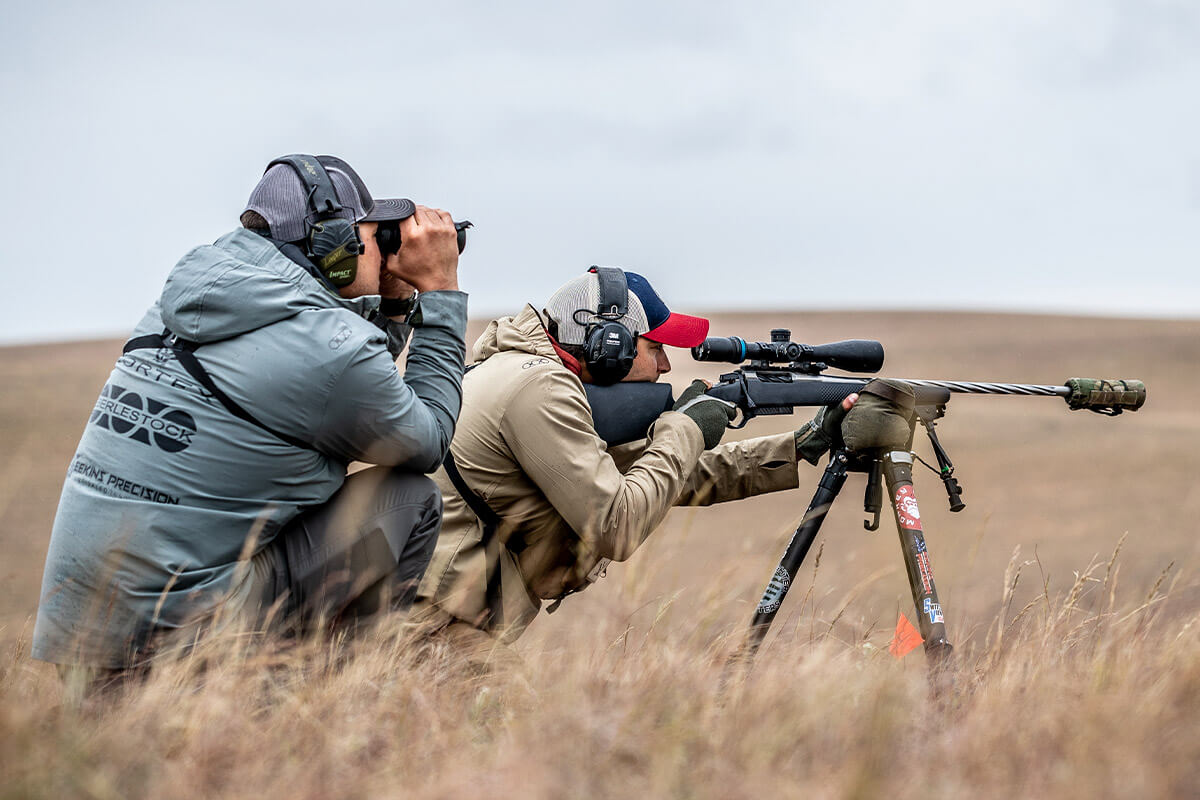

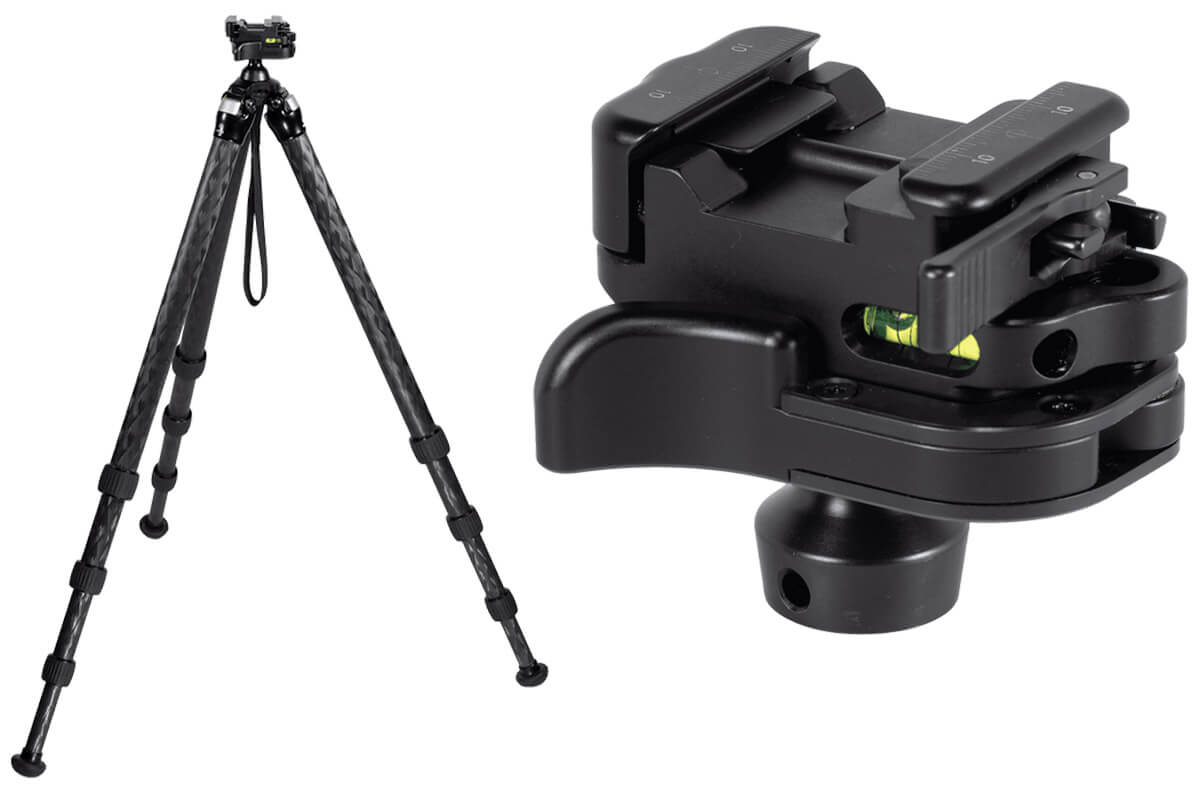
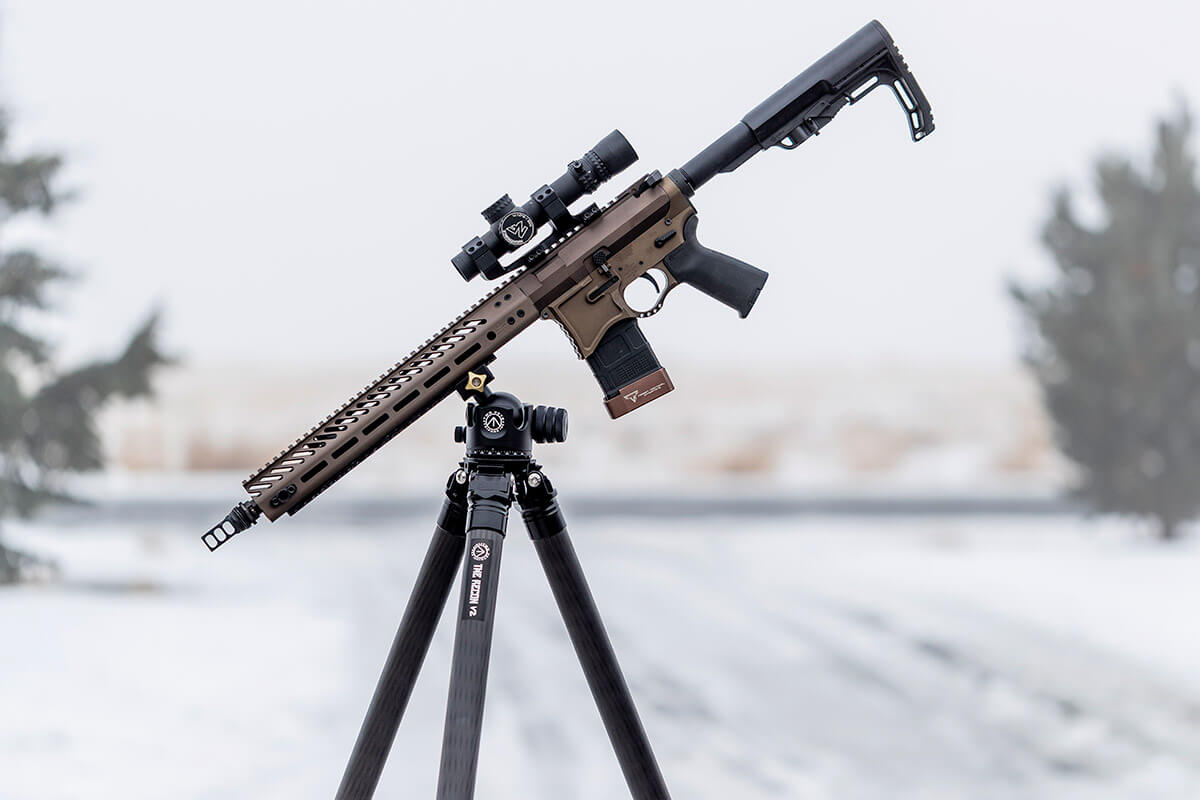
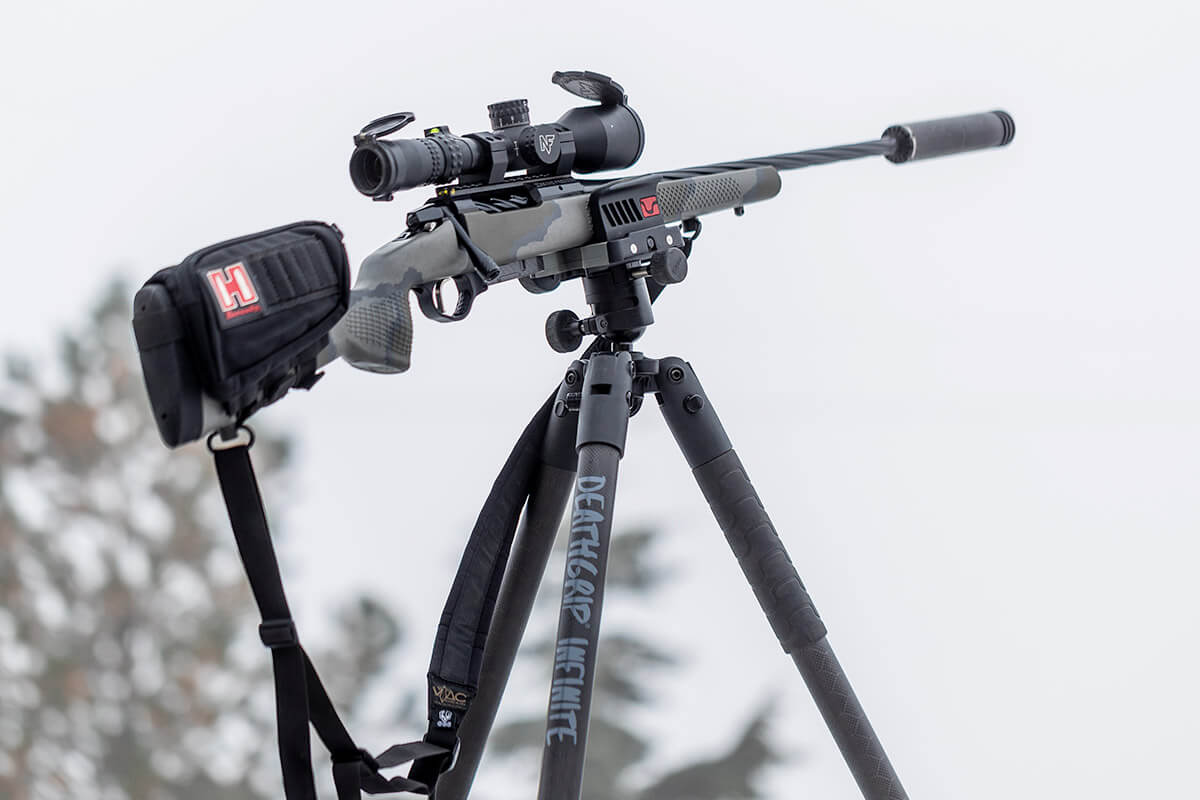
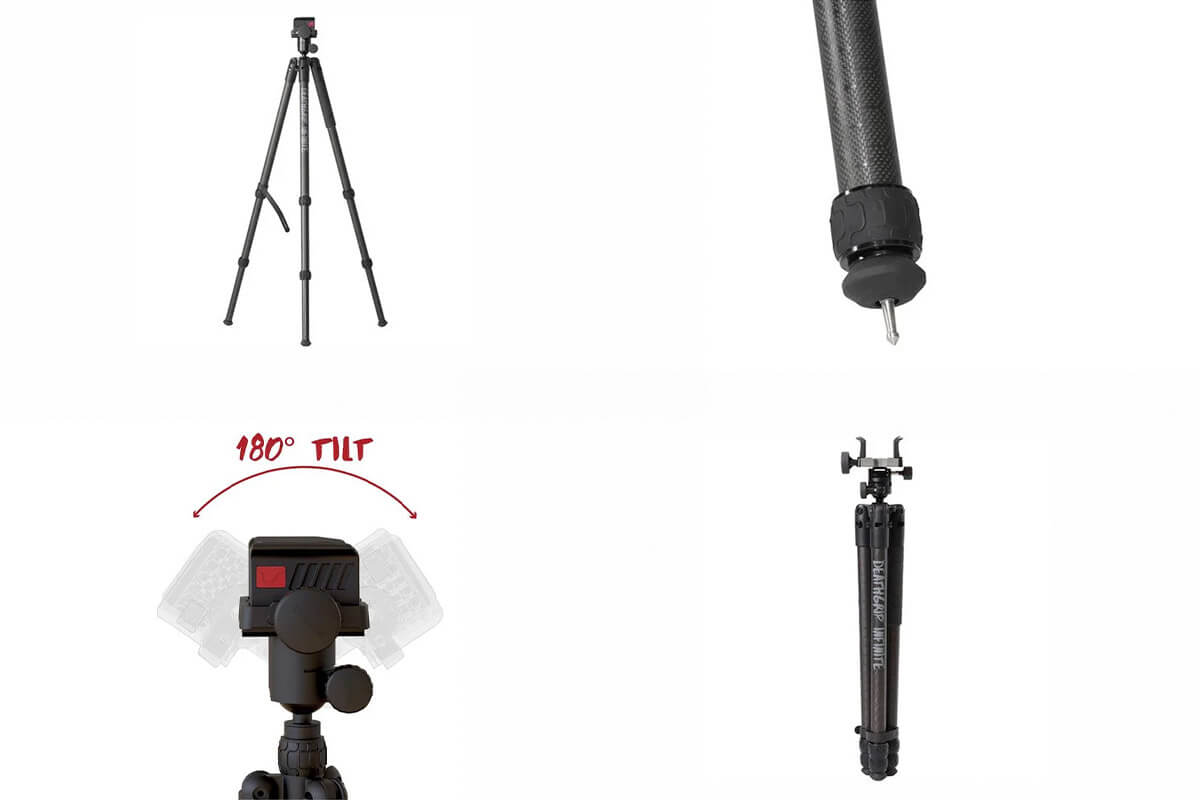
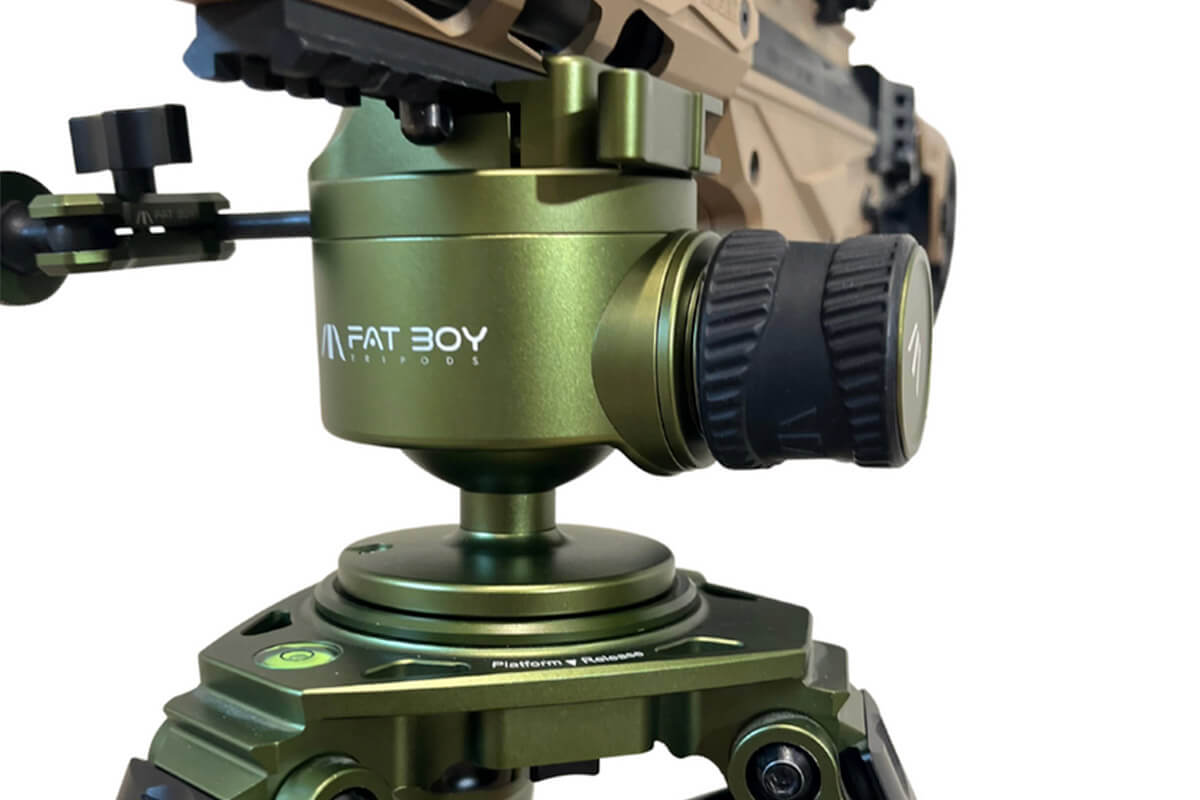
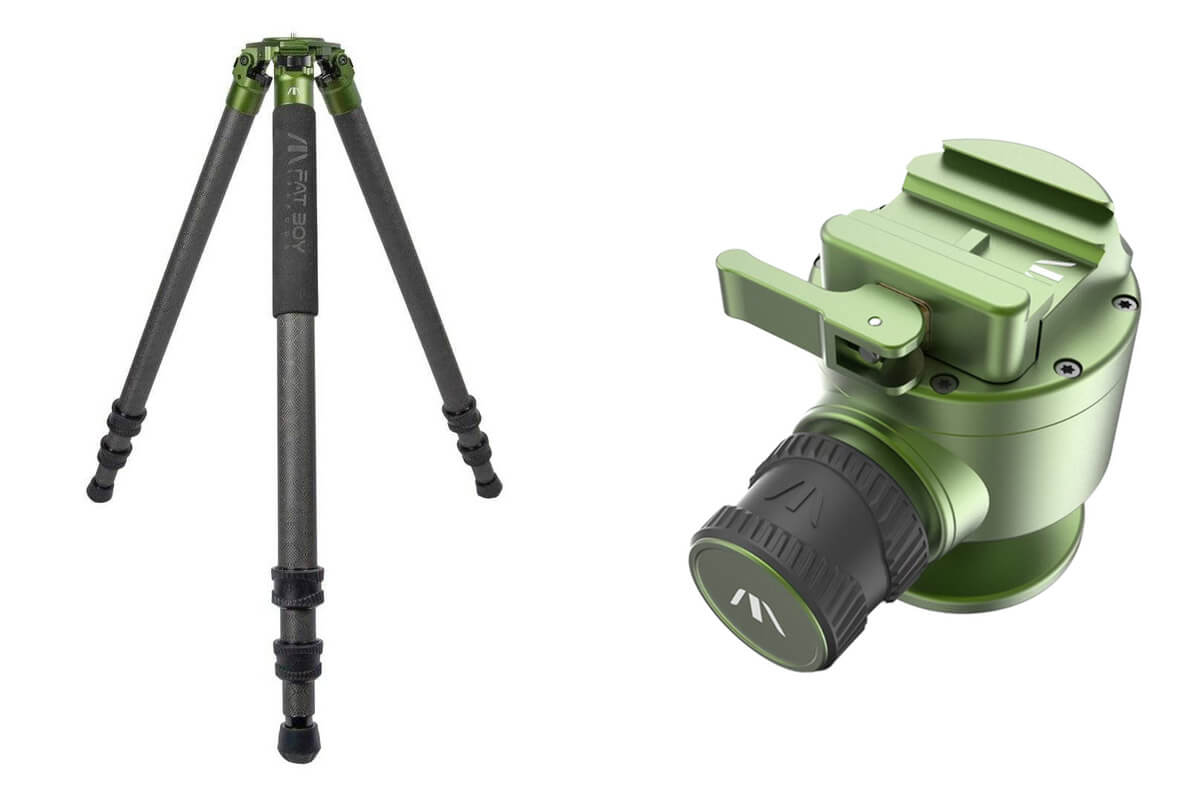
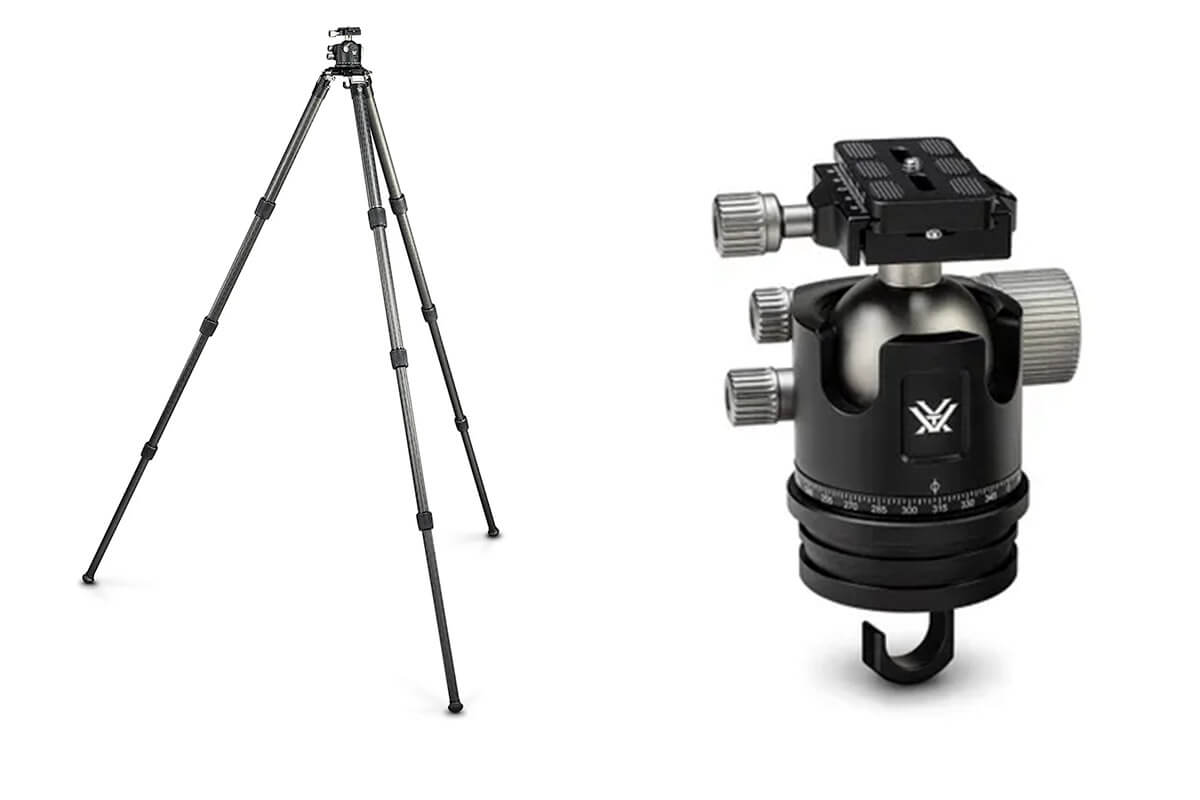


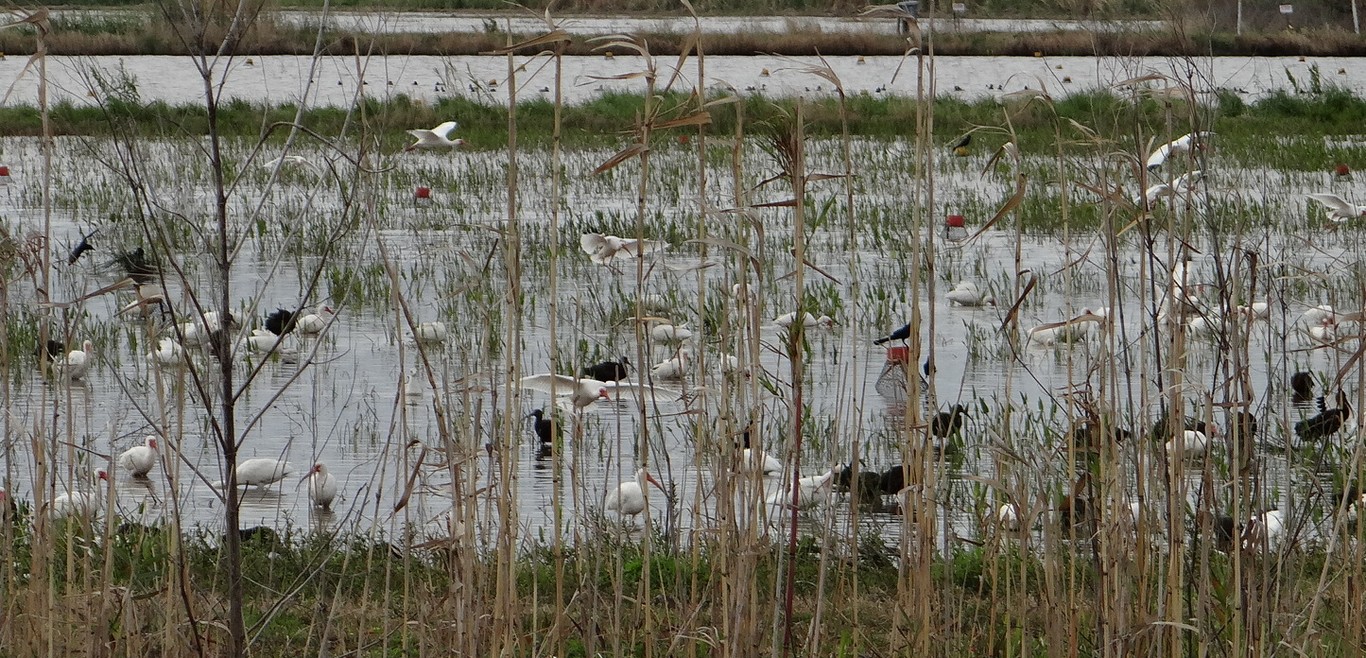







 Typical scraping behavior involves leaving scent from a buck’s nasal, preorbital and forehead glands. When done working the branch bucks will paw the ground and urinate into the ground.
 During the two weeks leading up to peak breeding mature bucks can be expected to make between 6 and 12 scrapes every hour they are on their feet.