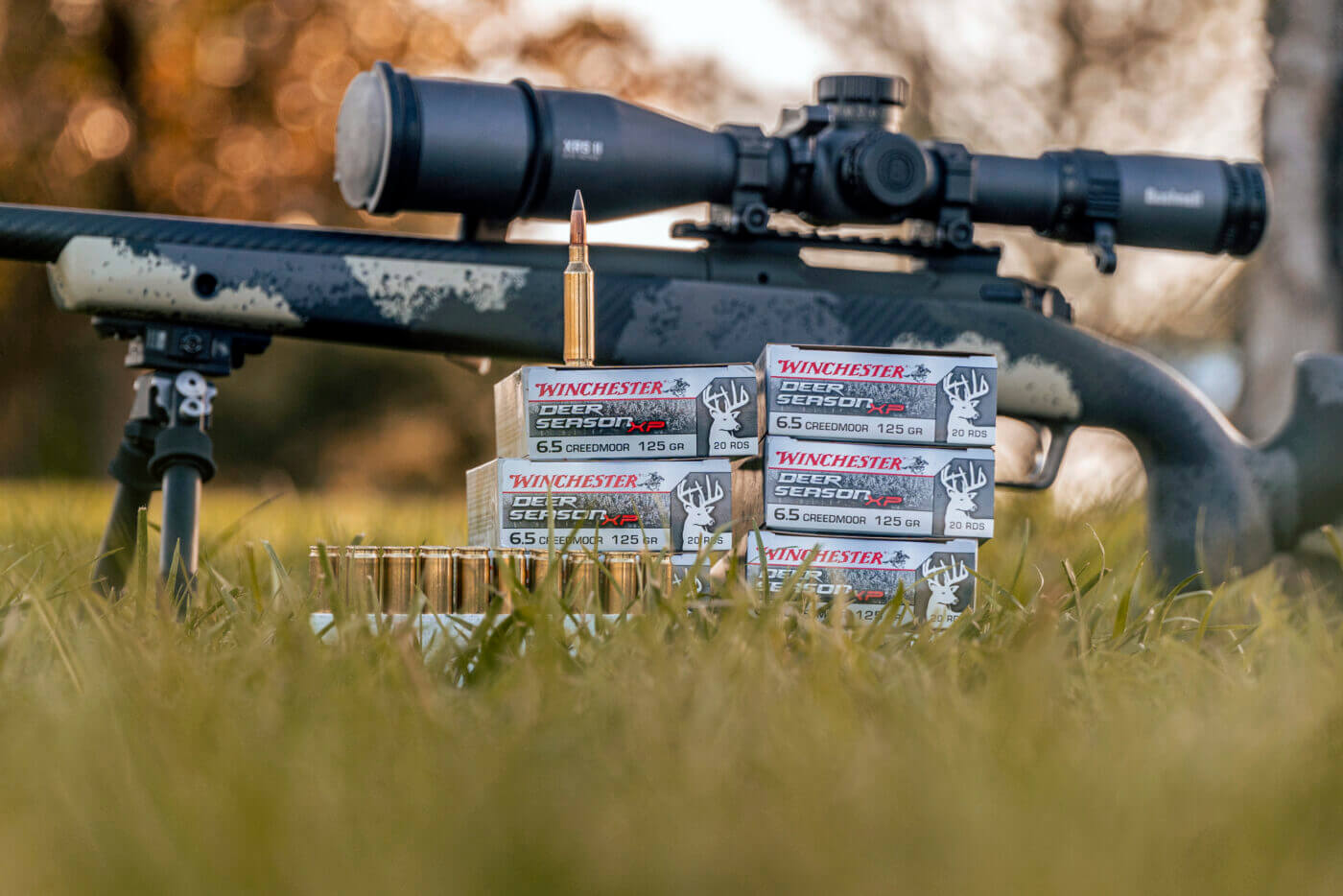
If you are an outdoors enthusiast, you may be considering purchasing a PCP air rifle for your next hunting trip. While these rifles can offer lethal accuracy and power at long distances, there is one important factor to consider—scopes. Do PCP air rifles need special scopes?
Understanding the Scope Needs of PCP Air Rifles
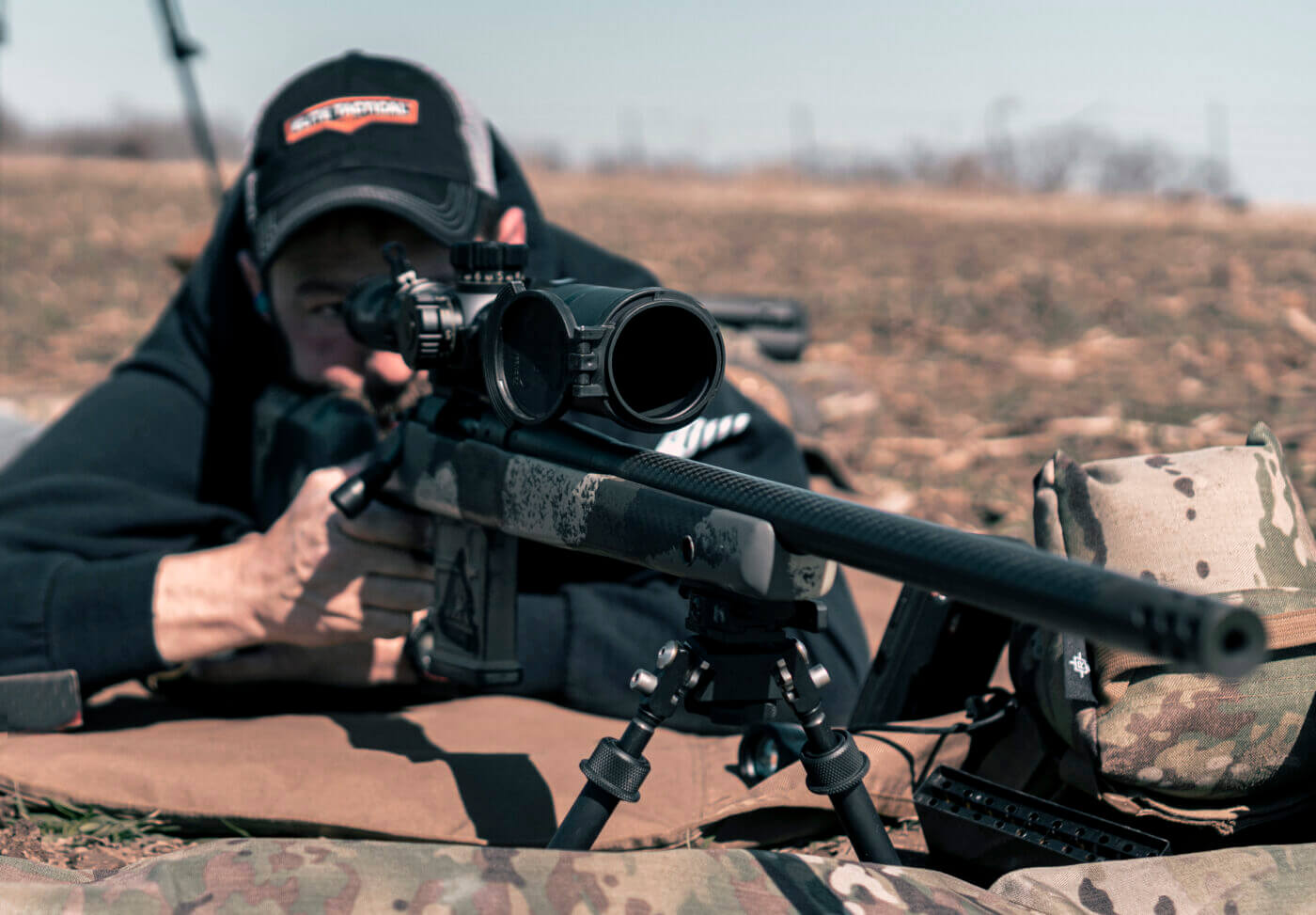
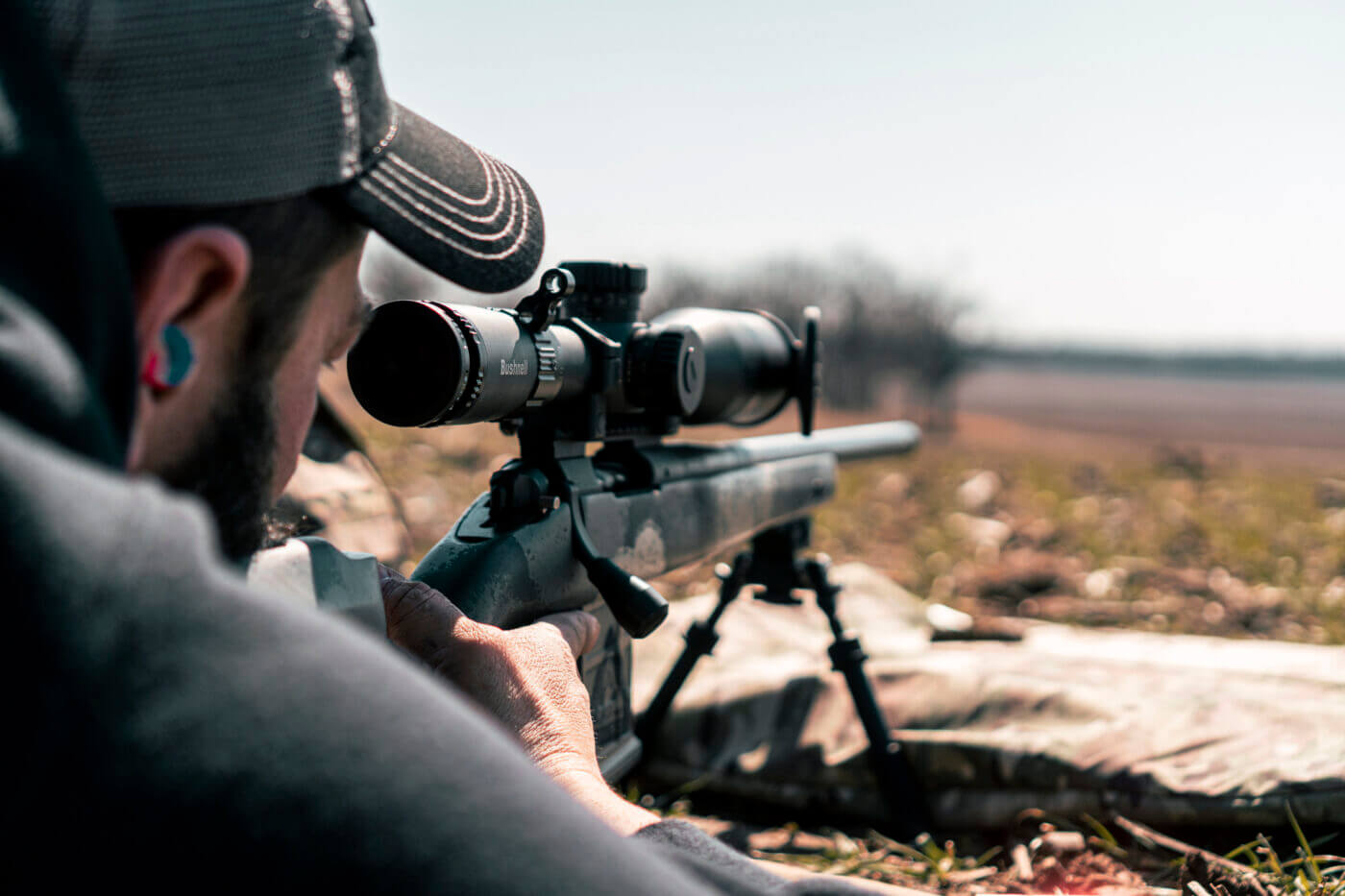
The answer is NO. Any scope will work on a PCP as there is little to no recoil. In the case of spring air guns, however, a special scope must be used due to the significant amount of recoil generated by the springs when firing. This type of scope has a reticle braced both in front and in the back to absorb shock.
For other types of air rifles (e.g. PCP or CO2 guns) you can use any scope but it is a good idea to get one with AO or side focus down to 10 or 15 yards.
This feature enables you to quickly adjust the focus on your target without having to take your eyes off it, giving you an advantage when tracking the game at close range.
Additionally, for hunting purposes it is also a good idea to get a holdover reticle that takes into account the trajectory of air guns—this style of the reticle will help compensate for bullet drop so that you can make more accurate shots from longer distances.
All in all, while PCP rifles do not require special scopes like some other types of air guns do, they still benefit from specific features like AO/side focus and holdover reticles that make shooting more accurate and efficient. By understanding what type of scope your particular firearm needs and investing in quality optics, you will have everything you need for successful hunting trips with your PCP air rifle!
Turtles might be seemingly harmless little creatures, but don’t let their slow movements fool you. These creatures can wreak some serious havoc in your pond.
In general, turtles in a pond are not a pleasant experience, and they can present dangers and issues you may never have considered before. That being said, if you catch a glimpse of turtles in your pond, then you should consider creating a plan to remove them as soon as possible.
To help you get started, let’s break down the potential issues turtles can cause inside your pond, as well as a few methods you can use to safely and humanely remove them from your pond.
Turtles play a part in ecological balance. They are omnivorous. They eat dead animals, plant matter, and even sick fish, so having them around can potentially improve the quality of your pond water. However, these minor gains are far outweighed by the problems they can cause.
Turtles are natural scavengers. They will locate the fish in your pond and feed on their eggs, as well as their food. Turtles are also known to eat live fish (which can be a problem if your pond has goldfish, koi, or other ornamental fish) and will even consume aquatic plants you cultivate. Because of this, a surge in the turtle population of your pond can quickly deplete your pond of fish, plants, and every other thing (living or dead) within a short period.
Snapping turtles are especially problematic as they can be aggressive if provoked and can even transmit diseases (like salmonella) to humans.
How to Get Rid of Turtles in a Pond
1. Trapping turtles
The most efficient way to remove turtles from a pond is to trap them. The type of trap you use will depend on the kind of turtle you’re dealing with. In most cases, you can use a submerged turtle trap for a pond or a floating turtle trap. The former is the most effective method for snapping turtles and soft-shell turtles, while the latter works best on red-eared sliders and other turtles that lay in the sun.
You will need to take particular care to catch turtles in a pond with a submerged trap. Here are some tips on how to do it right:
You should set the trap in shallow water, so choose an area shallow enough for only the top of the trap sticks to be above the water
Dig into the mud just below the water, creating a hole in which the trap will snugly fit, and then push the trap in until it’s secure
For turtle bait, you can use lettuce, worms, vegetables, or even a can of tuna with holes punched in it
You should scout out the location where you believe the turtles live. If you have seen them congregate by a rocky section in a nearby pond, this is probably the best place to put your trap.
2. Manual removal
Another way to get turtles out of a pond is with your own two hands. If you have a medium-sized pond, you can catch turtles in a pond with a net. To do so, you will need a telescoping pond net to scoop the turtles out of the pond.
As another option, you can use a hook and line to remove snapping turtles. This method can be time-consuming, but effective. Similar to fishing, this process would require you to attach a treble hook to a line, and bait the hook with pieces of fish or meat. Tie the string or fishing line to a tree or root and completely submerge the hook in the water.
3. Call a professional
As a final method, you can always call a professional turtle removal service. These experts will know the best way to get rid of turtles in your pond and will have the right tools, insight, and knowledge to complete the task efficiently and legally.
Relocating Turtles
Once you capture the turtles, you’ll need to relocate them. There may also be laws that protect certain turtle species. That is why relocating your captured foe is the best option.
You should contact your local conservation or the Department of Wildlife to inform them of your plans and to seek legal advice.
Keep in mind, putting new turtles in a specific location may increase competition for scarce food resources. It is also possible that the turtles you capture may have a disease, and if you move them to a new location, they will spread it among a new population of turtles.
Whichever method you use to capture pond turtles, you should never handle these creatures without proper protective gear. Even if the turtle is in a cage, you should wear protective gloves to avoid direct contact with it.
How to Keep Turtles Out of Your Pond
1. Yard fence
Fencing your property will keep turtles and other predators off of your property and away from your pond. While this is a highly effective method of turtle control, it can be costly.
2. Perimeter fence
Putting up a small one-to-two-foot-high barrier around your pond may help prevent turtles from getting into it. This is a less costly option, but it can ruin the aesthetic value of your pond.
3. Pond netting
Placing a mesh pond net over your pond is an inexpensive and effective way to protect your pond from turtle intrusions. This is certainly the least expensive option of the three. It is possible to find a pond net that is barely visible, thus helping you preserve the aesthetic value of your water space.
The Bottom Line: How to remove turtles from ponds
Although turtles can enhance the look of your pond and even contribute to the quality of the water, the harm caused by their presence outweighs any good they might do.
At the same time, however, attempting to hunt down and remove each turtle one by one might be an unnecessary and inefficient way of removing turtles from your pond. And it is important to remember that any attempt to kill these creatures may put you on the wrong side of the law. Always review the rules and regulations regarding turtle capture and removal for your area.
In general, it is much better to capture turtles with traps or consult with a professional. Companies with expertise and experience in this field can help you get rid of turtles in your pond quickly, safely, and humanely.
When looking into improving your accuracy or range with an AR-15, someone will mention your twist rate at some point. What are AR-15 twist rates, and how does it affect shooting accuracy? This AR-15 barrel twist rate guide will answer these questions and help you identify the best twist rate for your gun.
Bullets fired from guns made after the 19th-century spin/twist during flight. The spin boosts accuracy by enhancing a round’s stability and aerodynamics.
Barrels make bullets spin with the help of grooves or rifling that line the inside of a barrel. Tighter or shorter grooves lead to a faster spin rate, while longer grooves cause a slower spin.
AR-15 rifling twist rate or barrel twist rate refers to the number of times a bullet spins per inch of barrel length. For example, a 1:8 twist rate means a slug will complete a spin once every 8 inches as it travels through a barrel.
If you have a 16-inch barrel with a 1:8 twist rate, the bullet will complete a spin twice before exiting the muzzle. An 18-inch barrel with a 1:6 twist rate will cause a bullet to spin three times before leaving the gun. The more twists a bullet can complete before leaving the barrel, the more stable the slug will be when it exits the muzzle.
Is Twist Rate a Safety Concern?
You can safely fire a bullet of any weight or size from a compatible barrel with any twist rate. While the rate of twist does not affect safety, it can affect bullet accuracy and range. If a barrel’s twist rate is slower than the recommended rate of spin for a specific bullet, you are less likely to hit targets accurately beyond 100 yards.
A barrel with a faster-than-recommended spin rate may have some or no effect on your accuracy if firing a heavy bullet. On the other hand, excessive spin on a light bullet (under 50 grains) may lead to overspin, which can make a bullet unstable enough to fly off trajectory downrange.
Here’s an AR twist rate chart from the NRA that sheds more light. The numbers at the top of the chart refer to bullet weight.
How Much Does Twist Rate Matter?
The lower ratio of the twist rate, the more spin a bullet will have. For instance, the same bullet fired from a 1:6 barrel will spin faster than one from a 1:7 barrel.
Heavier and longer bullets require a faster and tighter twist rate for adequate flight stability and accuracy. That’s because these bullets are less aerodynamic, and the spin improves the bullet’s ability to overcome wind resistance and travel straight to reach a target. If you select the optimal twist rate for your ammo, you can look forward to better shooting accuracy and range.
Common AR-15 Twist Rates
AR-15 twist rates typically vary between barrels, and the difference can be due to barrel length, rifling, and other factors. You can usually find a barrel’s twist rate listed under its features or specifications. Below are some of the most popular AR-15 barrel twist rates:
1:7
A 1:7 twist rate barrel is a favorite among target practice and combat shooters because it is effective for stabilizing long-range, modern bullets that weigh over 69 grains. The twist rate can also work with most rounds that weigh 55 to 70 grains. It is so effective for combat shooting that the U.S. military uses this twist rate in its M4, HK 416, and M16-A4 rifles.
You can get barrels between 6 and 24 inches with the 1:7 twist rate. The shorter barrels are suitable for close-range combat, while the longer barrels offer better velocity for long-range shooting.
1:8
Compared to other AR-15 twist rates, 1:8 is the most versatile. Barrels with this twist rate can work well with most ammo, offering sufficient stability to 70 to 90-grain bullets and preventing overspin in light rounds. While 1:8 twist rate barrels can fire most slugs with adequate accuracy, the best results occur when firing 60 to 80-grain bullets.
1:9
Barrels with a 1:9 twist offer a slower spin that works best with short, lightweight bullets (40 to 62-grain projectiles). You can use larger bullets with the barrel, but the rate of spin will not be fast enough to deliver optimal bullet stability and accuracy.
Rifle Barrel Twist Rate vs. Bullet Weight
Listening to the rifle barrel twist rate vs. bullet weight conversation, you will discover two sides – one that says bullet weight determines the best twist rate, and the other that believes bullet length determines twist rate. Both sides have a point.
Heavier bullets need more force to propel them in a straight line to hit far-off targets. Adding spin to such bullets makes them more aerodynamic and stable, enabling them to travel further in a straight line. If shooting ammo on the heavy end of the spectrum (over 70 grains), a 1:7 twist rate is ideal. However, if shooting lighter ammo (50 grains or less), a 1:9 twist rate will suffice.
On the other hand, you have experts who say that bullet length determines twist rate more than weight. The argument makes sense because, in most cases, the longer a bullet is, the heavier it becomes.
You also have the new lightweight copper and zinc bullets that are extra long to weigh the same as their lead counterparts. Simply put, many longer bullets have extra weight that requires a faster twist rate for better flight stabilization and accuracy.
What’s the Best AR-15 Twist Rate?
The best twist rate for an AR-15 will depend on various factors, such as your ammo type and how you intend to use your gun. As we’ve established, heavy and lightweight bullets require different rates of spin, but if you want a twist rate that works well with various bullet weights, we recommend 1:8.
Among all the AR-15 twist rates, 1:8 inches is the most versatile and multipurpose. Just check out various AR twist rate charts, and you’ll see that the 1:8 twist rate handles most AR-15 loads well.
While the 1:8 twist rate can handle most loads, it works best with 60 to 80-grain loads. If shooting light ammo, the 1:8 twist rate won’t cause the slug to spin out of control and veer dramatically after flying a few yards. The twist rate can also stabilize slugs that weigh up to 90 grains.
However, if you want the very best bullet stabilization and accuracy, always use the twist rate recommended for your specific ammo.
Get Premium AR-15 Barrels, Made in the U.S.A.
We’ve reached the end of our AR-15 barrel twist rate guide, and here are the things to remember – a slower twist rate (1:9) works best with lighter, shorter bullets, but it can also stabilize heavy bullets aimed at close-range targets. If you are a hunter or long-range shooter firing long and heavy slugs at targets over 100 yards away, you are better off switching to a faster twist rate (1:7 or 1:8).
How can you get barrels with your preferred AR-15 twist rates? Head to our online store today to shop industry-leading AR-15 barrels that match your unique shooting needs.
The most common questions I get from first time hunters and from out of state DIY elk hunters is about how to find the “best” hunting units.
I usually ask them what does “best” mean to them. I think most people mean easy. Some elk hunts can be easy, but don’t count on it.
Chances are, you should be able to find elk on every unit on National Forest lands, without any additional knowledge. But more information will always be helpful.
Of course the local hunters know when and where to find elk on units that have few elk, but non-residents will not, so choose a unit proven to have lots of elk during your hunting season.
For me, the best hunting unit has more to do with the quality of my outdoor camping, scouting and hunting experience, but I am also a numbers guy. So in this case, best will be a purely numeric analysis of Colorado’s elk harvest data for the three OTC hunts; 2nd Rifle, 3rd Rifle and Archery hunts.
You can research population estimates in the Herd Management Plans (DAU Reports – AKA Data Analysis Units) or you can see how many elk were harvested in the past and see the hunter success and the amount of hunting pressure.
If you are an out of state hunter, unless you have done lots of scouting before, I suggest you start researching units where at least 50 elk were harvested and also had better than average hunting success.
The OTC licenses are just that, sold over the counter and many of these OTC licenses are unlimited and will be on sale for 2020 starting in Early August (August 6 in 2020).
Colorado OTC Rifle Elk Hunts
Let’s start with the Over-the-counter (OTC) rifle hunts. The OTC rifle seasons are the 2nd and 3rd rifle seasons. In 2020, the 2nd rifle season will be Oct 24 – Nov. 1 and the 3rd rifle season will be Nov. 7 – 13.
These hunts are for Antlered Elk Only (Bull Elk) and are available in 93 hunt units (GMUs – Game Management Units) in Western Colorado. The latest available harvest data from Colorado Parks and Wildlife (CPW) is from 2019 (see tables below).
Looking at past harvest data is important in choosing a hunting unit. The harvest data reported by CPW are available compiled in various ways and it is easy to see harvest numbers, hunting success and hunting pressure for each unit. But it is a little more difficult to separate results from OTC tags from other hunts that occur at the same times and places.
Limited Entry (LE) elk hunts for both antlered and antlerless elk do occur during the 2nd and 3rd rifle seasons. There is no overlap in space (units are separated; LE only in some, OTC only in others) for the bull elk hunts, but there is overlap in the units for the limited cow elk hunts.
By removing the number of hunters that participate in cow elk hunts from the total, I attempt to get more accurate estimates of OTC rifle hunters and harvest data, but have to make some assumptions because CPW does not provide separated data. Those assumptions are that all hunters (OTC Bull Elk and Limited Antlerless) hunt with the same effort (days hunted) and have the same success during the 2nd or 3rd rifle seasons. This is not perfect, but I think is better than leaving them clumped together.
In the past, I reported these numbers for each new season when harvest reports were available, but decided that a three year average would be more useful since the numbers of elk harvested jumps around. For instance, for 2nd Rifle, there are only 14 GMUs that were in the top 20 in both 2014 and 2018 and only 10 GMUs in the top 20 every year from 2014 to 2018. So there is some yearly variation and some GMUs have been trending up and some trending down.
Table 1 shows the top 24 units for the OTC 2nd Rifle Season. Data were averaged for the last three years of harvest data available (2017 – 2019). The left side of the table is ranked by total bull elk taken by OTC tag holders in OTC units during the 2nd rifle season. The right side of Table 1 is same data ranked by Hunter Success.
Table 1. Top 24 Colorado OTC Rifle Units – 2nd Rifle Season – 3 year Average 2017 – 2019
For total bull elk harvest, the top 24 OTC 2nd Rifle Season elk units ranged from an average of 61 to 184 elk harvested (left side Table 1). I included harvest data from 24 units instead of 20 because half (54%) of all Bull Elk Harvest (2nd Season OTC Rifle) came from 24 of the 92 hunt units and it also allowed me to include GMU 54 which ranked in the top 23 for Bull Elk harvest and for hunter success.
For hunter success (right side of Table 1), I limited units to those with an average of at least 25 bull elk over the three years, so some units had higher success than these units, but only had a few elk harvested. So, highest hunter success (with at least 25 bulls harvested) ranged from 31.3% to 12.6%. Total hunter success for the 2017, 2018 and 2019 in OTC 2nd rifle seasons was 13.2%, 13.4% and 14.3% respectively. The top 25 units ranked by hunter success accounted for 15% of all Bull Elk Harvested for the last three OTC 2nd rifle seasons.
Also notice that 13 GMUs are hi-lighted on both sides of the table, because these GMUs ranked in the top 24 for both total harvest and hunter success.
When compared to last year’s table (2015 – 2017 average), 23 of the GMUs are the same. GMU 14 was added and GMUs 28 and 24 dropped out (I used the Top 25 GMUs for Bull elk harvest last year.
When last year’s hunter success was compared, 18 of the GMUs are the same and 6 new GMUs were added, but I also changed the cutoff from 50 bull elk to 25 to be considered.
Five units (4, 13, 22, 85 and 421) were in the top units for both the 2nd and 3rd rifle seasons for both total Bull Elk harvest and for hunter success.
Colorado Hunting Maps & Hunting Accessories
Table 2 (left side) shows the top 25 units ranked by total bull elk taken by OTC tag holders in the OTC units during the 3rd rifle season. The right side of Table 2 is ranked by Hunter Success.
Table 2. Top 25 Colorado OTC Rifle Units – 3rd Rifle Season – 3 year Average 2017 – 2019
For total bull elk harvest, the top 25 OTC 3rd Rifle Season elk units ranged from 163 to 55 bull elk (average harvest – left side Table 2). The top 25 units accounted for over half (54%) of all Bull Elk Harvest during the 3rd OTC Rifle Season(2017 – 2019), I included 25GMUs because the last two had 51 bull elk harvested and it would also include two additional units (units 5 & 551) that ranked for both total elk harvest and for hunter success.
For hunter success (right side of Table 1), GMUs had at least 29 bull elk harvest (3 year average). Remember, some units had higher success, but I only considered units that had at least 25 bull elk harvested. Hunter success (with at least 29 bull elk) ranged from 32.3% to 13.3%. Average hunter success for the 2017 – 2019 OTC 3rd rifle season was 14.9%. The top 25 units ranked by hunter success accounted for 49.5% of all Bull Elk Harvested for the OTC 3rd rifle season.
Notice the 18 hi-lighted units on both side of Table 2. These 18 units ranked in the top 25 for both total harvest and hunter success.
Colorado OTC Archery Elk Hunts
Now let’s look at the OTC Archery Hunts (Combined Either-sex and Antlered hunts). Table 3 shows GMUs ranked by total Elk Harvested (left side) and by Hunter Success (right side). There are two types of OTC Archery Elk Tags; Either Sex or Bull Elk Only. The 2021 OTC Archery season will be Sept. 2 – 30.
There are OTC Archery tags available for 122 Either Sex GMUs and 51 Antlerless Elk GMUs on public land. There is much overlap, but there are 124 total OTC Archery Elk GMUs on public land. There are also 7 additional private only units, but those data are not included. There are 49 units that offer either tag (Either Sex or Antlerless Only).
Table 3. Top 25 Colorado OTC Archery Units – 3 year Average 2017 – 2019
The top 25 units ranked by total elk harvest accounted for 70% of the total OTC Elk Archery harvest. The top 25 units ranked by hunter success (Table 3) accounted for 58.5% of the total OTC Elk Archery harvest.
I included a few extra GMUs in the table, because adding a few more allowed me to include 5 more GMUs that were in the top 25 for both total harvest and hunter success.
For total elk harvest (bulls, cows & calves combined), the top 25 OTC elk units ranged from 227 to 50 elk harvested.
For the top 25 units by hunter success, I limited units to those where at least 20 total elk were harvested. Some units had higher success, but only had a few elk harvested. So, highest hunter success (with at least 20 elk, ranged from 28.3% to 10.3%, compared to the overall average OTC Archery Success (2017 – 2019) of 10.1%.
Again, notice that after the latest update, 14 units are now hi-lighted on both sides of Table 3. These 14 GMUs ranked in the top 25 for both total harvest and hunter success.
For total elk harvested, the table changed over the last two years as Bull elk only tags have transitioned to Either Sex tags. In 2019 the Either sex tags were new and Bull Elk only still existed. Last year, the Bull Elk only tags were dropped.
High Hunter Density is not all Bad
Many days, I see other hunters at parking areas, and I hear them driving around on the roads, but I rarely see or hear hunters in the woods. I usually coordinate with other people I do see to make sure we don’t end up at the same place.
Also, if a unit has lots of hunters, that is usually a good indication that area has lots of access points to disperse the traffic. Of course, some areas can get very crowded, but with a few days to scout, you should be able to find less crowded areas.
Also, some hunters will go deep to find elk and they almost always bump elk (I know I bump elk that other people may get to see), those elk have to go somewhere and they might just run over you.
These tables are just to help you get started with the selection process. These are the units in Colorado where the most elk are harvested and those that have the highest hunter success. Spend a little time researching the combination of these factors and also consider the size of the units, the number of access points and the amount of hunting pressure they get.
Need to Upgrade Your Hunting Optics?
When you purchase products from our links, we earn commissions from qualifying purchases
There is also an OTC Plains Rifle season in eastern Colorado. These units obviously don’t have as many elk or public land as the western units, but they do offer long hunting seasons and the opportunity to hunt either sex elk with an OTC tag. The total harvest in the plains units is relatively low and most elk are harvested by local hunters that know the country and know when elk can be found there.
If you are considering a hunt in the plains units, make sure you know where the public land is and that elk should be using those areas at the time you want to hunt. Many of these units do not have any elk harvested during the season.
I no longer rank the Plains Rifle units because CPW makes it impossible to find or to separate the data.
For More info on Hunting Elk with OTC tags in Colorado and to see units maps, read my post here or download the newest Colorado Big Game Brochure here.
So now when guys ask we what is the best hunt unit in Colorado for an OTC tag, I’m going to start by sending them to this page. Good luck on your hunt.
Private land ownership and property information is a key value of onX Hunt—and, for many, one of the key reasons they choose to continue their onX membership. Hunters, hikers, and anyone heading into the outdoors depend on the onX Hunt App to show them an array of information, including public/private boundaries and land ownership information.
We have a variety of in-house teams here at onX who spend their days aggregating and managing data from various sources; information which then flows into our three apps. Day in and day out, we’re working within our system to ensure we remain the source to which you can confidently turn when you’re heading into the field and need accurate information.
While we source all information from a broad variety of sources, one of the most challenging is maintaining updated private land ownership information. We’re beholden to external sources for this information, and can only update our information within the onX Hunt App when these sources themselves are updated.
In an effort to ensure the most accurate land ownership information enters the App, we work with a variety of data sources around the country to gather information, including several private data providers as well as directly from a state and/or a county. Some government sources only update their files once a year, while others update weekly or not at all. The ownership info found in the 3,143 U.S. county databases doesn’t always match other databases—we know, because we check. Utilizing private data providers in addition to government sources allows us to unlock new methods of update delivery and frequency that, put quite simply, government sources sometimes lack. For some counties and some states, accurate and updated government public parcel data is challenging to source, and private sources can help us bridge those data gaps.
This parcel data comes in two different categories: spatial and attribution. Changes in spatial data means the parcel size itself has changed (for example, a single parcel has split in half, or two parcels have merged), and this information always comes from the relevant county. Attribution, as the name would suggest, represents the name of the parcel owner and other details such as address, tax ID, and additional details. We use both private and county sources to source this attribution information, as sometimes private vendors have faster ways of updating this information than the counties themselves. Eventually, the county will update attribution information and send it out; however, that process has been known to take years.
At onX, we have individuals who seek out and vet sources throughout the year to determine whether the data they provide would be better than whatever data a given state or county is currently supplying. Each of these sources is updated at various intervals depending on the state or county, and then we take their updated data and verify it through our own systems before moving it into the apps.
Once we have the updated private parcel data information, our in-house mapping team works to confirm the changes using a mixture of manual and automatic review processes, cleaning the parcel geometries and ensuring boundaries match. If there are issues, our curation team will step in and assist with the process. Once the data is ready, we adjust the information within our system, and then confirm the alignment of the new boundaries to existing public lands boundaries. Once the information is confirmed and verified, it will then be added to the next App update flow.
In short, if an official data source has not updated its land ownership records, we don’t have new information to flow into our Apps.
So, what does this mean for you if you or a friend has a property that’s showing incorrect ownership information in the onX Hunt App? While we may be waiting for new data to process through the county or state level, you can reach out to our team directly and submit a map error. Include as many details as possible—the more information, the better! The error report is sent directly to our mapping team, who will verify the information. If the report is verified, it will be corrected the next time we update the area. We continually work to help make all of these processes more efficient so we can move data more quickly while maintaining our high standard of quality.
Map accuracy is a cornerstone of how we work at onX. While many of our competitors only pull ownership data from a single source, we utilize a variety of different sources, cross-referencing and doing our own in-house comparisons to ensure the data that makes it into the Hunt App is as accurate as possible. However, we’re still held to relying upon the counties and our other data partners to keep their information up-to-date and accurate. It takes a great deal of time and effort to gather the data, format it for use in our maps, double-check everything and finally release the update, so we appreciate your patience throughout the process.
Thank you for helping us correct any errors from our data sources. You have the power to help us correct these errors—help us find the mistakes and to keep the information updated. We take the data within our maps very seriously, and work intently to ensure you’re getting the best possible information within our apps.
“Unveiling the Truth: Do Gamo Air Rifles Utilize CO2? Discover the inner workings of Gamo air rifles and unravel the mystery surrounding their power source. Gain valuable insights into whether these renowned air rifles employ CO2 technology or rely on alternative mechanisms for optimal performance. Get ready to demystify the world of Gamo air rifles!”
do gamo air rifles use co2
Gamo air rifles do not use CO2 as their power source. Instead, Gamo air rifles typically utilize a different power system known as a spring-piston mechanism. This mechanism relies on a spring that is compressed when the rifle is cocked and then released when the trigger is pulled, propelling the pellet forward with significant force. This spring-powered design offers several advantages over CO2-powered rifles, including more consistent power output and the ability to shoot in various weather conditions without being affected by temperature fluctuations.
In addition to spring-powered models, Gamo also produces air rifles powered by pre-charged pneumatic (PCP) systems. These PCP air rifles rely on a high-pressure air reservoir that stores compressed air, which is then released to propel the pellet when the trigger is pulled. PCP air rifles offer excellent accuracy and can provide multiple shots per fill, making them popular among serious target shooters and hunters who require precision and power.
In conclusion, Gamo air rifles do not use CO2 as their power source. These rifles are typically powered by a spring or gas piston mechanism, making them more reliable and cost-effective in the long run. So, for those considering purchasing a Gamo air rifle, they can be assured that no CO2 cartridges are needed for operation.
Most importantly, you must have the legal right to go squirrel hunting. Before you head off to the woods, get a small game license (you need licenses for almost all types of game) for the place you are going to hunt.
The terms for attaining a license vary by state or province. So, review the regulations for hunting squirrels in your specific area.
You might only be able to go hunting during specific times of the year when it is squirrel season. This season takes place in most regions during the fall and winter months. The dates vary by each place. There are also rules on where you can hunt.
You may be allowed to hunt on a certain state or provincial park grounds. Some places require you ask for direct permission from the property owner before you start hunting.
Check the bag limits, too. There may be a limit to how many squirrels you can hunt in one day, as well as during an entire season.
2. Choose the Right Time
Look for squirrels during the early morning or late afternoon hours because squirrels are most active at these times. Morning is when squirrels go out to look for food.
It is easy and necessary for them to find food early in the day when they are at their hungriest. Avoid hunting squirrels in inclement weather, as like deer, they move around and can be harder to track.
Late afternoon to early evening is when squirrels bring food back to their habitats. This is when most squirrels are busy foraging, so you should be able to spot them moving around.
3. Look in the Right Places
Plan your hunts in areas where you are the most likely to find squirrels. Check areas where there are lots of trees. These include trees that produce nuts and other items squirrels commonly consume. An oak tree is one of the most popular places to see squirrels.
Any tree that produces the types of nuts or fruit that squirrels enjoy is the place to locate squirrels. Be aware of the type of trees in the area, so you can determine if they are places squirrels may be searching for food.
4. Find the Best Weapon for Squirrel Hunting
Shop around to get the right squirrel hunting weapon before leaving on a hunting trip. Do some target practice using a small game weapon that works best for squirrels.
In the end, choosing the right squirrel hunting weapon boils down to personal choice. Here are the best weapons for squirrel hunting in my opinion:
The Shotgun
Use a shotgun to cover a larger amount of space during your hunt. The spread of a shotgun shell can cover much of a squirrel’s body at once, thus ensuring a better chance of a kill without damaging too much meat.
Be sure to aim the shotgun carefully so it targets the precise area you want to shoot.
Look for a six-shot because it is large enough to target a squirrel without ruining the flesh. Also, choose a barrel 26 inches in length or greater so the shell will move precisely.
Remember, a shotgun will make a loud sound with each round. The noise will most likely scare the other squirrels away. Focus on being precise and cautious when shooting at squirrels or any other small game, for that matter.
When you take aim, remember that the spread on the shotgun shell will move outward a few centimeters after you shoot.
The .22 Caliber Rifle
The second option for a weapon to use is a .22 caliber rifle (my favorite). This rifle uses a smaller ammunition that targets the squirrel and other smaller game with precision.
The ammo will not damage much of the squirrel meat, either. A .22 caliber rifle produces a longer range than a shotgun. The rifle also lets you go after just one part of the squirrel’s body.
Aim to be accurate and hold your firearm steady. Fortunately, most .22 caliber rifles come with an automatic reloading feature. This feature lets you add multiple rounds into the rifle before you start shooting and release one of the rounds every time you fire the trigger.
Be sure to regularly clean the muzzle and barrel to get a more accurate shot.
This rifle works best when you attach a scope to it. A scope gives you a clearer view of your target. It is also important to take wind, elevation, and distance into account when using a scope.
Bow and Arrow
Another option for hunting squirrels is with a bow and arrow. But take note that most squirrels are small and less than a foot in length.
Because they are so small, it could be difficult to hunt squirrels with a large bow and arrow. In other words, leave your deer hunting bows at home.
You should sharpen any arrow you use so it can pierce the squirrel’s body with ease. Even so, any arrow you aim incorrectly could cut through too much of the squirrel’s body, leaving little meat or fur to use.
The Air Rifle
While this might not look daunting, an air gun can be deadly to squirrels, and it is the cheaper option of the bunch. Air rifles are best suited for small game like fowl, rabbits and squirrels.
The only major downside is that it requires a lot of practice for a humane kill, as the area that you must hit is very small for an instant kill.
If you want the animal to die instantly and avoid needless pain or tons of frustration, aim for a head shot, which is also difficult to pull off on such small targets. Plus, larger squirrels can absorb multiple hits and evade if you miss the head.
Surviving isn’t camping. When you are camping, you are generally having fun even when you are working hard, you’ve probably prepared with ready-made meal options, or even a proper menu for the journey, and you can always tuck tail and go home when things get too bad.
But when you are surviving, pretty much everything else is going to be dictated for you. When and where you can sleep, what you’ll be doing, and of course what you’ll be eating.
In any short or long-term survival situation that lasts a while, what food you do have access to is going to run out and then you have to start sourcing your own food from the wild.
This means you’re going to be eating various animals that you wouldn’t normally consider eating.
How about buffalo fish? Can you eat buffalo fish in a survival situation?
Yes, you can safely eat buffalo fish. They are delicious, nutritious, and usually quite sizable making them a great catch in any survival situation assuming you can get them.
Compared to other, typical freshwater fish found in North America, buffalo fish don’t have the best reputation as game fish, but they have an excellent reputation as table fish (assuming you can get your hands on them).
Easier said than done, though, because they can be very tricky to catch with a rod and reel.
You need to get creative and improvise if you want to bag these big fish in the middle of a survival situation. Keep reading and we will tell you everything you need to know.
Buffalo fish, proper name Ictiobus, are a genus of fish comprising five species native to North America from Mexico all the way up through the United States and into Canada, and also found in Guatemala.
The distribution of the species varies, with big-mouth buffalo being found throughout the Red River in the United States and Canada, and throughout the entirety of the Mississippi River system all the way down to Texas in the Southwest and throughout Alabama.
The smallmouth Buffalo is found throughout the Mississippi River System in the United States and all the way up into Idaho.
Clear, moving freshwater is their typical habitat, and they are tolerant of both fast-moving bodies of water and water with high mineral content.
These fish typically depend on dense vegetation for shelter and to find food, filtering food from the water itself or else sucking up algae off of rocks along with a few inclusions of choice insects and crustaceans.
Generally speaking, you have a good chance of finding these fish if you know where to look and how to find them so long as you are in their habitat.
Buffalo Fish Nutrition Info
Fish are usually pretty healthy eating, and buffalo fish are especially so.
High in protein, very low in saturated fats, and packed with high-quality micronutrients including omega-3 fatty acids, these fish also tend to be sizable and very densely muscled, making them a great meal.
The most notable nutrients found in buffalo fish aside from their high protein content are vitamins B12, D, A, and folic acid along with plenty of selenium.
However, caution should be taken when eating wild-caught buffalo fish because they have a tendency to absorb mercury into their body which will then be consumed by you if you eat them.
Yes, this is a potential problem when eating all wild-caught fish but buffalo fish are more prone than most species to absorb this toxic heavy metal.
Also, because the type of food buffalo fish eats is not really used (or even usable) as bait on a lure when fishing, buffalo fish are most often taken with a bow and arrow.
Do Buffalo Fish Taste Good?
Yes! Buffalo fish, though not commonly advertised or sought for human consumption, nonetheless make for a terrific meal whether or not you are in the middle of a survival situation or just looking for a great fish dinner on a weeknight.
These fish are juicy, firm yet soft, and remarkably clean tasting, lacking the typical fishy oiliness that is present in most species.
The fish also lend themselves remarkably well to many different kinds of preparation, and they can be grilled, steamed, fried, baked, or used directly in a soup or stew with equal ease.
No matter how you are going to cook it and no matter what ingredients you have on hand, you will have a nourishing and wholesome meal from a buffalo fish.
Is it Safe to Eat Buffalo Fish Raw?
No. Eating raw fish, though normalized thanks to the widespread acceptance of sushi, is a bad, bad idea, especially in the case of wild-caught freshwater fish like the buffalo fish here.
The simple fact of the matter is that eating any raw animal protein, including fish, dramatically increases your chances of contracting food poisoning from one of several germs, or else becoming infested with harmful and potentially deadly parasites.
Buffalo fish can play host to all of them, bacteria and viruses to parasites like various species of worms and flukes.
Consider that even contracting something as simple and normally innocuous as food poisoning could prove to be fatal under the circumstances.
You aren’t going to be able to dash down to the ER or to the local clinic for assistance with squashing the bug and getting something for your symptoms…
You’ll be facing crushing nausea, cramping, vicious diarrhea and possibly vomiting in the bargain. That’s just going to dehydrate you and further sap your energy reserves.
That could be enough to finish you off if you are already in a bad way, and it’s going to make taking care of all the other things you need to do to survive difficult or impossible.
To avoid this, always make sure you thoroughly cook the meat from a buffalo fish until it is well done.
An internal temperature of 165° F is sufficient to kill virtually all known pathogens that it could harbor.
Are Buffalo Fish Scales Safe to Eat?
Yes, if they are cooked, but they should generally be discarded.
The scales of the buffalo fish are large and tough, and even when thoroughly cooked they make for pretty difficult eating and offer very little in the way of nutrition.
Feel free to scale the fish when you are cleaning it to prepare it for cooking: you won’t be wasting any calories.
Are Buffalo Fish Eggs Safe to Eat?
Yes, and the eggs of the buffalo fish are fairly sizable compared to most other caviar meaning they can be a great supplemental source of food if you can track them down or are lucky enough to catch a fish that is carrying eggs.
As always, make sure you thoroughly but gently cook the eggs prior to eating if you want to avoid the risks of foodborne illness.
Can You Safely Eat Buffalo Fish Bones?
No. Buffalo fish bones are generally stout and of a pretty good size, making them a significant hazard to try and eat as they are.
People are not supposed to eat fish bones, anyway, unlike some other carnivorous animals, as they pose a significant risk of choking or else they can cause internal injuries including becoming stuck in our intestines.
That’s the last thing you need to deal with under the circumstances!
However, bones can still offer you valuable nutrition in a survival scenario, including the bones from the buffalo fish.
This nutrition comes from the marrow, which can be extracted from the bones easily by simmering or boiling them in water to make a nutritious stock or broth, or else cracking or splitting the bones open before scraping out the marrow and cooking it.
Bone marrow has long been a coveted resource by those who are in a survival situation thanks to its overall nutritional density, so don’t discard the bones unless you have been blessed with an abundance of fish!
Can You Eat Buffalo Fish Organs?
Fish organs are rarely thought of as edible in any situation, but it turns out that you can in fact eat them so long as you take the time to properly prepare and cook them.
They can make for especially nutritious food when taking from a larger fish like buffalo fish.
The heart and the liver are generally the tastiest, and also packed with nutrients, while being easy to prepare.
The intestines of the fish are also edible, but you must use exacting care to expel the waste material from them before giving them a very thorough rinse and then cooking them.
“Deer and illuminated objects can be a dangerous combination. Discover the legality surrounding shining lights at deer and gain insight into the potential consequences of this action in our informative guide.”
Understanding the Legality of Shining Lights at Deer: What You Need to Know
What is jacklighting and why is it illegal in some areas?
Jacklighting refers to the practice of shining a light into a forest or field at night in order to locate animals for hunting purposes. This can involve using car headlights, spotlights, searchlights, or other types of lights, either mounted on a vehicle or not. The purpose of jacklighting is to temporarily blind the animals, causing them to freeze in place and making it easier for hunters to kill them.
However, jacklighting is considered illegal in certain areas due to several reasons. Firstly, it is seen as unsporting because it gives hunters an unfair advantage over the animals. By blinding them with lights, the animals are unable to flee or defend themselves properly. Secondly, jacklighting can be dangerous as hunters may not have clear visibility beyond their targeted animal. This can lead to accidental shootings or injuries if other people or objects are present within the vicinity.
The specific laws and regulations surrounding jacklighting
Different states have varying laws and definitions regarding jacklighting and hunting at night. For example, in Indiana, there are specific regulations that define the prohibited activity of jacklighting. These laws aim to protect wildlife and ensure fair hunting practices.
Similarly, New Jersey has its own legislation that prohibits jacklighting and specifies the consequences for violating state hunting regulations. It is important for hunters to familiarize themselves with these laws in order to avoid legal penalties.
Furthermore, some states have made hunting at night illegal altogether, regardless of whether spotlighting is being used or not. This blanket ban aims to prevent any potential harm caused by nighttime hunting activities.
In addition to these regulations, certain states also specify which types of animals may be hunted with spotlights at night. This helps to control and manage the hunting of specific species, ensuring their conservation and population stability.
Overall, understanding the legality of shining lights at deer or any other animals is crucial for hunters to engage in responsible and legal hunting practices. It is important to respect wildlife and adhere to the laws and regulations set by each state to ensure the preservation of natural habitats and the sustainability of animal populations.
Is It Against the Law to Shine a Light at Deer? Exploring Hunting Regulations
The Practice of Jacklighting
Jacklighting is the act of shining a light into a forest or field at night in order to locate animals for hunting purposes. This practice involves using car headlights, spotlights, searchlights, or other types of lights, either mounted on a vehicle or not. The purpose of jacklighting is to temporarily blind the animals and cause them to freeze in place, making it easier for hunters to kill them. However, this practice is considered unsporting and dangerous in many areas.
Legality and Definitions
In some regions, jacklighting is illegal due to its perceived unsporting nature and potential risks. Laws that prohibit jacklighting often have specific definitions of the prohibited activity. For instance, in Indiana, the law defines jacklighting as shining a light from a vehicle while possessing hunting equipment or firearms. Similarly, in New Jersey, the law states that it is unlawful to shine any light in fields or forests where wildlife may be found during specified periods.
Additionally, hunting at night is illegal in certain states regardless of whether jacklighting is involved. Some states also specify which types of animals can be hunted using spotlights at night. These regulations aim to protect wildlife populations and ensure fair hunting practices.
It is crucial for hunters to familiarize themselves with local hunting regulations before engaging in any activities involving shining lights at deer or other animals. Understanding these laws helps ensure ethical and legal hunting practices while promoting conservation efforts.
The Legal Implications of Jacklighting: Shining Lights at Deer
Illegal and Unsporting Practice
Jacklighting, also known as spotlighting or shining, involves the use of lights to temporarily blind animals, making them easier targets for hunters. However, this practice is considered illegal in many areas due to its unsporting nature. The purpose of hunting is often seen as a fair and ethical pursuit, where the hunter must rely on their skills and knowledge to track and kill their prey. Jacklighting goes against these principles by using artificial means to gain an unfair advantage over the animals.
Furthermore, jacklighting is also deemed dangerous because it impairs the hunter’s ability to see beyond the targeted animal. This can lead to accidental shootings or injuries if other hunters or individuals are present in the vicinity. As a result, laws have been put in place in various states to prohibit jacklighting and protect both wildlife and human safety.
Legal Definitions and Restrictions
In states where jacklighting is illegal, specific definitions of the prohibited activity are outlined in the law. For example, in Indiana, the law clearly defines jacklighting as shining a light from a vehicle while possessing hunting equipment or firearms with intent to locate or take wildlife illegally. Similarly, New Jersey’s law explicitly states that using any artificial light while possessing weapons for hunting purposes is forbidden.
Moreover, some states have also implemented restrictions on nighttime hunting altogether, regardless of whether jacklighting is involved. This ensures that hunting activities only take place during daylight hours when visibility is optimal and reduces the risks associated with nighttime hunting.
In addition to legal definitions and restrictions on jacklighting itself, certain states may specify which types of animals can be hunted using spotlights at night. These regulations aim to protect endangered species or limit excessive hunting practices that could disrupt ecosystems.
Overall, the legal implications of jacklighting are clear: it is considered an illegal and unsporting practice in many areas. By enforcing these laws, authorities aim to preserve the integrity of hunting as a fair and ethical activity, while also prioritizing wildlife conservation and human safety.
Nighttime Hunting Restrictions: Can You Shine a Light at Deer?
Understanding Jacklighting and its Legal Implications
Nighttime hunting, specifically the practice of jacklighting, involves shining a light into a forest or field to locate animals for hunting purposes. This technique temporarily blinds the animals, making them easier targets for hunters. However, jacklighting is considered unsporting and dangerous in many areas due to various reasons. Firstly, it poses risks to both hunters and innocent bystanders as they may not have clear visibility beyond the targeted animal. Secondly, it disrupts natural wildlife behavior and can negatively impact ecosystems. As a result, several states have implemented laws that explicitly prohibit jacklighting.
In Indiana, for instance, the law defines jacklighting as the use of artificial light to spot or locate wildlife while in possession of firearms or other weapons capable of killing animals. Similarly, New Jersey’s legislation also prohibits spotlighting or shining lights on wildlife while having firearms or weapons ready for use. These laws aim to protect the welfare of animals and ensure fair hunting practices.
Furthermore, it is important to note that hunting at night may be illegal even without the use of spotlights in certain states. The restrictions vary from state to state, with some specifying which types of animals can be hunted using spotlights during nighttime hours.
To summarize, jacklighting is a controversial practice that is illegal in many states due to its perceived lack of fairness and potential dangers. The specific definitions and regulations surrounding this activity differ between states but generally aim to preserve wildlife populations and promote ethical hunting practices.
Sources:
– Indiana Department of Natural Resources: Hunting & Trapping Guide
– New Jersey Division of Fish and Wildlife: 2021-2022 Hunting & Trapping Digest
Navigating State Laws: Is Shining a Light at Deer Illegal?
Shining a light at deer, also known as jacklighting, is a controversial practice that is subject to varying state laws across the United States. In some states, such as Indiana, jacklighting is considered illegal due to its unsporting nature and potential danger. The purpose of shining a light into a forest or field at night is to temporarily blind the animals, making them easier targets for hunters. This can be done using car headlights, spotlights, searchlights, or other types of lights.
The specific definition and regulations surrounding jacklighting vary from state to state. For example, in New Jersey, the law explicitly prohibits this activity. However, it’s important to note that hunting at night may be illegal in some states regardless of whether or not a spotlight is being used. Some states also specify which types of animals may be hunted with spotlights at night.
The enforcement of these laws falls under the jurisdiction of conservation officers or other law enforcement agencies responsible for overseeing hunting regulations. Violating state hunting regulations by engaging in jacklighting can result in citations and penalties.
It’s worth mentioning that opinions on jacklighting are divided. Supporters argue that it helps control animal populations and aids in wildlife management efforts. However, opponents view it as an unfair and unethical practice that disrupts natural behavior patterns and poses risks to both humans and animals.
In conclusion, if you are considering using a light to hunt deer or any other animals at night, it is crucial to familiarize yourself with the specific laws and regulations in your state regarding jacklighting or spotlighting. Understanding these laws will ensure you stay within legal boundaries while engaging in hunting activities and contribute to responsible wildlife management practices.
Spotlighting and Deer Hunting: Unraveling the Legalities
What is spotlighting?
Spotlighting, also known as jacklighting, is a hunting practice where hunters use artificial lights to illuminate animals at night. This temporarily blinds the animals, making them easier targets for hunters. Spotlighting can be done using car headlights, spotlights, searchlights, or other types of lights mounted on vehicles or held by hand.
The legalities of spotlighting
The legality of spotlighting varies from state to state. In some areas, jacklighting is considered illegal due to concerns about its unsporting nature and the potential dangers it poses. Hunters engaging in this activity may face penalties for violating hunting regulations.
In states where jacklighting is prohibited, laws often provide specific definitions of the prohibited activity. For instance, in Indiana and New Jersey, there are clear guidelines outlining what constitutes illegal spotlighting. Additionally, some states have laws that prohibit hunting at night altogether, regardless of whether a spotlight is being used or not.
Types of animals targeted
Certain states specify which types of animals can be hunted with spotlights at night. This means that while spotlighting may be allowed for certain species, it could be illegal for others. The intention behind these regulations is to ensure responsible hunting practices and protect vulnerable wildlife populations.
It’s important for hunters to familiarize themselves with the specific laws and regulations regarding spotlighting in their respective states before engaging in this activity. By doing so, they can ensure they are acting within the bounds of the law and contributing to sustainable hunting practices.
In conclusion, shining a light at a deer is generally considered illegal in most jurisdictions. This act can disrupt their natural behavior, cause unnecessary stress and potentially lead to accidents on the road. It is essential to respect wildlife and adhere to laws protecting them for their well-being and the safety of all involved.
We’ve all been there. You get ready for a perfect day of fishing, pick your best lures and your favorite rod, only to sit out on the boat watching your line idle without a single bite. “What did I do wrong?” you ask yourself. A painful question pretty much every single angler has asked at some point. Well, we’ve got some good news and bad news for you: It wasn’t really your fault. But in a way, it was. Why did you strike out? The answer, more often than not, lies in how the weather affects fishing. And today, you’re going to learn all there is to know about it.
To understand exactly how the weather affects fish, we’ll first take a look at the individual weather factors that influence the way fish behave. We’ll then explore how these factors make fish tick (or tock). Last but not least, we’ll talk about the best weather conditions for fishing, as well as what you can do to make the most out of your outing.
By the time you’ve read this article, you’ll not only have a few geeky facts to tell your friends, you’ll also know some tricks to help you round the day off with a full cooler.
The weather can affect fishing in a number of ways. A few naturally-occurring elements are key influencers on the way fish behave. These are:
Most fish species are cold-blooded, and can’t regulate their body temperature. This means that they’re forced to adjust their metabolisms to the temperature of the water around them. In colder waters, fish tend to slow down, and generally need less food to support themselves. In warmer waters, they are much more active, and as a result, need significantly more food to survive.
But that’s not the only way water temperatures affect fish. In order to breathe, fish rely on their gills to extract dissolved oxygen from the water. It so happens that the amount of dissolved oxygen in the water depends almost exclusively on the surrounding temperature. As a rule of thumb, colder waters have more dissolved oxygen, and warmer waters have less.
So, what’s the big deal? Simply put, each fish species has a minimum water temperature under which it won’t feed, and a maximum water temperature over which it can’t breathe. As a fisherman, you obviously don’t need to know the exact numbers. However, knowing why and when water temperatures change can make all the difference when trying to catch fish.
How does the weather influence water temperatures?
Water temperature can change in a number of ways. There are slow, seasonal changes, which are mainly influenced by the amount of sunlight a body of water receives over an extended period of time. These changes don’t have a tremendous impact on water temperature in the short term.
Even if you’re fishing a small pond, a passing cloud won’t realistically change the temperature by a significant amount. What can drastically change the water temperature, however, is rainfall.
When it rains, fresh water pours into a body of water, changing its temperature. This change can happen quickly, especially if we’re talking about a small body of water. In addition, rainfall changes the turbidity (clarity) of the water, as well as the salinity of saltwater. Lastly, rain can often shoot large quantities of nutrients into the water. When all these changes occur at the same time, they can significantly change the way resident fish behave.
Wind
In North America, winds generally blow in a northeast direction. This happens for two reasons: first, the Earth’s rotation, and second, the jet stream. During the summer, the jet stream shifts to the north, pulling warm gusts of low-pressure air from the southwest with it. This is why we have those warm summer winds. During fall and winter, the jet stream shifts to the south, bringing cold fronts and high-pressure air masses from the north.
When masses of cold and warm air mix, storms start to brew. But more on this in a bit.
Winds can influence water bodies and their residents in several ways. The most obvious one, of course, is by making waves. As winds blows along the surface of the water, it creates friction. The stronger the wind blows, the greater the friction, and the greater the waves.
Waves can increase the turbidity of the water, pulling currents and nutrients along with them. All of these factors influence the way fish will behave. Last but not least, winds cause changes in barometric pressure.
Barometric Pressure
If there’s one thing that can bring about a feeding frenzy in fish, it’s a change in barometric pressure. Sudden weather changes produce rapid shifts in barometric pressure, and this is precisely why these are the best moments to wet your line.
What is barometric pressure?
Barometric pressure, or atmospheric pressure, is the force exerted by the Earth’s atmosphere on a given area. Think of it as “the weight of the air.” Barometric pressure is measured in several ways: inches of mercury (in-Hg), millibars (mb), or pounds per square inch (psi). In the US, we mostly use inches Hg. At sea level, barometric pressure of 29.92 inches is “normal.” Anything above that is considered high, and anything below that, low.
Again, you don’t need to focus on absolute numbers, because fish aren’t paying much attention either. What you should make note of is that just as the atmosphere pushes down on Earth’s surface, it does the same to its many bodies of water. These waters, in turn, push on the fish that live there.
Why does barometric pressure affect fish?
To survive in water, fish had to develop a series of physical adaptations. When it comes barometric pressure and fish behavior, two of these adaptations are key. These are the lateral line and the swim bladder.
The lateral line is an organ fish use to navigate and sense the presence of predators or food. It senses the tiniest of reverberations in the water, and as such, it is very sensitive to pressure changes.
The swim bladder, on the other hand, is an organ similar to the stomach, which can inflate with air and allows the fish to achieve buoyancy. As the air pressure changes, so does the pressure on a fish’s swim bladder. It’s something like a natural barometer.
Fish species like Trout, Grouper, Snapper, and Tarpon have larger swim bladders, and are more sensitive to changes in air pressure. On the other hand, species with smaller bladders like Mahi Mahi, Barracuda, Wahoo, and Kingfish are much less affected. And then there are species like Sharks and various types of Tuna that don’t have this organ at all.
Barometric Pressure and Fishing
Alright, air pressure affects fish, we understand. But exactly when and how does this happen? It’s a well-known fact that rising barometric pressure means improving weather and clear skies. Conversely, dropping barometric pressure means that a storm or a cold front is on its way.
Fishing before and after a Storm
As a storm approaches, a mass of warm, low-pressure air gathers above a mass of cold, high-pressure air. When the two air masses meet, they start creating condensation in the form of clouds. During this time, a noticeable, steady drop in air pressure occurs. The pressure continues to drop until the very end of the storm.
Depending on the scale of the storm, this can happen very quickly, or over an extended period of time. For you, the latter is a much better option, as it gives you more time to fish while the pressure is dropping.
What follows the storm is typically a cold front, bringing winds, and a mass of cold, high-pressure air. The cold front often clears the skies, and more importantly, brings about a rapid rise in air pressure. In most cases, this means that fishing is a no-go.
Once the air pressure reaches a high point, it finally stabilizes. There’s no set rule on how long this can take, as it usually depends on the storm that just passed. Fish are mostly inactive after the atmospheric pressure levels out. However, around 72 hours into this period of steady barometric pressure, the fish start coming out again.
Interestingly, fish seem to be much keener on biting than before the weather change started. Some anglers speculate that this is because there was no fishing for several days, and fish have “forgotten” about the hooks and lures they normally avoid. A more realistic cause for the increased bite, however, seems to be that the fish haven’t fed in a while.
Fishing Tactics for Changing Weather
All of the weather factors we mentioned are very closely connected, meaning that one doesn’t change without the other. To make the perfect fishing tactic, you’re going to need to be mindful of them all.
Timing
Summarizing what we talked about above, fish react to changes in barometric pressure in the following way:
Rapid drops in pressure: changes of more than 0.18 inches Hg in 3 hours, the bite is great
Rapid rise in pressure: the fish retreat, the bite is non-existent
Stable pressure: after 3 days of pressure not changing by more than 0.3 inches Hg, the bite is good again
Nowadays, there are plenty of barometer-equipped fishing apps which you can use to track and plan your outings.
Temperature and Turbidity
In colder weather, fish are sluggish, so your lure/bait presentation should be slow-moving as well. Of course, the contrary is true for warmer conditions.
As we mentioned, wind and rainfall can make waters more turbid than normal. Turbidity can drastically limit visibility underwater, and in turn, change the way fish behave. For the most part, fish are sight hunters. When they can’t see, they’ll rely more on their lateral line to find prey. This is where fast action lures can come in handy. The flutter these lures make is the perfect attention-grabber in such situations.
Still, if you’re fishing cold waters, the fish might not be as easily lured to move (no pun intended). In these situations, you’ll need to rely on brightly colored lures to get them to bite. Reds, yellows, and greens can all produce results. In muddy waters, however, red-colored lures tend to lose their visibility. If this is the case, your best bet is to stick to bright yellow and green presentations.
If the seas are rough, chances are that fish have retreated to deeper waters. If you’re determined to fish in these conditions, make sure you’ve chosen the right kind of boat.
Enjoy Responsibly
Fishing ahead of an upcoming storm can produce incredible results. There are countless stories of fishermen cashing in on the feeding frenzy while other anglers are stuck on the highway trying to get home.
Still, as much as it would be cool to be the star of “Twister 2.0,” no fish is worth losing your head over. Read the weather and fishing reports carefully, and give yourself a time cushion to leave the area in case you get held up.
Get things right, however, and you could be looking at catching the fish of a lifetime! So there you have it. That covers everything you need to know about how weather affects fishing.
If you need more information on how to go about fishing for the first time, visit our Fishing Tips for Beginners blog.
What are your tactics for fishing in bad weather? Did you ever fish ahead of a coming storm? Are there some weather-related fishing tips we forgot to mention? Let us know in the comments below.
"Unlock the Perfect Shot: Discover the Best Scope for Break Barrel Air Rifles. Enhance your shooting experience with precision and accuracy, as we delve...