Loving the outdoors, wanting to put some food on the table and maybe spending some quality time with friends. These are just some of the reasons people get started with bird hunting.
Upland birds are game birds that including quail, pheasant, grouse, woodcock, prairie chicken or partridge.
Learn from those who know
For first time bird hunters, getting started is as easy as finding a local class covering hunting safety and regulations.
“I always encourage anyone looking to start bird hunting to not pass go,” said Wes Siler, Montana-based outdoorsman, adventure traveler and author of Outside Magazine’s column IndefinitelyWild. “Enroll in a hunters’ education course where you will get the best information on all the hunting basics and safety.”
Many states, Siler said, require successful completion of a hunter safety course before issuing a hunting license. The laws and seasons associated with upland bird hunting vary state to state. Always check with your state’s fish and game commission to know the latest in laws and what is in season.
“Typically this is a one-day class taught by volunteers [and] is equivalent to the drivers ed course you took in high school,” Siler wrote in a recent column. “Even if you’re already familiar with firearms and the outdoors, hunter’s ed is a fantastic refresher in all the nitty-gritty details of remaining legal and safe in the field.
In some states, the course is required to obtain a hunting licence, but even where it’s not mandatory it’s recommended to take one. The course will also answer a number of beginner questions including what are the best types of guns to use and what kind of ammunition works best for specific game birds.
Getting out into the field
Hunter education course certificate and hunting license in hand, it’s time to get out into the field.
“The nice thing about bird hunting is you can find groups of people to hunt with,” Silas said. “Either an informal hunting party of friends or a paid guide can take you out and you can start to put what you learned in [hunter’s ed] into practice.”
Unlike guided big game hunts for animals like deer, bear, moose or elk which Silas said can cost in the thousands of dollars, a guided bird hunt will usually run around $100.
“Having a guide or someone with real experience with you helps you get out for an authentic and fun hunting experience,” Siler said. “A guided bird hunt is really the easiest possible entry point into the sport of hunting.”
What equipment and gear do I need to get started with bird hunting?
BDN File Photo
As for what to bring on the first hunts? Siler, who’s been hunting since he was a young boy, recommends the basics — a shotgun, ammunition and patience.
“If the weather is good, all you need to wear are jeans, a t-shirt and tennis shoes,” he said.
Silas is a fan of the 12-gauge shotgun for bird hunting that has been outfitted with a “choke-tube.” A choke tube is a tapered attachment for the front of a shotgun barrel, it can be set to shoot the shot from a shell in a narrow to wide, scattered path.
By mixing and matching the type of shot used in individuals shells and the set-path for that shot Siler said you can custom-configure the shotgun to specific birds and terrain, making it a very versatile weapon.
“You can open the choke tube up for a wider spread of shot if your target is close in,” he said. “Or you can set it so the shot’s path is narrow and goes a greater distance.”
John Holyoke, longtime Maine outdoorsman, staff writer and writer of the outdoors column Out There for The Bangor Daily News,and Julie Harris, fellow columnist at the Bangor Daily News with It’s a Bird Dog’s Life, both hunt with .20-gauge shotguns. They recommend wearing at least a blaze orange hat or vest so you are visible in the woods.
Siler agrees wearing either a hat or vest that has blaze orange on it, making you visible to other hunters who are in your group or in the area, is a very good idea.
Harris likes to also wear a vest with pockets into which she can place a whistle, ammunition, a compass and anything else she may need for a day in the woods. Vests can also have a larger pocket in the back to place dressed out birds from a successful hunt.
“I always make sure to have good rubber boots,” she said. “The terrain can get mucky at times.”
Go where the birds are
If bird hunting is the best entry point to hunting, as far as Siler is concerned, grouse are the gateway birds.
“Let’s face it, grouse are pretty stupid,” he said with a laugh. “Their defense when frightened is to stand still and freeze, which makes them a good target for hunting.”
To successfully start hunting upland birds, you first need to find them. And once you understand bird habitat, you are well on your way to spotting the game.
According to Holyoke, successful bird hunters know that upland birds prefer to hang around in good cover made up of scrubby brush and new growth associated with old pastures that are going back to trees.
“These are called ‘successive forestland,’” Holyoke said. “It’s the kind of spot that provides everything the [upland] birds need in terms of habitat.”
When a cover area grows up to the point it no longer meets the needs of the birds, Holyoke said the birds move on to a new spot, so where birds congregate changes over time.
“These covers age-out over time and even more than a favorite fishing spot, the location of active cover area is closely guarded by bird hunters.”
Walking through forestland that has been cut within five or so years, or on old pasture is a good way to come across bird cover and the birds themselves.
Because the birds will likely see you before you spot them, they may not freeze in place. They may attempt to quickly fly away, meaning you have “flushed” it from the cover.
Some hunters, Holyoke said, will only shoot at a bird if it is flying, or “on the wing.” Other hunters, he said, will fire at a bird that is walking or just sitting on the ground.
A bird hunter’s best friend has four paws and a great nose
Photo by Linda Coan O’Kresik
The single best piece of equipment a bird hunter can have is a good dog, Siler said. For someone starting out, that is often not possible given the time and expense associated with obtaining and training a good bird dog.
“I hunt with friends who have bird dogs,” Siler said, adding his three large rescue dogs love to go on hunts but are far more interested in catching game for themselves. “It’s one reason that when you start out, it’s a good idea to contract with a guide, especially if he or she hunts with dogs.”
Some bird hunters hunt with dogs, who can help locate birds, flush them out and retrieve them. But not all dogs do the same work.
There are “flushing dogs” like the cocker spaniel Holyoke uses, who flush the birds out of cover and into the open.
Then there are the “pointing dogs” like the Brittney Spaniels used by Harris. Her dogs sneak up on the birds, stand still and use their nose and one leg to point out the hidden bird.
Harris said the first step in deciding what kind of dog you want along on a hunt is deciding what you want that dog to do.
Then she said it really comes down to breed preference, Harris said. Though she did add the smaller dogs like the Cocker Spaniels tend to make better indoor pets for those who want their hunting dogs to be part of the family inside and out.
“After you choose what kind of dog you want, make sure you do your homework and research breeders,” she said. “Most have websites and many can be seen and talked to at hunting events and sports shows.”
A bird in the pot
Maybe the best part of bird hunting, after the thrill of the hunt itself, is feasting on the day’s bounty, Siler said.
As far as dressing out those birds — cleaning them after they are shot — Holyoke recommends turning to the internet and checking out the myriad of online videos devoted to that subject.
Then, it’s time to get cooking.
In Maine, Holyoke said, it’s common to simply saute the breast of a grouse or woodcock in butter with a bit of garlic. Others like to parboil and cook the breast meat in a batch of baked beans. Soups and stews are also popular.
Regardless of cooking methods, newcomers to hunting and eating game birds will notice a difference in flavor.
Siler recommends checking the internet for recipes on cooking wild birds.
Over the years, Siler has filled coolers with cheap champagne and brined the birds in it overnight, smoked entire birds, deep fried whole birds in peanut oil and roasted breasts. He’s even prepared a pheasant-au-vin.
“Judging by the amount of people who have tried their first game meat at my house and then asked how they could get started, I’ve done a pretty good job,” he said of his culinary and hunting skills, and adding he tells them, “Becoming a hunters is easier and more fun than you think.”
It’s homesteading skills month on Hello Homestead! Every weekday this month, we’ll be highlighting a skill for living a self-sufficient life. Make sure you LIKE our page on Facebook, FOLLOW on Twitter, FOLLOW us on Instagram and/or sign up for our newsletter so you don’t miss a single one!
“It’s a number’s game.” Lance said. “It’s not the way most guys do it. It’s not the way I used to do it. But if you just do the math, it makes sense and when you look in my livewell at the end of the day, the numbers in there show fishing with the odds in your favor wins out most of the time.”
That’s what walleye pro, turned walleye educator, turned walleye guide—just call him a walleye entrepreneur—Lance Valentine told me last July.
I fished Saginaw Bay with Lance to experience big water fishing on a pontoon boat. Valentine fishes Sag Bay on a Angler Qwest 824 Pro Troll.
As eye opening as the pontoon boat experience was, his “numbers game” fishing was equally revealing. It involves finding the part of the water column where the lures being trolled are getting the most hits, putting the maximum number of lures in that zone, then upping those odds by speeding up the troll to make sure those lures swim by more walleyes.
Valentine puts all the lures on one side of his boat at the same depth.
Key number one, lure speed.
Everyone knows (or assumes or has been taught) walleyes will only bite a “lazy” lure. How many times have you heard the importance of having a boat which will slow down to walleye speed—walleye speed normally being something under two miles per hour and often half that.
How about twice that? “I troll a couple tenths of a mile per hour either side of four miles per hour.” Valentine explained.
“It’s easy math,” he continued. “Here on Saginaw Bay, most places on Lake Erie or at other lakes where walleyes suspend over vast reaches of open lake with little if any structure, fishermen use trolling tactics primarily to just cover a lot of water.
However you prefer to visualize it, whether it’s so many walleye per mile or so many walleye per acre of water, it doesn’t matter. When I’m going twice as fast, I’m covering twice as many miles or cutting a swath through twice as many acres of water than the guy trolling at half my speed—at what is considered to be a normal trolling speed. When I show my lures to twice as many active walleyes, it makes sense I catch more of them.”
How fast is your walleye speed? If it’s not close to or over 4 mph you are missing out.
Will they bite a lure going that fast? Of course they will. Anyone who has ever trolled much with planer boards has undoubtedly caught fish when the boat is turning and the outside lures are pulling through the water much faster than when trolling straight ahead.
How much faster?
The exact speed doesn’t matter or if it does, you do the math.
I’m sure there’s a complicated mathematical formula involving pi and other numbers you can use to calculate the MPH of those lures. What does matter is a common rule of thumb trollers often follow. If bites are coming when the boat is turning either speed up or slow down when going back to a straight course. Boost the trolling speed if the bites are coming on the outside lines, slow down if the bites are coming on the inside lines.
Realistically, the difference isn’t so much attributable to speed as it is lure action and depth. The fish aren’t swimming around looking for a meal going 1.8 mph to the point they will shun anything swimming at 2.2. They are just looking for something that looks good to eat and they can catch.
Don’t worry about them being able to catch it. Walleyes aren’t speedsters, but neither are 260 pound line backers on a football team. The big guys, given an angle, regularly bowl over 170 pound halfbacks in the open field. Walleyes can catch your fast moving lure if they think it looks good to eat.
I’m sure one of the reasons the term “walleye speed” was coined had to do with lure action rather than walleye preference. Many of the baits and plenty of lures that look good-to-eat at slow speeds don’t look (or sound) like walleye fodder when trolled above a certain speed.
Valentine’s go to lure for trolling that fast is Flicker Shads. He used a variety of colors the day I fished with him, but all the same #7 size (size may vary with the time of year). “Flicker Shads are great lures,” Valentine said. “And they troll perfectly straight at four miles per hour. Sure, there are other lures that will work at fast speeds and most lures can be tuned to run that fast. That’s not why I use all the same baits. All I’m doing is simplifying.”
The author’s wife Peg is the beneficiary of Valentines speed walleye tactics.
Fishermen tend to over think what’s going on under the waves and there are dozens of variables, big and small, to consider. Does it make a difference if the fishing line is monofilament or fluorocarbon? Is a 2 1/2-inch lure better than a 2 3/4-incher? Should the leader behind a Jet Diver or Dipsey Diver be 40 inches or 50? Does the color of the diver make a difference? Should the lure color be matched to the diver color? Does the lure color even matter? Is the color of the underwear I’m wearing make a difference?
The answer to all these questions (except for the underwear thing) is “sometimes.” More to the point, “sometimes” is a continuum going from almost never to quite frequently.
Many anglers head out trying to find the perfect lure, the perfect depth, the perfect speed and the perfect color or pattern to make the fish bite—all at the same time. I’ll admit to fishing that way, at times.
I try to cover as many of the variables as possible by positioning lures high, medium and low in the water column by mixing ‘riggers, divers, weighted line, lead core and copper wire at times. I may have spoons, flies and plugs out. It’s called covering the bases or the shotgun approach.
When a shotgunner catches a fish, which of the variables was it that coaxed the fish on the line?
Was it the particular lure?
Was it the speed?
Was is the color or depth?
If that fire-tiger lure that caught the fish was swimming 12 feet deep, would that fish have mistaken it for an edible baitfish if the lure had been swimming at 18 feet? Would it have even seen the lure? If a the first fish came on a spoon on a downrigger, should you put spoons on the divers? It’s trial and error and besides being confusing, it’s time consuming.
Will the trip be over before you figure it out?
Not Valentine. Lance further simplifies his already simplified lure selection process. Besides years of experience telling him likely areas and depths to fish, Valentine watches his sonar to make sure there are fish in the area he’s fishing. He’s much more interested in the marks showing suspended fish in the water column than the ones belly to bottom.
“Those suspended walleye are active fish, they are the ones most likely to bite trolled lures. And though a walleye will swim up to bite a lure passing overhead six or eight feet, undoubtedly more; I know I’ll get more bites by putting my lures in the narrow, three or four foot zone where the most active fish are suspended and feeding.”
“Covering the bases” anglers agree and will stagger the depths they are presenting their lures at the beginning of the day to let the fish “tell them” the perfect depth. So they use one lure that will troll 8 feet deep, another that will go 15 and use other tactics to put lures at other likely depths.
How long does it take to learn the 15 foot level is best? If there’s only one lure in the spread or on each side of the boat running at 15 feet it may take a long time. A walleye will certainly swim horizontally one way or another to chase a lure, but how far? If it will swim six feet but the lure is 10 feet away, you won’t catch it, you’ll never know the lure is at the perfect depth.
So what Valentine does on Sag Bay is match his sonar readings with experience and select the two most likely productive depths to sample first. This is more the “rifle” approach, than the shotgun. He puts all the lures trolling on one side of his boat at the one distinct depth and all the lures on the other side at different depth. He does this by using line counter reels and letting out specific amounts of monofilament before attaching his in-line planer to the line.
His simplified lure selection method described earlier makes this easy. Sure, he could consult tables and run lure X which will troll at 12 feet deep on 50 feet of line and deploy lure Y which the tables show will troll at 12 feet with 65 feet of line and so on.
“That introduces another whole level of complexity in setting the lures and then, when a fish does bite, was it the depth or was it the lure?” Valentine said. “By using identical lures, except color, I can zero in on the best depth and be certain the results aren’t being confused by other factors.”
Valentine varies the color of his lures, but uses all the same model and size to help keep things simple.
By putting all the lures on one side of the boat at the same depth, if that’s the “active-fish” zone, Valentine will know quickly.
No bites? Adjust them all higher or lower.
There’s a far greater chance of a fish spotting and striking three or four or five lures covering a wide swath of water than the chance of fish spotting just a single lure. If, in a short period, Valentine gets more bites on the lures trolling on lines set 40 feet behind the planers on one side than on the ones set 60 feet behind the boards on the other, he will adjust the lead-length on all of the lures on the less active side.
Once he gets all the lures in the active layer of water, he can then, need be, zero in on specific colors. “Most of the time, once I get all the lures into the strike zone, I’m getting enough action on all or most of them, I don’t even have to worry about switching from golds, to silvers, to painted,” he said.
That’s a good thing.
– written by Capt. Mike Schoonveld
SPEED TUNING
If you find your normal hard bodied baits won’t tolerate zipping through the water at “Valentine-speeds” and you don’t want to buy to lures that will troll fast and faster, just tune up your existing lures. Here’s how.
First, speed the boat up to the speed you want to troll, tie on the lure and let out five or six feet of line. Troll the lure along side the boat, out of any wake or turbulence, and watch the action. If the lure tries to swim on its side or even rolls over you will need to adjust the eye of the lure where the line, split ring or snap connects.
The rule to remember is: Bend the eye ring towards the bottom of the lake. If the lure swims or rolls starboard side up, bend the eye to the port side. Usually, just a tiny, often just a millimeter tweak or two, will put it right.
The talk of rabbits and crop farmers feels like crying.
In both fiction and real life, rabbits have been known to be troublesome.
The story is told of Bunny the rabbit, the fox, and the wolf.
Bunny steps out of her hole one beautiful sunny day.
A hungry fox rushes up to her from behind and pounces on her.
The fox shouts, “Today I’ll have you for lunch”
Undeterred, the Rabbit replies: “Please wait for a few more days”
Fox: (visibly flabbergasted) Wait? Why on earth should I?
Bunny: I am completing my research on ‘Why rabbits are superior to foxes and wolves’
Fox: Never! Rabbits will never defeat foxes!
Bunny: In case you doubt me, drop into my hole and read for yourself. If not convinced, you can have me for lunch.
Deal made! Fox descends the rabbit hole.
Never comes out.
The wolf was the next predator.
Or is it prey?
Same encounter as the fox, the same talk.
And the wolf got into the rabbit hole.
Never came out.
A few days later, the research project is complete, and Bunny is caught celebrating with her furry buddy.
Asked what’s with all the joy, Bunny discloses her successful research project and the friend decides to go read it personally.
What do they find?
Thesis in one corner, a pile of fox bones in another corner, a pile of wolf bones in another corner.
And in the middle of the room, a satisfied lion deliciously licking her lips was actually the project supervisor.
What’s the moral of this story?
You guess it.
But it shows that rabbits can be a pest.
You till the land so hard, plan your potential yields, and start dreaming about the fortunes.
Only for a colony of rabbits to eat and trample on the remainder of the crops.
Did you know that:
10 rabbits eat the same amount of pasture as one ewe?
Rabbits can render agricultural land useless as a result of extensive soil erosion that comes through burrowing.
Feral rabbits cost Australian crop producers $ 113 million annually destroyed produce and control costs.
Rabbits, with their rodent-like teeth, look for tiny seedlings of the most nutritious plants and eat them before they can grow .
Do rabbits indirectly contribute to the decline of native species?
Hunt the rabbits
Whichever country you are reading this from, you must have come face to face with the menace of rabbits.
Methods suggested for controlling rabbit populations include poisoning, fencing, tree wrapping, cleaning up, using repellents, keeping dogs, trapping, and shooting.
Here is a brief account of the methods.
Poisoning
The most commonly used poisons for eradicating rabbits include Pindone and 1080.
You will first need to give the rabbits some carrots or other bait before giving them the poison.
Pros
Cons
Cost effective
Foxes subsequently killed by eating poisoned rabbits
1080 is biodegradable and does not leave any toxic residue in soil
May endanger people’s health as well as domestic animals and wildlife if poorly used
Requires controlled substance license to use
Dry weather required
Fumigants
This is used where rabbit burrows are deep and elaborate.
Rabbits inside the burrows inhale the toxic fumes and die.
Pros
Cons
Easy method as it does not require any technical skills
Useful if rabbits live underground in inaccessible spots
Labor-intensive
Can only be used on a small scale
Cannot be used where rabbits live above the ground
Rabbit proof fencing
These can be used around farms to keep rabbits from accessing.
Pros
Cons
Eco-friendly
Stops re-invasion
Possibility of rabbits digging burrows deep below the fence
Rabbit population continues to grow as none is killed
Requires frequent checking
Trapping
Rabbit traps are set at strategic locations in the bushes.
A rabbit is caught in a live trap, lured in by a the corn cob.
Pros
Cons
Effective when combined with other methods
Very labour intensive
Need a permit for many types of traps
Only useful if the rabbit population is low
Shooting
This is an easy and effective way to eradicate rabbits.
The method has grown in popularity owing to the fun derived while controlling pests.
As much as rabbits are animals, they don’t deserve the suffering they undergo through poisoning, fumigation, and trapping.
With shooting, you literally take their lives in the spur of a moment, in the twinkling of an eye, without passing them through extended periods of suffering.
For this reason, thousands have taken to shooting as their most preferred rabbit control method.
Specifically, consider using air rifles for shooting the rabbits.
I doubt you will need the power of a firearm.
Air rifles are quite numerous in brand, design, and performance.
To save you the pain of going through the hundreds of rabbit air rifles available, I have compiled a detailed review of the top 10 you need to consider.
Here is a quick list of the best air rifles for rabbits.
The Gamo Swarm Magnum 10X GEN3i Multi-Shot Air Rifle is an ideal choice for shooters looking for an affordable break barrel airgun to take care of squirrels.
With velocities of up to 1650 FPS (with alloy) in .177 caliber, this rifle offers superior accuracy and power. Furthermore, the 10X GEN 3i Quick-Shot inertia-fed magazine makes reloading a breeze – allowing users to make 10 shots without needing to fumble with pellets.
Thanks to its IGT Mach 1 inert gas piston powerplant, you get smoother cocking than with traditional spring piston air rifles, while an adjustable two-stage Custom Action trigger offers independent adjustments of the first and second stages for travel.
Features
10X GEN3i Quick-Shot inertia-fed magazine
Break barrel
Max. velocity (.177): 1650 FPS with alloy
Max velocity (.22) 1300 fps with alloy, 975 fps with lead
Air Arms Pro-Sport – most accurate air rifle for rabbit hunting
Not to mix me up, I reckon that this is specially designed for field target shooters.
But it doesn’t really matter if you kill the boredom between shooting competitions to harvest a few rabbits for dinner.
You will especially love its excellent accuracy and ease of shooting. Regarding power, the .177 gives you about 13 FPE when tested with the 8.44-grain JSB Exact Diabolo pellet.
At 9 lbs weight, it seems rather heavy, given that there are air rifles as light as 5 lbs.
Coupled with this is the very beautiful hardwood beech stock.
Accuracy
Calibers
Pellets
Distances
Groups
.22
H&N Terminator 16.36 gr
40 yards
one hole
.22
Air Arms Falcon 13.43 gr
35 yards
dime size
.22
H&N Field Target Trophy 14.66 gr
35 yards
dime size
.177
JSB Match Diabolo Exact 8.4 Gr
25 yards
0.25"
.177
JSB Diabolo Heavy
40 yards
one hole
.22
JSB Diabolo Heavy 18.13 gr
35 yards
1/2"
.22
Crosman Premier Hollow Point 14,3 gr
30 yards
one hole
.22
Air Arms Diabolo Hunter 16 gr
23 yards
0.75"
.22
JSB Hades Diabolo 15.89 gr
30 yards
dime size
.22
JSB Hades Diabolo 15.89 gr
25 yards
0.33"
.22
JSB Exact Jumbo 13.43 gr
25 yards
0.32"
.22
Predator GTO Lead Free Pellets 11.75 gr
25 yards
0.21"
.22
JSB Hades Diabolo 15.89 gr
50 yards
1.29"
.22
JSB Jumbo Heavy 18.13 Gr
35 yards
3/8"
.22
H&N Baracuda Match 21.3 gr
35 yards
3/8"
Chrony tests
Calibers
Pellets
FPS
FPE
.22
H&N Field Target Trophy 14.66 gr
720
16.88
.22
Crosman Premier Hollow Point 14.3 Gr
728
16.83
.177
JSB Match Diabolo Exact 8.4 Gr
755.9
10.66
.177
JSB Diabolo Heavy 10.34 gr
770
13.62
.22
JSB Diabolo Heavy 18.13 gr
635
16.24
.22
H&N Field Target Trophy 14.66 gr
717
16.74
.22
Crosman Premier Hollow Point 14,3 gr
704
15.74
.22
Crosman Premier Hollow Point 14,3 gr
710
16.01
.22
JSB Hades Diabolo 15.89 gr
620
13.57
.22
JSB Exact Jumbo 13.43 gr
675
13.59
.22
Predator GTO Lead Free Pellets 11.75 gr
805
16.91
.22
JSB Hades Diabolo 15.89 gr
665
15.61
.22
JSB Jumbo Heavy 18.13 Gr
583
13.69
Features
Max Velocity: 950 fps
Overall Length: 40.5″
Buttplate Ventilated rubber
Function: Single-shot
Weight: 9.03 lbs
Trigger Pull: 3.0 lbs
Scopeable: 11mm dovetail
Safety Automatic
Suggested for Small game hunting/target practice
Caliber: .177 – .22
Loudness: 3-Medium
Barrel Length: 9.5″
Shot Capacity: 1
Cocking Effort: 39.6 lbs
Barrel Rifled
Front Sight: none
Rear Sight: none
Trigger: Two-stage adjustable
Action: Underlever
Powerplant: Spring-piston
Pros and Cons
Pros
Cons
Quality craftsmanship, stunning walnut stock, and deep bluing
Well-tuned from the factory
Quiet and well-balanced
Great 2-Stage Trigger
Accurate up to 40+ yards
Packs enough punch for most of your pest and small games hunting needs
Many hunters go for the large farms, some even developed with the most modern equipment
Focus on smaller farms and neglected public hunting lands.
Search for overgrown hedges, land lying fallow, and brushy ditches.
Rabbits like hiding in the abandoned property
If you spot any old barn, dilapidated machinery, or destroyed sheds, hang around longer than you had planned.
Rabbits love basking after cold spells
If such are the current conditions, target the sunny slopes.
Rabbits feed more after dawn and toward dusk
Plan your hunting sessions well to coincide with these times.
Many hunters go for the large farms, some even developed with the most modern equipment
Focus on smaller farms and neglected public hunting lands.
Search for overgrown hedges, land lying fallow, and brushy ditches.
Rabbits like hiding in abandoned property – If you spot any old barn, dilapidated machinery, or destroyed sheds, hang around longer than you had planned.
Rabbits love basking after cold spells
If such are the current conditions, target the sunny slopes.
Rabbits feed more after dawn and toward dusk
Plan your hunting sessions well to coincide with these times.
That said, what should you consider when choosing air rifles for hunting rabbits?
How to choose a rabbit hunting rifle
Perhaps the most important criterion for your choice should be the punching power of the air rifle.
Before we proceed, consider the following recommendations by hunting experts.
Game
Minimum acceptable caliber
Minimum energy (FPE)
Small birds
.177+
5
Medium birds
.177+
7
Large Birds
.22+
11
Squirrel-sized prey
.22+
9
Rabbit-sized prey
.22+
9
Raccoon-sized prey
.25+
25
Possum-sized prey
.25+
25
Fox-sized prey
.30+
35
Coyote-sized prey
.30+
50
Javelina-sized prey
.357+
90
Small deer
.357+
100
Medium deer
.40+
150
Large deer
.45+
200
Hog
.45+
200
It seems you need muzzle energy of only 9 FPE to humanely kill a rabbit.
Quite a lot of mid-range air rifles can achieve this killing force.
Caliber
In conjunction with the punching power is the air rifle caliber.
You certainly don’t need a big-bore air rifle for rabbit hunting.
Leave the .50 air rifles for the cape buffalo and hogs.
Firearms are still usable, but the power is always too much for rabbits.
For instance, a .22 BR Remington gives you a whole 1590 FPE.
What do you need that for?
Unless you have a long-standing grudge against the rabbits and you just wanna show them firepower.
Which are better, 177 or 22 airguns?
When discussing the factors to consider when choosing air rifles for rabbit hunting, I touched on when to go for the .22 and when to opt for the .177.
It’s all about power and accuracy.
A very generalized guideline will look as follows:
Go for the .22 air rifle if you need more killing power
Go for the .177 air rifle if you need to shoot longer distances.
Personally, with the experience I have accumulated over the years, I prefer the .22.
Can a .177 pellet gun kill a rabbit?
Sure, it can. Stories aside have a quick look at the following test results for the .177 Diana Stormrider.
Pellet
Grain
Average muzzle velocity
Average muzzle energy
Gamo Raptor Platinum
4.7
1068 fps
11.9 FPE
H&N Field Target Trophy Green
5.56
1037 fps
13.3 FPE
RWS Hobby
7.0
977 fps
14.9 FPE
Crosman Premier HP
7.9
958 fps
16.1 FPE
JSB Exact Diabolo
8.44
927 fps
16.1 FPE
H&N Field Target Trophy
8.64
939 fps
16.9 FPE
H&N Baracuda Match
10.65
886 fps
18.6 FPE
The muzzle energy listed on the far right is what mainly matters.
Experts have shown that 11-foot pounds of energy is enough to kill rabbits with a headshot placement. So a .177 pellet gun can cleanly kill rabbits.
What is caliber pellet best for hunting rabbits?
Being more of a subjective question, I’ll give a personal expert opinion.
The best caliber is .22.
Whenever I shoot, I do not want to merely wound the animal.
I always feel I’ve done it when I incapacitate the rabbit with one blow of the ammo.
I’m always afraid that the .177 ammo can penetrate the rabbit and pass out through the other side without doing much harm, therefore it’s safe to go with the .22 caliber.
What is the best air rifle for killing rabbits?
I will also most likely suggest to you the air rifle I own.
Because I have tested it and seen its good and bad side.
That is the .22 model of the Air Arms Pro-Sport.
That will set you back about 600 bucks. Pocket-friendly indeed!
FPS alone is not enough to determine the killing power of ammo.
The killing power is tied around the muzzle energy.
Therefore, when talking about the FPS, we must accompany it with the weight of the ammo, so that we have an idea of the resultant muzzle energy.
You can have a pellet with terrific speed but negligible weight.
That may fail to kill even a rat.
But if the weight is sufficient, a pellet with the same velocity will kill even a rabbit.
Can 600 fps kill a rabbit?
In line with the discussion above, the answer to this is both Yes and No.
Can you legally shoot rabbits?
According to the UK government, rabbits are categorized as pests.
In this regard, the question can read: Is it legal to control pests that destroy your crops? Certainly, yes.
Rabbits are not a protected species in many jurisdictions.
But when the shooting element sets in, laws vary widely from country to country.
The Pest Act 1954 states that all land occupiers have a continuing obligation to kill or take any wild rabbits living on the land, by methods such as gassing, snaring, trapping, fencing, ferreting, and shooting.
However, as to who can or cannot shoot, gun ownership legislation is applied.
Then there is the shooting of rabbits as a form of pest and the shooting of rabbits as a recreational activity.
Not all countries and states see eye-to-eye – and therefore the laws vary.
Make sure to check your local laws so you are not caught on the wrong side of the law.
Conclusion
Taking all things into account, hunting rabbits by shooting is both legal and enjoyable.
Whether you are on the recreational side or the pest control one, never shoot the rabbits and simply leave them to rot.
Wild rabbits are edible. Very delicious and nutritious indeed.
All you need is to get the facts and equipment and gear ready for the hunting season.
We already covered the facts at the beginning of this piece. Perhaps I can list the equipment and gear you may need:
Waterproof boots
Hat
Hunter orange vest
Gloves
Socks
Vinyl-faced canvas field pants
Sturdy hunting coat
A firearm or air rifle
Ammo for the weapon
Air rifle case
Airgun cleaning kit
Hunting license
Knife
Flashlight
Map and Compass
Fully charged smartphone
Game bag
All in all, take it easy, and stay within the dictates of the law.
Kill only what you can eat.
Even if your rabbit air rifle has 200 shots per fill, exercise self-control.
You are not out there to terminate the rabbit population.
I sign off with a light touch.
Two men were out hunting when one of them saw a rabbit.
“Quick,” said the first, “shoot it.”
“I can’t,” said the second. “My gun isn’t loaded.”
“Well,” said the first, ”You know that and I know that, but the rabbit doesn’t.”
When you are making sausages at home, the type of fat you want to use depends sometimes on the type of fat you can get.
The big assumption is that all fat is the same – but it is not quite like that.
When making sausages it’s either fresh sausage, smoked/cooked (hot smoked) sausage, or a type of dry-cured salami sausage; I love making all of them, that is why I started this website eatcuredmeat.
I want to elaborate on the best techniques I’ve discovered over the years to make my sausage with fat.
All pork fat is not the same, because it depends what part of the pig it comes from.
Important factors are also how hard the fat is and what melting point it has.
Pure back fat is the best choice, Boston butt or shoulder fat is an alternative depending on the ratio of meat to fat. Often this ratio is 20-25% fat in Boston butt or shoulder which is suitable for sausage making.
Different Types of Pork Fat for Sausage
Type of Pork FatConsistencyMelting PointGood for Sausage
Hard Pork Fat
My resources for back-fat to make sausages or salami are a commercial bacon company and also a good local butcher.
About 15 years ago, when I started sausage making, I could get pork fat for free from any butcher. The challenge nowadays is, that many butchers don’t cut up animals anymore – they are retailers sometimes.
Their meats/sausages arrive in boxes already processed at a central meat works and they will then just displayed and sold.
I was super lucky to come across a pig’s head for sale the other day. To take the jowl off was quite straightforward. First I wanted to use it for sausages, but I decided to make a dry-cured Guanciale (Italian cured meat) from each one, they say it’s like pancetta but different.
It was quite a firm piece of pork and the first one I extracted from a pig’s head. It was interesting to see the texture and the interconnective fat that was embedded into the meat.
It was actually similar to the marbled fat of a Boston pork cut from the upper shoulder (it depends, of course, on the age of the pig).
As you can imagine, this part of the animal’s head gets a lot of muscle movement from chewing. So, this meat was incredibly firm compared to all the other cuts of pork I use.
Shoulder or Boston butt carries marbling fat throughout the meat rather than white fat and meat separated (if you get a whole shoulder you do get bands of this as well). That is why it’s popular for low & slow bbq smoking/cooking because the embedded fat will melt and moisten the meat when it’s cooked in the butt.
When making sausages you can see the meat or fat you’ll be grinding, and whether it has more or less fat than the meat – to figure out your ratio (more on this below).
I am not talking about the different types of fresh sausages, that are emulsified or processed for a more generic texture such as hot dog or baloney.
Soft Pork Fat
Pork belly can still work for making sausages – it’s only an issue if you don’t keep it at or near freezing point temperature.
If you’re just learning about sausages, this is definitely one of the key points to remember: Always have your meat and fat at near near-freezing point.
With the mechanical process of mincing or grinding meat, the movement will create heat, and the heat can smear/mix the meat and fat together, which is not ideal when making sausages.
Unless your target is an emulsified, more generic consistency.
I’ve used pork belly for making fresh sausages and salami without an issue, but I’ve also been very careful keeping things around freezing point.
That’s why we use sometimes a large 1 (hp) horsepower meat grinder. We place the attachment and auger in the freezer, so when the grinding starts, everything is kept a little bit cooler. Can do this also with the 1/2 hp grinder below.
What is the Best Fat to Meat Ratio for Sausage
A 20% minimum fat-to-meat ratio is required for making most types of sausage. The maximum allowed fat in certain commercial sausages is 50%. 25-30% is ideal for many sausage recipes.
If you don’t have enough fat in sausages, it’s a waste of all the effort. The dryness makes the whole sausage nearly inedible.
Trust me I’ve been there and done that – this is not a nice outcome.
Recently I tried to reproduce the 700-year-old Bavarian Nuremberg bratwurst sausage, which you can enjoy in restaurants and also as street food around Nuremberg, Germany.
Looking through many recipes for this, I decided on 40% of pork fat. This is a very delicious sausage that literally melts in your mouth! (LOTS of marjoram, white pepper, allspice)
I’ve also found it’s quite hard to judge pork belly in terms of the fat-to-meat ratio. It just depends on how fatty the pig is and what age. Often older pigs = more fat!
Generally speaking 20 to 25% would be a rough guide for the ratio of fat to meat for pork belly.
What Cuts of Meat for Sausage
Shoulder, front leg, back leg, belly, or even the jowl or cheek of pork.
To be honest, the pig head had not much meat, apart from the jowl cheek. The jowl is on the outside of the cheek. Just for information and just in case, you want to cook the tongue – it tastes a bit like liver!
Key tips I’ve learned over the years for making sausages.
The first tip is: Taking time to remove the sinew is really important for having a good finished product. The worst thing is when you find bits of connective tissue in the sausage.
Any lymph nodes or non-meat bits should be removed. Blood doesn’t help either and spoils faster than meat. Take your time and remove it, as best as you can.
The second big tip is: Always do a test pattie after you have done your grinding and adding salt and spices.
If you’ve done your binding right by mixing it together then it should be tacky and sticky.
Another tip: If you make patties and squish it onto your palm, and hold your hand upside down, does it fall off? If it does, the meat and fat need more binding, so you have to work it more or let the dough hook do it.
I’ve read in meat science textbooks, that the myosin is then released in the meat which creates this desirable ‘tackiness’.
As I said earlier fry up a little meat patty – try it and you will know what the finished product would be like.
Another tip – Be extra careful deboning, I’ve left a cartilage chunk in the meat when deboning a leg of venison. Oh dear, the chunks were spread across 80 pounds / 40 kg of sausage!
Venison, Beef, and many other types of meat can be incorporated, as long as they have that 25% fat (in some recipes where the meats are more emulsified, olive oil or rapeseed oil is being added to the meat without the fat).
Always keep in mind for a non-emulsified fresh sausage you still want 25% fat to meat ratio to make it work.
I often use very lean wild meat like venison for my sausages which has to have the added fat.
Using Fat That Isn’t Pork for Sausage
Beef, chicken, and lamb fat can be used for making sausage – although, these meats have a different taste that isn’t neutral like pork fat.
Beef Fat
Beef fat is often yellow in color, so it can change the whole look of these sausages without dabbling into the other additives. Sometimes it’s more white, maybe depending on grain or grass-fed.
Always go for grass-fed, grain-fed is normally more intensive reared.
It has a certain flavor that definitely is far from neutral, compared to pork fat.
It’s still completely enjoyable, it depends on your personal preferences.
Chicken Fat
Chicken sausages made with chicken thighs have a lot of the fat incorporated into the meat, often blends intermuscular. That’s also why, if you fry thighs it’s very hard to overcook them!
I’ve eaten chicken sausages but I haven’t made them, so I can’t tell about this one.
Lamb Fat
Definitely has a taste of its own, and again it’s far from neutral. First, you have to like the fat flavor. The flavor of lamb sausages also depends on the age of the animal and whether being fed on the milk of the mother only. Older sheep’s meat/fat (mutton) for sausages has a very distinctive flavor and needs LOTS of garlic and rosemary for a kind of ‘funky’ flavor (in my mum’s opinion / it’s a classic combo).
Grind or Cutting Fat for Sausage
It completely depends on whether you’re making salami or a fresh sausage and on the sizes of your grinding plates.
For a smaller 25 or 28-mm sausage, a maximum of 4-6 mm when you are grinding, would be appropriate.
But for a 50 or 60-mm dry cured salami, you may be better at cubing the fat 5-12mm.
This is important for the type of sausage you want to make. Cubing the fat is another option for a more visual aspect.
Squirrel hunting has long held a special place in my heart. It can often be social, the bag limits are generous, and they taste incredible. However, having a successful squirrel hunt is anything but easy. These are small animals. Their quick movement and seemingly endless places to hide makes them a challenging harvest for even the most skilled hunters. Quite possibly one of the most important pieces of gear for a successful squirrel hunt is your rifle’s optic. While having quality optics is undoubtedly crucial for all hunts, this is exemplified as you try to rest your crosshairs on their erratic movement. I have used both ends of the spectrum for my squirrel hunts, and using the best optics speaks volumes.
The two most popular rifle calibers for squirrel hunting are the .22LR and the .17HMR, so we’ll focus on those two when choosing optics. Here are my top picks for optics to use when squirrel hunting with these calibers. There’s an old saying amongst hunters and shooters alike that your scope should cost more than the rifle. While that’s a pretty over simplified motto to live by, there is some great wisdom in purchasing quality optics, especially when pursuing small game such as squirrels.
Editor’s Note: Products featured on Wide Open Spaces are independently selected by our editors. However, when you buy something through our links, we may earn a commission.
1. The Best Magnification
Vortex Diamondback 2-7x35mm, $329, Vortex
Pros:
7x zoom
Very durable.
Cons:
Expensive
Vortex has made a name for themselves for producing high quality, accurate, clear, and dependable optics, and their popularity has grown tremendously over the past decade. This scope is on the higher end of what you can buy for squirrels at $329. But you get what you pay for, and this scope comes with one of the best magnifications in the business. The 7x zoom on this scope provides clear images, the glass is extremely durable, and it is fog-proof for those frostier mornings in the woods. Combining that with Vortex’s impressive warranty, this one is hard to beat for the serious squirrel hunter.
2. The Best Fixed Magnification Option
Leupold FX-3 6×42, $449.99, Leupold
Pros:
An incredibly clear optic.
Weatherproof
Cons:
Fixed magnification might not work for all hunters.
Leupold is one of our favorite brands. They have been consistently making the clearest and most durable glass for essentially longer than anyone. While their prices aren’t ideal for the budget hunter, you are getting what you pay for in this scenario. The FX-3 is a fixed, non-adjustable scope, however, that shouldn’t be an issue for most squirrel hunting conditions. The simplicity of that design in return gives you over 17 feet FOV (feet of view) at 100 yards. That is impressive by any standard. We also just like the reticles Leupold offers in their scopes. And finally, this scope is backed by Leupold’s incredible optic warranty.
3. The Simplest Design
Vortex Crossfire II 4-12x40mm, $239.99, Vortex
Pros:
Affordable
Lightweight
Cons:
Fixed parallax
Is it that surprising that we have two Vortex scopes mentioned on this list? Probably not. But that’s for good reason. The Crossfire II has become one of the most popular scopes for deer and varmint hunters because of its clear glass, simple design, and durability. And it works great on smaller targets like squirrels too. This scope is super lightweight, weighing in at only 14.3 ounces, and having a length of just under 11 inches. The main complaint on this scope has been towards its fixed 50-yard parallax, however, if you’re solely hunting squirrels, that shouldn’t deter you from purchasing it.
4. The Best Overall Value
Nikon Prostaff 3-9x40mm, $199, Walmart
Pros:
Excellent multi-coated lenses
Price
Cons:
Harder to find
The Nikon Prostaff 3-9x40mm is quite possibly the biggest steal in the optic market currently. Its multi-coated lenses increase light transmission up to 90% which is extremely uncommon for a scope that retails for less than $200. This scope is incredible when the hunting conditions aren’t such as lowlight mornings, and poor weather. It is parallax-free at 20 yards. It also features a rather versatile magnification dial, which could come in handy depending on what type of terrain you’re hunting squirrels in. While this scope was designed with smaller calibers in mind, it performs quite well with heavier cartridges.
READ MORE: HOW TO PREPARE SQUIRREL IN 6 GREAT RECIPES
Once there was a time when I laughed at the notion of the AR-15 pistol. That time of laughing has passed, so if you enjoy watching others publicly eat crow, read on.
My brother, Stephen, and I have been debating the merits of AR 15 pistols for some time, so let’s rewind this a bit. My first intro to an AR-15 pistol was some years ago at a gun store that sold NFA items like short barreled rifles (SBRs). I saw an AR-15 pistol and asked where the buttstock was. The shop keeper enlightened me, but I had lingering doubts.
Then I ran across a Kel-Tec PLR-16. It’s not exactly an AR-15 pistol, but it’s close enough in the ergonomics to fit the genre. My biggest question was, “How do you shoot that thing – accurately?” The answer I was given by the gun’s owner was a bit unconvincing: Put a single point sling on it, raise it so that your sight picture becomes apparent while pushing the gun away from you. The tension on the sling will make it stable and good to go. Right. Then he did the opposite. Holding the gun at belly button height, he fired a dozen rounds or so down range at a paper target at an indoor range. Credibility, zero. Even with ear pro on, I decided to leave the range as the muzzle blast he generated was just as ridiculous as his shooting stance.
While my interest in shorter lighter gun configurations was real, the downsides to an AR-15 pistol in my mind were several. For example, the buffer tube sticking out of the rifle all by itself looked silly. I know, looks don’t matter as long as it does its job. And while that’s true, when it comes to spending discretionary dollars, looks DO matter, and the market bears that out.
Awkward looks in this case can translate to awkward ergonomics. When I looked at that first AR-15 pistol in the gun store, stocks were sill longer and bulkier than what’s available today. The mutated shortened pistol configuration was strange to hold, and awkward to use. No chance of anything resembling a proper cheek weld there. And I once believed that unless you perfect your cheek weld, you couldn’t shoot accurately beyond ten yards. Where I came up with that, I don’t know. Maybe some internet commando forum back in the day…
That was a few years ago, and much has changed since then, but not my interest in SBRs. Seriously, I can’t see anything magical about a sixteen inch barrel. The rules are the rules, but for practical purposes a shorter barrel can be a real plus. Put yourself on a four wheeler ATV chasing after pigs, heading for a deer blind or running down coyotes. I’ve slung a 16” AR while riding four wheelers, and it’s a pain. Minus a few inches and we’d be better off, but short of an AR-15 pistol, we’re talking about the expense and rules of access and transport for an NFA registered SBR. Better than not having a short barrel in that case, but a far cry from ideal.
The thing that changed my thinking about an AR-15 pistol was a great looking 300 Blackout version from King’s Arsenal. Yes, it was looks that turned my head and opened my mind. It was the first time I’d met Jordan King, owner of King’s Arsenal. He had a booth at the first ever Silencers Are Legal shoot in Dallas in 2012. Call me shallow, but the smooth sided upper on the billet lower all tricked out with a short barrel and a foam covered buffer tube was magnetic. King talked me through the genius of his creation and then invited me to go shoot it. Much to my surprise, I could hit Tannerite at 100 yards using an Eotech sight! Now I was interested.
Maybe you know the adage, a chicken is interested in making breakfast, but the pig is committed. Shooting with just a short buffer tube was still a bit awkward, though the foam cover was a step forward. So, I was interested. Then my friend Nathan Dudney at DRT Ammo got an AR Pistol that he raved about. Nathan is a smart guy whose job involves dealing with velocities and terminal ballistics. You certainly give up velocity with a short barrel, but Nathan’s enthusiasm got me researching. What I found was that at most common distances I’d shoot at while hunting pigs or in defensive scenarios, I had nothing to worry about from lost velocity with modern ammo.
What pushed me over the edge was a picture sent to me by another good friend, Keith Pitts, founder of Accurate Armory. I’ve known Keith longer than SHWAT™ has been around, and have confidently run his ARs for years. Keith had build an AR pistol for himself, and sent me a picture of it riding easily alongside in a vehicle. I replied with a “must have” kind of note and he built me a beauty to my own specifications. It was cool, but when I added the SigTac pistol brace, it became amazing. Today, Keith prefers the QD Buffer Tube Cover from Thordsen Customs, which I’ve not yet tried out. In any event, with the pistol assembled, it was time to go hunting!
The hunt would be a night hunt, so I chose the Wilcox RAPTAR Lite ES to work in conjunction with a helmet mounted PVS-14. Walking the fields of west Texas in the dark with that considerably lighter than usual configuration was great. My buddy Jared and I were in and out of my jeep looking for pigs. The short length was phenomenal for vehicle entry and egress, not to mention storage when we hopped in to drive to another field. Pigs died that night, and I enjoyed using my .556 AR pistol immensely (read the whole story here).
So once a “hater” I guess I’m now an evangelist. The advantages of a well configured AR pistol are clear. Storage, ease of vehicle entry and egress, weight, maneuverability, they’re all there. From the dead hog pictures, you can see the loss of velocity wasn’t an issue. You can add a silencer and still not be ridiculously long. One of the greatest benefits of an AR pistol over an SBR is the ability to travel outside your state without a permission slip from the ATF. Today, I’d be hard pressed to be more enthusiastic about the platform. I’m planning to add an upgraded trigger and perhaps a Gen 3 Law Tactical folding stock adapter for the ultimate in compact AR platform guns. In my opinion, everyone ought to get set up with an AR Pistol. So Stephen wins the debate, but now I have a sweet AR pistol and he doesn’t. Yet. And that’s how I like to eat my crow!
In my younger years, one of my favorite things to do was plop down on a Saturday morning and watch hunting shows with my dad. These guys made it look so easy. It was the same hunters, too, might I add. Time after time, year after year, bucks, bulls and whatever else they were hunting would hit the ground. I felt the same way about flipping through hunting magazines. The same faces graced the pages with each lap the earth took around the sun. Grins from ear to ear sitting behind a set of giant antlers. And, again, I noticed the same pattern on hunting forums and social media. For some reason, it is the same exact people every season filling tags. The old saying goes, “10% of the hunters kill 100% of the game.” I accepted that as truth, but questioned how to become part of that 10%. Were they all just that lucky? I’m a far stretch away from a master, but I’ve managed to maintain a consistency throughout the years with filling tags. I’ve also had the pleasure of observing “the how” of very successful hunters around me. There are no doubt some commonalities I’ve noticed among the “lucky” 10%.
They are relentless
My first years of learning to bear hunt here in Arizona were rough to say the least. I just couldn’t crack the code on these things. So, when a bear hunting mentor of mine offered to come out scouting with me, my truck door flew open for him so fast it dang near came off the hinges. Before that, though, he said, “Meet me at this gas station at 1 a.m.” I’m no stranger to getting up early, but that was next level early or I guess it could be called late at that point. We found a great bear that morning though and that’s when everything started to click for me. This guy was one of the most successful hunters I knew and now it was apparent why.
Nothing is too far and no alarm is too early. The boundaries that most hunters put up are nonexistent among the 10%. I’ve noticed that all of them have a no quit, whatever it takes attitude. If the only way to effectively hunt an area is to hike three hours in the dark before light, then that’s what they do. If an animal is a 45 minute hike away and there is an hour left of light, guess what? They’re making a run for it. I’ve also noticed that most hunters indeed know this stuff. They know what it would take to kill that animal. However, what separates the 10% from them is the 10% are willing to actually do these things and much more. They are relentless and there is no stopping them.
A mind built of steel
Tough hunts have a way of eating away at someone. The day after day grind of no animals, bad weather, hunting pressure, etc., can become all too frustrating. And I can guarantee that every season I’ll witness someone throwing in the towel for one of those reasons or similar ones. Which is a shame really. This thing that we look forward to so much being tossed at the wayside because the hunt wasn’t as smooth as we envisioned. Things are rarely perfect on hunts and tags aren’t going to be filled sitting at home. When that 10% becomes submerged in a pool of adversity is where they really shine. Mental fortitude is a value that is rich among them. They know how quickly things can change and, by merely being present, they are opening themselves up for opportunity. These hunters know how to take a hit and run with it. Which brings me to my next point.
Failure is their friend
With my headlamp bouncing up and down through the high desert of Arizona, I had a smile on my face. I had just experienced the best day of bear hunting ever and while there were arrows missing from my quiver, my backpack was squeaky clean. My arrows indeed took a one way trip to the danger zone, but never connected. Nonetheless, the numerous lessons I learned that evening was worth much more than just my arrow zipping through the lungs of a bear. Don’t get me wrong: that would have provided some much appreciated instant gratification. However, the lessons are part of the long game and are equally appreciated.
If there is just one thing that all of these consistently successful hunters have in common, it’s that they’ve all failed beyond belief in the field. What differentiates them from the rest is that they’ve learned how to take their failures and look at them more as lessons instead of something negative. Failure is often looked at as a bad thing, but in all reality it puts you that much closer to success. Whether it’s missing a shot or blowing a stalk, you just learned something valuable that you didn’t know beforehand. In these moments, genuine gold nuggets of information are bestowed upon us. These are things that we can only learn from being in the moment, in the field. So, no matter how bent you might be about messing up, recognize where you fell short, but let it shine light on what you can do right next time. Failure is a friend, not an enemy.
Preparation meets opportunity
You see it every day. I’m sure you do as your thumb effortlessly glides across the screen of your phone. Some hunters out there are hitting the ground running literally every day in preparation for their hunts. Whether it’s shooting, training or scouting, they’re committed to the game that they play and have every intention of winning it. And, as we’ve established, quite often they do. While some might think it’s for attention on social media, this hunting preparation is far from that. These folks know how stacked the deck is against them and are trying to mitigate that at every turn. Instead of waiting to get lucky, they make their own luck through unwavering effort and dedication. A professional fighter doesn’t sit on the couch eating bags of chips before a fight. Athletes like this train hard with purpose and they train to win. Hunting is no different and that’s why these select few hunters tend to get more opportunities than others. And, just like a fighter, when that opportunity presents itself, they recognize it and capitalize on it.
When the rubber meets the road
Every person I’ve met or talked to in the 10% club shares what I’ve listed above to some degree. What is evident after talking about all of this is that if you want great results, then you need to put out great effort. There are no magic tricks to being part of the 10%. It isn’t a certain piece of gear that will push you into the success bracket. Just choices and acting upon them. Being willing to do what most wouldn’t, go where most won’t and embrace every aspect of hunting from the preparation to pulling the trigger. Revel in both failure and success. Enjoy the whole process. That’s the secret. 10% of the hunters do kill 100% of the game, but they put in 90% more effort to get there.
Muskrats are interesting animals that have the ability to live on land and in water, (although they prefer water) and also build dams underwater leading to the surface. These intricate burrows can be highly destructive to residential properties, so I can understand why you want them gone.
If you want to trap a muskrat that is becoming a nuisance in your area, here’s what you do:
Choose the proper trap: you have three choices
Leg trap
Body grip
Live trap
Decide where to place the trap:
Along their muskrat run (their underwater path to dry land), or
Near their burrow entrance
Bait the trap
Use a root vegetables like potato, or crunchy fruit like an apple
Position the bait in the center of the trap to avoid the animal reaching in and grabbing it.
Set the trap
The trap door should be open, and facing the burrow entrance or muskrat run
Make sure no debris is blocking the door from closing, and nothing is jamming the trigger.
Check the trap: peek in about every couple of hours to see if you successfully captured the animal.
Yay, you’ve caught the muskrat!
Calmly approach the cage or trap
Place a sheet on the cage to keep the animal calm
(If it’s legal) transport the animal between five and ten miles away from your home, or call Animal Control for proper pick-up and relocation.
Muskrats tend to stay to themselves and avoid human contact. But how can we avoid them if they are causing property damage, or creating a disturbance to our local ecosystem? This may be the case for you, and there are some key features about muskrats that you should know before attempting to trap one.
What Is The Best Bait To Trap Muskrats?
Occasionally during the winter, they will eat crayfish, snails, mussels, frogs, insects, and slow-moving fish; but muskrats are predominantly omnivores, and love to feast on plants and vegetation. Because of the strength and sharpness of their teeth, Muskrats favorite foods tend to be starchy foods or simple plants like:
Apples
Carrots
Water Lilies
Sledges
Cattails
Clover
Switchgrass
Wild rice
Arrow head
Parsnip
The musk of another muskrat is also another option as bait. It’s not the best choice because it will attract the same problem that you’re trying to get rid of, but it’s still an option.
Even certain scents like oil of Anise is a great attractant for muskrats. The goal when baiting is to use the correct bait to lure the muskrat completely into the cage. So whatever you see or notice the muskrat eating, use that as your primary bait. If you’re not sure, this list of goods should do the trick.
Want more tips for best bait practices? No problem!
Create a small trail of bait that will lead to the inside of the cage.
Place a heavy object on top of the cage to keep it from being knocked over by the elements, or another animal.
Be sure that the bait is positioned well, and will not lodge between the door, or jam the trigger.
What Is The Best Way To Catch A Muskrat?
The best way to catch a muskrat is by trapping them with either a live or lethal cage. Muskrats are semi-aquatic animals, and spend the majority of their time in water, traveling back and forth between rivers and the land.
Use these tactics to successfully capture your pesky muskrat
Pick Your Trap
You have three different choices: a leg trap, body trap, or live cage.
Leg trap: a circular device that closes shut on the animals’ foot when it passes over it.
Body trap: a large flat trap that crushes the muskrat as soon as it’s in the center of the trap.
Live trap: a self-closing cage with either one or two doors for easy access
* Both a leg and body traps are lethal *
Determine the Trap’s Placement
Here are two prime choices
Set it along the travel path of the muskrat, on a bank or the perimeter of a waterway.
Place it a couple of feet away from their burrow entrance (a hole with mud in front of it, or surrounding it.) This option is easier to set up.
Bait Your Trap
Use crunchy or starchy vegetables and fruit. A few examples include:
Apples
Parsnip
Fully Set Your Trap
First, place your trap at the beginning or end of the slide set, or trail, of the muskrat
The cage should be parallel with the width of the trail
Open the cage door
Bait the trap with the muskrat’s favorite food. Use string to hold the bait on the cage (if the cage is submerged in water.)
To trap a muskrat underwater, fully submerge the trap two-to-three inches under the water, near the entrance of their slide, to stealthily disguise the cage. Use a piece of string and a weight to hold the cage beneath the water
Check periodically on the cage and animal. Muskrats can become anxious if trapped for too long, thus, making them more aggressive towards you when you approach them.
Congratulations, your muskrat is successfully caught!
Now place a sheet or blanket over the cage to keep the animal calm.
Once the muskrat is captured, you have two options for relocation:
Transport the muskrat to a woodland area with lots of food, moisture, and a body of water (check with your local laws to see if this action is legal.)
If it is illegal to transport the animal yourself, simply contact Animal Control, and they will be there to permanently rid you of your muskrat issue.
As previously mentioned, muskrats spend a lot of time in the water, so there may be a chance that you’ll end up with an aquatic trap. There are many entrapments that are available specifically for water-based muskrat sets.
How Do You Scare Away A Muskrat?
You tried baiting it…that didn’t work. Maybe you baited it well, and the mangy muskrat keeps taking the bait. When all else fails, scaring it away can work just as well as a trap or bait. But what are some muskrat repellents that actually work?
Alter Water Levels
If there isn’t enough water, muskrats cannot build their dams nor create proper burrows and den. Presuming you have control over the water level in your pond, draw the water level down to at least two feet below the normal standard.
If the pond is near your home, but you have no control over the water level, the next scare tactic is for you
Fencing
Create a fence around the areas that you want protected. Muskrats are swimmers, not climbers, so a fence is a great solution for keeping them out of ponds and waterways. Here are some tips:
The fence must surround the entire perimeter of the body of water in order to keep the muskrat completely out.
Since the fence will most likely go into the water, use post material that won’t erode quickly, like a metal T-post.
The best material to use for fencing out a muskrat is 1-inch hardwire mesh. Chicken wire is too thin, and the muskrat will most likely chew through it.
Place the posts at least three feet beneath the water to avoid burrowing, and at least one foot above the surface.
Although indiscreet, and sort of intrusive, creating a fence to protect your property is a safe and humane way of deterring a muskrat.
Electronic Repellents
Electronic repellents are best used after all of the muskrats have been collected and transported elsewhere. So once you’ve captured the nuisance, try setting up a repellent device to deter other muskrats from making the same mistake as the one you just trapped.
Consensus shows that the best electronic device to consider is a motion-activated sprinkler that quickly shoots out burst of water, which will ironically scare the muskrat out of your yard or garden.
The general instructions for setting up an motion-activated sensor:
Place each device about 30-35 feet away from each other
Position the sprinklers around the shoreline to deter the muskrats from entering the water
Point the motion sensor outward so it can detect upcoming invaders
Reduce Attracts
Such a simple solution, isn’t it? Getting rid of what makes the muskrats appear is one of the most significant, and cost-efficient ways to keep muskrats away. Muskrats love aquatic vegetation, which is another reason as to why they spend so much time submerged beneath the surface.
When reducing attracts, place emphasis on these treats:
Pond weeds
Arrowheads
Willow
Water lilies
Ferns
Cattails
Sedges
Rushes
By decreasing these attracts, they will have less of a reason to show up in your yard or pond; thus, creating less of a muskrat problem for you.
Predators
Although a tricky option, providing the muskrat with a predator will definitely scare it away from your property. Luckily, they have plenty of predators to choose from. Here’s a few:
Snapping turtle (best option because it’s an aquatic animal)
Weasels
Otters
Fox
Coyote
These are the most prominent muskrat predators that can get the job done.
Flipside to the coin: using a predator to successfully deter the muskrat away could cause another problem…the predator then becomes a pest, and you now have to get them out too!
Although an option, I don’t recommend it as an efficient solution.
Do Muskrats Bite?
Yes, biting is their number one form of defense. When an animal or human is too close to the muskrat, or makes it feel pressured and threatened, they are known to become physically assertive in order to defend their lives.
Fun Fact! Despite their smaller stature, they are well equipped and strategic enough to fight a dog, and win! There have been several cases of muskrat bites reported to Animal Control over the years.
You want to take real caution when attempting to handle a muskrat because muskrats are known to carry disease. They eat and drink directly from the earth; and the earth is filled with animal feces, urine, and animal hairs, which is how they obtain most of these diseases.
And yes, Rabies, is one of the diseases that muskrats carry.
These bacteria are usually spread via biological fluid like blood or saliva. Which is why it is imperative to take precautions when caging a muskrat. Be sure to wear heavy-duty gloves, and cover the trap with blanket once the animal is caught. It will keep them calm enough to not try and strike you.
Are Muskrats Aggressive?
Yes, muskrats are aggressive. As stated earlier, muskrats do what they must to refrain from contact with any predators, including humans. So when they are approached by one, they are known to become feisty, and will use their body as a weapon of defense.
Although one of their primary tools for fighting is escape, if that doesn’t work, muskrats will use their sharp claws that they use for burrowing, to dig and scratch at you. Their nails are pointy and slender, about an inch long, which is perfect to create a clean cut that will draw blood, if successful.
Most attacks are due to a predator trying to invade their burrows. They are very territorial animals.
Muskrats also become aggressive during their time of gestation. Because the mother is pregnant, she becomes irritable due to hormonal fluctuation. They are monogamous creatures, and the male will become very assertive if you try to harm its mate and babies.
Are Muskrats Afraid Of Humans?
Well, there are two sides to this coin. No, muskrats are not afraid of humans; however, we can scare them.
Heads: they are not afraid of humans. Muskrats spend their days eating, and building dams and burrows. At no point in time does a human cross their minds because we are not a daily part of their routine. So since we’re not their mind, they are not concerned about our well-being.
Tails: humans certainly do scare muskrats. The animals are natural-born eco-architects, and have no intentional means to cause harm. Although unintentional, their organic habit of eating vegetation, developing underground canals, and building dams causes a disruption in our human environment.
Because of the significant damage that they can cause to our crops, water lines, and property foundation, we humans tend to prey on these animals by killing them, or causing disturbance to their livelihood.
Did you know that there is a muskrat trapping season in Connecticut?
Imagine if there were a trapping season for humans? That would scare us, big time. Muskrats can become very defensive when it comes to humans, which is why it’s important to keep calm while approaching the caged muskrat. Limiting physical harm is the goal during capture and transfer.
Do Muskrats Attack Humans?
Yes, muskrats will attack a human, if they are provoked. Muskrats care about all of the work that they put into their burrows, canals, and dams, and will defend it at all cost. The most prominent reason for a muskrat attacking you is home invasion.
Excess heat can also be a determining factor of whether or not a muskrat will attack you. On very hot days, a muskrats’ body temperature can raise almost a little higher than a human, which is another reason as to why they love the water so much. But just like we get irritable, so will they.
With that being said, trapping your muskrat will definitely become a problem for them, and they will most likely attack you with a swipe of their claws, or a bite with their strong incisors. To protect yourself while trapping, wear heavy-duty gloves, and maybe even pants and a long-sleeve shirt to combat against scratches and bites, and prevent possible infection.
Do Muskrats Chew Wood?
Muskrats mostly chew on food that they will actually ingest, like aquatic vegetation, fruits, and vegetables, but not necessarily wood. People have the misconception that muskrats chew on wood because they swim and build lodges and dams, and are probably mistaking the muskerat for a beaver.
They have been known to have sticks in their mouth, or simply sit around a group of wood. That’s their building material for their new home (hopefully not in your backyard.) They stack the pieces of wood together to build an elevated mound to protect their hole, and to defend themselves against predators.
Can Muskrats Run Fast?
No, muskrats are not fast runners; however, they can run, and are quite agile.
This is good news! Now you know you won’t have to expend too much effort to catch it! Muskrats have very little feet with long nails attached to them. This feature is great for defense, and gripping the ground for cutting corners, but slows down the animal at the same time.
Another reason for their lack of running is due to their excessive swimming. Muskrats spend most of the day in marshes and other typical bodies of water. They are amazing swimmers, and their legs suffer from that because they don’t get used very often on land.
In addition, when a muskrat does have to run – from something trying to trap capture it – it simply scurries into the water and submerges itself as deep as it can go. Therefore, running on land is possible, but not the strongest feature for any muskrat
How Long Can Muskrats Stay Underwater?
Land may be a secondary environment for these animals, but they thrive in the water. Muskrats are capable of staying submerged underwater for about 20 minutes! Contrary to popular belief, they do not have gills, and cannot breathe underwater, they simply hold their breath!
They are capable of staying underwater for so long for several reasons.
First, they have flaps over their nose, mouth, and ears to protect the orifices from filling up with water. Next, their body is designed to handle a build-up of carbon dioxide, the particle that we breathe out when we exhale. They also have a membrane in front of their eyes that closes, and protects them when they go into the water.
They get a lot of practice swimming around, considering that they start swimming a couple of weeks after birth. Swimming helps them to develop their webbed feet that they use to push themselves through their wet home, and makes their tail stronger by using it as a rudder. Because of their strength, they can swim beneath the surface at speeds reaching approximately three miles an hour.
Fun fact! Did you know that muskrats can swim backwards?!
Are Muskrats Blind?
At birth, yes they are. Newborn muskrats are born blind, and stay blind until about two week after birth. Muskrats have the typical vision of any animal; however, their vision during the day is probably not as good at night.
Muskrats are nocturnal animals, meaning that they are most active between the hours of dawn and dusk. Because they are so used to roaming and eating during the dark hours, their eyes adjust to it without a problem.
The problem occurs during the day time. Although they may occasionally go out during daylight – for a meal or to escape a predator – they refrain from it as much as possible. The eyes are set for very little light, and the sun tends to conflict with their vision.
This fact makes them easy targets for predators like you and me to capture them when they least expect it! This conflict will cause them to run back to darkened areas such as underwater, or their burrow. With that being said, the best time to check your trap for your captured muskrat is within the hour of dawn and dusk, or simply at night.
Here are some of our favorite products
Thank you for reading this post. We hope you found it helpful.
Wildlife Control: We recommend Do Your Own Pest Control. They offer Rodents & Wildlife Control Supplies, Pest Control Supplies, Traps, Fumigants, Repellents, Glue Boards, Acid Sprayers, Lawn & Garden care Supplies, etc. FREE Shipping.
Pest Control Cleaning Products: We recommend Non Pesticide Roach Spray. Including Bed Bug Treatment Spray, Roach, Flea, Tick, Lice, Beetle and Mite Killer With Residual Protection. also Household Cleaners.
You Might Also Like:
How to Get Rid of Muskrats? (Helpful Guide and Quick Facts)
How to Trap a Bobcat in House? (Helpful Guide and Facts)
How to Trap A Gopher? Best Bait and Gopher Trapping Tips
How to Trap A Rabbit? Best Bait and Rabbit Trapping Tips
How to Trap A Beaver? Best Bait and Beaver Trapping Tips
I’ve tested ALL the best air rifle scope (plus air riflescope mounts and accessories.)
By the end of this guide, you’ll find the perfect optic for your air rifle.
Let’s get started!
What to Look for in Air Rifle Scopes
Are you in the market for an air rifle scope?
Of course you are!
But there’s more to these simple scopes than meets the eye. Which means I’ll be breaking down each scope and its features.
So which air rifle scope is your perfect match?
Keep reading to find out.
Basics of Air Rifle Scopes
These scopes are pretty much the same as a regular rifle scope. They magnify the image you’re aiming at and you’ll be on the same visual plane as your target.
Air rifles themselves are known for their amazing accuracy, so they’re a great addition to your regular range lineup.
But what makes air rifle scopes unique?
These scopes can withstand the double recoil and vibration of an air rifle. So that, plus your improved accuracy, makes the scope completely worth it.
Before we get into the good stuff, let me remind you to please never put a firearm scope on an air rifle. They’re not meant to be together, no matter how cool you may think that would be.
Now, here’s the two different types of air rifle scopes:
Fixed Air Rifle Scopes
The fixed air rifle scope is set to one magnification level. Which means it can’t be adjusted.
But what’s the advantage of a scope that can’t zoom in?
Once you’re sighted in, there’s almost no adjusting required.
So you can get to your target shooting much faster, which is something we can all celebrate.
And what kind of shooting is great for fixed scopes?
If you’re into hunting small rodents or other varmints at a closer range, this is the scope for you.
It’s also nice for the occasional short-range plinking session!
Variable Air Rifle Scopes
The variable air rifle scope can adjust magnification levels between 3-15x. So it offers a great amount of zoom power for shooting longer distances.
But is there a disadvantage to this scope?
Unlike the fixed scope, the variable scope will need adjustments more often while in use after sighting.
And what’s a great activity for this scope?
If you’re looking to hunt larger game at long-range distances, this is your match for an air rifle scope.
What’s the Deal with Objective Size?
Does objective size matter?
It always does!
When you’re looking for the best objective size lens for you, here’s two things to consider.
First, the larger the lens means better magnification.
Second, a larger lens allows more light to enter the scope. Thus, giving you a much brighter and clearer sight before your eyes.
So if you’re planning to use an air rifle scope in low light conditions, such as sunrise or sunset, pick out a larger objective lens.
To find the size of the objective lens, look at the last number in the scope description.
For example, the average variable scope is 3-9×32.
The first numbers before the ‘x’ indicate the magnification power. The number after that ‘x’ gives you the size of the objective lens.
So this scope can magnify between 3-9x and has a 32mm objective lens opening.
All About Mounting Hardware
Now that you’ve chosen your perfect air rifle scope, let’s mount that thing!
Every scope needs to connect to a firearm. So a one-piece or two-piece scope mount is used to fit around the scope. It’s then tightened onto a rail that sits on top of the air rifle.
Mounting is important. And you’ll need certain mounts for certain air rifles depending on the build or recoil power.
For a high-powered spring air rifle with a lot of recoil, I’d highly recommend a one-piece mount.
Why?
One-piece mounts are much stronger than two-piece mounts. They can also withstand more intense recoils from high-power air rifles.
For low-powered spring air rifles with a lot less recoil, a two-piece mount is perfect.
Other Types of Mounting Hardware
To get more specific about the mount you’ll need, check out these various types of mounts:
High mounts are best for larger scopes because it allows the scope to sit higher on the gun. Only use these mounts for 50mm objective lenses and higher.
Medium mounts are slightly smaller than high mounts. These mounts are perfect for 44mm objective lenses or less.
Speciality mounts are required for some air rifles that need a unique mount to fit properly.
Also be aware of the size of your scope tube, which comes in 1 inch and 30mm sizes.
So make sure that the mount you need will also fit around the scope tube.
How to Find a Quality Air Rifle Scope
We all work hard for our money, so finding a high-quality scope is a game-changer.
But how do you find a high-quality scope that’s also worth your money?
Spend some time considering what you’d be willing to spend for a scope. Also think about how often you’ll use this scope and what kinds of shooting you’ll be doing.
After you’ve decided on what you think is a high-quality scope, consider buying one that’s a little bit of a step up in quality.
Why?
Because with air rifles and their scopes, you definitely get what you pay for.
For example, an air rifle scope can generally cost between $30 to $400 and beyond.
Now, I’m not telling you to go break the bank. There are affordable options, of course.
But if you’re looking to use an air rifle scope quite often, then I’d highly recommend buying one that will last you at least a couple of years.
Just like any other piece of equipment, you want it to work well and hold up to the test of time. So you may have to be willing to pay a little more than what you had planned.
But I promise you that it will be well worth it. Especially when you’re having a blast shooting off that air rifle and scope combo.
And there you have my best tips for finding your perfect air rifle scope.
Now go out there and find your perfect match!
Air Rifle Scope vs. Regular Rifle Scope
Despite appearing very similar on the outside, an air rifle scope and a regular rifle scope are built differently.
They are more than capable of being mounted on either type of gun, but doing so recklessly can quickly lead to a broken scope.
Learning the types of guns that can use either scope is important to make sure you’re not flushing money down the toilet by breaking the scopes. However, it’s still possible and sometimes useful to use a scope on the opposite gun.
I’ve done the research and put together a quick guide to show the pros and cons of each type of scope as well as when it’s safe to mount it on a different gun.
Let’s get started!
Differences
One of the biggest differences between the two scope types is how they handle recoil.
An air rifle recoils differently than a normal rifle, and will actually recoil forwards after the initial backwards recoil. This force is not taken into mind with normal rifle scopes, so the forward recoil will tear most rifle scopes apart.
This video takes a deeper look into why air rifles tend to destroy regular rifle scopes:
Parallax is another big difference between the two.
The set parallax for air rifle scopes tends to be around 10m, while many rifle scopes have theirs set around 100m. While air rifles can shoot further than 10m, the scopes are designed for the shorter distance shooting that they excel in.
At the end of the day, the scopes are designed for different types of guns. Unless a scope was specifically designed for both, there will be certain issues with magnification and accuracy due to the change in ammunition.
Similarities
Despite the significant differences in shooting bullets vs. air gun pellets, the scopes have several similarities.
Believe it or not, air rifle scopes are just as tough and durable as high end rifle scopes. In some cases they can even be heavier and thicker.
Air rifle scopes still function well on a regular rifle scope. The opposite is rarely true, but there are a few exceptions. Some companies will actually design their rifle scopes so that they can withstand the stress from the different recoil of an air rifle.
There is an exception if you mount an air rifle scope on a very powerful rifle. The powerful recoil will overwhelm the air rifle scope and break it. They aren’t designed to handle extreme force on one recoil, but rather the moderate force on two.
What This Means
While it’s tempting to save some money and swap the same scopes between different types of rifle, I don’t recommend it. There are plenty of great rifle scopes, and buying a proper one for each rifle can save you much future grief.
Some rifles are listed and designed to work with either one, but getting a scope specific to your type of rifle is always better.
The recoils vary considerably, so getting a scope that specializes in handling this is better than a scope that’s decent at it.
The different ammunition is also something to consider, as a bullet will travel much differently than an air gun pellet.
For the most part, regular rifle scopes will give you more accuracy over longer distances, while the air rifle scopes are better at closer ranges.
At the end of the day, it’s much cheaper to buy two scopes than it is to constantly break your current ones trying to make them work on different guns!
The 4 Best Air Rifle Scope
If you’re pressed on time, here’s a quick list of the best air rifle scope:
Hawke Airmax Airgun Scope 2-7×32: Best Overall Scope for Air Rifle
ATN X-Sight: Best for Night Shooting
UTG 3-9X32: Best Scope under $100
BSA Outlook 3-9X40: Best for the Budget
1. Hawke Airmax Airgun Scope 2-7×32: Best Overall Scope for Air Rifle
The Hawke Airmax 2-7×32 is the best scope I’ve come across for an air rifle.
This optic is a target shooters dream. With a specialty reticle and a huge operative range, there isn’t much you can’t do and do well with the Hawke Airmax.
Choosing a scope for an air rifle is a little bit different than choosing a firearm scope. For more info on what makes an air rifle scope different, check out this guide to air rifle scopes.
To see the best overall airgun optic on the market, keep reading…
Glass Clarity & Reticle
The glass clarity on the Hawke Airmax is fantastic.
The high quality glass is fully multi-coated in 16 layers, so I know it will stay as clean as it was when I took it out of the box.
What really impressed me was the glass-etched reticle. The Hawke Airmax scope uses an AMX reticle,, which was specifically designed for air rifles. The mil-dot reticle floats comfortably in the center of the sight picture. It’s easy to see and kept me on target anywhere from 10 to 100 yards.
The Airmax is optimized for target shooting. It is a serviceable option for varmint hunting, but if that’s your primary objective, check out my first choice for varmint hunting.
Eye Relief & Eye Box
The eye relief is 3.5 inches, which is generous in my book.
The wide eye box made it easy for me to find my target fast.
Durability
The Hawke Airmax Scope is lightweight, durable and best of all, nitrogen purged.
Why does that matter?
Nitrogen purging ensures the scope is 100% waterproof shatterproof and fog proof.
The only issue I had with the design is the lens cap. I found it a little flimsy and hard to maneuver with one hand, so I replaced it with a Butler Creek lens cap.
Elevation & Windage Knobs
The turrets are perfect for in field adjustment.
The Hawke Airmax has extra large turrets that feel good in the hand, and turn easily with a satisfying click. Each click is .25 MOA which makes it easy to get a fine zero. It held zero like a champ.
Parallax & Magnification
The 2-7x magnification is a lot to work with.
I feel confident about taking this to a competition anywhere up to 100 yards. The image is clean, and the parallax turret is east to adjust.
I like this scope for long range target shots, but the variable magnification works perfectly anywhere above ten yards out with no tunneling.
If you are looking for a lower range fixed magnification scope you might want to look into a rimfire scope instead.
Mounting & Rings
To mount the Hawke Airmax, you will need a 1-inch dovetail or pic rail mount kit. I used these Hawke dovetail rings.
You will need a hex screw, which you probably already have. In case you don’t, Winchester makes a nice gun screw set.
Is the Hawke Airmax Airgun 2-7X32 worth it?
The Hawke Airmax is one of the best scopes out there for competition air rifles.
It’s priced surprisingly low for such a great optic. What makes it my top choice is…
Lightweight build
Audibly clicking turrets
Non-telescoping magnification
Specialty AMX reticle made for air rifles
And of course, Hawke backs up their quality promises with a no-fault lifetime warranty, so you can shoot with confidence. If you take your sport seriously, I highly recommend giving the Hawke Airmax Airgun Scope 2-7×32 a try.
2. ATN X-Sight: Best for Night Shooting
The ATN X-Sight 4K Pro is the best sight for night shooting.
In fact, I purchased this optic strictly as a night scope for hog hunting. After seeing how it tremendously improved my accuracy, I kept it on my AR-15 and tested its performance during casual target shooting and deer hunting.
By the end of this review, you’ll know if the ATN X-Sight is for you.
Let’s dive in!
Image Clarity & Reticle
The image quality is bright and clear.
The ATN X-sight is equipped with several reticle patterns and color options, which makes shooting easy. It doubles as both a digital daytime optic and a night vision scope: definitely worth its price tag.
Speaking of night vision…
The X-Sight 4K PRO sports an Enhanced HD NV Mode. I’m certainly seeing a higher quality than other “Night Vision” scopes, including the units that cost thousands of dollars more than the ATN X-Sight.
Although the scope does come with an IR attachment light, I chose to upgrade it with the ATN IR850 SUPERNOVA IR Attachment.
Take my word: it was worth every penny. I was hitting small game at night out to 300 yards without issues.
The ATN X-sight also features a built-in rangefinder and ballistic calculator that’s amazingly accurate.
You just enter your gun and ammo specifications via the ATN Obisidian App on your smartphone, and it takes into account everything that affects your trajectory, including— Relative Humidity, Wind Speed, Wind Direction, Temperature, Barometric Pressure, and Elevation.
Recording and Streaming
Recording videos with the X-Sight 4K Pro came out to be very clear at 10X zoom. Unfortunately, the quality started degrading as I was approaching full zoom. This isn’t uncommon with digital scopes, though.
I did extensive research before buying this scope and found that most shooters who have issues with the product freezing or being pixelated don’t understand the technology.
Make sure you read the instructions on the manual thoroughly and make sure to upgrade the firmware to the latest version.
Also, you can easily google any problem and find a solution- just like you would do with an iPhone.
Moving on, let’s talk about the Recoil Activated Recording (RAV) feature. This was super helpful to me. I didn’t have to worry about pressing the record button every time.
Why?
Because as soon as the X-sight detects recoil, the RAV feature automatically saves that 10-second snip before the shot and 10 seconds afterward.
The videos are stored on the removable micro SD Card for viewing at a later time. The dual streaming option also allows you to simultaneously record and Livestream your hunts. How cool is that?
Eye Relief & Eye Box
The eye relief is excellent, ranging from 3-3.5 inches.
On the flip side, the ATN X-sight’s eye box is a bit narrow.
The 3-14x scope has 460 ft field of view at 1000 yards, while the 5-20x version has 240 ft.
Durability and Battery
This ATN X-Sight is very durable, and the buttons are tactile. The ruggedness reminded me of the battle-tested ACOGs.
The X-sight doesn’t get damaged if left out in the sun, nor does it have to be protected from light exposure, unlike other regular night vision scopes.
The entire unit weighs about 2.2 lbs, which tips the heavier side of the scale, but compared to an AR-10 with a standard scope, the weight difference is about the same.
It took about six hours to fully charge. However, once fully charged, it is said to provide a continuous use of up to 18 hours.
It ran it for about 12 hours on the range, and the battery indicator wasn’t even at the halfway mark, so I’d say ATN advertises the battery life accurately.
Zeroing
Zeroing was remarkably easy thanks to the ‘One Shot Zero’ feature. All you need to do is take one shot, align it with the crosshairs, and push a button. This is extremely helpful if you’re a beginner.
It took me less than 20 rounds using the .308 Winchester to get it perfectly zeroed.
My personal favorite feature is the Profile Manager. Essentially, you can save multiple zeroing-in data for different firearms and ammo. You can easily switch weapons without having to reset everything. This saved me a lot of time in the range.
Magnification
This ATN X-Sight 4k Pro can be purchased with two magnification options: 3-14x50mm and 5-20x65mm.
Which one should you get?
Get the 3-14x50mm if your target range is between 25-250 yards. BUT if you plan on zooming in, you will lose a lot more clarity with the 3×14 than the 5×20.
So if you’re shooting out past 250 yards frequently, I recommend getting the 5-20x65mm model.
Mounting & Accessories
Fortunately, ATN has eased the hassle of a complicated setup.
The ATN X-Sight comes with a versatile mounting system that includes standard rings, an L shape ring, and a Picatinny rail. Simply pick the right ones for your needs.
It took me less than 10 minutes to mount the scope on the Hardened Arms 16-inch 7.62x39mm AR-15 upper.
Word of advice: make sure your mounting screws stay tight. I check mine every time I go to the range. They haven’t come loose yet, but it’s good to keep on top of it.
The sight also comes with a heap of accessories, including:
Eyecup
Sunshade
Lens cover
UBS-C cable
Cleaning cloth
Is the ATN X-Sight 4k Pro worth it?
The days of breaking the bank to have an excellent night vision scope are over. The ATN X-sight is a game-changer.
Why? It’s got:
One-shot zero
4K UltraHD Sensor
Excellent Night Vision
Long-lasting battery life
Recoil Activated Recording
3-14x or 5-20x magnification
Fog proof, dustproof, and fully waterproof
Built-in Smart Rangefinder & Ballistic Calculator
1080p HD Video Recording & Photos to your smartphone
Plus, the scope comes with ATN’s 2-year warranty for returns and repairs, the accessories are covered for one year, and the battery for six years.
For under $1000, the ATN X-Sight 4K Pro displays exceptional quality and value for day and night shooting.
3. UTG 3-9X32: Best Scope under $100
I love the UTG 3-9X32, and you will too.
It has a wonderful reticle, easy adjustment, and includes everything.
If you’re looking for a budget scope, this is the one.
Read on to find out why.
Glass Clarity & Reticle
The image is bright even at high magnification, though I have noticed a little darkening after sunset at 9x power.
The lenses are multi-coated in emerald green to increase light transmission as much as possible, and it works well.
There is a little tickle of distortion right at the edge of the field of view, but not a big deal to me.
You can change the color to red or green, but even if your battery dies you still have the regular black reticle. I bring extra CR1620 batteries in the field with me.
The UTG 3-9X32 reticle is also very usable for a mil-dot. There are nine dots in any direction, giving plenty of different points of aim without the need to touch a turret.
Eye Relief & Eye Box
The eye relief is listed as 3-4 inches, so you need to stay inside that range to get a clear image.
This is probably the one con of the scope, but for my 30-06, it isn’t an issue at all. That’s right where I had the Leupold mounted before moving it to another rifle.
It can be a problem if you have a target 22 and you like to snuggle with your optic. Overall though, I would say that the eye relief is just about right for most shooters.
(If you like it longer or shorter you might want to check out these Ruger 10/22 optics.)
Durability
The UTG 3-9X32 BugBuster is nitrogen purged and built around a framework of strength over all else.
I have yet to have any issue with it holding zero. It literally needs to come loose from the rail to throw it off, and I love that in a scope.
It’s never fogged or given me any kind of problem, even on wet mornings hunting rabbits in 40 degree weather over snow from the previous day.
The caps and sunshade are a bonus, and they help to keep everything well protected and dust free until you are ready to take your rifle out to the field.
UTG has something they call a “True Strength” platform that their scopes are built around, something about the way the pieces inside fit together to keep things in alignment. Whatever it is, it works. My hunting rifle stays on target season after season, and it hasn’t let me down yet.
Elevation & Windage Knobs
The bad news is the knobs require an allen key to adjust.
The good news is that all of the required hardware for the scope is included, even the wrench for the windage and elevation knobs.
Actually I lied, you don’t need to wrench to adjust them in the field, just for zeroing in at the range. The wrench loosens a securing bolt and allows the turret cap to spin freely, so once you are dialed in you can set your tick marks to zero.
This is becoming a pretty common feature on scopes, but in case you are wondering, it allows you to adjust for windage or elevation in the field and then return the knobs to zero without counting clicks.
Speaking of clicks, the adjustments on the turrets are ¼ MOA. Perfect for long-range shooting, whether in competition or hunting mountain goats across a wide canyon.
And yes, there’s a very satisfying click when you turn them.
Parallax & Magnification
Magnification of the UTG 3-9X32 BugBuster is straightforward. Just twist the power ring near the turrets and go, like any other scope.
There is an added bonus that a diopter adjustment comes with a lock. Once you have the reticle clarity set for your eyes, there’s no need to touch it ever again.
Parallax on the BugBuster is adjustable on the end of the scope. That is, where the objective lens is located. A quick twist sets you up anywhere from infinity to as close as three yards.
I’ve dialed in the parallax to the required setting, looked through while moving my head about with the rifle in a rest, not a single problem. The reticle follows the target.
Mounting & Rings
Everything is in the box, even the mounts. I don’t think I need to tell you what a relief that was. Shopping for rings is my least favorite part about being a shooter.
The rings also come with quick-detach mechanisms and fit on Weaver or Picatinny rail systems. If you are going to be dressing up your little black rifle with a long-range scope, you won’t have to shop around for detachable rings.
And what’s more? They’re pretty darn sturdy. Torture tests are conducted by UTG for durability under normal wear-and-tear conditions, and the rings are built just as rugged as any I’ve seen. I think I said earlier, and I’ll repeat it here, I’ve never yet had to re-zero this scope.
Is the UTG 3-9X32 worth it?
This scope is for long-range shooters who want a quality piece of glass at an affordable price range.
The key features of this scope are:
9 mil-dots
¼-MOA clicks
Illuminated reticle
Easy turret adjustment
Quality glass on a budget
All hardware and tools included
Parallax adjustment down to 3 yards
It’s hard to beat this scope for less than 100 clams. I’ve tried almost every budget scope on the market, and found most of them severely lacking. But the UTG 3-9X32 BugBuster gets the job done and does it amazingly for the price.
It also comes with a lifetime warranty.
If you want to put a powerful scope on your rifle, the UTG 3-9X32 is what you need.
4. BSA Outlook 3-9X40: Best for the Budget
The BSA Outlook 3-9×40 is the best scope on a budget.
In fact,
There might not be a lot of flashy features on this scope, but the ones it has I’m ready to compare to optics worth 3x the price.
Keep reading to find out…
Glass Clarity & Reticle
I never would have guessed this scope’s price tag looking through the glass.
The image through the scope is crisp and clear.
For a sub-$100 scope, the glass is incredible. The fully multi-coated lenses are a premium feature that deliver a crisp, clean image.
I will say that at the highest magnification settings, there is a minimal amount of fisheye around the outside of the image. However, it’s hardly noticeable unless you’re looking for it.
The BSA Outlook is outfitted with a simple MIL dot reticle.
I only say simple, because the MIL dot reticle is visible clean without a complex system to distract your eye. In reality, the MIL dot reticle can do so much for the shooter in a small space.
I’m a big advocate for the MIL dot reticle, because, at a glance, you can judge wind, bullet drop compensation, range, and target size regardless of your rifle caliber.
It’s ideal for long-range shooters, varmint hunters, and tactical marksmen.
The BSA Outlook’s reticle is also on a second focal plane, meaning the reticle grows or shrinks with magnification. It’s easy to see at all magnifications for fast and fearless target acquisition.
Eye Relief & Eye Box
This scope has a solid 3.7-4 inches of eye relief. Plenty of space to avoid injury to the eye in case of a strong kickback from the firearm.
The eye box is also forgiving, not causing my eyes to fatigue like other cheap optics.
Durability
Break barrels are brutal on a scope, and I’ve had my fair share of optics eaten up by high recoil. So when my BSA Outlook was still kicking after over 800 rounds, I was more than impressed.
The one-piece constructed optic body from durable, lightweight aluminum is built to withstand serious recoil from even the most powerful air rifle.
It’s the whole durable trifecta of waterproof, shockproof, and fog proof construction.
The low-glare, matte black finish is not only stylish but also helpful when you need to camouflage your position when hunting close-range.
Elevation & Windage Knobs
The low profile elevation and windage turrets have crisp, positive clicks.
Adjustment turns very smoothly on everything from the turrets to the adjustable objective. They’re especially nice for scope in this price range
They do have on flaw though: the hash marks don’t line up exactly on the turrets and each line is offset by a fraction of a hair.
However, they’re still accurate to the ¼” MOA adjustment, and I’d take that over loose adjustments.
Zeroing was easy once I got on paper. And with only a few adjustments on the turrets, the scope has held zero for over 800 pellets.
Parallax & Magnification
So, how much magnification do you get? A very versatile 3x-9x.
At 3x, the image is crystal clear.
As the optic reaches max magnification, there is a minimal amount of fisheye and blur on the outer edges of the image. However, the imaging is still lightyears ahead of other scopes in its price bracket.
This broad magnification range increases accuracy for short to medium ranges with absolutely no parallax at all.
Here’s how I know:
I took my laser range finder and started testing at 10, 20, then 30 yards to verify focus and parallax settings. The marks were good, and I’m more than impressed by the results.
It’s a solid 10 to infinite parallax adjustable scope.
Mounting & Rings
The BSA Outlook comes with its own two-piece dovetail rings. They’re solid with four bolts in each ring.
A set of rubber lens caps are also included to increase the longevity of your lens’ lifetime.
Is the BSA Outlook 3-9×40 worth it?
If you’re looking for an affordable scope that offers versatility and durability for even the highest recoiling air rifle, then the BSA Outlook is my recommendation.
Here’s why:
MIL Dot reticle
Included dovetail rings
Fully multi-coated lenses
Limited one-year warranty
Tactile hand turn/zero reset turrets
And the bonus is it won’t break the bank.
If you’re looking to ring steel without losing a chunk of change, the BSA Outlook 3-9×40 is the air rifle scope for you.
Now It’s Your Turn
I hope you enjoyed my best air rifle scopeguide.
Now I want to turn it over to you:
Which scope will you pick for your air rifle?
Let me know by leaving a quick comment down below.
Updated, Aug. 2 | The Canada goose, according to those in the know, tastes like a dark, tender cut of smoked chicken.
That’s Canada goose from elsewhere in the country, mind you, where birds killed as part of government plans to shrink the goose population are plucked, frozen and distributed to food pantries. Food banks in Pennsylvania, for example, received 900 pounds of goose meat this year. Geese were also donated this summer to food banks in Maryland and Oregon.
But in New York State, geese that were killed this month were double-bagged and thrown in landfills. Among them – the total numbers have not yet been released – were nearly 400 geese from Prospect Park in Brooklyn.
The mass goose kill in Prospect Park — the idea is to keep them from flying into the engines of jet planes — set off outrage on City Room, where many comments railed against the killings, but others wondered: If we must kill them, why don’t we feed them to the homeless?
Update, Aug. 2, 11:18 a.m. | The official answer to that question came from Farrell Sklerov, a spokesman for the city’s Department of Environmental Protection. He said that the state doesn’t have a protocol for testing the geese for toxins and has not figured out how best to process the meat.
New York, Mr. Sklerov wrote in an e-mail, doesn’t have “sufficient guidelines that pertain to the oversight of the safe preparation or donation of geese to food pantries or soup kitchens.”
A high-level official at the federal Department of Agriculture elaborated, saying that city and state officials have waited six years for the New York State Department of Health to report on the safety of New York bird meat.
“We’re looking for a letter somewhere along the lines that says Canada geese are safe to eat, or that one should consume only a certain amount of Canada goose a month, kind of like the state does with fish,” he said, speaking on condition of anonymity because he was not authorized to speak to the media.
Other states, however, haven’t had a problem with slaughtering the geese for food.
In central Oregon, the Bend Park and Recreation District convened public meetings on ridding Canada geese from city parks.
There, officials ultimately decided to kill 109 geese with carbon dioxide, which is how New York geese were killed this month. The gas doesn’t make the meat unsafe, according to a spokesman for the American Veterinary Medical Association, who said it was often used to stun poultry.
Don Horton, the executive director of the Bend park district, said the geese were sent to a slaughterhouse, where they were processed and smoked, at $15 a bird.
“For us, the cost was not exorbitant, but if you’re killing 2,000 birds, the cost gets interesting,” Mr. Horton said.
He said he was confused by New York’s stated concern that the birds might not be safe to eat. “These are the same geese hunted by hunters all the time,” he said.
In Pennsylvania, wildlife killed because it has been deemed a nuisance to crops or parks must be donated to food banks.
“The state permit states that the geese shall be donated to a food bank or a shelter – that is a requirement of the permit itself, so they have to abide by that, or they lose the permit,” said Jason DeCoskey, who oversees special permit enforcement for the Pennsylvania Game Commission.
Mr. DeCoskey said the Department of Agriculture had a contract with a plucking house in southern Pennsylvania.
Deer make up the bulk of wildlife killed, he said, and when they are, “the U.S.D.A. will automatically call to find out if there are any needy families nearby to get them the meat.”
But for some, donating the geese to food banks doesn’t make up for their deaths.
In central Oregon, where the killed geese provided more than 1,000 hot meals, residents lashed out against the food bank director for accepting the meat.
Patrick Kwan, the New York State director for the Humane Society of the United States, also disagreed with the gesture. “What they are trying to do is make an unnecessary act seem charitable,” he said.
In Oregon, Mr. Horton saw it another way.
“We knew all along that there was a lot of opposition and that taking the meat from the geese and using that meat to feed the hungry by donating it to these two food banks would temper the opposition,” he said.
An air rifle's effective shooting range depends on various factors, including the type of rifle, the caliber, and the power source. Generally speaking, most...




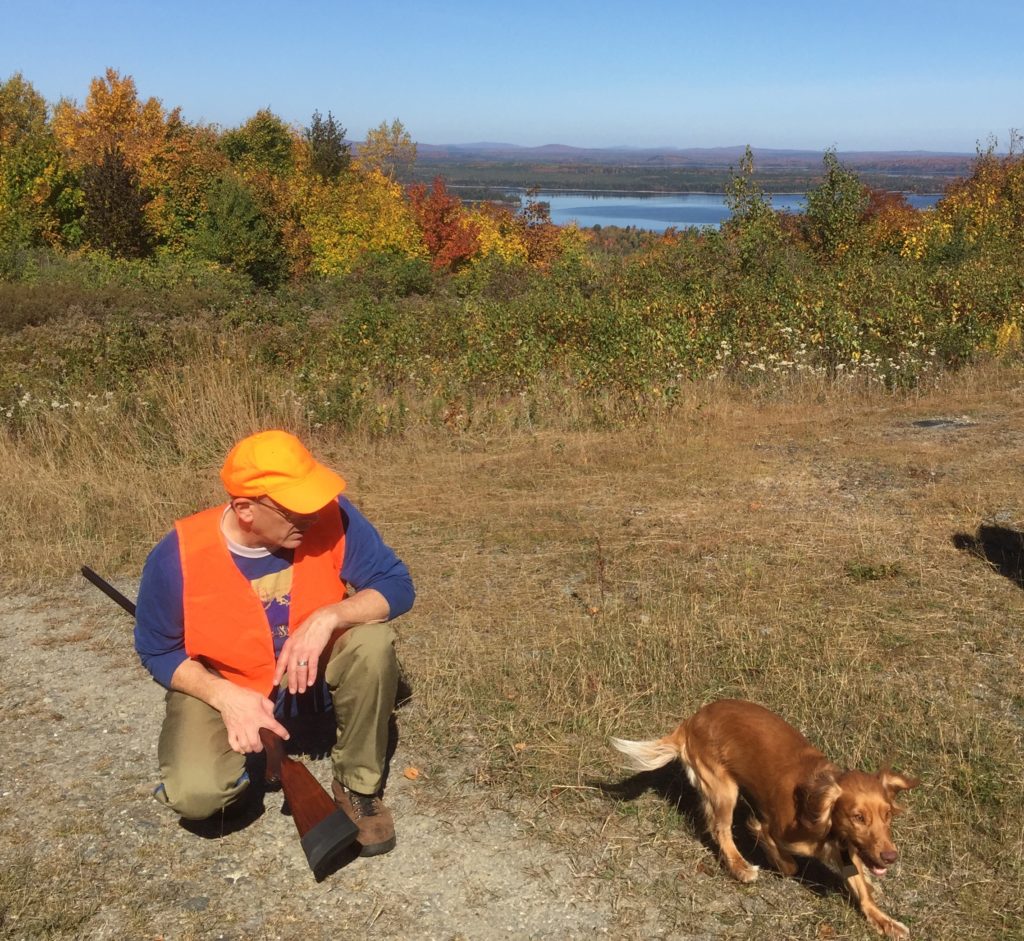
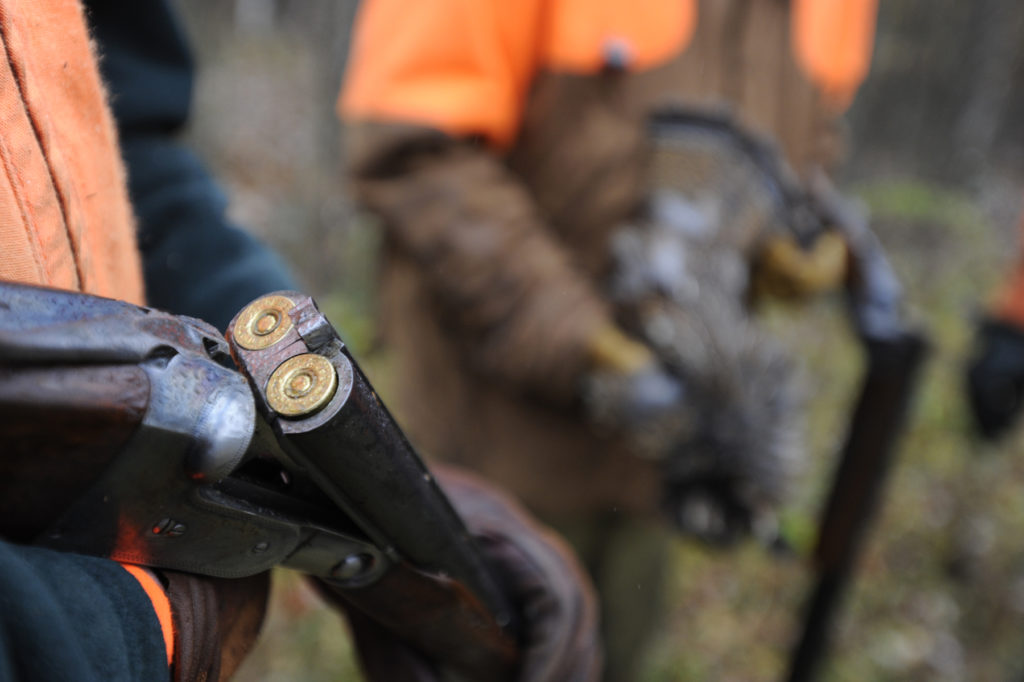
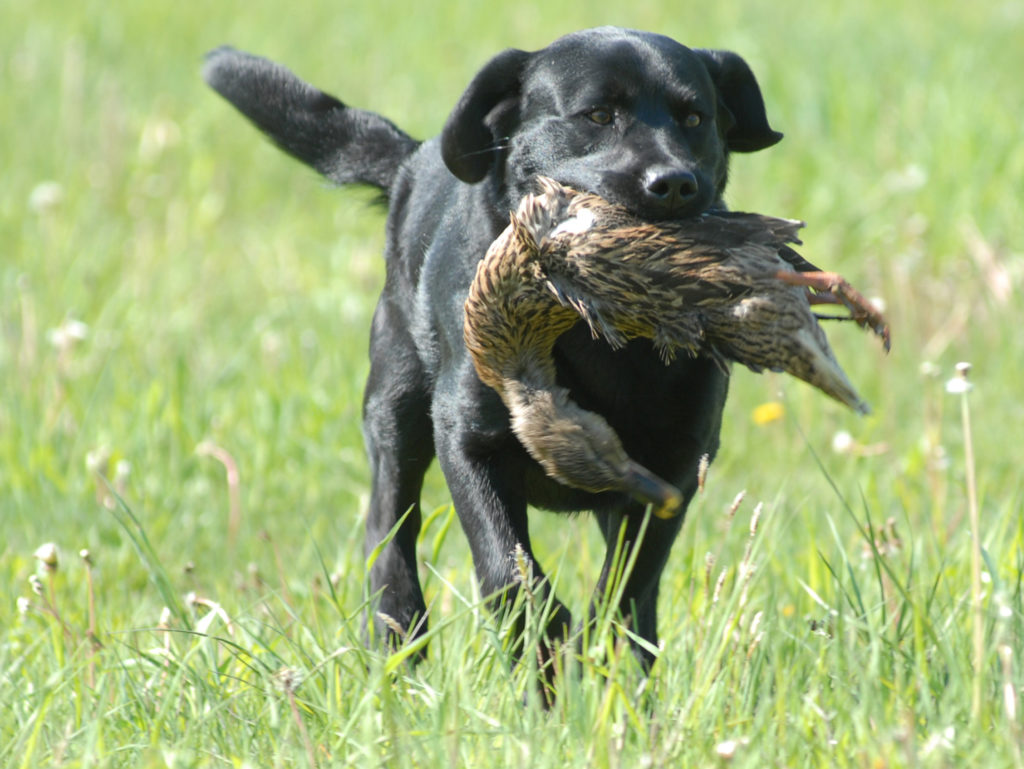
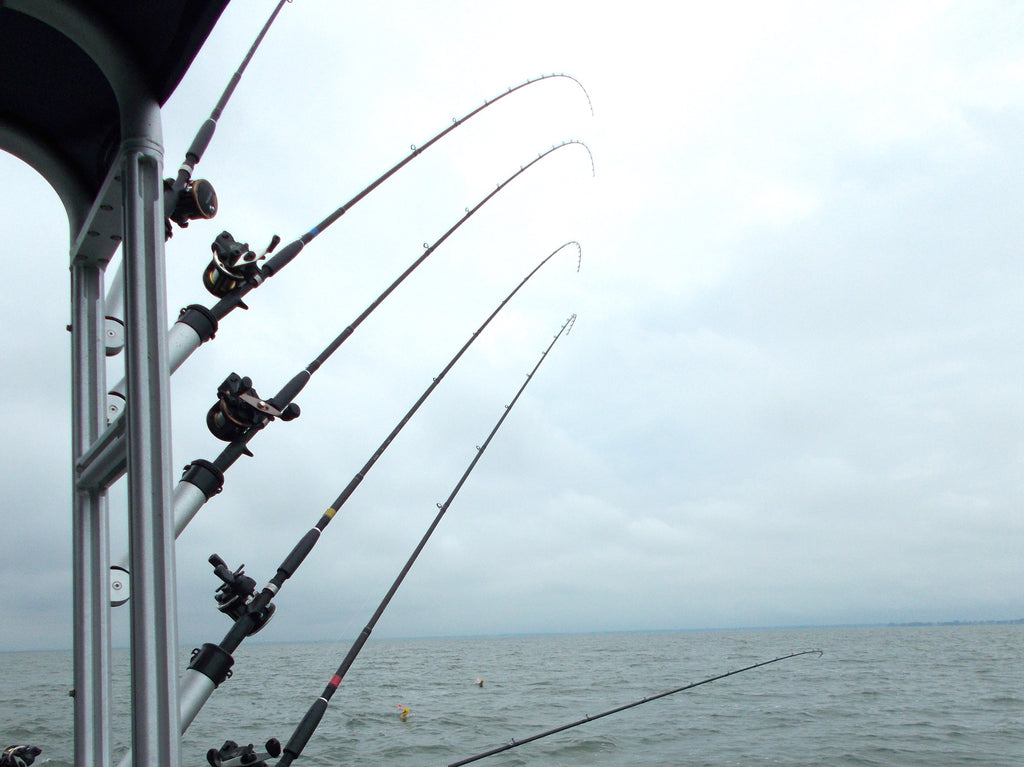

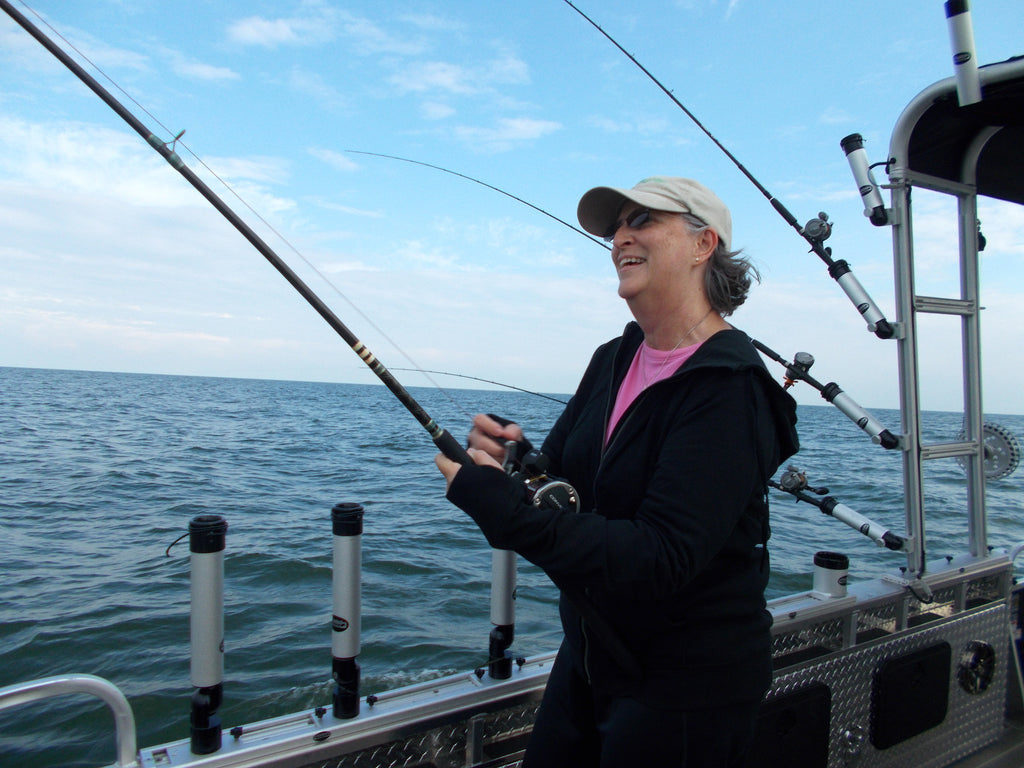
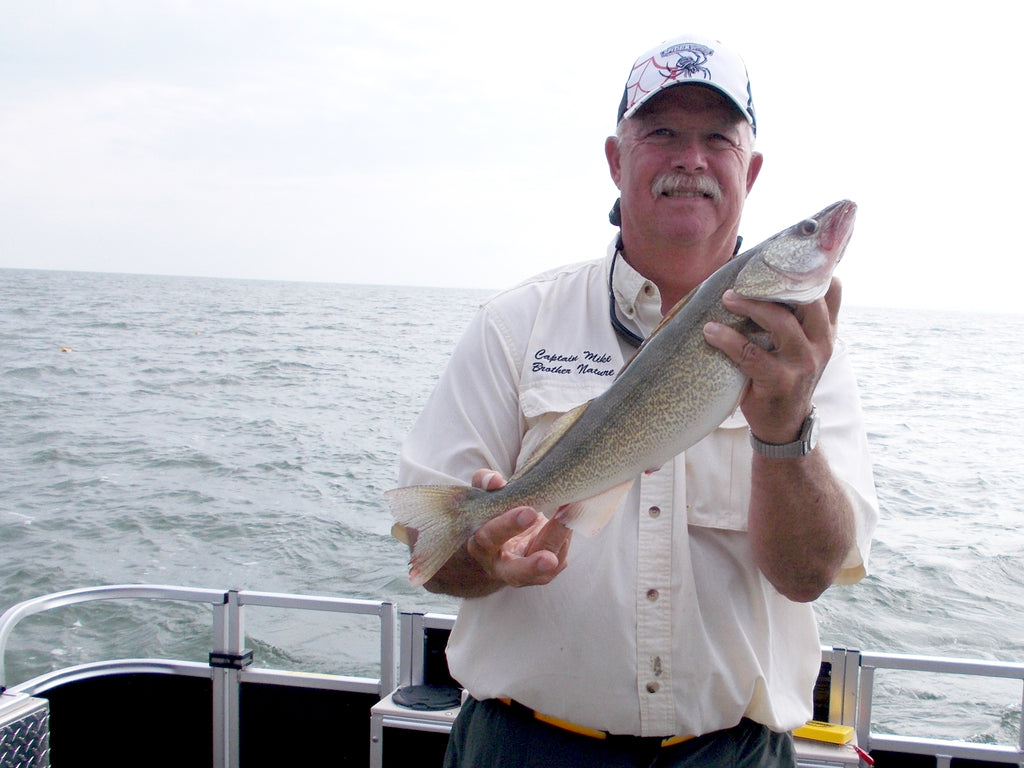
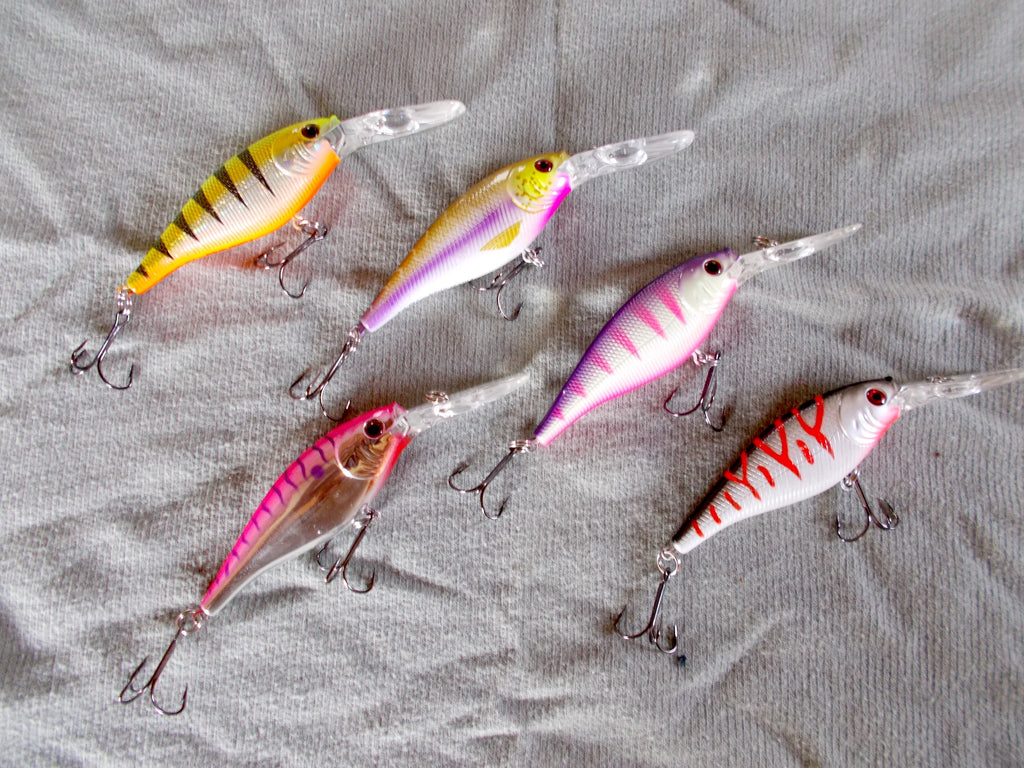


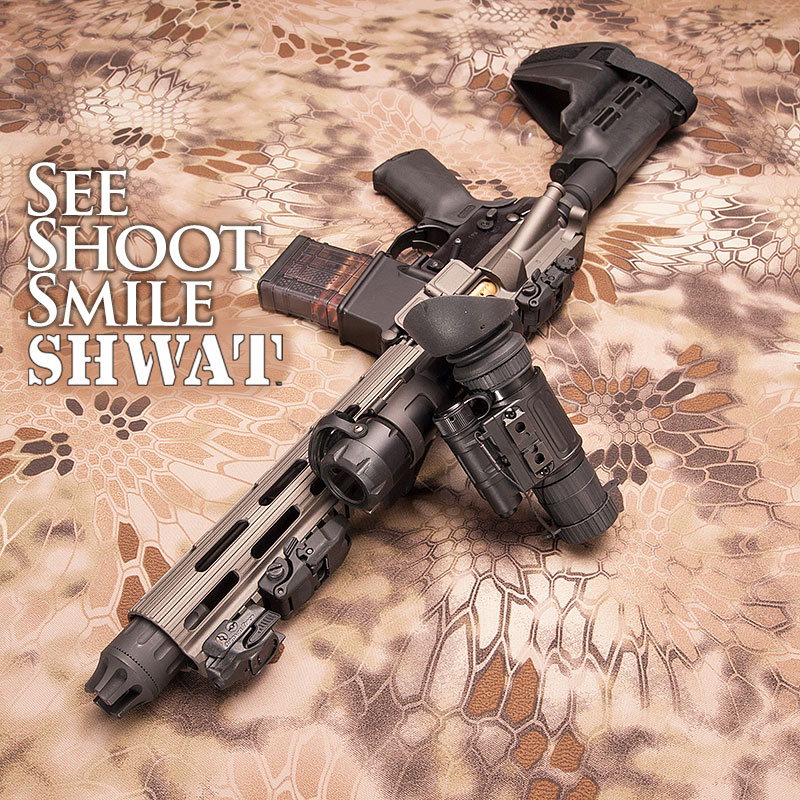 My brother, Stephen, and I have been debating the merits of AR 15 pistols for some time, so let’s rewind this a bit. My first intro to an AR-15 pistol was some years ago at a gun store that sold NFA items like short barreled rifles (SBRs). I saw an AR-15 pistol and asked where the buttstock was. The shop keeper enlightened me, but I had lingering doubts.
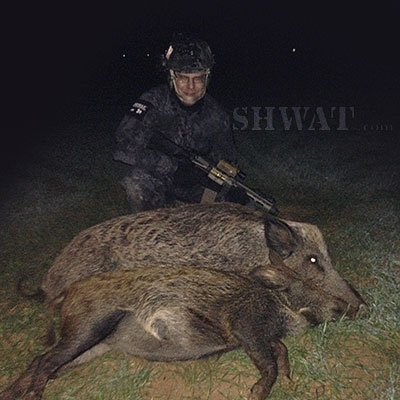 That was a few years ago, and much has changed since then, but not my interest in SBRs. Seriously, I can’t see anything magical about a sixteen inch barrel. The rules are the rules, but for practical purposes a shorter barrel can be a real plus. Put yourself on a four wheeler ATV chasing after pigs, heading for a deer blind or running down coyotes. I’ve slung a 16” AR while riding four wheelers, and it’s a pain. Minus a few inches and we’d be better off, but short of an AR-15 pistol, we’re talking about the expense and rules of access and transport for an NFA registered SBR. Better than not having a short barrel in that case, but a far cry from ideal.
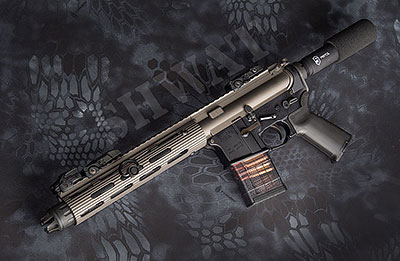 The hunt would be a night hunt, so I chose the Wilcox RAPTAR Lite ES to work in conjunction with a helmet mounted PVS-14. Walking the fields of west Texas in the dark with that considerably lighter than usual configuration was great. My buddy Jared and I were in and out of my jeep looking for pigs. The short length was phenomenal for vehicle entry and egress, not to mention storage when we hopped in to drive to another field. Pigs died that night, and I enjoyed using my .556 AR pistol immensely (read the whole story here).


