SOMEWHERE there may be wise, funny, charitable iguanas, and some of you may keep them as pets. But squinting up into a mangrove tree in southern Puerto Rico, trying to resolve a red-eyed, hissing wild iguana in the confusion of slender green leaves, it’s hard to imagine these lizards as anything but back-alley larcenists. Lunch-money bullies. Grifters.
Maybe it’s the air rifle in my hand that places me in such stark opposition to these iguanas, but I admit it: It’s deeply satisfying to shoot these invasive opportunists that are quickly taking over the island. There is also a sensory reward. Thwap spits the gun. Thwunk announces the meeting of hollowpoint pellet and leather. If it’s a good shot, the sound of a 10-pound lizard free-falling through the limbs and smacking on the ground. Crash! Thud!
Tossing lizards up a steep bank; a head-shot lizard.
I’m here, not far inland from the port city of Ponce, to help reduce the infestation of non-native iguanas that are causing many millions of dollars in damage to fruit orchards, crop fields, and even highways and other infrastructure. Because Puerto Rican firearms laws are either restrictive (minority opinion) or confusing (majority opinion), my group has opted to hunt the reptiles with air rifles—new .35-caliber Carnivores from the Turkish company Hatsan. For the first day, we do pretty well. Between five shooters, we drop maybe 40 iguanas from the treetops.
The Romans are part of a loose confederation of Puerto Rican damage-control volunteers who get invitations from large landowners to kill as many iguanas as they can. Some of these reptile-ridders are self-styled rogues who call themselves “Los Iguaneros” and have made desperado-themed videos that you can see on YouTube. The Romans are a little more restrained with their self-promotion. But they are deadeye killers, all the same. In my first day hunting with the family, we dispatch nearly 100 lizards.
An Island-Wide Pest
Puerto Rico’s iguana problem started, in all likelihood, with a few pets released into the wild. Those outcasts met and bred, and soon their progeny, feral and ravenous, started moving around the island, following the coastline at first, but about 10 years ago, they started moving inland. Initially, iguanas were considered a novelty. But in just a few years, populations went from scattered to dense, and from nuisance to environmental catastrophe. There is no part of the island where you won’t find the invaders gauchly lounging in trees, but they are particularly troublesome in the countryside, where they eat or damage as much as a quarter of the crops. And in a United States territory that’s teetering on the brink of economic collapse, any reduction of its export business is taken seriously. The favorite foods of iguanas are banana, papaya, and melon.
An iguana basks in the sun on a San Juan rooftop. Josh / Adobe Stock
Because of their habit of burrowing deep underground to make nests—each female lays around 70 eggs twice a year—iguanas have also been blamed for highway collapses and sidewalks that crack and slump. Even the main international airport in San Juan has been affected by the lizards. Iguanas love to bask on hot surfaces, and it’s not uncommon for the airport’s runways to close on summer afternoons so they can be cleared of lizards, which can flatten tires and even be sucked into the turbines of jet engines.
Experts estimate Puerto Rico’s iguana population to be between 10 million and 14 million, but because the reptiles have no natural predators here and because of all the food they can find and eat, the population is expected to double every year or two. And that’s where the Romans come in.
Air Strikes
Alex Echevarria Roman is 23 years old and formally polite. But he has eyes like a falcon and has probably collected more pounds of wild meat with an air rifle than anyone I’ll ever know. For the last 10 years, he has roamed Puerto Rico with his family, trying to kill every iguana they see. As we talked, we walked through a stand of trees on the edge of a large mango plantation, and every few minutes, Roman would stop, point up, direct my aim (“Shoot for the spot just behind the eye”), and wait for me to drop an iguana before continuing.
“We distribute our phone numbers around the countryside and tell people, mostly big-scale farmers, to call us when iguanas get out of control,” he tells me as I settle my crosshairs on an avocado-green 5-footer. “At first, we’d get a few calls a month, but now, we can’t keep up. We come to a farm like this one [outside Ponce], but it’s not possible to control them. We can kill 100 iguanas in a spot, and return a day or two later and kill 100 more.”
Hatsan’s Blaine Manifold fills the airgun reservoir from a scuba tank; reloading the 82-grain pellets.
I hit the lizard a little too far back. This is a bad thing, because unless you hit a cold-blooded iguana just behind the eye, it won’t die instantly. Instead, it may scurry around the trunk and out of sight, or it may hang up in a crotch. Or, like this one, it may drop out of the tree, ready to fight. To see a wounded iguana on the ground is to see a Japanese Godzilla flick come to life. The lizards hiss, they flare their frills, and they often charge their persecutors, trying to whip them with their saw-sharp tail. They remind me of the sneaky, venomous dilophosauridae from Jurassic Park, and I don’t mind telling you they freak me out a little bit.
“We mainly use air rifles,” Roman continues after I dispatch the wounded lizard and regain my composure. “Partially because they’re much cheaper to shoot [than firearms], but also because in Puerto Rico you can only use firearms during fall hunting season for pigeon. But it’s legal year-round to hunt iguanas with air rifles. My favorite time is February, during the breeding season. Then, the machos can get very aggressive.”
Roman prefers .22-caliber air rifles for their flat trajectory and accuracy. I’m shooting a hard-hitting .35-caliber pellet out of my Hatsan PCP (pre-charged pneumatic), and after about 20 shots, I have to swap out air reservoirs that we filled earlier in the day from a big scuba tank in the back of Alex’s pickup. The Hatsan shoots 82-grain pellets that look almost exactly like bullets from a .380 semi-auto. Even imperfect shots hit so hard they generally knock the lizard out of the trees. Thwap. Thwunk. Crash. Thud.
“To see a wounded iguana on the ground is to see a Japanese Godzilla flick come to life. The lizards hiss, they flare their frills, and they often charge their persecutors, trying to whip them with their saw-sharp tail.”
After a couple of hours of Roman’s guidance, I get pretty good at seeing and hitting the cryptically colored iguanas. I feel as though we’re hunting unwholesome squirrels as we move quietly through the trees, like we’re hunting unwholesome squirrels. And just like with squirrels, the shots get harder as we go. These reptiles are keenly aware that humans mean danger. Once we kill a few, the rest either climb high into the foliage or morph into the bark—like the chameleons they are related to, they can change colors to match their surroundings, so often the only way to spot one is to spy their long striped tails—or they drop out of the trees into a shallow creek and swim away. The biggest iguana I kill is nearly 6 feet long and about 10 pounds; the average measures 4 feet from scaly nose to whippy tail.
The largest iguana Alex has killed was a female that weighed 18 pounds and stretched over 7 feet.
Chicken of the Trees
By the end of the day, we have collected dozens of iguanas, and have tried to keep them out of the searing Puerto Rican heat until we can clean them. They will be tonight’s dinner. Their scaly thighs elicit competing responses. These are repulsive reptiles that sometimes carry salmonella. But you work up an appetite gunning dinosaurs all day.
So we clean a few dozen of the meatiest specimens and take them back to the farmhouse that we use as a gathering place. There’s an outdoor grill with red-hot coals. While someone prepares arroz con gandules (rice with peas), the iguana tails and thighs sizzle and pop.
The author with an average-size iguana.
The taste is, predictably, like chicken. But even more accurately, it’s like a tough, dry scallop. The texture lends itself to being slow-cooked in a sauce, like a cacciatore. Between mouthfuls, I ask my hosts if iguana is commonly eaten here. When they laugh uncomfortably, Alex explains that while iguana is considered a delicacy in other parts of Latin America, where the reptiles are indigenous, Puerto Ricans never acquired a taste for them. Like me, they tend to be repulsed by the lizards.
That’s part of the problem with controlling iguana numbers here. There’s no market for their meat, and so little incentive to hunt them.
It occurs to me that as much as I want to vilify the iguanas, they are doing what every other organism does—they’re making a living however they can. And it’s a good living, with nothing to stop their steady expansion except the physical limitations of the island. And a few thousand more airgun-equipped hunters.
As we leave the farm, I see the only naturally killed iguana of my week on Puerto Rico. Its decomposing body is stuck in a hurricane fence around a demolition site, too fat to fit through the links.
Read more OL+ stories. This feature originally ran in the May 2016 issue of Outdoor Life.
Hunting hogs can be a challenging task, requiring specialized equipment for success. Among the most crucial pieces of gear is the thermal scope, designed to provide a clear view of the target even in low-light conditions.
Thermal scopes work by detecting heat signatures emitted by animals, converting these into a visible image displayed on the scope’s screen. This technology allows hunters to spot hogs from a considerable distance, even when hidden in tall grass or behind obstacles. Apart from improving visibility, thermal scopes also offer advanced features like range finding, multiple reticle options, and image capturing capabilities, enhancing the overall hunting experience.
However, the market for thermal scopes is saturated with numerous models and brands, making the selection process daunting even for seasoned hunters. ATN, a renowned name in the optics industry, offers a range of thermal scopes specifically tailored for hog hunting. The ATN THOR series includes various models, each with its unique set of features, aiming to fulfill the diverse needs of hunters. In this comprehensive review, we’ll explore four series from ATN: THOR 5 XD, THOR 5, THOR 4, and THOR LTV.
Features of Hog Hunting
The unique behavior and habitat of hogs make them a challenging target for any hunter. Unlike other game animals that rely on speed or agility, hogs have a keen sense of smell and hearing, which they utilize to evade predators. These nocturnal creatures have adapted to human activity, becoming increasingly difficult to hunt during daylight hours. As a result, the need for specialized equipment has grown, particularly for those who engage in hog hunting.
The dense, often swampy terrains where hogs are usually found add another layer of complexity to the hunting process. Natural obstacles like tall grass, bushes, and trees can obstruct a clear line of sight, making it difficult to spot and aim at the target. The ability to see through these barriers becomes a significant advantage, and this is where thermal scopes come into play.
Thermal scopes offer a clear advantage by allowing hunters to detect heat signatures from a distance, providing a distinct outline of the animal. This feature becomes increasingly useful in the dark, when traditional optics fall short. Thermal scopes can penetrate fog, smoke, and even light foliage, giving the hunter a clear picture of the field and any potential targets.
Another important consideration is the hog’s natural behavior to travel in groups, known as sounders. When one hog detects danger, it alerts the rest of the group, making it crucial for hunters to accurately identify and target a specific animal without alarming others. Advanced thermal scopes offer zooming capabilities and multiple reticle options that assist in precise targeting, increasing the chances of a successful hunt.
Given these challenges and requirements, choosing the right thermal scope becomes a vital aspect for any serious hog hunter. ATN’s THOR series promises to offer solutions tailored to these specific needs, backed by years of research and technological advancements.
ATN THOR 5 XD Series
The ATN THOR 5 XD Series is a premier line of thermal scopes designed for the demanding requirements of hog hunting. With state-of-the-art technology, this series offers unparalleled performance, ensuring that hunters can operate efficiently in various conditions.
Before diving into the specifics, it’s essential to understand the core features that make this series stand out:
High-resolution thermal sensor.
Smart shooting solutions.
Video recording capabilities.
Extended battery life.
Ballistic calculator.
The thermal vision sensor in the THOR 5 XD series provides a crisp and clear image and is also the largest sensor on the US market, ensuring that you never miss your target. The sensor’s high resolution makes it easier to spot hogs even in challenging environments, such as dense forests or swampy areas.
The series comes equipped with smart shooting solutions that simplify the targeting process. With just a few clicks, you can set the range and wind conditions, allowing the scope to adjust the point of impact automatically. This feature significantly enhances accuracy, crucial for a successful thermal rifle scope for hog hunting.
Capturing the action is no longer a hassle, thanks to the built-in video recording feature. Whether it’s for personal keepsakes or sharing your hunting experience, the THOR 5 XD Series makes it possible without additional equipment.
One of the significant concerns for any electronic device is battery life. The THOR 5 XD Series addresses this by offering an extended battery life, ensuring that you never run out of power during crucial moments.
The built-in ballistic calculator takes the guesswork out of long-range shooting. By inputting data such as bullet type, muzzle velocity, and environmental conditions, the scope calculates the perfect trajectory, ensuring a precise shot every time.
The THOR 5 XD Series also offers a range of customization options, including various reticle patterns and color options. These add-ons enhance the user experience, allowing you to tailor the scope to your specific needs.
In terms of durability, the scopes in this series are built to last. Made from high-quality materials, they are both water and shock-resistant, making them suitable for harsh hunting environments.
When it comes to vision and battery, two aspects that often concern hunters, this series excels in both. The high-quality optics ensure excellent vision in various lighting conditions, while the extended battery life minimizes the need for frequent charge, letting you focus on the hunt.
Overall, the ATN THOR 5 XD Series offers a comprehensive package for serious hog hunters, combining advanced technology with user-friendly features. It is an investment that promises to enhance your hunting experience significantly.
ATN THOR 5 Series
The ATN THOR 5 Series is another exceptional offering that caters to the nuanced demands of hog hunting. Designed with both novice and seasoned hunters in mind, this series offers a balance of advanced technology and ease of use. It stands out for its remarkable sensitivity, enabling hunters to detect minute temperature differences between the target and its surroundings. This high sensitivity is particularly useful in Texas, where the landscape can vary dramatically, affecting visibility conditions.
List of key features:
High-sensitivity thermal sensor for exceptional image clarity.
User-friendly interface for easy navigation and settings adjustments.
Smart shooting solutions for automatic targeting based on range and wind conditions.
Extended battery life due to energy-efficient design.
Robust construction, including water and shock resistance.
Video recording capabilities for capturing hunting experiences.
Just like its counterpart, the THOR 5 Series features a high-resolution thermal sensor. The quality of the images is outstanding, making it easier to spot hogs hidden behind obstacles or foliage. The sensor works in real time, providing continuous updates, which is crucial for tracking moving targets.
A significant advantage of the THOR 5 Series is its user-friendly interface. With intuitive controls, hunters can easily navigate through various settings, making adjustments as needed. The scope also includes smart shooting solutions similar to those in the THOR 5 XD Series, allowing for automatic adjustments based on range and wind conditions. These features ensure that the THOR 5 Series serves as an excellent tool for hog hunting, allowing for quick and accurate shots.
Battery life is often a concern when it comes to electronic hunting gear. The THOR 5 Series addresses this issue effectively. The energy-efficient design ensures that the scope can run for extended periods, reducing the frequency of charge and allowing you to focus on the hunt.
Another noteworthy aspect is the series’ robust construction. Crafted from durable materials, the scope is designed to withstand the rigors of outdoor use. The shock-resistant design also adds to its durability, ensuring that the scope remains functional even after accidental drops or impacts.
The THOR 5 Series also offers video recording capabilities, allowing hunters to capture their experiences. This feature is particularly useful for those who wish to analyze their performance post-hunt or share their adventures with others.
ATN THOR 4 Series
The ATN THOR 4 Series offers another layer of sophistication and reliability for those serious about hog hunting. This series is particularly noted for its power efficiency and precision, making it a go-to choice for hunters looking for a blend of performance and durability.
Here are some of the defining features of the ATN THOR 4 Series:
Advanced thermal sensor for vivid imagery.
Multiple reticle options for versatile targeting.
Power-efficient design for prolonged use.
Integrated ballistic calculator for accurate shots.
Streamlined user interface for quick adjustments.
The thermal sensor in the THOR 4 Series is highly advanced, providing vivid images that make spotting and tracking hogs easier. The high-quality sensor ensures that you get clear and crisp views, which is particularly useful for thermal optics for hog hunting.
One of the standout features of this series is the multiple reticle options. These allow for more versatile targeting, enabling you to adapt quickly to different hunting situations. Whether you’re dealing with moving targets or varying distances, the flexibility offered by these reticles can be invaluable.
Power efficiency is one of the key attributes of the THOR 4 Series. The scope’s design ensures minimal power consumption, allowing for extended periods of use without requiring frequent battery charges. Accuracy is a critical factor in hunting, and the THOR 4 Series excels in this aspect. The integrated ballistic calculator helps in determining the most accurate shots, taking into account various factors like wind speed, range, and the ballistic coefficient of the bullet being used.
The user interface is straightforward and easy to navigate, enabling quick adjustments to settings as required. Whether it’s switching between different reticle options or adjusting the zoom, the THOR 4 Series allows for swift modifications, ensuring you never miss an opportune moment.
Additional features include a sturdy construction that can withstand harsh conditions. The scopes are water-resistant and shock-resistant, ensuring durability and long-term use.
In summary, the ATN THOR 4 Series brings a suite of advanced features designed to enhance the hog hunting experience. From its sophisticated thermal sensor to its versatile reticle options and power-efficient design, this series provides a well-rounded package for any serious hunter.
ATN THOR LTV Series
The ATN THOR LTV Series is designed for hunters who prioritize simplicity without compromising on essential features. Though not as feature-rich as other models in the THOR lineup, the LTV Series focuses on providing the most crucial functions needed for effective hog hunting. This makes it an excellent choice for those who prefer a more streamlined, user-friendly experience.
Key features of the ATN THOR LTV Series include:
Compact and lightweight design for easy portability.
Essential thermal imaging for basic targeting needs.
Long-lasting battery for extended use.
Simplified user interface for immediate adjustments.
One of the highlights of the LTV Series is its compact and lightweight design. Unlike some of the heavier scopes in the THOR lineup, the LTV models are easier to carry and handle, making them ideal for long hunting expeditions. The LTV Series offers essential thermal imaging capabilities. While it may not provide the high-resolution imagery seen in more advanced models, it offers sufficient clarity for basic targeting needs, especially when dealing with hogs that are often found in challenging terrains.
When hunting, time is often of the essence. The LTV Series impresses with its quick startup time, ensuring that the scope is ready for use almost immediately upon activation. This feature is particularly useful for spontaneous hunting opportunities. Battery life is a crucial consideration for any thermal scope, and the LTV Series does not disappoint. Its long-lasting battery ensures that you have enough power for extended periods, reducing the need for frequent recharging or battery replacement.
The user interface in the LTV Series is simplified, making it incredibly easy to use. Basic settings and adjustments can be made quickly, allowing you to focus more on the hunt rather than fiddling with complicated menus.
In addition to the above features, the LTV Series also offers durability with its rugged construction. The scopes are built to withstand various environmental conditions, ensuring reliability during your hunting expeditions.
In conclusion, the ATN THOR LTV Series is a solid choice for hunters looking for a straightforward, reliable thermal scope. While it may lack some of the advanced features found in other THOR models, it excels in providing the essentials, making it a practical option for various hunting scenarios.
Conclusion
After a comprehensive review of the ATN THOR series, it’s evident that each model offers a unique set of features tailored to different hunting needs. From the high-end THOR 5 XD Series, known for its advanced thermal sensor and smart shooting solutions, to the simpler yet effective LTV Series, ATN has a scope for every hunter.
The THOR 5 Series stands out as the best thermal scope for hog hunting, providing a harmonious blend of advanced technology and user-friendly features. Its high-resolution thermal sensor, smart shooting solutions, and extended battery life make it a prime choice for those seeking the best in both functionality and ease of use.
While the THOR 5 Series offers an excellent balance of technology and user-friendliness, the THOR 4 Series is notable for its power efficiency and multiple reticle options. The LTV Series, although simpler, doesn’t compromise on essential features, making it ideal for those who prefer straightforward, effective equipment.
Choosing a hog hunting thermal scope should suit your specific needs and preferences. Whether you prioritize advanced optics, extended battery life, or a user-friendly interface, the ATN THOR series offers a range of options to enhance your hog hunting experience. ATN has managed to create a lineup of thermal scopes that cater to a variety of hunting styles and requirements. The brand continues to uphold its reputation for quality and innovation, making it a go-to choice for serious hunters.
Always know your target before you pull the trigger. This is one of the golden rules of hunting. It’s not enough to just know that you’re shooting at a turkey. Just as in duck hunting you must know the species (and sometimes the sex). In deer hunting, you must be able to tell a buck from a doe. Well in turkey hunting, you must know the difference between a turkey hen vs a tom turkey.
A hen is a female turkey. They lay eggs and commonly make sounds known as clucks, yelps, cuts, kee-kees, and purrs.
A male turkey is known as a tom. Toms will make sounds known as gobbling, spitting, drumming, and yelping.
A juvenile tom is called a jake. For more information on jakes including whether you should shoot them or not, read our full article on the subject.
In most states, the law requires a harvest of only tom turkeys during the spring season. Some states allow you to shoot bearded hens. During fall seasons, there are states that allow both sexes to be harvested while others still only allow toms to be harvested.
As you can see, it is very important to be able to tell a tom from a hen. So let’s get into the differences.
Beard
Toms generally have a beard protruding from their chest. In a mature tom, these beards are usually seven inches or longer in length. Jakes will have shorter beards. Some toms have multiple beards.
Beards are black and are made of feather-like bristles.
The beard is usually easy to pick up when hunting so it is a key identifier. However, you can’t totally rely on the beard when identifying a turkey hen vs. a tom.
You see, some hens have beards. According to Julie Craven at BirdWatching, 5-10 percent of all hen turkeys have beards. And if that’s not confusing enough, some toms suffer from “beard rot” leaving them with a thin beard or even no beard at all. Beard rot results from vitamin deficiency in a turkey.
So a beard is a good guideline, but not a hard rule. What else can we use to tell a hen from a tom?
A hen, as shown above, does not have spurs like a tom. However, there are many other ways to tell a hen from a tom.
Spurs
For the most part, only toms and jakes grow spurs or “hooks”. In fact, spurs provide a rough estimate of the age of the tom. The theory is that the longer the spur, the older the turkey. The jake has a short, rounded spur while a three-year-old bird can have spurs longer than one inch in length.
A spur is a claw-like feather on the backside of the leg. They can be very sharp. Toms use the spurs to fight other gobblers and establish dominance. Spurs can vary in color from black to pink.
Unfortunately, spurs wear down, break, and even fall off. It can also be difficult to see the spurs of a tom in the field. So let’s move on to another factor we can use to differentiate a hen from a tom.
Size
Toms are bigger than hens. They typically run 11 to 24 pounds. A hen weighs from 5 to 12 pounds. The heaviest tom on record is 37.6 pounds.
Toms are also usually a bit longer than hens. The largest toms can be over four feet in length while the longest hens are usually just over three feet in length.
Size differences can be useful for determining sex if you have a mature tom and a hen. If you are seeing them separately in the field, it can be tough to determine gender based on size. Keep in mind that jakes and larger hens can be similar in size as well.
Size is another tool in our toolbox, but what other clues can we use?
A good way to distinguish a hen from a tom is the head. Notice the mostly blue hue of the hen’s head on the left vs the red, white, and blue head of the tom on the right. The tom also has a much larger snood.
Head
The head is a great way to differentiate a tom from a hen as you will likely be focused on the head.
A tom’s head will be a combination of red, white, and blue. It is generally featherless. Toms also have a longer snood than a hen. The snood is the fleshy protuberance above the bill. It can contract, expand, and change colors based on the turkey’s mood.
The hen’s head is much less flashy than the tom’s. It is a blue-ish gray color. As mentioned above, the snood will be much shorter than a tom’s. Hen’s have small feathers on their heads.
The head is not the only coloring difference between a hen vs a tom turkey. Let’s look at the rest of their feathers.
Plumage
As you might have guessed, tom turkeys have flashier feathering than the hen like most other avian species.
The hen’s overall feathering is a browner tint than the darker, blacker tom’s. The tips of the feathers on a hen are more of a buff color. The tom turkey has dark, black color tips.
Let’s talk about how to identify the gender of a bird when tracking turkeys.
You can sometimes identify whether the track was left by a tom or hen by the length of the track.Photo courtesy of Virginia State Parks on Flickr
Tracks
As you might assume, the bigger tom has a bigger track than the smaller hen. If you find a track that is longer than four inches, it is probably a tom. Hen turkey tracks will usually be about three and a half inches in length.
Finally, there is another sign a turkey leaves behind.
Droppings
Yep, you can tell the sex of a turkey by its excrement. Toms leave a long, sometimes j-shaped dropping. These droppings are generally about two inches in length.
Tom droppings are easily distinguished from the more clumped together hen excrement.
Turkey Hen vs Tom: Final Thoughts
Determining the sex of a turkey is not easy when you are first getting started. As you become more experienced, you will learn to recognize toms and hens faster.
A good rule of thumb is to only shoot a bird after you have identified two distinguishing traits. For instance, if you see red on the head and a beard on the breast, you can feel confident that you are shooting a legal tom.
The exception to this rule would be if you are hunting in a state that allows you to shoot any bearded turkey, and you are fine taking a hen.
Hopefully, this article has made you feel a bit more comfortable in recognizing your game this hunting season. Bookmark this page and look at the pictures periodically to refresh yourself on the signs of a turkey hen vs a tom.
If you enjoyed this article, you may also like to read about the sounds a hen turkey makes.
From destroying your lawn with brown urine spots to gnawing your plants down to the root, rabbits can be too big a burden to behold. Perhaps you think the best recourse for you would be to eat them. But the big question remains, are backyard rabbits safe to eat?
Backyard rabbits are edible and safe to eat, whether they are tamed or found wandering in your yard. As long as the rabbit meat is cooked thoroughly to 160-degree Fahrenheit internal temperature to remove any toxins, they are safe to eat.
The best rabbits for meat are Silver Fox, French Angora, and American Chinchilla.
Undoubtedly, your backyard rabbit’s main concern would be to eat without getting noticed or eaten. However, that does not mean that it is not safe for you, and neither should it mean you are free to dive in. Here are a few things you will have to keep in mind about eating backyard rabbits.
Eating Backyard Rabbits
If you were to imagine the sumptuous, fine eating of this cottontail, you might not want to resist.
First, rabbit meat is edible, whether your bunny is from the wild or tamed. But before you do that, it will be best to inspect whether the bunny is healthy or not.
One of the biggest concerns is the contraction of a disease called Tularemia, which can be passed to you upon touching the affected tissue or blood. Once you see any signs of this condition, avoid the rabbit. This condition is relatively predominant during cold seasons.
Usually, it would help if you wore latex gloves while gutting the rabbit. This move ensures that you do not expose yourself to any affected tissue or blood. Further, pay attention to the liver. If there are any white lesions on it, do not proceed to eat the rabbit.
Notably, there are times that you might misread the signs. In this case, ensure that you only eat rabbit meat that has been thoroughly cooked. The internal cooking temperature should be at least 160 degrees Fahrenheit. At this temperature, your rabbit meat is safe.
Which Backyard Rabbits Are Safe
There is no denying that sometimes you will want to raise backyard rabbits for meat. If this is the case for you, ensure that you go for the best breeds.
Usually, the best rabbits for meat would be Silver Fox, French Angora, and American Chinchilla. Besides, if you were to consider eating rabbit meat, these options should top your priorities.
Silver Fox: Whether you want to meat, fur, or pets, this breed will be the ultimate choice for you to raise. That they have large litters is no secret. Besides being beautiful, these rabbits assure you of not only safe but also tender meat. As long as they are healthy, there will be no reason for you to worry.
American Chinchilla: This breed has become relatively prevalent among people who do not put attention to the fur produced. Usually, they assure you of more than enough meat, thanks to their incredibly muscular bodies. Their sweet meat will, undoubtedly, get you smitten.
French Angora: While this breed is specifically for meat, its rabbits hardly come with enough meat. As if that is not enough, their fur is vulnerable to matting. That means you will need to keep brushing it from time to time. You will also need to be on the lookout for chances of getting attacked by the rabbit fever.
Here are the two incredible options from the wild.
Cottontail Rabbits (both mountain and desert): While they come with a relatively small stature, these rabbits have proven to be excellent delicacies. Their tasty and high-quality meat will readily get you smitten. In most cases, you can hunt them from the late evening into the night, thanks to their nocturnal nature.
Eastern Cottontail Rabbit: There is no denying that this is the most hunted rabbit in the US, thanks to the delicacy it provides. The cotton ball tail and the reddish-brown coat are some of the features that make this beauty distinctive. Usually, it would be best for you to hunt them at night, as they are nocturnal.
If the rabbits come into your yard during a time that you aren’t home or aren’t able to catch them, check out this cheap, effective, spring loaded trap on Amazon to setup in your backyard to easily catch and prevent them from running away.
Last update on 2024-11-16 / Affiliate links / Images from Amazon Product Advertising API
How To Tell If A Rabbit Is Safe To Eat
In most cases, wild rabbits come with warbles and parasites. While warbles might not pose any risk to human beings, pests and parasites could be a significant problem in the long run. For this reason, you need to be wary of rabbits that have fleas and ticks.
Besides that, you will have to check whether the rabbit has Tularemia, also known as rabbit fever. This condition could be fatal to both human beings and pets, and immediate medical attention will always suffice.
You can only check if the rabbit has this condition when eviscerating it. During this time, you will have to confirm whether there are any pin-sized lesions on the liver. The presence of these lesions shows that the rabbit is not healthy for you.
Dangers Of Eating Rabbit Meat
From how delicious rabbit meat tends to be, to how available they are, you will hardly want to resist eating them. However, there will always be a few dangers for you to keep in mind.
Unless you pay attention to these issues, you could end up unhealthy in the long run. Here are the two main dangers of eating this meat.
Tularemia: You can hardly ignore the impact that this condition could have on your health. In most cases, you will contract this illness when skinning the rabbit, as it is passed upon contact with affected tissues and blood. This condition will expose you to fever, chills, and body aches. Fortunately, antibiotics will be enough to treat this condition altogether.
De-Populating Wild Rabbits: While the rabbit population is relatively high, too much hunting could result in some species’ decline. For this reason, it would be best for you to be cautious about when and how to hunt. Perhaps, paying attention to the state regulations on hunting rabbits could be helpful in the long run.
Stomach Upsets: This issue will only arise if you do not cook your meat thoroughly. Experts suggest that you cook the meat to at least 160 degrees Fahrenheit. This way, the meat will be not only tender but also free from various pathogens.
Why Can’t You Eat A Rabbit In The Summer
Typically, you will be free to eat rabbit meat at any time. However, the restrictions during summer are thanks to the ease of spreading worms. Most rabbits will spread worms and parasites to other bunnies during summer, unlike when there is a drop in temperature.
However, all you need to do is to take all the necessary precautions mentioned above. It will be much easier for you to identify the presence of worms when you do so. If you do, it would be best not to eat that meat.
Is It Safe To Eat Jackrabbits
Did you know that jackrabbits are relatively akin to cottontails? While this is so, jackrabbits are typically hares.
That means that they will hardly be safe for you to eat, particularly when not cooked thoroughly. If you were to cook it accordingly, you would have no reason to worry about anything.
With their stringy meat, ensure that you take as much time as you can when cooking it. You will also need to aim at an internal temperature of over 160-degree Fahrenheit.
This way, you will be sure of eliminating all the toxins, worms, among other pathogens, that could be on the jackrabbit.
Helpful Tips To Know If Backyard Rabbits Are Safe To Eat
One of the biggest concerns one could have is understanding when rabbits are safe for you to eat.
One of the most prominent variables to consider would be the presence of lesions on the liver. There could also be a ton of worms under their skin.
Here are a few other tale-tell signs that your rabbit is sick:
Be wary of sudden stasis instances, which involves digestion problems, gas, cramping, and tooth issues.
Check whether the rabbit’s foot is raw or inflamed. If it is, it is a sign of sore hocks. Its meat could be dangerous.
The presence of deerflies and ticks on the coat of your rabbit could be a bad sign. Usually, these parasites could compromise your health in the long run too.
Final Thoughts
The safety of your rabbit delicacy is all dependent on how you prepare it. From using latex gloves when handling the meat to cooking it thoroughly, every precaution will suffice.
Whether your backyard rabbit is tamed or wild, the procedure remains the same. Are you still asking, are backyard rabbits safe to eat?
Well, it is time to get yourself this delicacy, with the only catch being to observe every precaution.
One of the most hotly debated topics among whitetail land managers on social media is whether deer mineral products actually work. Let’s get right to the heart of the matter and ask what is meant by the word “work”. I think this can be answered two ways; do they work to attract deer? Or do they work to help bucks grow bigger antlers?
Most “mineral” products marketed to deer hunters absolutely will attract deer but most will NOT “work” to grow bigger antlers no matter the advertising claims attached to them. As a deer hunter you need to consider the reason you are putting out mineral products for deer.
If your goal is to simply attract deer to a game camera location without any regards to how the product will help deer, then basically any product will probably work to some degree. In fact if this is your goal then you should probably just consider buying a bag of cheap stock salt at your local farm store. You will honestly get the same results at a fraction the price.
Now let’s look at the question that serious land managers really want to know; can mineral products help bucks grow bigger antlers. The answer is a definitive “YES”, but there are a lot of factors that need to be considered. It is not quite as simple as putting out minerals in the summer and magically seeing bigger bucks in the fall.
This chart shows that most mineral products marketed to deer hunters have gaping holes in their formulation. Most cannot possibly help increase antler growth. Click on chart for better view
Let’s start by addressing an argument that many nay-sayers throw up when they try to debunk the idea that deer minerals can help grow bigger antlers. They will state that there is no scientific research that shows minerals help grow bigger antlers. That’s true but to my knowledge there has also never been scientific research that proves minerals do not help with antler growth. The fact is, it is impossible for true scientific research to prove either way. You simply cannot feed a group of bucks mineral and know what size antlers they would have grown without it, or vice versa. Again, this type of scientific “proof” is simply not possible so we will have to rely on an open mind and common sense to help us draw conclusions.
By looking at the livestock industry it is very easy to see the value of minerals in animal diets. Essentially every livestock farmer or rancher in the United States uses minerals as part of their nutrition program. Volumes of research proves the value of minerals for increased growth rates, better reproductive performance and increased health of the animals receiving it. Think about it, these animals are being fed scientifically developed feed rations to maximize health and production and yet there is still many research proven benefits by also feeding them minerals. I think it is fairly easy to conclude that a whitetail deer consuming a random diet could also benefit from mineral supplementation.
In visiting with Real World Wildlife Products nutritionist Dr. Aaron Gaines, he provides the following perspective on mineral demand of whitetail deer, “The milk produced by a whitetail doe has twice the amount of mineral as cows milk, so if a farmer provides his cows with minerals why wouldn’t a serious whitetail land manager provide a mineral supplement to his deer herd as well?”. To take this a step further, Dr Gaines provided the following requirement comparison for a lactating doe vs. a buck that is growing antler; During a 60-day lactation period a doe needs around 215 grams of calcium and 166 grams of phosphorus. In comparison a buck that is growing antler (900 grams total weight) needs 199 grams of calcium and 98 grams of phosphorus. The take home message from this comparison is that does and bucks BOTH have a high requirement for calcium and phosphorus. It is easy to conclude that a whitetail deer consuming a random diet in the wild is no different than a cow grazing pasture; both benefit from mineral supplementation. Further, this does not even factor in the numerous micro-nutrients that whitetails also need which are often lacking in their diet.
Let’s look at this topic from another angle. The biggest whitetail antlers generally come from those regions of the country with the richest soils. Soils are essentially minerals. Those soils that grow the most productive farm crops also grow the biggest bucks. A farmer growing corn on the richest soils in the Midwest will supplement the nutrients available to his crop through fertilization. Even in these highly fertile soils any crop is limited by the required nutrient that is in shortest supply. The same principal applies to a buck growing antlers. To deny that minerals can help a buck grow a bigger rack is like saying a farmer gets no benefit from fertilizing his corn fields. Let’s also recognize that captive deer breeders growing giant antlers on their bucks are feeding minerals to their entire herd, both bucks and does.
Captive deer breeders know that a good mineral supplement can increase antler growth on their bucks
I hope by now you are open to the idea that mineral supplementation absolutely can help a buck grow bigger antlers. We have only reached the starting point however because there is a whole lot more we need to understand in order to maximize the antler growth of the bucks on the properties we manage. It is a little more involved than just putting out mineral and thinking that your bucks will instantly start to grow bigger antlers.
We have to start by looking at the differences in mineral products. Most products marketed to deer hunters are simply high-salt mixes made to turn a big profit margin. They contain minimal amounts of beneficial minerals and in fact are almost always totally void of many of the required nutrients needed for antler growth. Because deer crave salt, they do consume these products and thus many hunters assume they “work”. The brutal truth is that while they do work to attract deer, they absolutely cannot possibly do anything to help a buck grow bigger antlers.
Let’s go back to the livestock industry for a bit. The mineral product that a farmer gives to his lactating dairy cows is a totally different mixture than what he would give to his beef calves. The various mineral blends fed to livestock have been scientifically formulated by professional nutritionists to maximize their benefits to the specific animal ingesting it. So why would deer be any different? A deer is not a cow so feeding mineral products developed for other species to whitetail deer is not the answer.
Clearly, research involving whitetail nutrition falls short of what has been done with livestock. Still, enough has been done that a quality whitetail mineral product can be formulated. The key is not only in which specific minerals, vitamins and other nutrients need to be included but just as importantly, at what levels and ratios. While I have seen a lot of “home mineral mixes” shared via the internet, all have gaping nutritional holes that will limit their effectiveness, if they even have any effect on antler growth at all.
Now let’s look at providing mineral products to wild deer and what one can expect as far as results in terms of increased antler growth. First of all, getting the most of a deer mineral supplementation program is a long term endeavor. I think a whitetail land manager needs to be looking 5 years ahead before the full benefits of mineral supplementation will be truly realized. Again, research from the livestock industry fuels my opinion on this.
Getting a buck to reach his full genetic potential in terms of antler growth starts before a buck is even born.
A study at Oregon State University focused on “fetal programming” of beef calves. The researchers were looking at the possibility of pushing calf performance throughout life by increasing the mineral intake of cows during pregnancy. In this trial researchers showed that calves born to cows that had received increased mineral supplementation performed better and were healthier throughout life than calves born to mothers without it. This is in spite of the fact that both groups of calves got proper mineral supplementation after birth. In other words, once a calf was born it was too late for him to catch up to other calves; he had already been programmed as a fetus. The calves born to cows getting the extra minerals grew faster and had fewer health issues all the way to slaughter. It is important to note that neither group of cows in this study were “mineral deficient” but instead one group simply got increased levels of minerals. What this study showed is that once a calf is born, it is too late to push him to his genetic potential in terms of growth.
After 25 years of research with captive whitetails I believe the same is true with bucks. To really get a buck to reach his genetic potential for antler growth, it really needs to start before he is even conceived! It is extremely important for a whitetail land manager to have his entire deer herd, including his does, on a high-quality mineral supplementation program if he expects to increase antler growth. It is those unborn fawns that will one day produce the full rewards of a quality mineral program in terms of antler production.
As mentioned, for nearly 25 years I owned a research herd of captive whitetails. I focused my studies on genetics and nutrition. Several years ago one of my research projects involved mineral supplementation. My goal was to determine if mineral supplementation affected antler growth to any noticeable degree. I started by acquiring 7 sets of twin buck fawns and then separated the twins into two pens so that I had 7 buck fawns in one pen and 7 in the other. Each buck had a twin brother in the opposite pen. Both pens received the very same feed ration out of the same feed bin. The difference was that the feed in one pen was top-dressed daily with a mineral product I was developing.
Each fall after the shedding of velvet I would tranquilize each buck and then score and remove his antlers. I would figure up the total inches of antler from each pen for comparison. Remember, every buck in pen A had a twin brother in pen B. Eventually I had to abort the study and while I will readily acknowledge that this study was very limited in its scope and not of sufficient breadth to stand up to scientific review, I did see enough to form an opinion. I am convinced that mineral supplementation can increase antler growth in whitetail bucks. “To what degree?” is the big question. My best guess is that a long-term mineral supplementation program using a high-quality whitetail specific mineral could add somewhere between 10-20% to the gross antler score of a mature buck. Certainly some individual animals will respond differently than others.
In conclusion, I am convinced that mineral supplementation can indeed increase antler growth in whitetail bucks. To be brutally honest however, most of the mineral programs currently being practiced by well meaning whitetail hunters and land-managers are a waste of time and money. They will do little more than draw deer to a game camera location.
Which Deer Mineral is Best?
To this point I have purposely neglected mentioning any products by name and won’t get started on bashing products. I do however need to plug Real World Wildlife Products Maximizer and Maximizer Plus mineral products. While I played a role in the development of each product it was really a team process that took many years to perfect. Nutritionists Dr Aaron Gaines and Brent Ratliff played key roles as did world-renown whitetail veterinarian Dr Clifford Shipley of the University of Illinois.
Maximizer and Maximizer Plus each have over 20 different minerals, vitamins and key nutrients in very specific ratios and levels. Maximizer Plus also contains Real Worlds exclusive Expect Healthy Deer Technology® for added health and performance benefits. Captive deer breeders have taken notice of these products and are feeding them to their herds in increasing numbers. Consider this fact – there is probably not a captive deer breeder in the world feeding one of the numerous mineral products marketed to deer hunters to their herd with one exception … MAXIMIZER! If you are looking to take the bucks on your property to their genetic limits while maximizing herd health, Maximizer and Maximizer Plus are honestly your very best option.
Getting Started
Implementing a good mineral program on your property is really very simple but a few things need to be considered. For best results have at least 1 good mineral station for every 40 acres of land. These should be established in high deer traffic areas. You want every deer on the property to pass within close proximity of a mineral station each and every day.
To start a mineral station simply find a suitable location and kick away any leaves or other debris in about a 3’-4’ circle and pour about 20# of mineral in a small pile. There is no need to work it into the soil although it won’t hurt anything to do so. It is important to keep each mineral site replenished with plenty of Maximizer or Maximizer Plus mineral every 30 days or so. Keep in mind that mineral consumption increases in late winter and continues through the summer. In the fall and early winter consumption will not be as heavy. Remember, proper mineral supplementation is not a quick way to grow bigger antlers but instead is a long term commitment resulting in healthier deer AND bigger antlers.
Anyone interested increasing their self reliance, going off-grid, or simply providing for their family when times get tough should be heavily focused on creating a productive and sustainable food source. The foundational building block for this is a survival garden.
Providing enough food to sustain your family can seem like a daunting proposition that would require several acres of land. But with a little planning and consideration, you can create a productive garden that will serve you and your family well all year long.
What is a Survival Garden?
The simplest explanation would be that it is a garden capable of growing the food you and your family need to survive (or at least a large portion of it) until the next growing season.
This may seem straightforward, but when you break it down and see how many calories, vitamins, and minerals you need to replace daily to stay healthy, you realize there has to be some serious planning and consideration put into it.
Survival gardening has a critical urgency about it, and doesn’t have to be pretty.
If you’ve seen the movie “The Martian”, you can use the example of Mark Watney, who formulates a plan to survive the harsh climate of Mars by potato farming in his own feces. Is it going to make the cover of Better Homes and Gardens? No. Did it keep him alive? Yes.
When you consider how important food security is to your family, there is no reason not to do everything in your power to make the most effective survival garden possible.
In addition to keeping you alive, there are a few other reasons why having your own garden is beneficial:
Health Benefits: Starting a garden for the resulting health benefits alone is worth it. Do you know what most people do when they have access to fresh, free produce? They eat tons more of it! Even if you are relatively careful with what you eat, increasing your produce consumption will always benefit you.
The Money: Eating your own produce can save you some significant coin. And to top it off, you could also take it to the very same markets where you used to spend your money and make some money. You probably will not get rich, but you’ll certainly be able to offset some costs.
Help Feed People in Need: In times where you’re not depending on every calorie from your survival garden to feed your family, another option is to donate the surplus to a local food bank or family in need. The extra potatoes and carrots you are tired of seeing in the cellar could be the reason someone’s kid has a little more to eat.
Survival Garden Layout Examples
If you are trying to provide a chunk of your family’s calories from the homestead, then you need to be really smart about your survival garden layout.
So what do survival gardens look like? Well, that question has a lot of answers. There are many different types of gardens, each with their own corresponding perks and benefits.
It is perfectly acceptable to use a pre-established clearly defined archetype, or you could take your inspiration from several styles and create something unique to your situation and property.
Here are some terrific and time-tested survival garden layouts to help get your wheels spinning:
1. Square Foot Gardening
Square foot gardening was originally devised as a way to teach growing capabilities and capacities to people in underserved areas. They can be made in nearly any size or configuration.
There are some solid reasons you might choose to follow a square foot gardening format. The planting guidelines prevent crowding while helping to maximize the space available and eliminate the wasted space of row planting. Similar plants are grown in non-linear configurations as they would in the wild so that they are not crowded out and can reach optimal size.
This same aim of efficient use of space also applies to how the garden is physically built. It is a raised bed that is visually divided by materials like wooden dowels, string, or twine tacked into a square-foot grid. This allows the cultivation of personal amounts of produce, in small areas, with little need to travel.
As they are raised beds, less bending is needed, so they are less work to maintain.
2. Victory Gardens
The victory garden is seeing a comeback in these uncertain and turbulent times. While it started as a way to reduce reliance on staples in order to free up rations during the second world war, it is once again enjoying a resurgence in popularity.
Victory gardens are designed to provide most of what a family of two to four people will need for much, if not all, of the year. With a high reliance on beans, drying and preservation will be crucial for maximizing the usefulness of the garden.
3. Keyhole Gardens
Keyhole gardens are perfect for hot and particularly dry climates. They consist of a wide round garden that is several feet deep and has a small radial arc of material removed.
With this material removed, the gardener can stand in the center of the garden, with the produce at approximately waist height. All areas of the garden can be reached easily by the gardener with very little strain on the back.
Since they are so deep, a key benefit of constructing keyhole gardens is their resistance to drought. Cardboard layered into the soil also helps to prevent water loss through evaporation. The center is preferred to be a compost bin with a base of rock at least the size of gravel, to facilitate drainage. As the material in the bin composts and is watered into the surrounding soil, it helps feed the crops in the garden.
Keyhole gardens do not make especially efficient use of space, since they are often quite a bit deeper than simple raised beds, but they do offer an extremely rich substrate to grow in.
Since they are fed by the compost, as well as being primarily watered from there, keyhole gardens are perfect for root vegetables like carrots, radishes, and beets, and leafy vegetables like spinach, lettuce, chard, and herbs.
4. The Permaculture Food Forest
One of the hallmarks of a permaculture style “food forest” is that it’s typically not in 1 specific “garden.” Rather, the plants and trees making up a food forest are strategically scattered throughout an area, to take advantage of microclimates, optimal growing conditions, and companion plantings as much as possible.
If you have a larger area and are looking to build an extremely diverse and naturally productive garden, creating a food forest modeled on permaculture principles might be the perfect option.
The benefits of permaculture systems are myriad. They not only focus on boosting biodiversity across the board, they also promote function stacking.
For example, a portion of the food forest may utilize clover as part of the ground cover. Clover could “stack functions” by not only preventing weeds, but also acting as a nitrogen-fixer, increasing the available nitrogen for neighboring plants. A 3rd function of a clover ground cover could be that it’s a source of pollen for important pollinators like bees and butterflies. This mentality will extend to many aspects of gardening and is the foundation for the entire permaculture model.
5. The Backyard Homestead Layout
The concept of a “homestead” is one that feels bigger than just a vegetable garden. Instead, a homestead typically incorporates fruit trees, perennial plants like berries, animals like chickens and goats, honey bees, or any number of other things. Still, at its core, the goal of a homestead is in line with survival gardening-support and sustain the lives of the people living there.
The Backyard Homestead Book is a popular and info-packed resource for planning maximum food production, even on postage-stamp-sized lots in the city and suburbs. It has a comprehensive walk-through of all the pertinent info you need to begin your journey towards self-sufficiency and self-reliance.
It covers the basics like garden design and crops to plant, but then it takes things a step further, by covering material on food preservation, highlighting methods like pickling, canning, even drying, and dehydration. This gem will help you through the entire food production process, from seed to snack.
6. Self Sufficient Backyard Layout
This is one of those resources that you can keep on your bookshelf, and every time you read it you seem to find something new and useful in it.
It is written by a couple that would be considered modern-day pioneers, living a lifestyle that includes growing their own food all year, collecting water, producing natural remedies from foraged plants, and using renewable energy.
It is a great book for anyone looking to begin the transition to a more self-sufficient lifestyle, or anyone wanting to learn how to effectively use just a quarter acre to produce food and energy for their own family.
What should I grow in my survival garden?
That is a very open-ended question, but we can start to narrow it down by your growing zone and garden location. It is important to have a large variety of nutrient-dense vegetables, and ideally ones that can also be stored in some long term fashion, whether it is by canning, drying and dehydrating, pickling, or cellar storage.
Proteins & Fats
You will need plenty of protein and fats in your diet. Protein is needed to build and maintain muscle mass and fats are needed as a source of energy.
Nut trees: Hazelnuts, hickory nuts, walnuts, pecans, chestnuts, and so many others. The options for nut trees that will grow in the US is impressive. Nuts can provide a source for healthy unsaturated fats, as well as omega-3 and omega-6 fatty acids, and are full of vitamins and minerals.
Chickens: While not a vegetable, you certainly can raise chickens in your garden area. You will need to take some infrastructure precautions to ensure they do not eat your plants, but letting them free range in the area will keep your gardens largely bug free, and cut down or eliminate the need for separate feeding.
Beans: An important source of vegetarian protein, beans and other legumes also provide ample fiber and a robust dose of antioxidants. Even if you are growing chickens or other livestock for meat, beans will be a vital source of supplemental off-season protein.
Carbs
Carbohydrates are forms of sugars that occur in starchy or fibrous foods. They are an energy source and are broken down and metabolized into either long-term or short-term energy.
Potatoes: Potatoes are a fantastic and long-storing carbohydrate. It is an easily grown root vegetable that stores well and can be used in countless ways. A smart planting of potato slips can contribute hundreds of pounds of potatoes for your stores.
Corn: A relatively fast-growing cereal grain, corn is very versatile and can be used and stored in many ways. With minimal processing, it can also be converted to feed, flour, alcohol and fuel.
Beans: You thought we ran through all the benefits of beans? Nope! Beans will also fill a slot for complex cards, giving you a source for the long term, all-day energy you are going to need to keep your homestead running.
Squash: A plant that is incredibly nutritious and versatile, squash is another vegetable that can store easily, in its native state, for long periods. The meat is generally eaten roasted or steamed.
Peas: Peas are a good source of starches, like potatoes, they are great thickeners. They are high in fiber, protein, and vitamins A, B6, C, and K.
Vitamins and Micronutrients
Vitamins, minerals, and other nutrients help your body to function by providing essential components to support bodily processes.
Chard: A leafy green that is great in salads, and adds a splash of color. A common ingredient in healthy diets, both the leaves and the stalks can be eaten.
Spinach: A super healthy leafy green. Loaded with antioxidants and nutrients, and a great source of iron.
Garlic: Closely related to onions, garlic is in the same family as leeks, shallots, and chives. Garlic is a long-standing favorite and is used to season cuisines the world over.
Broccoli: The tiny trees that are the bane of every child’s dinner plate. One of the most versatile plants, can be eaten raw or cooked, and the leaves, stalk, and flowering head can all be eaten. Growing broccoli provides a great return on investment.
Cauliflower: Another relative of the mustard plant, cauliflower often resembles cheese curd but has a texture that couldn’t be more different.
Kale: A close relative of cabbage, kale is packed with nutrients and vitamins. Care should be exercised not to eat kale to an excess, however, as it contains a compound that can interfere with thyroid hormone synthesis.
Cabbage: Is a leafy green that gives a tremendous amount of leaves on each densely packed head. They can grow very large and can be stored for long periods and used as needed, like potatoes and other staples. A great source of vitamins K and C, along with significant dietary fiber.
Medicinals
You may want to consider adding a section in your garden to contain your medicinal plants. These are plants that can be used to treat common ailments like headaches, inflammation, and pain. Often made into teas, salves, or pastes. Common medicinal plants you may want to consider include:
Calendula: known to be an antifungal, antiseptic, healer of wounds.
Cilantro: Helps digestion, possibly linked to heavy metal removal from the body.
Lemon Balm: Relaxing effects with possible antiviral properties.
Peppermint: Helps with digestion if brewed in tea, and soothes aches when applied topically.
Rosemary: Increases oxygen to the brain, a great alternative to caffeine.
Mullein: Can help heal respiratory infections.
How much space do I need to grow it all in?
That is probably the best part about a survival garden-there is no one single way to do it that will be best. Do what is right for you and your circumstances. This means it is extremely easy to adapt this information to your needs. From tiny urban gardens to acres of country land, there is something for everyone.
Urban gardens are growing in popularity and are becoming more widely permitted. There is a push in many urban centers for green rooftops to reduce HVAC load and provide additional food for building residents.
Agriscaping is transforming common landscapes into productive agricultural spaces. This can look like neighborhood food forests or fruit and nut trees alongside the street in place of ornamentals. Many neighborhoods have begun creating spaces that function as both food forests and community gardening space.
All that said however, one of the early contributors to SCP Survival shared the following recommendation from her grandma who was a serious gardener at the turn of the century:
Grandma Carrie’s Rule of Thumb (how big does my garden need to be?)
Grandma Carrie grew and preserved everything that her family ate in the late 1880’s and early 1900’s short of wheat, sugar, salt and spices. Her garden was well over a quarter acre. And she had a rule of thumb – One quart per person, per day.
Since she was feeding ten people she would need to can 3,650 quarts of fruits and vegetables. Add to that the crops that went into the root cellar, some crops were dried and stored in burlap bags, milk and eggs were gathered year ‘round, animals were butchered as needed and the meat was stored in crocks.
To supply each member of the family with their “quart a day” you should plan approximately 1,000 to 2,500 square feet of garden space for each person. This amount depends on soil fertility, the crops you choose to grow, methods of cultivation, and the length of your growing season. Other food sources like fruit trees and livestock also play a huge part in the amount of vegetables you need.
A 2,000 square foot garden would be a 40 foot by 50 foot section of your property. This can be a pretty significant undertaking especially if you have no experience gardening. Crops such as squash and cucumbers require significantly more space than spinach, Swiss chard, carrots, onions and beets. Peas, tomatoes and some beans do best with a fence, cage or pole to grow UP on which decreases the square feet necessary.
Here are some rough estimates on space to yield for feeding four people for one year:
CropGarden SpacePoundsCanned or Frozen
*Estimate based on ½ whole and ½ sauce
This chart would be 2,018 square feet of growing space without any paths in between them. I have given the yield in quarts but to have a better idea if this would suit your family, you will probably want to consider pints (or twice as many jars half the size). For example, one pint of beets would probably be adequate for a meal for four people, a 100 foot row will yield around 48 pints which would provide enough beets for one meal a week for a year.
This chart provides 657 quarts plus potatoes, about half of Grandma Carrie’s rule of thumb.
What is the best location for my survival garden?
You will want to make sure you evaluate all possibilities before deciding where to put your garden. Make sure you consider the exposure to the sun, water, soil, and how easy it will be for you to access it as often as you will need to.
Most people think about the first few, but not everyone considers access. The last thing you want to do is put a big garden plot in what you think is a perfect place, only to have to lug all your gardening equipment or any tools you need, to a garden that is now quite inconvenient to get to.
When considering your garden’s placement, you will naturally have to consider the sun and water placement. If you live in the northern hemisphere, you will want to make sure your garden is south of your house, or far enough north of your house that it will not lie in its shadow. Use this same logic when plating. When possible plant so that the taller crops, like corn, on the north end of the garden bed, so that they do not cast a shadow over the other plants.
One of the principles of permaculture is the zones of use. The mindset being that you do not want to expend excess energy to get to things you use all the time, and things that are largely self-managing should be the farthest away. It also simplifies care and harvesting. The zones of use are:
Zone 1 is the most visited area or areas. This zone will have things that either need daily attention or that you use daily. Examples of things to grow in zone 1 are seedlings, salad components, cooking herbs, or anything that needs daily water, like a lemon tree. Believe it or not, animals are ideally sited in Zone 1.
Zone 2 are things that still need attention, but not specifically daily. If your particular setup allows for it, zone 2 is irrigated. Zone 2 is also mulched. Examples of zone 2 plants would be smaller fruiting trees and trellised fruit vines, bramble berries like blackberries, raspberries, and blueberries. This is also the zone that contains windbreaks, ponds, and barrier hedges. Plants that are only harvested once or twice per season belong here like potatoes and corn.
Zone 3 is semi-managed. An example of zone 3 plants would be large and mature fruit and nut trees. It is not mulched, nor visited on any regular basis.
Zone 4 is a minimally managed area for foraging wild foods and growing timber.
Zone 5 is completely and entirely unmanaged. All pure native plants and wildlife.
Keep in mind what you will eventually be planting, and be sure to plant companions together when possible. The main idea of companion planting is that you plant different crops together, they help sustain each other and ensure you have a strong and fruitful harvest.
Companions can be used for pest deterrents, balancing out nutrients, and attracting pollinators. For instance:
Tomatoes work very well with beans, chives, and oregano, but not with corn, dill, and potatoes.
If you want a successful cucumber and squash harvest, plant corn, beans, or radishes with them.
If you have pine trees on your property, be careful not to place your garden where the shed needles fall, since they make the soil very acidic.
For more on companion planting, check out this comprehensive guide.
Knowing Your Soil is Crucial
The quality of your soil is the imperative. Much more needs to be done to prepare a garden space than simply digging up the lawn. “Friability”, or easy to crumble is normally the first obstacle to overcome. Grasses can grow in clay – or cracks in asphalt for that matter but vegetables need lose, crumbly, loamy soil. Amendments need to be made in the way of compost, perhaps sand and possibly nutrients to alter the pH level.
How do you intend to water your garden? Tomatoes for example, need to be soaked 6-8 inches deep every 5-10 days depending on the heat and amount of rain you have. If the grid is down, is your water down? If you are collecting water in a rain barrel, do you intend to drip irrigate or hand water? Is one barrel enough? Do you have all the materials on hand now?
Want Some Extra Credit? Here Are Some Gardening “Force Multipliers”
The following are tools or techniques used to be more effective at reaching your objective of producing enough food to survive. They help you get the most out of your garden by helping to create ideal conditions, one way or another, for your crops.
Greenhouse
A greenhouse is one of the common things that people think of when picturing a large garden set up. A greenhouse is a large open building that is largely transparent or translucent, allowing in sunlight, but also sealed against the outside elements.
Utilizing a large amount of solar gain, greenhouses are able to trap solar energy in the form of heat, and can often be used to extend the growing season.
Greenhouses can be used to grow later into the year, in order to gain an extra harvest or two, and also to begin earlier each year, by providing a warm place to germinate seeds and give plants a head start before transplanting to the soil once the threat of frost has passed.
Cold Frames
Cold frames use the same principles of trapping solar energy as greenhouses but on a much smaller scale. Cold frames are made from a wooden box similar to a raised bed, frequently angled toward the south. They will usually have a windowed lid, often made from an upcycled home window that is attached to the top with a hinge so that it can tilt open for easy access to the contents.
Cold frames are frequently used in the same manner as full-size greenhouses, to either continue growing past the fall frost dates or to gain an early start by germinating seeds and plant starts before they would normally be able to be put in the ground.
Row Covers
Row covers are also known as low tunnels. A crucial force multiplier for those who utilize planting rows for their crops, row covers can protect from freezing temperatures, wind, and pests.
They are essentially tiny hoop houses that run the length of the planting rows. They are very low to the ground and often only allow around 1-2 feet of clearance for the plants they cover, and as such are only suitable for very young plants or those that grow close to the ground like root vegetables and greens. They help keep the soil in the row warm for early season starts, and for late-season harvests.
Chickens or livestock
Introducing chickens or other small livestock to your survival garden can have several benefits. Not only will they create manure that will be essential to your composting and fertilizing capabilities, but they also can help reduce pests and insects.
People do not give chickens enough credit, they are amazing little omnivores. They eat just about any organic matter you allow them to, but they will also meet you halfway on the cleanup, tilling most of their waste directly into the soil. You do need to keep an eye on them, and make sure that they aren’t sick. If so, there are a handful of DIY chicken doctoring things you can do own your own.
Guinea fowl are another valuable addition, frequently eating so many nuisance insects like ticks, that they will not need any supplemental feeding. Using livestock in conjunction with a rotating pasture system will allow you to always have perfectly fertilized and productive soil ready for planting, while your livestock always has fresh ground to work.
Composting
Generating your own compost is an incredibly valuable process for anyone seeking to grow large amounts of high-quality produce.
Composting is the breaking down of common solid organic matter by aerobic bacteria. It is used to recycle organic material into nutrient-rich material called compost that is similar to humus. It is one of the best soil amendments and can be a valuable fertilizer for self-sustaining gardeners.
Vermicomposting
Similar to composting, the goal of vermicomposting is to create a nutrient dense growing medium from discarded organic materials. The basic process is the same, the organic matter that would normally be discarded is added to the compost pile, decomposed aerobically, and turned into a usable highly fertile soil material.
The difference is that in normal composting the main agent breaking down the matter is aerobic bacteria and other organisms, and with vermicomposting that process is accelerated through the use of earthworms to break down the material faster and more thoroughly than without.
Rainwater harvesting
One of the most valuable resources for gardeners, water, literally falls from the sky. With a little preparation and sweat equity, a rain catchment system can quickly and easily be implemented, allowing the storage of large quantities of water for later use.
Rainwater harvesting is often done with a minimum of special equipment, generally requiring little more than a roof, a gutter with a downspout, and a rain barrel or water tank. Provided measures are taken to discard the water contained in the “first flush” which will contain debris and contaminants that should be allowed to wash away before collection begins, rainwater can easily be made potable.
Earthworks and Landforms
A very effective method of large scale gardening and permaculture resource management is to create earthworks to help control water flow and erosion. These methods can include:
Ditches
Ditches are essentially a trenched drainage device. Ditches are going to be fairly deep and narrow, allowing an easy way to direct high volumes of water that will also be fast-moving.
A ditch will often be used to prevent a surge of water volume from eroding other portions of the gardening or crop areas. For example, ditches may be utilized to funnel water runoff from a large rainstorm away from delicate beds of greens or herbs, and directed to a swale where it can be spread out over a larger area, slowed down, and allowing the water to settle and soak in.
Swales
Swales are large, open, gentle depressions that follow the contour of the land, allowing stormwater runoff a place to slow down and spread out over a larger area, eventually facilitating settling and absorption.
They are broad and shallow and are only slightly depressed when compared to the surrounding area. Swales are perfect for filtering runoff, immobilizing contaminants, pollutants, and particulates by allowing them to settle and be filtered by the surrounding soil.
Hugelkultur
Often thought of as the perfect companion to swales, the hugelkultur or more simply “hugel”, is a hill or a mound for growing, that is built on a foundation of a pile of felled trees or rotten wood. It is ultra-low maintenance and drought-resistant garden and earthworks feature that will produce a fertile mound of growing medium that only gets more productive over the years as the wood continues to rot and release nutrients into the soil around it.
While it takes a good bit of effort to physically construct the hugel, it will compound the benefits it offers over the years. For the first several years after its creation, the aerobic decomposition will have an exothermic effect on the soil, giving you a longer growing season.
In the years following that, the wood will begin to shrink and will create voids that allow a self tilling effect to take place. The rotting wood will also hold water like a sponge, retaining large amounts of water that are automatically released into the surrounding soil, combating dry conditions, and reducing or eliminating the need for separate irrigation.
The main thing to remember with hugels is to use wood in the core that will rot and decay. Do not use any rot-resistant or allelopathic woods like cedar, black walnut, l7 or black locust. They will not rot, and will actually inhibit microbial growth, significantly reducing the desirable effects produced by the decomposition.
Preservation and Long Term Storage
While the short term goal with your garden is to feed yourself and your family, the long-term goal is to have a decent stockpile of survival foods. There are many methods that you can utilize that will allow you to save your harvest and to feed your family over a tough winter or in an emergency.
Root Cellars
One of the oldest long-term storage methods, root cellars work to preserve and store food by using the cool dampness of being underground to their advantage. Root cellars are nice and cool, but still above 32°. They are also humid which allows vegetables to retain their moisture and preventing them from turning rubbery. In addition to root vegetables, cellars are great for storing nuts, seeds, and even some fruits and vegetables.
Canning
Canning is a great way to save meats, stews, veggies, and jams for later use. With canning, you use mason jars to store and preserve your foods and either pressure or hot water method to seal them. The lids of the jar have a wax ring that seals to the rim of the jar. If left in a cool, dark place, home-canned items can be stored for a year or more.
Dehydration
Dehydration is a fantastic way to preserve your favorite fruits, vegetables, and even herbs and meats! Some items you will want to eat in the dried form such as apple chips, others you may want to rehydrate by soaking in hot water or adding to soups and stews.
Seed Saving
While most seeds you won’t be eating, saving your seeds is an easy way to get a jump on your garden for next year. Saving the seeds from fruits and vegetables that you grew this year allows you to cut down on your gardening costs in the future. Heirloom seed preservation is also important for genetic diversity and can be traded and sold.
Getting Started
There are many articles out there inferring that preppers should buy seeds packaged for long term storage so that when the shit hits the fan they can dig up part of the lawn and grow their own food. This is a woefullly misguided notion. Remember, the time to start learning is not when you are hungry.
Once you have taken all the factors into consideration and chosen a location, it is time to plan out your garden. Make a sketch on some graph paper of your garden, and get that seed catalog handy. If you need help planning it, the Farmers Almanac has a very easy to use garden planner.
Once your garden is prepared, your layout is decided, and your seeds have arrived, you probably want to get planting, but you might be wondering when is the best time to start. The good news is, every season has things that can be planted, whether you are in spring, summer, or fall, there are plants that should be going in the ground to get ready for the upcoming growing season.
You might think that because you weren’t ready until late August, you may have missed the summer season. And you would be right! But that’s alright, late-season brassicas do well, and fall is the perfect time to get some garlic and onions in the ground. The same goes for spring and summer, there is always something that needs to get in the ground soon in order to be ready for the upcoming season.
Winter is the perfect time of year to solidify next year’s garden plan. It is time to inventory the pantry to evaluate the most popular crops and adjust the garden space allotments accordingly. Heirloom seeds are inventoried, new seeds are ordered and indoor starts are planted.
Need An Easy Way To Start? Try the 3 Sisters
If you are eager to get started with an easy garden, you may want to try out a small plot with a “3 sisters garden”. This is a method that has been used for thousands of years to grow multiple crops in one place simultaneously, and is a perfect example of function stacking and utilizing natural architecture. This layout can also be adapted to nearly any type of garden.
You will plant beans (generally a pole bean), sweet corn, and squash. The rationale behind the companion plants here is that the corn provides a sturdy stalk for the beans to climb, while the squash leaves shade the soil, minimizes water loss, and prevents weeds, and the beans fix nitrogen in the soil for the corn and the squash to excel.
2 to 3 lbs.; the world record largemouth bass weighed 22 lbs, 4 oz. The North Carolina record is 15 lbs, 14 oz.
Food
Worms, salamanders, frogs, crayfish, snakes, ducklings, insects and fish.
Breeding
Spawning season occurs in spring when water temperatures reach 63 degrees. Female deposits eggs in nest guarded by male bass. From 2,000 to 12,000 fry hatch. Only 5 to 10 will reach 10 in.
Young
When hatched, largemouth bass are known as fry. Fry are less than 1 inch long and eat zooplankton. As they grow from 1 to 3 inches, largemouth bass are known as fingerlings and eat aquatic insects and small fish.
Life Expectancy
Females live longer than males. In North Carolina, 10 years is long-lived. Most survive only 3 to 4 years.
Range and Distribution
In North Carolina, the largemouth bass is found in ponds, reservoirs, streams and rivers throughout the state, as well as in brackish coastal waters alongside saltwater species. Populations are considered good in every area of North Carolina, with the best populations occurring in the Piedmont and Coastal Plain. Bass tend to grow faster and larger in reservoirs, although large fish are also common in many farm ponds and in some coastal rivers.
General Information
Largemouth bass are the most sought-after freshwater gamefish in the United States. There are several reasons for the popularity of this fish. Anglers can usually find waters that contain largemouth bass within a short distance from their homes; they can catch bass that regularly reach trophy size (7 to 15 lbs.); and these fish are exciting to catch, with a battle characterized by head shaking and explosive leaps from the water.
Description
Largemouth bass belong to a group of fish collectively called black bass. Other black bass found in North Carolina include the smallmouth and spotted bass. All black bass belong to the sunfish family, but are distinguished from other sun fish by their elongated bodies. Largemouth bass are distinguished from other black bass by means of the lower jaw, which is longer than those of other bass. The largemouth bass is also a bigger species than the smallmouth or spotted bass. There are two subspecies of largemouth bass: the Florida largemouth bass and the northern largemouth bass.
History and Status
The largemouth bass is a native species of North Carolina. In North America it was originally found from southeastern Canada through the Great Lakes; south down the Mississippi Valley to Mexico and Florida; and up the Atlantic coast as far north as Maryland. As the fish grew in popularity with anglers, it was stocked in other areas and today is found throughout the continental United States and Hawaii, and southeastern Canada. It has also been stocked in Europe, Asia, Africa and South America.
Habitat and Habits
The largemouth bass prefers habitat with lots of structure. This structure may be in the form of weed beds, sunken logs, rocks, brush and standing timber. It uses structure as cover for ambush sites and to hide from larger predators.
Largemouth bass prefer temperatures between 77 and 86 degrees. Bass seldom feed at temperatures below 50 degrees and cannot survive for long at temperatures above 98 degrees.
When water temperatures approach 60 degrees in the spring, male bass swim to the spawning grounds. Male bass spend several days selecting their nest sites. The beds are usually in 1 to 4 ft. of water, but they may be deeper in clear water.
Spawning begins when the water reaches 63 to 68 degrees and remains in this temperature range for several days. A female largemouth bass lays between 2,000 and 7,000 eggs per pound of body weight.
The male guards the nest, fanning the eggs with his tail to keep off silt and debris. He will attack anything that swims near the nest. Despite the male’s vigilance, many eggs are eaten by other fish species. Hatching time for bass eggs depends on water temperatures. If the water is 72 degrees, eggs will hatch in only 2 days, but they take 5 days to hatch in water around 67 degrees. Approximately 2,000 to 12,000 fry hatch from each nest. Of these, however, only 5 to 10 are likely to survive to reach a size of 10 in. Newly hatched largemouth bass feed on tiny crustaceans and other zooplankton until they reach 2 in. in length. Young largemouth bass eat insects and small fish, including smaller bass. The adult largemouth bass will eat almost anything alive that will fit in their mouths. Fish, worms, frogs, insect larvae, crayfish, salamanders, snakes, small mammals, birds and ducklings are also eaten. Anglers use a variety of natural baits and artificial lures to catch largemouth bass.
Springtime movements center around spawning when bass move from deep to shallow water. During the summer months, bass are active in shallow waters during the morning and afternoons, but may move to deeper water at midday, when the water temperature increases in the shallows. When the water starts to cool in the fall, bass return to the shallows to look for food. As the water temperatures decrease during the winter months, bass become more sluggish, their metabolism slows down, and they require less food. They may become active during winter months if several days of warm weather heat the water temperatures above 50 degrees.
People Interactions
Largemouth bass have had a tremendous influence on many people. Tackle manufacturers, boat dealers and bait shops all provide specialized gear for largemouth bass fishing, especially for an increasing number of anglers involved in largemouth bass tournaments. Largemouth bass fishing is big business; many people make their livelihood from this popular sport. Although water pollution is a real threat to largemouth bass and other fish populations in some waters, the largemouth bass is an adaptable species and, overall, its future looks bright.
NCWRC Interaction
After fish kills associated with Hurricane Isabel occurred in northeast North Carolina in 2003, fisheries biologists began an intensive largemouth bass stocking project to evaluate stocking strategies that may be used after future hurricane-induced fish kills. In 2004, largemouth bass of different sizes (8, 2 and 5 inches, respectively) were cheek-tagged with a minute magnetic tag and stocked in the Roanoke and Chowan Rivers; stocking size was related to the time of year that certain sizes of largemouth bass may normally occur. Stockings were evaluated through an intensive electrofishing recapture period; the recapture period was completed in spring 2007. Although an initial boost of tagged individuals was observed in the population, the number of tagged largemouth bass contributing to the population over time dwindled to a mere fraction of the naturally produced largemouth bass. In this case, natural recruitment was likely a product of a few fish that must have survived to reproduce and repopulate a devastated fish community. Still, this study provided valuable insight on a management strategy to monitor largemouth bass recovery. Plans include implementing a sub-adult stocking strategy, when minimal to no natural recruitment occurs after hurricane-induced fish kills.
A break barrel air rifle is a type of air rifle that uses a break action to load and unload pellets. It is one of the most popular types of air rifles because it is easy to use and doesn’t require a lot of maintenance. Many people who are new to shooting choose a break barrel air rifle because they are simple to operate and can be used for a variety of applications. Whether you’re looking for an inexpensive way to plink around or you’re serious about hunting, a break barrel air rifle is a great option.
Definition of a Break Barrel Air Rifle
A break barrel air rifle is a type of airgun where the barrel is hinged on a break action. It is operated by breaking the gun open at the breech, loading a pellet, and then closing it. This type of airgun is very popular because it is relatively inexpensive and easy to operate.
What to Know Before You Buy a Break-Barrel Air Rifle?
Before you purchase a break-barrel air rifle, there are several things you should take into consideration, such as the following:
Piston Type: There are two types of pistons used in break-barrel air rifles – metal mainsprings and nitrogen-filled cylinders (also known as gas rams or gas springs). Metal mainsprings are less expensive but require more maintenance than gas rams. Gas rams are more expensive but require less maintenance.
Ammo Caliber and Velocity: The caliber of the pellet you use will determine the velocity at which it is fired. The most common calibers for break-barrel air rifles are .177 and .22 calibers. The velocity of .177 caliber pellets ranges from 700 feet per second (fps) to 1,200 fps.
Noise: Some airguns are louder than others. If you are concerned about noise, you may want to purchase an airgun that has a silencer or sound moderator attached.
Synthetic or Wood Stock? Break-barrel air rifles come with either synthetic or wood stocks. Synthetic stocks are typically more durable than wood stocks and are not affected by changes in temperature or humidity. However, some shooters prefer the look and feel of wood stocks.
What to Look for in a Quality Break-Barrel Air Rifle?
When purchasing a break-barrel air rifle, there are several things you should look for, such as:
Pellet Capacity: Some models only hold a single pellet, so you need to reload them after every shot. Others may hold as many as 50 pellets, which will give you more shooting time before needing to reload.
Aiming Aids: Some break-barrel air rifles come with built-in Scope mounts or open sights. These can be helpful if you plan on using your airgun for hunting or target shooting.
Accessory Attachment Points: Some break-barrel air guns have additional attachment points that allow you to add a sling or bipod.
Recoil Pad: A recoil pad can help reduce felt recoil when firing your gun.
Cheek Rest: A cheek rest can help improve your aim by providing support for your cheek while you are looking through the scope.
How Much You Can Expect to Spend on a Break Barrel Air Rifle?
The price of a break barrel air rifle depends on several factors, such as the brand, model, features, etc. In general, you can expect to spend between $100 and $500 on a quality break barrel air rifle.
Introducing the FX Airguns Impact M4 PCP Air Rifle – a cutting-edge air gun manufactured by Swedish experts.
The Impact M4 breaks through industry boundaries, boasting unmatched precision and performance like no other.
Perfect for precision shooters or anyone looking to improve their rifle’s accuracy, the Impact M4 contains dual Adjustable Match Precision (AMP) regulators for effortless adjustment based on your shooting needs.
Its external micro- and macro-hammer spring tension adjustments allow you to customize the optimal setting for each round of shots you take.
For maximum control, try out the valve control adjustment system which is externally accessible so you can always monitor the internal pressure systems and make tweaks whenever needed.
Furthermore, the new FX Airguns Impact M4 PCP air rifle is the latest breakthrough in airgun technology.
The new dual regulator system pre-reduces air pressure, providing superior regulated power and consistency with fewer standard deviations from shot to shot – a must-have for any serious shooter.
In addition, the unique Power Plenum 720 offers an increased diameter and 72cc volume for efficient and powerful projectiles every time.
Combined with the rifle’s specially designed porting and valving system, the FX Airguns Impact M4 is perfect for precision performance in competition or out on the field. With its maximum output pressure of 250 bar, this top-of-the-line rifle ensures the accuracy you need when it matters most.
The FX Impact M4 comes in 5 different calibers available: .177, .22, .25, .30, .35 , with Black/Bronze colors.
Accuracy
Calibers
Pellets
Distances
Groups
.177
JSB Match Diabolo Exact 8.4 Gr
50 yards
3/4"
.30
Slugs 67 Gr
50 yards
3/4"
.30
Slugs 67 Gr
100 yards
1 1/2"
.30
JSB Match Diabolo Hades 44.75 gr
50 yards
.557"
.25
JSB King Heavy Mark II 33.95 gr
100 yards
1"
.30
Nielson Slug 47 gr.
50 yards
one hole
.22
JSB Diabolo Exact Jumbo Heavy 18.13 gr
50 yards
one hole
.30
JSB Diabolo Exact 50.15 Gr
60 yards
one hole
.25
JSB Match Diabolo Hades 26.54gr
35 yards
one hole
.35
JSB Match Diabolo Exact 81.02 Gr
100 yards
1"
.22
JSB Diabolo Exact Jumbo Heavy 18.13 gr
95 yards
3/4"
.177
NSA Slugs 12.5 gr
50 yards
nickel size
.22
JSB Match Diabolo Exact Jumbo Heavy 18.13gr
50 yards
dime size
.25
JSB Exact King 25.39gr
50 yards
3/4"
.22
JSB Exact Jumbo 15.89gr
50 yards
1/2"
.25
JSB Exact King Diabolo 25.39gr
50 yards
0.37"
.25
Air Arms Diabolo Field 25.4gr
50 yards
0.47"
.25
JSB Diabolo King Heavy MKII 33.95gr
50 yards
0.71"
.25
JSB Exact King Diabolo 25.39gr
100 yards
1.34"
.30
JSB Exact 44.75 gr
50 yards
0.557"
.177
NSA Slugs 12.5 gr
50 yards
Nickel-size
.25
JSB King Heavy Mark II 33.95 gr
100 yards
1.5"
.30
JTS Dead Center 45.06 gr
45 yards
5/8"
.30
FX Hybrid Slugs 44.5 gr
45 yards
5/8"
.30
H&N Slug HP II 50 gr
45 yards
3/4"
.30
Zan Projectile 45.5 gr
45 yards
3/8"
Chrony tests
Calibers
Pellets
FPS
FPE
.35
JSB Match Diabolo Exact 81.02 Gr
845
128.49
.30
JSB Match Diabolo Hades 44.75 gr
870
75.23
.177
JSB Exact Heavy 10.34g
900
18.6
.25
JSB Diabolo Exact King Heavy 33.95 gr
875
57.73
.35
JSB Match Diabolo Exact 81.02 Gr
915
150.66
.35
JSB Match Diabolo Exact 81.02 Gr
877
138.4
.22
JSB Diabolo Exact Jumbo Heavy 18.13 gr
940
35.58
.177
NSA 12.5 gr
977
26.5
.22
JSB Diabolo Exact Jumbo 15.89 gr
940
31.18
.22
JSB Jumbo Express 14.35gr
1003
32.06
.22
JSB Jumbo Heavies 18.13gr
863
29.99
.25
JSB Exact King 25.4 gr
893
44.99
.25
JSB King Heavies MKII 33.95gr
849
54.35
.30
JSB Exact 44.75 gr
829
68.31
.25
Air Arms Diabolo Field 25.4gr
938
49.64
.25
JSB Exact King Diabolo 25.39gr
907
46.39
.25
Air Arms Diabolo Field 25.4gr
897
45.39
.25
JSB Diabolo King Heavy MKII 33.95gr
816
50.21
.25
JSB Exact King 25.39 Gr
1100
68.23
.30
JSB Exact 44.75 gr
675
45.29
.177
NSA Slugs 12.5 gr
977
26.5
.25
JSB King Heavy Mark II 33.95
748
42.19
.22
JSB Exact Jumbo Diablo 15.89 gr
940
31.18
.30
Zan Projectile 45.5 gr
813
66.8
Recommended uses:
Pest control and Small/medium/large game hunting: coyotes, iguanas, groundhogs, rabbits, squirrels, gooses, woodchucks, prairie dogs.
When it comes to shooting sports and hunting, having a reliable and accurate scope is essential. However, there are different types of scopes available...




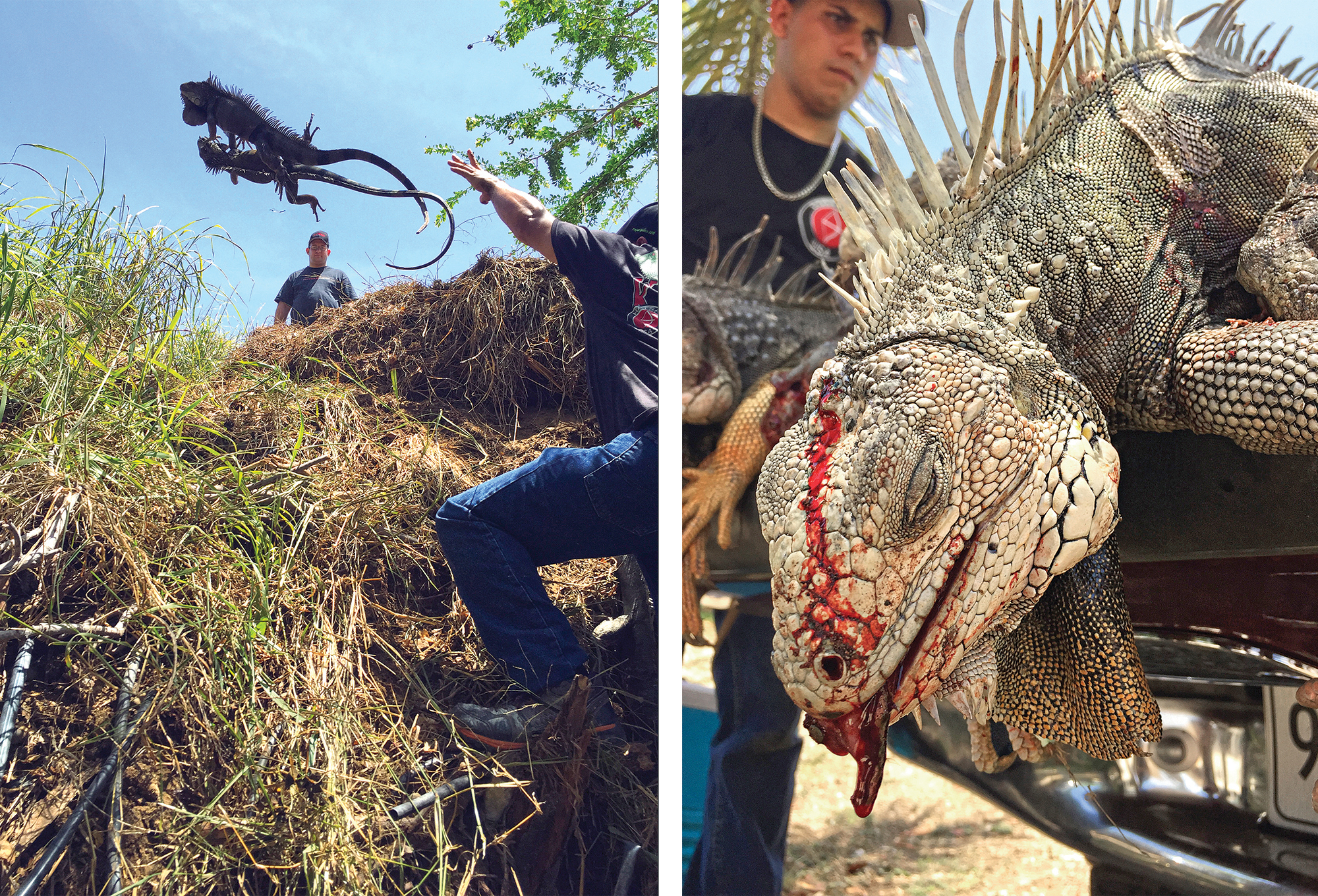

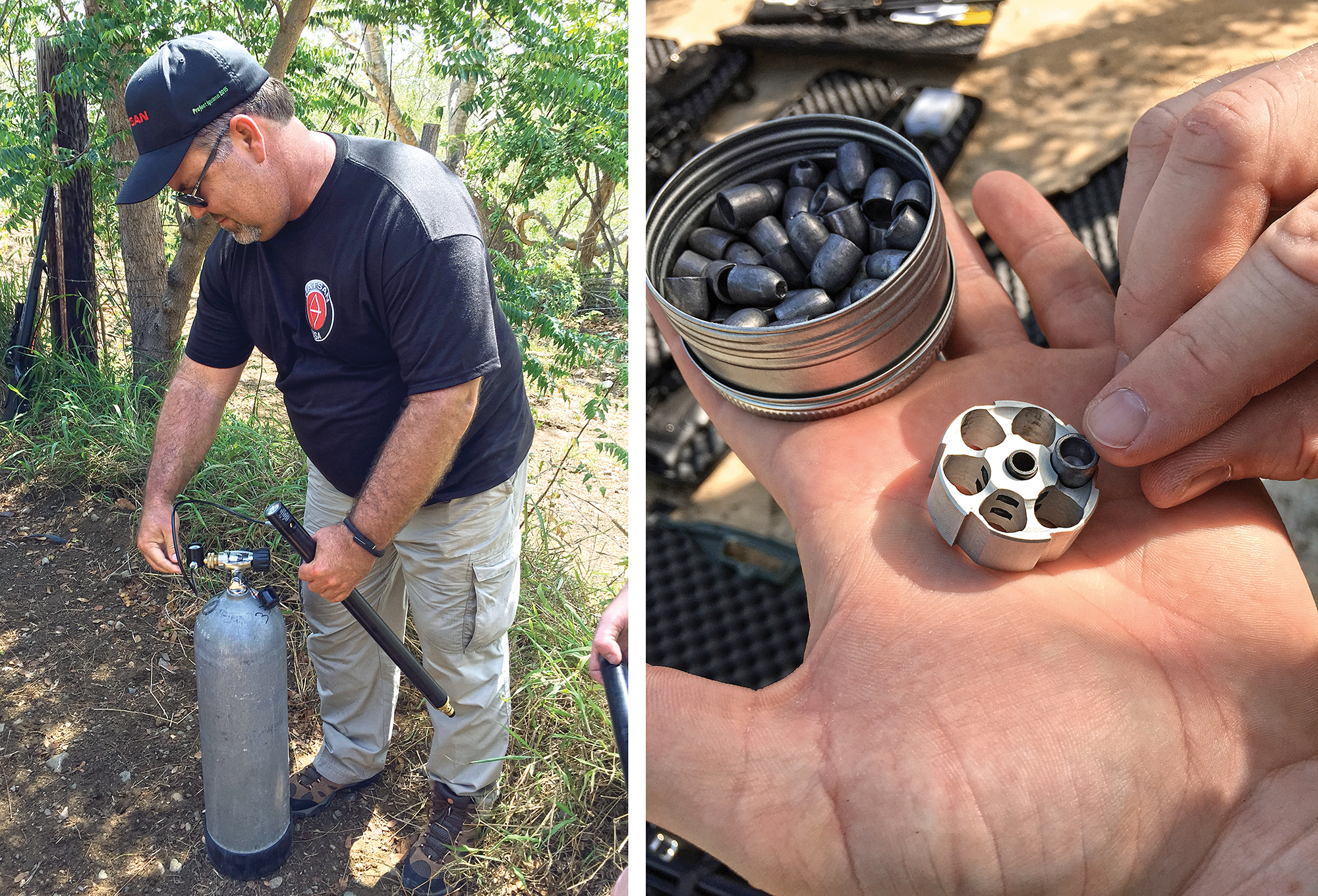
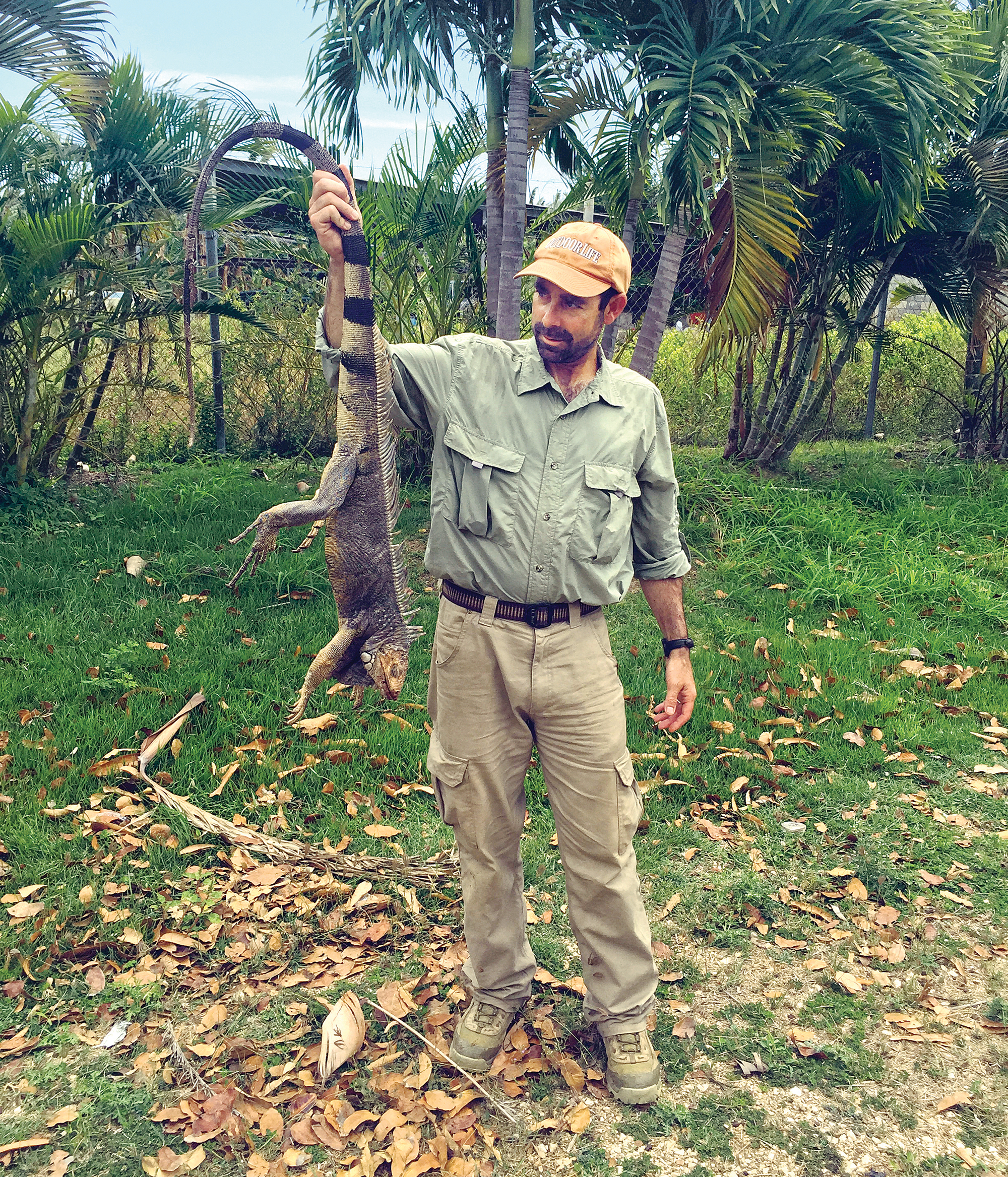

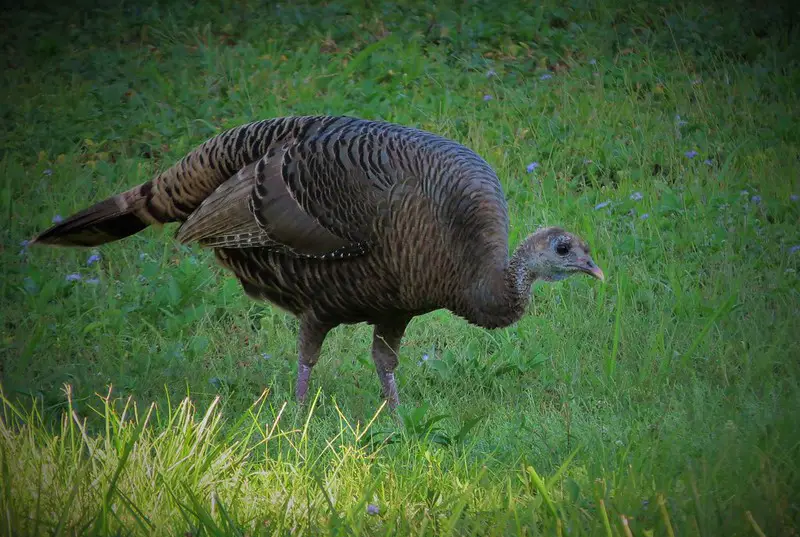
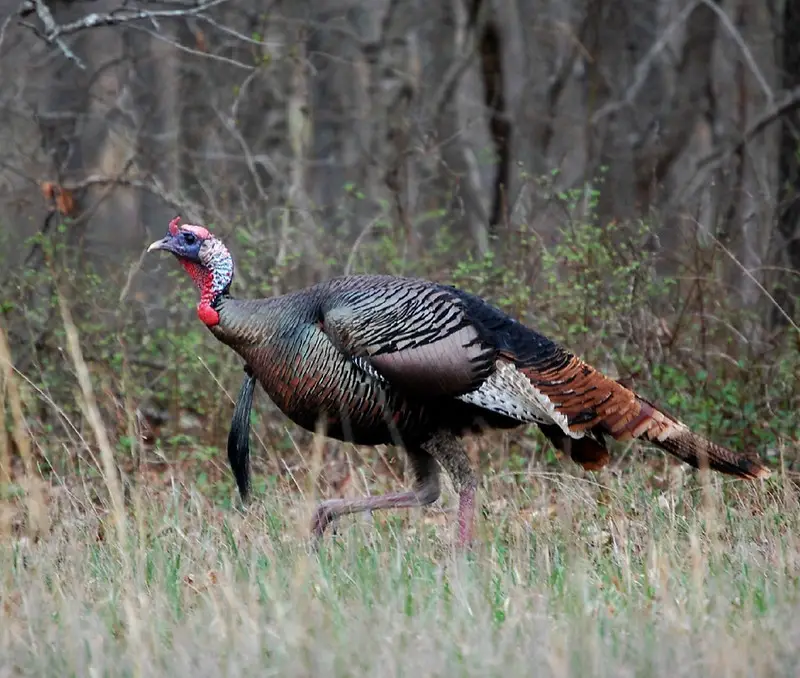
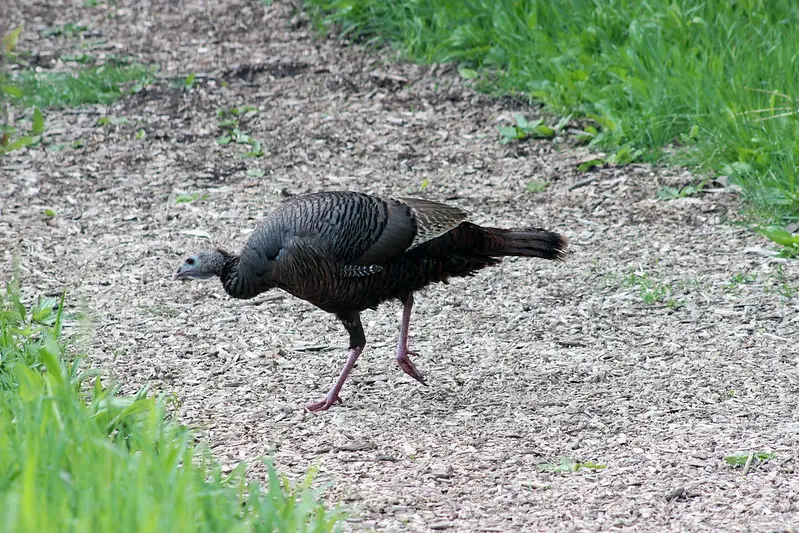
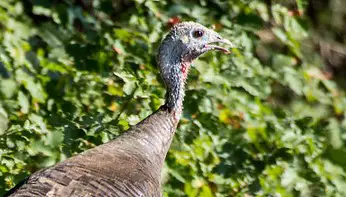
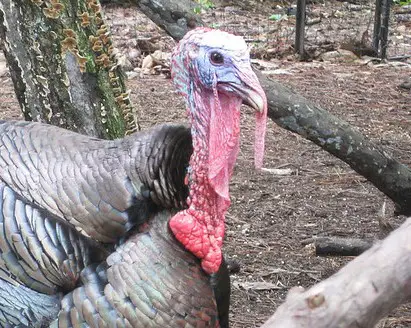
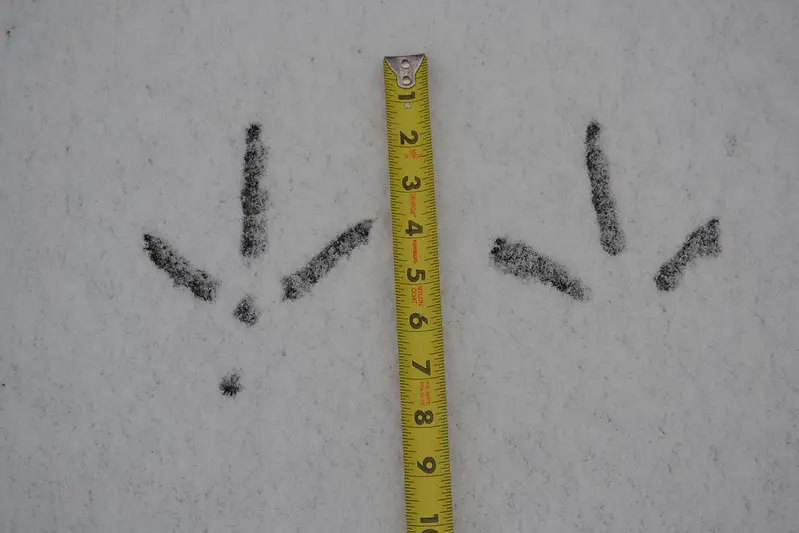


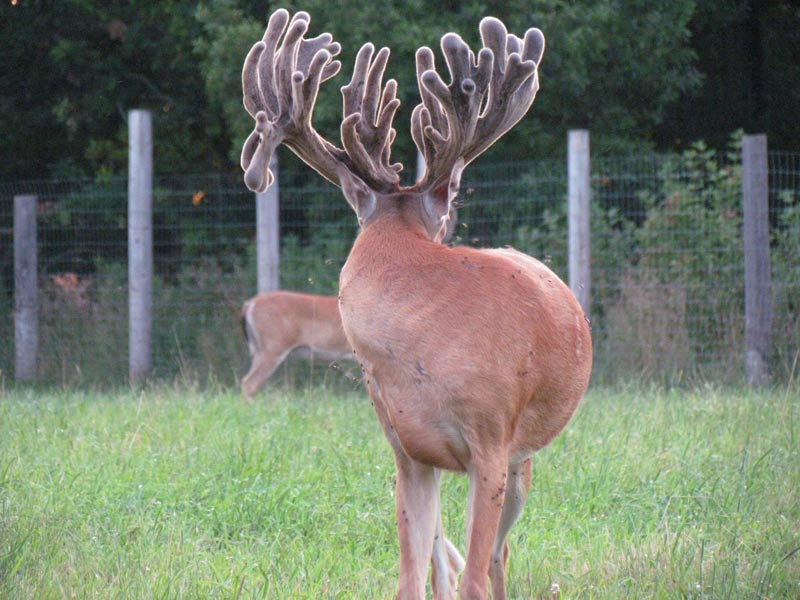
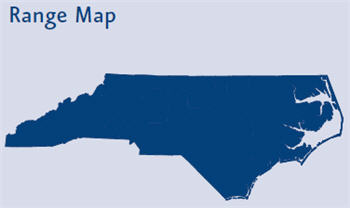 ion
ion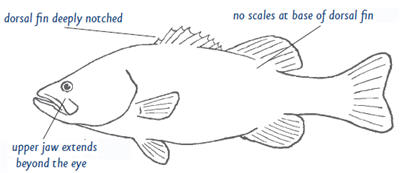 Description
 e 50 degrees.